
Blast from the past… 34
RMS Orbita, photo from Björn Larsson
Jump to September 1945
< Previous | Index | Next >
June 2025 (3 months before publishing this article)


We had a visit from our friends Jim and Kevin from St Neots. They were on their way to a meeting in Swindon and needed to pass nearby, so decided to travel early and visit us for lunch. We enjoyed the food at The Greyound in Siddington, sitting out in their garden.
Donna’s laptop failed, it booted into the BIOS but didn’t list the hard drive as present, so I assumed it was a corrupt BIOS or some faulty memory. It turned out to be a faulty memory chip soldered on the motherboard so it couldn’t be repaired and she had to replace it. She bought a Lenovo with an Intel Core i5 chip and is very pleased with it.
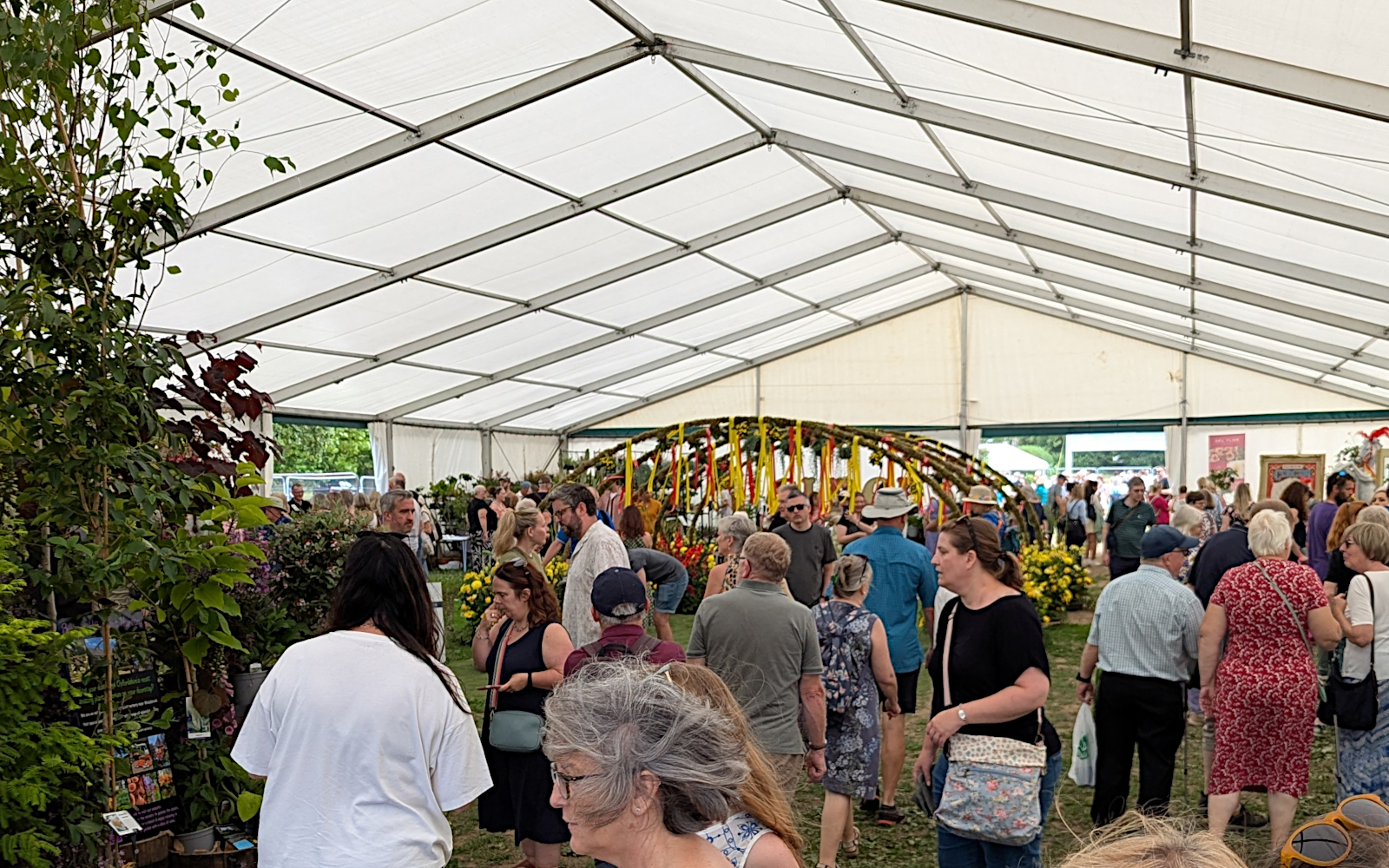
We visited Avebury and checked out some EVs in Swindon on the way home, and we spent a day at Blenheim Palace to see the flower show and the Churchill Museum.
On the last day of the month we bought a 2-year-old Nissan Leaf EV from Cinch in Bristol. So we’ve finally gone electric! We weren’t able to drive away with it, but we paid the money and got the paperwork under way for collection a few days later.
JHM: I posted about a tired, black dog; and an introduction to Matthew’s Gospel. World events: Ukraine launched a large drone attack on Russian air bases; and a large passenger plane crashed into a building after take-off in India.
March 2025 (6 months before publishing)

Donna dropped me off at the Daneway Inn and I walked the canal from the Daneway tunnel portal to the locks at Siddington, and then back along the Cirencester arm and home. Including some diversions to see other parts of the canal, I walked about 15 miles in all.
The political situation in the world remained very strange. I was trying to come to terms with the dreadful (and very unpresidential) outburst in the White House against Ukraine’s President Zelenskyy; but on the good side, it seemed that European nations including the UK were becoming more alert to the dangers posed by Russia under President Putin and at last we were preparing to defend ourselves should that become necessary.
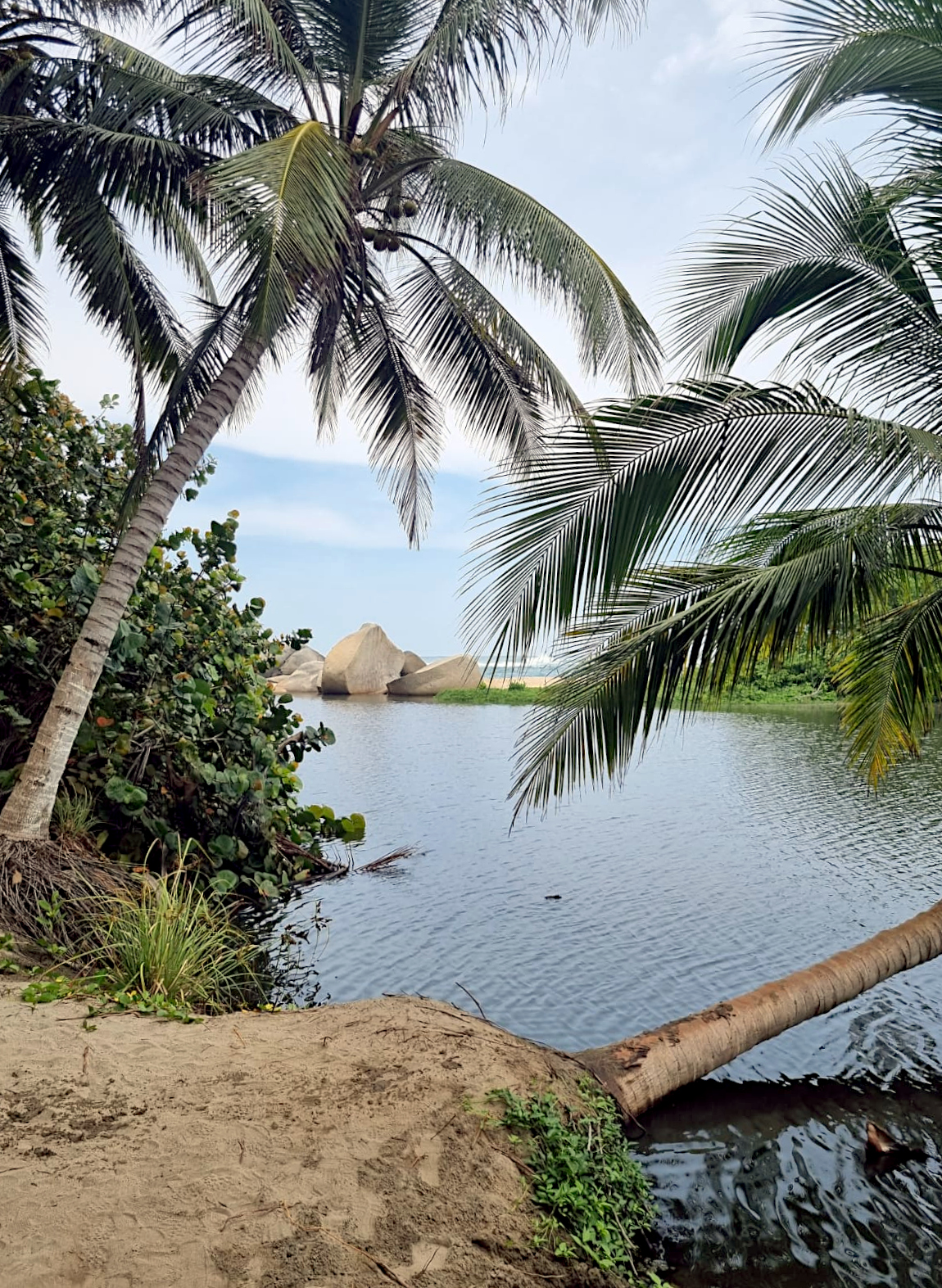
Our grandson, Aidan, set out on a South American adventure and was on the north coast of Columbia by the end of the month. He flew to New York and spent a few days there, then a second flight took him to Bogota and he bussed north to the Colombian Caribbean coast where he took this photo. Much more of the continent lies ahead for him to explore.
JHM: I wrote on a new garden feature at Blenheim Palace; and Jesus praying for his apprentices. World events: Mark Carney became President of Canada; and Israel attacked Gaza, ending January’s ceasefire.
September 2024 (1 year before)

Our drains started making gurgling noises and there was a bad smell in the upstairs bathroom, when I lifted an inspection cover on the patio, I found it was full of roots, but after removing them the problems were immediately resolved with even more gurgling.

We visited St Neots to see friends and explored Anglesey Abbey, one of our favourite National Trust sites in the area.
JHM: I posted Jesus at the centre 2; and an image of Cirencester’s church porch. World events: The Brazilian Supreme Court upheld a decision to block the social media platform X; and the first commercial spacewalk was conducted by entrepreneur Jared Isaacman.
September 2023 (2 years)
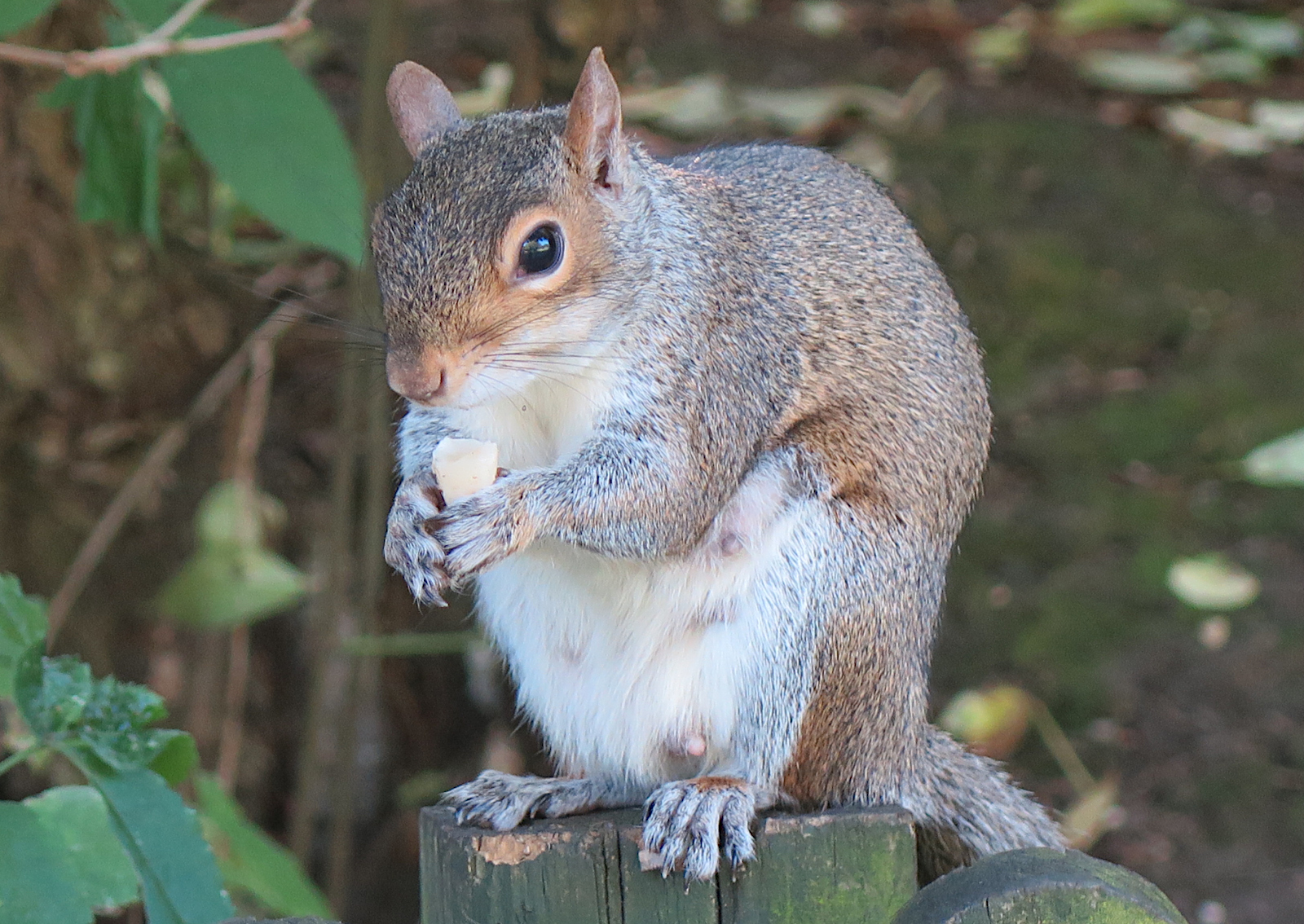
For the first half of the month we were in Weston-Super-Mare. We spent a fair proportion of the time in Grove Park as that’s where the dogs expect to go for exercise and a sniff around each day. Donna was delighted to see Mrs Sqirrel finishing off a banana, close up and quite unafraid. I was able to capture this photo.

We met Tony and Faith in Clarence Park and it was great to chat with them. Dan is in Cambridge these days working as a Fellow at one of the colleges. They are such good friends from a much earlier part of my life so it was a real treat to see them again.
I collected Paul and Vanessa from the railway station in Weston following their Croatian holiday. And back in Stratton, our builder came to look at the job in advance of work starting to insert additional lintels above the existing concrete ones.
JHM: I published an extract from my Dad’s diaries; and an article on Detail or Big Picture? World events: ISRO launched India’s first solar observation space mission and the 2023 Rugby World Cup was held in France.
September 2020 (5 years)

My friend Phil and I walked from South Cerney along the route of the Thames and Severn Canal and back along the old railway line. It was an enjoyable walk in good weather and with interesting conversation along the way for good measure. A thoroughly enjoyable day.
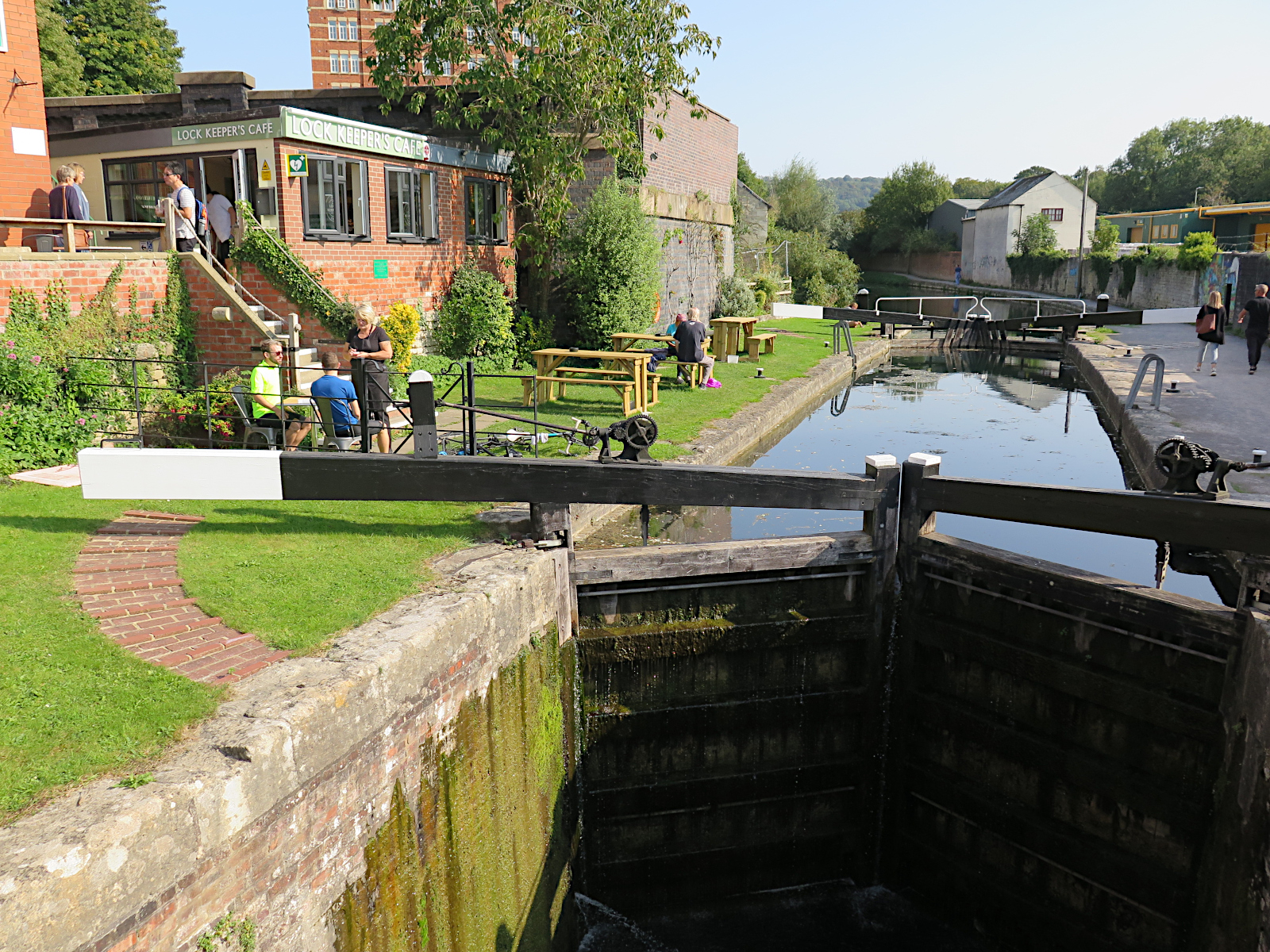
Confirmed cases of COVID-19 were still rising, this continued to be an alarming pandemic. On 20th we took Isobel over to Stroud, introducing her to Minchinhampton and Rodborough Commons and the ‘Lock Keeper’s Cafe’ on the canal in Stroud.
Donna and I gave Isobel a Chromebook for her birthday. These desktop devices are cheap and very easy to use but they have limited lifetimes as the Google software becomes more and more demanding. But still, we think it will be far more usable for Isobel than Windows which she’s been struggling with; it’s just too complex, but the Chromebook is simple and easy by comparison.
JHM: I posted a very amusing COVID-19 risk assessment chart; and described an encounter with an elephant hawk moth caterpillar. World events: At 93, Benedict XVI became the longest-lived Pope; and the number of COVID cases worldwide passed 25 million.
September 2015 (10 years)
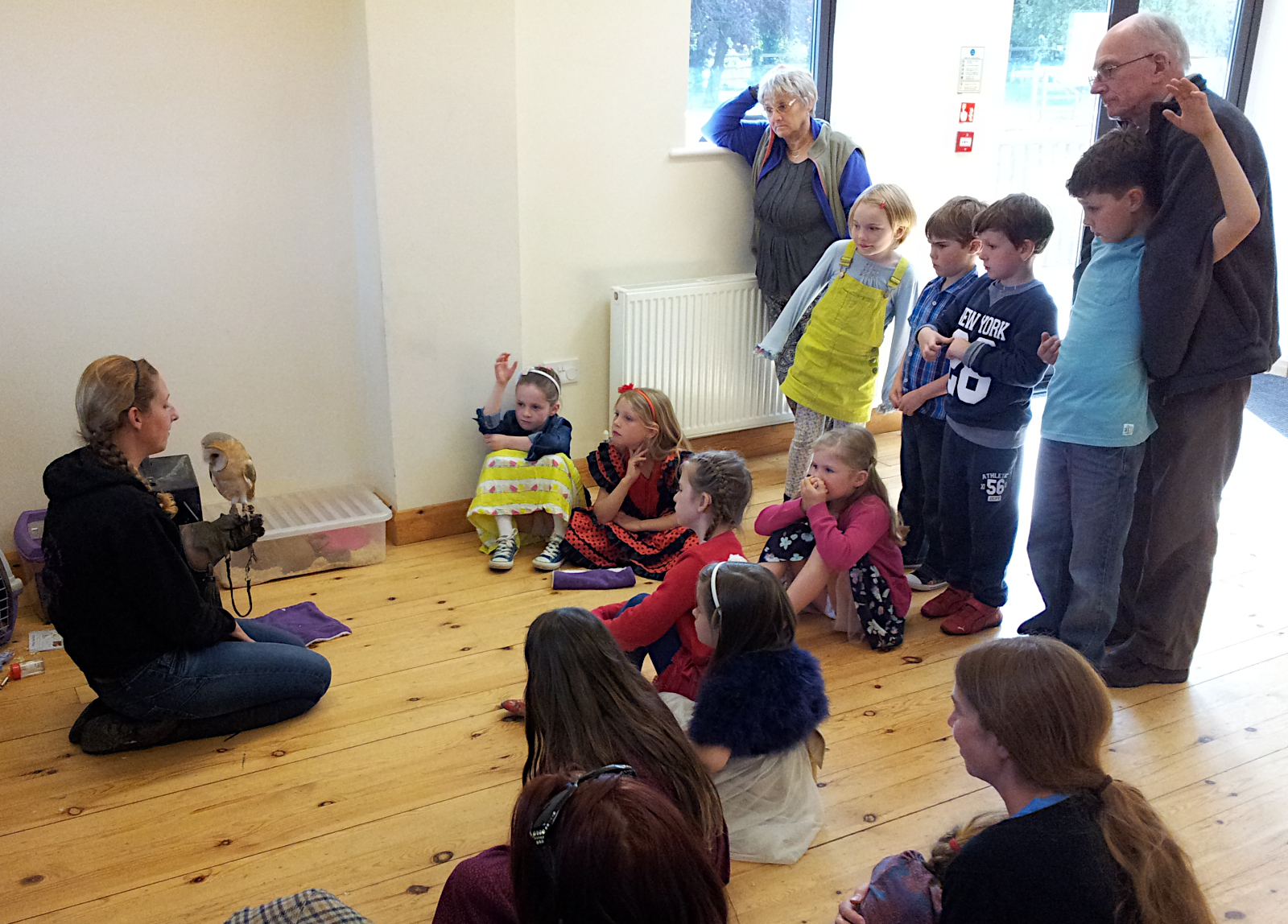
Sara’s birthday party was on 5th September this year. She had friends round to the Village Hall in Thorganby where Debbie had arranged for a series of animals to be brought in for stroking, handling and so forth by the children. This was followed by hand washing and the party food and cake with candles.

I was copying my old VHS cassettes with family videos on them to DVD to save the contents for future use. Once I had the DVDs it was easy to create ISO files from them to store with all my other family history material. The photo shows the current state of this work on 3rd September.
World events: Elizabeth II had been on the throne for 63 years and 217 days, becoming the longest-reigning British monarch in history; and Gravitational waves were detected for the first time.
September 2010 (15 years)

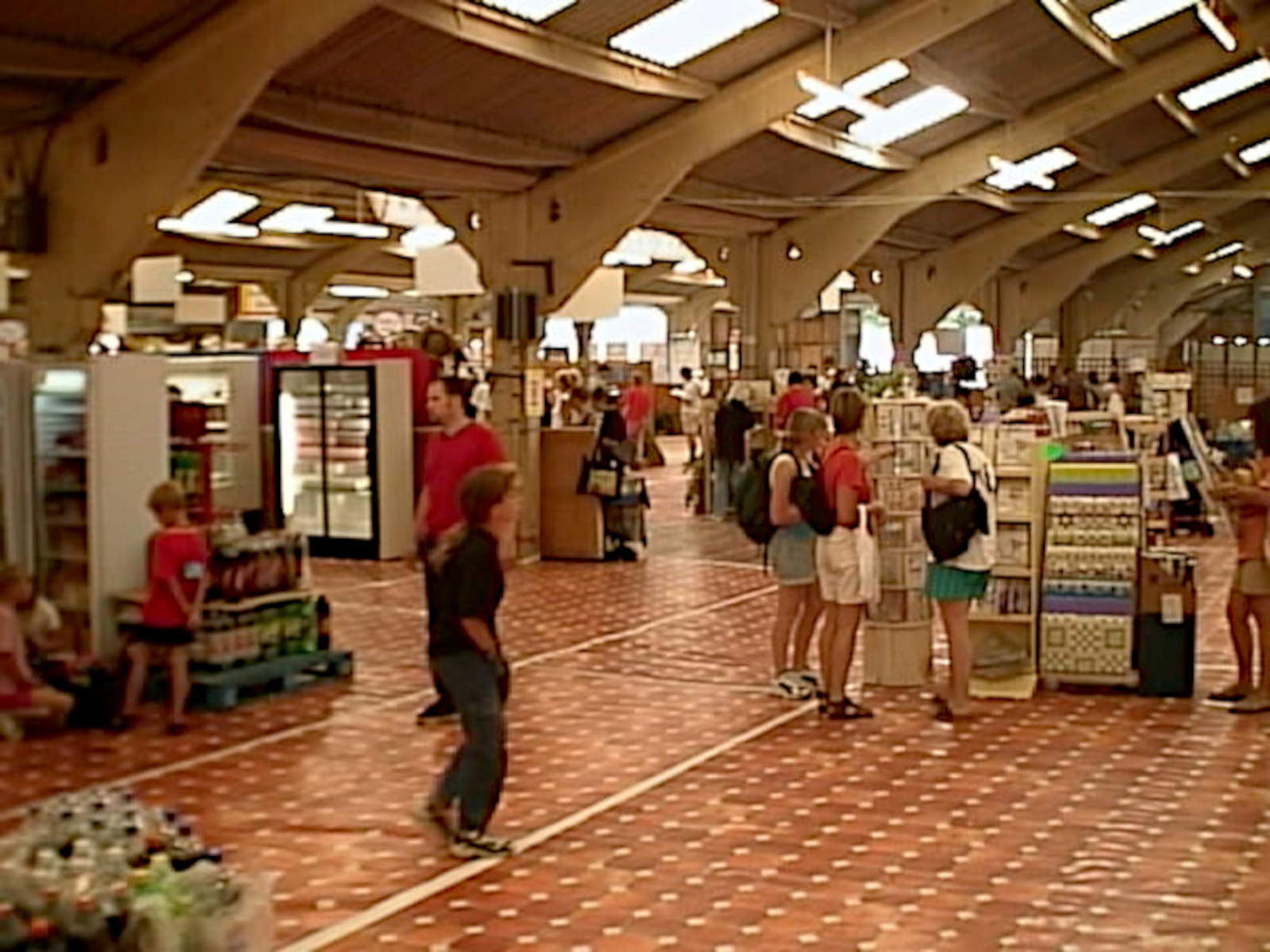
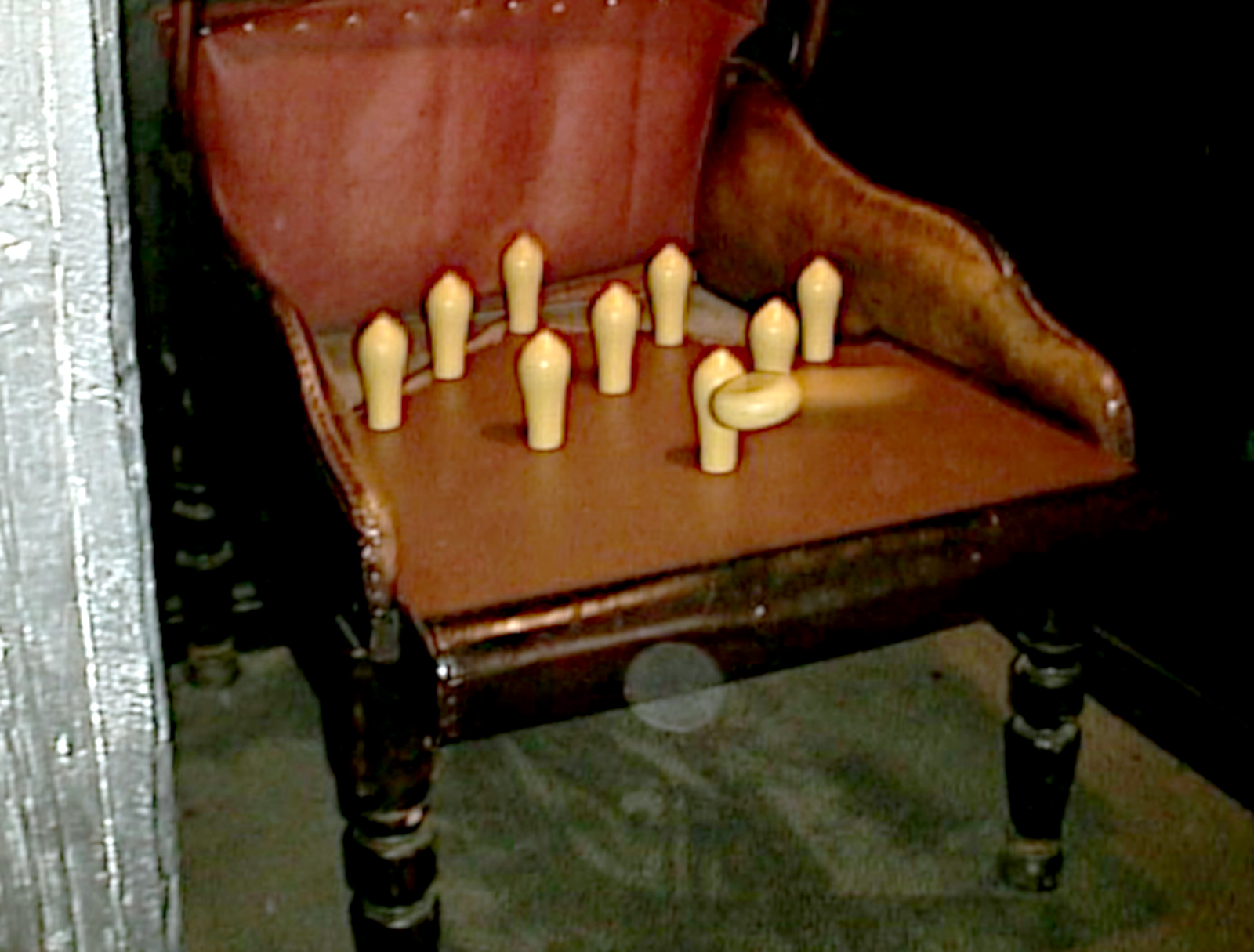
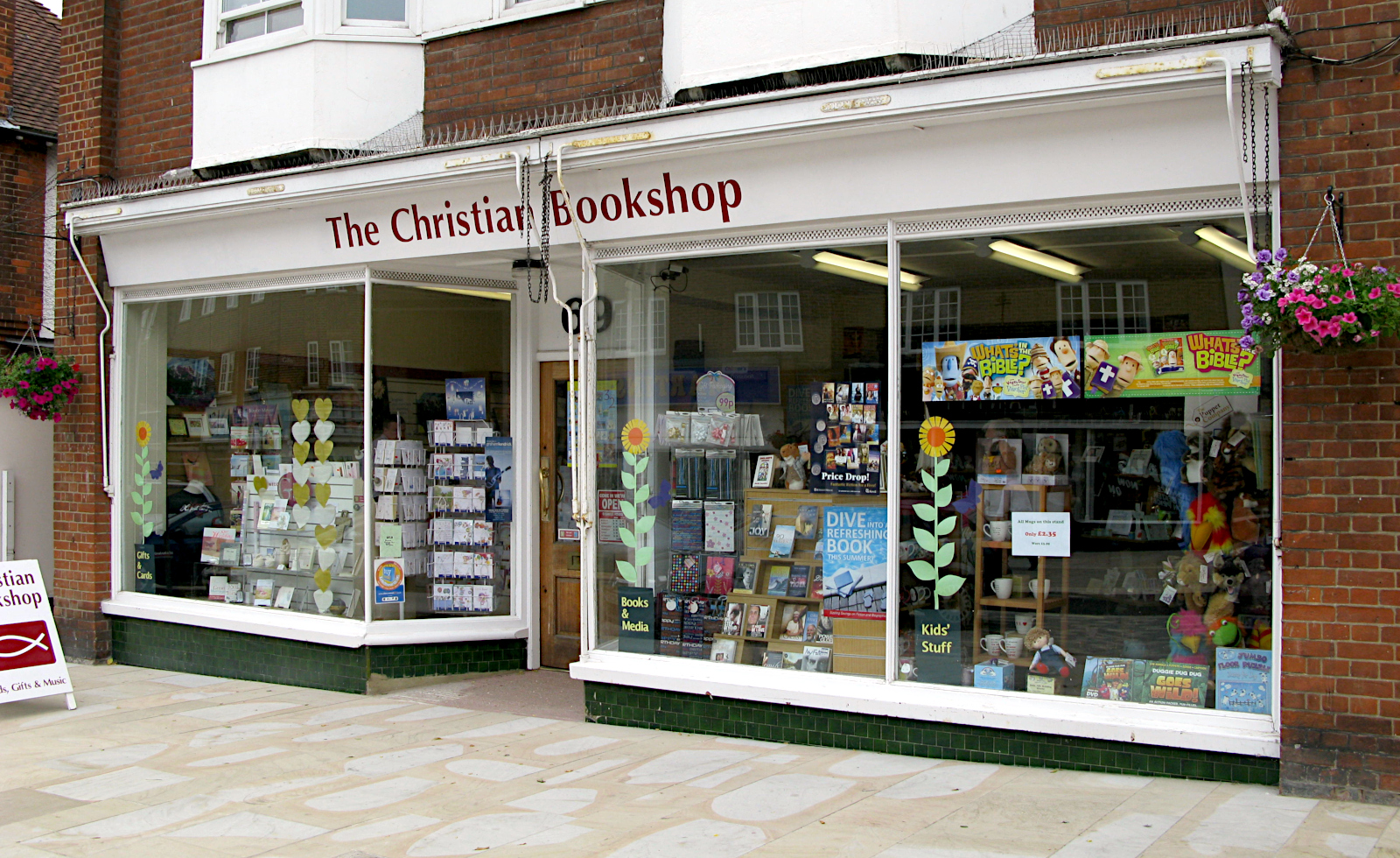
We held two Cornerstone Directors Meetings in September, mainly to review the launch and consider what would be needed for the continuing catering and outreach. The meetings did not go smoothly and it became clear that the manager, Paul (who had also provided the funding for the launch) had ideas of his own that didn’t chime well with the rest of us. It was a worrying start to what we’d hoped would be a successful and long term presence of a Christian bookshop and cafe in St Neots. I began taking photos for advertising purposes (see above).
I visited Thorganby for Sara’s birthday, but unfortunately have no photos of the occasion. Jim, Sean and I began meeting with our friend David from New Zealand (working in London). We met in a pub in Watton-at-Stone.
JHM: I wrote about shoals, flocks and leadership in church; and also about ideas that are not always right. World events: A large earthquake rocked Christchurch, New Zealand; and Israel became the 33rd member of the OECD.
September 2005 (20 years)
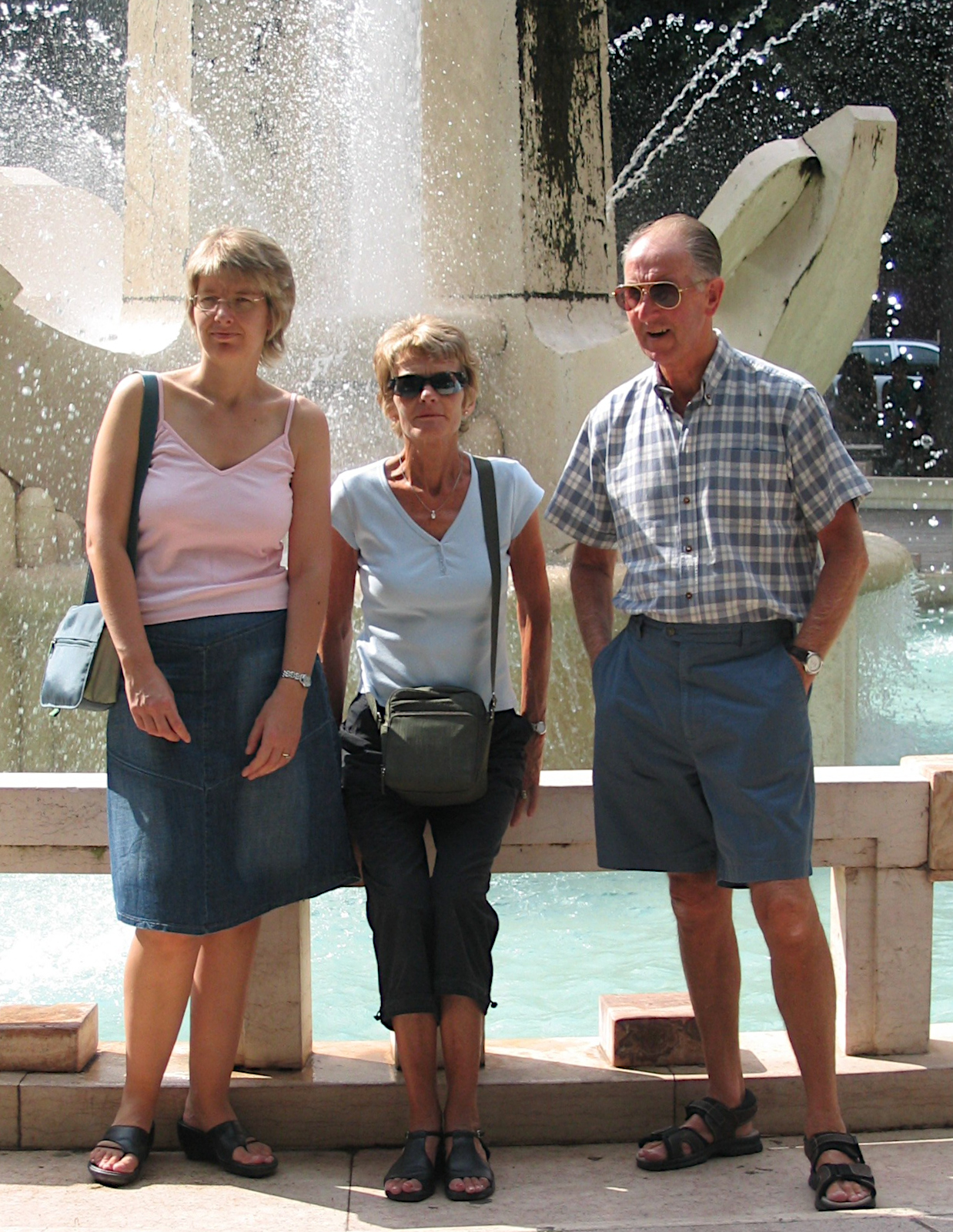
We went on a cruise holiday with Donna’s Mum and Dad aboard the Thomson ‘Emerald’. Initially we flew to Corfu and joined the cruise from there. We left Corfu after nightfall and woke up in Brindisi, Italy. The following day was stormy and rough so we skipped our planned stop at Ravenna and reached Trieste, a truly beautiful city.

The next stop was Venice, and then Split on the Adriatic coast. The Roman Emperor Diocletian built a palace here and the central part of the city is built inside the old palace walls. Several Roman buildings remain partially or completely intact. Next was Dubrovnik and then back to Corfu where we met our old friends Geoff and Dawn before flying back to the UK.
Mum’s arteritis seemed to be coming under control at last. She had been on regular doses of steroids to save her eyesight but now the dose levels were being slowly and cautiously reduced.
Back at work at Unilever, I was helping renew the Colworth Travel website, previously a Lotus Notes system.
World events: Israel demolished multiple settlements and withrew its army from the Gaza strip; and controversial drawings of Muhammad were printed in a Danish newspaper.
September 2000 (25 years)

We finished redecorating our lounge in September, in a relaxing, cool, pale green colour. Now all that remained was to bring the furniture back in from what used to be the dining room. The decorating took a long time because I restored the surface of the walls first by filling scratches and holes, then hand sanding the filler. After painting it looked as good as if we’d replastered the entire room.
A group of us from Unilever Colworth travelled to Amsterdam to meet colleagues from the Vlaardingen lab and staff from Info.nl, the computing company developing the replacement for WebForum for us (probably to be called Research onLine).

At the end of the month I visited the Museum of London where Roman Londinium was illustrated by reconstructions and models. The photo shows a Roman ship at the quayside in the Roman town.
World events: The Nokia 3310 mobile phone was released; and Microsoft released the Windows Me operating system.
September 1995 (30 years)
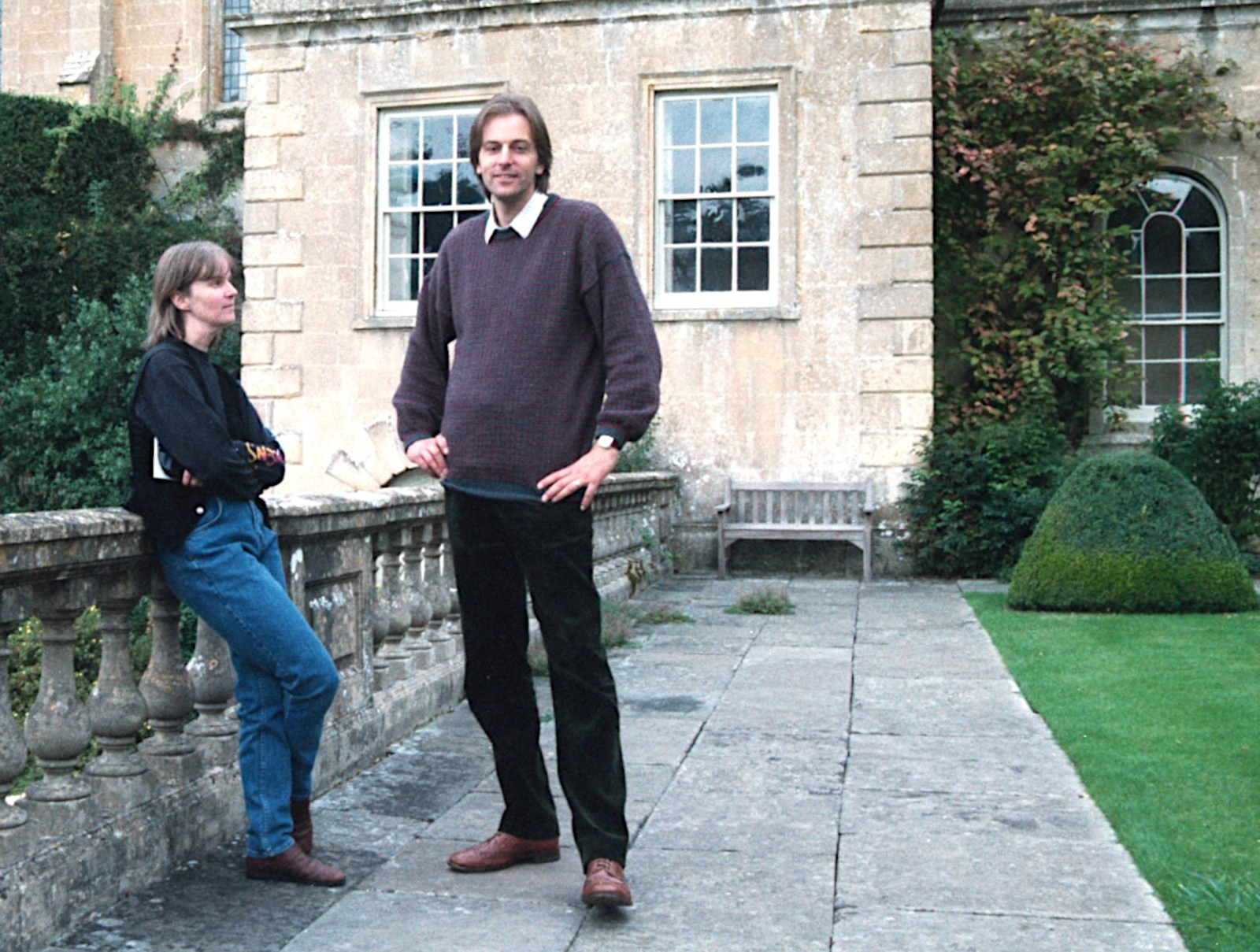
Judy worked hard on collating and indexing her collection of photos. The meetings with Tony, Faith, Paul and Jenny were going well by this time. on 16th the six of us ate at Tony and Faith’s, and at Paul and Jenny’s on 22nd. We hosted sometimes as well. and afterwards we always had an outstanding meeting.

We met Cindy and Paul at Dyrham Park on 17th and ate cream teas in the Orangery; Judy’s NHS loan wheelchair arrived on 20th and we used it to give her an outing to Lynmouth for a stroll a few days later.
It was getting steadily more difficult to treat Judy’s pain so her GP put her on an improved pain management routine; it seemed to work really well for which we were both very grateful.
I was working at Long Ashton Research Station (LARS) in a PC support role and was just starting to look at networking Windows 95 using the Microsoft networking software instead of Trumpet Winsock. LARS was sounding enthusiastic about hosting my Microscopy web pages on the LARS web server.
World events: The Italian ex-Prime Minister, Giulio Andreotti, went on trial accused of Mafia connections; while The Washington Post and The New York Times published the Unabomber Manifesto.
September 1990 (35 years)

We visited the Bristol Kite Fiesta at Ashton Gate, but it was not a good day for kites as there was insufficient wind to display them well. Everyone did their very best, but it was not quite the spectacle it might have been. Nonetheless we enjoyed our day out in the sunshine and bought a few items, Debbie bought a two-line kite.
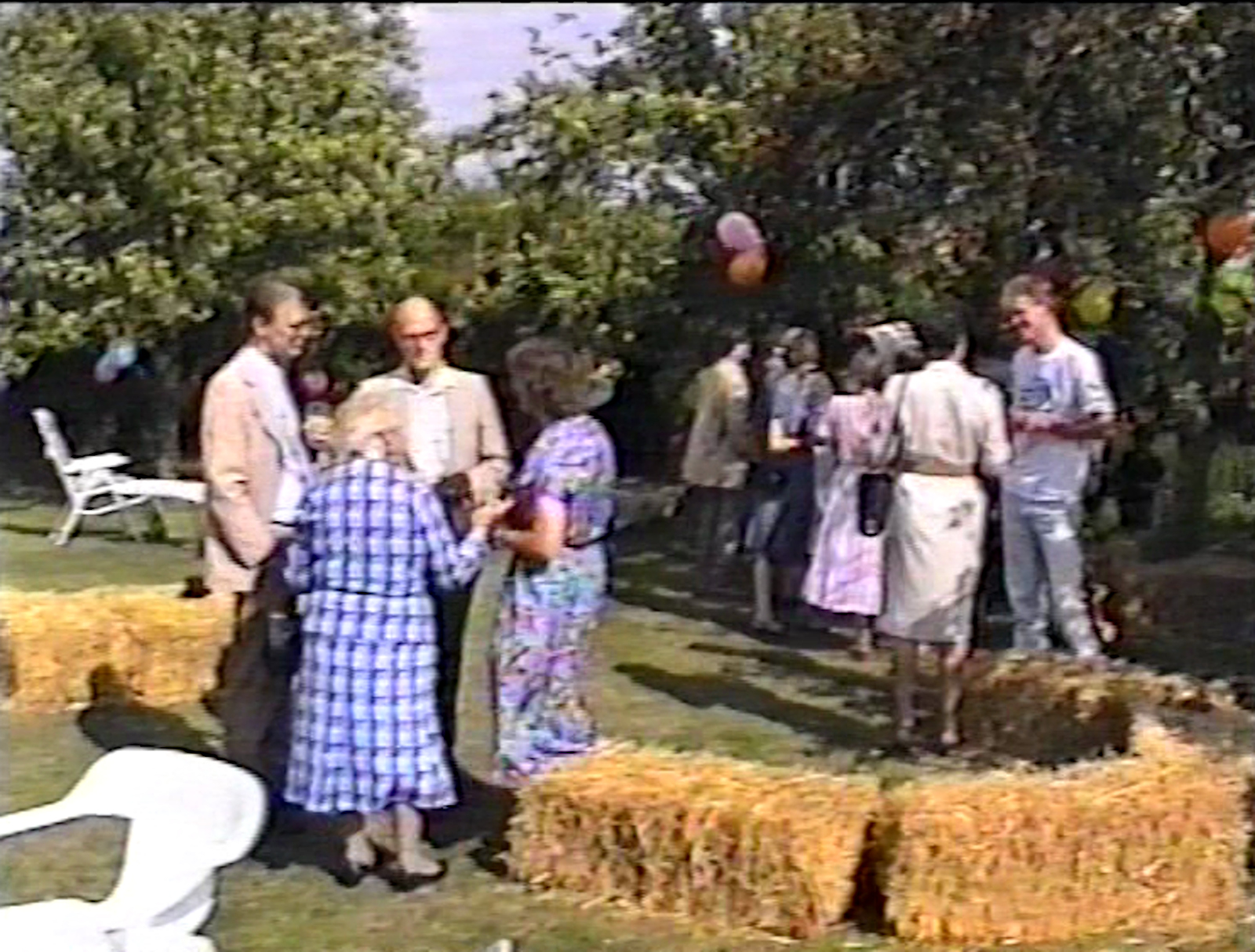
We also visited Cirencester to spend time with my Mum and Dad, and Bibury, where Cindy and Paul had a big garden party. Fortunately the weather was kind, if it had been wet their house would have been massively overcrowded, I think.
World events: Presidents Bush and Gorbachev meet in Helsinki to discuss the Persian Gulf crisis; and the two German states and the Four Powers signed the Treaty on the Final Settlement with Respect to Germany in Moscow, paving the way for German reunification.
September 1985 (40 years)

With our holiday over, we began working on the house and garden at Stowey Road after our move from Rectory drive in August. In the photo I’m adjusting the levels where there was a dip in the back grass. There used to be a rhyne here (the local word for a drainage ditch) and the ground had subsided over time.

Debbie and Beth started back at junior school, just a short walk across the road for both of them. Beth was in her first year at junior school while Debbie was already in her fourth year, moving on to secondary school at Backwell in September 1986.
World events: The wreck of the Titanic was located; and a powerful earthquake struck Mexico City killing and injuring tens of thousands of people.
September 1980 (45 years)

Here are Debbie and Beth riding on the beach donkeys at Weston-super-Mare. Grandad is leading the donkeys. In the background you can see the Beach Hotel and, on the right, part of the grand pier.

Beth was nearly 2½-years-old and Debbie 5½. Judy was just about to begin a teaching career having earned her qualification before Debbie was born while we were still living in our flat in St Andrew’s, Bristol. I was working at Long Ashton Research Station on fruit crop pollination, and with the Open University summer school behind me, getting back to working through the next topics and submitting assignments.
World events: The Gotthard Road Tunnel opened in Switzerland as the world’s longest highway tunnel, at 16.3 kilometres; and Iraq ordered its army to ‘deliver a fatal blow on Iranian military targets’, starting the Iran–Iraq War.
September 1975 (50 years)

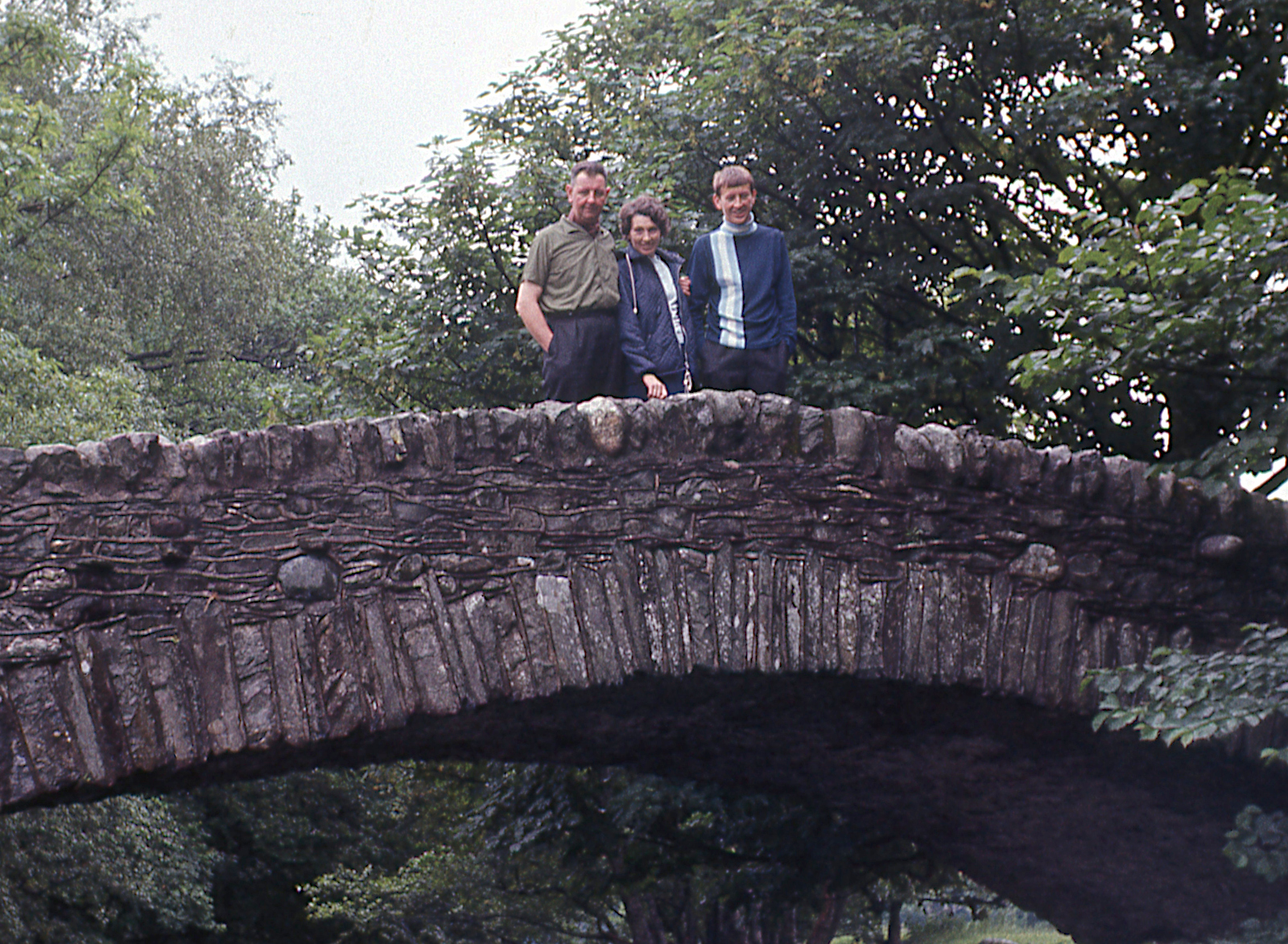
We visited Mum and Dad in Cirencester during September and went out with them for a walk at the gravel pits near South Cerney. The very poor photo is a still from some 8mm cine taken by Dad while Mum was looking after Debbie. Judy and I were walking along the bank of one of the lakes.
In addition to moving into a new house, we were also beginning to explore the village a bit, find out where to buy bread, groceries, decorating supplies and so forth, get to know our neighbours, and generally get to grips with our new surroundings. We began going along to Horsecastle Chapel at the other end of the village on Sunday mornings and get to know people there, and we began to think seriously about getting baptised.
Judy elected to stay at home to look after Debbie while I carried on working at Long Ashton, despite a promotion to Scientific Officer (SO) we were now less well off and with a monthly mortgage payment to find.
I was beginning to work more completely with Ray Williams’ Pollination Team consisting of Ruth, Myfanwy (Miv), and Val. My old boss Ken and I moved with the others into the Pollination House. Our old offices in the Wallace Lab were taken over by the Electron Microscopy Group under Dr Thomas.
World events: The London Hilton was bombed by the Provisional IRA, two people died and 63 were injured; and Papua New Guinea gained independence from Australia.
September 1970 (55 years)
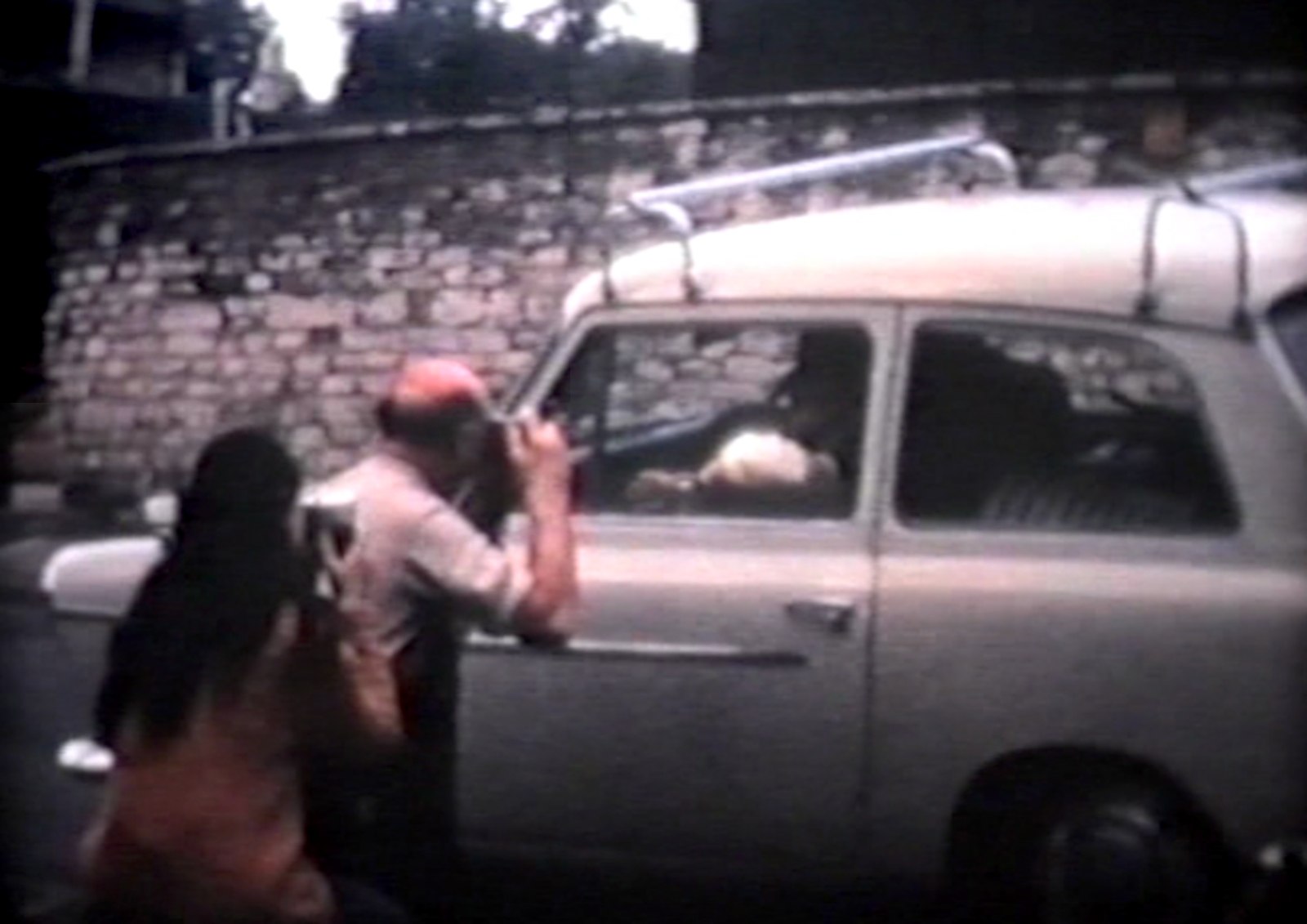
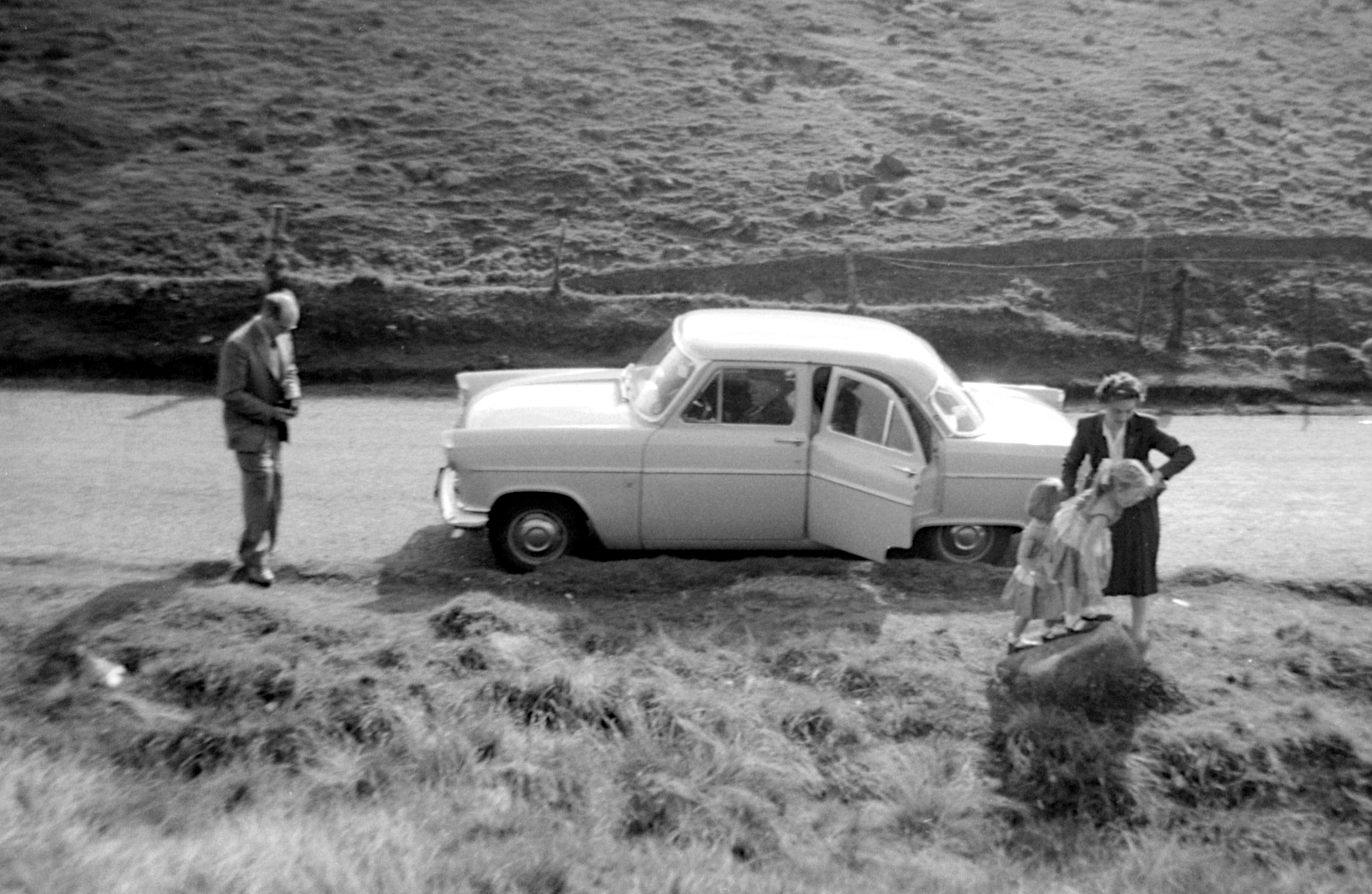
Pete and Cindy went for a boat trip on the Thames, the photo shows Dad and Rachael taking photos just before they drove off from Churnside.
We were both starting to think seriously about what we would do once we were married, the date for that was 3rd October so very rapidly approaching. There were still a few remaining arrangements to make and we spent a little time on that. But our education was over and we had a BSc each. I’d written to Long Ashton Research Station (LARS) to ask if there were any posts available or likely to become available soon, and I drove down for an interview with Ken Stott who ran the Willow department. He was doing some research on growing willow and poplar as sources of biofuel for electricity generation and was looking for a new member of staff to help with girth and height measurements over a period of years to estimate the growth rates under different systems of management. It sounded promising but it would be a few weeks longer before I would hear the result. I’d done a three month industrial sandwich at LARS as part of my degree course, so they already knew me and I hoped that might help. And of course I was also keeping an eye on job openings with the Ministry of Agriculture and other horticultural businesses and organisations, but had found nothing promising so far.
Judy meanwhile was waiting to see when and where I would find work so that she could hunt for something in the same geographical area. She would take anything she could get at first, just a shop job or something like that. We couldn’t even begin looking for a bedsit or small flat until we knew where we’d be based. We’d decided to spend a week in Bournemouth for our honeymoon but couldn’t plan beyond that. Added to that, our savings were very limited.
World events: Jimi Hendrix gave his last public performance, two days before his death; and US President Nixon visited the UK and other European states.
September 1965 (60 years)

In September my grandparents and Aunt Annabelle were visiting from Ireland. The photo list shows that Dad took some photos at the time. Click the image to read the detail. They visited Blenheim Palace and Coventry Cathedral during their visit.
Following our August adventures in Scotland, the Explorers’ Club held an evening meeting at the Grammar School for parents and other family members to hear all the details. Part of the preparation for this was to draw some very large maps to show the journeys and walks we had done with coastlines, mountain peaks and towns marked clearly. The way this had always been done in the past was to mark a grid of squares on the paper and then copy any lines or shapes we required from the grid squares on the ordnance survey maps of the area. This was time consuming, so I photographed the OS maps on transparency film and we projected the slides onto the large sheets to get more accurate maps with far less time and effort. Mr Castle who led the Explorers’ Club could immediately see the sense of this so the new method was adopted.
I became a bronze prefect at the beginning of term, and part of that role with two other prefects was checking the register every morning for a third form class upstairs in the Red Brick Building. Once the teacher arrived for their first lesson our work for the day was over and we could get along to our own first lesson or, if it was a free period, work in the prefects’ common room. One of the other prefects was Judith Hill, we really liked one another and just over five years later we were married, but that’s the story of how we first met. I have to add that the third years were incredibly hard to manage – and Judy was far better at it than I was. The third team member was Hilary Howell, one of Judy’s best friends and the daughter of my Physics teacher.
I was in the Upper Sixth while Judy was Lower Sixth, but it turned out that we were in the same Zoology classes. Because the Grammar School was only three-form entry (about 90 pupils per year) and because only 30% or so stayed on for sixth form and biology was not a popular A level choice, the A level biology classes were very small, maybe five or six pupils a year. As a result, half the syllabus was taught to Upper and Lower Sixth one year and the other half the following year as this was more efficient use of staff time. So Judy and I were learning the same topics and doing the same practicals in 1965/66. I’d already covered the other half of the syllabus in 1964/65 and Judy would cover that part in 1966/67. It was a bit complicated but it worked well and brought the class size up to ten or twelve.
When it came to practicals, we were asked to choose a partner to work with and I was quick to pair up with Judy since we already knew one another and got on well together. And it was the rat dissection that cemented our relationship, bringing us close physically (essential if you’re sharing a rat – they’re not very large and you need to examine them close up to make drawings and so forth) and bringing us closer as friends as well (doing something practical together always has that effect). So that rat has a lot to answer for! Two daughters in due course as it happens.
(Debbie, Beth, if you’re reading this, a small part of the reason you exist was a yellow-stained rat preserved in formalin! I enjoyed writing that, a hugely amusing sentence to have composed. It’ll keep me chuckling all evening, I dare say.)
World events: The Pakistan Navy destroyed the Indian port of Dwarka; and Pakistani Forces achieved a decisive victory at the Battle of Chawinda, halting an Indian advance and stabilising the front.
September 1960 (65 years)
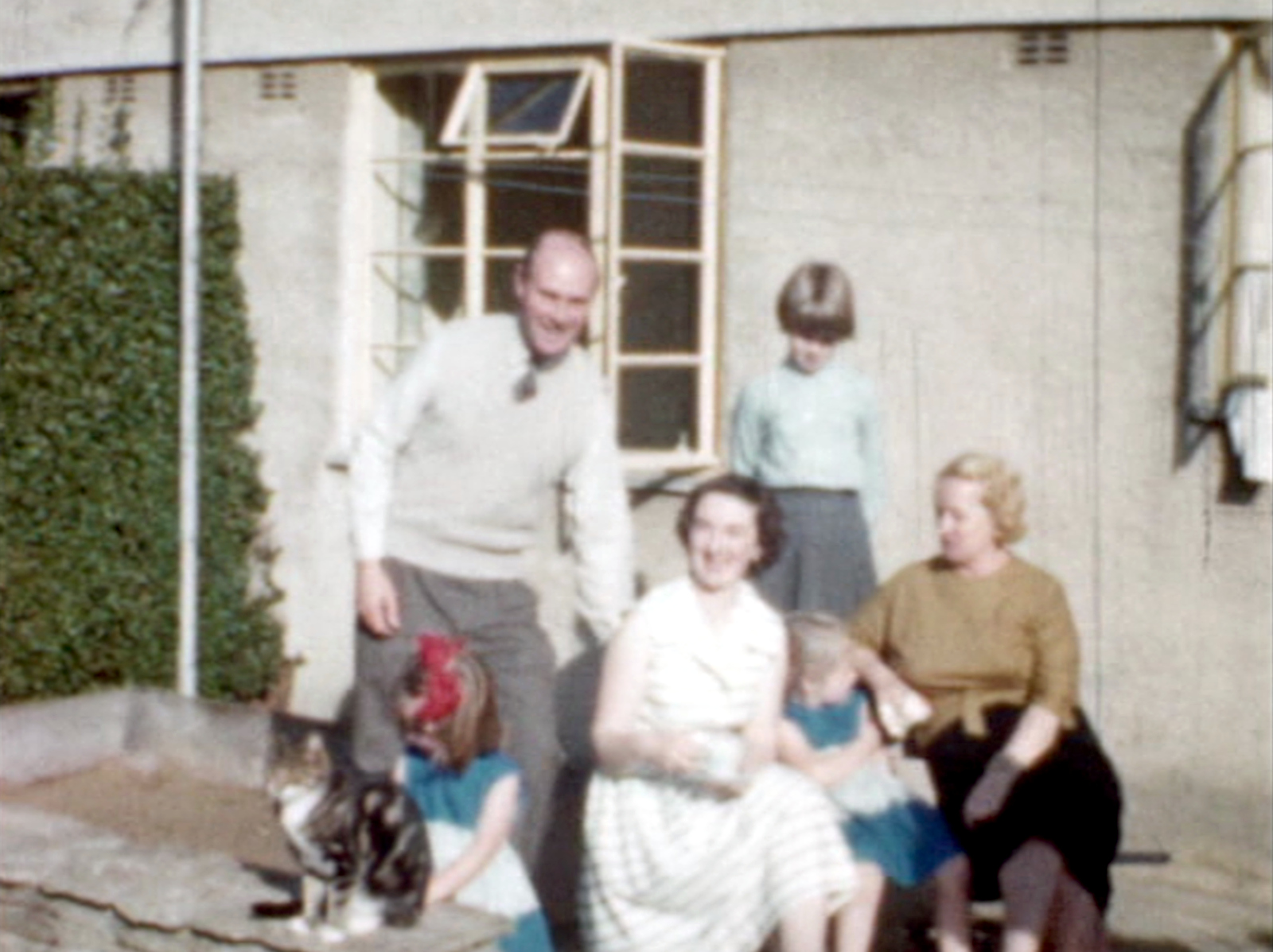
Mum and Dad had a visit from Jim Fuller and his wife from Boston in the USA. Jim and Mum were distant relatives. Mum, Dad, Cindy, Ruth and Rachael went out with the Fullers to visit Bibury and some other places in the Cotswolds though I had to go to school (which I was not happy about). But Jim Fuller had an 8 mm cine camera and took some interesting sequences with it. The photo is a still from the film, Jim was behind the camera but you can see Figum the cat, Rachael, Dad, Mum, Cindy, Ruth and Mrs Fuller.

The image at left shows a page from my maths exercise book from about September in 1960 (exact date unknown). I was just starting in the 2nd Form at the time.
World events: Two American cryptologists defected to the Soviet Union; and OPEC was founded by Iran, Iraq, Kuwait, Saudi Arabia and Venezuela.
September 1955 (70 years)

My third year at Junior school began in September, I was at Querns School and I think I was in Miss Millington’s class. I was a bit scared of Miss Millington, partly because she had a northern accent and I was only used to hearing three accents, local Gloucestershire, County Tyrone (my Mum and my Irish grandparents) and a slightly more upper class English from some of my fellow pupils and also an aunt or uncle here and there. So the short northern ‘a’, and the ‘oo’ in book sounded weird to me. (And weird always seemed a bit alarming.) I often thought of Miss Millington as ‘Barrel buttons’ because she sometimes wore an off-white cardigan that had black buttons like those on a duffle coat, they looked like miniature barrels to me.
World events: Istanbul’s Greek minority was the target of a government-sponsored pogrom; and commercial television started in the UK.
September 1950 (75 years)

This photo is from the Facebook ‘Old Ciren’ group. The Cirencester Town Station building is a Brunel design and still exists (the building’s listed), though stripped of its canopy. A small section of platform remains. The photo is listed on Old Ciren as 1950 but it may not have been taken in September.
I well remember travelling on this branch line, sometimes with my grandmother just for fun to Kemble and back to see the mainline trains hurtling through, sometimes to change to catch the Cheltenham Flyer on its way to London, Paddington with stops at Swindon and Reading.
Of course, in September 1950 I was too young to understand any of this, but I would have been running about and chatting freely with Mum and Dad and no doubt loved to see trains. I had a little clockwork engine that didn’t need rails, it just ran about on the floor until it bumped into the furniture or the skirting board.
World events: The Turing Test was published as ‘the imitation game’; and The comic strip Peanuts was first published in US newspapers.
September 1945 (80 years)
On 6th Mike left Blackpool and boarded his ship, the RMS Orbita, in Liverpool, they sailed at 11:15 on 7th, and saw the Welsh and Irish coasts. Mike wrote a long letter to Lilias and there was a musical evening on board.
The 9th took them through the Bay of Biscay and they spotted Portuguese fishing vessels along the way. On the next day they saw Lisbon, a sailing ship, and some porpoises, passing Tangiers and Gibraltar into the Mediterranean on 11th. There were various jobs to do including standing guard duty on the officer’s stairway. They started wearing Khaki Drill Uniform on 12th.
The ship passed between Malta and Sicily and they saw both. They stopped at Port Said and then entered the Suez Canal, and at Suez the ship took on fresh supplies and water. By 21st they were sleeping on deck because of the ‘dreadful heat’. By the 23rd they were into the Indian Ocean, finally reaching Bombay (Mumbai) on 28th and by the end of the month they were in a Bombay transit camp and able to visit the city, armed now with Rupees in place of the sterling cash they’d handed in aboard the ship.
World events: Winston Churchill supported the idea of a pan-European army; and Japan finally surrendered, ending the Second World War.
September 1940 (85 years)
There’s not enough information to write something for every month in the 1940s. Dad’s diaries start in January 1943, so for January 1940 to December 1942 I’ll write about things I know, or draw on dated photos and documents. Sometimes I might use a photo or document with a guessed date.

This time I’m going to write about Somerford Nursery. This was in the village of Somerford Keynes and was originally part of the land farmed by the Jefferies family (or perhaps the Gregory’s). But when I first remember it, Somerford Nursery was a piece of land of nearly 18¾ acres (around 7.6 ha) with a house and garden for the foreman. I don’t think all of this land was in use all of the time, some was rented out for grazing, or a hay crop was taken. The foreman I remember best was Roger De Moor, Belgian, always helpful and friendly, and clearly good at propagating and growing nursery stock. The nursery was devoted to ornamental trees and shrubs; Dad was the business’s main nursery manager, overseeing six nurseries, at first helping his brother, Bob, but eventually taking over more or less completely. He did an almost daily round, visiting each nursery in turn, moving plants and other items from one to another as required. Sometimes he would take me along for the ride.
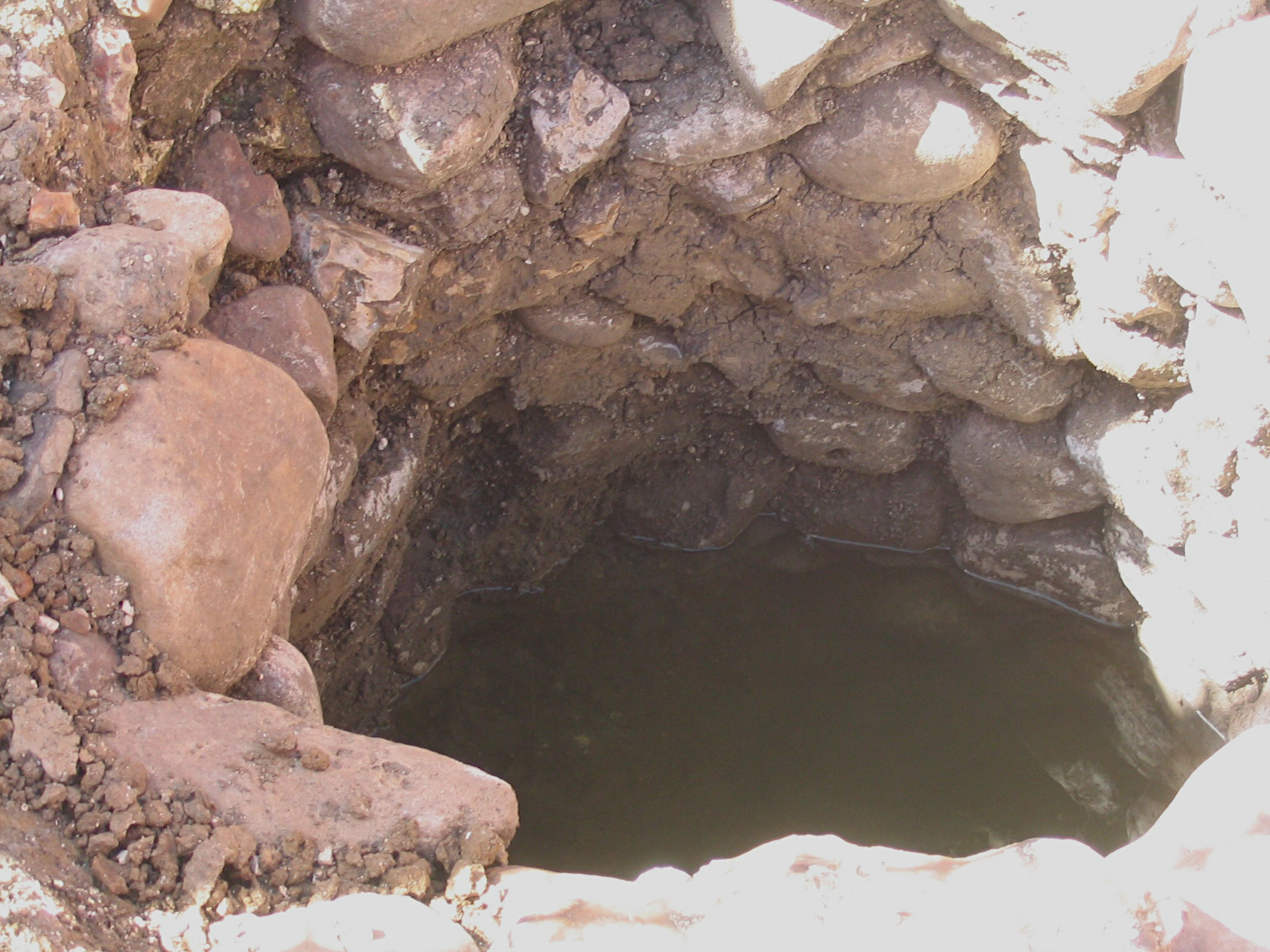
The nursery was accessed along a short track on the east side of the road through the village, with a five-barred farm gate at the end. And then it opened out with beds edged with cinder blocks and filled with potted plants. The foreman’s house was a little to the right and trees and shrubs growing in rows were over towards the left. There were several wells and pumps, mostly already disused by the time I was at school but essential to the business before the Second World War.
You can view the map in full online, the area was surveyed and mapped by Ordnance Survey between 1892 and 1914.
World events: Adolf Hitler made a Berlin Sportpalast speech declaring that Germany would make retaliatory night air raids on British cities and threatening invasion; the Blitz began on 7th September and although tough for civilians and ruinous to cities, it probably saved the RAF from collapse and an invasion of Britain never became feasible.
1930-1939 (95 to 86 years ago)
Anything that appears in this section will have some connection with the 1930’s but may extend beyond the decade to follow a meaningful topic more fully.
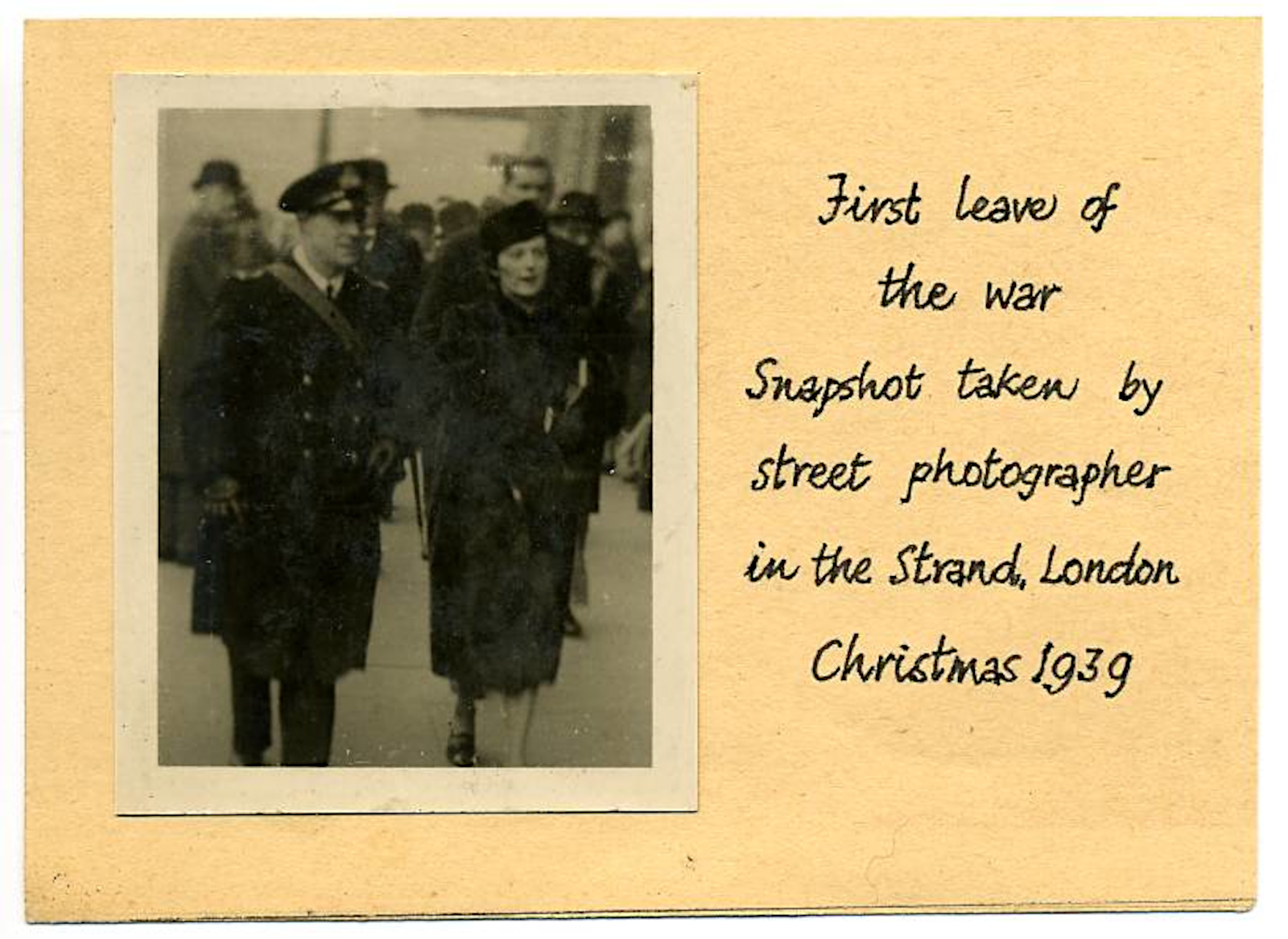
My grandfather, Edward Arthur Jefferies, governed and managed the family business following the death of his uncle, William John Jefferies in 1929. He managed the business on his own for some time, but as his three eldest sons became involved in different aspects of the business he decided to make them all directors. So in 1939 they officially began sharing the management with their father. As all three of the brothers joined the armed forces during the Second World War, it would have fallen to my grandfather to continue taking most business decisions on his own, but after that the brothers would have been able to devote more time to affairs in Cirencester (the photo shows Richard with his wife Millicent in London in 1939). The brothers had different roles, John took charge of the garden design and landscaping department. Richard managed the seeds business, and Robert looked after the day to day management of the various nurseries. Meanwhile Dad was only thirteen and was still at school in Rendcomb.
World events (September 1935): Sir Malcolm Campbell became the first person to drive an automobile at 300 miles per hour. (September 1930): In the 1930 German federal election: the National Socialists won 18.3% of the votes, making them the second largest party.
1900-1929 (125 to 96 years ago)
As with the 1930s material, everything in this section will have a connection of some kind with these two decades.
OBITUARY: WILTS & GLOUCESTER STANDARD SATURDAY 16TH JULY 1904
DEATH OF MR JOHN JEFFERIES
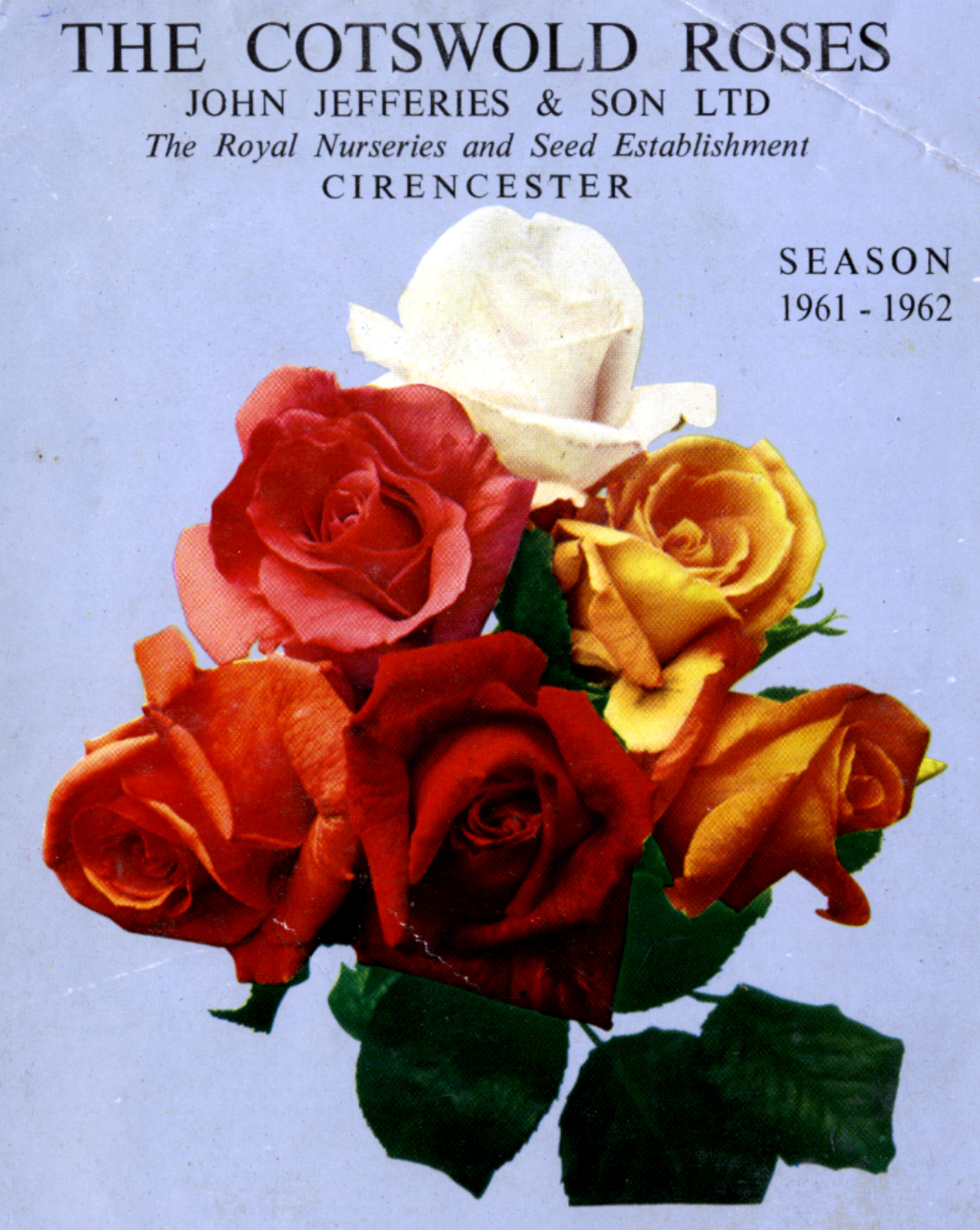
‘We record with much regret the death, which took place early this (Friday) morning, after a few weeks illness, at his residence, Minerva Villas, The Avenue, of Mr John Jefferies, one of the oldest, and most valued of Cirencester’s inhabitants. Mr Jefferies, who had reached the ripe age of 86 years, was one of the leading horticulturists and nurserymen of his day. Born at Somerford Keynes, in the neighbouring county of Wilts, he became, when quite a young man, manager to the late Mr Gregory, seedsman and nurseryman, of Cirencester, whose father established the business more than a century ago. In 1850 Mr Jefferies acquired the business from Mr Gregory. At that time the nurseries were far different to what they are now, and included a large area between Victoria-road and Watermoor-road, held of the Abbey estate, and now built over, and also a considerable extent of ground including what is now the garden of Cirencester House and surrounding land. When occupation of this land was resumed by a former Earl Bathurst, and when the Nursery property belonging to the Abbey estate was sold for building purposes, Mr Jefferies purchased what afterwards became the Tower-street nursery, and established extensive nurseries at Somerford Keynes, Siddington, Watermoor and London-road. Joined and aided by his sons, the business rapidly extended. till it became one of the foremost firms in the kingdom, its reputation for the growth of forest and ornamental trees, the celebrated Cotswold roses, and other specialities, being high and widespread. Twelve years ago, Mr Jefferies retired from active business pursuits, and his eldest son, Mr William John Jefferies, to whose energy and ability the success of the establishment was largely due, continued the firm under its old style of “John Jefferies & Son.” The opening up and planting of the Avenue as a pleasant through thoroughfare to Watermoor-road was primarily due to Mr Jefferies’s liberality and public spirit. Personally, the deceased gentleman was one of the most genial and amiable of men. as he was one of the most unassuming and unaffected, and his loss will be keenly felt by his large family circle and many friends. Up to the beginning of the slight indisposition which developed into what proved to be his last illness, his four-score-and-six years sat lightly on him, he took a keen and lively interest in current affairs, while the placid and cheery disposition that always characterised him remained unperturbed till the end, when, in the fulness of time, his long, useful and honourable life was peacefully laid down, and he entered into his well-won rest.’ (Phew – they were mighty wordy in those days!)
World events (September 1900) The 1900 Galveston hurricane killed around 8,000 people. (September 1905) Albert Einstein submitted the paper in which he put forward the equation E = mc2. (September 1910) The Vatican introduced a compulsory oath against modernism for priests at ordination (September 1915): The first military tank was tested by the British Army.
< Previous | Index | Next >
Useful? Interesting?
If you enjoyed this or found it useful, please like, comment, and share below. (If you don’t see those links, click the article’s title above the main photo and they will appear.) Send a link to friends who might enjoy the article or benefit from it – Thanks! My material is free to reuse (see conditions), but a coffee is always welcome and encourages me to write more often! 
























 Journeys of Heart and Mind


.png)
