You see the lights and you might hear the engine or the sound of the tyres on the road surface. But there’s no way you could tell the make and model of the car. The details are hidden.
What’s in an image? Sometimes quite a lot, more than meets the eye. I’m posting an image every few days.
Click images to enlarge
Sometimes it’s foggy in Cirencester. The Cotswolds is in the south-west of England and the prevailing winds come from the south-west and are laden with water vapour after crossing the Atlantic. As the air rises over the Cotswolds and other hilly country, some of that water vapour condenses as rain and some as fog. Once the sun appears, any mist or fog clears away with the rising temperature.
It’s all in the detail
As you look at the scene in the photo, you’ll notice right away that the fog obscures details on the church tower while the details on the nearer, and much less tall buildings in the foreground are quite sharp. This is always the way of things in foggy conditions. Nearby objects reveal more detail than those further away. If you stood near the base of tower and looked towards the top you’d see the same thing. Stonework at the same level as your head would be clear, but raise your gaze to the top of the tower and you’d see few details. In heavy fog you might not see the top of the tower at all.
This is a great illustrative parallel of our ability to see spiritual details too. Look at the people around you and you see a lot of detail – hair colour, eye colour, style of hair, details of clothing , now look up and the detail seems to vanish. The Bible tells us that the Creator is hidden in dark clouds. The English words dark and darkness didn’t traditionally mean an absence of light, the sense was of something hidden from view. When you look into the headlights of a car coming towards you at night you see the lights and you might hear the engine or the sound of the tyres on the road surface. But there’s no way you could tell the make and model of the car. The details are hidden although (or even because) there’s so much light.
Yahweh (God) is like that too, as you get to know him the first thing you’ll understand is the simplest thing of all – he is there! Just an indistinct outline in the distance. As you draw closer, gradually you’ll begin to see how brightly he shines, but spend some time with him and more detail will appear, not what he looks like because he’s not a physical object in our universe, but you’ll start to see that he consists of a pure love, you’ll notice that he cares deeply about everyone, not just his followers, that he is the source of such things as peace, and grace, and joy, and that he knows you better than you know yourself. This experience feels very like walking towards an object almost invisible in the fog and discovering it to be a beautiful tree or an an amazing building. And the closer you get, the more detail you can distinguish – the veins on the leaves or the surface details in the stone.
Making a start
But how can you begin to know him? Where do you start? The answer is simple, begin right where you are right now. Start by noticing that the people you know (and you yourself) have a threefold nature. You are physical, like a stone or a puddle of water, but you also have a mind – utterly unlike a stone or a puddle! Is it so surprising, then, that there’s a third dimension to your existence and nature? These dimensions overlap yet they are distinct.
Your physical presence can be measured just like that of a stone, you have a certain size, shape, and mass, if you’re in motion you have measurable velocity, direction of movement, momentum and so forth. You possess colour and reflectivity. But overlapping with this physical presence are your senses of touch, sight, hearing and the rest.
The stone lacks these abilities. You have a brain that constantly evaluates the information coming from your senses and combines them into knowledge of your environment. This makes you aware of other objects (don’t trip over that stone, don’t step in that puddle), other lifeforms (chase away the fly that has landed on your arm, don’t step on that frog on the footpath), other people (talk to your neighbour, pay for the item you just bought, wave to your friend across the road, ask for directions).
Pushing through the fog
And that third dimension? Most of the overlap here is with your emotions, the love you feel for family and close friends, the fears you entertain (fear of death, fear of injury, fear of loss). There’s a spiritual element to your nature that overlaps mere emotion and goes way beyond feelings. This is another dimension that you can explore and it’s part of our nature that we sometimes fail to consider and rarely, if ever, visit.
So go there, move towards that somewhat foggy zone and the further you go, the more you will see. And I can assure you, the more you see the more you’ll be drawn along to explore further because what you find will be delightful, encouraging and fulfilling. And remember, in the fog, the further and higher you look the less you will see. But go closer and the details will become clearer. Drawing close is the only way to deal with fog.
And there’s a huge additional advantage, the physical and the mental aspects of your existence will pass away, the atoms of your body will be recycled, dispersed, and used to construct other things. But the overlapping spiritual aspects remain, because they are not dependent on the physical world in any way, they remain.
If you enjoyed this or found it useful, please like, comment, and share below. My material is free to reuse (see conditions), but a coffee is always welcome!
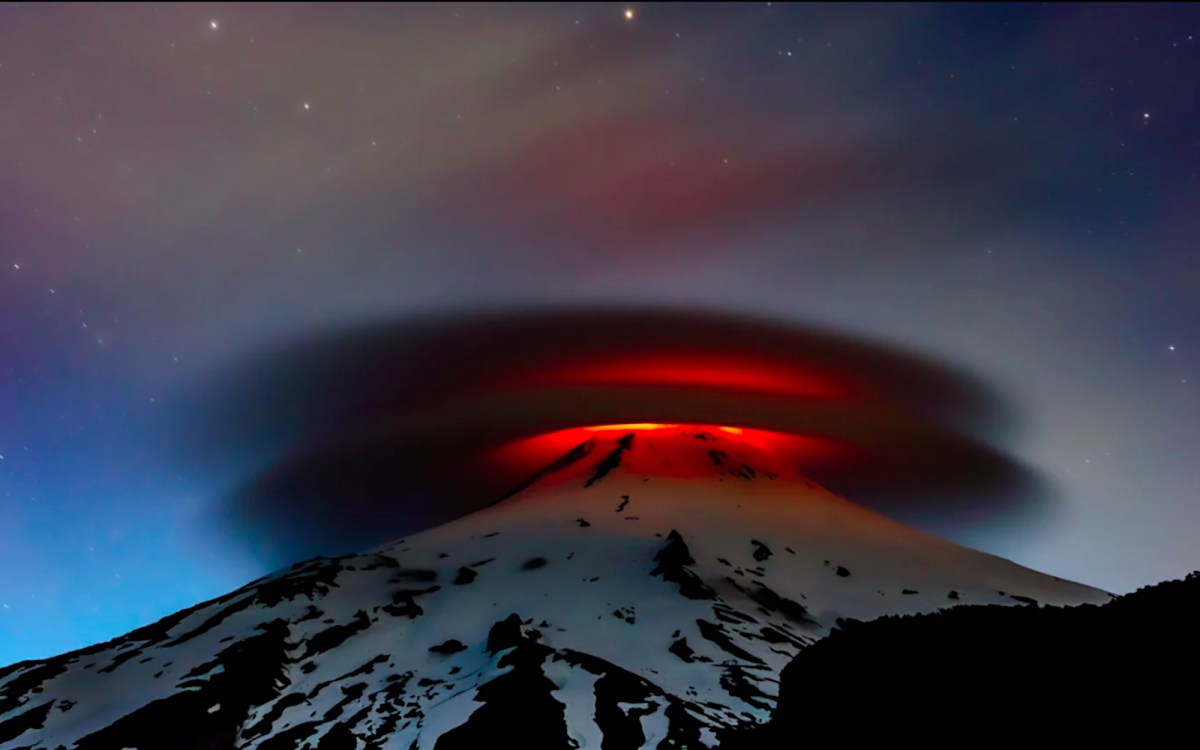
How extraordinary to see both lava and snow close together, lava inside the volcano and snow on the slopes outside. Truly, the natural world is completely amazing.
What’s in an image? Sometimes quite a lot, more than meets the eye. I’m posting an image every few days.
Click images to enlarge
This photo really is extraordinary. Take a guess at what might be going on here first. Then I’ll tell you all about it.
Needless to say, I did not take this photo. It was in Nature Briefing, anyone can sign up free of charge for science news and photos from the prestigious scientific journal, Nature. The signup link is in the upper, right of the Nature home page.
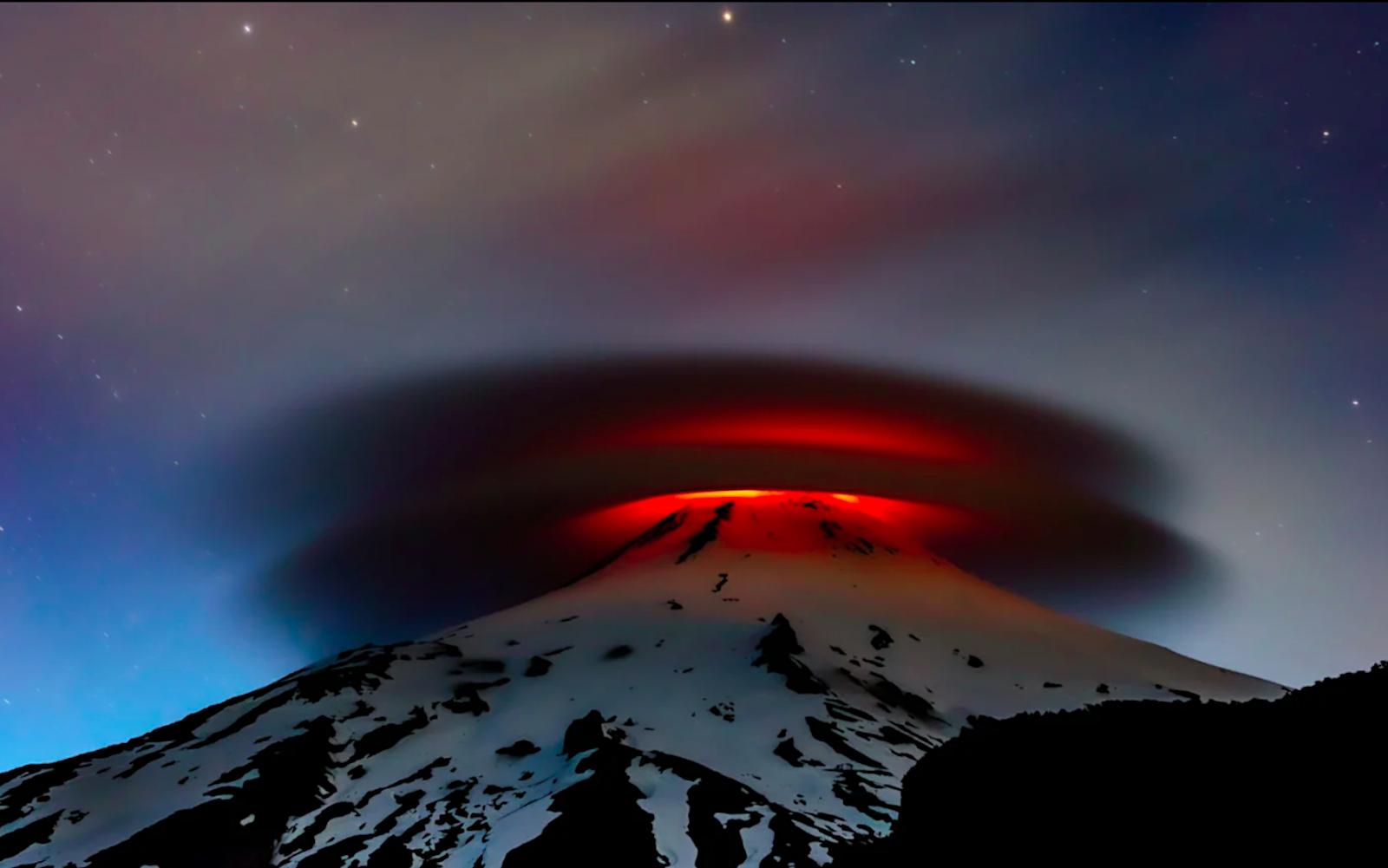
The image was made by the photographer Francisco Negroni and shows Villarrica, described as the most dangerous volcano in Chile. (You can buy a much more detailed version of this image online.)
Two heavy, dark clouds have formed over the volcanic caldera, illuminated by the lava. The heat of the lava below has evaporated the central part of both these clouds, forming them into perfect rings. The sky was already dark enough for stars to be visible. How extraordinary to see both lava and snow close together, lava inside the volcano and snow on the slopes outside. Truly, the natural world is completely amazing.
Think about that last point, lava is literally red hot, around a thousand degrees C, snow is made of water ice, it can’t exist above 0 C at atmospheric pressure. The volcanic rock between the lava and the ice provides sufficient thermal insulation to allow these incompatible materials to survive inside and outside the volcanic cone at the same time!
People of faith may say that God made it that way, people of science will provide a physical explanation. Many people, perhaps even most, might argue these two views are incompatible. But that’s not necessarily the case; there are many people who are both good Christians (or Muslims, Jews, Buddhists or Hindus) and also good scientists. Very often faith communities have enabled and supported great advances in science and technology, enabling us to understand and explain all sorts of phenomena in mechanistic ways that sometimes seem not to require any kind of faith at all. It’s a conundrum that philosophers sometimes explore and discuss.
If you enjoyed this or found it useful, please like, comment, and share below. My material is free to reuse (see conditions), but a coffee is always welcome!
If you want to join in, here’s what you need to do
The full title for the chain is ‘What does Jesus mean to me and how do I respond to him?‘. You can use the full title or abbreviate it any way you think fit, or you can use a different title providing your post is about the same idea or a particular aspect of it.
There are no rules on article length, just write as short or long a contribution as you feel comfortable with.
It’s a long time since I took part in one of these chains, but they are fun to do. My post will be the first link in the chain and I’ll make it live immediately after posting these instructions. I’ll invite three other bloggers to write further items on the same topic. When one of those bloggers completes their article I’ll add a link to their post in the index and they, in turn, can then invite up to three more contributions from people they know. If you were not invited but you’d like to join in anyway, please go ahead and submit an article. And if you’ve already contributed and would like to write another article feel free to do so.
Please include a link to these instructions somewhere in your contribution – thanks! At or near the end is useful, top and end is even better. Optionally include a link to the index so readers can see the full list of contributions.
Some people may not want to join in, and that’s just fine. But hopefully we’ll end up with a decent number of posts on a single topic. Chain blogs usually peter out eventually, and that’s fine too. If I think a post is unkind or thoughtless I may decline to include it in the list, but I’ll respond to the author so they have a chance to alter it and try again if they wish to do so.
If you don’t have a blog you can still contribute. As long as your article is available somewhere online and I can link to it, that will be enough. If you have just completed a contribution, send me a web link to it and I’ll add it to the index. As a last resort you could send me your contribution as a word processor file and I’ll publish it here on JHM as a guest post.
Add your article by sending me a comment to these instructionswiththe URL of your contribution. Provide your name as well if you want me to include it in the index.
It might have been William who requested and obtained the title ‘Royal Nurseries’ This was a forerunner of the later ‘By Appointment to’ designation denoting high status businesses (1800s).
September 2025 (3 months before publishing this article)
Click pics to enlarge
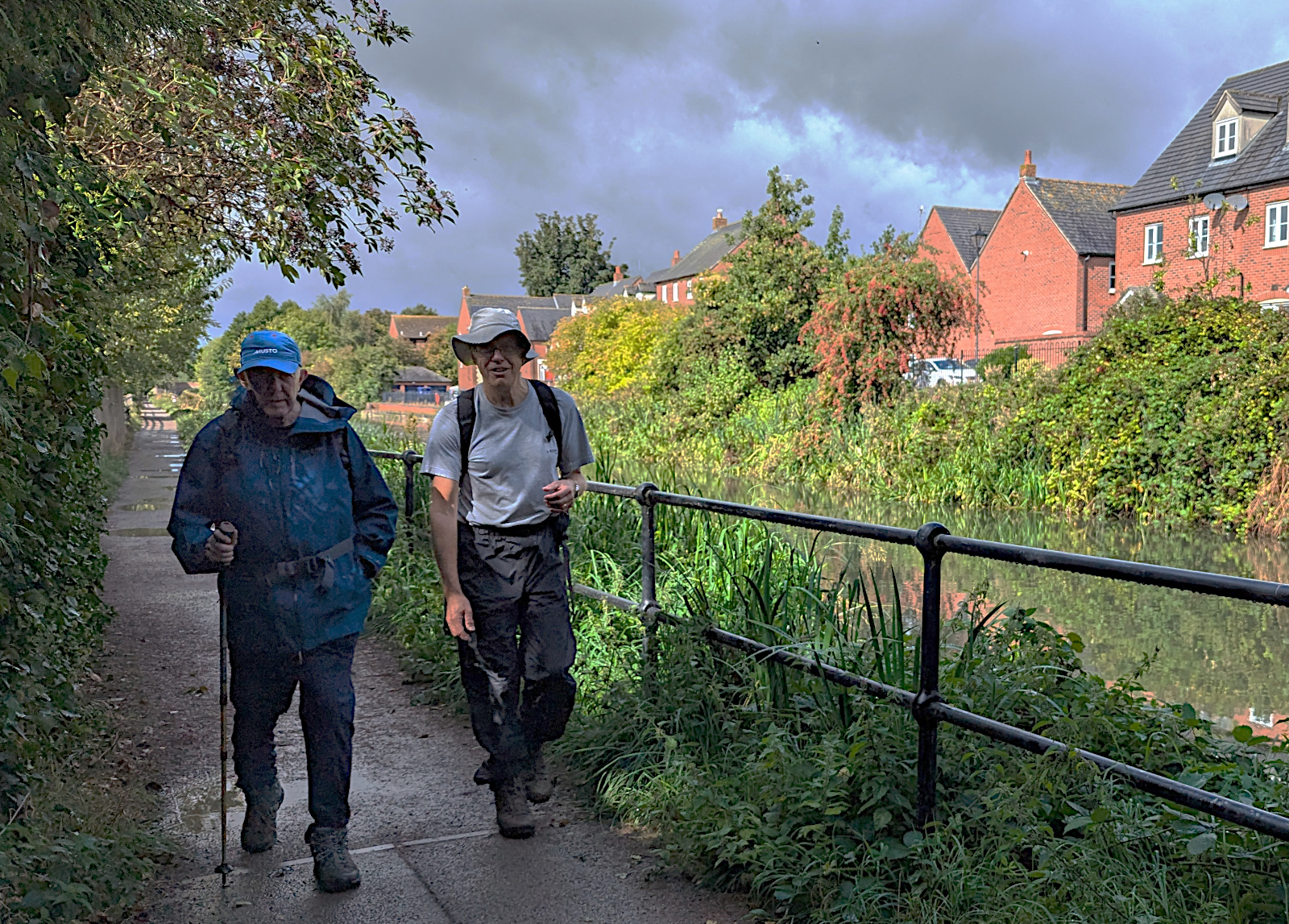
Al and Phil at Stonehouse
Small Group got started again after the summer break. This is a discussion group, part of CBC but run by my friends Al and Chris Booth. I’m not part of CBC but I am part of the Small Group and that suits me just fine.
I did a short canal walk with Phil and Al, both friends from the Small Group. The weather was a bit mixed but we enjoyed the walk with coffee and a light lunch at the half way point at Ebley Mill.
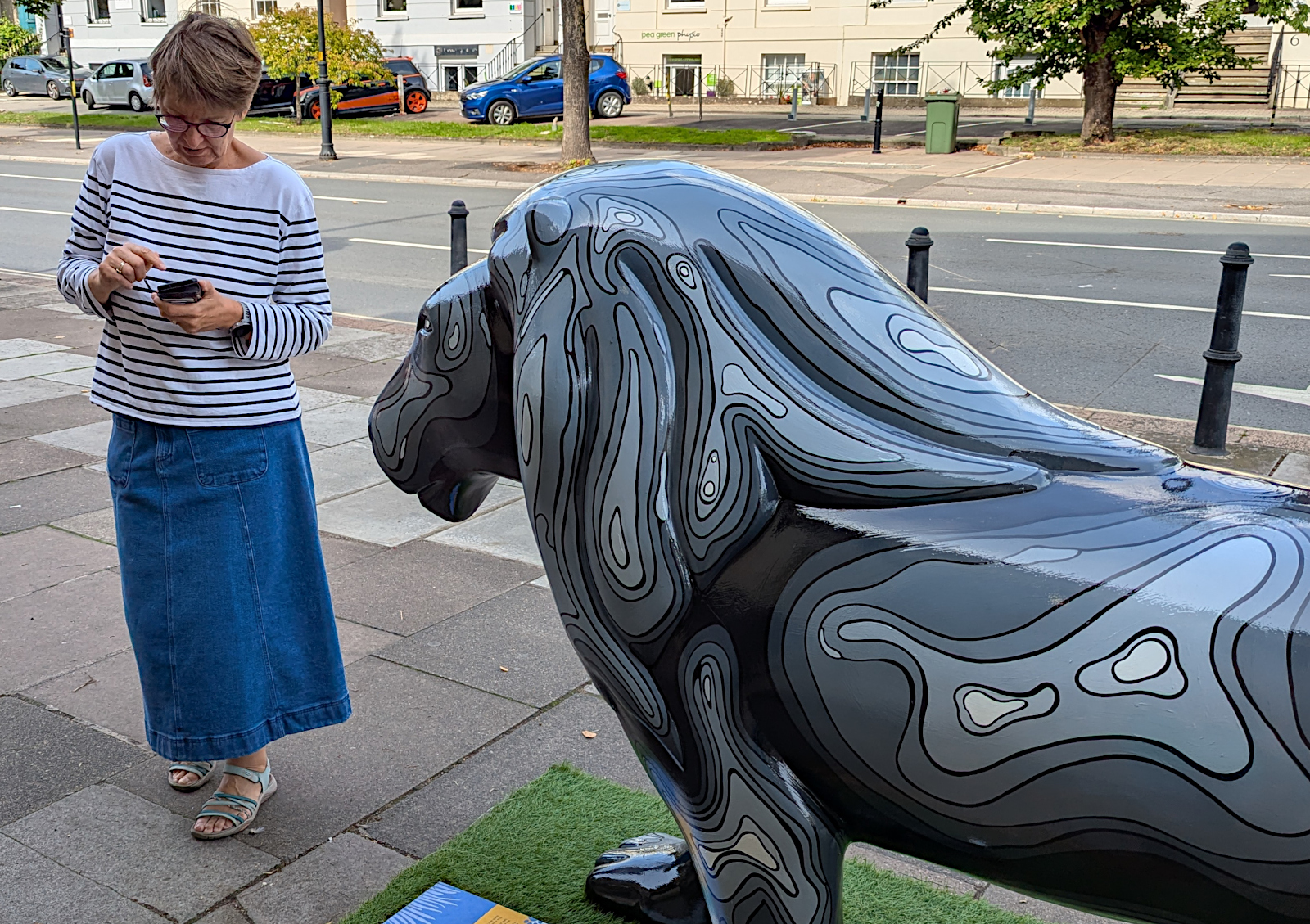
The Lion Trail
Donna and I walked around the centre of Cheltenham as she wanted to do the Lion walk. Some of those lions are amazing!
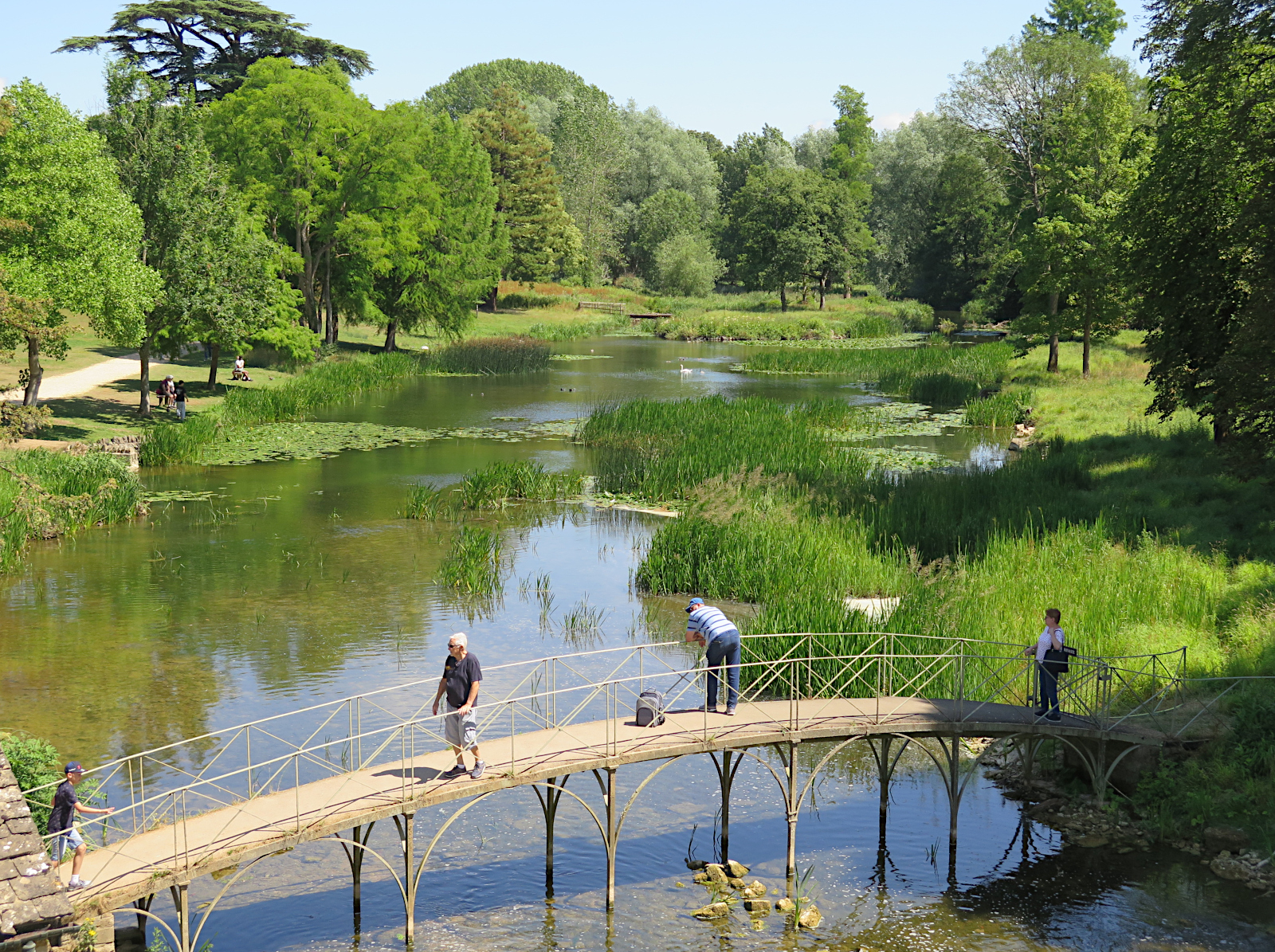
We visited Blenheim Palace, in part to look at the flower show that was on, and in part to explore aspects of the palace that we’d not seen before. We took a good look around the Winston Churchill exhibition (Churchill was born in the palace and spent a lot of time here, it was one of his favourite places).
But we also explored the parkland around the house, a wide expanse and very beautiful too as you can see from the photo.
Donna ran a 10 km race at Westonbirt School; she was among the final finishers, but she did it. With a large field of experienced club runners, she did really well and deserves plenty of kudos for all the training and effort she put in!
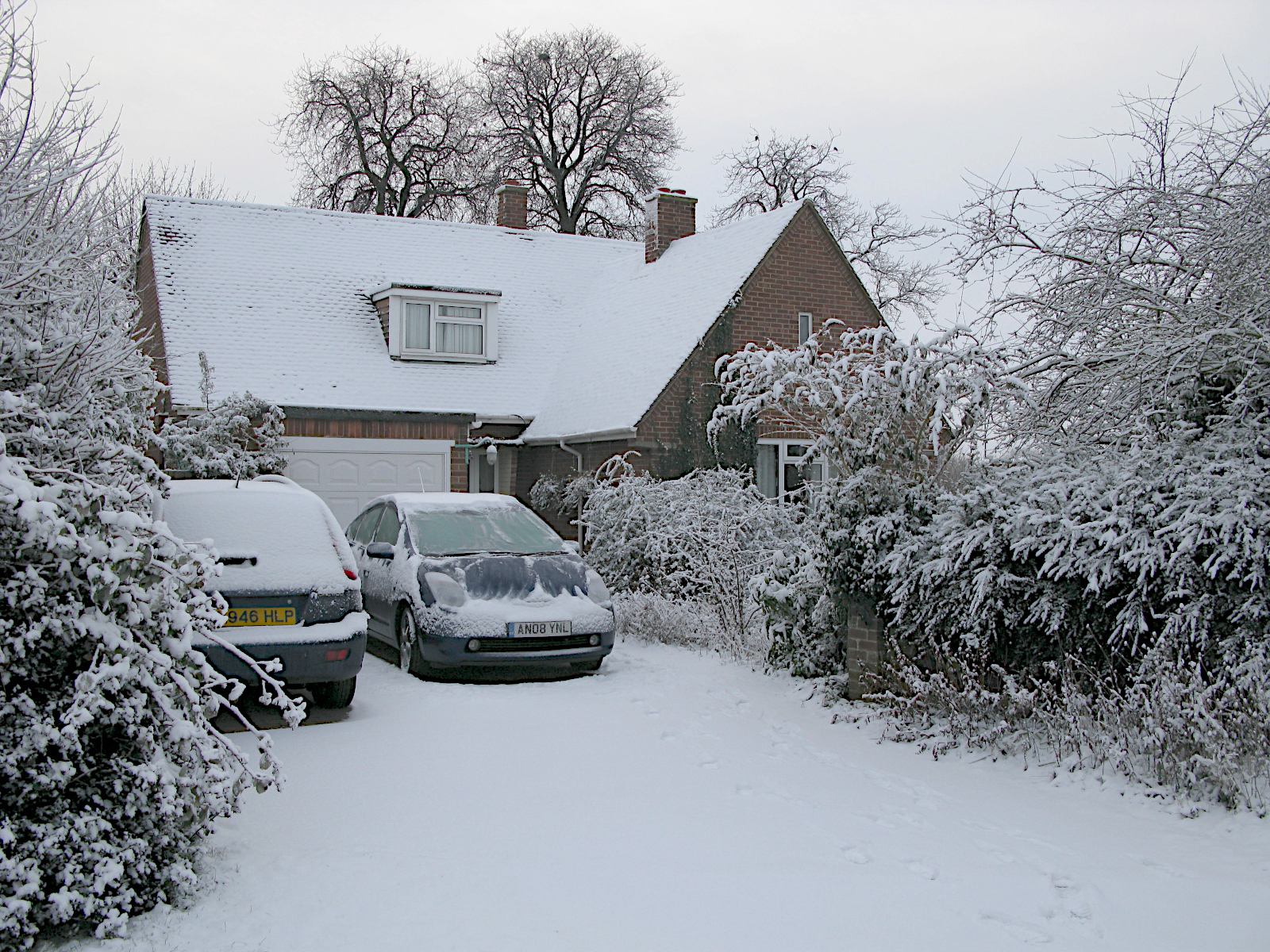
The start date for our heat pump installation slipped to 6th January, so we’ll have to manage without central heating until half way through January. We still have the gas fire in the lounge, of course, and we have several convector heaters too.
Kingfisher
A bonus this month was that I got a photo of the kingfisher perching on the barbed wire outside Cirencester’s outdoor swimming pool. Although it’s a little fuzzy, it’s the best image I’ve obtained of the kingfisher so far.
Sadly, it was no longer possible to keep Erin alive any longer and I buried her in a carefully recorded spot in the garden (one of her favourite summer sleeping spots).
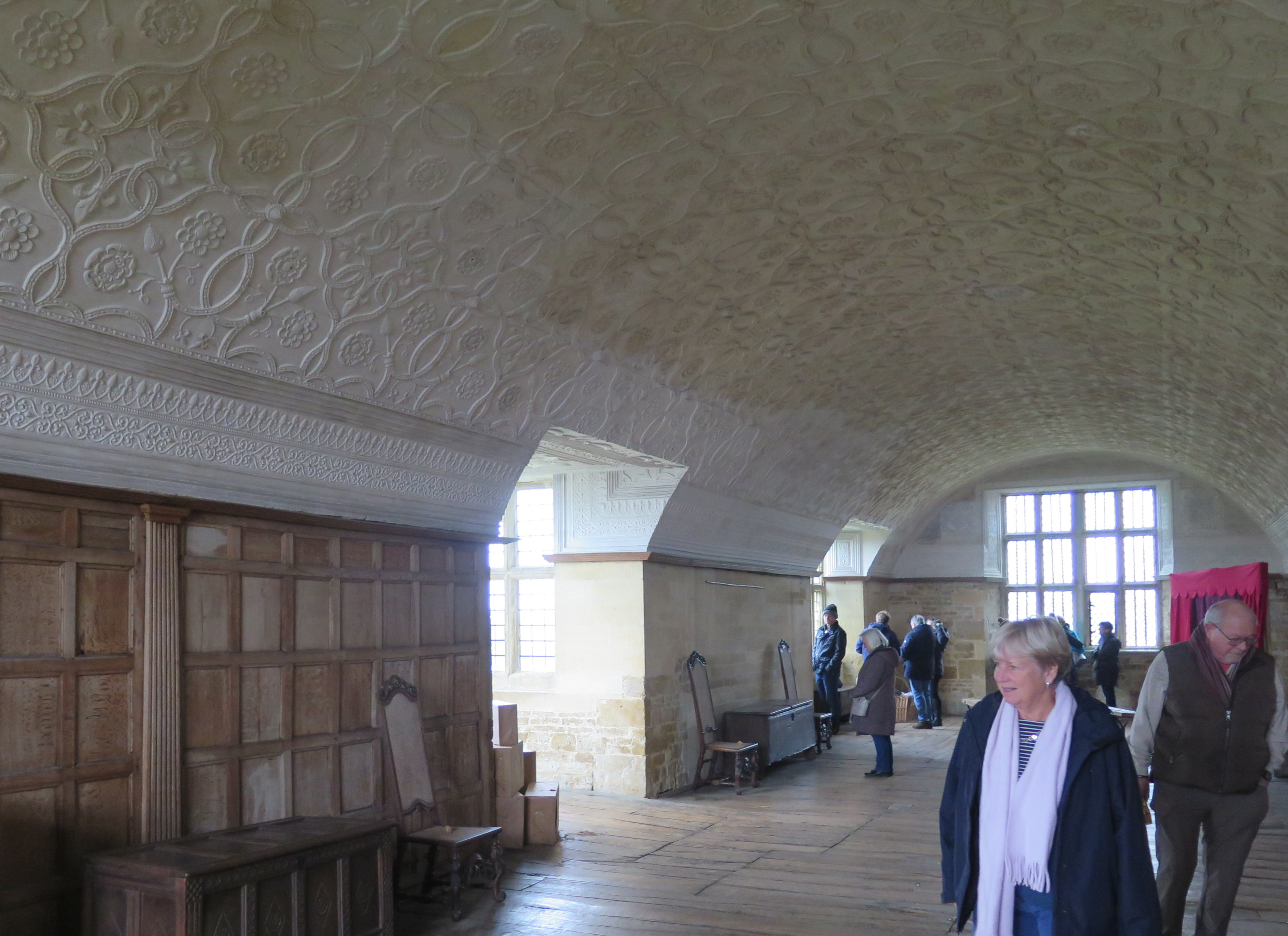
Chastleton
We visited Chastleton House, partly because we wanted to see the house and grounds, but particularly as we wanted to look at the amazing plaster ceilings for which the old house is so famous. We were not disappointed! The photo shows the largest of these extraordinary ceilings.
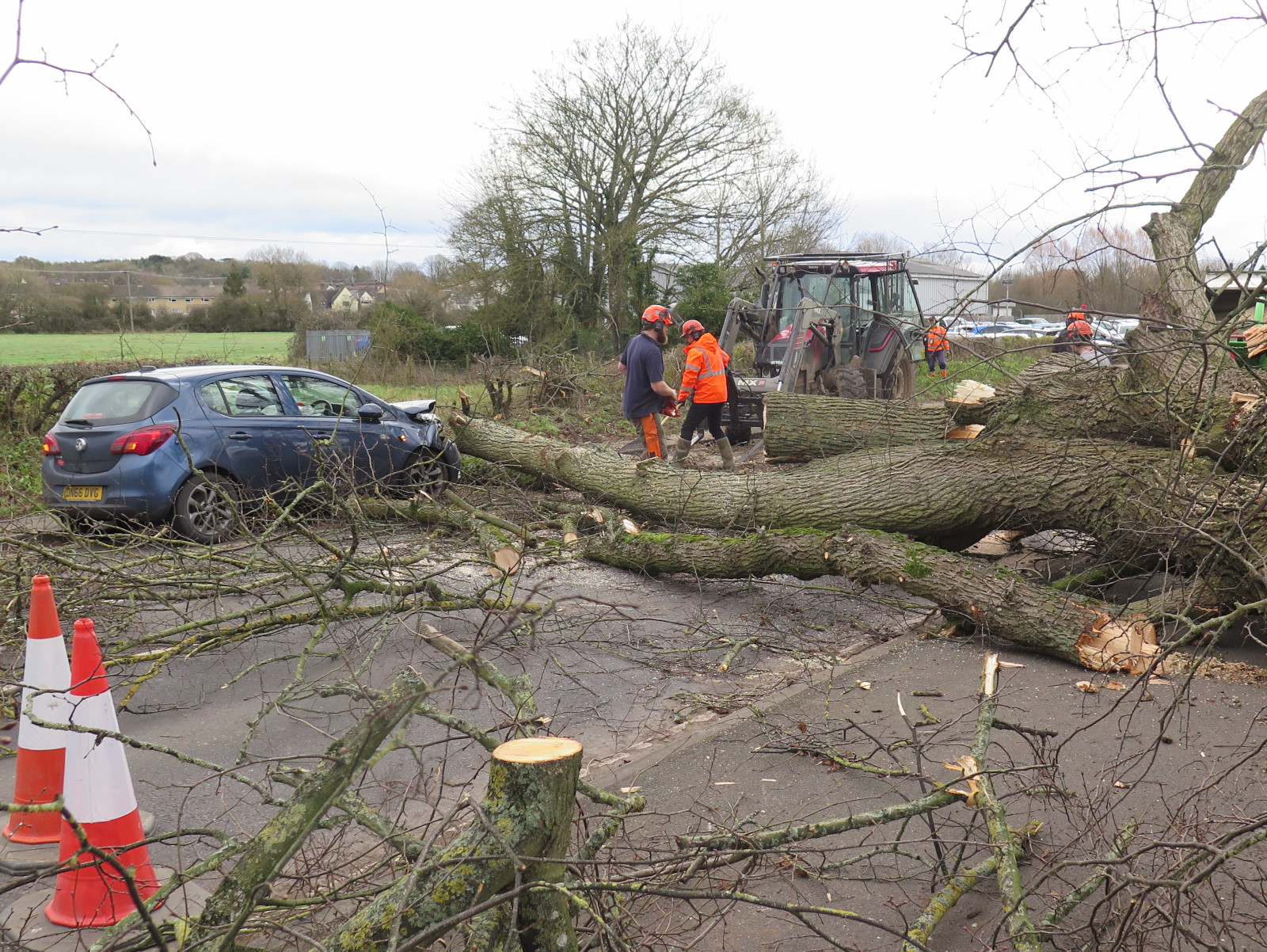
Narrow escape
Shortly before Christmas a huge lime tree fell across the Gloucester Road between Cirencester and Stratton, demolishing a section of the Cotswold wall on the west side of the road, taking out a big chunk of the hedge on the east side, and almost crushing a passing car. The driver must have had a very narrow escape.
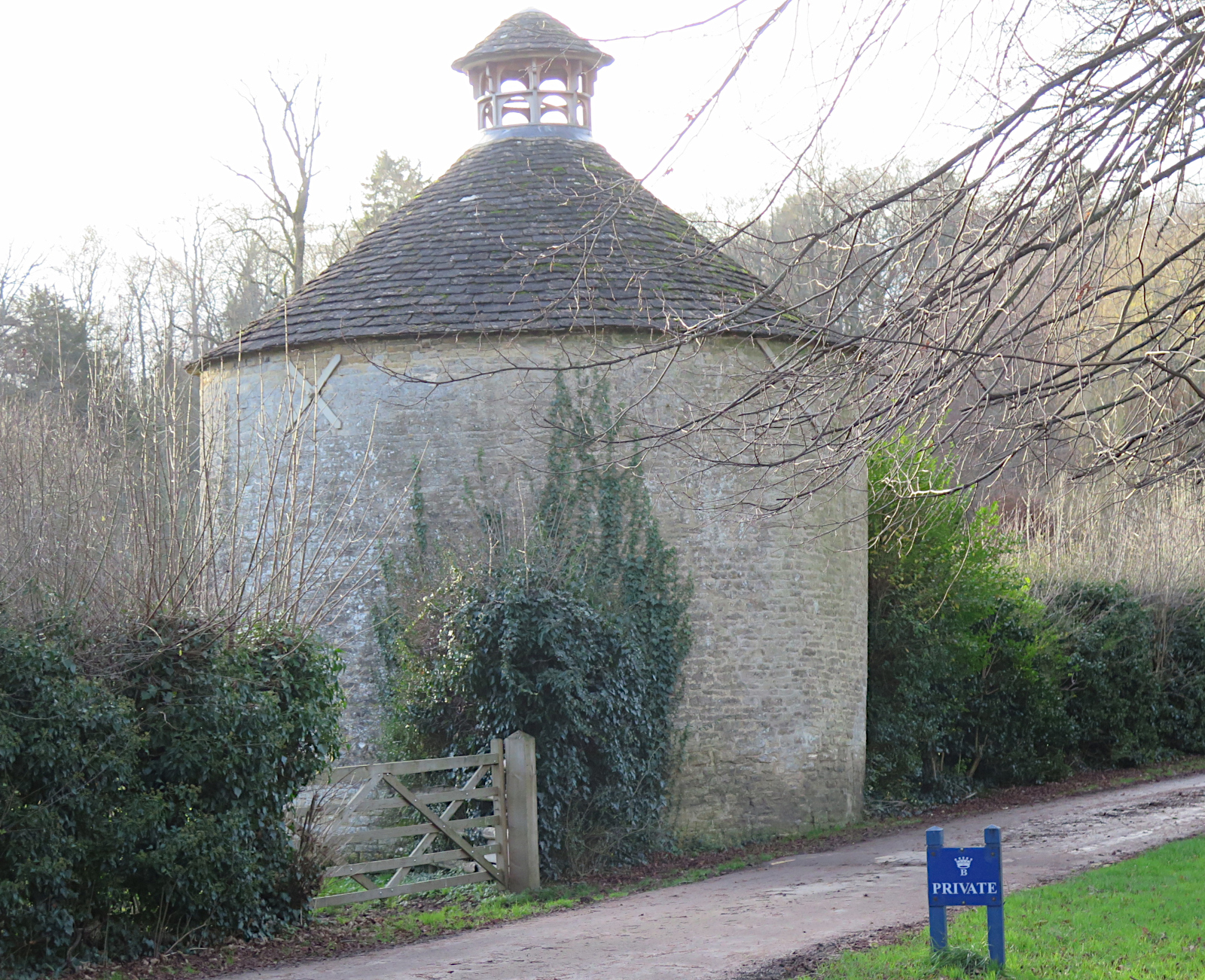
Walking in Cirencester Park near Barton Farm, I passed this medieval dovecote, the oldest building still standing in Cirencester apparently. What a delightful and wonderful old structure!
I had a really good phone chat with my friend Jim who lives near St Neots. His daughter Bethany has completed training as a nurse, following in her mum’s footsteps.
During a heavy storm on 23rd, we had leaks through the dining area rooflights, but a local builder, Trevor Rowlands, was exceptionally helpful and covered up the rooflights with waterproof sheeting, weighing it down with heavy timber and brick which worked well as a temporary fix.
Elephants!
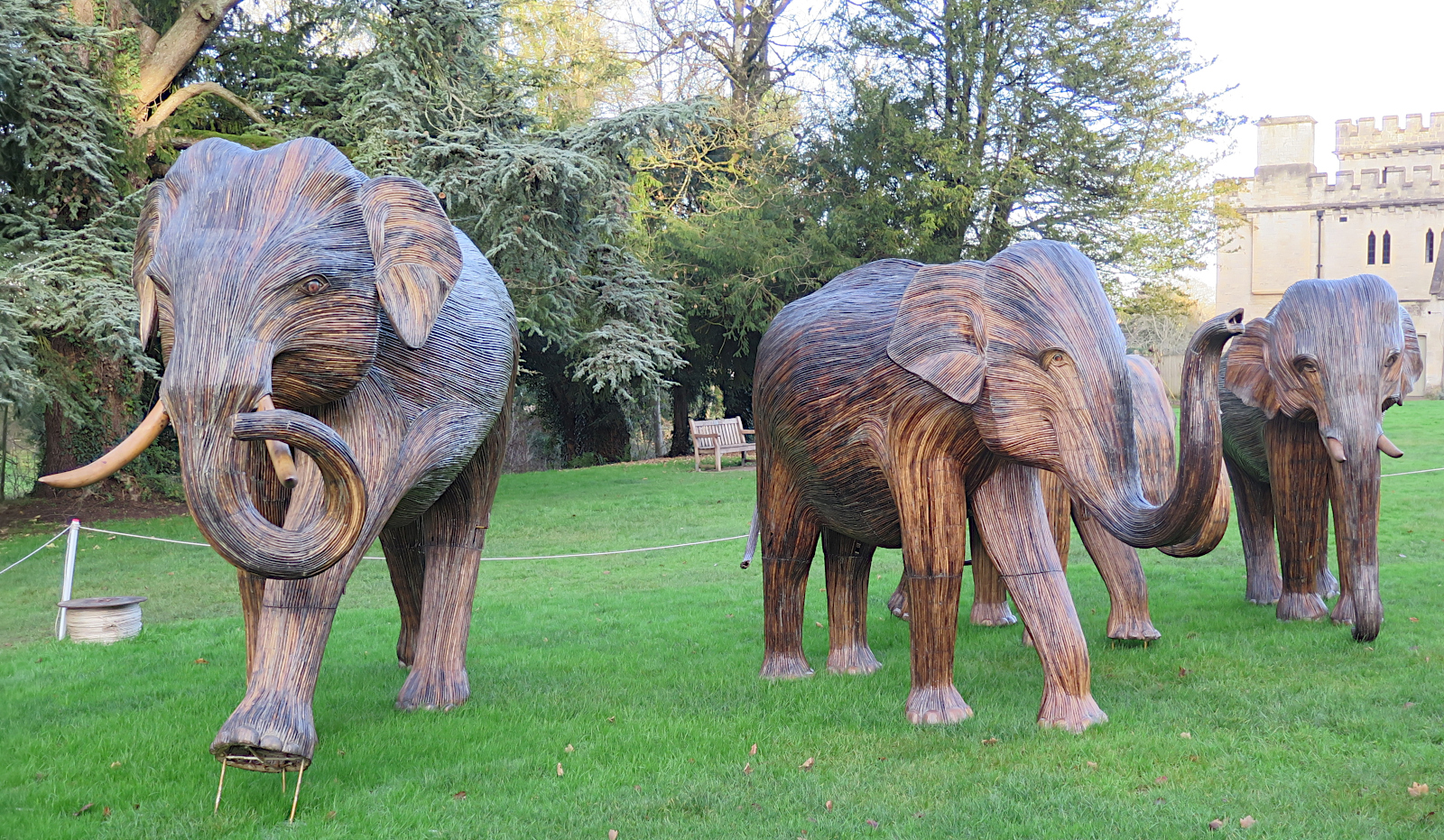
Donna and I walked into Cirencester park to look at the elephants. There’s been a whole herd of a hundred of them in London, but three are currently on loan to the park.
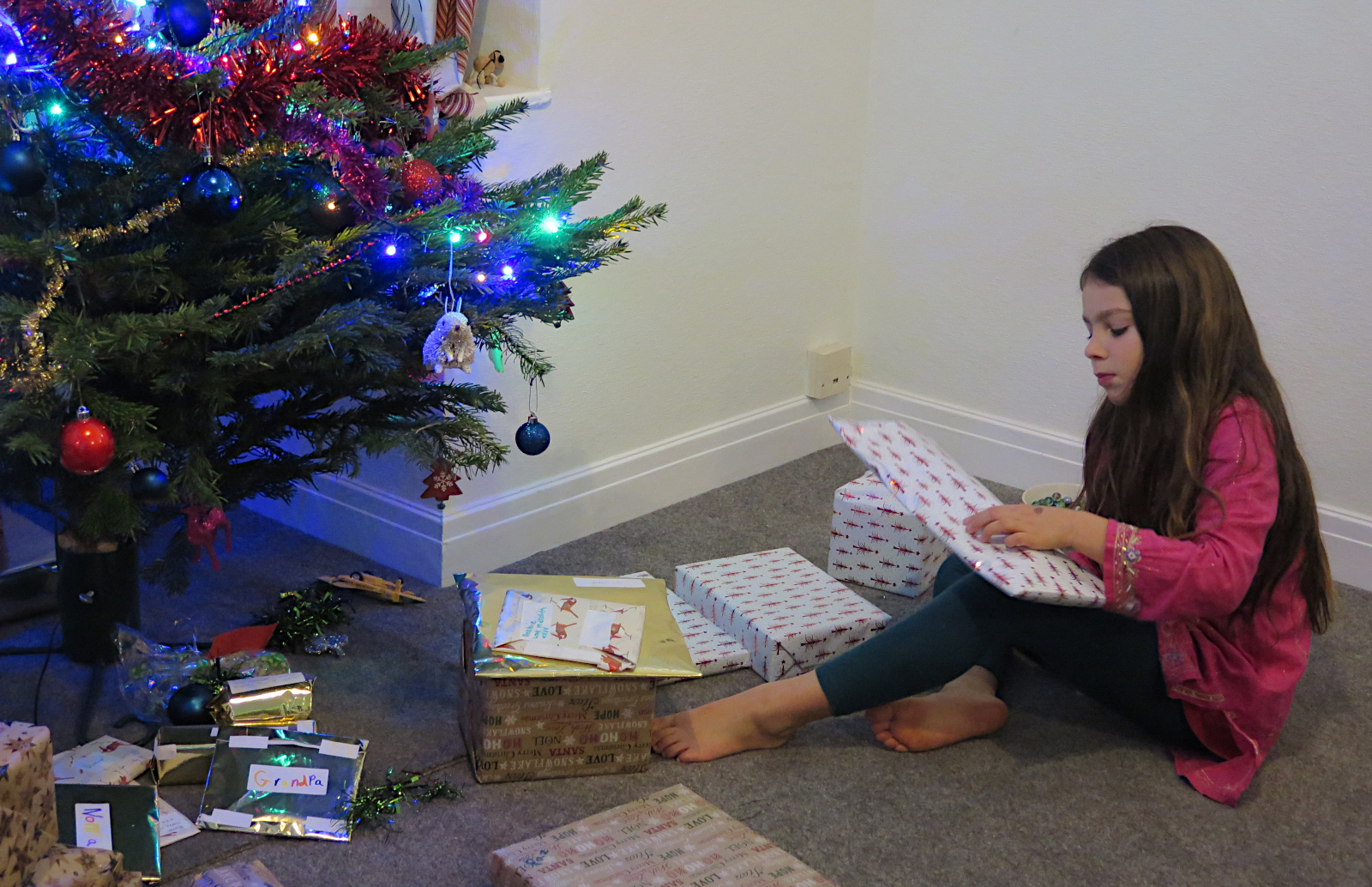
We drove to York to spend some time with Debbie, Beth and their families. As always, it was great to see everyone and exchange presents, now a long-standing tradition. There was the annual Nativity play in Thorganby, Sara was Mary this year.
In Broadstone
And, of course, we also drove down to Broadstone to see Donna’s parents and meet Paul and Vanessa with more presents to exchange.
Wedding
And on 28th, Ele and Jonathan tied the knot in grand style, so December was a really busy month one way and another. Three long journeys for us, but all of them well worth the time and effort.
World events:OpenAI, a non-profit artificial intelligence research company, was founded; and SpaceX landed a Falcon 9 rocket, the first reusable rocket to successfully enter orbital space and return.
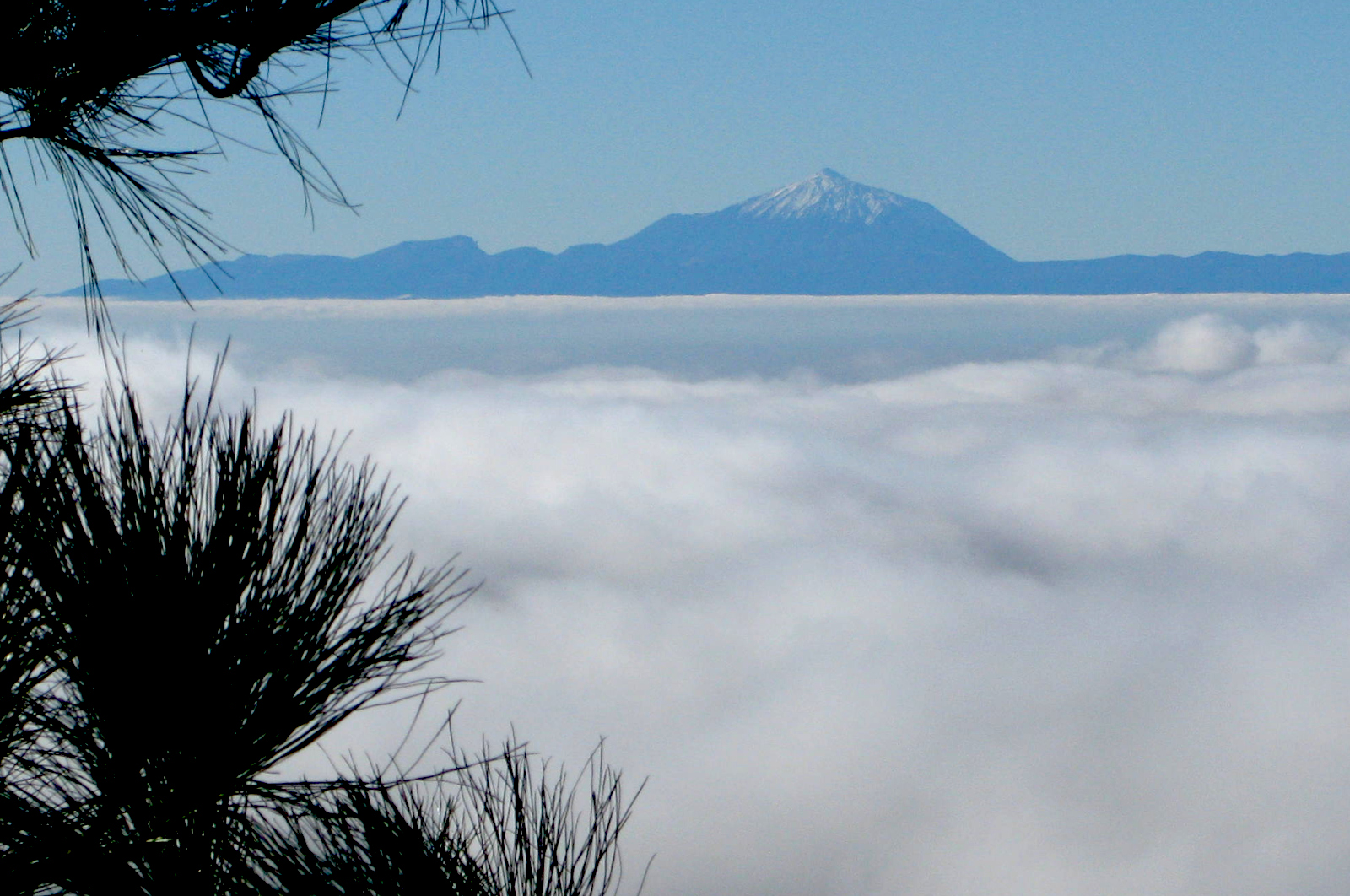
On holiday in Gran Canaria, we drove up into the central mountains on 1st December; the scenery was amazing. We were surprised to get a view of Mount Teide about 120 km across the sea on Tenerife.
I finally made the move from Windows to Ubuntu on 13th December. No more Windows licence fees, no more expensive software, everything I need in one free installation – the operating system, office suite, image editing, everything, all at zero cost. I was well pleased. Then, a few days later we had a heavy snowfall.
Snow!
We set off in the snow to drive to York, but most of the way the roads were completely clear of snow.
The 5th Cornerstone Directors’ Meeting was held on 7th November. It wasn’t clear if Paul wanted to have directors or not, our advice and suggestions seem to cut across his own plans, but he’s in difficulties and could do with help and advice. We decided he needs to be clear about his wishes.
We drove down to Broadstone to Visit Donna’s Mum and Dad just before New Year’s Eve and Paul and Justine who were also there at the time. It was good to see Paul again, he’s always been one of my favourite people.
An extra Unilever Portal page was needed for Colworth, so I was working on that, but also I’d been tasked with managing the spreadsheets involved with the costs of Colworth mobile phone calls and that was proving much more difficult. Not only was I unfamiliar with Microsoft Excel, but the systems for charging departments were not easy either.
I’d been travelling down to visit Mum and Dad, often on a Friday, and not long before Mum’s Hospital admission Dad had asked me to pray with them. I think he knew Mum had little time left. I knelt down between them as they sat in the front sitting room at Churnside and each held one of my hands and we prayed together, I think for safety, blessing, peace and Jesus’ guidance. Then I left to drive home, and that was the last time I saw my Mum while her mind was still active.
Shortly afterwards, Mum had a couple of major strokes and was in Cheltenham General Hospital on 30th December, though she seemed to be no longer conscious or aware. The photo shows the hospital with Cleeve Hill in the background. Dad was of course distressed by this and the entire family rallied round. Donna and I made our way down to join them all. The hospital was very helpful, finding a room we could all rest in and even stay overnight to be with Mum and Dad as much as possible.
World events: Scientists announced the creation of mice with small numbers of human neurons to model neurological disorders; and an extra second was added (23:59:60) to resynchronise calendar time to atomic clock time, last required in 1998.
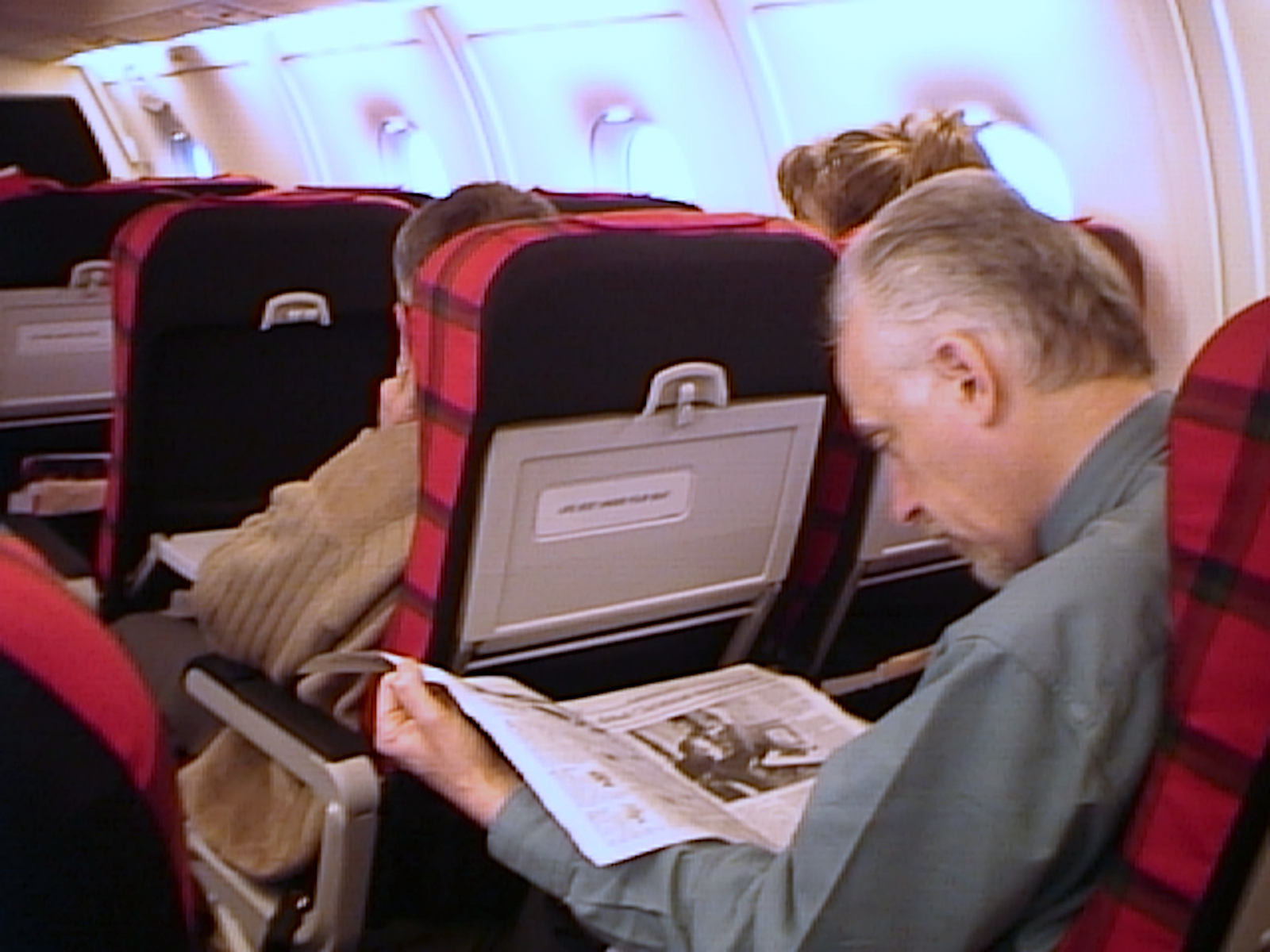
We had a WebForum meeting in Amsterdam. The photo shows Phil Briggs (Briggsy) reading a newspaper on the plane, probably from Cambridge Airport to Rotterdam. We’d have completed the journey by train from Rotterdam to Amsterdam. Pete Keeley also came with us on this trip. My initial development of a temporary WebForum for Unilever Research sites was going to be replaced with a much improved version to be developed for us by INFO NL, a software developer in Amsterdam. INFO NL demonstrated their web site development software and we discussed early mock-ups of the appearance and functionality we would require.
Data Science’s Christmas Party.
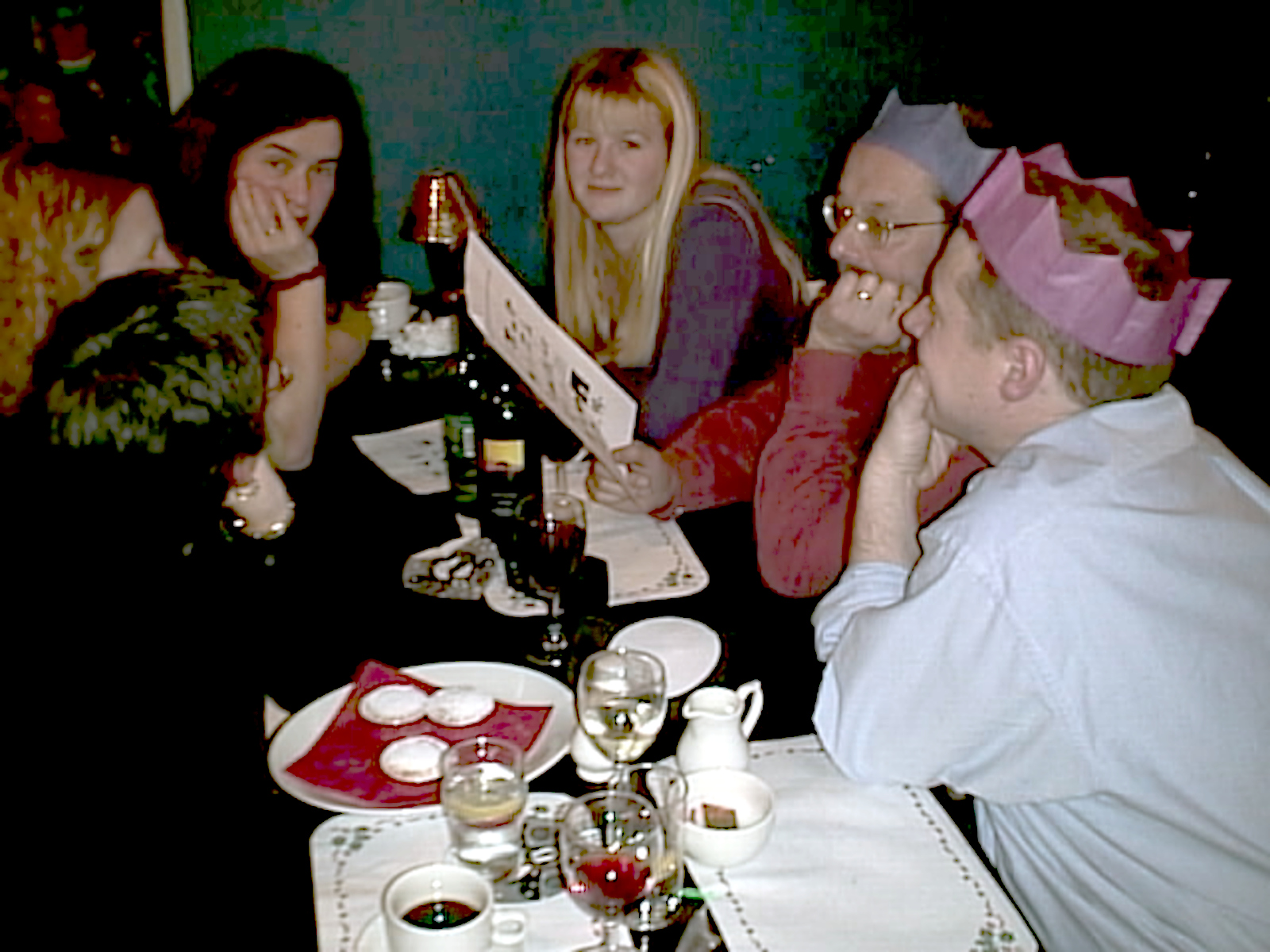
Donna and I both worked for Colworth’s Data Sciences group. I was in the Knowledge Systems Group (KSG) while she was in Statistics. Data Sciences held a Christmas Party each year and anyone working there in 2000 will recognise the people in the photo.
This was a difficult month for all of us as Judy became weaker and weaker and was unable to do anything for herself. She was stuck in bed and quite unable to get downstairs, even with considerable help. The exceptions were when Tony, Faith, Paul and Jenny visited for a meeting. Judy protested that we should continue meeting downstairs no matter what, so Tony and Paul carried her down in the wheelchair for the meetings and back up afterwards.
Reading through my journal entries during the last week or two of December reminds me of many details I’d forgotten. Judy tried to hide her pain, not only from me, Debbie and Beth, but also from Dr Boyles and the nurses. But once we understood this Dr Boyles was able to keep her comfortable without knocking her out entirely – a good outcome.
Our friend, Bev Foster agreed to take the coming funeral service at the crematorium when the time came, and Judy was pleased about that. On 26th Judy woke me several times to say she needed the loo, but it was far too late every time. This provoked a decision to insert a catheter. Judy died at two minutes past midnight on 28th December with my Mum and Dad, me, Debbie and Beth all gathered around the bed. In the end she just stopped breathing. I phoned the on-call GP who certified the death, and then called Britten’s Undertakers to collect the body. None of us felt like sleeping, so we watched the newest Wallace and Gromit film, A Close Shave, which Judy would have absolutely loved. we were in bed by 02:00 and slept like logs until the morning.
On 29th I drove into Clevedon to register the death and later began phoning round to make arrangements for the funeral and everything that needed to be put in place. It all came together quite easily and very satisfactorily.
World events: NASA’s Galileo Probe entered Jupiter’s atmosphere; and the Dayton Agreement was signed in Paris, officially ending the Bosnian War,
Debbie had a major role in A Midsummer Night’s Dream at Backwell School on 15th December.
Beth and Judy
We spent Christmas Day and Boxing Day with Judy’s parents in Charlton Kings, then on 27th we visited Cirencester to see my Mum and Dad. We tried to ring the changes a bit, sometimes spending Christmas in Cirencester, sometimes in Cheltenham, but rarely at home in Yatton. Before leaving for Cheltenham, on 23rd December we’d spotted goldcrests and bluetits in our back garden in Yatton. Hungry birds in the winter often appear in gardens where food may be more available.
World events:Channel Tunnel workers from the United Kingdom and France met 40 metres beneath the English Channel seabed; and Slobodan Milošević was elected President of Serbia in the first round of voting.
Judy made and decorated a cake for her Mum and Dad’s 40th wedding anniversary and we drove up on the day to give it to them.
Around this time (I’m not sure exactly when) it was clear my gibberellin localisation work was not going anywhere, and Long Ashton management decided I’d be better employed helping with the electron microscopy lab supporting Richard Pring who needed an assistant. My extensive background in light and fluorescence microscopy made me a promising candidate and I was happy and relieved to take on the role. We had a Philips 505 scanning electron microsope (SEM) with a cryo attachment for work with frozen samples, and a Hitachi transmission electron microscope (TEM). Staff from other departments at Long Ashton, and visiting workers would often need microscopy work done and would either want help and advice with using the instruments or perhaps need someone to do the work on their behalf. So it was an interesting job socially as well as technically.
Debbie and Beth remained at school in Yatton and we were living at 80 Stowey Road.
World events: The first Unabomber victim, Hugh Scrutton, died in Sacramento; and the naturalist, Dian Fossey, was found murdered in Rwanda.
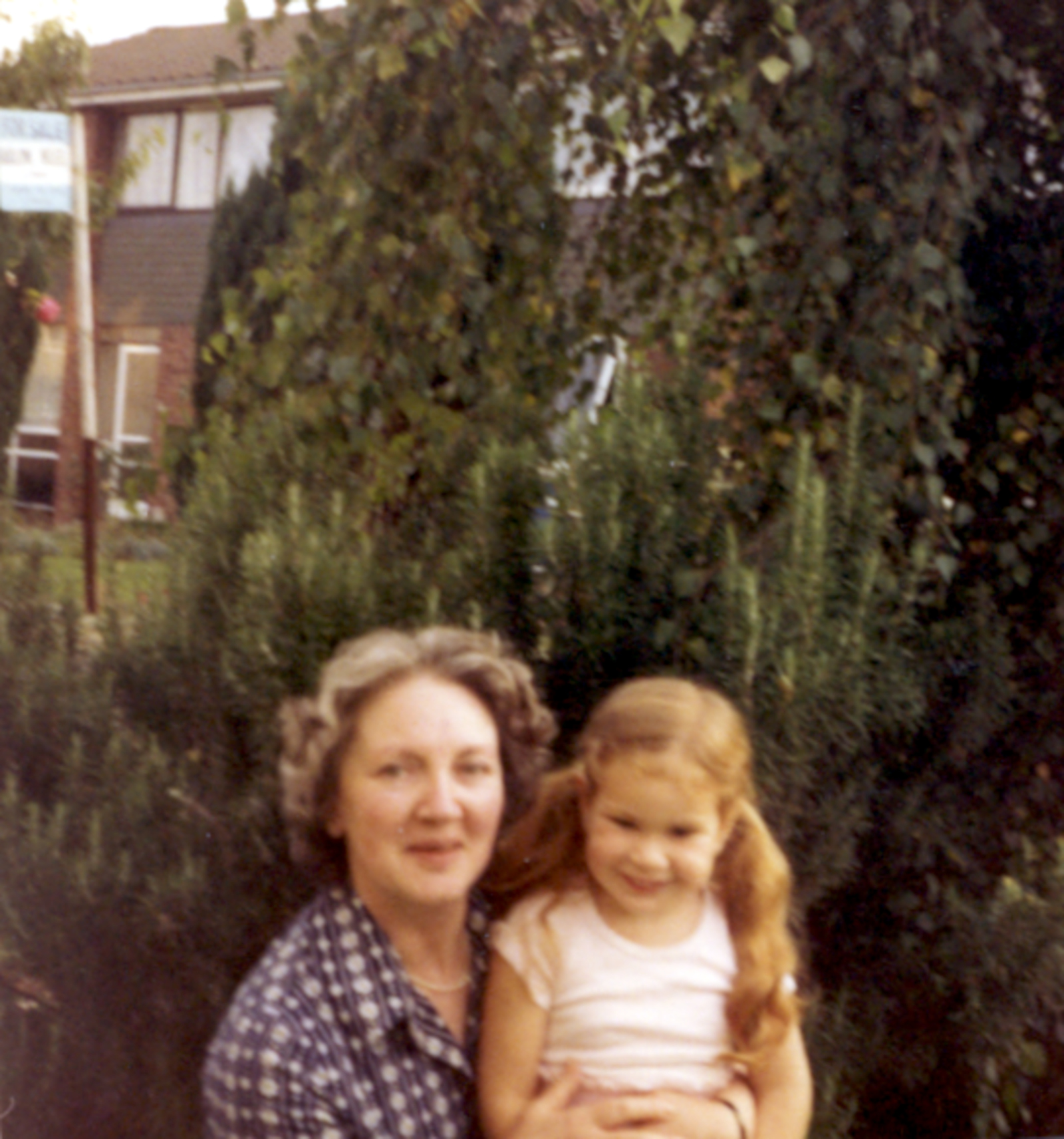
I couldn’t find anything for December 1980. This photo is believed to date to 1980 based on its position in Judy’s photo albums, it looks like a dull but warm day in summertime. There’s a for sale sign in the garden which is puzzling because we moved house in August 1985 and Beth looks far too young. In summer 1980 she would have been two. Perhaps the sign was for Mike and Mary Low’s house next door at the end of the terrace. I’m pretty certain they moved some years before we did.
As with all the shops in Cirencester, John Jefferies and Son’s would have been busy leading up to Christmas with customers buying gift vouchers, pots of Hyacinths forced for Christmas flowering, and Christmas wreaths for front doors, and of course, the essential bare-rooted Christmas trees in a range of sizes, also local people ordering Interflora deliveries to far-flung friends and relatives.
Judy and I were busy collecting suitable things to put in Debbie and Beth’s tights to hang up on Christmas Eve. We didn’t pretend that Father Christmas was real, we explained that it was all a bit of fun, and it was mums and dads who filled the children’s socks; but we also told the girls that some of their friends might think he was real and they shouldn’t disappoint them as that was OK too.
I remember being about three or four myself and walking along the footpath between Queen Anne’s Road and St Mary’s Road with Dad and my younger sister Cindy. I said to Dad, ‘Father Christmas isn’t real, is he Daddy?’ Dad just put his finger to his lips and said, ‘Shh, we’ll talk about it later’, and we did. It didn’t occur to me to ask, ‘So… who eats the mince pies and the carrot, and drinks the sherry, then?’
Debbie turned 9 months old and by now we were well settled in our home in Rectory Drive, Yatton. We bought a twin tub washing machine that could be rolled out from under the kitchen worktop (it made washing nappies far easier), and our old cooker, fridge and double bed came with us from the flat in Bristol.
On the swings
We were in Cirencester visiting my Mum and Dad on the day after Boxing Day (27th December). Probably we had been in Cheltenham on Christmas Day with Judy’s parents, perhaps splitting Boxing Day between the two families.
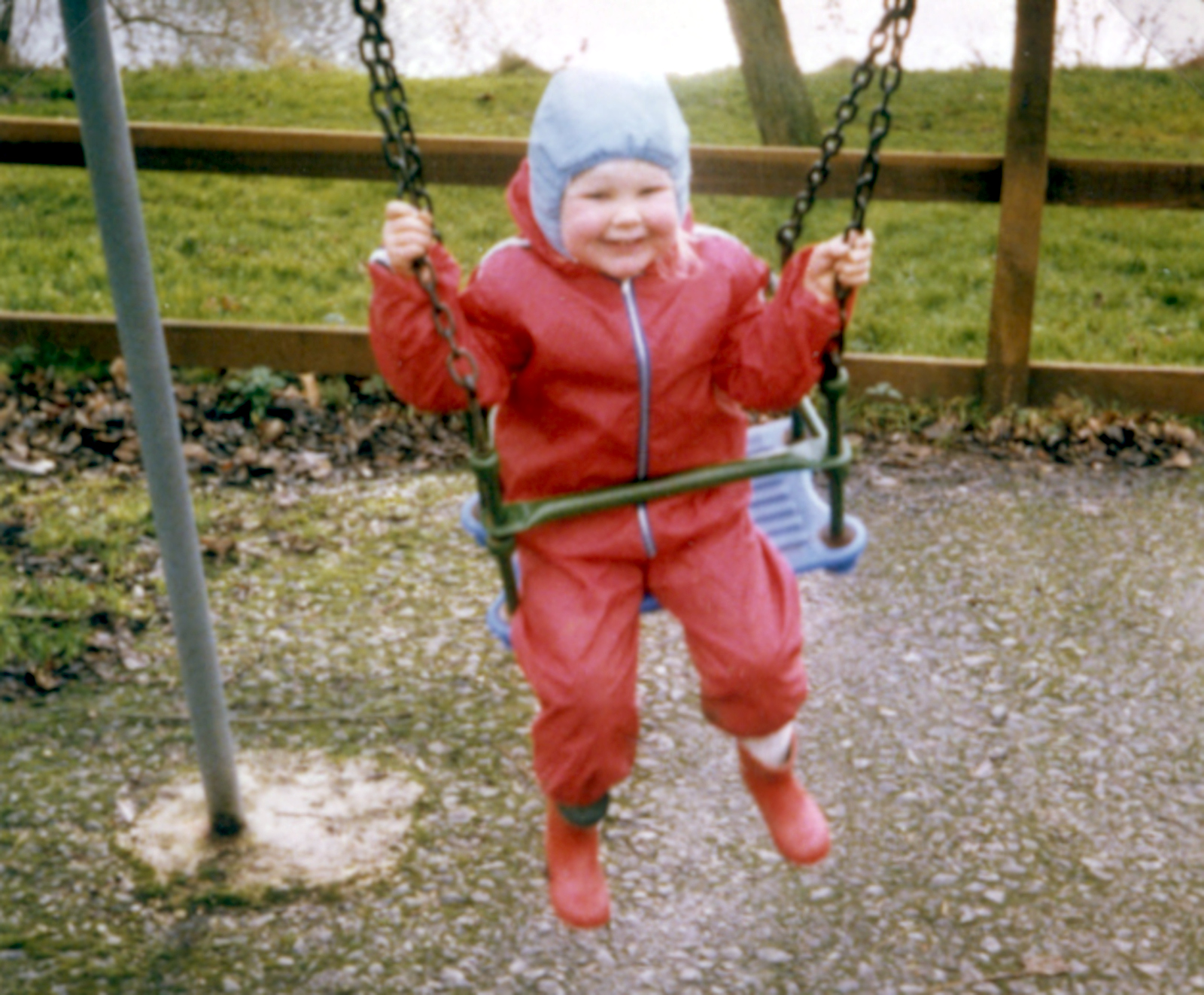
I have no photos for December 1975, but the two shots here in Cirencester’s Abbey Grounds were filed by Judy in one of her photo albums around that time. But, as Debbie pointed out to me, they must be a few years later than 1975.
World events: Wreck of HMHS Britannic (sunk by a German mine in 1916) was discovered by Jacques Cousteau; and six people kidnapped delegates of an OPEC conference in Vienna.
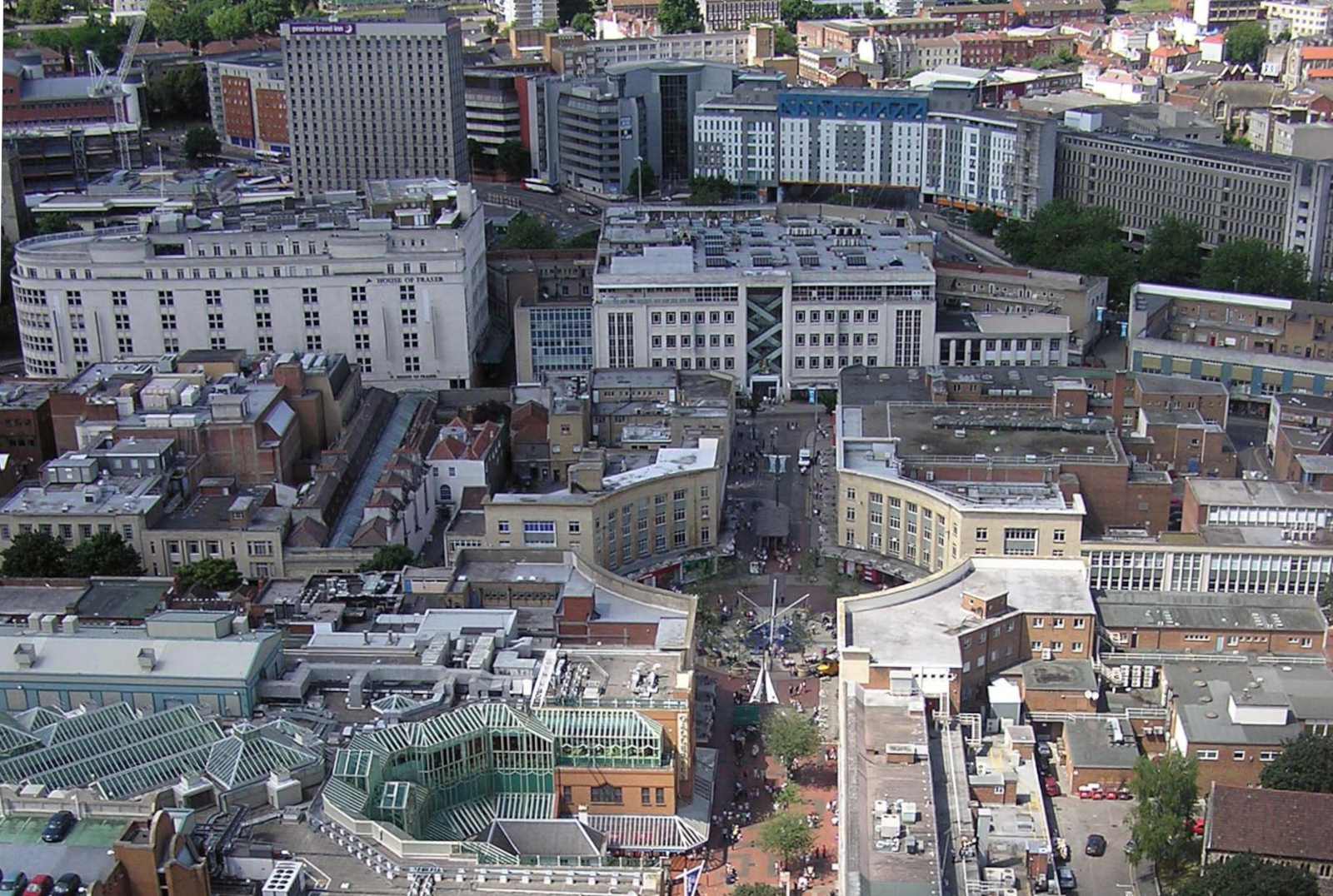
Judy began her temporary work at a Bristol department store during the Christmas/New Year rush when they needed additional help. The photo shows Broadmead as it was in 2005, the two large buildings near the top were Jones’s (left) and Lewis’s (centre) in 1970.
By this time we were well settled in our bedsit in Linden Road and saving as much as possible so we’d be able to buy some furniture once we moved to an unfurnished flat. We would need quite a lot, dining table and chairs, a sofa, easy chairs, a cooker, fridge, washing machine, kitchen stools, a TV and something to stand it on, the more we thought it through the more it seemed to add up. Most of it would have to be second-hand.
At work I was looking into the possibility of starting on a higher degree. It seemed possible I could do an MSc by research and write it up as a thesis; and one of the most promising lines would be pollination of a fruit tree other than apples which were already well-covered by Ray Williams and his team. One early contender seemed to be plum. My boss, Ken Stott was beginning to reduce his willow and poplar work in favour of helping with the pollination studies and it seemed we were going to buy an ultraviolet fluorescence microscope similar to the one being used to track apple pollen tubes growing in compatible and incompatible apple flowers. That would be perfect.
World events: The U.N. General Assembly supported the isolation of South Africa over its apartheid policies; and Paul McCartney sued to dissolve The Beatles legal partnership in the UK.
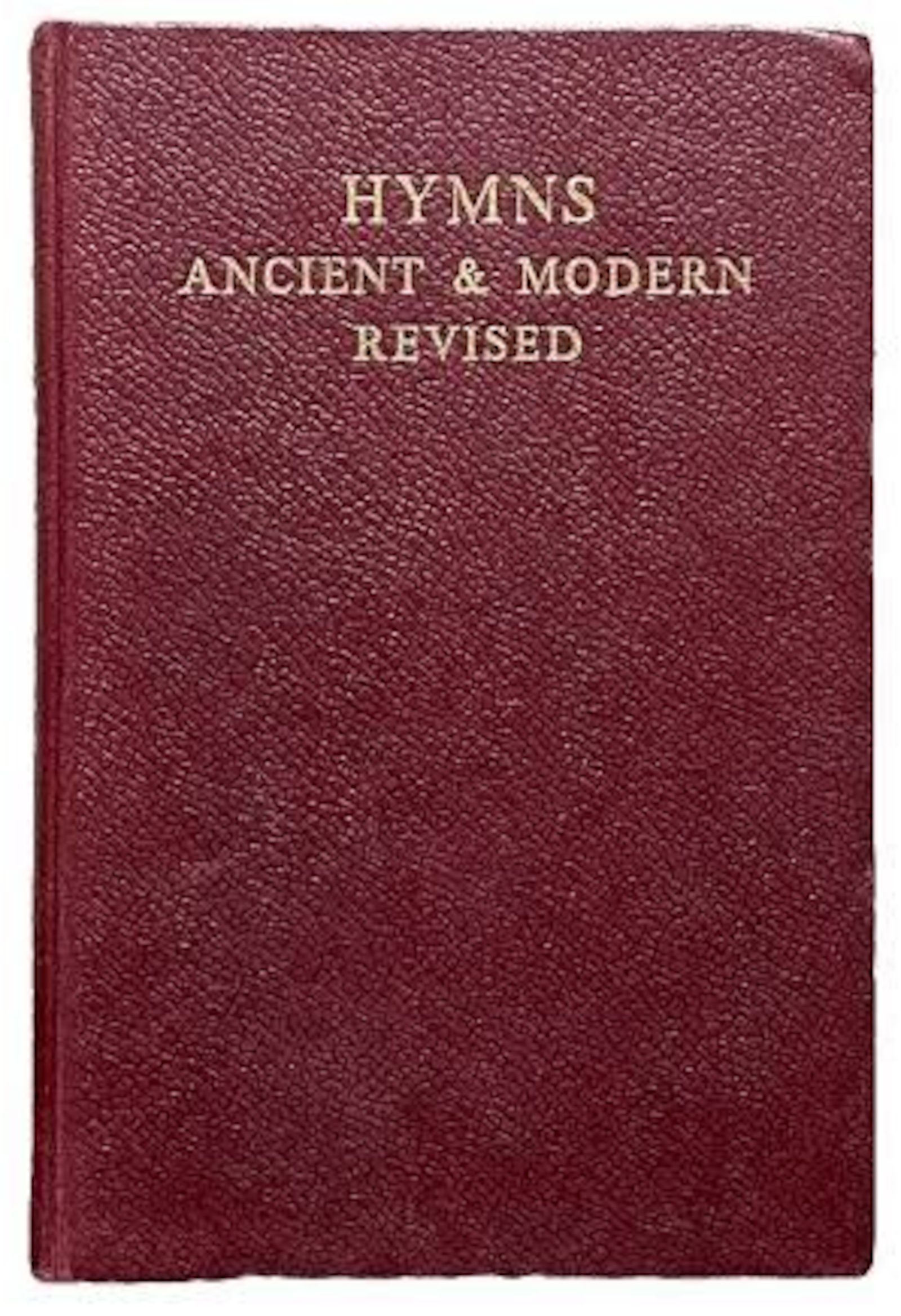
The 6th Form went carol singing around the town. Judy and I shared a hymn book (the photo shows a similar version) so we could both keep one hand warm in a pocket. Judy put her school hymn book in my right jacket pocket and I held mine in my right hand so we could both see the words in the lamplight.
At the end of the event we all made our way home, but Judy forgot to recover her hymn book. I found it, of course, immediately after setting off for home (as soon as I put my hands in my pockets). I ran after her to hand it back but in the distance saw her disappear through the front door of her parent’s home at 69 Chesterton Drive. I walked on down and rang the doorbell. Her Dad answered the door, I explained that I was returning Judy’s Hymnbook, he thanked me, and I headed home. This was my introduction to Judy’s Dad; I already knew he was in the Police and had been a sergeant in Filton but was now newly promoted to Inspector, he seemed approachable and very matter-of-fact.
World events: The Glasnost Meeting in Moscow became the first spontaneous political demonstration in Russia; and Gemini 6 and Gemini 7 performed the first controlled rendezvous in Earth orbit.
December saw the end of my first term in Class 2B at Cirencester Grammar School. Mum and Dad would have been preparing for Christmas, the cake was probably baked by now and it would have been undergoing regular drenching from below with sweet sherry (aided and abetted by numerous holes created by one of Mum’s knitting needles. Dad would have selected a well-balanced Christmas tree. Bonfire night had long since come and gone, the end of the school term would come next, and then it would be Christmas followed by New Year and then in January the second term in my second year at the Grammar School.
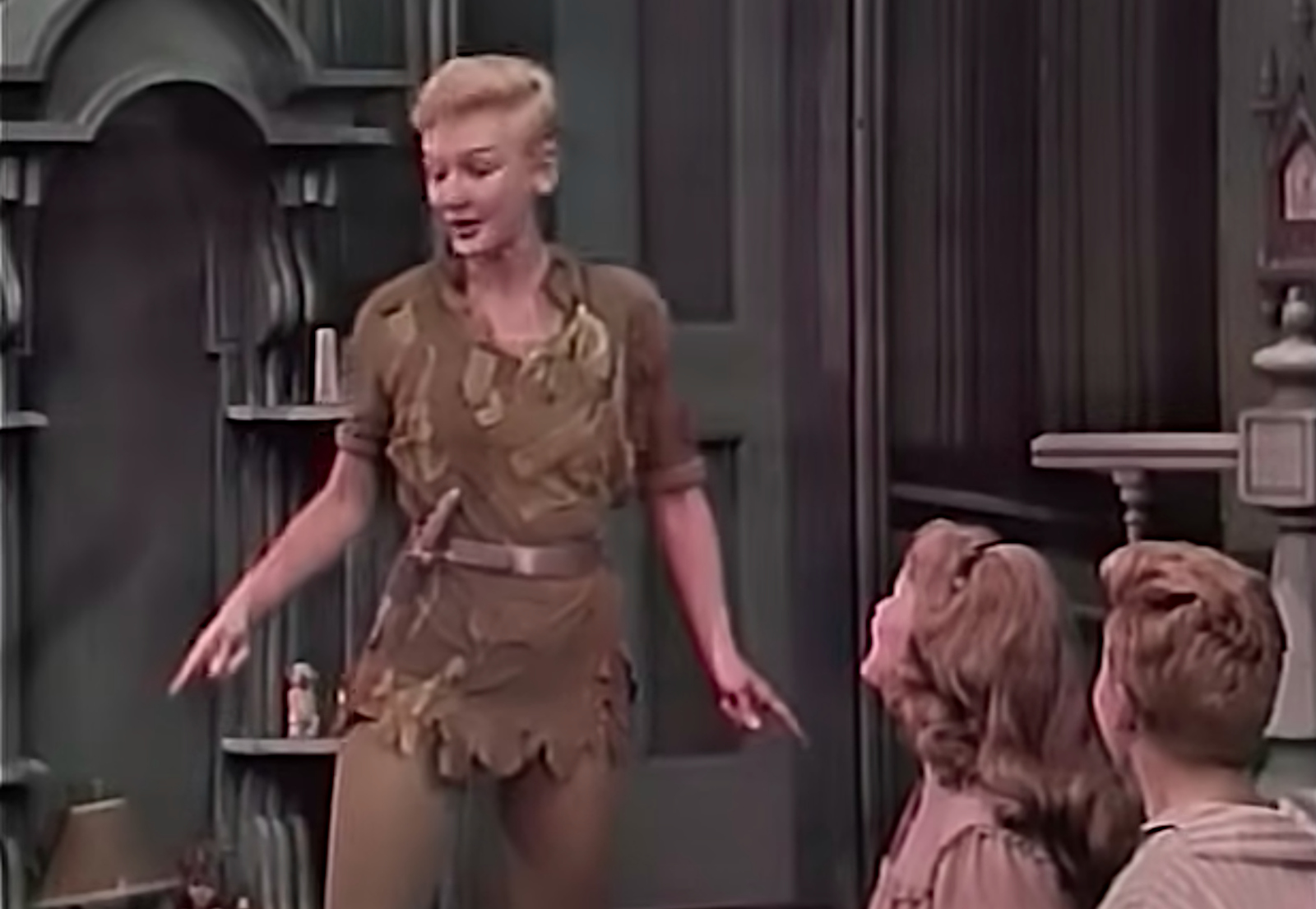
World events: A Soviet satellite containing the dogs Pcholka and Mushka, other animals, and plants was launched into orbit. Due to a malfunction, it burned up during re-entry; and Peter Pan was presented as a two-hour special on NBC in the United States. Rather than being presented live, it was shown on videotape, allowing repeats.
I was in the third year at Querns School (my junior school). I was excited as I was seven-years-old and Christmas was getting close. Christmas was always fun, a decorated tree, presents from parents and grandparents, Christmas cake, Christmas pudding, sausages wrapped in bacon, a holiday from school. And, if you were lucky … snow!
The tree in the image was decorated in typical 1955 style. Tinsel hanging down like icicles, coloured balls, and early designs of electric lights, small but not tiny like today’s LEDs, often with moulded coloured glass in shapes of Father Christmas, reindeer, little pine trees, lanterns. And the presents stacked below – what would be inside those paper wrappers?! So exciting!
Approaching 2½-years-old, Christmas must have been a huge surprise for me. I would not have retained many memories of the previous Christmas, and my understanding of all sorts of things would have improved dramatically as well. Christmas 1948 would have effectively passed me by, but Christmas 1950 would have been a revelation; presents to unwrap, the sound of tearing paper, the stickiness of sellotape, the smells of fruit cake, sherry, and the sounds of Christmas carols outside the front door must have been really striking! A tree with lights on it, tinsel, shiny balls hanging on the tree with miniature reflections. All the adults chatting and laughing would have seemed very different from their usual serious calmness.
World events: Isaac Asimov published his science fiction short story collection I, Robot; and Richard Nixon took office as a U.S. Senator from California.
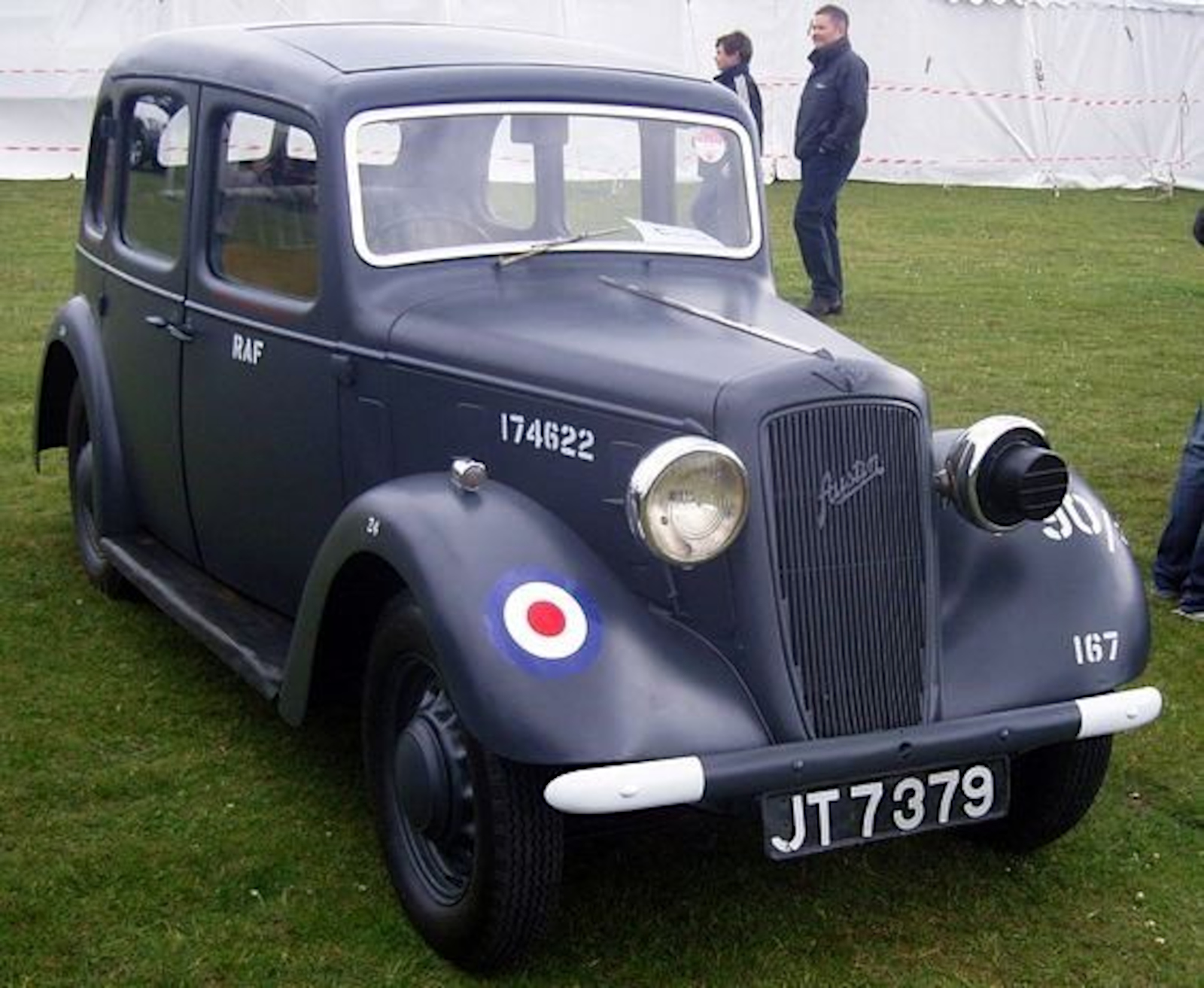
December was a busy month. In addition to writing and receiving many letters and cards to and from family, friends, and of course Lilias, Mike watched some ENSA shows, and also films. Meanwhile he was taking part in an amateur Christmas play. He had a collision with an Indian army truck on 3rd and also was able to drive an Austin 10 Staff Car.
He went to communion on Sunday 9th and heard a service broadcast by the BBC from Cirencester Parish Church! He was picking up some local words in the Marathi language spoken in the Mumbai area, gadi sounds like ‘garry’ and was the word for a lorry, pani gadi sounded like ‘parny garry’, pani meaning water, and pani gadi was a boat (literally a water lorry).
By 18th December they were rehearsing their Christmas play ‘Round the Bend’ right through from beginning to end and everything was coming together. He had a chance to examine an American B-24 Liberator bomber with his friend Paddy. Christmas dinner was served by the CO and other officers. On 30th December he went swimming at Juhu Beach with Paddy, noting in his diary ‘water lovely and warm’.
World events: The United States Senate approved the entry of the USA into the United Nations by a vote of 65–7; and twenty-one nations ratified the articles creating the World Bank.
There’s not enough information to write something for every month in the 1940s. Mike’s diaries start in January 1943, so for January 1940 to December 1942 I’ll write about things I know, or draw on dated photos and documents. Sometimes I might use a photo or document with a guessed date.
The top floor of John Jefferies & Son’s shop and office in the Market Place was entirely occupied by the Landscape Design Department. It was the domain of my Uncle John, born in 1907. I remember it in the 1960s as a large, open space filled with beautifully drawn plans of proposed gardens, some pinned on drawing boards, and many more rolled up and stored in cardboard tubes. John, and his assistant Desmond Walker, did the survey and design work, while a team of practical workers converted the designs into real gardens. Each site had to be cleared, the hard landscaping done first (building walls, laying paving, fitting gates, constructing rockeries), then trees, shrubs and herbaceous borders planted, lawns seeded and so forth.
From 1939 until 1945 or later, this work would have stopped. John joined the army as an officer and was away from home for a number of years. World War II was an unavoidable interruption for British businesses of all kinds. The armed forces required a great number of men and women, and inessential things like building gardens had to wait.
John was thirty-two-years-old in 1939 so he’d have done some garden design work before the war began, perhaps enough to become competent but not an expert. I remember helping him build a rockery somewhere south of Cirencester, probably in the Blunsdon/Highworth area north-east of Swindon from what I recall. This was much later, perhaps during a summer holiday while I was a Sixth Form student. I had thought for a time that I might consider the Landscape Architecture course at Pitville Pump Room in Cheltenham, but in the end studied Horticulture at the University of Bath instead. I remember the care and precision with which Uncle John manouevred large blocks of Costwold stone so that they aligned just so with their neighbours to give the impression of being part of an underlying natural outcrop. The angle of repose had to be just right.
I also remember that at one point his left wrist got trapped between a stone we were moving and one that was already in place. His watch glass was shattered though he was unhurt.
World events: British forces in North Africa began their first major offensive, attacking Italian forces at Sidi Barrani, Egypt; and Plutonium was first synthesised in the laboratory at the University of California, Berkeley.
Anything that appears in this section will have some connection with the 1930’s but may extend beyond the decade to follow a meaningful topic more fully.
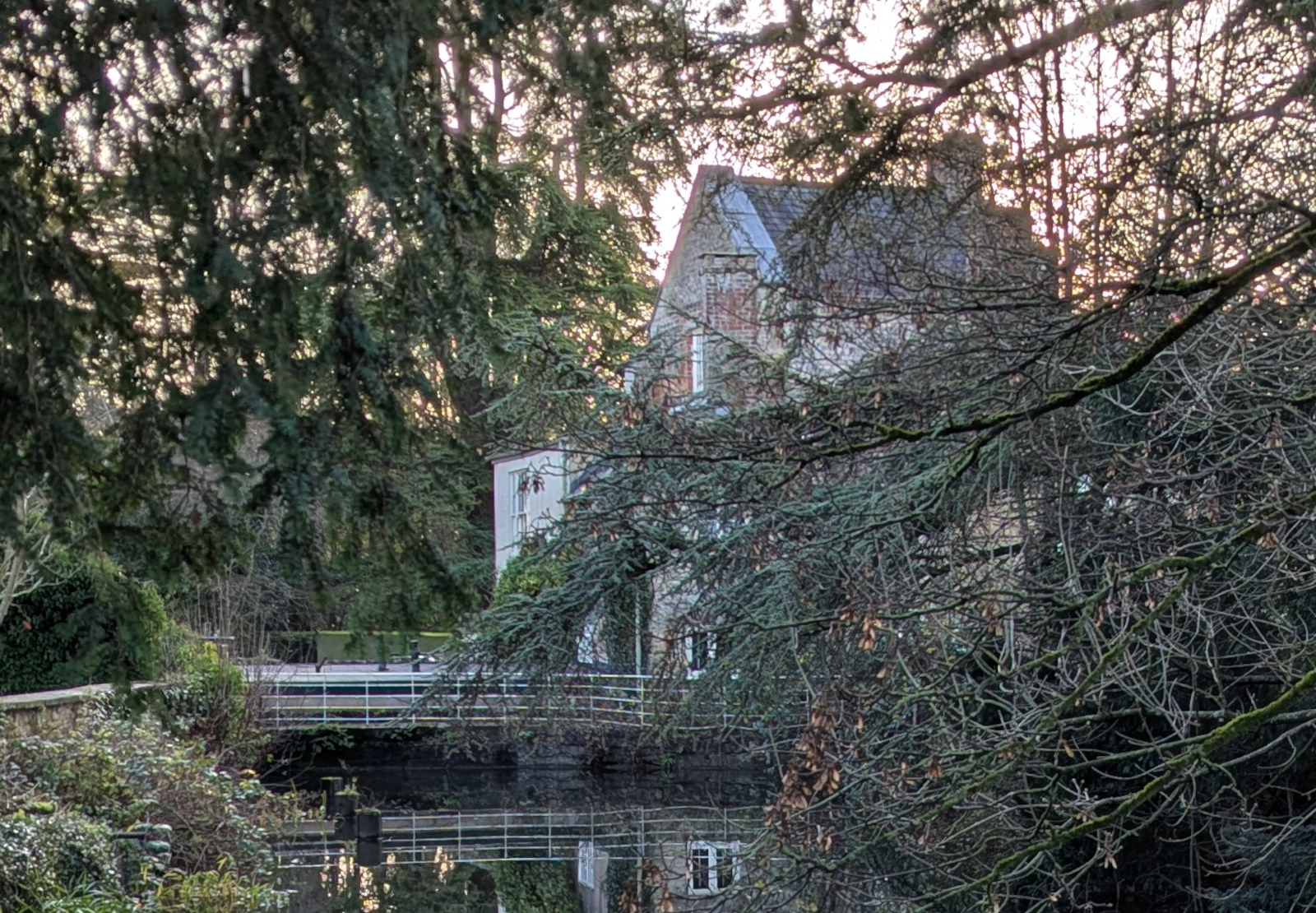
This time we’ll take a look at an aspect of the town rather than my family history. This is Barton Mill in the 1930s according to the OldCiren Facebook group where I found a copy of this photo. The mill burned down in 1926 and I had assumed it was never replaced, although the mill pound still exists in 2025.
The same view today
This photo taken 95 years later in December 2025 is seen from the same angle. I thought there’d have been no mill here in the 1930s, but the photo was made from a footbridge that’s still there and is in daily use as part of Riverside Walk. There is no mill here today, though, so there’s a fuller story to discover if and when anyone has the time and inclination to dig a bit deeper.
World events (December 1935): The German Lebensborn program in support of Nazi eugenics was founded by Heinrich Himmler. (December 1930): All adult Turkish women were given the right to vote in elections.
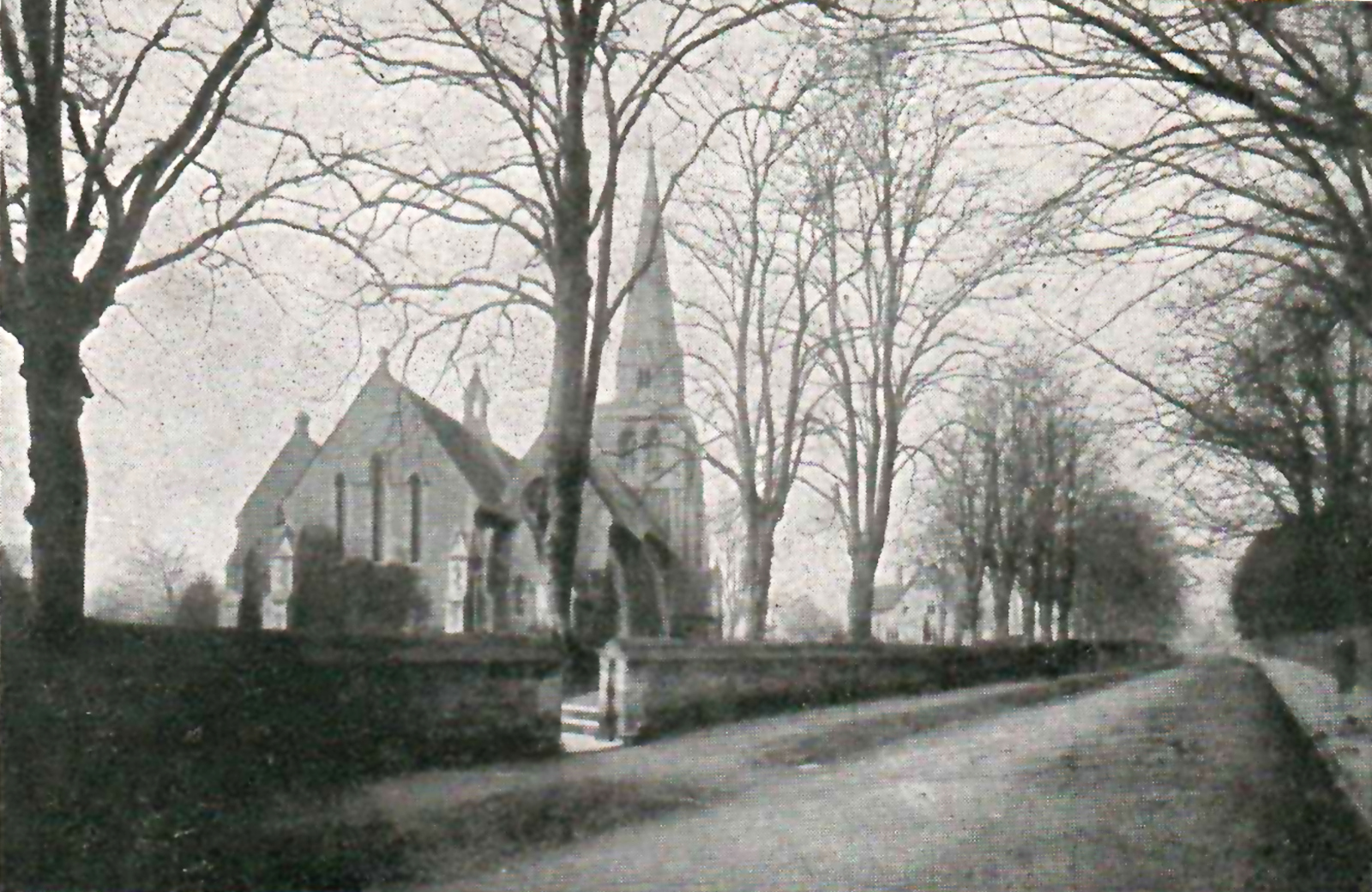
In 1900, Watermoor was a recently but rapidly growing industrial area. It included the Cirencester Arm of the Thames & Severn Canal ending at Cirencester Wharf, Watermoor Railway Station, and an ironworks with its blast furnace, noted for its ability to cast large iron structures without cracks forming on cooling. Famously, the huge gear wheel for the rotating stage at the London Palladium was cast here. I wonder how they moved it to London?
The photo shows Watermoor Church in astonishingly open countryside. In the photo, the road ahead points the way north to Cirencester, becoming Cricklade Street at or near the junction with Lewis Lane and Querns Lane. In the other direction, it rejoined the old Roman route of Ermin Street heading towards Cricklade, Blunsdon near Swindon, and on to Marlborough. In this view Ermin Street would be a few tens of metres out of sight to the right
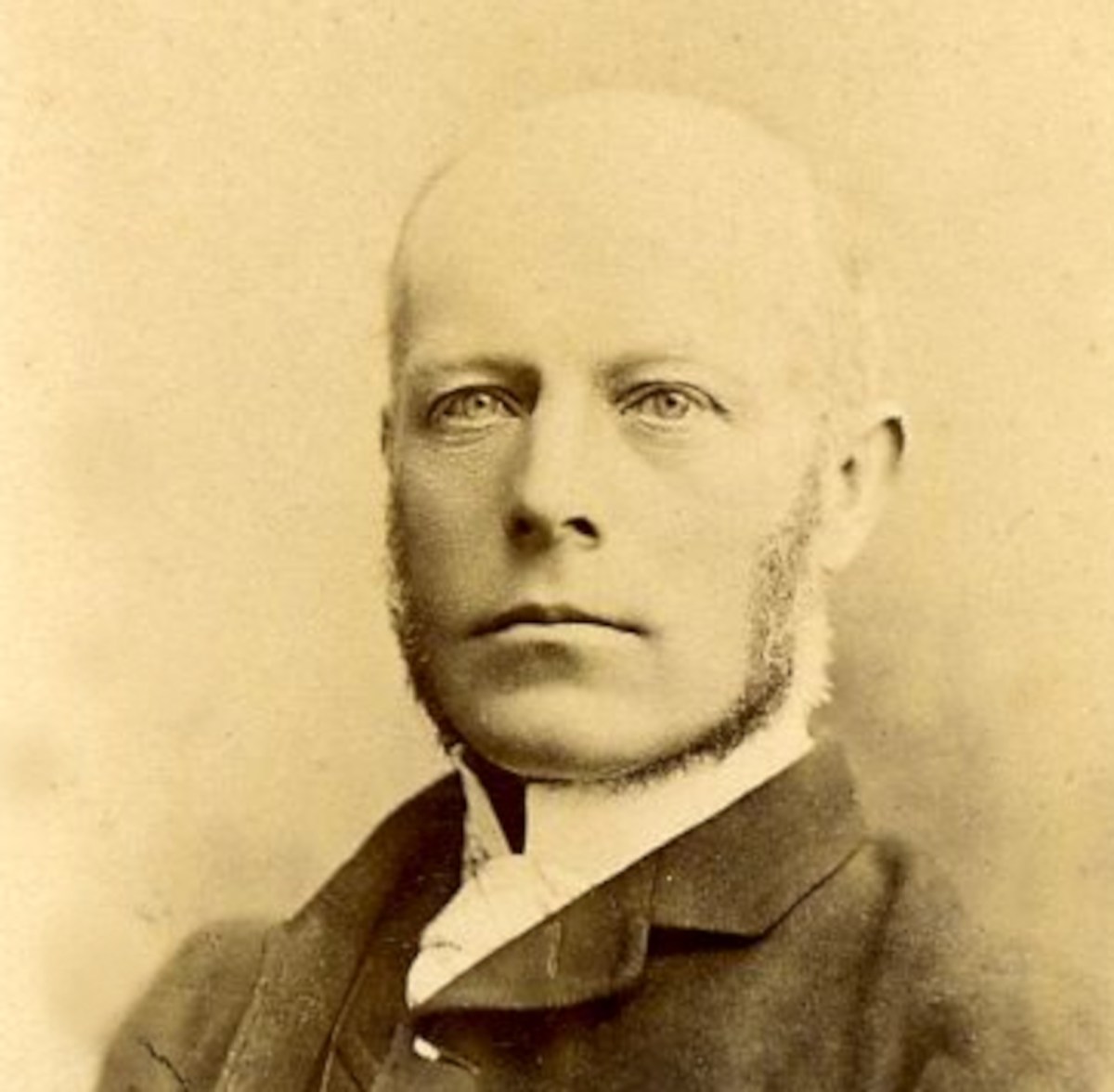
This time we’ll take a look at William John Jefferies, born in Cirencester 0n 8th June 1844 and my great-great-Uncle William. He married his wife Frances in 1894 and died in 1929 at the age of 84.
William had a huge role in building and expanding the family business he inherited from his father, John Jefferies. He was a real entrepreneur, someone with considerable drive, determination, and focus. He was a businessman through and through and he developed what was already a locally respected nursery business into a nationwide and even internationally renowned company. I suspect it might have been William who requested and obtained the title ‘Royal Nurseries’ This was a forerunner of the later ‘By Appointment to’ designation denoting high status businesses approved by and supplying royalty. It may also have been William who built the Warehouse (now flats) on what was then Tower Street Nursery and much later became the Forum Garden Centre. And it was likely William who developed the Garden Design Department and was behind the company’s presence at both local and national flower shows.
William built two houses in the Avenue. They were a semi-detached pair, he and Frances (Fanny) lived in the left half and his sister Julia in the right half. There was an interconnecting door between the two homes. On William’s death, Fanny moved in with her sister-in-law Julia. The houses still exist, William’s half is now The Avenue Surgery, part of Cirencester Medical Practice, the right hand property remains a private residence.
As William and Frances (Fanny) had no children, he took on his nephew, Edward Arthur Jefferies as his main assistant in running the company and Edward (often known as ‘The Governor’ or just Guv) continued managing the company on his Uncle William’s death.
Family connections
Father (John Jefferies) Mother (Alice [Freeth] Jefferies) Siblings Children – None
If you enjoyed this or found it useful, please like, comment, and share below. My material is free to reuse (see conditions), but a coffee is always welcome!
To answer those two simple questions I need to be be honest with myself and also be honest with you, my readers.
What does Jesus mean to me?
He means the world to me. In all seriousness I have to say he is my source, my inspiration, my guide and teacher, and the essence of all I want to be. Jesus once said, ‘I am the Way, the Truth, and the Life’; for me that sums him up extremely well.
Jesus is someone we must all make up our own minds about. He’s an historical person, not only is his life and death described in the four gospels in all versions of the Bible, and his teachings presented throughout the New Testament, he is attested by Roman, Jewish, and Muslim authors as well. Josephus writes about him in his famous history of the Roman war against Judea and the destruction of the Jerusalem Temple in 70 AD. The apostle Paul writes about him too and was mightily influenced by him although they probably never met, though Paul did experience Jesus in spiritual ways. And the Roman authors Tacitus, Suetonius, and Pliny the Younger all wrote about him; so did Mohammed and Jesus (Isa) is mentioned in the Koran and in other Muslim books and teachings and is regarded as an important prophet.
But for me, and many other followers of Jesus, he is far more than a figure from history and far more than an apostle, a prophet, an evangelist, a shepherd, or a teacher (though he was all of those things). Jesus taught his followers about his spiritual Father, Yahweh, the God of Israel, about the Holy Spirit who would come and rest upon them and live within them, the Spirit he would send to rest on them and in them after he, the Son, returned to be with the Father again. I have received this Holy Spirit, the Spirit of Christ, myself. I’ve been changed, I cannot deny that.
How do I respond to him?
In the late 1960s and early 1970s I began following him as best I could, learning more and more about him and what he wanted of me along the way. I’ve written about this elsewhere, in a series of articles that is not yet finished.
I’ve gradually discovered along the way that he wants me to follow him, to grow in my understanding of how foundational he is, who he is and how he leads and guides me. So my response is as full and complete as I can manage. I make mistakes along the way, I’m still learning at 77-years-old, I’ll never know him fully in this life, but I am still making progress. One of the things I do is write articles like this one, hoping a little of his light will shine out in my life and help to reach those around me every day. I try to listen, both in my reading of the Bible and many other books written about Jesus down the ages. I can see glimpses of him in other people who followed him in past times (St Patrick, for example).
In the time remaining to me (it will be far shorter than the 77 years I’ve already had, unless I make it to 155-years-old which seems highly implausible. Ha!) In those final years of my life on this planet I want to get to know him even better and learn to serve and follow him ever more fully. Jesus is love in person, so the better I get at loving those around me, the more like him I will become. So that is my ultimate goal – to serve him by becoming more and more like him. That, I think, is the only sensible way to respond to him.
I could go into the practicalities in endless detail, but I could never do better (or even half as well) as Henry Drummond. Do leave your thoughts below, and any questions you might have. I’ll try to respond to all your reactions in my replies. And by all means send an article to continue this chain.
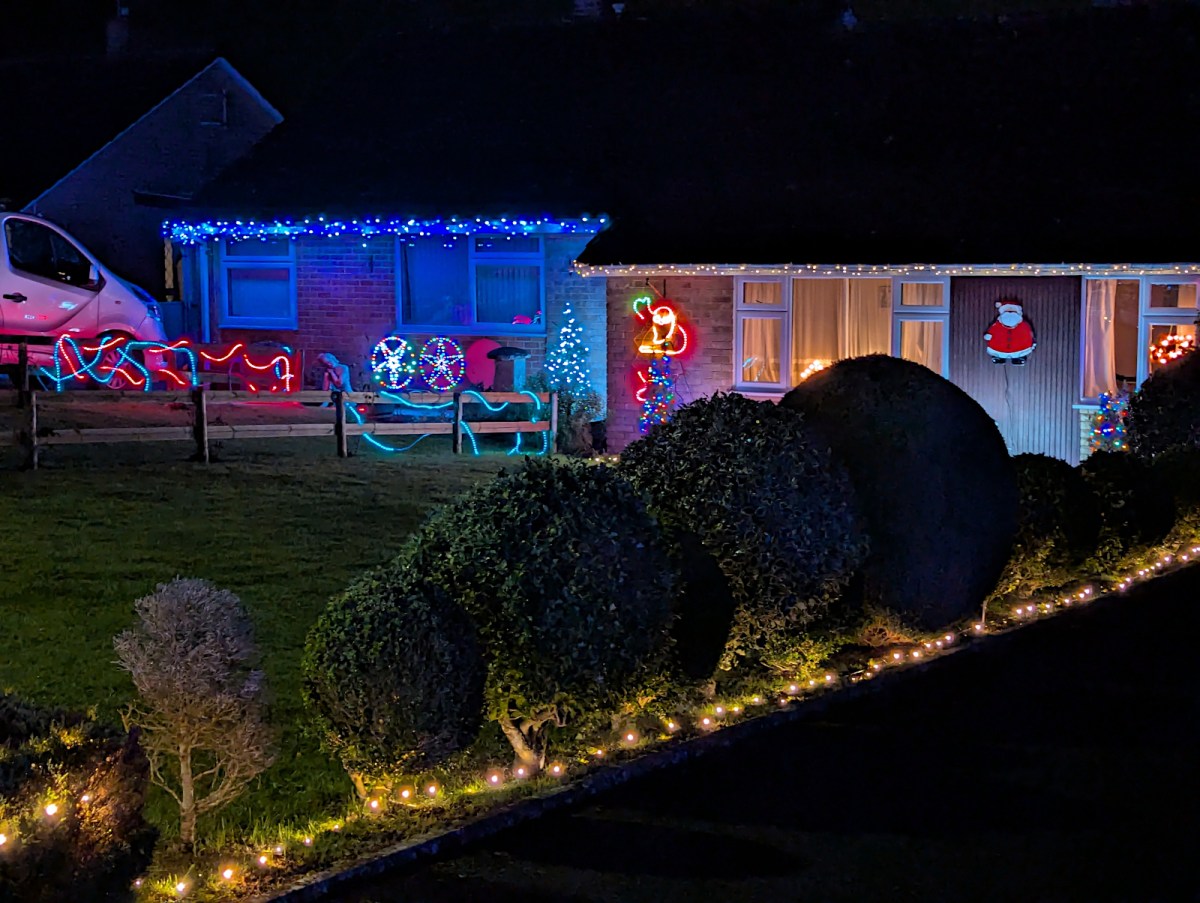
At Vale Road in Stratton on the northern edge of the Cotswold town of Cirencester, residents (and one in particular) put a lot of effort each year into decorating their homes and gardens with all sorts of coloured and illuminated decorations. And they invite the people who come to look to make a contribution to Macmillan Cancer Support.
What’s in an image? Sometimes quite a lot, more than meets the eye. I’m posting an image every few days.
Click images to enlarge
People love Christmas lights and decorations, and people hate illness particularly if there’s no cure. So can Christmas lights help people with incurable illness? Yes they can! But…how?
Well, one way is to use the Christmas decorations to raise money for charity, and that’s what one street in Cirencester has been doing every year for some time now.
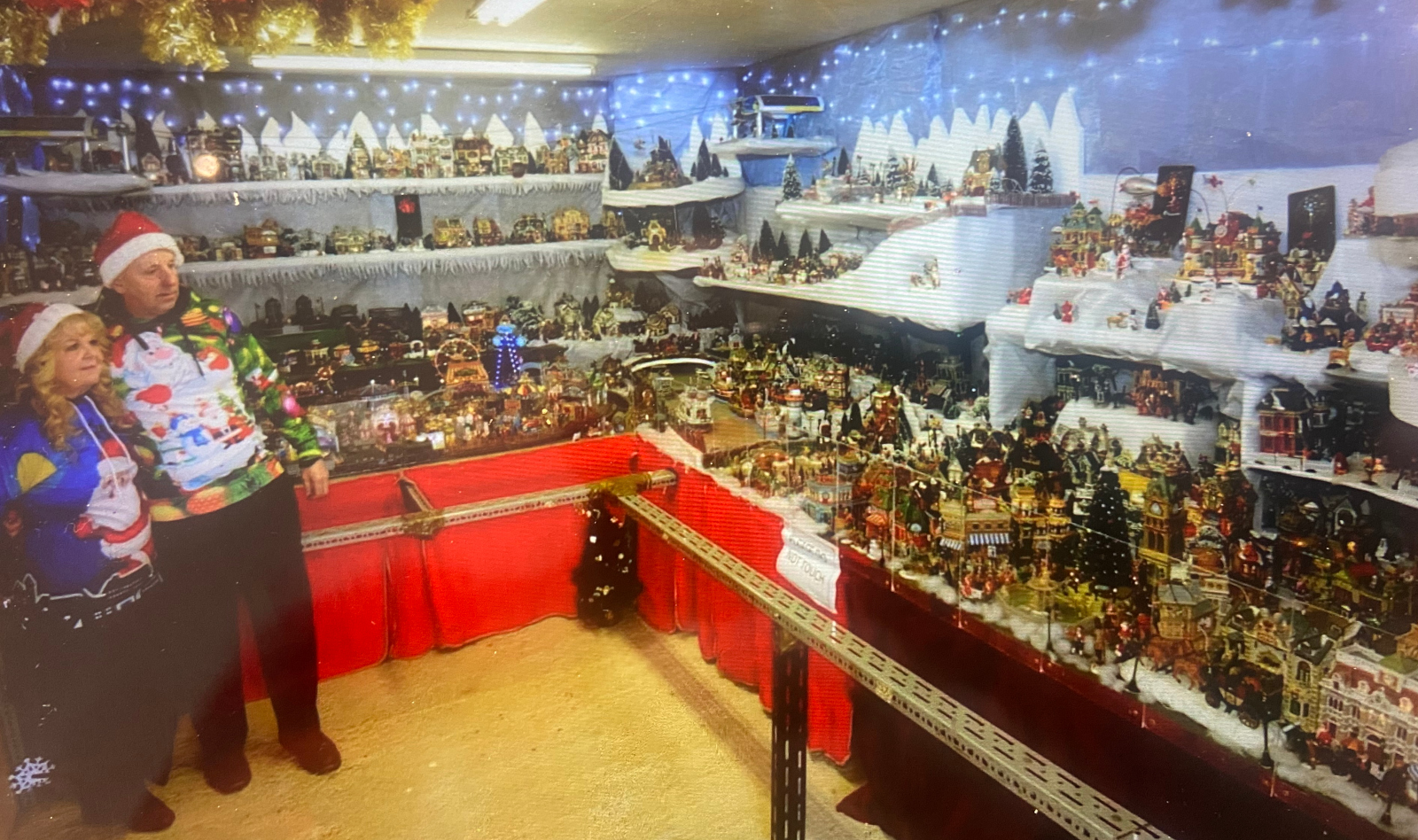
There’s more inside – a model village!
At Vale Road in Stratton on the northern edge of the Cotswold town of Cirencester, residents (and one in particular) put a lot of effort each year into decorating their homes and gardens with all sorts of coloured and illuminated decorations. And they invite the people who come to look to make a contribution to Macmillan Cancer Support. This charity provides care, help, nursing and support for cancer patients and their families right at the time when they need help most. They will help families care for a mum, a dad, or a grandparent at home.
The heart of the action
If you live in Cirencester or the local area, why not drive out to Vale Road and park in a nearby street like Vaisey Road, Tinglesfield or Park View? (But please don’t block any driveways or park near junctions.) Then walk the short distance to Vale Road. You can pay for a tour of the best of the lights, delight your children (or grandchildren), and help support a great cause all at the same time. What could be better than that?
If you enjoyed this or found it useful, please like, comment, and share below. My material is free to reuse (see conditions), but a coffee is always welcome!
John knew Peter well, they’d been around the entire time of Jesus’ teaching of the twelve, and perhaps they’d known one another for years before Jesus came on the scene, both families lived by fishing on Galilee, they were both called by Jesus to follow.
18:1-14 – Jesus and his disciples left the upper room and walked out of the city, presumably by a southern gate. They crossed the Kidron Valley and entered the garden of Gethsemene (from ‘gath’ meaning a press, and ‘Shemanim’ meaning oils). It was a place where olive trees grew and where the harvested olives were pressed to release the oil. ‘Garden’ does not imply decorative plants and flowers as we would think of a garden today. It was just the term for an enclosed agricultural space, a ‘garth’ or ‘gard’ with a wall around it to ‘guard’ it. Jesus and his followers often met here, and Judas was well aware of that fact.
Judas arrived outside the enclosure, followed by a group of soldiers (presumably Romans) as well as a group of Pharisees and some staff of the High Priest. Jesus left the walled enclosure and asked them who they were looking for, and they answered ‘Jesus of Nazareth’.
Jesus told them, ‘I am he’. And they stepped back and fell to the ground. ‘I am’ in Hebrew and in Aramaic sounds rather like ‘Yahweh’, the Holy Name that nobody was allowed to utter. This would have profoundly shocked the Pharisees and the High Priest’s staff. He asked them again, ‘Who are you looking for?’ Again they answered, ‘Jesus of Nazareth’. And he told them again, ‘I am he, so let these others leave’. Peter had a sword and struck out at Malthus, the High Priest’s servant, cutting off his ear lobe. Jesus told Peter to put the sword away. The Roman soldiers under their commander, and the Jewish officials accompanying them, arrested Jesus and tied his arms, probably behind his back, then took him to Annas, once High Priest, father-in-law of Caiaphas, the current High Priest. Annas asked questions about Jesus’ followers and about doctrinal matters and then sent him on to Caiaphas.
Peter’s denials
18:15-26 – Peter and one other disciple followed Jesus and the group who’d arrested him (bravely under the circumstances). There’s been some debate about the ‘other’ disciple. It might have been John, or Nicodemus, or Joseph of Arimathea, or possibly even the traitor, Judas. (Read some aspects of the debate for yourself.)
This other disciple made it possible for Peter to enter the home of Annas where there were some questions being asked of Jesus. So which of those characters mentioned above would most want Peter to hear that questioning and Jesus’ answers? Think about that for a moment. John knew Peter well, they’d been around the entire time of Jesus’ teaching of the twelve, and perhaps they’d known one another for years before Jesus came on the scene, both families lived by fishing on Galilee, they were both called by Jesus to follow. Peter was a man of action, he’d proved it once again by using his sword that very evening!
Annas questioned Jesus about his disciples and about his teaching (verse 19). Jesus often taught to crowds (you can’t get more public than that) and replied that he always taught in public in synagogues, or even the Temple courts. He didn’t teach in secret. Annas could learn about Jesus’ teaching from any of his many listeners. That remark drew an abusive slap in the face from one of the Jewish officials. Peter and the other disciple heard and saw all this. At this point Annas sent Jesus, still tied up, to Caiaphas.
And Peter denied being one of Jesus’ disciples for the second and third times. How did all this affect Peter? I’d suggest seeing and hearing the interrogation and the angry slap and recognising his own failure in denying he was a disciple all helped to stir Peter up and ready him for action. Frustration, helplessness, anger and guilt are a heady mix for anyone with a habit of activity. And I submit that John, knowing Peter as he did, would have expected that. I think John also understood that a time for action was coming very soon.
With Caiaphas
Although John doesn’t record the interaction between Jesus and Caiaphas, we can fill the gap a little from other sources, read Matthew 26 for example.
After the resurrection of Lazarus, Caiaphas had told the Sanhedrin that it would be better for one man to die for the people, than that the whole nation should perish. He was worried that the Romans would lose patience and intervene militarily.
And during Jesus trial before the Sanhedrin, Caiaphas directly questioned Jesus, demanding a clear answer on his identity: ‘I demand you tell us whether you are the Christ, the Son of God’. Jesus did not give a direct answer, but what he said was regarded as blasphemy and the Sanhedrin condemned him.
The Roman governor, Marcus Pontius Pilatus
Caiaphas and the Sanhedrin wanted the death penalty for Jesus, but only the Roman governor could provide such a sentence, so Caiaphas sent him on for a third hearing.
Pilate was not interested in religion, only in politics, so his first question was about Jesus’ kingship. Jesus explained that he hadn’t come to rule, but to testify to the truth. Pilate’s concern was not truth, either, but still only politics, so he went back outside to the waiting Jewish delegation and told them he didn’t find Jesus guilty of anything. But the custom is that at Passover time I release someone from captivity for you. I can release Jesus for you if you wish. ‘No’, they shouted back, ‘Not Jesus, release the agitator and rebel, Bar Abbas. This Aramaic name means, quite literally, ‘Son of the father’. This is striking indeed as Jesus is the true ‘Son of the Father’. Jesus was known in Galilee as ‘Yeshua bar Yoseph’, Jesus son of Joseph, but he was truly ‘Yeshua bar Abba’, Jesus son of the Father. The Jewish leaders were choosing the wrong man, but also the Wrong Father!
If you enjoyed this or found it useful, please like, comment, and share below. My material is free to reuse (see conditions), but a coffee is always welcome!
If Jesus is in John and is glorified, John shares in that glory too! Even if John doesn’t fully grasp what exactly the glory is, he certainly grasps that through Jesus that glory is already in him.
17:24-26 – If these verses do not astound you, you need to pay closer attention to what Jesus is saying. Let’s break the material down to consider it carefully. The first thing to note is that Jesus is not conversing with his followers here, he’s speaking with his Father. He’s not asking for strength during his coming ordeal on the cross, instead he’s just telling his heavenly Dad what he wants. And the first thing that comes to mind is that he wants his followers to be with him where he is and to see his glory. Well, they are with him, he’s in the upper room in Jerusalem and so are they.
Seeing the glory
But do they see his glory? No, I don’t think they do – not yet, not fully. Peter, James and John had been with Jesus on the mountain and had seen and heard what happened there. But they didn’t understand what was really going on. Peter, always the practical doer, was going to build three shelters. James might have had more intuition about it, but I imagine John would have got closer than the other two. John was the disciple ‘Jesus loved’, he viewed things from a more spiritual dimension, it was his nature to dwell on spiritual truth and look for hidden depths of meaning.
I think John is already aware that Jesus thinks of himself as Yahweh’s Son, he’s referred to himself as the Son, and he often talks about ‘My Father’. And I suspect John understood that was an eternal relationship. Jesus spells it out again here in the Garden as he prays to his Father. The Father loved him before the world was created and loves him still. And I imagine for John it was not too great a leap to see that this love is eternal and will remain even after the end of time itself. And in verse 26 Jesus says to his Father that he has made his followers aware that the Father has sent him (Jesus), that he’ll continue to show them that so the Father’s love will be in them and so that Jesus himself will be in them too.
Does this take us back to Jesus in glory on the mountain? Yes, I think it does! And John must have understood that if Jesus is in him, that he too must have been gloriously transformed on the mountain, so that he, John, can also talk freely with Moses concerning law and with Elijah concerning prophecy. If Jesus is in John and is glorified, John shares in that glory too! Even if John doesn’t fully grasp what exactly the glory is, he certainly grasps that through Jesus that glory is already in him and raises him to the giddy heights of the law and the prophetic.
And this is where we all stand if Christ is in us. We just need to see, as John did, that the glory arrives when Jesus does, that we share in him and in his glory permanently. So when my body dies (as it must) I continue to live gloriously because Jesus is in me. I’m sure Peter and James came to understand this too, certainly at Pentecost if not before. That was the moment when Jesus’ glory was fully revealed to the entire church, not just in theory but in full experience.
This was a moment they had been told to wait for, but when it came it was far beyond what they had imagined or expected.
If you enjoyed this or found it useful, please like, comment, and share below. My material is free to reuse (see conditions), but a coffee is always welcome!
Lead with Your Heart is my favourite musically, Halfway Home contains my favourite lyrics, and if I’m allowed a third choice it would have to be The legend of Dram Fools or Whisky River just for the mad joy and fun of it!
My nephew, Gavin Landless, was in the UK recently for a visit with his partner, Donna. They came to catch up with various friends and relatives and came over to see me and my Donna at our home in Cirencester. Gavin’s Mum, Cindy (my sister), came with them.
I’ve always liked Gavin, it’s interesting to chat with him as we do have several shared interests, and it was great to meet Donna as well. While he was with us he handed me a CD. For quite some time, Gavin and his friend Bob have been writing their own music and lyrics and performing locally in the part of upstate New York where they live, Syracuse. It occurred to Gavin that they had enough songs for a CD, Bob agreed, and Gavin, who once had a professional role in music production, set to work. They employed other musicians to enlarge the instrumental range and the CD, Dram Fools was released and seems to be doing well. It deserves to!
They try to define their style, writing on the website:
Think vocal-driven R&B-jazz-pop-Celtic-alternative and you’ll have, well, still no idea really. So it’s better to just follow them, listen to a few tracks, and find your favorite song!
So perhaps I’ll simply say that it’s hard to decide which is my favourite song because they are all really, really good. But I have to pick one or two, don’t I? – Lead with Your Heart is my favourite musically, Halfway Home contains my favourite lyrics, and if I’m allowed a third choice it would have to be The legend of Dram Fools or Whisky River just for the mad joy and fun of it!
Keep going Bob and Gavin, Dram Fools you may call yourselves, but you’ve got something good going here!
If you enjoyed this or found it useful, please like, comment, and share below. My material is free to reuse (see conditions), but a coffee is always welcome!



















 Journeys of Heart and Mind


_fol._142r_-_2_Corinthians_11,33-12,9.jpg)
