News won’t stop, however. From today onwards I’m going to post news items on my Bluesky account, hopefully several times a day. You don’t need a Bluesky account, you can read everything just by clicking the link. There’s a more prominent link at the top of the right hand column here on the blog. I’ll leave the existing news items on this page so you can still see them if you want to; but this brief notice is the last change I plan to make here.
Thanks for reading!
Chris
News roundup…
2026 – news and events

This is a roundup of news and events in the world as well as in my life. So expect to find thoughts and comment on international and local events as well as links to anything I’ve seen or read that seems either relevant or interesting to me. I’ll republish every time I add a new item, so check back often.
< No earlier items – Index – No later items >
Find me on Bluesky for briefer and more frequent updates.
Starship mission roundup
29th September – For a very clear and well structured video covering the Starship 14 mission from beginning to end, I recommend Marcus House’s great effort on YouTube. He includes everything you need to know and collects up some of the highlights from SpaceX’s livestream yesterday. Awesomeness in less than 25 minutes, don’t miss it!
Starship is in orbit!

28th September – The latest test flight of SpaceX’s Starship has gone well enough that the decision was made to go to orbit. The ship is currently releasing 26 Starlink 2 satellites, a very significant increase in the Starlink constellation’s capability. As a test load it’s less than for this flight, half of the standard load of up to 60. Ten orbits are planned, followed by a controlled splashdown close to Starbase on the Texas coast.
This is a huge step forward.
Orcs in Ukraine
15th September – Anyone who follows news on the Russian invasion of Ukraine will probably be aware that the English word ‘orc’ has been applied to the Russian troops by Ukrainian people, especially by war commentators. It’s an appropriate borrowing, partly because of the way Russian forces infiltrate villages and towns.
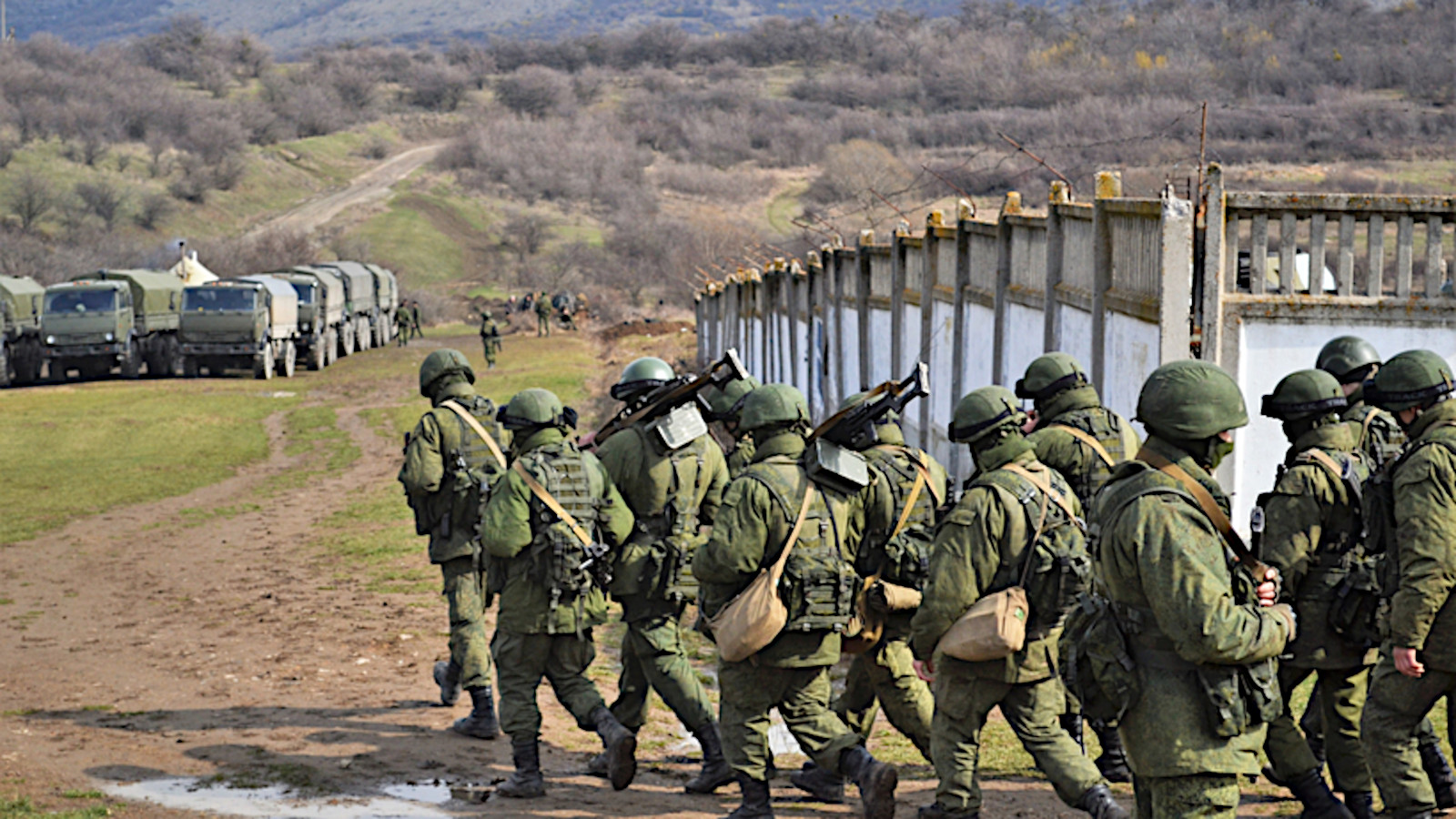
Much like the orcs, Putin’s troops go out in small groups of two or three and hide in bombed out, derelict buildings, often in basements. If they survive, other small groups attempt to join them. Eventually there may be multiple groups scattered through a settlement and they begin to attack Ukrainian positions and claim to have ‘liberated’ some territory in the grey zone between secure Russian and Ukrainian areas. The grey zones are full of drones from both sides so there is no longer a ‘front line’ in the normal sense of that term. The depth of the grey zone is more or less the maximum range of a drone flight, many kilometres in most places.
Yaroslava Antipina has written a great article about the origin of the word orc and how it jumped from Tolkien’s 20th century English to today’s Ukrainian. Like all her articles, it’s a fascinating read. The photo (from 2014) is copied from her article and is also on Wikimedia.
Commentary on Luke
14th September – At last, a major step forward with my Gospel commentary series. The work has been very slow, but John is finally finished and I’m making a start on Luke now. A brief introduction to the book is done and next time I’ll be writing something about Luke 1.
Dan Snow and Alice Roberts, origins of Christianity

1st September – In this episode of Dan Snow’s ‘History Hits’ series he interviews Alice Roberts on the early growth and spread of Christianiy in the late Western Roman Empire. between them they provide a great overview of the move from early church in people’s homes, to the spread into Roman cities and how bishops and other church officials gradually took on government and civic duties. When dusk fell on the Western Empire and pagan kings took charge of old Roman cities and provinces, it was the church officials who managed much of the business and government roles on their behalf. An astonishing story, well told from a fresh and intriguing perspective. See also Church as we know it.
Comment on Trump from Times Radio

1st September – Some of the best material out there is found on this channel, where Times journalist, Maddie Hale, interviews top journalists, military experts, economists and more in a daily, in depth round up of events. This lays bare the US President’s naive, often foolish, and sometimes illegal policies, actions and choices.
Find it here and take your pick. There are often two versions of the videos, free and members only (Ad free).
Another new version of Art in the Forest

11th August – Art in the Forest has had another update, it’s now complete from April 1951 to January 2026 covering 75 years. You might like to take another look.
New version of Blast from the past
7th August – I’ve just published an extended version of Blast from the past part 41 with a roundup of events from April 1976 to January 2026. The post is still called ‘Art in the forest’ but contains a lot of older detail missing from the previous version, it now covers the last 50 years of my life, my family, friends, activities and world news. Everyone is welcome to read it, but it will be particularly interesting for people who know me or are familiar with Cirencester, St Neots or Yatton near Bristol – all places where I have lived.
13th test flight of Starship
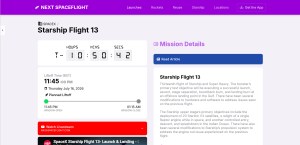
16th July – SpaceX is aiming to launch their largest and most powerful rocket later tonight, 16th July 2026, just after 23:00 UK time this evening. Once again, expect quite a spectacle whether it proves to be a success or a failure. More details from Next Spaceflight online.
Senator Chris Murphy on 500 days of corruption

23rd June – Chris Murphy is a leading Democratic Senator in the US Senate. He just addressed the Senate for 30 minutes on Donald Trump’s corruption, and he did not mince his words. Everyone should see this, especially American citizens. How could anyone not care about this?
Starship flight 13
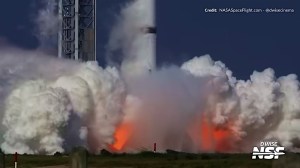
21st June – Flight 12 had some serious issues, but preparations are underway for flight 13 already, with some changes to improve the outcome this time. The Superheavy booster flip manoeuvre will be be adjusted, but the ship performed really well on flight 12 and SpaceX hope to return the ship and catch it on flight 14. Flight 13 will have to well for that to happen but success might mean real Starlink satellites could be delivered to orbit on flight 14. We’ll see. Watch Marcus House’s latest video for more information and some stunning footage.
The teaching gift revised
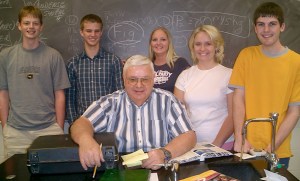
21st June – I’ve revised and refreshed my post on the gift of teaching, and given the post a new image for good measure, it’s the latest part of my series on the APEST gifts in church life. Teaching is a much needed gift and is to be encouraged, please take another look and pass the link on to anyone you think might benefit from reading it (or why not pass on the link to the entire series?) I’ve made a start on part 10 and will let you know as soon as that’s ready.
Russia running out of options

18th June – Russia’s invasion of Ukraine is not going well for them at all. Ukraine continues to develop more and more effective drones, cruise missiles, and is working towards ballistic missiles and anti-missile systems as well. They are much less dependent on US military help now and are getting more assistance from European countries. Russian forces in southern Ukraine, in Donbas and in Crimea are afflicted by severe shortages of supplies and Ukraine has cut many supply routes, particularly to Crimea. Ukrainian drones have been systematically destroying Russian military infrastructure as well as energy production and storage facilities.
Every day Russia grows weaker and Ukraine stronger. It seems unlikely Russia can win the war, yet their requirements for any peace deal have not diminished or relaxed. Russian missile strikes continue to breach international law by targeting non military sites including schools, hospitals, shopping centres, universities, and historical buildings.
I asked Anthropic’s Claude Opus 4.7 AI to assess the likely outcome and the final assessment was:
Military collapses are non-linear and hard to time. The Kinburn withdrawal could be the first domino or it could be a local adjustment that Russia stabilises around. But the previous assumption — that Crimea was effectively off the table for this war — is no longer defensible given what’s actually happening on the ground.
You can read the entire AI report if you like.
Tweaking the way news works
17th June 2026 – I haven’t been keeping up, have I? To streamline the process and help me to update the news much more easily I’m going to change to a fresh News page once a year instead of once a month. So, welcome to 2026!
Outcome of Starship Flight 12
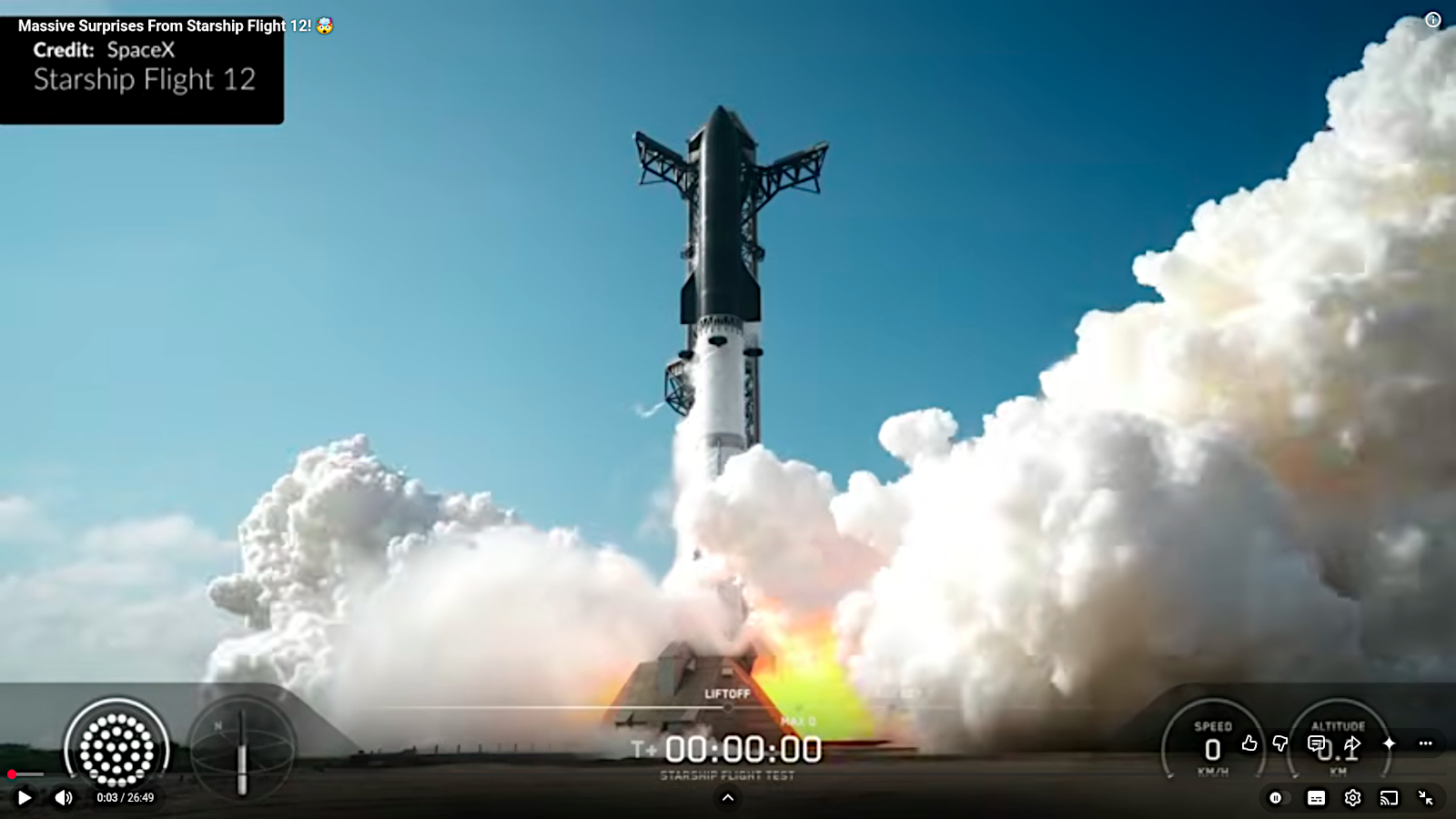
22nd May 2026 – After a failed attempt on 21st May, the launch took place on 22nd, lift-off was nearly perfect, a single booster engine shut down quite early, but running the remaing 32 Raptor 3 engines slighty longer got the flight back on track. The new launchpad (Stage 0) performed really well. Stage separation left the ship powering away to near orbital speed as planned, and dummy satellites were released (two of them with cameras for the first time giving us good external views of Starship.
The Superheavy booster, lost most of its engines and failed to land but good data was returned and necessary improvements and adjustments should fix these issues for Flight 13. The ship made a clean ‘landing’ at the right height for a catch but as no tower was provided it then fell into the ocean as intended.
- Commentary on the launch – Marcus House
- Scott Manley’s post-flight analysis – YouTube
SpaceX launch video – SpaceX (starts at 2 mins into the video) - Tim Dodd’s launch commentary – YouTube
Try again!
22nd May 2026 – I stayed up late last night to watch the launch attempt live, they hit a problem just 30 seconds or so before launch and recycled to 40 seconds. The same problem returned and they tried several times but eventually had to give up. I believe the problem was not in Starship but in some of the equipment in the launch tower. There may be another attempt this evening but I don’t think I can watch it live two days in a row. Here are the current details for the next attempt.
Starship flight attempt
21st May 2026 – After various delays, the current plan is that SpaceX will attempt the first launch of the third version of Superheavy and Starship from the Texas coast this evening (UK time). Everything is new, including the launch pad, the engines (Raptor version 3) the Superheavy booster (version 3), and the Starship (also version 3). Everything benefits from previous flights of versions 1 and 2, but with so many changes nothing is certain. The details will be updated regularly at Space.com and at SpaceX, even more techy details from Everyday Astronaut. Success is not guaranteed (though I think fairly likely), but excitement is certainly guaranteed. Don’t miss it! If the flight is delayed for some reason there are several more opportunities in May; and if even more time is needed there’s always June or July – but we hope that won’t happen.
Back in 1946

15th May 2026 – Today I updated Blast from the past 40 right back to 1946 when my father was travelling from Bombay to Singapore during the second world war (visiting Rangoon en route). There’s a lot of interesting family and world history in this post now.
Photos from Nature

7th May 2026 – The famous science journal, Nature, provided a fantastic selection of stunning photos this week, along with a great deal more information about science events and news. I loved all of the photos, but this image of Japanese cherry blossom is my favourite. It’s part of a data set of flowering dates going back 1 200 years.
Anyone can sign up for these excellent news updates.
A confused world

27th April 2026 – Such a lot going on, and it’s so difficult to analyse any of it. The British Prime Minister, Keir Starmer, is being attacked for misleading Parliament. The issue will be discussed tomorrow. I don’t think anything will come of this, but if it does he might have to hand the job of Prime Minister over to someone else.
In the USA the state visit by King Charles and Queen Camilla has begun while President Trump seems unable to find a dignified exit from the mess he’s created in his war of choice against Iran. Ultimately it will become clear he has significantly diminished the USA in multiple ways.
Russian President Putin seems to be losing his war against Ukraine, losing territory, losing oil revenue, and losing the trust of the Russian population. Meanwhile Ukraine and President Zelenskyy are doing very well indeed.
Europe has benefited greatly, working together more and more effectively; while Canada, Australia, New Zealand, Japan and South Korea are showing signs of cooperating more and more, both with one another and with Europe as well. It’s as if all of the world’s politics and relationships have been thrown up into the air and are coming down in new and unexpected configurations. Taken in the long term I think it will turn out well, but there’s still plenty of uncertainty in the here and now. We’ll come back to these and other topics later.
Russian invasion of Ukraine

20th April 2026 – Here’s a news roundup on the state of Ukraine’s defence against the Russian invasion. General Ben Hodges is often interviewed by others, but here he records his views and opinions on the state of the conflict on his own YouTube channel; he’s well worth listening to. In this video he tells the story of Ukraine’s resistance against Russia from 2022 to the current events. Encourage him by liking the video and leaving a comment.
Hungarian election results

12th April 2026 – The Hungarian voters heavily defeated Viktor Orbán in the parliamentary elections, Péter Magyar’s Tisza party winning a 2/3 supermajority. This is a very significant result, putting Hungary into a good relationship within the EU, rejecting JD Vance’s efforts to support Orbán, rejecting Putin’s influence over the country, and making it likely that Hungary will in future support Ukraine’s brave rejection of the Russian invasion.
The Conversation

8th April 2026 – If you don’t already read The Conversation, I suggest you take a look at it. It’s very much part of the web as Tim Berners-Lee originally intended it. Free to read, free to subscribe, free to copy, free to re-publish. In order to write for The Conversation you have to pass through a sieve that requires you have at least a PhD, so all the articles are written by academics.
That’s both a strength and a weakness, authors are guaranteed to be thinkers and well educated, though at the same time it lacks content from the less-well educated, even though many of those might be people with important and balanced views on everyday life.
To get started I suggest reading this article on food waste in the UK. Then browse around for material that interests you.
Ukraine helping Gulf states
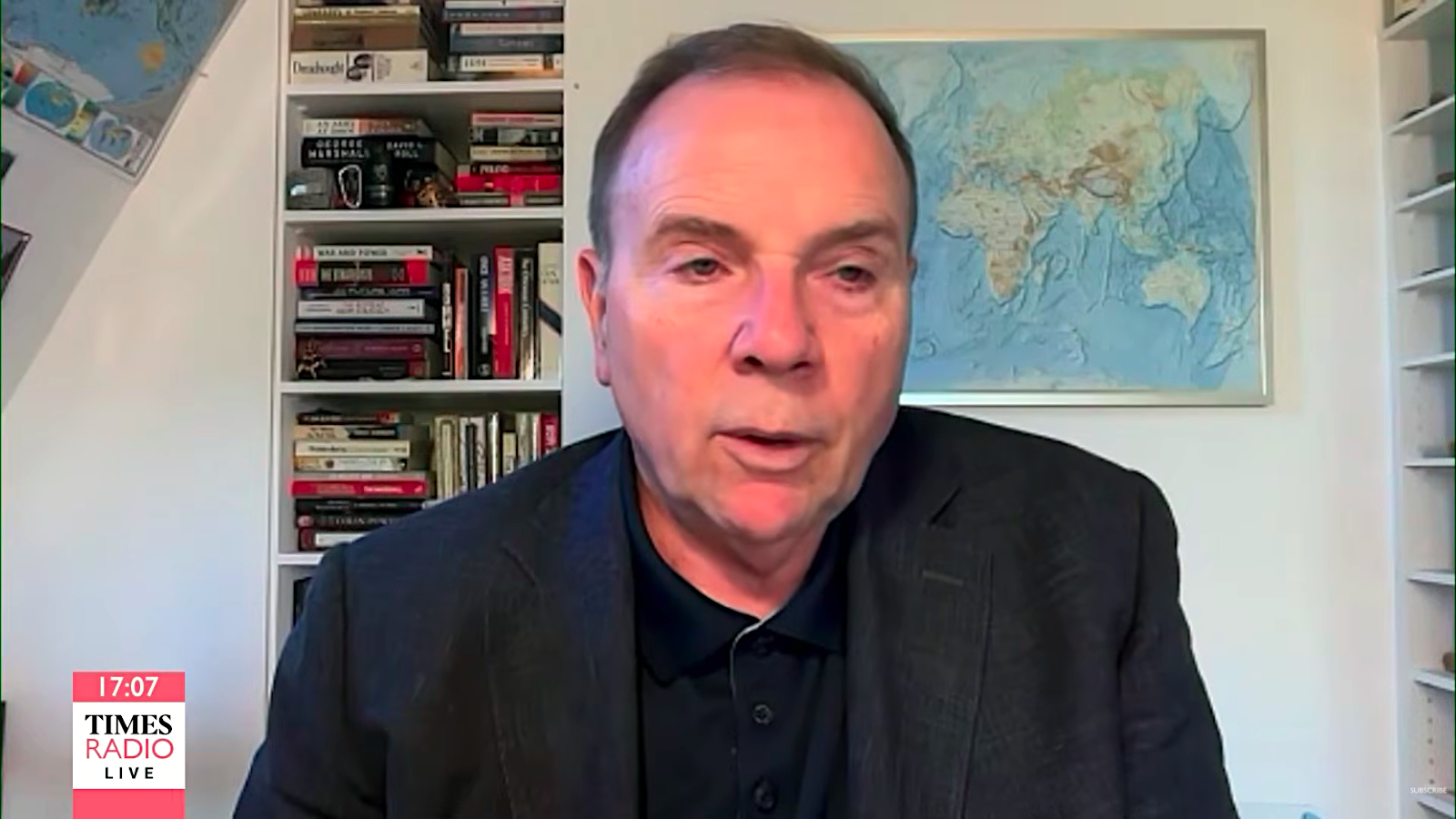
7th April 2026 – President Zelenskyy’s getting growing support from the Gulf Arab states who are being so badly hurt by Donald Trump’s foolish war with Iran. While Trump gets more frustrated and angry day by day, falling into ever deeper difficulties and demonstrating a growing absence of planning and logical thinking; Zelenskyy is offering effective anti drone technology and training to the Arab Gulf states to enable them to bring down significant numbers of Iranian drones. This shrewd thinking by Zelenskyy, means the Gulf Arabs will supply money and support to Ukraine in exchange for the defence help they so urgently need.
It’s fascinating to watch this develop day by day. To hear some analysis, watch these Times Radio YouTube interviews with John Foreman, Professor Scott Lucas, General Richard Shirreff, and General Ben Hodges.
Family visitors
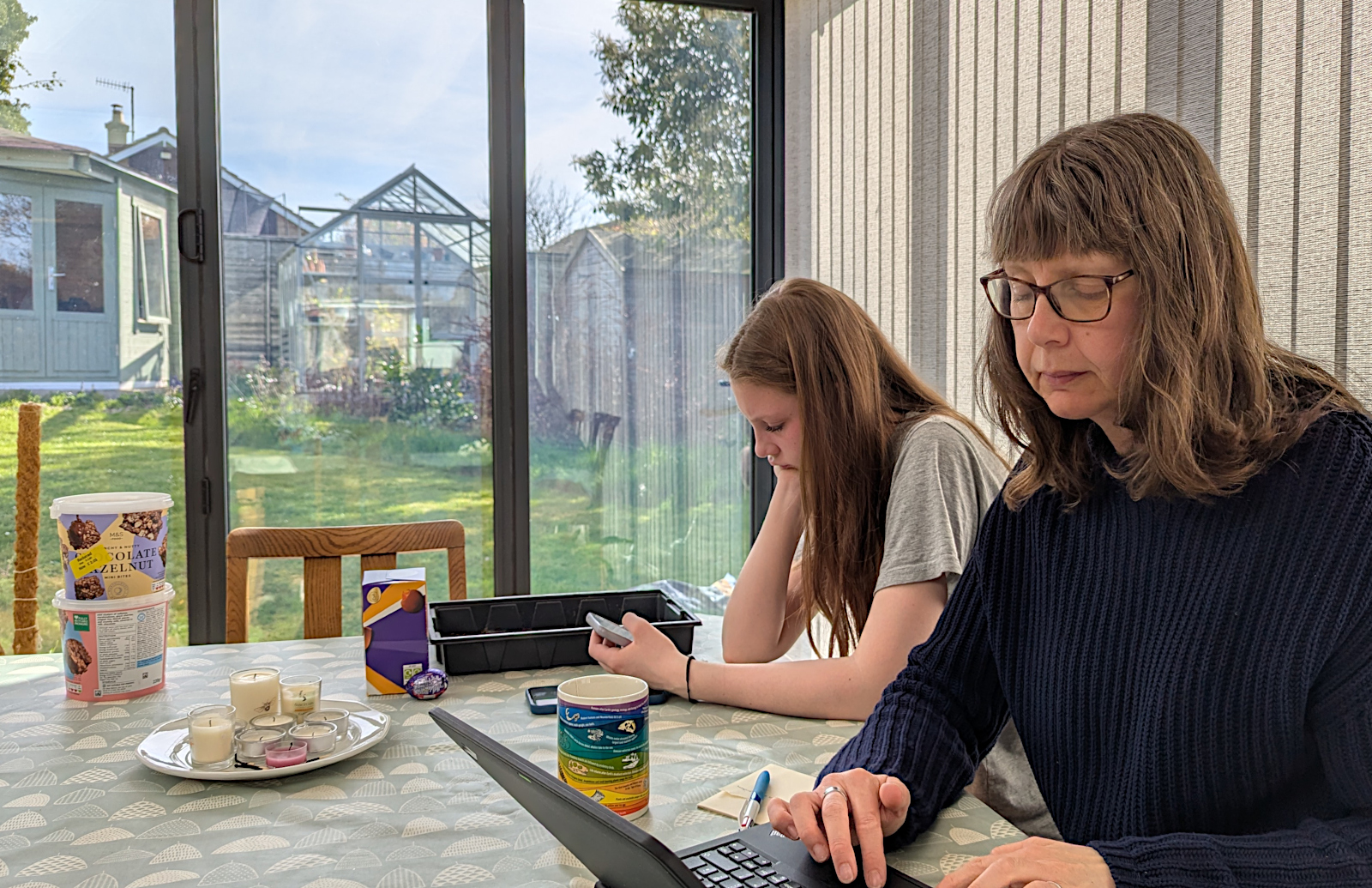
5th April 2026 – My daughter Debbie and grandchildren Aidan and Sara arrived today to stay for a couple of nights. It’s always great to see them, of course, but things were more exciting than usual this time. Just as dusk was falling, we had a major power cut and had to get out the candles. By the time power came back on it was fully dark. We had two further outages, both quite brief.
A new series on JHM

3rd April 2026 – I’ve started a new series of articles on JHM. View the index (it has only a single item so far) but I’ll add more items from time to time. This first entry recommends Life with CD, a great site for posts about following Jesus faithfully in the modern world. Lots of hard questions, lots of good answers, lots of thoughts provoked.
The journey continues

3rd April 2026 – The crew of Artemis II are now heading towards the Moon following a TLI burn (TLI = Trans-Lunar Injection) You might like to watch this news interview with them if you haven’t already seen it. As they draw ever closer to the Moon they will come more and more under its gravitational influence and less under Earth’s. Lunar gravity will gradually bend their orbit through 180 degrees and send them hurtling back to Earth at the same speed at which they arrived.
Caledonian Forest Restoration

2nd April 2026 – And now for some long news. The NASA mission I mentioned yesterday will last 10 days, but this forest restoration project in Scotland will last for 250 years!
Alan Watson Featherstone is a Scots ecologist, he founded the conservation charity, Trees for Life in 1986; and I recommend the video about the work and its striking results so far (link in the paragraph above). We need more people with vision like this! While you’re here, take a look at the charity’s website.
Friends of the Gumstool Brook
2nd April – FoGB is a local, volunteer organisation started by an old school friend of mine, Nick Henderson – more fully and properly Rev’d Dr. Nicholas Henderson. FoGB does a lot of very useful, even essential, work on Cirencester’s watercourses. If you live in or near the town you should certainly take a look. If you live anywhere else you might still find it interesting, a great example of what can be achieved by enthusiastic individuals and small groups.
To the Moon and beyond!
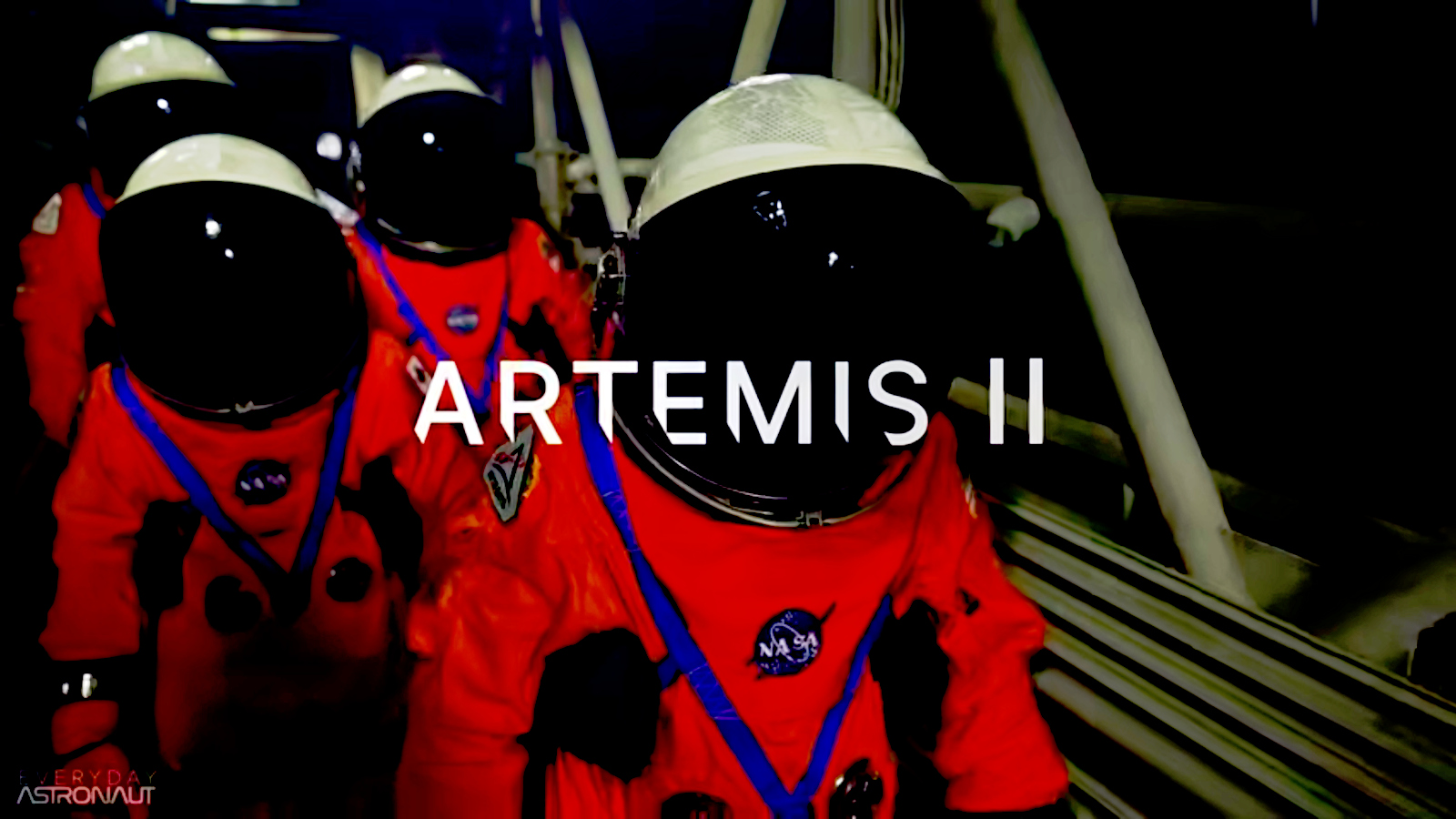
1st April – As I write, preparations are under way for the Artemis II mission, launching from NASA’s Cape Canaveral launch complex late this evening UK time. The objective is to fly four Astronauts well beyond the Moon, much further than anyone has ever been from Earth before. They will not be landing on the Moon on this mission. The launch was a success, Artemis II is in an initial orbit.
Take a look at the Everyday Astronaut’s YouTube channel for the latest news as it happens. Or watch his video about the Mission for all the background before it happens.
Mr Putin’s war against Ukraine
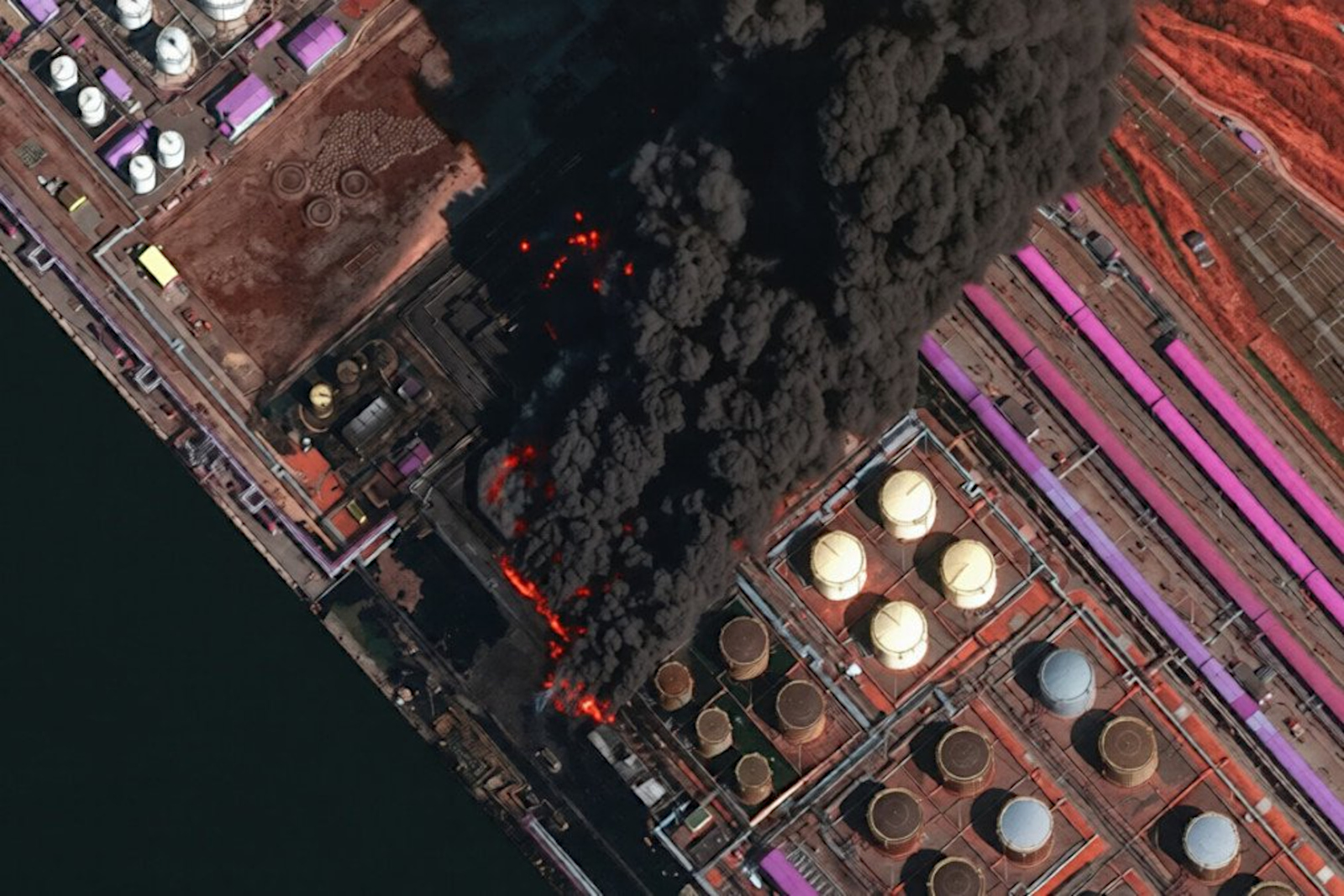
29th March – The ‘Special Military Operation is looking a lot less ‘special’ these days. Russia is trapped in an expensive and bruising war that it can’t stop (without admitting failure) and can’t win because the Russian economy is in a right old mess and Ukraine is growing stronger by the day. Tactically, Ukraine is running rings around Russia, while strategically its industrial base is far better prepared than Russia’s and is providing ever larger amounts of military equipment including advanced drones and missiles.
Currently Russia is losing more troops every week than it can recruit. This does not look like a war-winning strategy to me. The photo shows the aftermath of Ukrainian drone strikes on Russia’s Ust Luga oil export terminal north of St Petersburg.
Another report from Times Radio
Mr Trump’s war against Iran
29th March – I quite deliberately attribute the war to Trump, not the USA. It’s not one of the cleverest things he’s done, particularly as he clearly failed to take advice from his military planners or political advisers. Not only that, but he has rudely mocked European NATO countries for wisely not joining in. It’s going to be interesting to see how he tries to wriggle out of the difficulties and blame that are surely soon going to be coming his way.
Here’s a report from Times Radio.
Loss of internet

27th March – The broadband internet is back online. Vodfone didn’t replace the router, so the fault must have been in the streetbox of the cabling between that and our house. Nice to have it back, though!
24th March – Our internet failed mid morning, I could connect over our local Wi-Fi to the router just fine, but the router was receiving little or no data over our broadband connection. I spent three hours on a call with an engineer, sent them a packet dump, and they will call back tomorrow.
Climate change

23rd March – Nature’s news section points out that we’ve just lived through the eleven hottest years on record, 2025 was the second or third warmest since records began. More than 91% of the extra heat goes into the oceans, so our perceptions and measurements of atmospheric warming are just the tip of the heatberg, so to speak. (You can sign up free for the Nature Briefing.)
See also: https://jhm.scilla.org.uk/2022/01/09/climate-change-what-can-i-do/
RFK Jrs. Vaccine plans blocked

19th March – Nature reports that A US judge has blocked Robert F. Kennedy Jr.’s changes to the USA’s childhood vaccination programme. The judge reversed the vaccine-advisory panel’s decisions as well. Legal wheels turn slowly, but I’m glad to hear that some irresponsible choices by the Trump administration are being blocked.
Russia is struggling

17th March – Russia is really struggling now in its war in Ukraine. Anna’s latest video describes the major strikes on Moscow; while Times Radio’s Frontline covers Putin’s current difficulties (the second part of the video is about Trump and Iran). It all seems pretty bleak (which is, of course, a good thing).
War in Iran

14th March – The US war in Iran continues. Europe, including the UK, is not having anything to do with this war, neither is Canada or Australia. So the USA is alone in their decision to attack Iran, and it seems there was no planning in depth, no analysis of what might go well and what not; just an assumption that the Iranian government would give up, the people would rise up, and that would all be accomplished in just a few days. Basically, Trump has no idea and never listens to people who do know. The USA is going downhill fast, not just in the war but economically, technologically and in many other ways. There’s only one person to blame for all this. For some good analysis, watch this video.
Yet, surprisingly Ukraine is providing thousands of drones and experienced military advisors to train American and local Arab troops how to use them to bring down the Iranian Shahed drones that are hitting shipping in the Straights of Hormuz. Has Donald Trump said, ‘Thank you’? Not a chance!
Microplastics
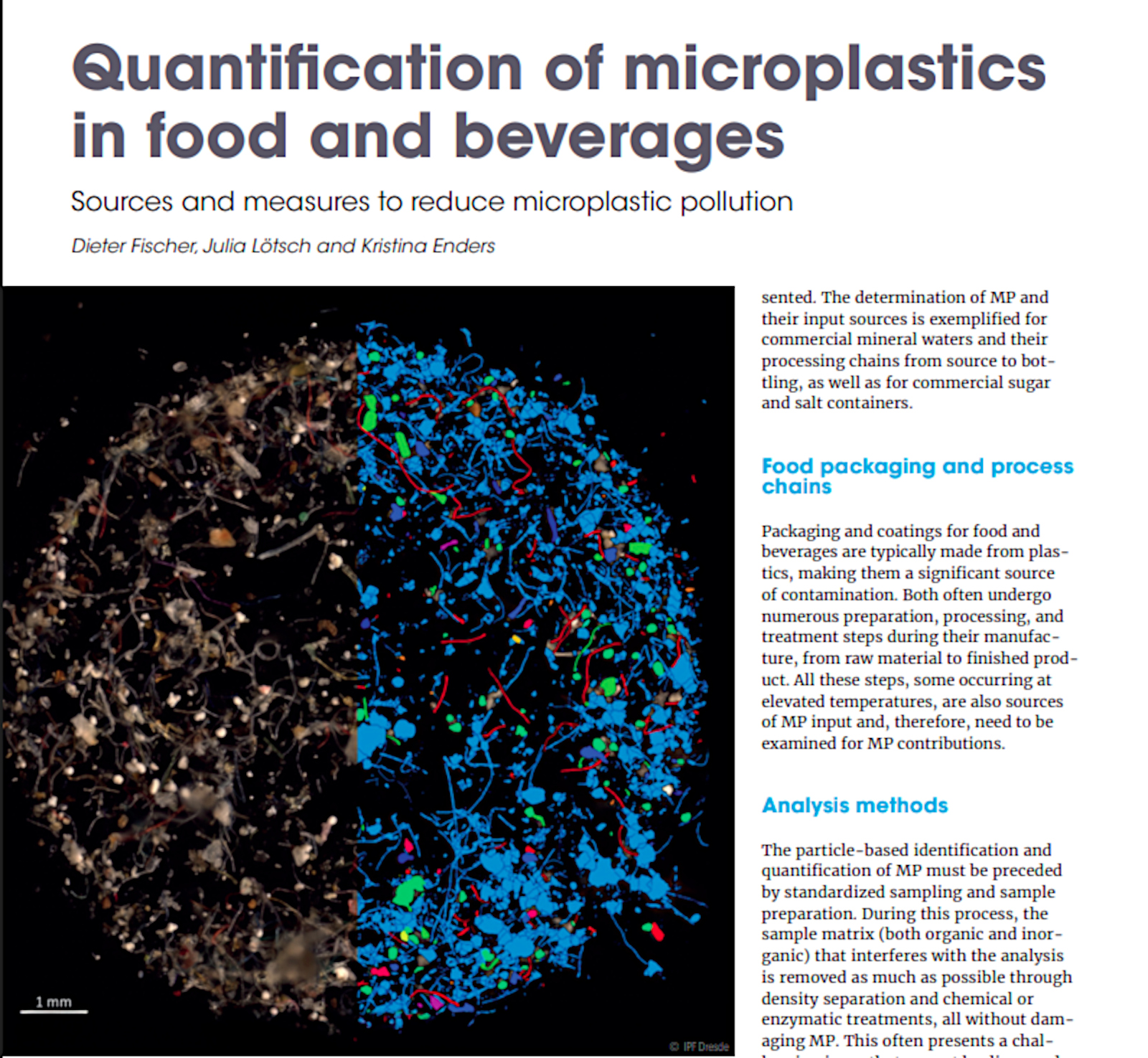
12th March – Microplastics are everywhere, they form part of the everyday dust around us, indoors and out. We breathe them in (every breath we take), they are present in every part of every living organism on the planet, in the deepest ocean, on top of the highest mountain, in everything we eat and drink, in your muscles, on your skin, they’ve even been found in brain tissue. Few people are even aware of microplastics.
It’s fair to assume they may be harmful, but we have little idea of the degree of that harm or the mechanisms behind any damage they may cause. You can read about detecting them in the environment (scroll to page 28 for the article). There are some videos worth watching on the topic too, here are a couple to get you started from CBS 8 San Diego and from Anton Petrov.
Blast from the past

9th March – I’ve had to slow down with these posts, but I’m also getting deeper into the past now. For the first time what began as a family history now goes back to the year 1500. Nothing is known about the family that far back, but a good deal is still known about the history of the local area. Here’s the full index.
Spaceflight news from Marcus

7th March – Marcus House publishes regular video news reports about rockets and spaceflight. His videos are shorter than those from some of his rivals, a bit more… erm… dare I say – down to Earth! There’s no clutter, no bulking up, just straightforward information presented neatly and in good humour. Like listening to an old friend chatting factually and enthusiastically.
He posts on Saturdays from Tasmania. Today’s post covers the coming testing of SpaceX’s Starship version 3 and some much-needed rethinking by NASA on their Artemis programme, and much more. Watch it for yourself (less than 23 minutes).
The Raisina Dialogue

6th March – Alexander Stubb addressed the Raisina Dialogue in New Delhi where he suggested we need to look forward to the future rather than back to the past, in our international thinking and discussions. He suggested reviewing and reforming the UN Security Council, in particular adding India as a new permanent member.
Watch and listen to Stubb’s speech.
The war in Ukraine
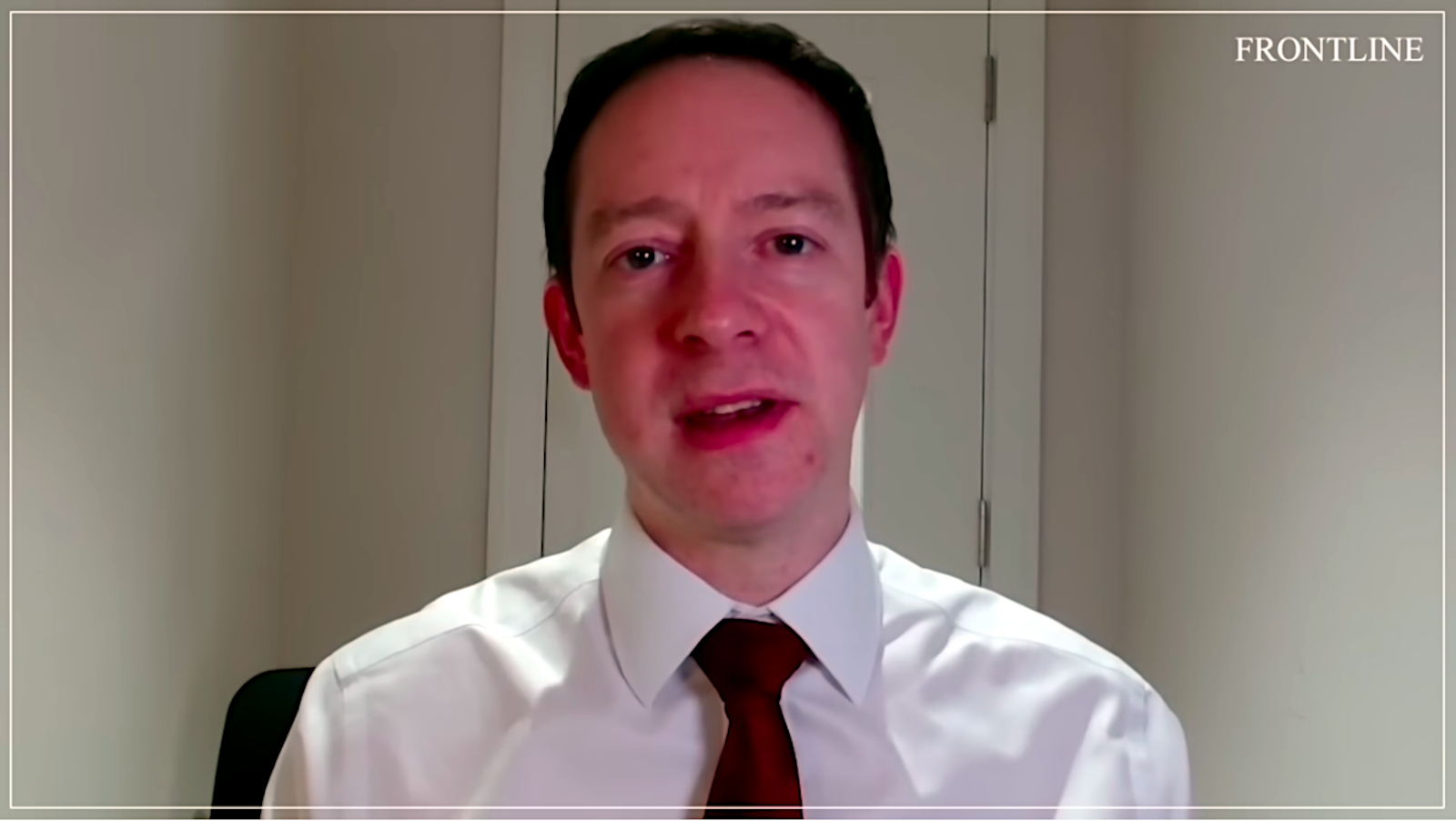
5th March – Ukraine is still defending itself more than five years after the Russian invasion on 24th February 2022. It’s sometimes difficult to know how things stand, as the war is rarely mentioned on national news channels here in the UK and the same is true elsewhere as well. There are good sources of news out there but there’s a lot of nonsense and AI slop too.
Times Radio has several good YouTube channels where knowledgeable people are interviewed. As an example, here’s Philip Ingram interviewing Matthew Savill today, on Times Radio’s Frontline channel. Savill is Director of Military Sciences at RUSI. We’ll look at some other information sources from time to time.
Images from Nature

4th March – I enjoyed these amazing photos from the journal Nature’s email newsletter. Click the link and scroll down to see them all. Which is your favourite, I wonder? Anyone can sign up for Nature Briefing.
Green Earth
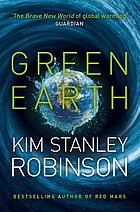
4th March – I’ve been reading Green Earth for a few weeks now, it’s a condensed version of three earlier novels called Forty Signs of Rain, Fifty degrees below, and Sixty days and counting, all by the author Kim Stanley Robinson. All three are fiction about global warming and its effects. I read all three when they were published and as Robinson is one of my favourite authors, and he also published the compressed version (in 2015), I wanted to read that as well.
I’m a good chunk of the way through now and would like to recommend it to anyone who is interested in having a hint of where our climate is heading. Everyone on the planet should be interested! Like all of Robinson’s books, this one is another page turner with complex, believable characters.
Brain bleed
1st Mar 2026 – Following six days in Hospital in October 2025, I’ve been seizure-free for four months now. My consultant wrote ‘You’ve made a remarkable recovery’. (See also A time in hospital, October 2025)
USA and Israel attack Iran
28th February – The USA had been building up a naval and air capability off the Iranian coast of the Persian Gulf for some weeks. The attack came suddenly and without provocation. Ayatollah Khamenei and other Iranian leaders were killed in the attack. The intention seems to have been regime change in Iran.
A1 writes weekly on SubStack
25th February 2026 – Claude 3 has been retired in favour of more recent versions of this excellent AI from Anthropic. But instead of just turning Claude 3 off, they’ve given it/him the chance to write a weekly article which they will check and then publish on Claude 3’s behalf on the AI’s own SubStack account. The first one was an interesting read. The substack is called Claude’s Corner.
Early fire making
21st February 2026 – That’s the date this interesting abstract from Nature appeared in my inbox from ‘The Past’ mailing list. It was written up as a feature article in Current Archaeology in January. You’d have to pay to see the full Nature article, but you can read the Current Archaeology write up from the link above. It seems that making fire might be an innovation that happened about 350 thousand years earlier than we previously thought. In terms of cooking things, this is highly significant as better nutrition would have made possible bigger brains requiring more energy.
Norway wants to buy America
19th February 2026 – If you haven’t already seen this video it will make you laugh, I hope in a good way. it also has something of a feel good factor about it. It comes to you from a YouTube channel called Unreal Affairs. They posted the video on 19th January, but I didn’t see it until February.
Here’s a response from one American.
Useful? Interesting?
If you enjoyed this or found it useful, please like, comment, and share below. (If you don’t see those links, click the article’s title above the main photo and they will appear.) Send a link to friends who might enjoy the article or benefit from it – Thanks! My material is free to reuse (see conditions), but a coffee is always welcome and encourages me to write more often!