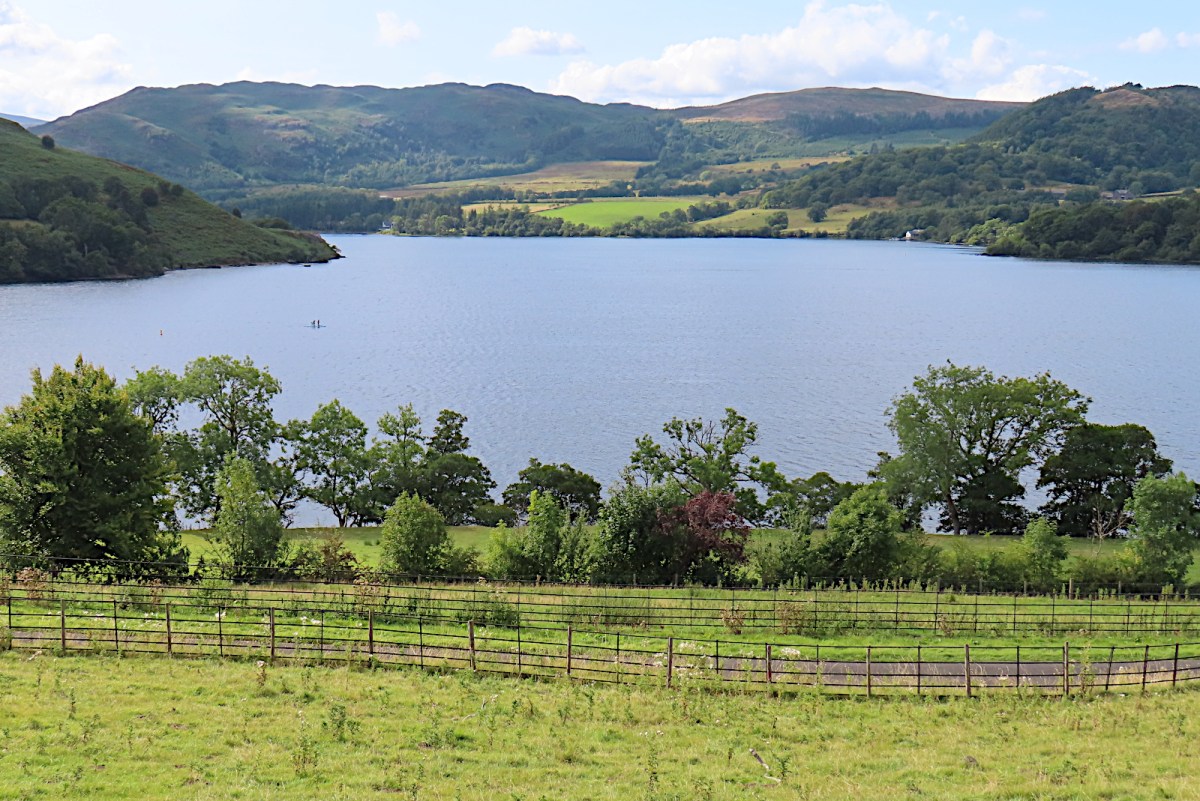
Ullswater
< Previous | Index | Next >
Image of the day – 199
What’s in an image? Sometimes quite a lot, more than meets the eye. I’m posting an image whenever I can.
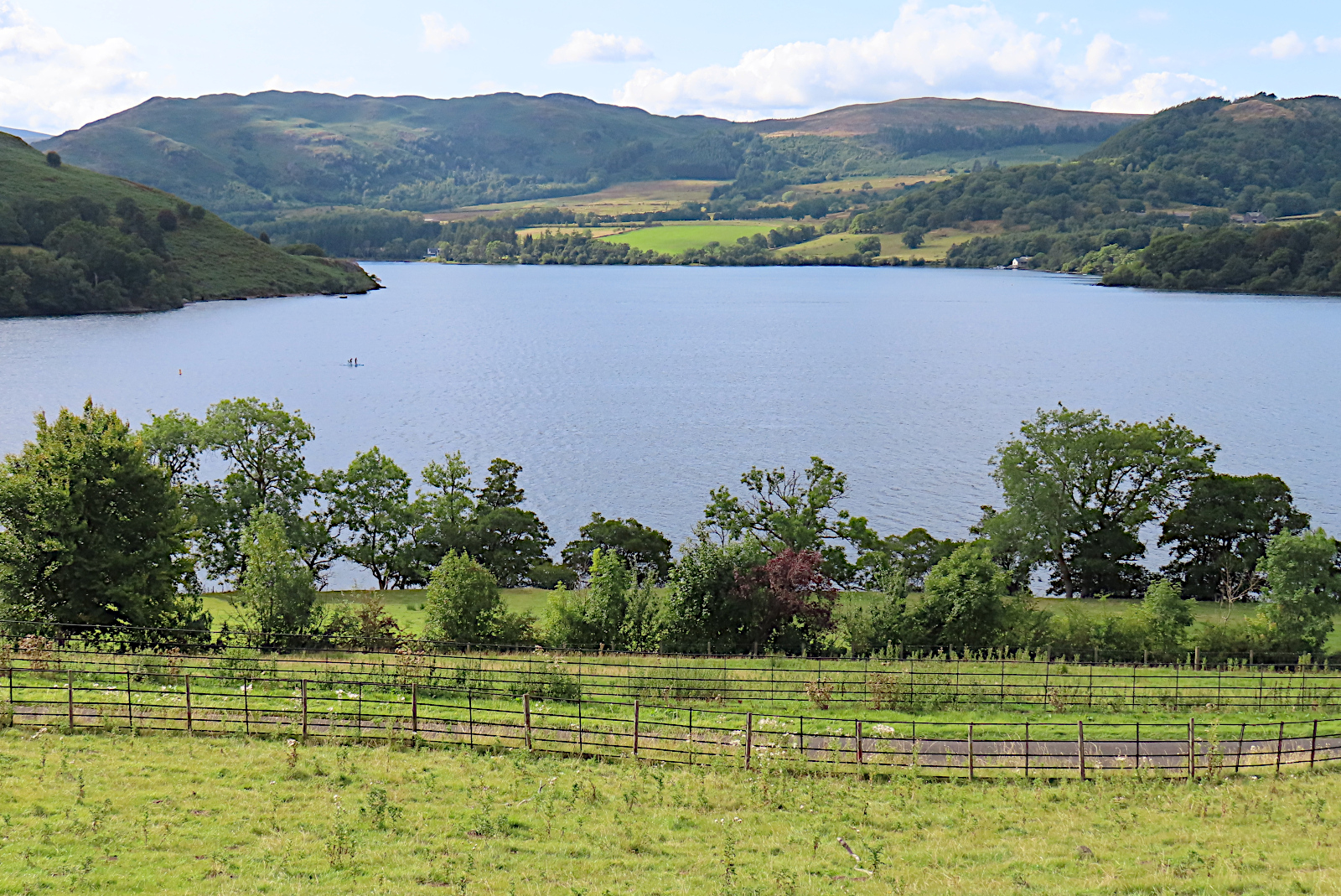
Ullswater is a lake in the north-east of the English Lake District. Donna drove up from Cirencester where we live and all the way home again too. I can’t share the driving as I still have no driving licence due to a medical issue nearly a year ago. I posted off my request to regain my licence today and hope soon to get my electric car back on the road and share the driving with Donna on long journeys again.
Refreshing
We had a great holiday – Debbie and Beth brought all the grandchildren along and Paz (Beth’s husband) joined us though Steve didn’t make it this year. Topping off the group was Aidan’s partner Jess and it was so good to get to know her a little better. After all the hot, dry weather we’ve had this summer in the south of the country it was wonderful to see lakes full of clean water, fields of green grass, and trees with healthy, fresh leaves. The countryside was thriving.
There’s no doubt remaining that we have messed with the Earth’s climate over the last hundred years or so and it’s becoming urgent to mend our ways. Fortunately there are some signs of progress. Despite resistance from some politicians, businesses and investors, more and more people are becoming aware and making efforts to change. And even small changes can make a difference.
In response to these shifts of climate, species of both plants and animals have been moving towards the poles and to higher hills and mountains to places where there are climates they are better adapted to. The Lake District is well north of the Cotswolds where I live most of the year, yet the conditions there are much more familiar to me, heavy snowfall in winter, much cooler summer conditions, more summer rainfall. Here in the south, summers in 2025 and 2026 have brought extreme heat and almost no rainfall. I won’t be surprised if 2027 turns out to be the same. The climate in southern England is now almost Mediterranean.
That’s another reason why the holiday week seemed so lovely to me; it was like turning the clock back 60 years or more to when I was young.
More about the lake and its surroundings
Ullswater runs from southwest to northeast across the northeastern part of the Lake District. This follows the glaciation history of the area; the glaciers of 25 000 years ago scoured out valleys from the central, highest point forming a pattern like the spokes of a wheel. This period is known as the late Devensian Glaciation, part of the Last Glacial Period. When the glaciers melted around 15 000 years ago, river-fed lakes replaced the ice, river erosion deepened the valleys and deposited silt where the rivers entered the lakes, creating the flat land areas now occupied by small towns and lowland farms. These fertile, flat areas are still slowly enlarging, encroaching further down each lake.
The Ullswater Way is a footpath allowing visitors to walk right round the entire lake. We walked parts of it, Donna and I walked to Pooley Bridge and back one day, and I walked several times to Howtown and back. There are good coffee shops at both destinations.
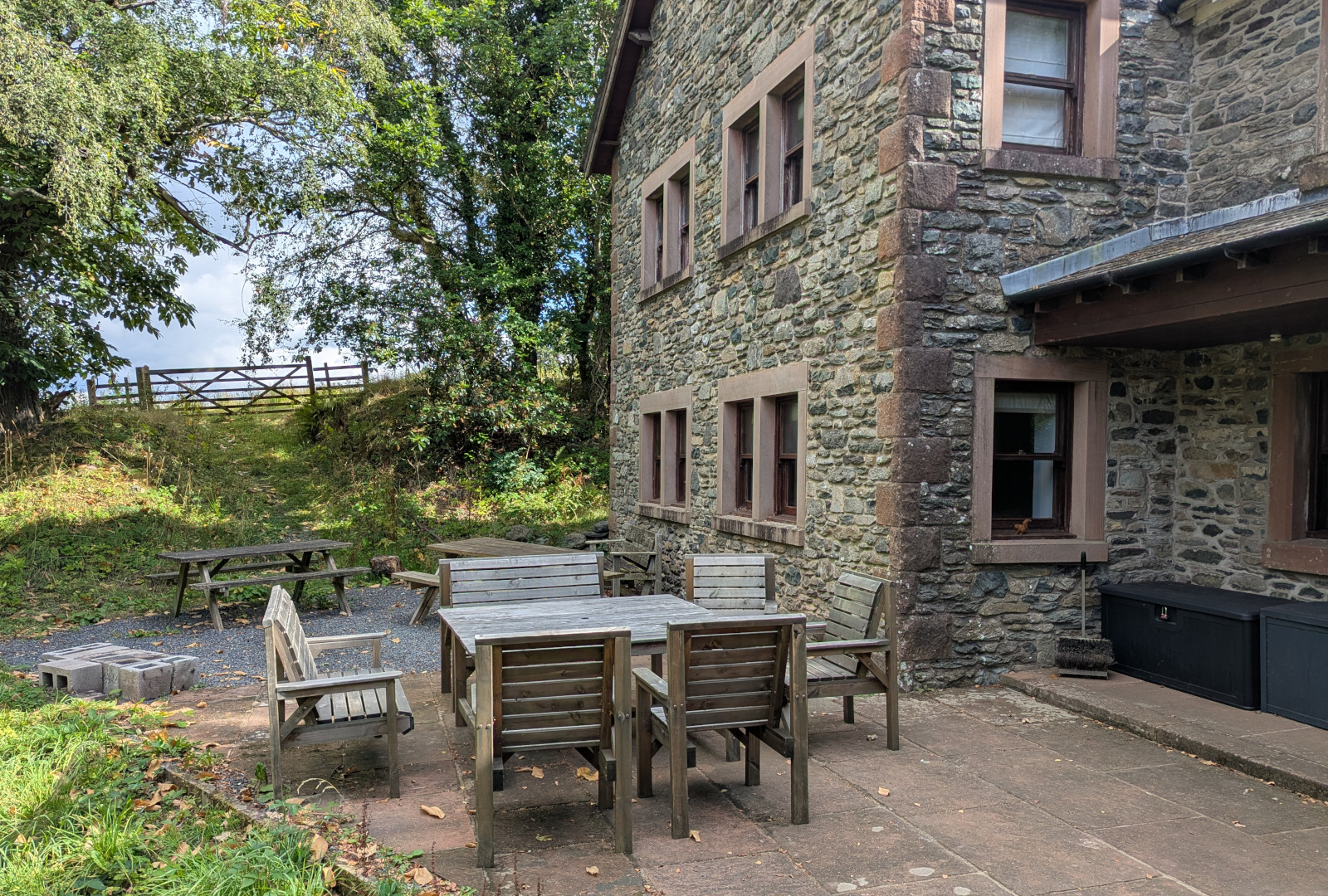
Our holiday house was very close to the path and it was well marked with signposts so reasonably easy to follow. There was a private field on the lake shore near the bottom of the rough track up to the house so we had our own little bit of shingle beach with room to park the car and some picnic benches. A lovely place to stay, though some of us would have liked a small shop within easy walking distance; but you can’t have everything!
Boats on Ullswater link Pooley Bridge with Howtown and Glenridding.
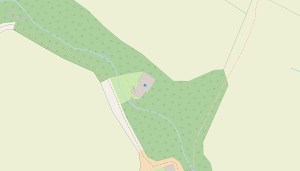
Click the map to open it, you can then drag it and resize it to explore the area more fully and see Ullswater in context (if you shrink the map far enough).
People and language
During the Roman and sub-Roman periods The Lake District was occupied by close cousins of the Welsh. The people are still here but English has replaced the original Celtic language. Lots of familiar name elements appear on roadsigns for anyone with a slight knowledge of Wales, Cornwall or Brittany. Pen (top), crag (rock), mere (sea) and many more pop up all the time.
The mountains of Wales are known as the Cambrian Mountains and the area of the Lake District was traditionally called Cumbria. Wales (in Welsh) is called Cymru (say Come-ree) The Welsh language is Cymraig (pronounced Come-rye-g) so you can see the similarities right away. The Celtic language that was spoken in Cumbria was Cumbric. It’s pretty certain that back in Roman times the two languages would have been very similar and probably mutually understandable as two dialects. Also, something very close to Cumbric was spoken in south west Scotland.
Saint Patrick came from a Roman villa somewhere on this western coast, perhaps on the Welsh, Cumbrian, or south-west Scottish areas. He’d have been able to speak Cumbric or Welsh as well as Latin and perhaps Greek, later learning the Irish Gaelic as well, of course.
See also:
- Britain’s Celtic languages explained – YouTube
- Brittonic languages – Wikipedia
- Cumbric – Wikipedia
- Devensian glaciation – Wikipedia
- Glenridding – Wikipedia
- Howtown – Wikipedia
- Last glacial period – Wikipedia
- Mediterranean climate– Wikipedia
- Pooley Bridge – Visit Lake District, Cumbria
- Pooley Bridge – Wikipedia
- Ullswater Steamers – Website
- Ullswater Way – Website
- Welsh – Wikipedia
< Previous | Index | Next >
You might also like:
Useful? Interesting?
If you enjoyed this or found it useful, please like, comment, and share below. (If you don’t see those links, click the article’s title above the main photo and they will appear.) Send a link to friends who might enjoy the article or benefit from it – Thanks! My material is free to reuse (see conditions), but a coffee is always welcome and encourages me to write more often! 
Share this:


