Science is the study of the natural world, covering matter, energy and the multitude of interactions they can be involved in. Technology draws from scientific results to create useful tools and processes.
So, for example, astronomy is scientific, but space flight is technological; geology is scientific but creating a building with stone is technological.
Our Sun is a typical, smallish star, it has been around for some five billion years so far and probably has about another five billion years to go. No need to panic, the Sun is middle aged! Steady as you go.
Stars producing elements up to iron, gas giant planets
Enables
Novae, Supernovae
Two features of the birth of a star system are important here, matter and energy. The first stars formed from the gradual collapse of clouds of cold gas consisting mainly of hydrogen with some helium and a trace of lithium. Gravity slowly pulls a gas cloud into an ever-shrinking volume, and slow, drifting motions lead to increasing rates of rotation as this shrinkage proceeds. Compression of gases always results in heating, so over a long period of time, a diffuse cloud of cold gas becomes a rotating mass of increasingly hot gas.
Sufficient collapse eventually causes the internal pressure and temperature to reach a critical point at which nuclear fusion becomes not just possible, but inevitable, and conditions then settle to a point where the fusion energy dramatically increases the core temperature and pressure, pushing outwards more and more strongly until the the gravitational collapse is stopped. The rotating, hot mass is a young star, converting hydrogen to helium.
Over time it settles down more and more to a stable state, though this lasts for a limited time, basically until no further hydrogen fusion is possible because there is insufficient hydrogen remaining. The length of time of that stable state is related to the mass of the star. Small, light stars process their hydrogen slowly. Large, very massive stars burn through their supply much faster. Although they have a great deal more to begin with, the temperatures and pressures at the centre are much higher so there is a faster reaction in a larger volume of core. That’s why large stars run out of fuel faster than small ones. These earliest stars are called Population III stars by astronomers, it seems they were usually very large and therefore short-lived.
Our Sun is much more recent, a typical, smallish star, it has been around for some five billion years so far and probably has about another five billion years to go. No need to panic, the Sun is middle aged! Steady as you go.
Eventually, as the hydrogen is used up, energy production falls and gravity can no longer be resisted, so the star shrinks and heats up further. As the internal temperatures and pressures increase, the star shrinks until the temperature at the core is sufficient to fuse helium. Once again, further gravitational collapse is halted by increasing core temperatures and this lasts until the helium supply is exhausted. Through a whole series of similar steps the star creates heavier and heavier elements all the way up to iron, but fusing atoms of iron absorbs energy so gravity wins out in the end. Small stars slowly cool and eventually become inactive and unchanging. Particularly large stars have a different fate.
What’s in an image? Sometimes quite a lot, more than meets the eye.
I’m posting an image every day (or as often as I can). A photo, an image from the internet, a diagram or a map. Whatever takes my fancy.
Layer upon layer of clouds
I spotted this cloud scene in May 2024 and just had to capture it. As you can see, it’s a fine example of multiple horizontal levels of clouds of different kinds. At the bottom are small cumulus clouds, including one that looks higher than the others. That’s just perspective, they’re all at the same level, imagine them sitting on a transparent sheet stretched out from the horizon and passing overhead.
Above this is a grey layer with a fuzzy edge, it’s stratus cloud and again it’s a flat sheet at a higher level than the cumulus layer. The third layer is altocumulus, a third sheet at a higher level again. The stratus is semi-transparent near its fuzzy edge, you can see a higher layer through it.
The fourth layer is cirro-stratus, white and stretched out from side to side. And the final layer is cirrus, stretched fore and aft, at right angles to the cirrostratus below. So much going on at different levels in the atmosphere!
It’s very clear that things that seem really simple (the air above our heads) can show complex patterns of behaviour. That’s a good lesson to learn for life in general.
Themed image collections
The links below will take you to the first post in each collection
If you enjoyed this or found it useful, please like, comment, and share below. (If you don’t see those links, click the article’s title above the main photo and they will appear.) Send a link to friends who might enjoy the article or benefit from it – Thanks! My material is free to reuse (see conditions), but a coffee is always welcome and encourages me to write more often!
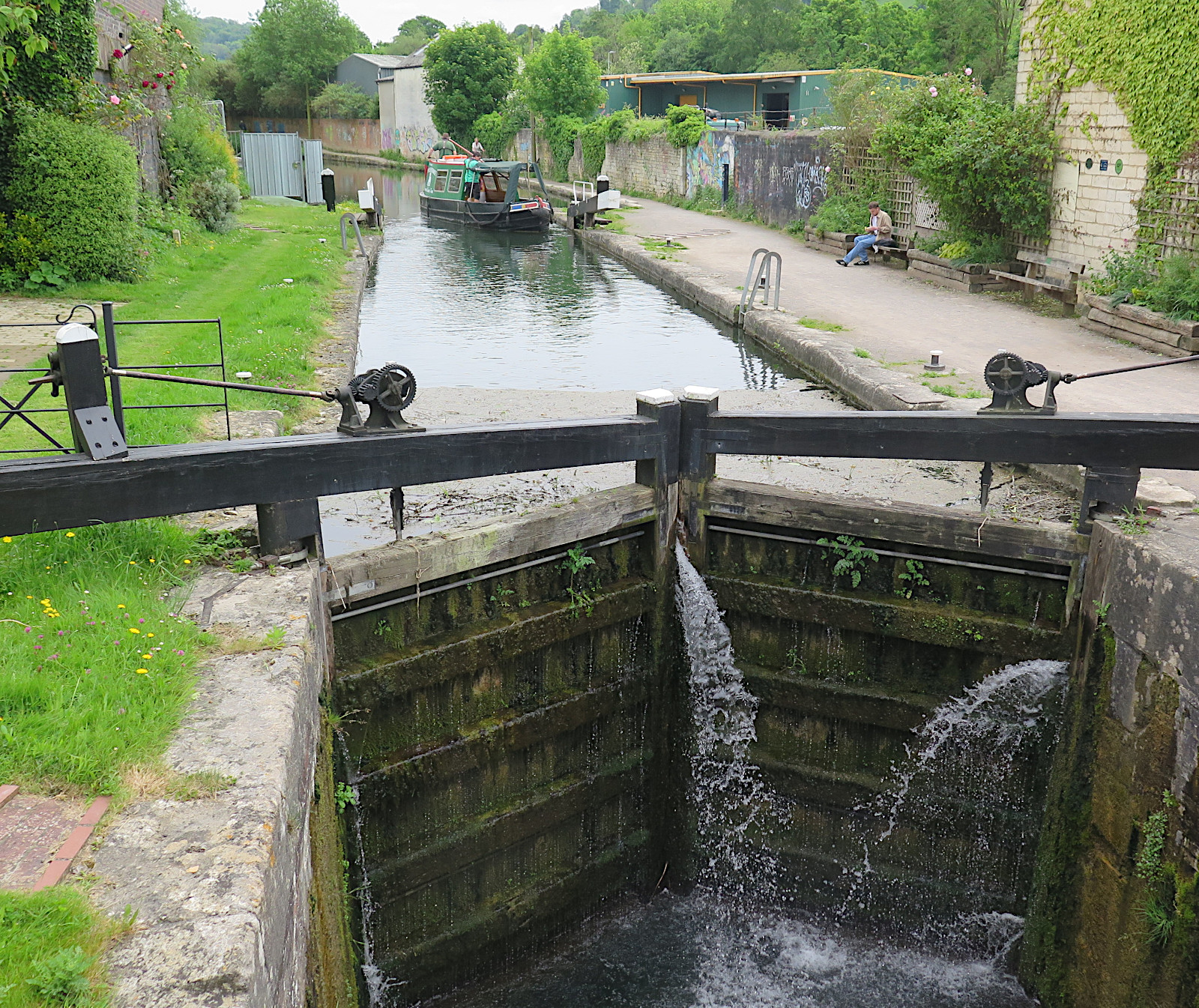
This index links to my posts on walking the Stroudwater and the Thames and Severn canals in Gloucestershire.
Wallbridge Lock, Stroud
The sections are short (up to three or four miles), but they can be concatenated to make whatever length might suit you best. And if you just want a short stroll, each article is divided into sub-sections; you can choose a part that you like and walk that smaller piece.
Chalford to Daneway is longer, but I plan to rewrite it as two parts.
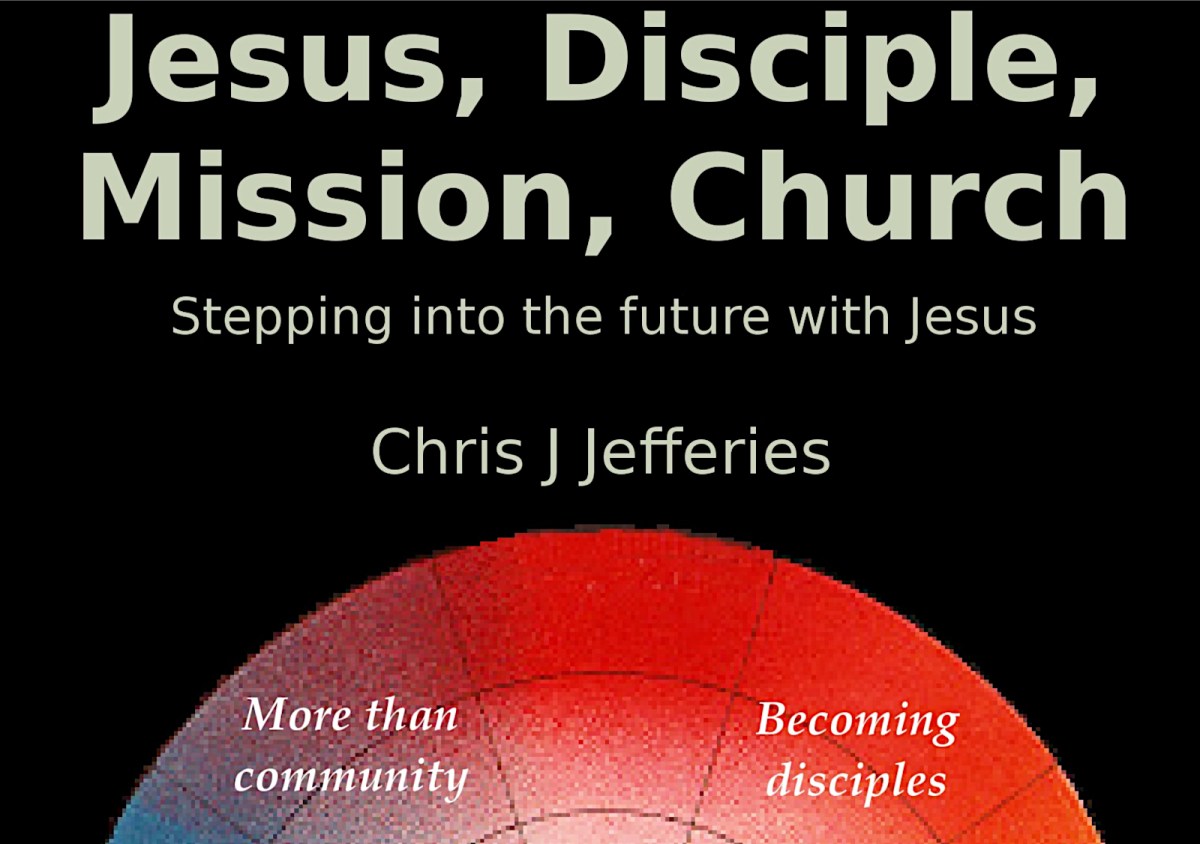
This index lists serialised extracts from my short book, Jesus, Disciple, Mission, Church (JDMC). If you want to read just one section, or share it with someone else, the articles below may be the most effective way to do it.
If you enjoyed this or found it useful, please like, comment, and share below. (If you don’t see those links, click the article’s title above the main photo and they will appear.) Send a link to friends who might enjoy the article or benefit from it – Thanks! My material is free to reuse (see conditions), but a coffee is always welcome and encourages me to write more often!