Jesus begins by reading back what he already knows. It’s time. His followers still don’t fully understand, but hearing this now, they will gradually understand as events unfold.
17:1 – Here, Jesus reveals to us what is really fundamental through his prayer. He even begins with something fundamental, but it’s easy to read the words without noticing the implication – He looked up.
Jesus looked up. This was the first thing he did, even before he spoke. He looked towards the Father before he spoke to him. This is exactly what we all do immediately before we speak to another person. We look at them and then we begin to say whatever is on our mind. The looking is an important part of the communication; it announces an intention to say something, checks if the other party is ready to listen, and alerts others nearby that a conversation is about to start.
At the very least, if we’re about to say something it is kind and thoughtful to look and see if right now is a good time to do that. We are checking, but also making the connection to establish communication.
Now speak, freely and openly. Jesus speaks to the Father but also to his apprentices, the disciples.
The hour has come
Jesus begins by reading back what he already knows. It’s time. His followers still don’t fully understand, but hearing this now, they will gradually understand as events unfold. They will later recall that Jesus knew what they did not – and that he was prepared for it.
Glory!
17:2-3 – Jesus knows that he is going to receive glory, but he also knows that the purpose of it is that he can then glorify the Father. He has authority over everyone and he’s been given the power to give eternal life to those entrusted to him by the Father.
And what is eternal life? Why, it’s the knowledge of the Father and of the Son that the Father sent! Jesus has told them already, that if they’ve seen him, they have seen the Father. It really is that simple! Simple to say, yet still very hard for them to comprehend at this point. Right now they just don’t get it – but after Pentecost they will.
The work is complete
17:4 – The Father receives glory by the Son completing the task he was sent to do. Jesus has done everything except the very brief final act. Think about what he has already achieved. He was born into a broken world, and grew up as a young child, obedient to his parents. By the time he was twelve-years-old he had understood who his real Father is and was capable of debating with Jewish scholars at the Temple in Jerusalem. He grew up, learning the trade of carpentry. He went out into the river country to be baptised by John in the Jordan, and then he called people to follow him, teaching them everything they would need to know. He had prepared everything for them so that they could accept his Holy Spirit (the Spirit of Christ) when he would arrive and fill them just a little later.
17:5 -Now he is ready to be obedient in the final act too, and to receive again the glory he had in his Father’s presence even before the world began. These five verses at the beginning of John 17 summarise everything he has done and will do.
If you enjoyed this or found it useful, please like, comment, and share below. (If you don’t see those links, click the article’s title above the main photo and they will appear.) Send a link to friends who might enjoy the article or benefit from it – Thanks! My material is free to reuse (see conditions), but a coffee is always welcome and encourages me to write more often!
What’s in an image? Sometimes quite a lot, more than meets the eye. I’m posting an image every day or so.
Click to enlarge
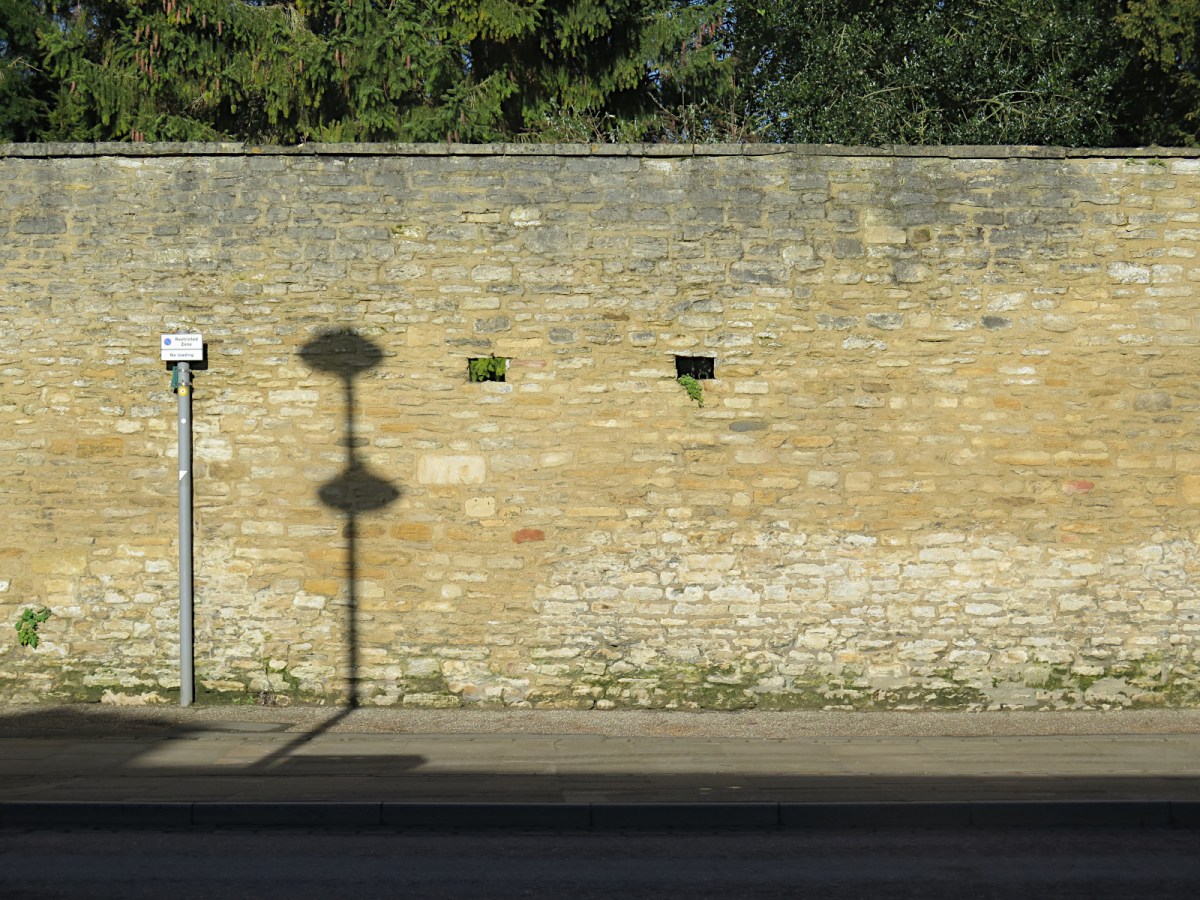
Some of you might know what these two, rectangular holes are for, but many might not. Holes like these can be found all around Cirencester, usually along the main roads leading into or out of the town.
They date back to the dark days of World War Two when Britain faced invasion by German forces. The invasion never took place because Germany was unable to defeat the RAF and air dominance was essential before the invasion fleet could be launched.
The holes in these walls, if you haven’t already guessed, are sniper or machine gun positions to enable the defenders to fire on German forces from behind the temporary safety of masonry. One round from a German tank would been more than enough to destroy the wall, of course.
When I was young, nobody took the trouble to fill these holes again, but these days they’re probably protected as historical curiosities. A reminder if one is needed, that war can come visiting at short notice (as in Ukraine) and that no nation should assume it will always be safe.
If you enjoyed this or found it useful, please like, comment, and share below. (If you don’t see those links, click the article’s title above the main photo and they will appear.) Send a link to friends who might enjoy the article or benefit from it – Thanks! My material is free to reuse (see conditions), but a coffee is always welcome and encourages me to write more often!
Physical facts can often be pinned down rather well by careful measurement using accurate instruments; but there are other kinds of fact and some of those may be much harder to assess.
Thinking out loud
How can we best define ‘truth’, how should we judge whether something is ‘factual’? And what happens if I live my life in ignorance of the way things really are? It’s possible to be unwittingly ignorant, but it’s also possible to pretend to be ignorant. Clearly there’s a big difference between not knowing something and pretending not to know it. Does that difference matter? And if so, how?
What a lot of questions!
We should begin with some definitions, I think.
Facts
Maybe this won’t be too hard to pin down. Here’s a simple example.
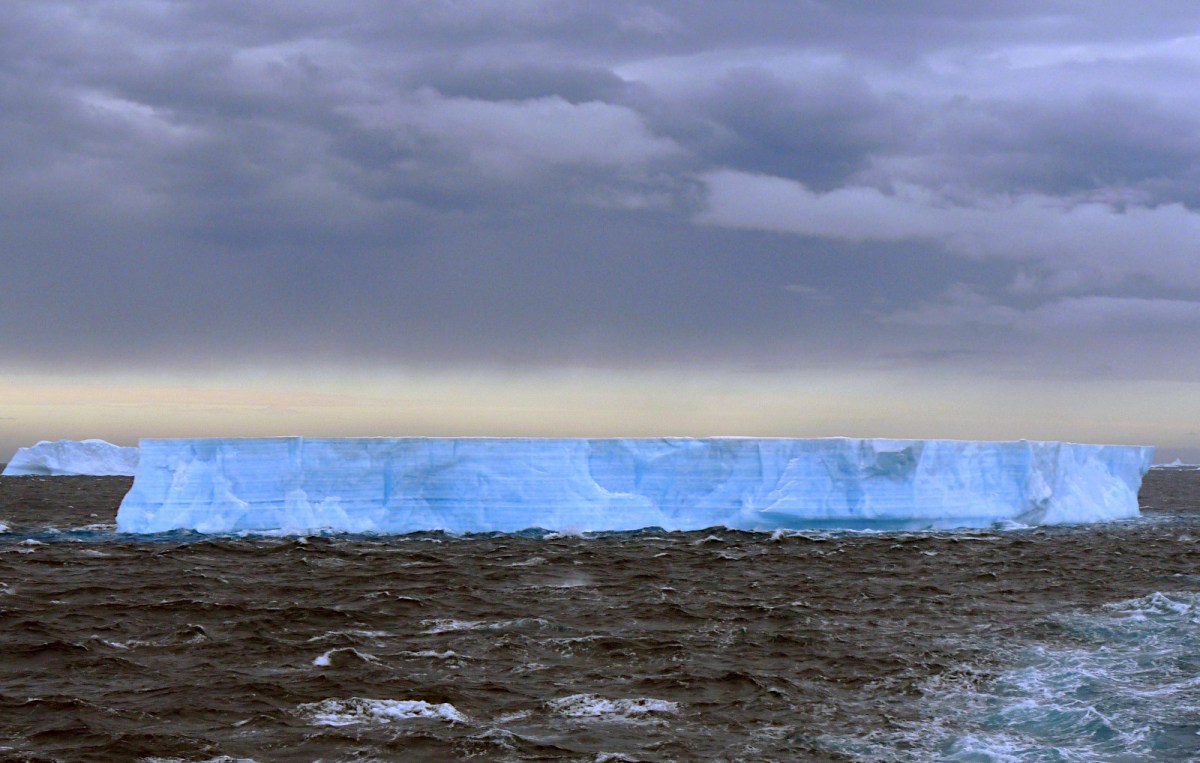
Well, with a few caveats it is generally true. If the atmospheric pressure is 101.3 kPa and the temperature is between 0 C and 100 C it will be more or less correct. If the conditions are different, the statement could be false.
Does it matter? Well, it might do. If the water is deep and you can’t swim, don’t claim it’s a solid; and whether you make that claim or not, take my advice and don’t walk on it! Almost everything in the photo is water; the clouds are made of tiny droplets of liquid water, the iceberg is frozen water, the churning sea is liquid water heavily contaminated with salts. Which of the three would you prefer to walk on?
That example already establishes that facts may be conditional and that ignoring them might have consequences. What makes it all the more tricky is that we may be unaware of the conditions, the consequences, or both.
Physical facts can often be pinned down rather well by careful measurement using accurate instruments; but there are others kinds of fact and some of those may be much harder to assess. A legal case might depend on whether a particular person was in a particular place at a certain time. And assessing such situations may depend on evidence (perhaps a time-stamped video recording), or it may depend partly or even wholly on whether we trust or believe a witness statement.
Truth
Now things get rather difficult. If there are facts available it may indeed, be possible to decide if a statement is true or false. But something may be true or false even though there are no facts available to help us decide.
What about the statement, ‘There is a higher power behind the universe’. As it happens, I believe that statement to be true. But I wouldn’t have to ask many people in the street to find someone who believes the same statement to be false. And let’s be honest about this – there is no evidence one way or the other. As a believer, I might say that I had a revelation, or a vision, or a feeling and they may be real for me, but I have no evidence to show to the person with no faith. And they might give me reasons for their belief that such a power does not exist, but those reasons do not, indeed can not amount to evidence.
And there are many other examples of unprovable true/false statements.
The 15 quadrillionth digit of π= 6, true or false? One day we might calculate this, but currently we don’t know the value of this digit.
There will still be life on Earth a billion years from now, true or false? We do not know.
There’s a junction ahead, will you turn right or left? Nobody can know until you make the manoeuvre.
People
Once we consider the motives people may have (or not have) the difficulties grow again. When Donald Trump says he will do something, we can’t even tell whether he’s saying it because he intends to do it, or to achieve an effect of some kind, or to mislead.
And make no mistake, everyone is like Donald Trump in principal, he is just an outstanding and topical example. Every action and every word of every person must be considered as a possible intention, a possible attempt to achieve an effect, or even perhaps to mislead. We all do it, though we may not even recognise that we are doing it!
Consequences
How are we to live our lives if falsehoods are presented as truth and fact? That’s a good question we all need to consider.
We do have one advantage, however. And it’s a big one.
Actions based on false information will fail. Think about that for a moment. Once again it will help to use an example. Let’s suppose you are visiting a foreign country and you are told that in this place, cars are driven on the right-hand side of the road. If the information is correct things will go more smoothly than if it is incorrect. Never mind why a piece of information is incorrect; it might be an innocent mistake, a misunderstanding, or it might be deliberate. The knowledge that it is incorrect is all we need to know to keep us safe.
This is important: misinformation will lead to mishaps.
If Vladimir Putin makes false claims to enhance his chances of success, it will work until it doesn’t! We live in a universe where false information results in unexpected results. We may get away with it for a while, but we will not get away with it forever.
John Lydgate had a great thought; he wrote, ‘You can please some of the people all of the time, you can please all of the people some of the time, but you can’t please all of the people all of the time.’ He was later slightly misquoted by Abraham Lincoln and also by Winston Churchill .
‘You can fool all the people some of the time, and some of the people all the time, but you cannot fool all the people all the time.’
That is absolutely right!
In conclusion
So how, then, should we live?
Always try to speak the truth – Check what people tell you – And remember, if you mislead you will, sooner or later, come unstuck. People will generally forgive a mistake. But if you make mistakes often they will stop trusting you. And if most of the things you say are untrue, people may conclude you are deliberately misleading them.
The next level of depravity after deliberately misleading people, is to harm them if they oppose you. That way you may get your way because people fear you. They have seen what happened to others who fell out of windows or were offered cups of tea and they will want to avoid a similar fate.
We live in a wicked world. It’s good to be truthful and honest, but it’s necessary to be to be careful and wise about other’s motives too. Jesus told his followers to be as shrewd as snakes, yet as innocent as doves. It’s great advice in a sometimes confusing world!
[A] wider war is possible. There’s a real possibility of a European conflict between Russia and the rest of Europe. There’s a chance of civil war between opposing groups within the Russian Federation.
The world has seen political turmoil in the USA where President Trump has taken over from Biden. When you stick a spade into an ant’s nest and turn the soil over, there’s a period of frantic activity while the ants go into emergency mode, assess the damage, and begin to rescue whatever they can from the mayhem. That is the USA in February 2025.
And make no mistake, a frantic USA spells trouble for Ukraine, for the whole of Europe (I include the UK here), and perhaps for Russia and China as well. Predicting anything at this stage is about as useful as predicting the result of a horse race without knowing the length or nature of the course or the form of any of the horses.
But what I can say, is that wider war is possible. There’s a real danger of a European conflict between Russia and the rest of Europe. There’s a chance of civil war between opposing groups within the Russian Federation, and there are also possibilities of a second civil war in the USA and/or a third world war. I fervently hope that none of these things will happen, but events rarely take account of our hopes.
We’re going take a wider look at things here because so much has changed in such a short period of time.
First, let’s just catch up on the current state of the war between the invading Russians and the defending Ukrainians.
Russian and Ukrainian war efforts
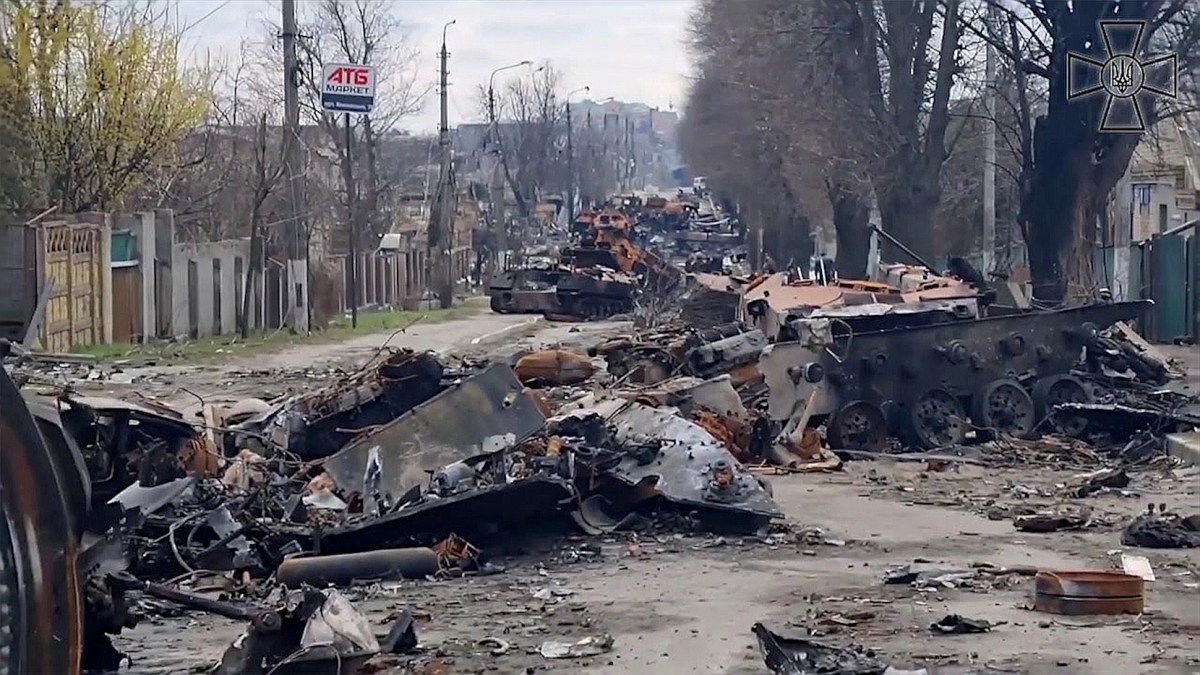
Russia is finding it more and more difficult to continue the war. Russian casualties (dead and seriously wounded) are growing close to a million. The Russian economy is in an awful state, 40% of the state budget is being spent on the war. Inflation is rampant, interest rates are extremely high, many professional people have fled the country and Ukraine is systematically destroying Russian oil pipelines, distilleries, fuel storage installations and transport infrastructure, military air bases, radar systems, training facilities and military headquarters.
The much touted Russian ‘advance’ in Ukraine has all but stalled and, in some places, has reversed to retreat. The once feared ‘second most powerful army in the world’ has been fighting against a much smaller neighbour for three years and has failed to win. Hardly an impressive display of military might! Russia has lost most of its huge military power at sea, in the air, and on land. They continue to lose between 1000 and 2000 troops every single day. They have lost almost all their tanks and armed personnel carriers and are unable to replace them as fast as they are losing them.
Ukraine on the other hand has been getting better and better at defeating Russian attacks using a combination of high tech drones, great planning and anticipation, nimble action, good training, surprise, and constant technical innovation.
They continue to defend successfully against most incoming drones and missiles. As long as they continue to receive sufficient support, they will, I believe, continue to succeed and will eventually defeat Russia. In their favour is the fact that they and some of their European allies continue to ramp up the production of both weapons and ammunition to levels sufficient to defeat demoralised Russian forces – themselves facing more and more serious shortages of such materiel.
The political climate in February/March 2025
Now we have to pause. At the end of February the situation is changing daily, even hourly at times. Rather than try to make any predictions, I think it’s better to point you to some online resources that you can check daily or weekly to keep yourselves informed in such dynamic times.
I’ve mentioned both these sources previously, but here they are again.
Jake Broe – Jake posts a video every day or two. He’s a retired US Air Force pilot, so he knows what he’s talking about in military matters, but he is also an astute political observer and commentator. His videos are closely packed with the latest updates, and he provides links with the evidence needed to back up the things he says. There are no wild claims here, just good reporting, intelligent comment and useful material. Jake is well worth hearing and following.
Silicon Curtain – Jonathan Fink posts on Silicon Curtain as well as the shorter-form Silicon Bites. Here you’ll find great comment, opinion, and some penetrating, in-depth interviews with other key players and commentators. Every single video is well worth watching.
You will learn so much from these two excellent channels, but there’s a great deal more good material online. Try this YouTube search for recent material, but don’t believe everything you see and hear. The material turned up by the search may be true or false, checked or unchecked. Use your own judgement.
If you prefer the written form, use the same search in Google or another search engine. (Copy and paste this search or a similar one… war in ukraine 2025 latest news …into any search engine.)
See also:
Chuck Pfarrer summarising Russia’s military failure – Kyiv Post
If you enjoyed this or found it useful, please like, comment, and share below. (If you don’t see those links, click the article’s title above the main photo and they will appear.) Send a link to friends who might enjoy the article or benefit from it – Thanks! My material is free to reuse (see conditions), but a coffee is always welcome and encourages me to write more often!
Much of the old tree would have survived for while, so the new shoot was shaded and would have grown out at an angle, attracted towards the light. Since then, the new growth has itself become a mature tree.
What’s in an image? Sometimes quite a lot, more than meets the eye. I’m posting an image every day or so.
Click to enlarge
I spotted this old tree when we visited Blenheim Palace today. It’s probably an ancient oak though I didn’t get close enough to check with certainty.
The thickest part, the lumpy-looking base is the remaining stump, all that remains of the original tree that would have grown from an acorn many hundreds of years ago. That tree was a sapling, then a youthful, vigorously growing tree; eventually if became a mature, majestic oak. But then the rot would have set in – literally. Holes made by a woodpecker, or damage from a storm cracking off a branch, gave access to unprotected wood beneath the bark. Insects may have burrowed into the wood, and eventually fungal spores would have germinated and started the decay process in earnest.
The weakened tree would have lost its vigour and been reduced to a hollow stump and failing branches. But finally, a new shoot must have appeared near the base and formed new, young growth. Much of the old tree would have survived for while, so the new shoot was shaded and would have grown out at an angle, attracted towards the light. Since then, the new growth has itself become a mature tree.
Another possibility is that a branch of the original tree survived, and with the other branches missing, grew into the shape we now see. A careful examination of the tree might reveal the truth. But however this curious old tree survived, it certainly has an unusual story to tell!
Donna and I enjoyed our day at Blenheim and will visit again from time to time this year as the seasons roll by. I’ll probably write about the place again.
If you enjoyed this or found it useful, please like, comment, and share below. (If you don’t see those links, click the article’s title above the main photo and they will appear.) Send a link to friends who might enjoy the article or benefit from it – Thanks! My material is free to reuse (see conditions), but a coffee is always welcome and encourages me to write more often!
What’s in an image? Sometimes quite a lot, more than meets the eye. I’m posting an image every day or so.
Click to enlarge
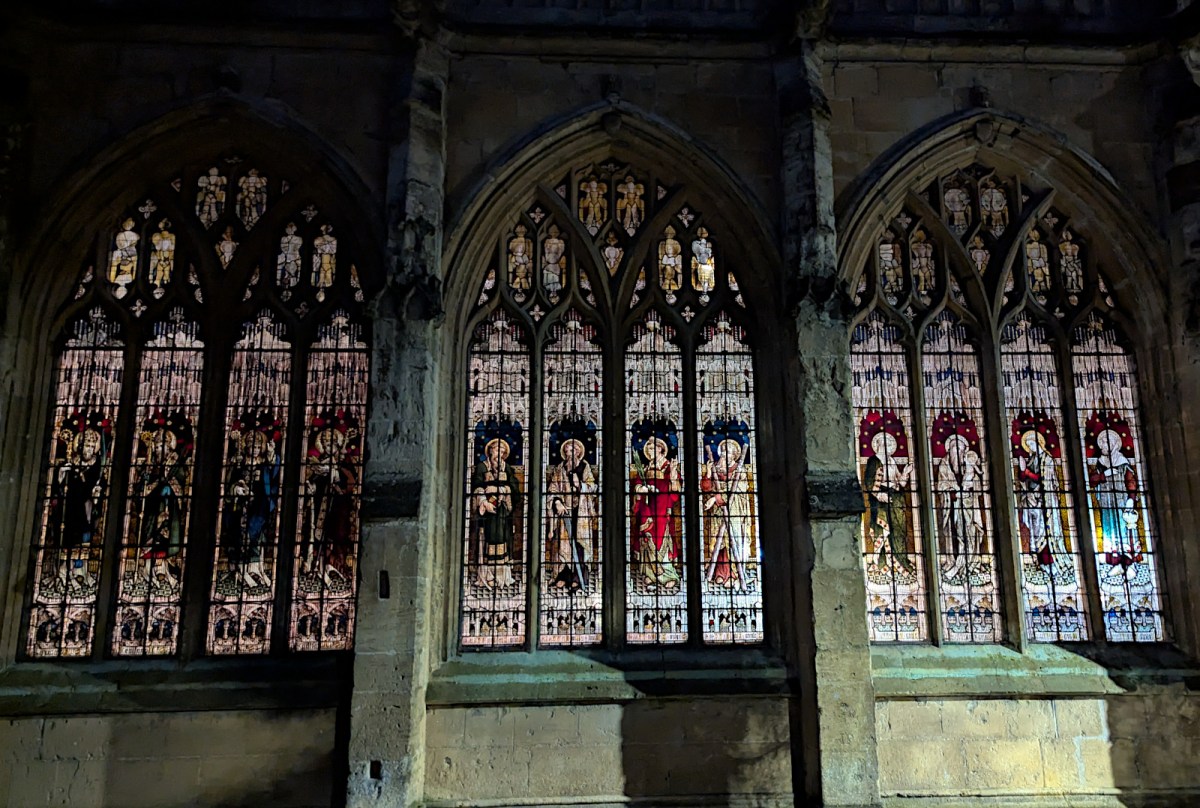
These windows are inside-out. They are stained-glass, and part of Cirencester’s Parish Church. When they were built, the idea was that they would look impressive from the interior in a world without anything much brighter than a candle or an oil lamp. Illuminated in daylight and seen from within a relatively dark building, they would have been amazing – and they still are.
But in this photo, taken from outside the church after dark, the relatively bright, modern lighting inside shows up the windows very nicely. The makers could hardly have imagined them being seen in this way!
If you enjoyed this or found it useful, please like, comment, and share below. (If you don’t see those links, click the article’s title above the main photo and they will appear.) Send a link to friends who might enjoy the article or benefit from it – Thanks! My material is free to reuse (see conditions), but a coffee is always welcome and encourages me to write more often!
There is absolutely no need to panic. If you’ve heard about this and are worried, calm down and read on for the simple facts and where to go for more detail.
There is absolutely no need to panic. If you’ve heard about this and are worried, calm down and read on for the simple facts and where to go for more detail.
I imagine almost everyone will have heard about this asteroid by now. News stories have varied from rather scary to suggesting the risk is extremely tiny, so letߴs begin by setting out the most important things to know:
The full name of the asteroid is 2024 YR4
It will pass Earth in 2028, but will definitely miss
It has about a 2% chance of hitting Earth in 2032
It therefore has a 98% chance of missing entirely in 2032
As we define its orbit better, the chance of a hit is likely to drop to zero
If the chance of a hit becomes large, we can probably nudge it to miss
If it does become clear that the asteroid will hit Earth, here are some further important things to know:
We already know the ground track along which it would hit
It would most likely fall in the Atlantic Ocean
If so, it would cause a very large tsunami
It might fall in South America or Africa and make a crater 1.5 km wide
It would destroy everything over a much larger area outside the crater
We would have plenty of time to move people out of the way, either from coastal areas in the event of an ocean hit, or from the impact zone if the asteroid hit land. Clearly, many lives could be saved but it would be very costly.
See also:
Having set out those basic facts as we know them in late February 2025, I’m not going to discuss things in more detail. Instead, I’ll list some good sources for further information. These are very roughly in order of the usefulness and detail provided. Simplest at the top, more detail as you go down the list.
If you enjoyed this or found it useful, please like, comment, and share below. (If you don’t see those links, click the article’s title above the main photo and they will appear.) Send a link to friends who might enjoy the article or benefit from it – Thanks! My material is free to reuse (see conditions), but a coffee is always welcome and encourages me to write more often!
We do not get to choose which parts of his work we are to do. We are to do all of it! We absolutely need one another in this task, when we stand alone we are weak, but together we are strong.
Now we come to something extraordinary, and it’s something we need to take on board very personally. Every single follower of Jesus must grasp this for themselves. Don’t miss it! Seize it, hold this truth in your own understanding, feel it to be the deep truth that it actually is.
16:25-26 – So far, Jesus’ language has been figurative as he helps his followers grapple with things that are, frankly, too hard for them to comprehend. Now he says that a time is coming when he’ll communicate plainly with them, there’ll be no need to use figures of speech any more. Surely that time is the period after they receive the fullness of the Spirit of Christ? It will happen in the upper room at the soon-to-arrive Pentecost. From then on, Jesus says ‘they will ask in my name‘.
We (and they) are to stand in Jesus’ place and ask the Father as if we (they) are the Son! How many times must he tell us – we are his body walking this Earth! Collectively, we are intended and expected to carry on his work. We do not get to choose which parts of his work we are to do. We are to do all of it! We absolutely need one another in this task, when we stand alone we are weak, but together we are strong. Jointly and in concert we are Jesus’ body, walking this Earth.
So we no longer say, ‘Jesus, please ask the Father to do this and that’. Now we must say, ‘Father, we’re here in Jesus’ name asking you to do this and that.’ We must not feel how weak and small we are – and we are weak and small individually. Instead together, as the church, because we are Christ’s body, we have his strength and greatness!
Me – weak and small. Us – strong and great.
16:27-28 – Do we have the Father’s love? We do! Why? Because we love Jesus and know who sent him! Jesus explains that there’s a symmetry here. He came from the Father into the world. Now he will leave the world and go back to the Father. His physical presence in the world was a temporary exception.
Clarity and faith
16:29-30 – And Jesus’ followers get it. They tell him that he’s speaking clearly now, that they can see he knows everything, and that he doesn’t need anyone to ask him questions. Does that seem a little odd to you? It seemed odd to me at first.
Perhaps it’s simply that this was a method other Jewish Rabbis habitually used, encouraging their followers to ask questions to find out where they lacked knowledge and to then guide the teaching to address those gaps. Instead, Jesus already seems to know where the gaps are and he is well able to address gaps in their understanding without waiting to hear their questions.
Might it be this uncanny ability of Jesus that persuades them he really has been sent by the Most High?
What will they do next?
16:31-33 – Now Jesus asks them a question. You just told me you believe I came from the Almighty, but do you really believe? Truly? And he tells them they’ll all run away, back home, leaving him alone. These followers, the disciples learning to be like their Master, his trainees, his apprentices – they’re going to run off and leave him? Remember that they’d been treading the highways and byways of Judea and Samaria and Galilee, and even the ten Greek cities (The Decapolis) for three long, dusty, weary, yet exciting years. Are they going to abandon him now?
Jesus tells them they will, but he also says he won’t actually be alone because the Father will be with him. And he explains that he has shared all this with them so that in him they can have peaceful hearts. He’s told them what will happen, and he is not fazed by it, and neither should they be! They might feel they’ve let him down in his time of great need, he anticipates this and wants to let them know in advance that it’s OK. They shouldn’t be disheartened.
The world will throw more than enough trouble at them, but he wants their hearts to remain peaceful because he, Jesus, has already overcome the world.
If you enjoyed this or found it useful, please like, comment, and share below. (If you don’t see those links, click the article’s title above the main photo and they will appear.) Send a link to friends who might enjoy the article or benefit from it – Thanks! My material is free to reuse (see conditions), but a coffee is always welcome and encourages me to write more often!
Beth was 1¾ this month, and Debbie was almost 5-years-old. We were living at 22 Rectory Drive in Yatton at that time and Debbie would have settled in at the Infants School and made a fair number of friends. (1980)
August 2024 (6 months before publishing this article)
Click to enlarge
We were on our annual family holiday, this time at Portrush in Northern Ireland. On 5th of the month we drove to the Giant’s Causeway and spent a very interesting time looking around. Then we visited the Carrick-a-Rede rope bridge. This was quite an experience as well.
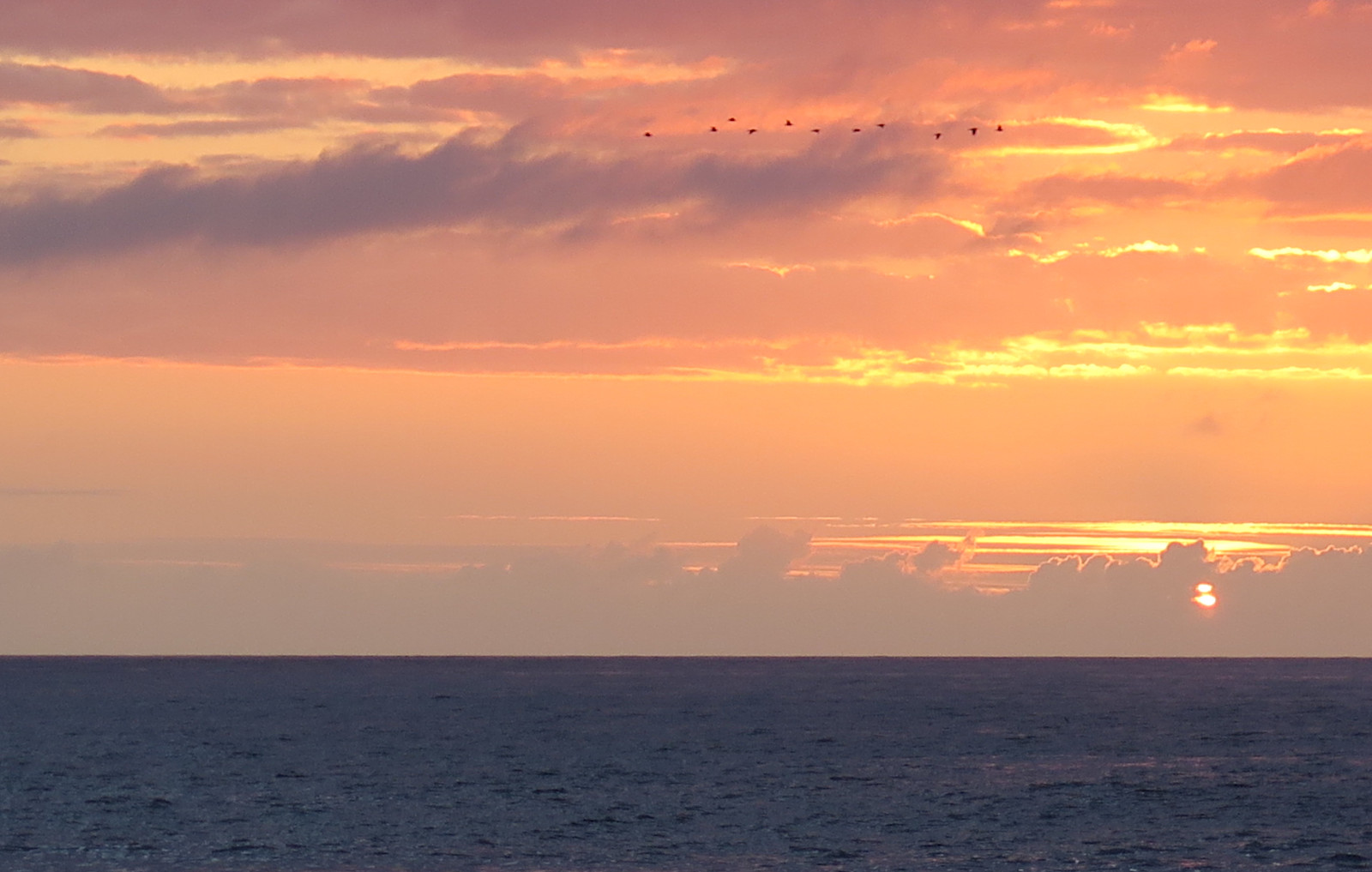
On the evening of 5th, Paz cooked steak for those who wanted it, and later I strolled around the harbour. The sunset was magnificent and I took a lot of photos, including the view of birds heading home as the sun sets.
Gas mains were being replaced in Cirencester. A team was going around, street by street, digging up the roads and pavements and fitting large bore, yellow, plastic pipes – where possible passing them through the old metal pipework they are replacing. Disruption was considerable for a week or two until the work was done and the team moved to a another street. Each property lost gas for only a few hours. Overall the work continued for months.
Cavendish House in Cheltenham closed down in February. Shopping has moved on these days and department stores are dying. I remember going to Cavendish house with my parents as a child, with my first wife before and after we were married, and noting that it was still trading much more recently – but now, it’s gone!
And we visited ‘Nature in Art‘ at Twigworth this month, too; a lovely old house with art exhibits indoors, but also many interesting installations in the gardens.
We drove up to York for a visit and to watch the Fulford School musical, ‘Beauty and the Beast’. Meredith was the beast, Verity played the part of Belle’s father, and Sara was one of the young lady ‘hangers on’ of the villain of the piece, Gaston.
It was very well done by everyone; we were highly impressed. I’d have loved to take some photos, but these days it’s not permitted.
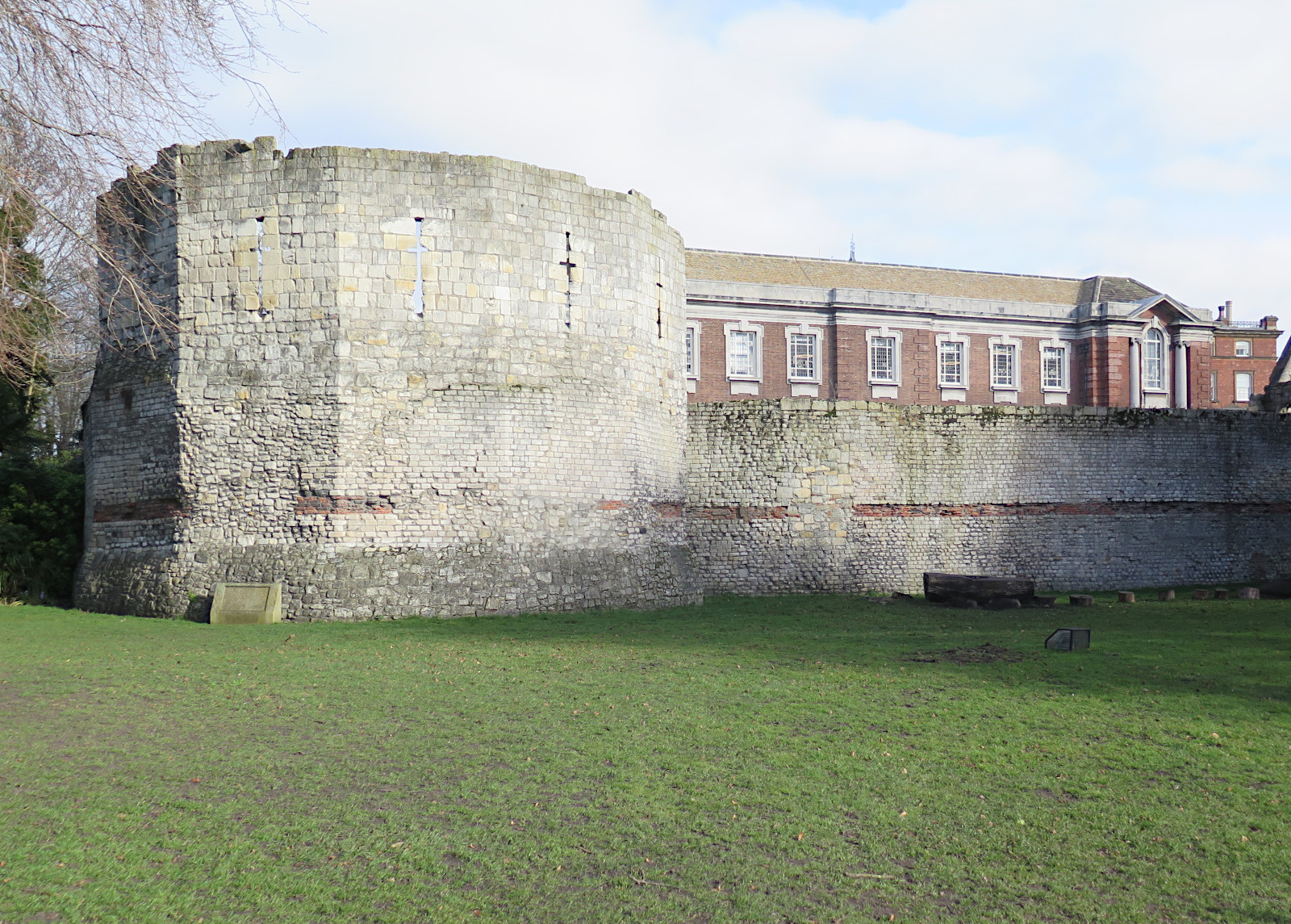
The day after the musical we explored the city centre including All Saints Church and the Museum Gardens. The photo, taken in the Gardens, shows part of the Roman fort dated to 107-108 CE, along with a surviving tower, ‘The Multangular Tower’. The Roman masonry consists of small blocks of stone and the red strip of Roman brick. The much larger stones above are medieval. Click the photo for a clearer view of these details.
On 11th it was clear that there had been more than a thousand coronavirus deaths in China, and although the rate of infection had been reduced it was still around 6% per day. This all seemed rather worrying. By 19th the virus was being called COVID-19 and it seemed to me that we were on a knife-edge between containing the infection or facing a world-wide endemic disease like a very serious kind of flu.
I was pulled over by the police after missing an exit on a roundabout in Gloucester and braking hard. They were very nice about it. After checking my licence and finding it clean they wished me a nice day and sent me on my way.
My sister Cindy held a book signing event in Cirencester at a local bookshop; in the photo she is squeezed between copies of her latest book and various toys and other items. (Find a copy of Cindy’s novel.)
During the month I met often with my friends Mo and Sue Urbano at their home in Eynesbury, and also with a group of friends at local coffee shops. These were useful times of growing together in following Jesus to the best of our abilities. There were other people too and there are snippets of the conversations in my journal. This was a busy period in my life.
We visited Broadstone to stay with Donna’s parents, and Paul and Vanessa came down from Weston-super-Mare as well. We walked on the beach with them at Sandbanks to get some exercise.
We were living in St Neots at this time, in the old village of Eaton Ford, once in Befordshire but now incorporated into the town as part of Cambridgeshire.
Unilever Colworth’s Christian Union (CU) met every Monday lunchtime and of course the meetings were not denominational in any way since we were all from different places and denominations (or in my case from no denomination at all). This was one of the features that made it so good.
Peter Farmer visited us and stayed the night on 6th, in 2009 he had been visiting one region of Britain every month to find out how people were meeting and reaching out. Quite a project! The following day we had a great meeting at Moggerhanger House.
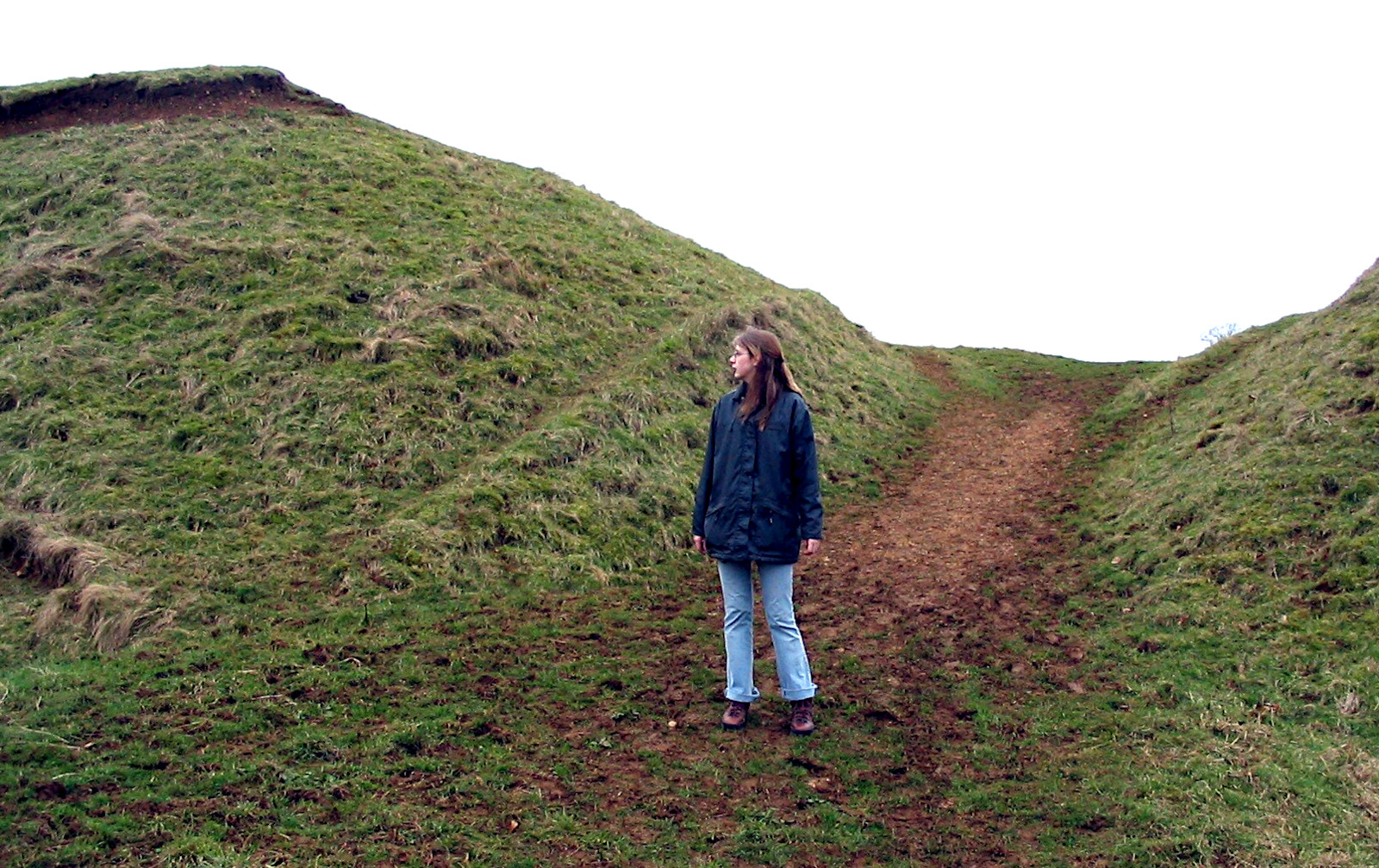
Driving cross country, I visited Debbie and Steve in Chipping Sodbury; Debbie and I walked to the nearby Iron Age hill fort which is very well-preserved. I didn’t even know it was there! There’s a double mound and a deep ditch between them; in the photo Debbie is standing in the entrance across one of the earthworks.
I had recently bought a new Nokia 6230 phone. It seems primitive indeed as I write this in 2025, but at the time it was an impressive little device. The iPhone appeared in 2007 and changed phones forever.
World events:North Korea announced it had nuclear weapons; and YouTube was founded (but not yet operating).
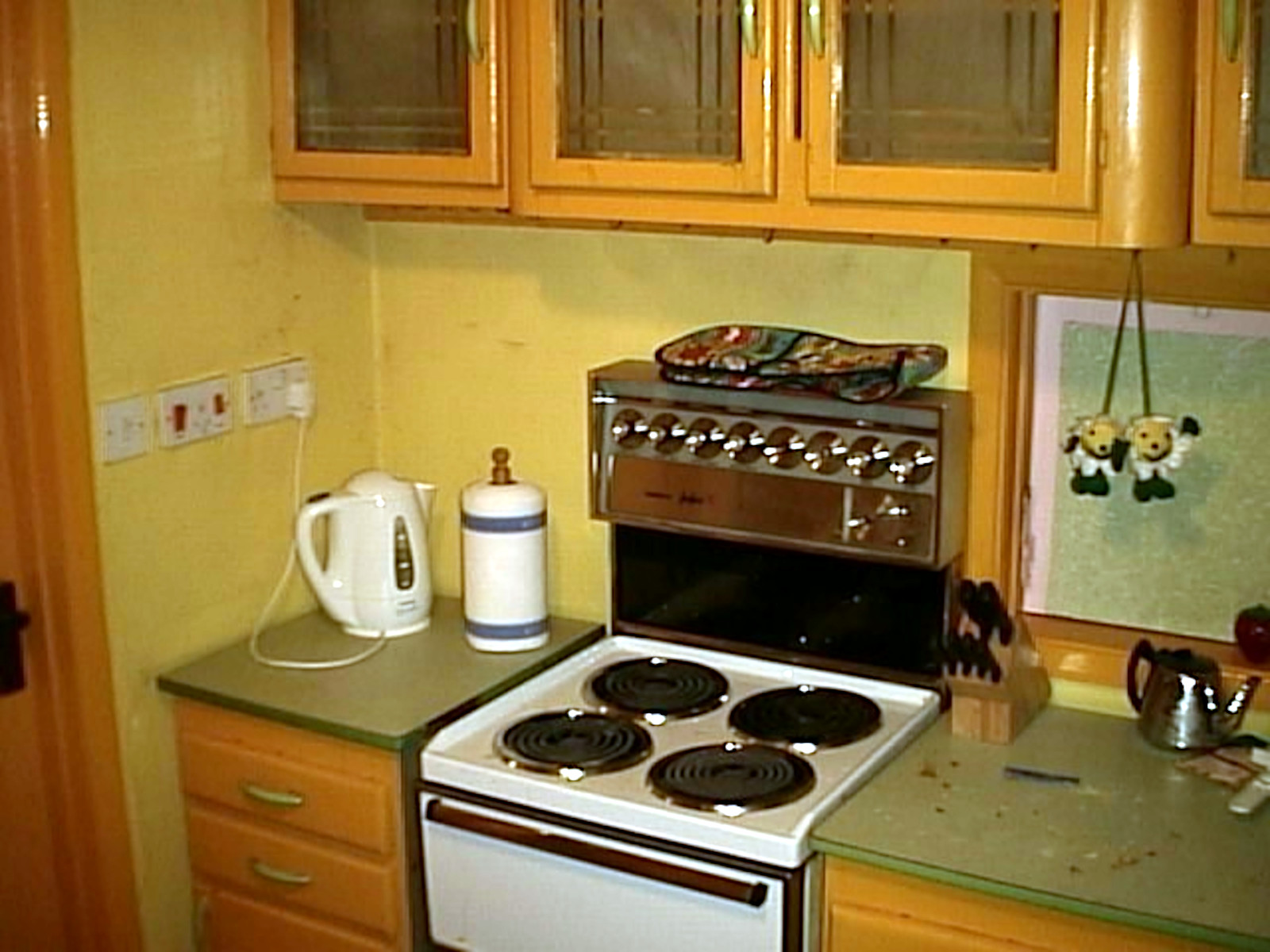
This is the kitchen, still as it was when we moved into our new home in Eaton Ford, St Neots. One of the things we’ll always remember is that the earthing on the cooker was faulty and it was sometimes possible to get a bit of a jolt from a metal pan handle. Renewing the kitchen was high on our to-do list and a few days after this photo was taken, we began taking down the old units and redecorating ready for the kitchen fitters to start work.
Near Calais
Towards the end of the month we travelled to Calais with the Open Door Church Small Group we were part of. Here we are walking along the coast path south-west of the town, I think. It was a good weekend break and fun to all be together. I can recommend it as a way to cement friendships, doing anything together is helpful.
Despite Judy’s best intentions, she had to give up working at Cotham Grammar School because of the stress and demanding hours. She was still not fully fit after some issues with chemotherapy in late 1994. Apart from her teaching job she was in really good shape and able to live perfectly normally.
For the first time in ages we were able to spend time together as a family in the evenings and weekends and that was a real joy for me and our daughters, Debbie and Beth, now 20 and 17 years old.
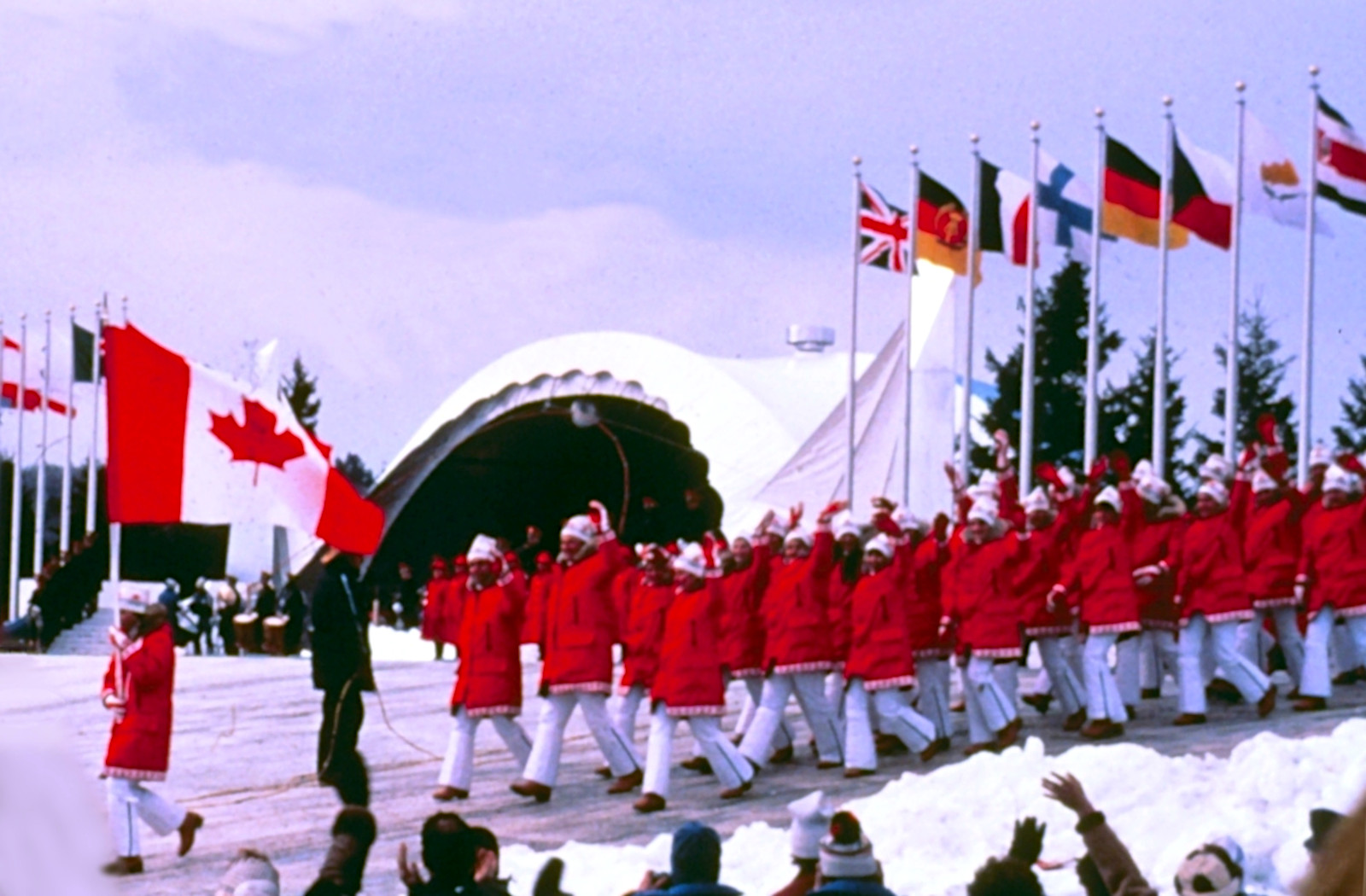
World events:Steve Fossett landed in Canada, the first person to fly solo across the Pacific by balloon; and Barings Bank in the UK collapsed.
On 10th of the month Debbie took a leading role in the Larchmount Players pantomime production of Tom the Piper’s Son in Yatton Methodist Church Hall. She did really well, a great performance. There were two further performances the following Saturday.
On the 20th we visited Judy’s parents in Cheltenham during the day and mine in Cirencester in the evening before driving back home.
We were living at 22 Rectory Drive in Yatton, between Bristol and Weston-super-Mare. Debbie was nearly ten years old and Beth still six.
My Uncle Dick received a letter (image above) about a book published in Cirencester in 1911. Nobody seemed to want this book at the time and my Dad gave it to me in February 1985, I was working as a microscopist and the book is about microscopy. In January 2017, I asked again if the Corinium Museum would like to have it, and this time they were interested so that’s where it can be found today. If you wish, you can read the letter, the book, and the museum form online.
Beth was 1¾ this month, and Debbie was almost 5-years-old. We were living at 22 Rectory Drive in Yatton at that time and Debbie would have settled in at the Infants School and made a fair number of friends. Judy was at home, looking after the house and I was working at Long Ashton Research Station.
I was considering ways to localise the plant hormone family of gibberellins in sections of plant tissue. The Pomology Division in which I worked was being closed down and the options were redundancy or a move to East Malling Research Station in Kent where pomology research was to continue.
Judy was looking (and feeling) very pregnant by this time. But she was in good health and there were no issues. The ante-natal classes had been helpful and we’d accumulated a lot of freebies and gifts and had bought necessary items ourselves as well. There were baby clothes and blankets, little booties and sterilising kits and bottles and teats and all the other things we thought we’d need. All this stuff fitted neatly in the basketwork crib Judy had made.
My MSc thesis was with the binders at this point. It was good to have all that paperwork and typing and drawing of diagrams (see photo) and charts behind me before the baby arrived!
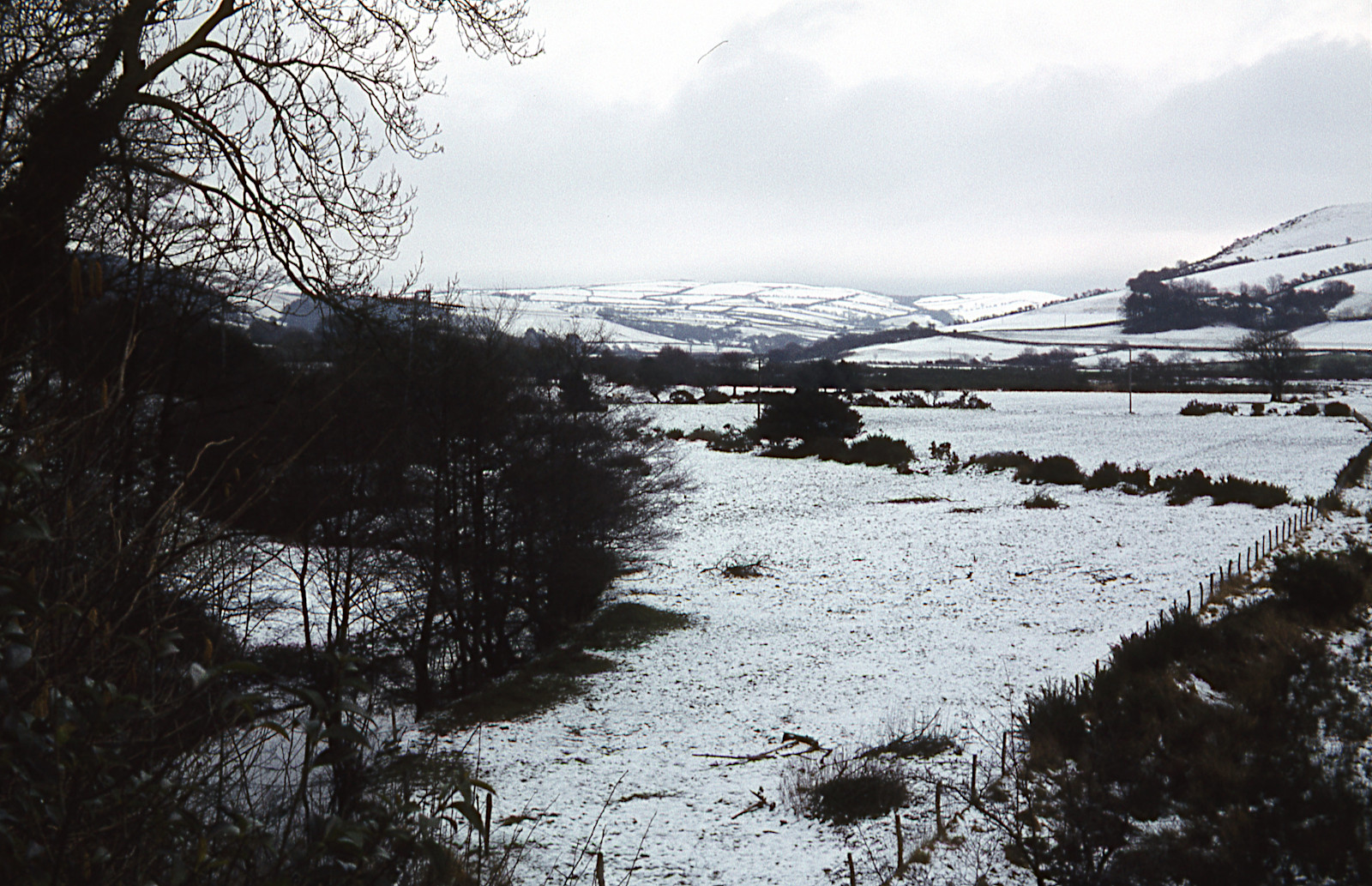
I can’t be certain, but I believe this photo was taken by Judy on her way home from Aberystwyth (where she was at university) to Cheltenham, probably on a Black and White coach. That would be appropriate as the countryside looks black and white as well! I was in my final term at Bath University, and we were both working towards our finals.
World events: Tourists died in an avalanche at Val-d’Isère, France; and Richard Branson founded the Virgin Group as a discount mail-order record retailer.
Cousin Sue had her 21st birthday party on 6th of the month and Granny-in-Ireland’s 67th birthday was on 9th (she was my Mum’s mother).
School continued through February, it was my second term in the Lower Sixth, studying for A levels in Biology, Chemistry and Physics. My sister Cindy was also at the Grammar School, in the third year I think. Ruth and Rachael were still at junior school (Querns School).
World events:The Gambia became independent of the UK; and Ranger 8 crashed on the Moon after photographing possible astronaut landing sites.
One of my favourite toys at this time was Meccano; I’d had small amounts of this as birthday and Christmas presents. There were red bendy steel sheets in various sizes, green strips, dozens of nuts and bolts, wheels, axles – what fun for an eleven-year-old! But around this time I was given large quantities of second-hand Meccano parts, hand-me-downs from my cousins Tim and Jeremy. That was so exciting!
World events: The first CERN particle accelerator became operational in Geneva; and the Hollywood Walk of Fame was established.
We were living at 17 Queen Anne’s Road on Cirencester’s Beeches Estate. There were two conifers, one outside our house and another outside our next door neighbours, the Watts family.
There had been more of these trees, planted when the estate was built; but children being children the young trees had been tweaked and pulled about and most had eventually died. Mum and Mrs Watts would run out and chase the boys away, and had managed to save our two trees.
I was six-years-old and my sister Cindy was three.
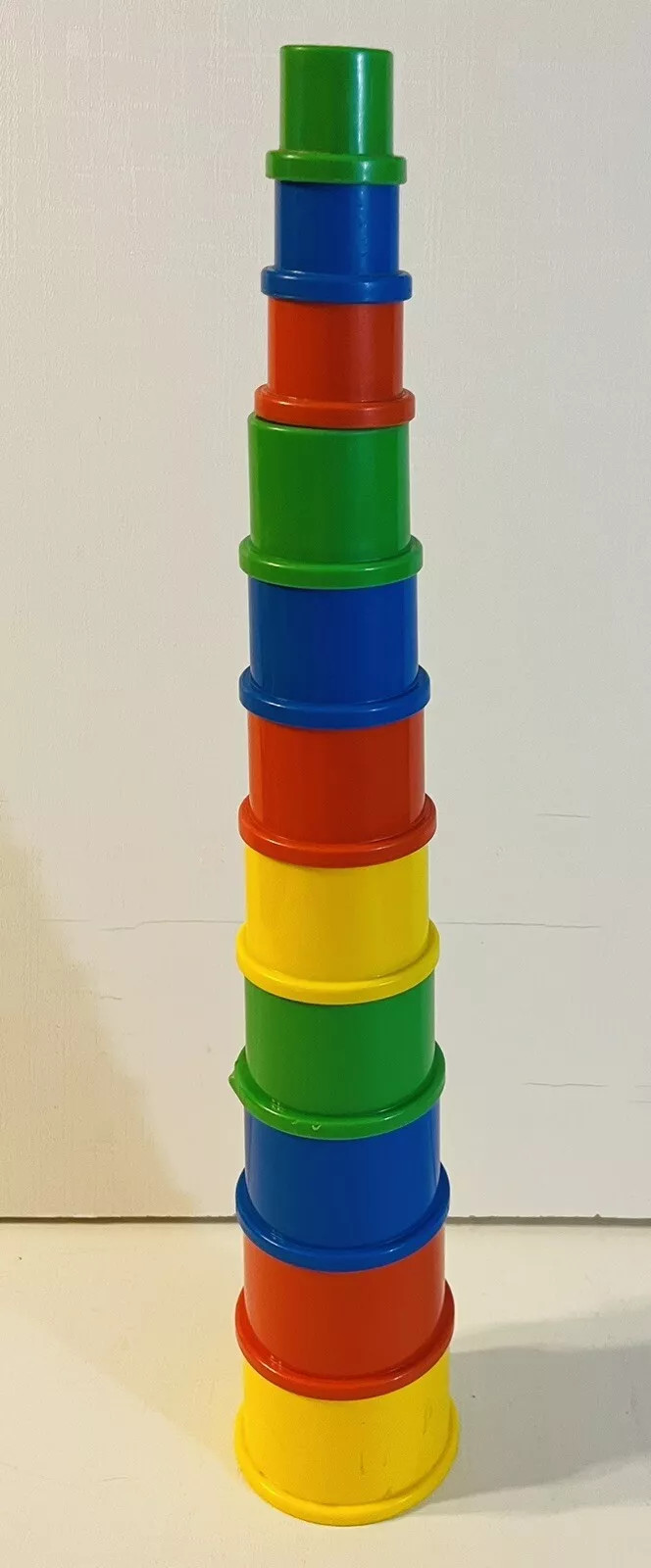
We were a little family in our own, rented council house on the Beeches estate. I had a cardboard box, open at the top, containing my toys. I remember (from later) that there was a nesting stack of bakelite pots in different colours.
You could put them inside each other (I probably watched Mum or Dad do this) or you could make a tower with them (and I’m sure I enjoyed pushing the tower over).
World events:Chiang Kai-shek was re-elected president of the Republic of China; and in New York a credit card (Diners Club) was first used.
On 3rd February Dad travelled back to Skendleby, in Lincolnshire where he was a radar operator on a Chain Home RAF site. It was about a mile north-east of the village, but is not marked on the map, of course.
Mum and Dad continued to write often, on 17th he was troubled to learn that she was unwell and might need surgery that would result in her not being able to have children. On 24th he heard that she would not need the operation after all. He writes in his diary, expressing his extreme relief; and had she needed that op, I wouldn’t be here to write this now!
World events: An oral version of penicillin was announced; and Roosevelt, Churchill and Stalin met at the Yalta Conference.
John Jefferies & Son Ltd had a florists shop on the corner of Cirencester Market Place and Castle Street, now the Vodafone shop. In February 1940 we can assume the vegetable-seed trade was good as the wartime population would have been growing their own produce on every available scrap of land. The ‘Dig for Victory‘ campaign would have encouraged this.
Entering the front door on the corner, there was a space for customers, with a service counter on the right and a private door opposite the shop’s display windows. Through the door and turning right, was a small, almost triangular outdoor space where buckets of cut flowers were stored, and there was always a smell of cooking emanating from the kitchens of Viner’s Restaurant next door in Castle Street.
Turning left instead brought you to a wooden staircase leading to offices on the floor above. There were also steps (possibly stone) leading down to the cellar.
If you enjoyed this or found it useful, please like, comment, and share below. (If you don’t see those links, click the article’s title above the main photo and they will appear.) Send a link to friends who might enjoy the article or benefit from it – Thanks! My material is free to reuse (see conditions), but a coffee is always welcome and encourages me to write more often!
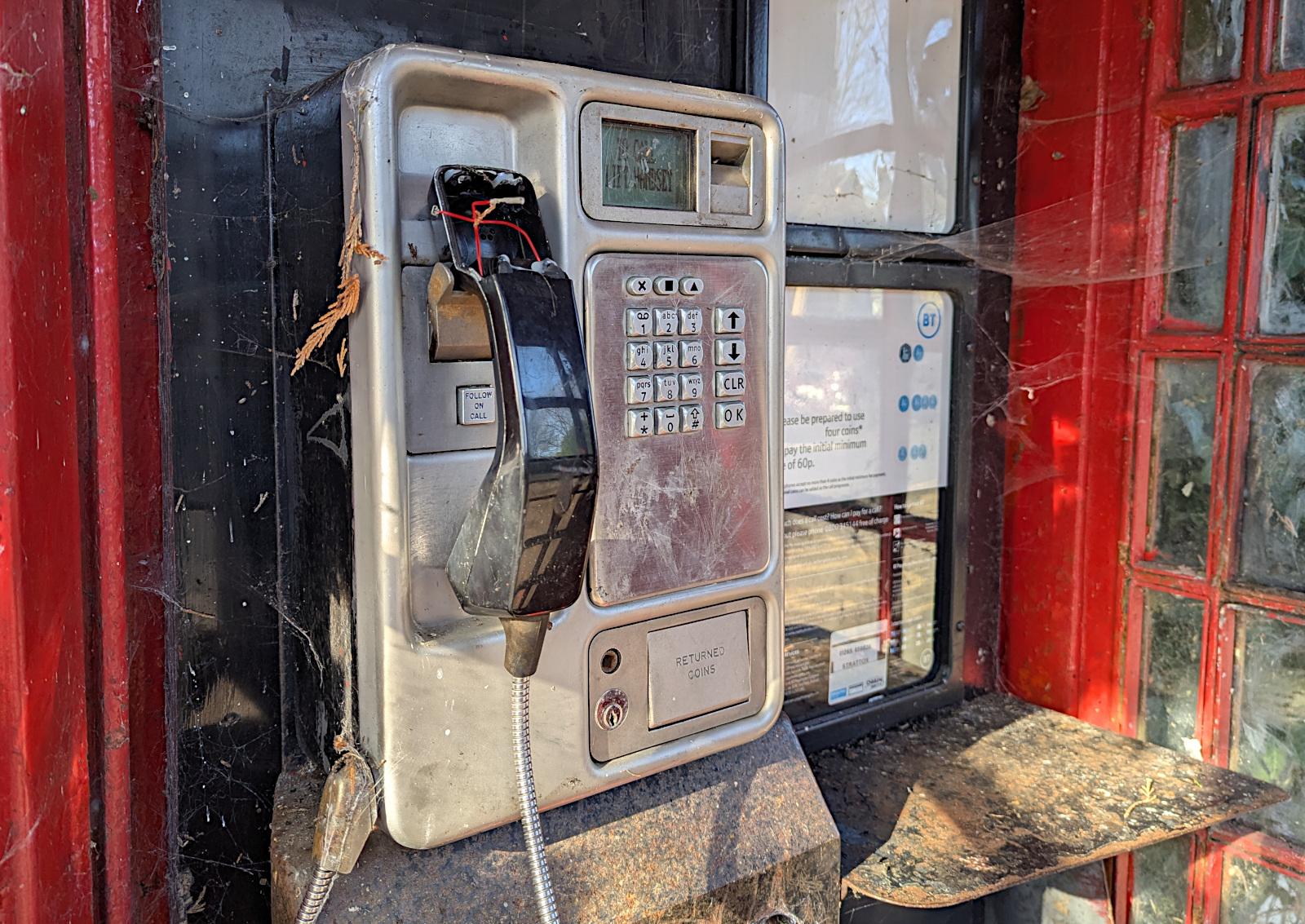
As mobile phones became more affordable and widely available the need for phone boxes vanished. This one was never removed and stands forgotten by the pavement, more or less unnoticed, draped in cobwebs, laden with layers of dust.
Image 136 – What’s in an image? Sometimes quite a lot, more than meets the eye. I’m posting an image every day or so.
Click to enlarge
Stone Age?
Well – Stone Age in terms of communications technology! A long time ago, way, way back in the 1980s, telephone kiosks like this one were widespread in the UK. You can see the red paint for which these phone boxes were so famous.
This particular box stands at the junction of the Gloucester Road and the Cheltenham Road in Stratton, where we live. It must have been quite busy when it was first installed. I well remember standing waiting at a box like this, sometimes there might even have been a queue of three or four people waiting to make a call.
And I remember the standard phone box smell as well. There was always a certain degree of dampness about them, often mixed with stale tobacco smoke. There was a little shelf containing a local residential directory and a yellow pages with business numbers and adverts.
This example of the British Telecom (BT) phone box has seen better days. It was converted with up-to-date equipment that must have replaced the original, black, bakelite handset with its black, enamelled, steel coin-box with Button A and Button B. But as mobile phones became more affordable and widely available the need for phone boxes vanished. This one was never removed and stands forgotten by the pavement, more or less unnoticed, draped in cobwebs, laden with layers of dust.
If you enjoyed this or found it useful, please like, comment, and share below. (If you don’t see those links, click the article’s title above the main photo and they will appear.) Send a link to friends who might enjoy the article or benefit from it – Thanks! My material is free to reuse (see conditions), but a coffee is always welcome and encourages me to write more often!


















 Journeys of Heart and Mind


