
(See indexes on other topics)

This index allows you to browse through a series in which I suggest other good websites to explore, usually by sharing an extract. More recent items appear at the top of the list.
- 1 – A recommended site – Life with CD
(See indexes on other topics)
This index allows you to browse through a series in which I suggest other good websites to explore, usually by sharing an extract. More recent items appear at the top of the list.
In first-century Jewish society, a woman approaching a rabbi — in public, uninvited, without the mediation of a husband or male relative — was itself an act that would raise eyebrows and clench jaws.
Chris Dryden’s website
< Previous | Index | Next >
Sometimes I read something so good that I want to share it with my readers. This happened recently with one of Christoper Dryden’s posts. When I asked if I might republish it here, he very generously agreed. But I’m having second thoughts. Not about sharing it, but about sharing it in full. I think it will be better to share enough that my readers will want to go and read the rest on CD’s blog.
Reading: Mark 5:21-43
Context: What social barriers does the bleeding woman overcome to reach Jesus, and why is this significant?
This scripture does not indicate the social barrier, but we can infer the following: she has a disease, which doesn’t make her socially acceptable for starters. The nature of the disease, apparently, would make her unclean, so she shouldn’t be seen in public. Touching the garment of Jesus would be considered scandalous and outrageous cos the belief was that those touched by the unclean would be unclean themselves. She’s a social outcast, and she should know her place and deal with the fact that she’s worse off for looking to get her problem sorted, only for it not to work out. She’s a woman, that also ain’t becoming of someone who wishes to approach this guy. Seen in that light, the amount she’s overcome to reach out speaks volumes about the level of faith she has that one touch could make all the difference. It explains Jesus’ own commentary on the situation, namely that her faith has made her whole. And as I reflect on that, there’s the nudge to consider what level of faith can be exercised to trust Jesus. And also, there’s a challenge of how we can demonstrate and declare, for the benefit of other social outcasts, that their issues can be solved by reaching out to touch Jesus, who is near them?
In first-century Jewish society, a woman approaching a rabbi — in public, uninvited, without the mediation of a husband or male relative — was itself an act that would raise eyebrows and clench jaws. Layer on top of that the twelve years of haemorrhaging, which under the Levitical code rendered her perpetually ritually unclean (Leviticus 15:25-27), and you start to appreciate what she was carrying before she ever took a single step toward Jesus. It wasn’t just a physical condition. It was a sentence. Twelve years of isolation. Twelve years of being untouchable. Twelve years of being told, in effect, that she didn’t qualify.
She had also spent everything she had on physicians who left her worse off, not better. So not only is she socially marginalised, she is financially spent and medically hopeless. She has nothing left to lose. And that, right there, might be the very thing that unlocks her faith. When you’ve exhausted every other option, the audacity to reach for Jesus becomes a lot less surprising.
Seen in that light, the amount she’s overcome to reach out speaks volumes about the faith she has that a single touch could make all the difference. It explains Jesus’ own commentary on the situation: her faith has made her whole. And as I reflect on that, there’s a nudge to consider what level of faith is required to trust Jesus. And also, there’s a challenge of how we can demonstrate and declare, for the benefit of other social outcasts, that their issues can be solved by reaching out to touch Jesus, who is near them?
Someone might feel like they don’t qualify. They feel like they’ve been told — by circumstance, by history, by the voice in their own head — that the door to Jesus isn’t for them. This woman’s story is a loud and clear rebuttal of that lie. She reached, He responded, and the power that went out of Him was not accidental. He knew. He always knows. And He is never contaminated by what comes to Him, broken and desperate. He is only ever transformative.
Content: How does Jesus treat both the synagogue leader and the unclean woman with equal dignity?
What a fascinating word – dignity. Let’s get ourselves a running definition or walking, if we prefer the strolling approach. Dignity is about worth, value and honour. To treat people with dignity is to confer on them a sense that they are of worth and value and should be duly honoured…
My hope is that you’ll want to read the whole thing. Don’t miss the opportunity, you will not regret it! And if you like Dryden’s writing as much as I do, you’ll bookmark his site and keep coming back for more.
< Previous | Index | Next >
If you enjoyed this or found it useful, please like, comment, and share below. (If you don’t see those links, click the article’s title above the main photo and they will appear.) Send a link to friends who might enjoy the article or benefit from it – Thanks! My material is free to reuse (see conditions), but a coffee is always welcome and encourages me to write more often! 
This first entry recommends Life with CD, a great site for posts about following Jesus faithfully in the modern world. Lots of hard questions, lots of good answers, lots of thoughts provoked.
The first item in a new series
< Previous | Index | No later posts >
This is a monthly roundup of news and events in the world as well as in my life. So expect to find thoughts and comment on international and local events as well as links to anything I’ve seen or read that seems either relevant or interesting to me. I’ll republish every time I add a new item, so check back often.
3rd April 2026 – I’ve started a new series of articles on JHM. View the index (it has only a single item so far) but I’ll add more items from time to time. This first entry recommends Life with CD, a great site for posts about following Jesus faithfully in the modern world. Lots of hard questions, lots of good answers, lots of thoughts provoked.
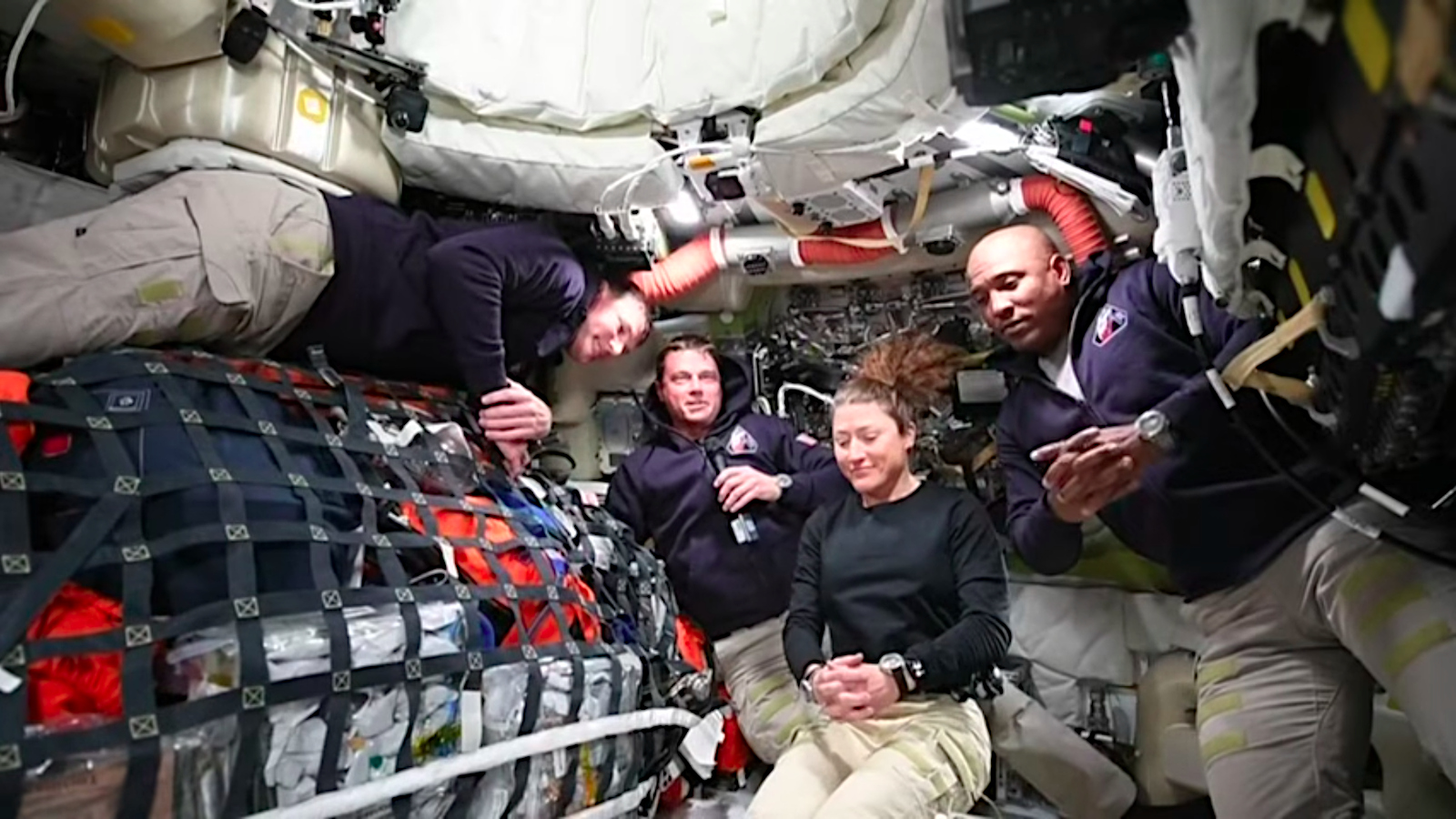
3rd April 2026 – The crew of Artemis II are now heading towards the Moon following a TLI burn (TLI = Trans-Lunar Injection) You might like to watch this news interview with them if you haven’t already seen it. As they draw ever closer to the Moon they will come more and more under its gravitational influence and less under Earth’s. Lunar gravity will gradually bend their orbit through 180 degrees and send them hurtling back to Earth at the same speed at which they arrived.

2nd April 2026 – And now for some long news. The NASA mission I mentioned yesterday will last 10 days, but this forest restoration project in Scotland will last for 250 years!
Alan Watson Featherstone is a Scots ecologist, he founded the conservation charity, Trees for Life in 1986; and I recommend the video about the work and its striking results so far (link in the paragraph above). We need more people with vision like this! While you’re here, take a look at the charity’s website.
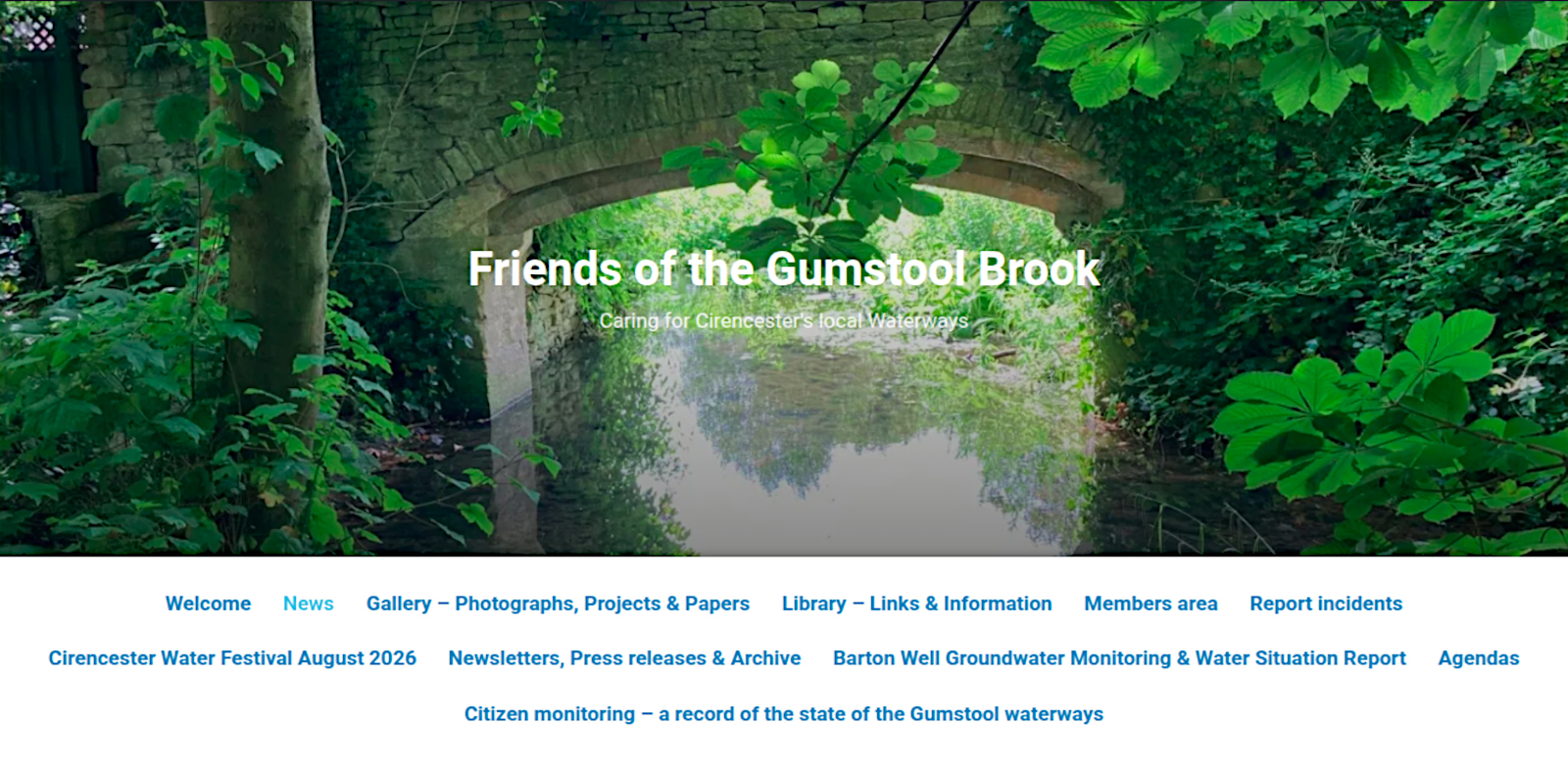
2nd April – FoGB is a local, volunteer organisation started by an old school friend of mine, Nick Henderson – more fully and properly Rev’d Dr. Nicholas Henderson. FoGB does a lot of very useful, even essential, work on Cirencester’s watercourses. If you live in or near the town you should certainly take a look. If you live anywhere else you might still find it interesting, a great example of what can be achieved by enthusiastic individuals and small groups.
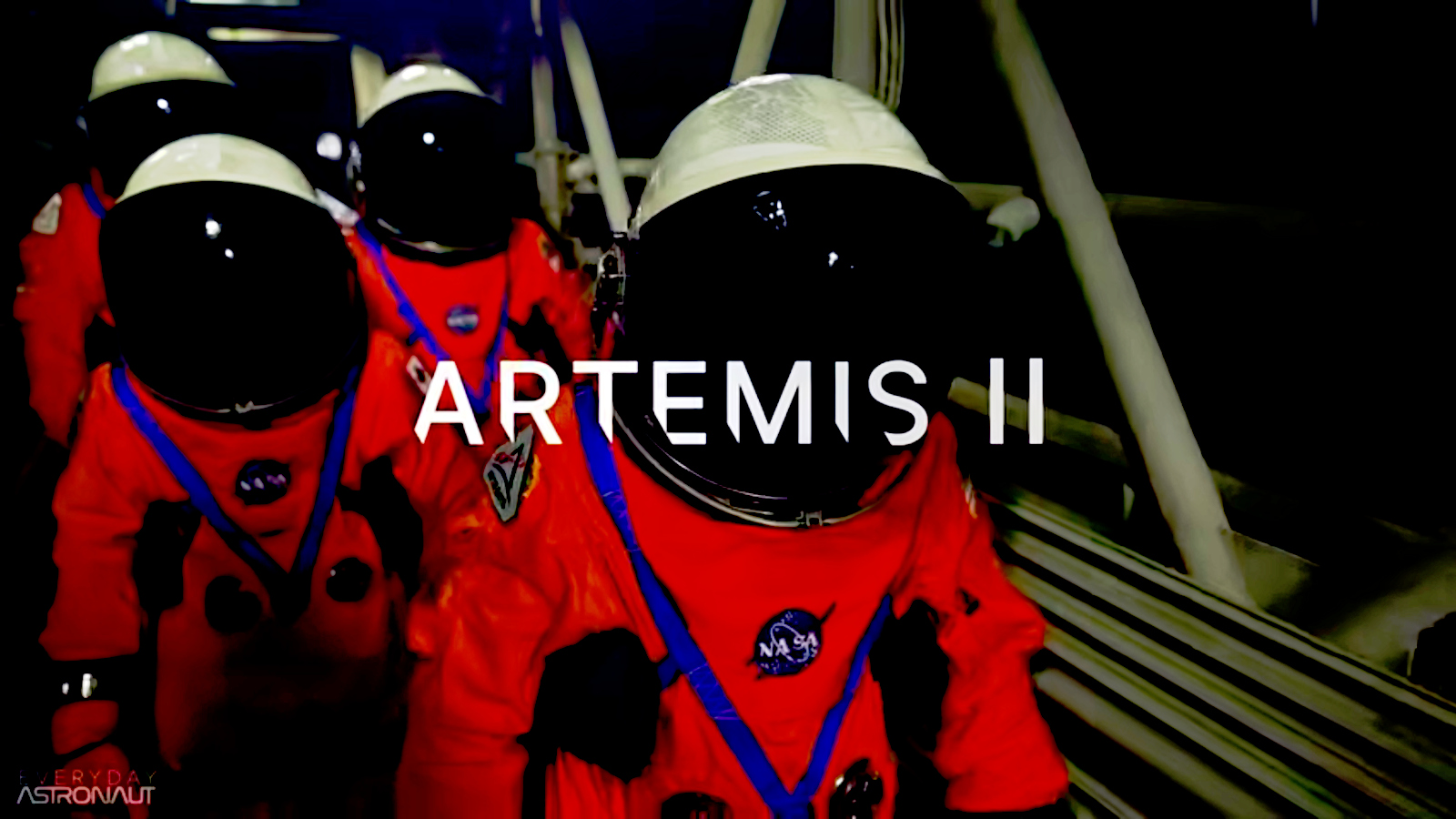
1st April – As I write, preparations are under way for the Artemis II mission, launching from NASA’s Cape Canaveral launch complex late this evening UK time. The objective is to fly four Astronauts well beyond the Moon, much further than anyone has ever been from Earth before. They will not be landing on the Moon on this mission. The launch was a success, Artemis II is in an initial orbit.
Take a look at the Everyday Astronaut’s YouTube channel for the latest news as it happens. Or watch his video about the Mission for all the background before it happens.
< Previous | Index | No later posts >
If you enjoyed this or found it useful, please like, comment, and share below. (If you don’t see those links, click the article’s title above the main photo and they will appear.) Send a link to friends who might enjoy the article or benefit from it – Thanks! My material is free to reuse (see conditions), but a coffee is always welcome and encourages me to write more often!
We all have gifts and we do far better when we share them, recognising them in one another and encouraging one another by saying what we see. This will never happen if we keep thinking only in terms of individual people and individual gifts. We, together, are the body of Christ.
Communicating (Wikimedia)
< Previous – Index – Next>
The final APEST gift we need to consider is the gift of teacher. Just like the other gifts, the teaching gift is there for the building of the church and does not act in a controlling way but is a life-bringing and helping function in the life of the church and the individual parts of it.
Where a teaching gift is active there will be a clarifying service at work. Confusion and misunderstandings will be swept aside. Decades, even centuries and millenia of mistakes and misunderstandings will be exposed and brought out for fresh examination. Teachers cannot sit still or take a back seat where they detect error of any kind.
And it’s not just a matter of explaining things more clearly or studying the meaning of Hebrew or Greek terms. It’s much more helping people through those ‘I just don’t get it’ moments until they suddenly cry out, ‘Oh, now I see!’ The teaching gift sparks revelation.
Jesus taught his disciples, but he also taught the crowds. Sometimes his teaching went way beyond words and ideas, often he’d share a parable like the Good Samaritan that reached directly into minds where words alone failed to penetrate. This kind of teaching gift cuts through misconceptions and breaks into parts of our being that seem to be based somewhere other than the grey matter in our brains. Often, we express this as heart even though that’s biologically incorrect. But our languages are full of heart-based expressions – heartfelt, avoir le cœur sur la main, heart-stopping moment, sich ein herz fassen, wearing your heart on your sleeve, good hearted. There are facts and there is understanding; they’re two different things, we tend to think of facts being in our heads and understanding being in our hearts.
And when the wealthy, or the Pharisees, or the Temple priests needed a bit more than a word to pitch them over the edge from not comprehending to fully understanding, Jesus would show them what the Father’s heart was like – ‘Don’t stand on street corners praying where everyone can see you, go quietly into your own room where only the Father sees you and pray there.’ And sometimes there’d be a spark of comprehension. It might only be one person amongst a group of proud scoffers, but it’s so worth it when even one person sees the light and understands a previously hidden truth for the first time.
It’s still like that in the church today. There are many who don’t see the truth but now and then a light comes on for someone – Ding! Anyone with a teaching gift loves it when that happens. Understanding is like a staircase, each step makes the next one possible when the right time comes. The teaching gift enables the teacher to recognise that right moment and drop in the necessary grain of truth so that it makes a deep and long-lasting difference.
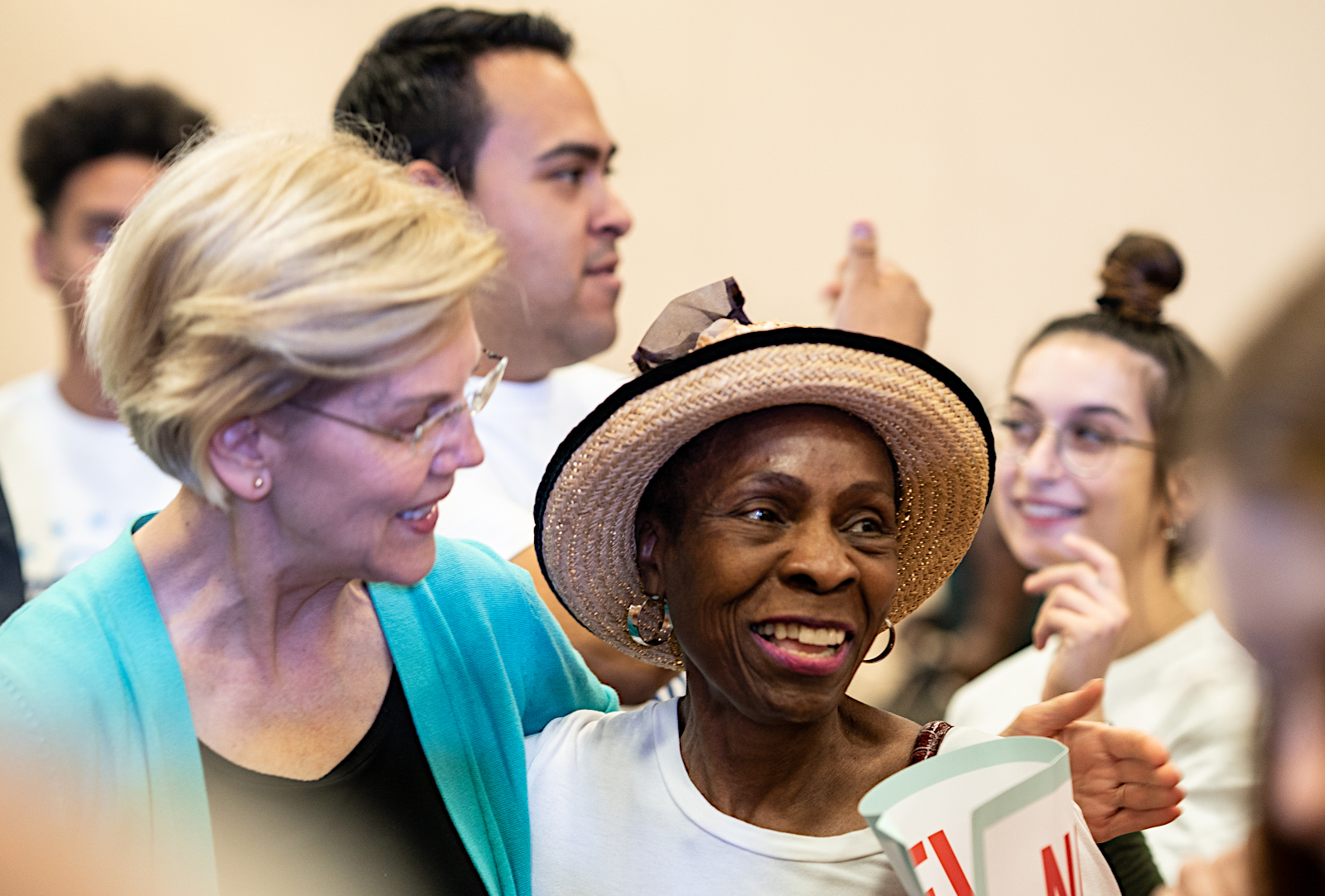
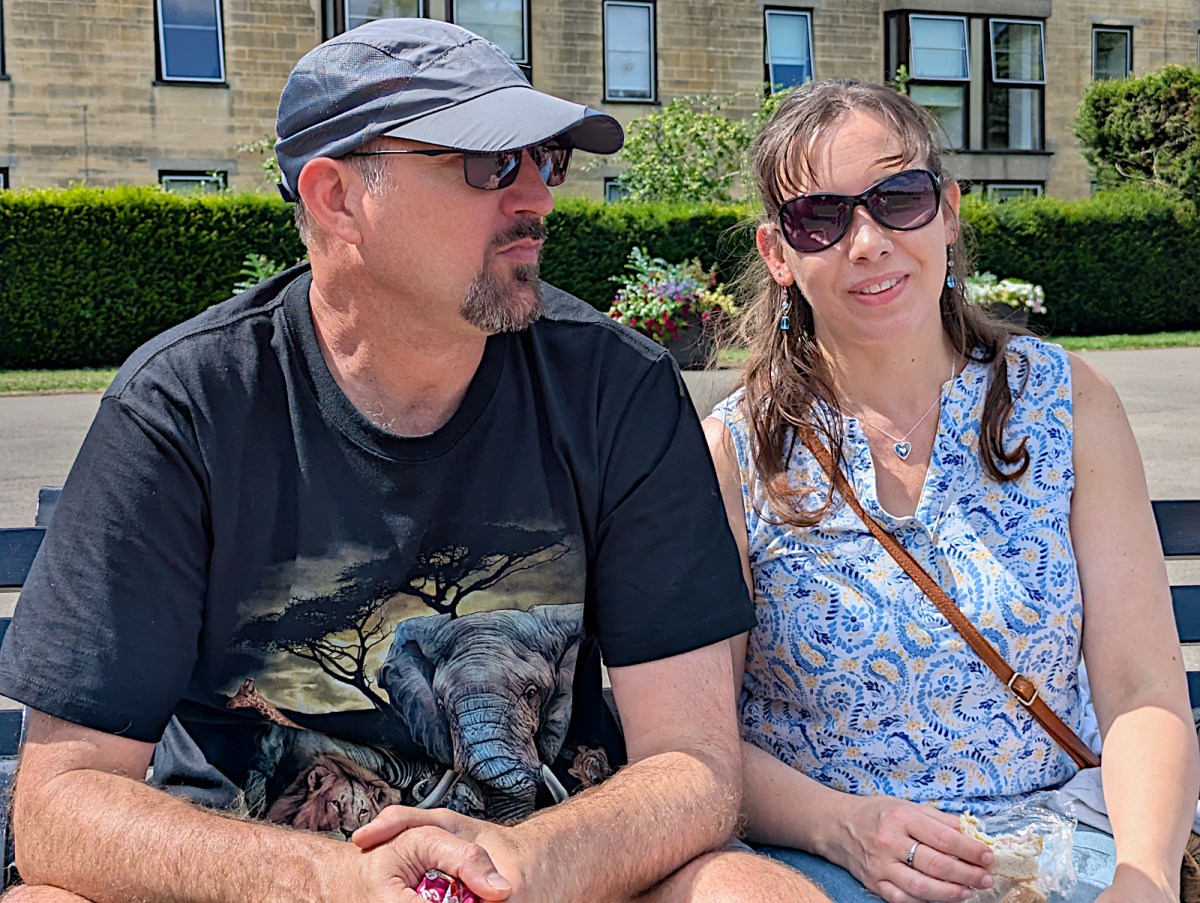
Look again at the photo at the top of this article, these are not strangers interacting, they are good friends, they know one another at a deeper level, they care about one another, they are engaged in conversation, they are happy and comfortable together. They might possibly live in community. I bet they eat together at least once or twice a week. And I bet Jesus and his followers interacted in just the same ways. We need community like this! We were designed for it. The five gifts of service (and many other gifts) appear when we are a fully alive community.
Jesus told his followers, ‘I will build my church’. He doesn’t want you and me to build it, but he does pour out gifts upon us so that we, together, can contribute something essential and useful. There’s an abundance of brotherly/sisterly love amongst us when we all pool our different gifts. And that in itself is a secret that has been lost during church history. We need to fully grasp that secret – we all have gifts and we do far better when we share them, recognising them in one another and encouraging one another by saying what we see. This will never happen if we keep thinking only in terms of individual people and individual gifts. We, together, are the body of Christ.
Don’t think in terms of a tyre here and a seat there. A gear lever and a rear view mirror. Understand that thinking about a car is very different from merely thinking about the different parts of a car. You can travel quickly over long distances if you have a car, but if you have only a tyre and a seat you’ll go nowhere. Building a car means recognising the pieces and putting them together in right relationship. Building community and church needs exactly the same skills and understanding.
There is one big mistake frequently made in mainstream churches today, OK, there are many mistakes made, but I want to highlight this one in particular because it’s very widespread and very harmful. It’s also an easy and natural mistake to make.
Many well-intentioned teachers don’t teach Jesus, instead they teach the Bible. Jesus is very much present throughout the Old and New Testaments. But teaching people to memorise verses will do little to help them grow in character or grace. Instead we need to bring Jesus himself into one another’s hearts and minds and be changed by his presence. We need to grow in love and in joyfulness, we need to be rooted in his peace, reflect his patience and great kindness and goodness, become faithful as he is faithful and develop the kind of self-control that never criticises and never directs anger or disappointment at the brothers and sisters.
We simply cannot be built on the foundation of Christ unless we come to know him well, so we’re not looking for technical knowledge of Greek and Hebrew, or deep Bible studies. Instead we need to know Jesus as our dependable, older brother, to recognise that he is always present and how to help one another find him again when we lose sight of him. We need to learn that the fruit of the Spirit is more fundamental than the gifts of the same Spirit, but that we need both to function as Jesus fully intends his church to do. ‘I will build my church’.
That’s it for this part of the series. Next time we’ll consider Jesus, the source of these gifts of service. Can we see all five APEST gifts at work in him? What can we learn from him in this regard?
I wanted to provide links or articles about the topic, just as I do in most of my posts, I looked at a load of stuff but nothing seemed to jump out for me, I didn’t hear Jesus whispering, ‘Yes, put that item in’. In the end I felt there were two videos I should include. Neither of them is specifically about the gift of teaching (though they both mention this gift in passing. Both of them are about the five APEST gifts as a whole. They are both interviews. Alan Hirsch and Neil Cole have both pretty much dedicated themselves to studying , teaching, and writing about APEST. My feeling is that I should link to these two interviews, so here they are.
I’ve met and spoken briefly with both Alan and Neil, and and I’ve heard them both speak in meetings several times. And I trust them to reveal something useful to you, so have a listen.
< Previous – Index – Next>
If you enjoyed this or found it useful, please like, comment, and share below. (If you don’t see those links, click the article’s title above the main photo and they will appear.) Send a link to friends who might enjoy the article or benefit from it – Thanks! My material is free to reuse (see conditions), but a coffee is always welcome and encourages me to write more often!
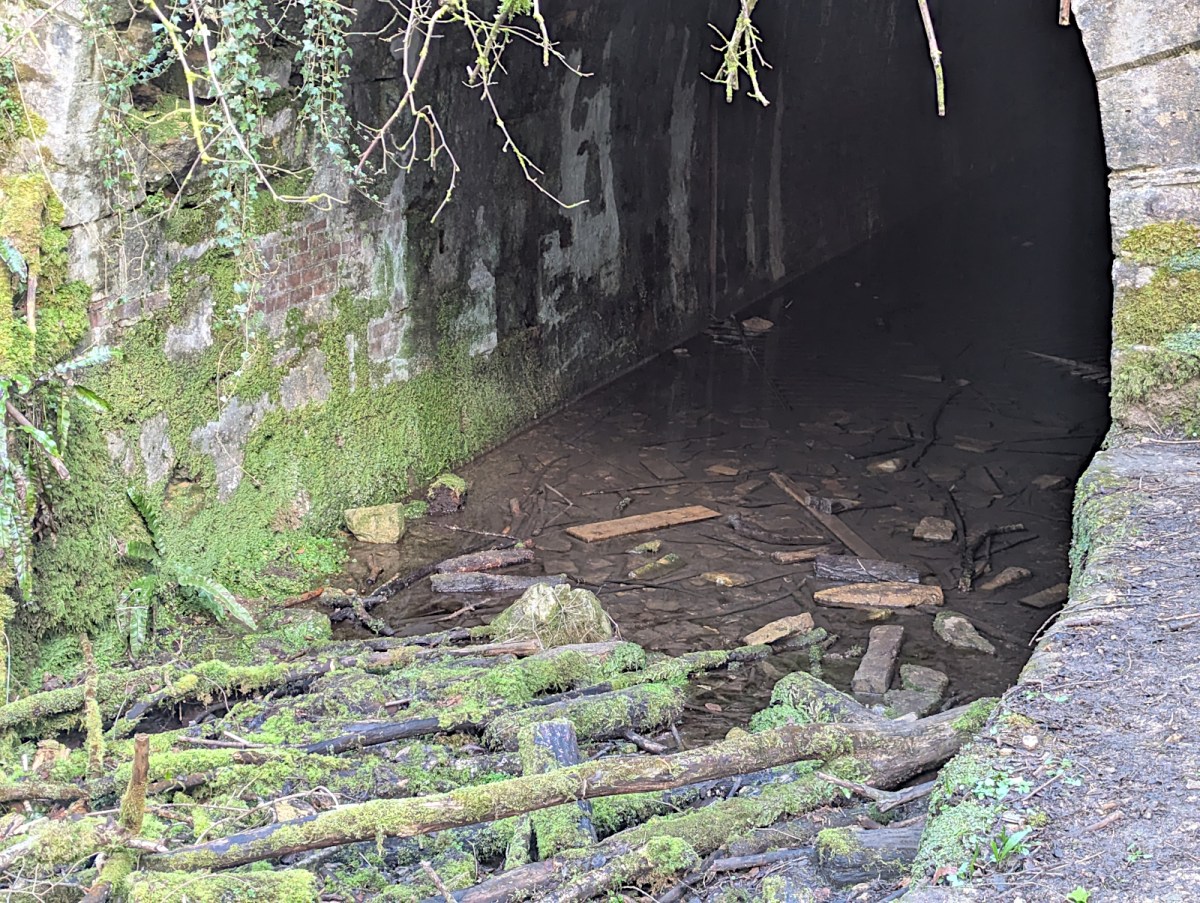
It wasn’t hard to imagine the canal lengthman coming out of the roundhouse for a chat, and Thames barges making their way slowly along the canal, each following the plodding progress of its towing horse. The pace of life has changed so dramatically since those days!
The canal tunnel
Jump to Mar 2025
< Previous | Index | Next >
Note: Writing these Blast from the past posts every month has been hard work for me, particularly as my efficiency in researching and writing is slowing down as I approach 80-years-old. This has prevented me from writing on other topics that are also important to me. I plan to continue with Blast from the past but they’ll come out monthly in sections; next time expect some further sections of Part 40.
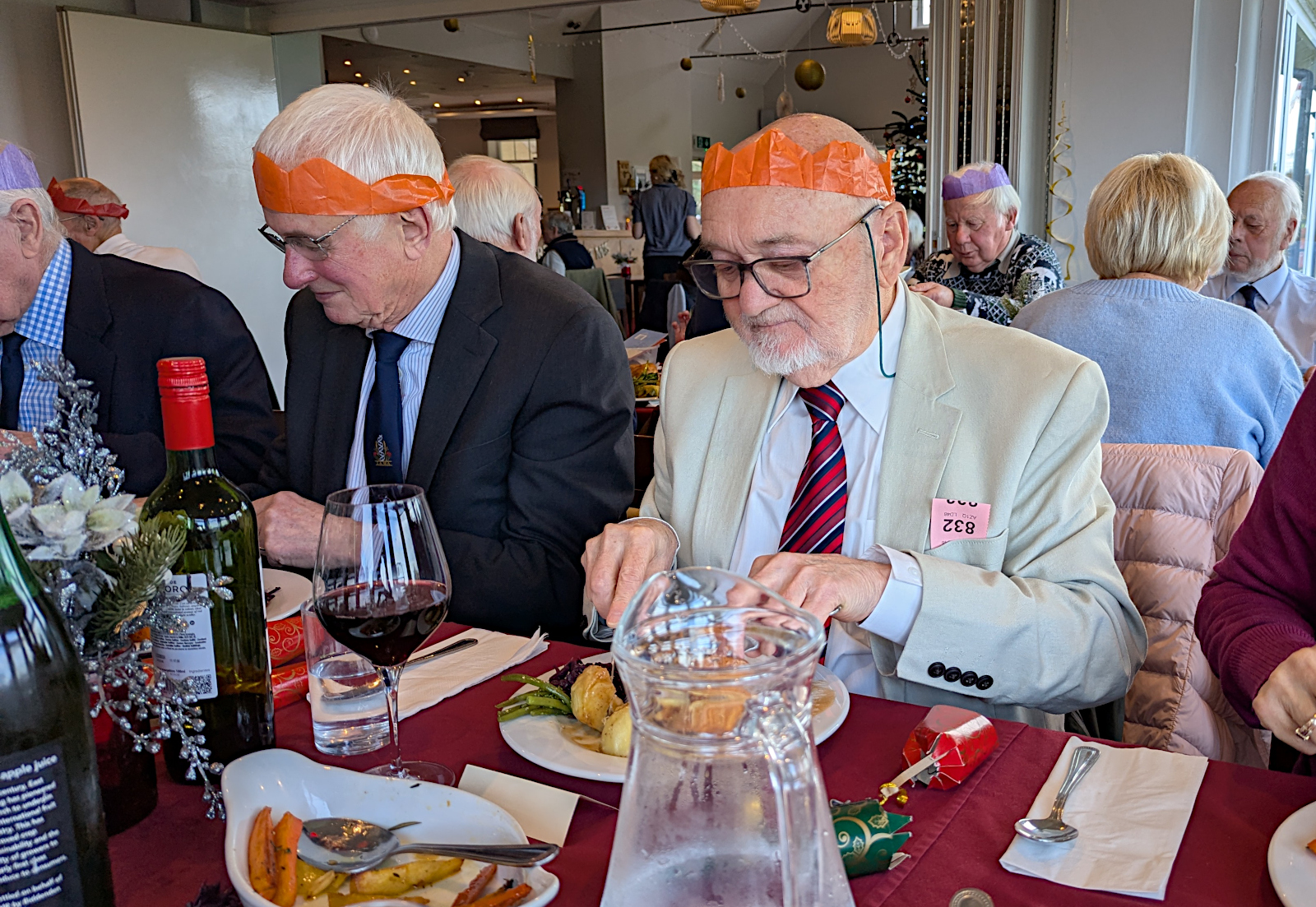
On 2nd December Donna and I visited Bristol and Clifton Golf Club for the annual Christmas dinner for retired staff. It was wonderful to see so many familiar faces, older of course yet clearly still the people I remembered. Of course, as we age we all change under the influence of new experiences, getting to know so many new friends and aquaintances, yet all the old patterns and habits are still there, faces instantly recognised, voices still sounding the same, facial expressions just as remembered from decades previously.
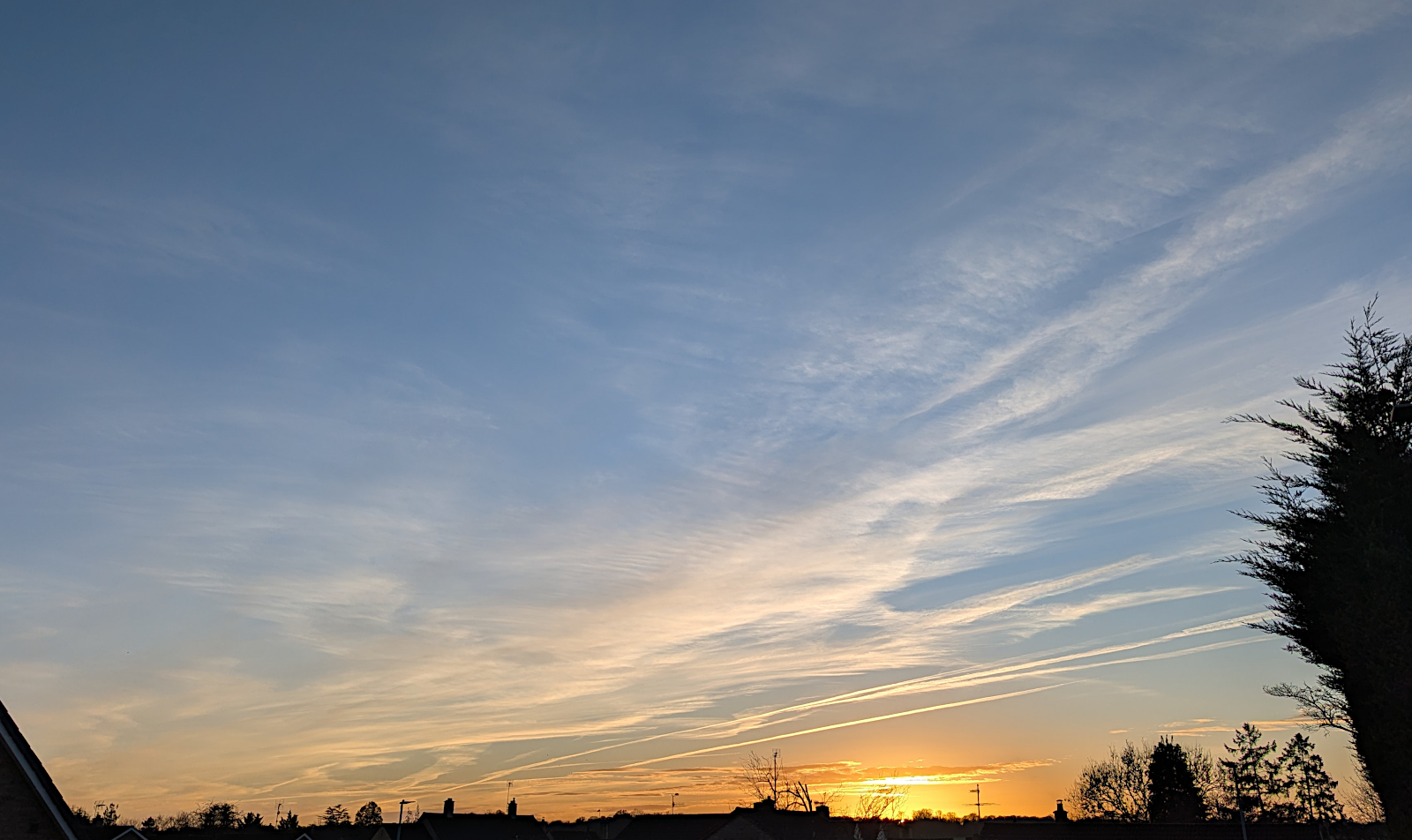
There were some glorious skies during December. I captured this view on the evening of 12th, walking around Stratton. In December the sun sets early here in the UK where the latitude is fairly high.
JHM: I wrote about an amazing photo of a volcano in Chile; and considered the effect of fog. World events: EU leaders approved a €90bn ($105bn) loan for Ukraine for the next two years; and Israel became the first country to recognize Somaliland.
< Nov 2025 – Jan 2026 > (Jump to 2011)
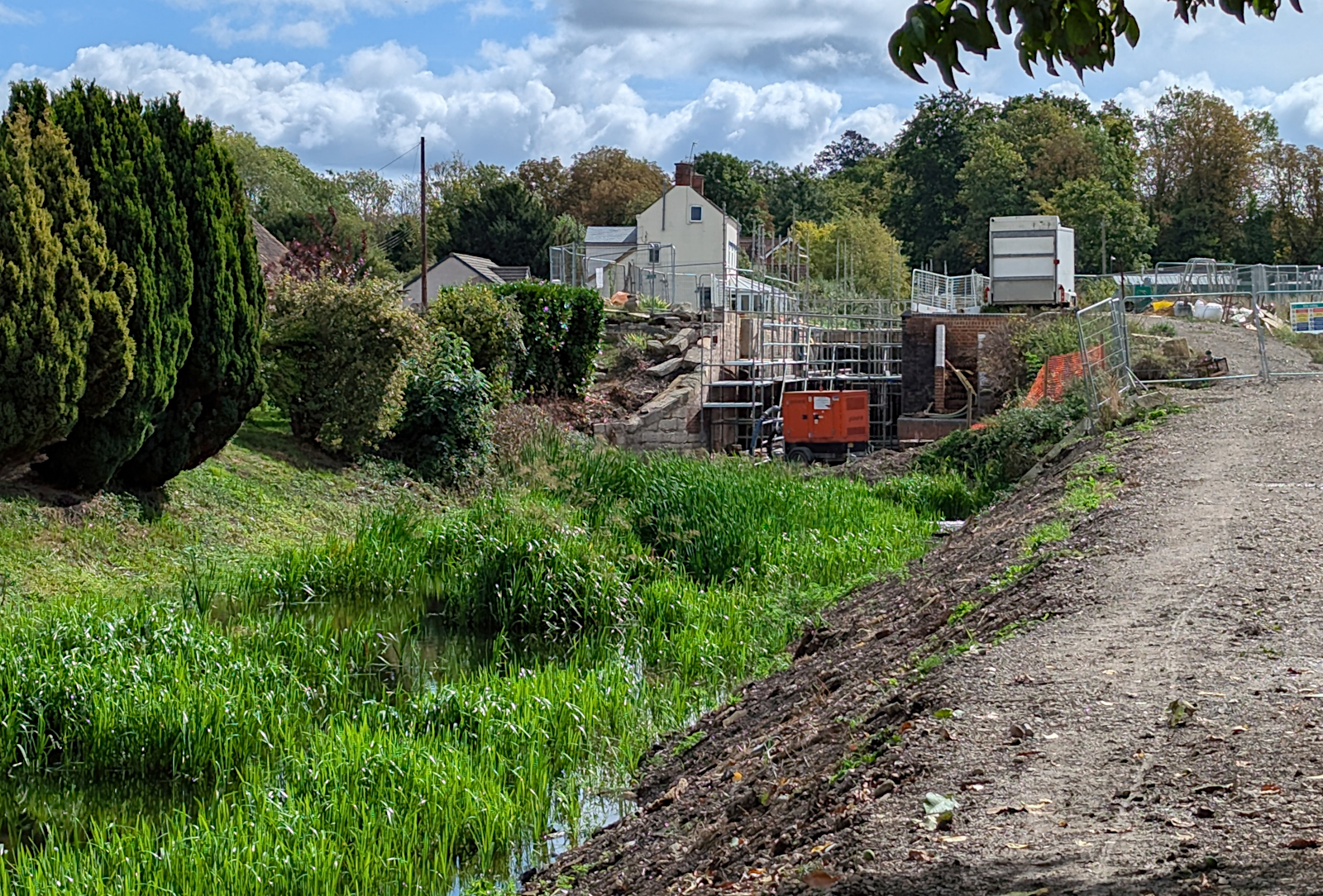
I did a canal walk along part of the Stroudwater Canal with my friends Al and Phil. We began by taking a look at Dock Lock, east of Stonehouse, It was under repair as the canal restoration steadily heads towards Saul Junction where the waterway will be reconnected to the national canal nework.
We walked from Dock Lock right into the centre of Stroud, stopping for lunch and coffee next to the Canal at Ebley en route. It was mostly dry with the odd shower.
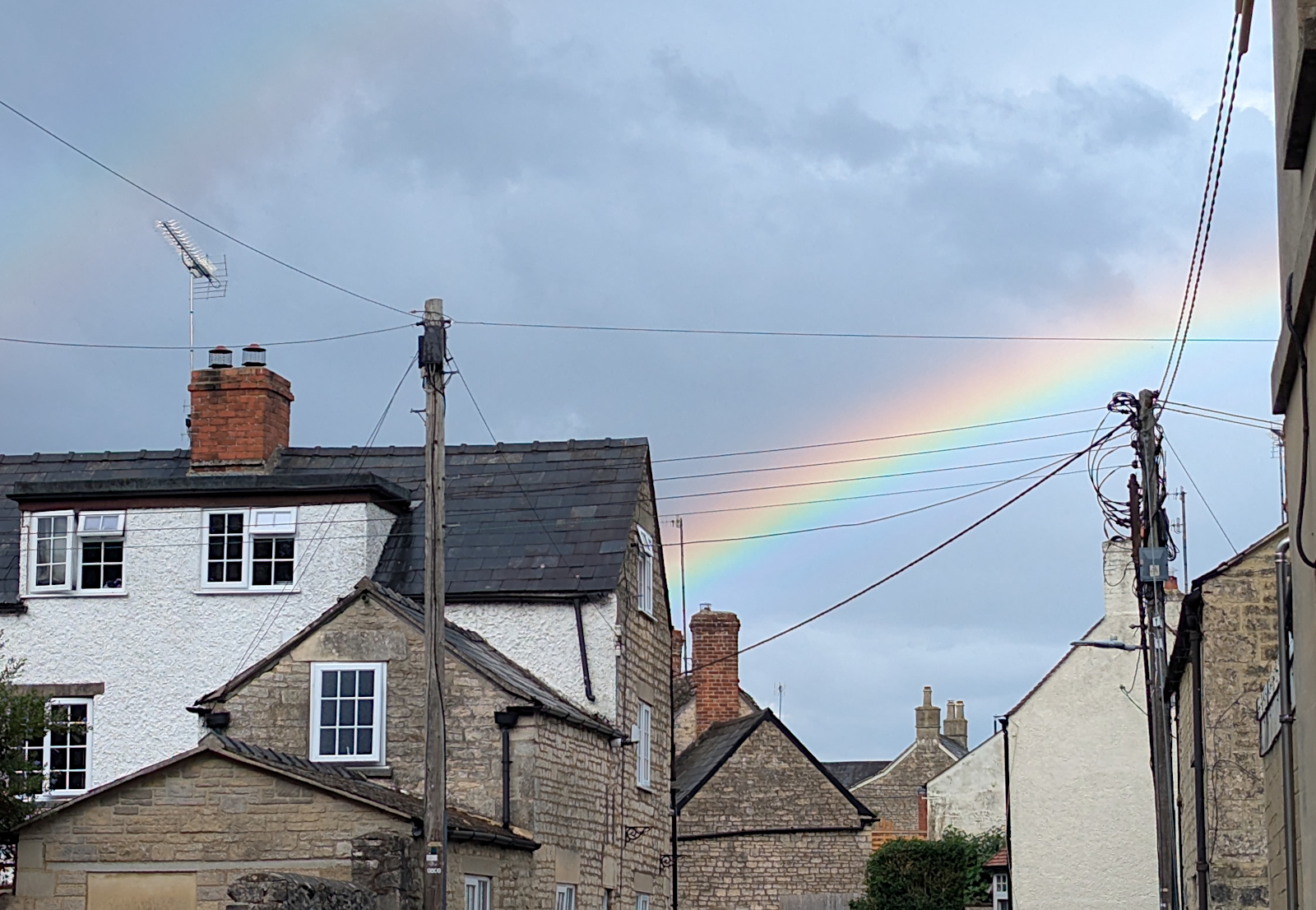
The second photo shows Albion Street in Stratton where a lovely double-rainbow jostled for attention with telephone cables and local properties.
JHM: I wrote about clouds reflected in water; and about a wooden jigsaw. World events: There was a serious funicular derailment in Portugal; and a UN inquiry found that Israel had committed genocide in Gaza.
< Aug 2025 – Oct 2025 >
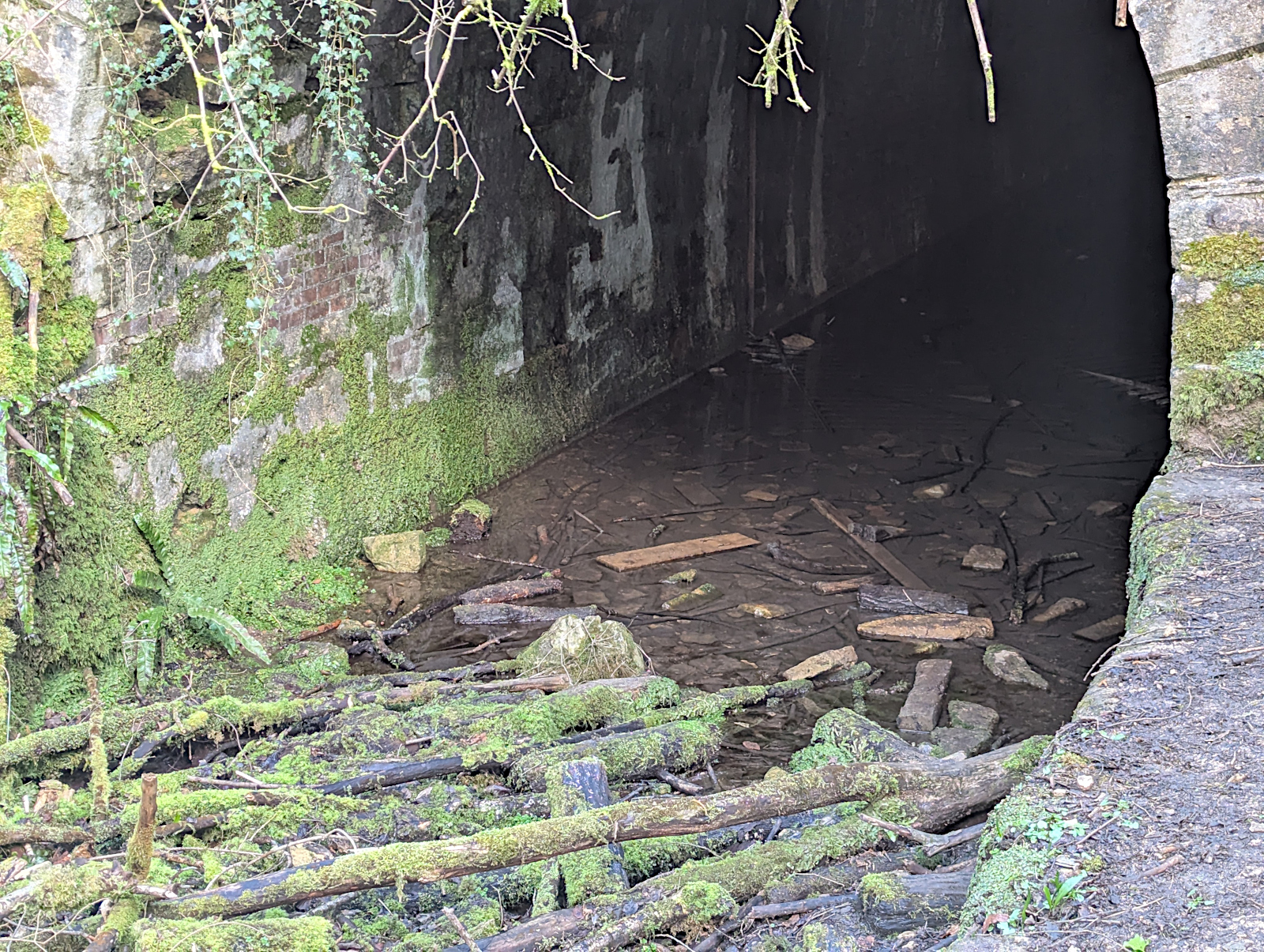
On 15th March I set off for a lengthy walk from the Daneway Inn near Sapperton, following the course of the Thames and Severn Canal to Siddington, then following the Cirencester Arm back to the site of Cirencester Wharf and meeting Donna in the town centre before walking back home. It turned out to be about a 15 mile walk including a few detours to see parts of the canal I would otherwise have missed.
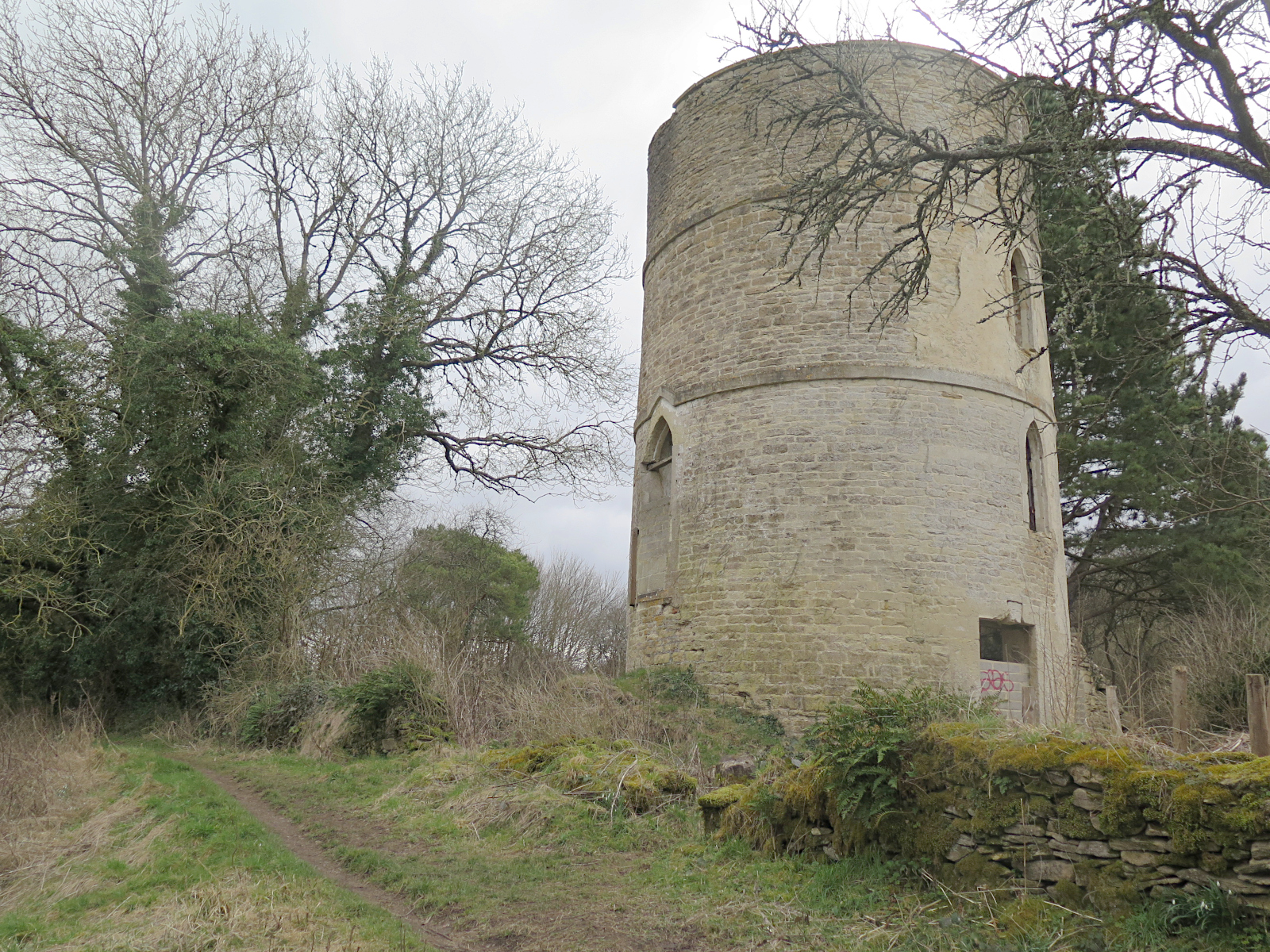
I stopped for lunch and a rest at the canal roundhouse between the Coates Portal and the source of the Thames. I’d packed some sandwiches and a flask of water, found a dry section of old canal stone work, and enjoyed the view as I ate. It wasn’t hard to imagine the canal lengthman coming out of the roundhouse for a chat, and Thames barges making their way slowly along the canal, each following the plodding progress of its towing horse. The pace of life has changed so dramatically since those days!
JHM: I wrote about a new section of garden at Blenheim Palace; and a view of some invisible remains. World events: Donald Trump paused military aid to Ukraine; and a major power outage caused Heathrow Airport in London to completely shut down.
< Feb 2025 – Apr 2025 >
To be continued…
If you enjoyed this or found it useful, please like, comment, and share below. (If you don’t see those links, click the article’s title above the main photo and they will appear.) Send a link to friends who might enjoy the article or benefit from it – Thanks! My material is free to reuse (see conditions), but a coffee is always welcome and encourages me to write more often!
All forms of life are precious and we depend on many of them to provide food, purify water, generate the oxygen we need to breathe, clean away life forms that have died, and much, much more.
Fallen tree, climbing ivy
< Previous | Index | Next >
What’s in an image? Sometimes quite a lot, more than meets the eye. I’m posting an image every few days.
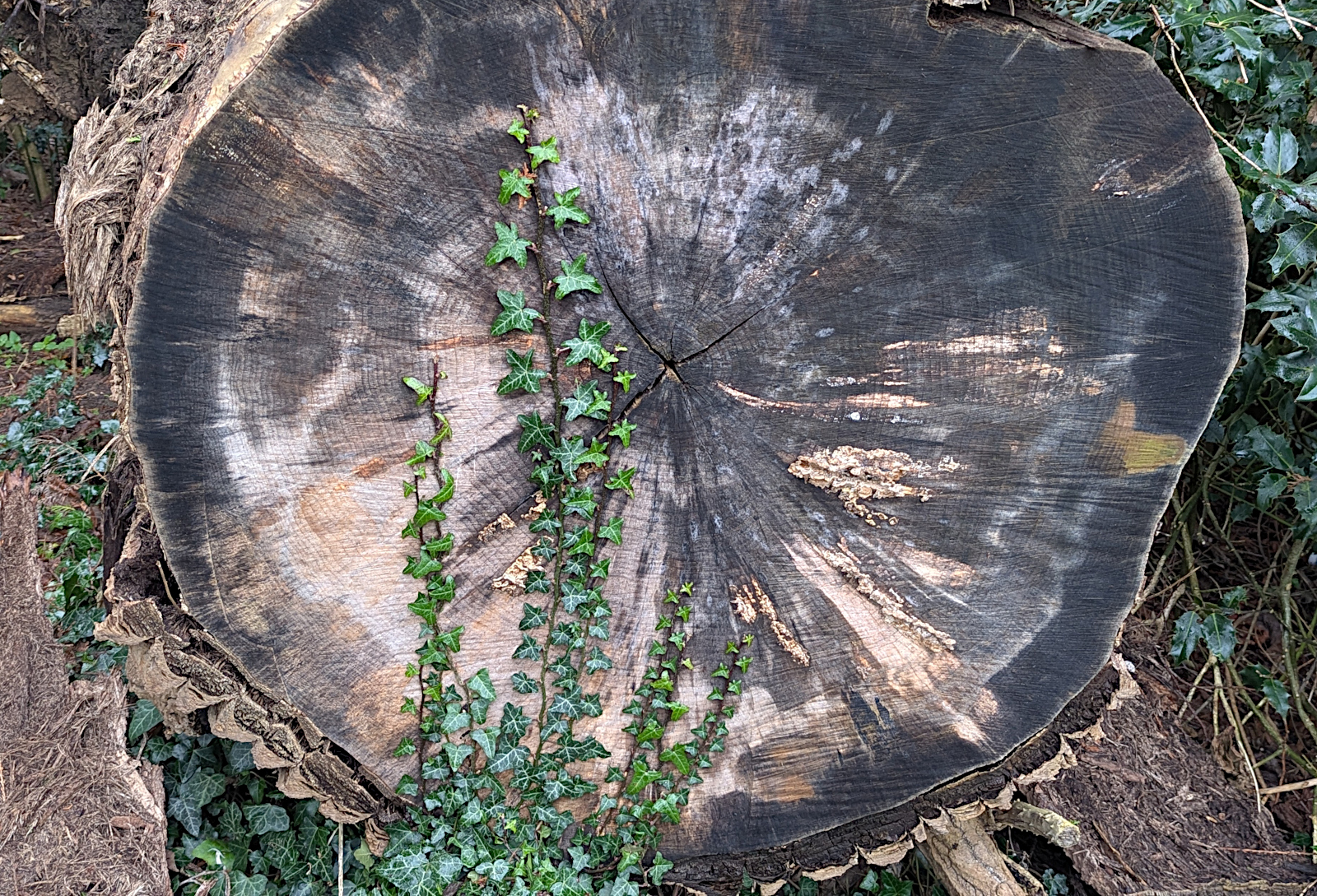
This old tree trunk, clearly felled by chainsaw, is being colonised by ivy. Once the tree stood tall and strong and it’s likely that ivy clung to its trunk and branches. Now the tree lies on the ground, entirely dead, but ivy still uses the trunk as a support to grow upwards to continue to reach the light.
Life is not in the habit of giving up, generations come and go, no individual tree, person, or anything else lasts for ever, not even a species. But life itself adapts, changes, and takes advantage of what went before. There has been life on planet Earth for around four billion years, that’s only 500 million years after the planet itself was formed. And it’s developed enormously in variety and complexity since chemistry first gave rise to biology.
We’re still filling in the gaps in what we know, but our knowledge is expanding and the gaps are shrinking. What we do know is that living things are very good at taking advantage of circumstances. That’s what the ivy is doing on the dead tree trunk. The need for sunlight is critically important for plants as the energy from that light allows them to build sugars from water and carbon dioxide. A stock of sugars enables them to survive the nights where the sun is absent, and survive the long, dark, cold, winter months as well.
All forms of life are precious and we depend on many of them to provide food, purify water, generate the oxygen we need to breathe, clean away life forms that have died, and much, much more.
Animals of all kinds and sizes ultimately depend on the sugars made by plants. Many animals feed on plants, stealing their sugars in a variety of forms, some feed on other animals, stealing sugars in secondhand forms; some, like us humans, eat both plants and animals. But almost all life depends ultimately on sunlight for its supply of energy.
That same great source of light also informs us, lets us see. Without light, eyes would be of no value whatsoever. Without light we would all be profoundly blind.
Jesus said, ‘I am the light of the world’. What does he mean by that? Is he saying that he is a light without which we’d be profoundly blind?
I think that’s exactly what he’s saying. Light is essential for vision and vital energy. The sun enables physical vision and energy. Jesus provides another kind of vision and energy. Search it out! It’s not too hard to find.
< Previous | Index | Next >
If you enjoyed this or found it useful, please like, comment, and share below. (If you don’t see those links, click the article’s title above the main photo and they will appear.) Send a link to friends who might enjoy the article or benefit from it – Thanks! My material is free to reuse (see conditions), but a coffee is always welcome and encourages me to write more often!
The need to accept one another as beloved brothers and sisters will start to seem more important than having this or that position accepted. The body will work together better, there will be less confrontation and more building going on.
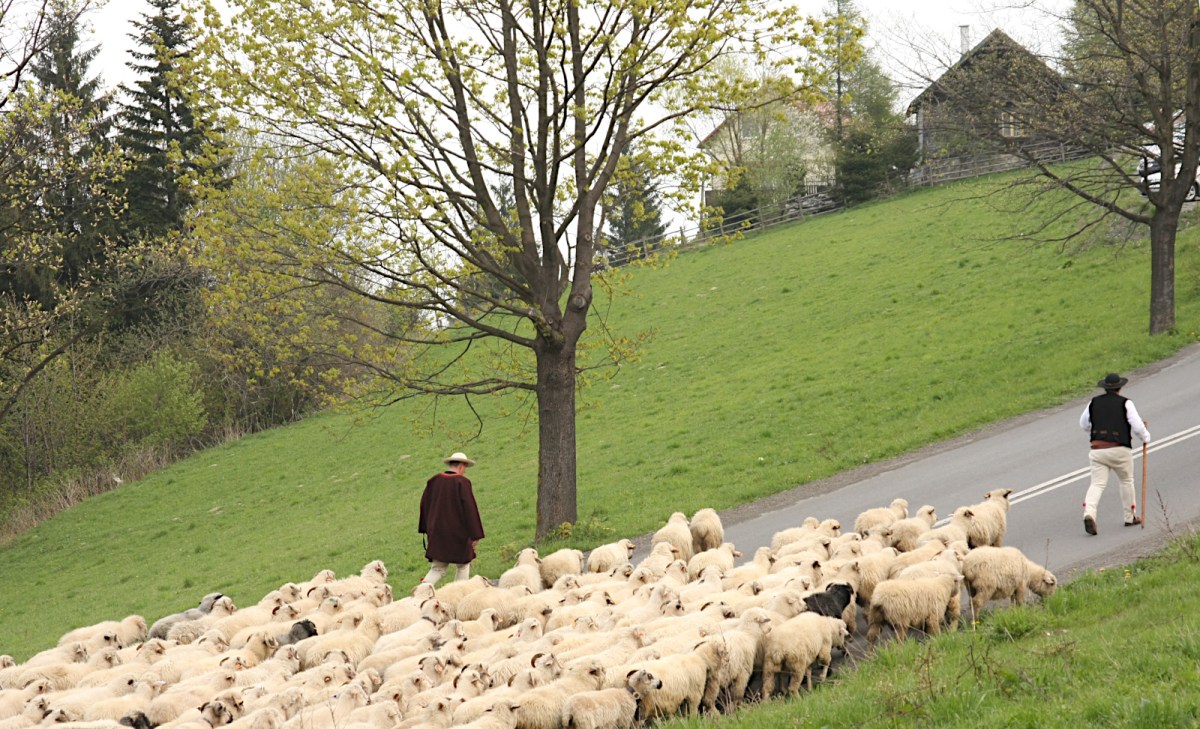
Shepherd and sheep (Wikimedia)
< Previous – Index – Next>

Continuing the flow of church life and growth, where evangelists have been at work there will be a gathering of people following Jesus to the best of their ability; some will be absolute beginners. There are bound to be some difficulties and rough edges: some may come off track, stop coming to meetings and drift away. There may be disagreements, even angry arguments. There will certainly be differences of opinion and misunderstandings; friction and differing perspectives. And there may be some who will say, ‘Don’t go that way, come this way, it’s a much easier path.’
Where there is someone with a strong shepherding gift, all of these issues will be addressed, usually in straightforward, kind and helpful ways. People will be encouraged to understand alternative points of view even though they may strongly disagree. Those who wander away will be visited, given an opportunity to explain difficulties, ask questions and be encouraged even if they decide not to return. The need to accept one another as beloved brothers and sisters will start to seem more important than having this or that position accepted. The body will work together better, there will be less confrontation and more building going on.
Although Paul’s greatest gifting may have been apostolic and he was strong also in the prophetic, you can see the shepherd in him as he shows concern for the Corinthians who were losing their way. And I can imagine James, speaking about the widows and orphans saying, ‘Hey, these people need your help and love too. You’re watching them suffer and doing nothing to show them you care about them.’ Shepherds are always alert and ready to intervene when there’s a need.
We’re at a strong disadvantage here in Britain, our agricultural history has shepherds but no tradition of leading sheep. Instead our custom is to round them up and drive them in the way we want them to go. We use sheepdogs to help us frighten the sheep into submission. Take a look at the photo in this article, the shepherd is in front and the sheep are following, that would not happen in the UK, or in France, the USA, Australia or New Zealand. The photo is from Poland where some shepherds work like the traditional pastoralists in Israel and Arab nations. When Paul writes about the gift of a shepherd he’s not thinking about rounding up or driving a herd of anxious and scared sheep with the help of a descendent of the wolf family! There may be difficult moments where someone with a shepherd gift has to act very firmly to protect someone else from continuing unkind, selfish or unthinking behaviour, but hopefully these will be rare exceptions.
So why do sheep follow a shepherd? It’s because the shepherd knows what the sheep need, and the sheep know that the shepherd knows what they need. What do sheep need? They need grass to eat, water to drink, and safety from predators. Sheep are far from stupid, they soon learn that the shepherd will take them to green pastures, streams of living (ie flowing) water, and if a predator comes close the shepherd will drive it away.
And that, my friends, pretty much describes the gift of Shepherd in the life of the church. If you are a gift of Shepherd in the church nobody will be afraid of you. They will know from experience that your habit is to lead them to places where they will be able to thrive and grow in peace and safety. Places where they will be fed truth and have access to the living water, and that every kind of predator will either be won over or chased off.
Yes, as with apostle, prophet and evangelist, we all have this gift to some degree. You cannot be like Jesus without having some level of shepherd about you. Jesus is the origin and source of all the gifts we’re discussing in this series. If you believe him and follow him then Christ is in you. And if the perfect Shepherd is in you then you are going to reflect that at some level.
This famous Psalm sums it up really well. If you have a well-developed and deep gift of shepherd you will be a living example of Psalm 23 in action. The psalm describes how you will make the people around you feel.
In the 20th and 21st centuries the word ‘pastor’ has been used (or misused) to identify people who may (or may not) have a shepherding gift. Often it is used to mean something like a manager or director – as if church is a sort of business enterprise. A Pastor in this sense is heavily loaded with many duties. He is the person where the buck stops – financially and managerially. He (for it’s usually a man) is expected to fix every problem, and solve every issue. The Pastor may have a team under him, often described as elders, people he can delegate to, call on for help when needed, and share the responsibilities with. Neither the pastor nor the elders will necessarily be shepherds in the sense I’ve outlined in this article. Some of them might be, but much of their time and effort is likely to be spent on management tasks.
Meanwhile any true shepherds in the congregation may not be identified, and might struggle to fulfil the role Jesus has bestowed on them. It’s a double-bind, in which shepherds and those who need the care of a shepherd are both frustrated.
Check the Daily Meditations link below to see some of the thoughts of a shepherd’s heart. Next time, we’ll take a look at the gift of teacher, that will round off APEST for us:
Apostle
Prophet
Evangelist
Shepherd
Teacher
After thinking about the teaching gift, we’ll take a look at how all five APEST gifts can be seen in the nature and teaching of Jesus himself.
< Previous – Index – Next>
If you enjoyed this or found it useful, please like, comment, and share below. (If you don’t see those links, click the article’s title above the main photo and they will appear.) Send a link to friends who might enjoy the article or benefit from it – Thanks! My material is free to reuse (see conditions), but a coffee is always welcome and encourages me to write more often!
We visited Bourton-on-the-Water which Kevin remembered from previous visits, and walked through the pretty village of Lower Slaughter nearby with its picturesque water mill.
Kevin and Lariana
Jump to Aug 2025
< Previous | Index | Next >
Note: Writing these Blast from the past posts every month has been hard work for me, particularly as my efficiency in researching and writing is slowing down as I approach 80-years-old. This has prevented me from writing on other topics that are also important to me. I plan to continue with Blast from the past but they’ll come out less frequently from now on; expect one every six to eight weeks instead of once a month.
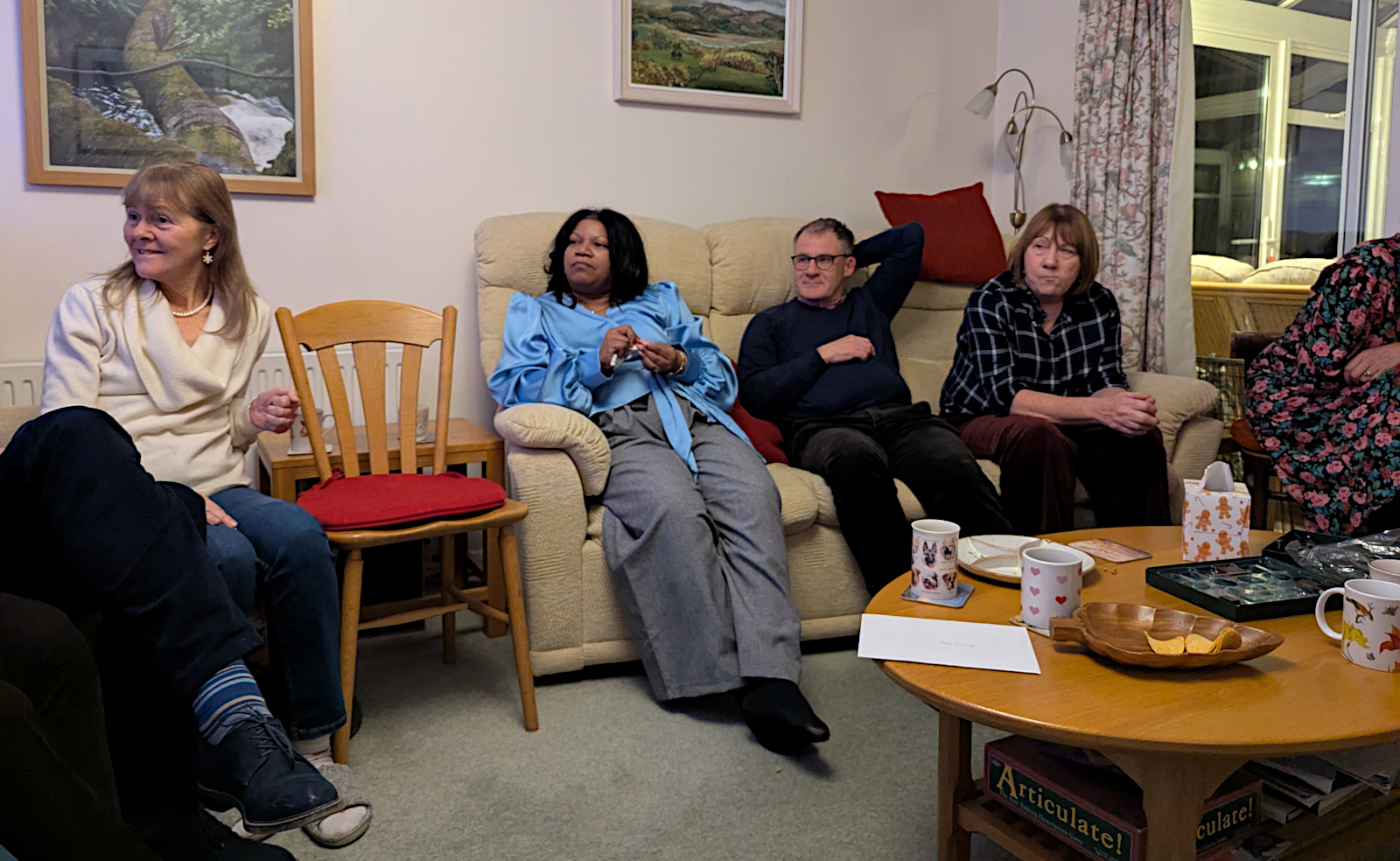
My grandmother (my Dad’s mum) would have been 146 years old this month! People come and go, history just keeps on going as hours, days, years, centuries and millenia are swallowed up relentlessly. In another 146 years, the year will be 2171 and all of us alive today will be gone – what a thought! Life, though temporary, is truly amazing.
After my discharge from hospital my seizures seemed to be fully controlled and November was symptom free apart from a very slight numbness on 1st. This is good news and life began to return to something much more normal, walking to town and back most days for example. We went to the CBC Quiz Night on 8th and our Small Group were the winners and took home a pot of Daniel’s Romanian honey from Plescuta as the prize. On 11th we had a visit from Cindy, Gavin and his partner Donna and he gave me a copy of his Dram Fools CD. I also had some Season’s Greetings cards printed.
JHM: I posted on John 17:24-26; and about Dram Fools. World events: There was a powerful earthquake in two provinces of Afghanistan; and the New Glenn rocket booster landed for the first time.
< Oct 2025 – Dec 2025 > (Jump to 2011)
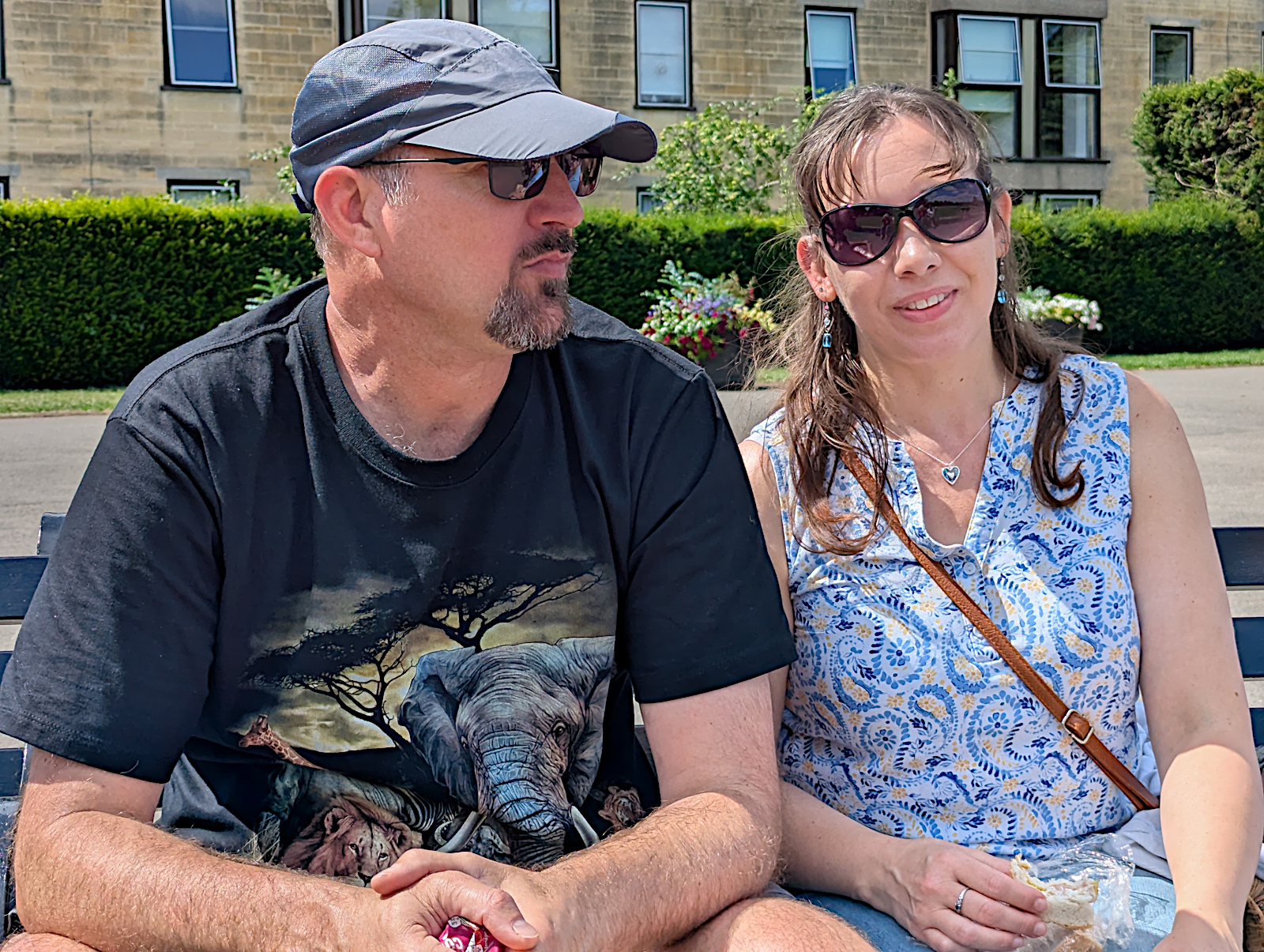
We visited The Farmer’s dog with our friends Kevin, Lariana, and her son Ruben from St Neots. They were with us for a few days so we introduced them to Cirencester and visited a number of other places in the area as well.
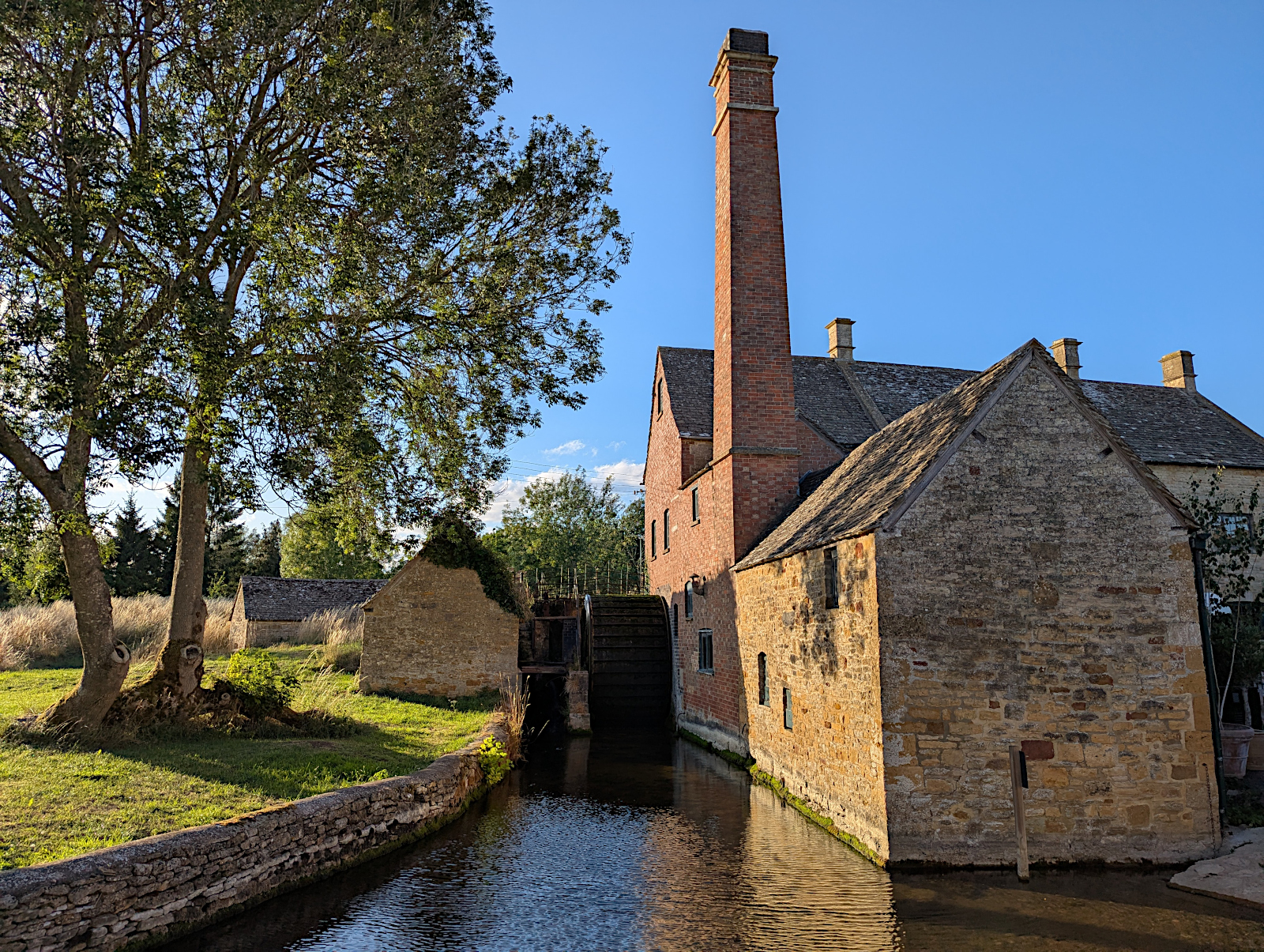
We visited Bourton-on-the-Water which Kevin remembered from previous visits, and walked through the pretty village of Lower Slaughter nearby with its picturesque water mill. We strolled around Stow-on-the-Wold too.
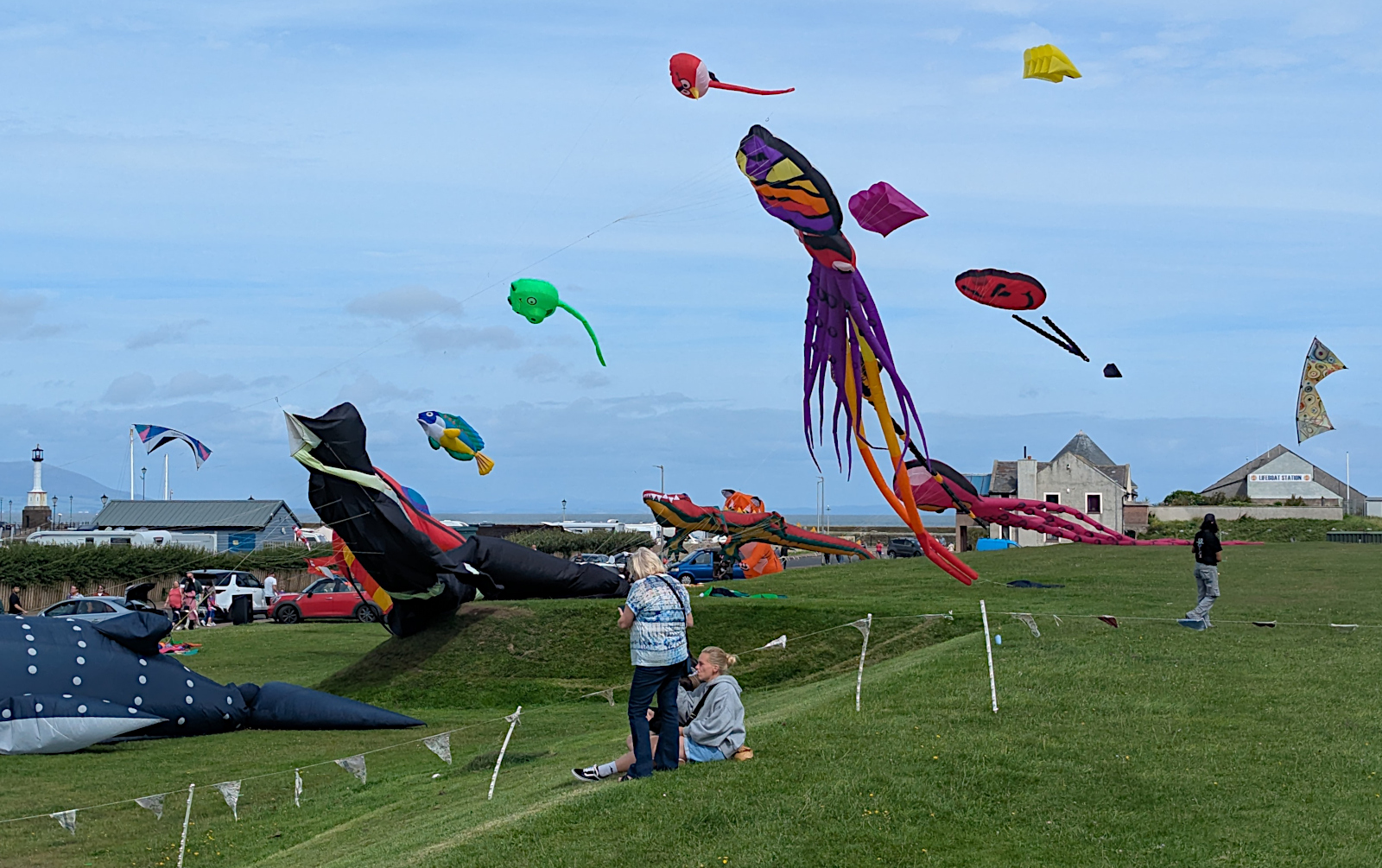
Our annual family holiday in the Lake District let us explore more of the lovely countryside from a grand old house near Keswick. The photo shows kites flying and on the ground at Maryport on the north-west coast, with the southern coast of Scotland visible across the Solway Firth.
JHM: I wrote about a moving experience; and about how things went pear-shaped. World events: The 2025 Women’s Rugby World Cup opened in England; and at the 2025 Russia–United States Summit, US president Donald Trump met Russian president Vladimir Putin in Anchorage, Alaska.
< Jul 2025 – Sep 2025 >
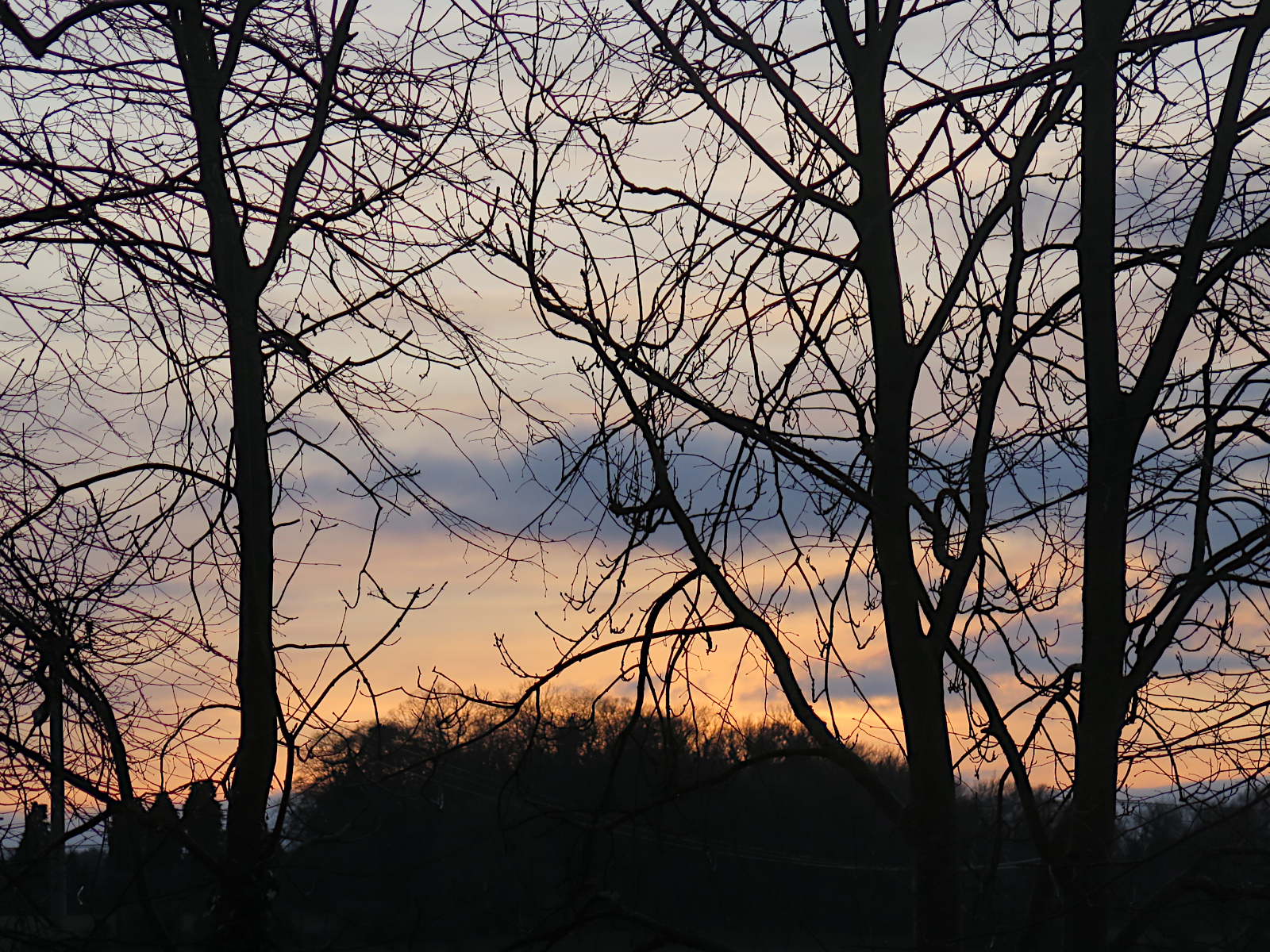
I continued taking photos of anything and everything that looked interesting to me. I started when I was nine and have no intention of giving up!
The heat pump was working part of the time but the house was not really warm, we were still not fully understanding how to get the best out of it. Jordan (the installation team manager) popped in to take a look and found the hot water and hallway thermostats were incorrectly wired so when hot water was demanded, the house got warm and when the house was cold the water heating came on. Problem solved!

Donna and I went to Cheltenham for a meal at Nandos and to watch A Complete Unknown, the film about Bob Dylan. I love Dylan’s music and the words are often clever, but I’ve never liked his character, and the film reinforced that.
The world political situation seemed to be more broken than I’ve ever seen it. Donald Trump and JD Vance remain serious threats to American democracy, Russia continues to make life hard for Ukraine, but there are growing hints that the alarm is producing some useful changes in European cooperation and spending on defence.
JHM: I wrote about Knightstone Causeway; and my breakfast. World events: Donald Trump announced that the United States would take control of the Gaza Strip in an agreement with Israel; while Ukraine halted the flow of Russian gas following the expiration of a five-year transit deal and became a state party in the International Criminal Court.
< Jan 2025 – Mar 2025 >
I was still transcribing Dad’s diaries at this time, to make them potentially available to the entire family as PDFs. I was also busy scanning Judy’s old 35 mm transparencies and delivering some leaflets for the Lib Dems.
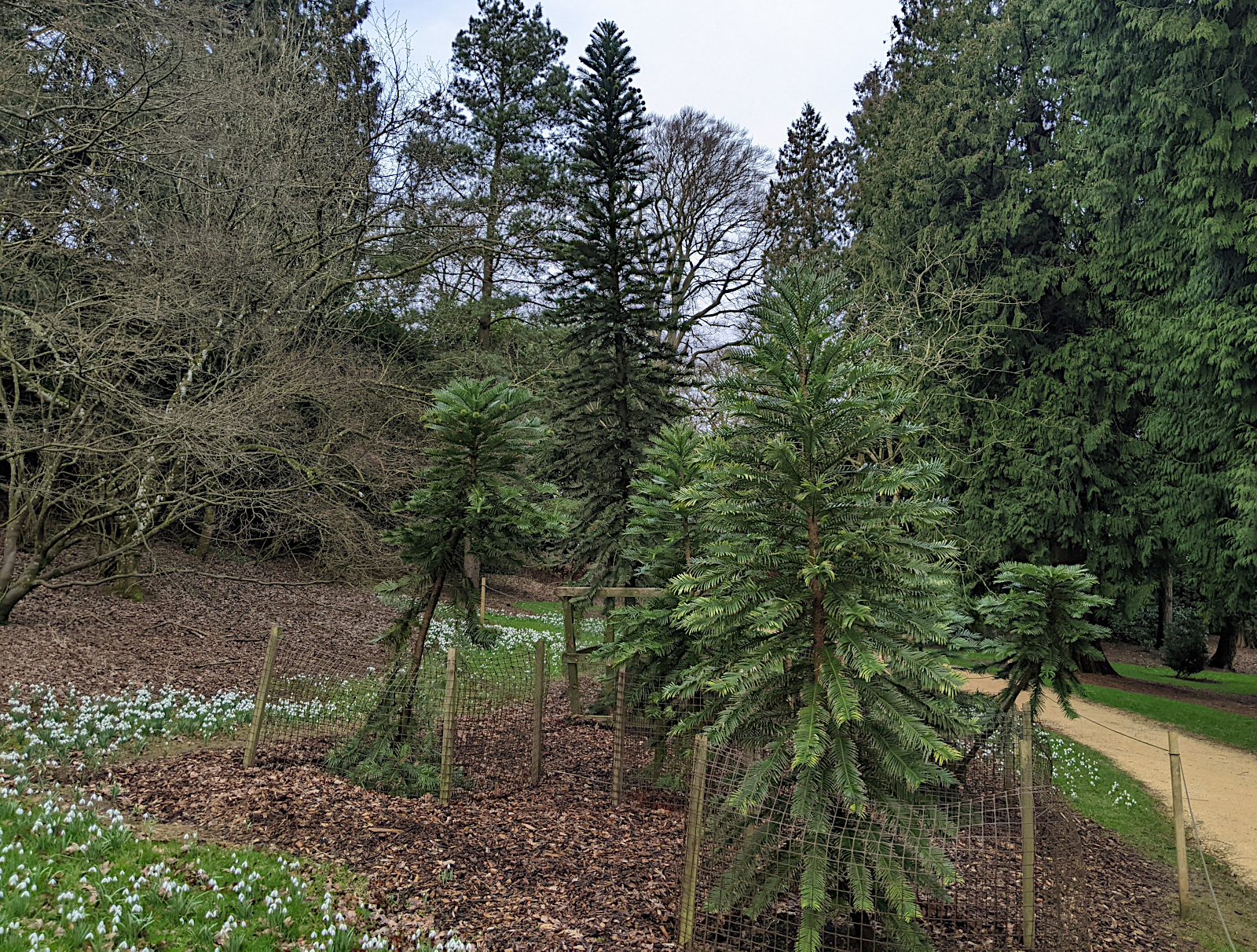
We visited Batsford Arboretum, the photo shows a drift of snowdrops and a group of Wollemi pines (Wollemia nobilis) showing signs of more maturity than we’d seen previously.
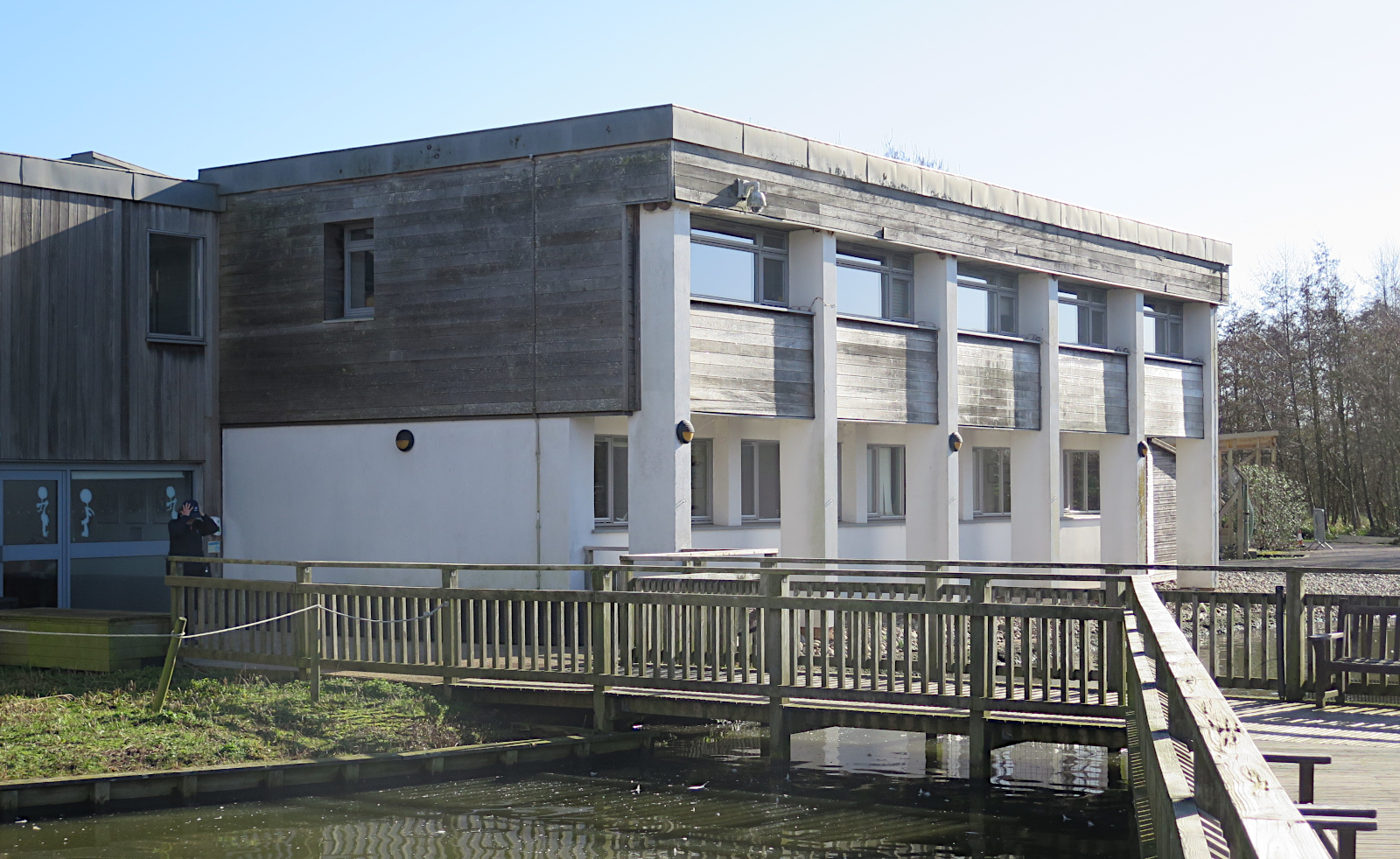
We visited Slimbridge on 12th, which we very much enjoyed although it was horrendously busy with so many families with children. I recognised the house built by Sir Peter Scott which I’d seen decades ago with Pete Landless.
JHM: I wrote two articles about the continuing innovation in the war in Ukraine; and causes for concern and hope in the war as well. World events: There was a presidential election in Azerbaijan; and another in Pakistan.
< Jan 2024 – Mar 2024>
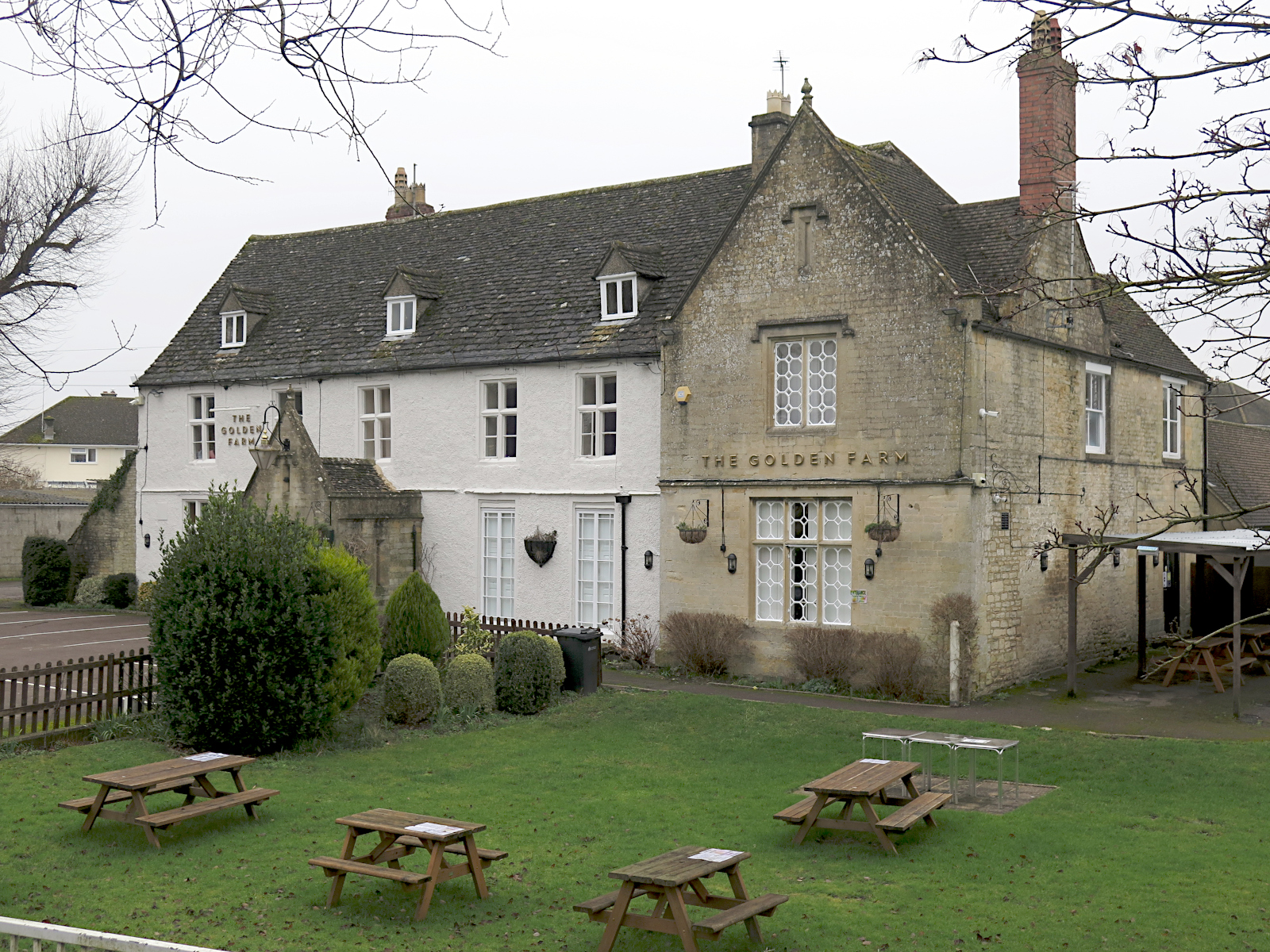
At the beginning of the month I enjoyed a good walk around Cirencester, returning via The Beeches and Queen Anne’s Road where we lived until I was 11-years-old, and spotting many of the old, familiar places. The Golden Farmer where the sign showed a divided face as a farmer in daytime on the left and a highwayman with a black mask on the right (now Golden Farm Inn). I traced the footpath from our old house at 17 Queen Anne’s Road past the Ayre’s and Mrs French’s bungalow on the right (that was not her surname but her nationality!) and the stub of the path now cut off by the by-pass and on up the hill to the little shop at the top.
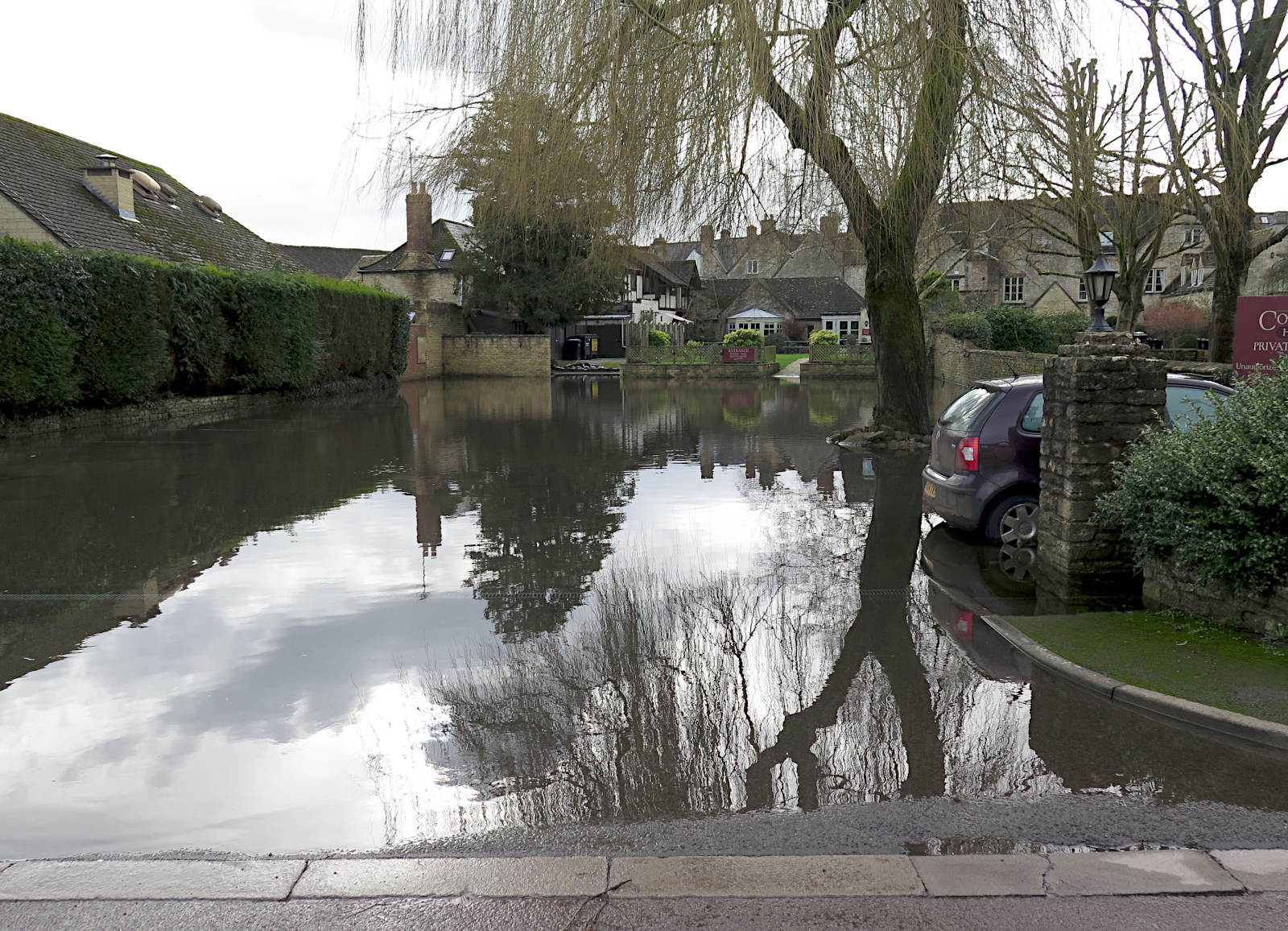
The second photo shows flooding in the car park at the back of the Corinium Hotel (used to be Corinium Court). I had my first COVID-19 vaccination on 5th at Cirencester Hospital and new cases were falling quite quickly by this time in Cotswold District.

My new Onyx BOOX reader arrived; I was soon able to get Google Play books and Amazon books opening in the web browser as well as viewing other web sites. It was a grey scale screen of course, but readable at night with a backlight adjustable from bluish through white to orange, so good for reading in an subdued orange when I couldn’t sleep. I soon found it almost indispensable, given that Donna needed more hours of sleep than I did.
World events: COVID-19 pandemic: The number of COVID-19 vaccinations worldwide exceeded 100 million; and The UAE’s uncrewed Hope spacecraft became the first Arabian mission to enter orbit around Mars.
< Jan 2021 – Mar 2021 >
I was busy with several life transformation groups (LTGs) in and around St Neots at this time. These are a way of focusing on changing our lives rather than just learning more facts about church through Bible Study. These groups tend to be two or three men or two or three women digging into what it means to be disciples, not growing in knowing stuff, but growing in doing stuff. We would aim to read around 20 to 25 chapters of the Bible during the week, and meet for about 30 minutes.
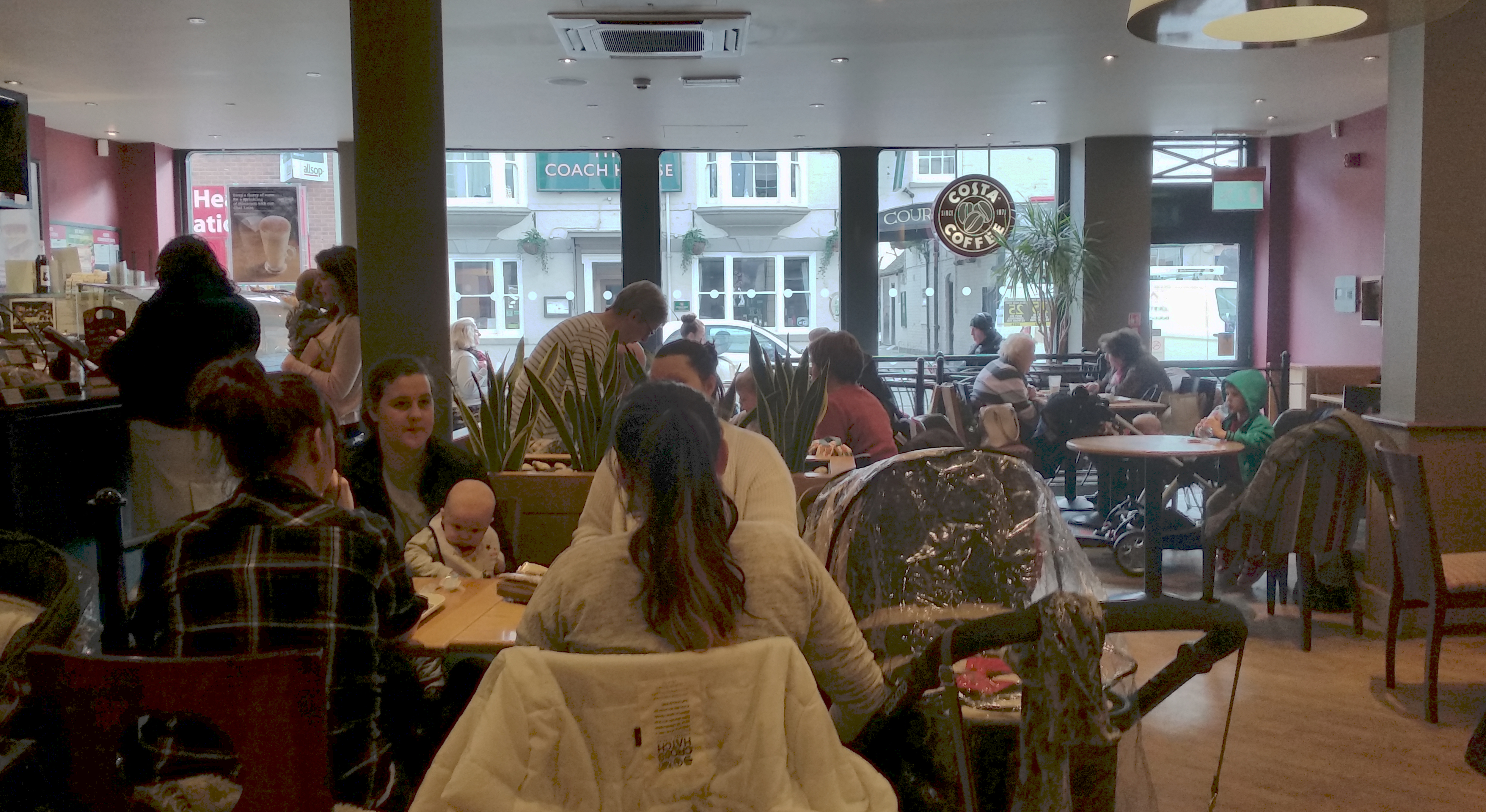
They worked really well but when we moved to Cirencester they stopped because the friends I’d been working with were now 2½ hours drive away. Keeping them really small makes them quite intimate, but mixing men and women in a group this size can be unhelpful. If a fourth member is added, the aim becomes producing two groups of two within a few weeks rather than staying together as a larger group indefinitely. Sometimes we did CO2 as well or instead (Church of Two). These meetings were briefer (5 minutes per person) but we met daily and included elements called Virkler (listening to the Spirit) and SASHET (exploring our current emotions). We met at home or in a coffee shop, often at Costa (as in the photo), or at Caffe Nero.
There was a lot going on in the Small Group around this time too. Carolyn had a specific word for me, saying that I feed people spiritually, and just like feeding the fish in our conservatory pool, they come up to the surface to take a look. She also said that I was weighed down by something and should let it go and this encouraged me because I’d been feeling for a time that I should leave Small Group and move on with the primary task he’d given me of feeding people spiritually.
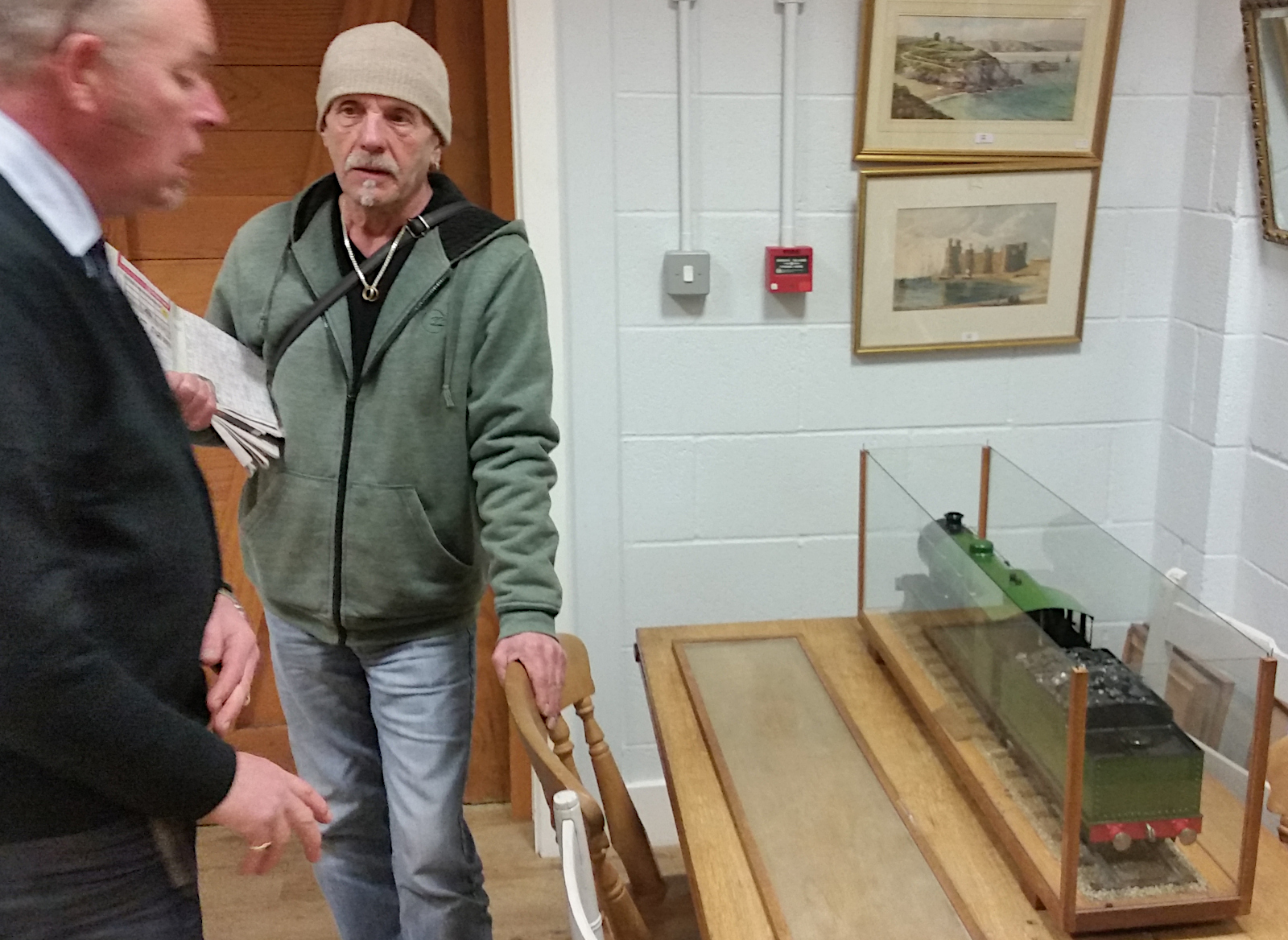
John decided to sell the model steam engine built by his father so I helped him get it over to Cheffins auction rooms in Cambridge who suggested offering it in their steam and machinery sale on 16th April.
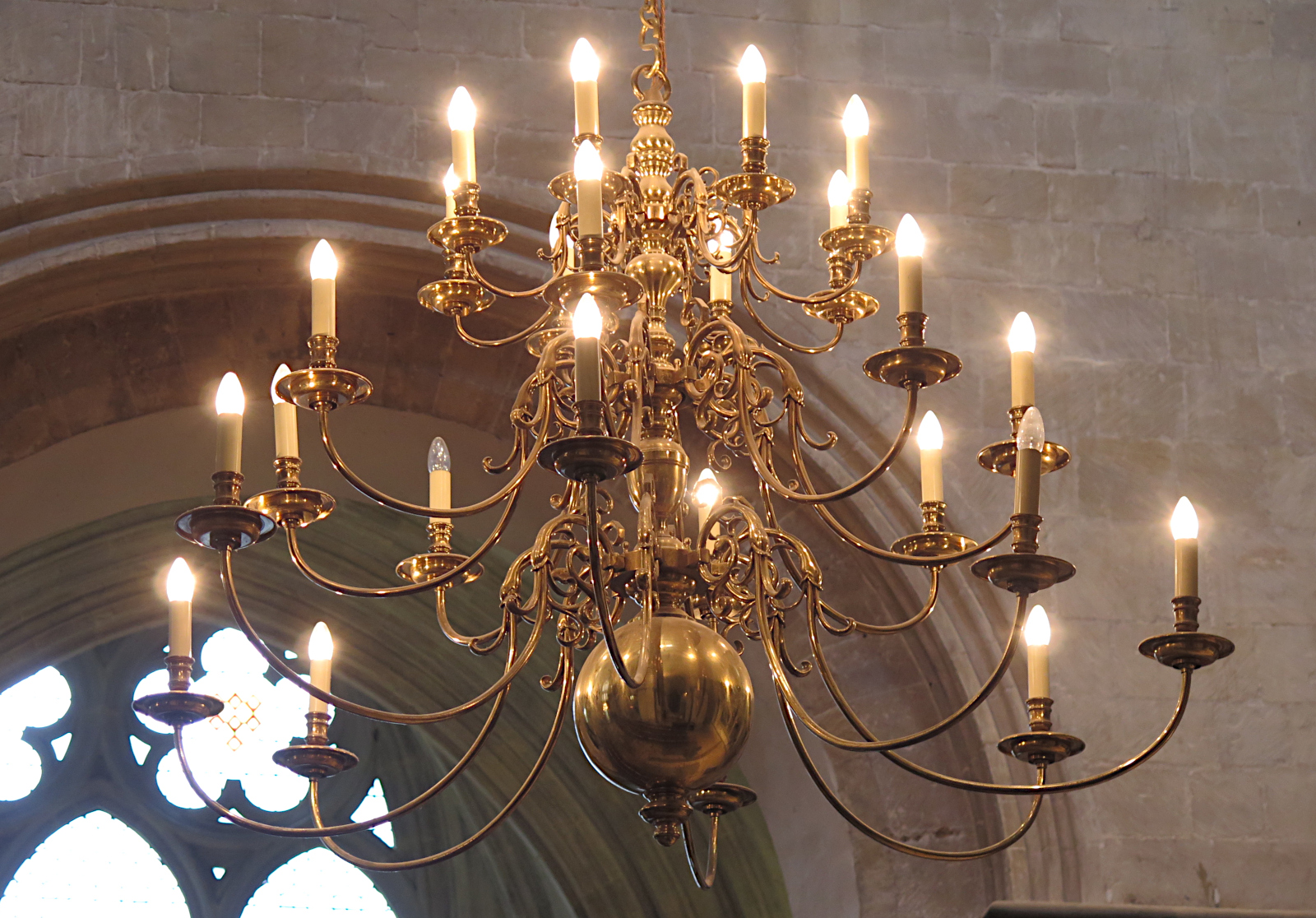
We spent a few days in the little villlage of Hambledon (near Chichester) and visited RAF Tangmere, Arundel Cathedral, Butser ancient Farm, a National Trust property at Hinton Ampner, and Fishbourne Roman Palace, all of them fascinating to see.
JHM: I wrote about shoals and flocks; and about swimming in harmony. World events: North Korea launched Kwangmyŏngsŏng-4 (a reconnaisance satellite) into space, widely condemned as a long-range ballistic missile test; and Pope Francis and Patriarch Kirill signed an Ecumenical Declaration in the first meeting of leaders of the Catholic and Russian Orthodox Churches since their schism in 1054.
< Jan 2016 – Mar 2016 >
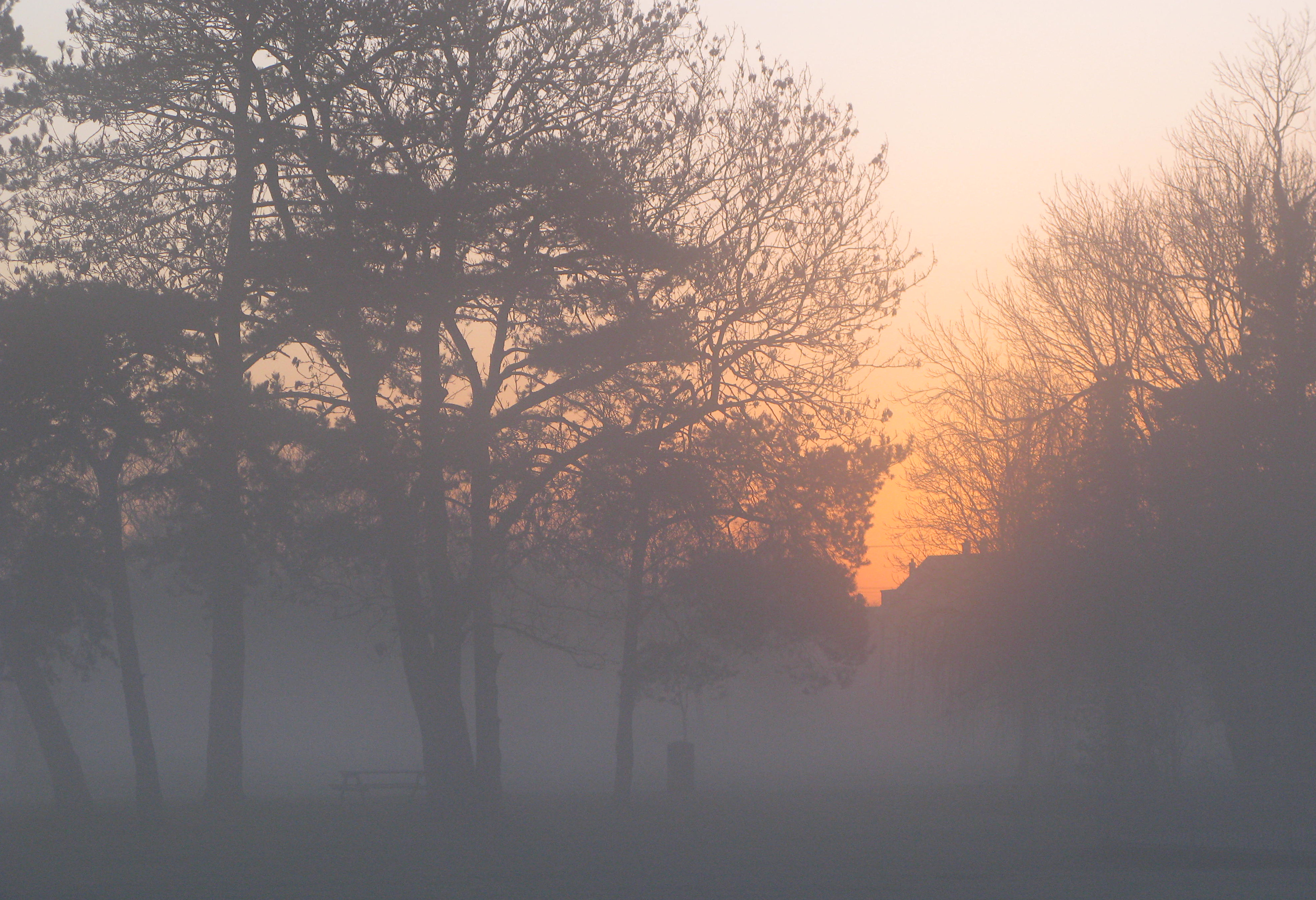
Heading out early for a walk on 8th February on a foggy morning I was delighted to see a foggy sunrise over a period of time. It was a magical sight, a wonderful combination of the orange glow of returning daylight with the mystery and hidden distance of fog. Wow!
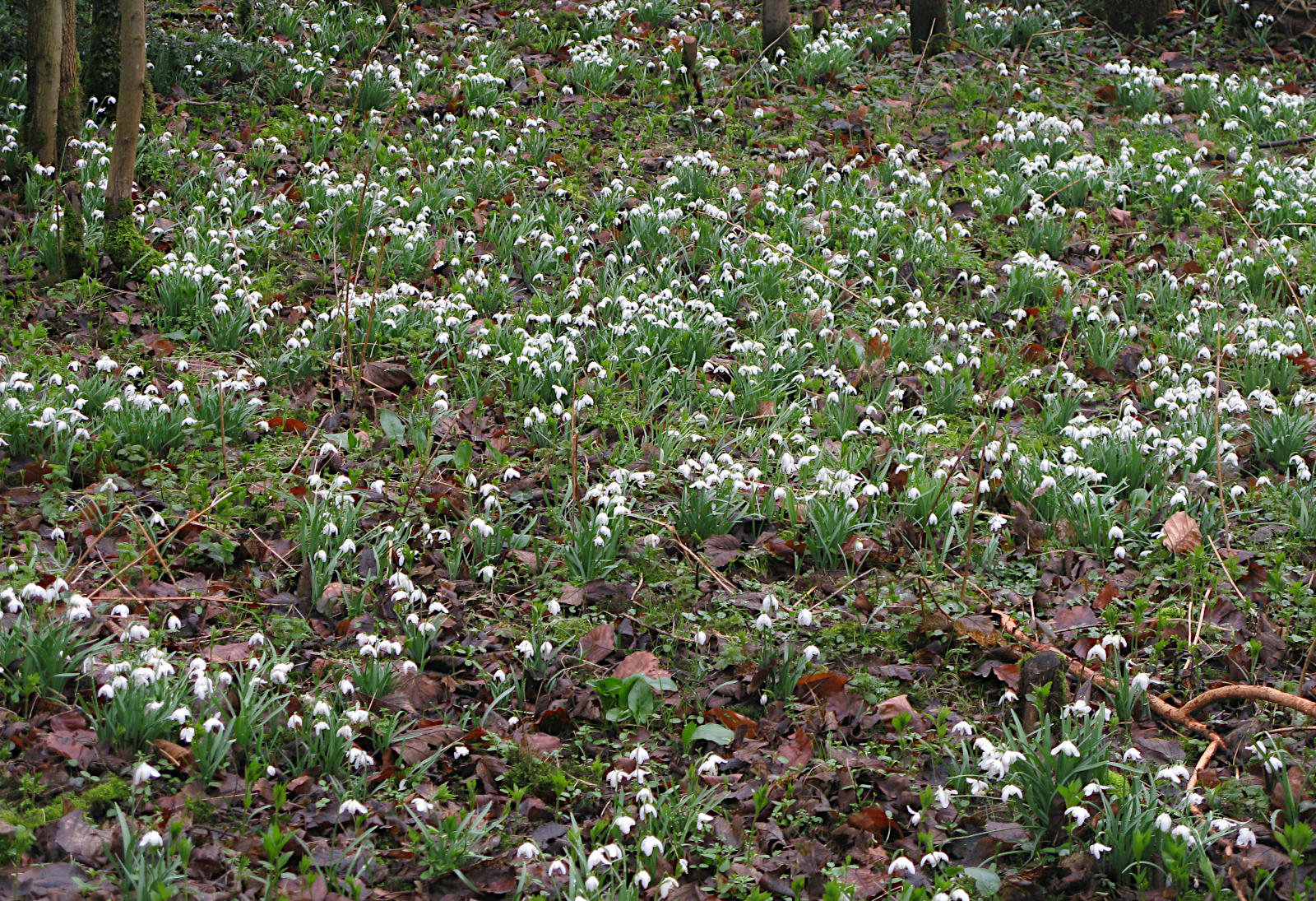
Later in the month we drove over to Moggerhanger Park to see the snowdrops, They were beautiful as always, of course. Scattered through the woodlands in amazing drifts, to be followed later in the season by similar drifts of fragrant bluebells.
JHM: I wrote about an easy prayer turned hard; and about hearing and doing. World events: The First Libyan Civil War began; and a 6.3 magnitude earthquake struck Christchurch, New Zealand.
< Jan 2011 – Mar 2011 > (Jump to 1971) (Jump to top)
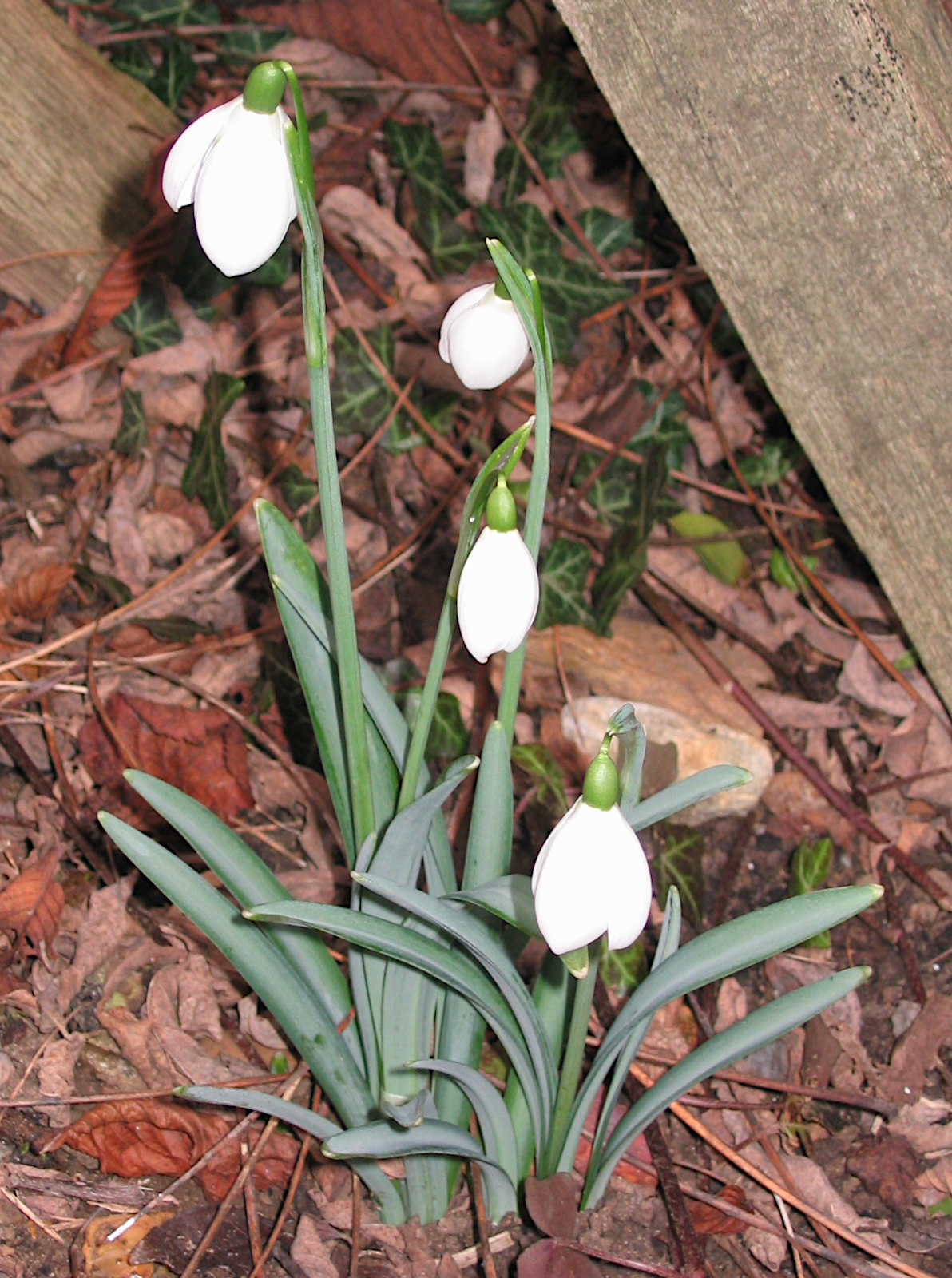
We had snowdrops flowering that we bought from Anglesey Abbey and planted last year. I set up our new NTL broadband router and Wi-Fi system and got it all working, such a great improvement on the old dial-up networking.
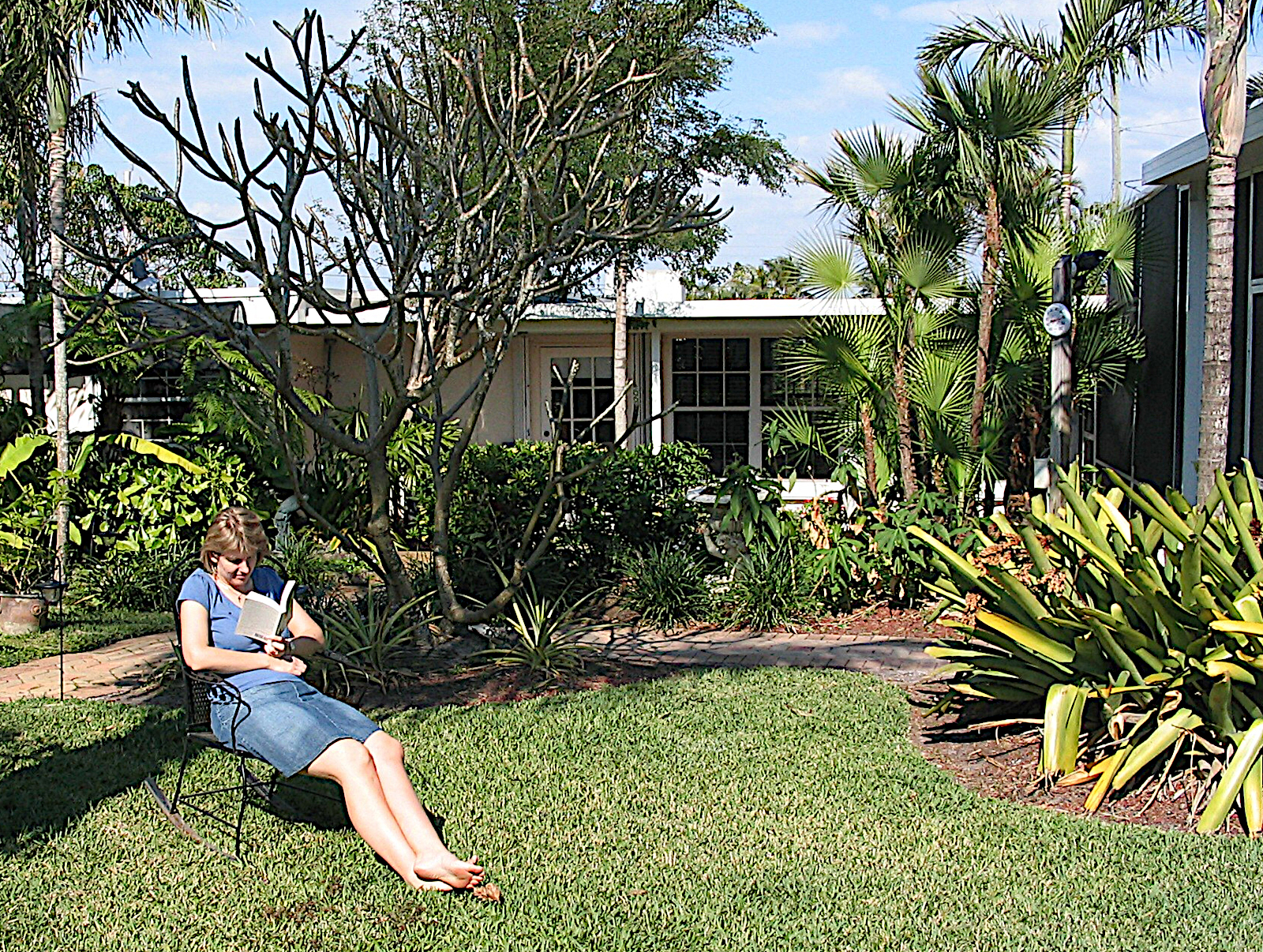
We flew to Florida on 10th, and Earl picked us up from west Palm Airport, and on 12th after settling in at Steph and Earl’s, I astonished Dad by calling him from their back garden for a short chat! On 15th we drove north to Melbourne to visit my cousin Jill and her partner Marcia.
World events: The 2006 Winter Olympics were held in Turin, Italy; and the 2006 al-Askari mosque bombing, the attack on the shrine in Samarra, one of the holiest sites in Shia Islam, sparked an escalation of sectarian violence in Iraq resulting in full-scale war.
< Jan 2006 – Mar 2006 >
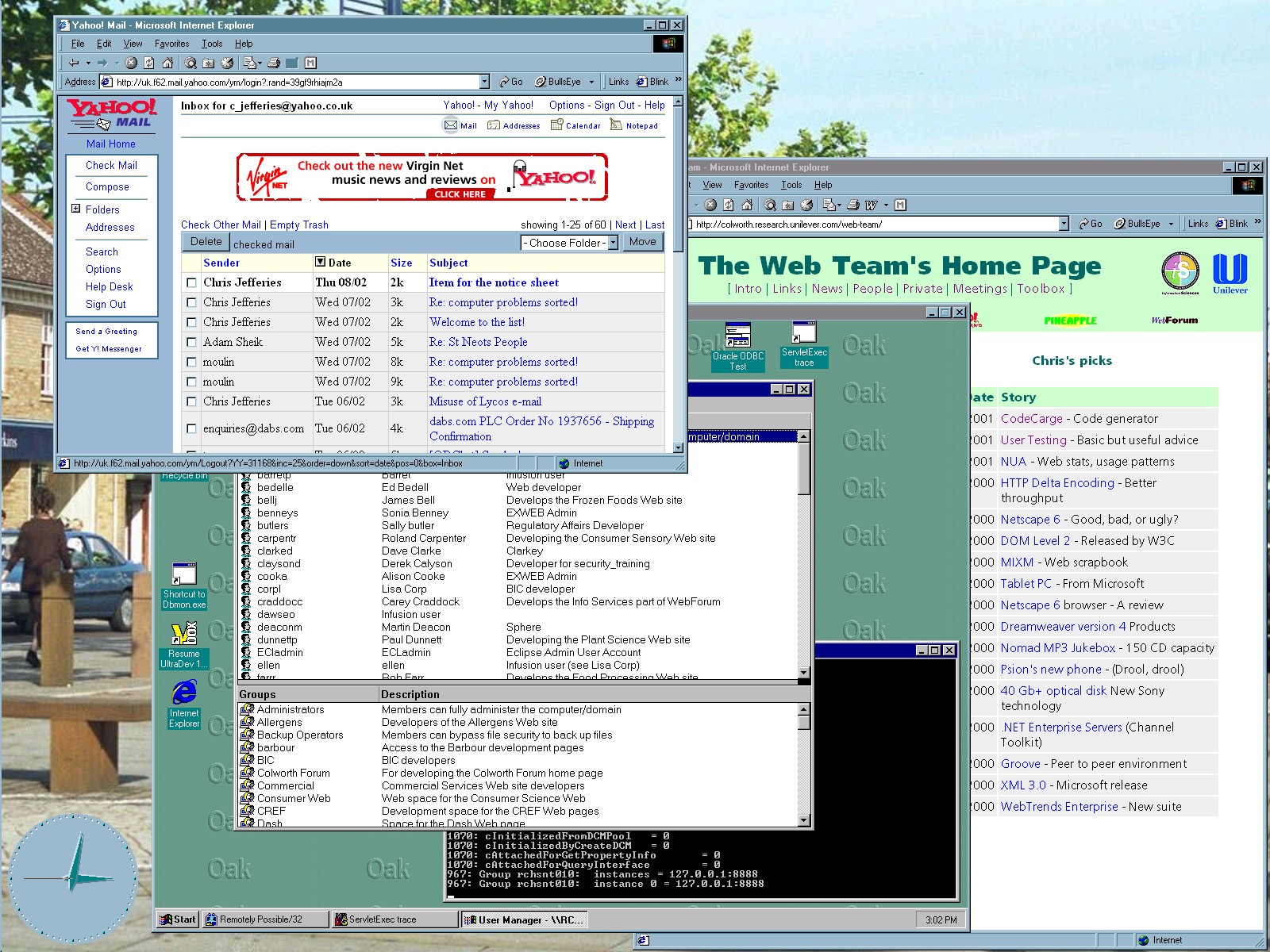
This screenshot from my PC at Unilever shows some interesting features from 25 years ago. The main window with a background image of St Neots Market Square and the clock in the lower left is from Windows NT running on my desktop work PC. There are also two web browser windows open, an early version of Microsoft’s Internet Explorer. One of these is displaying my personal email service provided by Yahoo! The Web Team page was an Internal Unilever site containing work information for the team I was part of.
The remaining window with a darker green background and the name ‘Oak’ repeated in rows and colmns was a VNC window displaying a virtual desktop from one of our web servers so that we could access it without having to be physically present in the server room. There are two windows open on ‘Oak’, one displaying users and groups on the server, the other a DOS command window being used to manage the ‘Oak’ server.
The combination of local access and remote access all in overlapping windows on my office desktop was incredibly useful and fairly cutting edge at the time.
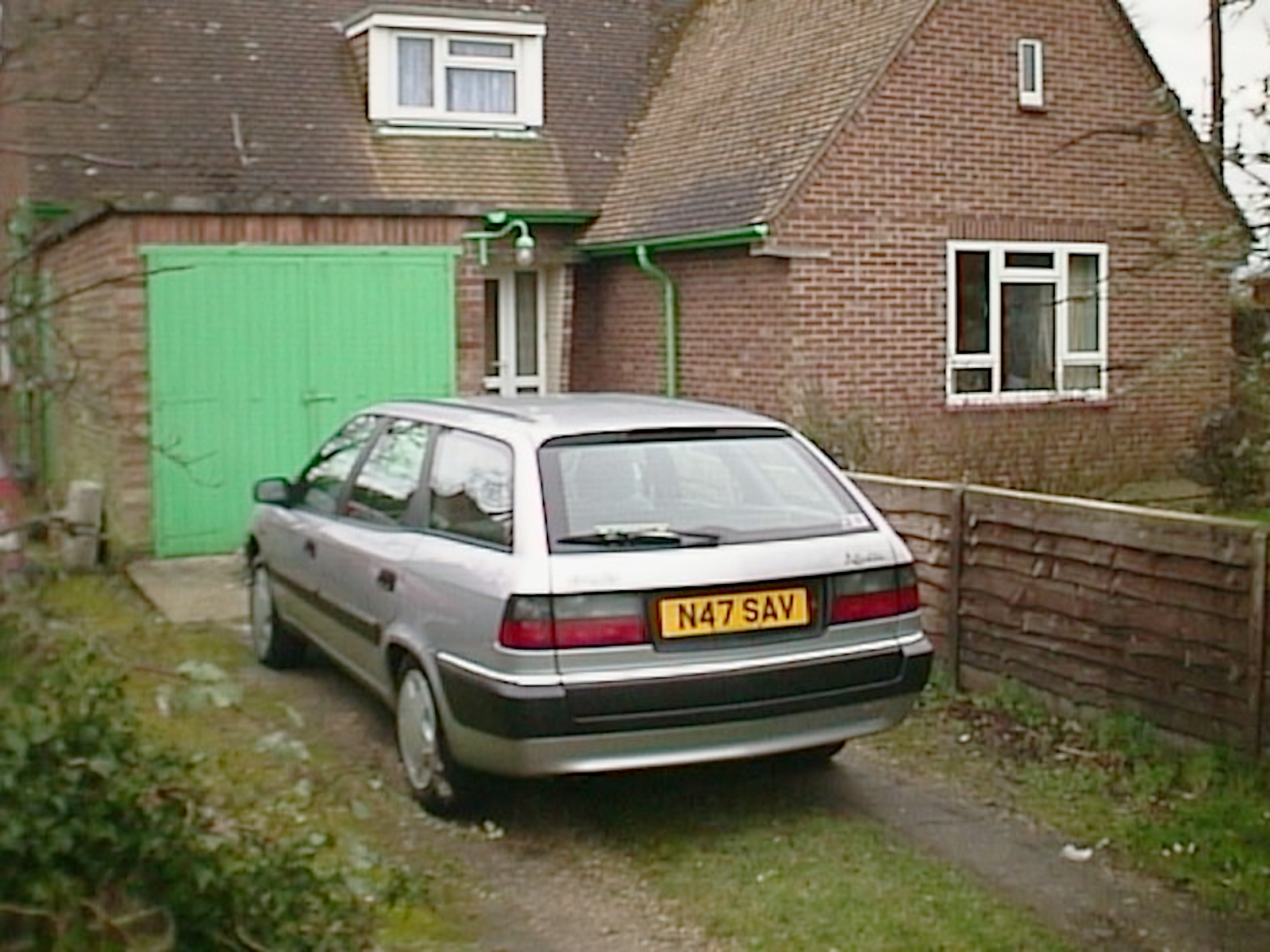

At home our new bathroom was being installed and I retaxed Alex, our Citroen Xantia, on 9th February. You can see it in the image on the right and view the new tax disc as well.
World events: Ariel Sharon of the Likud party was elected Prime Minister of Israel; and The NEAR Shoemaker spacecraft touched down on 433 Eros, becoming the first spacecraft to land on an asteroid.
< Jan 2001 – Mar 2001 >
I was still serving on the Institute of Arable Crops Research (IACR) cross-site IS/IT development project. The purpose of this was to build a common computing system covering the computing needs of both Rothamsted (RES) and Long Ashton (LARS). Realistically this largely meant closing down the LARS infrastructure and extending Rothamsted’s to cover both sites. The initial steps were to add TCP/IP networking to the LARS PCs, remove the LARS Novell server and replace it with a UNIX networking system. It was a lot of work, a significant upheaval for LARS staff, and all for no reason: at the time we didn’t know that LARS would be closed down in 2003 and the remaining staff moved to Rothamsted or elsewhere.
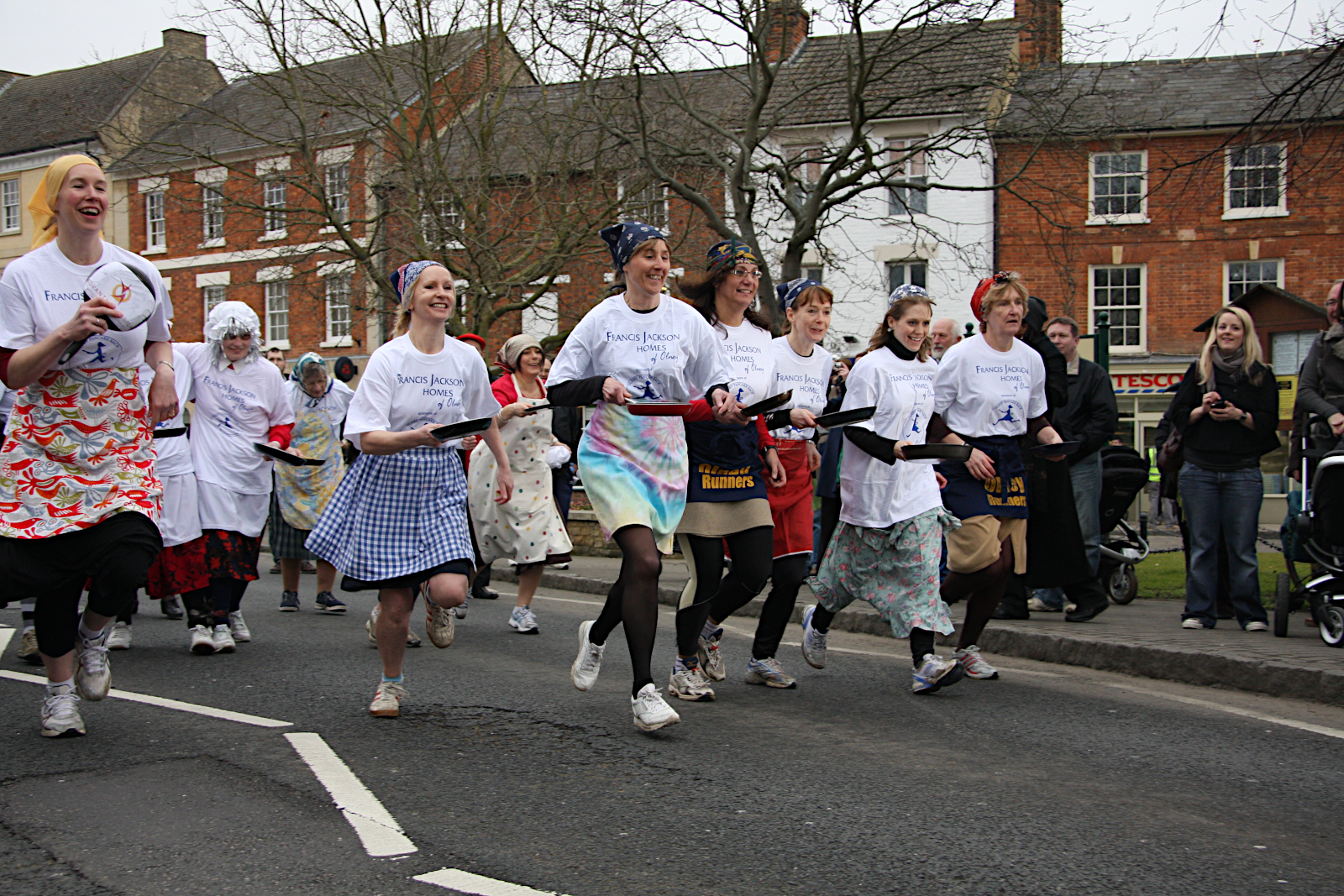
During February Donna Hudson started coming to some of the meetings with Tony, Faith, Paul and Jenny. And Donna and I talked a lot during the lunch breaks at work. We became more and more fond of one another and by the end of the month Donna had met Debbie and Beth, my three sisters, and Mum and Dad as well. Paz also came into the picture, as Beth invited him to join us for pancakes on Shrove Tuesday and we all got along well together.
World events: Cuban fighter jets shot down two American aircraft; and the first Pokémon game was released in Japan.
< Jan 1996 -Mar 1996 >
The LARS Sytem continued to evolve and make our Viglen 286 desktop computers more usable and convenient for staff. I was developing a series of compiled Pascal programs, utilities, and batch files to fill some of the gaps in MS-DOS, for example a command line utility to alert to low disc space that could be called from the DOS prompt and also from a batch file during system startup. Another one was a unit conversion utility which I developed to run from the DOS prompt or from Windows.
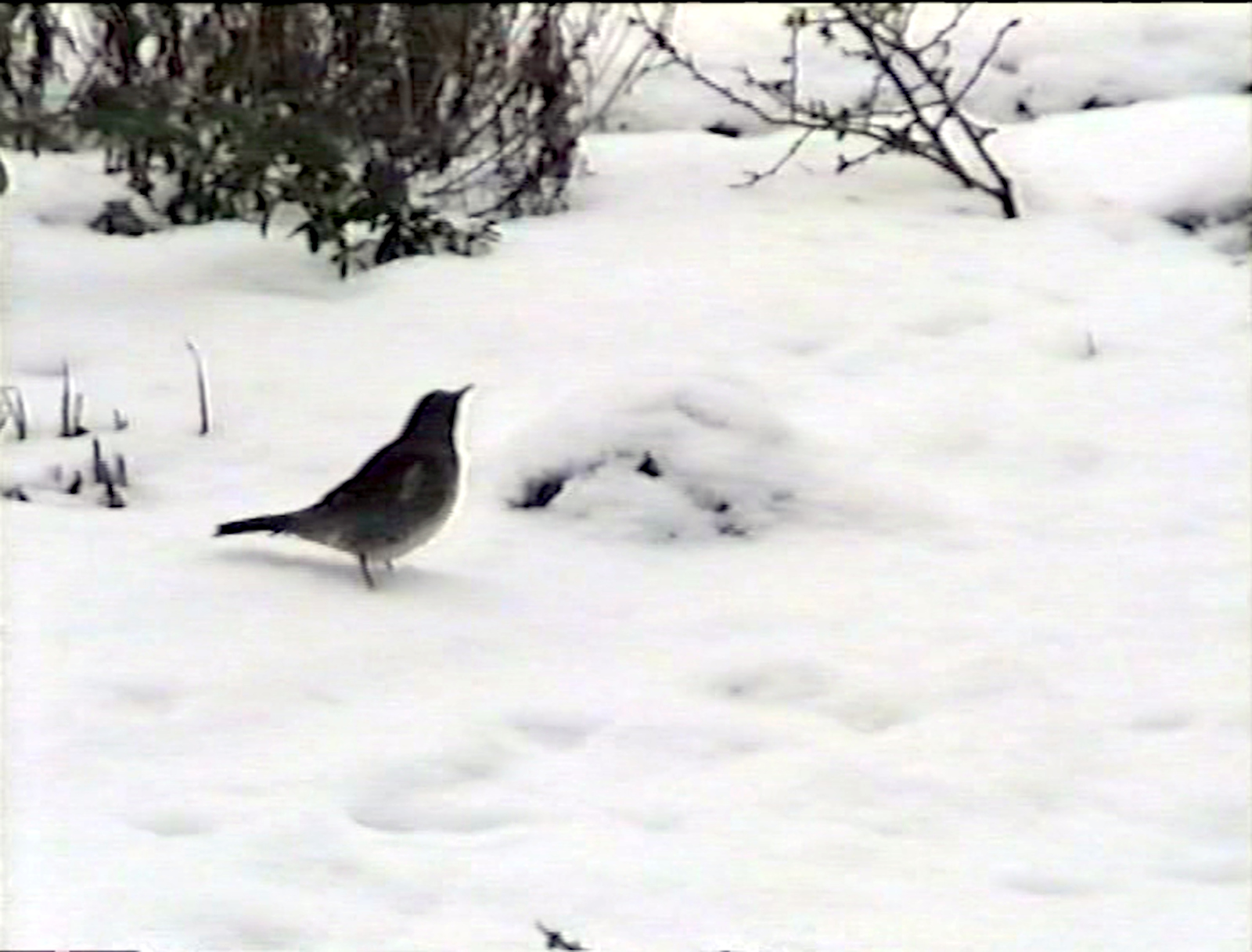
We had a moderate fall of snow and some rather cold days, the photo is from 9th February after putting out food for the local birds.
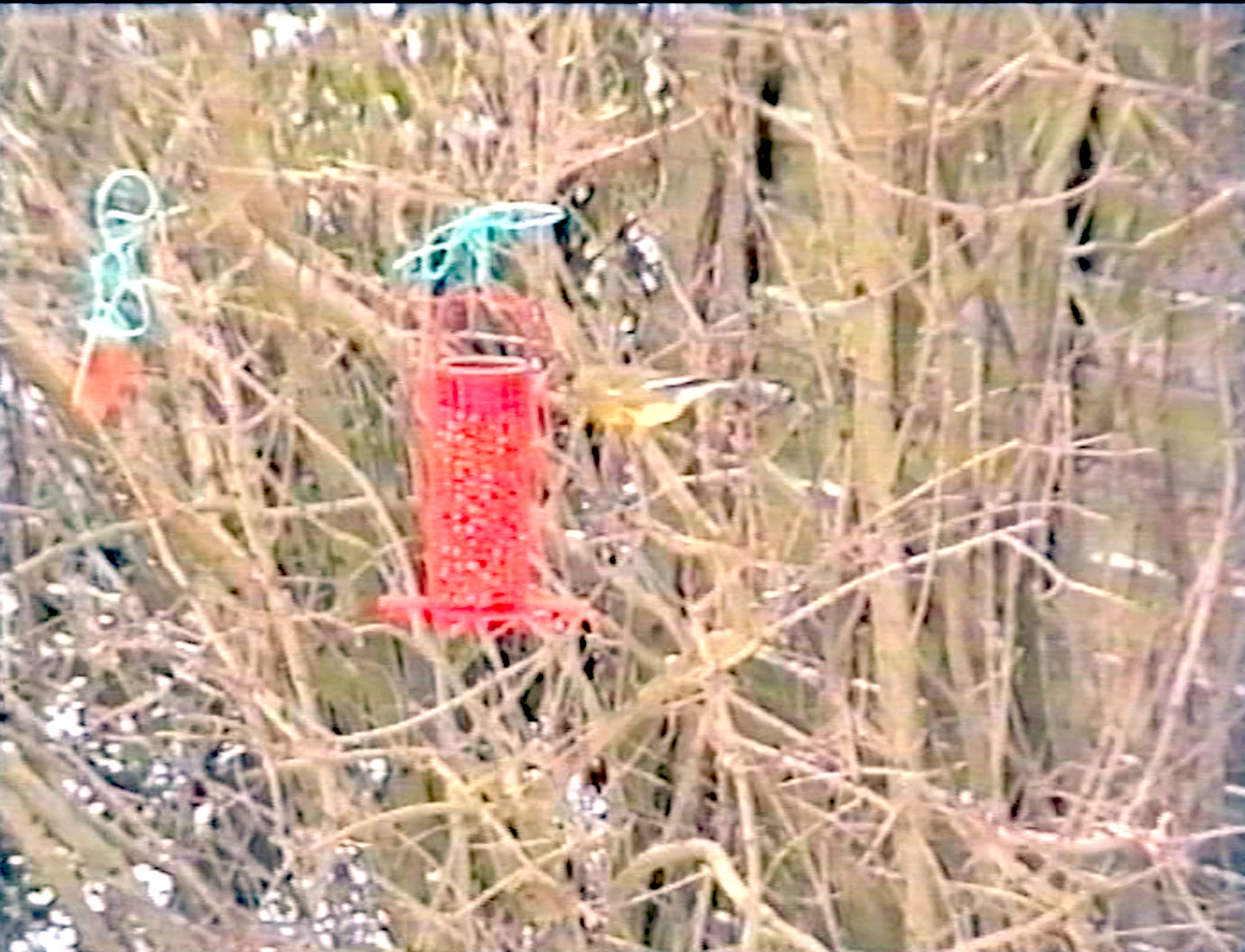
The second image shows a greenfinch checking out peanut seeds that Judy had hung from Berberis branches. These were very popular!
World events: The Provisional IRA launched a mortar attack on 10 Downing Street during a cabinet meeting; and Saddam Hussein announced the withdrawal of Iraqi troops from Kuwait.
< Jan 1991 – Mar 1991 > (Jump to 1971) (Jump to 2011)
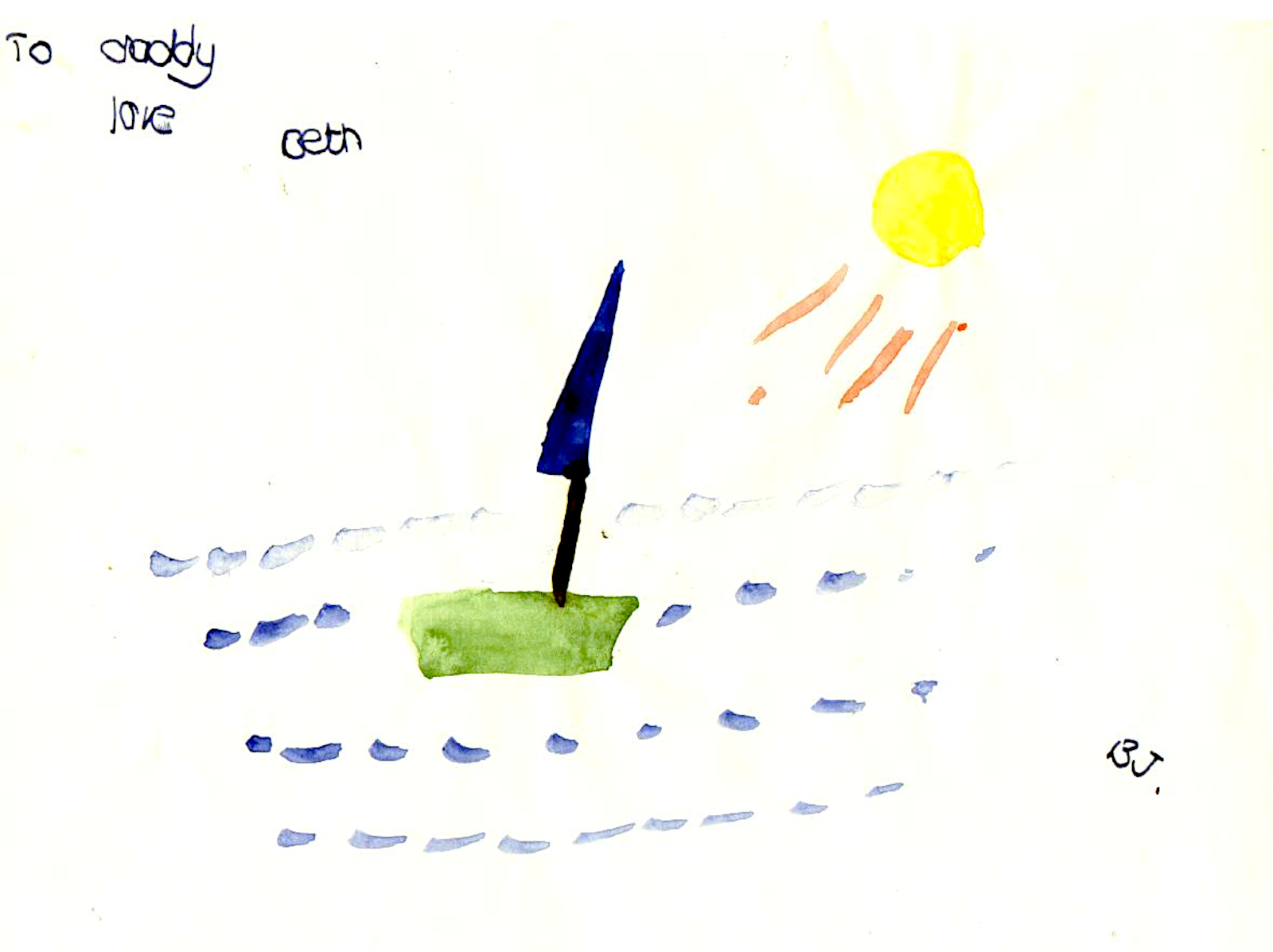
This little painting was made by my daughter, Beth. I think she has the original, I passed it on after I scanned it. It was almost certainly painted at school as it has been marked B.J. (Beth Jefferies) in the lower right corner. I can only guess the date so it probably doesn’t belong in February 1986 but could be quite a lot earlier. But it deserves to appear in a Blast from the past post somewhere.
So here it is. Oh, and thanks Beth, love from Daddy!

Around the same time I was running a little project at home, writing educational software to run on the Sinclair ZX81 and Spectrum computers. These were sold by mail and this little business slip went out with them as well. When the software came to the notice of my brother-in-law, Peter Holme, he saw more potential for professional development and marketing and developed a company, ComputerTutor that eventually got these and other programs into high street outlets like WHSmiths.
Debbie was nearly 11-years-old, and Beth 7¾, both still at school in Yatton.
World events: Pixar was founded by John Lasseter and Steve Jobs; and the Soviet Union launched the Mir space station.
< Jan 1986 – Mar 1986 >
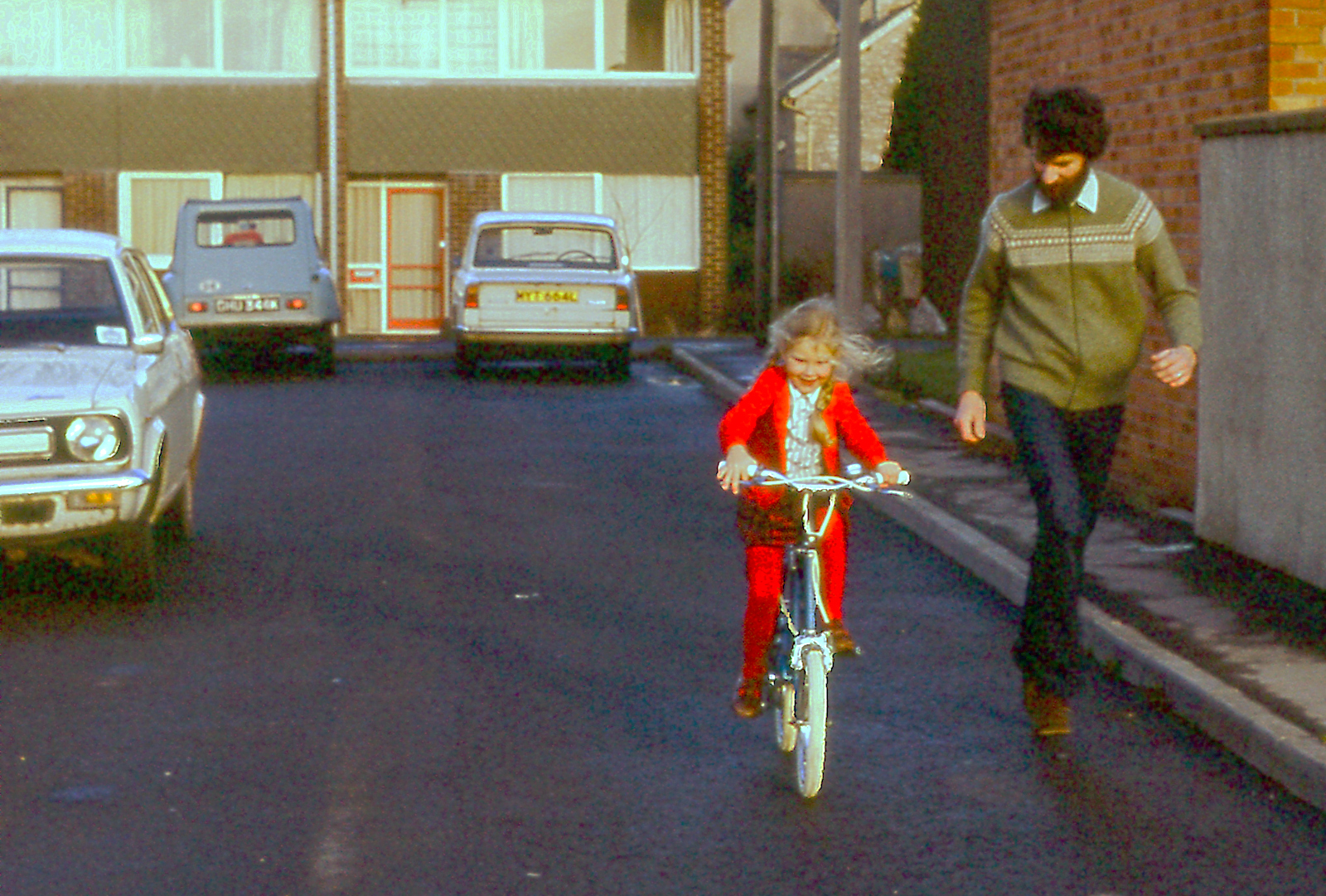
Debbie was learning to ride her bike, we’d bought a rather battered old bike in the autumn, I took it apart, resprayed the frame in a metallic blue, put on some new white tyres, and polished up the chrome parts. Reassembled it looked pretty good and we wrapped it up as Debbie’s main Christmas present. By mid-February she was becoming good enough to stay upright most of the time but I still needed to run alongside to guard against major wobbles.
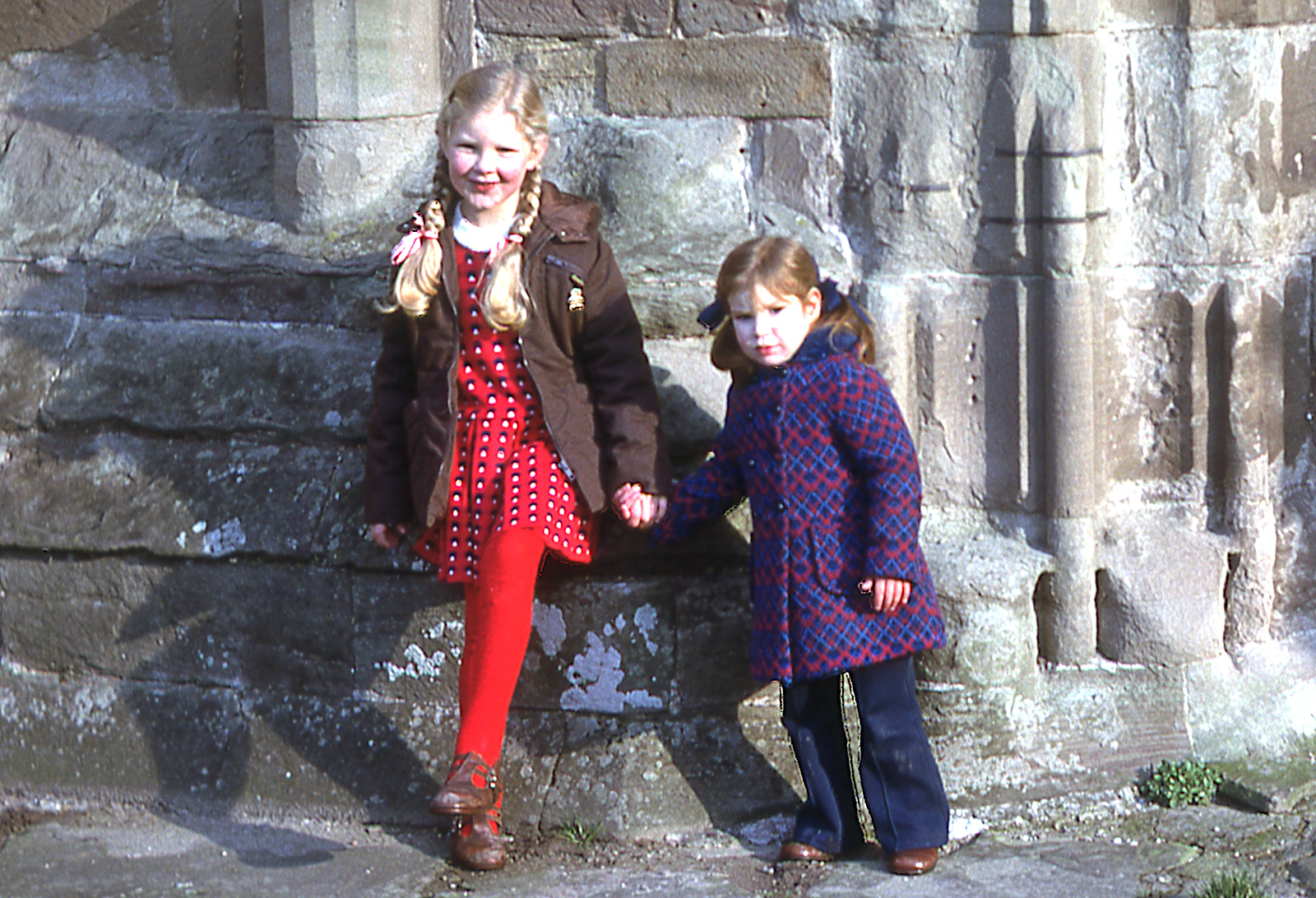
During the month we drove over the Severn Bridge and along the Wye Valley to explore the atmospheric ruins of Tintern Abbey. We had so much more freedom now with our own set of wheels, a Morris Marina we called Excellent Car Jefferies (so-named because the registration number was XCJ 508K). You can see the car on the left in the photo of Debbie on her bike.
World events: Pope John Paul II visited the Philippines; and a powerful earthquake hit Athens.
< Jan 1981 – Mar 1981 >
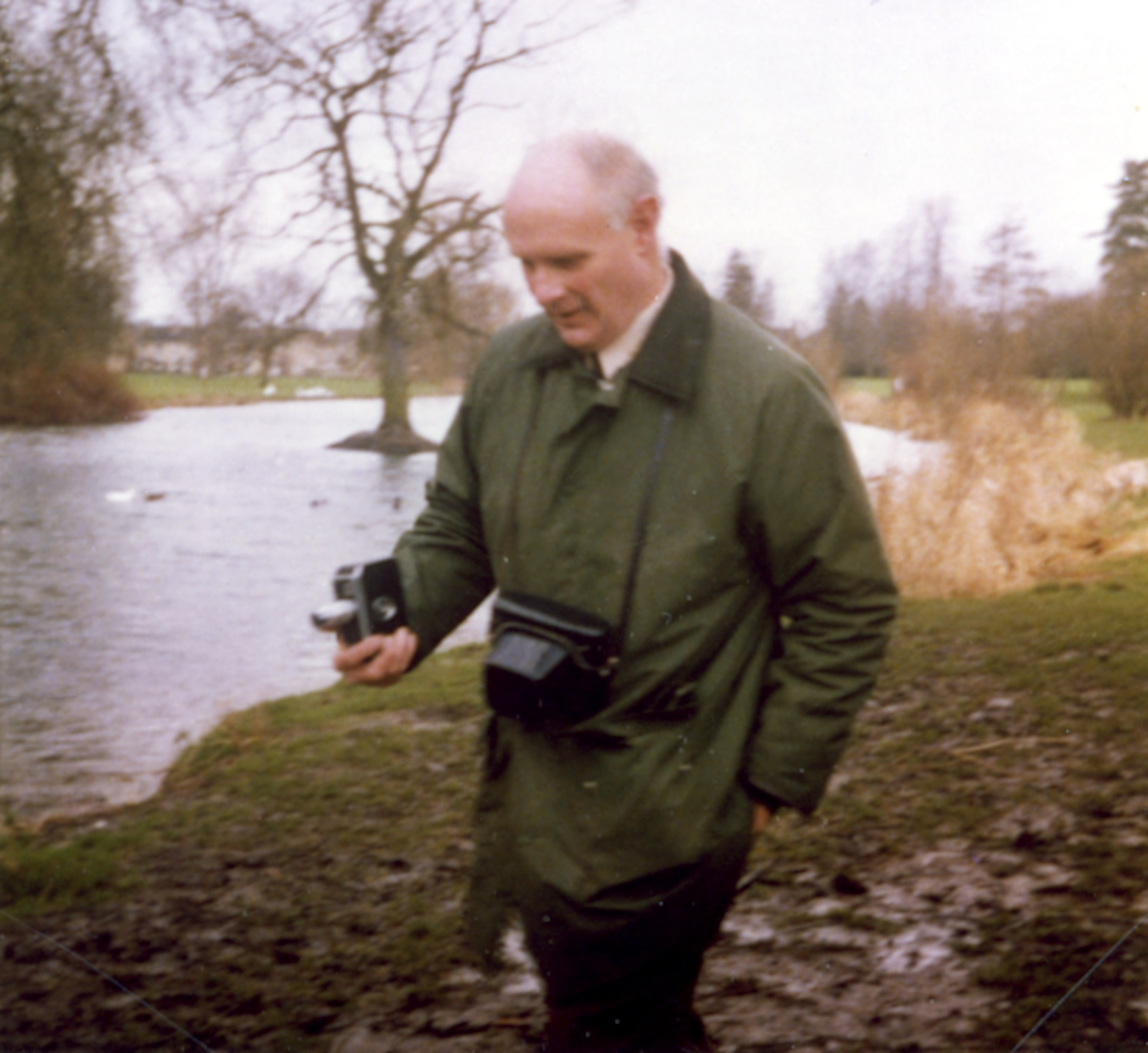
This photo was taken in Cirencester, probably by Mum, but possibly by Judy. It shows my Dad filming by the lake in the Abbey Grounds and I’m guessing it was Feb 1976 though it’s impossible to be sure.
Debbie was 11 months old in February, and it was exciting to think she’d have her first birthday in mid-March. Church life was still a mix of home meetings with Tony and Faith Moulin, and Paul and Jenny Shortman along with some other friends as well as Sunday morning meetings at Horsecatle Chapel.
I was working at Long Ashton Research Station, cycling in and out each day from our house in Yatton. I will never forget on my way into Bristol one lunchtime, a lorry pulled out onto Brunel Way from a slip road near Bower Ashton. The driver didn’t see me and physically pushed me into the next lane. I managed to stay on the bike and move further into the right hand lane which, fortunately, was empty at the time.
World events: The 1976 Winter Olympics began in Innsbruck, Austria; and the Spanish Armed Forces withdraw from Western Sahara.
< Jan 1976 – Mar 1976 >
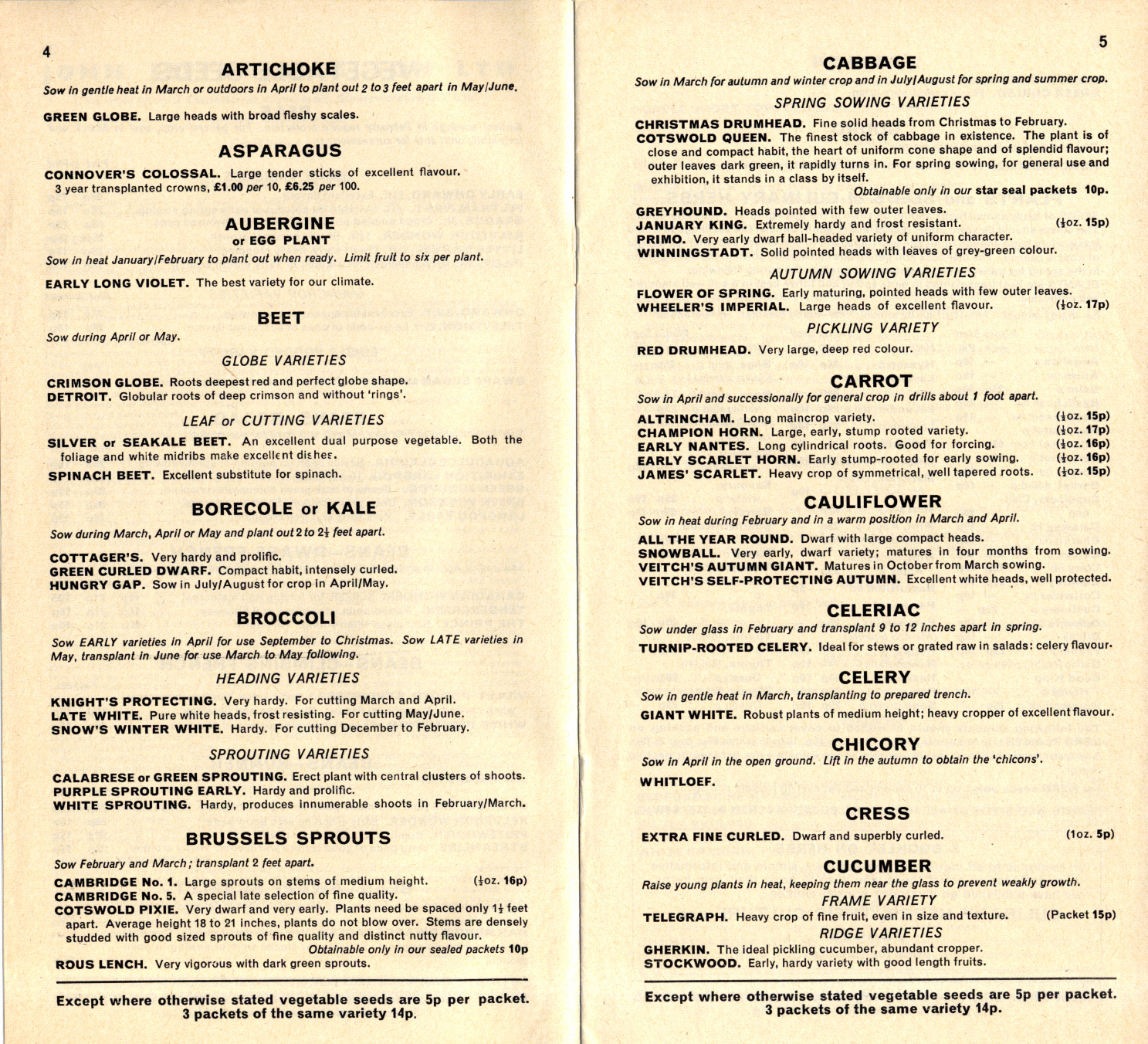
John Jefferies & Son Ltd might have released their 1971 vegetable seeds catalogue around this time. The photo shows one of the pages from it.
Judy’s lab assistant job with Mike Tanner at Bristol University was going well. She soon made friends with a young woman her age who worked for another biochemist in the same lab. It was good to begin to make some friends; I, too, was meeting people at work that I enjoyed spending time with, though we were only on smiling and ‘Good morning’ terms with a few people where we lived.
Our car, ‘Pumpkin’ had some rusty spots, some of them quite serious, but the engine that Dad and I had rebuilt continued to run very nicely, and the gearbox and transmission had given us no trouble. It continued to pass MOT tests with little difficulty.
World events: Rolls-Royce went bankrupt and was nationalised; and Apollo 14 landed on the Moon, getting the programme back on track following the Apollo 13 failure.
< Jan 1971 – Mar 1971 > (Jump to 1951) (Jump to 1991)
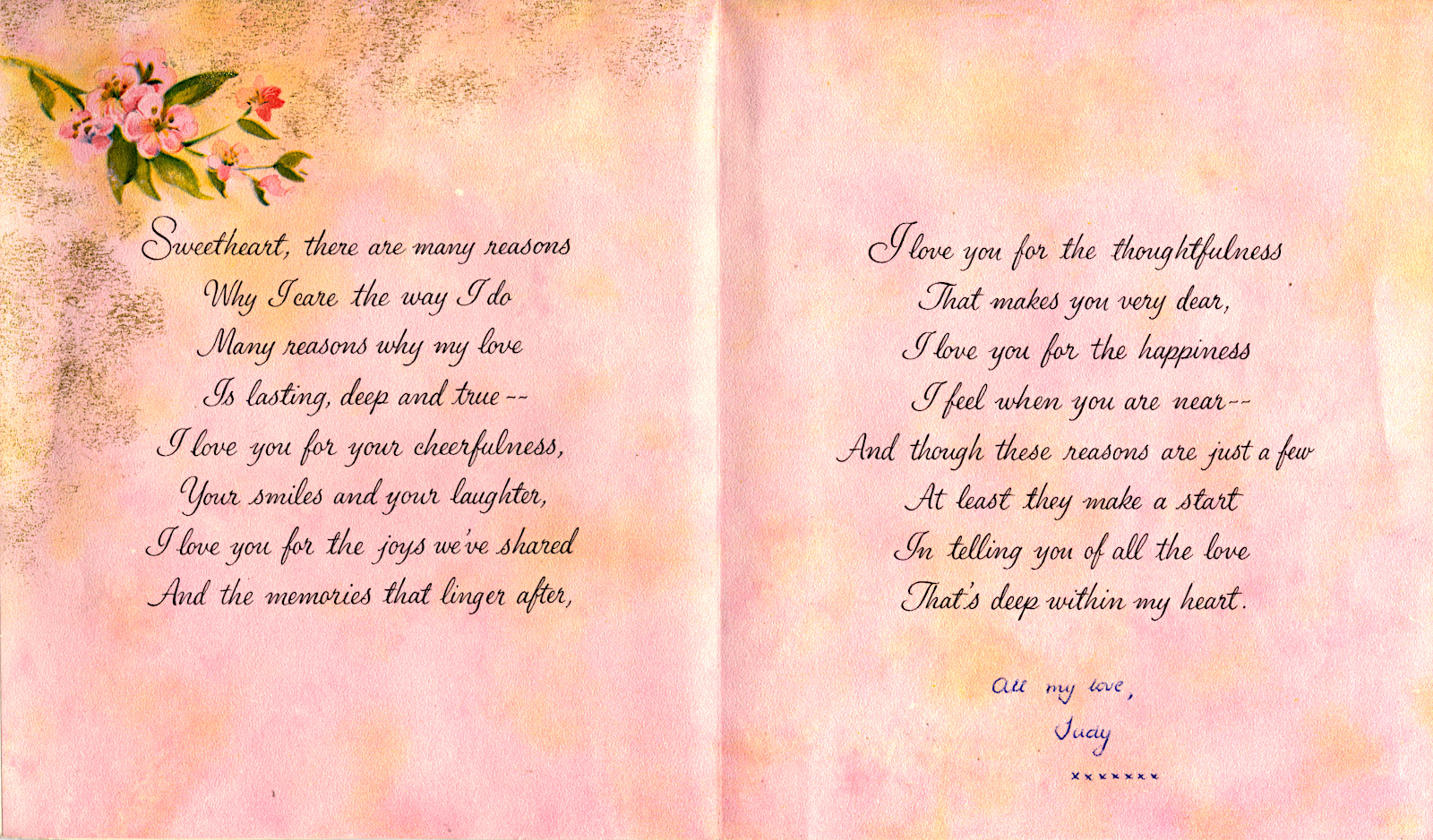
Judy sent me a valentines card (I sent her one too, of course. The photo shows the contents, in verse and wordy (normal in those days), but the sentiments were heart-felt. Cards have changed since 1966 but falling in love never grows old. We were both still at Cirencester Grammar School where we had met. I was in the Upper Sixth and Judy was still Lower Sixth so we were able to see each other almost every day.
My Irish grandmother turned 68-years-old on 9th, which to me at the time seemed really ancient (though my English grandmother was a good deal older).
World events: The Soviet Luna 9 spacecraft made the first controlled rocket-assisted landing on the Moon; and the Australian dollar was introduced at a rate of 2 dollars to the pound.
< Jan 1966 – Mar 1966 >
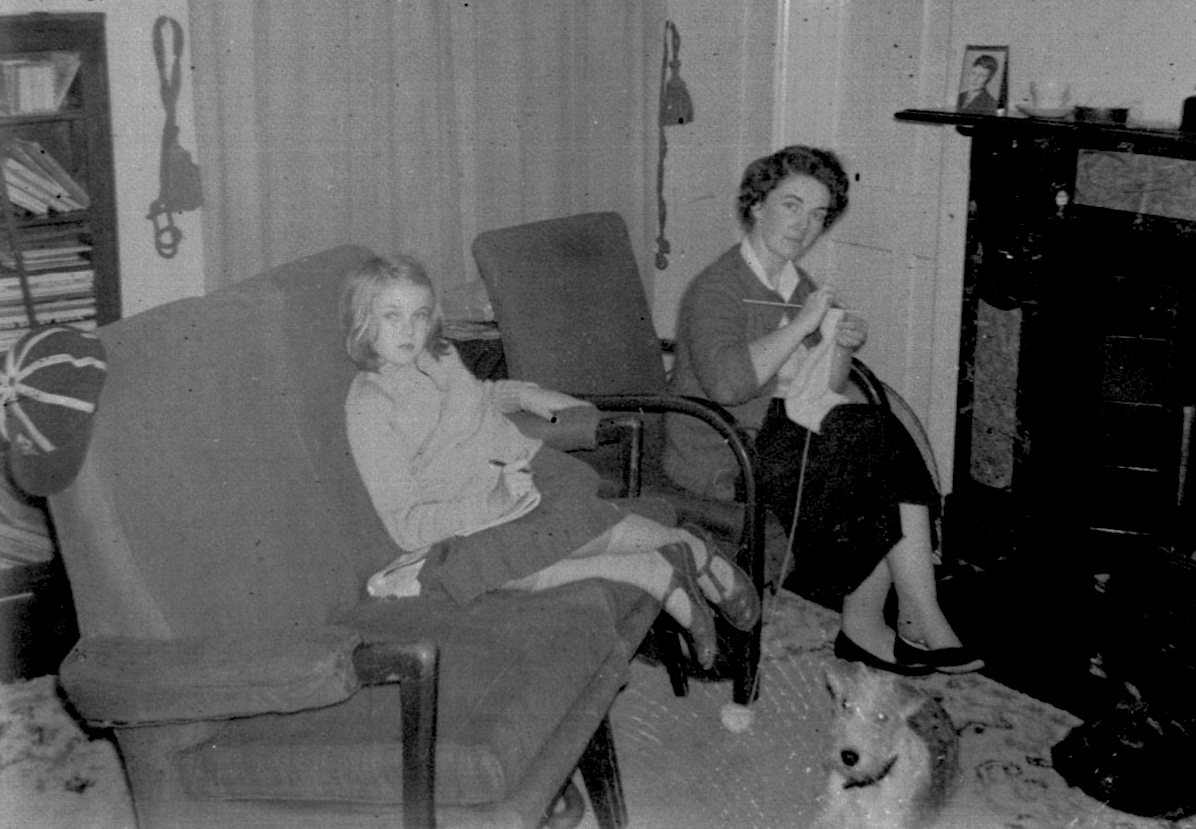
I believe this photo was taken in February 1961 in the room we always knew as ‘the back sitting room’. Mum is knitting, Cindy has a pen in her hand so was writing, Chloe the dog and Figum the cat are on the floor enjoying the warmth from the fire. My school photo is on the mantelpiece along with a teacup, and my school cap is on the back of the sofa. That’s quite a lot of information from one very poor quality B&W photo.
We were fortunate to live just along the road from the school. Even when it was cold and wet it was a very short walk. I was in my second year at the Grammar School so Cindy was probably still at Querns Junior Scool at this time.
World events: The United States tested its first Minuteman I intercontinental ballistic missile; and the USSR launched Venera 1 towards Venus.
< Jan 1961 – Mar 1961 >
At this time I was just 7½-years-old, as I write I’m 77½ though the halves don’t mean much any more! I was in the third year at Querns School and we were living in a rented council house at 17 Queen Anne’s Road. I remember Mum and Dad had a series of small, round tobacco tins labelled for various household bills that would fall due at known times in the future – rent, Pearl Life Assurance, electricity, coal, water etc. The man who collected the rent was a Mr World so when he appeared the relevant tin was raided to pay him.
World events: The British spies Guy Burgess and Donald Maclean (missing for five years) appeared in the Soviet Union; and Nikita Khrushchev attacked the veneration of Joseph Stalin, in a speech.
< Jan 1956 – Mar 1956 >
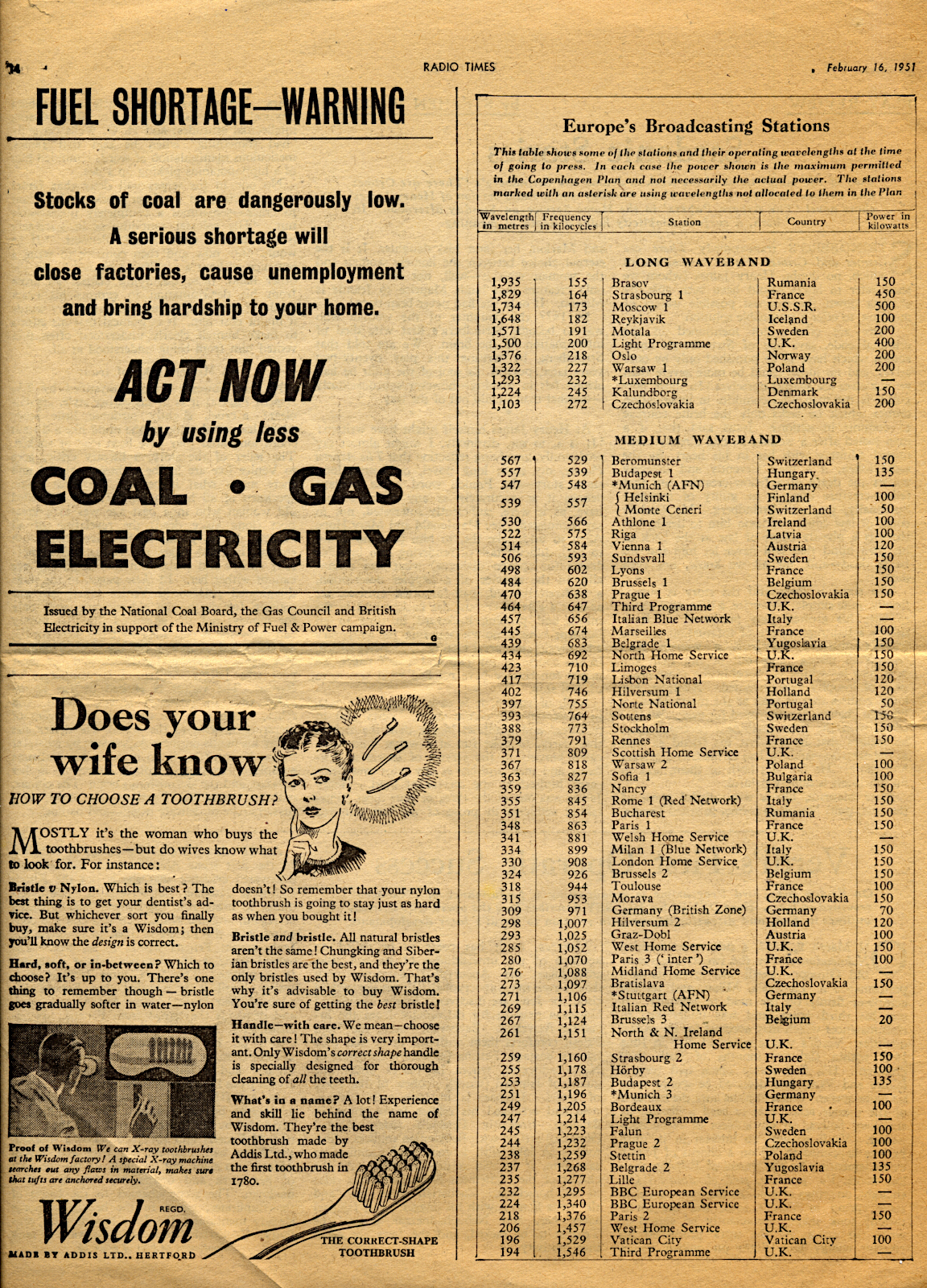
The image shows a page from The Radio Times, kept by Dad because it has a useful list of station wavelengths and frequencies. The adverts on the left of the page are interesting, coal was in short supply and the public were being asked to reduce energy usage, and it seems that wives (and never husbands) buy the tooth brushes. As always, click the image to enlarge it.
World events: The United Nations General Assembly declared China to be an aggressor in the Korean War; and the Twenty-second Amendment to the United States Constitution was ratified, limiting Presidents to two terms.
< Jan 1951 – Mar 1951 > (Jump to 1930s) (Jump to 1971)
On 6th February Mike and two others set off at 07:30 in an Austin 10 for the Western Ghat mountains inland of Bombay but turned back after four hours as the roads were so bad. There were some radar units up there that they had intended to visit. They arrived back at 17:00 pm, tired after 10 hours driving.
Mike had been expecting to be sent to Ceylon (Sri Lanka), but on 7th learned this would not happen after all.
Lilias had been hoping to go to Belfast to find work, but the family disagreed with this and clearly didn’t want her to go.
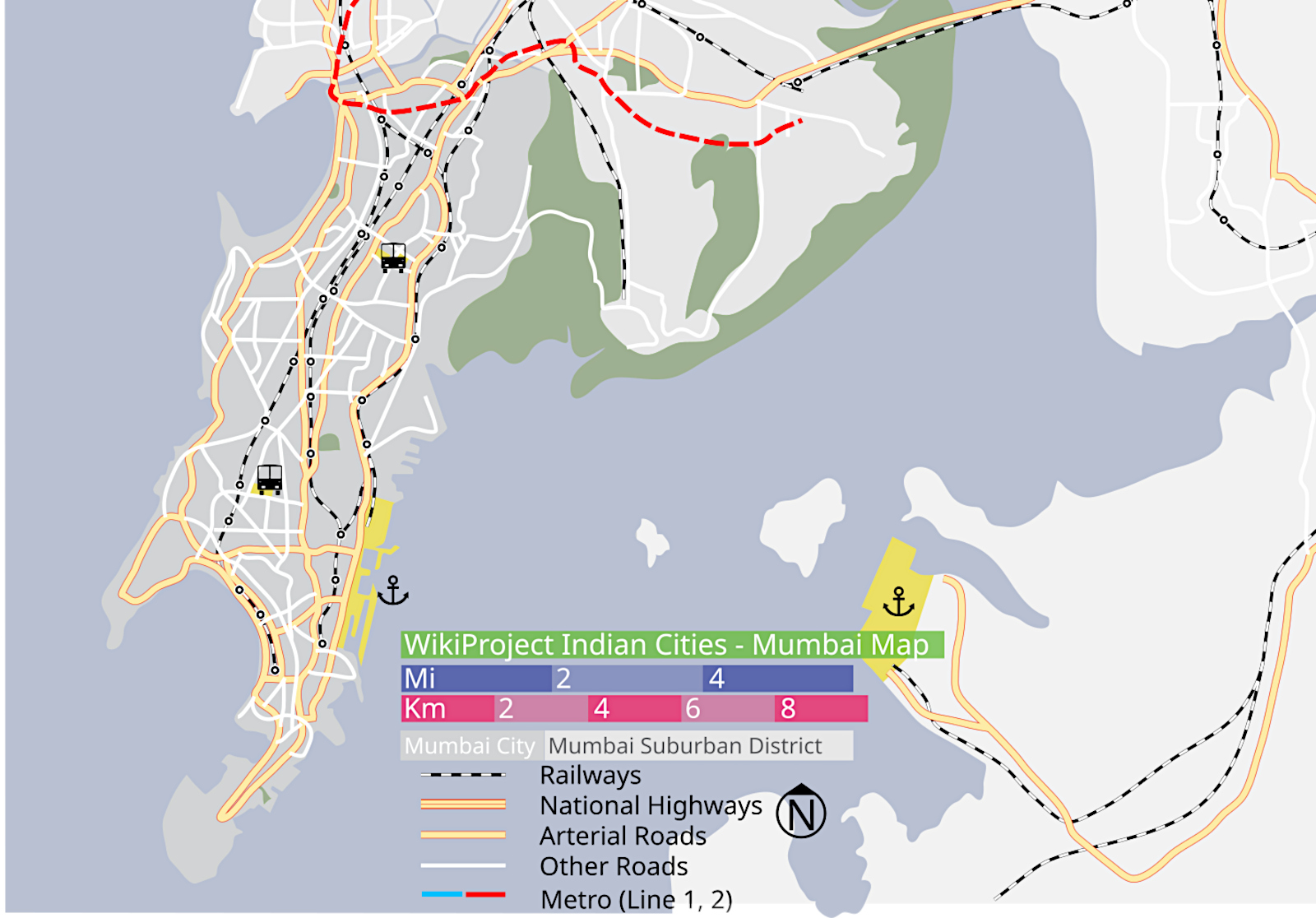
On 14th, Mike took a convoy of two Austin trucks to Worli, a peninsula (on the left of the map) that today is within the city limits of Mumbai but in 1946 would have been a country district. From 19th onward there was a revolt by the Royal Indian Navy and the trouble spread so RAF personnel were confined to camp. There was fighting in Bombay and civilian rioting on 21st.
On 26th February Mike heard he was to go to Singapore about a week later.
World events: ENIAC, an early general-purpose electronic computer, was unveiled at the University of Pennsylvania; and Juan Perón was elected president of Argentina.
< Jan 1946 – Mar 1946 >
There’s not enough information to write something for every month in the 1940s. Mike’s diaries start in January 1943, so for January 1940 to December 1942 I’ll write about things I know, or draw on dated photos and documents. Sometimes I might use a photo or document with a guessed date.
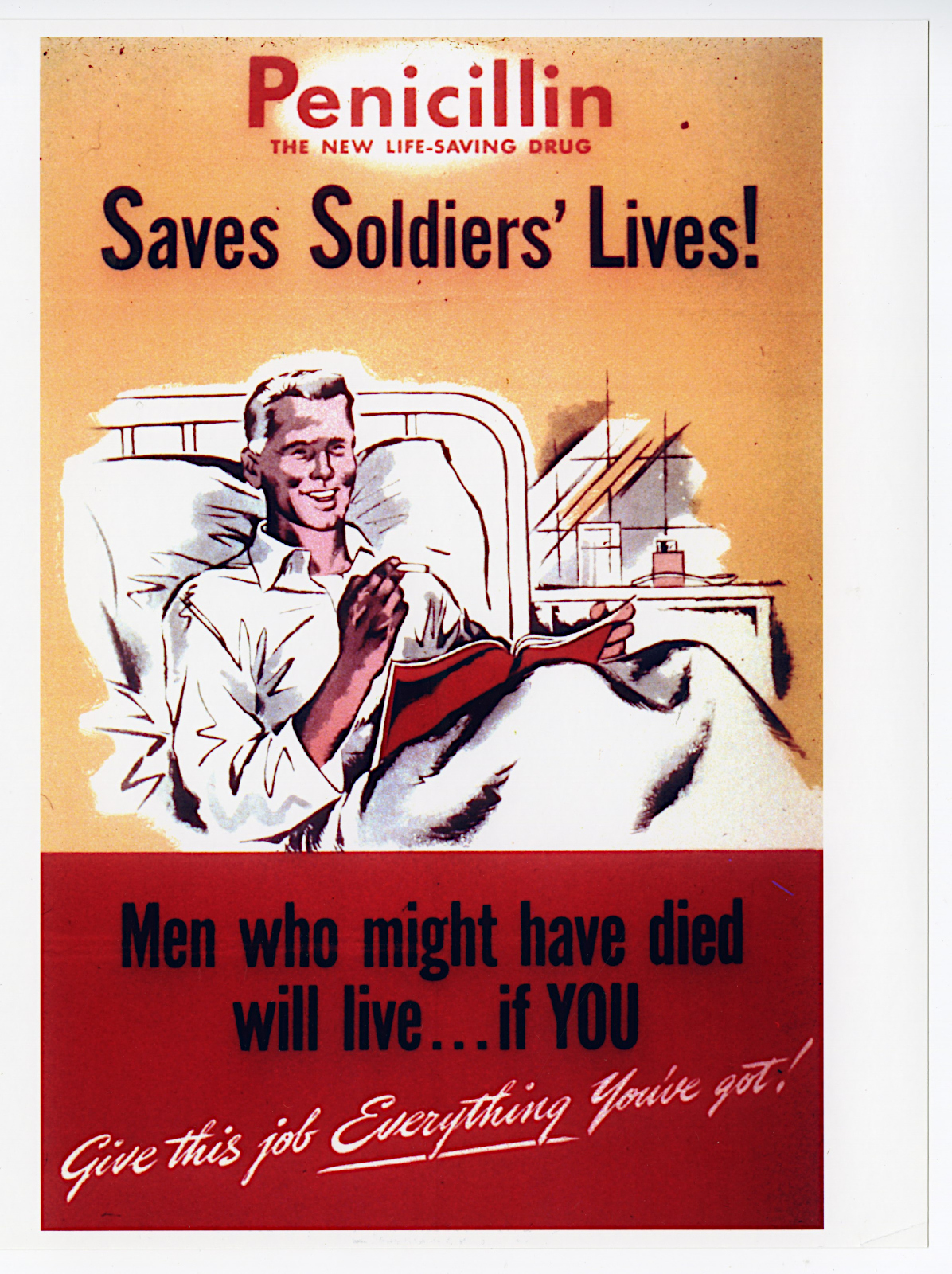
Penicillin was discovered to have anti-bacterial action and was used for the first time to help a patient with a serious facial infection. Unfortunately he died because there was insufficient supply, the infection improved greatly but then worsened when the penicillin ran out. A few months later, another patient’s life was saved and as production ramped up, penicillin saved many lives, at first mainly wounded soldiers during the second world war.
World events: In Libya, Benghazi fell to the British Western Desert Force; and Albert Alexander, a patient at the Radcliffe Infirmary in Oxford, England, became the first person treated with penicillin intravenously, he responded well, but there was insufficient of the antibiotic to cure him.
< Jan 1941 – Mar 1941 >
World events (February 1931): Soviet leader Joseph Stalin called for rapid industrialisation, arguing that only strong industrialised countries would win wars, while “weak” nations would be beaten. (February 1936): Radium E (bismuth-210) became the first radioactive element to be made synthetically.
Anything that appears in this section will have some connection with the 1930’s but may extend beyond the decade to follow a meaningful topic more fully.
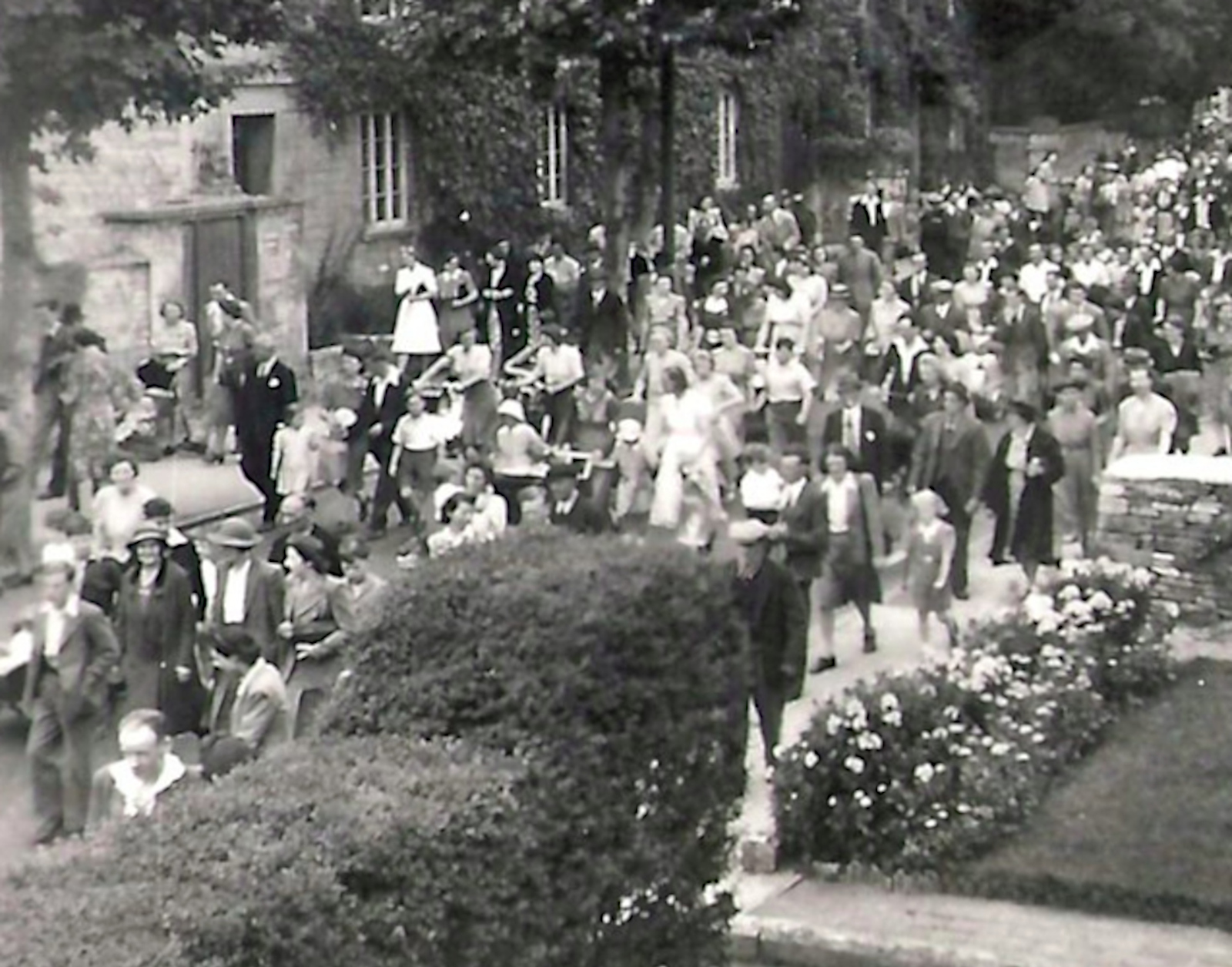
Last time we took a look at Cirencester’s Carnival and mentioned that the procession passed along Victoria Road. The photograph this time shows the procession passing Churnside (37 Victoria Road). The undated photo was taken from the garage roof of 37 Victoria Road must be late 1930s or early 1940s based on the clothes people are wearing. And the number of young men suggests it was not taken during World War 2, so either just before the war or shortly thereafter.
<< 1930s >> (Jump to 1800s) (Jump to 1951)
As with the 1930s material, everything in this section will have a connection of some kind with these two decades.
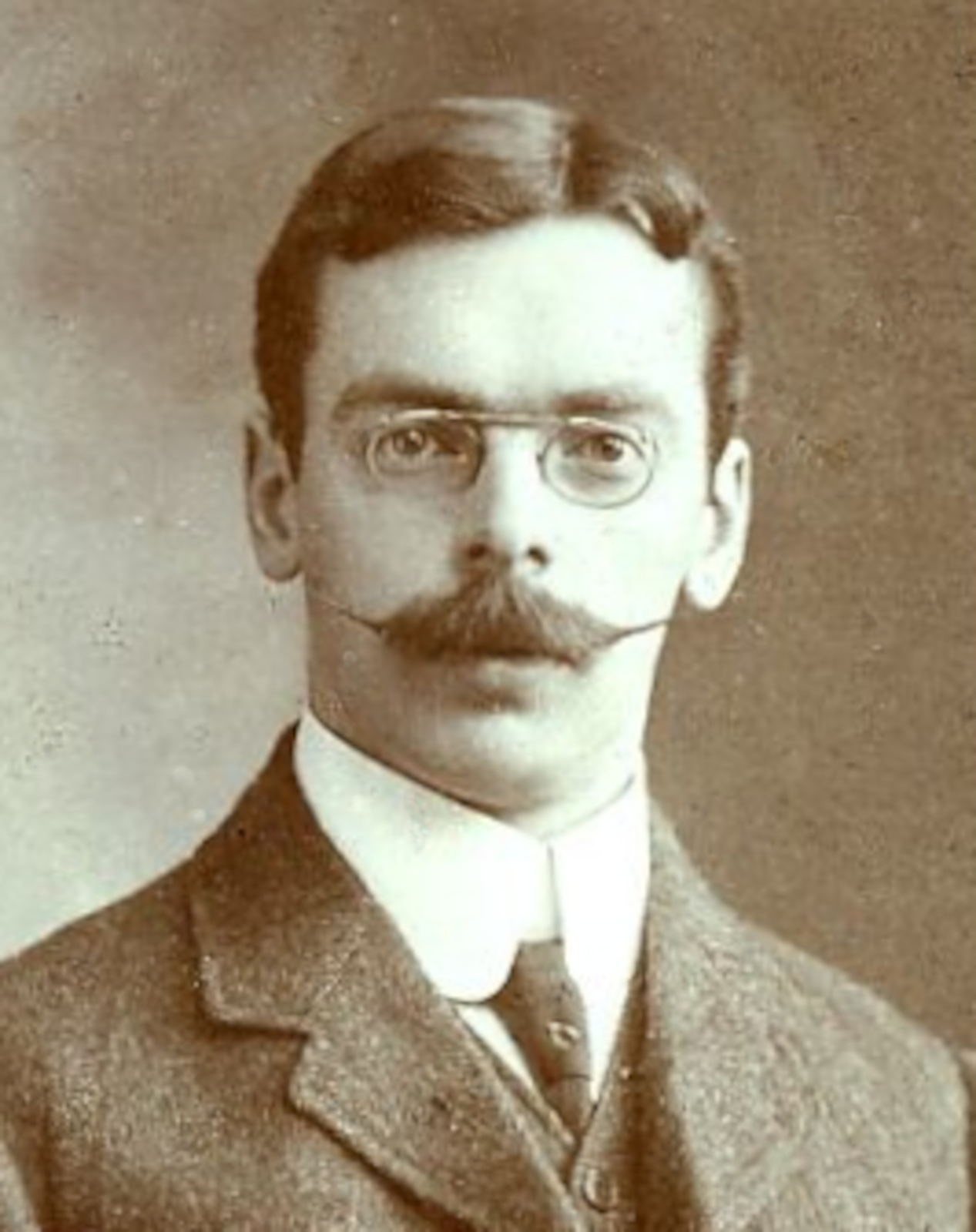
Herbert Cyril Jefferies was my Dad’s Uncle, his father’s younger brother. He was born on 21st October 1880. The photo shows him as a young man, perhaps in his twenties, the family home was 10 Tower Street, just across the street from the Jefferies nursery in the town of Cirencester. At Herbert’s baptism his father, Edward, was described as a seedsman.
Herbert remained a batchelor and was the Proprietor and Managing Director of the the Ross Gazette, a newspaper in Ross-on-Wye in Herefordshire.
Family connections:
Obituary:
THE ROSS GAZETTE 31 AUGUST 1944 (Verbatim)
MR. H. C. JEFFERIES
The many readers of the “Ross Gazette,” will learn with regret of the death of Mr. Herbert C. Jefferies, of Mervyn Lodge, Ashfield, Ross, following an operation which took place at Salisbury on Sunday last. He was a native of Cirencester.
It was in 1910 that Mr. H. C. Jefferies came to Ross. taking over the the printing and stationery business of the late Mr. H. N. Powle, and in 1915 the business was amalgamated with that of the Ross Gazette Ltd., Mr. Jefferies becoming a director of the company. He later became managing editor, a position from which he retired in 1943. Since his retirement Mr. Jefferies had not enjoyed the best of health, but his death came unexpectedly.
Mr. Jefferies was a man of many outstanding qualities, and he always took a keen interest in the social and religious life of the town. For many years he was secretary of the Ross Amateur Operatic and Dramatic Society and the majority of the inhabitants of the town and district will remember his talented portrayals of various characters in their yearly performances. Apart from the Operatic Society, Mr. Jefferies was a keen musician, and in this direction was a member of the Ross Orchestral Society, which he also served as honorary secretary.
In the sporting world he played regularly up to recent years for the first eleven of the Ross Cricket Club, and was a liberal supporter of the several Rugby and Association Football clubs in the district; in fact there were few if any, clubs or institutions that did not get his personal or practical support.
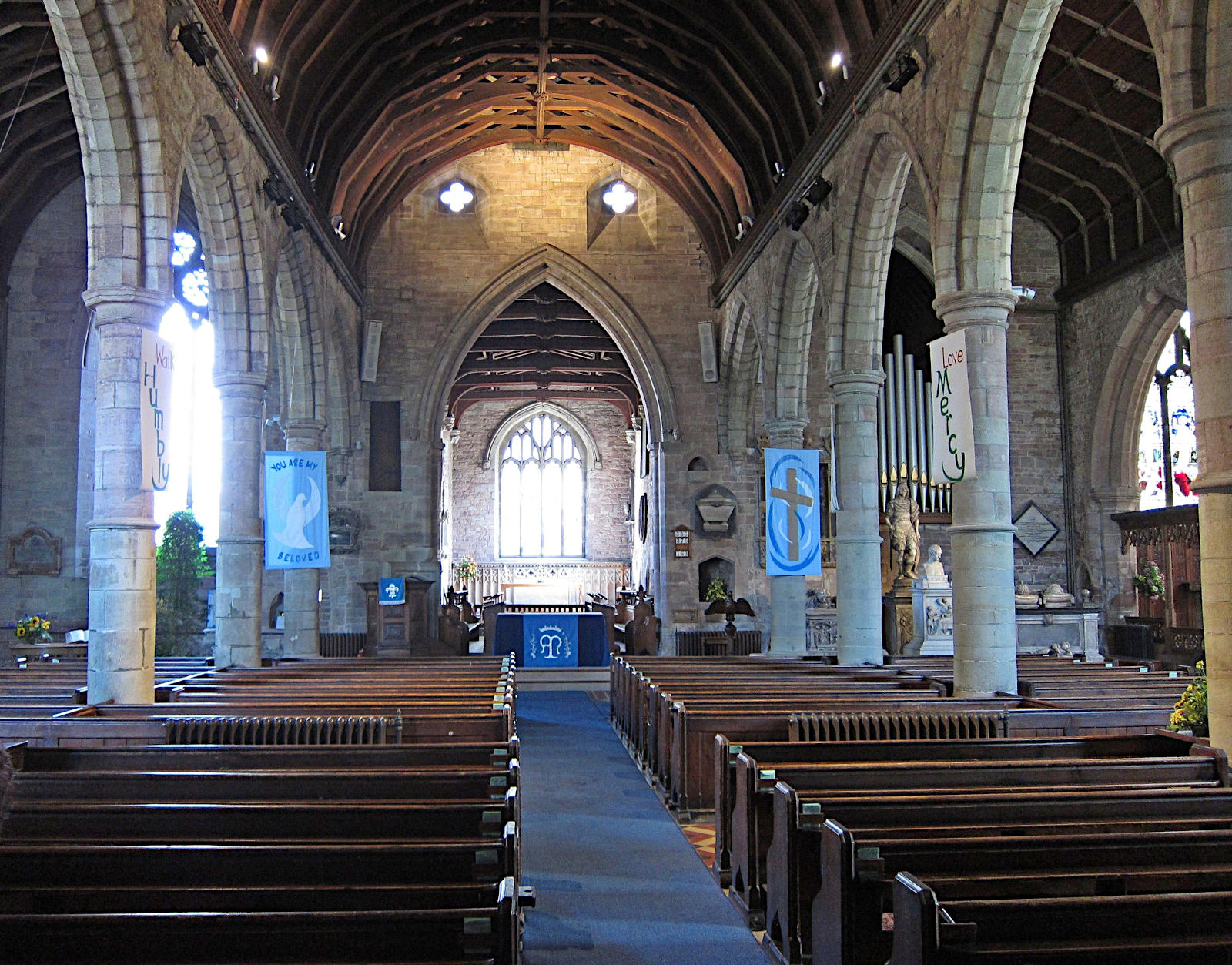
Mr. Jefferies was a devout churchman, a member of the parish church choir and Parochial Church Council, a licensed lay reader, and a representative on the Ruri-decanal Conference. During the last war he served with the Royal Flying Corps.
His kindly disposition and generous nature won for him a wide circle of friends, who will all join in a sincere expression of sympathy to his sister and other members of the family.
The funeral takes place at Watermoor Church, Cirencester, at 11 a.m. on Thursday.
An Appreciation (By a friend) – By the death of Mr. Herbert C. Jefferies, managing Editor of the “Ross Gazette,” musician, actor, and churchman, Ross has lost one of its most outstanding personalities of recent years. To those of us who knew him intimately his death will mean a great loss. In sickness he proved himself to be an unfailing friend, while in all walks of life his sole desire was to be of service to all. He was a man who possessed his pet hobbies, but his love of music, his desire to play his part in opera or drama was perhaps his outstanding characteristic. The many roles he played in the Gilbert and Sullivan operas produced by the Ross Operatic and Dramatic Society were the life and soul of many of those productions as all members of that Society will readily admit. On the cricket field he was equally as popular, while his interest in the youth of the town, in so many directions, was a great source of encouragement to all. Then again, there was no more loyal churchman than Herbert Jefferies. His services as a chorister, lay reader, and councillor were at the beck and call of all who needed them. Indeed, one can almost go so far as to say that it was his earnestness in these spheres of his life that led to his ultimate break-down in health. He held very decided opinions on many debatable subjects, but he never allowed these views to interfere with his friendships. Although for just over twelve months he was prevented from continuing his good works through health reasons, his personality and his companionship will be greatly missed. Now that he has passed beyond the veil may he find eternal rest.
World events (February 1921): The Democratic Republic of Georgia was invaded by the Russian Soviet Federative Socialist Republic (February 1916): The Battle of Verdun began in France. (February 1911): The first official air mail flight was made by Henri Pequet in British India. (February 1906): Pope Pius X published the encyclical Vehementer Nos, denouncing a 1905 French law on Separation of Church and State. (February 1901): U.S. Steel was incorporated by industrialist J. P. Morgan, the first billion-dollar corporation.
<< 1900-1929 >>
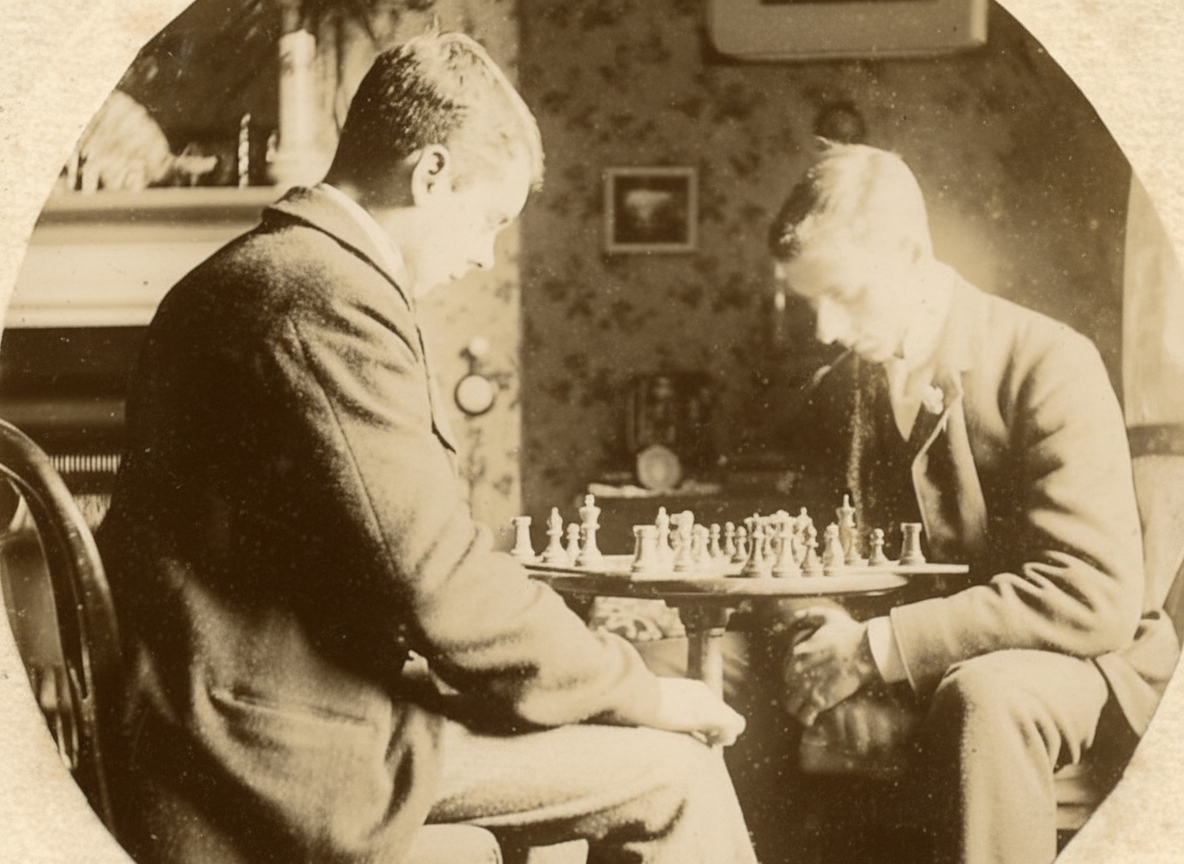
My grandfather, Edward Arthur Jefferies was born in 1879 at 10 Tower Street, Cirencester, his parent’s home. The photo shows him in Watermoor Cottage as a young man playing chess with his younger brother Herbert. Edward is facing the camera.
He married Norah Monger in 1905 and they moved to a newly built home, Churnside 37 Victoria Road, just two streets away from his birthplace at 10 Tower Street. Edward (also known as Ted and sometimes Guv (short for The Governor) worked in the family business with his Uncle William, when William died he took over the management entirely and while his sons were in the armed services during World War 2 he must have struggled to cope.
Family connections:
Memories of Grandpa – Because he was my grandfather and died shortly after my 11th birthday, I have personal memories of him so I’ll share a few of those here. I know he was always very fond of me as he had also been of my father. I think he had a very soft spot for babies and young children, and he was always sympathetic, helpful, patient, and wise as well as affectionate. I remember how he used to love sitting and reading to me and my sister Cindy, he would read anything that seemed suitable for whatever age we happened to be at the time. When I was young I loved Noddy books. Enid Blyton had written large numbers of these illustrated, short stories. He would often give me a new one as a birthday or Christmas present. And he would write short stories and illustrate them himself in pen and ink.
I remember playing darts with him at Churnside (37 Victoria Road, Cirencester), his family home where he lived from 1905 until his death in 1959. Sometimes my darts would miss the board altogether and he’d chuckle and exclaim, ‘That was a bad un’. Sometimes one of my darts would hit the board cleanly and stick (That was a good un’!) There was a drinks cabinet at the end of the room (a small extension built of thick concrete as an air raid shelter during World War 2). On top there was always a soda syphon and sometimes Grandpa would make himself a whisky and soda. He also liked an egg nog from time to time (Granny would always make those in the kitchen). He drank the egg nog from an old-fashioned scalloped beer glass, and I was always given a small amount in a miniature glass of the same style.

He had a grey Austin A40 ‘Somerset’ and a chauffeur to drive it and would sometimes take me with him on tours around the Jefferies nurseries. Each nursery had a character all its own, and at each place we’d get out, walk around, inspect things carefully, and then Grandpa would have a conversation with the foreman. We would visit Siddington and Somerford Keynes nurseries in particular with just occasional trips to Tower Street and Watermoor. I don’t recall going to the London Road rose nursery or the tiny Abbey nursery with him. I do remember visits to the Cattle Market on Tetbury Road, just beyond Cirencester Town Station. He would talk with the farmers there, doing deals on wheat, barley and oat seed, and no doubt mustard and other seeds too. I remember sheep and cattle in the many pens at the market.
Another memory is wearing my blue Noddy hat with its brass bell and Grandpa wearing his Big Ears hat (red but no bell). Granny had made them from crepe paper and we’d pretend to be Noddy and Big Ears from the Enid Blyton books.
Once, apparently, Grandpa was at the Cattle Market discussing business with his farmer friends and I was taken up to meet him there (I don’t remember this, but my parents related the story to me years later). I spotted him from a distance and ran up to him shouting, ‘Big Ears! Big Ears!’ The farmers would have chortled at this, but ‘Big Ears’ Grandpa didn’t bat an eyelid, it seems, and I was greeted with the usual grin and a big hug.
On another occasion, arriving back at Churnside, but still sitting in the car with the chauffeur, Grandpa turned around in the front seat and told me to never run with a stick in my mouth. He was unusually serious and opened his mouth and stuck out his tongue to show me a scar, still visible in old age, where he’d fallen over with a stick in his mouth and it had caused what was clearly quite serious damage. I certainly didn’t run with anything in my mouth after seeing Grandpa’s scarred tongue!
No doubt there are many other memories of my Grandpa, but these are the ones that come to mind as I write.
World events (February 1881): Kansas became the first U.S. state to prohibit all alcoholic beverages. (February 1861): The Confederate States of America was formed. (February 1841): The Act of Union (British North America Act, 1840) was proclaimed in Canada. (February 1821): In Mexico, Peace between viceroyalty troops and insurgents was proclaimed in Mexico (the Embrace of Acatempan). (February 1801): William Pitt the Younger resigned as UK Prime Minister.
<< 1800-1899 >> (Jump to top) (Jump to 1930s)
The Abbey – In 1500 Cirencester’s Augustinian Abbey wielded significant power over the town and its citizens. The Abbey’s dissolution under Henry VIII in December 1539 was a very major change, making both land and property available for alternative uses. Some buildings (especially the great Abbey Church, the cloisters and the monk’s cells, accomodation and refectory were considered surplus to requirements and were demolished with the materials sold for alternative use. The fishing pond was retained and can still be seen in the Abbey Grounds park.
The flour mills, bakeries and breweries were retained for use by the town’s inhabitants, most of these facilities being bought by relatively wealthy residents including Richard Basing (a wine merchant). The Crown took around 123 tons of valuable lead from the roof and retained fixtures and fittings from the Abbey church as well as the Abbott’s mansion. By 1541 the Abbey had been completely broken up. Sir Anthony Hungerford and Robert Strange (previously the Abbott’s bailiff) owned and managed much of what remained.
Growing nursery stock – The plant nursery business in Cirencester was founded in 1795 by the father of Richard Gregory, predominantly growing trees initially. Richard and his brother John helped to run the business with their father. In those days, the town was still quite small and compact, its development to the west constrained by the Bathurst Estate and farmland to the east and south, and by the old Abbey lands which included today’s Abbey Grounds park in the town centre and extensive farmland along the Churn Valley on the east and south sides of the town. Some of the nearby villages that are now part of the urban area were still entirely separate in the late 1700s and before. Stratton, Watermoor and Chesterton were all outside the town; Preston and Baunton remain so today.
The business passed to Richard Gregory (presumably on the retirement or death of his father), the nursery was successful and amongst other staff he took on a Nursery Manager, John Jefferies from Somerford Keynes. Later, because of a bad debt, Gregory declared himself bankrupt and had to leave the area; we do not know what happened to John Gregory. John Jefferies was advised by his solicitor to continue running the nursery business, and later took ownership of it.
<<No previous content for 1500-1799>>
< Previous | Index | Next >
If you enjoyed this or found it useful, please like, comment, and share below. (If you don’t see those links, click the article’s title above the main photo and they will appear.) Send a link to friends who might enjoy the article or benefit from it – Thanks! My material is free to reuse (see conditions), but a coffee is always welcome and encourages me to write more often!
The photo shows the aftermath of Ukrainian drone strikes on Russia’s Ust Luga oil export terminal north of St Petersburg.
Ust Luga on fire
< Previous | Index | Next >

This is a monthly roundup of news and events in the world as well as in my life. So expect to find thoughts and comment on international and local events as well as links to anything I’ve seen or read that seems either relevant or interesting to me. I’ll republish every time I add a new item, so check back often.

29th March – The ‘Special Military Operation is looking a lot less ‘special’ these days. Russia is trapped in an expensive and bruising war that it can’t stop (without admitting failure) and can’t win because the Russian economy is in a right old mess and Ukraine is growing stronger by the day. Tactically, Ukraine is running rings around Russia, while strategically its industrial base is far better prepared than Russia’s and is providing ever larger amounts of military equipment including advanced drones and missiles.
Currently Russia is losing more troops every week than it can recruit. This does not look like a war-winning strategy to me. The photo shows the aftermath of Ukrainian drone strikes on Russia’s Ust Luga oil export terminal north of St Petersburg.
Another report from Times Radio
29th March – I quite deliberately attribute the war to Trump, not the USA. It’s not one of the cleverest things he’s done, particularly as he clearly failed to take advice from his military planners or political advisers. Not only that, but he has rudely mocked European NATO countries for wisely not joining in. It’s going to be interesting to see how he tries to wriggle out of the difficulties and blame that are surely soon going to be coming his way.
Here’s a report from Times Radio.
27th March – The broadband internet is back online. Vodfone didn’t replace the router, so the fault must have been in the streetbox of the cabling between that and our house. Nice to have it back, though!
24th March – Our internet failed mid morning, I could connect over our local Wi-Fi to the router just fine, but the router was receiving little or no data over our broadband connection. I spent three hours on a call with an engineer, sent them a packet dump, and they will call back tomorrow.

23rd March – Nature’s news section points out that we’ve just lived through the eleven hottest years on record, 2025 was the second or third warmest since records began. More than 91% of the extra heat goes into the oceans, so our perceptions and measurements of atmospheric warming are just the tip of the heatberg, so to speak. (You can sign up free for the Nature Briefing.)
See also: https://jhm.scilla.org.uk/2022/01/09/climate-change-what-can-i-do/

19th March – Nature reports that A US judge has blocked Robert F. Kennedy Jr.’s changes to the USA’s childhood vaccination programme. The judge reversed the vaccine-advisory panel’s decisions as well. Legal wheels turn slowly, but I’m glad to hear that some irresponsible choices by the Trump administration are being blocked.

17th March – Russia is really struggling now in its war in Ukraine. Anna’s latest video describes the major strikes on Moscow; while Times Radio’s Frontline covers Putin’s current difficulties (the second part of the video is about Trump and Iran). It all seems pretty bleak (which is, of course, a good thing).
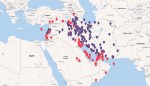
14th March – The US war in Iran continues. Europe, including the UK, is not having anything to do with this war, neither is Canada or Australia. So the USA is alone in their decision to attack Iran, and it seems there was no planning in depth, no analysis of what might go well and what not; just an assumption that the Iranian government would give up, the people would rise up, and that would all be accomplished in just a few days. Basically, Trump has no idea and never listens to people who do know. The USA is going downhill fast, not just in the war but economically, technologically and in many other ways. There’s only one person to blame for all this. For some good analysis, watch this video.
Yet, surprisingly Ukraine is providing thousands of drones and experienced military advisors to train American and local Arab troops how to use them to bring down the Iranian Shahed drones that are hitting shipping in the Straights of Hormuz. Has Donald Trump said, ‘Thank you’? Not a chance!
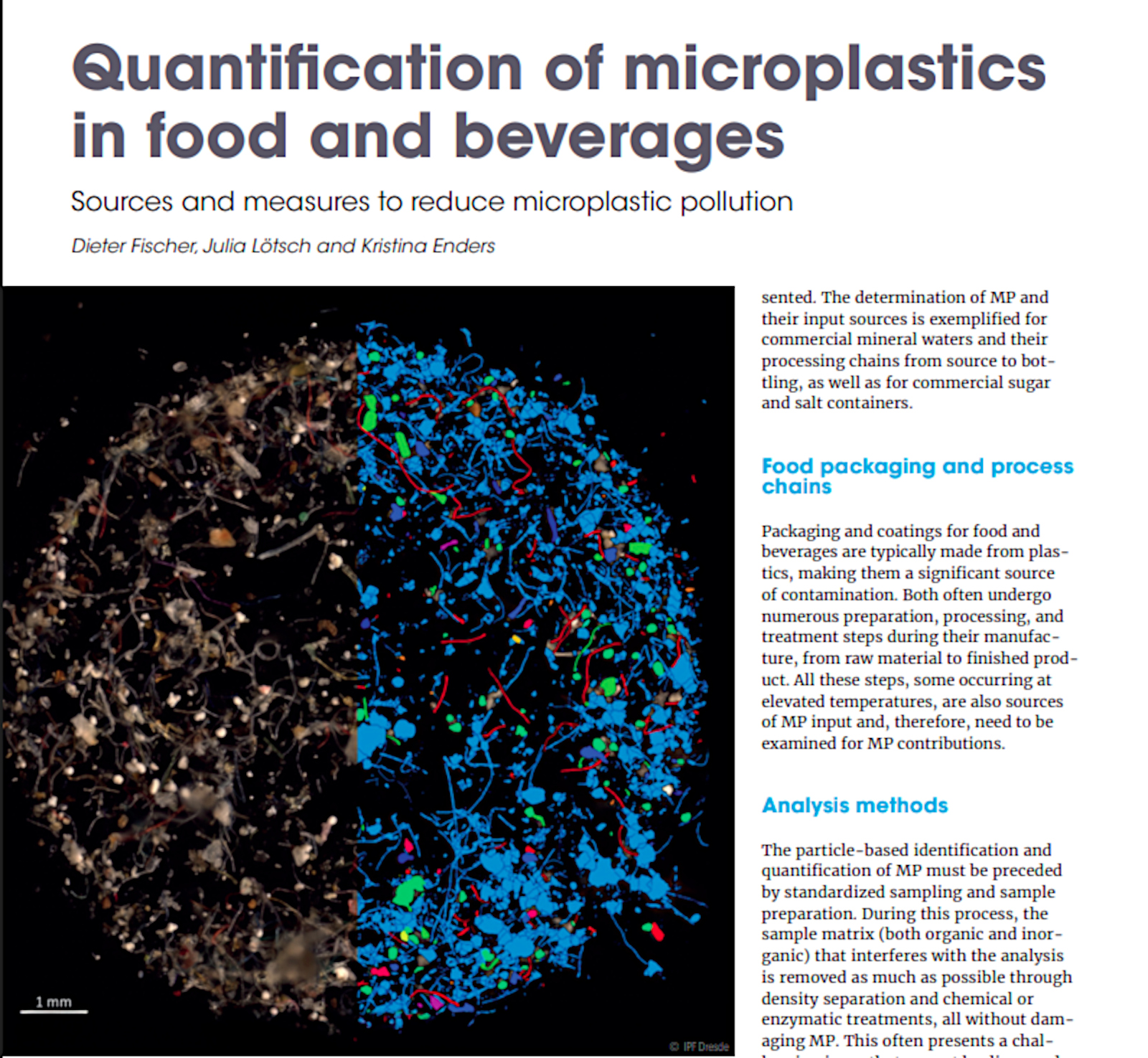
12th March – Microplastics are everywhere, they form part of the everyday dust around us, indoors and out. We breathe them in (every breath we take), they are present in every part of every living organism on the planet, in the deepest ocean, on top of the highest mountain, in everything we eat and drink, in your muscles, on your skin, they’ve even been found in brain tissue. Few people are even aware of microplastics.
It’s fair to assume they may be harmful, but we have little idea of the degree of that harm or the mechanisms behind any damage they may cause. You can read about detecting them in the environment (scroll to page 28 for the article). There are some videos worth watching on the topic too, here are a couple to get you started from CBS 8 San Diego and from Anton Petrov.
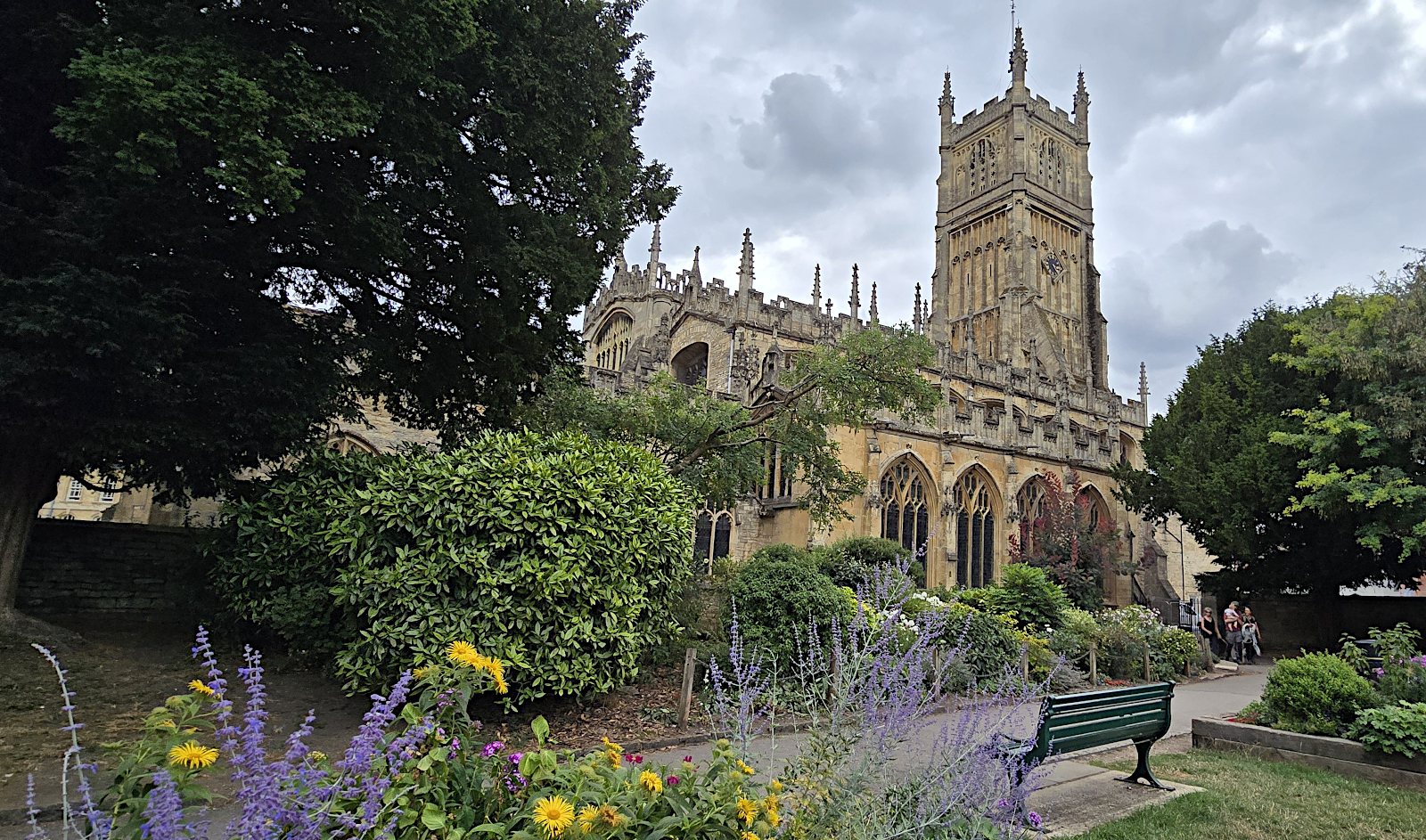
9th March – I’ve had to slow down with these posts, but I’m also getting deeper into the past now. For the first time what began as a family history now goes back to the year 1500. Nothing is known about the family that far back, but a good deal is still known about the history of the local area. Here’s the full index.

7th March – Marcus House publishes regular video news reports about rockets and spaceflight. His videos are shorter than those from some of his rivals, a bit more… erm… dare I say – down to Earth! There’s no clutter, no bulking up, just straightforward information presented neatly and in good humour. Like listening to an old friend chatting factually and enthusiastically.
He posts on Saturdays from Tasmania. Today’s post covers the coming testing of SpaceX’s Starship version 3 and some much-needed rethinking by NASA on their Artemis programme, and much more. Watch it for yourself (less than 23 minutes).

6th March – Alexander Stubb addressed the Raisina Dialogue in New Delhi where he suggested we need to look forward to the future rather than back to the past, in our international thinking and discussions. He suggested reviewing and reforming the UN Security Council, in particular adding India as a new permanent member.
Watch and listen to Stubb’s speech.
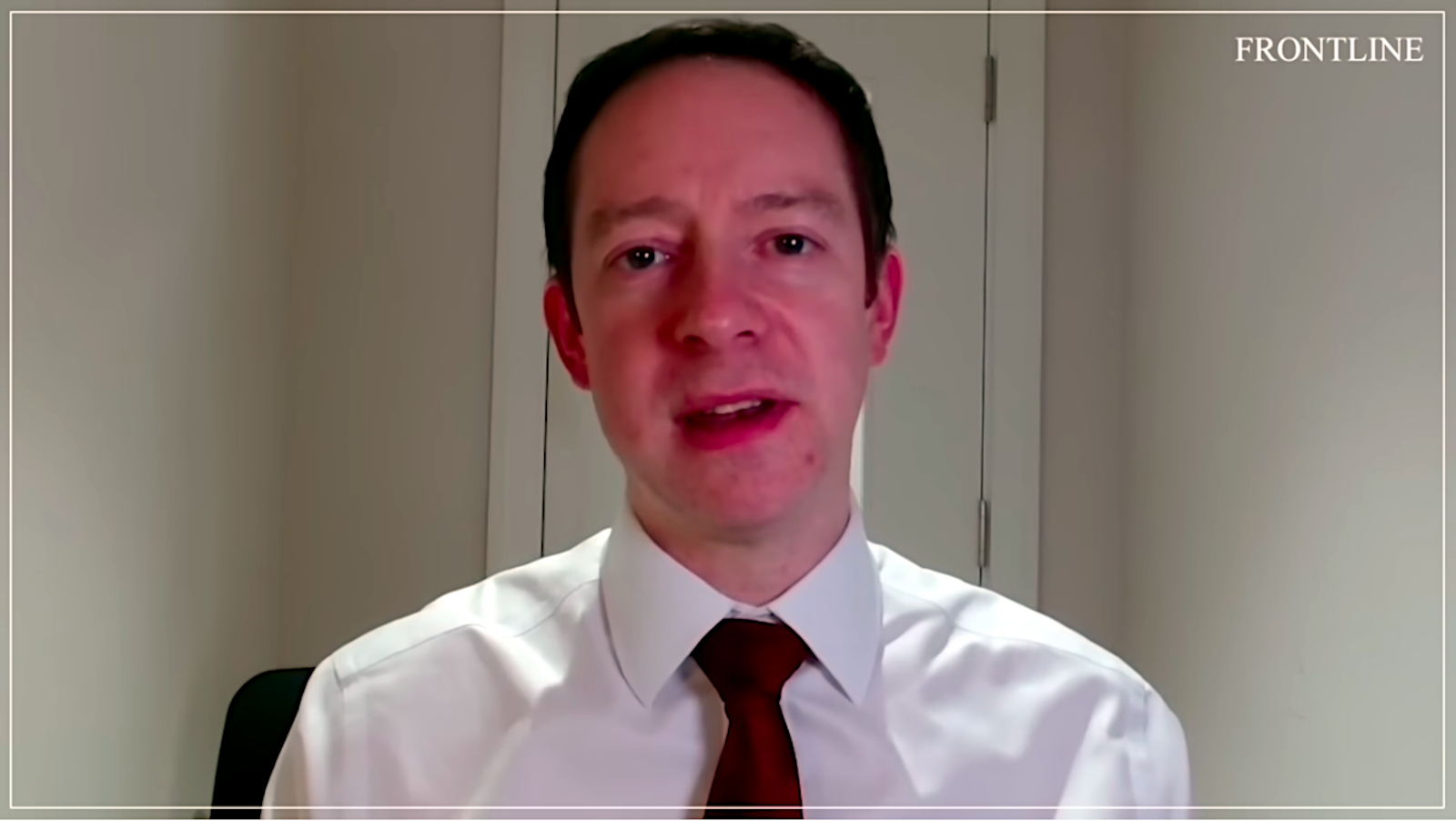
5th March – Ukraine is still defending itself more than five years after the Russian invasion on 24th February 2022. It’s sometimes difficult to know how things stand, as the war is rarely mentioned on national news channels here in the UK and the same is true elsewhere as well. There are good sources of news out there but there’s a lot of nonsense and AI slop too.
Times Radio has several good YouTube channels where knowledgeable people are interviewed. As an example, here’s Philip Ingram interviewing Matthew Savill today, on Times Radio’s Frontline channel. Savill is Director of Military Sciences at RUSI. We’ll look at some other information sources from time to time.
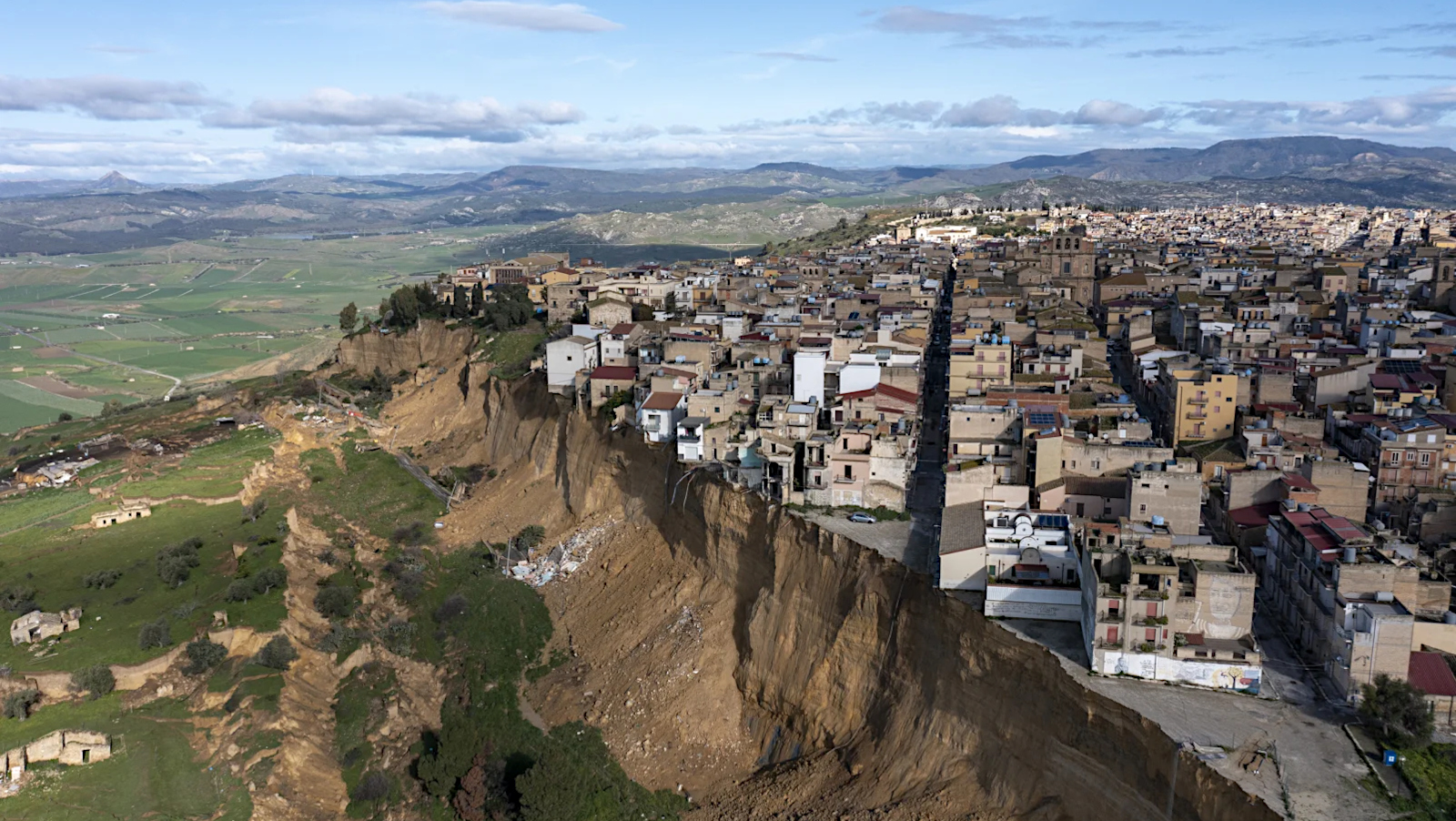
4th March – I enjoyed these amazing photos from the journal Nature’s email newsletter. Click the link and scroll down to see them all. Which is your favourite, I wonder? Anyone can sign up for Nature Briefing.
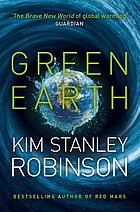
4th March – I’ve been reading Green Earth for a few weeks now, it’s a condensed version of three earlier novels called Forty Signs of Rain, Fifty degrees below, and Sixty days and counting, all by the author Kim Stanley Robinson. All three are fiction about global warming and its effects. I read all three when they were published and as Robinson is one of my favourite authors, and he also published the compressed version (in 2015), I wanted to read that as well.
I’m a good chunk of the way through now and would like to recommend it to anyone who is interested in having a hint of where our climate is heading. Everyone on the planet should be interested! Like all of Robinson’s books, this one is another page turner with complex, believable characters.
1st Mar 2026 – Following six days in Hospital in October 2025, I’ve been seizure-free for four months now. My consultant wrote ‘You’ve made a remarkable recovery’. (See also A time in hospital, October 2025)
< Previous | Index | Next >
February 2026 events – Wikipedia
If you enjoyed this or found it useful, please like, comment, and share below. (If you don’t see those links, click the article’s title above the main photo and they will appear.) Send a link to friends who might enjoy the article or benefit from it – Thanks! My material is free to reuse (see conditions), but a coffee is always welcome and encourages me to write more often!
(See indexes on other topics)
This index allows you to browse through my monthly news roundups. More recent items appear at the top of the list.


 Journeys of Heart and Mind

_05.jpg)


