A Greek commentary on John
< Previous | Index | Next >
Cruising the gospel – Luke
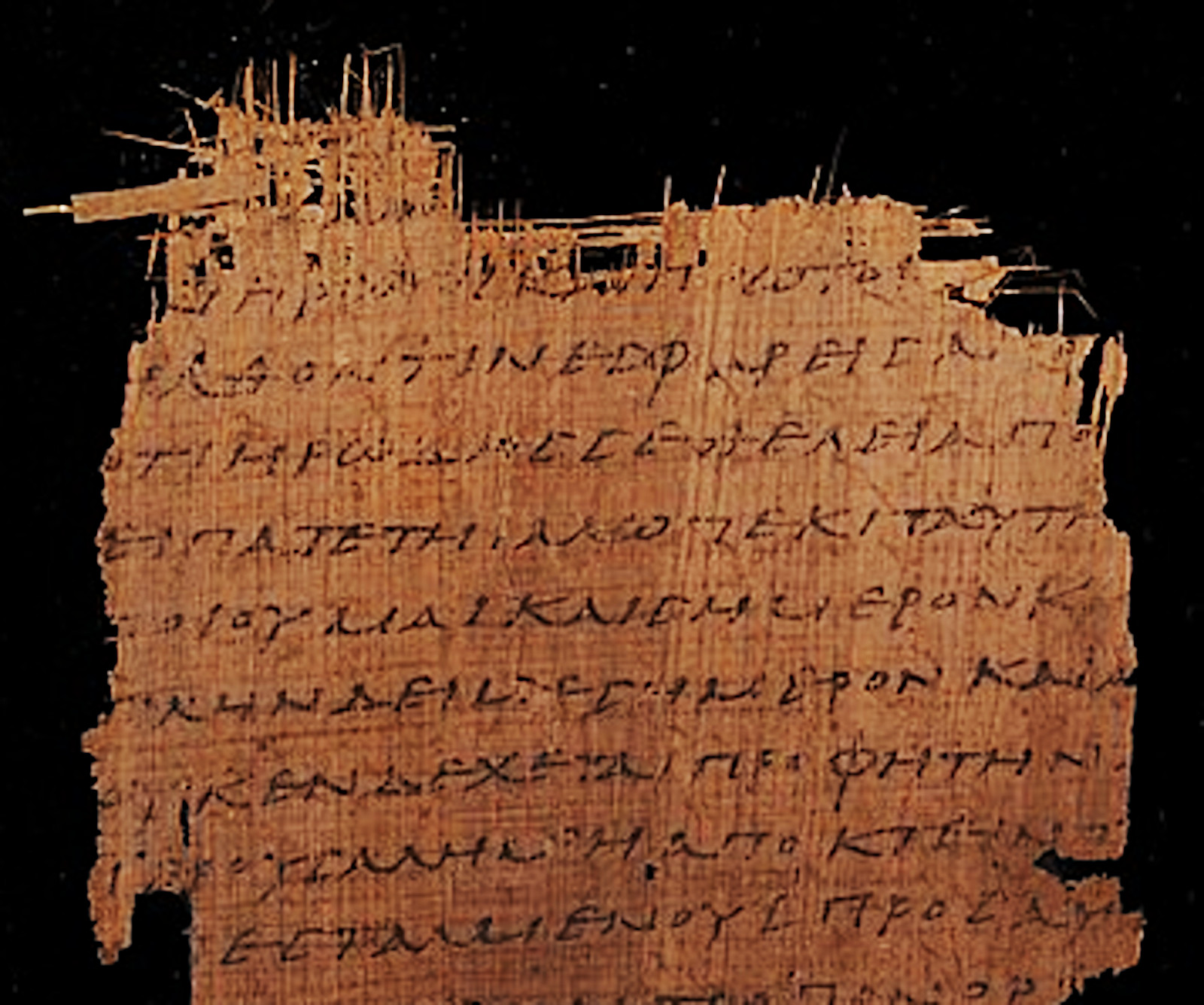
(Wikimedia)
Before we begin working through Luke, here’s a brief overview of the book and its author.
Luke is usually considered to be a Greek medical doctor who accompanied Paul on some of his missionary journeys around the Mediterranean. There’s no evidence that he was associated with or even met Jesus. Luke was a gentile or perhaps a Greek-speaking Jew. The many ‘we’ passages in Acts demonstrate Luke was with Paul on these occasions (see Acts 16:10–17; 20:5–15; 21:1–18; and 27:1–28:16). Further, Paul mentions Luke as his companion and co-worker in Colossians 4:14 (“Luke, the beloved physician”), Philemon 24, and 2 Timothy 4:11 (“Only Luke is with me”). Early church tradition consistently tells us that Luke wrote the gospel and Acts and adds that he was from Antioch in Syria, did not marry, and died in old age.
The author
Luke’s name is not mentioned in the gospel itself, and he’s an undistinguished person to be credited as author of a gospel; Matthew, Mark and John were three of Jesus’ disciples and perhaps thought to be more authoritative for that reason alone. However, Luke’s standard of Greek is very high, perhaps better and more learned than any other New Testament author.
Date of writing
This is not settled. Some authorities accept an early date, around 60 AD or a few years later. Supporting this are the facts that Acts concludes with Paul under house arrest in Rome, no mention of Nero’s persecution, and nothing about the Jewish War. But the commonest estimate is later, 80 to 85 AD, after the destruction of the Temple. This view is strengthened by the fact that Luke draws from Mark’s gospel, and that 21:20–24 seem to have been written with knowledge of the fall of Jerusalem.
Purpose
Luke’s gospel and Acts probably began as a single book dedicated to Theophilus (a Greek name meaning ‘friend of god’ or ‘lover of god’) and written to provide a clear background and history of the church from the birth of Jesus up to the time of writing – less than 90 years later. It may later have been converted into two volumes, one to accompany the other gospels and the second as an account of the early years of the church to be followed by the more detailed work of the collected letters written by Paul and others.
Theophilus may have been an early gentile follower of Jesus, the words ‘most excellent’ hint that he might have been an imperial official in the the Greek-speaking part of the Empire, but the way Luke writes suggests he might stand in for many Greeks of slightly lesser importance all of whom were ‘lovers of god’ and followers of Yahshua (Jesus).
See also:
- Gospel of Luke – Bible Project
- Gospel of Luke – Wikipedia
- Luke the Evangelist – Wikipedia
The Wikipedia article on the book gives a lot of useful information all backed up by detailed references. If you want to understand the background in further detail it’s a good place to start. The article about the author is also useful and provides ample references.
< Previous | Index | Next >
Useful? Interesting?
If you enjoyed this or found it useful, please like, comment, and share below. (If you don’t see those links, click the article’s title above the main photo and they will appear.) Send a link to friends who might enjoy the article or benefit from it – Thanks! My material is free to reuse (see conditions), but a coffee is always welcome and encourages me to write more often! 
You might also like:
Share this:


