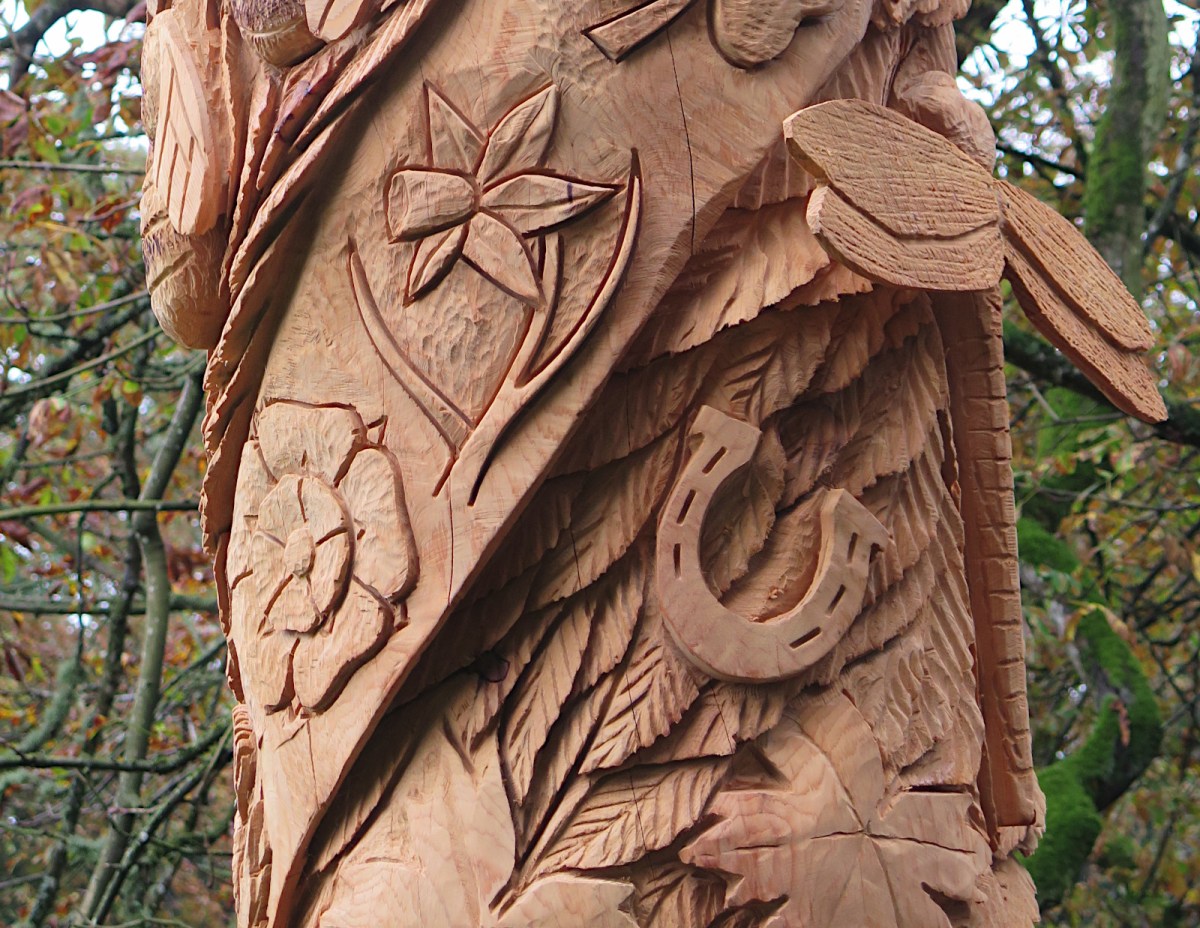
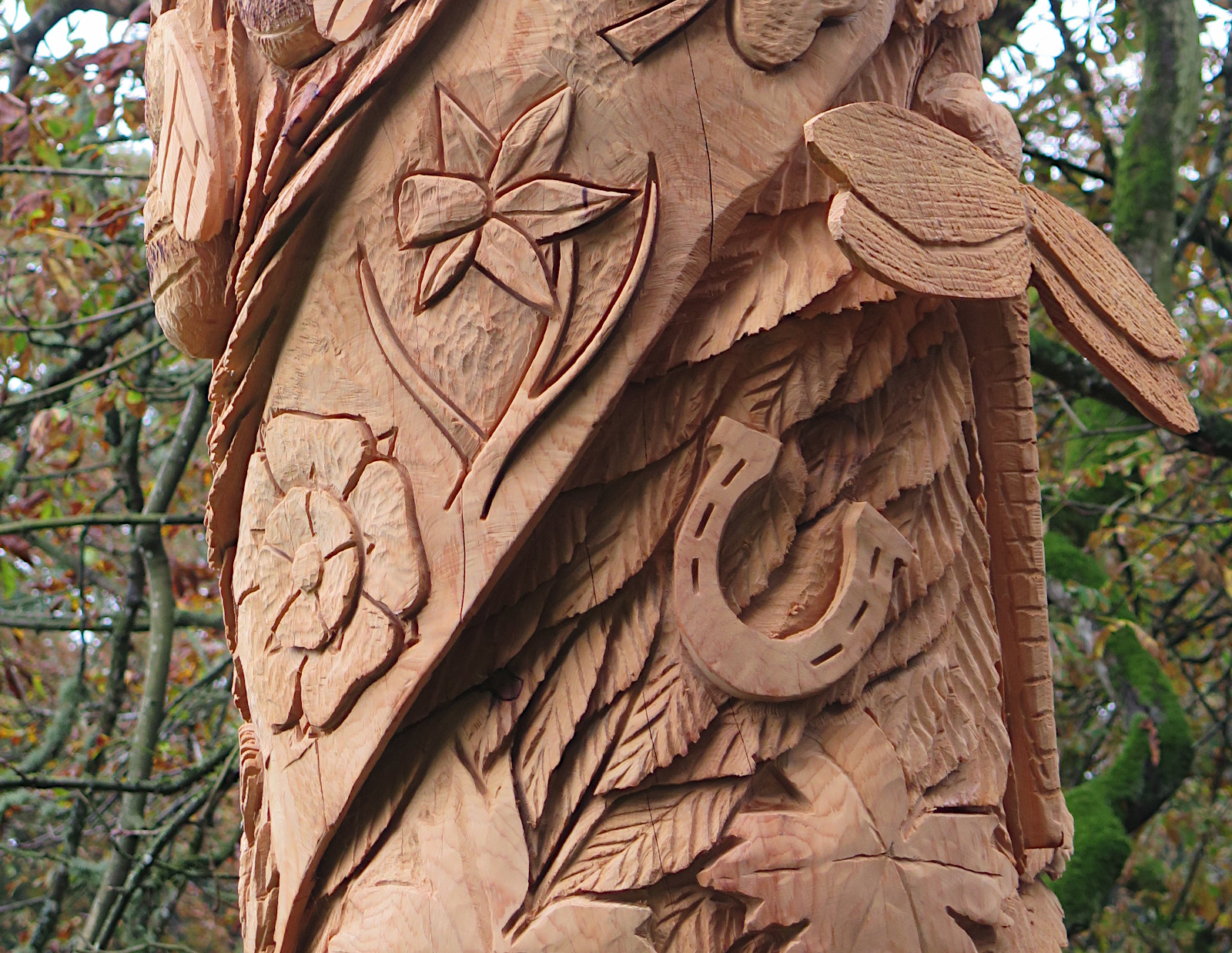
The tree was topped, the branches trimmed off, and [the sculptor] was asked to work on the standing trunk in situ. He rose to this challenge and came up trumps, the photo shows some of the detail.
Image 124 – What’s in an image? Sometimes quite a lot, more than meets the eye. I’m posting an image every day or so.
Enlarge
We have a skilled sculptor in Cirencester who specialises in carving large pieces of timber. He was called in work on a tree that had died in Cirencester Park. But instead of felling the tree and then asking him to work on the horizontal trunk (something he’s done to great effect in the past), this time the tree was topped, the branches trimmed off, and he was asked to work on the standing trunk in situ. He rose to this challenge and came up trumps, the photo shows some of the detail.
I never cease to be astonished at the way an artist can imagine a finished work before it exists and bring it to life in any medium – oil paint, watercolour, wood, stone. It’s a kind of magic. The human brain is so creative. People have been doing this kind of thing for many generations; think of Michelangelo, or the stone and bronze artists of Greece and Rome. No animal is capable of converting material into an image like this, or even imagining that such a thing is possible.
If you enjoyed this or found it useful, please like, comment, and share below. (If you don’t see those links, click the article’s title above the main photo and they will appear.) Send a link to friends who might enjoy the article or benefit from it – Thanks! My material is free to reuse (see conditions), but a coffee is always welcome and encourages me to write more often!
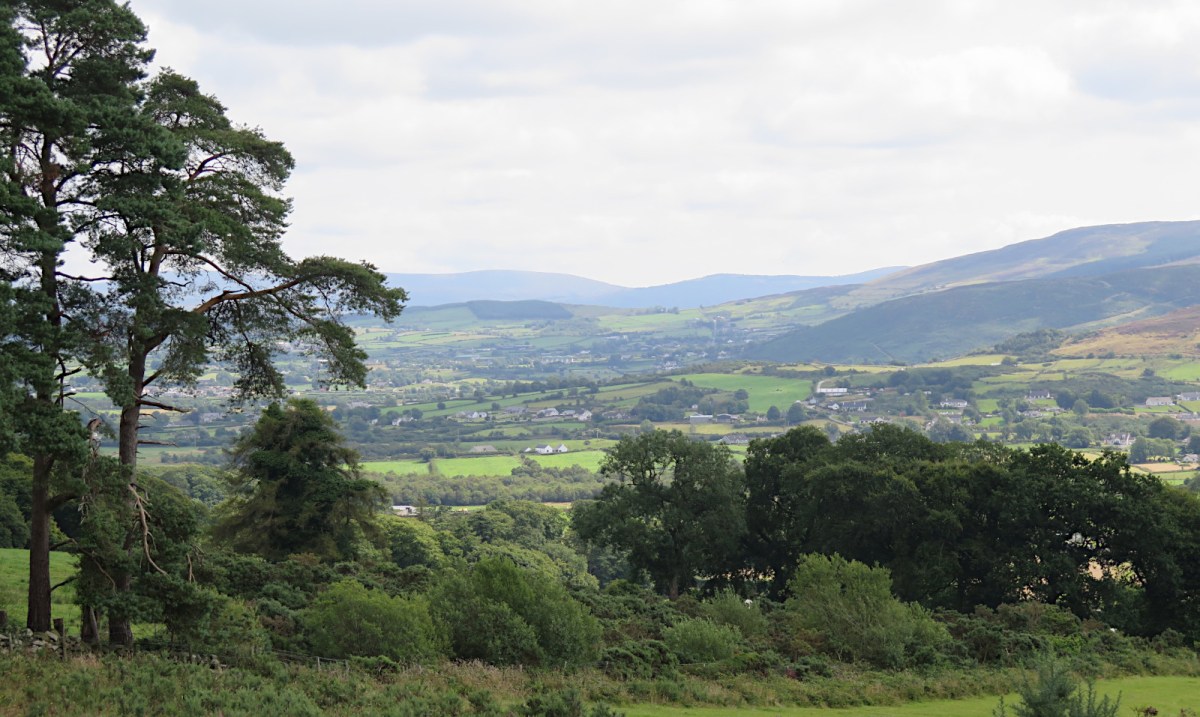
Such beautiful, peaceful scenery. Trees upon trees, fields upon fields, mountain upon mountains – and yes, houses, farms, villages. What a lovely place to live!
Image 123 – What’s in an image? Sometimes quite a lot, more than meets the eye. I’m posting an image every day or so.
Enlarge
At the beginning of August, on our way north for our family holiday, we went for a walk at Slieve Gullion Forest Park, and I took this photo. Such beautiful, peaceful scenery. Trees upon trees, fields upon fields, mountain upon mountains – and yes, houses, farms, villages. What a lovely place to live!
We also drove round the ring of Gullion, and that was another amazing experience. A long climb up a narrow road glorious views from the parking spots, and no problems passing other vehicles as it’s a one-way system. It would also make a fine, long walk if you have enough time.
When: 1st August 2024 Where: Belfast, Northern Ireland
If you enjoyed this or found it useful, please like, comment, and share below. (If you don’t see those links, click the article’s title above the main photo and they will appear.) Send a link to friends who might enjoy the article or benefit from it – Thanks! My material is free to reuse (see conditions), but a coffee is always welcome and encourages me to write more often!
The Titanic Experience begins even before you reach the ticket office. The building itself is shaped as if the bow of the ship is bearing down on you, and immediately inside we were surrounded by steel structures.
Image 122 – What’s in an image? Sometimes quite a lot, more than meets the eye. I’m posting an image every day or so.
Enlarge
While we were on holiday, we visited the Titanic museum in Belfast. It really was an amazing exhibition, very well designed and executed. There were several immersive video experiences, using a real set but with virtual, projected characters in period costume having conversations that were informative and compelling. In the photo, a lady, first-class passenger is talking with one of the cabin staff.
The Titanic Experience begins even before you reach the ticket office. The building itself is shaped as if the bow of the ship is bearing down on you, and immediately inside we were surrounded by steel structures that made us feel as if we were entering a shipbuilding business. The static displays were informative, and the history of Belfast as a shipbuilding city, the work of Harland and Wolf in the early part of the twentieth century, the building of Titanic and her sister ships, the launch, fitting out, sea trials, and the fateful first (and only) voyage, the rescues at sea, and the aftermath were all brought to life.
I can recommend the experience; if you ever get the chance, go and see it.
When: 6th August 2024 Where: Belfast, Northern Ireland
If you enjoyed this or found it useful, please like, comment, and share below. (If you don’t see those links, click the article’s title above the main photo and they will appear.) Send a link to friends who might enjoy the article or benefit from it – Thanks! My material is free to reuse (see conditions), but a coffee is always welcome and encourages me to write more often!
Image 120 – What’s in an image? Sometimes quite a lot, more than meets the eye. I’m posting an image every day or so.
Enlarge
Firethorn (botanical name Pyracantha) is a widely-grown garden shrub with small white flowers in the spring and glorious, usually red or orange fruit that often persist into January or later. They are eaten by birds however, and in a hard winter the fruit may all be consumed before Christmas. The fruit are pomes with the same structure as very tiny apples (they make excellent ‘apples’ for the fruit bowl in a dolls house). The flesh is edible but is mealy and bland, the seeds are slightly poisonous though a small number are very unlikely to be harmful.
The example in the photo was growing in Waitrose car park in Cirencester, pretty much on the line of the Roman City wall. As you walk into the car park from Sheep Street, look to your right as you pass the outdoor seating and tables and you’ll spot a low, stone wall. This was built directly above the Roman wall to show where it was and its alignment, there’s a piece of Roman stone on top of it and an explanatory sign, with further historical information on the wall of the supermarket nearby.
The road to Aquae Sulis (Roman Bath) left Corinium through a gateway nearby and later became the old Tetbury Road for a couple of miles. The Roman route continues across what is now Cotswold Airport.
When: 25th October 2023 Where: Sheep Street, Cirencester
If you enjoyed this or found it useful, please like, comment, and share below. (If you don’t see those links, click the article’s title above the main photo and they will appear.) Send a link to friends who might enjoy the article or benefit from it – Thanks! My material is free to reuse (see conditions), but a coffee is always welcome and encourages me to write more often!
Image 119 – What’s in an image? Sometimes quite a lot, more than meets the eye. I’m posting an image every day or so.
Enlarge
Castle Street is one of the busy streets in the town centre of Cirencester; it has a good mix of coffee shops, restaurants, clothes shops and so forth. Leading west from the Market Place, it becomes the old main road to Tetbury and Stroud, and eventually to Bristol and Bath. The fine, Palladian facade on the right is currently Lloyds Bank, but was once the private town house of a wealthy merchant.
There’s no castle in Cirencester today, but there was a Norman castle here many years ago (though little is known about it). Some sources suggest that it stood where Cirencester House is today, hidden behind the wall and famous yew hedge on nearby Park Street. But it may have been a little further east on adjacent ground bounded today by Castle Street, Park Street, Black Jack Street and the Market Place.
The castle (if that is not too grand a term) was constructed of timber and probably surrounded by a moat. It may have lasted just 35 years before being destroyed by King Stephen, or it might have been rebuilt in stone and lasted rather longer. Evidence is in short supply.
When: 26th October 2023 Where: Castle Street, Cirencester
If you enjoyed this or found it useful, please like, comment, and share below. (If you don’t see those links, click the article’s title above the main photo and they will appear.) Send a link to friends who might enjoy the article or benefit from it – Thanks! My material is free to reuse (see conditions), but a coffee is always welcome and encourages me to write more often!
Image 108 – What’s in an image? Sometimes quite a lot, more than meets the eye. I’m posting an image every day or so.
Click to expand
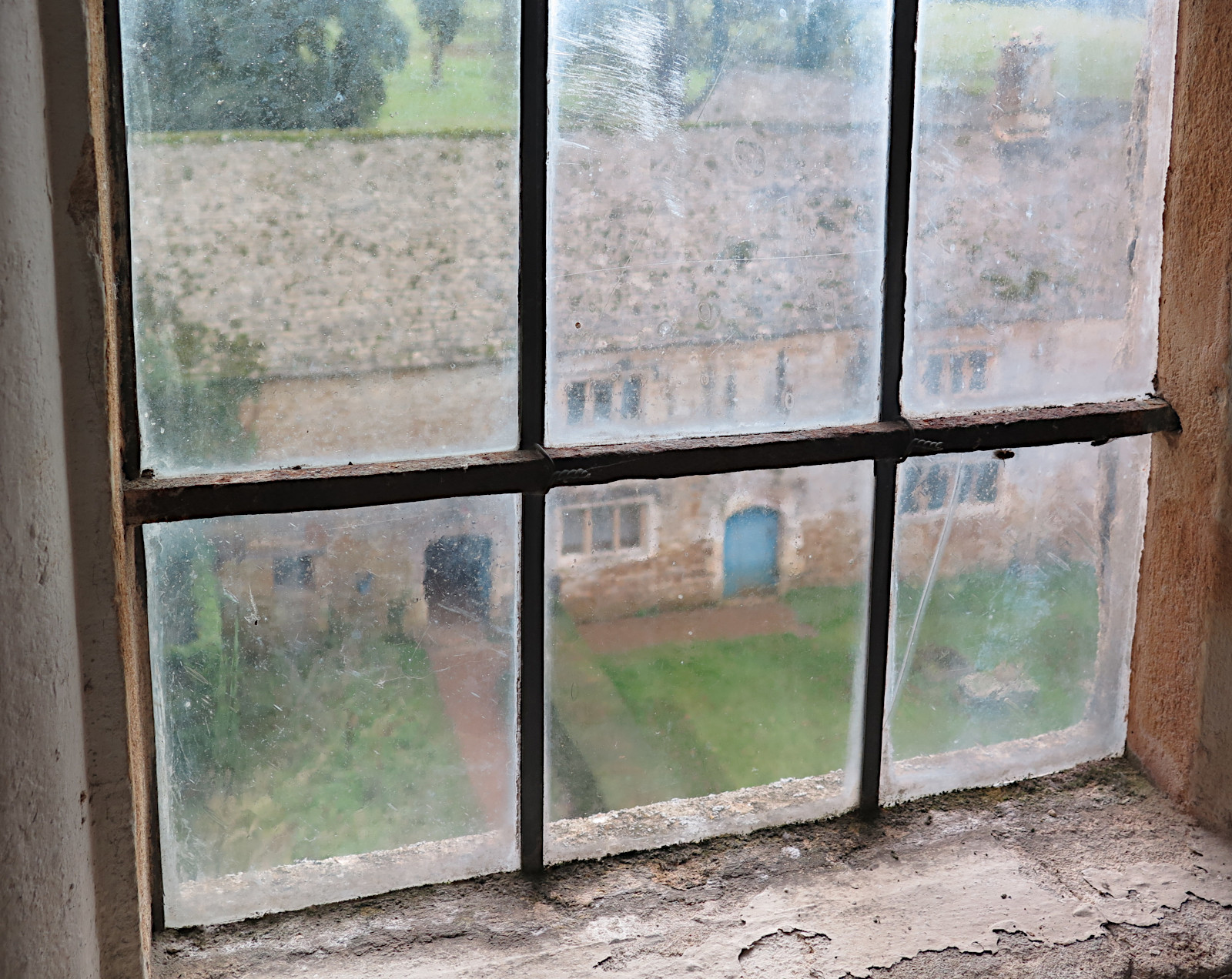
I wonder what past events might have been witnessed by this lovely, old window at Chastleton House in Oxfordshire? Windows are not made like this any longer, the window frame is stone-built as part of the structure of the house. The panes of old glass are held in place with lead, reinforced by a horizontal iron bar for additional strength and rigidity.
Chastleton is on the eastern edge of the Cotswolds, between Stow-on-the-Wold and Chipping Norton. It’s famous for its amazing plaster ceilings but it would still be an architectural gem without those. It’s managed by the National Trust these days.
The house was built in the Jacobean period between 1607 and 1612; it was owned by the same family for almost 400 years until the National Trust took over in 1991.
When: 15th December 2023 Where: Chastleton House, Oxfordshire
If you enjoyed this or found it useful, please like, comment, and share below. (If you don’t see those links, click the article’s title above the main photo and they will appear.) Send a link to friends who might enjoy the article or benefit from it – Thanks! My material is free to reuse (see conditions), but a coffee is always welcome and encourages me to write more often!
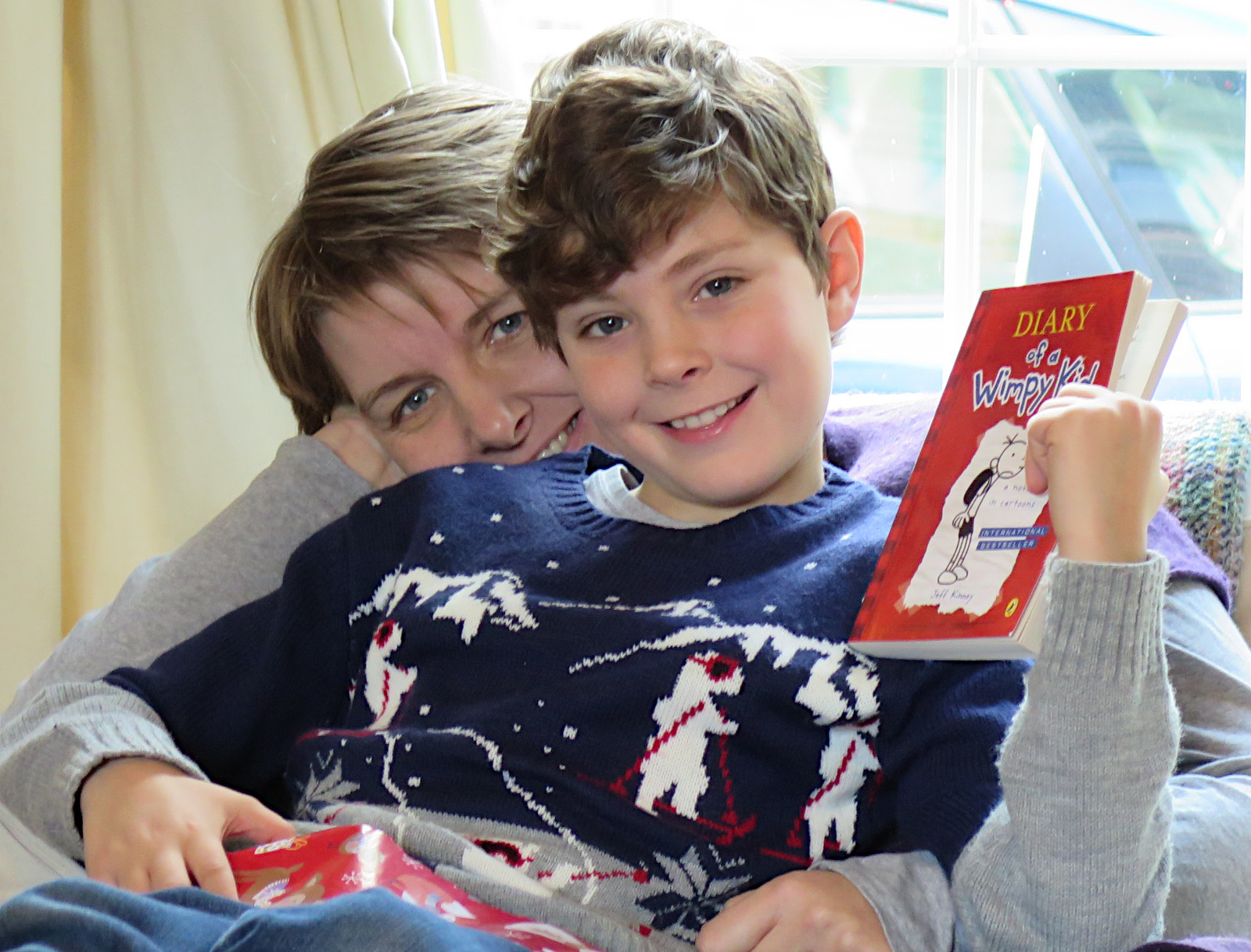
We spent Christmas Day in Cheltenham with Judy’s Mum and Dad. We had the usual fun, a great Christmas dinner, lots of presents to unwrap, and a gas fire that kept the room as hot as a sauna! (1989)
June 2024 (6 months before publishing this article)
Click to enlarge
I’ve decided to include an even more recent section from now on, as that will allow us to enjoy a summer photo when it’s winter, and a winter photo when it’s summer.
This is from a walk I did on 11th June, along the towpath of the Stroudwater Canal on the edge of Stonehouse. This restored section of canal has a newly built railway bridge, and the canal stretches out to include a small lake called ‘The Ocean’, home to all manner of wildlife.
I enjoy a long walk now and then, perhaps ten or twelve miles; I still find this quite easy and very relaxing as well as interesting. I’ll continue as long as I can.
Erin, our cat, had come to the end of her life, the tumour was very large, she was no longer responding to steroid treatment, so we took her to the vet on 1st December and buried her in the garden on 2nd.
Donna was acting as a ‘guinea pig’ for a trial her brother, Paul, was running at the University of Bath. We drove over there and I sat in the car in heavy rain reading while Donna and Paul were working away in the lab. And throughout the month I scanned and organised a fair number of old 35 mm transparencies, mostly Judy’s but some of mine too.
We visited the family in Yorkshire over New Year having had Christmas at our house with Isobel, Paul and Vanessa.
We listened to Handel’s Messiah in Gloucester Cathedral, two of our friends were singing in the choir and it was a great performance.
There was a memorial service at Cirencester Baptist Church for my friend Stephen and a gathering later at the Corinium Hotel. I shall always remember the long conversations he and I had, it was a privilege to have known him.
We visited the family in Yorkshire in the middle of the month and had a great time with all sorts of different things to see and do, including a visit to Fairfax House in York.
Tony’s Parkinson’s was making him confused now, he’d been puzzled about there being two Donna’s.
We voted in the General Election and stayed up to watch the initial results coming in, but felt disappointed as it became clear the Conservatives had won again.
And we visited York just before Christmas, including going to an ice-hockey match in Hull with Debbie, Steve, Aidan and Sara. That was great fun, lots of action, fast and furious.
I’d had an ankle injury in 2013, and it was now feeling much improved, more comfortable than at any time since before I damaged it. We visited Anglesey Abbey around the middle of the month and enjoyed the garden there. Donna was struggling with too much to do; she was busy with teacher training, helping out at the Food Bank and finding church life and the small group unsatisfactory and time consuming as well.
We spent Christmas in York this year staying first with Debbie, then with Beth and Paz, the photo was taken at Debbie’s. Then after Christmas we visited Paul and Vanessa in Weston. A busy end to the year, but a very satisfactory one!
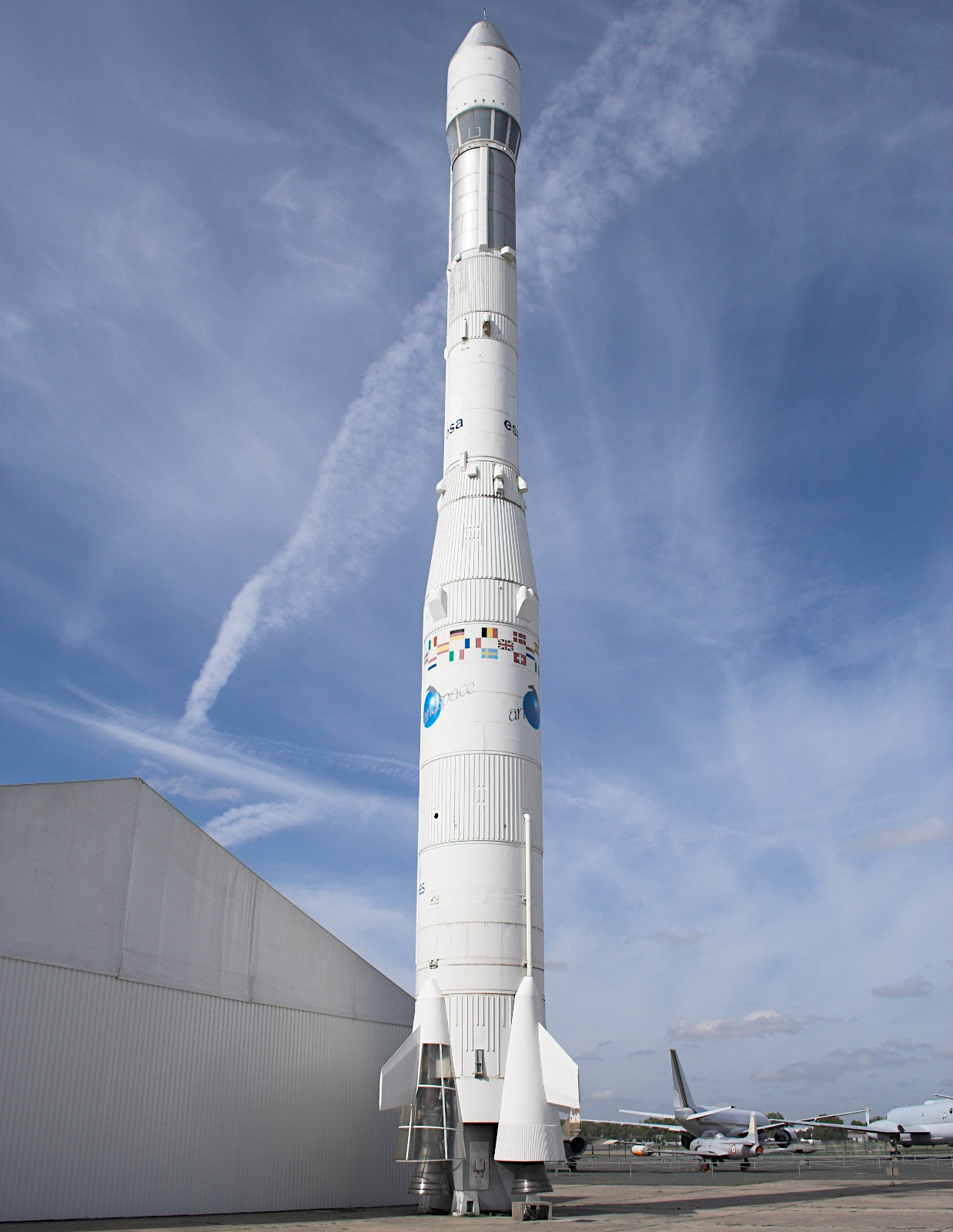
JHM:Simple Church went on sale. World events: Japan launched a sample return spacecraft to Ryugu ; and The Pakistani Taliban killed at least 145 people, mostly schoolchildren in Peshawar.
The building in the picture was where I worked when I started my employment at Unilever in April 1998. And here it is nearly eleven years later, being demolished in December 2009! Needless to say, our department had already been moved to alternative offices on the same site. I wrote in my journal,
‘The demolition has started in earnest now, they’re breaking up the concrete cladding and exposing the reinforced columns and floors. Quite a few of the familiar interiors are visible now; it’s weird to see.’
Play Doh!
We visited York on 20th December to see my daughters and their families, having the usual great time, this year at Beth and Paz’s home in Fulford. Meredith and Aidan enjoyed the Play Doh Factory.
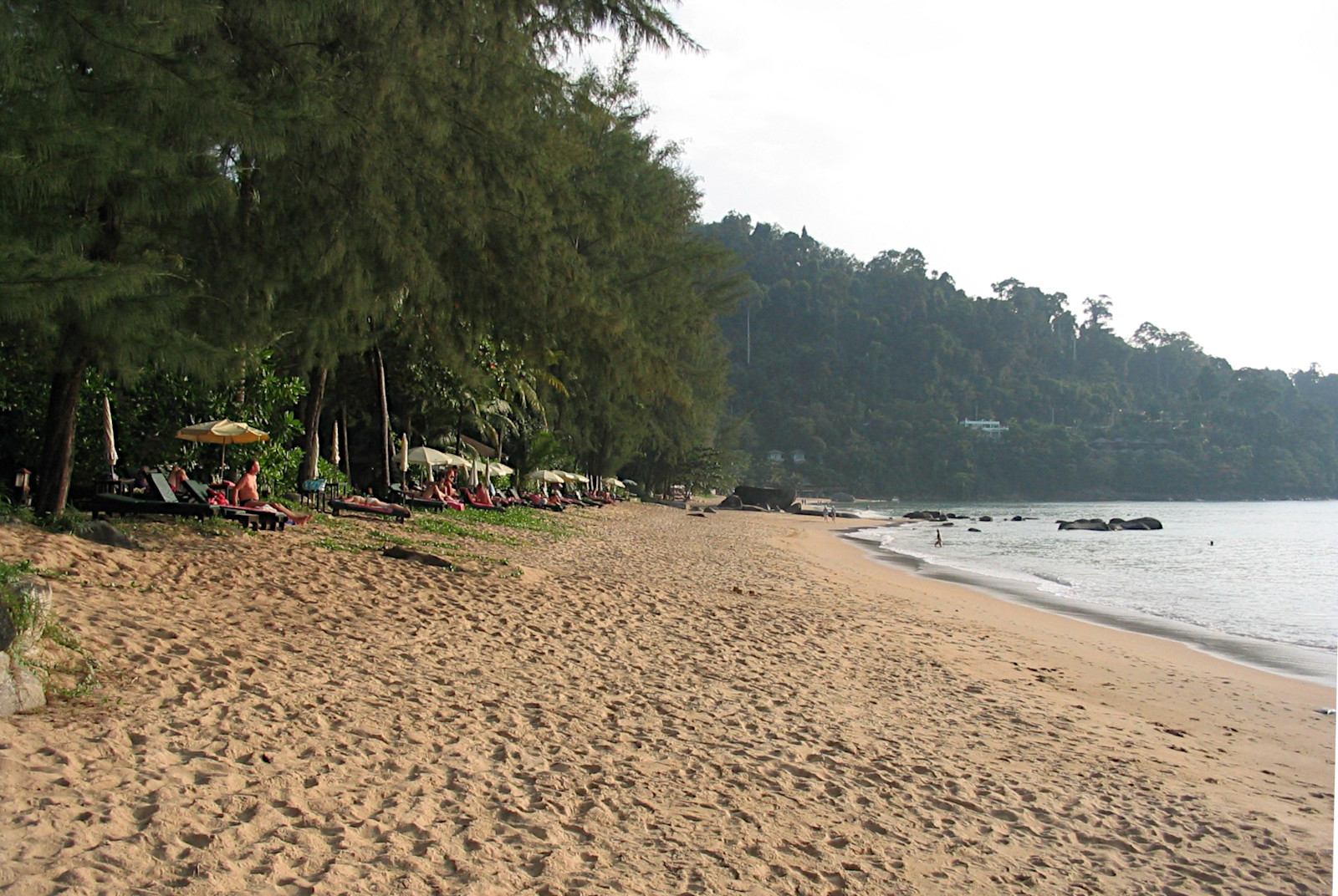
We were on holiday in Thailand from 26th November until 10th December. On 26th December a huge tsunami hit the beach where we’d been staying (Khao Lak). Possibly as many as 10 000 people died on this part of the coastline, the worst hit part of Thailand; it felt like a very narrow escape!
We spent Christmas Day with Donna’s Mum and Dad in High Wycombe, then travelled west to Cirencester. And on Boxing Day we visited Cindy and Paul’s home at Bibury, a few miles east of Ciren. In the photo you can see Paz, Cindy and Beth all looking happy.
We’d also had pre-Christmas meals with Unilever colleagues earlier in the month.
Truffles (our new cat) had settled in well by this time. She was a young adult, not a kitten, and had struggled at first with a cat flap, but once she got the hang of it I think she really appreciated the freedom it gave her.
World events:Tori Murden became the first woman to row the Atlantic Ocean alone; and Boris Yeltsin resigned leaving Vladimir Putin as acting president of Russia.
Judy’s Mum and Dad came to visit us for Christmas dinner this year. Judy was almost back to normal, having made a good recovery following an operation to remove a bowel tumour, and then further illness caused by failed chemotherapy. Despite all this she had now bounced back really well.
This December we spent Christmas Day in Cheltenham with Judy’s Mum and Dad. We had the usual fun, a great Christmas dinner, lots of presents to unwrap, and a gas fire that kept the room as hot as a sauna!
We might have visited Cirencester later in the day to see my Mum and Dad before heading back home to Yatton.
At this time I was still working in my spare time on educational Sinclair Spectrum games for the Clever Clogs series from Computer Tutor, while employed at Long Ashton Research Station in their Plant Science Division.
World events: The Bhopal disaster in India killed 23 000+ people and injured over half a million; and the networking company Cisco Systems was formed.
At this time I was still studying pollen tube development in apple and pear cultivars at Long Ashton Research Station. Judy was at home working hard at managing the house and looking after the chilren; Debbie was four-years-old and Beth was just seven months.
I was working for Ken Stott at Long Ashton Research Station, partly on willow and poplar growth rates, but also helping Ray Williams in the Pomology Group doing interesting studies on apple pollination. Judy was working on human erythrocyte membrane proteins in the Biochemistry Lab in Woodland Road, Bristol.
Judy and I were living in a rented flat in Belmont Road, still saving for a deposit for a house but now in the knowledge we’d secured a mortgage. We began considering where we might find a house we could afford.
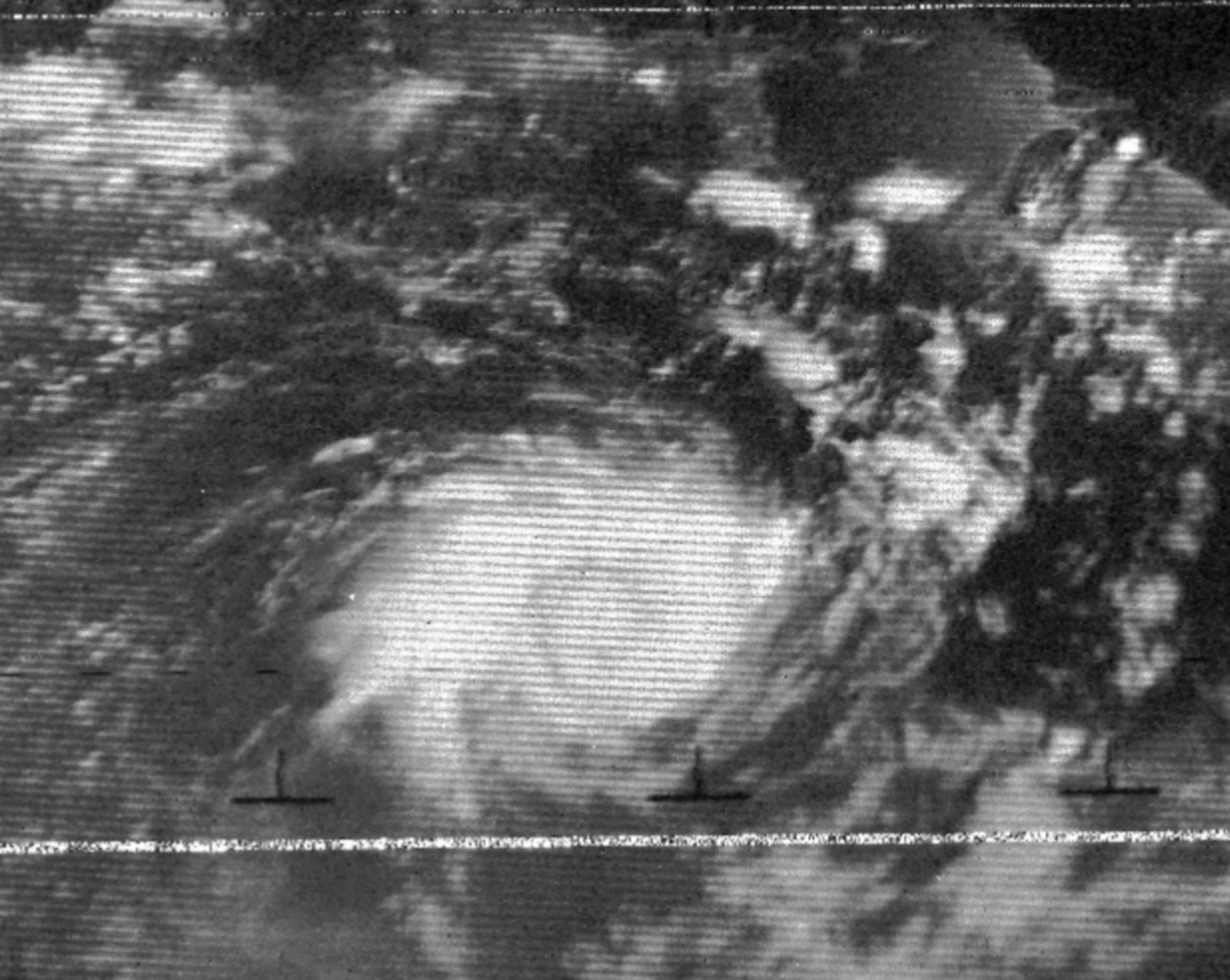
World events:Cyclone Tracy caused severe damage to Darwin, Australia; and Malta became a republic.
Judy and I were both in our final year at University, in Judy’s case at Aberystwyth where she celebrated an early Christmas party with friends (from left – Little Mary, Maggs, Big Mary, Jan, and two faces I know but can’t put names to. Judy isn’t in the picture as she took the photo).
This was the final Christmas before we were married, and 1970 would also be our graduation year.
World events: The Boeing 747 jumbo jet made its first passenger flight; and oil was discovered in the Norwegian sector of the North Sea.
I was lucky enough to be able to go on a School Cruise on an old troopship, the ‘Dunera’. We travelled by coach to London, then train to Dover, ferry to Calais, and train all the way to Venice where we boarded the ship. The route took us past Corfu and we visited Athens, Rhodes, and Istanbul. The photo shows the party looking at Lindos from above before boarding the coach again to walk through the village streets and make our way up the Acropolis.
World events:Martin Luther King Jr. was awarded the Nobel Peace Prize; and the US F-111 supersonic attack aircraft made its first flight.
My first term at Cirencester Grammar School came to an end and we enjoyed our Christmas holidays. I think I felt settled in by this time, and knew most of the other children in my class well enough.
I was in my second year at Querns School, and the end of the first term was approaching. We were still living on the Beeches Estate in Cirencester – Daddy, Mummy, me and little Cindy who was just three-years-old.
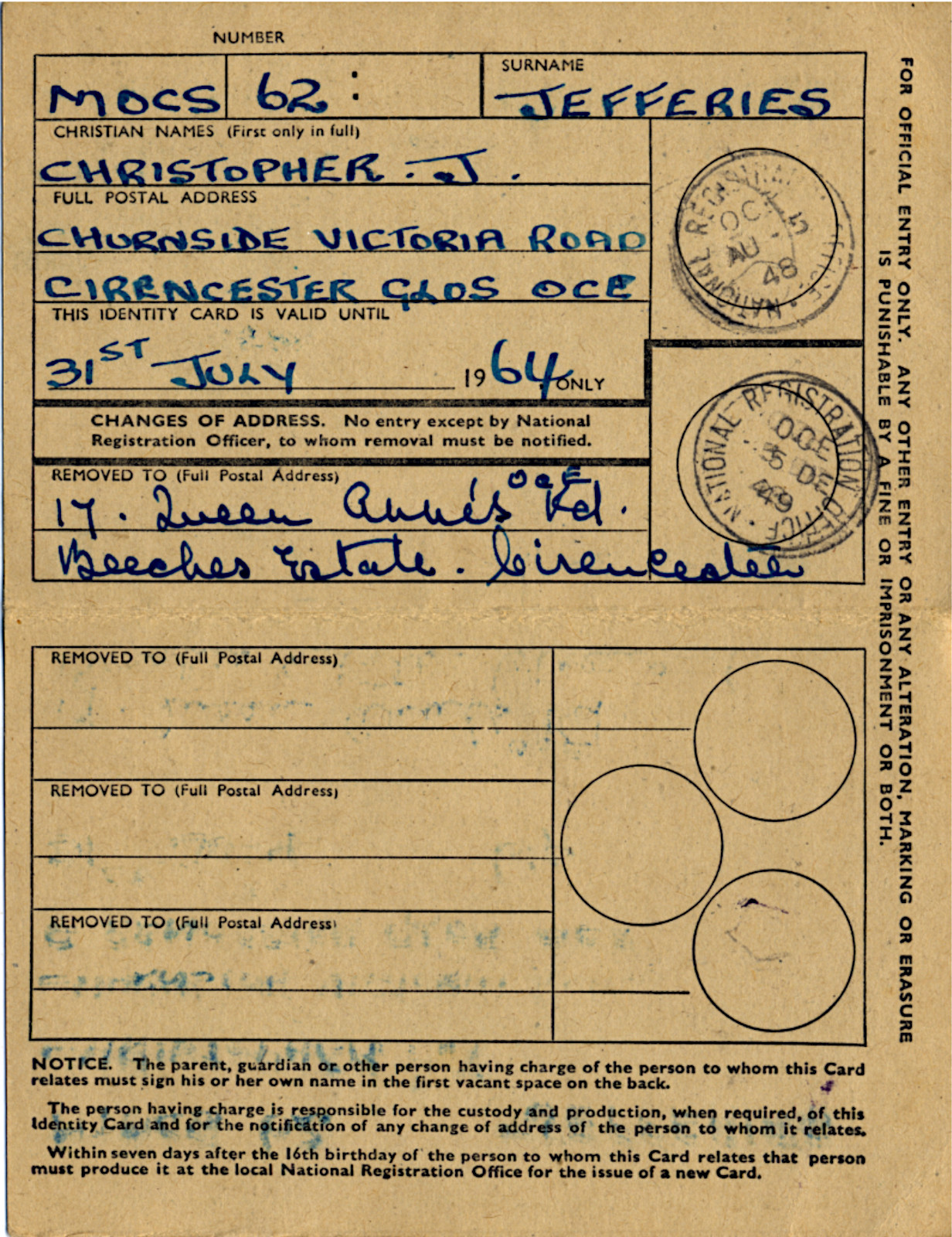
Mummy, Daddy and I moved house! We had been lodging with my grandparents in Victoria Road, Cirencester. But on 5th December we were able to move into a newly built council house on the Beeches Estate just the other side of the river. I had a change of address on my identity card (see whole card).
I don’t remember any of this, though, I was less than a year and a half old!
World events: The government of China moved to Taiwan; and UHF TV was broadcast daily for the first time.
Dad said goodbye to his friend Joe at the railway station on 4th of December; Joe was posted elsewhere. Mum and Dad were both annoyed by Dad’s CO lecturing him about their relationship.
On 9th, Dad travelled to Belfast by bus, then train to Larne, and boat to Stranraer reaching Carlisle at 01:15 on 10th. He was posted to Skendleby in Lincolnshire, another radar station, finally arriving there on 11th December. Mum and Dad began writing frequent letters to one another and Dad spent Christmas and New Year at Skendleby.
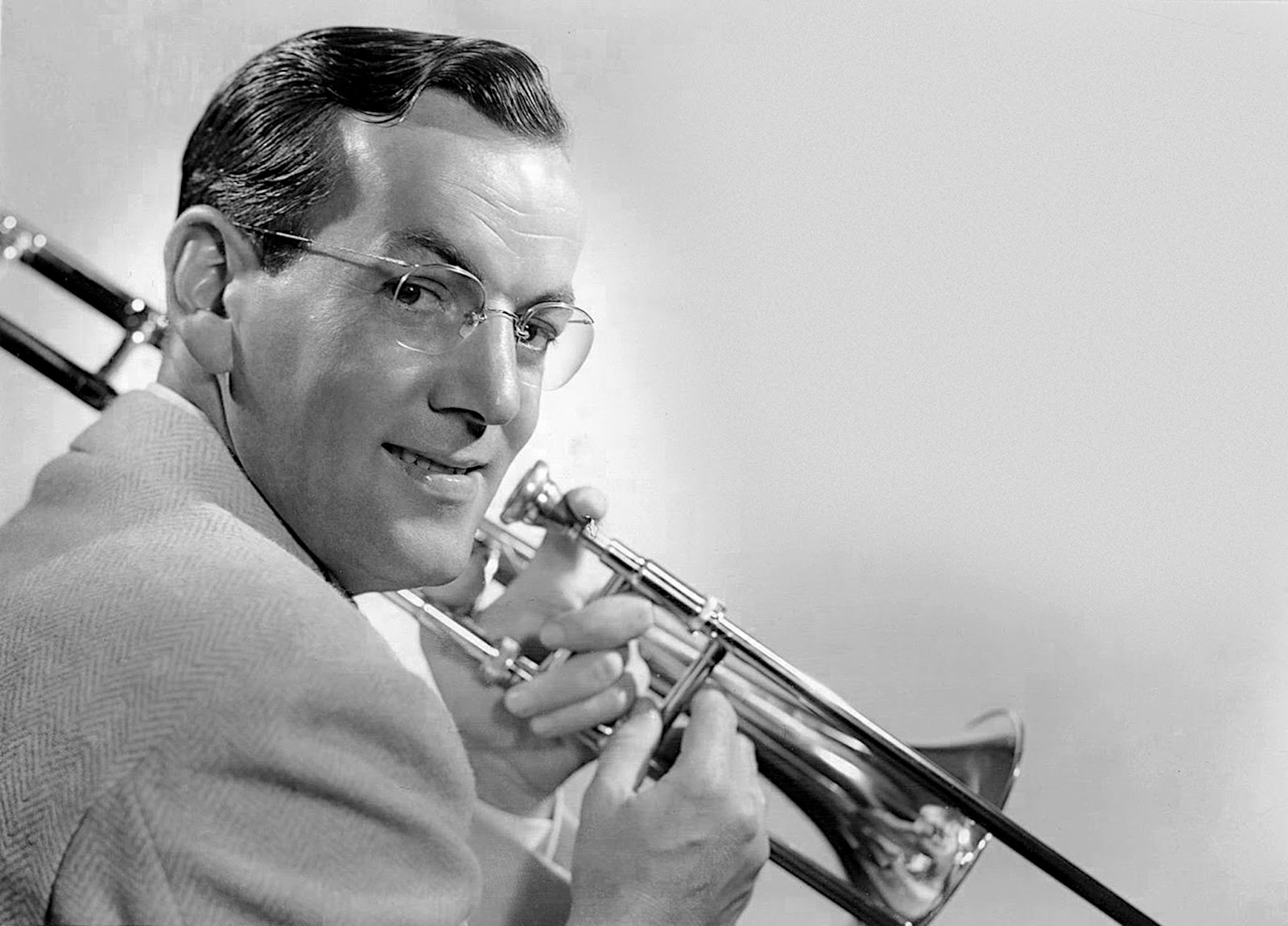
World events: The Soviet Union changed Turkish place names in Crimea to Russian; and Glenn Miller‘s plane was lost over the Channel en route to Paris.
If you enjoyed this or found it useful, please like, comment, and share below. (If you don’t see those links, click the article’s title above the main photo and they will appear.) Send a link to friends who might enjoy the article or benefit from it – Thanks! My material is free to reuse (see conditions), but a coffee is always welcome and encourages me to write more often!
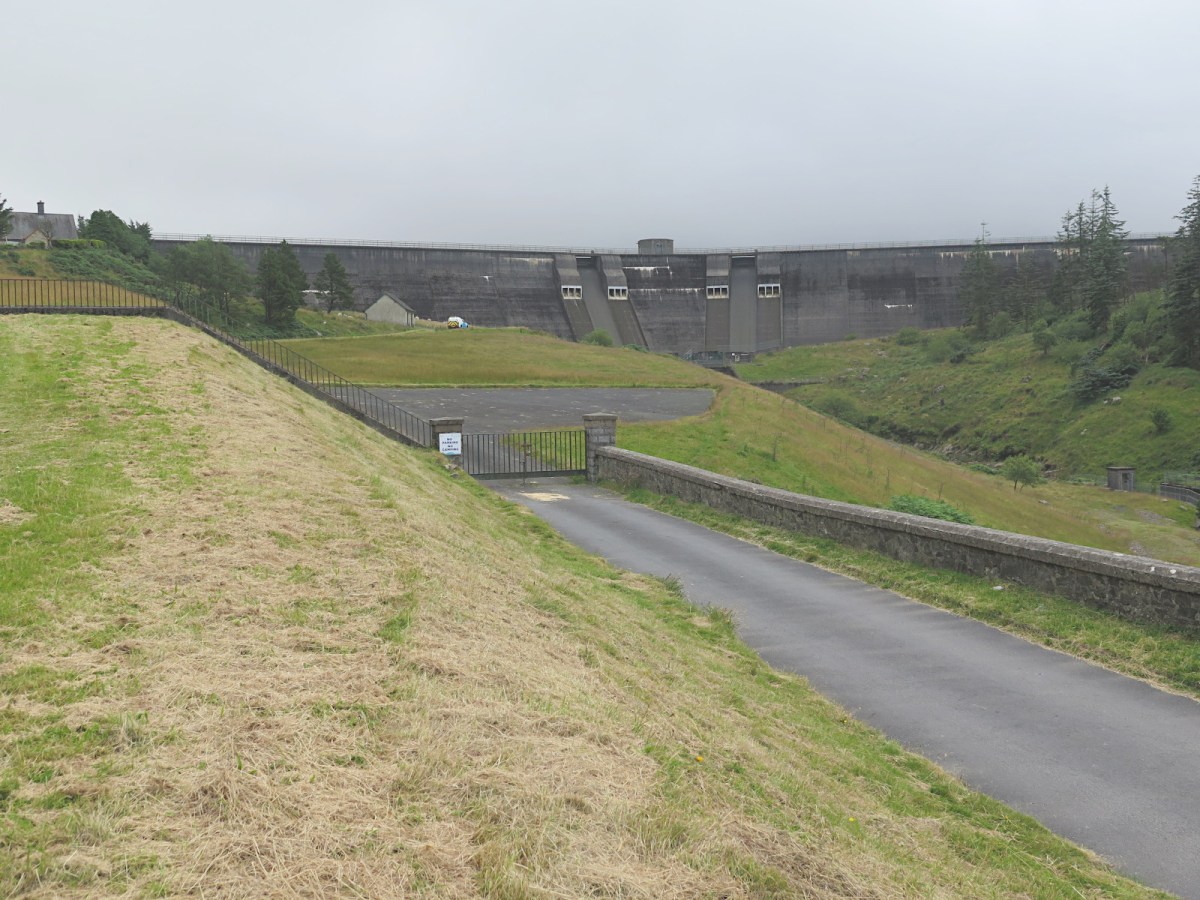
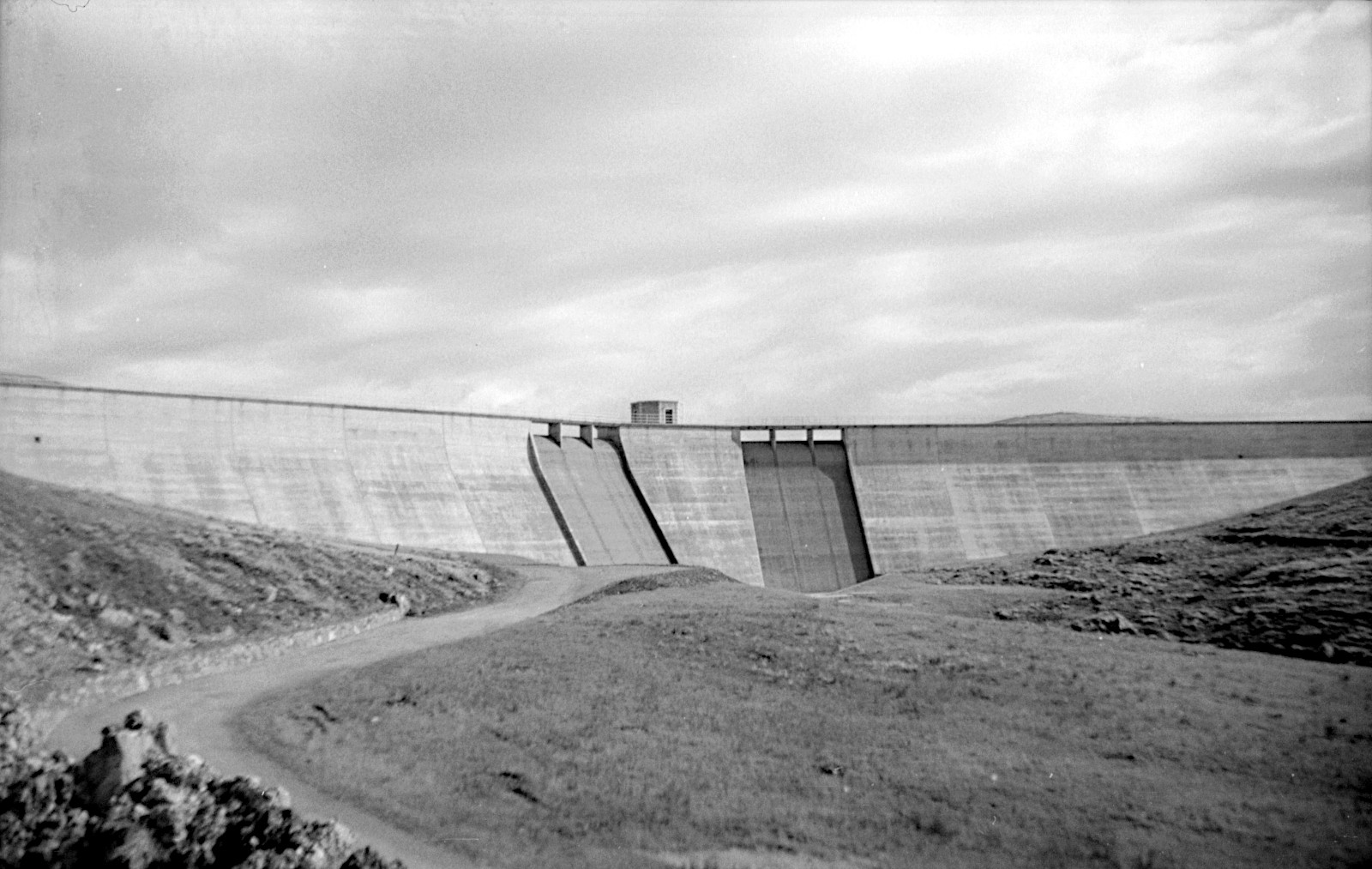
The photos were not taken from quite the same place, the landscape is more established and natural than it was 64 years ago, there has been a modification to the overspill structure.
What’s in an image? Sometimes quite a lot, more than meets the eye.
I’m posting an image every two days (or as often as I can). A photo, an image from the internet, a diagram or a map. Whatever takes my fancy.
Click to enlarge
This is the Spelga Dam in the mountains of Mourne. The reason I’m including it here is that I took a photo of it when I was quite young and that earlier shot is below for comparison and additional interest.
I took the old photo when I’d just turned twelve, and the recent one when I’d just turned seventy-six, so they’re almost precisely sixty-four years apart. So what has changed in that time? Not much, really! I have changed far more in that time than the dam and its surroundings have done. The photos were not taken from quite the same place, the landscape is more established and natural than it was 64 years ago, there has been a modification to the overspill structure, and the concrete of the dam is more discoloured – but that’s about it. The dam might well be there in another 64 years, I will not!
Images from our Irish holiday 2024
For convenience, here’s a list of all the Irish holiday images:
If you enjoyed this or found it useful, please like, comment, and share below. (If you don’t see those links, click the article’s title above the main photo and they will appear.) Send a link to friends who might enjoy the article or benefit from it – Thanks! My material is free to reuse (see conditions), but a coffee is always welcome and encourages me to write more often!
Cicero pointed all this out most eloquently. As a philosopher he thought things through carefully and deeply and then expressed his ideas clearly, giving plenty of reasons and examples.
The great Roman orator, lawyer, politician, philosopher and author, Cicero has left us a great legacy. He wrote on many topics that are as relevant today as they were when he dictated them to his trusted slave, Tiro.
Tiro was a gifted and hard working person in his own right – he invented a form of shorthand and left a good deal of written material that has survived. He was given his freedom by Cicero but chose to continue working for him. One piece of work dictated by Cicero concerns the good and bad motives people may have. He considered how becoming feared and becoming liked can both bring benefits, but the first is dangerous while the second is not.
When a person is feared, they may find a wide circle of supporters to do their bidding. Think in terms of Vladimir Putin, generally the people around him do his bidding because they do not wish to fall from a high window or drink poisonous tea. There are plenty of people who have died or nearly died because they have crossed Putin in some way – from Sergei Skripal to Yevgeny Prigozhin. Many political opponents have died while imprisoned. Examples like these cause others in Putin’s circle to be carefully obedient. Yet Putin himself is always in danger and must live under a permanent cloud, fearful that at any moment he will be toppled from power and most likely be murdered in the process.
On the other hand, live a life in which you are surrounded by friends who love you because of your kindness and thoughtfulness, and you will also have a wide circle to work with you and for you, but you will have far fewer anxieties, fears, and sleepless nights.
Cicero pointed all this out most eloquently. As a philosopher he thought things through carefully and deeply and then expressed his ideas clearly, giving plenty of reasons and examples. What Cicero must have realised (but did not express) is that most of us, most of the time, are feared by some yet liked by others. Cicero himself was no exception. He had political enemies and was murdered by the roadside as he attempted to flee from Italy.
There are three ways to learn more about Cicero, and it’s well worth doing so. Many of his arguments are as interesting and useful today as they were two thousand years ago (we would write 2000, Tiro would have written MM).
One way is to read Cicero’s writings for yourself. Much has been lost no doubt, but much has been preserved too – often thanks, in part, to Tiro. A second way is to read what historians and commentators have written about him. The third way, and perhaps the one that is most fun, is to read Robert Harris’s famous and fascinating Cicero trilogy. Yes, it’s fiction; but it’s skillfully woven around what we know of the characters portrayed.
What’s in an image? Sometimes quite a lot, more than meets the eye.
I’m posting an image every two days (or as often as I can). A photo, an image from the internet, a diagram or a map. Whatever takes my fancy.
Click to enlarge
This is one of Cirencester’s wonderful old hotels, ‘The Fleece’. It has a long history in the town, and its appearance is especially interesting. It looks like a timber-framed building at first glance, and at least one upper level has a visible overhang, a typical feature of multi-storey timber frame construction. But a closer look shows that the building has a render finish, and the ‘timbers’ are created with black paint on the render. Nonetheless, I can’t help wondering if there are real timbers underneath the render, it actually seems quite likely! If so, the render and the painted ‘timbers’ would be a sort of double-bluff. How intriguing.
Whatever the truth about the timber framing (or not), this old inn would have been part of the coaching network before the coming of the canals and railways. Passengers and their luggage would have been carried from here to Burford, Oxford, London and other destinations. The Fleece is 300-years-old and Grade II listed.
Today, the business has expanded into the properties either side, but to my knowledge the central part still looks exactly as it did 70 years ago.
Cirencester
For convenience, here’s a list of all the Cirencester area images:
If you enjoyed this or found it useful, please like, comment, and share below. (If you don’t see those links, click the article’s title above the main photo and they will appear.) Send a link to friends who might enjoy the article or benefit from it – Thanks! My material is free to reuse (see conditions), but a coffee is always welcome and encourages me to write more often!



















 Journeys of Heart and Mind

,_Cisco_San_Jose_Main_Campus.jpg)


