What’s in an image? Sometimes quite a lot, more than meets the eye.
I’m posting an image every two days (or as often as I can). A photo, an image from the internet, a diagram or a map. Whatever takes my fancy.
Christmas lights
This is Cirencester Market Place on 5th January 2021, still in its decorated-for-Christmas state. In the 17th century this space was full of buildings and narrow streets. Roughly where the red car stands, imagine an old inn with a street either side, and beyond it two rows of buildings, Butter Row and Butcher’s Row, so three streets at that point. Many old buildings were destroyed in town improvement schemes over the years. If they still existed today they would attract preservation orders.
If you could visit the Market Place in 1500 you would struggle to recognise anything other than the Parish Church. All the fine, Cotswold stone buildings were constructed more recently than that, the shops and dwellings at that time would have been timber framed with overhanging upstairs floors. The entire look and feel of the place would be different. At that time the Abbey was thriving with the Abbey Church behind the existing Parish Church. The entirety of what is now the Abbey Grounds would have been busy with monks on errands and at work in the gardens, at the fishing lake (still there today), in the mill and bakery and so much more. It was almost a walled town within a town.
In the year 1000, shortly before the Norman invasion, some of Saxon Cirencester may still have been outside the old Roman walls, but there was a Saxon church in the area of the Abbey Grounds and it’s likely that other parts of the Roman City would have been cleared and put to use.
And in the year 500 the Romans had left only 100 years earlier. The city would have been more or less intact, but derelict. Initially, Saxon settlers lived outside the old city walls. Some of those walls would still have been standing, at least in places, and the larger buildings inside the city would have been identifiable – the Basilica, the Forum, and probably Baths and a Theatre (now lost). The Saxons built timber framed houses and farms initially outside the walls. Piles of rubble and stone, no doubt ridden with extensive and impenetrable growths of brambles and trees, would have seemed far less useful than the arable land outside the old walls.
Go back another five hundred years and the area where the town now stands consisted of a flood plain with low gravel banks and the River Churn meandering through. There would have been yellow iris, water mint, alder and willow in wetter areas with other trees on higher ground. The waterways would have been easily forded and the local Dobunni people likely fished in the area and farmed on higher ground nearby. The Roman army constructed the Fosse Way from Exeter to Lincoln and built a timber fort in the eastern part of modern Cirencester. It’s likely that a trading settlement grew up near the fort and the town was officially recognised in 75 CE. By the later Roman period it had become the second largest city in Britain (London was the largest).
All of this took place in and around the area we know today as Cirencester Market Place.
Cirencester
For convenience, here’s a list of all the Cirencester area images:
If you enjoyed this or found it useful, please like, comment, and share below. (If you don’t see those links, click the article’s title above the main photo and they will appear.) Send a link to friends who might enjoy the article or benefit from it – Thanks! My material is free to reuse (see conditions), but a coffee is always welcome and encourages me to write more often!
Images fade, especially if exposed to light, they are susceptible to damage by fire, water, mechanical action and so forth.
For some years now I’ve been transferring family photos, videos and documents to digital storage in an attempt to preserve the information. There are pros and cons to both physical storage and digital storage and we’ll discuss those in this article.
But first, lets take a look at an example photo.
An old photo from my collection – May 1969
The image above is from a 35 mm transparency. It shows my fellow students on the Bath University Horticulture degree course the year before we graduated. We were visiting a commercial horticultural business and there’s a TV personality in the image as well. (One of our lecturers, Peter Thoday, later became well known as the narrator in the TV series, The Victorian Kitchen Garden. He’s at the back of the group on the right in the photo, tall and with very dark hair.)
Details of the photos and how I manage them
Quite a few of the old photos I have are colour transparencies; these come in different sizes depending on the type of camera and film that were used. The majority are on 35 mm film stock, with sprocket holes along two sides; these engage with the film transport mechanism in the camera. After the film was processed and dried it was cut into individual frames and mounted in card or plastic frames. My film scanner can handle mounted and unmounted slides and saves them as digital image files.
Once I have the images in digital format I remove slides from their frames and check the frame numbers exposed on the film when it was manufactured. This makes it easy to get the slides into correct sequence as they may have been reordered accidentally or even deliberately when they were projected in the past. Having confidence that the photos are correctly in sequence makes it much more likely that I can eventually arrange the films into longer sequences based on events, people and places in the images. This is a work of reconstruction, sometimes easy, sometimes very difficult. I keep notes of what I have done and why, for my own reference and for anyone else who might find the information useful later. I’ve got better at doing this with experience.
Advantages and disadvantages of physical storage
The original negatives and transparencies contain more information than digital copies. For one thing, the dynamic range is greater and the resolution is always going to be a little higher. Scanning processes are very good indeed these days, but they’ll never be absolutely perfect.
On the other hand, originals deteriorate over long time periods. Images fade, especially if exposed to light, they are susceptible to damage by fire, water, mechanical action and so forth. And as each image is unique, if it’s lost or damaged there is no way to recover it.
And two final points – storing negatives, transparencies and prints takes a lot of space, more and more as the numbers increase. And viewing them becomes an issue, only a few people can view them at a time.
Advantages and disadvantages of digital storage
Digital copies of the images can be almost as good as the originals for most purposes, and digital processing can improve colours and remove blemishes when the originals are faded, scratched or have dust that is strongly attached to the surface. In these cases, the digital copy may be more acceptable than the original.
Digital storage is increasingly cheap and capacious, so a very large collection of photos can be stored on a cheap, tiny SD card. This in turn makes it possible to have multiple copies in multiple locations, providing security far beyond anything possible with the originals. Remote storage on Dropbox or similar facilities takes this a step further. Multiple copies and remote storage both make it possible for many people to be able to view the images independently and from wherever they happen to be.
Perhaps the biggest downside of digital storage is the need to constantly move images from old storage media to newer technology. How many of us have devices to read data from a floppy disk or an old CD? Remote storage helps again because the company offering the service takes on the task of managing data storage and retrieval and moving to newer technologies whenever necessary.
And there’s a hidden factor here too, the images need to be stored in a file format that is still readable on current devices. JPG and PNG are widely used and may be readable by future devices for a very long time, but nothing is certain and it may become necessary to re-save the images in a different file format in future. This would be a major task for a large image collection.
My approach to all this
I’ve thought about this a lot. Currently, everything is stored in high quality JPG format. Yes, I know there are very slight compression artefacts in JPG, but unless the images are repeatedly edited and re-saved this is not an issue in practical terms. I use an Epson Perfection V600 Photo scanner which for me is a good compromise between quality and price. The images are stored initially on my laptop and automatically to Dropbox, and I back up my laptop on an external hard drive at intervals. Other members of the family have their own copies of some of the data, though keeping this refreshed has been a problem.
Something I have not yet fully resolved is what happens when I’m no longer able to manage all this data. Of course, at that point the future of the images will no longer be of personal interest. Nonetheless, I’d like to have some kind of plan in place, perhaps handing on access to my Dropbox account would be a good way forward.
If you enjoyed this or found it useful, please like, comment, and share below. (If you don’t see those links, click the article’s title above the main photo and they will appear.) Send a link to friends who might enjoy the article or benefit from it – Thanks! My material is free to reuse (see conditions), but a coffee is always welcome and encourages me to write more often!
What’s in an image? Sometimes quite a lot, more than meets the eye.
I’m posting an image every two days (or as often as I can). A photo, an image from the internet, a diagram or a map. Whatever takes my fancy.
Warmth from a fire
Fire is both beneficial and dangerous. There’s nothing better than a nicely controlled fire in the living room on a cold January day; but there are few things worse than an out-of-control fire consuming your entire home! Even if the fire brigade arrives quickly and manages to save the house, they will do so by pouring hundreds or thousands of litres of water into your home. What is saved from burning will be wrecked by water.
If you read the Bible you’ll soon understand that the Holy Spirit is sometimes described as fire. The Old Testament describes Isaiah as being touched on the lips by fire. Ouch! (Though he comes to no harm.) And in the New Testament flames flicker on the heads of the believers when the Spirit falls on them in the upper room where they’re meeting in Jerusalem. (Again, they come to no harm.)
But both Isaiah and the believers in the upper room are changed, they are changed at a fundamental level and they are changed permanently. So let me just add that the Holy Spirit is the Spirit of Christ, he is the very nature of Jesus, he is a person, one of the three who live together in complete harmony – the Father, the Son (Jesus), and their Spirit. It’s not possible to know any of them without being changed fundamentally and permanently. And when I say ‘know’ I imply more than some casual meeting. If you get to know any one of them you will soon realise that you know all three.
My only advice is not to be put off by the idea of fire, yes it’s dangerous, but life itself is dangerous. Living a normal life in this world always leads to death, for nobody lives for ever. If you reach 100 you are doing really, really well. But seek first the heavenly things, welcome the fundamental and permanent change. It’s nothing to be afraid of.
How to begin? Find out about the life of Jesus. Read one of the gospels, they were specifically written about him. If you don’t know where to start, try reading Mark. If you want to see my thoughts along the way, you can join me in Cruising the Gospel.
Themed image collections
The links below will take you to the first post in each collection
If you enjoyed this or found it useful, please like, comment, and share below. (If you don’t see those links, click the article’s title above the main photo and they will appear.) Send a link to friends who might enjoy the article or benefit from it – Thanks! My material is free to reuse (see conditions), but a coffee is always welcome and encourages me to write more often!
Articles that dig deep into where we are going, why, and how, what is expected of us, our fears, hopes, failures, successes.
This is a quick heads up for my readers, a mention of another website you might like to take a look at.
Chris Dryden’s website
There are a multitude of websites out there, often on very specific topics, so many that there’s something for absolutely everyone. So many that it can be hard to find what you need. My online friend DaManCD (aka Christopher Dryden) runs one of them, and I run another. We’ve been aware of one another since we both contributed a chapter in a collaborative book, and we’ve interacted from time to time over the years, especially recently (though we’ve never actually met).
Chris’s website is called Life with CD and it’s well worth a visit. CD draws on his life experience as a follower of Jesus to produce articles that dig deep into where we are going, why, and how, what is expected of us, our fears, hopes, failures, successes. His focus is always on the King who leads us. Why not take a look at a recent article starting a great series on the theme of 40 days?
Useful? Interesting?
If you enjoyed this or found it useful, please like, comment, and share below. (If you don’t see those links, click the article’s title above the main photo and they will appear.) Send a link to friends who might enjoy the article or benefit from it – Thanks! My material is free to reuse (see conditions), but a coffee is always welcome and encourages me to write more often!
What’s in an image? Sometimes quite a lot, more than meets the eye.
I’m posting an image every two days (or as often as I can). A photo, an image from the internet, a diagram or a map. Whatever takes my fancy.
Stone plaque, Cirencester
This intriguing carved, stone plaque is in Cirencester’s West Market Place, close to the Parish Church. The Latin inscription ‘VIRTUTE ET INGENIO’ is interesting; ‘VIRTUTE’ can mean ‘virtue’, ‘courage’, ‘strength’ or ‘power’; ‘ET’ is ‘and’; while the word ‘INGENIO’ means ‘wit’ in the sense of cleverness, not humour. So the best I can offer is ‘strength and cleverness’, the English expression ‘brawn and brains’ sums it up quite well.
The shield above contains a rampant lion with two tails, holding up what looks like a rose. And on either side is a shoot of ivy, each with one ivy flower cluster. Do those two tails refer to the idea of something twofold, perhaps the need to be strong in both action and thought, body and mind?
Maybe someone in Cirencester knows the meaning and history of this interesting artefact. But meanwhile I’ll just take it as very sound advice that we need to think things through properly, and then act on whatever conclusion we might come to. Action without thought is usually a waste of effort, thought without action is ineffective. Thinking it through and then doing it is the way to go!
Cirencester
For convenience, here’s a list of all the Cirencester area images:
If you enjoyed this or found it useful, please like, comment, and share below. (If you don’t see those links, click the article’s title above the main photo and they will appear.) Send a link to friends who might enjoy the article or benefit from it – Thanks! My material is free to reuse (see conditions), but a coffee is always welcome and encourages me to write more often!
My name is Patricius, I’m a sinner, a simple country person, and the least of all believers; I am looked down upon by many. My father was Calpornius, a deacon.
Patrick, or Saint Patrick as we normally think of him, had an interesting background and history. Of course, we know very little about him, but far more than we know about most other people who lived at that time.
What does the name, Patrick, mean? It comes from the Latin patricius, meaning “nobleman”, “of noble origin” or “patrician”. Patricians were the noble families in ancient Rome, a ruling class, and Patrick can be viewed as a Roman or perhaps a Romanised Briton. By 409 CE when all remaining Roman forces in Britannia were recalled to protect the Western empire against uncontrolled immigration across the Rhine, the distinction between Roman and Romano-Briton had pretty much vanished. Archaeological evidence makes it clear that Roman life continued well after the troops left, particularly in the west of Britain.
Patrick’s life
Patrick’s family lived in Roman style somewhere near the west coast in what is now northern England or southern Scotland (also possibly Wales). They would have been little affected by Angle and Saxon incursions into the far eastern regions of the British Isles, but raids from Ireland and northern Scotland were sometimes a problem. Farming life and indeed villa life and Roman town life would have carried on; no longer governed by the empire, but governed locally like a Roman province. Patrick was born around the time the Roman forces departed.
When he was sixteen he was captured by Irish pirates raiding the area where his parents lived. And he was sold in Ireland as a slave and had a hard life, outside in all weathers, herding sheep or pigs. He had been exposed to Christian ways as a child but had not believed in Jesus or made any attempt to follow him, but during his time in captivity he developed a faith. Spending times of great hardship as a herdsman slave, and living in the open air in all seasons, he must often have been wet and very cold. But spiritually it was a time of great growth and depth for him. He prayed incessantly and felt very close to his heavenly Father.
He made a dash for freedom when the opportunity arose, hearing a voice in his sleep telling him that a ship was waiting to return him home. He was recaptured, but escaped again and made it home successfully.
Later, sensing that his responsibility was to return to Ireland to share his faith with the pagan people there, he travelled back and began to share everything he knew of Jesus. People listened to what he told them and he started many local communities of believers. Later again, Patrick travelled back to northern Britain and spread his teaching about Jesus to the Irish and Welsh speaking Britons and also to the Saxons in the areas he visited. The Celtic church in Ireland and in Great Britain spread far and wide, even back into northern Europe. Celtic Christian monks journeyed singly or in small groups, spreading the good news and founding further communities and groups of believers.
His writings
At some point in his later life, Patrick authored books and letters, two have survived, and one of these is autobiographical in nature, telling the story of who he was and the events of his life. And that book (The Confessio) is why we know as much as we do about Patrick and the world he lived in. Here are his opening words:
My name is Patrick. I am a sinner, a simple country person, and the least of all believers. I am looked down upon by many. My father was Calpornius. He was a deacon; his father was Potitus, a priest, who lived at Bannavem Taburniae. His home was near there, and that is where I was taken prisoner. I was about sixteen at the time. At that time, I did not know the true God. I was taken into captivity in Ireland, along with thousands of others. We deserved this, because we had gone away from God, and did not keep his commandments. We would not listen to our priests, who advised us about how we could be saved. The Lord brought his strong anger upon us, and scattered us among many nations even to the ends of the earth. It was among foreigners that it was seen how little I was.
If you enjoyed this or found it useful, please like, comment, and share below. (If you don’t see those links, click the article’s title above the main photo and they will appear.) Send a link to friends who might enjoy the article or benefit from it – Thanks! My material is free to reuse (see conditions), but a coffee is always welcome and encourages me to write more often!
For this holiday, Dad (a keen photographer himself) helped me out by buying me a colour transparency film and I used it to take the photo you see here.
What’s in an image? Sometimes quite a lot, more than meets the eye.
I’m posting an image every two days (or as often as I can). A photo, an image from the internet, a diagram or a map. Whatever takes my fancy.
One of my earliest colour photos
I’m going to take a break from the Irish holiday photos I’ve been working through. Instead, here’s one of my earliest colour shots, from 1962 when I was fourteen-years-old. This is a holiday photo as well, we were spending two weeks on the Welsh coast at the village of Aberporth, a little north of Cardigan. From left to right you see Dad, Mum, Chloe the dog, and my three sisters, Cindy, Ruth and Rachael.
Colour film was expensive so usually I took black and white negatives and had the films developed and printed by a local chemist in the town. Later I started making contact prints myself though these were very tiny. Later again I learned to develop the negatives myself, and print them using an enlarger at the place where I worked. But for this holiday Dad (a keen photographer himself) helped me out by buying me a colour transparency film and I used it to take the photo you see here.
I’ve always been fascinated by old photos and the way they capture something long since gone – and now even some of my own photos are old enough to have that effect!
For a while I plan to continue with a range of different images, but then I’ll return to our Irish holiday again.
Themed image collections
The links below will take you to the first post in each collection
If you enjoyed this or found it useful, please like, comment, and share below. (If you don’t see those links, click the article’s title above the main photo and they will appear.) Send a link to friends who might enjoy the article or benefit from it – Thanks! My material is free to reuse (see conditions), but a coffee is always welcome and encourages me to write more often!
We are often overwhelmed by the complications and demands of modern life; our focus on the essential is lost and we are distracted by so many side issues.
This article is an extract from my short book, Jesus, Disciple, Mission, Church (JDMC). The bite-sized piece below is roughly two percent of the book. This article opens a deeper look at the first forgotten way.
Introduction
It’s extremely important that Jesus is at the heart of our lives, both individually and in church life too. If we don’t get this foundation right we cannot be built into what he wants us to be. What would happen if you built a house of heavy stones but didn’t have proper foundations?
The fact is, this forgotten way is fundamental; everything else depends on it and results from it. We need Jesus to be in the right place because he is the only foundation we can trust (Matthew 16:15-20, 1 Corinthians 3:9-11). Has this way been truly forgotten? Not completely, perhaps, but we have sometimes been half-hearted in following it.
Discuss or consider – Do you follow Jesus in everything? List some parts of your life where you follow him. List some parts where you don’t. Is he the foundation of your daily living, truly?
The One
Deuteronomy 6:4-9 makes it very clear; Yahweh is One and we are to love him with everything we have and are. What a dramatic change from earlier times when offerings and worship had to be made to many gods, perhaps repeatedly during the day. For us, today, ‘Jesus is Lord’ in exactly the same way (1 Corinthians 8:6). No other loyalties are acceptable in our lives, just Jesus.
There are at least three helpful habits we can develop; these are keeping Jesus at the centre, following Jesus alone, and putting the gospels way, way ahead of anything else.
Discuss or consider – Read Deuteronomy 6:4-9 and think about the difference between one and many where gods are concerned (most people 2000 years ago had to make offerings to many gods). In John 10:30 what does Jesus mean when he says, ‘I and the Father are one’? And in John 17:20-23, what does he mean when he prays for all his followers – including you and me?
Jesus at the centre
We need a fresh understanding of who Jesus really is, every explosive church growth movement throughout history has had this focus. Many of these movements were persecuted and this seems to have given them a fresh and urgent vision. They let go of everything that would hold them back and clung to the core of their faith.
We need to know how Jesus lived and worked because he intends to live and work in these same ways through us. We can so easily block him, that’s part of having the privilege and responsibility of free will. And we are often overwhelmed by the complications and demands of modern life; our focus on the essential is lost and we are distracted by so many side issues.
To get away from everything that hinders us we need to focus on Jesus much more. The Bible calls him King, Shepherd, the One and Only, the Son, Master, Teacher, Lord, the Almighty with us (Immanuel), Prince of Peace, the Word and more. Jesus himself said, ‘Anyone who has seen me has seen the Father’. (John 14:9) By reading books about him, watching films about his life, and going through the gospels repeatedly we will begin to notice for ourselves what he is like, what he says, what he does and who he is.
Discuss or consider – Carefully think about where you are spiritually. How do your lives (individually and together) compare with that of Jesus? What changes would he want to see? When you meet, remember that you are meeting, as in all things, in Jesus’ name. (Colossians 3:17)
This was extracted from Jesus, Disciple, Mission, Church (JDMC), pages 13 and 14. Download the whole thing or read it online – GetJDMC.scilla.org.uk
Useful? Interesting?
If you enjoyed this or found it useful, please like, comment, and share below. (If you don’t see those links, click the article’s title above the main photo and they will appear.) Send a link to friends who might enjoy the article or benefit from it – Thanks! My material is free to reuse (see conditions), but a coffee is always welcome and encourages me to write more often!
What’s in an image? Sometimes quite a lot, more than meets the eye.
I’m posting an image every two days (or as often as I can). A photo, an image from the internet, a diagram or a map. Whatever takes my fancy.
Thrift flowering among rocks near the beach
Close to the beach in Newcastle, County Down, this is thrift (Armeria maritima), sometimes known as ‘sea pink’, growing among the rocks well above the high tide mark. These tough and hardy plants are native in the British Isles; they are tolerant of salt in the air and soil, close to places where the waves break on the beach.
A stylised thrift plant was used on the reverse of the old UK 3d coin prior to decimalisation. We called it ‘thruppence’ or a ‘thruppeny bit’. At one time when I was at junior school, my pocket money was 6d a week; this often came in the form of a silver sixpence, but sometimes as two thrupenny bits. Either way I could always find a way of spending some of it and saving some in a tin box as well.
Images from our Irish holiday 2024
For convenience, here’s a list of all the Irish holiday images:
If you enjoyed this or found it useful, please like, comment, and share below. (If you don’t see those links, click the article’s title above the main photo and they will appear.) Send a link to friends who might enjoy the article or benefit from it – Thanks! My material is free to reuse (see conditions), but a coffee is always welcome and encourages me to write more often!
Notes from bygone years – September after September after September. Hint: Click on the thumbnails for larger images.
September 2023 (1 year before publishing this article)
From time to time we visit Donna’s brother Paul and his wife Ness in Weston-super-Mare, and their two Labradors (pictured). They are sisters, but they have different temperaments, just like people. On this visit, Paul and Ness were heading off for a holiday so Donna and I looked after the dogs for the week.
One of our favourite walks is to take the dogs to the beach for exercise and then to Stones Cafe, a seafront place where we like the breakfasts, so we get a treat before walking home. If we just take Maizi, she gets a dog sausage as well, but fatty foods are a problem for Marple.
We finished our family holiday in the Pennines, and drove home on 2nd September. And the very next day we set out again to drive to the village of Llantisilio in Pembrokeshire for a week with Paul, Ness, Isobel and the dogs.
It was during our stay that we heard about the death of the Queen and the accession of Charles III.
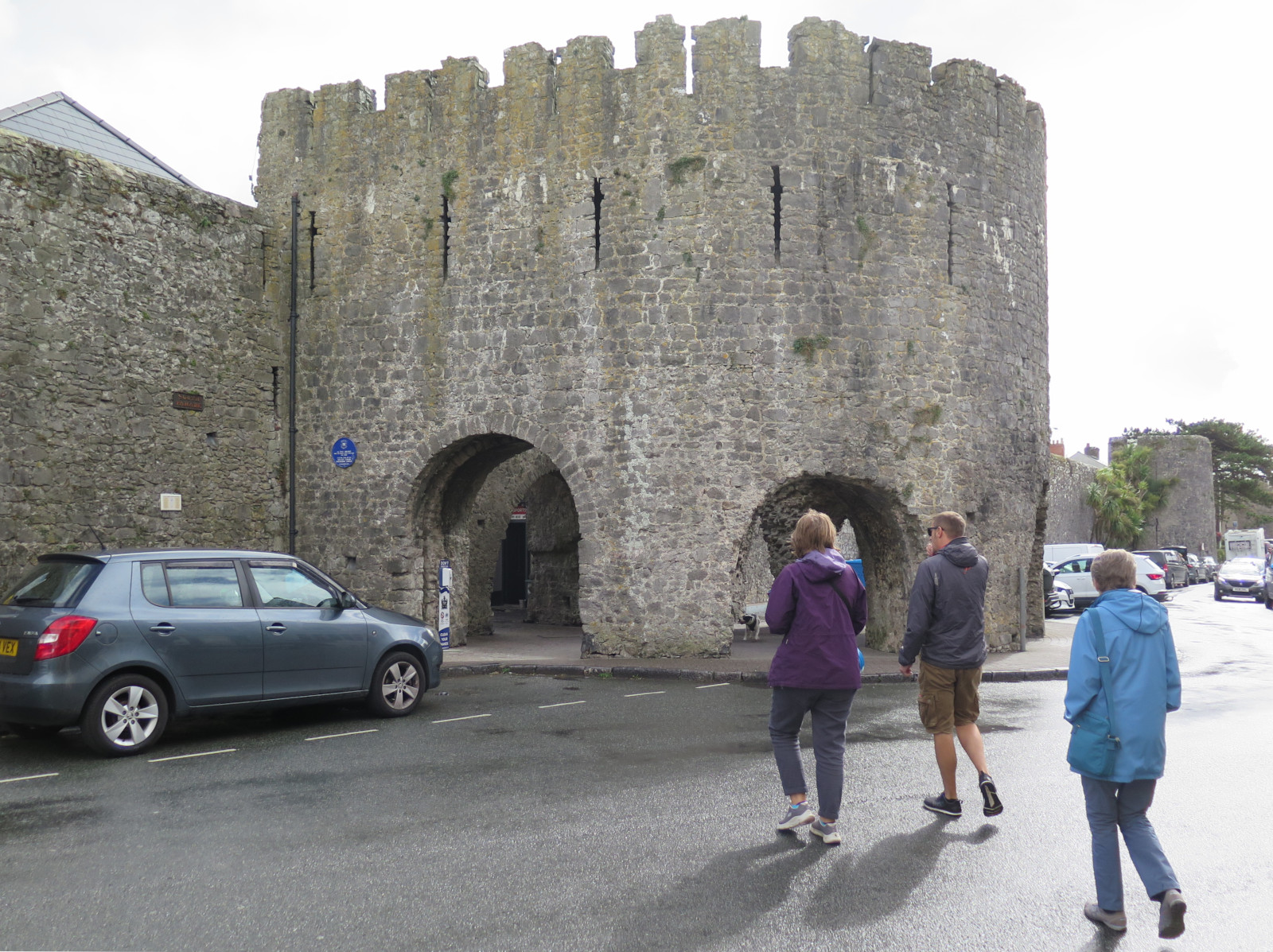
One day we drove to Tenby to look around and visit the indoor market, and we unexpectedly bumped into some friends that we’d made a few years ago in Cirencester, who have since moved to Yorkshire. And here they were in Tenby!
World events: The G7 Imposed a price cap on Russian oil exports; and Liz Truss was appointed Prime Minister of the United Kingdom.
The fencing around our back garden was finished, and we were very pleased with it.
I was working on some decorating in Tony and Isobel’s new house, next door but one to ours; having them living close would make it far easier for Donna to help her Mum cope as Tony deteriorated (he had Parkinson’s). A local builder made some alterations for them, including bricking up an unwanted door.
JHM: I wrote an index for articles on my family’s old business. World events: In the UK, Thomas Cook went bankrupt; and in the USA an impeachment inquiry began against President Donald Trump
Donna started her teacher training at the college in Stewartby; and at a Small Group meeting in St Neots she read out Ezekiel 47 and asked, ‘How deep are we prepared to go?’ This led to some good discussion. She was also helping with the Food Bank at this time.
I was meeting with my friends Matt, Kev, John, and Mo, we’d been reading the Bible together and trying to follow Jesus better. Meanwhile, the BBC reported the grim news that Islamic State had beheaded a British aid worker in Iraq.
We visited York to see Debbie, Beth and their families, Sara was six this month.
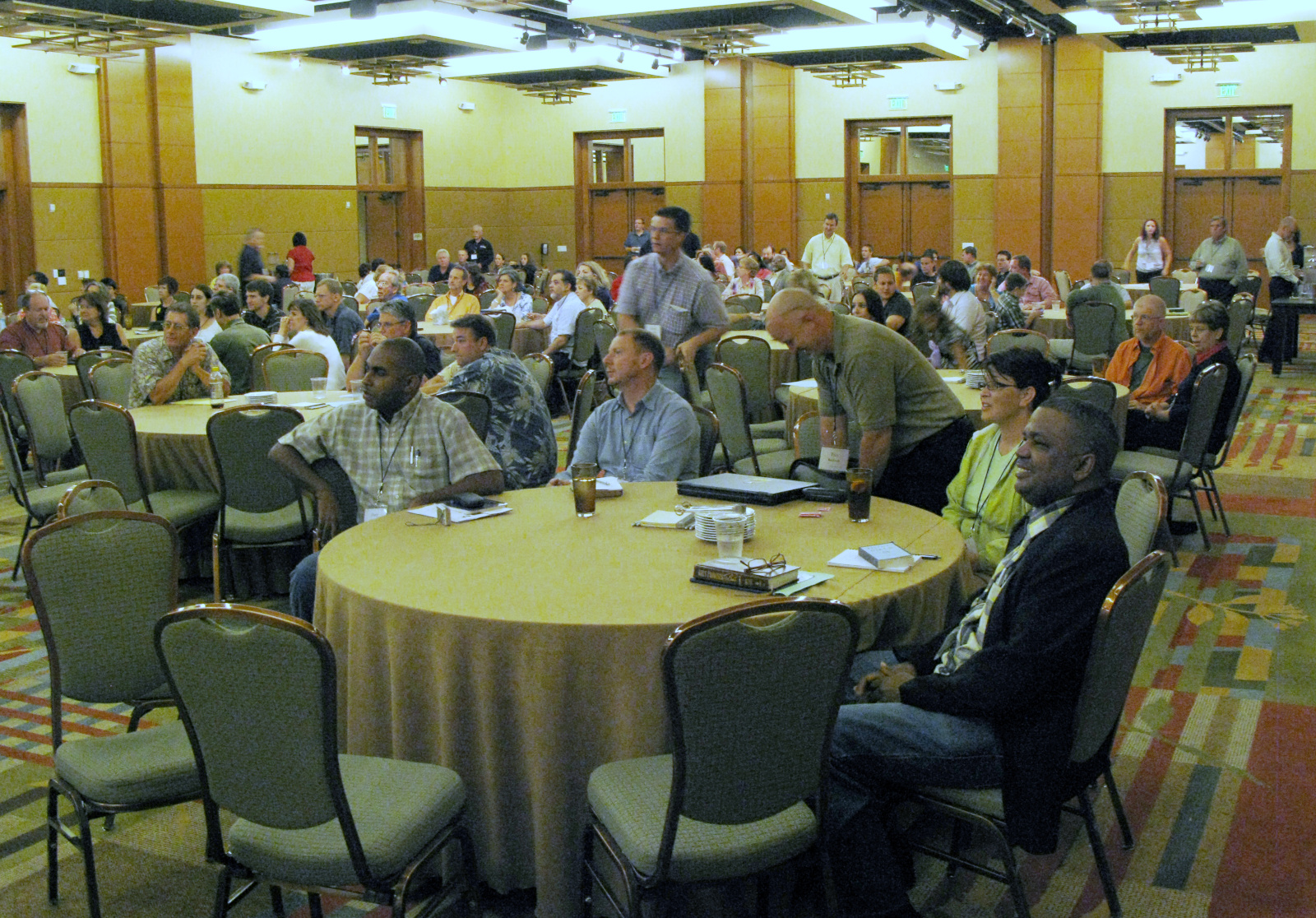
I flew to the USA for the House2House Conference in Dallas over the weekend of 2nd-6th. From there I flew to West Palm Beach to stay with Steph and Earl, then on to Boston on 14th to join up with Donna for a holiday, returning home via Gatwick on 26th.
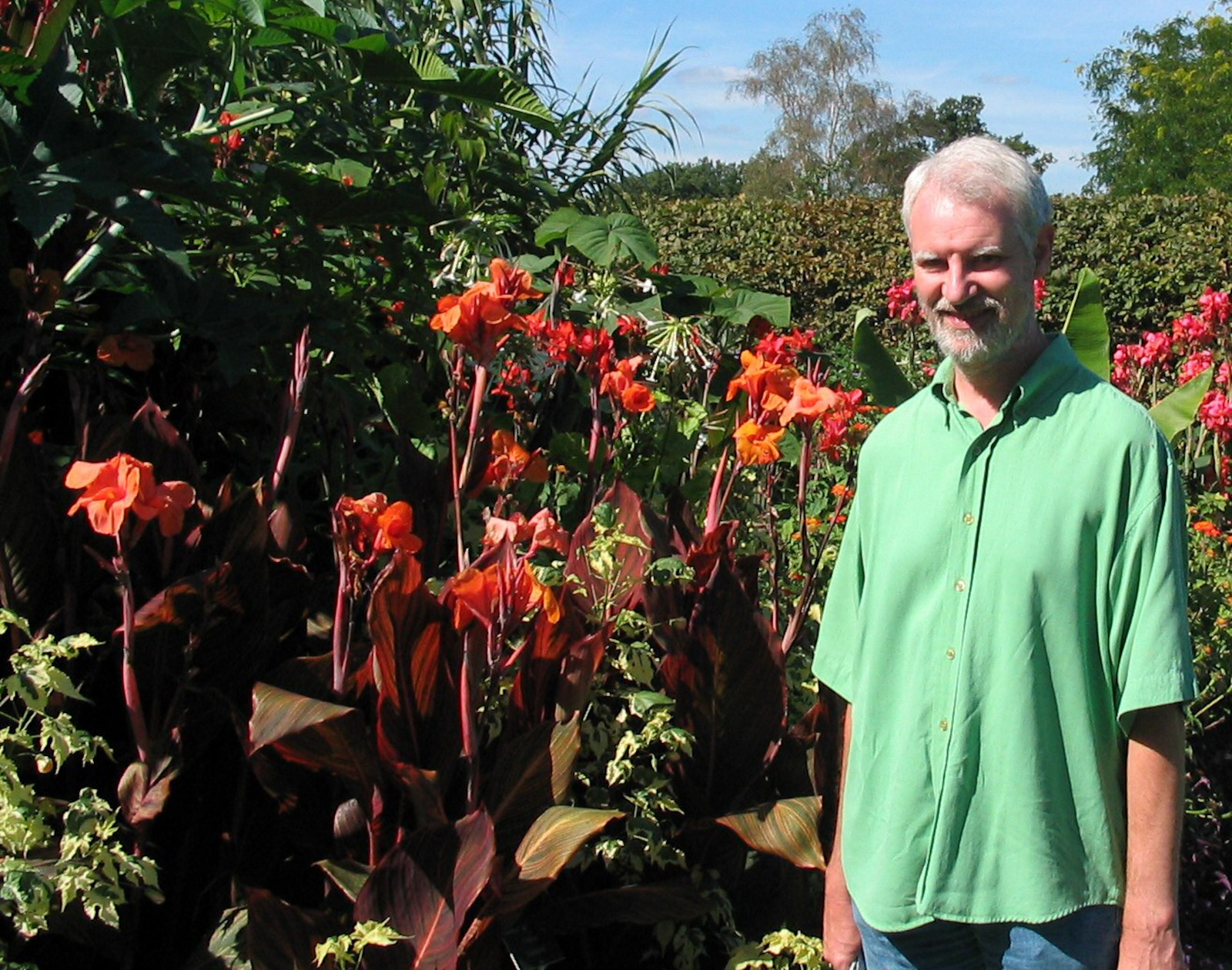
We drove down to the RHS Garden at Wisley and spent a good part of the day there exploring. There’s a lot to see! Donna managed to get this picture of me while we were there.
We’d been invited to a party in St Neots in the evening, but we still had enough time to look around quite thoroughly before driving home and getting ready for the evening event.
JHM:I posted meeting notes on Touch and seasons. World events:Chechen rebels took 1,128 people hostage; and West Sulawesi became the 33rd province of Indonesia.
We had a house-warming barbecue on 12th at our new home in St Neots, with a mix of guests from Unilever, Open Door Church and some neighbours.
On 17th we set off for a holiday in Sorrento. The photo shows the remains of a bakery in Pompeii, the grey devices are flour mills and you can see a brick-built oven in the background. Pompeii and Herculaneum were both amazing to see.
During surgery to remove Judy’s colon tumour, metastases were found in her liver. She was offered a course of chemotherapy (5-fluorouracil) but although this was likely to give her a few more years, it would not be a cure.
This was a shock to the whole family, I have few photos, documents, or notes for the year following Judy’s surgery.
World events: Britain lifted the Northern Irish broadcasting ban on Sinn Féin and paramilitaries; and the Taliban movement was founded in Kandahar, Afghanistan..
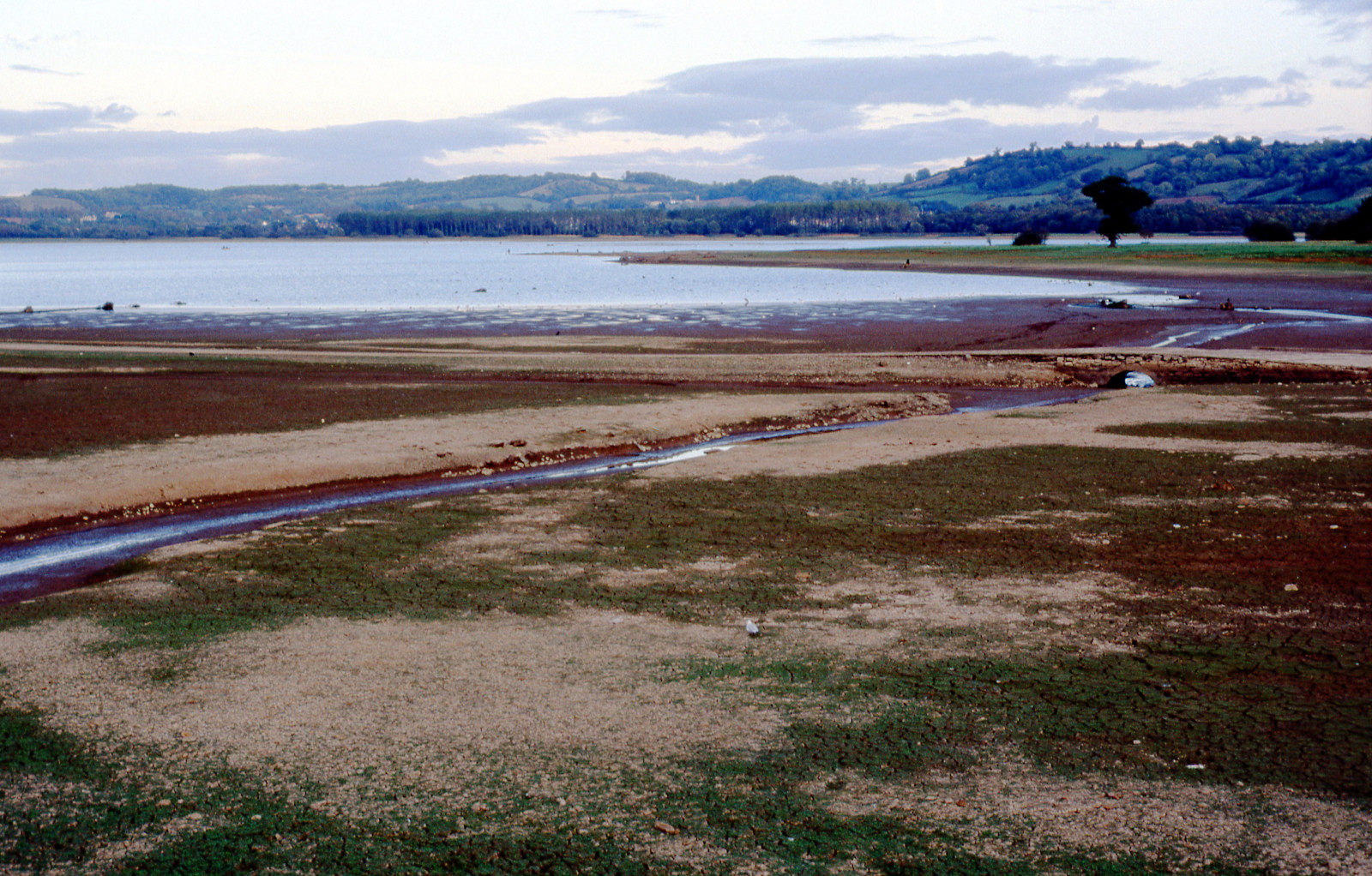
Due to lack of rainfall and a hot summer, the water levels in Chew Valley Lake fell to the lowest we could remember. The photo shows a road crossing the River Chew over a stone-built bridge, all of which would normally be under water.
World events: An IRA bomb exploded at the Royal Marine School of Music in Deal, killing 11 people; and Hurricane Hugo devastated the Caribbean and the southeastern USA.
It’s always fun to do something unusual. Here are Debbie and Beth eating outside in the sunshine, it was lunchtime judging by the direction of the shadows.
There are fully grown apples on the tree beyond the table, but unpicked so presumably not quite ripe at the time of the photo.
At this time we were busy with faith meetings of various kinds. Our band, Fountain, played and Judy spoke at Pill Baptist Church around 16th, and on 21st Colin Urquhart spoke at Portishead URC where I recorded his address in support of the coming Good News Crusade.
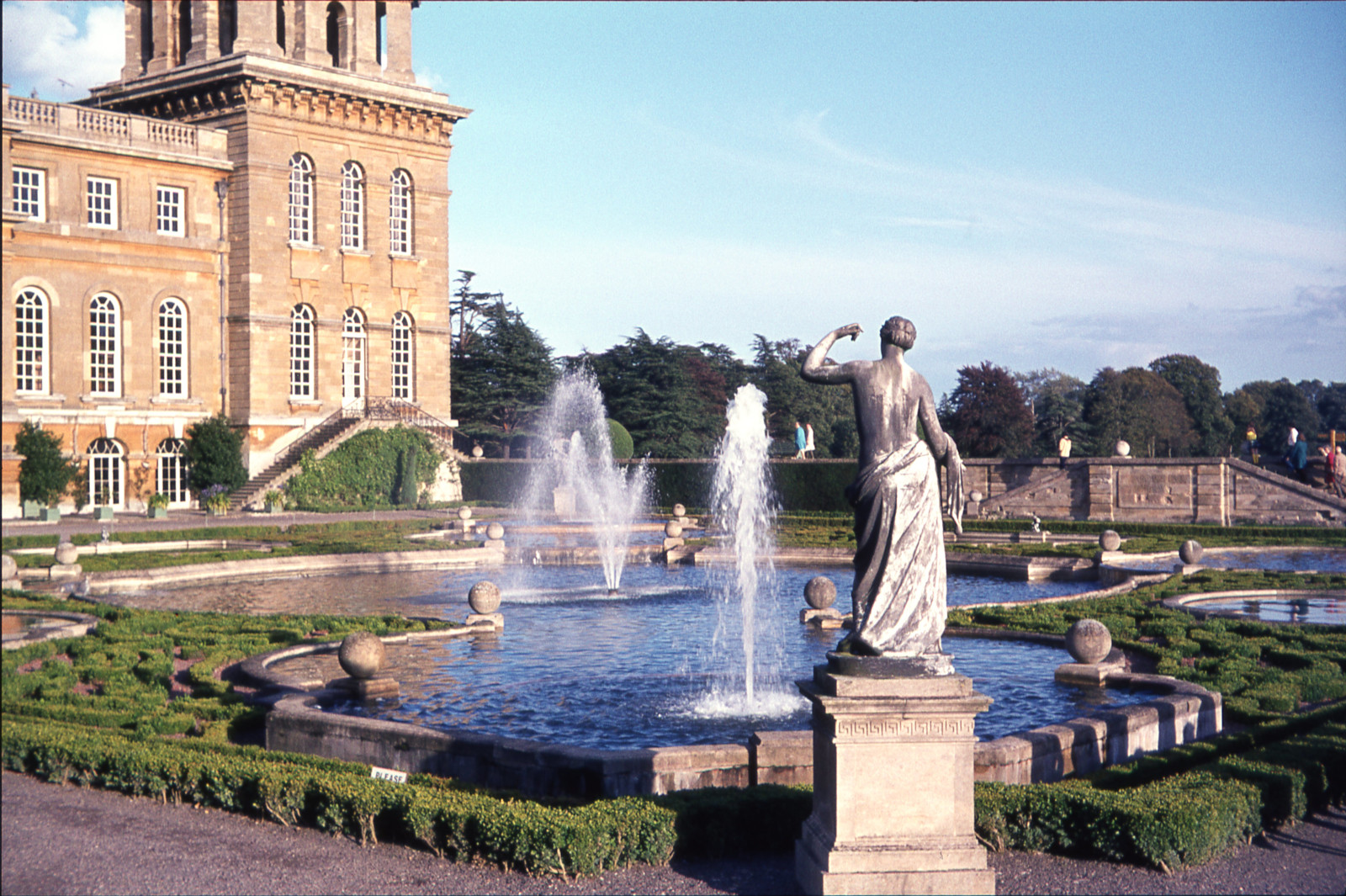
We visited Blenheim Palace, possibly with Judy’s Mum and Dad. It was a fine, early autumn day with a blue sky and strong sunshine.
Judy was pregnant at the time, we had no way of knowing whether to expect a boy or a girl (no ultrasound scans in those days), but in the event it would turn out to be Debbie. A highly satisfactory outcome!
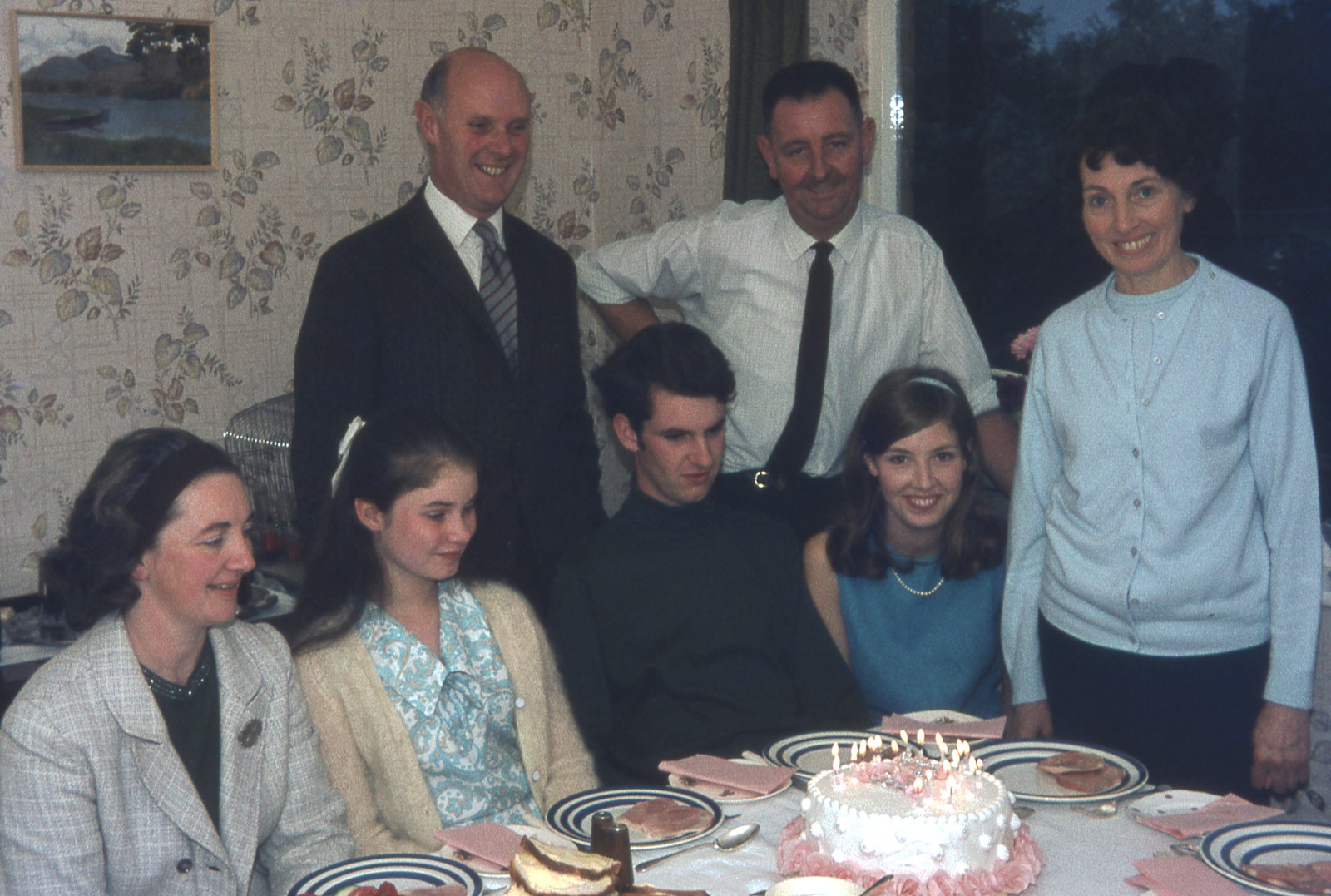
Judy’s 21st birthday was 10th September and we were all invited to Cheltenham for her party. I think this was at 18 Hales Close, and Judy’s brother Frank must have taken the photo. We were both about to head back to University for our final year, me to Bath and Judy to Aberystwyth.
Our Irish holiday continued into the beginning of September. This is the River Bann at Toome Bridge just north of Lough Neagh. Granda was a water bailiff on the Lough, protecting the eel fishery from poaching. The boat he took us out in is the one in the bottom-right corner.
World events: The Forth Road Bridge opened in Scotland; and the Beatles refused to play to a segregated audience in Florida.
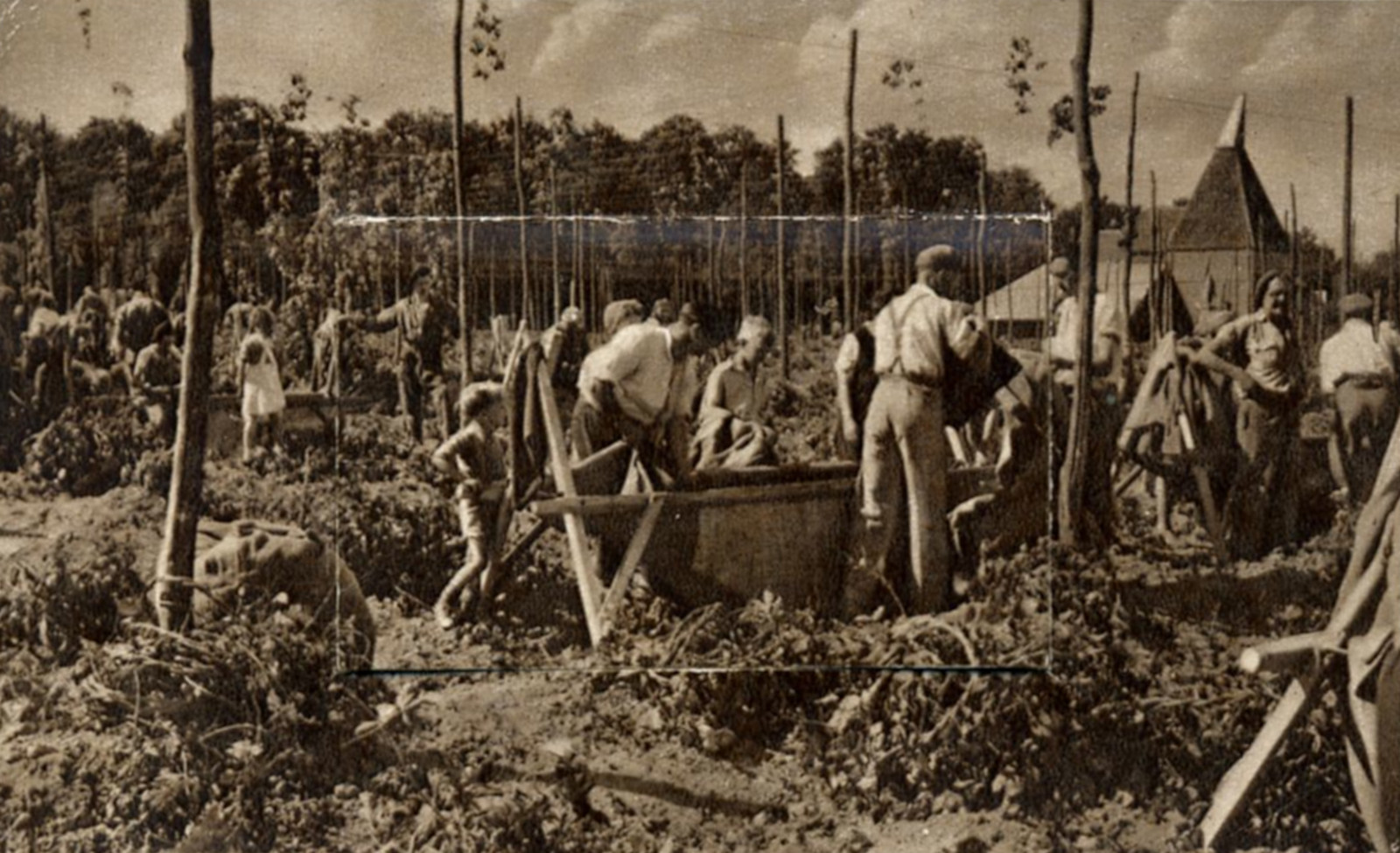
After my Grandpa’s death and the funeral, Granny (Nor) went to Kent for a holiday in the area where she grew up, and visited places she remembered and was fond of. Perhaps she had friends or family to visit as well, I don’t know. What I do know is that this card had a long strip of conceretina-folded photos with other views that you could pull out. However, this has not survived.
World events:Luna 2 became the first human-made object to crash on the Moon; and the Xerox 914, the first plain paper copier was introduced.
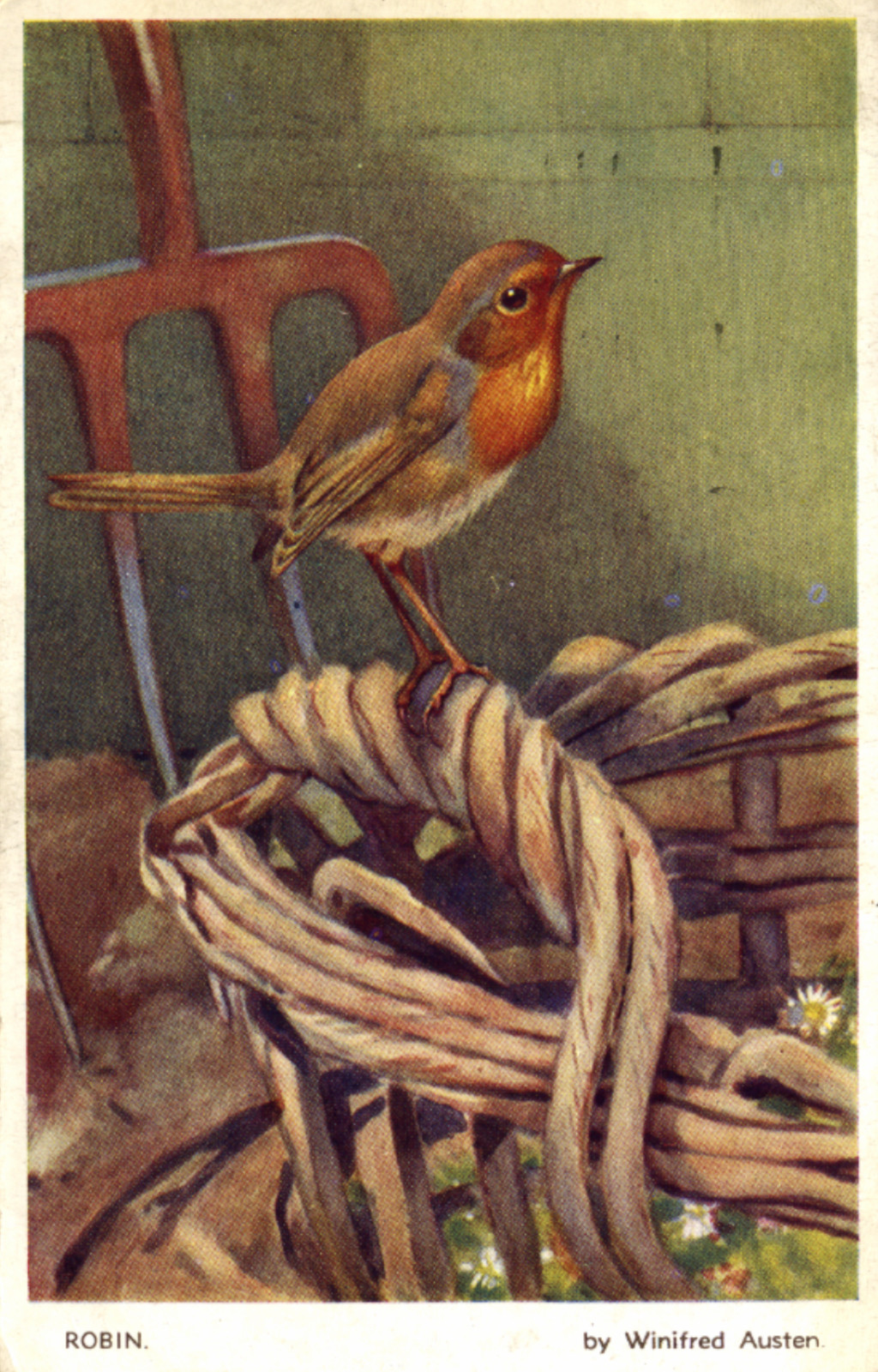
We were on holiday at Muddiford, near Christchurch 0n the south coast of Hampshire. I was six at this time and Cindy was three, and Dad decided to send a postcard to Ireland on our behalf. His message on the back seems a bit cheeky, though, recommending Muddiford over Portrush! I wonder what Granny-in-Ireland thought about that? (view the card)
It was Mum and Dad’s second wedding anniversary at the end of September, and I was 14 months old. I was likely becoming more confident at both walking and talking. Possibly I’d have been doing unhelpful things as well, like trying to climb the stairs! Keeping a young child safe gets harder as they try new things.
Dad’s Uncle Herbert died (he’d been ill for some time). Dad continued working with radar at the Ballinderry RAF site, and visiting Coagh to spend time with his new friend Lilias. And on 6th September Dad reported hearing ‘awe inspiring drumming’ in Coagh.
By the end of the month Lilias was feeling she was falling in love with Dad, but in his diary he wrote that this was ‘a pity’. I’m glad he changed his mind later!
World events: II: In Operation Market Garden airborne landings began in the Netherlands and Germany; and the first V-2 rocket was used to attack London.
If you enjoyed this or found it useful, please like, comment, and share below. (If you don’t see those links, click the article’s title above the main photo and they will appear.) Send a link to friends who might enjoy the article or benefit from it – Thanks! My material is free to reuse (see conditions), but a coffee is always welcome and encourages me to write more often!











 Journeys of Heart and Mind


