Autological and heterological

Is ‘autological’ itself autological or heterological? Clearly, I thought, it must be autological.

Larger view
(Mediawiki)

My son-in-law, Paz, sent me an email in which he mentioned autological words and heterological words. This was not a concept I was familiar with, so thank you, Paz, for extending my education.

It’s an interesting topic for anyone interested in words, so if that’s you – read on!

Paz provided some examples: ‘word’, ‘English’, ‘pentasyllabic’ and ‘writable’ are autological; ‘palindrome’, ‘non-hyphenated’ and ‘long’ are heterological.

Can you work out what’s going on here? I could not at first.

‘Word’ is a word, ‘English’ is written in English, ‘pentasyllabic’ has five syllables, and ‘writable’ is capable of being written.

‘Palindrome’ is not palindromic, ‘non-hyphenated’ is not free of hyphens, and ‘long’ is not a long word.

And that’s what the terms mean. Autological words fit their own meaning, heterological words don’t!

This, of course, got me thinking. Is ‘autological’ itself autological or heterological? Clearly, I thought, it must be autological – an example of its own meaning. But what about ‘heterological’? This is known as the Grelling-Nelson Paradox.

See also:

Grelling-Nelson paradox – Wikipedia

Useful? Interesting?

If you enjoyed this or found it useful, please like, comment, and share below. (If you don’t see those links, click the article’s title above the main photo and they will appear.) Send a link to friends who might enjoy the article or benefit from it – Thanks! My material is free to reuse (see conditions), but a coffee is always welcome and encourages me to write more often!

Image of the day – 79

Thrive like an Irish Hydrangea, get rooted in surroundings and situations that bring out your very best.

< Previous | Index | Next >

What’s in an image? Sometimes quite a lot, more than meets the eye.

I’m posting an image every two days (or as often as I can). A photo, an image from the internet, a diagram or a map. Whatever takes my fancy.

Click to enlarge

Irish gardens often have the most magnificent Hydrangeas, in striking colours, not just white, blue and pinks, but purples and very vivid blues as well as many kinds like the lacecaps where there are small inner flowers and large outer ones as in the photo.

It seems there’s something in the Irish soils or climate that cause Hydrangeas to thrive particularly well! We visited the Montalto Estate just south of Ballynahinch where I took this shot, but it’s typical of all the gardens we visited in our two weeks in Ireland.

Perhaps the same is true for people. Do we thrive best in particular places? Perhaps the cultural ‘soil and climate’ suit us best in the country we call home, or amongst people we know well. Some people are energised by good company and parties, others (like me) are energised by solo activities. I can walk for miles on my own and come home afterwards feeling calm, balanced, and ready for anything. Others I know are just the opposite, a long, solo ramble would be hard to endure.

Whatever the individual differences it’s good for all of us to spend time in the ways that are most comfortable to us. Thrive like an Irish Hydrangea, get rooted in surroundings and situations that bring out your very best. You deserve it! And the people around you deserve it too.


Images from our Irish holiday 2024

For convenience, here’s a list of all the Irish holiday images:

28th Jul – Welsh Botanic Garden, Robin, Fishguard
29th Jul – Wicklow Mts, Glendalough, Powerscourt, Rose, Greystones
30th Jul – Liffey, Temple Bar, St Patrick’s Cathedral
31st Jul – Newgrange, Battle of the Boyne
1st Aug – Monasterboice, Mourne, Thrift, Window
2nd Aug – Spelga Dam, Hydrangea, Pipework, Lough Neagh
3rd Aug – Coagh, Springhill, Portrush
4th Aug – Beach at Portrush
5th Aug – Giant’s Causeway, Carrick-a-Rede, Portrush

Themed image collections

The links below will take you to the first post in each collection

Cirencester, Favourites, Irish holiday 2024, Roman villa

< Previous | Index | Next >

Useful? Interesting?

If you enjoyed this or found it useful, please like, comment, and share below. (If you don’t see those links, click the article’s title above the main photo and they will appear.) Send a link to friends who might enjoy the article or benefit from it – Thanks! My material is free to reuse (see conditions), but a coffee is always welcome and encourages me to write more often!

Outward and integrated-2

By watching Jesus at work we see what the Father is like. And by watching us at work people will see what Jesus is like. Now go and turn that theory into practice.

< Previous | Index | Next >

This article is an updated extract from my short book, Jesus, Disciple, Mission, Church (JDMC). The bite-sized piece below is roughly two percent of the book. This completes the third forgotten way.

Deeply integrated

Become significant in the lives of other people; make the time and commitment for it to happen. Your local culture is an asset, use it to the full; be involved in significant events like weddings, funerals, and parties (John 2:1-10). Develop conversational skills, interact like Jesus did, follow up with people, and build a network of friendships (John 4:5-26). But don’t spread yourself too thinly; devote most of your time to relatively few people so you can get to know them well. Take part in local projects and groups, community gardens, fundraising for a school, helping at a care home, joining a walking group or anything like that.

Discuss or consider – See how many ideas you can list that involve local activities. Choose one or two of them and consider how you could make a start

Tell the story

It’s essential to share the story of the good news with people. This means noticing opportunities as they arise in conversation, loving people deeply, finding out how the Lord has already touched them, and focussing on Jesus. Remember that Father is already at work in people’s lives; try to find out how, listen well, and ask probing questions (Jesus did).

Storytelling is a great tool. Tell some of the stories that Jesus told (the parables) and use your own words to share the things he did and the conversations he had. But don’t forget to tell the stories of Jesus’ work in your own life and those of others you know. People engage with stories and often identify with them and become emotionally involved. As an example, Luke 7:36-50 is a great story to tell to anyone who wants to come closer to Jesus. Build your own collection of favourite stories, learn them well and tell them in your own words when people need to hear them.

Live the life!

We must not only speak the good news, we must live it out too. People will notice straight away if what we say and what we do don’t match. As in everything, just look to Jesus for some examples. He loved life and he loved people (John 11:1-3), he ate and drank with them (Luke 15:1-2), partied with them (John 2:1-11), and demonstrated the love, welcome and joy that is in the Father’s heart. He said, ‘I only do what I see the Father do’.

Here’s the theory – by watching Jesus at work we see what the Father is like. And by watching us at work people will see what Jesus is like. Now go and turn that theory into practice. Demonstrate Jesus’ love and grace to the people around you. To do it you will need to live a life that’s deeply integrated in the local culture.

Holy does not mean distant or stuffy. Jesus is holy and we must follow him into the energy and joy of living as he did. Be light and salt; make people’s lives brighter and better flavoured. Be kind, be thoughtful, love much; maybe there are ways you can turn water into wine (at least figuratively). Eat with people often. Sharing reveals Father’s welcoming nature. Invite the poor and lonely, become known for the best parties in your area.

Discuss or consider – Think about the many ways you could show people that you love them. What about the difficult people who sometimes seem hard to love? How will you behave towards people like that? List some ways to bless and encourage the people you know.

A new faith community

Expect a new faith community to gradually develop as you continue to go deep. Let it grow in its own way; don’t try to mould it into what you have done before; let the community own it. And don’t try to draw people out of their natural culture. Don’t just identify with local people but allow yourself to become one of them. Try to understand which aspects of the community support the gospel and what gets in the way. Focus on ways of rescuing the culture and guiding it towards Father’s purpose for it.

Mission can and should continue from this new community. Send small groups out again to carry the gospel into further new contexts.

Discuss or consider – How will you avoid the temptation to mould new faith communities of your own experience and style of church life? What did Jesus mean when he said, ‘On this rock I will build my church’? (Matthew 16:18) Hint: He didn’t mean he would base it on Peter. What is the basis of church? (check verses 15-17) Who does the building

Probe and challenge

Jesus challenged commonly held views in his own, Jewish, culture. The Samaritans were strongly disliked by Jews – unholy and to be avoided. Jesus came into Jewish culture and lived amongst the people who held these views, but he challenged them. He told the story of the good Samaritan. He had a shocking conversation with a Samaritan woman at the well outside her village; the disciples were quite surprised but afraid to ask him about it (John 4:27). He healed a group of lepers; one of them was a Samaritan. Read what happened next in Luke 17:11-19.

We, too, should sometimes challenge the accepted norms of the local culture. Where there are thought patterns or customs that are strongly against the underlying principles Jesus taught, we can and should find ways to call people to change. But be very careful, where there is no conflict with the way of Jesus we are not justified in calling for change. Victorian missionaries sometimes made this mistake by assuming they should bring their entire culture as part of the good news.

Discuss or consider – Think about missionaries in Africa in the nineteenth century. Which of the following things needed to change and which did not? – Clothing, education, head hunting, nose piercing, body paint, farming, medicine, cursing enemies? How can you avoid making similar mistakes?

Keep on going

It would be a pity to work through this part of the guide and then move on as if nothing had changed. See the material as an opportunity to live life differently in the future. Keep changing, keep moving forward, return to this part of the guide again to check on progress. What has changed in your lives since the last time, what still needs to change?

It’s always possible to go out and deep more than before; so don’t stand still, keep learning and experimenting with new ways of reaching out. Go deeper and deeper into the community and culture you are trying to reach. Remember Jesus’ great command to ‘Go and make disciples of every nation’ (Matthew 28:18-20).

Discuss or consider – What are the main discoveries you made as you worked through this chapter? What will you do differently in future?

More sections of JDMC

IntroductionJDMC, what does it contain?Using JDMC – how to approach it

Working together in six waysIntro and Way 1Ways 2, 3 and 4Ways 5 and 6, six ways

Way One, Jesus at the centreJesus at centre 1Jesus at centre 2Jesus at centre 3

Way Two, Becoming disciplesDisciples 1Disciples 2Disciples 3

Way Three, Outward and integratedOutAndInt1, OutAndInt2

Way Four, Gifts for buildingGiftsForBuilding1, GiftsForBuilding2

Way Five, A living organismLivingOrg1, LivingOrg2

More sections will appear here…

The work of the SpiritIntroJesus, disciples, outwardGifts, living, community, help

Other church leadersIntro, bishops, eldersDeacons, pastors, priests

Last wordsThe end can also be the beginning

< Previous | Index | Next >

Read the book

This was extracted from Jesus, Disciple, Mission, Church (JDMC), pages 17 and 18. Download the whole thing or read it online – GetJDMC.scilla.org.uk

Useful? Interesting?

If you enjoyed this or found it useful, please like, comment, and share below. (If you don’t see those links, click the article’s title above the main photo and they will appear.) Send a link to friends who might enjoy the article or benefit from it – Thanks! My material is free to reuse (see conditions), but a coffee is always welcome and encourages me to write more often!
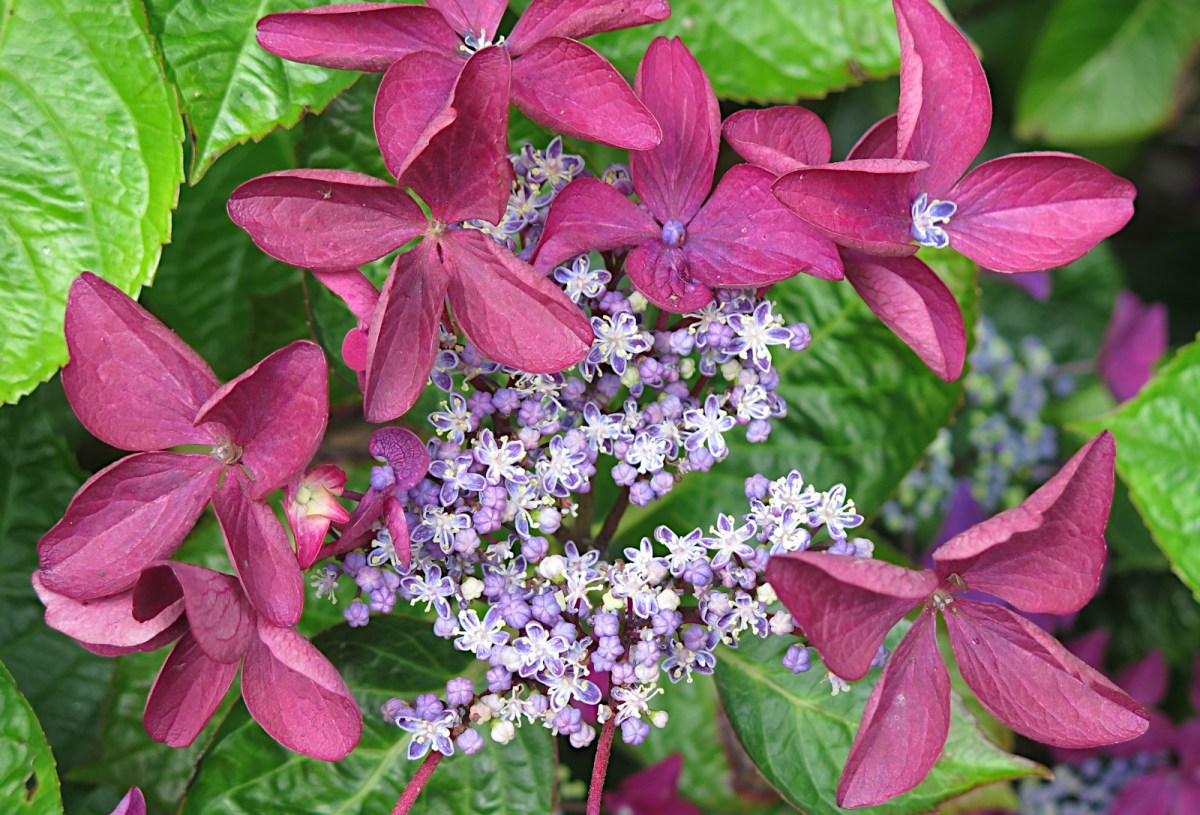
Image of the day – 78

The photos were not taken from quite the same place, the landscape is more established and natural than it was 64 years ago, there has been a modification to the overspill structure.

< Previous | Index | Next >

What’s in an image? Sometimes quite a lot, more than meets the eye.

I’m posting an image every two days (or as often as I can). A photo, an image from the internet, a diagram or a map. Whatever takes my fancy.

Click to enlarge

This is the Spelga Dam in the mountains of Mourne. The reason I’m including it here is that I took a photo of it when I was quite young and that earlier shot is below for comparison and additional interest.

I took the old photo when I’d just turned twelve, and the recent one when I’d just turned seventy-six, so they’re almost precisely sixty-four years apart. So what has changed in that time? Not much, really! I have changed far more in that time than the dam and its surroundings have done. The photos were not taken from quite the same place, the landscape is more established and natural than it was 64 years ago, there has been a modification to the overspill structure, and the concrete of the dam is more discoloured – but that’s about it. The dam might well be there in another 64 years, I will not!


Images from our Irish holiday 2024

For convenience, here’s a list of all the Irish holiday images:

28th Jul – Welsh Botanic Garden, Robin, Fishguard
29th Jul – Wicklow Mts, Glendalough, Powerscourt, Rose, Greystones
30th Jul – Liffey, Temple Bar, St Patrick’s Cathedral
31st Jul – Newgrange, Battle of the Boyne
1st Aug – Monasterboice, Mourne, Thrift, Window
2nd Aug – Spelga Dam, Hydrangea, Pipework, Lough Neagh
3rd Aug – Coagh, Springhill, Portrush
4th Aug – Beach at Portrush
5th Aug – Giant’s Causeway, Carrick-a-Rede, Portrush

Themed image collections

The links below will take you to the first post in each collection

Cirencester, Favourites, Irish holiday 2024, Roman villa

< Previous | Index | Next >

Useful? Interesting?

If you enjoyed this or found it useful, please like, comment, and share below. (If you don’t see those links, click the article’s title above the main photo and they will appear.) Send a link to friends who might enjoy the article or benefit from it – Thanks! My material is free to reuse (see conditions), but a coffee is always welcome and encourages me to write more often!

Writing with feathers

Yara has a lovely way with words, especially when you consider that she had to learn English first. Or maybe she expresses herself in a Ukrainian way that English speakers don’t expect.

Here’s more from Yara in Kyiv and her weekly Sunday messages. She stays strong and determined, reporting on events, Ukrainian art and literature, sharing photos and sometimes a video.

I wanted to mention Yara from Ukraine again (aka StrategyWoman) because I’d like you, my readers, to better understand what she and others in Ukraine have to deal with every day. Normal for Ukrainians is not the same as normal in the West – far from it. Yara lives in Kyiv, hears the drones and missiles coming in every night, and the air raid sirens. Her life is not like yours (unless, perhaps, you also live in Ukraine or another country under attack).

Here in the UK, and in western nations more generally, most of us have experienced nothing like this since the Second World War, and you would need to be very old to recall those times.

Yara does not ask us to rescue her, that would be to misunderstand her completely. She wants to live in her own country, not escape to somewhere more peaceful (but nor would she blame those who have left Ukraine). What she does hope for is that we in the west won’t forget about Ukraine.

To guard against our forgetting, she posts weekly messages on Sundays. These provide news, but they are always illustrated by beautiful artworks and photos, and she usually explains something from her daily life and from those around her.

Yara has a lovely way with words, especially when you consider that she had to learn English first. Or maybe she expresses herself in a Ukrainian way that English speakers don’t expect. However that may be, her words are fresh in innovative and interesting turns of phrase. For example:

Every support adds a feather to my wings. Yeah, I use these feathers to write you letters.

And she included the picture of feathers in a nest along with the words above.

If you’re willing to read her Sunday letters you are unlikely to be disappointed. For starters, read her 27th October letter for yourself. Even better, sign up to receive her letters regularly, the links are on Yara’s page. Sign up for free, but if you like what you find, do consider supporting her as well.

Image of the day – 77

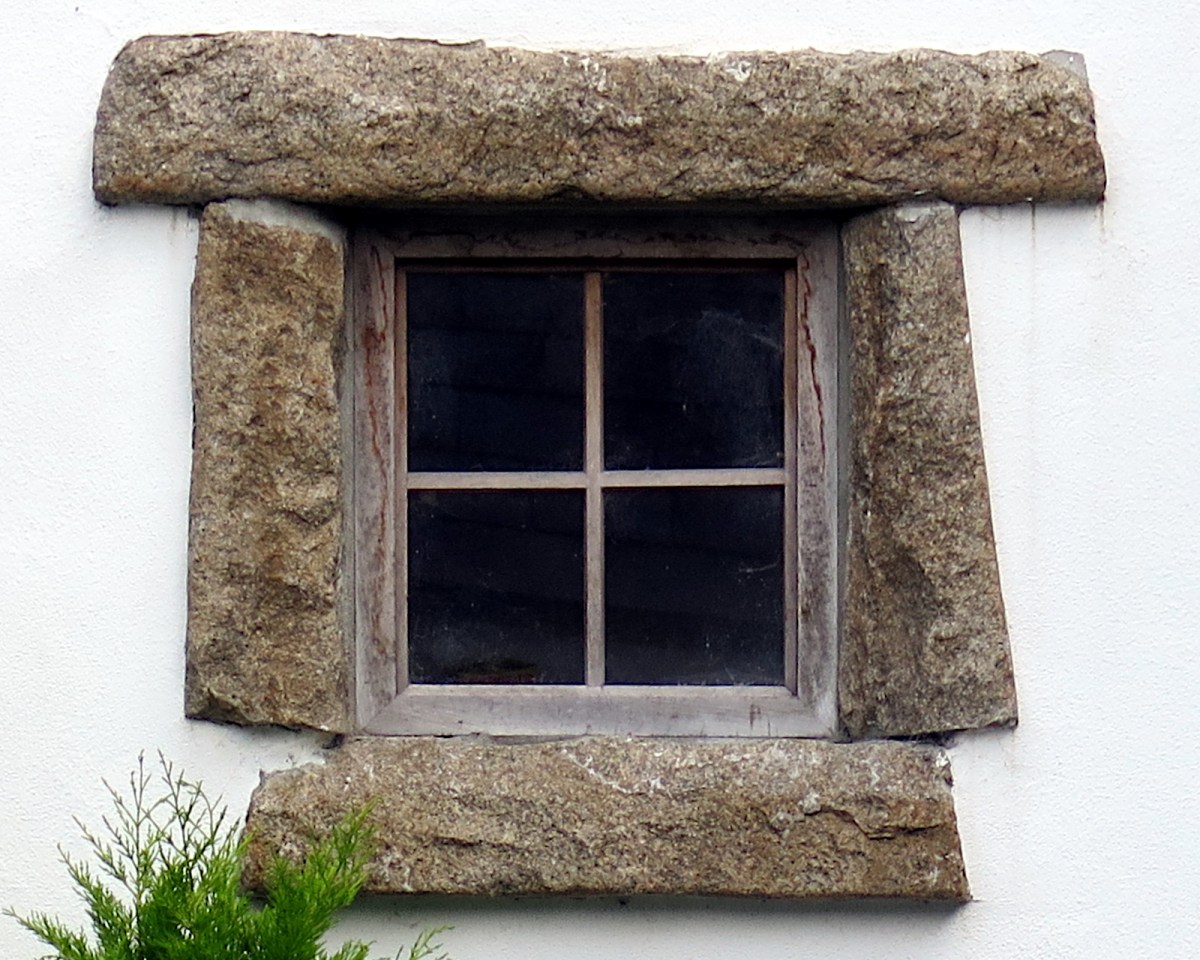
This looks like a window that would invite you in if you were a friend, but sternly resist if you were trying to break in or up to no good!

< Previous | Index | Next >

What’s in an image? Sometimes quite a lot, more than meets the eye.

I’m posting an image every two days (or as often as I can). A photo, an image from the internet, a diagram or a map. Whatever takes my fancy.

(I plan to return to some more images from our Irish holiday for a while, before getting back to more Cirencester images in the near future.)

Click to enlarge

I felt I really had to share this delightful little farmhouse window with you. Donna had booked an AirBNB near Castlewellan and it was right next to the farmhouse across a little, cobbled yard.

I love the heavy, stone construction and the little wooden frame – so rustic, so pretty, and a young conifer is trying to get in on the act in the lower left corner. This looks like a window that would invite you in if you were a friend, but sternly resist if you were trying to break in or up to no good! I’ve never before thought of windows as having personalities – but this one certainly does!


Images from our Irish holiday 2024

For convenience, here’s a list of all the Irish holiday images:

28th Jul – Welsh Botanic Garden, Robin, Fishguard
29th Jul – Wicklow Mts, Glendalough, Powerscourt, Rose, Greystones
30th Jul – Liffey, Temple Bar, St Patrick’s Cathedral
31st Jul – Newgrange, Battle of the Boyne
1st Aug – Monasterboice, Mourne, Thrift, Window
2nd Aug – Spelga Dam, Hydrangea, Pipework, Lough Neagh
3rd Aug – Coagh, Springhill, Portrush
4th Aug – Beach at Portrush
5th Aug – Giant’s Causeway, Carrick-a-Rede, Portrush

Themed image collections

The links below will take you to the first post in each collection

Cirencester, Favourites, Irish holiday 2024, Roman villa

< Previous | Index | Next >

Useful? Interesting?

If you enjoyed this or found it useful, please like, comment, and share below. (If you don’t see those links, click the article’s title above the main photo and they will appear.) Send a link to friends who might enjoy the article or benefit from it – Thanks! My material is free to reuse (see conditions), but a coffee is always welcome and encourages me to write more often!

Outward and integrated-1

If we let him, Jesus will take us first into mission and then into new church life, shaped as he wants it to be. And this will be different depending on whether we live in France or Fiji, inner city or village, or among the poor or rich.

< Previous | Index | Next >

This article is an updated extract from my short book, Jesus, Disciple, Mission, Church (JDMC). The bite-sized piece below is roughly two percent of the book. This time we make a start on the third forgotten way.

Once we are growing as apprentices (disciples), we will quickly realize that there are other steps to be taken. We are not only to be apprentices, we’re also to make more apprentices. On the one hand this is about being mission minded (Matthew 28:19), a people who are always going out into the world. On the other hand it’s about being embedded in the culture around us, a people who are deeply involved (1 Corinthians 9:19-23).

Mission is far more than just a church activity because it’s based on Father’s constant intention to mend and restore creation. We often try to attract or even cajole the world into coming to what we are doing, but Father sends us out. Drawing people in separates them from their culture and friends; to catch lots of fish we must put out to sea where the fish live, not just sit on the pier with a rod and line trying to hook them onto dry land.

Get stuck right in with the business of making disciples and growing in discipleship. (Acts 14:21-22) Don’t wait. Be active right from the start. Then reflect together, pray together and celebrate what Jesus is doing amongst you and around you. What went well? What might have been done better? What can you learn?

Discuss – Think about how you might share in a culture in order to reach
the people there. How fully present will you be among the people you want
to reach? Do you know who they are yet?

Doing it Jesus’ way

Be wary of reforming people, persuading them to wear different clothes, eat different food or change their customs, culture and language. This won’t reveal Christ to them! If you claim to represent Jesus, they will assume that he is like you. Jesus came to live among the ordinary people of Judea and Galilee and he expects us to live among the people around us and identify with them; this demands that we go deep, something Paul understood and practised (1 Corinthians 9:19–23). Jesus shows us how to do it, he ate with Pharisees and tax collectors. He was fully present. He came as a servant and he shared the good news. It’s completely astounding that the Almighty Creator of the universe lived as a man among the village folk of Galilee for thirty years – and nobody noticed! That shows us how deeply he involved himself in the local culture, he became invisible.

Jesus is our example for going out and going deep. These two activities work together so that the gospel (good news) and the church (the gospel people) become firmly embedded in the local community. Rapid expansion is not going to happen any other way. We need to understand that knowing Jesus more deeply will lead us into both going out (Luke 10:1-4) and going deep (Luke 10:5-7). That will affect what church looks like in the place where we live. If we let him, Jesus will take us first into mission and then into new church life, shaped as he wants it to be. And this will be different depending on whether we live in France or Fiji, inner city or village, or among the poor or rich.

Discuss or consider – Will you identify with people as you find them, or will you bring your own culture with you as if that, too, is part of the good news? Jesus came in weakness, he came to give up his life. Talk about what that might mean for you as you follow him.

Getting out there

Getting close to the people we want to connect with is something we can plan for. Living in the locality is a good start. Find out where people gather and go there regularly (Acts 16:13-16, Acts 17:17), if possible go in pairs or small groups. Cafes, sports clubs, pubs, the market place and local parks are all good places to choose. Use these places for your planning meetings and discussions. Walk your dog regularly and get to know the people you meet on the way, take books and study material to the library or a local cafe and read there. Join local clubs and societies that interest you. The more often you are in the same place at the same time the more likely you are to meet the same people and get to know them.

You will need to make space for this in a busy life. Good relationships grow informally over time so be available for that to happen. Stay longer to talk; be willing to go somewhere else when a friend needs help. Make time at weekends when most people relax; simplify and streamline your life to make this possible. reduce the time you spend planning and meeting as a group or church so that you can be more available in the local community.

Be creative and try as many new ideas as you can. A good way to start random conversations with people is to offer them something they don’t expect. Take a container of cupcakes to give away, or hot soup in the winter. Ask people to choose their favourite photo from a folder and then give it to them to take home. You’ll be surprised how open people can be when you do things like this. As you read the gospels, notice how Jesus engaged people.

Ask yourselves questions such as – Where do people gather? Where do they find meaning and identity? Where is the Lord already working? How can I join in? What does good news look like to these people? Think about the groups of people you are being called to reach. Make friends with local influencers and leaders, people who are spiritually open and have good reputations. Again, in the gospels, notice where Jesus went and who he talked with.

Discuss or consider – Talk about some ways you might go out taking love and good news with you. What groups of people do you think you might reach? Think of things that will work among those people. What would be good news for them? Write down these ideas so you can refer back to them later. Take time to pray about it before moving on with the next section.

See also:

Discipleship – Dave Gibbons, Verge

More sections of JDMC

IntroductionJDMC, what does it contain?Using JDMC – how to approach it

Working together in six waysIntro and Way 1Ways 2, 3 and 4Ways 5 and 6, six ways

Way One, Jesus at the centreJesus at centre 1Jesus at centre 2Jesus at centre 3

Way Two, Becoming disciplesDisciples 1Disciples 2Disciples 3

Way Three, Outward and integratedOutAndInt1, OutAndInt2

Way Four, Gifts for buildingGiftsForBuilding1, GiftsForBuilding2

Way Five, A living organismLivingOrg1, LivingOrg2

More sections will appear here…

The work of the SpiritIntroJesus, disciples, outwardGifts, living, community, help

Other church leadersIntro, bishops, eldersDeacons, pastors, priests

Last wordsThe end can also be the beginning

< Previous | Index | Next >

Read the book

This was extracted from Jesus, Disciple, Mission, Church (JDMC), pages 21 and 22. Download the whole thing or read it online – GetJDMC.scilla.org.uk

Useful? Interesting?

If you enjoyed this or found it useful, please like, comment, and share below. (If you don’t see those links, click the article’s title above the main photo and they will appear.) Send a link to friends who might enjoy the article or benefit from it – Thanks! My material is free to reuse (see conditions), but a coffee is always welcome and encourages me to write more often!
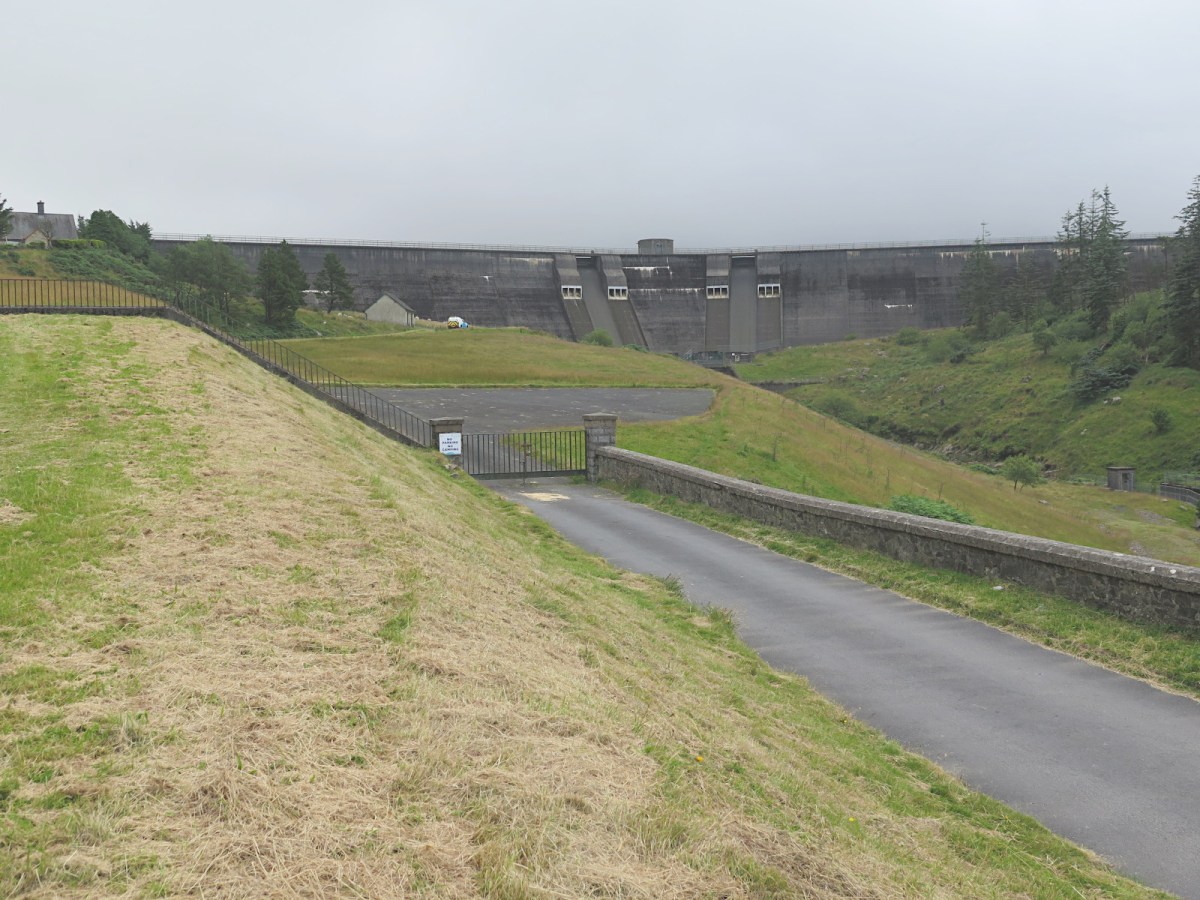
Image of the day – 76

Chesterton, Stratton and the Beeches areas stand on slightly higher ground. For this reason, the church tower is visible from the distance wherever the view is not blocked by woodland or buildings.

< Previous | Index | Next >

What’s in an image? Sometimes quite a lot, more than meets the eye.

I’m posting an image every two days (or as often as I can). A photo, an image from the internet, a diagram or a map. Whatever takes my fancy.

(I’ve posted 22 photos of Cirencester recently; I’m going to choose some other topics for a while and will return to images of the town later.)

Click to enlarge

The Parish Church of John Baptist towers (no pun intended) over the rooftops of other buildings in Cirencester in this image. The photo was taken looking east from the top of one of the grassy banks covering the Roman Amphitheatre. The honey-coloured Cotswold stone glows in low, January sunlight from the south.

In the background you can see the low hills that surround the town in most directions; the town itself lies on the lower area where the Churn approaches the Thames, but this lower area is small. The Roman town of Corinium was entirely on flatter land (apart from the amphitheatre); but the modern town has spread further, so Chesterton, Stratton and the Beeches areas stand on slightly higher ground. For this reason, the church tower is visible from the distance wherever the view is not blocked by woodland or buildings.

Cirencester

For convenience, here’s a list of all the Cirencester area images:

A417 roadworks, Advent Market, Bishops Walk, Baunton, Canal 1, 2, Castle Street, Christmas lights 1, 2, Church 1, 2, 3, 4, 5, 6, Churn flood, Countryside, Fallen tree, Fleece, Gasworks, Gloucester Street, Hare 1, 2, Hospital, Market Place 1, Phoenix Fest, Riverside Walk, Stone plaque, Stratton Meadow, Tank traps, View, Wonky 1, 2, Yellow Iris

Themed image collections

The links below will take you to the first post in each collection

Cirencester, Favourites, Irish holiday 2024, Roman villa

< Previous | Index | Next >

Useful? Interesting?

If you enjoyed this or found it useful, please like, comment, and share below. (If you don’t see those links, click the article’s title above the main photo and they will appear.) Send a link to friends who might enjoy the article or benefit from it – Thanks! My material is free to reuse (see conditions), but a coffee is always welcome and encourages me to write more often!

Becoming disciples-3

There’s a real need to put what you are learning into practice. It needs to move from being head knowledge to being something you do.

< Previous | Index | Next >

This article is an extract from my short book, Jesus, Disciple, Mission, Church (JDMC). The bite-sized piece below is roughly one percent of the book. This is the third part of the second forgotten way.

Be active from the start and stay active

Get stuck right in with the business of making disciples and growing in discipleship. (Acts 14:21-22) Don’t wait. Be active right from the start. Then reflect together, pray together and celebrate what Jesus is doing amongst you and around you. What went well? What might have been done better? What can you learn?

Keep going around this loop – action, reflection – action, reflection – do and grow. This can be very helpful, giving people a chance to experiment and learn about strengths and weaknesses, opportunities and threats. Some experiments may work out, others may not. You might find a coach in another group that has already been through this learning process; you might avoid known pitfalls and pick up useful ideas and tips. Do remember, though, that coaching may be helpful but is by no means essential. A small group of people and the Holy Spirit together will always do well.

Discuss or consider – Do you see the value of reflecting on your successes and failures? Have you started doing this yet?

Keeping up the momentum

Don’t lose what you have discovered in this part of the guide. Spend time praying about how you should respond (Matthew 6:6-8); listen to the Holy Spirit (John 14:26). Write down what you hear from him and record any significant thoughts, ideas or plans you have. And spread the benefits; if you found this session useful, encourage others to try it too. (If you’re unfamiliar with purposefully listening to the Spirit, read The work of the Spirit and then
return here.)

As with every section of this guide, there’s a real need to put what you are learning into practice. It needs to move from being head knowledge to being something you do. In fact, it will work much better the other way round; begin with some doing and the head knowledge will gradually crystallise.

So don’t spend too much time theorising and planning. Make some simple choices and get started. There are some ideas in the notes above, and there are some in the sources listed below. But often, the most relevant ideas may be those you think up for yourselves.

Discuss or consider – Is anything holding you back? If so identify it and deal with it. If not, go and make a start on the activities you decided on!

See also:
More sections of JDMC

IntroductionJDMC, what does it contain?Using JDMC – how to approach it

Working together in six waysIntro and Way 1Ways 2, 3 and 4Ways 5 and 6, six ways

Way One, Jesus at the centreJesus at centre 1Jesus at centre 2Jesus at centre 3

Way Two, Becoming disciplesDisciples 1Disciples 2Disciples 3

Way Three, Outward and integratedOutAndInt1, OutAndInt2

Way Four, Gifts for buildingGiftsForBuilding1, GiftsForBuilding2

Way Five, A living organismLivingOrg1, LivingOrg2

More sections will appear here…

The work of the SpiritIntroJesus, disciples, outwardGifts, living, community, help

Other church leadersIntro, bishops, eldersDeacons, pastors, priests

Last wordsThe end can also be the beginning

< Previous | Index | Next >

Read the book

This was extracted from Jesus, Disciple, Mission, Church (JDMC), pages 19 and 20. Download the whole thing or read it online – GetJDMC.scilla.org.uk

Useful? Interesting?

If you enjoyed this or found it useful, please like, comment, and share below. (If you don’t see those links, click the article’s title above the main photo and they will appear.) Send a link to friends who might enjoy the article or benefit from it – Thanks! My material is free to reuse (see conditions), but a coffee is always welcome and encourages me to write more often!
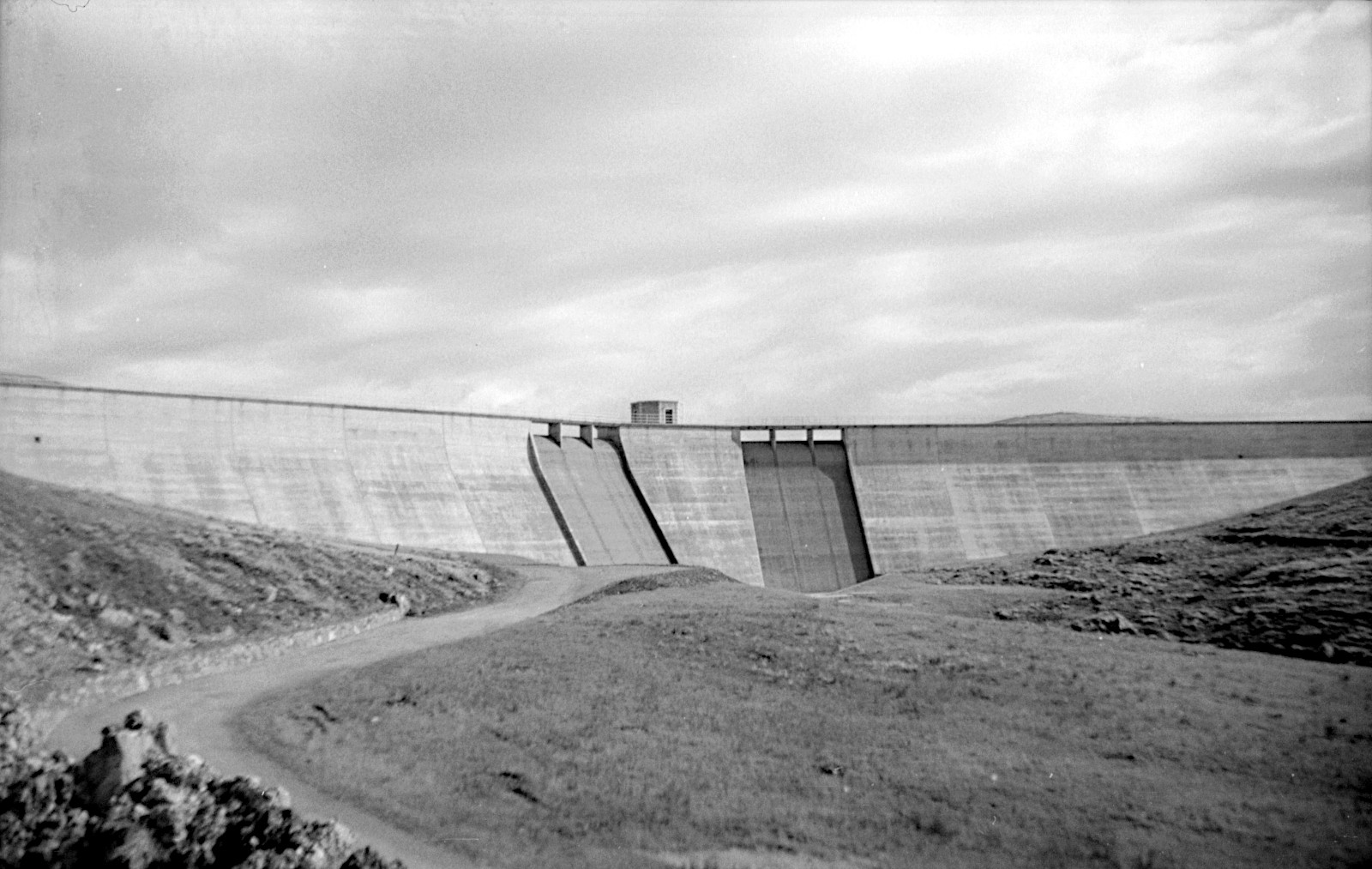
Image of the day – 75

As you might expect, in addition to the music there’s a selection of vans serving food and drink, and the event has a relaxed, family atmosphere.

< Previous | Index | Next >

What’s in an image? Sometimes quite a lot, more than meets the eye.

I’m posting an image every two days (or as often as I can). A photo, an image from the internet, a diagram or a map. Whatever takes my fancy.

Click to enlarge

Yes – This, too, is Cirencester! this is the annual Phoenix Festival, held in the Abbey Grounds right next to the Parish Church. The Phoenix is an old Cirencester emblem, and the name seemed a natural one.

Saxon forces defeated Romano-Britons in the year 577 CE and the old Roman town of Corinium was sacked and destroyed. Cirencester rose from the ashes like the Phoenix and this might be the reason for the association; but there are other plausible explanations.

However that might be, the Phoenix Festival is popular locally and is free of charge. As you might expect, in addition to the music there’s a selection of vans serving food and drink, and the event has a relaxed, family atmosphere. It’s held on two consecutive days in late August. See you there next year?

Oh, by the way, Cirencester’s Phoenix Festival is not to be confused with the Phoenix Festival once held annually near Stratford-on-Avon. That festival was a rival to Glastonbury, very big with world-class bands and notorious for crowd troubles and bad behaviour.

Cirencester

For convenience, here’s a list of all the Cirencester area images:

A417 roadworks, Advent Market, Bishops Walk, Baunton, Canal 1, 2, Castle Street, Christmas lights 1, 2, Church 1, 2, 3, 4, 5, 6, Churn flood, Countryside, Fallen tree, Fleece, Gasworks, Gloucester Street, Hare 1, 2, Hospital, Market Place 1, Phoenix Fest, Riverside Walk, Stone plaque, Stratton Meadow, Tank traps, View, Wonky 1, 2, Yellow Iris

Themed image collections

The links below will take you to the first post in each collection

Cirencester, Favourites, Irish holiday 2024, Roman villa

< Previous | Index | Next >

Useful? Interesting?

If you enjoyed this or found it useful, please like, comment, and share below. (If you don’t see those links, click the article’s title above the main photo and they will appear.) Send a link to friends who might enjoy the article or benefit from it – Thanks! My material is free to reuse (see conditions), but a coffee is always welcome and encourages me to write more often!