Image of the day – 69

I don’t know the age of this house, but it is clearly a timber-framed structure and some of those main timbers have adjusted comprehensively to the action of gravity over several centuries.

< Previous | Index | Next >

What’s in an image? Sometimes quite a lot, more than meets the eye.

I’m posting an image every two days (or as often as I can). A photo, an image from the internet, a diagram or a map. Whatever takes my fancy.

Click to enlarge

Here’s Cirencester’s wonkiest house – well, one of them. Until the 18th century, many buildings would have been constructed of timber, and we all know that timber is prone to warp even after seasoning, and it also responds to pressure and stress by slowly changing its shape.

Modern engineered wooden products generally avoid these issues. For example, plywood is in layers with the grain running in different directions from layer to layer. A thin sheet of wood is weak along the line of the grain, in that direction it will split easily when bent. But it will resist bending and splitting if rotated 90°. So multiple sheets glued together can be strong in all directions.

A timber-framed house

I don’t know the age of this house in Dollar Street, but it is clearly a timber-framed structure and some of those main timbers have adjusted comprehensively to the action of gravity over several centuries. Look at the glazing in the windows, for example, compare the windows with their fellows, side-by-side and up and down. See what I mean? At some point a layer of render was added to hide and protect the timbers so these are no longer visible.

The building is unoccupied at present, but I imagine it’s safe enough. Imagine how the new owners in due course will struggle to make right-angled furniture fit into walls and floors at odd angles

What about us?

Are we sometimes a little bit like this house? Do the pressures of life, sustained over years, even decades, cause us to be a little distorted? Is it difficult for other people with their right-angled opinions and requirements to fit into our expectations given our out-of-true alignments? Is the truth about us sometimes plastered over and hidden from view?

Or might it be the other way around? Am I, are you, straight and true and the fault lies with everyone else?

Cirencester

For convenience, here’s a list of all the Cirencester area images:

A417 roadworks, Advent Market, Bishops Walk, Baunton, Canal 1, 2, Castle Street, Christmas lights 1, 2, Church 1, 2, 3, 4, 5, 6, Churn flood, Countryside, Fallen tree, Fleece, Gasworks, Gloucester Street, Hare 1, 2, Hospital, Market Place 1, Phoenix Fest, Riverside Walk, Stone plaque, Stratton Meadow, Tank traps, View, Wonky 1, 2, Yellow Iris

Themed image collections

The links below will take you to the first post in each collection

Cirencester, Favourites, Irish holiday 2024, Roman villa

< Previous | Index | Next >

Useful? Interesting?

If you enjoyed this or found it useful, please like, comment, and share below. (If you don’t see those links, click the article’s title above the main photo and they will appear.) Send a link to friends who might enjoy the article or benefit from it – Thanks! My material is free to reuse (see conditions), but a coffee is always welcome and encourages me to write more often!

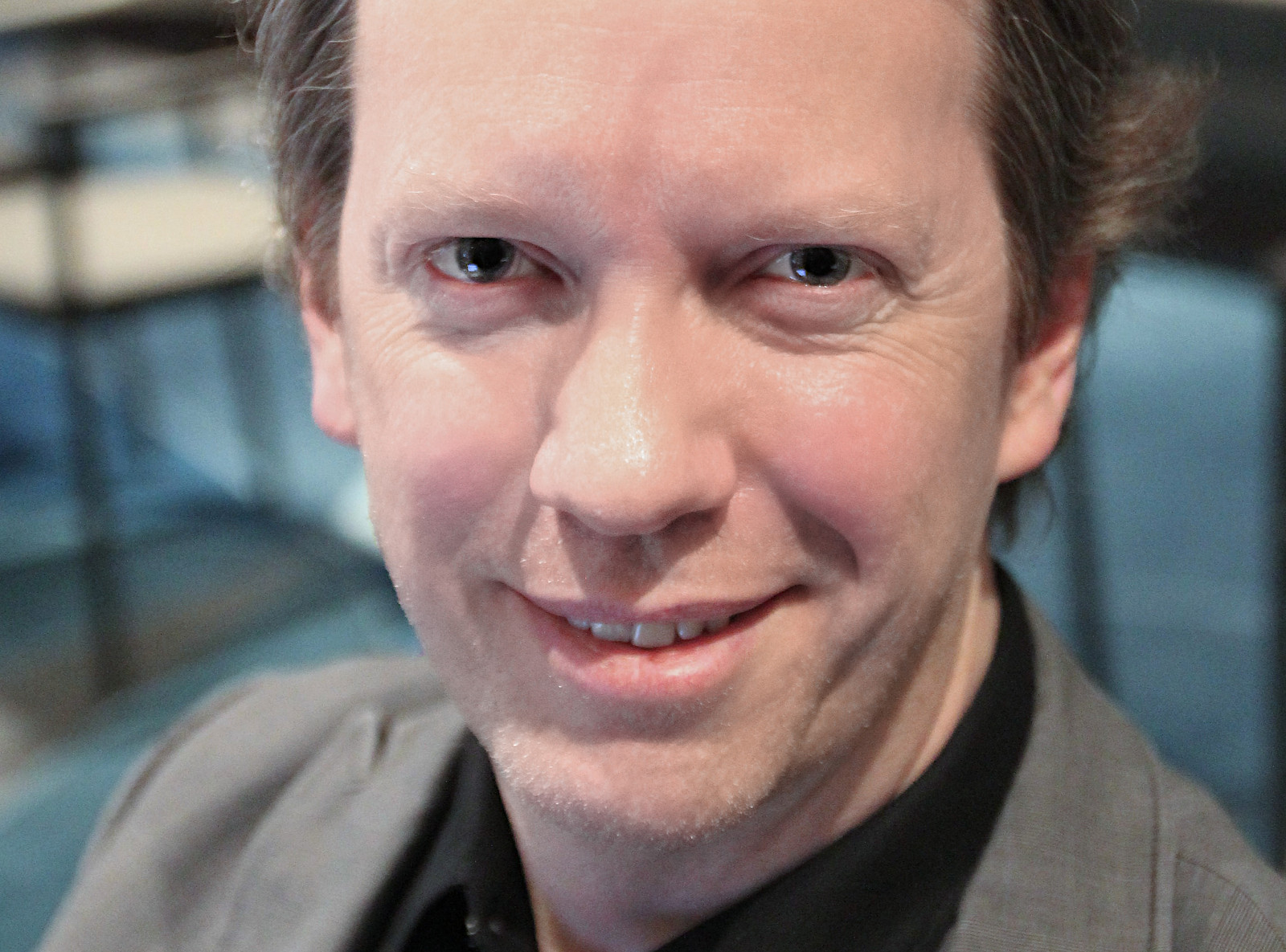
Sean Carroll on future and prediction

If you’re interested in the future of society and human culture (and who is not?) then you’ll be fascinated to hear what Sean has to say in this podcast episode.

A recent Sean Carroll podcast considers the future, and in particular how humanity lives and how this may change. He discusses the nature of predictability, and its limits. Fascinating stuff!

Larger view
(Mediawiki)

Sean Carroll is an American theoretical physicist and philosopher specialising in quantum mechanics, cosmology, and the philosophy of science. He’s the Homewood Professor of Natural Philosophy at Johns Hopkins University.

He’s also active on the internet with his website, Preposterous Universe and interviews experts on a host of topics on his podcast Mindscape. For fuller details about Sean and his work, it’s worth reading the Wikipedia article about him and/or visiting his website (both linked below).

Episode 270

Most episodes of the podcast are interviews with scientists, philosophers and others. But Episode 270 is a solo appearance in which Sean thinks aloud on a topic by himself, and that’s not to say he ignores the ideas and work of others – far from it. He discusses his own ideas and those of others, explaining why the early stages of exponential growth may not be easily distinguishable from other kinds of curve such as asymptotic (where growth eventually slow and creeps ever closer to a maximum) or even a singularity or a phase transition (where growth may suddenly settle into a new and altogether different pattern).

Sean unpacks a lot of ideas here, and he’s careful to express his thoughts in ways that most people will be able to understand and digest. Sean is a mathematician (a necessary skill for any physicist) but even non-mathematicians will be able to follow his arguments here.

If you’re interested in the future of society and human culture (and who is not?) then you’ll be fascinated to hear what Sean has to say in this podcast episode. He will certainly cut the ground out from under your feet if you hold the opinion that we will go on expanding and thriving indefinitely.

See also:

Useful? Interesting?

If you enjoyed this or found it useful, please like, comment, and share below. (If you don’t see those links, click the article’s title above the main photo and they will appear.) Send a link to friends who might enjoy the article or benefit from it – Thanks! My material is free to reuse (see conditions), but a coffee is always welcome and encourages me to write more often!

Image of the day – 68

An imaginary, stone creature with wings stares down at you as it helps to support the stone ceiling below the tower.

< Previous | Index | Next >

What’s in an image? Sometimes quite a lot, more than meets the eye.

I’m posting an image every two days (or as often as I can). A photo, an image from the internet, a diagram or a map. Whatever takes my fancy.

Click to enlarge

Here’s a second photo from inside Cirencester’s Parish Church. This time we’re looking up for a view of the nave’s wooden ceiling with it’s interesting construction and wooden boarding that supports the external lead sheets to provide the necessary weather-proofing. The structure is certainly a cut above the average house roof!

If you look to the left of the top of the leftmost stone pillar, you will notice a grotesque figure. An imaginary, stone creature with wings stares down at you as it helps to support the stone ceiling below the tower, this space under the tower forms the West Porch of the building.

You can also see some of the north-facing nave windows just below the wooden ceiling, and sunlit stonework from beams shining through the south-facing nave windows (out of sight in this view).

Cirencester

For convenience, here’s a list of all the Cirencester area images:

A417 roadworks, Advent Market, Bishops Walk, Baunton, Canal 1, 2, Castle Street, Christmas lights 1, 2, Church 1, 2, 3, 4, 5, 6, Churn flood, Countryside, Fallen tree, Fleece, Gasworks, Gloucester Street, Hare 1, 2, Hospital, Market Place 1, Phoenix Fest, Riverside Walk, Stone plaque, Stratton Meadow, Tank traps, View, Wonky 1, 2, Yellow Iris

Themed image collections

The links below will take you to the first post in each collection

Cirencester, Favourites, Irish holiday 2024, Roman villa

< Previous | Index | Next >

Useful? Interesting?

If you enjoyed this or found it useful, please like, comment, and share below. (If you don’t see those links, click the article’s title above the main photo and they will appear.) Send a link to friends who might enjoy the article or benefit from it – Thanks! My material is free to reuse (see conditions), but a coffee is always welcome and encourages me to write more often!

The Wayback Machine

So let’s look at some examples… But do bear in mind that the retrieval process may be quite slow. Time travel takes time.

Time travel would be interesting, but we can be pretty sure it can’t be done. However, history lets us visit the past in a sense. And when it comes to the web, there’s always the amazing Wayback Machine.

The Wayback Machine archives websites and stores them for future use, and anyone can use it to see past versions of sites, or visit sites that are no longer available. Also, anyone can enter a web address and ask for it to be archived.

The Wayback Machine has had a torrid time with DDoS attacks and data theft over the last few weeks, but it’s all fixed and working again as of 14th October (though in read-only mode for the time being).

So let’s look at some examples. Click the links below to check them out, but do bear in mind that the retrieval process may be quite slow. Time travel takes time:

Why not explore some old websites for yourself? Just visit web.archive.org and search for a website you like or one that no longer exists.

What serious uses does it have?

The Wayback Machine (or Web Archive) serves a number of useful purposes beyond viewing old versions of websites for fun.

  • Historical research
  • For checking accountability
  • Verification
  • As legal evidence
  • Viewing websites that no longer exist

For further details, read the Wikipedia article on the Wayback Machine.

Useful? Interesting?

If you enjoyed this or found it useful, please like, comment, and share below. (If you don’t see those links, click the article’s title above the main photo and they will appear.) Send a link to friends who might enjoy the article or benefit from it – Thanks! My material is free to reuse (see conditions), but a coffee is always welcome and encourages me to write more often!
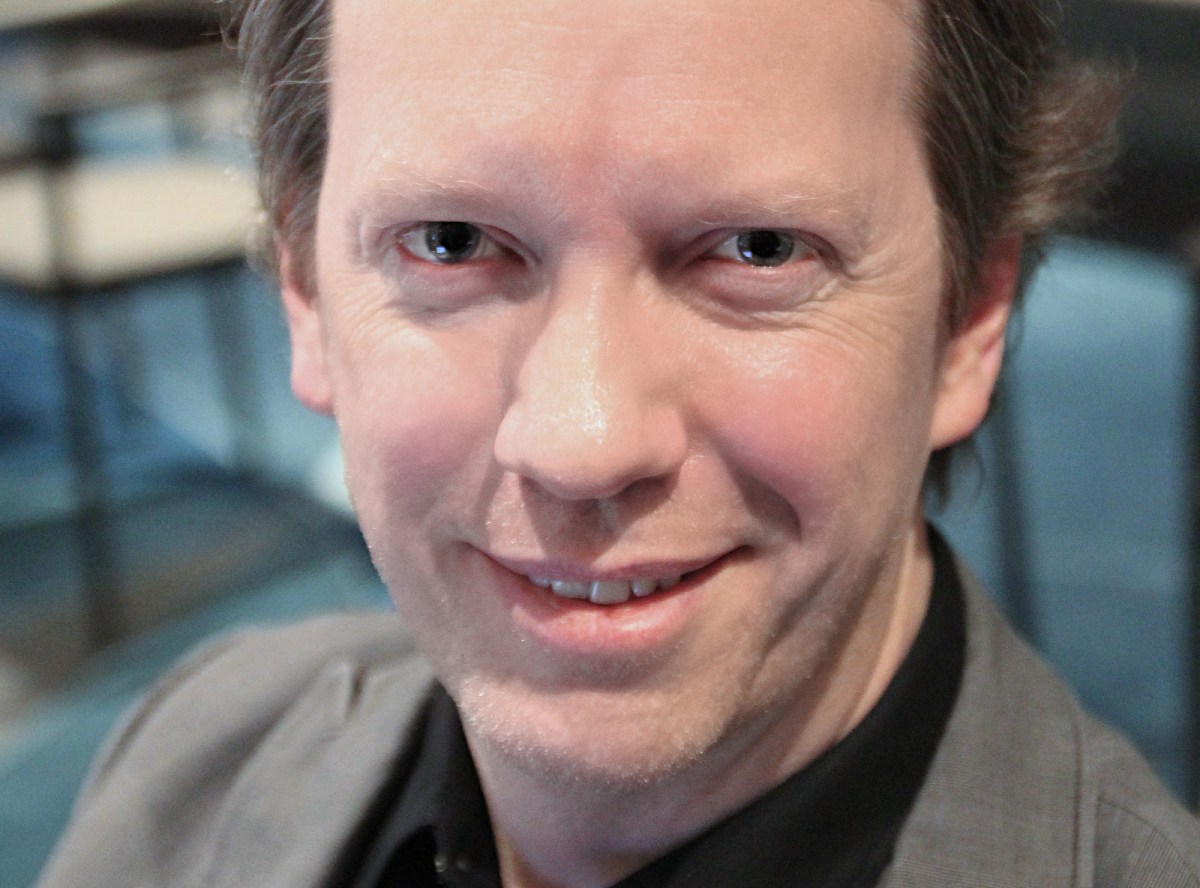
Image of the day – 67

Because the church is so large (one of the largest in England), it’s sometimes called ‘The Cathedral of the Cotswolds’.

< Previous | Index | Next >

What’s in an image? Sometimes quite a lot, more than meets the eye.

I’m posting an image every two days (or as often as I can). A photo, an image from the internet, a diagram or a map. Whatever takes my fancy.

Click to enlarge

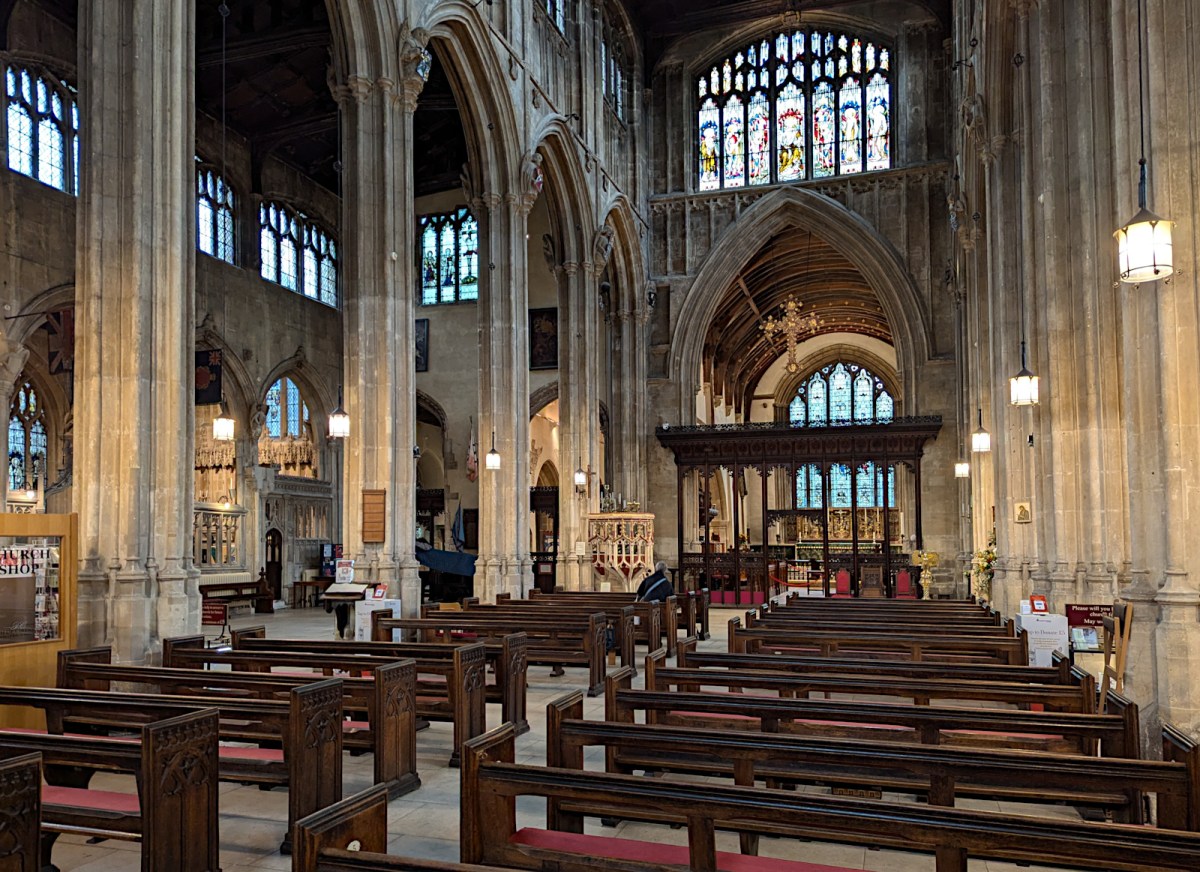
This is an interior view of Cirencester’s Parish Church of John Baptist. The long view you see here is the nave with the chancel at the far end (beyond the screen); the chancel is the oldest part of the building, perhaps dating to about 100 years after the Norman invasion; it’s in this area that the Saxon church stood. Alterations and additions were built at various times from the late 12th century through to the mid 16th century, the tower being added at the beginning of the 15th.

The church overlies parts of the Roman city of Corinium, possibly concealing some ‘missing features’. The city would have baths and a theatre as both were important features in Roman times. No trace of either has been found by the archaeologists.

Because the church is so large (one of the largest in England), it’s sometimes called ‘The Cathedral of the Cotswolds’. Nonetheless, it’s just a local parish church.

Cirencester

For convenience, here’s a list of all the Cirencester area images:

A417 roadworks, Advent Market, Bishops Walk, Baunton, Canal 1, 2, Castle Street, Christmas lights 1, 2, Church 1, 2, 3, 4, 5, 6, Churn flood, Countryside, Fallen tree, Fleece, Gasworks, Gloucester Street, Hare 1, 2, Hospital, Market Place 1, Phoenix Fest, Riverside Walk, Stone plaque, Stratton Meadow, Tank traps, View, Wonky 1, 2, Yellow Iris

Themed image collections

The links below will take you to the first post in each collection

Cirencester, Favourites, Irish holiday 2024, Roman villa

< Previous | Index | Next >

Useful? Interesting?

If you enjoyed this or found it useful, please like, comment, and share below. (If you don’t see those links, click the article’s title above the main photo and they will appear.) Send a link to friends who might enjoy the article or benefit from it – Thanks! My material is free to reuse (see conditions), but a coffee is always welcome and encourages me to write more often!
Becoming disciples-1

It will help us if we talk about these commitments daily, read what the Bible has to say about them, and pray and work together to sharpen our focus.

< Previous | Index | Next >

This article is an extract from my short book, Jesus, Disciple, Mission, Church (JDMC). The bite-sized piece below is roughly two percent of the book. This time we begin on the second forgotten way.

Introduction

Becoming disciples is important because it’s the main way believers grow to be more like Jesus. It’s not a process with a beginning and an end; it’s ongoing throughout our lives. And we’re not automatically disciples simply because we have believed. Not all of the crowds who listened to Jesus or were healed by him were disciples. Only those who followed him and were greatly changed could claim to be disciples (Matthew 4:19, Matthew 10:38).

The English word ‘disciple’ is rather old-fashioned these days, but it has more or less the same meaning as ‘apprentice’. In particular it’s all about learning to do the things that the expert is already doing, and Jesus is the expert here. Apprentices don’t just learn from books; this is a hands-on experience. At first, things will often go wrong, but apprentices get better and better by repeatedly doing something under supervision. Expect that to happen to you as Jesus’ apprentice.

Because this change is hard and takes time, Jesus put most of his effort into three years of living closely with a small band of men and women who were prepared to do much more than simply be amazed. They were utterly transformed in those three years. The fact that Jesus worked this way reveals how important making disciples was and is. He put everything he had into those few, and when he returned to the Father they were the ones he continued to work with to reach the nations and build his church (John 17:6-23).

Jesus needs men and women who will become conformed to his image. They are his disciples.

The challenges for us include rejecting false gods such as consumerism, becoming more and more like Jesus, and understanding that we most effectively change by doing, not merely by thinking. Imagine an apprentice plumber who had studied all the books on plumbing but had never bent a pipe or soldered a joint.

Discuss or consider – ‘We most effectively change by doing, not merely by thinking.’ Is this true in your experience? List some examples. Think about the skills involved in sport, work, music, art. Are there any areas of life in which regular practice doesn’t help?

A more effective way

If we are going to become disciples, who will disciple us? Sometimes it’s been thought that we need to follow others who have set us a good example. But if we follow another person there is always a risk of following some bad habits in amongst the good. This must be so; we know that nobody is perfect.

To do better than this we must follow a leader and guide who is perfect (Matthew 4:18-22, 5:43-48, John 10:30) , and that’s a tall order indeed for any human being – except one.

Discuss or consider – Who could you turn to as the One example to follow? Yes, the answer is obvious, of course. But what does this mean in practice? Talk together about anything you might try to help you become better disciples of Jesus.

Really mean business

We can begin by setting ourselves the highest standard for discipleship – the standard Jesus himself set us. This includes loving the Father with all our heart, mind and strength; denying ourselves; lifting our own heavy cross; and following Jesus and loving those around us in active and meaningful ways (Luke 10:25-28, Matthew 16:24-25, James 2:14-17).

It will help us if we talk about these commitments daily, read what the Bible has to say about them, and pray and work together to sharpen our focus. Read the Bible (2 Timothy 3:16-17), especially the gospels, with a view to what we must do (not just what we must think). Regular patterns of prayer, together and alone, are essential (Philippians 4:6). Don’t forget worship (Hebrews 12:28, Romans 12:1) another key part of becoming a disciple. And worship includes serving one another and the wider community, offering everything back to the Father.

So we need to become kinder, more generous and more patient. We must think about justice, and giving and using our spiritual gifts. And we will need to meet around Jesus and encourage one another. We are responsible for the way we use our time, our skills and our money. These resources are not just for our own pleasure; the way we live speaks volumes about what we value – and the world is watching and listening.

We need to care about our neighbours and about the environment. How can we release more time for friends and family? Are there ways we can represent the Almighty’s deep concern for justice? How can we better care for our surroundings? Try to become an ace recycler, or help keep the locality clean and tidy. Save fuel by turning down the heater or the air conditioner; drive less and walk or cycle short distances instead.

Jesus’ disciples lived and travelled together, ate and talked and listened and learned together. Community is an essential part of being a disciple, for us as for them. He calls us to love one another as he loves us (Ephesians 4:32, Galatians 5:22-23).

Discuss or consider – Pick one or two of the ideas in this section (or ideas of your own) and consider together how you could use them regularly to focus more on living as disciples of Jesus.

More sections of JDMC

IntroductionJDMC, what does it contain?Using JDMC – how to approach it

Working together in six waysIntro and Way 1Ways 2, 3 and 4Ways 5 and 6, six ways

Way One, Jesus at the centreJesus at centre 1Jesus at centre 2Jesus at centre 3

Way Two, Becoming disciplesDisciples 1Disciples 2Disciples 3

Way Three, Outward and integratedOutAndInt1, OutAndInt2

Way Four, Gifts for buildingGiftsForBuilding1, GiftsForBuilding2

Way Five, A living organismLivingOrg1, LivingOrg2

More sections will appear here…

The work of the SpiritIntroJesus, disciples, outwardGifts, living, community, help

Other church leadersIntro, bishops, eldersDeacons, pastors, priests

Last wordsThe end can also be the beginning

< Previous | Index | Next >

Read the book

This was extracted from Jesus, Disciple, Mission, Church (JDMC), pages 17 and 18. Download the whole thing or read it online – GetJDMC.scilla.org.uk

Useful? Interesting?

If you enjoyed this or found it useful, please like, comment, and share below. (If you don’t see those links, click the article’s title above the main photo and they will appear.) Send a link to friends who might enjoy the article or benefit from it – Thanks! My material is free to reuse (see conditions), but a coffee is always welcome and encourages me to write more often!
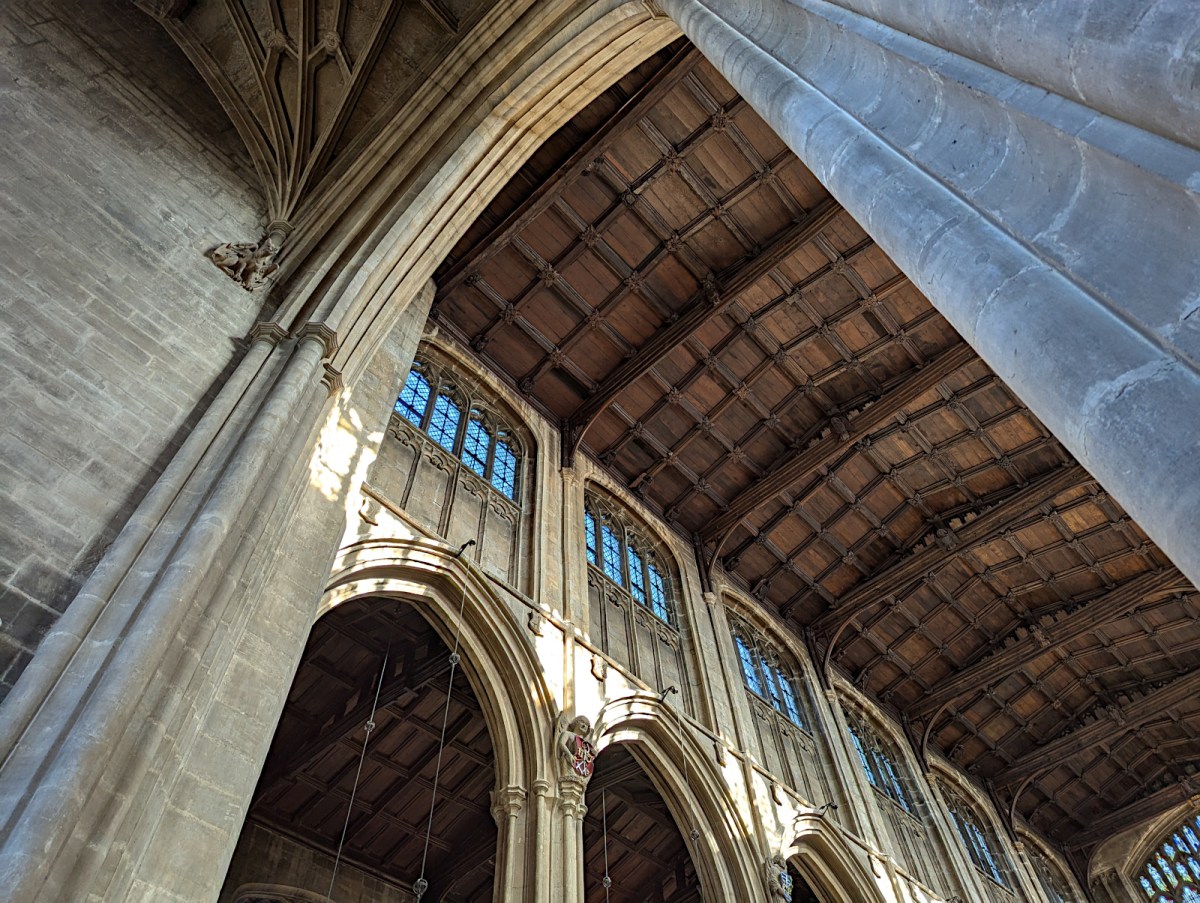
Image of the day – 66

The Parish Church was built beginning in the 12th century, near the site of an earlier Saxon church…It’s by far the largest building in the Market Place and dominates the space.

< Previous | Index | Next >

What’s in an image? Sometimes quite a lot, more than meets the eye.

I’m posting an image every two days (or as often as I can). A photo, an image from the internet, a diagram or a map. Whatever takes my fancy.

Click to enlarge

In an earlier image we saw details of the Parish Church porch. This time we have a view of the entire church, with the porch in the lower right. It appears paler than the rest of the building because it’s had a protective stone paint applied to prevent further weathering; the colour is a good match when the unpainted parts are freshly cleaned.

The Parish Church of St John Baptist was built beginning in the 12th century, near the site of an earlier Saxon church; the tower was added in the 15th century and is the most recent structure. It’s by far the largest building in the Market Place and dominates the space.

Cirencester

For convenience, here’s a list of all the Cirencester area images:

A417 roadworks, Advent Market, Bishops Walk, Baunton, Canal 1, 2, Castle Street, Christmas lights 1, 2, Church 1, 2, 3, 4, 5, 6, Churn flood, Countryside, Fallen tree, Fleece, Gasworks, Gloucester Street, Hare 1, 2, Hospital, Market Place 1, Phoenix Fest, Riverside Walk, Stone plaque, Stratton Meadow, Tank traps, View, Wonky 1, 2, Yellow Iris

Themed image collections

The links below will take you to the first post in each collection

Cirencester, Favourites, Irish holiday 2024, Roman villa

< Previous | Index | Next >

Useful? Interesting?

If you enjoyed this or found it useful, please like, comment, and share below. (If you don’t see those links, click the article’s title above the main photo and they will appear.) Send a link to friends who might enjoy the article or benefit from it – Thanks! My material is free to reuse (see conditions), but a coffee is always welcome and encourages me to write more often!

Jonathan Fink

Silicon Curtain will expand your knowledge and background of the war as well as current events as they unfold. He posts frequently so the interviews are bang up to date.

Jonathan Fink is deeply interested in Russia’s illegal and barbaric invasion of her neighbour, Ukraine. He interviews all sorts of interesting, knowledgeable, and influential people in depth on his channel Silicon Curtain.

The background

Jonathan speaks at length with western politicians, retired army generals, Ukrainian commentators, visionaries, exiled Russians, and more. His interviews are always fascinating and he draws his guests out, always kind and measured, but also always probing and perceptive. Silicon Curtain is well worth watching and will expand your knowledge and background of the war as well as current events as they unfold. He posts frequently so the interviews are bang up to date.

With Mark Galeotti

Here he is, for example, talking with Mark Galeotti, a British historian, academic, and writer as well as being a senior associate fellow at the Royal United Services Institute (Rusi).

With Chuck Pfarrer

And here interviewing Chuck Pfarrer, a retired US Navy Seal team leader and a respected military analyst and commentator, author and more.

Do take time to browse Silicon Curtain, you will find interviews on every aspect of the conflict here with experts who know their topics really well.

Useful? Interesting?

If you enjoyed this or found it useful, please like, comment, and share below. (If you don’t see those links, click the article’s title above the main photo and they will appear.) Send a link to friends who might enjoy the article or benefit from it – Thanks! My material is free to reuse (see conditions), but a coffee is always welcome and encourages me to write more often!

Image of the day – 65

Today, a lot of high street shops have closed as the retail trade has moved more and more towards business online. The future of high streets and shopping arcades is now in doubt.

< Previous | Index | Next >

What’s in an image? Sometimes quite a lot, more than meets the eye.

I’m posting an image every two days (or as often as I can). A photo, an image from the internet, a diagram or a map. Whatever takes my fancy.

Click to enlarge

Towns are always continuing their growth and development to make them more suitable for the current inhabitants. The photo shows Bishops Walk, a covered shopping area linking Cricklade Street with the Brewery car park and the pedestrian space containing the modern version of the hare mosaic. It was opened in 1990, thirty-four years ago.

Today, a lot of high street shops have closed as the retail trade has moved more and more towards business online. The future of high streets and shopping arcades is now in doubt, I wonder if Bishops Walk will still be here in a further thirty-four years. Perhaps it will find alternative uses, or perhaps it will be replaced by some new structure.

For the time being it seems safe enough, shopping under cover is possible in all weathers; and some of the businesses in Bishops Walk appear to be thriving. I wish this place all the best for the future.

Cirencester

For convenience, here’s a list of all the Cirencester area images:

A417 roadworks, Advent Market, Bishops Walk, Baunton, Canal 1, 2, Castle Street, Christmas lights 1, 2, Church 1, 2, 3, 4, 5, 6, Churn flood, Countryside, Fallen tree, Fleece, Gasworks, Gloucester Street, Hare 1, 2, Hospital, Market Place 1, Phoenix Fest, Riverside Walk, Stone plaque, Stratton Meadow, Tank traps, View, Wonky 1, 2, Yellow Iris

Themed image collections

The links below will take you to the first post in each collection

Cirencester, Favourites, Irish holiday 2024, Roman villa

< Previous | Index | Next >

Useful? Interesting?

If you enjoyed this or found it useful, please like, comment, and share below. (If you don’t see those links, click the article’s title above the main photo and they will appear.) Send a link to friends who might enjoy the article or benefit from it – Thanks! My material is free to reuse (see conditions), but a coffee is always welcome and encourages me to write more often!
Jesus at the centre-3

Consider the everyday. How do you love the Lord, the creation, and other people (how do you treat them), consider your obedience, are you willing to spend time in Jesus’ company?

< Previous | Index | Next >

This article is an extract from my short book, Jesus, Disciple, Mission, Church (JDMC). The bite-sized piece below is roughly two percent of the book. This article completes our deeper look at the first forgotten way.

Everything is holy!

Make those ‘ordinary’ things holy! Every part of the Tabernacle was holy, not just the impressive parts, but every little thing. (Exodus 40:9) If we are truly a temple built of living stones, we are all marked as holy, set apart for the Almighty’s exclusive use. (Ephesians 1:13) How can you make cleaning, shopping, work and study holy? Sometimes we think of holiness in terms of what we avoid doing. Instead, begin to think more positively in terms of what you do.

Even the things that give us the greatest pleasure can be enjoyed in his presence, with his blessing and in gratitude. Sometimes we regard these things as worldly, and of course they can be if we misuse them. But they can (and should) also be brought into the place of holiness, part of the kingdom. Think of nothing as apart from him.

Worship is much more than singing songs and praising the Lord, it’s also a matter of obedience. Worship is living lives that honour Jesus, it’s gratefully offering our world back to him. As you read the Bible pay attention to what constitutes worship and allow that learning to reshape how you define and practice worship.

In particular consider the everyday. How do you love the Lord, the creation, and other people (how do you treat them), consider your obedience, are you willing to spend time in Jesus’ company?

Not only should Jesus be at the very centre of our lives, he should also not have to share that place with anyone or anything else.

Discuss or consider – Do you reserve certain activities for use only in church? What are they? They might include prayer, worship and communion; is it possible to take these activities out into society? If not, why not? If so, how?

Put the gospels first

Measure everything you do against what Jesus taught. And to get to grips with that teaching, read and think about the parables and topics like prayer, money and the kingdom; go through the Sermon on the Mount thoroughly. (Matthew 5:1-7:29) Do your best to absorb these truths into your daily life and expect to be deeply affected by them. (Check my post from 24th June 2013 for more on this.)

Reading the gospels on a steady cycle is one idea, aim to read a section every day. If possible read the same passages as other people you know so you can talk about what you read and share insights. Get as many people as possible to join in. Study one of the gospels in depth from time to time. Studying a gospel can be done together or it might be made the topic for a teaching series.

When you read other parts of the New Testament, read them with the life, words, actions and nature of Jesus as the framework. Let Jesus be the source of light that makes the entire New Testament clear to you. And when you read the Old Testament books, look for Jesus there as well. Interpret everything with Jesus’ teachings and actions in mind.

Discuss or consider – Talk together about practical ways you might spend more time in the gospels. They focus on Jesus and they’ll help you do the same. What could you do individually? Even better, what could you do together?

Taking it further

Spread the benefits. If you found this session useful, encourage others to try it.

Where will you take this next? Make some notes about things you have decided to do and goals you want to achieve. Make a list of questions you want answered. Check out the extra information below. Come back and revisit this section from time to time.

Discuss – What is the most important thing you have learned during this
part of the guide? Different things may stand out for different people.
Which of the ideas here and those of your own could you begin to put into
practice? (Don’t bite off more than you can chew! But make sure you
actually make a start on something.)

More sections of JDMC

IntroductionJDMC, what does it contain?Using JDMC – how to approach it

Working together in six waysIntro and Way 1Ways 2, 3 and 4Ways 5 and 6, six ways

Way One, Jesus at the centreJesus at centre 1Jesus at centre 2Jesus at centre 3

Way Two, Becoming disciplesDisciples 1Disciples 2Disciples 3

Way Three, Outward and integratedOutAndInt1, OutAndInt2

Way Four, Gifts for buildingGiftsForBuilding1, GiftsForBuilding2

Way Five, A living organismLivingOrg1, LivingOrg2

More sections will appear here…

The work of the SpiritIntroJesus, disciples, outwardGifts, living, community, help

Other church leadersIntro, bishops, eldersDeacons, pastors, priests

Last wordsThe end can also be the beginning

< Previous | Index | Next >

Read the book

This was extracted from Jesus, Disciple, Mission, Church (JDMC), pages 15 and 16. Download the whole thing or read it online – GetJDMC.scilla.org.uk

Useful? Interesting?

If you enjoyed this or found it useful, please like, comment, and share below. (If you don’t see those links, click the article’s title above the main photo and they will appear.) Send a link to friends who might enjoy the article or benefit from it – Thanks! My material is free to reuse (see conditions), but a coffee is always welcome and encourages me to write more often!