What’s in an image? Sometimes quite a lot, more than meets the eye.
I’m posting an image every two days (or as often as I can). A photo, an image from the internet, a diagram or a map. Whatever takes my fancy.
Warmth from a fire
Fire is both beneficial and dangerous. There’s nothing better than a nicely controlled fire in the living room on a cold January day; but there are few things worse than an out-of-control fire consuming your entire home! Even if the fire brigade arrives quickly and manages to save the house, they will do so by pouring hundreds or thousands of litres of water into your home. What is saved from burning will be wrecked by water.
If you read the Bible you’ll soon understand that the Holy Spirit is sometimes described as fire. The Old Testament describes Isaiah as being touched on the lips by fire. Ouch! (Though he comes to no harm.) And in the New Testament flames flicker on the heads of the believers when the Spirit falls on them in the upper room where they’re meeting in Jerusalem. (Again, they come to no harm.)
But both Isaiah and the believers in the upper room are changed, they are changed at a fundamental level and they are changed permanently. So let me just add that the Holy Spirit is the Spirit of Christ, he is the very nature of Jesus, he is a person, one of the three who live together in complete harmony – the Father, the Son (Jesus), and their Spirit. It’s not possible to know any of them without being changed fundamentally and permanently. And when I say ‘know’ I imply more than some casual meeting. If you get to know any one of them you will soon realise that you know all three.
My only advice is not to be put off by the idea of fire, yes it’s dangerous, but life itself is dangerous. Living a normal life in this world always leads to death, for nobody lives for ever. If you reach 100 you are doing really, really well. But seek first the heavenly things, welcome the fundamental and permanent change. It’s nothing to be afraid of.
How to begin? Find out about the life of Jesus. Read one of the gospels, they were specifically written about him. If you don’t know where to start, try reading Mark. If you want to see my thoughts along the way, you can join me in Cruising the Gospel.
Themed image collections
The links below will take you to the first post in each collection
If you enjoyed this or found it useful, please like, comment, and share below. (If you don’t see those links, click the article’s title above the main photo and they will appear.) Send a link to friends who might enjoy the article or benefit from it – Thanks! My material is free to reuse (see conditions), but a coffee is always welcome and encourages me to write more often!
It’s not about hearing a voice or seeing an image, it’s simply trusting that the Holy Spirit will inhabit the thoughts you are having and that it’s OK to express them.
People have a way of jargonising more or less anything (is that even a word? – well, it is now!). We need to understand the value and the dangers of inventing and using jargon. It may be convenient, but it can also be quite misleading. This is just as true for the Spirit as it is for more or less anything else. Over the centuries people have used jargon to streamline conversations, but latching onto words can obscure meaning.
What does the Bible say?
When it comes to Jesus’ followers and the Holy Spirit we need to be alert to the difficulties jargon can introduce. What do we really mean when we talk (or write) about the Holy Spirit’s presence in our meetings? As usual we need to see what the Bible and particularly the New Testament has to say and then take a careful look at how church has dealt with ideas that have sometimes seemed difficult. Here are a few New Testament quotes:
Matthew 3:11 – [Jesus] will baptise you with the Holy Spirit and fire: In other words, he will ‘drench’ you in the Holy Spirit and Father’s presence!
Mark 13:11 – Just say whatever is given you at the time, for it is not you speaking, but the Holy Spirit: Don’t try to process it or understand it, just say it.
Luke 1:15 – he will be filled with the Holy Spirit even before he is born. You don’t need to be older than an unborn child to be filled with the Spirit.
Luke 1:67 – Zechariah was filled with the Holy Spirit and prophesied. Whatever prophecy is, if you’re filled with the Holy Spirit you can do it.
Luk2:26 – It had been revealed to him by the Holy Spirit that… The Holy Spirit can show us what we don’t already know.
Luke 10:21 – Jesus, full of joy through the Holy Spirit… He can fill you with joy.
John 14:26 – … the Holy Spirit … will teach you all things and will remind you of everything. You will know and remember everything that matters.
John 20:22 – [Jesus] breathed on them and said, ‘Receive the Holy Spirit’. Receiving the Holy Spirit is like receiving life!Yahweh breathed on Adam in the same way and he became a living being.
Those are some verses I picked from the gospels, but there are plenty more New and Old Testament references to the Holy Spirit’s nature and activities. Given those quotes, think about what the Holy Spirit has done for you (has done, not will do, and not might do):
He has thoroughly drenched and saturated you, he gives you what you need when you need it, you are certainly as capable as any unborn child, you are prophetic, he’s shown you things you didn’t already know, he’s filled you with joy, he’s taught you and reminded you, he’s made you fully alive.
The problem with jargon
Let’s think for a moment about the things people say about the Holy Spirit and spiritual gifts. Here are some examples with my translations and suggestions what to do. (Jargon always needs translating, and what to do should be simple and easy.)
I had a word or I have a prophecy – I have a sense that the Holy Spirit wants me to say something. – No need to announce it, wait for a pause and just say it. Sometimes, once you start to speak more will come as you go along, if so keep speaking, but if not that’s fine too.
I have a vision or I have a picture – I had a thought about a hill, or a scarecrow, or a crashing wave, or an alligator, or a king on a bike. – Wait for a pause and just describe it; if you don’t know what it means, perhaps somebody else does. Don’t worry about that, but share what you have been given whether it’s a little or a lot.
Let’s sing… or We should sing… – I have a hunch this song will be useful at this point. – If you are brave enough, simply begin singing, or humming the tune, if not, ask if others know the song, if there’s someone there with a musical instrument they might be able to start, or break in and restart if the key was wrong.
Let’s turn to the passage xyz – There’s something quite relevant in the Bible. – Just read the verses and briefly explain why they’re relevant or outline what you’ve just thought about them. Try not to use up too much time (don’t preach a sermon).
Speaking in a tongue – These sounds are buzzing around in my mind and I think I should speak them out. – No need to say what you’re about to do, just start when there’s a gap. As with the prophetic words, once you start it’s quite likely that more will follow. Someone may interpret what you say, but if not, be prepared to step in and say something yourself. If you only have a short and simple interpretation that’s fine; let others have the chance first and if a long silence opens up, then say something even if it’s brief.
Let’s pray or Let’s turn to the Lord in prayer – A prayer is jiggling around in my head, wanting to come out. – Start to pray when you sense a suitable gap. Avoid being over-long, you will know when to stop with an, ‘Amen’ or a ‘Thank you, Father’ or just silence.
Interpret a tongue – I feel I should share what I’m thinking after hearing that. – It might be praise, or explanation, or like a translation. But however it starts, just go for it. The Holy Spirit wants someone to speak so that everything is done in an orderly way. Someone should say something in English and it might as well be you!
Sing in the Spirit – I just have to sing with unknown words; I can’t express what I feel any other way. – This can be delightful to hear, especially when several or all the people join in. It’s often very uplifting and feels like praise or worship; unlike tongues, nobody needs to interpret. I remember one occasion when I sang like this and after a pause of several seconds, somebody else sang the interpretation. That was amazing, but it’s just fine without.
The important thing here is not that we avoid jargon, but that we recognise it for what it is and don’t allow it to intimidate us. Remember that whatever words or phrases we use, it’s just labelling aspects of people expressing how they feel. It’s not about hearing a voice or seeing an image, it’s simply trusting that the Holy Spirit will inhabit the thoughts you are having and that it’s OK to express them.
I think the intimidation comes from the lack of transparency brought along by the jargon. There’s a sense of mystery when we hear, ‘speaking in a tongue’, ‘having a vision’, ‘interpretation’ or ‘prophecy’. But what is really happening is not mysterious at all; it’s just a matter of ordinary people expressing themselves when all is said and done! And if you’re taking part for the first time there’s the normal slight anxiety and nervousness we get when speaking to a group at work for the first time. How will I be received? Will I get this right, will I embarrass people, will I embarrass myself? All of this makes it harder to get started. But afterwards there’s a sense of relief (I did it!) and it’s much more comfortable after that. Just push up over that little hump in the road, and it’s downhill the rest of the way.
We’re not used to having opportunities to be really free and open, but it’s important that we do because this is how the Spirit guides us in our meetings. He will speak to each of us through the others. It’s not necessary for everyone to speak out, but it’s not unusual with smaller numbers that they will do. This sort of sharing together works best with groups between five or six and up to ten or twelve. The dynamics with two or three, or twenty-five to forty, are very different – and not always conducive to the sort of shared hearing from the Spirit described here. ‘Practice makes perfect’, as they say. So don’t be fazed by what seems to be slow progress or a bad meeting now and then – meet again anyway, keep going.
Finally, here’s a thought about confirmation. During a meeting there’s little opportunity for confirmation. Sometimes somebody might say, ‘I’m so glad you mentioned that because…’. But towards the end, it’s not unusual for a pattern to emerge, and everyone begins to understand that the whole meeting was on a theme of some kind. The sum of the parts was more significant than the individual contributions. When that happens, be grateful and be excited!
There can, by definition, never be a better meeting than one led by the Holy Spirit.
If you enjoyed this or found it useful, please like, comment, and share below. (If you don’t see those links, click the article’s title above the main photo and they will appear.) Send a link to friends who might enjoy the article or benefit from it – Thanks! My material is free to reuse (see conditions), but a coffee is always welcome and encourages me to write more often!
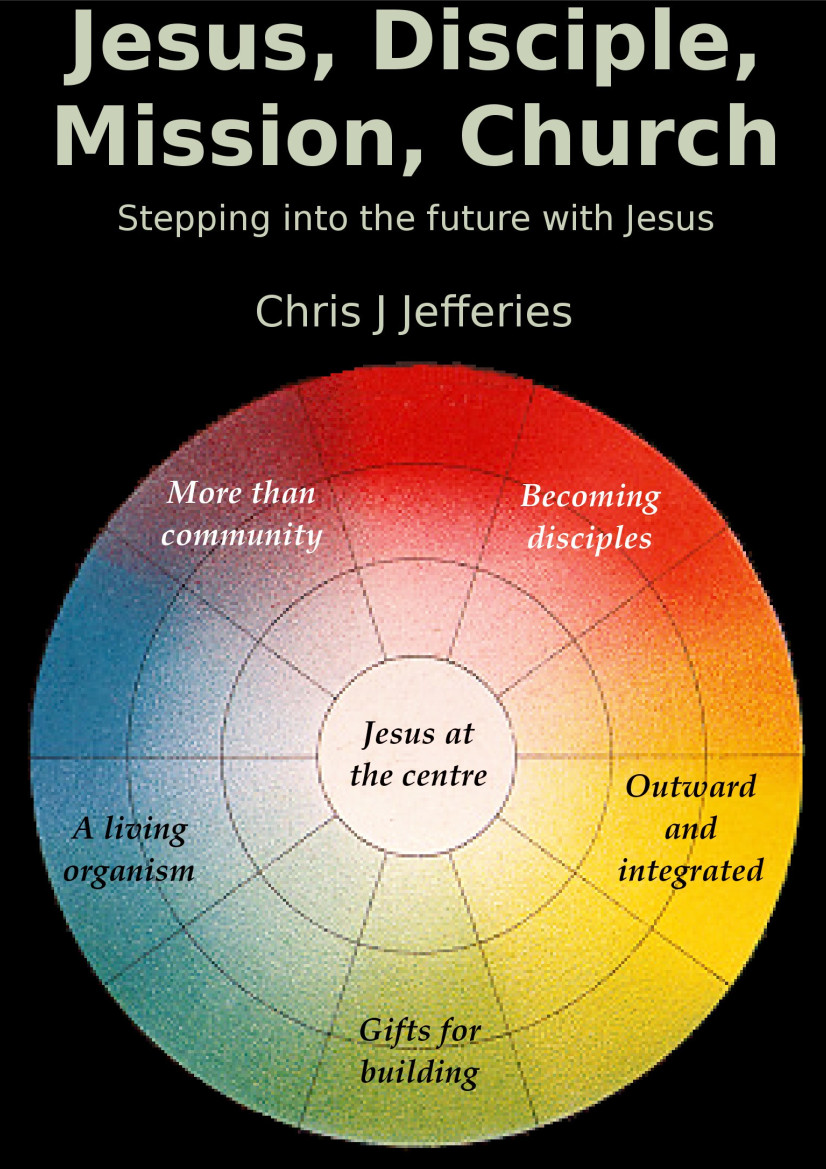
This article is an extract from my short book, Jesus, Disciple, Mission, Church (JDMC). The bite-sized piece below is roughly two percent of the book.
Gifts for building
JDMC cover
It really should be self-evident that the Holy Spirit is involved in the fivefold gifts of service – apostles, prophets, evangelists, shepherds and teachers (APEST). These are gifts indeed, and Christ himself is the giver (Ephesians 4:11-12). Paul explains that we are most certainly one, but that these gifts of grace are handed out in individual measure to each of us (Ephesians 4:1-7). We are one, we all receive, yet we all receive individually as he chooses (1 Corinthians 12:27-30).
And if there’s any doubt in your mind about the role of the Holy Spirit in all this, read 1 Corinthians 12:1-11. Verse 11 is very clear! ‘All these are the work of one and the same Spirit, and he distributes them to each one, just as he determines.’
Jesus himself chooses how to distribute these gifts of service. What gifts can you identify in one another? Tell one another what you see, this is a good way of encouraging one another.
A living organism
We know that we need to see the church as a living entity and not as an organisation or institution built and managed by human ability. But what part does the Holy Spirit play in this?
I must begin by pointing out that only the Spirit of Christ can reveal this truth to us. Jesus often told parables to illustrate the nature of the kingdom of heaven, and some of them involve living things. The kingdom is like yeast or a mustard seed; it grows and develops and expands as only living things can.
Now the church is not the same thing as the kingdom, but if church is not part of the kingdom we are in serious trouble! The church, too, is described as part of a living thing; church is the body and Jesus is the head. It’s significant that a body only remains alive as long as the head is attached. Cut off an arm or a leg and a body may continue to live, but cut off the head and it dies immediately. And how is the church attached to Christ? It is the Holy Spirit who makes the connection; he is the Spirit of Christ, yet he has been implanted in you and me, the members of the church. And he works in us (Luke 12:12, Acts 1:5-8, Romans 8:26) and amongst us (Acts 9:31, 1 Corinthians 14:12, Ephesians 4:3-4) as we gather together. The Spirit of the Head is present within every individual part of the body.
Considering church as you have experienced it, talk about aspects that are like an organism and aspects that are like an organisation. Are there ways you can help things move more towards the organism end of the spectrum? What part might the Holy Spirit play in this?
More than community
We need to work together in a community where we will be significantly stretched by sharing in making tough decisions, facing difficulties, supporting one another, and pressing forward together. The challenges we face will be diverse, but whatever they are we are surely going to need the encouragement and wisdom and guidance and insight of the Holy Spirit. Romans 7:6, 1 Corinthians 2:15, Acts 12:1-19.
We all share in the presence and work of the Spirit in our lives. How does this feed into community life, and in particular how does the Holy Spirit draw the community into facing challenges and difficulties? Talk about your own experiences and those of other people you know.
Some practical help
Many believers and followers of Jesus are familiar with the activity of the Holy Spirit, individually and in meeting together. Others may have little or no personal experience of him. The key to listening is not hard, it’s basically a matter of paying attention. Our lives are often too busy and too rushed to do this, but there’s a simple exercise called Virkler that can help. If you don’t think you’re hearing the Holy Spirit fluently and frequently, why not try Virkler for yourself?
It’s a curious name – why ‘Virkler’? That’s simple! The person who first suggested this straightforward practice is called Mark Virkler.
There are four steps, sometimes called the four keys.
Clear the clutter of everyday things from your mind.
Imagine being in Jesus presence.
Pay attention to the thoughts that pop into your mind.
Write down what you are shown, as you receive it. Review and process the material afterwards.
There’s no space here to explain Virkler in detail, but in my experience it can be extremely helpful. If I feel there’s a need, I’ll write about it in more detail in another article here on JHM. If I do, I’ll place a link to it here.
If you enjoyed this or found it useful, please like, comment, and share below. (If you don’t see those links, click the article’s title above the main photo and they will appear.) Send a link to friends who might enjoy the article or benefit from it – Thanks! My material is free to reuse (see conditions), but a coffee is always welcome and encourages me to write more often!
This article is an extract from my short book, Jesus, Disciple, Mission, Church (JDMC). The bite-sized piece below is roughly two percent of the book.
Jesus at the centre
JDMC cover
We have seen how important it is to keep Jesus right at the heart of everything we do. We have seen that we must follow Jesus alone and that there can be no room for following anyone or anything else.
Without the Holy Spirit we will find this impossible. We receive the Spirit from Jesus as a baptism (Matthew 3:11). In response to our love and obedience, Jesus sends us his Spirit (John 14:15-17). We are not free to defile our bodies because they are ‘temples of the Holy Spirit’ (1 Corinthians 6:19) – and if this is true of our bodies, isn’t it also true of our hearts and minds? The essence of keeping Jesus at the centre is that we know Jesus is Lord of our lives and our thinking and our emotions, of all that we are and all that we do. Yet we can’t even say the words ‘Jesus is Lord’ except by the Holy Spirit (1 Corinthians 12:3).
How has the Spirit helped keep you focused on Jesus? Try to find specific examples rather than generalisations.
Becoming disciples
This is a matter of following Jesus and becoming conformed to his image. Look at the fruit of the Spirit as set out by Paul in Galatians 5:22-26: love, joy, peace, patience, kindness, goodness, faithfulness, gentleness and self-control. This is how the Holy Spirit moulds us to become more Christlike. This is fruit, it grows in us day by day, year by year. And the degree to which we have become conformed is expressed in all we think and say and do.
Doesn’t this sound familiar? Isn’t this the very process of becoming disciples that we are looking for? If we are filled by the Spirit and respond to him we will bear the fruit of the Spirit in every way. We co-operate with the Holy Spirit when we develop a habit of joy or patience or gentleness. Right behaviour over and over again forms those habits of fruitfulness in us. There are two sides to this. We cannot do it in our own strength so we need and depend on the Spirit. But he will not coerce us, he expects to see our obedient willingness to allow him to change us.
Is there spiritual fruit in your life? How might you explain this to someone who doesn’t yet know Jesus?
Outward and integrated
We need to reach those around us; Jesus commands it. He said, ‘I’ve been given all authority in heaven and on earth, so as you go, make disciples of all nations … and I’ll be with you.’ (Matthew 28:18-20) But as we go out into the world and seek to embed ourselves deep in the culture (as he did), we do not go alone.
Not only are we together as a community of his people, we are also together in the community of the Almighty Creator. The Son has made the way open and has sent the Spirit to fill us – Father, Son, Spirit, and us! It’s not going to heaven when we die; it’s far better than that. It’s living in their community right here, right now and forever. Jesus says he is with us right to the end (Matthew 28:20) and he says that if we have seen him we have seen the Father (John 14:9).
In our going out and going deep we remain in the Presence, for the Holy Spirit is in us and communicates with us and for us. We couldn’t be effective carriers of good news without him. There are some great examples in the New Testament; read Acts 8:26-39, Acts 10:9-21 and Acts 16:7-10.
As you go out and deep in the culture around you, how will you pay attention to the presence of the Holy Spirit with you? Consider prayer, listening, and the truth that the Spirit is alive within you and wanting to communicate with you.
This was extracted from Jesus, Disciple, Mission, Church (JDMC), pages 38 and 39. Download the whole thing or read it online – GetJDMC.scilla.org.uk
Useful? Interesting?
If you enjoyed this or found it useful, please like, comment, and share below. (If you don’t see those links, click the article’s title above the main photo and they will appear.) Send a link to friends who might enjoy the article or benefit from it – Thanks! My material is free to reuse (see conditions), but a coffee is always welcome and encourages me to write more often!
This article is an extract from my short book, Jesus, Disciple, Mission, Church (JDMC). I also mention The Forgotten Ways, a book by Alan Hirsch. The bite-sized piece below is roughly two percent of the book.
Introduction
JDMC cover
The work of the Holy Spirit is mentioned briefly in the previous part of JDMC, ‘Six – More than community’ (p 33). It is not explicitly presented in The Forgotten Ways, but it is certainly implied on every page. In the first edition of JDMC I closely followed the structure of Alan Hirsch’s work, but in this revision I have decided to add extra sections including this one about the Spirit.
I want to guard against any suggestion that JDMC is merely presenting an organisational mechanism for rapid missional spread. It’s much more than a worldly method or a management technique. Instead it is the pattern set by Christ himself, and therefore the Spirit of Christ is present throughout and waiting for us to hear his guidance and encouragement as we do the work the Master has entrusted to us. To depend on human technique alone won’t cut the mustard – far from it! One of the forgotten ways is keeping Jesus central, following only him, adding nothing in addition. This utter dependence on Christ surely implies and demands a dependence on his Spirit – how could it possibly be otherwise?
We need to recognise that this new life we live is not just about what we do, nor is it entirely about receiving from the Spirit. Jesus wants our co-operation. If there was no need for the work of the Spirit, why would Paul warn us not to quench him? (1 Thessalonians 5:19) And if there was no need for human effort or will, why would he tell us to strive? (1 Thessalonians 5:15, 1 Timothy 4:10)
So in this additional part of JDMC I want to highlight some of the ways we can recognise and value the Holy Spirit’s activity as we attempt to remember and activate the six forgotten ways. I also offer some advice on spiritual listening at the end.
To be clear, this section should not be seen as an additional ‘forgotten way’. It isn’t that at all. But the work of the Holy Spirit surely runs deep in each of those six forgotten ways. He is, as already mentioned, the Spirit of Christ and he was sent specifically to enable us to continue the work of Jesus. If we are the body and Jesus is our head, then the Spirit is like a nervous system – fundamentally centred in the head but with sensory and motor connections to every part of the body. When we resist him and are disobedient, part of the body is effectively paralysed. And if the body acts without the Holy Spirit it is sleepwalking and ineffective.
If all of this sounds hard – it is. We have to learn to die so that we can begin to live in Christ. It’s not that we have to work hard to be more like Jesus; rather we have to let go of all our own goals and desires and effort and planning and let Jesus live his life in us. He will tell us and show us what to do, when to do it, and how. The Holy Spirit is no less than the Spirit of Christ, he is our guide and walks with us in every situation. He is the heart and mind of the Messiah expressing himself through his people.
Discuss or consider -Talk together about the ways the Holy Spirit has interacted with you in your lives as you follow Jesus. Are there some encouraging stories you can share?
This was extracted from Jesus, Disciple, Mission, Church (JDMC), page 37. Download the whole thing or read it online – GetJDMC.scilla.org.uk
Useful? Interesting?
If you enjoyed this or found it useful, please like, comment, and share below. (If you don’t see those links, click the article’s title above the main photo and they will appear.) Send a link to friends who might enjoy the article or benefit from it – Thanks! My material is free to reuse (see conditions), but a coffee is always welcome and encourages me to write more often!
Notes from bygone years – Augusts one after another Hint: Click on the thumbnails for larger images.
A year ago
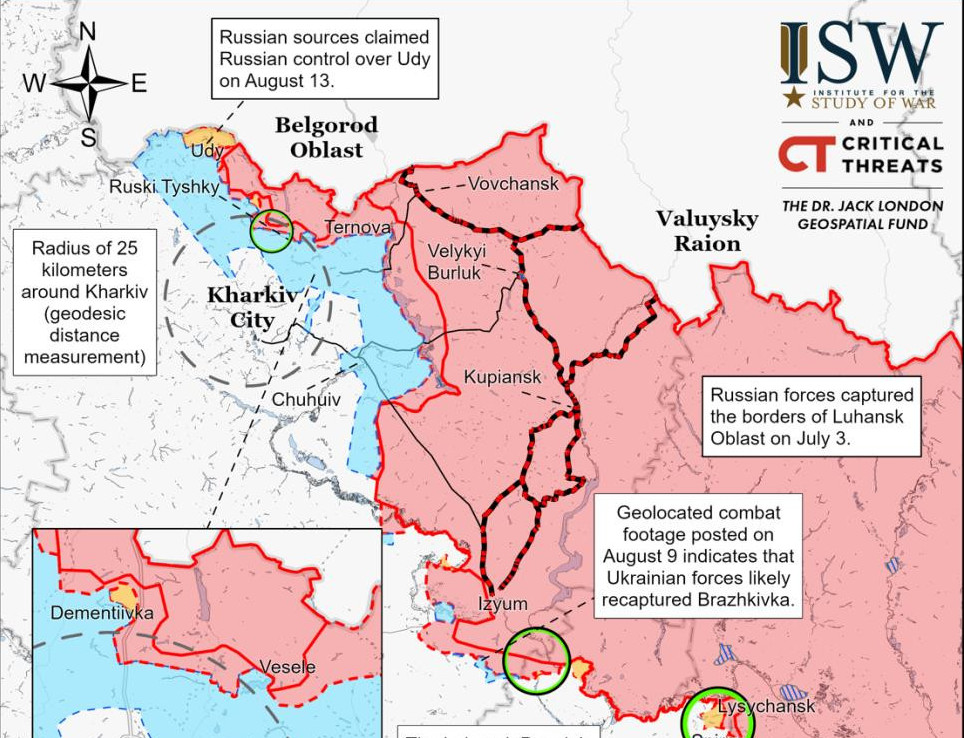
Ukraine was making exceptional progress against the Russian Army’s invasion in August 2022. I was encouraged to see this and wrote in my journal:
‘Ukraine is making serious inroads into the Russian held parts of Kherson and Zaporizhzhia and Russian forces are redeploying from the Luhansk/Donetsk region, and I suspect they’re more vulnerable while moving than they are when dug in. Perhaps Ukraine can keep them shuttling back and forth between the regions, nibbling away at them all the time. But other reports suggest the Russian economy is in serious trouble too, unemployment is severe now and despite higher prices for oil and gas, the profits are down because of reduced sales.’
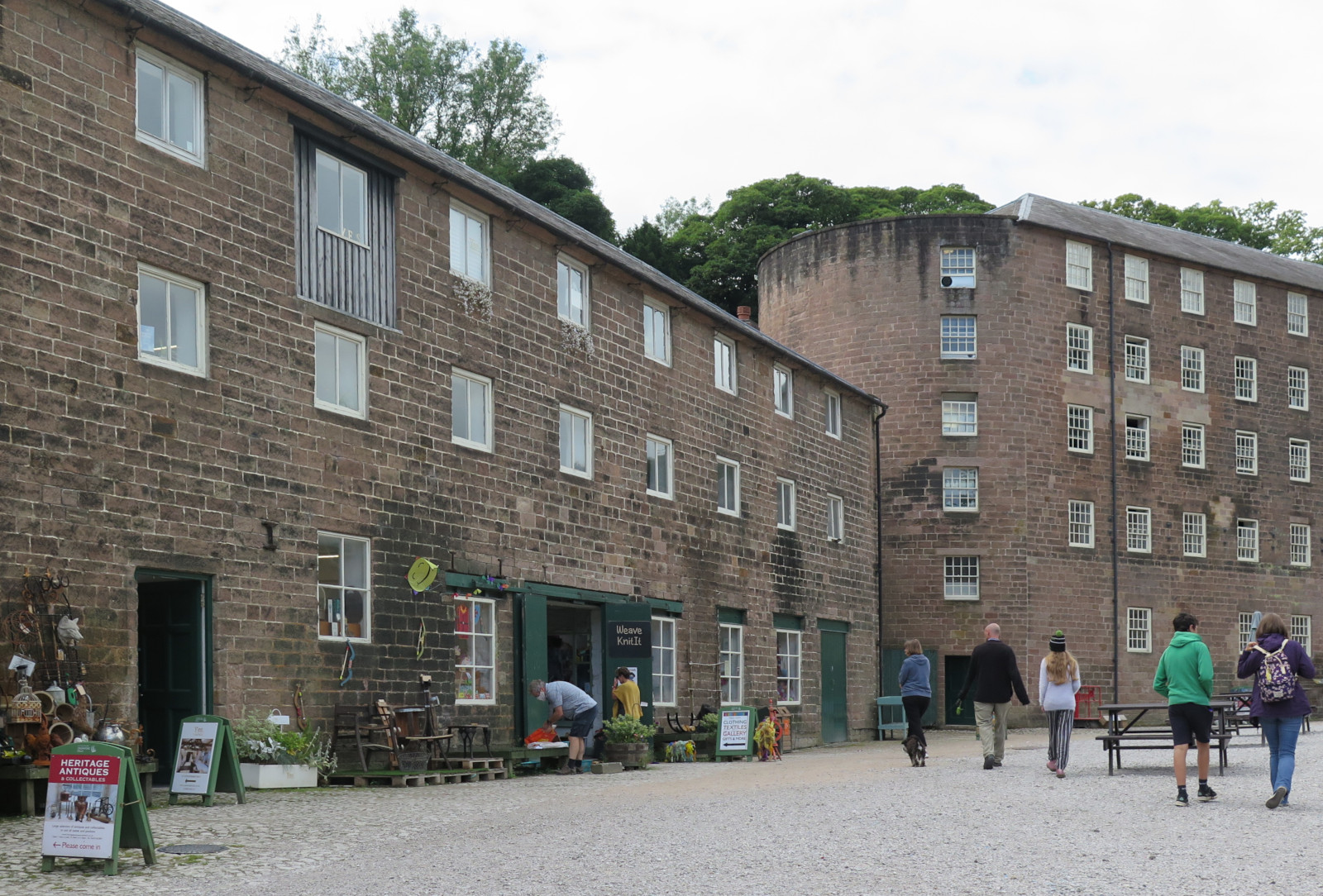
On 5th August 2021 we were on holiday with the family and visited Cromford Mills where Richard Arkwright built the world’s first water-powered factory to manufacture cotton thread.
It was fascinating to see the buildings and surroundings and to think about the industrial revolution.
In August 2018, as in 2021 (above) we were on holiday with the family, this time in Switzerland. Some of us took a cable-car to Tracouet, 850 m above the little town of Nendaz. We walked back down, enjoying some beautiful views; it took around three hours.
In August 2013 I wrote about the way in which all followers of Jesus are called to be leaders – but perhaps not in quite the way we usually think. (Read the original article)
In August 2008 – Dan and Kerry were married and there was a big family party. Fifteen years on Dan and Kerry are going strong, and everyone is that much older. Some of those present on the day are no longer with us, sadly.
In August 2003 – We met in Eaton Ford and what we were shown has remained with me ever since. The Holy Spirit told us to ‘look out and look up’, and that has turned out to be the best possible advice and guidance in every situation.
In August 1998 – My daughter Beth married Paz (clearly August is a good month for weddings).
Reception in a quarry
The ceremony was held at the register office in Bristol, everyone gathered in Quaker’s Friars and then made our way to the Registry Office together. After the official parts and signing the register, we all left for photos outside.
Then we all drove to Axbridge where the reception was held in a nearby quarry, a delightful setting (though unusual) and the weather was (mostly) kind. There were showers around, but there was also quite a bit of sunshine. Dad had a ‘head-umbrella’ which he enjoyed using when it rained, and eventually we all gave up and made our way to the village hall backup location.
In August 1993 we spent our family holiday in North Wales.
The family in Llangollen
We walked over the canal bridge near Llangollen, took a ride on a steam train, travelled in a canal barge pulled by a horse, visited museums, gardens, a castle and a lot more. All the usual holiday things people do. (See a video clip)
In August 1988 we visited my parents in Cirencester. The photo shows Beth and her Grandpa, they’re chuckling about a giant snail Grandpa has in a glass tank. There was often something interesting to see on these visits!
In August 1983 Debbie and Beth were enjoying the school holiday, Judy was enjoying a break from teaching Biology at Cotham Grammar School, and I was continuing research into pollen tube growth at Long Ashton Research Station. We probably went on holiday for a couple of weeks, most likely in North Wales.
In August 1973 Judy and I had been married less than three years and were living in a flat in Belmont Road, Bristol. Judy had a job at Bristol University as a research assistant at the University Biochemistry Department in Woodland Road, while I was working at Long Ashton Research Station on apple and pear pollination.
In August 1968 I was a student at the University of Bath, studying for my first degree in Horticulture. The photo is a commercial glasshouse seen on one of our visits.
In August 1963 I had quite a surprise. The family were on holiday at Aberporth on Cardigan Bay and we’d gone to Pembroke for the day. We saw one of the last RAF Short Sunderland flying boats retired at Pembroke Dock. We also took a look at Pembroke Castle and imagine my shock when walking round the outside of one of the towers, who should I almost bump into but my physics teacher from school!
In August 1958 the US nuclear submarine, ‘Nautilus‘ became the first vessel to pass underneath the ice at the North Pole. Meanwhile it was my school holidays, between the fifth and sixth years at Querns School (a junior school in Querns Lane, Cirencester).
In August 1953 I’d just turned five and was learning that I’d be starting school in September. That seemed like a lifetime away so I probably gave it very little thought, but it was going to be a major point of change in my life.
In August 1948 I was in my first month of life. I don’t remember it of course! We were living with my grandparents in Victoria Road, Cirencester while Mum and Dad waited to reach the top of the waiting list for a newly built council house on the Beeches Estate.
In August 1943 Dad wrote in his diary for Saturday 7th, ‘Our American soldier billitee (sic) arrived though I didn’t see him’. I didn’t know my grandparents had hosted a USA serviceman until I read that diary entry just a moment ago!
This must have felt frustrating; Jesus has already explained to them all and then added more to help Thomas. But now Philip doesn’t understand either. But Jesus is able to cope with anything, and in this he leads the way for us; frustration doesn’t lead to impatience. We are called to be patient as he is patient.
Philip asks Jesus to show the Father to the puzzled, anxious disciples, and he adds that doing so will satisfy them. Jesus is surprised. I’ve been with you all this time, Philip: how can you not know me?
Simple truth
And he explains again the simple truth that he and his Father are one, ‘I’m in the Father, and he’s in me’. This simple truth is hard for Philip to grasp because it is so deep, so astonishing, yet so simple. Surely far too simple to be true, and far too shocking as well. Nobody has ever made claims like this before! It is either true, or Jesus is utterly deluded, or at worst he’s a complete fraud. No wonder Philip struggles! Jesus tells him that if he can’t believe what he says, he should certainly believe what he’s been doing – healing the sick, raising the dead, forgiving the guilty. Who else but the Father himself could do this stuff?
The Father’s glory
If you believe in me you’ll do even greater things because, when I’m in the Father’s presence, you’ll be able to ask whatever is needed and I’ll do it for you. Why? Because the Father’s glory (the Presence that has long been in the holiest place in the Temple) will instead be in Jesus and his glory will no longer be contained in the Holy of Holies but will be contained in Jesus instead. And although Jesus doesn’t say so here, the Father’s glory will therefore be in the church because we, the church, are Jesus’ body here in the world. Perhaps this is not fully understood or expressed until the Holy Spirit reveals it to Paul on the Damascus road. Paul knew that the Presence had been in the Holy Place, but that now there was a new Holy Place, the church, inhabited by the Son, and through him, by the Father too since they are one. Although this was plain to Paul even before the Temple’s destruction, it must have been far less clear to the disciples while Jesus was still physically with them.
We carry an inestimable treasure with us wherever we go! And if that doesn’t fill you with hope, joy, and encouragement, I don’t know what will.
Have we come to a time when the church is perfect and is missing nothing? I don’t think so! What fresh revelation will be next?
In a recent, very brief conversation on Twitter I suggested that something was ‘ground breaking’. Specifically it concerned some ideas about following Jesus, and whether one particular idea was ground breaking.
Thinking about this afterwards I realised that a useful conversation requires that we agree on what we mean by ‘ground breaking’ in the context of the lives and activities of believers interacting together in groups.
Arguably, ‘ground breaking’ might originally be a farming or growing term. Before taking a harvest, it’s necessary to plant seeds in fertile soil, get them to germinate, and wait for them to grow. The farmer has much to do during that process, but the very first requirement is to do some ground breaking. Turning the soil with a plough (or a spade) loosens it, damages any weeds growing there, makes it easier to sow seed, and enables water and air to penetrate (both are needed). A bit of ground breaking can work wonders!
Jesus, ground breaker par excellence
In one sense of course, Jesus did all the ground breaking that could possibly be needed in church life. He only did what he saw his Father do, and only said what he heard his Father say. And he told his followers, ‘My Father is a gardener’. He also told a striking parable about seed falling in different places, including well prepared soil as well as several kinds of unprepared, unsuitable, or poorly prepared ground.
His is a foundational kind of ground breaking that we cannot and do not need to repeat. But there’s something else I would call ground breaking; something that happens every time principles, knowledge, or behaviour that the church has forgotten is restored. It’s happened over and over again.
Lesser ground breakings
One relatively recent example would be the spiritual revival that took place in the 1960s and 70s. I’m old enough to remember the excitement of discovering two things in those days. The understanding that the Holy Spirit poured out gifts on his people and wanted us to put them to use, and the idea that small groups meeting outside the denominations were capable of rapid and dynamic growth. They were exciting times. Out of this sprang three phenomena that are still with us today; multiple streams of new organisations like New Frontiers, New Wine, and many more; a re-invigoration of parts of most denominations, Anglican, Baptist, Methodist, Catholic and more; and thirdly the house church movement based around small, intimate groups of friends.
Going back a little we can see that the Azusa Street events were ground breaking in the same sense and resulted in the two main streams of Pentecostal churches.
Before that we might identify the Welsh revival when a new sense of unworthiness and Father’s forgiveness resulted in large numbers of people praising and worshipping, encouraging one another, and preaching to their neighbours in towns and villages. Before that the Wesleys and Methodism flourished and it was understood that small groups can be a powerful way for people to grow and develop together. And there are many more ground breaking events like these right back through the centuries.
When I talk about ground breaking I definitely include developments like these, discoveries that there was, in the earliest state of the church, some other element of following Jesus which has since fallen into disuse or even faded from memory entirely. Rediscovering how things used to be and might be again is ground breaking in this lesser sense.
New, vigorous growth
Such freshly re-broken ground almost always seems to result in new, vigorous growth where previously things had become somewhat tired and wooden. Think in terms of a neglected, weak, dehydrated plant that has just been potted up with fresh compost, is being watered regularly, and now stands in a new spot where there is fresh air, adequate humidity, and plenty of light. A plant like that will put on a sudden spurt of growth, form new shoots and leaves, and perhaps flower for the first time in ages.
We need to see more ground being rebroken and experience that fresh flush of growth and energy again and again. Have we come to a time when the church is perfect and is missing nothing? I don’t think so! What fresh revelation will be next?
Note: Ground breaking can also mean a ceremonial turning of soil at the start of a construction project. It can be instructive to think of Jesus’ work as the start of a building project – the New Jerusalem, which is the church (see Revelation 21:9-10). But that’s a whole topic on its own.
What was happening on the blog in past Februaries?
Five years ago
I didn’t write any blog posts in February 2018, so here’s a photo instead. Donna’s father, Tony, was 80 on 1st of the month; we drove down to Broadstone near the south coast of Dorset to meet the rest of the family. He was very pleased with his cake, though there were only eight candles on it. Eighty would have needed ten times the effort to blow out!
How should we manage and govern our meetings? How is church to be led? Everything changed in the 1960s and 70s as the Holy Spirit swept into the denominational church. Existing churches were impacted, the house church movement began, and new streams of church sprang up.
Read it if you’d like to, but also read the comments where some very good points are made.
Twenty years ago
On the 18th February 2003, I met at home with friends and the Holy Spirit spoke to us about walls being broken down. We heard about other related things too. The notes from the meeting outline what happened.
The weak are doubly rewarded, they’re glad to do the easy things and by their childlike faith and trust achieve the hard things too
This is an edited repost of one of my earliest blog messages, originally from 18th December 2002, so almost twenty years ago! In fact, it was my first serious post.
Back in those days I’d been meeting with my sister, Rachael, and some local friends. Sometimes we met in Rugby, at Rachael’s house, sometimes near Wellingborough where one of our friends lived, and sometimes at my home or others in St Neots.
The meetings were always full of spiritual life; we would sit together, share coffee, do a bit of a catch up chat, and then fall into a comfortable silence – waiting, and expecting the Holy Spirit to guide us. These were very fruitful times for all of us. Out of the quietness would come a mental picture, a thought, some Bible verses, a prayer, words in an unknown language, an interpretation, a song, some prophecy. Usually everyone would contribute something, and always by the end of the meeting we would see a clear thread running through the whole, something we could remember that would encourage us or bless us in some way.
The following is what I wrote twenty years ago:
Our meeting reminded me of the seventh day of creation, when He rested. Even God desires quiet times!
The other bit I particularly remembered was, ‘It’s not for us to do, but for Him to do in us’ (RK)
Four of us met and the Holy Spirit led us very gently. We felt encouraged and uplifted, it was a peaceful and quiet time with a variety of words and pictures.
There was a wonderful picture of still water, with a reflection of the Almighty’s glory clearly visible in it; the water also reflected images of us towards him. Our feet were in the water; and he said that we should be careful not to make disturbances as this would spoil the reflection, only if we stayed quiet and very still would we be able to see his reflected glory.
We also had a word that the easy things he wants done are overlooked by the great and the learned, while the difficult things are only ever attempted by the weak and foolish.
Thinking about this afterwards I realised that the great doubly miss out, they miss the easy things because they think they’re not worth doing, and they miss the hard things because they realise they’re too difficult to attempt. But the weak are doubly rewarded, they’re glad to do the easy things and by their childlike faith and trust achieve the hard things too!
We came away encouraged and strengthened – it was a great evening!
A reflection of what is not directly visible – Image from Wikimedia Commons
My thought after the meeting is what I want to emphasise here in 2022. Perhaps we are much too easily impressed by the people in society who are thought to be great in wisdom, or wealth, or skill. Great leaders, great speakers, powerful company bosses. Reputation can be overvalued.
Perhaps we should be more willing to also value weakness, and to notice how the weak are doubly blessed. They achieve this by doing the easy things that the great may overlook or regard of little value, and they achieve the hard things by just doing them, often without recognising the difficulties.
So let’s value the weak and the humble. Let’s notice them, and learn from them. At the same time we can (and should) appreciate the people around us who achieve so much through skill, learning, persuasive speaking, and sheer hard work and persistence. The great are good, providing they are also humble and gentle. Indeed, good motives are fundamental, for both the strong and the weak.
And if you think you are weak – rejoice! Savour the double blessing.
Some questions
If you follow Jesus, could you meet like this? Have you tried?
What advantages are there in preparing the content, structure, and leadership of a meeting in advance?
Are there any disadvantages?
What does Paul mean when he says that all should contribute? (1 Corinthians 14:26) – For more on this question, see my subsequent tweet.







 Journeys of Heart and Mind