Walking through the Corinium Museum is not just a walk through history; it is a pilgrimage into the very nature of human experience. These mosaics remind me that we are connected to the past not just by shared geography, but by shared themes of life, art, and the simple beauty of the world around us.
What’s in an image? Sometimes quite a lot, more than meets the eye. I’m posting an image every few days.
Walking in Cirencester
Orpheus
Almost every day, I walk over history in Cirencester. My feet tread on pavements, asphalt, and concrete, a modern tapestry built over layers of forgotten lives. But in Cirencester, the past isn’t merely buried beneath; it is visible to view, laid out in small, colourful cubes of stone or painted wall plaster. At the Corinium Museum, the mosaics of Roman Corinium offer more than just archaeological wonder; they invite a journey into the heart and mind of a world long gone.
Corinium
The Roman town of Corinium Dobunnorum was one of the most important settlements in Britain, second only to Londinium. This prosperity is captured in the magnificent mosaic floors that once adorned the villas and townhouses of its elite. As I stand before them, they cease to be mere objects of a museum. Instead, they become stories frozen in time, each tiny tessera a word in a sentence, each panel a vibrant, geometric chapter.
Sometimes we see things indirectly, and our brains are capable of retrieving far more information than you might at first think. It’s true of all our senses – hearing, touch, taste, smell and all the rest. The senses provide information but the brain makes much more of it all.
The hare
The hare
There is the famous Hare mosaic, found in Beeches Road and now a quiet emblem of our town. The artistry captivates the mind: a small hare caught in a moment of simple, vulnerable life, feeding amongst the foliage. When I look at it, I feel a curious resonance. We are so used to seeing animals in art as symbols of strength or the spoils of the hunt. Yet here is a humble creature, a snapshot of everyday nature from the fourth century. It reminds me that even in a grand Roman villa, the small, quiet moments of life were still observed and valued. It’s a message that travels two millennia, from one human heart to another.
The seasons
The Seasons mosaic presents another journey entirely. Here, Greek myth and a Roman love of the seasons mingle in intricate detail. But what strikes me is the continuity of it all. The cycle of winter pruning, spring planting, summer harvesting, and autumn gathering was as central to life then as the changing seasons are to us today. The mosaic is a reminder that some rhythms of existence are eternal, transcending the rise and fall of empires. It connects us to a shared human experience of time, of labour, and of nature’s relentless, beautiful cycle.
Orpheus
Perhaps the most poignant is the Orpheus mosaic (image at the top of the article), which once decorated a grand house just outside the town. In the centre, Orpheus charms wild animals with his music. This isn’t a scene of violent conquest, but of tranquil harmony, of nature tamed by art. In our own divided and turbulent world, the image speaks to a timeless desire for unity and peace. The mosaic suggests that art has the power to bring disparate parts of the world together, if only for a moment.
Walking through the Corinium Museum is not just a walk through history; it is a pilgrimage into the very nature of human experience. These mosaics remind me that we are connected to the past not just by shared geography, but by shared themes of life, art, and the simple beauty of the world around us. And as I step back out onto the modern pavement of Cirencester, I can imagine the ancient tesserae still underfoot, a solid reminder of the stories that lie beneath.
I didn’t write this article
OK, it’s confession time. I asked Google’s AI to write this article for me. I’ve made a few minor tweaks and edits, but that’s all. The prompt I provided wasn’t complex either. Here it is:
Write an article for ‘Journeys of Heart and Mind’ on Corinium mosaics. Follow the style and structure of existing articles.
Those twenty words resulted in this article. All you need to do is visit gemini.google.com and write a request like that, and the AI will write an answer for you. You don’t have to install anything or pay for anything, just type the request and press ‘Enter’. Give it a try! Type in ‘Write ten verses in the style of Wordsworth about laptops’ and see what comes out.
In some ways I think the AI did a better job than I would have done, but if I’d written it, it would have been me – and this isn’t! Where AI can help is to do some of the necessary research and perhaps create a first draft. But beyond that, my advice is to keep it human.
If you enjoyed this or found it useful, please like, comment, and share below. (If you don’t see those links, click the article’s title above the main photo and they will appear.) Send a link to friends who might enjoy the article or benefit from it – Thanks! My material is free to reuse (see conditions), but a coffee is always welcome and encourages me to write more often!
Just from this image the brain understands there are ripples on the surface of the water and from past experience will also know that these ripples will be moving.
What’s in an image? Sometimes quite a lot, more than meets the eye. I’m posting an image every few days.
Click to enlarge
Sometimes we see things indirectly, and our brains are capable of retrieving far more information than you might at first think. It’s true of all our senses – hearing, touch, taste, smell and all the rest. The senses provide information but the brain makes much more of it all.
What do we see in this image? It’s just a pattern of coloured patches reflected from a water surface. That’s what the eye sees. But the brain tells us there are clouds in the sky above and there are ripples on the water. Then the brain compares this basic information with what it recalls from past experience and it can construct two narratives, one for the clouds and another for the water.
The clouds
There is a dark cloud and it’s the closest one to us, it threatens a shower of rain. A second image taken a few seconds later would be enough for the brain to decide the direction of movement of the cloud and predict whether the rain might fall here or somewhere else. Paler clouds, white clouds and blue sky suggest there’s some sunshine around as well so although there might be a brief shower, it won’t turn into ongoing steady rain. All of that from from a few colour patches.
The water
Because of the way the cloud reflections are distorted, the brain can infer the water is neither heavily disturbed not completely calm. Just from this image the brain understands there are ripples on the surface of the water and from past experience will also know that these ripples will be moving. The same brain will realise that there are two likely causes; either there is a light breeze blowing or perhaps a boat has passed recently. Once again, past knowledge in memory is necessary to arrive at these conclusions. There are some large ripples and, near the top of the image, some much smaller ones too. There was a small disturbance in the water further away as these small ripples seem to form an expanding circle of which we see only a small part.
Here and there things are floating on the water, small leaves, perhaps? If so, there must be trees nearby, perhaps with branches overhead. What a lot the brain can reconstruct on the basis of prior knowledge! And all of these conclusions come from some patches of colour in a still image. And what about the little sticks emerging from the water on the left-hand side? It’s the remains of vegetation of some kind. Was there a plant growing in the water? Did a strong wind break twigs off an overhead tree branch?
And one last point – it was not raining at the moment the photo was taken. The water would have been covered with dozens of circular disturbances if rain was falling. That’s a lot of information that your eyes and brain can glean from a single fragment of time trapped by my camera!
We are, as the Bible expresses it, fearfully and wonderfully made (Psalm 139:14).
If you enjoyed this or found it useful, please like, comment, and share below. (If you don’t see those links, click the article’s title above the main photo and they will appear.) Send a link to friends who might enjoy the article or benefit from it – Thanks! My material is free to reuse (see conditions), but a coffee is always welcome and encourages me to write more often!
By the end of the month they were in a Bombay transit camp and able to visit the city, armed now with Rupees in place of the sterling cash they’d handed in aboard the ship. (1945)
June 2025 (3 months before publishing this article)
Click pics to enlarge
Jim and Kevin
We had a visit from our friends Jim and Kevin from St Neots. They were on their way to a meeting in Swindon and needed to pass nearby, so decided to travel early and visit us for lunch. We enjoyed the food at The Greyound in Siddington, sitting out in their garden.
Donna’s laptop failed, it booted into the BIOS but didn’t list the hard drive as present, so I assumed it was a corrupt BIOS or some faulty memory. It turned out to be a faulty memory chip soldered on the motherboard so it couldn’t be repaired and she had to replace it. She bought a Lenovo with an Intel Core i5 chip and is very pleased with it.
The flower show
We visited Avebury and checked out some EVs in Swindon on the way home, and we spent a day at Blenheim Palace to see the flower show and the Churchill Museum.
On the last day of the month we bought a 2-year-old Nissan Leaf EV from Cinch in Bristol. So we’ve finally gone electric! We weren’t able to drive away with it, but we paid the money and got the paperwork under way for collection a few days later.
Donna dropped me off at the Daneway Inn and I walked the canal from the Daneway tunnel portal to the locks at Siddington, and then back along the Cirencester arm and home. Including some diversions to see other parts of the canal, I walked about 15 miles in all.
The political situation in the world remained very strange. I was trying to come to terms with the dreadful (and very unpresidential) outburst in the White House against Ukraine’s President Zelenskyy; but on the good side, it seemed that European nations including the UK were becoming more alert to the dangers posed by Russia under President Putin and at last we were preparing to defend ourselves should that become necessary.
Colombia
Our grandson, Aidan, set out on a South American adventure and was on the north coast of Columbia by the end of the month. He flew to New York and spent a few days there, then a second flight took him to Bogota and he bussed north to the Colombian Caribbean coast where he took this photo. Much more of the continent lies ahead for him to explore.
The crazy tangle of roots after removal from our drains
Our drains started making gurgling noises and there was a bad smell in the upstairs bathroom, when I lifted an inspection cover on the patio, I found it was full of roots, but after removing them the problems were immediately resolved with even more gurgling.
Visiting Anglesey Abbey
We visited St Neots to see friends and explored Anglesey Abbey, one of our favourite National Trust sites in the area.
For the first half of the month we were in Weston-Super-Mare. We spent a fair proportion of the time in Grove Park as that’s where the dogs expect to go for exercise and a sniff around each day. Donna was delighted to see Mrs Sqirrel finishing off a banana, close up and quite unafraid. I was able to capture this photo.
With Tony and Faith
We met Tony and Faith in Clarence Park and it was great to chat with them. Dan is in Cambridge these days working as a Fellow at one of the colleges. They are such good friends from a much earlier part of my life so it was a real treat to see them again.
I collected Paul and Vanessa from the railway station in Weston following their Croatian holiday. And back in Stratton, our builder came to look at the job in advance of work starting to insert additional lintels above the existing concrete ones.
My friend Phil and I walked from South Cerney along the route of the Thames and Severn Canal and back along the old railway line. It was an enjoyable walk in good weather and with interesting conversation along the way for good measure. A thoroughly enjoyable day.
Coffee in Stroud
Confirmed cases of COVID-19 were still rising, this continued to be an alarming pandemic. On 20th we took Isobel over to Stroud, introducing her to Minchinhampton and Rodborough Commons and the ‘Lock Keeper’s Cafe’ on the canal in Stroud.
Donna and I gave Isobel a Chromebook for her birthday. These desktop devices are cheap and very easy to use but they have limited lifetimes as the Google software becomes more and more demanding. But still, we think it will be far more usable for Isobel than Windows which she’s been struggling with; it’s just too complex, but the Chromebook is simple and easy by comparison.
JHM: I posted a very amusing COVID-19 risk assessment chart; and described an encounter with an elephant hawk moth caterpillar. World events: At 93, Benedict XVI became the longest-lived Pope; and the number of COVID cases worldwide passed 25 million.
Sara’s birthday party was on 5th September this year. She had friends round to the Village Hall in Thorganby where Debbie had arranged for a series of animals to be brought in for stroking, handling and so forth by the children. This was followed by hand washing and the party food and cake with candles.
VHS to DVD
I was copying my old VHS cassettes with family videos on them to DVD to save the contents for future use. Once I had the DVDs it was easy to create ISO files from them to store with all my other family history material. The photo shows the current state of this work on 3rd September.
World events:Elizabeth II had been on the throne for 63 years and 217 days, becoming the longest-reigning British monarch in history; and Gravitational waves were detected for the first time.
We held two Cornerstone Directors Meetings in September, mainly to review the launch and consider what would be needed for the continuing catering and outreach. The meetings did not go smoothly and it became clear that the manager, Paul (who had also provided the funding for the launch) had ideas of his own that didn’t chime well with the rest of us. It was a worrying start to what we’d hoped would be a successful and long term presence of a Christian bookshop and cafe in St Neots. I began taking photos for advertising purposes (see above).
I visited Thorganby for Sara’s birthday, but unfortunately have no photos of the occasion. Jim, Sean and I began meeting with our friend David from New Zealand (working in London). We met in a pub in Watton-at-Stone.
We went on a cruise holiday with Donna’s Mum and Dad aboard the Thomson ‘Emerald’. Initially we flew to Corfu and joined the cruise from there. We left Corfu after nightfall and woke up in Brindisi, Italy. The following day was stormy and rough so we skipped our planned stop at Ravenna and reached Trieste, a truly beautiful city.
Inside a Roman building
The next stop was Venice, and then Split on the Adriatic coast. The Roman Emperor Diocletian built a palace here and the central part of the city is built inside the old palace walls. Several Roman buildings remain partially or completely intact. Next was Dubrovnik and then back to Corfu where we met our old friends Geoff and Dawn before flying back to the UK.
Mum’s arteritis seemed to be coming under control at last. She had been on regular doses of steroids to save her eyesight but now the dose levels were being slowly and cautiously reduced.
Back at work at Unilever, I was helping renew the Colworth Travel website, previously a Lotus Notes system.
World events: Israel demolished multiple settlements and withrew its army from the Gaza strip; and controversial drawings of Muhammad were printed in a Danish newspaper.
We finished redecorating our lounge in September, in a relaxing, cool, pale green colour. Now all that remained was to bring the furniture back in from what used to be the dining room. The decorating took a long time because I restored the surface of the walls first by filling scratches and holes, then hand sanding the filler. After painting it looked as good as if we’d replastered the entire room.
A group of us from Unilever Colworth travelled to Amsterdam to meet colleagues from the Vlaardingen lab and staff from Info.nl, the computing company developing the replacement for WebForum for us (probably to be called Research onLine).
Roman Londinium
At the end of the month I visited the Museum of London where Roman Londinium was illustrated by reconstructions and models. The photo shows a Roman ship at the quayside in the Roman town.
World events: The Nokia 3310 mobile phone was released; and Microsoft released the Windows Me operating system.
Judy worked hard on collating and indexing her collection of photos. The meetings with Tony, Faith, Paul and Jenny were going well by this time. on 16th the six of us ate at Tony and Faith’s, and at Paul and Jenny’s on 22nd. We hosted sometimes as well. and afterwards we always had an outstanding meeting.
Lynmouth
We met Cindy and Paul at Dyrham Park on 17th and ate cream teas in the Orangery; Judy’s NHS loan wheelchair arrived on 20th and we used it to give her an outing to Lynmouth for a stroll a few days later.
It was getting steadily more difficult to treat Judy’s pain so her GP put her on an improved pain management routine; it seemed to work really well for which we were both very grateful.
I was working at Long Ashton Research Station (LARS) in a PC support role and was just starting to look at networking Windows 95 using the Microsoft networking software instead of Trumpet Winsock. LARS was sounding enthusiastic about hosting my Microscopy web pages on the LARS web server.
World events: The Italian ex-Prime Minister, Giulio Andreotti, went on trial accused of Mafia connections; while The Washington Post and The New York Times published the Unabomber Manifesto.
We visited the Bristol Kite Fiesta at Ashton Gate, but it was not a good day for kites as there was insufficient wind to display them well. Everyone did their very best, but it was not quite the spectacle it might have been. Nonetheless we enjoyed our day out in the sunshine and bought a few items, Debbie bought a two-line kite.
Garden party
We also visited Cirencester to spend time with my Mum and Dad, and Bibury, where Cindy and Paul had a big garden party. Fortunately the weather was kind, if it had been wet their house would have been massively overcrowded, I think.
World events: Presidents Bush and Gorbachev meet in Helsinki to discuss the Persian Gulf crisis; and the two German states and the Four Powers signed the Treaty on the Final Settlement with Respect to Germany in Moscow, paving the way for German reunification.
With our holiday over, we began working on the house and garden at Stowey Road after our move from Rectory drive in August. In the photo I’m adjusting the levels where there was a dip in the back grass. There used to be a rhyne here (the local word for a drainage ditch) and the ground had subsided over time.
Walking to school
Debbie and Beth started back at junior school, just a short walk across the road for both of them. Beth was in her first year at junior school while Debbie was already in her fourth year, moving on to secondary school at Backwell in September 1986.
World events: The wreck of the Titanic was located; and a powerful earthquake struck Mexico City killing and injuring tens of thousands of people.
Here are Debbie and Beth riding on the beach donkeys at Weston-super-Mare. Grandad is leading the donkeys. In the background you can see the Beach Hotel and, on the right, part of the grand pier.
Beth, Nana and Debbie
Beth was nearly 2½-years-old and Debbie 5½. Judy was just about to begin a teaching career having earned her qualification before Debbie was born while we were still living in our flat in St Andrew’s, Bristol. I was working at Long Ashton Research Station on fruit crop pollination, and with the Open University summer school behind me, getting back to working through the next topics and submitting assignments.
World events: The Gotthard Road Tunnel opened in Switzerland as the world’s longest highway tunnel, at 16.3 kilometres; and Iraq ordered its army to ‘deliver a fatal blow on Iranian military targets’, starting the Iran–Iraq War.
We visited Mum and Dad in Cirencester during September and went out with them for a walk at the gravel pits near South Cerney. The very poor photo is a still from some 8mm cine taken by Dad while Mum was looking after Debbie. Judy and I were walking along the bank of one of the lakes.
In addition to moving into a new house, we were also beginning to explore the village a bit, find out where to buy bread, groceries, decorating supplies and so forth, get to know our neighbours, and generally get to grips with our new surroundings. We began going along to Horsecastle Chapel at the other end of the village on Sunday mornings and get to know people there, and we began to think seriously about getting baptised.
Judy elected to stay at home to look after Debbie while I carried on working at Long Ashton, despite a promotion to Scientific Officer (SO) we were now less well off and with a monthly mortgage payment to find.
I was beginning to work more completely with Ray Williams’ Pollination Team consisting of Ruth, Myfanwy (Miv), and Val. My old boss Ken and I moved with the others into the Pollination House. Our old offices in the Wallace Lab were taken over by the Electron Microscopy Group under Dr Thomas.
Pete and Cindy went for a boat trip on the Thames, the photo shows Dad and Rachael taking photos just before they drove off from Churnside.
We were both starting to think seriously about what we would do once we were married, the date for that was 3rd October so very rapidly approaching. There were still a few remaining arrangements to make and we spent a little time on that. But our education was over and we had a BSc each. I’d written to Long Ashton Research Station (LARS) to ask if there were any posts available or likely to become available soon, and I drove down for an interview with Ken Stott who ran the Willow department. He was doing some research on growing willow and poplar as sources of biofuel for electricity generation and was looking for a new member of staff to help with girth and height measurements over a period of years to estimate the growth rates under different systems of management. It sounded promising but it would be a few weeks longer before I would hear the result. I’d done a three month industrial sandwich at LARS as part of my degree course, so they already knew me and I hoped that might help. And of course I was also keeping an eye on job openings with the Ministry of Agriculture and other horticultural businesses and organisations, but had found nothing promising so far.
Judy meanwhile was waiting to see when and where I would find work so that she could hunt for something in the same geographical area. She would take anything she could get at first, just a shop job or something like that. We couldn’t even begin looking for a bedsit or small flat until we knew where we’d be based. We’d decided to spend a week in Bournemouth for our honeymoon but couldn’t plan beyond that. Added to that, our savings were very limited.
World events:Jimi Hendrix gave his last public performance, two days before his death; and US President Nixon visited the UK and other European states.
In September my grandparents and Aunt Annabelle were visiting from Ireland. The photo list shows that Dad took some photos at the time. Click the image to read the detail. They visited Blenheim Palace and Coventry Cathedral during their visit.
Following our August adventures in Scotland, the Explorers’ Club held an evening meeting at the Grammar School for parents and other family members to hear all the details. Part of the preparation for this was to draw some very large maps to show the journeys and walks we had done with coastlines, mountain peaks and towns marked clearly. The way this had always been done in the past was to mark a grid of squares on the paper and then copy any lines or shapes we required from the grid squares on the ordnance survey maps of the area. This was time consuming, so I photographed the OS maps on transparency film and we projected the slides onto the large sheets to get more accurate maps with far less time and effort. Mr Castle who led the Explorers’ Club could immediately see the sense of this so the new method was adopted.
I became a bronze prefect at the beginning of term, and part of that role with two other prefects was checking the register every morning for a third form class upstairs in the Red Brick Building. Once the teacher arrived for their first lesson our work for the day was over and we could get along to our own first lesson or, if it was a free period, work in the prefects’ common room. One of the other prefects was Judith Hill, we really liked one another and just over five years later we were married, but that’s the story of how we first met. I have to add that the third years were incredibly hard to manage – and Judy was far better at it than I was. The third team member was Hilary Howell, one of Judy’s best friends and the daughter of my Physics teacher.
I was in the Upper Sixth while Judy was Lower Sixth, but it turned out that we were in the same Zoology classes. Because the Grammar School was only three-form entry (about 90 pupils per year) and because only 30% or so stayed on for sixth form and biology was not a popular A level choice, the A level biology classes were very small, maybe five or six pupils a year. As a result, half the syllabus was taught to Upper and Lower Sixth one year and the other half the following year as this was more efficient use of staff time. So Judy and I were learning the same topics and doing the same practicals in 1965/66. I’d already covered the other half of the syllabus in 1964/65 and Judy would cover that part in 1966/67. It was a bit complicated but it worked well and brought the class size up to ten or twelve.
When it came to practicals, we were asked to choose a partner to work with and I was quick to pair up with Judy since we already knew one another and got on well together. And it was the rat dissection that cemented our relationship, bringing us close physically (essential if you’re sharing a rat – they’re not very large and you need to examine them close up to make drawings and so forth) and bringing us closer as friends as well (doing something practical together always has that effect). So that rat has a lot to answer for! Two daughters in due course as it happens.
(Debbie, Beth, if you’re reading this, a small part of the reason you exist was a yellow-stained rat preserved in formalin! I enjoyed writing that, a hugely amusing sentence to have composed. It’ll keep me chuckling all evening, I dare say.)
World events: The Pakistan Navy destroyed the Indian port of Dwarka; and Pakistani Forces achieved a decisive victory at the Battle of Chawinda, halting an Indian advance and stabilising the front.
Mum and Dad had a visit from Jim Fuller and his wife from Boston in the USA. Jim and Mum were distant relatives. Mum, Dad, Cindy, Ruth and Rachael went out with the Fullers to visit Bibury and some other places in the Cotswolds though I had to go to school (which I was not happy about). But Jim Fuller had an 8 mm cine camera and took some interesting sequences with it. The photo is a still from the film, Jim was behind the camera but you can see Figum the cat, Rachael, Dad, Mum, Cindy, Ruth and Mrs Fuller.
Maths book
The image at left shows a page from my maths exercise book from about September in 1960 (exact date unknown). I was just starting in the 2nd Form at the time.
World events: Two American cryptologists defected to the Soviet Union; and OPEC was founded by Iran, Iraq, Kuwait, Saudi Arabia and Venezuela.
My third year at Junior school began in September, I was at Querns School and I think I was in Miss Millington’s class. I was a bit scared of Miss Millington, partly because she had a northern accent and I was only used to hearing three accents, local Gloucestershire, County Tyrone (my Mum and my Irish grandparents) and a slightly more upper class English from some of my fellow pupils and also an aunt or uncle here and there. So the short northern ‘a’, and the ‘oo’ in book sounded weird to me. (And weird always seemed a bit alarming.) I often thought of Miss Millington as ‘Barrel buttons’ because she sometimes wore an off-white cardigan that had black buttons like those on a duffle coat, they looked like miniature barrels to me.
This photo is from the Facebook ‘Old Ciren’ group. The Cirencester Town Station building is a Brunel design and still exists (the building’s listed), though stripped of its canopy. A small section of platform remains. The photo is listed on Old Ciren as 1950 but it may not have been taken in September.
I well remember travelling on this branch line, sometimes with my grandmother just for fun to Kemble and back to see the mainline trains hurtling through, sometimes to change to catch the Cheltenham Flyer on its way to London, Paddington with stops at Swindon and Reading.
Of course, in September 1950 I was too young to understand any of this, but I would have been running about and chatting freely with Mum and Dad and no doubt loved to see trains. I had a little clockwork engine that didn’t need rails, it just ran about on the floor until it bumped into the furniture or the skirting board.
World events: The Turing Test was published as ‘the imitation game’; and The comic strip Peanuts was first published in US newspapers.
On 6th Mike left Blackpool and boarded his ship, the RMS Orbita, in Liverpool, they sailed at 11:15 on 7th, and saw the Welsh and Irish coasts. Mike wrote a long letter to Lilias and there was a musical evening on board.
The 9th took them through the Bay of Biscay and they spotted Portuguese fishing vessels along the way. On the next day they saw Lisbon, a sailing ship, and some porpoises, passing Tangiers and Gibraltar into the Mediterranean on 11th. There were various jobs to do including standing guard duty on the officer’s stairway. They started wearing Khaki Drill Uniform on 12th.
The ship passed between Malta and Sicily and they saw both. They stopped at Port Said and then entered the Suez Canal, and at Suez the ship took on fresh supplies and water. By 21st they were sleeping on deck because of the ‘dreadful heat’. By the 23rd they were into the Indian Ocean, finally reaching Bombay (Mumbai) on 28th and by the end of the month they were in a Bombay transit camp and able to visit the city, armed now with Rupees in place of the sterling cash they’d handed in aboard the ship.
There’s not enough information to write something for every month in the 1940s. Dad’s diaries start in January 1943, so for January 1940 to December 1942 I’ll write about things I know, or draw on dated photos and documents. Sometimes I might use a photo or document with a guessed date.
Somerford map
This time I’m going to write about Somerford Nursery. This was in the village of Somerford Keynes and was originally part of the land farmed by the Jefferies family (or perhaps the Gregory’s). But when I first remember it, Somerford Nursery was a piece of land of nearly 18¾ acres (around 7.6 ha) with a house and garden for the foreman. I don’t think all of this land was in use all of the time, some was rented out for grazing, or a hay crop was taken. The foreman I remember best was Roger De Moor, Belgian, always helpful and friendly, and clearly good at propagating and growing nursery stock. The nursery was devoted to ornamental trees and shrubs; Dad was the business’s main nursery manager, overseeing six nurseries, at first helping his brother, Bob, but eventually taking over more or less completely. He did an almost daily round, visiting each nursery in turn, moving plants and other items from one to another as required. Sometimes he would take me along for the ride.
The nursery was accessed along a short track on the east side of the road through the village, with a five-barred farm gate at the end. And then it opened out with beds edged with cinder blocks and filled with potted plants. The foreman’s house was a little to the right and trees and shrubs growing in rows were over towards the left. There were several wells and pumps, mostly already disused by the time I was at school but essential to the business before the Second World War.
You can view the map in full online, the area was surveyed and mapped by Ordnance Survey between 1892 and 1914.
World events: Adolf Hitler made a Berlin Sportpalast speech declaring that Germany would make retaliatory night air raids on British cities and threatening invasion; the Blitz began on 7th September and although tough for civilians and ruinous to cities, it probably saved the RAF from collapse and an invasion of Britain never became feasible.
Anything that appears in this section will have some connection with the 1930’s but may extend beyond the decade to follow a meaningful topic more fully.
On leave, 1939
My grandfather, Edward Arthur Jefferies, governed and managed the family business following the death of his uncle, William John Jefferies in 1929. He managed the business on his own for some time, but as his three eldest sons became involved in different aspects of the business he decided to make them all directors. So in 1939 they officially began sharing the management with their father. As all three of the brothers joined the armed forces during the Second World War, it would have fallen to my grandfather to continue taking most business decisions on his own, but after that the brothers would have been able to devote more time to affairs in Cirencester (the photo shows Richard with his wife Millicent in London in 1939). The brothers had different roles, John took charge of the garden design and landscaping department. Richard managed the seeds business, and Robert looked after the day to day management of the various nurseries. Meanwhile Dad was only thirteen and was still at school in Rendcomb.
World events (September 1935): Sir Malcolm Campbell became the first person to drive an automobile at 300 miles per hour. (September 1930): In the 1930 German federal election: the National Socialists won 18.3% of the votes, making them the second largest party.
As with the 1930s material, everything in this section will have a connection of some kind with these two decades.
OBITUARY: WILTS & GLOUCESTER STANDARD SATURDAY 16TH JULY 1904
DEATH OF MR JOHN JEFFERIES
‘We record with much regret the death, which took place early this (Friday) morning, after a few weeks illness, at his residence, Minerva Villas, The Avenue, of Mr John Jefferies, one of the oldest, and most valued of Cirencester’s inhabitants. Mr Jefferies, who had reached the ripe age of 86 years, was one of the leading horticulturists and nurserymen of his day. Born at Somerford Keynes, in the neighbouring county of Wilts, he became, when quite a young man, manager to the late Mr Gregory, seedsman and nurseryman, of Cirencester, whose father established the business more than a century ago. In 1850 Mr Jefferies acquired the business from Mr Gregory. At that time the nurseries were far different to what they are now, and included a large area between Victoria-road and Watermoor-road, held of the Abbey estate, and now built over, and also a considerable extent of ground including what is now the garden of Cirencester House and surrounding land. When occupation of this land was resumed by a former Earl Bathurst, and when the Nursery property belonging to the Abbey estate was sold for building purposes, Mr Jefferies purchased what afterwards became the Tower-street nursery, and established extensive nurseries at Somerford Keynes, Siddington, Watermoor and London-road. Joined and aided by his sons, the business rapidly extended. till it became one of the foremost firms in the kingdom, its reputation for the growth of forest and ornamental trees, the celebrated Cotswold roses, and other specialities, being high and widespread. Twelve years ago, Mr Jefferies retired from active business pursuits, and his eldest son, Mr William John Jefferies, to whose energy and ability the success of the establishment was largely due, continued the firm under its old style of “John Jefferies & Son.” The opening up and planting of the Avenue as a pleasant through thoroughfare to Watermoor-road was primarily due to Mr Jefferies’s liberality and public spirit. Personally, the deceased gentleman was one of the most genial and amiable of men. as he was one of the most unassuming and unaffected, and his loss will be keenly felt by his large family circle and many friends. Up to the beginning of the slight indisposition which developed into what proved to be his last illness, his four-score-and-six years sat lightly on him, he took a keen and lively interest in current affairs, while the placid and cheery disposition that always characterised him remained unperturbed till the end, when, in the fulness of time, his long, useful and honourable life was peacefully laid down, and he entered into his well-won rest.’ (Phew – they were mighty wordy in those days!)
World events (September 1900) The 1900 Galveston hurricane killed around 8,000 people. (September 1905)Albert Einstein submitted the paper in which he put forward the equation E = mc2. (September 1910) The Vatican introduced a compulsory oath against modernism for priests at ordination (September 1915): The first military tank was tested by the British Army.
If you enjoyed this or found it useful, please like, comment, and share below. (If you don’t see those links, click the article’s title above the main photo and they will appear.) Send a link to friends who might enjoy the article or benefit from it – Thanks! My material is free to reuse (see conditions), but a coffee is always welcome and encourages me to write more often!
I was able to put the puzzle together during a recent holiday in the Lake District. A jigsaw is a family tradition for us every year, we usually do a 1000-piece, commercial cardboard puzzle but I’d say the lion was rather more difficult.
What’s in an image? Sometimes quite a lot, more than meets the eye. I’m posting an image every few days.
Click to enlarge
My Sister, Rachael decided she wanted to learn to make traditional wooden jigsaws and bought a power scroll saw to learn the skills and processes involved. Having mastered the process she asked me for a clear photo of the lion picture I made in 1969. I had to take the picture out of the frame to avoid reflections in the image. I also had to adjust the image shape in GIMP to correct the geometry, and I increased the contrast to bring the black and white parts of the image closer to the way they originally appeared. Rachael used my image file to get the lion picture printed on plywood ready for cutting. She didn’t tell me she was making the jigsaw as a gift for me, so it was a lovely surprise when she handed the pieces over in a decorative container. I’m so impressed that Rachael has learned to design and cut jigsaws. She is also restoring old jigsaws, cutting replacement pieces if they are missing and lost. She even paints the new pieces to match the rest of the puzzle when necessary. So clever!
With the help of my wife, daughters and grandchildren, I was able to put the puzzle together during a recent holiday in the Lake District. A jigsaw is a family tradition for us every year, we usually do a 1000-piece, commercial cardboard puzzle but I’d say the lion was rather more difficult. Today’s image shows the completed jigsaw.
The jigsaw of life
Life is sometimes a bit like doing a jigsaw. Nothing seems to fit at first, but once you have some pieces in place it begins to get easier as you recognise more pieces with just that shade of colour or a similar texture. It takes a long time, but you get there in the end. Perseverance is necessary to complete a jigsaw, that’s another thing that’s true in life, you have to persevere; giving up is not an option. Attention to detail is crucial for a successful outcome.
Can you think of other parallels between jigsaw building and life? If so, drop me a line in the comments section below.
Two short videos about cutting the jigsaw
The two videos below show my very clever sister, Rachael, working on the jigsaw. In the first one she talks briefly about the cutouts and little lion shapes (or ‘whimsies’ to use the proper jigsaw terminology). You can see these clearly if you look at the photo at the top of the article. The second video shows a small extract of the cutting process.
Techie video
A techie maths video all about jigsaws and the number of pieces in each, picture shape ratios, piece shape ratios, probably far more than you want to know. None of it applies to the Lion jigsaw as that’s hand cut, each piece is unique and there are no rows or columns.
If you enjoyed this or found it useful, please like, comment, and share below. (If you don’t see those links, click the article’s title above the main photo and they will appear.) Send a link to friends who might enjoy the article or benefit from it – Thanks! My material is free to reuse (see conditions), but a coffee is always welcome and encourages me to write more often!
At Watchet Harbour on the north coast of Somerset stands possibly the smallest Police Station in the world. Certainly I’ve never seen one this tiny before. It’s just a door and a small window wide and has the grand title ‘Watchet Harbour Police Post’. If you know of a smaller police building anywhere in the world, please let me know in the comments section below.
However, a quick Google search turned up an even smaller one in Trafalgar Square, London. So Watchet has already lost its brief claim to fame! Read more about the Trafalgar Square example. However, the London claimant is no longer used by the Police, so Watchet might still claim to have the smallest working police station in the UK.
International claimants
Florida also has a claim to the smallest working police station and it’s certainly much smaller than the police post in Watchet. Like the London version, Florida’s is sheltered by a tree.
I suppose it’s possible there’s a smaller one somewhere else in the world, but if so it must be so tiny that you’d need a smaller than average police officer to occupy it.
This is a bit different. You can’t measure a church in terms of how wide or long it is. Churches are measured in terms of how many people are meeting. Jesus once said, ‘Wherever two or three are gathered in my name, I’ll be there with them’. So the smallest church must be a meeting of two people (three if you include Jesus). That’s because church is not a building at all (although we often call a place where followers of Jesus meet ‘a church’. Is it still a church if the people have all gone home? No. Why? Because church is a community, not a building. Two people is the smallest possible community. We don’t always think of church as a community, but we should. If it’s not a community can it really be church at all?
If you enjoyed this or found it useful, please like, comment, and share below. (If you don’t see those links, click the article’s title above the main photo and they will appear.) Send a link to friends who might enjoy the article or benefit from it – Thanks! My material is free to reuse (see conditions), but a coffee is always welcome and encourages me to write more often!
From my longer perspective today at seventy-seven years old I can see that what seemed a minor difference between me and the Open Door elders is in truth a yawning gulf. It’s not just that I took a misstep, but that the entire edifice of following Jesus (Church almost everywhere and throughout history) took an enormous misstep.
Donna and I were married in 1998 and Tony was my best man; Donna’s best friend, Jane, was her chief bridesmaid. Donna had taken a new job with Unilever Research at their research site a little north of Bedford. She bought a cottage in the village of Tilbrook and when we were married I moved into the cottage with her and Unilever offered me a job on their intranet web team, initially to create a website that could be duplicated for each of their research sites – two in the UK, one in the USA and one in the Netherlands.
Donna was keen to find a church in the nearby town of St Neots, or if necessary in Bedford.
We soon found the cottage was far too small, and moved to a four-bedroom property in Eaton Ford, part of St Neots. The internet had barely hit its stride in the late ’90s, so it wasn’t nearly as easy to find a church (or anything else) as it would be today.
One weekend before we were married, I was visiting Donna , and on the Sunday I said, ‘Come on , let’s drive into St Neots and see what we can find’. She said, ‘No, you’ll never find anything that way’. But we jumped into the car and I prayed very briefly to be shown where to go – and off we went. We drove through the middle of the town and out towards Eynesbury but saw nothing of interest, then I turned right and down a couple of streets and coming to a secondary school we spotted an A-board welcoming people to ‘Open Door Church’. We followed the sign, parked the car, and made our way into ‘Ernulf School’ and there we were – Open Door Church! It turned out to be a lively, welcoming place, just what Donna was looking for. Over the next week or so she got to know some of the people and was invited to join a cell group run by Rob and Jean and a couple from France who were planning to return home in a few weeks time. And that was that! By the time I was working at Unilever and had moved into the cottage full time, Donna was well-established at Open Door, the French couple had moved back to France, and Rob and Jean were running the cell group on their own. They quickly became good friends, we even had a holiday in Scotland with them one year.
A wrong step
How easily we do this! Wanting to support Donna, I was happy to go along to the Sunday meetings at Open Door and, far more to my taste, join in with the weekly cell meetings every Wednesday or Thursday. But there was a fly in the church ointment. It was expected that people taking part regularly would ‘join’ the church and sign the membership book. This also involved promising to give your allegiance to Open Door. That was something I found hard – a step too far, a very big ask. My allegiance was to Jesus and him alone. But I did want to support Donna in her new membership of Open Door and it seemed to be something couples were expected to do together. So I put my doubts to one side and signed up – that was a major wrong step!
Trying to right the wrong
What’s the best thing to do if you take a wrong turning? Usually the best thing is to retrace your steps to the point of the mistake and take a different path. As the weeks went by it became clearer and clearer to me that I was in a bad place. I had agreed to be guided by the leaders of Open Door Church but knew that my only guidance should come through Jesus and his Spirit working in me and in my brothers and sisters.
So I wrote to the elders, explaining my mistake and asking to be released from membership and the promise of allegiance I had made. Nothing like this had happened before and they really had no idea what to do. They invited me to visit the lead elder’s (Tony’s) house, and when I went along he had also invited another elder, Brian. They asked me to explain what I meant. I told them, as gently as I could, that in my view all followers of Jesus should follow him alone. I added that this did not mean I wanted to leave Open Door. The reaction surprised me, almost as if I had decided to follow Islam, Hinduism or Buddhism. They were cold, even a bit frosty, and it was very clear that they felt I was rejecting their authority in some rather dangerous way. It was as if they felt that following Jesus implied following the elders. I was left feeling, ‘Hang on, this is my life in which I can follow anyone I wish, and I’ve chosen Jesus. Do you think he will lead me to cause problems for you?’
They wanted to talk again the following week, and this time told me that they’d heard my point of view and now wanted me to hear the conditions under which I might continue to come to Open Door meetings. The main point was that they wanted to be assured that if I said or did anything in a meeting that they objected to, and they asked me to stop, that I would do so. And so, on those terms, I was allowed to continue to meet with them on Sunday mornings and for weekday cell group meetings.
Meeting again with other friends
Although I continued to meet at Open Door for some time, I felt unable to contribute freely on Sunday mornings. Sometimes I would share something prophetic, or a vision, but I didn’t want to upset Tony or the elders so I was always quite careful. And now and again I’d sing in the Spirit and others would join in, or I’d speak in a tongue and someone would interpret and that always felt safe enough because the interpretation was not through me! Or I’d dance, usually near the back of the room.
Rob and Jean, however, were personal friends and also seemed to have no issues over anything I said or did either on Sundays or at cell group sessions, but rather welcomed the input. Over the years the group leaders were changed repeatedly but I was still allowed the same freedom almost all of the time we lived in St Neots.
Meeting at home
All of this left me feeling that life in St Neots was poorer in some ways than life in Yatton. I missed my friends, but above all I missed the spiritual depth and intensity of meeting completely freely, guided by the Holy Spirit alone and allowing him to speak to each one through the way he was using all the others. I missed the kind of community I’d experienced in Yatton. I knew it didn’t depend on particular people being involved, but instead, what it required was that all those present intended to rely only on Jesus. ‘I can do all things in Christ who strengthens me’ (Philippians 4:13) and ‘Without Christ I can do nothing’ (John 15:5).
Where was I to find these people? I can’t be sure of the details at this point – who was involved first or how we got started. But my sister Rachael was involved very early on, as were various St Neots friends, my friends Jody and Peter from Unilever, and eventually many more from a wide area in Cambridgeshire, Northhamptonshire and Bedfordshire.
For eleven years I kept a list of meetings and now I can refer to that list to pick out the first time we met at each new location, and that will give a feeling for how the meetings spread and grew. There were rarely more than 10 people at a meeting, but I knew how these small gatherings worked (from long experience in Yatton). There were no rules, but we encouraged everyone to feel free to contribute in any way providing they felt it was from the Spirit and aligned with the way Jesus would contribute. So there was usually a sense of openness and freedom. Almost always there would be tongues with interpretation, Bible readings or at least a few quotes, prayer for guidance and for any needs expressed by those present, prophecy, and plenty of peaceful silence for thought and processing of what others had contributed. The meetings were never boring, and more often than not we could identify a theme that had come together little by little as we met. Most times we’d begin with coffee and a chat.
Dec 2002 – Eaton Ford
May 2006 – Rugby
Nov 2006 – Eaton Socon
Mar 2007 – Great Doddington
Feb 2008 – Little Paxton
May 2010 – Brampton
Jun 2010 – Hinchingbrooke
Jul 2010 – Letchworth
Jul 2010 – Eynesbury
Aug 2010 – Cornerstone, St Neots
Sep 2010 – Watton-at-Stone
Oct 2010 – Corby
Feb 2011 – Offord d’Arcy
Apr 2011 – Moggerhanger
Apr 2011 – Costa, St Neots
Nov 2011 – Earls Barton
May 2012 – Oundle
As you can see, things got under way slowly but spread in an accelerating manner. And in addition to these meetings all around the area, some of us were involved in other things, we had larger celebration meetings when we’d invite other friends along and there’d be music, singing, dancing and the praise and worship would be free and enthusisastic. For me these little meetings were encouraging and exciting – just as in Yatton there was a feeling that Father was pouring his nature and character out amongst us. Jesus was with us.
Donna meanwhile continued with Open Door and the cell group meetings (later renamed Small Group). I drifted away from Open Door’s Sunday meetings as I found it difficult to contribute and disagreed with a fair proportion of the teaching on offer. There was far more freedom in the Small Group environment.
The Eatons
Some time in the past, St Neots Evangelical Church had planted an offshoot called ‘The Eatons’ in Eaton Ford and Eaton Socon (once Bedfordshire villages but by this time absorbed as districts of the growing town of St Neots). Over time, the number of people meeting each week had fallen significantly and only a handful remained. I don’t recall how I heard about this situation, but I felt the Holy Spirit nudging me to go along one Sunday morning to meet them, and specifically to encourage them.
So I began to meet with them every Sunday morning and they were encouraged. I explained why I was there, and that encouraged them too. A turning point for me was that some of the members would go into another room to pray with whoever had been chosen to speak that morning. Sometimes there would be a visiting speaker, other times it would be one or two of the group. One day, only one person, Jim, went out to pray so I followed him out and joined in the prayer. He was touched by this I think, and we struck up a friendship which has lasted right up to the present day.
The Eatons reminded me very much of Zetland Road Church and Horsecastle Chapel (see part 2 of this series), they were just the same kind of traditional, independent, evangelical gathering. The Eatons had made a bargain with Jesus, they had ‘laid out a fleece’. They had stated that if two or three new families joined them by the end of the current year they would continue, but if not they would close down the meetings and wrap up the finances and the organisation. They counted my appearance as a step in the right direction, but I explained gently that I was not a permanent feature but had been told to come and encourage them. I was even invited to speak to them one Sunday morning which I did, though I’m not a great public speaker – far from it! I don’t recall what I spoke about but it was politely and kindly received. In due course The Eatons did close down but I had made some new friends. Not just Jim and his wife Pam, but some others too including Sean. Jim and Sean became involved in some of the home meetings mentioned earlier.
A longer perspective
From my longer perspective today at seventy-seven years old I can see that what seemed a minor difference between me and the Open Door elders is in truth a yawning gulf. It’s not just that I took a misstep, but that the entire edifice of following Jesus (Church almost everywhere and throughout history) took an enormous misstep at some point in its past development. Do we follow Jesus and Jesus alone? Or do we follow people who have structured what began as a simple community into a series of organisations that often disagree with one another on the details of what to think, what to believe, and how to behave?
The change may have been kickstarted by the Roman Empire making Christianity the official religion of the Empire in the 300s CE. Or it may go back even before that. But whatever the origins, it’s a misinterpretation and misrepresentation of what Jesus and the early church intended and practised. That all are equal under one head (Jesus), that all are filled with and empowered by his Spirit, and structures of stone or of management are not required or permitted. Church is community, a structure of children, women and men organised and motivated by the Same Holy Spirit and following only one master – Jesus!
If you enjoyed this or found it useful, please like, comment, and share below. (If you don’t see those links, click the article’s title above the main photo and they will appear.) Send a link to friends who might enjoy the article or benefit from it – Thanks! My material is free to reuse (see conditions), but a coffee is always welcome and encourages me to write more often!
Teaching is not a bad thing, it’s an essential thing. A well-balanced community living in Jesus’ presence needs to receive truth from apostolic, prophetic, evangelistic, pastoral and teaching gifts.
A new family moved into the village and began to advise and work with Tony, Faith, Paul, Jenny and some of our friends from the next village, Claverham. During this time Judy and I began to feel that things were going a bit off-track. Judy actually wanted nothing to do with the new situation, I decided to go along to the meetings fairly often to keep in touch with our friends. I should add, right at the outset, that I don’t think there was any intention to derail the work that Father was doing amongst us, but rather to enrich it and bring additional knowledge and experience to the mix. But unintentionally this had the effect of changing track with a new focus on teaching that had not been there before. Teaching had never been a notable part of our meetings, we had always been guided mainly by prophecy, and by what we read in the Bible. We were exposed to teaching when we went to larger meetings (the pre-crusade rallies in Portishead for example and visits to Pip’n’Jay in Bristol or the meetings at Post Green), and from the popular books that were doing the rounds (books by Graham Pulkinhgham, Michael Harper, Colin Urquhart, David Watson and others) and we did a small amount of teaching when we were invited to visit local churches as ‘Fountain’. But in our own weekly and daily meetings there was little to no teaching. We were growing and learning together in our exciting faith journey. It was wonderful and extraordinary while it lasted.
But now Alan and Dorothy provided new songs (some of them truly excellent) and Alan taught regularly about how and when and where the meetings should take place as well as material about Jewish customs, feasts and celebrations. Alan and Dorothy came from a background of small gatherings in a different part of the UK (Blyth). So the Spirit-guided growth we had experienced gradually gave way to ideas and processes managed mainly by Alan. Something similar to this has happened over and over again throughout church history. Personally I learned a good deal by seeing it happen both from the outside (because I wasn’t directly involved in the events) and also from the inside (because I was at many of the meetings and had a ringside seat, so to speak). Sometimes I feel I should have shared my thoughts and feelings clearly, but Alan was experienced in meetings of this kind and I was not. I didn’t feel it was my place to interfere, nor was I part of what was happening. When I went along to a meeting I always felt I was accepted partly because I didn’t stir up trouble, but somehow seen as not quite making the grade. Everyone must have been aware that I had some doubts though I was careful not to express them too often or too forcefully. I was, however, grieving about the loss of the sense of direction we’d had together and the subtle shifts in emphasis.
A bad thing can sometimes spark good outcomes
What a strange heading, but it’s true! A few years later my wife Judy was diagnosed with bowel cancer and everything changed. Your friends are always your friends, through good times and bad, so at some point in late spring or early summer 1995 I think, I approached Tony and Faith with this really bad news and invited them to visit and pray with us. And because your friends are always your friends, they were not slow to respond. This coincided with a time when the meetings with Alan and Dorothy were proving rather difficult though I didn’t know that at the time.
Before long Tony and Faith, and Paul and Jenny were coming round for an evening visit at least once a week, and eventually two or even three times a week as Judy’s illness progressed. But what happened during those meetings was astounding and utterly unexpected. Jesus was palpably present every single time we met, and his Spirit was so active amongst us. We experienced prophecy, interpreted tongues, and deep coincidences between songs we were singing, what we were thinking and Bible readings that popped out in the moment. We knew we were right in Father’s presence every time we met. This was holy ground. None of us had experienced anything like it before. The cancer spread and I, for one, had no expectation of physical healing, but Judy and I were both blessed deeply by the renewed presence of our friends and by the experiences in the meetings. It’s fair to say we were all changed by these times together and I know that all of us who remain will never forget it. Judy died on 28th December 1995 and Paul is now no longer with us either. I’m sure all of us learned a lot through the shared experience of those times. Looking back from the perspective I have now, it seems that the change in the meetings following Alan and Dorothy’s arrival combined with the astounding times and experiences as we met again during Judy’s illness, starkly illuminated the difference between living and meeting in our own human wisdom and strength and the freedom we had in the pure presence of Jesus and his Spirit. There’s something further to say about this.
Teaching is not a bad thing, it’s an essential thing. A well-balanced community living in Jesus’ presence needs to receive truth from apostolic, prophetic, evangelistic, pastoral and teaching gifts. If any are missing or if there is an imbalance, any group, no matter how well-meaning, risks derailment in one form or another.
Winding down
After Judy’s death, the five of us continued to meet for a while, and sometimes we were joined by a couple from Clevedon, members of a new local church, and also by Donna (now my second wife) who was a work colleague from Long Ashton Research Station.
These meetings, too, were good but things were still changing. I remain in touch with Tony and Faith occasionally, though less so with Jenny. Donna and I were married a few years later and left the south-west for the east of England, but that’s another story and I’ll share my personal journey of faith there in the next part of this series. Paul and Jenny moved east as well to be closer to more of her family. Tony and Faith still live in the village of Yatton. Donna and I moved west again ten years ago and now live in Cirencester, Gloucestershire.
If you enjoyed this or found it useful, please like, comment, and share below. (If you don’t see those links, click the article’s title above the main photo and they will appear.) Send a link to friends who might enjoy the article or benefit from it – Thanks! My material is free to reuse (see conditions), but a coffee is always welcome and encourages me to write more often!
We cannot know exactly what this area would have been like when it was full of active volcanoes, but we can get a rough idea from modern subduction regions on Earth today. Under the Mediterranean, for example, the African plate is being subducted underneath the plate carrying Europe.
This is one of the waterfalls along Stock Ghyll just north-east of Ambleside, Cumbria in the English Lake District. It’s beautiful countryside, and the nearby Force Cafe and Terrace served us a wonderful ‘Full Force’ breakfast. In the local dialect, a waterfall is known as a ‘force’, and there’s a whole string of them along this stretch of Stock Ghyll. A ghyll or gill is a narrow, deep, wooded ravine with a stream running though it. The term can also be used for the stream itself. Donna and I made our way carefully along this muddy, stony footpath, and it was well worth the effort.
Stock Ghyll runs right down into the town of Ambleside where it once powered a series of watermills, and finally flows into the nearby lake of Windermere.
Bobbin mills
Bobbin mills were common in Ambleside in the 19th century. Coppiced timber was cut to length and shaped on a lathe, then wooden discs were attached to both ends and the completed bobbins sold to the textile spinning and weaving businesses in the industrial cities south of the Lake District where they were used to store thread after spinning and before weaving. They contributed to the rapid growth of spinning and weaving factories in northern England. Wooden bobbin manufacturing died out with the 20th century introduction of plastics.
Formation of the Lake District
Skiddaw in the distance
The granite structures of the fells and mountains of the Lake District erupted from volcanoes during the Ordovician period some 460 million years ago.
Much more recently, repeated glaciations ground out U-shaped valleys arranged more or less radially and when the glaciers melted during warmer periods, lakes remained in the valley bottoms. Rivers flowing into the lakes or sometimes from one lake to another, have silted up some of the lakes at one end, and these flat, silted zones are now rich areas of pasture and crop land as well as places where urban construction has become possible. The photo above shows the mountain of Skiddaw in the distance and farmland in the foreground. The town of Keswick, out of the frame to the right, is also built on this flatter land laid down as sediment in the northern part of Derwent Water.
What else can we learn
One thing is very clear, what happens in one time period may be changed drastically at another, later time.
We cannot know exactly what this area would have been like when it was full of active volcanoes, but we can get a rough idea from modern subduction regions on Earth today. Under the Mediterranean, for example, the African plate is being subducted underneath the plate carrying Europe. The Alps and the Pyrenees have risen as a result, and volocanoes like Etna and Vesuvius are still actively pumping out magma or ash. The Mediterranean region is also prone to earthquakes. Now imagine (if you can) a mile or more depth of ice resting on top of the Alps grinding down the rocks to form U-shaped valleys as they slide due to gravity across the rock surface far below.
In Roman times, the areas of river sediment like that in the photo above would have been smaller than they are today and the lakes would have been correspondingly longer.
It’s very much a dynamic process. It’s a bit like the life of a person, we start as a new born infant and learn to talk and walk, then run. We learn to eat, and we learn to reason. at school we learn a lot more about the world we live in, politics, science, other languages, geography, history; we fall in love, we marry and raise a family; we have a career and learn how to manage the work environment, run a business, serve customers, manage bank accounts and so forth. The world is our playground, we travel on business or just for fun, we become grandparents as we grow older and retire from work. There are many beginnings and endings along the rich tapestry that is a human life. And lives intertwine in so many ways – friends, family, work colleagues, neighbours. Just like the Lake District, at any point it’s impossible to know what the future might hold.
Life is the same. What happened in my life when I was young is very different from what is happening in my life today. Change and unpredictabilty are the only things that are consistent throughout. If the ice hadn’t melted when it did, the Lake District would be far different from the place we know and love.
How do we deal with this built-in uncertainty? One way that many have found is faith, following a guide that we trust in ways that stretch us and help to shape our characters. Faith can be like an anchor in a choppy sea or even a full-blown storm, holding us safely in the right place until calmer conditions return. I recommend having an anchor in this experience we call life. But if you choose an anchor, choose carefully, there are some pointers elsewhere on this website. Hunt around and see if there’s anything here that you find attractive or compelling.
I’m always fascinated by links and similarities between one thing and another, life is full of them and sometimes they help to broaden our vision and understanding in ways that are quite unexpected.
If you enjoyed this or found it useful, please like, comment, and share below. (If you don’t see those links, click the article’s title above the main photo and they will appear.) Send a link to friends who might enjoy the article or benefit from it – Thanks! My material is free to reuse (see conditions), but a coffee is always welcome and encourages me to write more often!
This index brings together posts on the gradual process of spiritual development or spiritual formation during my life.
1 – Why did I leave the Anglican Church? – This set the pattern for me. It’s been a repeat pattern of deciding I was not where Father wanted me to be and exploring further with as open a mind as possible.
We didn’t see ourselves as a house church, more as a group of local believers from a range of denominations all wanting to be part of the exciting revival going on in the UK at the time, open to the gifts of the Spirit, but not wanting to become yet another splinter group.
Yatton, the village in Somerset where it all happened
Things were changing. We’d been fairly comfortable at Horsecastle Chapel in Yatton, and we’d learned a great deal and felt loved and made very welcome by the people there. But there were one or two niggles already mentioned in part two of this series. We felt it was not right, and rather unfortunate, that women were not able to take leading roles in meetings, that it was required that women wear hats (a minor thing, but an irritant nonetheless). It began to seem that some of these rules were made by people, not by our Father in heaven, and certainly not by his Son, Jesus. But the greater niggle was that we were not able to move in spiritual ways that were being revealed to us more and more as time went by.
An Anglican home group
For me it came into sharper focus when I went to an Anglican study group. Judy might have come to the same ideas in a different way, but she died in 1995 so I can’t check! I’m not sure we discussed it at the time, but we were moving on closely parallel paths, that I can say with certainty. I wanted to meet some of the Anglicans because I had the feeling there was supposed to be a single church, not a plurality of them. I couldn’t see any way that they could all be brought together, but I wanted to at least get to know some people of other denominations. Going along to the study group seemed a good way to approach this. I soon came to understand that the Holy Spirit was nudging me to go along, and rather quickly I discovered what he had in mind!
Friends and allies
The Anglican study group was held in the home of one of the St Mary’s congregation and was led by the Vicar, Revd Richard Acworth. I don’t remember what was discussed, but I very clearly remember the topic of humility coming up. There was a man in the group who protested, quite strongly, that he was not humble and didn’t intend to become so. I had the impression that he equated ‘humble’ with ‘impoverished’ or ‘weak’ or ‘demeaning’ or some other utterly unattractive idea. I think I was also a bit disappointed by the Vicar’s response.
Also in the group was a woman about my age and as we were leaving I mentioned the humility issue. She agreed quite enthusiastically and we had a brief conversation on the way home; her name was Faith. Judy and I would soon become good friends of Faith and her husband Tony. We shared a lot of views in common concerning Jesus, the Bible, and Church – and this excited me because we were from such different church traditions.
Meeting often
We began meeting quite regularly with Tony and Faith. We were like-minded on so many church matters, and some other things too. we both had young families so most often one of us would walk down to Tony and Faith’s house in Court Avenue in the evening while next time one of them would walk up to our house in Rectory Drive. We would do some Bible study, perhaps sing some of the Christian songs that were so common in those days, and we would pray together. But by far the most important thing we did was to listen to one another and to what the Holy Spirit seemed to be saying to us, sometimes in a whisper, sometimes rather loudly! We invited other people we knew to come and join us, especially Paul and Jenny who lived close as well, so four became six, and there were many other local people with us so on a weekly basis we took turns to host these larger meetings. Sometimes there’d be 20 people in our sitting room, on our sofa and armchairs or sitting on the floor. These were great times of blessing when all of us would feel the presence of the Holy Spirit right with us in every word read or spoken and in every song we sang. We were warned of the dangers we were facing by some of the elders at Horsecastle Chapel, we knew their hearts were in the right place and that the warnings were well-meant; but we knew we were following Jesus so we ignored the advice and warnings and carried on.
Music
Fountain at St Barnabas
Tony is a skilled bass guitarist, Paul was good on a steel-strung 12-string he had, And I would plonk along on a nylon-strung Spanish style acoustic guitar Judy and I had bought at a music shop in Park Street, Bristol while we lived in our flat in Belmont Road. This was an expensive instrument – I think it cost us £27 in 1970 or 1971 (around £540 today) and it replaced the two cheap, second-hand guitars we bought while at university. It seemed better to share one good guitar than to persevere with two older ones that were difficult to tune. Rather later, we were joined quite often by David and Mary Bolster, another couple living nearby. David worked for Scripture Union, and was usually busy with youth work of one kind or another. Judy and I went on a youth retreat with them one year at Wroughton near Swindon to help as assistant leaders, and visited them at a camp at Greatwood near Bridgewater in Somerset. The photo shows Fountain in the Church Hall at St Barnabas in Claverham (from left you can see Paul, Faith, me, Ian on flute, Jenny, Judy and Tony on bass). Ian joined us a little later but was a very useful addition providing a higher pitch in the mix and helping strengthen the melody line.
Tongues
One evening after walking down to Tony and Faith’s, Tony mentioned that he’d received the gift of tongues. We’d read about this in Acts and in some of Paul’s letters to the Greek churches. and we’d read about it in modern times too in books by Colin Urquhart, David Watson, Graham and Betty Pulkingham and others. On hearing this news from Tony I felt mild surprise, delight, frustration and envy all at the same time. So, of course I asked about how it had happened and what it was like. Tony told me he’d been having a bath so was very relaxed and he just started talking scribble. He felt warm and encouraged. As I walked home after that evening at Tony and Faith’s. I gave it a try – I talked some scribble words myself. I learned a valuable lesson right at that point. Was this a gift from the Holy Spirit or was it just me talking scribble and being really foolish. I realised right away that there was no way to tell. And I understood something that I’ve never forgotten since that evening. It’s not about me doing something or not doing something. Specifically, it’s all about Jesus doing something in me, and the only skill needed for that is the simple ability to listen to him and do what he wants, not what I want. This tiny revelation changed my entire life. Everything became real in that moment. In this journey with Jesus it’s not for us to do anything more than rest in his presence. If I do that one thing, consistently, he will do anything else that is necessary. My effort is not required, and life is often far better if I keep well out of the way, especially at moments when he’s touching someone else. My surprise and delight are in order, but never frustration or envy.
As the weeks and months went by, our home meetings grew in numbers, but more importantly in depth and in our appreciation of receiving gifts. We were being invited to bring music and teaching to local churches around the county of Avon and the northern areas of Somerset. We called ourselves ‘Fountain’, played all the latest choruses and songs, as well as some of our own songs and acted out little sketches to help people understand the charismatic revival that was taking hold all around us. Tongues and interpretation became normal for us in meetings, as did prophecy, but the most important things for me were the spirit of caring for one another that grew in our hearts and minds and the determination we all had to follow Jesus in everything.
Jesus provides gifts, but will we open them?
One of those sketches sticks in my mind so I’ll share it with you, Tony played the part of Jesus, and Paul was a typical church member. Tony had a cardboard box wrapped in colourful paper, perhaps with a ribbon tied in a bow. He gave the box to Paul, saying I have a special gift for you. Paul took it and made a point of thanking Tony several times, saying, ‘Oh it’s really lovely, thank you so much, but I don’t think I really deserve it’. He put it down on the table, walked round it, looked at it from all angles and carried on saying how lovely it was. Tony (Jesus) asked, ‘Aren’t you going to open it?’ I chose it specially for you, it’s just what you need, you know.’ Oh no, I couldn’t possibly open it,’ said Paul, ‘That would spoil it, it’s so beautifully wrapped, it would crumple that lovely paper. Jesus responded, but if you don’t open it you won’t find out what it is and you won’t be able to use it. I want you to open it’. And this went on for a while. Then we explained that Jesus has gifts for all of us, but we do need to open them and start using them. And without the gifts being unwrapped and used as intended, Jesus will find it a problem to help us do the work he has in mind for us. His work, building his church, growing his people involves him pouring his grace and love into us so that we can share those things with those around us. He does not want us to be timid. We must gratefully receive everything he has for us. It’s for his glory, not ours and we shouldn’t stand in his way.
Good News Crusade
Another thing we did around the same time was print a monthly local newsletter called ‘Community Spirit’ with details of forthcoming meetings at churches around the area, and any special events in the pipeline too. One of these was a Good News Crusade with a series of pre-Crusade rallies beforehand at a church in Portishead. I recorded many of these meetings on a portable stereo cassette machine, and I produced copies from the originals so they could be passed around the community as widely as necessary.
Not a house church
Eventually we would be hosting home meetings of up to twenty people once a week at our house, Tony and Faith’s, or Paul and Jenny’s and one or two other homes in the nearby village of Claverham. There were other similar house meetings going on (for example the Bank House Fellowship in Clevedon). We didn’t see ourselves as a house church, more as a group of local believers from a range of denominations all wanting to be part of the exciting revival going on in the UK at the time, open to the gifts of the Spirit, but not wanting to become yet another splinter group. Much of the leadership effort at the time was spent on starting new streams of churches, New Frontiers for example or Vineyard, or on the other hand bringing spiritual gifts into the established denominations – Anglican, Catholic, Methodist, Baptist and so on. Both of these efforts became successful and widespread, but from my perspective today I can see very clearly that we made by far the better, and perhaps more obedient choice. We thought the way forward was more about bringing people together in freedom to follow Jesus in flexible ways, while providing information, help and encouragement both in the established churches and chapels in our area, and amongst Jesus followers with no connections to established churches. We were also keen to encourage new and deeper spiritual growth in all the local churches, though our links with some of the larger places were more tenuous than those with the smaller and self-governing groups. I still feel privileged to see things this way – as if I had a narrow escape from taking a wrong path. I think we all had a narrow escape, Jesus was protecting us and whispering to us, ‘Not that way, this way, just follow me!’ Many of the churches and chapels we encouraged still exist and remain active, some of their websites are listed below under the See also: heading.
Prophecy
It wasn’t just Tony, as time went by we all found ourselves receiving spiritual gifts in a variety of ways. For me, visions and prophecy became the main gifts and I well remember the first time I became aware of it.
I was sitting on the floor in Tony and Faith’s front room, it was just the three of us. (so before Paul and Jenny became involved). In my mind I saw us as children playing on a building site. There were muddy puddles and stacks of bricks all around. We took some of the bricks and stacked them up to make little ‘houses’, four bricks for walls and another balanced on top to make a roof. We were happy playing with the bricks together, but just then the builder arrived and spotted us. He walked over and smiled, though we thought he’d be cross with us. Somehow I knew the the builder was a representation of Jesus. And he said to us, don’t play with the bricks but bring them to me because I know how to use them to build real houses. If you bring them to me you’ll save me time and I’ll be able to build faster.
So that’s what we did, and the first real house started to rise! It wasn’t much of a stretch to see that the real house represented the church, and our job was not to build something ourselves but to bring people into Jesus’ presence and watch while he builds the church.
It was an important lesson and a growth point for me personally and perhaps for all of us as a group. And I’ve been used that way in meetings ever since. Sometimes it’s been well received, sometimes not.
The Fisherfolk/Community of Celebration
Around this time we became aware of the Fisherfolk, a music ministry that wrote and recorded many new Christian choruses focusing on spiritual growth, and particularly the receiving and use of spiritual gifts. This was right up our street! We bought the music books with words and, most helpfully with keyboard score and guitar chords as well, we bought the LP recordings and avidly absorbed it all, practicing Fisherfolk and other songs as well as creating some of our own.
But then a special opportunity came up. We learned that a weekend of music, praise and worship was planned at a site in Dorset – Lytchett Minster. There was a field for camping, the Fisherfolk would be playing and there’d be a lot of like-minded people to discuss things with. We booked space for three tents and went along. It turned out to be a time of growth and learning, just as we’d hoped – hugely beneficial, confirming much that we were already doing and encouraging us to continue.
Impressed as we were by the community style of living demonstrated by the Community of Celebration, we briefly toyed with the idea of selling our three homes and buying an old farmhouse with some land around it, Faith, Paul and I thought this would be a great idea, but Judy, Tony and Jenny disagreed and we didn’t follow through on the plan. It was only an idea in the back of our minds, we didn’t even start to look into the practicalities. but without unanimity, it couldn’t get off the ground.
If you enjoyed this or found it useful, please like, comment, and share below. (If you don’t see those links, click the article’s title above the main photo and they will appear.) Send a link to friends who might enjoy the article or benefit from it – Thanks! My material is free to reuse (see conditions), but a coffee is always welcome and encourages me to write more often!


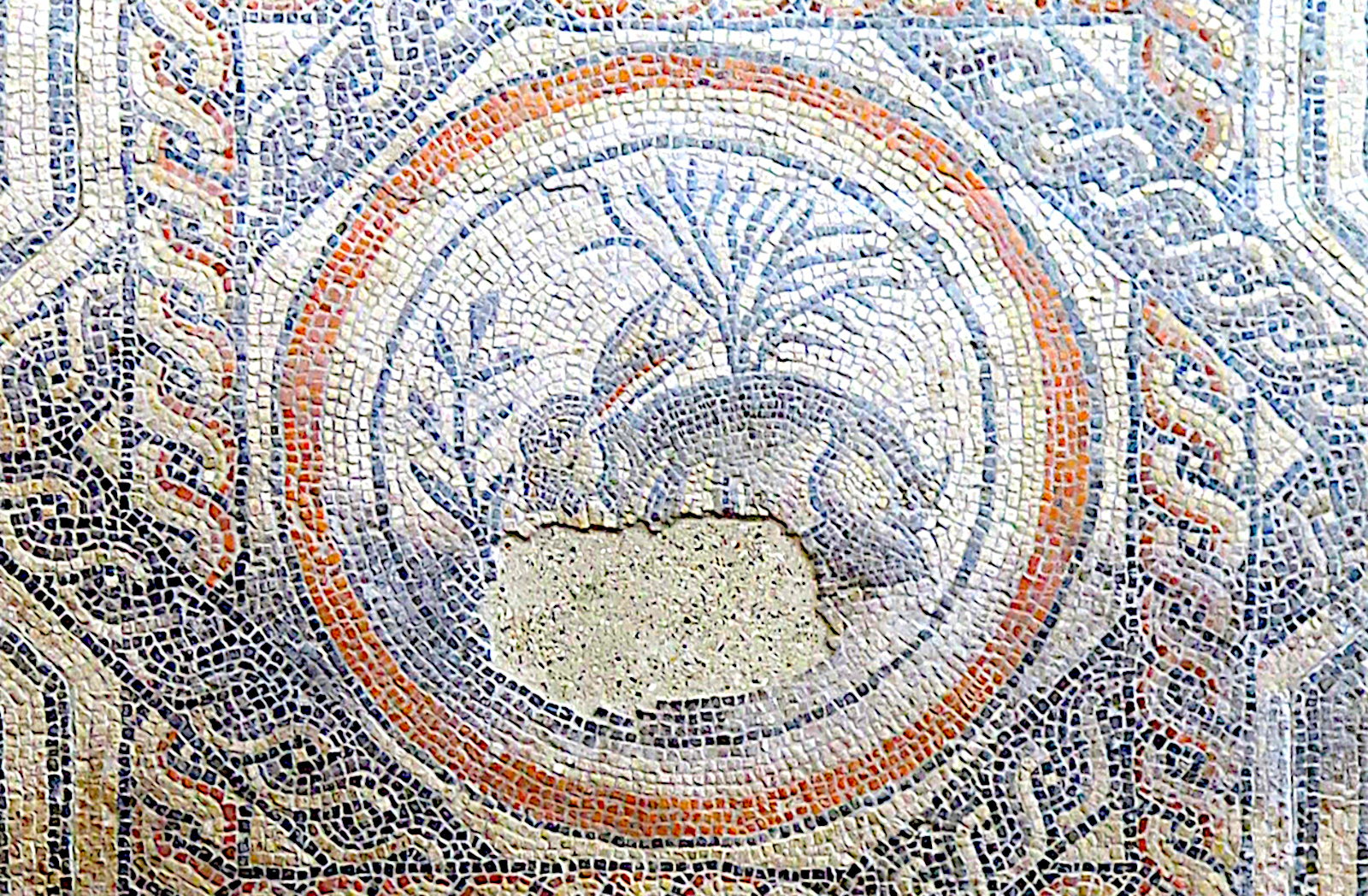




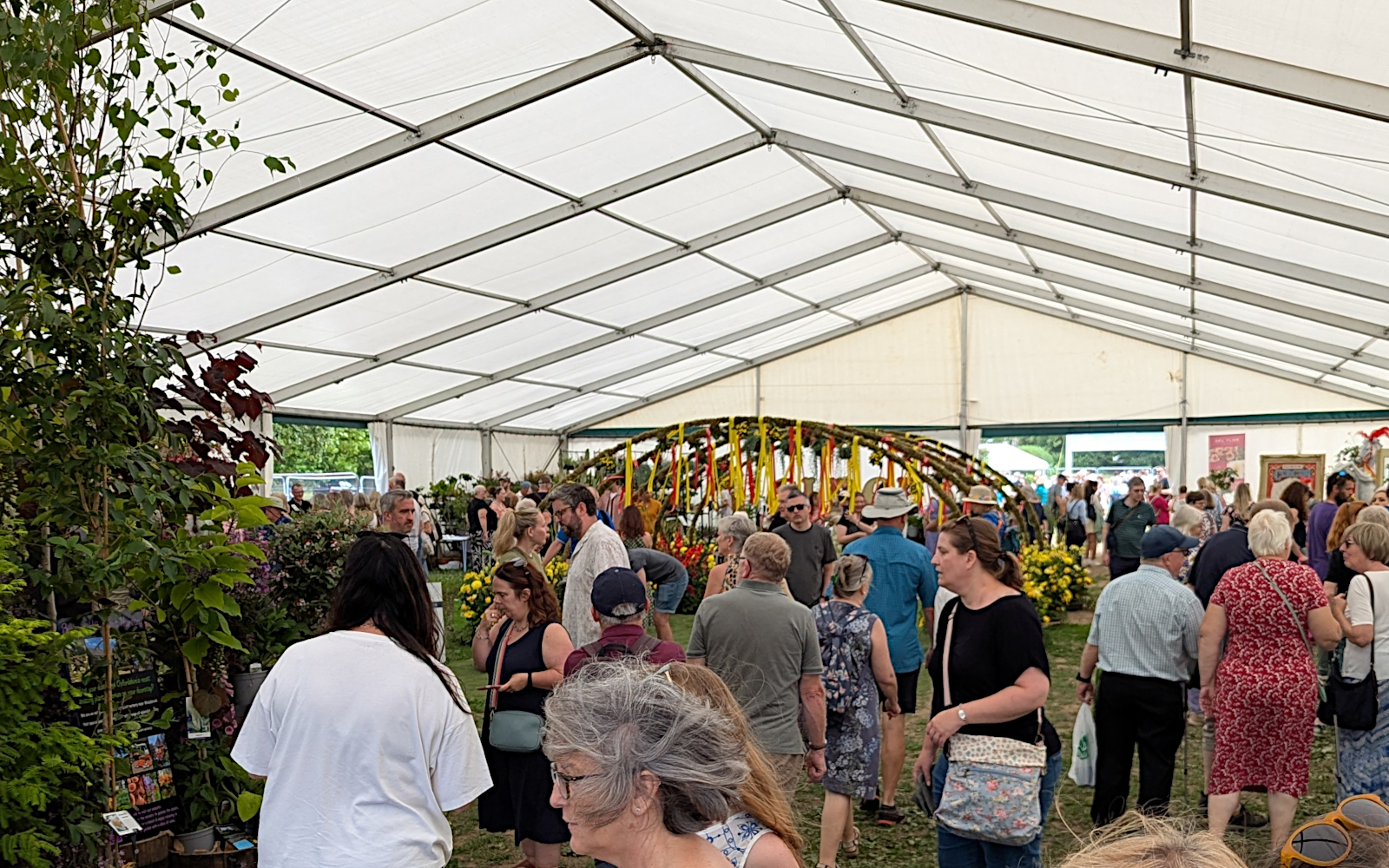

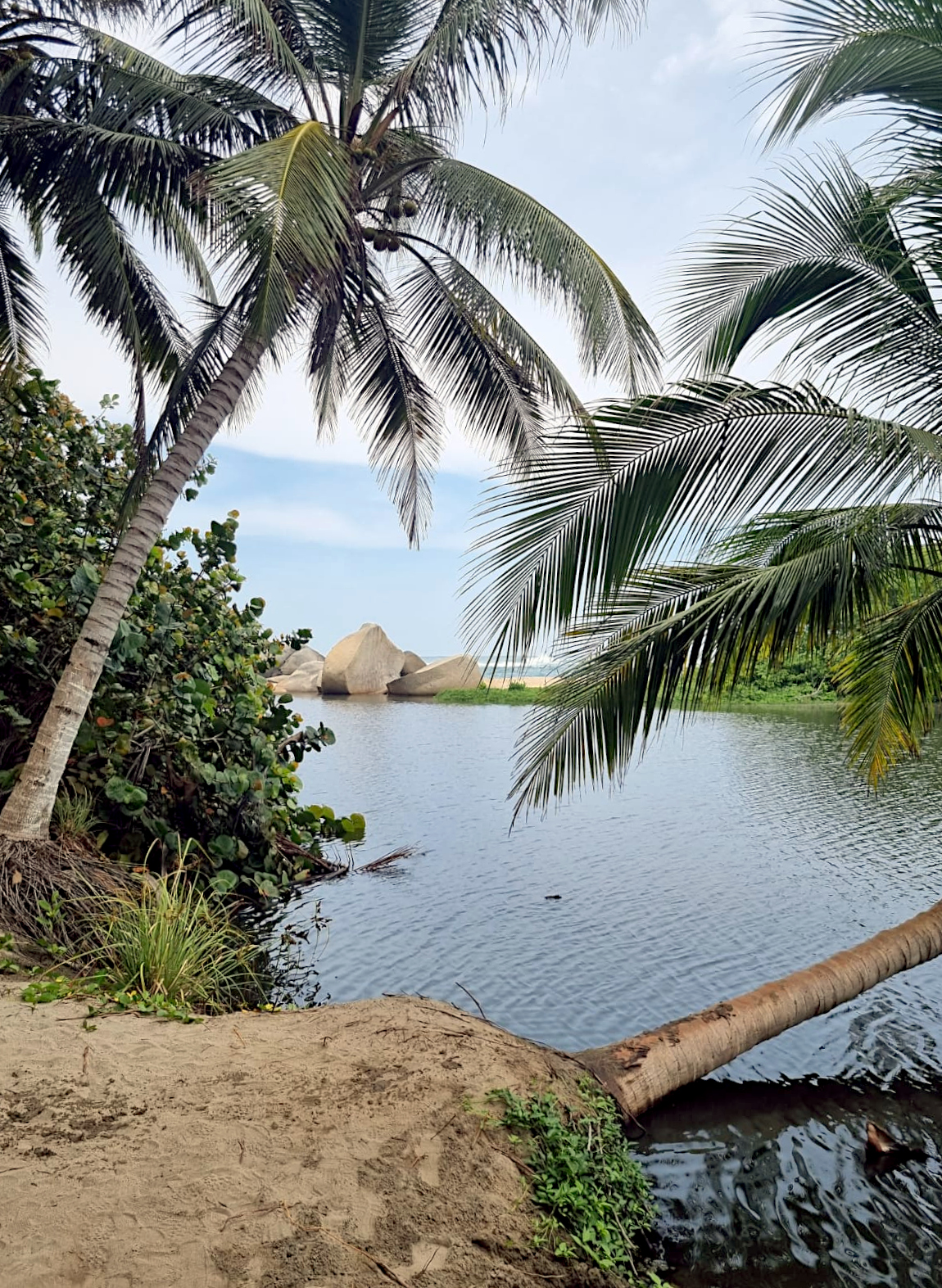


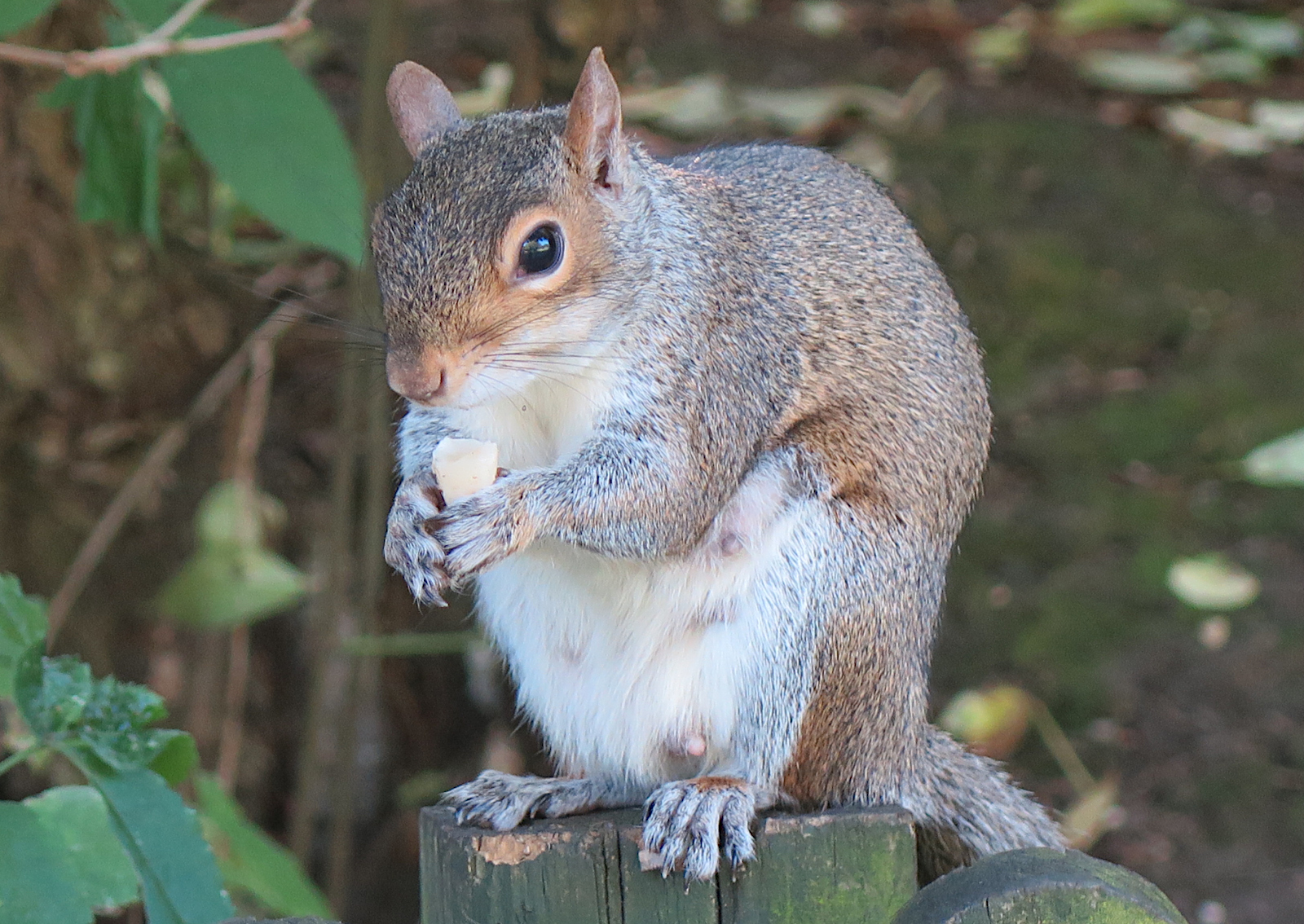


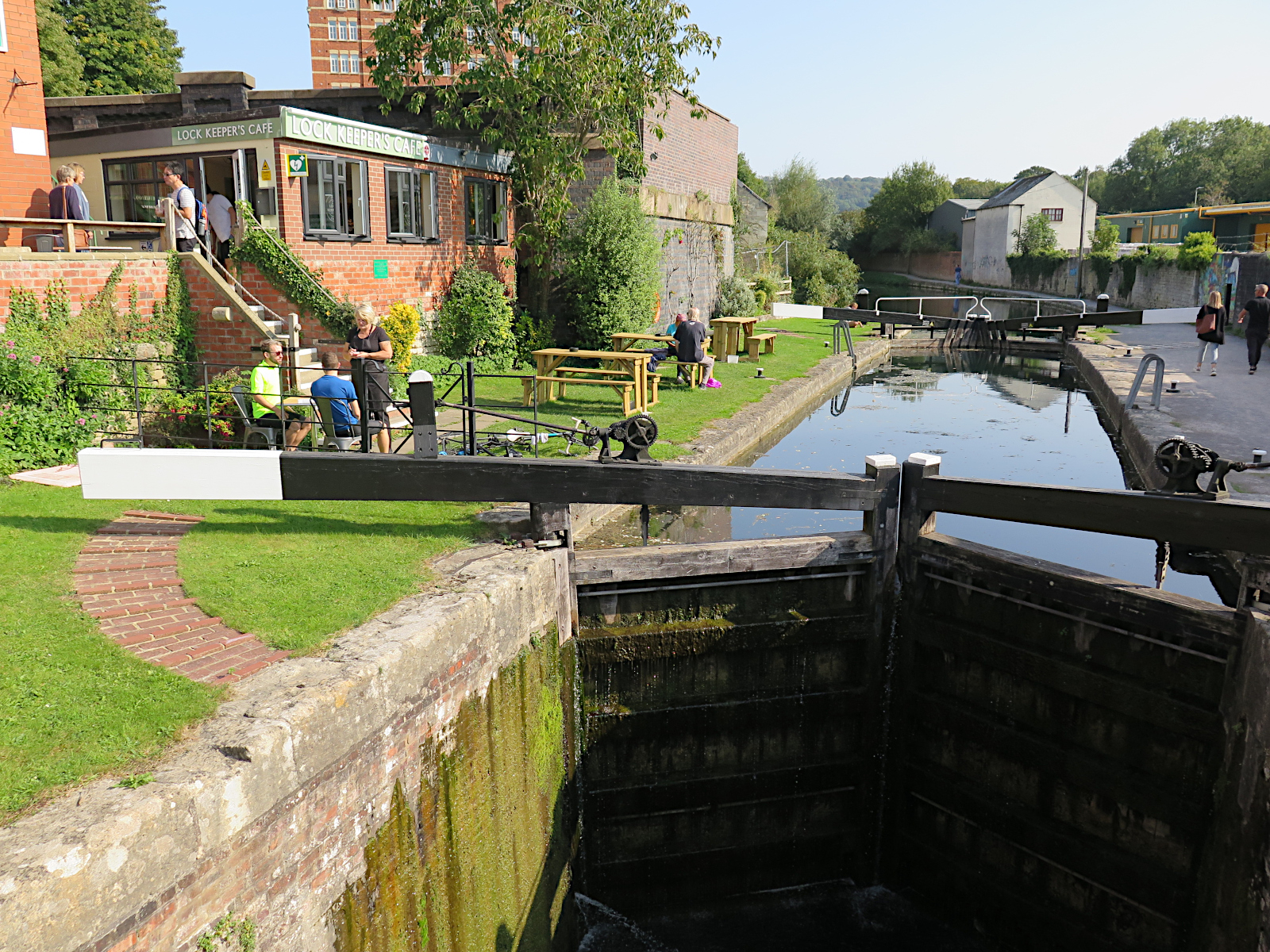
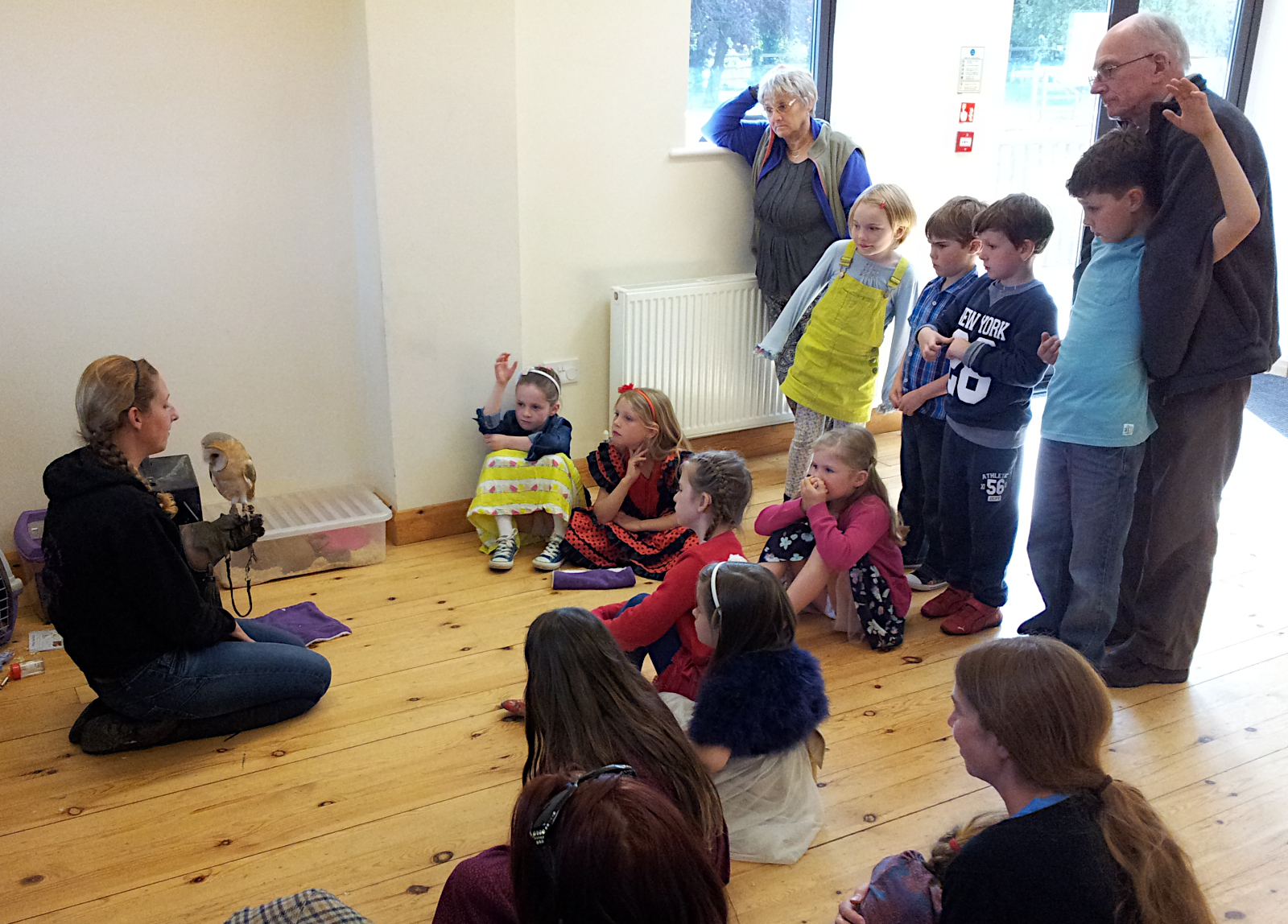


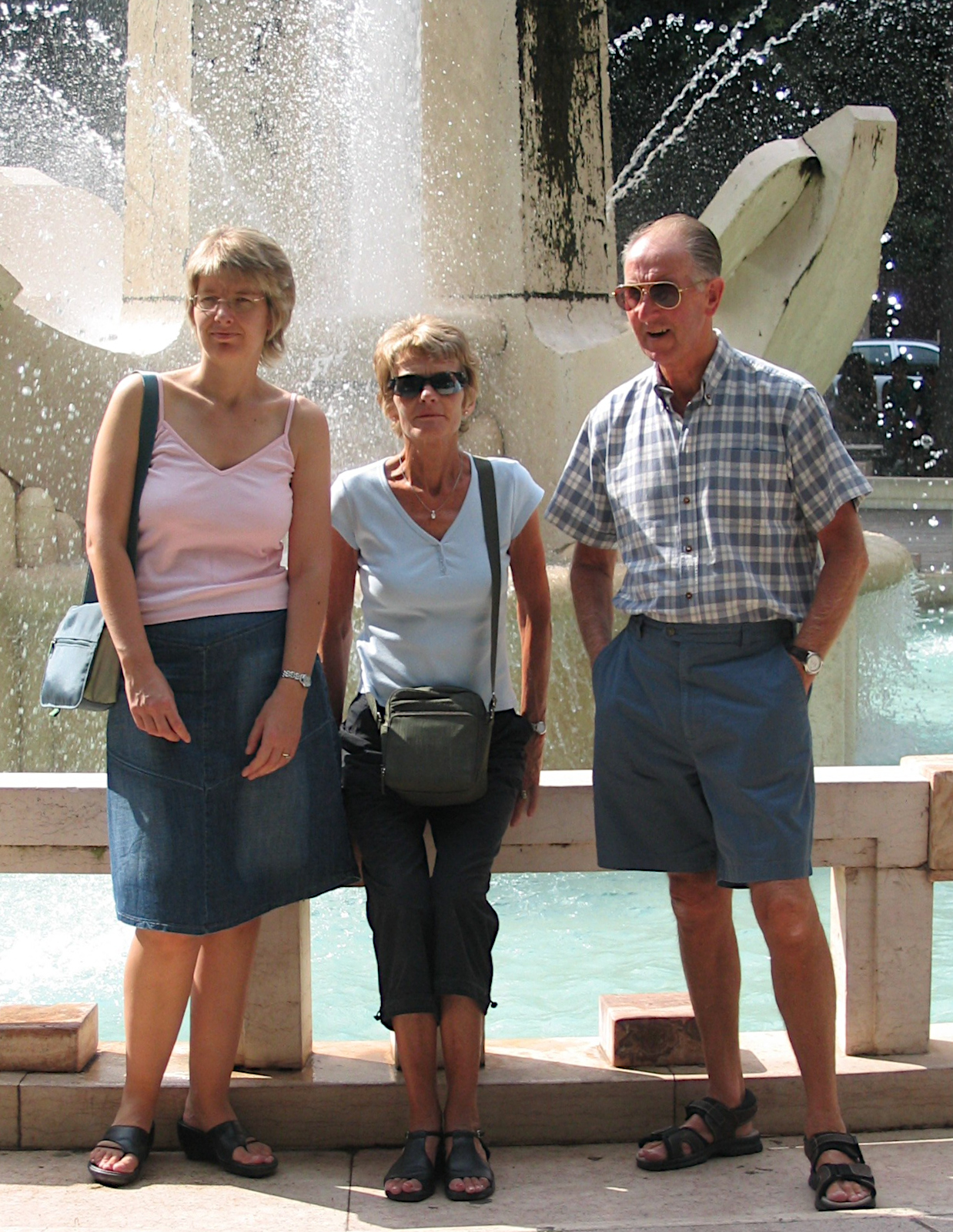


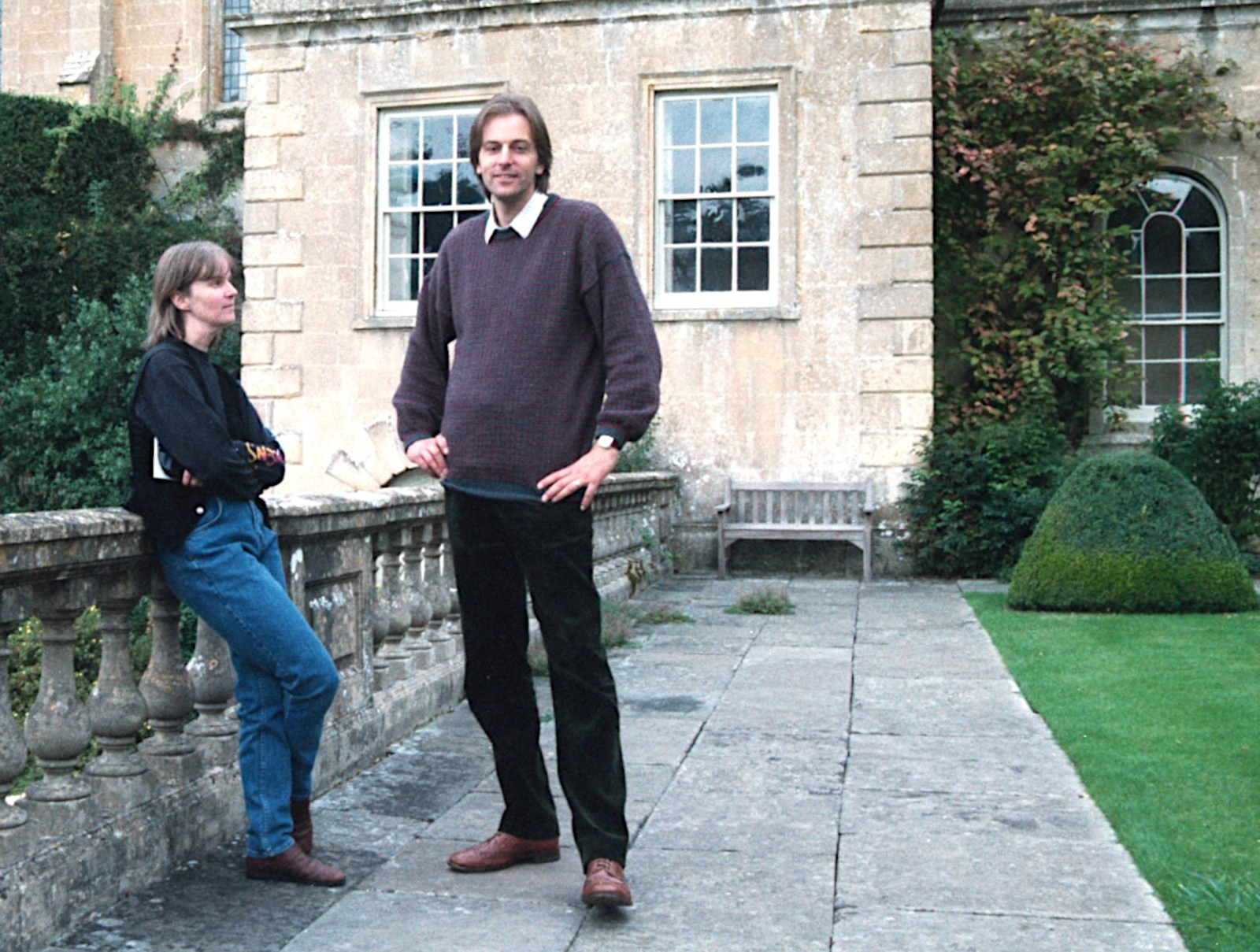


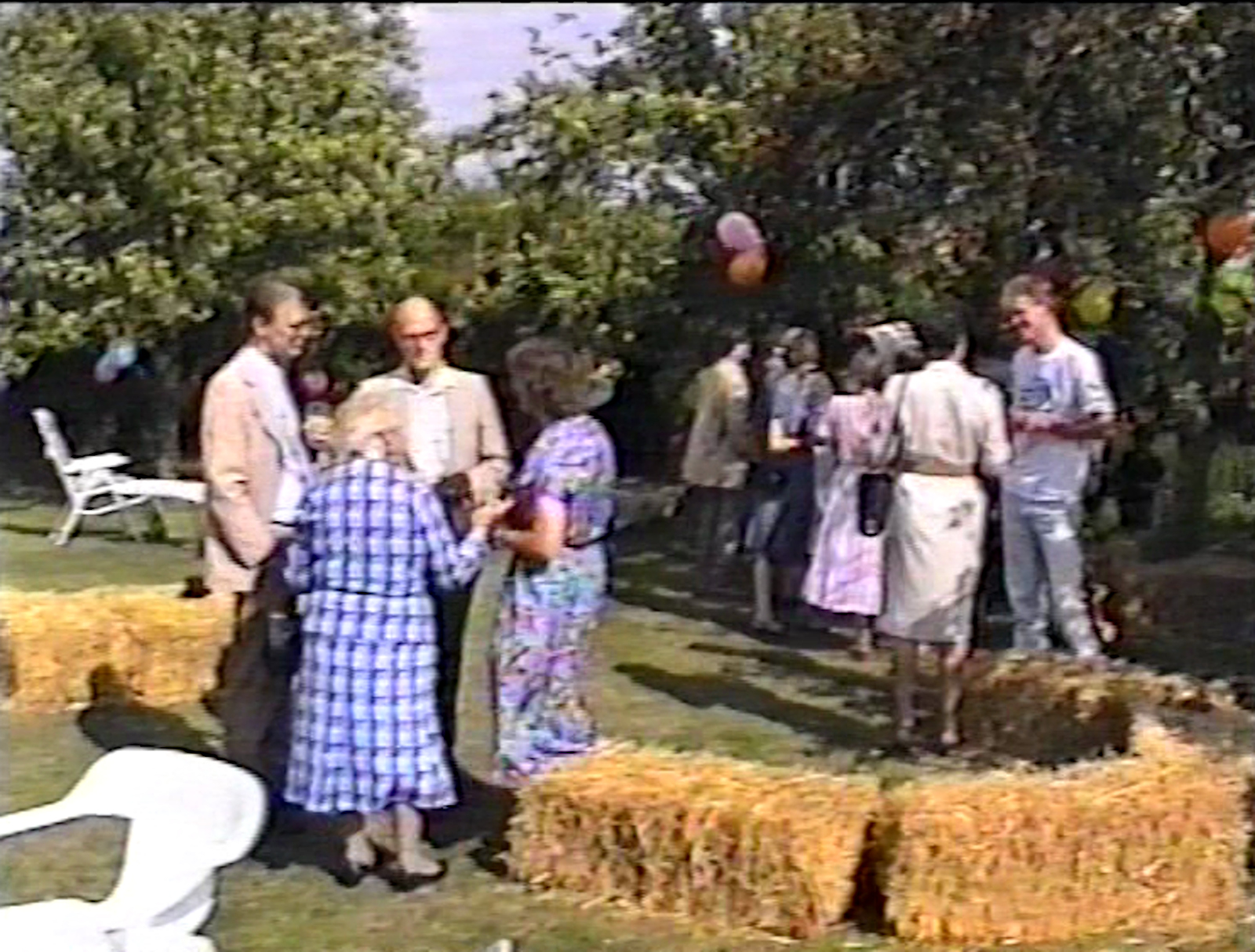



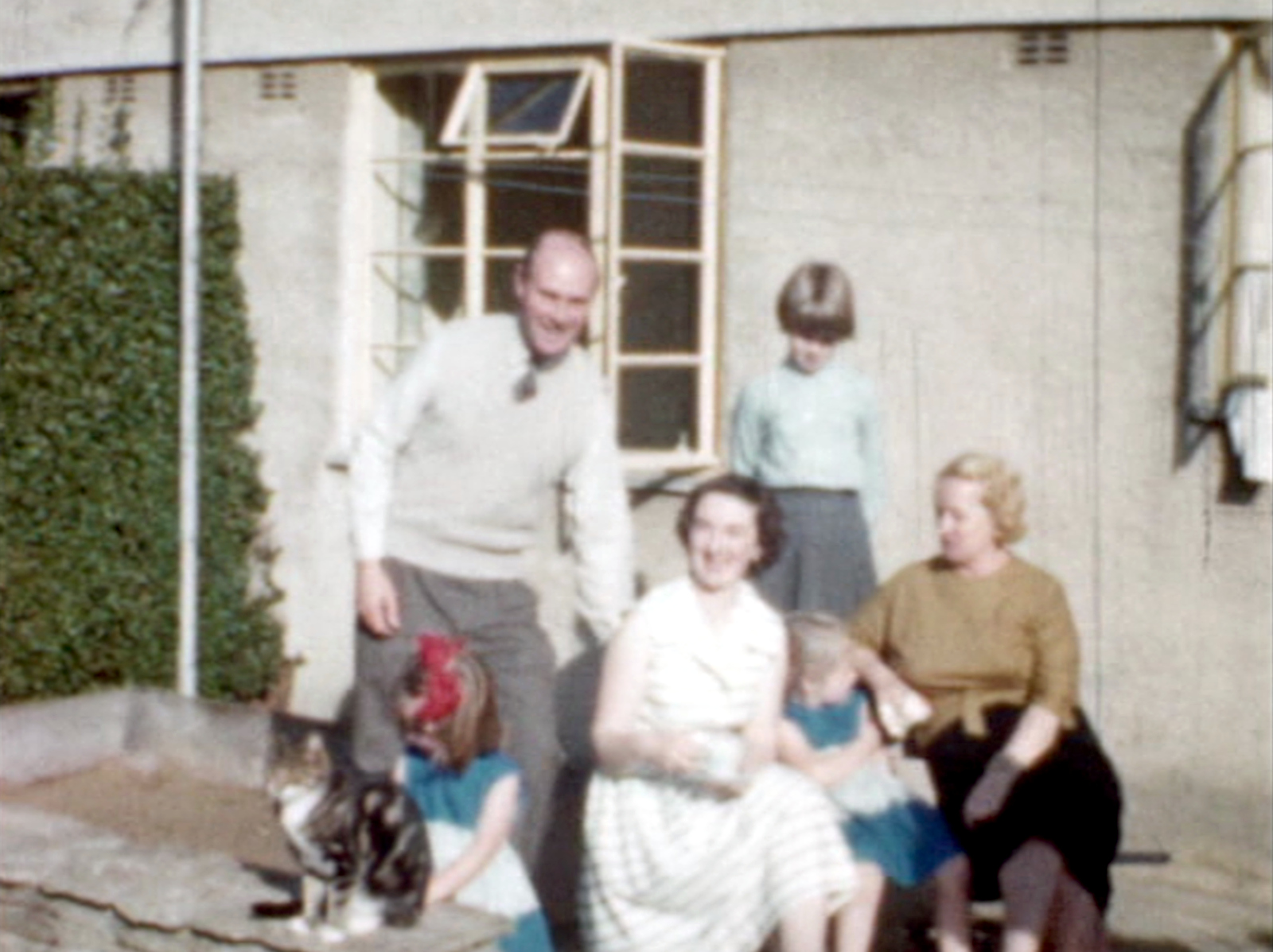




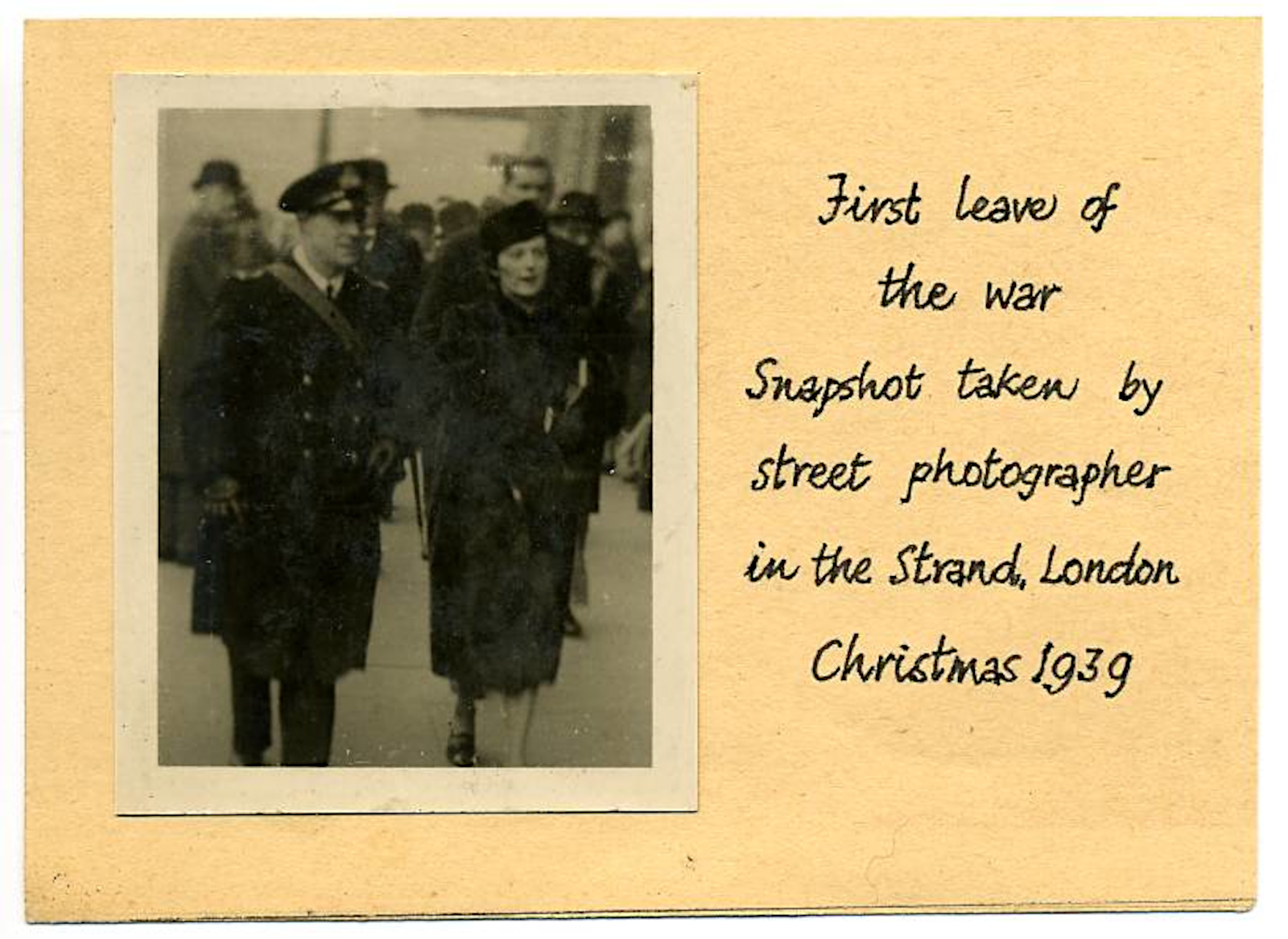


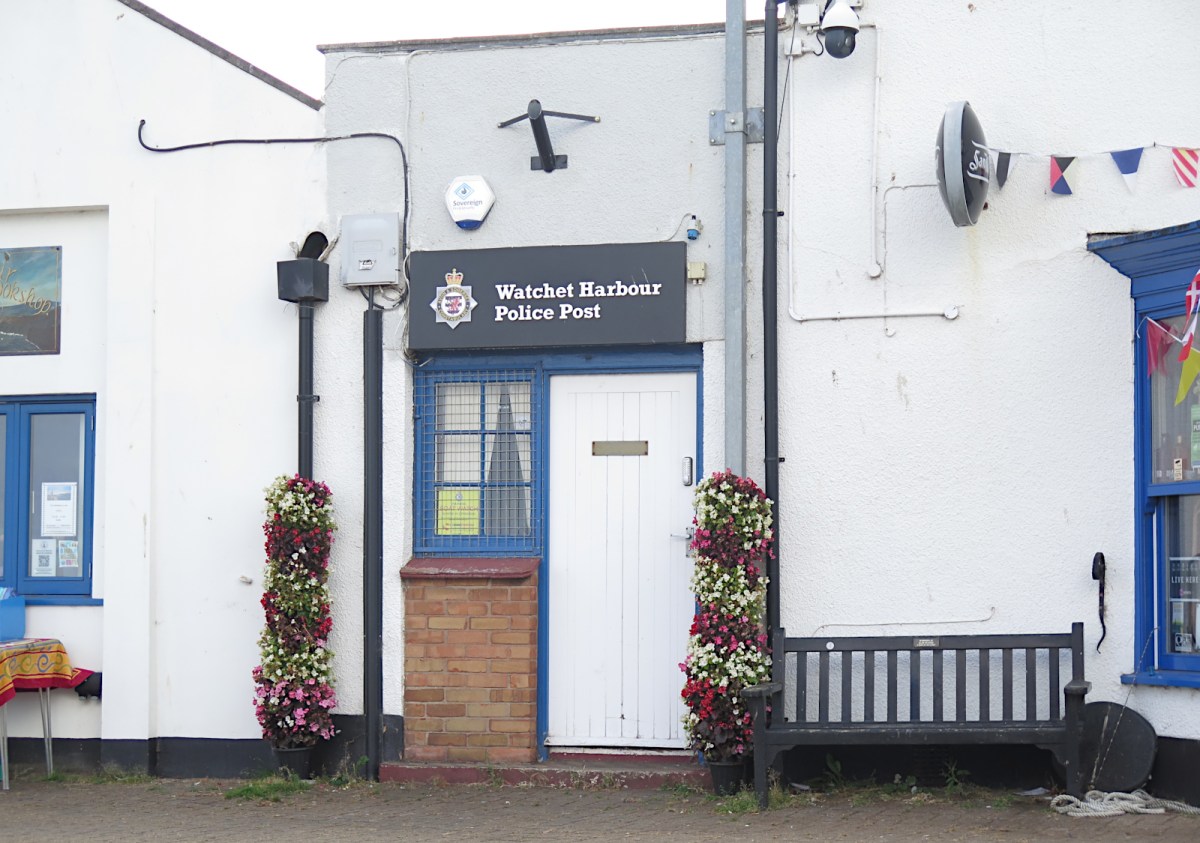

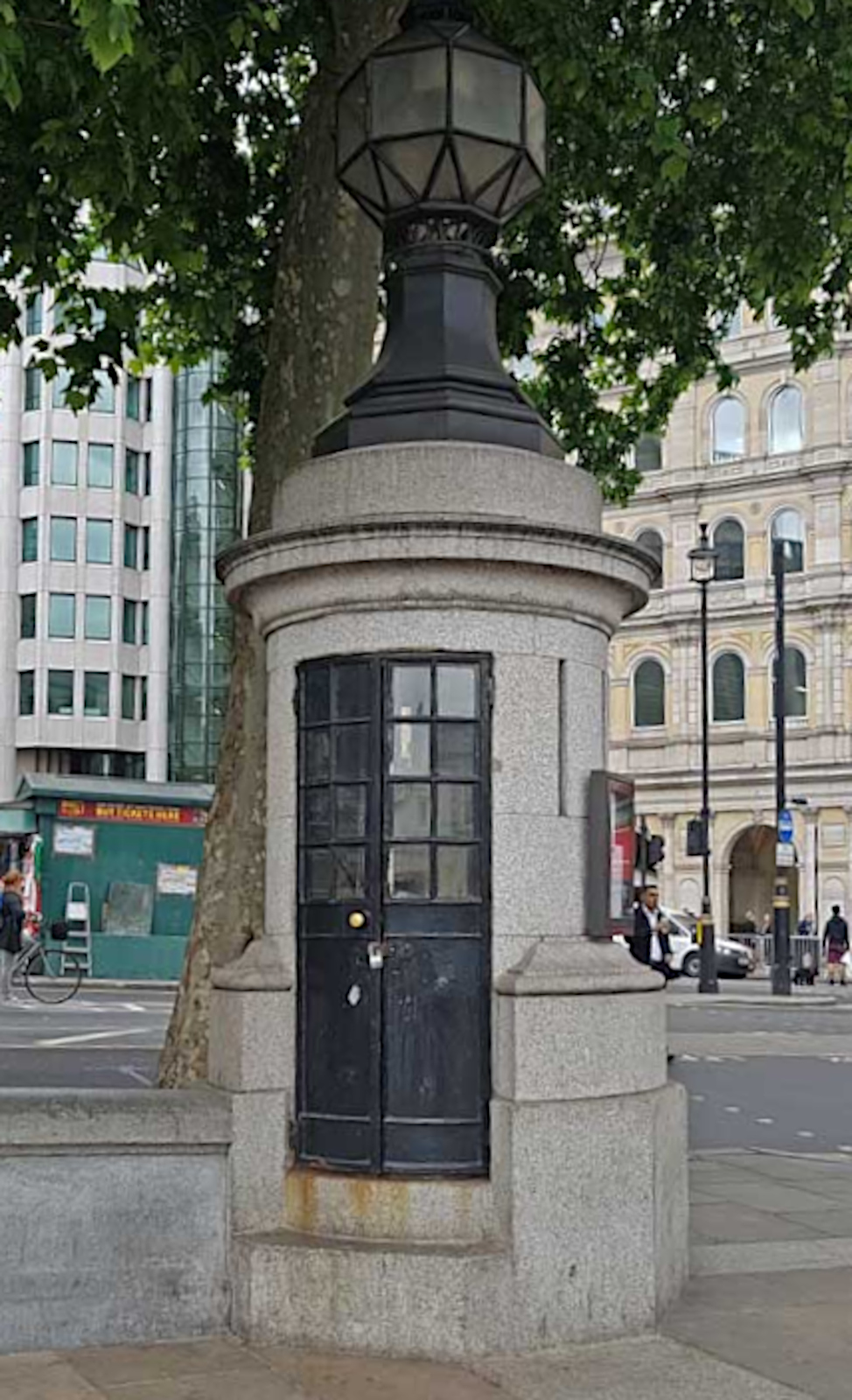

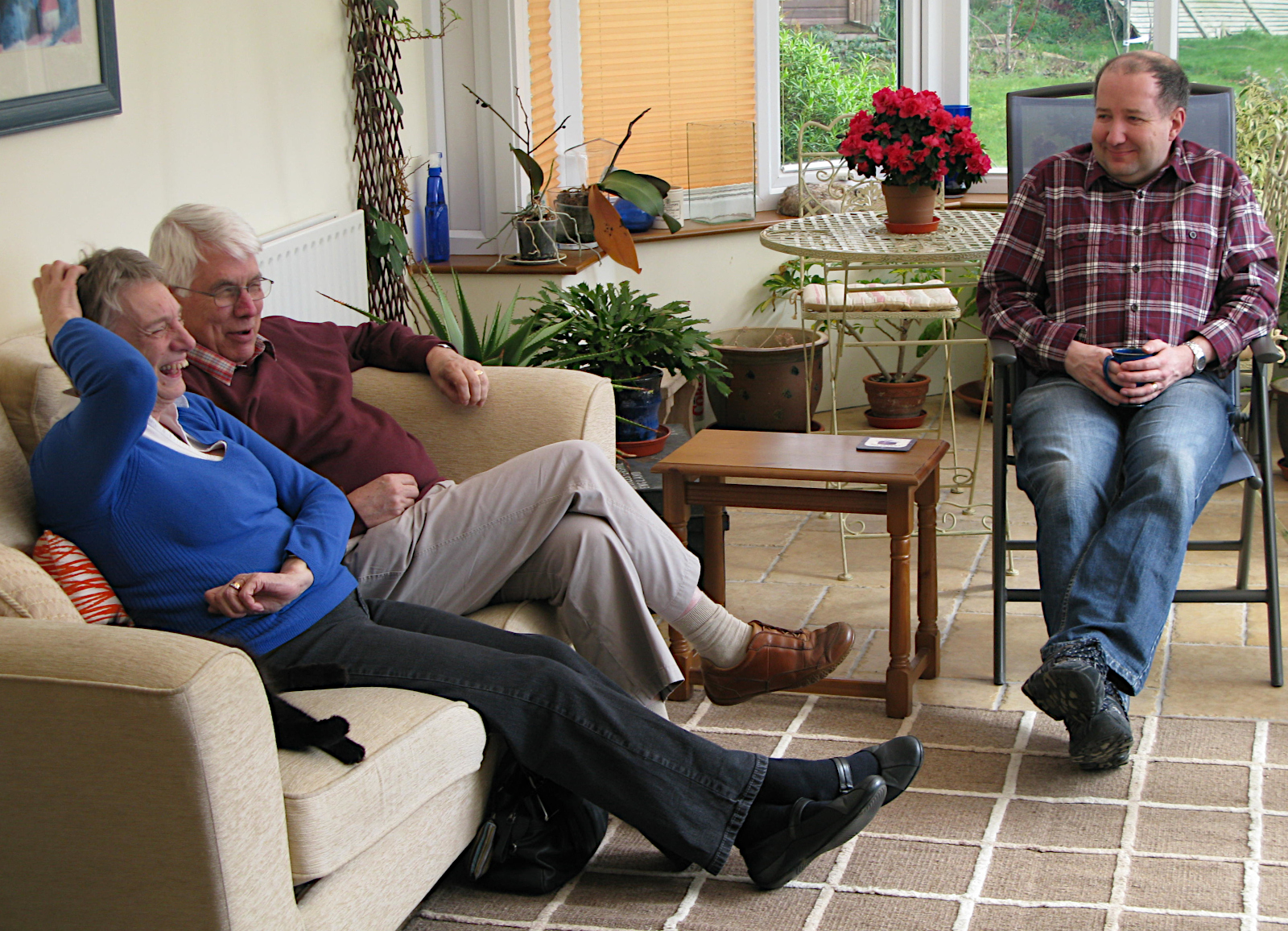


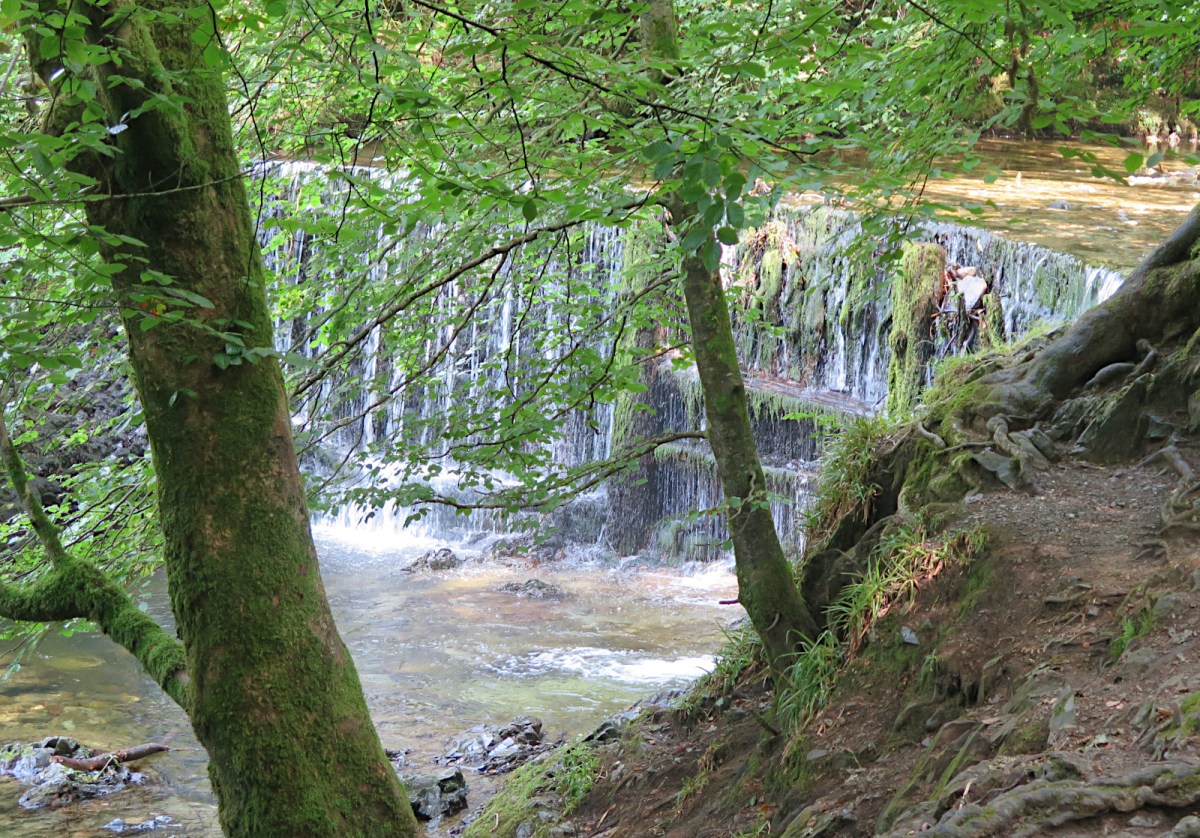
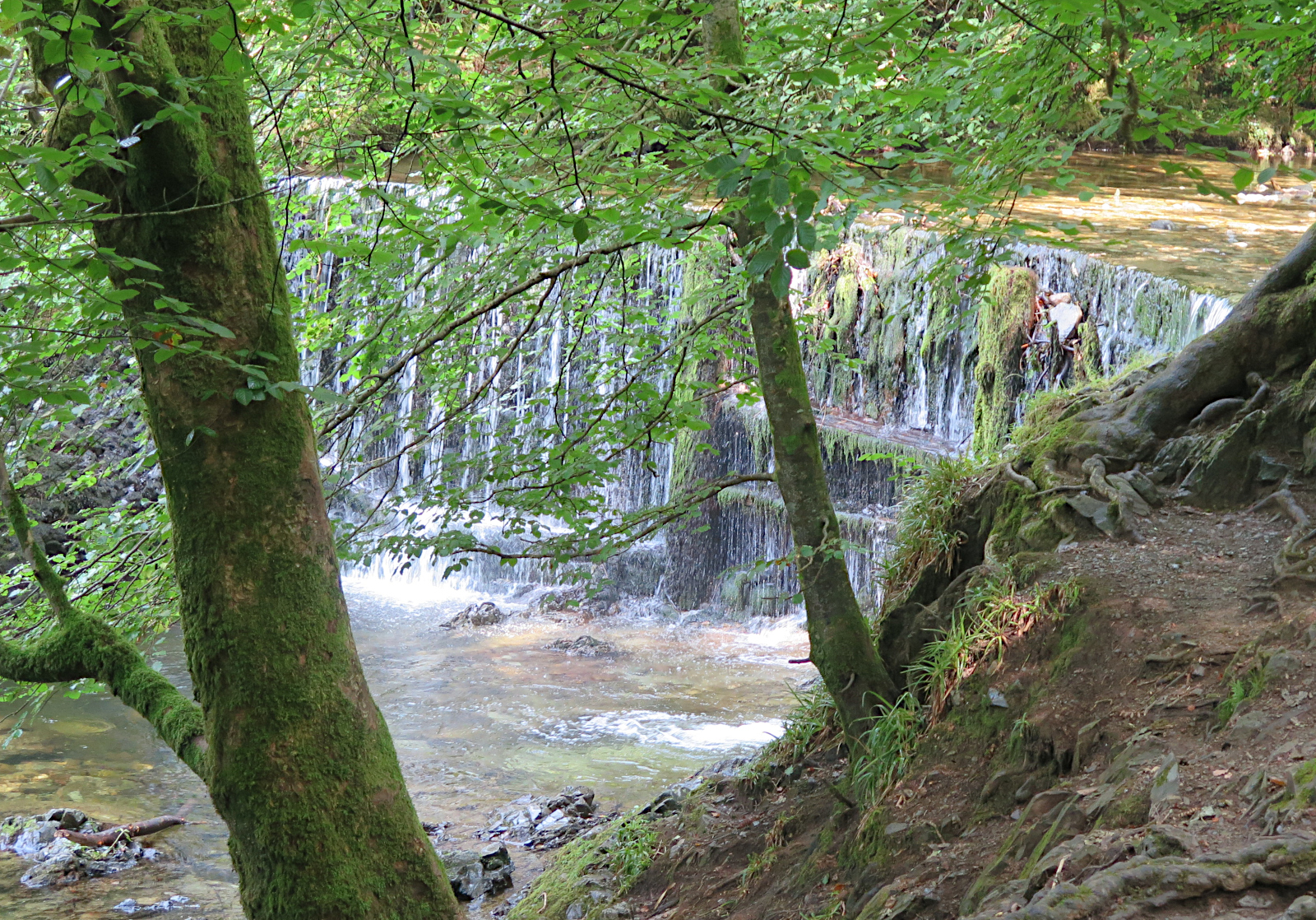

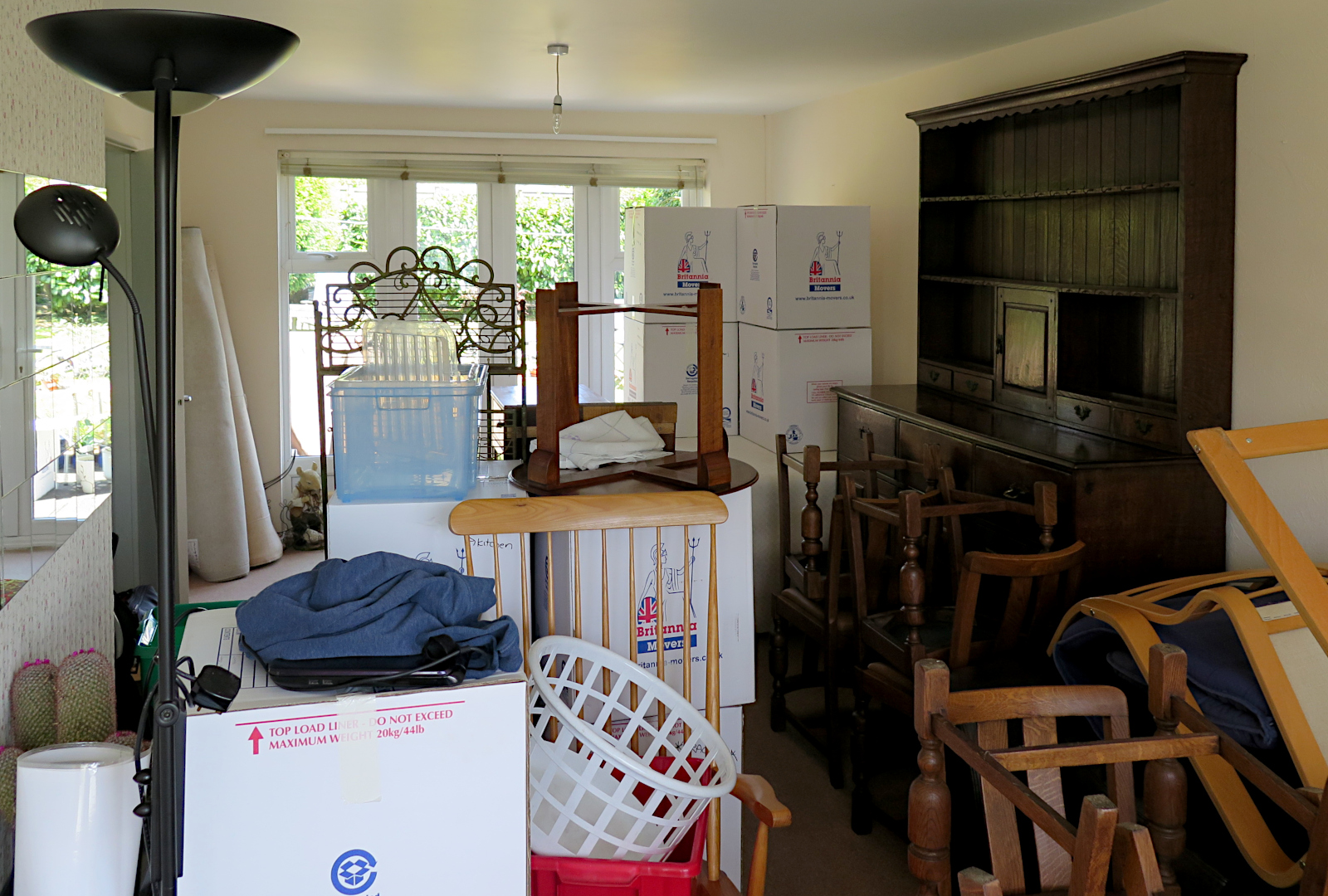


 Journeys of Heart and Mind
