It wasn’t hard to imagine the canal lengthman coming out of the roundhouse for a chat, and Thames barges making their way slowly along the canal, each following the plodding progress of its towing horse. The pace of life has changed so dramatically since those days!
Note: Writing these Blast from the past posts every month has been hard work for me, particularly as my efficiency in researching and writing is slowing down as I approach 80-years-old. This has prevented me from writing on other topics that are also important to me. I plan to continue with Blast from the past but they’ll come out monthly in sections; next time expect some further sections of Part 40.
December 2025
LARS Reunion Christmas lunch
On 2nd December Donna and I visited Bristol and Clifton Golf Club for the annual Christmas dinner for retired staff. It was wonderful to see so many familiar faces, older of course yet clearly still the people I remembered. Of course, as we age we all change under the influence of new experiences, getting to know so many new friends and aquaintances, yet all the old patterns and habits are still there, faces instantly recognised, voices still sounding the same, facial expressions just as remembered from decades previously.
Sunset over Stratton
There were some glorious skies during December. I captured this view on the evening of 12th, walking around Stratton. In December the sun sets early here in the UK where the latitude is fairly high.
JHM: I wrote about an amazing photo of a volcano in Chile; and considered the effect of fog. World events: EU leaders approved a €90bn ($105bn) loan for Ukraine for the next two years; and Israel became the first country to recognize Somaliland.
I did a canal walk along part of the Stroudwater Canal with my friends Al and Phil. We began by taking a look at Dock Lock, east of Stonehouse, It was under repair as the canal restoration steadily heads towards Saul Junction where the waterway will be reconnected to the national canal nework.
We walked from Dock Lock right into the centre of Stroud, stopping for lunch and coffee next to the Canal at Ebley en route. It was mostly dry with the odd shower.
Albion Street
The second photo shows Albion Street in Stratton where a lovely double-rainbow jostled for attention with telephone cables and local properties.
On 15th March I set off for a lengthy walk from the Daneway Inn near Sapperton, following the course of the Thames and Severn Canal to Siddington, then following the Cirencester Arm back to the site of Cirencester Wharf and meeting Donna in the town centre before walking back home. It turned out to be about a 15 mile walk including a few detours to see parts of the canal I would otherwise have missed.
I stopped for lunch and a rest at the canal roundhouse between the Coates Portal and the source of the Thames. I’d packed some sandwiches and a flask of water, found a dry section of old canal stone work, and enjoyed the view as I ate. It wasn’t hard to imagine the canal lengthman coming out of the roundhouse for a chat, and Thames barges making their way slowly along the canal, each following the plodding progress of its towing horse. The pace of life has changed so dramatically since those days!
If you enjoyed this or found it useful, please like, comment, and share below. (If you don’t see those links, click the article’s title above the main photo and they will appear.) Send a link to friends who might enjoy the article or benefit from it – Thanks! My material is free to reuse (see conditions), but a coffee is always welcome and encourages me to write more often!
We visited Bourton-on-the-Water which Kevin remembered from previous visits, and walked through the pretty village of Lower Slaughter nearby with its picturesque water mill.
Note: Writing these Blast from the past posts every month has been hard work for me, particularly as my efficiency in researching and writing is slowing down as I approach 80-years-old. This has prevented me from writing on other topics that are also important to me. I plan to continue with Blast from the past but they’ll come out less frequently from now on; expect one every six to eight weeks instead of once a month.
November 2025
Small Group social
My grandmother (my Dad’s mum) would have been 146 years old this month! People come and go, history just keeps on going as hours, days, years, centuries and millenia are swallowed up relentlessly. In another 146 years, the year will be 2171 and all of us alive today will be gone – what a thought! Life, though temporary, is truly amazing.
After my discharge from hospital my seizures seemed to be fully controlled and November was symptom free apart from a very slight numbness on 1st. This is good news and life began to return to something much more normal, walking to town and back most days for example. We went to the CBC Quiz Night on 8th and our Small Group were the winners and took home a pot of Daniel’s Romanian honey from Plescuta as the prize. On 11th we had a visit from Cindy, Gavin and his partner Donna and he gave me a copy of his Dram Fools CD. I also had some Season’s Greetings cards printed.
We visited The Farmer’s dog with our friends Kevin, Lariana, and her son Ruben from St Neots. They were with us for a few days so we introduced them to Cirencester and visited a number of other places in the area as well.
Watermill in Lower Slaughter
We visited Bourton-on-the-Water which Kevin remembered from previous visits, and walked through the pretty village of Lower Slaughter nearby with its picturesque water mill. We strolled around Stow-on-the-Wold too.
Kites at Maryport
Our annual family holiday in the Lake District let us explore more of the lovely countryside from a grand old house near Keswick. The photo shows kites flying and on the ground at Maryport on the north-west coast, with the southern coast of Scotland visible across the Solway Firth.
I continued taking photos of anything and everything that looked interesting to me. I started when I was nine and have no intention of giving up!
The heat pump was working part of the time but the house was not really warm, we were still not fully understanding how to get the best out of it. Jordan (the installation team manager) popped in to take a look and found the hot water and hallway thermostats were incorrectly wired so when hot water was demanded, the house got warm and when the house was cold the water heating came on. Problem solved!
Donna and I went to Cheltenham for a meal at Nandos and to watch A Complete Unknown, the film about Bob Dylan. I love Dylan’s music and the words are often clever, but I’ve never liked his character, and the film reinforced that.
The world political situation seemed to be more broken than I’ve ever seen it. Donald Trump and JD Vance remain serious threats to American democracy, Russia continues to make life hard for Ukraine, but there are growing hints that the alarm is producing some useful changes in European cooperation and spending on defence.
JHM: I wrote about Knightstone Causeway; and my breakfast. World events: Donald Trump announced that the United States would take control of the Gaza Strip in an agreement with Israel; while Ukraine halted the flow of Russian gas following the expiration of a five-year transit deal and became a state party in the International Criminal Court.
I was still transcribing Dad’s diaries at this time, to make them potentially available to the entire family as PDFs. I was also busy scanning Judy’s old 35 mm transparencies and delivering some leaflets for the Lib Dems.
We visited Batsford Arboretum, the photo shows a drift of snowdrops and a group of Wollemi pines (Wollemia nobilis) showing signs of more maturity than we’d seen previously.
Peter Scott’s house
We visited Slimbridge on 12th, which we very much enjoyed although it was horrendously busy with so many families with children. I recognised the house built by Sir Peter Scott which I’d seen decades ago with Pete Landless.
At the beginning of the month I enjoyed a good walk around Cirencester, returning via The Beeches and Queen Anne’s Road where we lived until I was 11-years-old, and spotting many of the old, familiar places. The Golden Farmer where the sign showed a divided face as a farmer in daytime on the left and a highwayman with a black mask on the right (now Golden Farm Inn). I traced the footpath from our old house at 17 Queen Anne’s Road past the Ayre’s and Mrs French’s bungalow on the right (that was not her surname but her nationality!) and the stub of the path now cut off by the by-pass and on up the hill to the little shop at the top.
Flooded by the Churn
The second photo shows flooding in the car park at the back of the Corinium Hotel (used to be Corinium Court). I had my first COVID-19 vaccination on 5th at Cirencester Hospital and new cases were falling quite quickly by this time in Cotswold District.
Onyx reader
My new Onyx BOOX reader arrived; I was soon able to get Google Play books and Amazon books opening in the web browser as well as viewing other web sites. It was a grey scale screen of course, but readable at night with a backlight adjustable from bluish through white to orange, so good for reading in an subdued orange when I couldn’t sleep. I soon found it almost indispensable, given that Donna needed more hours of sleep than I did.
World events: COVID-19 pandemic: The number of COVID-19 vaccinations worldwide exceeded 100 million; and The UAE’s uncrewed Hope spacecraft became the first Arabian mission to enter orbit around Mars.
I was busy with several life transformation groups (LTGs) in and around St Neots at this time. These are a way of focusing on changing our lives rather than just learning more facts about church through Bible Study. These groups tend to be two or three men or two or three women digging into what it means to be disciples, not growing in knowing stuff, but growing in doing stuff. We would aim to read around 20 to 25 chapters of the Bible during the week, and meet for about 30 minutes.
Costa in St Neots
They worked really well but when we moved to Cirencester they stopped because the friends I’d been working with were now 2½ hours drive away. Keeping them really small makes them quite intimate, but mixing men and women in a group this size can be unhelpful. If a fourth member is added, the aim becomes producing two groups of two within a few weeks rather than staying together as a larger group indefinitely. Sometimes we did CO2 as well or instead (Church of Two). These meetings were briefer (5 minutes per person) but we met daily and included elements called Virkler (listening to the Spirit) and SASHET (exploring our current emotions). We met at home or in a coffee shop, often at Costa (as in the photo), or at Caffe Nero.
There was a lot going on in the Small Group around this time too. Carolyn had a specific word for me, saying that I feed people spiritually, and just like feeding the fish in our conservatory pool, they come up to the surface to take a look. She also said that I was weighed down by something and should let it go and this encouraged me because I’d been feeling for a time that I should leave Small Group and move on with the primary task he’d given me of feeding people spiritually.
John with his Dad’s model
John decided to sell the model steam engine built by his father so I helped him get it over to Cheffins auction rooms in Cambridge who suggested offering it in their steam and machinery sale on 16th April.
Candelabra, Chichester Cathedral
We spent a few days in the little villlage of Hambledon (near Chichester) and visited RAF Tangmere, Arundel Cathedral, Butser ancient Farm, a National Trust property at Hinton Ampner, and Fishbourne Roman Palace, all of them fascinating to see.
JHM: I wrote about shoals and flocks; and about swimming in harmony. World events: North Korea launched Kwangmyŏngsŏng-4 (a reconnaisance satellite) into space, widely condemned as a long-range ballistic missile test; and Pope Francis and Patriarch Kirill signed an Ecumenical Declaration in the first meeting of leaders of the Catholic and Russian Orthodox Churches since their schism in 1054.
Heading out early for a walk on 8th February on a foggy morning I was delighted to see a foggy sunrise over a period of time. It was a magical sight, a wonderful combination of the orange glow of returning daylight with the mystery and hidden distance of fog. Wow!
Snowdrops
Later in the month we drove over to Moggerhanger Park to see the snowdrops, They were beautiful as always, of course. Scattered through the woodlands in amazing drifts, to be followed later in the season by similar drifts of fragrant bluebells.
We had snowdrops flowering that we bought from Anglesey Abbey and planted last year. I set up our new NTL broadband router and Wi-Fi system and got it all working, such a great improvement on the old dial-up networking.
Donna in Steph and Earl’s garden
We flew to Florida on 10th, and Earl picked us up from west Palm Airport, and on 12th after settling in at Steph and Earl’s, I astonished Dad by calling him from their back garden for a short chat! On 15th we drove north to Melbourne to visit my cousin Jill and her partner Marcia.
World events: The 2006 Winter Olympics were held in Turin, Italy; and the 2006 al-Askari mosque bombing, the attack on the shrine in Samarra, one of the holiest sites in Shia Islam, sparked an escalation of sectarian violence in Iraq resulting in full-scale war.
This screenshot from my PC at Unilever shows some interesting features from 25 years ago. The main window with a background image of St Neots Market Square and the clock in the lower left is from Windows NT running on my desktop work PC. There are also two web browser windows open, an early version of Microsoft’s Internet Explorer. One of these is displaying my personal email service provided by Yahoo! The Web Team page was an Internal Unilever site containing work information for the team I was part of.
The remaining window with a darker green background and the name ‘Oak’ repeated in rows and colmns was a VNC window displaying a virtual desktop from one of our web servers so that we could access it without having to be physically present in the server room. There are two windows open on ‘Oak’, one displaying users and groups on the server, the other a DOS command window being used to manage the ‘Oak’ server.
The combination of local access and remote access all in overlapping windows on my office desktop was incredibly useful and fairly cutting edge at the time.
Alex
Tax disc
At home our new bathroom was being installed and I retaxed Alex, our Citroen Xantia, on 9th February. You can see it in the image on the right and view the new tax disc as well.
World events:Ariel Sharon of the Likud party was elected Prime Minister of Israel; and The NEAR Shoemaker spacecraft touched down on 433 Eros, becoming the first spacecraft to land on an asteroid.
I was still serving on the Institute of Arable Crops Research (IACR) cross-site IS/IT development project. The purpose of this was to build a common computing system covering the computing needs of both Rothamsted (RES) and Long Ashton (LARS). Realistically this largely meant closing down the LARS infrastructure and extending Rothamsted’s to cover both sites. The initial steps were to add TCP/IP networking to the LARS PCs, remove the LARS Novell server and replace it with a UNIX networking system. It was a lot of work, a significant upheaval for LARS staff, and all for no reason: at the time we didn’t know that LARS would be closed down in 2003 and the remaining staff moved to Rothamsted or elsewhere.
During February Donna Hudson started coming to some of the meetings with Tony, Faith, Paul and Jenny. And Donna and I talked a lot during the lunch breaks at work. We became more and more fond of one another and by the end of the month Donna had met Debbie and Beth, my three sisters, and Mum and Dad as well. Paz also came into the picture, as Beth invited him to join us for pancakes on Shrove Tuesday and we all got along well together.
The LARS Sytem continued to evolve and make our Viglen 286 desktop computers more usable and convenient for staff. I was developing a series of compiled Pascal programs, utilities, and batch files to fill some of the gaps in MS-DOS, for example a command line utility to alert to low disc space that could be called from the DOS prompt and also from a batch file during system startup. Another one was a unit conversion utility which I developed to run from the DOS prompt or from Windows.
Hard for the birds
We had a moderate fall of snow and some rather cold days, the photo is from 9th February after putting out food for the local birds.
Greenfinch
The second image shows a greenfinch checking out peanut seeds that Judy had hung from Berberis branches. These were very popular!
This little painting was made by my daughter, Beth. I think she has the original, I passed it on after I scanned it. It was almost certainly painted at school as it has been marked B.J. (Beth Jefferies) in the lower right corner. I can only guess the date so it probably doesn’t belong in February 1986 but could be quite a lot earlier. But it deserves to appear in a Blast from the past post somewhere.
So here it is. Oh, and thanks Beth, love from Daddy!
With compliments
Around the same time I was running a little project at home, writing educational software to run on the Sinclair ZX81 and Spectrum computers. These were sold by mail and this little business slip went out with them as well. When the software came to the notice of my brother-in-law, Peter Holme, he saw more potential for professional development and marketing and developed a company, ComputerTutor that eventually got these and other programs into high street outlets like WHSmiths.
Debbie was nearly 11-years-old, and Beth 7¾, both still at school in Yatton.
World events:Pixar was founded by John Lasseter and Steve Jobs; and the Soviet Union launched the Mir space station.
Debbie was learning to ride her bike, we’d bought a rather battered old bike in the autumn, I took it apart, resprayed the frame in a metallic blue, put on some new white tyres, and polished up the chrome parts. Reassembled it looked pretty good and we wrapped it up as Debbie’s main Christmas present. By mid-February she was becoming good enough to stay upright most of the time but I still needed to run alongside to guard against major wobbles.
At Tintern
During the month we drove over the Severn Bridge and along the Wye Valley to explore the atmospheric ruins of Tintern Abbey. We had so much more freedom now with our own set of wheels, a Morris Marina we called Excellent Car Jefferies (so-named because the registration number was XCJ 508K). You can see the car on the left in the photo of Debbie on her bike.
World events:Pope John Paul II visited the Philippines; and a powerful earthquake hit Athens.
This photo was taken in Cirencester, probably by Mum, but possibly by Judy. It shows my Dad filming by the lake in the Abbey Grounds and I’m guessing it was Feb 1976 though it’s impossible to be sure.
Debbie was 11 months old in February, and it was exciting to think she’d have her first birthday in mid-March. Church life was still a mix of home meetings with Tony and Faith Moulin, and Paul and Jenny Shortman along with some other friends as well as Sunday morning meetings at Horsecatle Chapel.
I was working at Long Ashton Research Station, cycling in and out each day from our house in Yatton. I will never forget on my way into Bristol one lunchtime, a lorry pulled out onto Brunel Way from a slip road near Bower Ashton. The driver didn’t see me and physically pushed me into the next lane. I managed to stay on the bike and move further into the right hand lane which, fortunately, was empty at the time.
John Jefferies & Son Ltd might have released their 1971 vegetable seeds catalogue around this time. The photo shows one of the pages from it.
Judy’s lab assistant job with Mike Tanner at Bristol University was going well. She soon made friends with a young woman her age who worked for another biochemist in the same lab. It was good to begin to make some friends; I, too, was meeting people at work that I enjoyed spending time with, though we were only on smiling and ‘Good morning’ terms with a few people where we lived.
Our car, ‘Pumpkin’ had some rusty spots, some of them quite serious, but the engine that Dad and I had rebuilt continued to run very nicely, and the gearbox and transmission had given us no trouble. It continued to pass MOT tests with little difficulty.
World events:Rolls-Royce went bankrupt and was nationalised; and Apollo 14 landed on the Moon, getting the programme back on track following the Apollo 13 failure.
Judy sent me a valentines card (I sent her one too, of course. The photo shows the contents, in verse and wordy (normal in those days), but the sentiments were heart-felt. Cards have changed since 1966 but falling in love never grows old. We were both still at Cirencester Grammar School where we had met. I was in the Upper Sixth and Judy was still Lower Sixth so we were able to see each other almost every day.
My Irish grandmother turned 68-years-old on 9th, which to me at the time seemed really ancient (though my English grandmother was a good deal older).
World events: The Soviet Luna 9 spacecraft made the first controlled rocket-assisted landing on the Moon; and the Australian dollar was introduced at a rate of 2 dollars to the pound.
I believe this photo was taken in February 1961 in the room we always knew as ‘the back sitting room’. Mum is knitting, Cindy has a pen in her hand so was writing, Chloe the dog and Figum the cat are on the floor enjoying the warmth from the fire. My school photo is on the mantelpiece along with a teacup, and my school cap is on the back of the sofa. That’s quite a lot of information from one very poor quality B&W photo.
We were fortunate to live just along the road from the school. Even when it was cold and wet it was a very short walk. I was in my second year at the Grammar School so Cindy was probably still at Querns Junior Scool at this time.
World events: The United States tested its first Minuteman I intercontinental ballistic missile; and the USSR launched Venera 1 towards Venus.
At this time I was just 7½-years-old, as I write I’m 77½ though the halves don’t mean much any more! I was in the third year at Querns School and we were living in a rented council house at 17 Queen Anne’s Road. I remember Mum and Dad had a series of small, round tobacco tins labelled for various household bills that would fall due at known times in the future – rent, Pearl Life Assurance, electricity, coal, water etc. The man who collected the rent was a Mr World so when he appeared the relevant tin was raided to pay him.
The image shows a page from The Radio Times, kept by Dad because it has a useful list of station wavelengths and frequencies. The adverts on the left of the page are interesting, coal was in short supply and the public were being asked to reduce energy usage, and it seems that wives (and never husbands) buy the tooth brushes. As always, click the image to enlarge it.
On 6th February Mike and two others set off at 07:30 in an Austin 10 for the Western Ghat mountains inland of Bombay but turned back after four hours as the roads were so bad. There were some radar units up there that they had intended to visit. They arrived back at 17:00 pm, tired after 10 hours driving.
Mike had been expecting to be sent to Ceylon (Sri Lanka), but on 7th learned this would not happen after all.
Lilias had been hoping to go to Belfast to find work, but the family disagreed with this and clearly didn’t want her to go.
Worli
On 14th, Mike took a convoy of two Austin trucks to Worli, a peninsula (on the left of the map) that today is within the city limits of Mumbai but in 1946 would have been a country district. From 19th onward there was a revolt by the Royal Indian Navy and the trouble spread so RAF personnel were confined to camp. There was fighting in Bombay and civilian rioting on 21st.
On 26th February Mike heard he was to go to Singapore about a week later.
World events:ENIAC, an early general-purpose electronic computer, was unveiled at the University of Pennsylvania; and Juan Perón was elected president of Argentina.
There’s not enough information to write something for every month in the 1940s. Mike’s diaries start in January 1943, so for January 1940 to December 1942 I’ll write about things I know, or draw on dated photos and documents. Sometimes I might use a photo or document with a guessed date.
Penicillin
Penicillin was discovered to have anti-bacterial action and was used for the first time to help a patient with a serious facial infection. Unfortunately he died because there was insufficient supply, the infection improved greatly but then worsened when the penicillin ran out. A few months later, another patient’s life was saved and as production ramped up, penicillin saved many lives, at first mainly wounded soldiers during the second world war.
World events: In Libya, Benghazi fell to the British Western Desert Force; and Albert Alexander, a patient at the Radcliffe Infirmary in Oxford, England, became the first person treated with penicillin intravenously, he responded well, but there was insufficient of the antibiotic to cure him.
World events (February 1931): Soviet leader Joseph Stalin called for rapid industrialisation, arguing that only strong industrialised countries would win wars, while “weak” nations would be beaten. (February 1936):Radium E (bismuth-210) became the first radioactive element to be made synthetically.
1930-1939
Anything that appears in this section will have some connection with the 1930’s but may extend beyond the decade to follow a meaningful topic more fully.
Cirencester Carnival
Last time we took a look at Cirencester’s Carnival and mentioned that the procession passed along Victoria Road. The photograph this time shows the procession passing Churnside (37 Victoria Road). The undated photo was taken from the garage roof of 37 Victoria Road must be late 1930s or early 1940s based on the clothes people are wearing. And the number of young men suggests it was not taken during World War 2, so either just before the war or shortly thereafter.
As with the 1930s material, everything in this section will have a connection of some kind with these two decades.
Uncle Herbert
Herbert Cyril Jefferies was my Dad’s Uncle, his father’s younger brother. He was born on 21st October 1880. The photo shows him as a young man, perhaps in his twenties, the family home was 10 Tower Street, just across the street from the Jefferies nursery in the town of Cirencester. At Herbert’s baptism his father, Edward, was described as a seedsman.
Herbert remained a batchelor and was the Proprietor and Managing Director of the the Ross Gazette, a newspaper in Ross-on-Wye in Herefordshire.
Family connections:
Parents – (Edward and Mary Elizabeth Jefferies [nee Hedges])
Born – 21st October 1880
Died – 27th August 1944
Siblings – Edward Arthur (1879), Elsie Margaret (1883), Edward (1849), Julia Anne (1851), Henrietta (1854), Agnes Henrietta (1855)
Children – None
Obituary:
THE ROSS GAZETTE 31 AUGUST 1944 (Verbatim)
MR. H. C. JEFFERIES
The many readers of the “Ross Gazette,” will learn with regret of the death of Mr. Herbert C. Jefferies, of Mervyn Lodge, Ashfield, Ross, following an operation which took place at Salisbury on Sunday last. He was a native of Cirencester.
It was in 1910 that Mr. H. C. Jefferies came to Ross. taking over the the printing and stationery business of the late Mr. H. N. Powle, and in 1915 the business was amalgamated with that of the Ross Gazette Ltd., Mr. Jefferies becoming a director of the company. He later became managing editor, a position from which he retired in 1943. Since his retirement Mr. Jefferies had not enjoyed the best of health, but his death came unexpectedly.
Mr. Jefferies was a man of many outstanding qualities, and he always took a keen interest in the social and religious life of the town. For many years he was secretary of the Ross Amateur Operatic and Dramatic Society and the majority of the inhabitants of the town and district will remember his talented portrayals of various characters in their yearly performances. Apart from the Operatic Society, Mr. Jefferies was a keen musician, and in this direction was a member of the Ross Orchestral Society, which he also served as honorary secretary.
In the sporting world he played regularly up to recent years for the first eleven of the Ross Cricket Club, and was a liberal supporter of the several Rugby and Association Football clubs in the district; in fact there were few if any, clubs or institutions that did not get his personal or practical support.
St Mary’s, Ross-on-Wye
Mr. Jefferies was a devout churchman, a member of the parish church choir and Parochial Church Council, a licensed lay reader, and a representative on the Ruri-decanal Conference. During the last war he served with the Royal Flying Corps.
His kindly disposition and generous nature won for him a wide circle of friends, who will all join in a sincere expression of sympathy to his sister and other members of the family.
The funeral takes place at Watermoor Church, Cirencester, at 11 a.m. on Thursday.
An Appreciation (By a friend) – By the death of Mr. Herbert C. Jefferies, managing Editor of the “Ross Gazette,” musician, actor, and churchman, Ross has lost one of its most outstanding personalities of recent years. To those of us who knew him intimately his death will mean a great loss. In sickness he proved himself to be an unfailing friend, while in all walks of life his sole desire was to be of service to all. He was a man who possessed his pet hobbies, but his love of music, his desire to play his part in opera or drama was perhaps his outstanding characteristic. The many roles he played in the Gilbert and Sullivan operas produced by the Ross Operatic and Dramatic Society were the life and soul of many of those productions as all members of that Society will readily admit. On the cricket field he was equally as popular, while his interest in the youth of the town, in so many directions, was a great source of encouragement to all. Then again, there was no more loyal churchman than Herbert Jefferies. His services as a chorister, lay reader, and councillor were at the beck and call of all who needed them. Indeed, one can almost go so far as to say that it was his earnestness in these spheres of his life that led to his ultimate break-down in health. He held very decided opinions on many debatable subjects, but he never allowed these views to interfere with his friendships. Although for just over twelve months he was prevented from continuing his good works through health reasons, his personality and his companionship will be greatly missed. Now that he has passed beyond the veil may he find eternal rest.
My grandfather, Edward Arthur Jefferies was born in 1879 at 10 Tower Street, Cirencester, his parent’s home. The photo shows him in Watermoor Cottage as a young man playing chess with his younger brother Herbert. Edward is facing the camera.
He married Norah Monger in 1905 and they moved to a newly built home, Churnside 37 Victoria Road, just two streets away from his birthplace at 10 Tower Street. Edward (also known as Ted and sometimes Guv (short for The Governor) worked in the family business with his Uncle William, when William died he took over the management entirely and while his sons were in the armed services during World War 2 he must have struggled to cope.
Family connections:
Parents – Edward Jefferies and Mary Elizabeth Jefferies (née Hedges)
Born – 25th June 1879 (baptised 16th July 1879)
Died – 22nd August 1959
Married – 6th September 1905 to Norah Monger of Maidestone, Kent
Siblings – Herbert Cyril (1880), Elsie Margaret (1883)
Children – John Edward (1907), Richard William (1910), Robert Arthur (1912), Edward James Michael (1926)
Memories of Grandpa – Because he was my grandfather and died shortly after my 11th birthday, I have personal memories of him so I’ll share a few of those here. I know he was always very fond of me as he had also been of my father. I think he had a very soft spot for babies and young children, and he was always sympathetic, helpful, patient, and wise as well as affectionate. I remember how he used to love sitting and reading to me and my sister Cindy, he would read anything that seemed suitable for whatever age we happened to be at the time. When I was young I loved Noddy books. Enid Blyton had written large numbers of these illustrated, short stories. He would often give me a new one as a birthday or Christmas present. And he would write short stories and illustrate them himself in pen and ink.
I remember playing darts with him at Churnside (37 Victoria Road, Cirencester), his family home where he lived from 1905 until his death in 1959. Sometimes my darts would miss the board altogether and he’d chuckle and exclaim, ‘That was a bad un’. Sometimes one of my darts would hit the board cleanly and stick (That was a good un’!) There was a drinks cabinet at the end of the room (a small extension built of thick concrete as an air raid shelter during World War 2). On top there was always a soda syphon and sometimes Grandpa would make himself a whisky and soda. He also liked an egg nog from time to time (Granny would always make those in the kitchen). He drank the egg nog from an old-fashioned scalloped beer glass, and I was always given a small amount in a miniature glass of the same style.
Austin A40 Somerset
He had a grey Austin A40 ‘Somerset’ and a chauffeur to drive it and would sometimes take me with him on tours around the Jefferies nurseries. Each nursery had a character all its own, and at each place we’d get out, walk around, inspect things carefully, and then Grandpa would have a conversation with the foreman. We would visit Siddington and Somerford Keynes nurseries in particular with just occasional trips to Tower Street and Watermoor. I don’t recall going to the London Road rose nursery or the tiny Abbey nursery with him. I do remember visits to the Cattle Market on Tetbury Road, just beyond Cirencester Town Station. He would talk with the farmers there, doing deals on wheat, barley and oat seed, and no doubt mustard and other seeds too. I remember sheep and cattle in the many pens at the market.
Another memory is wearing my blue Noddy hat with its brass bell and Grandpa wearing his Big Ears hat (red but no bell). Granny had made them from crepe paper and we’d pretend to be Noddy and Big Ears from the Enid Blyton books.
Once, apparently, Grandpa was at the Cattle Market discussing business with his farmer friends and I was taken up to meet him there (I don’t remember this, but my parents related the story to me years later). I spotted him from a distance and ran up to him shouting, ‘Big Ears! Big Ears!’ The farmers would have chortled at this, but ‘Big Ears’ Grandpa didn’t bat an eyelid, it seems, and I was greeted with the usual grin and a big hug.
On another occasion, arriving back at Churnside, but still sitting in the car with the chauffeur, Grandpa turned around in the front seat and told me to never run with a stick in my mouth. He was unusually serious and opened his mouth and stuck out his tongue to show me a scar, still visible in old age, where he’d fallen over with a stick in his mouth and it had caused what was clearly quite serious damage. I certainly didn’t run with anything in my mouth after seeing Grandpa’s scarred tongue!
No doubt there are many other memories of my Grandpa, but these are the ones that come to mind as I write.
The Abbey – In 1500 Cirencester’s Augustinian Abbey wielded significant power over the town and its citizens. The Abbey’s dissolution under Henry VIII in December 1539 was a very major change, making both land and property available for alternative uses. Some buildings (especially the great Abbey Church, the cloisters and the monk’s cells, accomodation and refectory were considered surplus to requirements and were demolished with the materials sold for alternative use. The fishing pond was retained and can still be seen in the Abbey Grounds park.
The flour mills, bakeries and breweries were retained for use by the town’s inhabitants, most of these facilities being bought by relatively wealthy residents including Richard Basing (a wine merchant). The Crown took around 123 tons of valuable lead from the roof and retained fixtures and fittings from the Abbey church as well as the Abbott’s mansion. By 1541 the Abbey had been completely broken up. Sir Anthony Hungerford and Robert Strange (previously the Abbott’s bailiff) owned and managed much of what remained.
Growing nursery stock – The plant nursery business in Cirencester was founded in 1795 by the father of Richard Gregory, predominantly growing trees initially. Richard and his brother John helped to run the business with their father. In those days, the town was still quite small and compact, its development to the west constrained by the Bathurst Estate and farmland to the east and south, and by the old Abbey lands which included today’s Abbey Grounds park in the town centre and extensive farmland along the Churn Valley on the east and south sides of the town. Some of the nearby villages that are now part of the urban area were still entirely separate in the late 1700s and before. Stratton, Watermoor and Chesterton were all outside the town; Preston and Baunton remain so today.
The business passed to Richard Gregory (presumably on the retirement or death of his father), the nursery was successful and amongst other staff he took on a Nursery Manager, John Jefferies from Somerford Keynes. Later, because of a bad debt, Gregory declared himself bankrupt and had to leave the area; we do not know what happened to John Gregory. John Jefferies was advised by his solicitor to continue running the nursery business, and later took ownership of it.
If you enjoyed this or found it useful, please like, comment, and share below. (If you don’t see those links, click the article’s title above the main photo and they will appear.) Send a link to friends who might enjoy the article or benefit from it – Thanks! My material is free to reuse (see conditions), but a coffee is always welcome and encourages me to write more often!
We talked with Matt and learned a bit about him, but left him there in the bus station. At home I discussed the situation with Donna and we decided to drive over to the bus station in the morning and bring him home. Matt was not as easy as Emily or Ash, but much less of a problem than either of the Davids.
Twice while we were living in Yatton, Judy and I had invited people to come and live with us, coincidentally they were both called David.
One David (Davey)was trapped in a bad relationship with another man in Bristol. He was also a drug addict, but he was mild mannered. I don’t recall how we met him, I think he might have phoned our number as we had a second entry in the phone book as the contact number for Horsecastle Chapel. Davey was hoping a church in a village outside the city of Bristol might help him break free of his difficulties and move on from his past. He was at least looking in the right direction (church) and I took him several times to meetings at a house nearby where some of our old friends were meeting regularly. It didn’t end well for Davey, although he was with us for a number of weeks, perhaps even a month or two, and although he was interested in hearing about Jesus and trying to follow him, in the end his past life had a stronger call on him and one day he just disappeared, we thought to return to the bad situation in Bristol that he’d wanted to break free from. There was nobody in our little circle of friends in Yatton who had the experience or knowledge to really help him.
The second David (Dave) was from Newcastle, he was an unkind, mocking kind of person, very demanding and uncompromising. After a short stay with us, he made it very clear that in his opinion we were rather deficient by comparison with the church in Newcastle that he had left. In the end he began an affair with one of our friends. She and Dave left the area, her husband ended up having to work full time as well as looking after the children and the family home. This was a disastrous failure for which Judy and I felt at least partly to blame. I phoned the pastor of the Newcastle Church (which turned out to be Pentecostal); he was sympathetic but told me that Dave was a very difficult challenge and had left under a bit of a cloud. After these two experiences I was not inclined to invite people to come and stay again for some years, though aware that as followers of Jesus we are supposed to be willing to help people who are lost, hungry or without shelter. But Papa had other plans and found ways of easing me into inviting people to stay.
St Neots
After Judy’s death, marrying Donna, and beginning a new job in a different part of the country, when a New Zealand friend (another David) decided to return to New Zealand earlier than planned, Donna and I were happy to give a room to his daughter Emily. She needed to live in the UK just a few more weeks to finish her A levels and qualify for UK citizenship and this in turn would allow her to work later anywhere in the EU. Emily got her citizenship so has that dual nationality – British and New Zealand. But her hopes to return for work in Europe were later shattered by Brexit. Emily was an absolute delight as a house guest; she is now married, has a medical degree, and is living and working in New Zealand.
The next house guest was Ash and later his three children from time to time for short visits. Ash’s marriage had fallen apart and he was in a difficult and stressful situation. He met one of our Small Group members through an on-line dating site and when we heard he was looking for somewhere to stay and had to leave his flat near the Welsh border at short notice, Donna and I offered to help. I met Ash and his Dad who had also driven up to provide more car space and between us, we got everything into the three cars. Ash proved to be resourceful, he quickly found temporary work that he could do from home to cover his costs and soon enough found a full time job. He moved into our Small Group friend’s flat and they later married, but things went very pear-shaped in the end. Ash had a very tough time but he never lost his willingness to work hard and do whatever was necessary to win through in every situation. Ash was another success story and a pleasure to share our home with. Emily and then Ash were two people used by Papa to draw me back into a willingness to invite others. Donna also enjoyed their presence in our home so she was also ready and willing to consider more.
The next house guest was Matt. On 5th January 2014, my friend Sean and I had taken hot soup and bread rolls into Huntingdon and found Matt in the bus station there, it was a popular haunt for the homeless as it was well heated and out of the rain. We talked with Matt and learned a bit about him, but left him there in the bus station (along with a flask of soup and the remaining bread rolls). At home I discussed the situation with Donna and we decided to drive over to the bus station in the morning and bring him home. Matt was not as easy as Emily or Ash, but much less of a problem than either of the Davids. At this time I was learning about the APEST gifts to the church and was involved in some of the Newforms meetings organised by Peter Farmer in Nottingham. I had begun writing JDMC as an APEST primer text and I took Matt and another friend, Kevin, to one of the Newforms meetings. After some difficulties Matt eventually left us, but continued to be involved in the coffee shop meetings I’d started. He brought us a mix of difficulties with some hopeful and helpful aspects from time to time.
On 21st August 2015, Peter and Dadka came to stay with us, using our spare bedroom. Donna and I already knew Dadka from the Open Door Small Group we were part of, sometimes meeting at our house. Peter and Dadka were Slovakians and Dadka’s mother also lived in St Neots. They were still with us when we sold our house in order to move across the country to Cirencester in the Cotswolds. In the end we pretty much had to throw them out in order to redecorate their bedroom, they were very reluctant to leave but push really had come to shove. They’d known for a long time that we needed to empty the house, but were not good at dealing with deadlines. Dadka had been a heroin addict but very much to her credit decided to give up the habit and was determined enough to succeed. We helped by providing all the necessary aids, and we also managed to get them an offer to stay at a nearby Emmaeus Community facility in Carlton, not far from St Neots. However, they turned the offer down at the last moment. In the end they returned to Slovakia and we’ve lost touch with them.
We learned a lot through making these attempts of welcoming strangers with a variety of needs into our home. Donna and I are wiser now (it comes through experience) and I understand that welcoming people with difficulties will always work better for a community of, say, ten or more people than it will for a single household. The early church held everything in common and supported one another socially, financially, and in dealing with difficulties. That depth of support was something we lacked and I do believe the community aspect is something we need to recover if we’re to be truly successful in following Jesus. We need to demonstrate and model community in a world that is largely forgetting what that looks like.
Making a start with APEST
This was an important time in my church journey during which I began to understand much more about the patterns of life and ministry within church. The practical aspects were being lived by Peter and Marsha Farmer and their friends in Nottingham and around the UK, much of the background theory was being understood and taught by Alan Hirsch and others in the USA and elsewhere. I’d already learned a great deal from people like Alan, Michael Frost, Tony and Felicity Dale, an online email community called the Koinonia Life Discussion Forum, Paul Young (author of ‘The Shack’), Peter and Marsha Farmer (Newforms) and many other people trying their best to live church community life more fully including the Community of Celebration and the Fisherfolk. Taking all of this together along with what I was experiencing in St Neots and previously in Yatton was illuminating, very encouraging, and frankly character-building.
After reading a number of books about the topic and trying some things out in practical ways, I felt the need for an accessible, lightweight and introductory study guide to help people work through the basic ideas together in small communities. I called it Jesus, Disciple, Mission, Church or JDMC. It’s a free download from Journeys of heart and mind. It’s still being downloaded regularly, perhaps 10 or 12 times a week on average. Visit the article JDMC in the See also: section below if you’d like to read it or use it in a study group. The title is the pattern followed in the early church, though today we often change the sequence. We tend to begin with a church that is already established, send out missions, usually in other parts of the world, and feel we should ‘disciple’ the church members (even though disciple is not a verb, but a noun) and all too often we forget to include Jesus. The correct sequence is to share the great news about who Jesus is and what he does among the many people in our society who do not yet know him, show them how to join us in following him (becoming disciples), help them to fulfil the same mission (going out into the world telling people about Jesus and helping them make more disciples), and then get the new believers meeting and living as communities of Jesus followers. It begins with Jesus, and it ends with church. The free use of spiritual gifts (and the APEST gifts in particular) is essential for this process to succeed.
A mix of patterns
The Open Door Small Group we were in towards the end of our time in St Neots was a real example of this kind of community. We didn’t live together, but we cooperated a lot and not just one day a week, we were all good friends and accepted our differences as mostly positive things, recognising that our different strengths and weaknesses complemented one another so where one had a lack another might fill it. This experience too, added to the mix of discovered and lived patterns that I now believe to be truly essential for a deep and true walk through life in company with Jesus and a group of his followers. It’s something the church has a desperate need for, but rarely understands. It’s really something we have forgotten over the eighty or so generations since Jesus called his first disciples on the shore of Galilee. We need to get it back, and because we live in a time of civilizational churn and change we need to get it back urgently.
How did we lose it? By processes of dilution, encrustation, lack of imagination, a lost sense of purpose, and a grasping after power over simple love, and of position over simple gifting, and trusting ourselves more than we trust Jesus and his Spirit. We haven’t thrown it all away, at least not just yet. But we’ve rejected a lot of precious truth and replaced it with our best attempt to find ways that are less demanding and make it possible for us to swap challenging situations for more comfortable ones, to replace struggle with laziness. And, perhaps most damaging of all, we have accepted easy lives where we don’t even have to think daily about our motives or our willingness to follow Jesus in both attitudes and actions.
We have learned to judge as a form of self-defence because we don’t like being judged, and we’ve learned to run from effort because like lazy schoolchildren we prefer to avoid the work required.
Cirencester
And so the time came to move from St Neots to Cirencester. We packed our stuff, Donna drove over first with our cat, Erin. I saw the final items loaded on the removals van and then drove to the new house in our small, second car. Donna and Erin were already there, and we used the enclosed porch as a catlock: open the front door and enter the porch, check the cat hasn’t snuck in as well; after depositing her back into the house or confirming her absence from the porch, open the door to either the back garden or the street and leave the house. Pretty soon we discovered Cirencester Baptist Church and decided it was the best choice in town. We looked at the Small Group options as well but found our first option was not meeting during the summer and would be unavailable until September. In the meantime I began meeting with another CBC Small Group and became quite friendly with some of the people there, but it was frustrating for me to be so immersed in Bible study and prayer but with little or no opportunity to use spiritual gifts or talk about APEST and other matters. It felt like playing a piano with most of the black keys missing so being able to play in at most two or three keys. Very limiting.
In the autumn we joined the original group we’d had in mind, but Donna dropped out over time and for several years I was involved with both groups as one met on Tuesdays while the other met on Thursdays. More new friends and a bit more freedom in the meetings this time, I felt; so I stuck with the second group and still meet with them most Tuesdays. But I still want to use my gifts more fully and I’m not entirely sure how to move forward. But I know that Jesus knows and will lead me in whatever direction he chooses for me. I must wait to see what that will be.
So, what does Jesus think?
This is where the chickens come home to roost. If we asked Jesus about church today in Britain (or indeed, almost anywhere) what would he say about it? Would he commend us? In most cases, I don’t think so. He might ask us where we think he fits in to all that we are doing. He might re-commend us to pay attention to what he has commanded us. He might re-command us to go out and do everything he commanded the disciples, to teach people everywhere to fulfil everything he commanded us (and them) to do.
Then Jesus came to them and said, ‘All authority in heaven and on earth has been given to me. Therefore go and make disciples of all nations, baptise them in the name of the Father and of the Son and of the Holy Spirit, and teach them to obey everything I have commanded you. And surely I am with you always, to the very end of the age.’ (Matthew 28:16-20)
Where are we failing? Everywhere! We do none of the things he wants us to do. At best we watch while priests, vicars, pastors and elders do these things while the rest of us are spectators. The standard church seating arrangement announces and ensures that; but Jesus is our authority and we are all called by him to go, make, baptise and teach.
When did we lose our way?
Almost at the very beginning. Think about Paul’s letters to the Corinthians, the people there were already a derailment of what Jesus taught and commanded. Paul wrote to try to get them back on track. We, too, are a bit of a train-crash. We need to hear what Paul says, and especially we need to hear what Jesus says. Sometimes it seems almost too late for us. But it’s not too late, despair is not the way forward for us, obedience is. The only part of the train that still stands on the tracks is Jesus himself, all the carriages and trucks lie scattered and broken where they fell. We need to repair and rebuild according to the original design and plan, then get everything properly back onto the track behind Jesus and every part connected to him and to one another. And then, when Jesus moves we will all move in the right direction because the track is firm and ensures that the entire Matthew 28:16-20 train follows him, moving in the right direction.
Signals and points
Railways also need signals and points (switches if you’re North American). Sometimes the train should pause to avoid a collision, and sometimes we need a change of direction. The Holy Spirit, (the Spirit of Christ) provides both control and direction. Once the train’s back on the track and moving we must pay attention to the Holy Spirit for both safety and direction. He will tell us, ‘Wait a moment, I’ll tell you when to start moving again’ or he’ll say, ‘The track divides here, we’re heading left (or right)’. We ignore his guidance at our peril. Having been restored following a train-crash, believe me – you do not want to provoke another one.
If you enjoyed this or found it useful, please like, comment, and share below. (If you don’t see those links, click the article’s title above the main photo and they will appear.) Send a link to friends who might enjoy the article or benefit from it – Thanks! My material is free to reuse (see conditions), but a coffee is always welcome and encourages me to write more often!
We are looking more or less along what was once a Roman street in old Corinium. Although it winds left and right here and there, nearly 2000 years ago it would have run almost entirely straight.
What’s in an image? Sometimes quite a lot, more than meets the eye. I’m posting an image every few days.
Jupiter and the church tower
The town’s streetlights illuminate the lovely old architecture in Dollar Street, and Jupiter is bright enough to see high above the church tower’s flag pole. Click the thumbnail to enlarge it and you’ll also see a star a little further to the right, almost over the open window. This is Saiph, the bottom-left star of Orion. If you’re looking at the sky from the southern hemisphere Saiph will be Orion’s top-right star and Jupiter will be very low in the sky.
Looking south
We are looking more or less along what was once a Roman street in old Corinium. Although it winds left and right here and there, nearly 2000 years ago it would have run almost entirely straight, part of the Roman military road between Glevum (Gloucester) and Calleva (Silchester) through the local Iron Age kingdom of the Dobunni whose capital was about four miles to the north of Corinium in what is now the village of Bagendon. Behind you, in this view, the road continued north-west to Glevum where there was a military fortress. Some British tribes were allies of the Romans, including the local Dobunni. Some tribes opposed the Romans and their conquest of these islands. In the south-east direction the same Roman road (Ermin Way) passed through the town’s Forum, past the Basilica and made its way to Calleva to the south and east.
If you enjoyed this or found it useful, please like, comment, and share below. (If you don’t see those links, click the article’s title above the main photo and they will appear.) Send a link to friends who might enjoy the article or benefit from it – Thanks! My material is free to reuse (see conditions), but a coffee is always welcome and encourages me to write more often!
What’s in an image? Sometimes quite a lot, more than meets the eye. I’m posting an image every few days.
The Norrington Room (Click to enlarge)
The photo shows the basement of Blackwell’s Bookshop in the centre of Oxford, the famous university town in the UK.
Blackwell’s Bookshop in Oxford is huge
You can get a good idea of size from the photo, there are four or five floors above the basement, large but not as open; the upper floors are smaller and have no long views like this one as the line of sight is broken up by countless units of shelving.
Map centred on Blackwell’s
This was where the original Blackwell’s bookshop was, but it has grown larger and larger over the years. The basement, shown in the photo, is known as The Norrington Room and has five kilometres of bookshelves in it, containing 200 000 books. Blackwell’s in Oxford also hosts a Caffè Nero on the first floor. The map (opens in a new tab, click to resize and drag it) is centred on the bookshop in the very heart of Oxford.
Some history
The current bookshop in Broad Street opened in 1879, though it was much smaller in those days, at a mere 4 m square. The first bookshelf unit is still in use, at the top of the stairs to the first floor. The shop soon expanded, incorporating the cellar and the first floor as well as several adjacent shops. There was an earlier Blackwell’s bookshop, also in Oxford, that opened in 1846.
Blackwell’s had an online presence from 1995, selling books worldwide. It also opened retail outlets in many other cities and towns across the UK. As a company it remained independent until the business was bought in 2022 by Waterstones, another major British book retailer.
If you enjoyed this or found it useful, please like, comment, and share below. (If you don’t see those links, click the article’s title above the main photo and they will appear.) Send a link to friends who might enjoy the article or benefit from it – Thanks! My material is free to reuse (see conditions), but a coffee is always welcome and encourages me to write more often!
It’s likely the cracking will have been caused by differential thermal expansion and contraction with the iron changing its dimenions rather more than the ceramic glaze.
What’s in an image? Sometimes quite a lot, more than meets the eye. I’m posting an image every few days.
Click images to enlarge
This is one of the old brewery plaques, once numerous across Britain. This example is in Castle Street, outside The Brewers Arms, not far from the junction with Querns Lane and Lewis Lane.
Arkell’s Brewery
The brewery originated in 1843, the year on the plaque. It was founded in Swindon by John Arkell, remains family-owned and operates as one of the oldest remaining brewery companies in Britain.
The plaque is probably of cast iron with enamel decoration and apart from some cracks seems to be in almost perfect condition. It’s likely the cracking will have been caused by differential thermal expansion and contraction with the iron changing its dimenions rather more than the ceramic glaze. The plaque has seen more than 180 day/night cycles in its time!
Brasso
The image is of Noah’s ark with a large capital letter ‘L’, so a play on Arkell (‘arkL’). There’s a long history of businesses advertising their presence with logos and other illustrations, it happens in all nations and cultures, sometimes the themes, names and images employed can become quite famous and long-lived. When I was a young child, Brasso (a British brass polish) was sold in steel containers with blue and white rays coming out in all directions. It’s still available today in cans with the same design. And it probably looked just the same in Victorian times as well! When I was young it was fitted with a low-profile, steel screw-cap, today it has a much larger, plastic cap. Otherwise, it looks identical to me.
If you enjoyed this or found it useful, please like, comment, and share below. (If you don’t see those links, click the article’s title above the main photo and they will appear.) Send a link to friends who might enjoy the article or benefit from it – Thanks! My material is free to reuse (see conditions), but a coffee is always welcome and encourages me to write more often!
The simplest and cheapest way to travel would have been to walk, and people often did exactly that. For an example look no further than the old story of Dick Whittington.
What’s in an image? Sometimes quite a lot, more than meets the eye. I’m posting an image every few days.
Click images to enlarge
This photo was taken in Cirencester, peering in through an entrance to a courtyard beyond. If you are familiar with the town, I wonder if you know where this is? *The answer is at the bottom of the post.
There’s an invitation in this photo
That’s why I called it ‘Come right in!’ There seems to be an unspoken welcome here. What appeals to you most in this picture? Is it the warmth of the light? Or perhaps the sparkle of the decorative lights at the far end? Or the open doors beckoning you to enter? In days of yore, this double doorway might have allowed a horse to be brought inside for stabling, feeding, watering and grooming to recover for use the following day. The carriage would have remained on the street outside.
‘Days of yore’, this funny old expression is a poetical way of saying long ago. ‘yore’ is an Old English word closely related to the modern word ‘year’. So the sense is ‘in the days of years ago’. There’s a large garden at the back of the hotel, with a lawn scattered with tables and chairs, a lovely place to eat and drink with friends or family in the summer months. I imagine the horses sometimes being turned out to graze in a grassy field here, what a treat for them!
Shelter for travellers
Travelling on horseback or by horse and carriage was a slow affair, requiring regular stops for meals or to shelter for the night, and that’s why the old routes between towns in Britain are liberally scattered with pubs, inns and hostels. Practically every village of hamlet would have had one and towns would have had many more. They’re not hard to spot, although these days many have been converted to other uses.
It wouldn’t always have been necessary to pay for accommodation, friends or family along or near the route would have made travellers welcome and on dry, warm, summer nights it would have been possible to pull off the main roads and sleep outside or in the carriage. The simplest and cheapest way to travel would have been to walk, and people often did exactly that. For an example look no further than the old story of Dick Whittington. In Roman times there were parallel systems for official/military and public use. Every 30 to 50 km (a day’s journey) there were mansiones or official stops with good accomodation, fresh horses, dining areas, and perhaps even baths. And between these were mutationes, (literally ‘changes’) for a brief stop, a fresh horse, and perhaps some refreshments but without overnight facilities. Non-official, privately run facilities included cauponae and tabernae, some of these were a bit rough and disreputable, some were well appointed with courtyards, kitchens, and decorated dining rooms. Several modern English terms come from these words – mansion, mutation, and tavern are notable.
The Bible is usually regarded as a religious book, but it’s also a good historical source as well. Read the book of Acts, for example, to get a good idea of what travel by land and sea was like 2000 years ago. See for example Acts 28:11-16 where a place near Rome called ‘Three Taverns’ is mentioned (Tres Tabernae).
* It’s the Corinium Hotel in Gloucester Street, once the Corinium Court Hotel.
If you enjoyed this or found it useful, please like, comment, and share below. (If you don’t see those links, click the article’s title above the main photo and they will appear.) Send a link to friends who might enjoy the article or benefit from it – Thanks! My material is free to reuse (see conditions), but a coffee is always welcome and encourages me to write more often!
Petal doubling makes flowers more showy, but often at the cost of the ‘doubled’ flowers being less interesting to pollinating insects. The additional petals may be modified stamens so less pollen is produced. Compare a wild rose to a garden rose and you’ll see what I mean.
What’s in an image? Sometimes quite a lot, more than meets the eye. I’m posting an image every few days.
Click images to enlarge
These autumn leaves are on a purple Cotinus coggygria bush, common name ‘smokebush’. Like many trees and shrubs at this time of year, Cotinus leaves change colour in autumn before falling to the ground. The shrub will produce fresh, new leaves in the spring. But look more closely and you may see something else.
The leaves in the image have developed interveinal patches of necrotic tissue, making the plant even more striking in autumn. I had never noticed this condition before moving to Cirencester, but there’s a Cotinus in the grounds of the Stratton House Hotel and Spa that does this annually. The shrub seems healthy in the spring and summer. For a week or two at the end of October this patterned necrosis makes the autumn leaves look even more spectacular.
Irregularities of this kind are common in both animate and inanimate natural systems and not infrequently appear as deliberate ‘enhancements’. Here are one or two notable examples:
Leaf variegation – Gardeners and plant breeders select and propagate from stable variegations. Normally plants with variegation grow more slowly because the efficiency of photosynthesis is compromised.
Petal doubling – This make flowers more showy, but often at the cost of the ‘doubled’ flowers being less interesting to pollinating insects. The additional petals may be modified stamens so less pollen is produced. Compare a wild rose to a garden rose and you’ll see what I mean. How often do you see bees working garden roses?
Variations in animal characteristics – amongst cats and dogs (and also budgerigars, canaries, parrots and chickens you’ll see size and shape changes as well as behavioural, colour and pattern modifications. Compare a Jack Russell with a retriever or a blue budgie with a green one and you’ll find plenty of differences to ponder.
Frost hardiness in plants. Frost sensitive species cannot survive winter in temperate or arctic conditions, so hardiness is a prized feature of many garden plants, and plant breeders pay attention to things like this. A Dahlia or Chrysanthemum that can flower for an extra week or two in the autumn may be worth a higher price, for example.
Fruit colour and flavour components. These days strawberries are much larger than when I was child, and they are often red inside, not just on the outer surface.
Many variations of this kind are deliberately selected for by plant and animal breeders.
Certain other changes have been caused deliberately, even in humans. Lower lip enlargement, neck ringing to generate extended neck length, foot binding, and forms of male and female circumcision have been required for a variety of religious and cultural reasons. Hair styling, removal, or transplantation, piercing of ears, noses and other body parts are common, and don’t forget tattooing. And in plants; pruning, clipping, or bonsai are widely employed.
In the world of rock and stone, coloured and uncoloured crystals may be prized as jewels and fetch fantastic prices. I wrote about an example of this, a geode I spotted in an ordinary, traditional, Cotswold dry stone wall.
If you enjoyed this or found it useful, please like, comment, and share below. (If you don’t see those links, click the article’s title above the main photo and they will appear.) Send a link to friends who might enjoy the article or benefit from it – Thanks! My material is free to reuse (see conditions), but a coffee is always welcome and encourages me to write more often!
The abbey’s construction was a huge project continuing throughout the 12th century. To fund the ambitious project, Henry I and his successors, Henry II and Richard I, granted the abbey revenues and privileges, such as exemption from tolls, access to commerce, and timber and stone for construction.
What’s in an image? Sometimes quite a lot, more than meets the eye. I’m posting an image every few days.
Click images to enlarge
In medieval times there was an Augustinian Abbey in Cirencester. Like so many abbeys and monasteries in the United Kingdom it was dissolved during the reign of King Henry VIII and afterwards demolished. The outline of the walls is marked in the Abbey Grounds with small, square paving slabs, and a few of the column bases are visible too, but that is all that remains above ground where the Abbey once stood. There are some additional carved stones and other items in the Corinium Museum.
The photo shows a Lego model of the Abbey, currently on display in the Parish Church. You can see a Lego tree in the garden within the cloisters, and part of the nave of the Abbey church. The model is complete with its tower although this doesn’t appear in the main photo, but it’s there in the image below.
Construction and history
The Abbey and tower
Some of the political and practical history of the founding and later dissolution of the abbey are well described in blog articles published by the Corinium Museum. These articles, and the Wikipedia article are well worth reading. They are linked below.
Long before the Abbey was built the land where it later stood was part of the Roman City of Corinium Dobunnorum; the River Churn (in those times named Kern, Kerin or Corin) had been divided into two, one part outside the city walls as a defensive feature, the other part within the city as a source of water for drinking, washing, for industry, building and so forth. The Saxons, moving West into the still Romano-British part of what is now South-West England, took control of the area, but had no use for a derelict Roman city. However, there was a Roman church building in the area where the abbey would later be founded, and a Saxon church was built over the Roman church.
Early in the 12th century, King Henry I founded St Mary’s Abbey, building the chancel on the site of the Roman and Saxon churches. About 1130, Abbot Serlo arrived with a community of canons to set up residence .
The abbey’s construction was a massive project continuing throughout the 12th century. To fund the ambitious undertaking, Henry I and his successors, Henry II and Richard I, granted the abbey revenues and privileges, such as exemption from tolls, access to commerce, and timber and stone for construction. Henry II allowed the abbey the revenues and control of the town (or ‘vill’) of Cirencester around 1155, initiating centuries of friction with the local townspeople. The abbey church was consecrated in 1176 in the presence of King Henry II and several bishops, but building work on the cloisters, refectory, dormitories, and the abbot’s house continued for many more years.
The result of all this effort was the most wealthy and influential Augustinian abbey in the Kingdom. The abbey flourished through its ownership of very large estates in the Cotswolds and an important role in the very profitable medieval wool trade.
Dissolution
The townspeople repeatedly asked the Crown to grant them a borough charter, but this was consistently and strongly opposed by the abbots. In the end, Henry VIII’s dissolution of the monasteries ended with the destruction of the abbey and the confiscation of much of its wealth and property. A Royal Commisioner, Robert Southwell arrived in the town on 19th December 1539 to receive the surrender from the last abbot, John Blake. There was no resistance, and the abbot and monks received pensions, but the buildings were torn down and everything of value was sold off.
Religion or faith?
As with so many JHM articles, as I write I am deeply struck by the huge gulf between religion (usually a very worldly affair as in the history of Cirencester Abbey) and faith (with its basis not so much in what we think as in who we are and how we live.) The distinction is essential if we are to live full lives, discovering who Jesus is and why he matters so much.
If you enjoyed this or found it useful, please like, comment, and share below. (If you don’t see those links, click the article’s title above the main photo and they will appear.) Send a link to friends who might enjoy the article or benefit from it – Thanks! My material is free to reuse (see conditions), but a coffee is always welcome and encourages me to write more often!
Entering the long gone wooden gate you would have seen the potting shed on the left and beds edged with lightweight breeze blocks and filled with crushed clinker on the right. This was the standing area for the Alpine plants propagated at Watermoor. (1940)
July 2025 (3 months before publishing this article)
Click pics to enlarge
Book cover
I was invited to share some material from my short book ‘Jesus, Disciple, Misson, Church’ (JDMC) with the Small Group I meet with on Tuesday evenings. This is a discussion group belonging to Cirencester Baptist Church (CBC). On 1st July we worked through the first two sections of the introduction, ‘Working together in six ways’. And the following week we worked through the third and fourth parts. Everyone seemed to think this was a useful exercise and I found it most encouraging.
Most weeks, Donna and I visited our neighbour, George, in Dursley Hospital. We also took Donna’s Mum, Isobel, for a four-day break at a Warners Hotel near Hereford (Holme Lacy House Hotel). And we bought a second-hand electric car which we’re calling ‘Erik’. All our cars get a name, and because this one is a Nissan Leaf the connection is ‘Leif Erikson‘.
Thames
We went for a walk along the Thames near Lechlade, starting from Buscot Weir. It was a pleasant stroll on a really nice day. Not an adventure or a long walk, but a lovely ramble. The river meanders a lot here, and so does the footpath as it stays close to the river all the way.
JHM: I wrote on the apostolic gift; and an old house in Cirencester. World events: Israeli aircraft struck the Presidential Palace and the General Staff headquarters in Syria; and a strong earthquake off the coast of Kamchatka, triggered tsunami warnings in Japan and Hawaii.
One day, walking into Cirencester along the busy Gloucester Road, we spotted this cinnabar moth having a rest on the footpath. It had no idea how much danger it was in. We might easily have stepped on it, so we moved it on and it fluttered around and settled on a nearby lime tree where it would be safe.
This was the moth’s second danger recently. It seems to have brushed against a spider’s web. The grey mass behind its head looks like tangled, sticky spider silk, so perhaps two lucky escapes in one day.
The Old Prison
We took Donna’s Mum out for coffee and a light meal at The Old Prison at Northleach. And we met Paul and Vanessa at Frampton on Severn for a circular walk. Their two black Labradors, Marple and Maizi are too old to join in these days, but they’re OK to be left sleeping at home for a few hours.
And at the end of the month we took Isobel to a hospital appointment in Gloucester and while she was waiting Donna and I visited Gloucester Docks nearby.
I had my flu and COVID jab early this month. We drove to Nottingham for Roger Owen’s 80th birthday party, Roger and Carolyn are good friends from our time in St Neots. There were many old friends from the Small Group that they ran and it was fun to meet everyone again.
It was disppointing to hear that the Internet Archive went down because of a denial of service attack. Why would anybody do that? it soon returned for searches, but it was a few weeks before data could be uploaded again. Our gas heating boiler failed towards the end of the month and would have cost almost £1000 to repair so we decided to buy a heat pump instead as there’s still a good government grant available.
Rafflesia in flower
Beth and Paz came down for an overnight visit, lovely to see them as always. At the end of the month we spent a day in Oxford, and, the Oxford Botanic Garden had a Rafflesia in flower ‘Stinking corpse flower’, though thankfully it was not in its stinking phase. The only other time I’ve seen one of these was during a forest walk in Thailand.
JHM: I wrote about the Spelga Dam in the Mountains of Mourne; and the need to go out and deep as Jesus did. World events: Iran attacked Israel with ballistic missiles; and The Europa Clipper spacecraft was launched to investigate Europa, an icy moon of Jupiter.
I started walking regularly with two friends, Al and Phil, in part this was an exercise (no pun intended) to help Al improve his fitness. On 19th we walked near Miserden in pouring rain and muddy conditions, but thoroughly enjoyed it.
Mop fair
The annual Mop fair came to Cirencester as it does every October, the streets in and around the Market Place are filled with rides, stalls, people, noise and colour as well as the familiar and evocative aroma of diesel generators, candy floss and close-packed crowds. I remember Mop as a child when warmth from the thousands of incandescent light bulbs was tangible. The name ‘Mop’ goes back to the days long ago when it was the annual hiring fair. It would have been the time and place to engage domestic servants or staff for businesses; and people would have gathered to look for work.
Donna’s Uncle Ken died this month after a long battle with Parkinsons. This left Donna’s Mum with only two remaining close family members, her daughter (Donna) and her son (Paul).
Paul and Vanessa went to Bath for a weekend break so we drove down to Weston-super-Mare with Isobel to look after the two dogs. Maizi and Marple were young in 2020 and were very ambitious in picking up sticks to carry home. As they aged later in their lives they chose smaller and smaller sticks, eventually seeming perfectly happy with a short twig.
Walking with Phil and Judith
We drove to Bibury and met our friends Phil and Judith for a short walk. We followed a stone track to Oxhill Wood, then turned right to come out near Bibury Court Hotel. Afterwards we had coffee and a bite to eat at the tent restaurant by the trout farm. COVID is getting more manageable, for example the possibility of walking with friends and eating out in well ventilated places. Businesses are beginning to explore way of working with the remaining restrictions in place.
There was a heavy hailstorm on 28th October, some of the hailstones were the largest I’ve ever seen.
Peter and Dadka were living in our spare bedroom, sharing our kitchen and shower. They were both Slovakian and had been struggling financially and in other ways as well. But things brightened for them a bit as Peter had just obtained a job driving a ready-mix cement wagon. It was hard work, but it was a secure job and reasonably well paid too. Hopefully it seemed their financial position might start to improve and they could look for a bed-sit or a small flat of their own.
East Anglia Regiment
On 20th October, the East Anglia Regiment visited St Neots to receive the freedom of the town; the band and a small group of soldiers marched with rifles and fixed bayonets from Huntingdon Street and along the High Street into the Market Square for the ceremony. I took some photos on my phone and there was cheering and clapping from the townsfolk.
JHM: I posted an article on Stone Ivy. World events: A series of suicide bombings killed at least 100 people at a peace rally in Ankara, Turkey; and Hurricane Patricia became the most intense hurricane ever recorded in the Western Hemisphere.
Donna and I went along to some of the meetings at The Father’s Heart Conference at the King’s Arms Church in Bedford. There were some good things, but overall I didn’t find it particularly useful. It reminded me once more about the difficulties faced by ‘big’ church and the events that people get excited about. But life is not so much about big events as it is about the humbler things in life. All sorts of things fit this humbler category, including the very tiny garden snail moving along a matchstick in the photo with a £2 coin for scale. Click the image for a larger view, so amazing!
Meeting friends at Cornerstone
At the third Cornerstone Directors Meeting, there was a lot of talk about high costs and food wastage, and about staff requirements. Paul was rather defensive, promising that several requirements were in the pipeline but not yet fully achieved. Most of us felt everything was a bit out of control.
I helped some friends from New Zealand move house in Southgate, London. They’ve been in the UK for quite some time now and plan to return soon, some older, grown up, children live in New Zealand but a younger son and daughter are here in the UK.
We visited Southwold on the Suffolk coast. It’s a lovely little town and our friends Ken and Gayna had a house not far away in the village of Yoxford (though they lived at the time in Perry, not very far from St Neots). Athough Southwold is a delightful little seaside town with some lovely features, I always feel a little disoriented on the east coast; being western born and bred I expect the sun to set over the sea, not rise over it in the mornings!
Intranet site archives
At Unilever Colworth, I was busy archiving all the Web Team’s servers as everything was being migrated to new systems that we would not be managing ourselves. It seemed a good precaution to capture everything on long term storage first, so if there were any issues we could easily repair them. I don’t think we ever needed those archive disks.
We dropped in to see my Mum and Dad on our way to visit Beth and Paz who were living in Axbridge at the time. Paz and I went out to look around Shapwick Heath National Nature Reserve where there’s a replica section of the Sweet Track and some Iron Age buildings.
Iron Age roundhouse
An Iron Age roundhouse was easy to build but very effective in Britain’s wet, temperate climate. A series of stout poles inserted into the soil supported the walls and roof, the walls were woven from willow or hazel and then plastered with mud and straw, and smoke from the central firepit escaped through the thatch (you can see this in the photo, click the thumbnail for a clearer view).
World events: Mass demonstrations in Belgrade led to Slobodan Milošević‘s resignation; and an Intercity 225 express train derailed in Hatfield, killing four and injuring many others.
Judy was facing several issues. She was clearly retaining fluids and her feet were swollen and puffy. She was receiving great care from her GP at Yatton Surgery (today, Mendip Vale Medical Practice). I was beginning to feel she needed someone around more of the time so was planning to ask for more time away from work. Our 25th wedding anniversary fell on 3rd so we had visits from both sets of parents. Paul, Jenny, Tony and Faith came to visit too and we talked about Alan and Dorothy joining us on 6th to pray for Judy and anoint her with oil. In the end they didn’t appear, but did so at a later date.
On 12th, Judy began taking small doses of morphine to help her sleep more comfortably and there were signs of her liver struggling a bit, blood albumin levels were low as a result.
Things were difficult in the LARS Computing Section too. We were overworked, needing to get Windows 95 out to the users and working correctly with the NT server. The Institute of Arable Crops Research (IACR), of which Long Ashton Research Station (LARS) was a part, wanted to take control of our computing facilities; but LARS was also the Department of Agriculture of Bristol University, and they were offering us a different route for our networking needs.
World events: The discovery was announced of the planet 51 Pegasi b, the first confirmed extrasolar planet around an ordinary main-sequence star; and O. J. Simpson was found not guilty of double murder in a criminal trial.
Mum and Dad drove to Yatton to visit us for the day, bringing four nieces and nephews with them (Gavin, Rebecca, Dan and Rosie). We went with them to Bristol’s Museum of Transport and enjoyed a good look around, inside and out. The weather was reasonable too and it was a great day out together.
Cleaning the run
But life is not all museum visits with friends and family, there are always chores to be done as well. Debbie and Beth were always very good about this aspect of having pets. We all did our bit; Guinea pigs (Debbie and Beth), hamsters (Beth), cockatiel (Beth), budgies (Judy and me), cat – mostly feeding and grooming (Judy, Debbie, Beth). In the second photo Beth is cleaning out the guinea pig run.
World events: Tim Berners-Lee began building the World Wide Web; and the first McDonald’s restaurant in Mainland China opened in Shenzhen.
The event of the month, if not of the entire year, was Princess Anne’s visit to Long Ashton Research Station (LARS) to officially open the new Hirst Laboratory. I had an office in this building as Microcomputing Manager towards the end of my time at LARS. The photo shows an equerry or some other functionary, Princess Anne, and Professor Hirst, the retired Director after whom the Lab was named. His replacement, Professor Treharne, was out of the shot further to the right.
Part of the crowd
The second photo shows onlookers, a mix of LARS staff and their families as well as some people from the village. Debbie and Beth are in this shot too.
World events: The cruise ship Achille Lauro was hijacked in the Mediterranean by Palestinian terrorists; and NASA’s Space Shuttle Atlantis flew for the first time.
Mum and Dad bought a painting by Adrian Hill, these days it hangs in Beth and Paz’s home in York; unfortunately I don’t have a good photo of it to use here, but I do have a copy of the receipt so I can say that they bought it in October 1980 in Chedworth and this is the business card of the supplier.
I have very little material for this month. Judy and I were living at 22 Rectory Drive, Yatton. Debbie was five and Beth was two. Judy was at home with the girls on weekdays and I was researching pollen and pollen tube growth at Long Ashton Research Station. As I recall, we had no car at this stage and I was cycling or motor cycling to work during the week.
World events:Jim Callaghan announced his resignation as leader of the Labour Party; and the most recent atmospheric nuclear weapons test to date was conducted by China.
We visited Mum and Dad in Cirencester a little after our fifth wedding anniversary and I took a little time out to walk around the town with my camera. This is the front of the old Cirencester Workhouse, no longer in use at that time, of course. Today it’s used as the District Council offices. The photo dates to 26th October 1975 and is one of a stereo pair.
Judy and Mary
Our next door neighbours in the end-of-terrace house next to us were Mike and Mary Low, In the photo Judy and Mary are looking through some photos together.
Our wedding went well on 3rd October; I regret not being able to share a photo or two, I have them safely somewhere but I’m quite unable to locate them at present.
I can share a funny story from that day, however. We had avoided getting our car ‘decorated’ by our college friends by parking it some distance away and getting Judy’s Dad to drive us to the car after the reception. So we were already heading off for our honeymoon well before anyone was able to locate the car. With confetti down our necks and scattered all around, it seemed like a good idea to pop in to Churnside in Cirencester, let ourselves in (everyone was still in Cheltenham), get rid of the confetti, and then continue to Bournemouth where we planned to stay for a week. Unfortunately I forgot to pick up my car keys as we left the house.
I borrowed a ladder from Brian Bennett at Bennett’s Garage just a few steps along the road, got back into the house through my bedroom window, picked up the keys, returned the ladder, and we were back on the road in short order.
There was no need to book in advance in those days. We simply drove into Bournemouth until we spotted a guest house we liked the look of with a ‘Vacancies’ sign displayed. We went in, they showed us a room and gave us a price, we asked what their best price would be if we took the room for a week, and that was it. Simple! It wouldn’t work today, would it?
Corfe Castle
We explored Bournemouth fairly thoroughly, visited the famous Beaulieu car museum, spent a day on the Isle of Wight (Judy took the photo above while I was driving our car onto the ferry), and looked at Corfe Castle.
I had a message during the week to phone Long Ashton Research Station and they offered me a job in the willow department; starting on the following Monday, that was an enormous relief. So after our honeymoon, we drove to Bristol (visiting Salisbury and Avebury on the way) and visited Long Ashton on the Sunday evening. I rang the bell of the house where I’d lived with a bunch of other students during my industrial sandwich period in 1969. My old landlady opened the door and gave me a big smile when she saw who it was, but she also told me that they’d stopped taking guests. However, she kindly offered to give us a room for a few days while we looked for a bedsit in Bristol. Another big relief!
I began my first full-time job on Monday morning, while Judy took the car into Bristol to start looking for a bedsit. After drawing a series of blanks, an agency in Park Street said they had a suitable place up on the Downs, it was a big, three story house on Linden Road, number 59 I think. It was two rooms on the first floor with a bathroom and loo shared with a similar pair of rooms on the same floor. It was vacant so we took it and were able to move over from Long Ashton right away. I still remember the landlord, a Mr Bird; he came to collect the rent once a week. We had a furnished bedroom and sitting room, a big cupboard that opened out to reveal a tiny kitchen, a car, and I had a monthly salary. We felt great, and excited for the future.
Within a few days Judy had found a temporary job working at one of the Broadmead department stores, either Lewis’s or Jones’s. They needed extra staff over Christmas and the New Year period. The extra income made a big difference to our finances and we began saving, knowing that we would need a deposit for a mortgage eventually. During the next few weeks she began looking for a job as a newly graduated biochemist and soon found work as a lab assistant at Bristol University Biochemisty Department in Woodland Road to start in the spring term. Dr Tanner (Mike Tanner) was studying one of the proteins in the human erythrocyte membrane.
World events: A Khmer Republic was proclaimed in Cambodia, escalating the Civil War ; and the Soviet Union launched the Zond 8 lunar probe.
I was in the lower sixth form at Cirencester Grammar School (CGS) and it was interesting to make a start on Chemistry, Physics, and Biology A levels. I had not been able to cover Biology at O level so had some catching up to do, Physics became more mathematical than I’d expected, and Organic Chemistry was way harder than the inorganic studies at O level. But my teachers were good, especially ‘Pop’ Green who taught us Biology. He stood no nonsense, but he was a lot of fun and very helpful to anyone who wanted to learn and showed a real interest in the subject. I took these photos in 1966, but everything looked just the same in 1965.
My sister Cindy turned 14-years-old at the beginning of the month, Ruth and Rachael were 9 and 8 respectively, and I was already 17 and taking my first steps in learning to drive. It was easy in those days, I applied for a provisional driving licence and received it quite quickly, then we put L plates on the car and Dad took me out to the disused Chedworth Airfield to learn the first steps of clutch, accelerator, footbrake and steering and once he felt I was safe enough, he took me on quiet roads to get used to traffic. Meanwhile I studied the Highway Code to learn the theory aspects, the meanings of various road signs, stopping distances and their relationship to road speed and so forth.
CGS Sports Field
Judy and I continued to grow closer and spent a lot of time in free periods talking about every imaginable topic, in cold weather we would lean on one of the radiators in the Wooden Corridor to stay warm while we talked. We didn’t hold the same views on everything, but that just made it more interesting. I was also reading about science, buying the monthly magazine ‘Science Journal’ which was a UK publication similar in many ways to the American magazine ‘Scientific American’. I was very interested in electronics and the early computers, also the American and Russian space programs as well as European efforts to build a launcher. The European Launcher Development Organisation (ELDO) was trying to cobble together the British Blue Streak ballistic missile, the French Coralie as the second stage, and a smaller German vehicle as the third stage to reach low Earth orbit (LEO). This programme proved unsuccessful.
Judy introduced me to classical music, something that had passed me by before we met. When I was younger, Dad was into jazz, particularly the piano solos of Jelly Roll Morton, Earl Hines and most of all, those of Fats Waller. He played many of them rather well on the upright piano we had at home. And Mum liked much of the popular music of the day, especially anything by Danny Kaye. But neither of them had been into classical stuff. Judy and I both enjoyed some of the popular groups (not ‘bands’ in the 1960s) of our own day. I was very much into The Shadows and, to be perfectly honest, I still am.
World events: Fidel Castro announced that Che Guevara had resigned and left Cuba; and the 7 Fundamental Principles of the Red Cross and Red Crescent were adopted at the XX International Conference in Vienna, Austria.
This was the start of my second year at Cirencester Grammar School, my sisters were younger than me and still at junior school. The exercise book was from my first year, carries the Grammar School Crest, and the book’s been initialled by my maths teacher to show it’s full; the school office issued new books, but only if they’d been initialled by a teacher. Click the image for a closer look.
The exercise books were coloured to indicate the subject, this one is green for maths, rough books were dark blue, geography was orange, history was a dark maroon and so on.
World events:Nigeria became independent from the United Kingdom and the 99th member of the UN; and a large rocket exploded on the launch pad at the Baikonur Cosmodrome, killing at least 92 staff of the Soviet space program.
My sister, Cindy, turned four at the beginning of the month, and at seven-years-old I had already begun my third year at Junior school. We were advancing to more challenging tasks, taking dictation was one of these and although the vocabulary remained simple, there were potential pitfalls. I remember being puzzled when having been careful to use a capital E for a person’s name, it was crossed out as being wrong. The sentence was something like, ‘The fair was coming to town and he had thought of little Else all day.’ Surely if her name was ‘Else’ she deserved a capital?
Jill’s message
The images show the front and back of a postcard from my cousin (also my godmother), Jill. She was grown up, about 18 or so at this time, and was teaching English to the daughter of a French family in Morocco. They were visiting Paris and she thoughtfully sent me the postcard. (Click the images to enlarge them.) (I have no images from October, the card is probably from August.)
World events:Sun Myung Moon was released from prison in South Korea; and 70-mm film was introduced for cinema projection, with the release of Rodgers and Hammerstein’s musical, Oklahoma!.
This photo is from the Facebook ‘Old Ciren’ group (it’s definitely October and must be a year not far from 1950). Local people, especially children and young adults, look forward to the fair and certainly have a good time. As you can see, Mop takes over the entire Market Place. My memories of Mop as a child include the sound of diesel generators, warmth from the many light bulbs in use, the mixture of smells (diesel fumes, candy floss, fried onions and so on, the noise of the crowds and the shouts of the people managing the attractions (Roll up, roll up).
I probably didn’t witness Mop in 1950, I was only 2¼ years old, but I might have been carried down or taken in the pram by Mum and Dad.
World events: China began the process of annexing Tibet, beginning by invading across the Jinsha River and seizing the border town of Chamdo; and the USA’s FCC issued the first license to broadcast television in colour.
Mike received inoculations and then visited Bombay (Mumbai) with some friends and was emphatically unimpressed. He met a sergeant he’d known from his time at Ballinderry in Northern Ireland. The toing and froing of letters with Lilias and with Dad’s family in Cirencester continued, and he had photos taken at a booth in the bazaar and sent one to Lilias.
On 10th he had a bad headache, felt rotten on 11th, and reported sick on 12th. By 14th he was feeling normal apart from some mouth ulcers that persisted for several days. He left hospital on 18th despite a temperature of 100 F (37.8 C).
Santa Cruz
On the 19th he was given work as a lorry driver – Driver Mechanical Transport (DMT). Then on 21st he was posted to Santa Cruz, a nearby RAF airfield where he met someone he knew from Ashton Keynes as well as someone from Stroud and a man from Sampson’s Nurseries! He was seeing films at the station cinema, and practising cricket while waiting to start his new role. His first driving practice was taking a 3-ton Chevrolet around the airfield perimeter track on a meals run. By the end of the month he was driving quite regularly and teaching himself to change down to a lower gear correctly.
So that was a fairly slow-paced start to Dad’s RAF service in India, and a strange way to employ an experienced radar operator!
There’s not enough information to write something for every month in the 1940s. Dad’s diaries start in January 1943, so for January 1940 to December 1942 I’ll write about things I know, or draw on dated photos and documents. Sometimes I might use a photo or document with a guessed date.
Continuing the nursery theme, this time I’ll describe Watermoor Nursery. When I was growing up Watermoor was the place where Dad spent most of his time, he was the foreman at Watermoor during those years, before taking on responsibility for all of the nurseries in due course. What do I remember about Watermoor in those days? I suspect it had changed very little from 1940 until the 1950s when I first remember it.
Perhaps the first thing to say is that before Cirencester’s ring road was built in the 1980s, Watermoor Road used to continue along what is now Watermoor End, heading south-east towards Cricklade and, eventually Swindon and Marlborough. This was the line of the old Roman Ermin Street. If you visit Watermoor End and walk right down to the Ring Road (Bristol Road at this point) you’ll notice the old pub on the right at the end stands at a strange angle (it’s marked on the map as ‘The Horse & Drill’). Cricklade Road, now the other side of Bristol Road, continues along the line of the Roman Road and you can follow it, straight as a die, past Tesco Extra and on beyond Tesco where it’s fenced off. It’s still a footpath so walk through the fence and continue. All of this was once known as the Swindon Road. You can see the details on the map.
Returning to that old pub at an odd angle, it was built to respect the line of Watermoor Road, a junction to the right off what is now Watermoor End. You can follow the old Watermoor Road from the southern side of Bristol Road, and when you reach Rose Way on your left you are more or less at the old entrance to what was once Watermoor Nursery. Entering the long-gone wooden gate you would have seen the potting shed on the left and beds edged with lightweight breeze blocks and filled with crushed clinker on the right. This was the standing area for the Alpine plants propagated at Watermoor. The main track ran ahead from the gate to the Swindon Road gate at the far end. Both sides of this track (especially the left hand side) were filled with row after row of herbaceous perennials which would be lifted and split in the winter months, packed in moist soil and straw for insulation, wrapped in sacking, and sold as bare-rooted plants to be collected from the nursery or despatched by road, rail or post to distant customers, or delivered by van along with other plants, cut flowers, wreaths, seeds, garden sundries and chemicals in Cirencester and the local villages, often by my Dad.
On the left of the track, at the Swindon Road end, was the carter’s cottage. Up until the end of the Second World War a horse and cart were used for local deliveries. The Horse was stabled at Tower Street Nursery. There was a story that the carter sometimes stopped at a pub for refreshment on his long delivery round, and that if he drank too much he would doze off afterwards while driving, but the horse knew the customary route and would plod along without any need for guidance. Companies like Tesla and Waymo are trying to perfect vehicles than can drive themselves, perhaps they just need a well-trained horse! I suppose you’d need a different horse for each route, so that might be an insurmountable issue. The carter’s cottage was still there when I moved back to Cirencester in 2016; it’s since been demolished to make way for several new houses. The carter’s vegetable garden made it a reasonable-sized building plot. You can see the cottage and its garden on the map, in the northern corner of the nursery.
I remember Miss Brown (Rosemary, I think) who was Dad’s assistant at Watermoor. And in the calm, warm days of summer time I remember thousands of butterflies making the most of the flowers on the herbaceous stock plants. The air seemed to shimmer with them – large and small tortoiseshells, painted ladies, red admirals, peacocks and much, much more. In the summer, our house always had vases of flowers, cut at Watermoor and brought home by Dad.
You can view the map in full online, the area was surveyed and mapped by Ordnance Survey between 1892 and 1947.
Siddington in 2021
World events: Adolf Hitler made a Berlin Sportpalast speech declaring that Germany would make retaliatory night air raids on British cities and threatening invasion; the Blitz began on 7th September and although tough for civilians and ruinous to cities, it probably saved the RAF from collapse and an invasion of Britain never became feasible.
Anything that appears in this section will have some connection with the 1930’s but may extend beyond the decade to follow a meaningful topic more fully.
This time I thought I might take a more general look at the Jefferies family living in Cirencester in the 1930s. The family hub was ‘Churnside’, an Edwardian semi-detatched property at 37 Victoria Road. My grandparentswere Mr and Mrs Edward Arthur Jefferies, my grandmother was born Norah Monger and had two sisters. They had the house built, probably shortly before they were married, living in the right hand part and renting out the left half. I remember Mrs Morgan who lived there when I was a child, and later Mr and Mrs Handy and their family. I believe the house was built on land once belonging to Cirencester Abbey which owned a good deal of agricultural land around the town. It might later have been owned by the Chestermaster family and/or the Bathurst estate before being sold for town expansion. Before New Road was built (later renamed Victoria Road) the land was probably used as grazing for sheep, cattle, and perhaps horses. It was low lying land with the River Churn running along the eastern edge (hence the name ‘Churnside’). When Purley Road was built in the 1920s or ’30s, the fact that ‘Churnside’ was beside the River Churn became a great deal less obvious, but the name stuck. As far as I know, this semi-detached pair of homes was one of the first properties built on this side of New Road. My grandfather, Ted or the Guv’ner, and my grandmother Nor, were quite well off. I remember they had a black Wolsley car and a chauffer, Cooper, to drive it. They also had a live-in maid to help with the household chores and not only did they have a reasonably large garden, but also a further plot, the ‘Lower Garden’ in Purley Road was purchased for use as tennis courts and later, during World War 2, a chicken run and then finally a fruit and vegetable garden. I remember helping Grandpa feed the chickens. That gives you some idea of the Jefferies family and their lifestyle in the 1930s.
Cleaning the office
The business hub was at 2 Castle Street, now the Vodafone shop in the Market Place. The phone number was Cirencester 2 (Cirencester 1 was the Post Office, also in Castle Street), with private extensions to each of the nurseries. At this time the post office was happy to provide external extensions like this for any business that asked for them. When I was a child there was a small automatic exchange in the company’s main office. Previously, one of the office staff would have connected the extensions manually. The building housed a florist’s and garden shop downstairs with storage below in the cellar, there were offices upstairs, and on the second storey the landscape design department with enormous garden plans rolled up or pinned out on drawing boards. I don’t have a photo of the shop in the 1930s, but this one shows it being cleaned in the summer of 1962.
Dad was born in 1926, almost an afterthought following his older brothers born in 1907, 1910 and 1912. During the second world war John and Robert (Bob) joined the army while Richard (Dick) signed up for the navy. All three joined as officers. Mike signed up for the RAF as soon as he was old enough (in 1944). So towards the end of the 1930s running the family business fell entirely to my grandfather.
World events (October 1935): The Turkish government abolished all Masonic lodges in the country. (October 1930): The British airship R101, the world’s largest flying craft, crashed in France en route to India, 48 lives were lost.
As with the 1930s material, everything in this section will have a connection of some kind with these two decades.
Probably few people reading this will know that there was another branch of the Jefferies family, also running a nursery business, but in Lancashire. As far as I’m aware there was no connection between the two businesses, but there is a family connection.
John Edward Jefferies was born in October 1886 and ran his nursery business in the Stockport area. His second son, also John Jefferies continued running the business though the rest of the family went into teaching, the British Gas accounts department, and research (first with Glaxo-Welcome and later at Salford University’s Chemistry Department.
The John Jefferies of Somerford Keynes and later, Cirencester, had a brother. His name was Bradford Jefferies and he was a few years older than John. Bradford had two sons also called Bradford, though one died in infancy. The surviving Bradford’s uncle was therefore the John Jefferies from Cirencester. With me so far? It is a bit convoluted.
This Bradford Jefferies had several children, and one of them (Edward) is the one who ran a nursery business near Stockport. He married and their children were born in the 1920s, one of these, John Anthony Jefferies, continued to run the business . The business was still going in 2022 but I can’t find a recent website for them. They do have an entry on Facebook, however, and various listings on other business directories, though nothing seems to be being updated. I left a message on the Facebook page and had a reply from a member of staff so the company survives. It’s lasted a good deal longer its Cirencester equivalent.
World events(October 1925): John Logie Baird successfully transmitted the first television pictures with a greyscale image. (October 1920): The Polish army captured the Soviet cities of Tarnopol, Dubno, Minsk and Dryssa. (October 1915): In WW1 France, Russia and Italy declared war on Bulgaria. (October 1910):Infra-red photographs were first published. (October 1900): Quantum mechanics began when Max Planck put forward his law of black-body radiation.
If you enjoyed this or found it useful, please like, comment, and share below. (If you don’t see those links, click the article’s title above the main photo and they will appear.) Send a link to friends who might enjoy the article or benefit from it – Thanks! My material is free to reuse (see conditions), but a coffee is always welcome and encourages me to write more often!
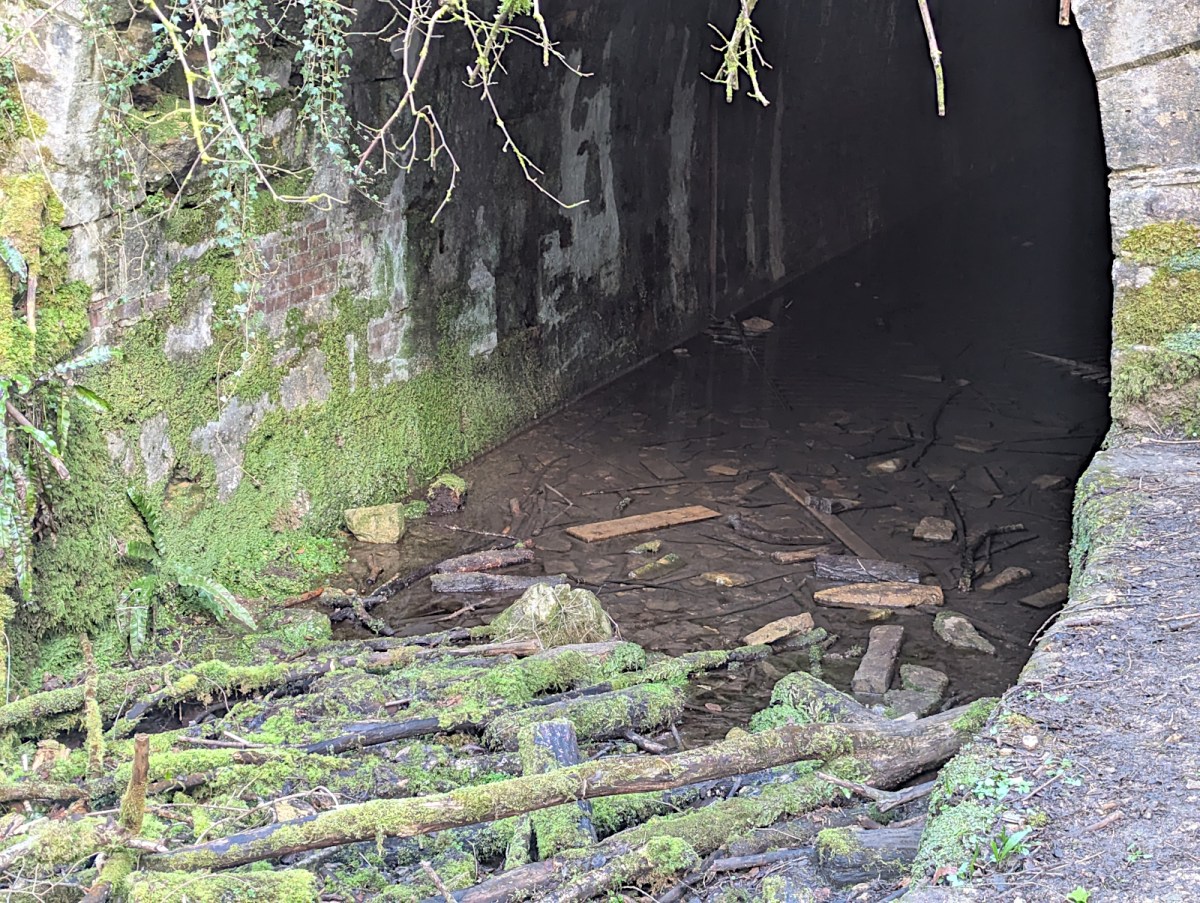
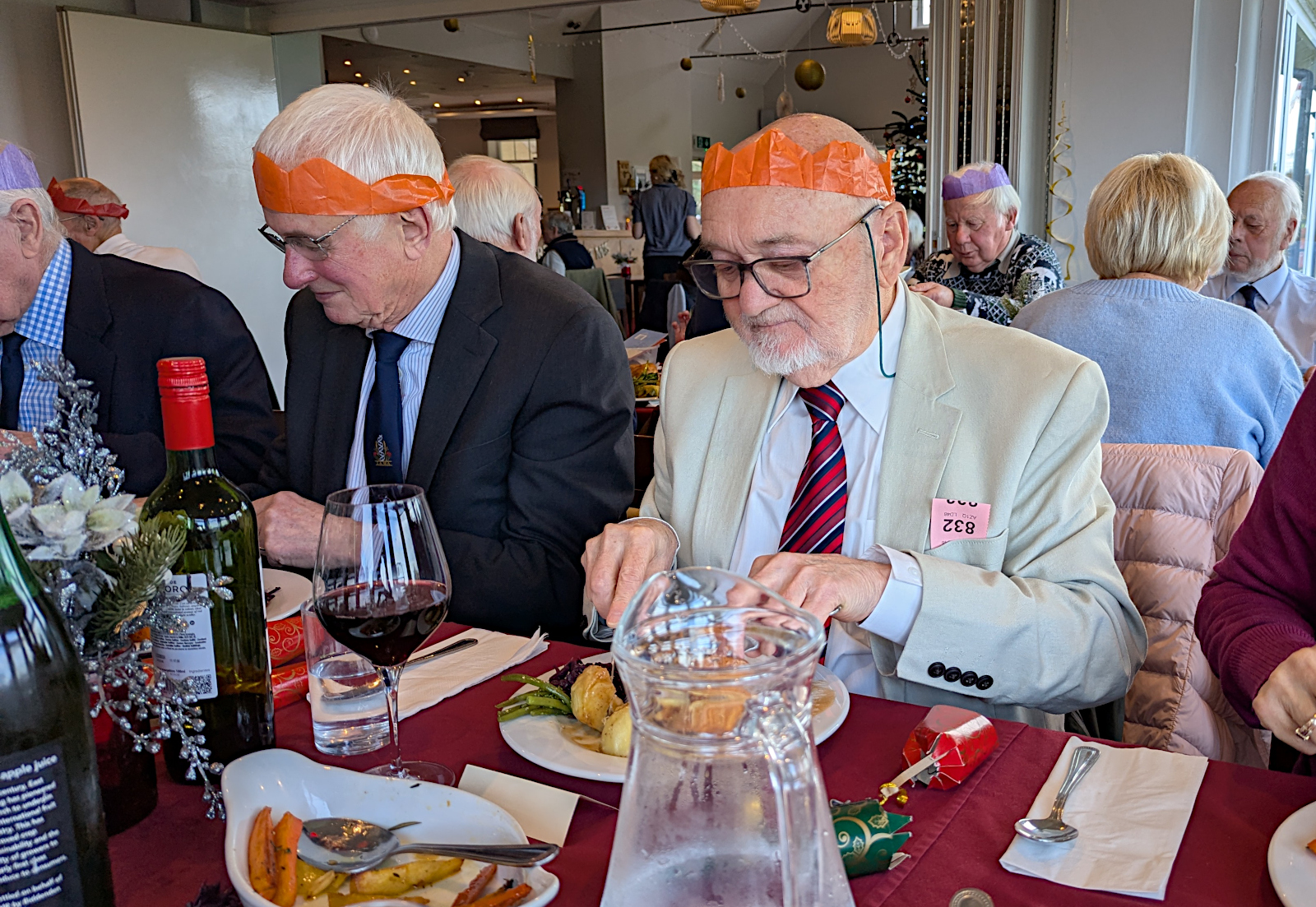
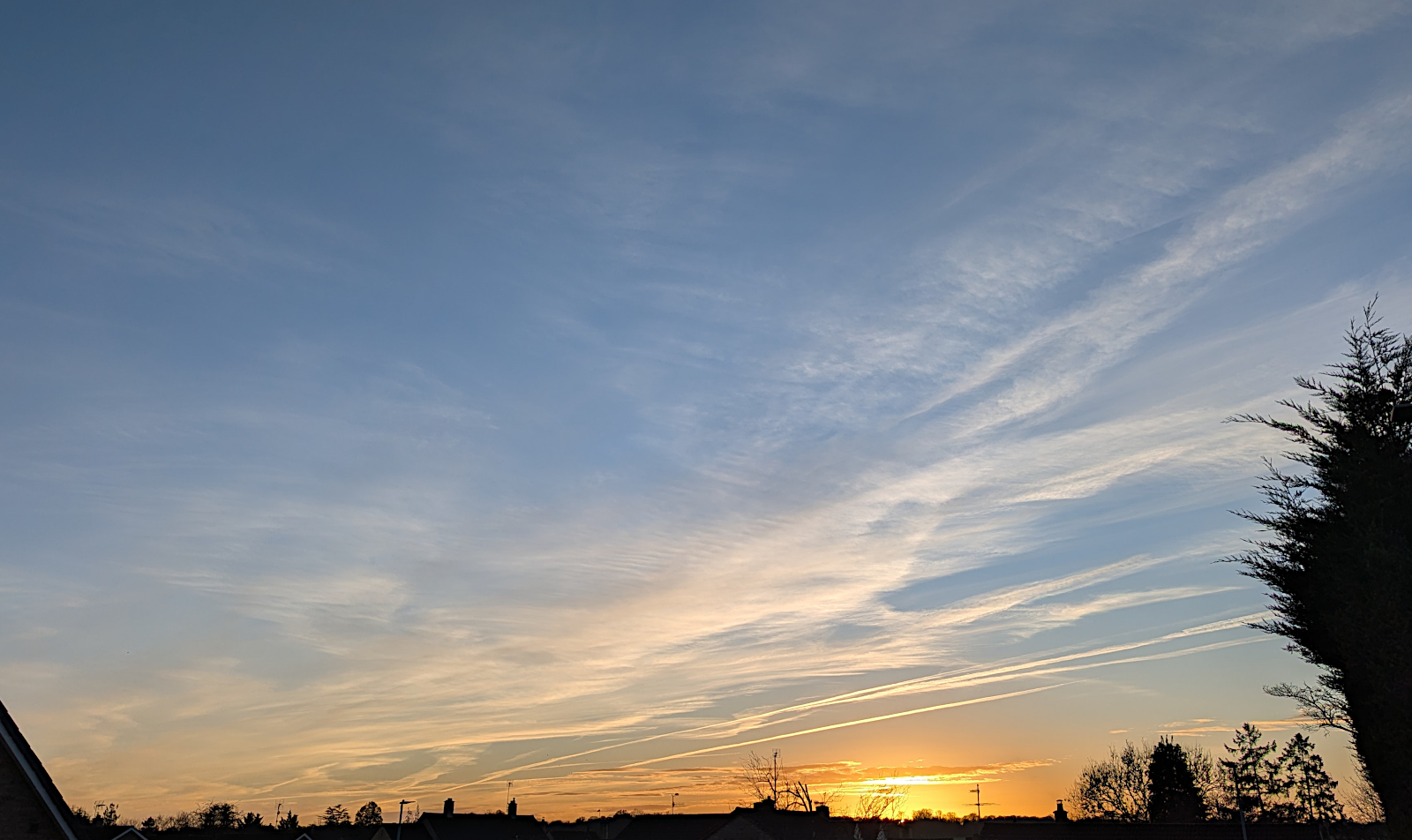
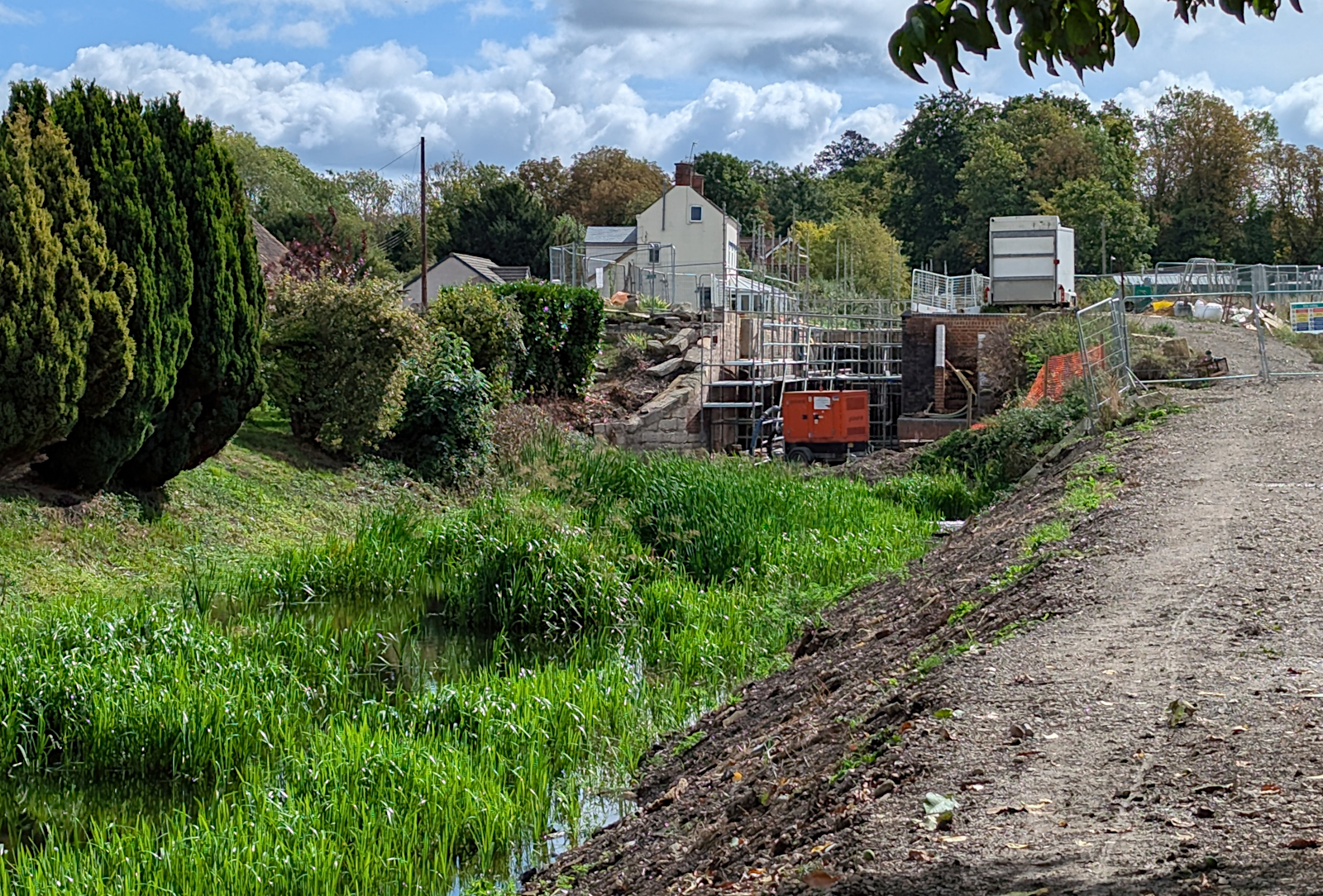
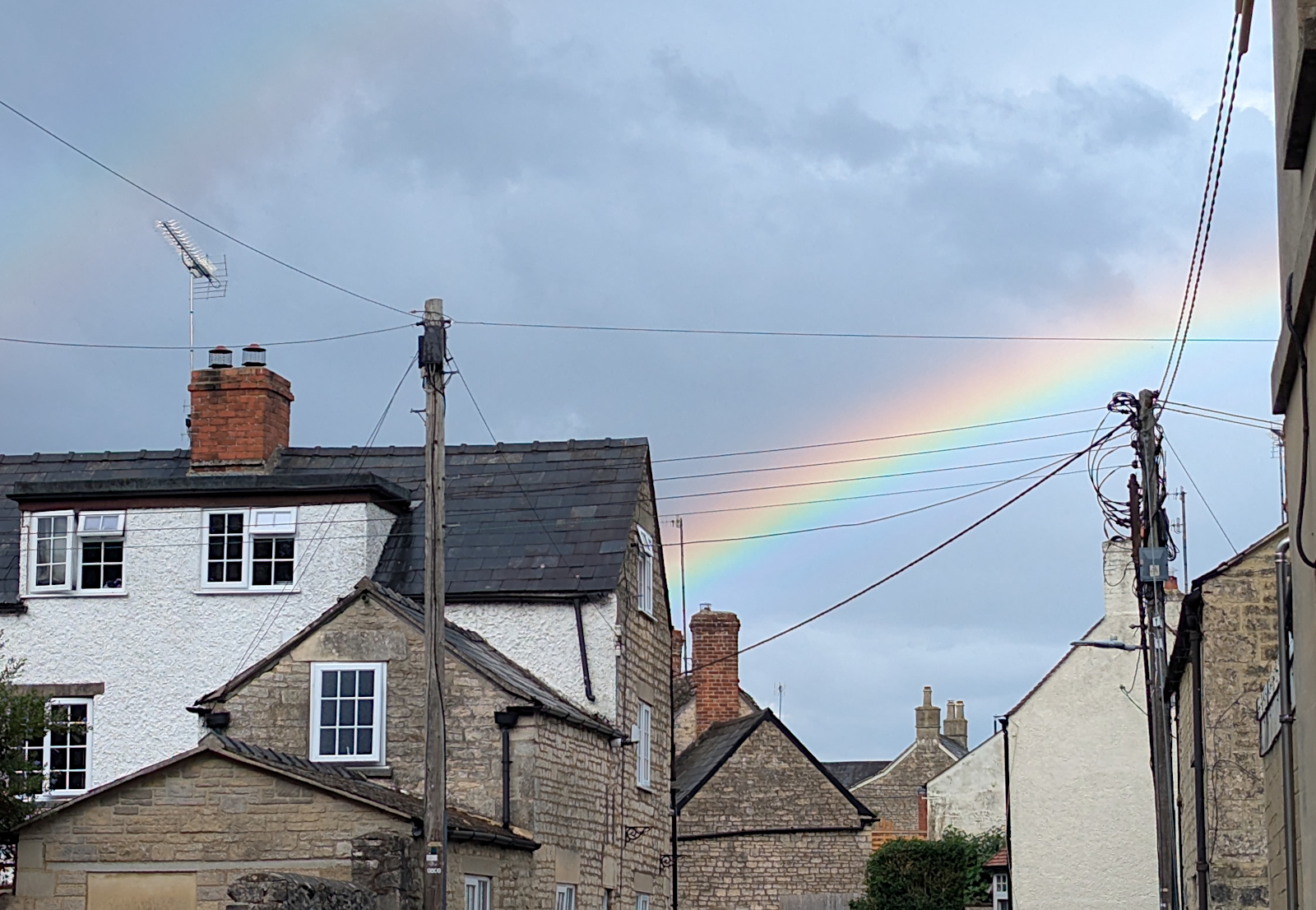
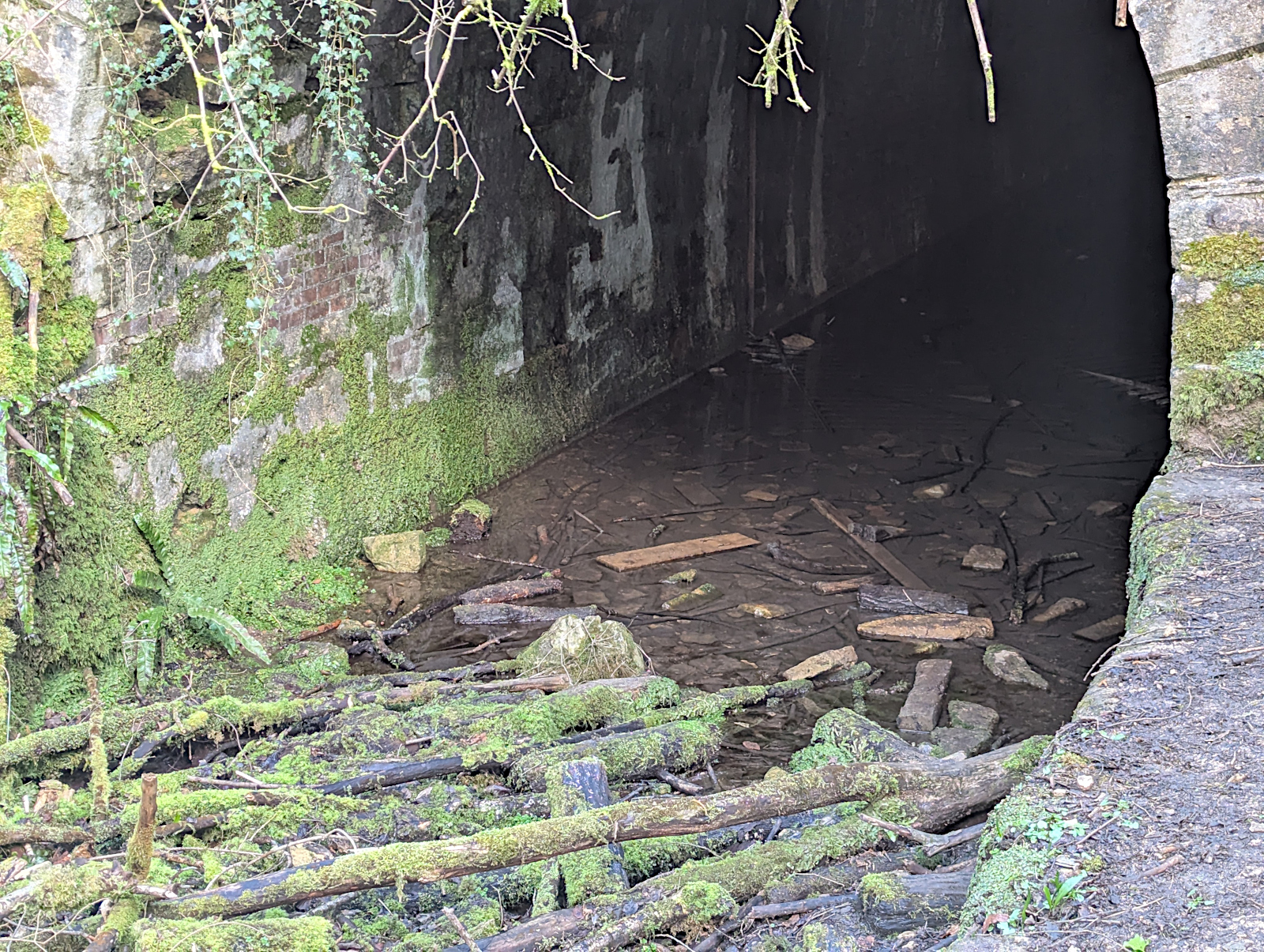
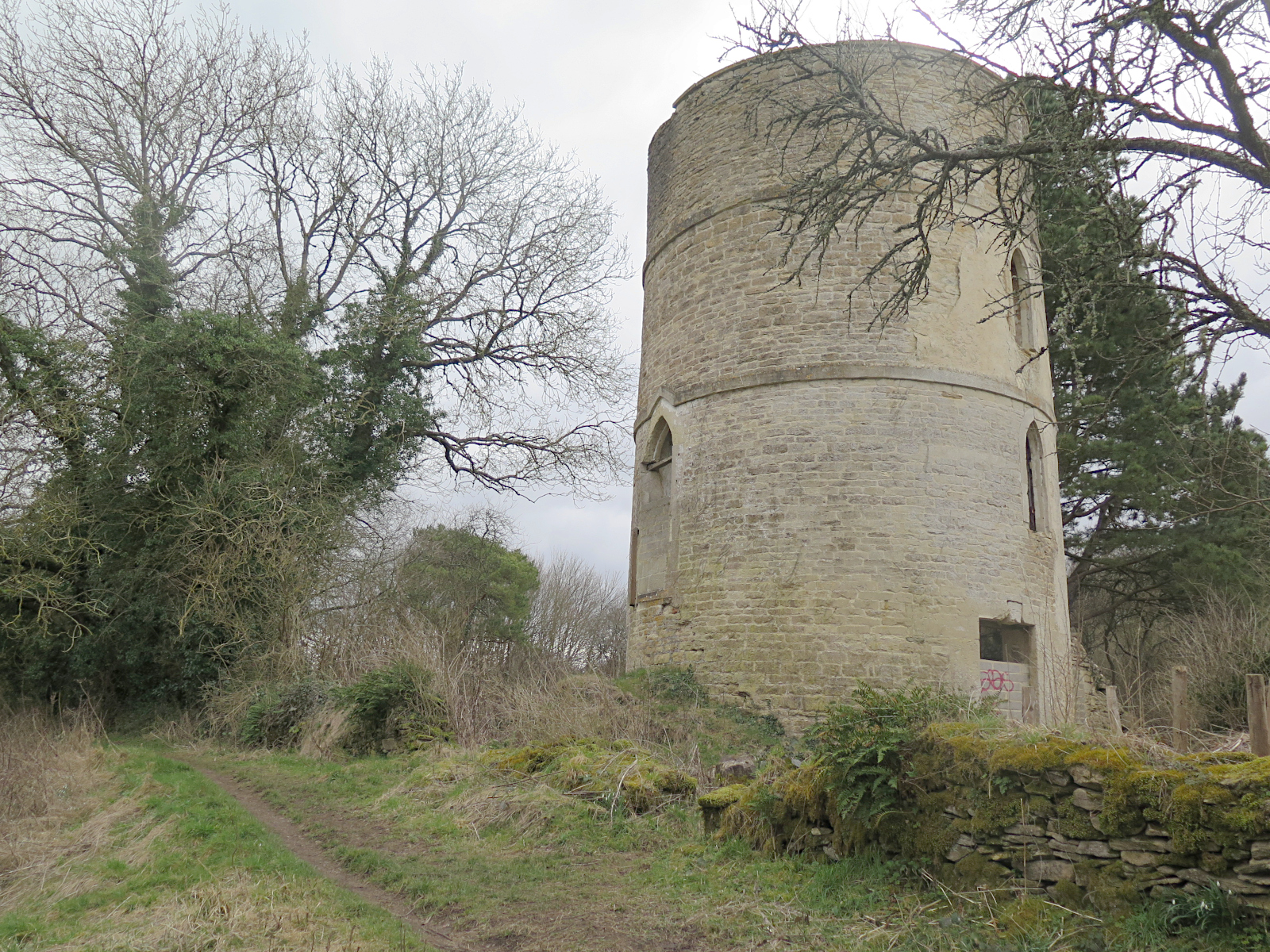

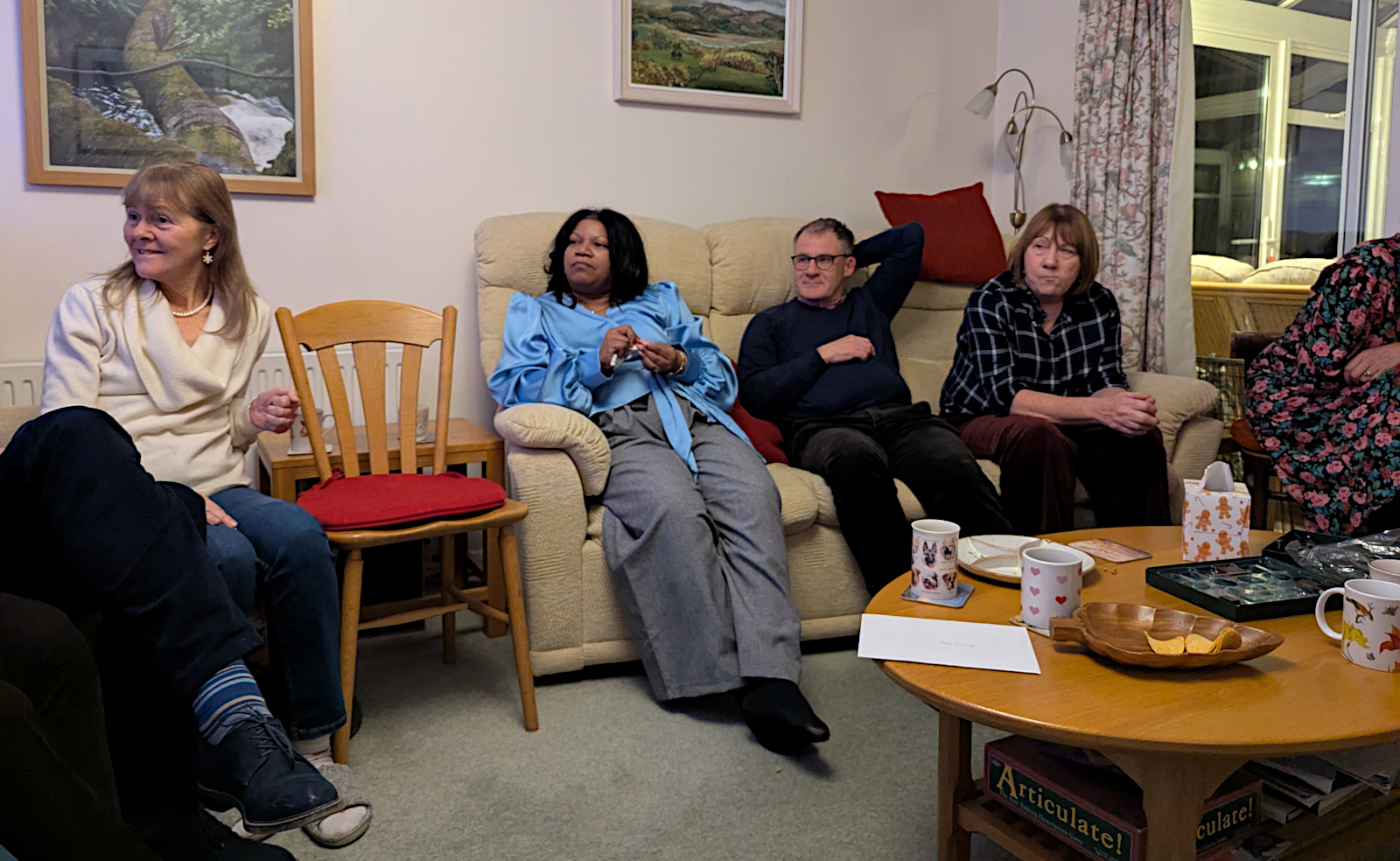
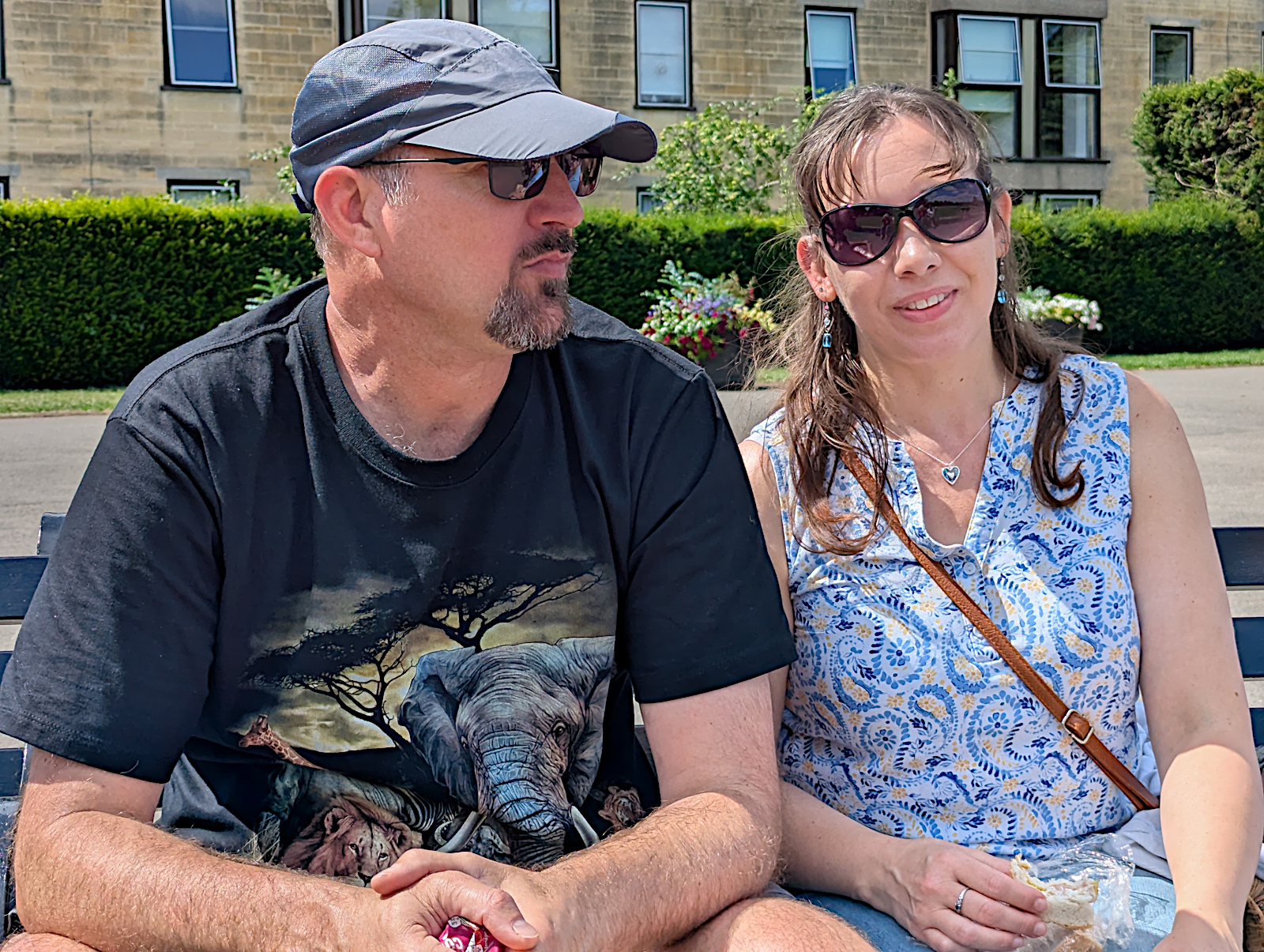
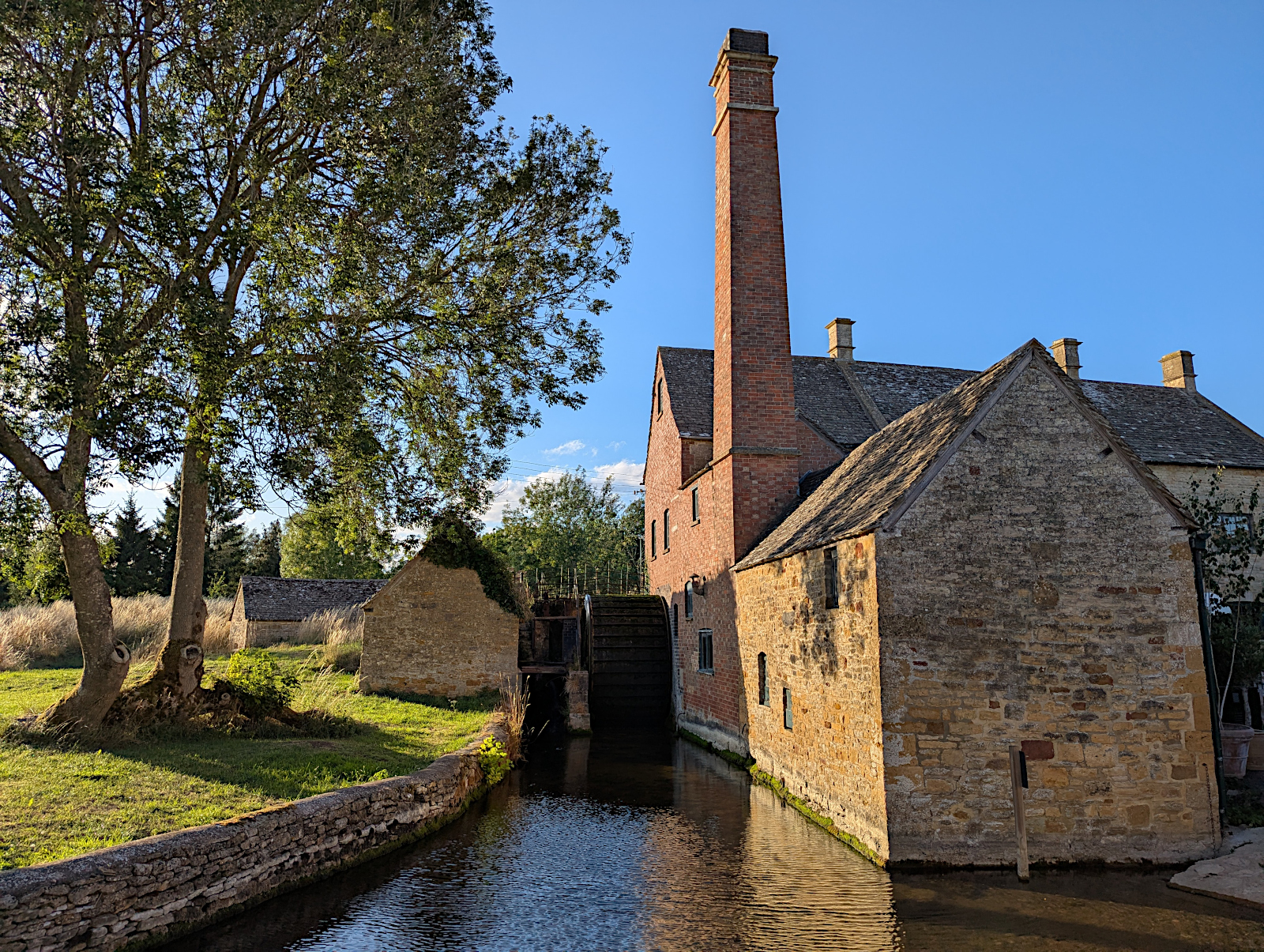
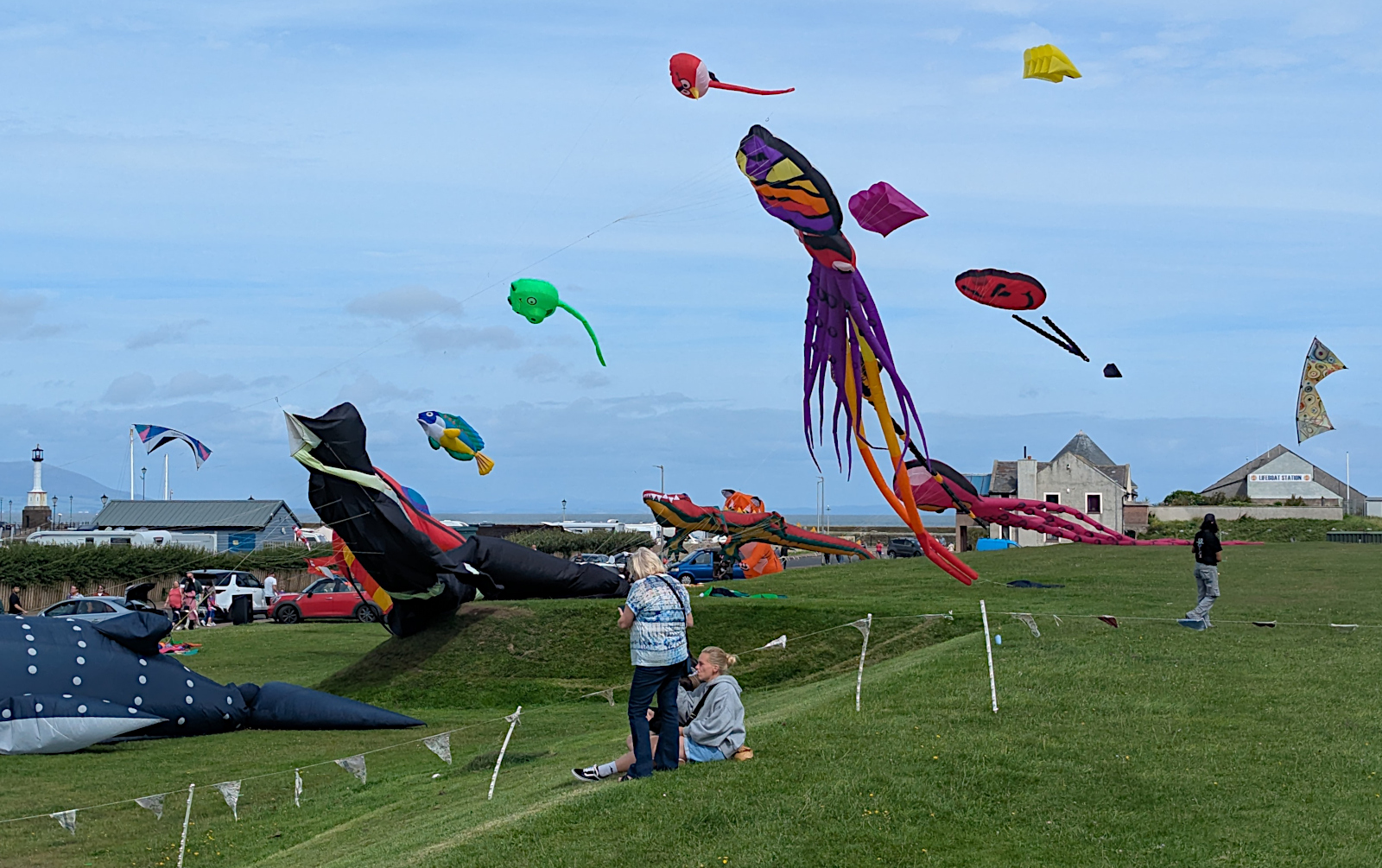
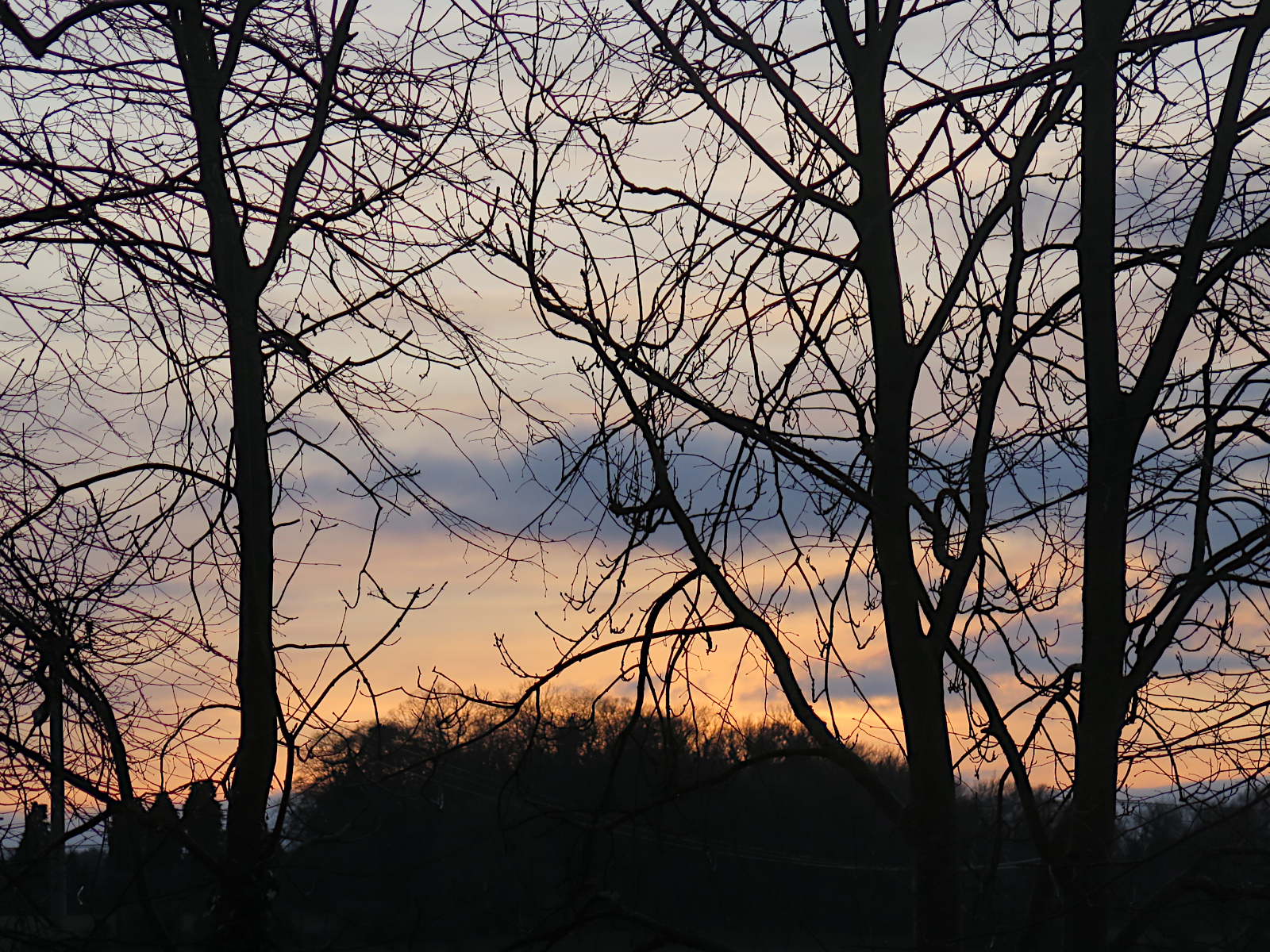

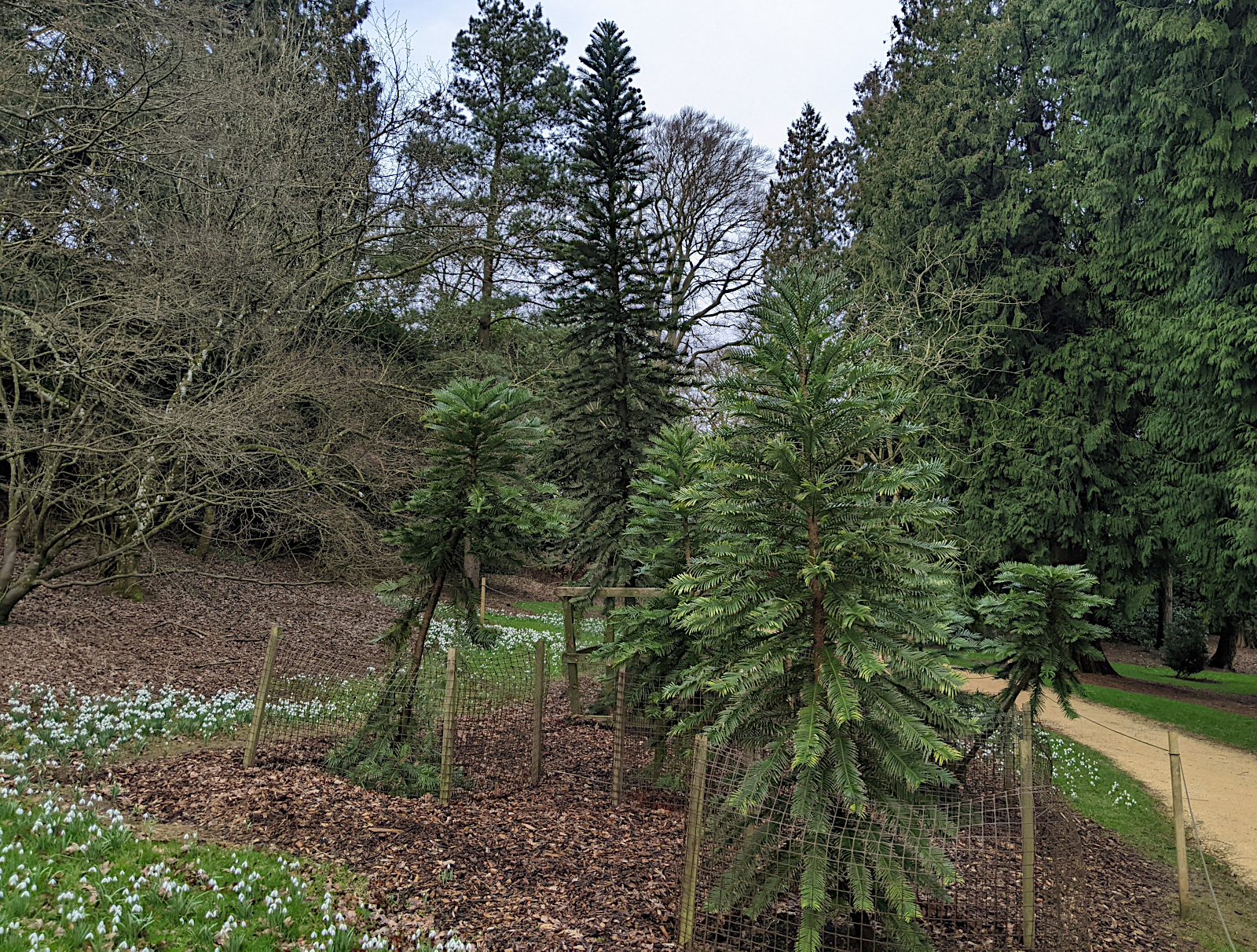
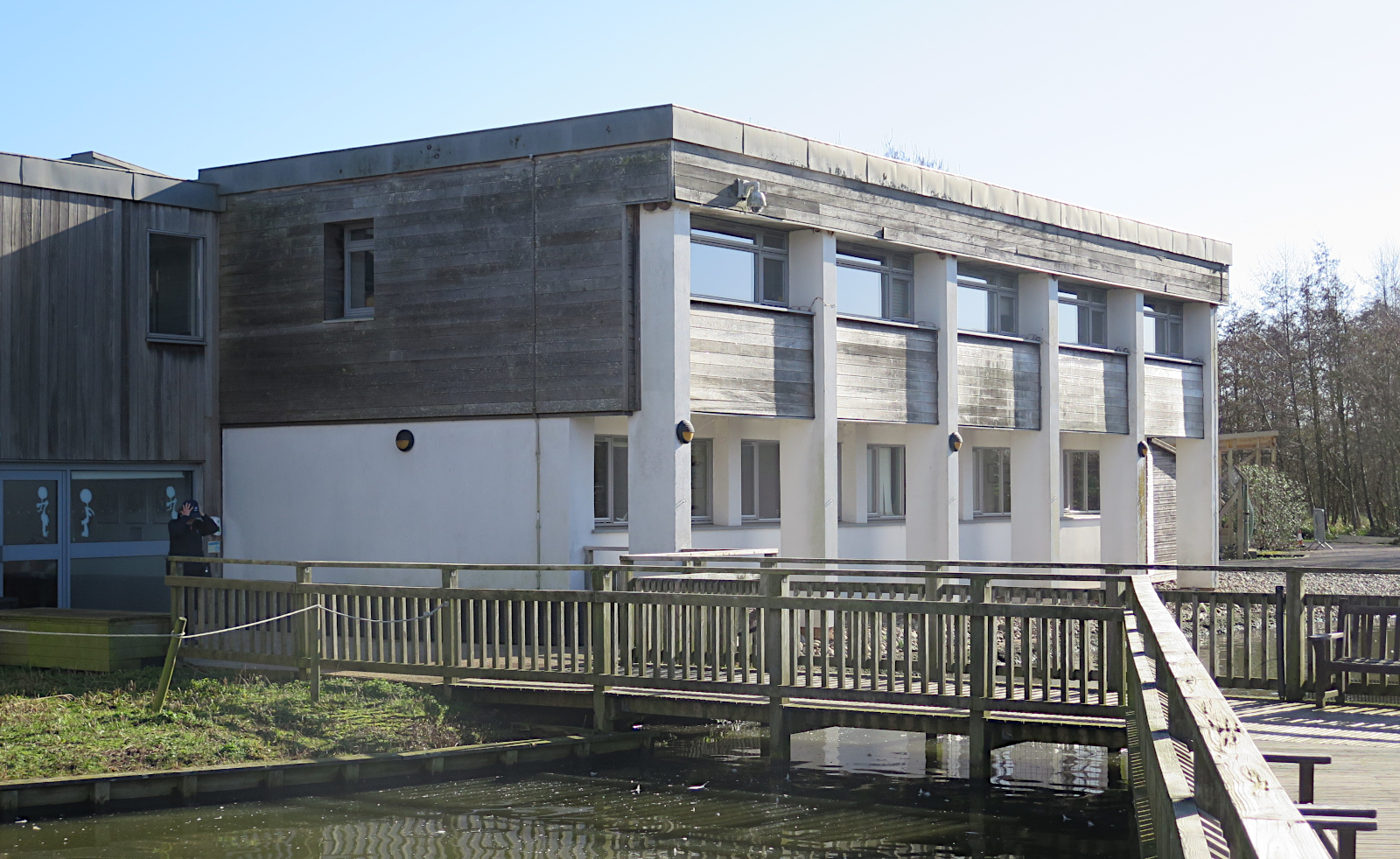
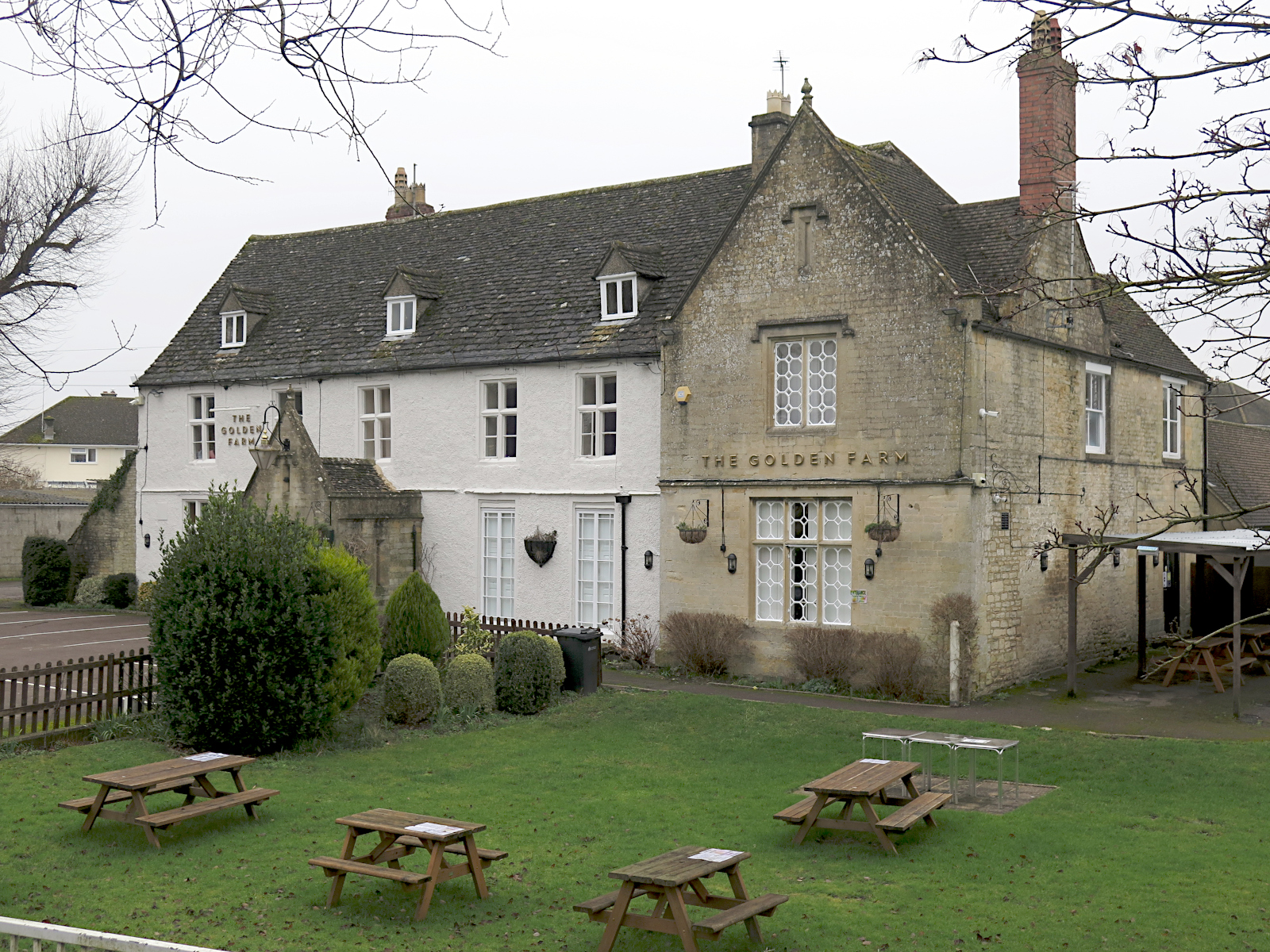
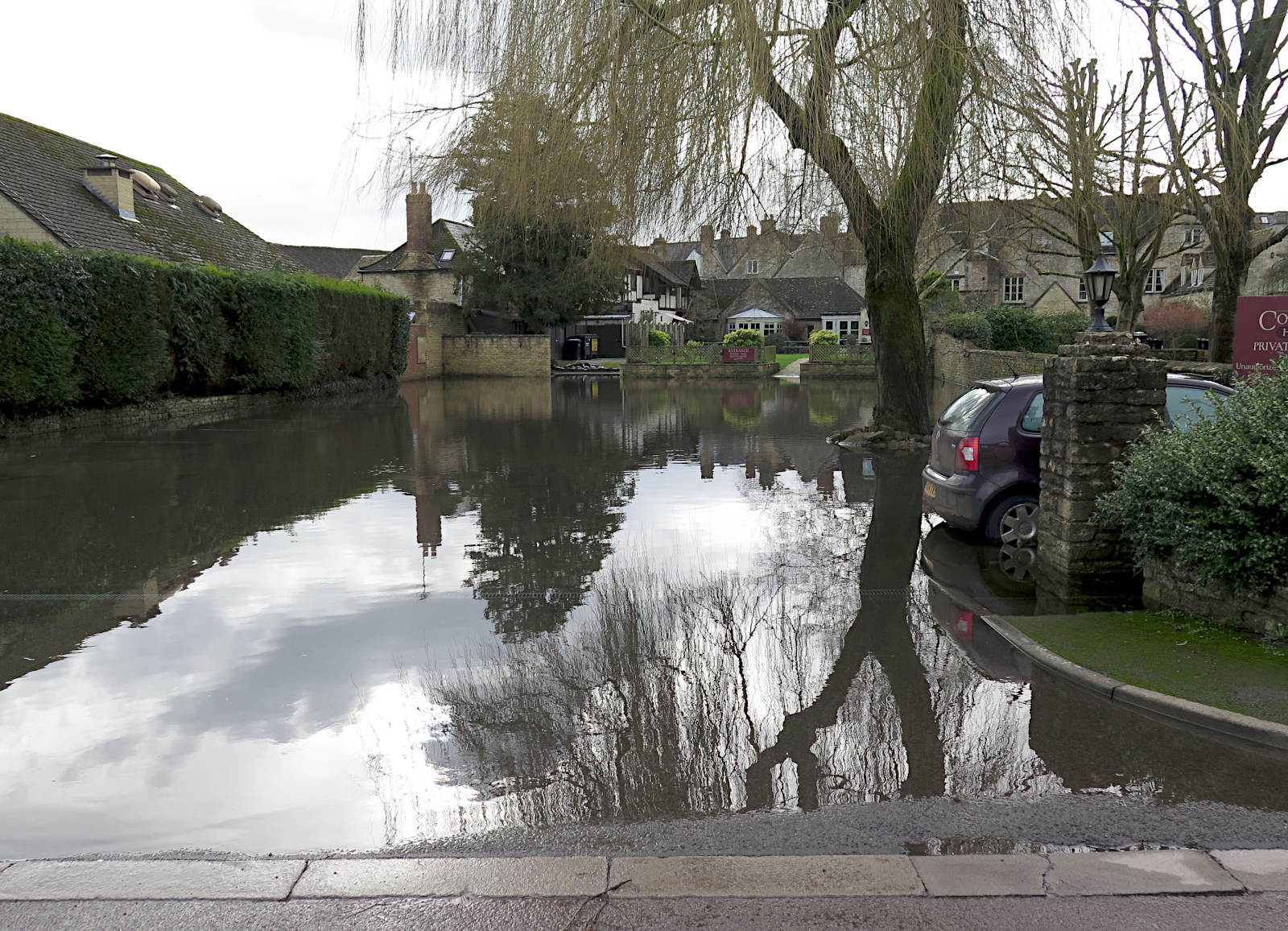

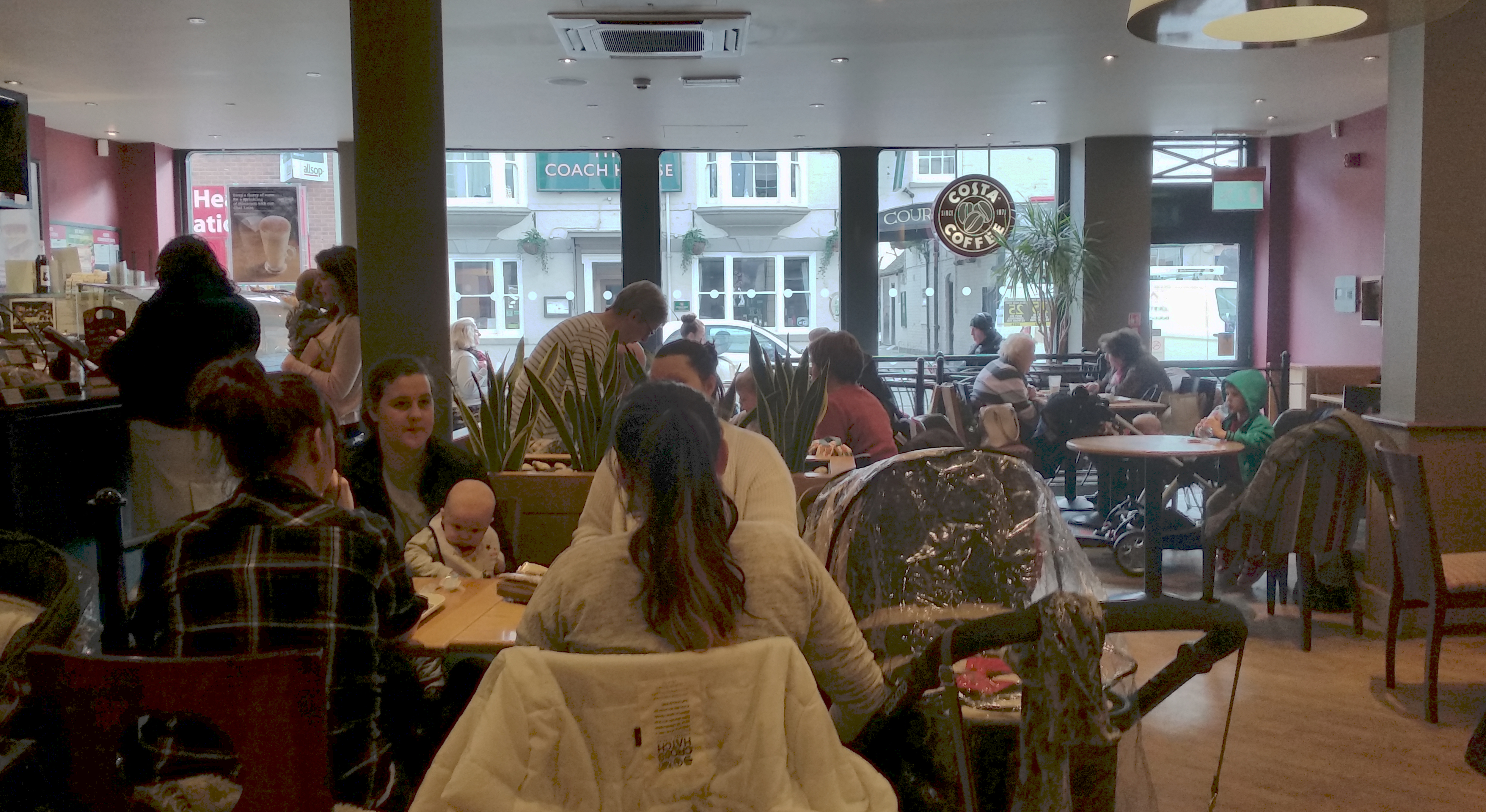
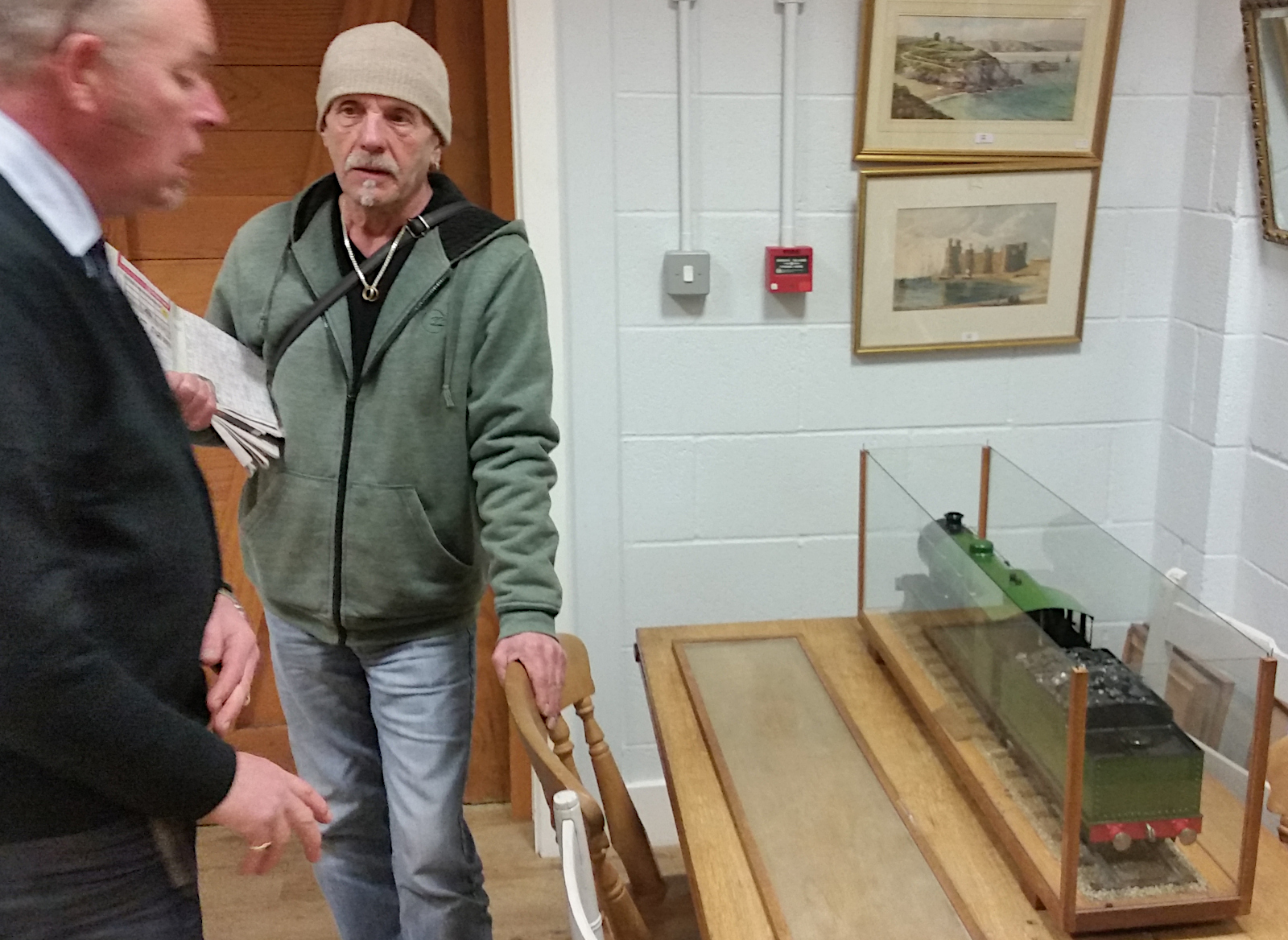
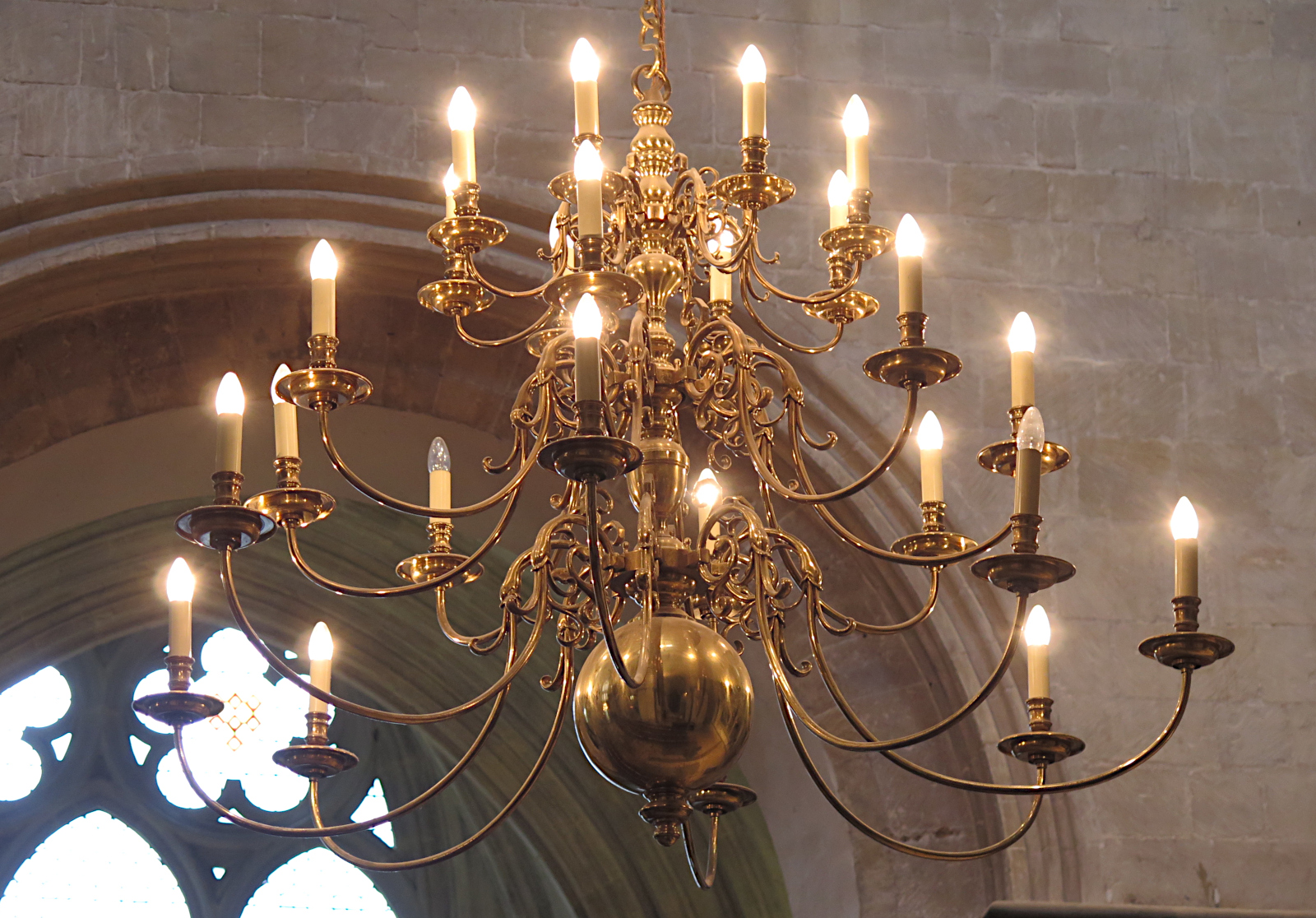
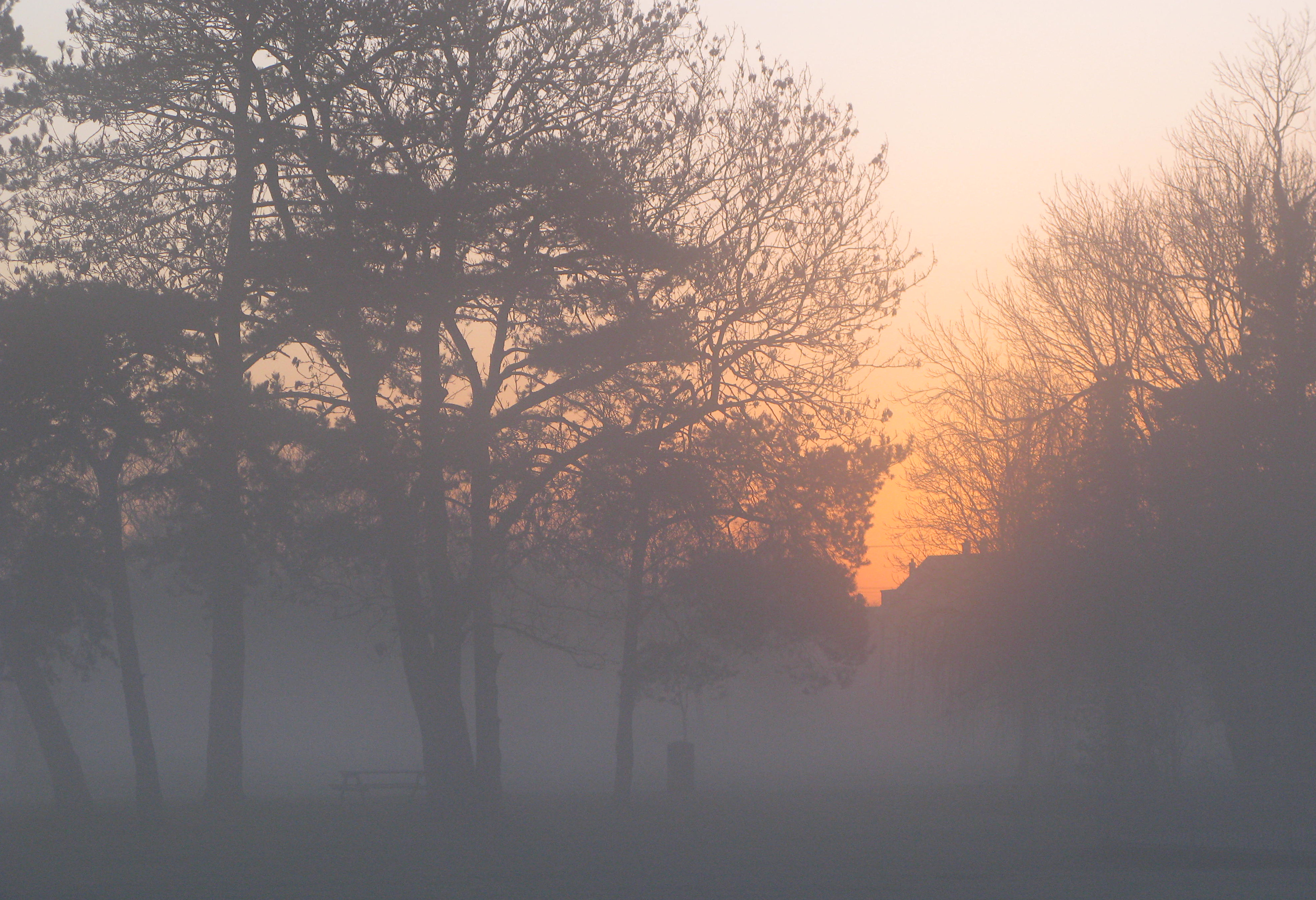
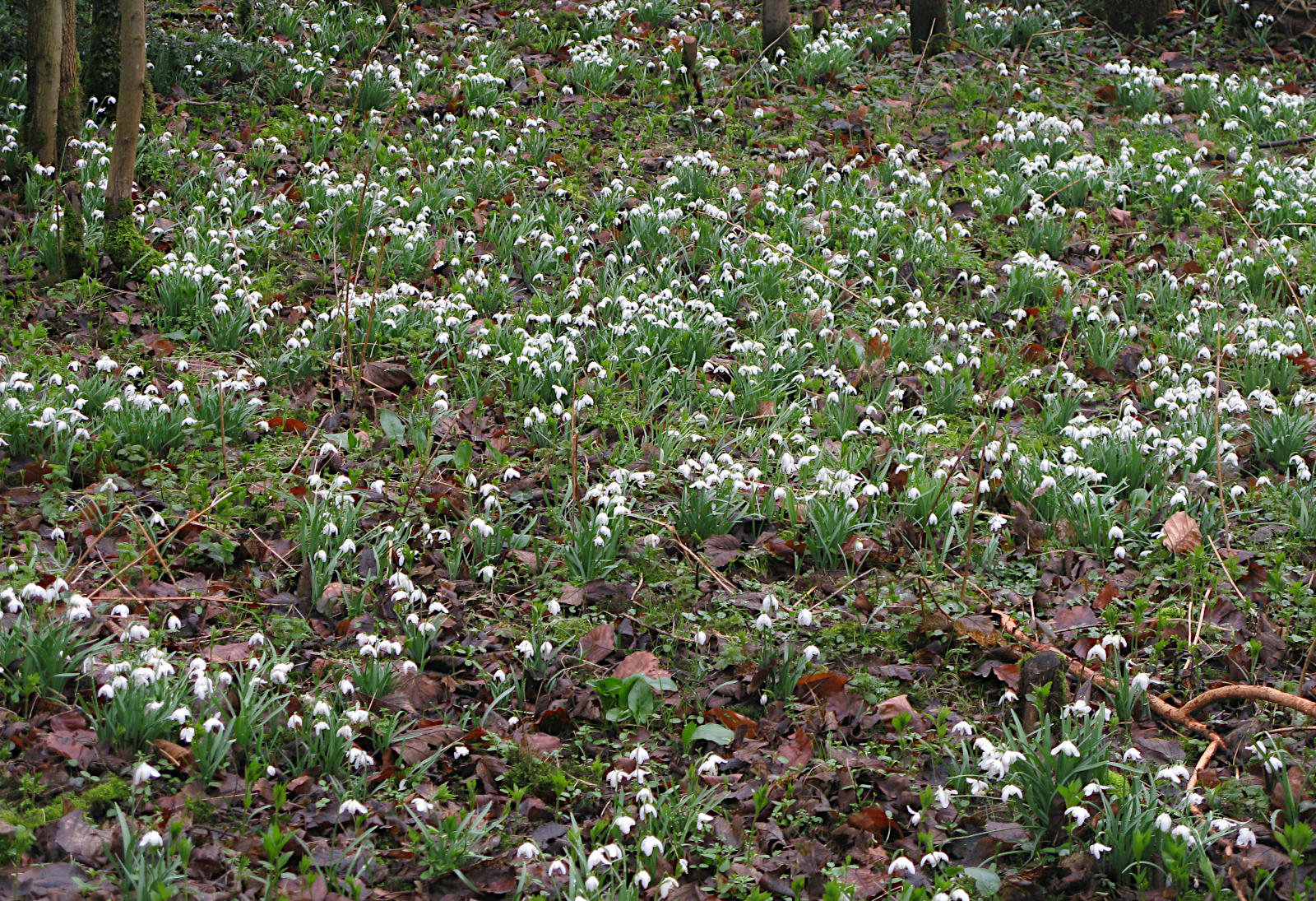
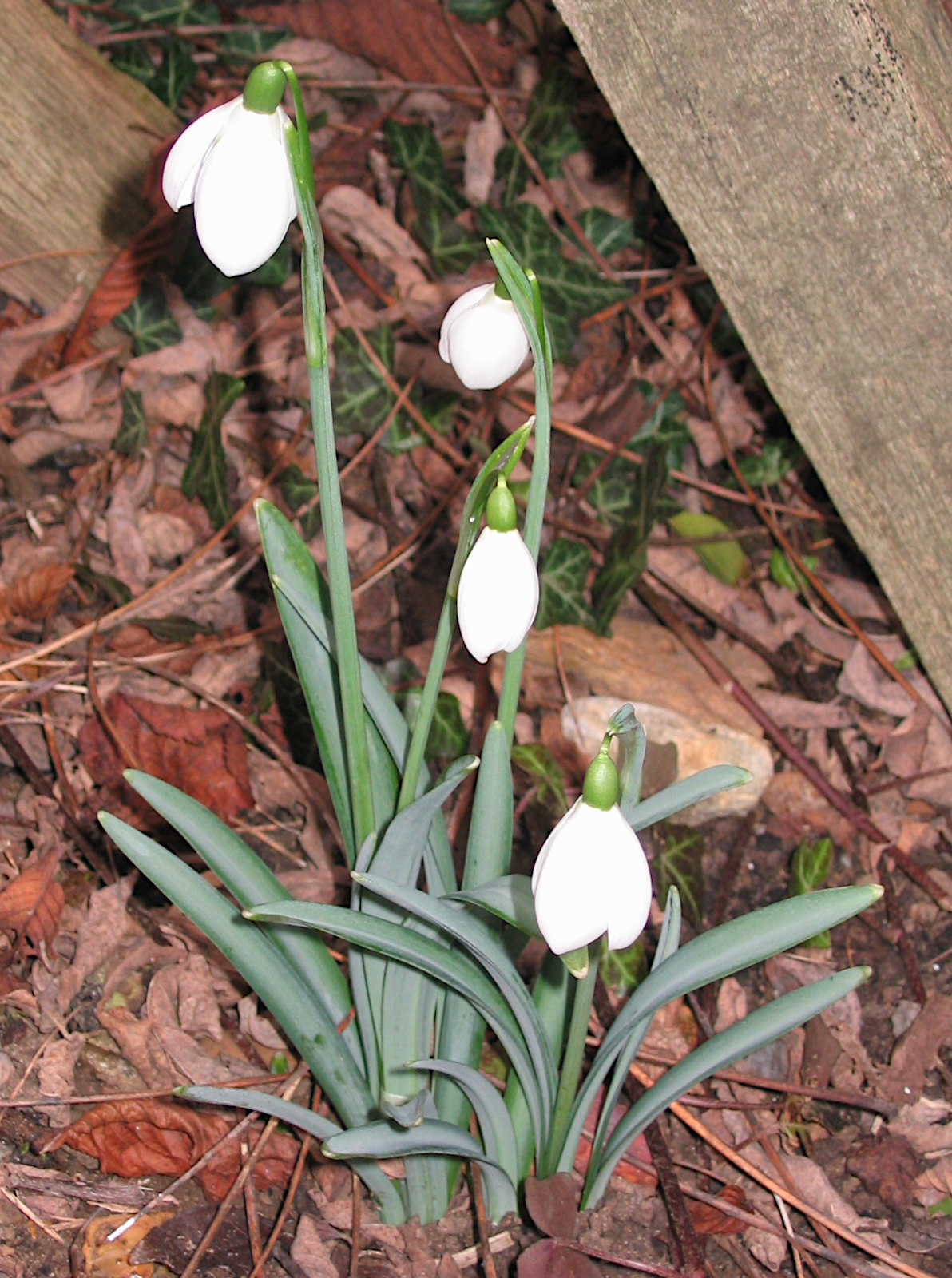
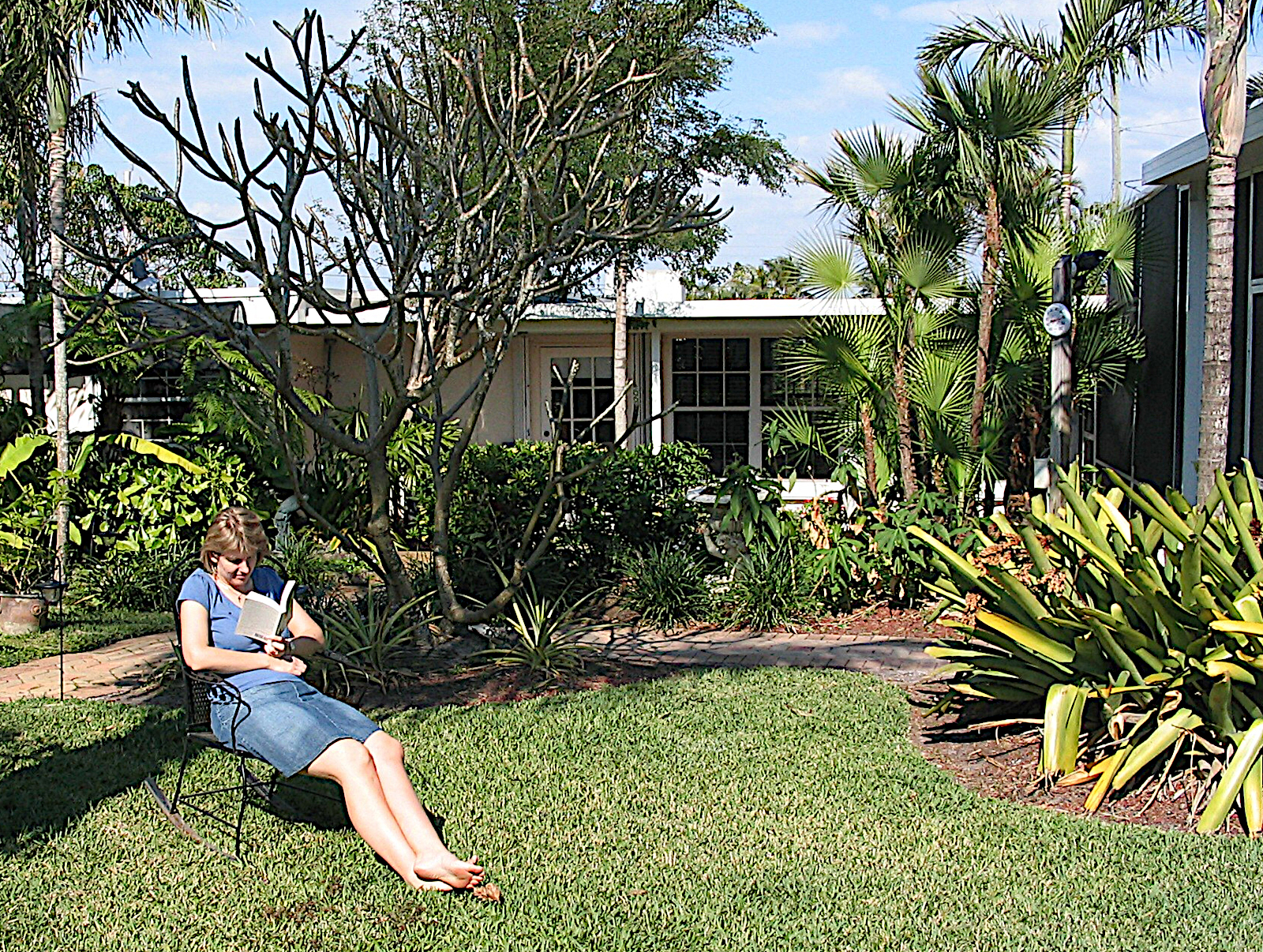
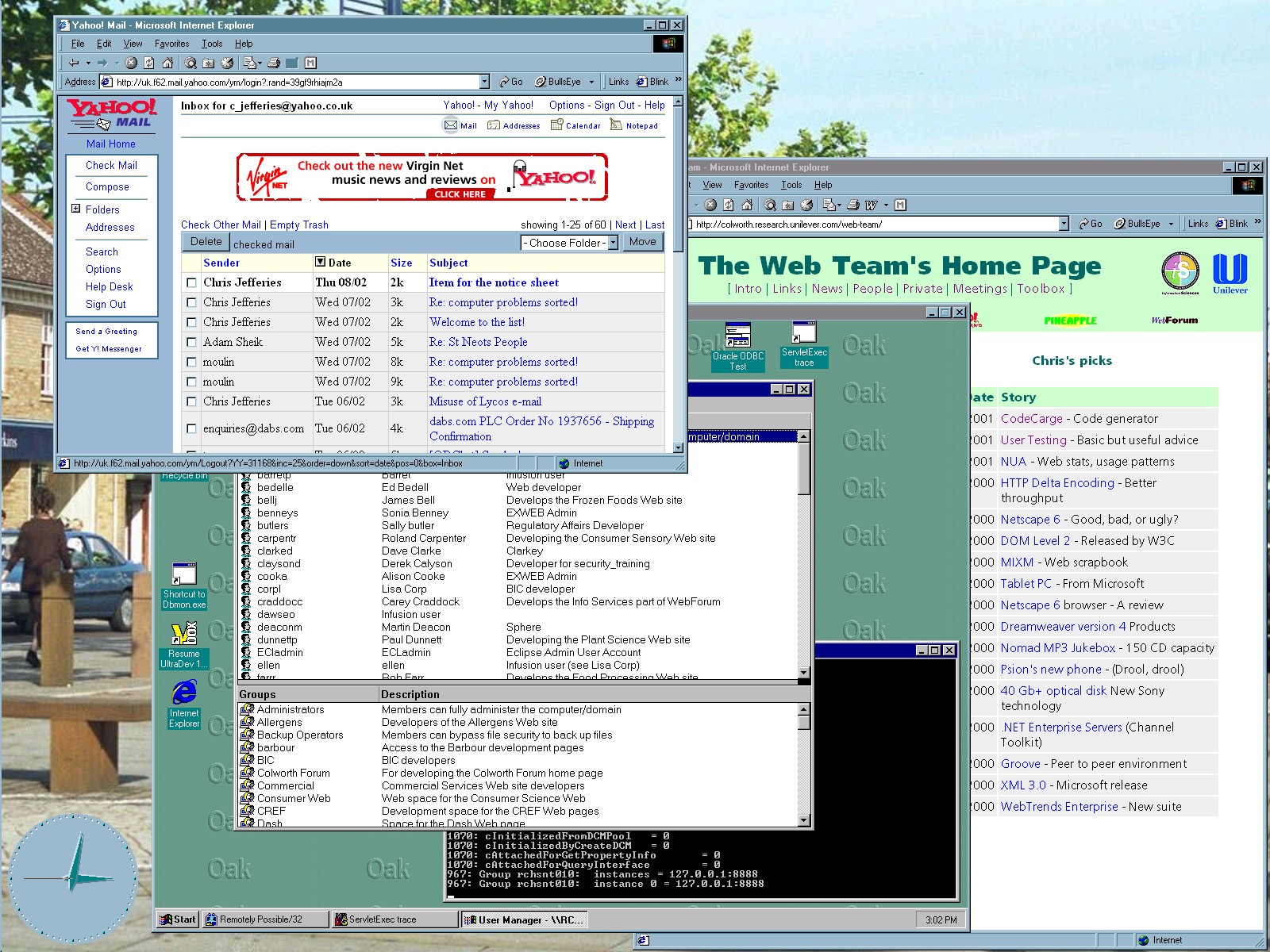
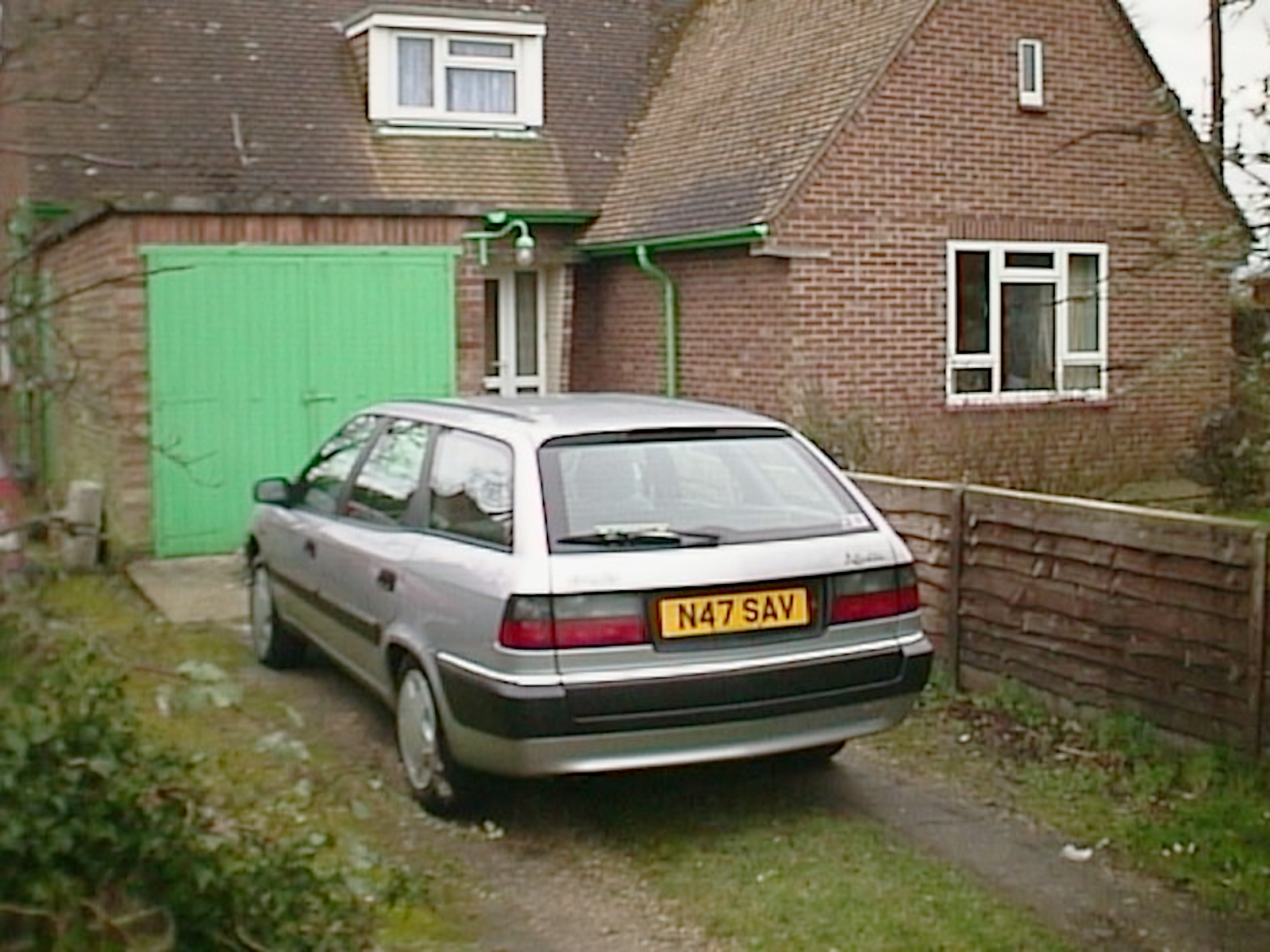

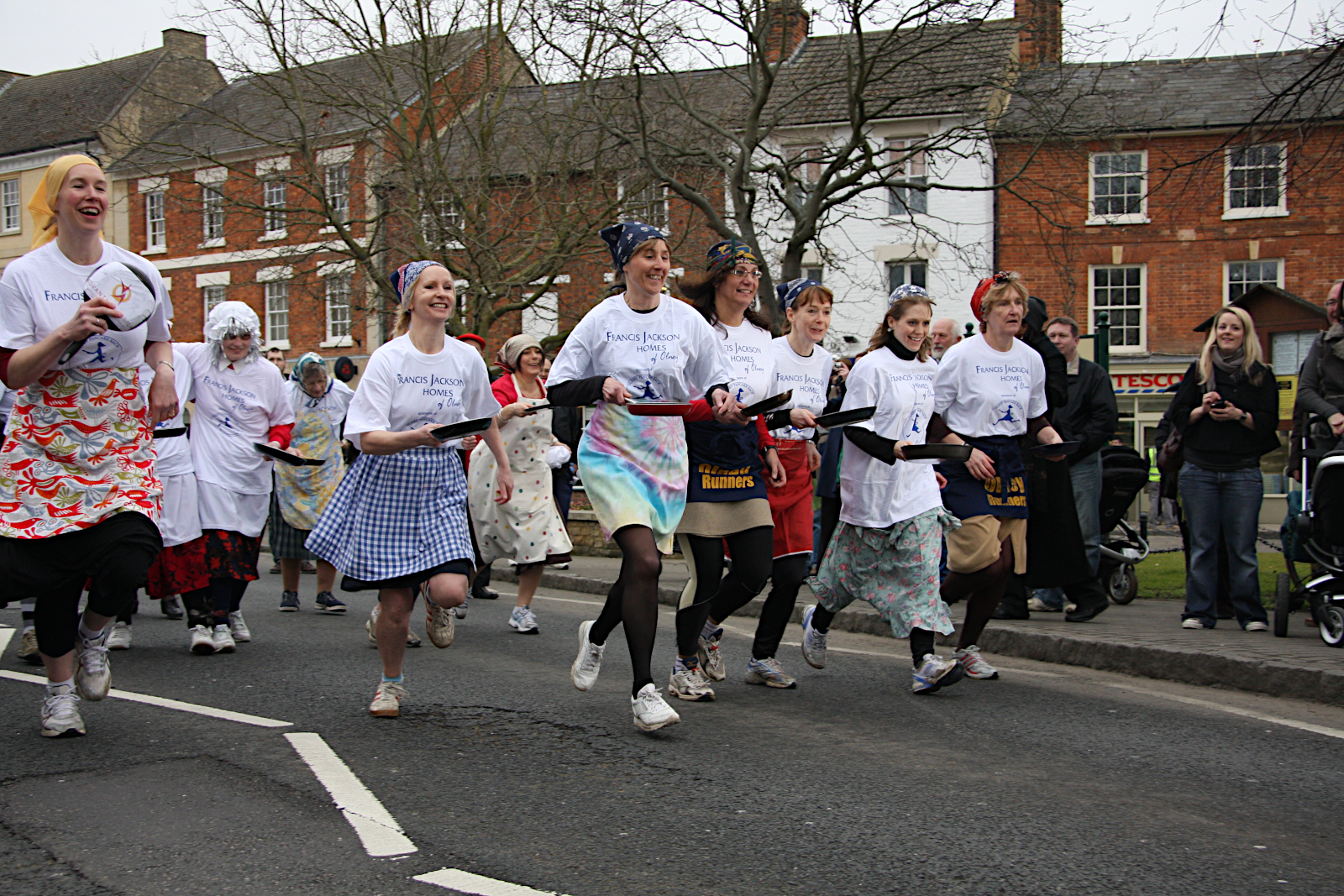
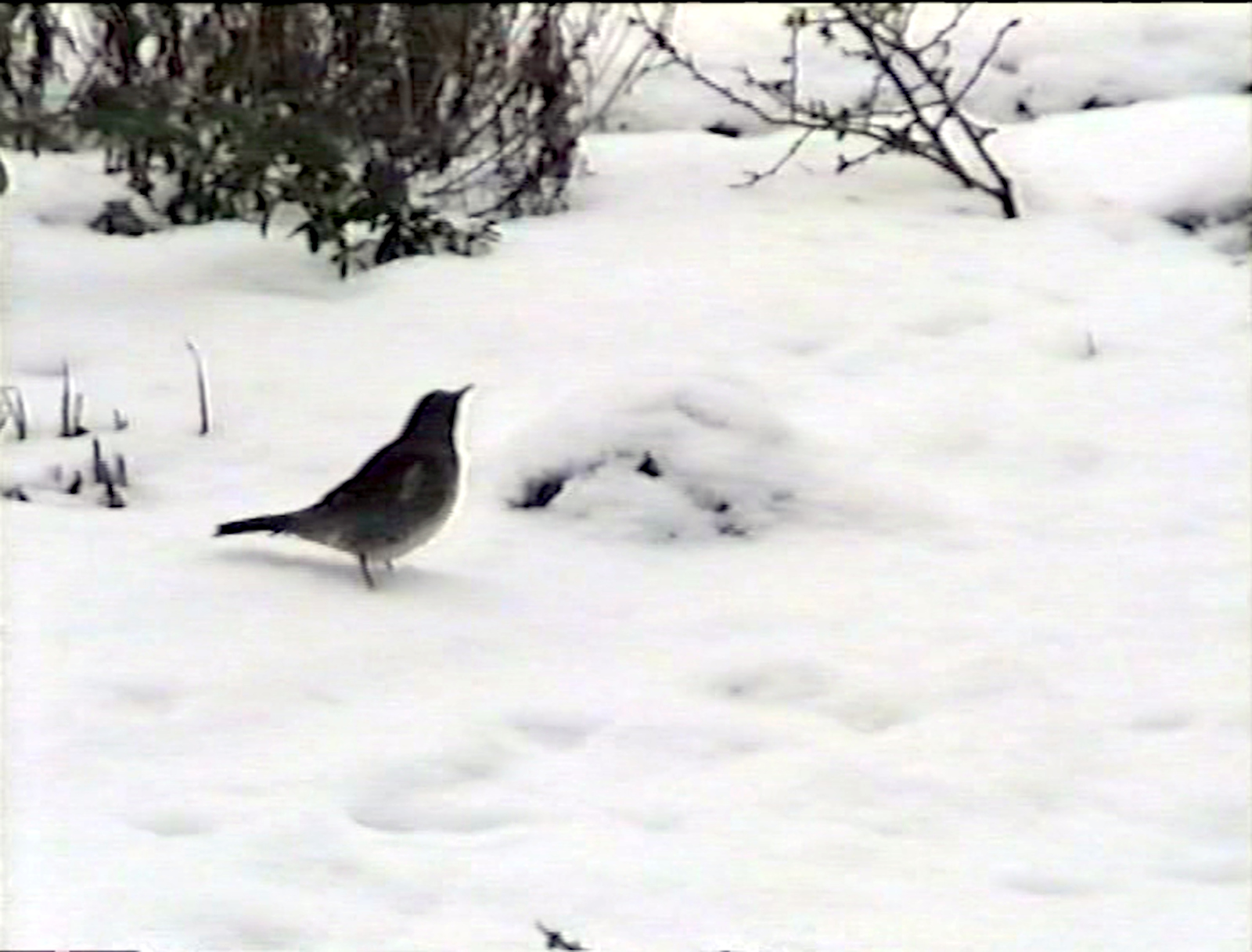
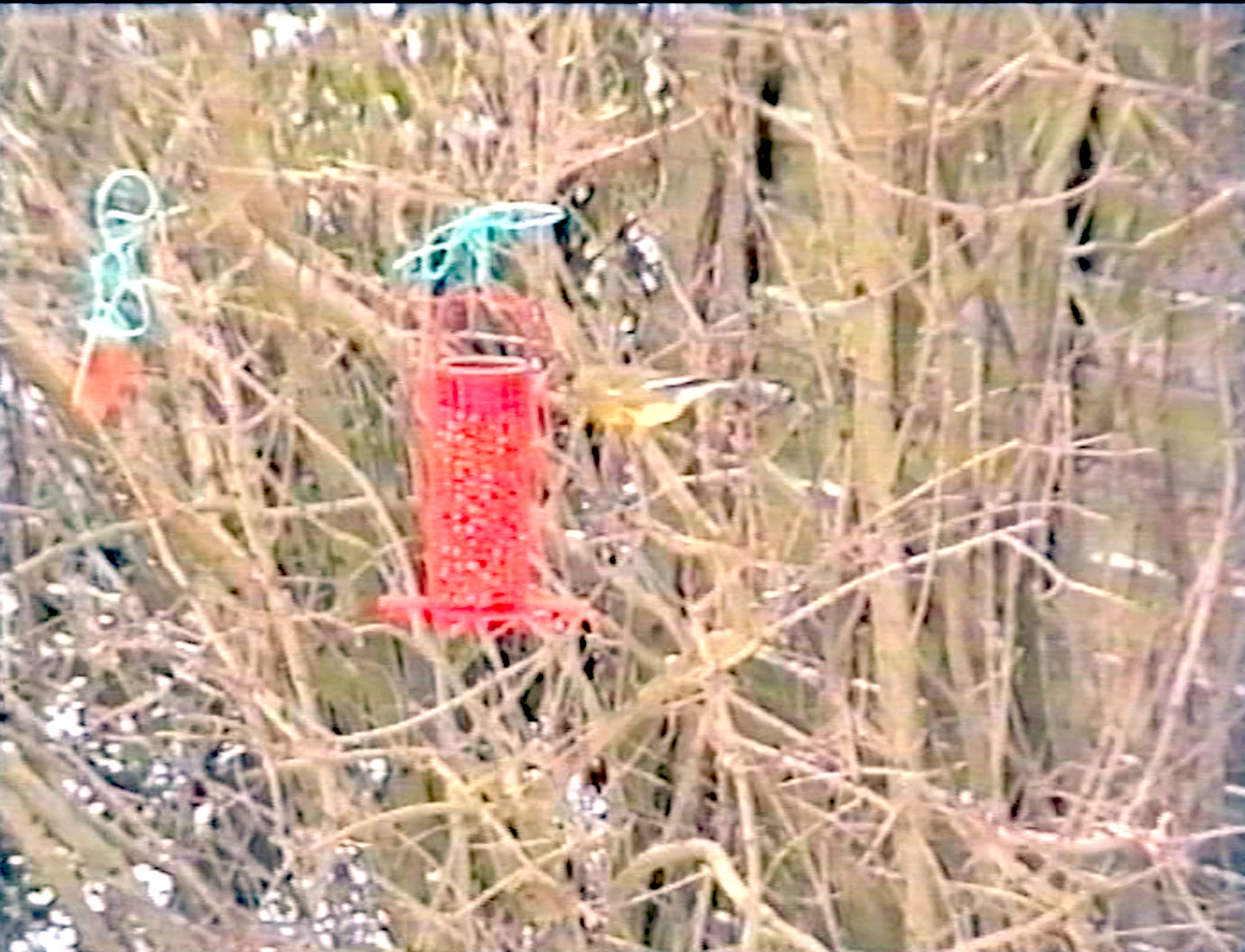
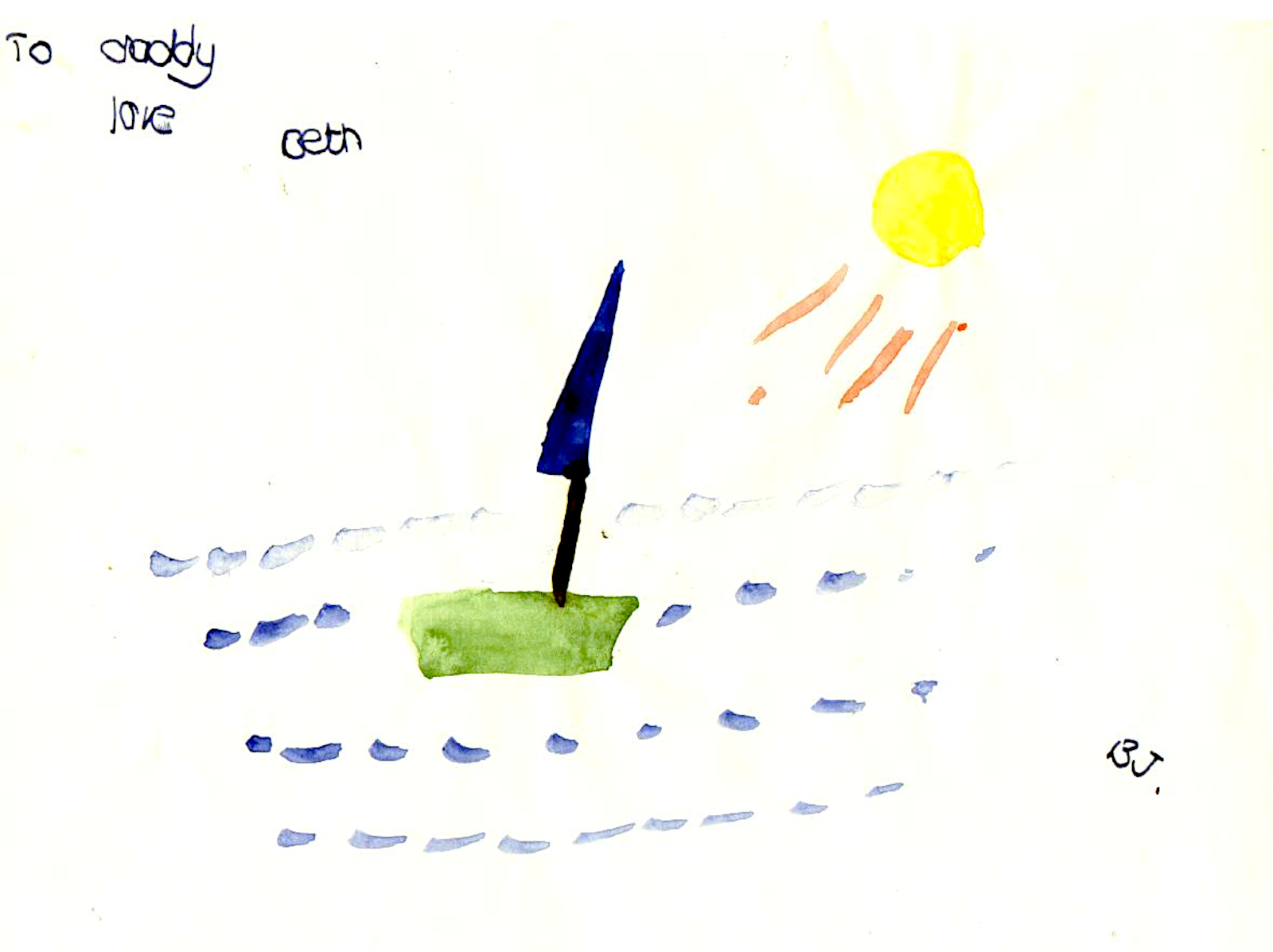

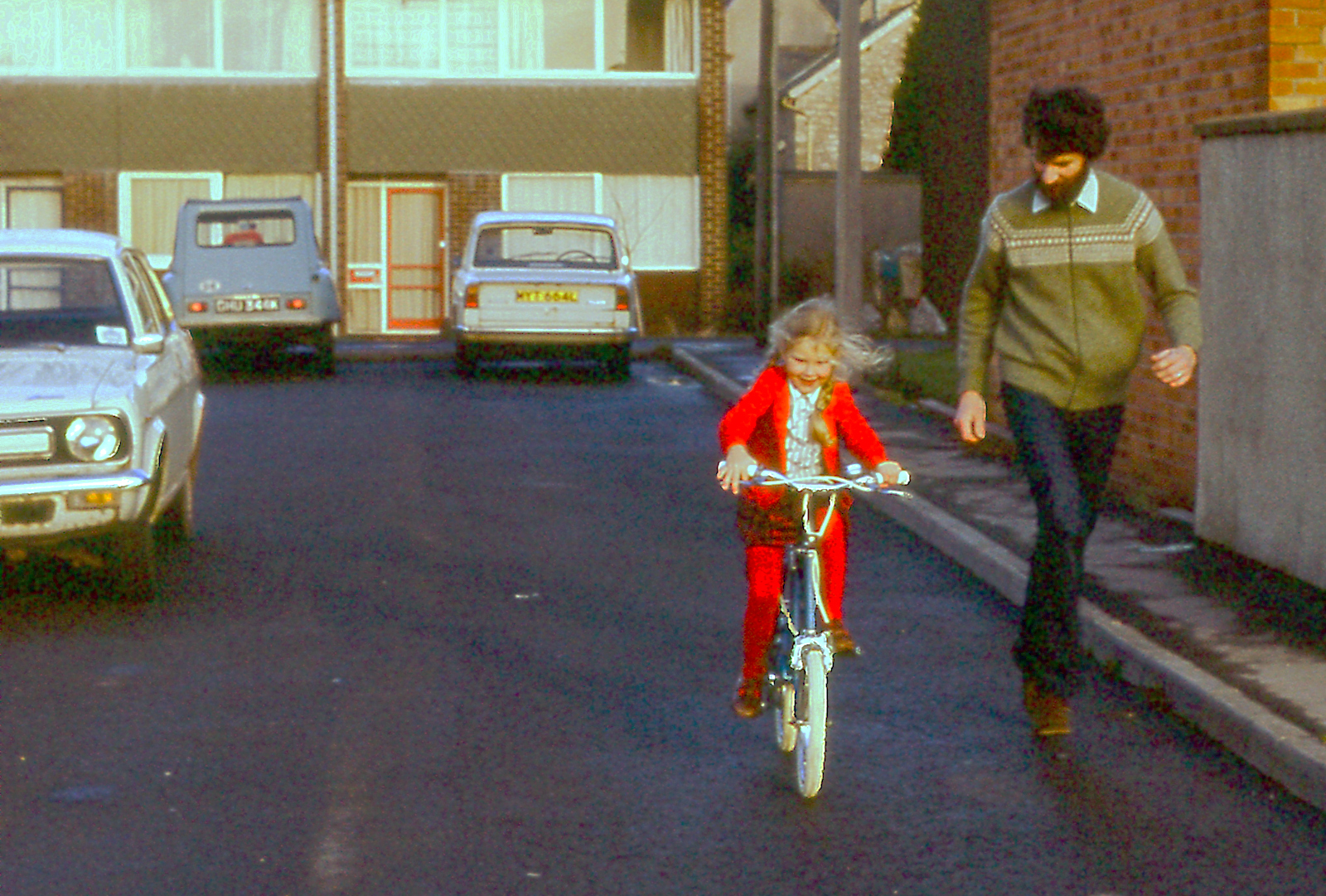
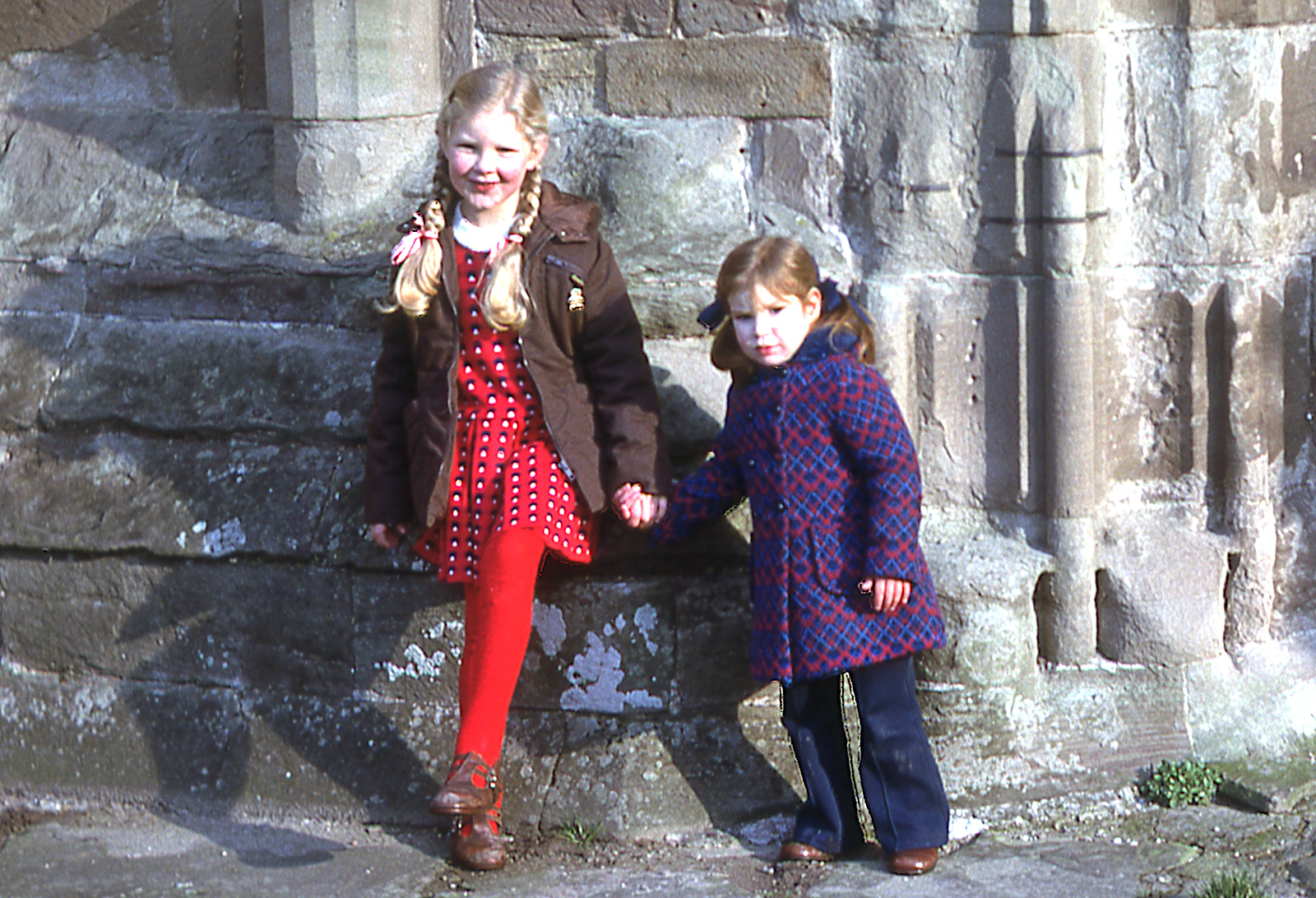
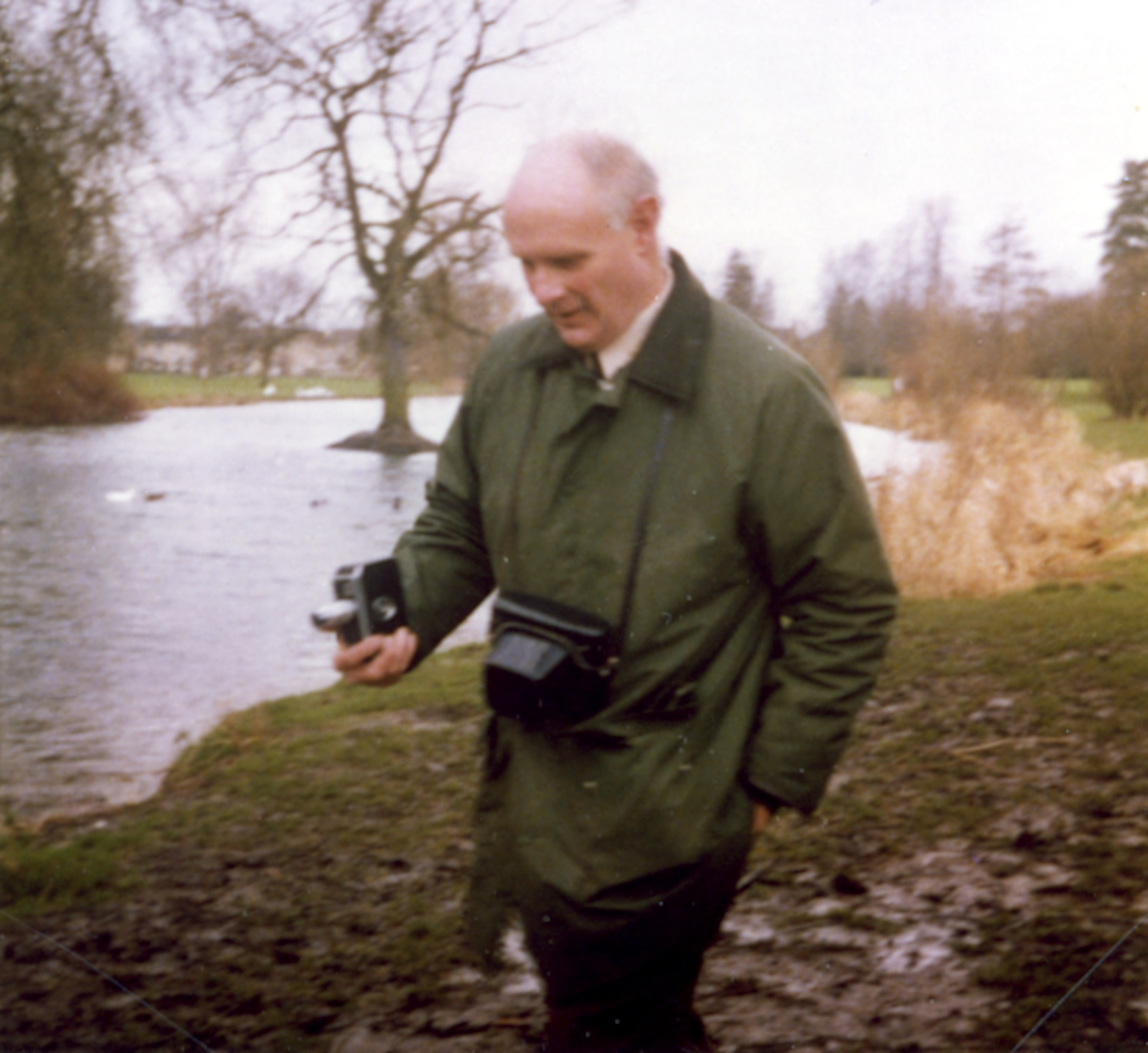
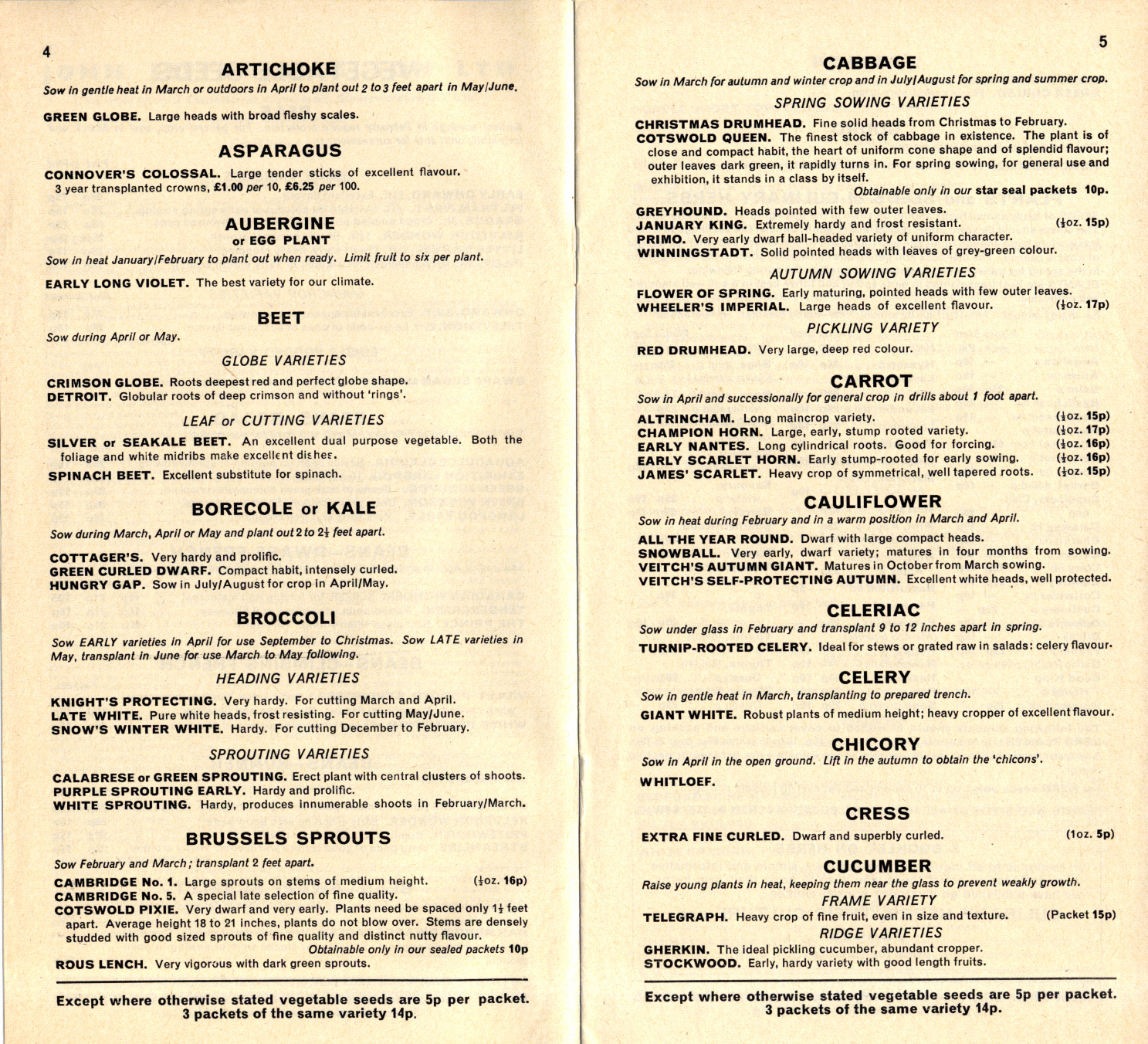
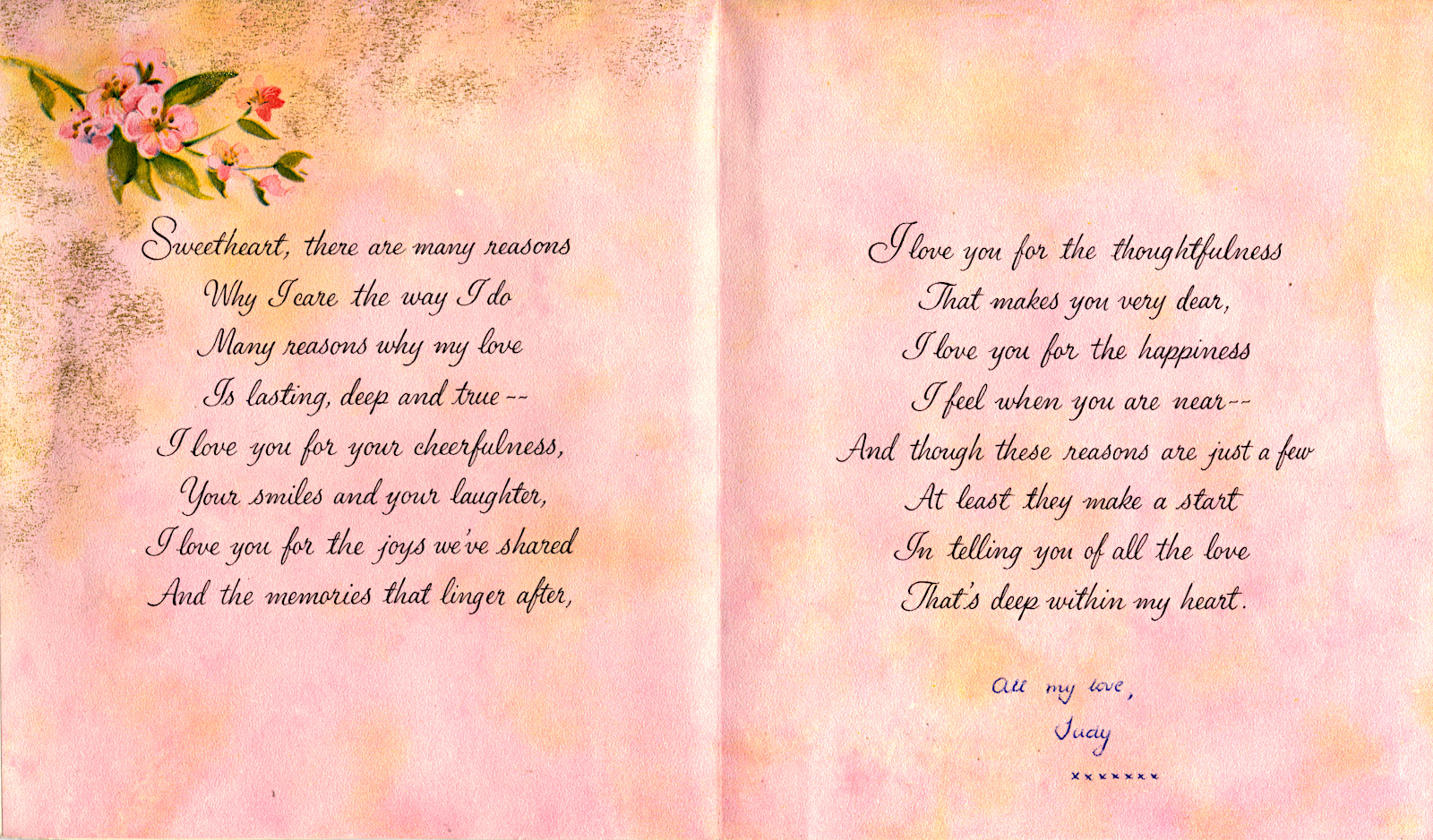
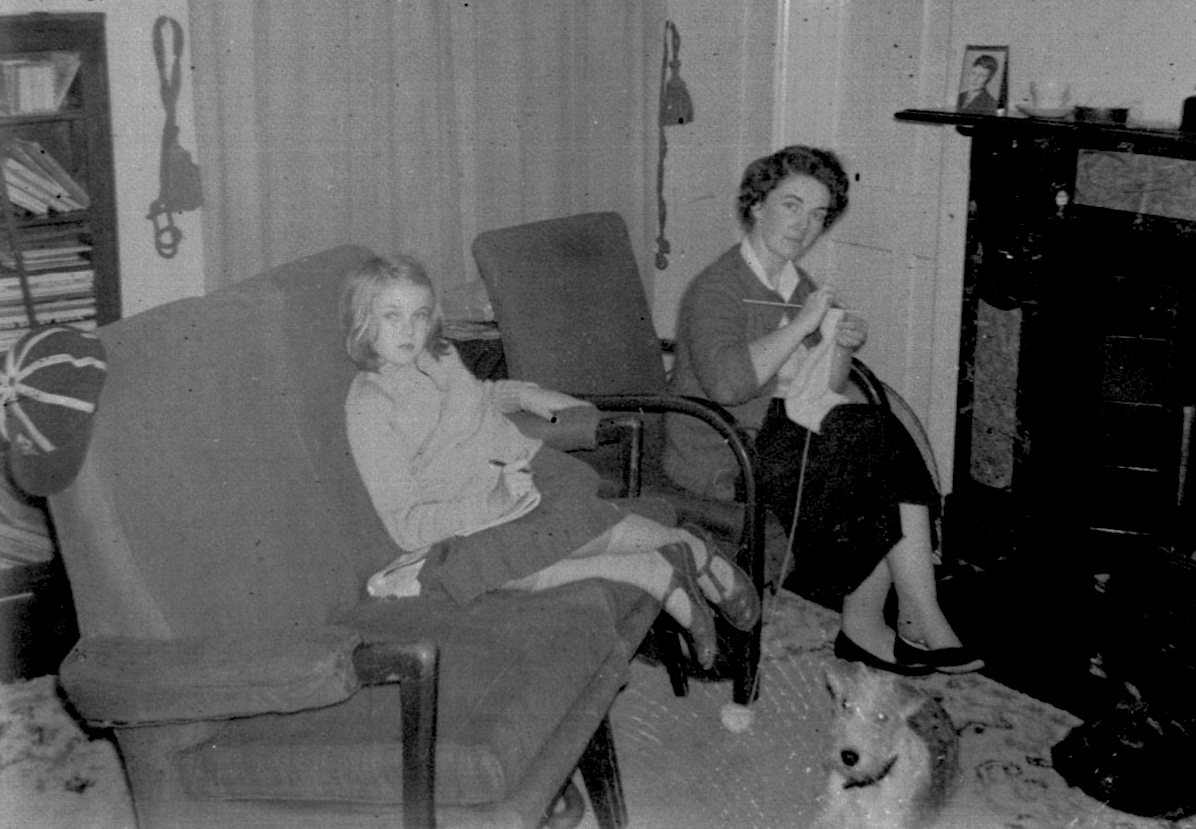
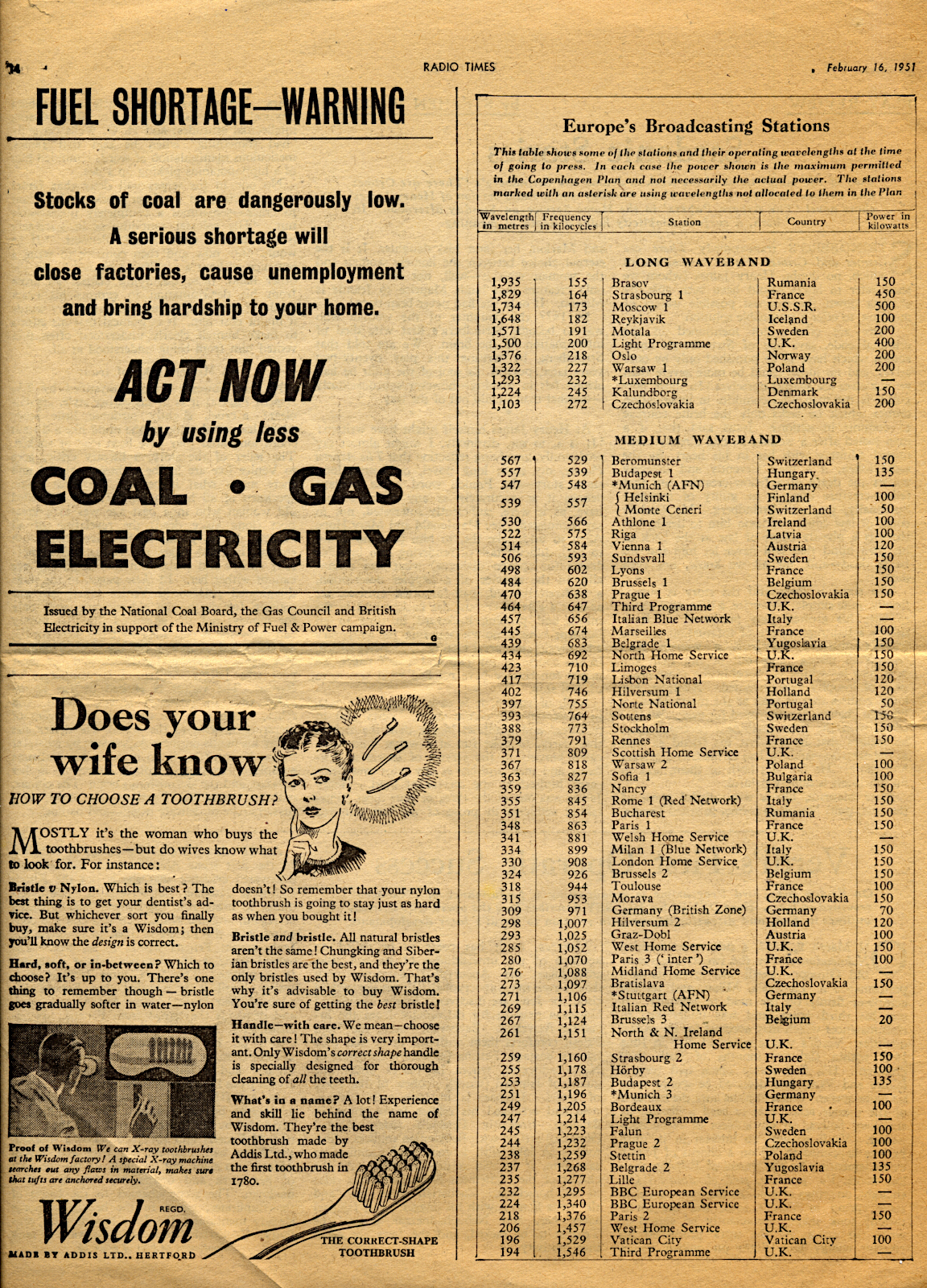
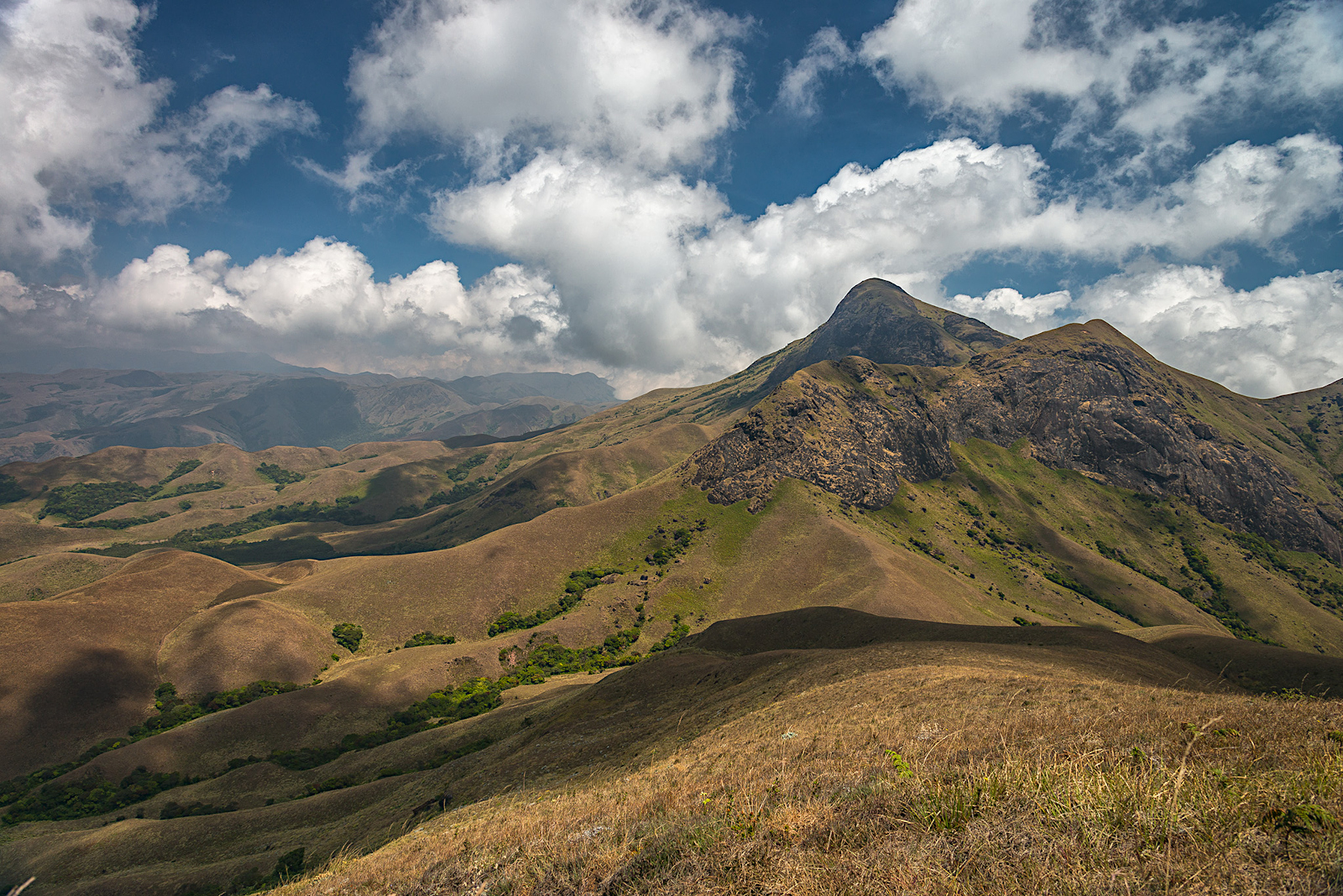
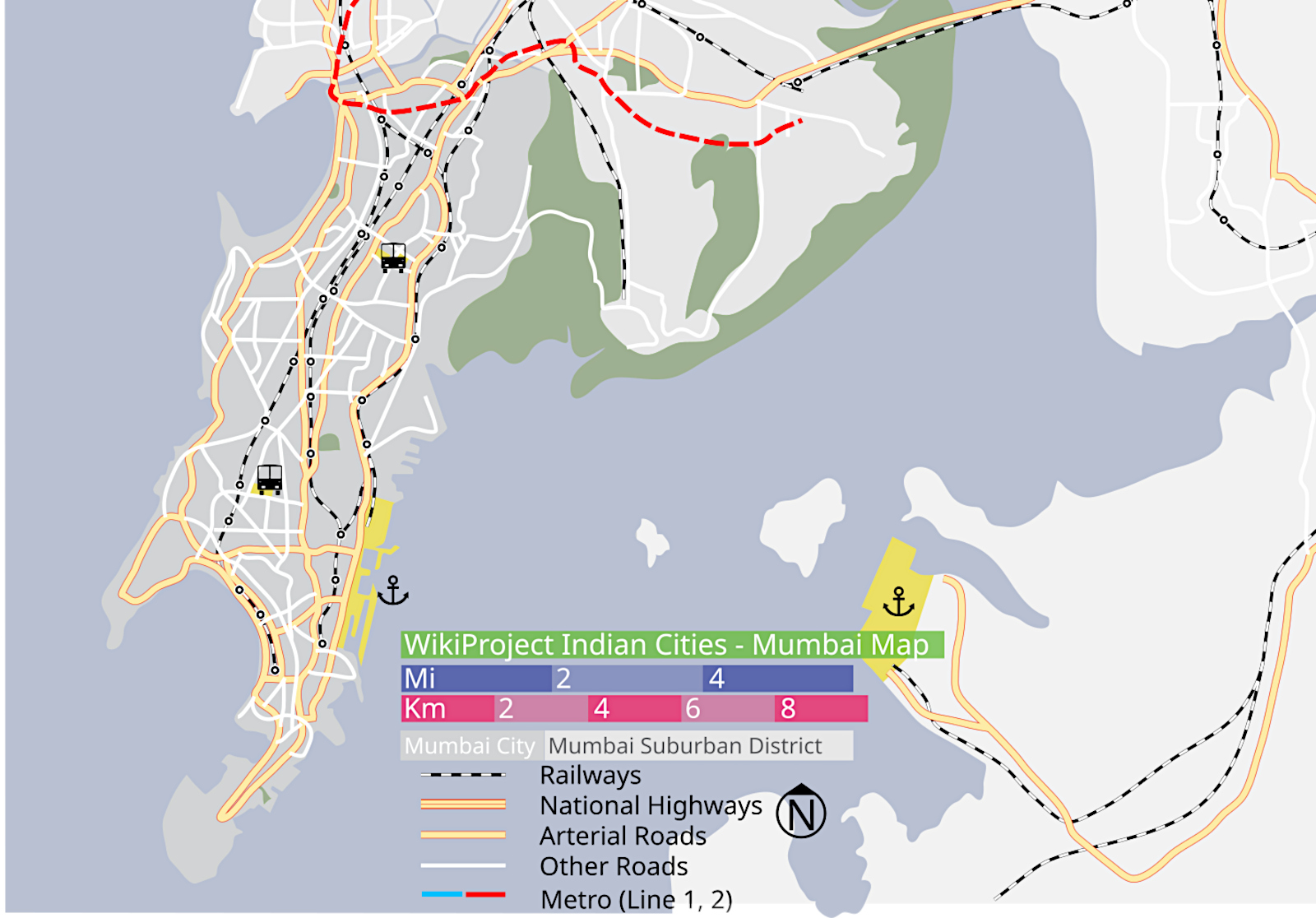
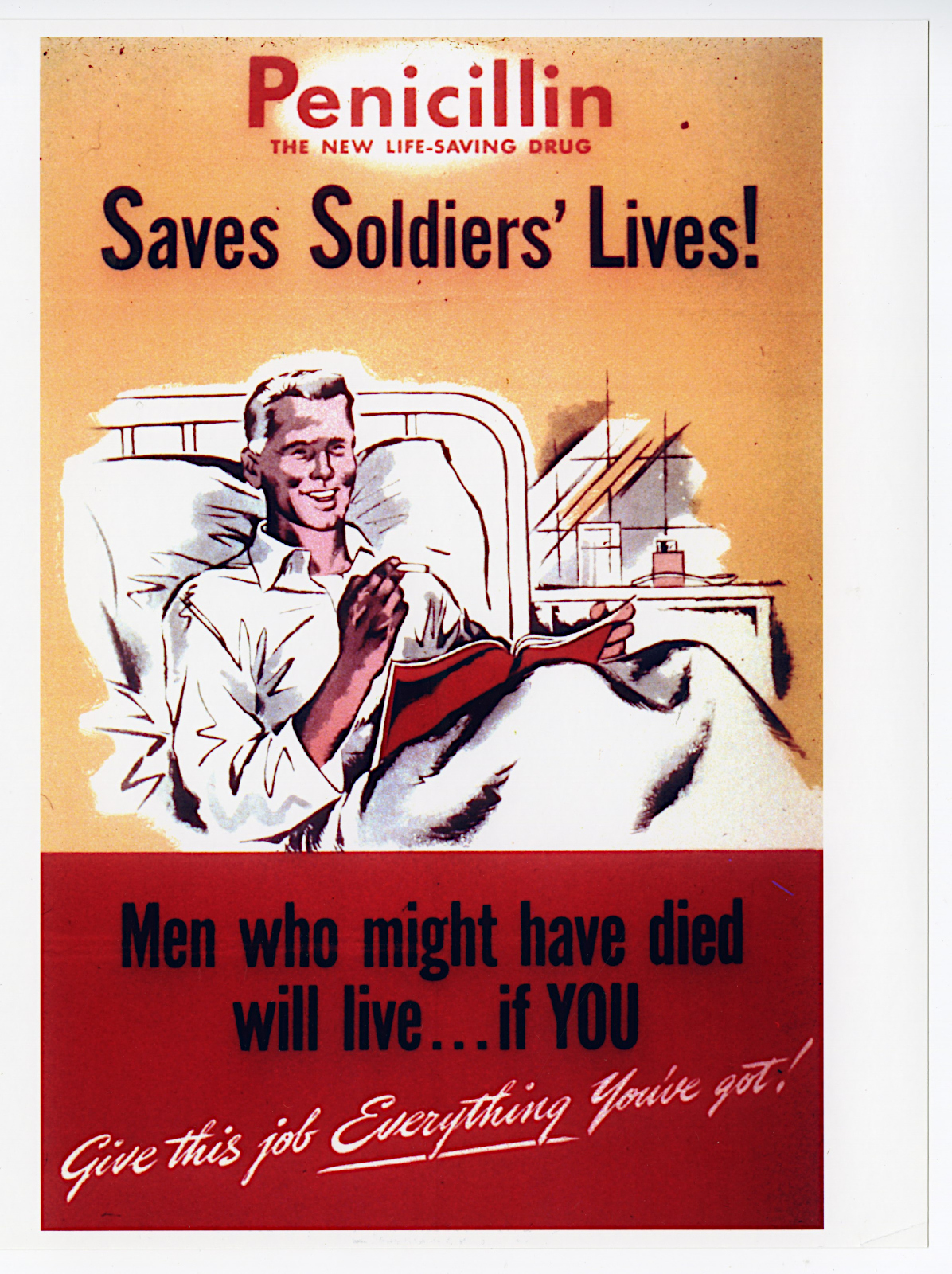
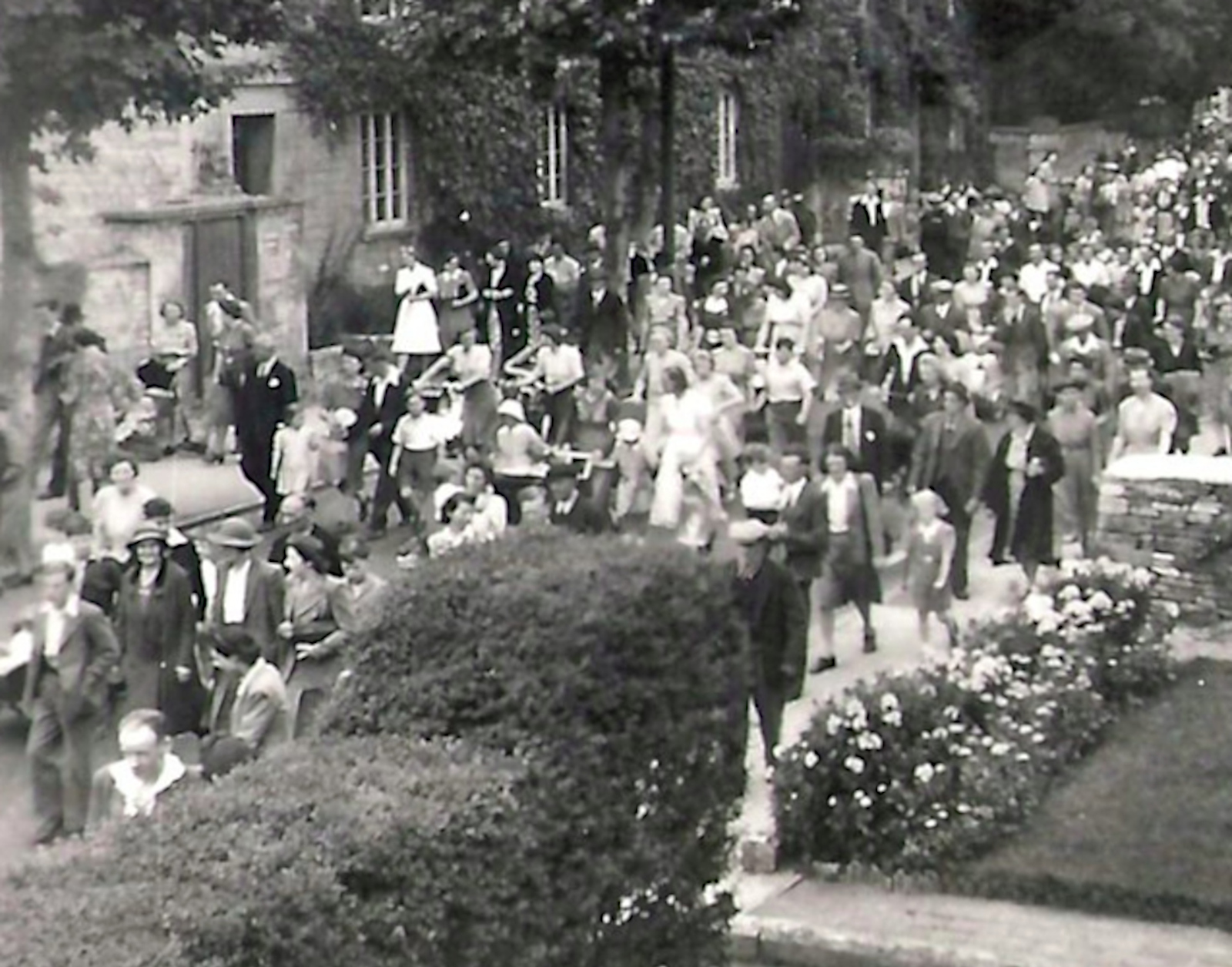
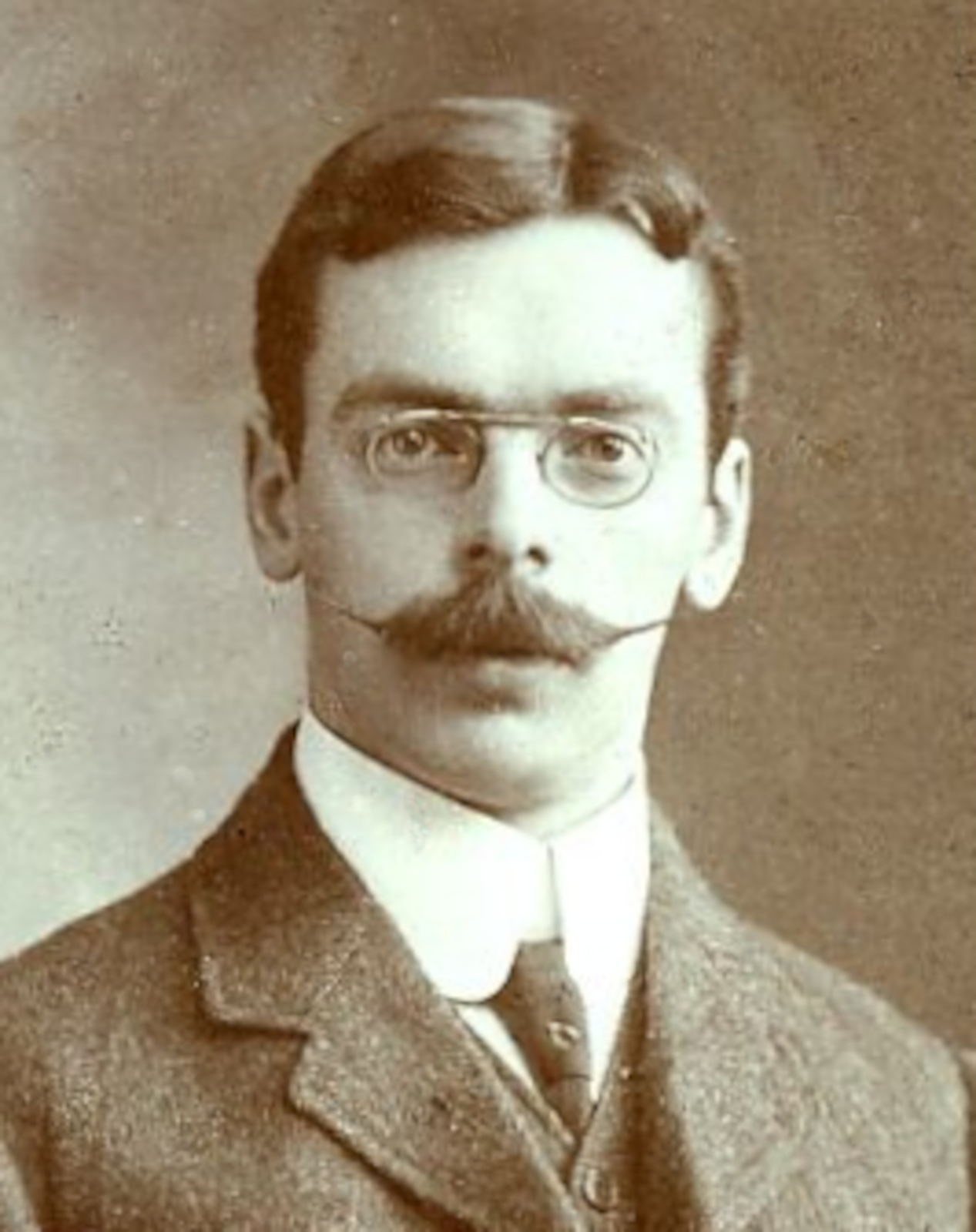
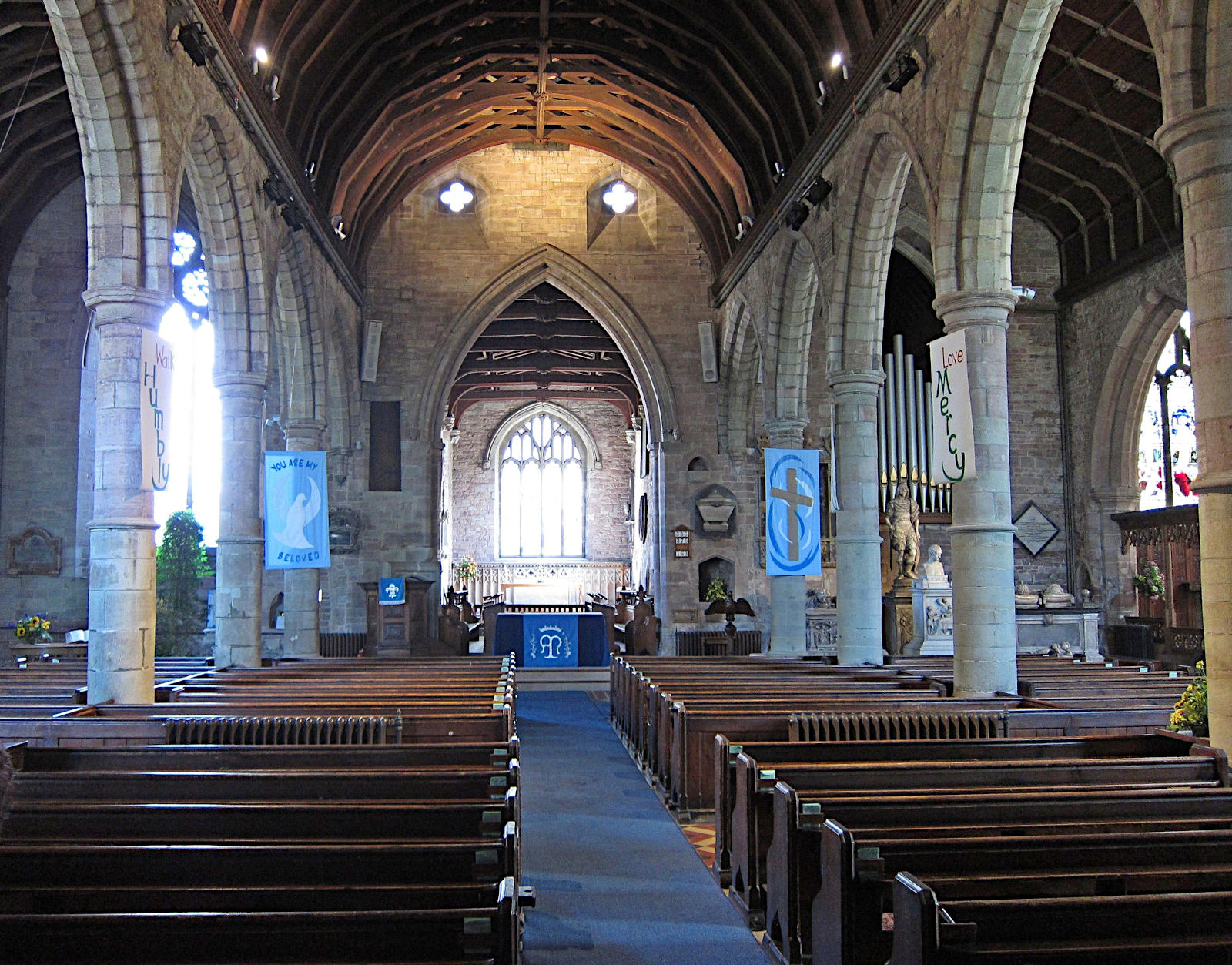
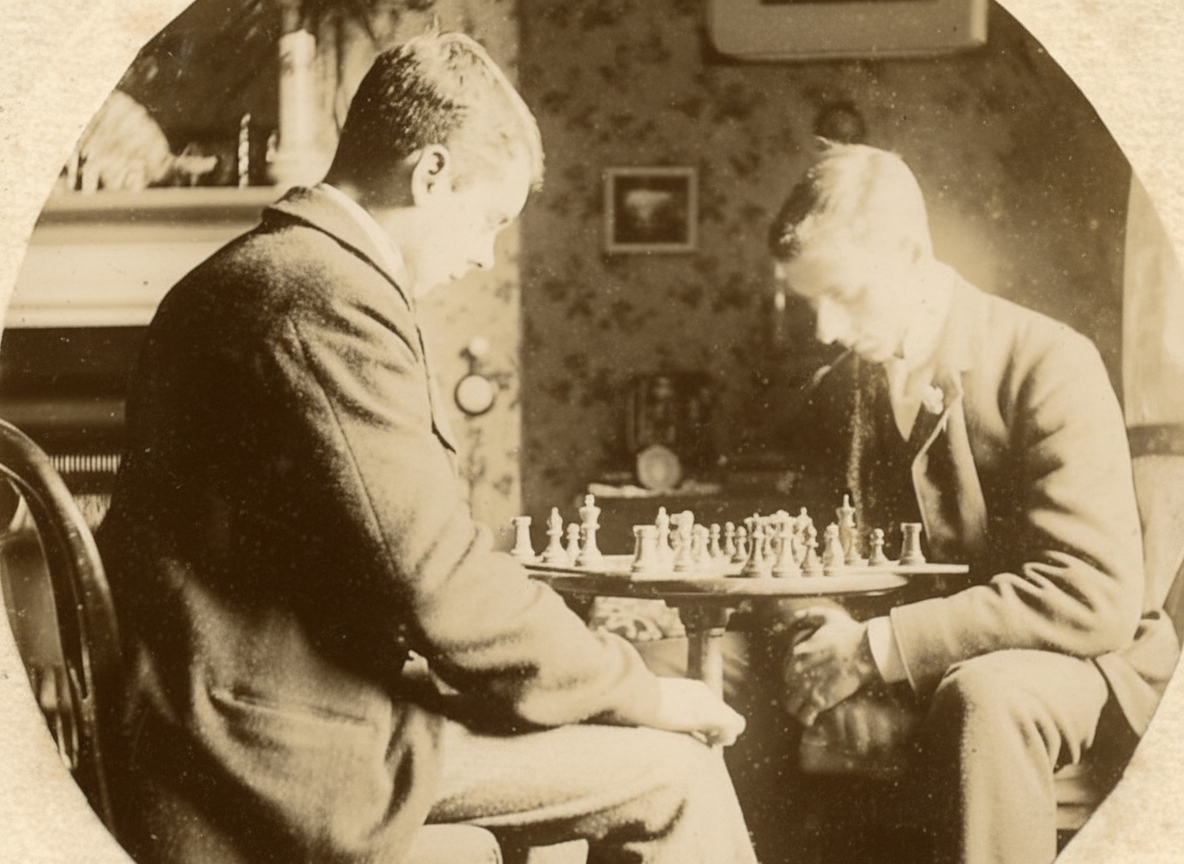

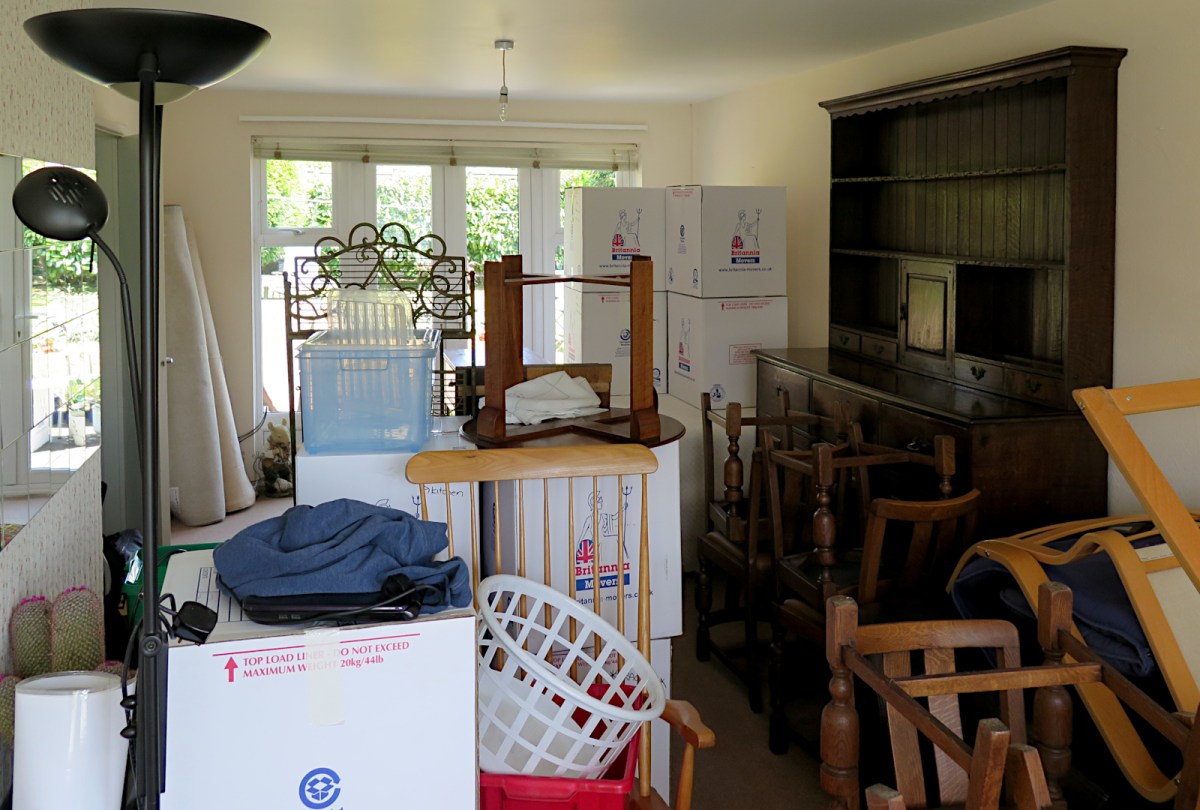
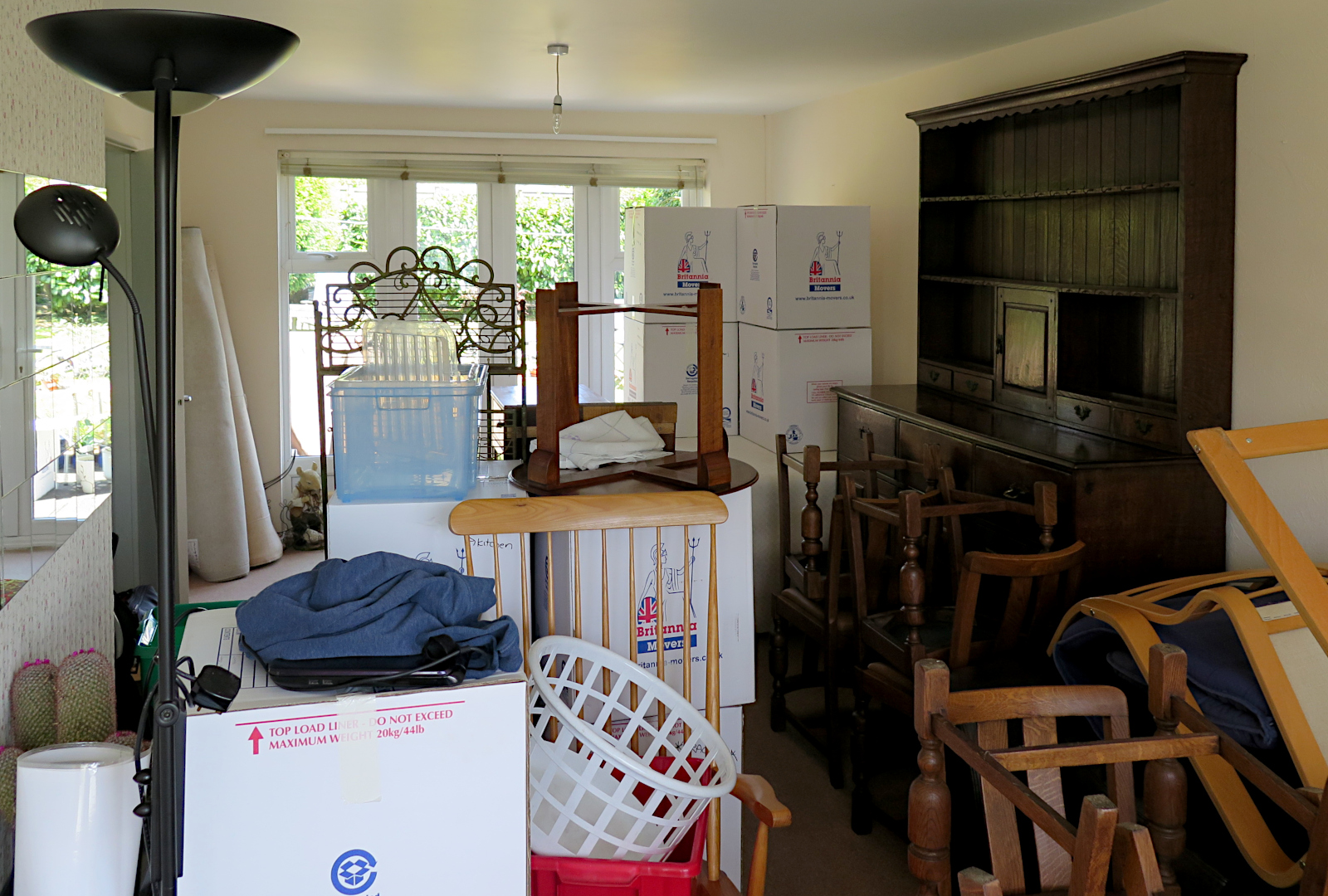
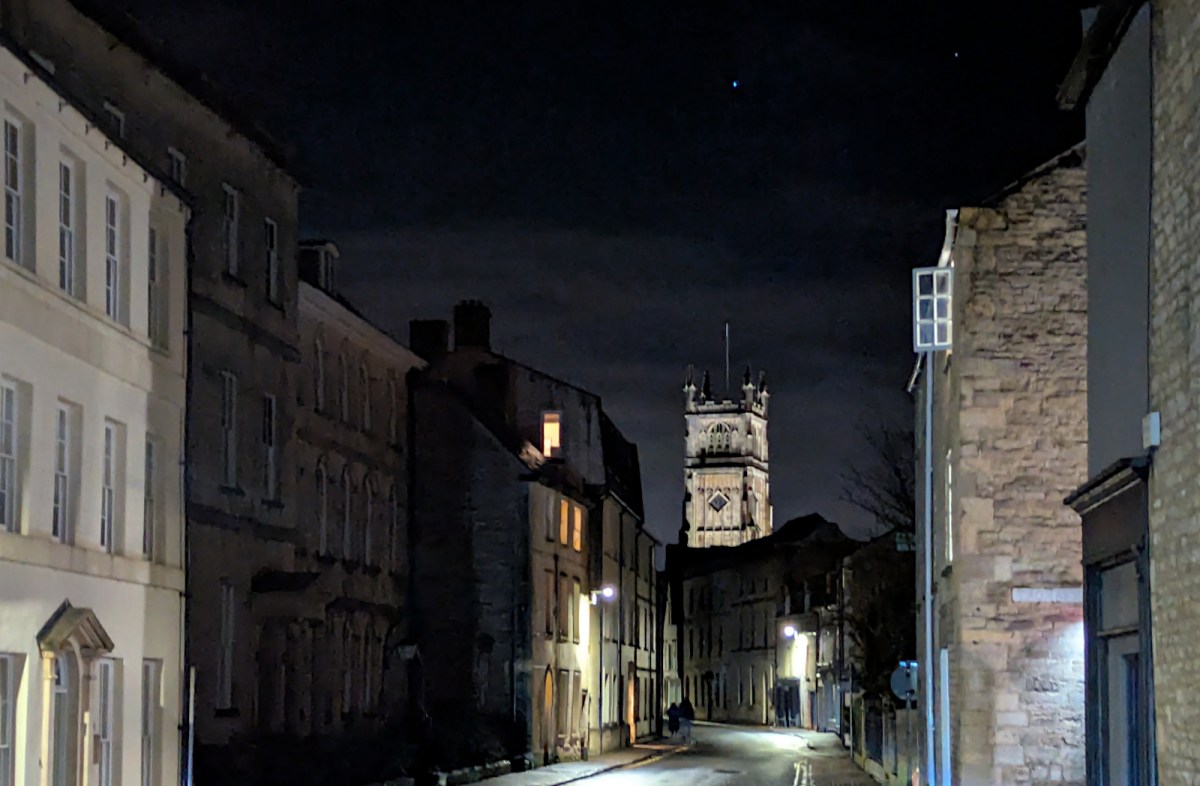
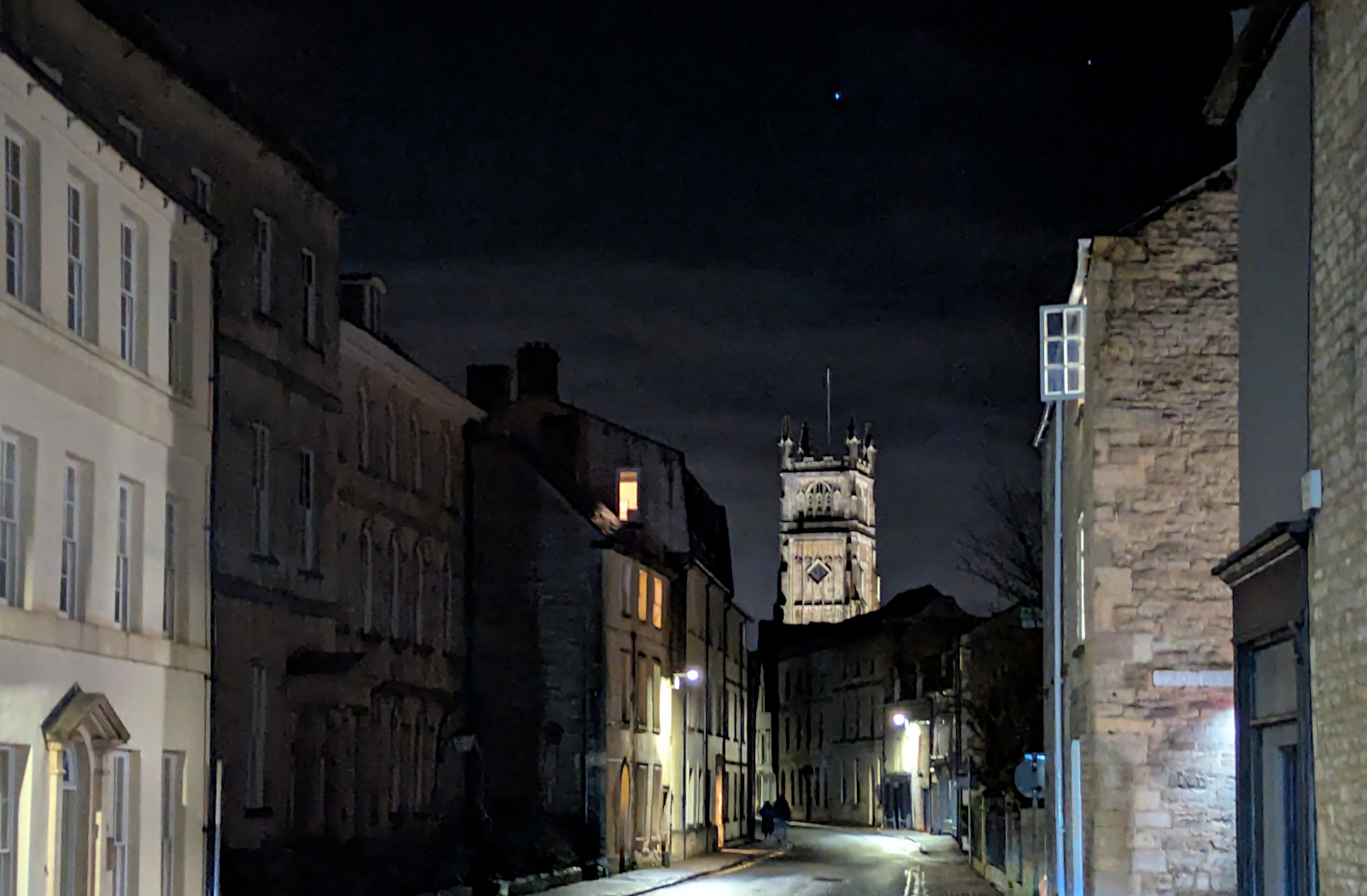
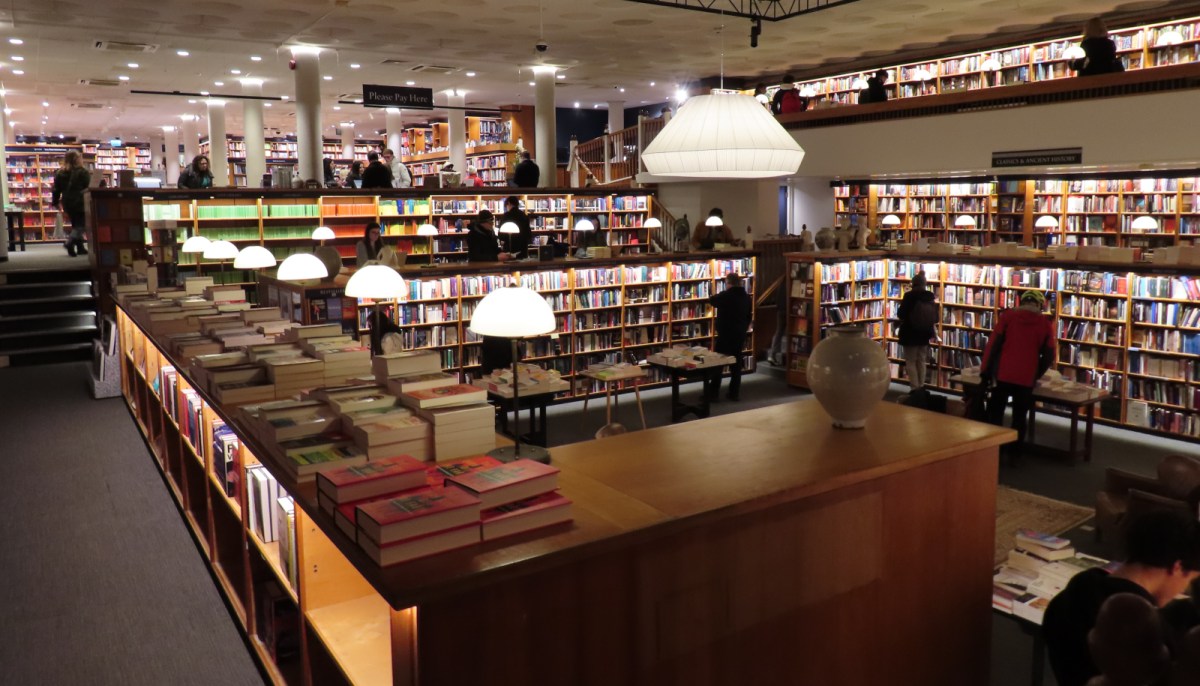
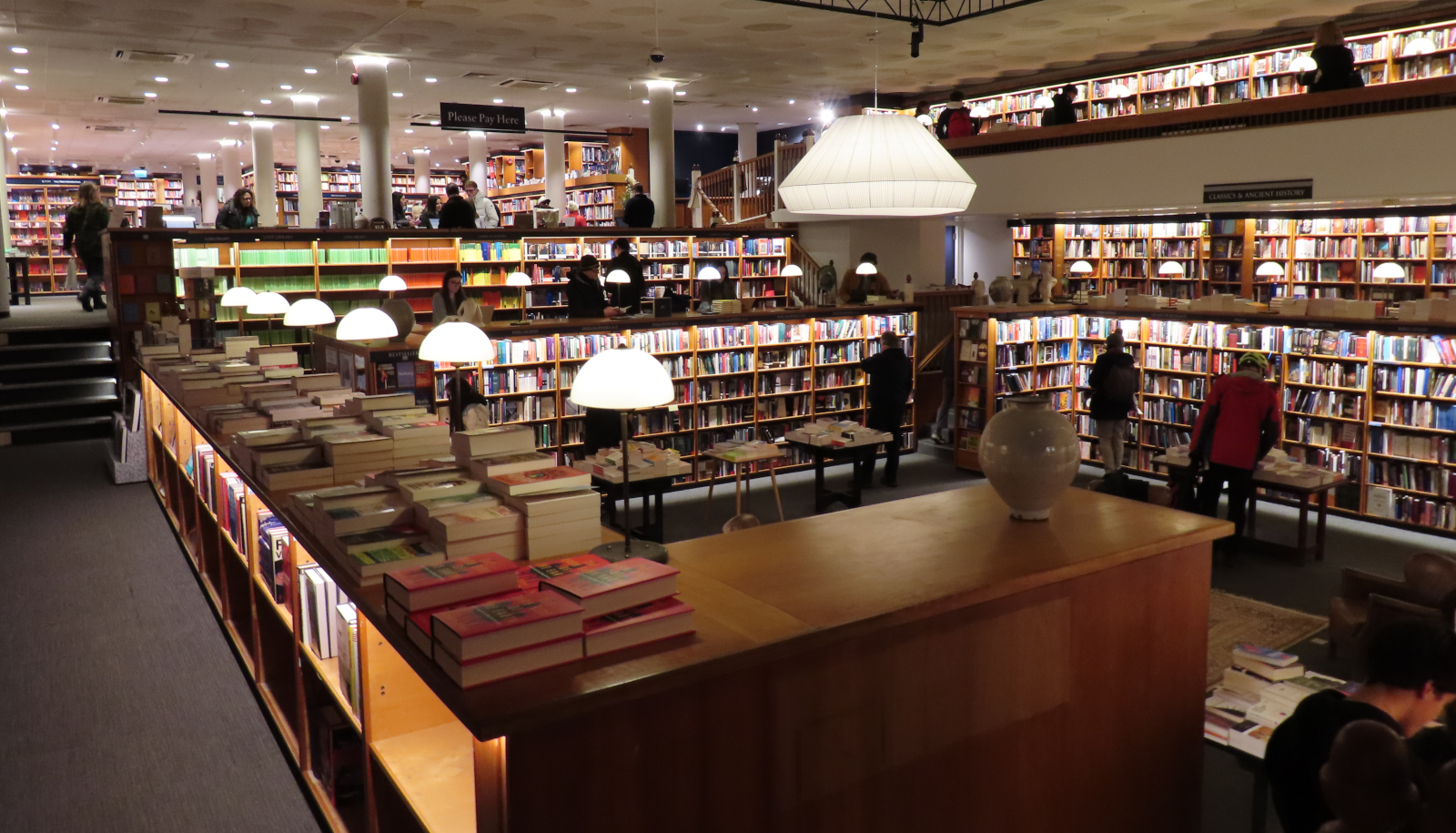
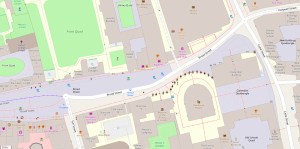
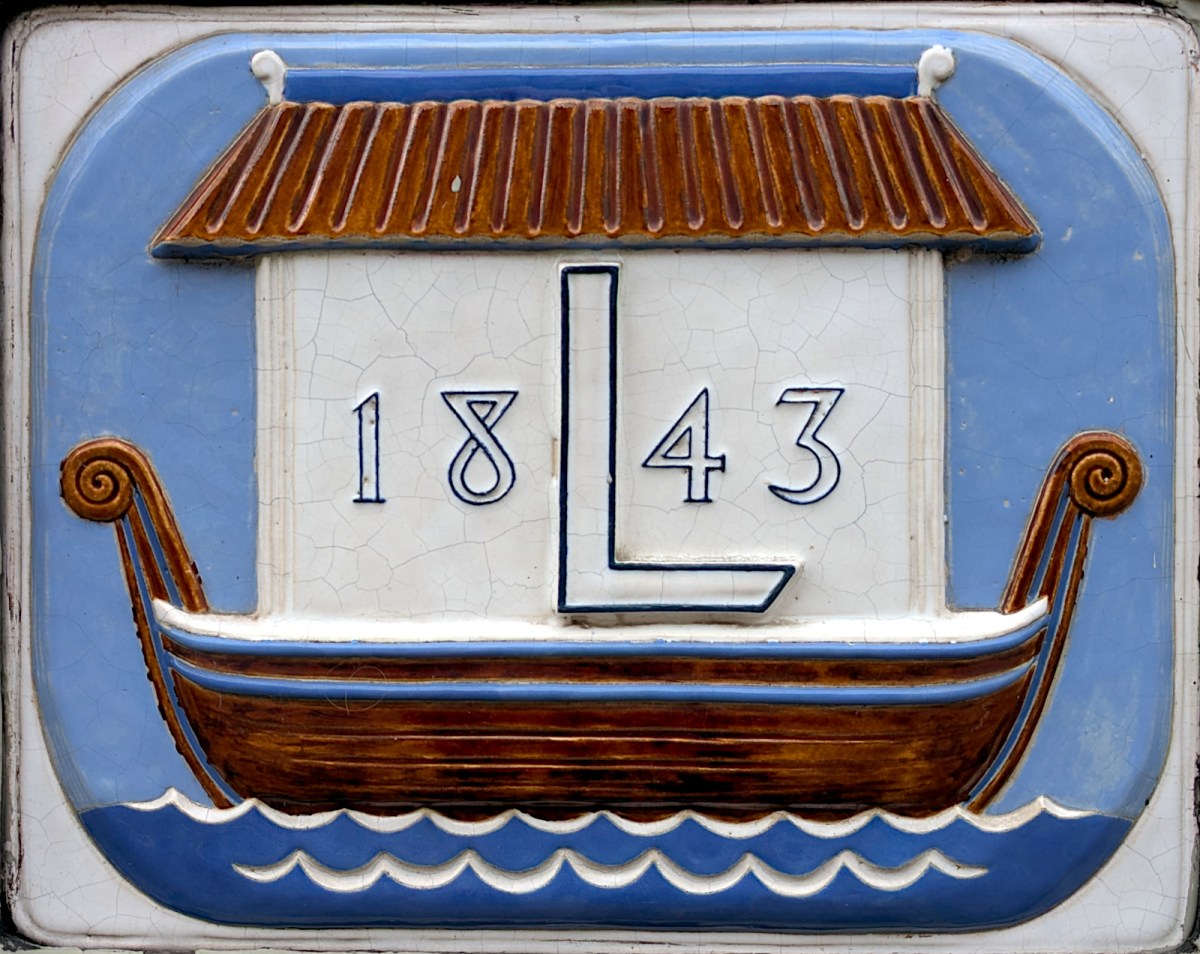

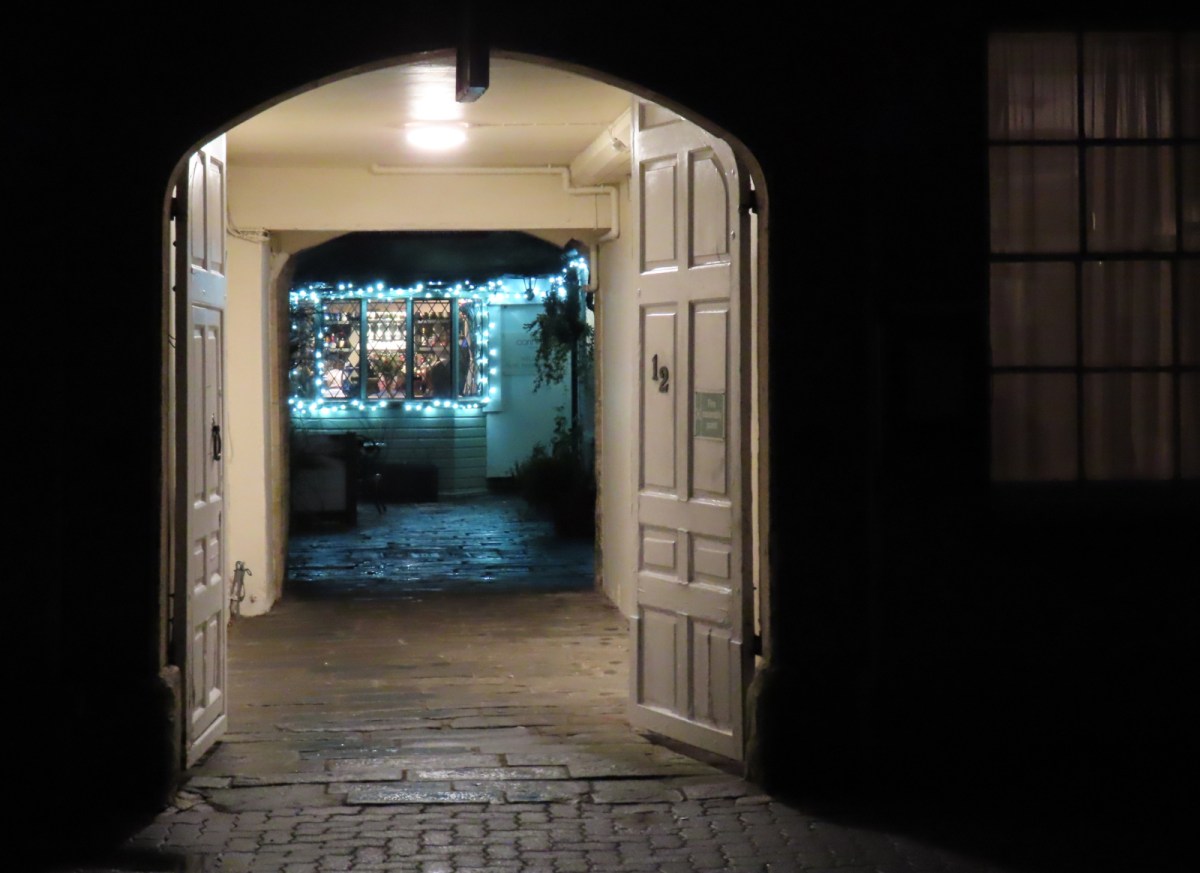


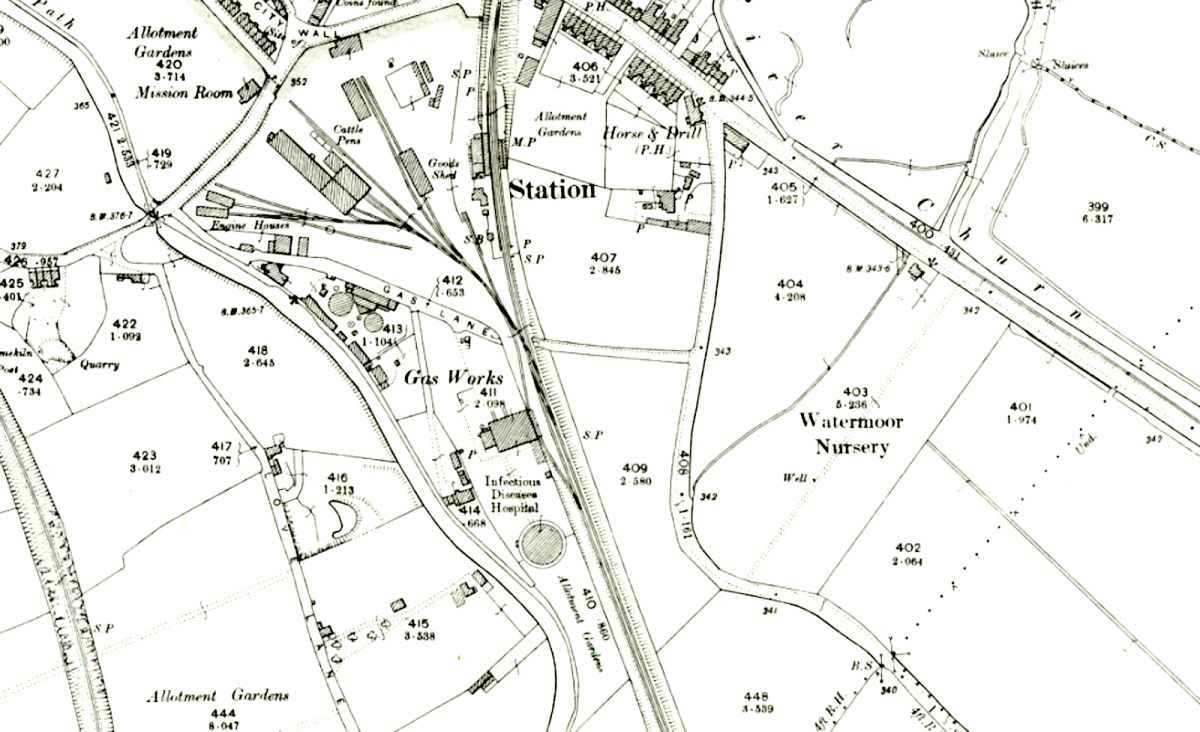

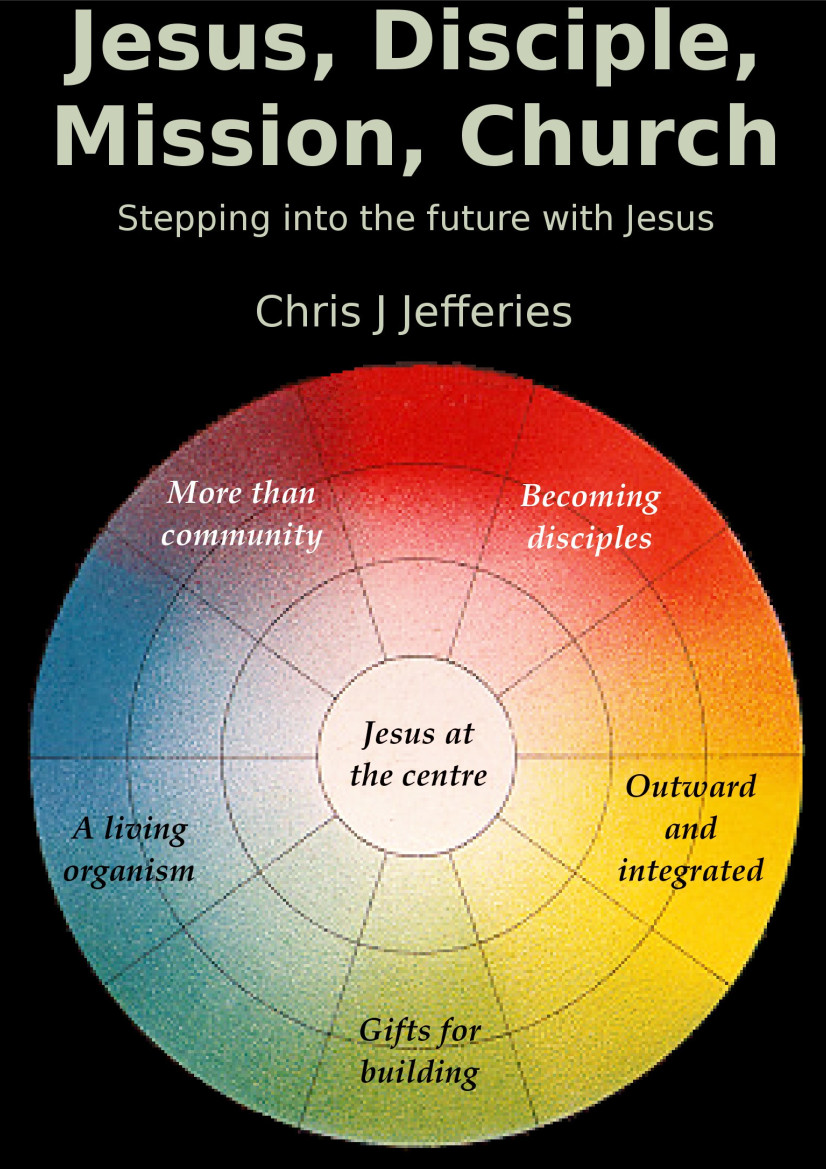


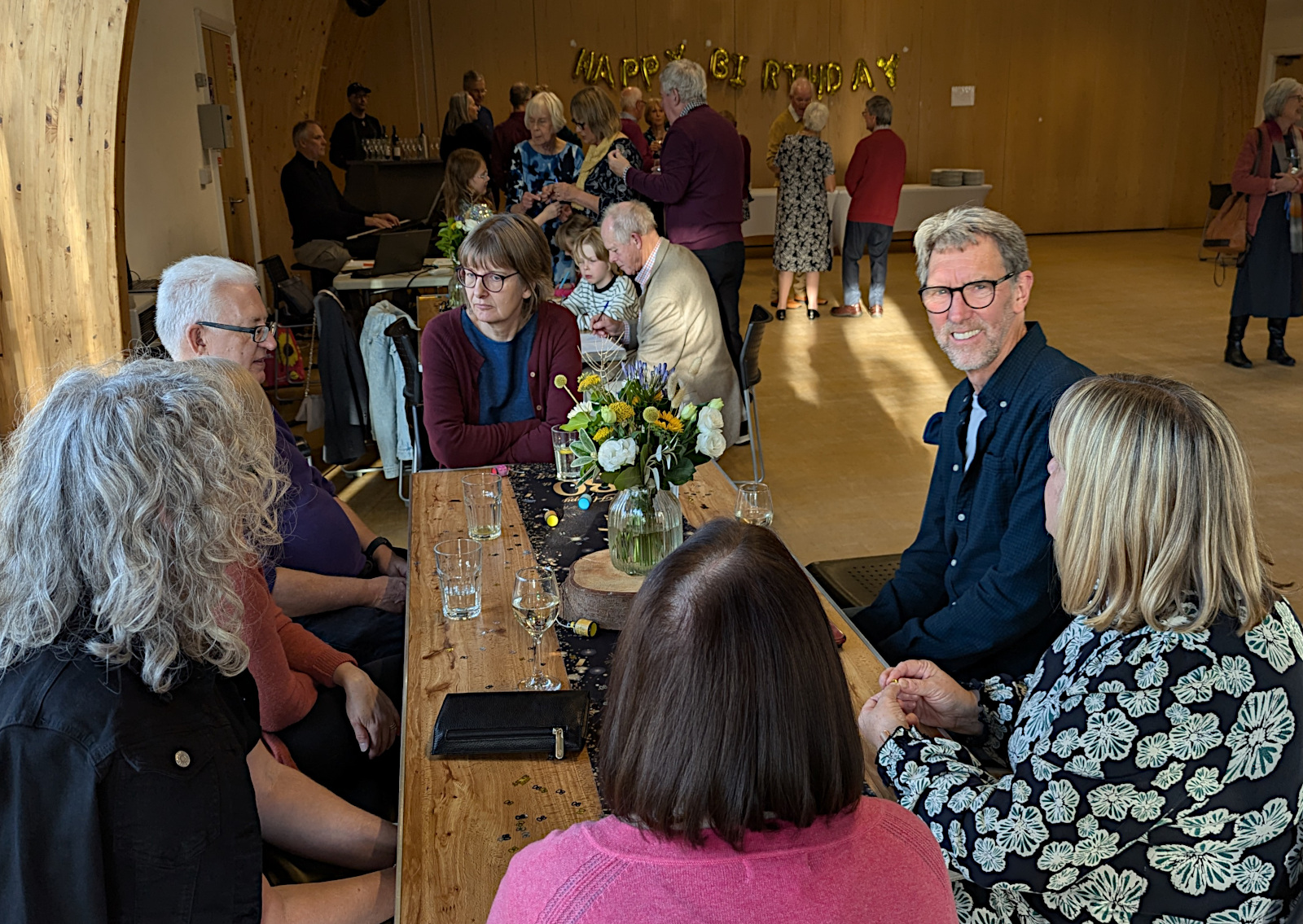


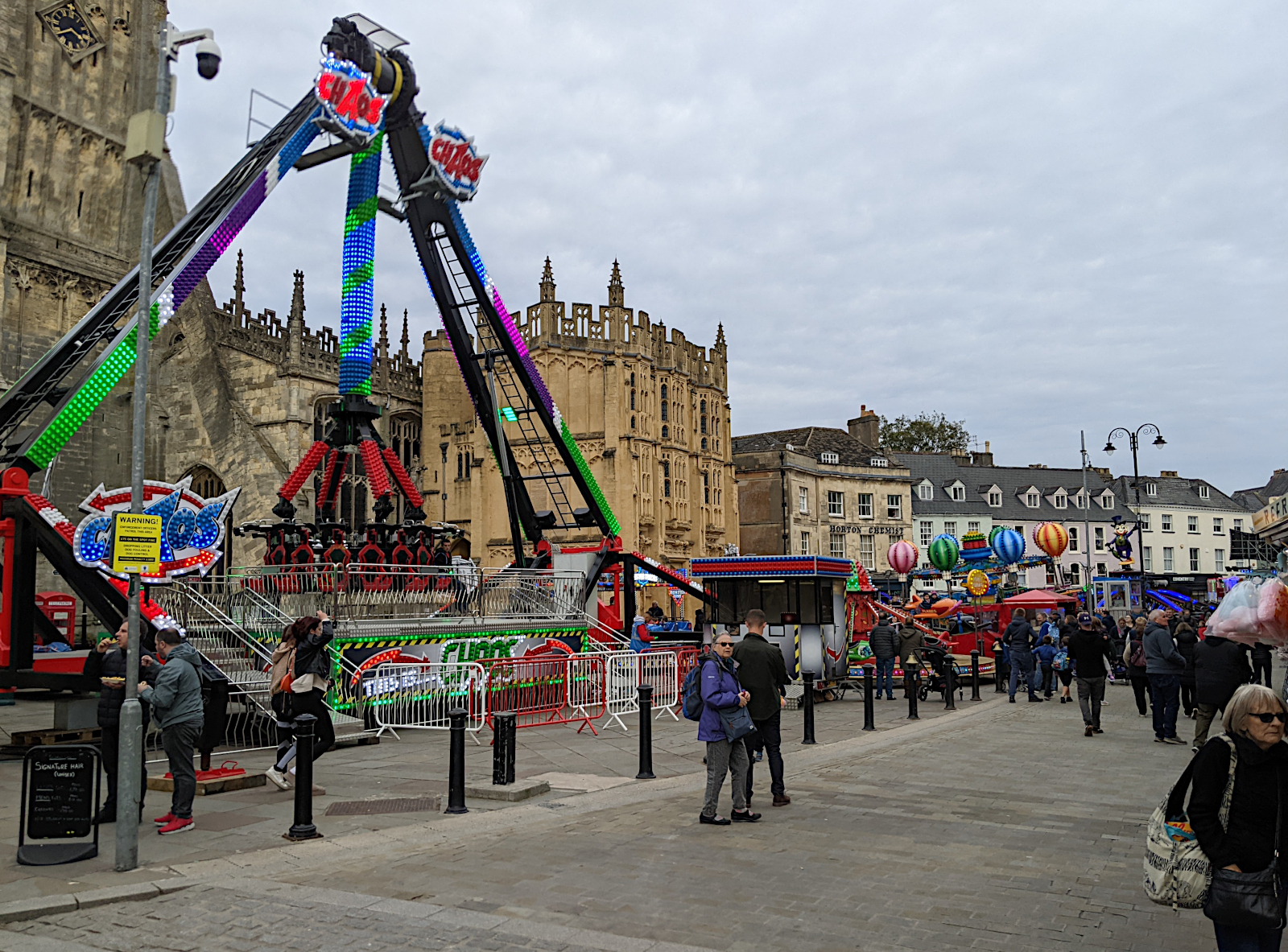


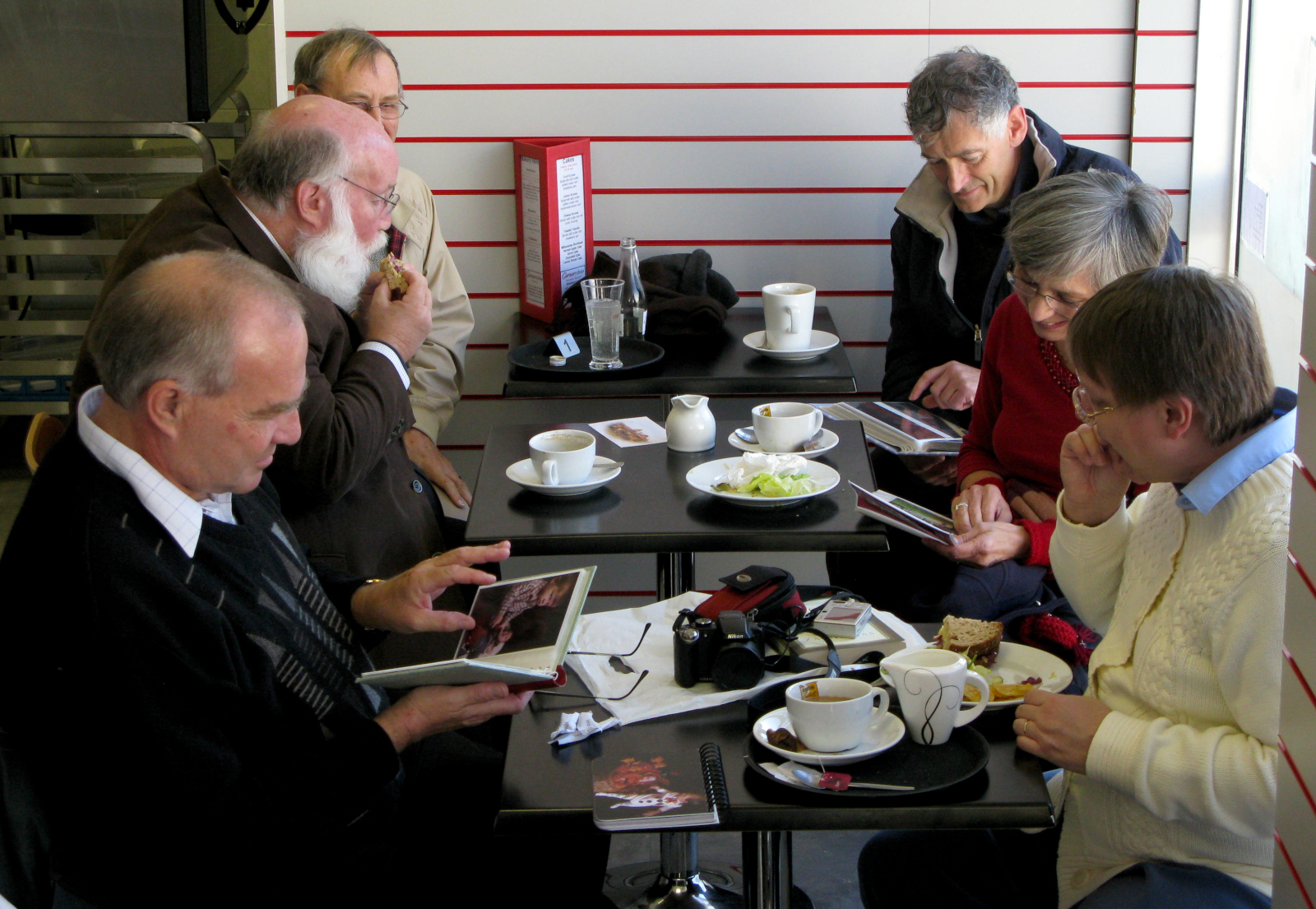


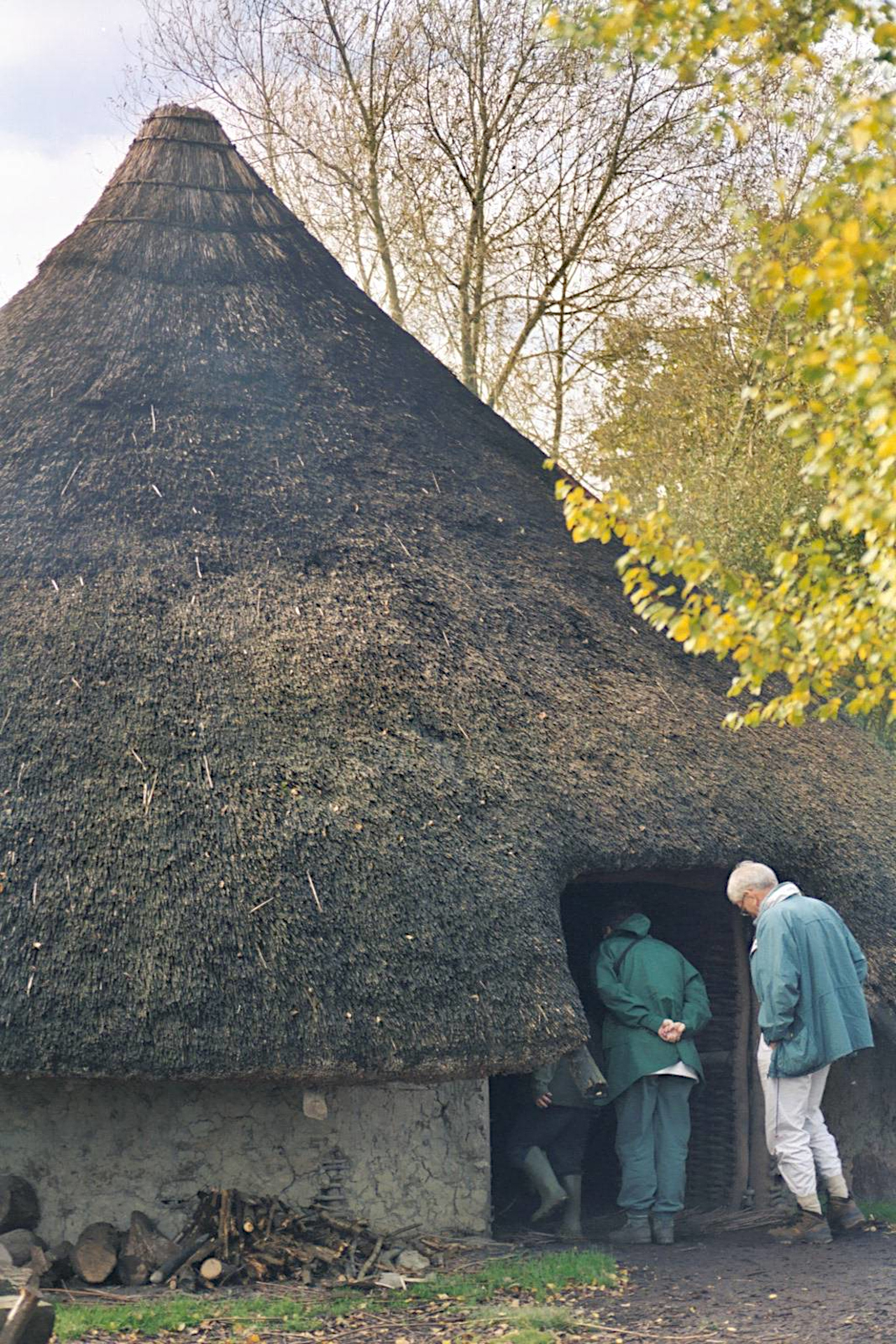


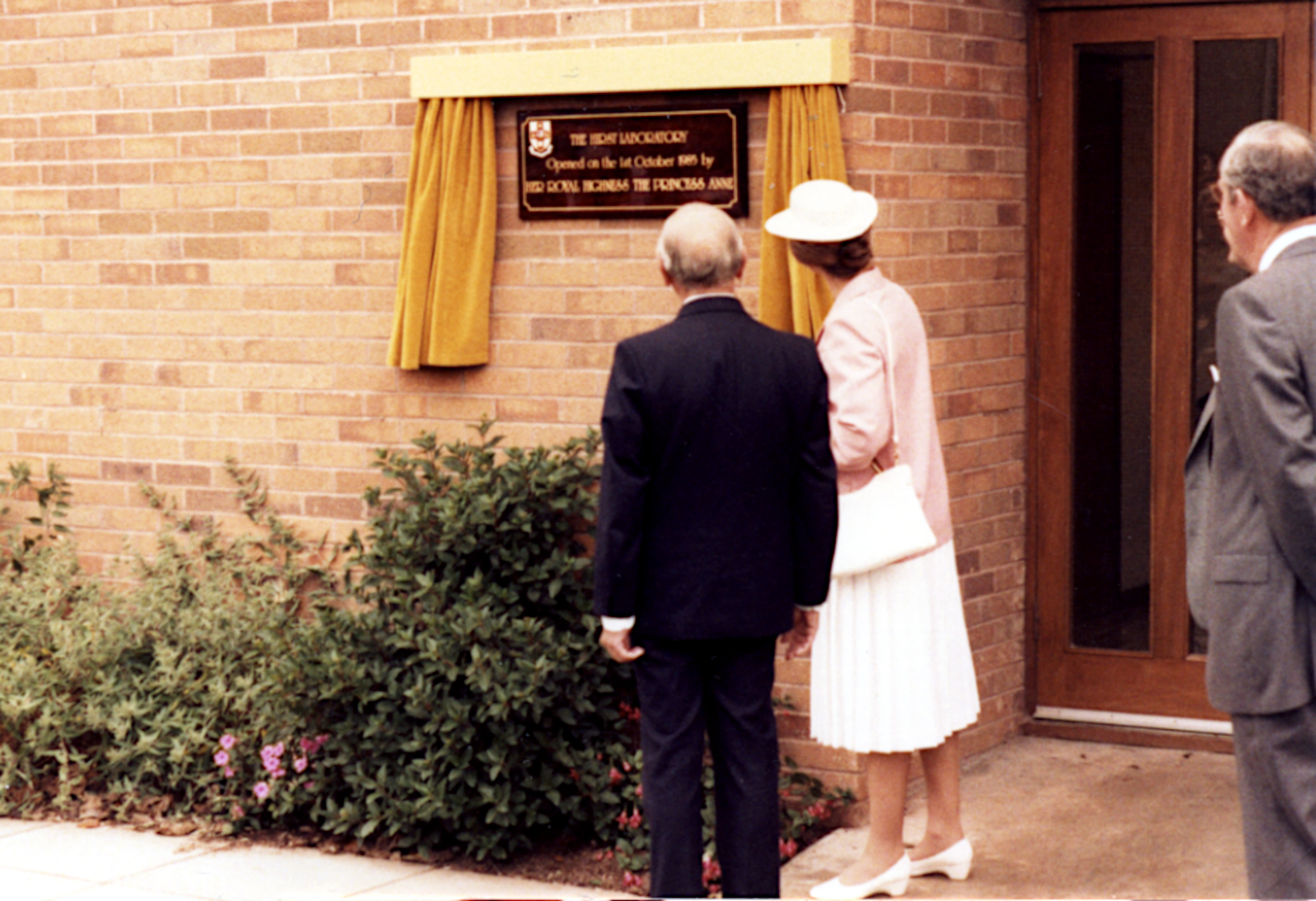


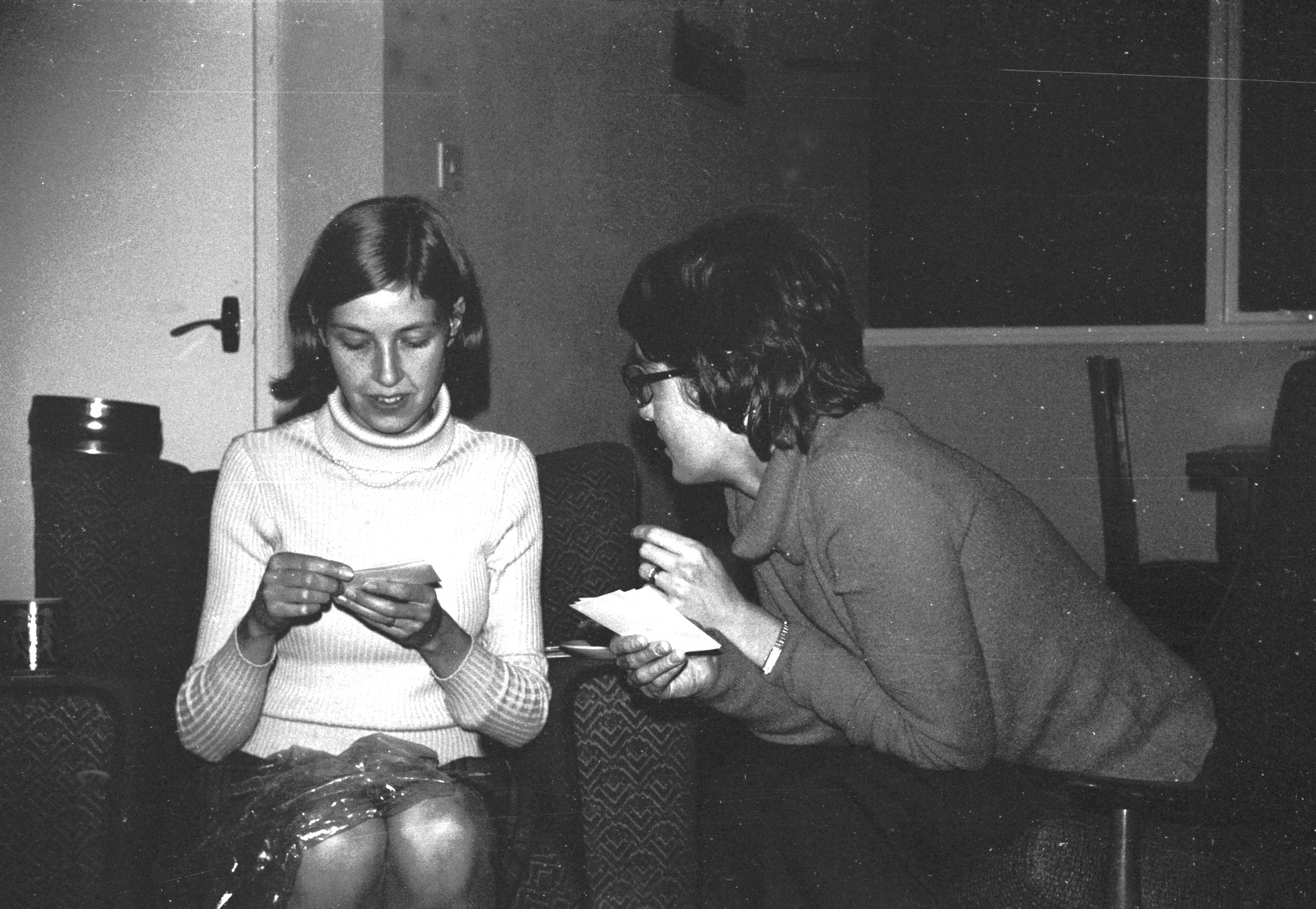
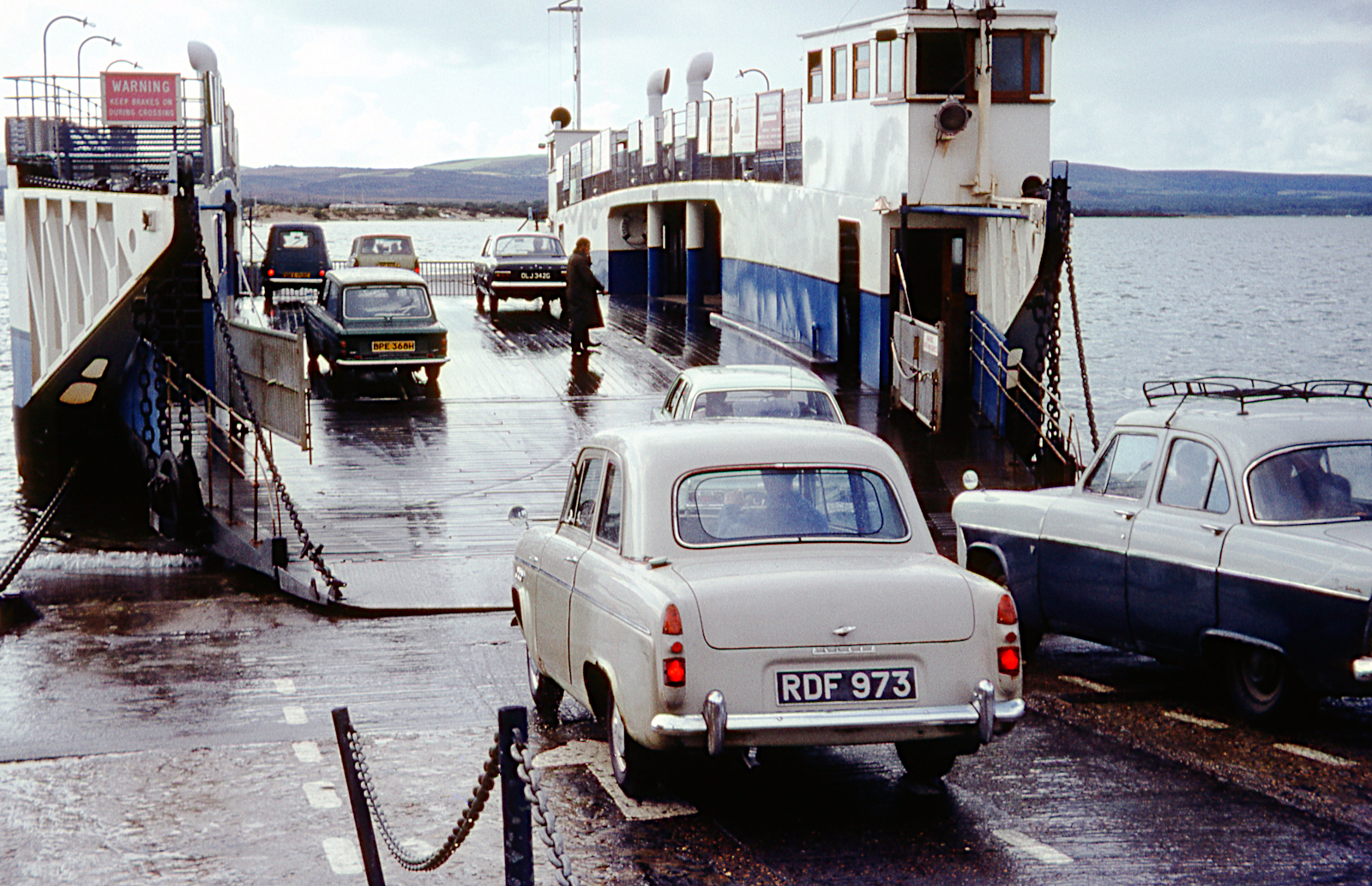

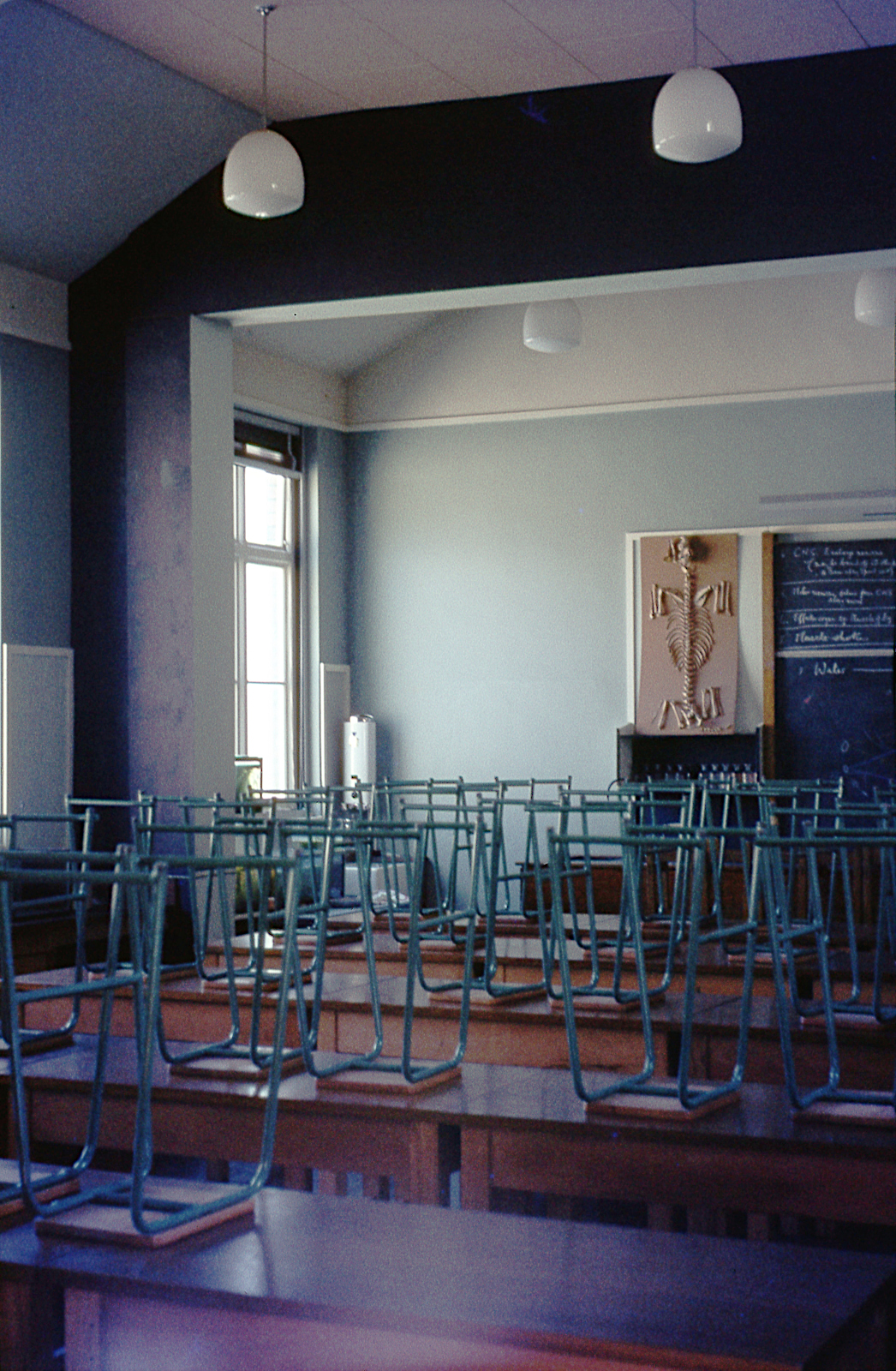

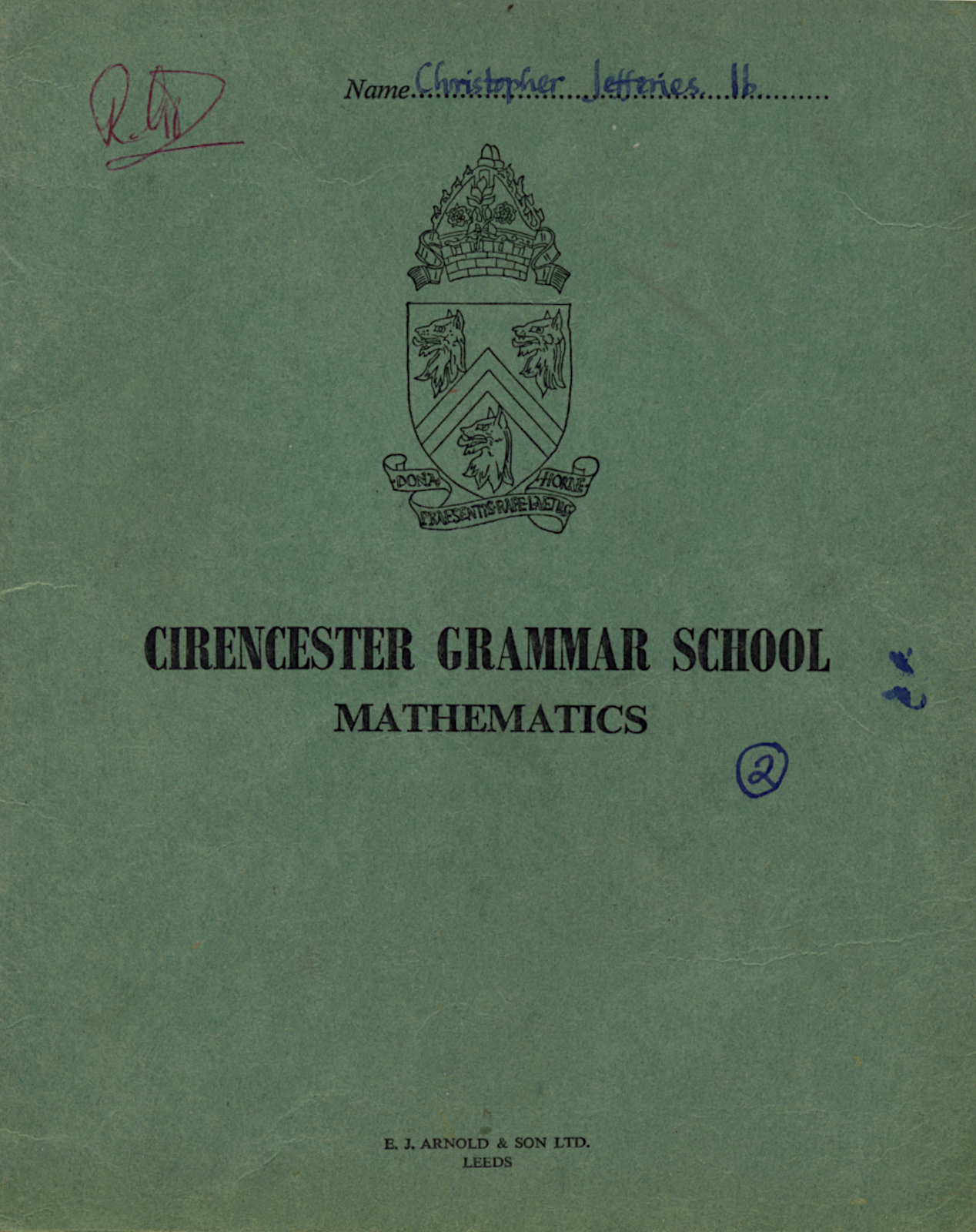
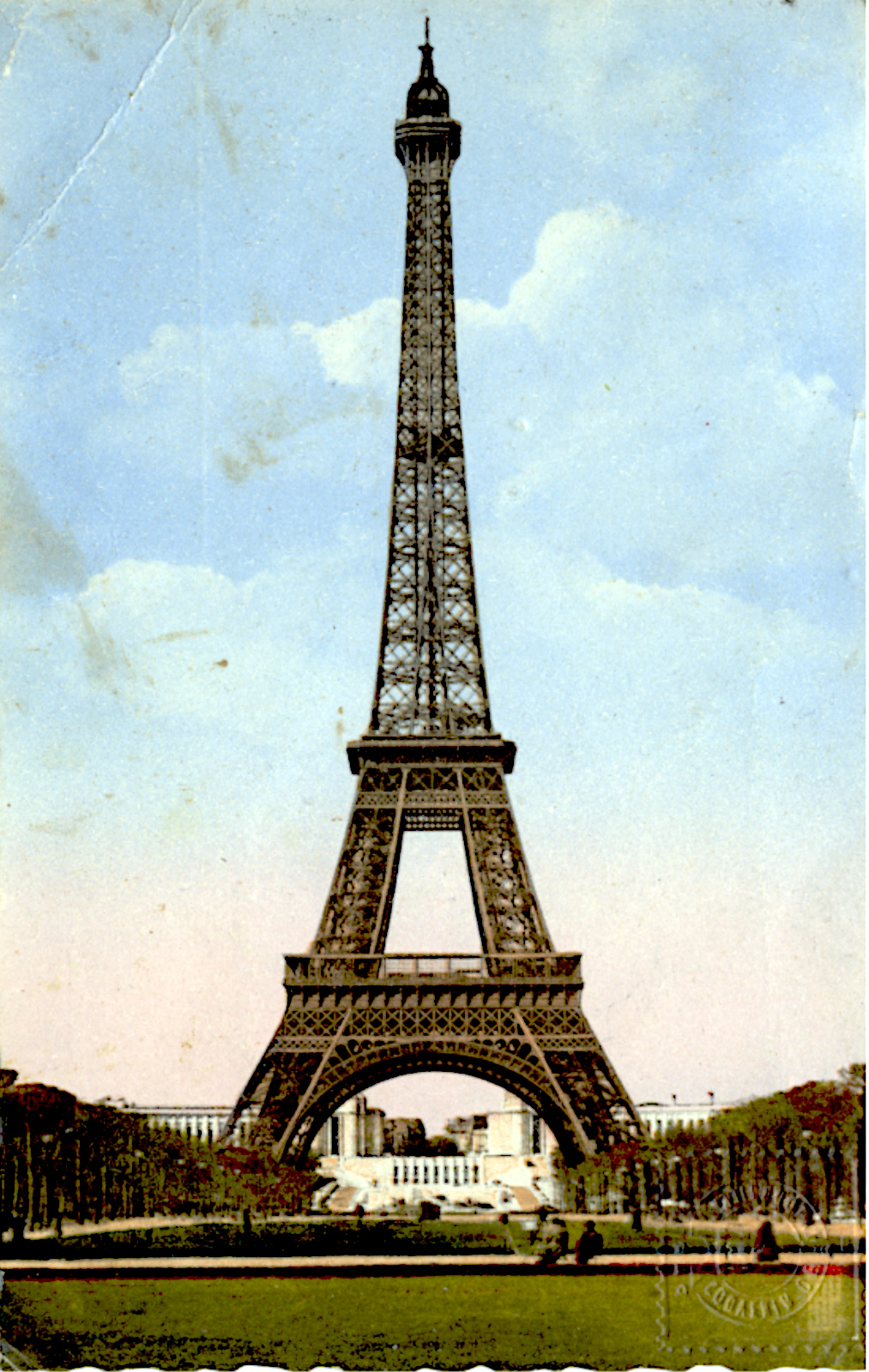




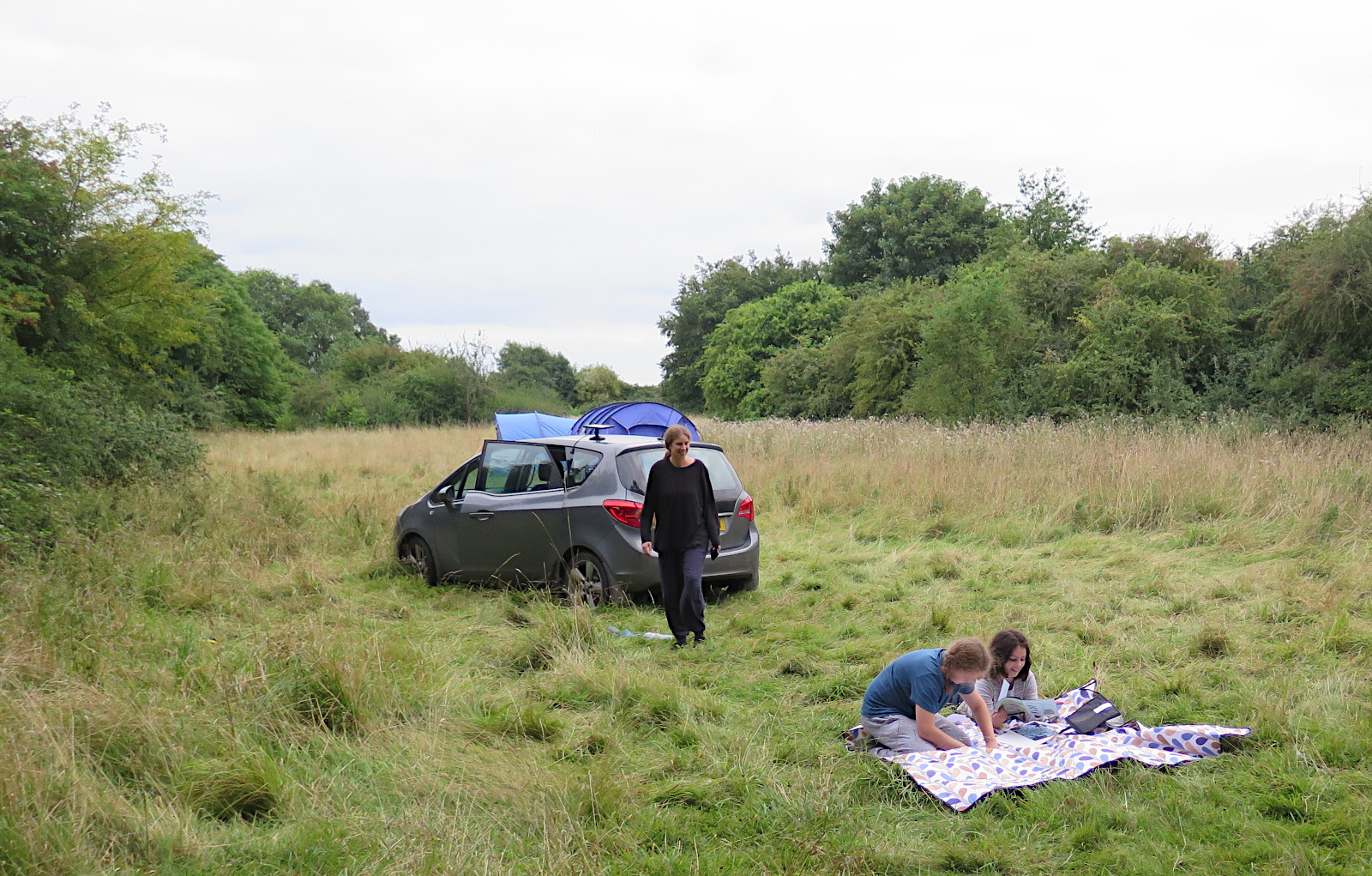
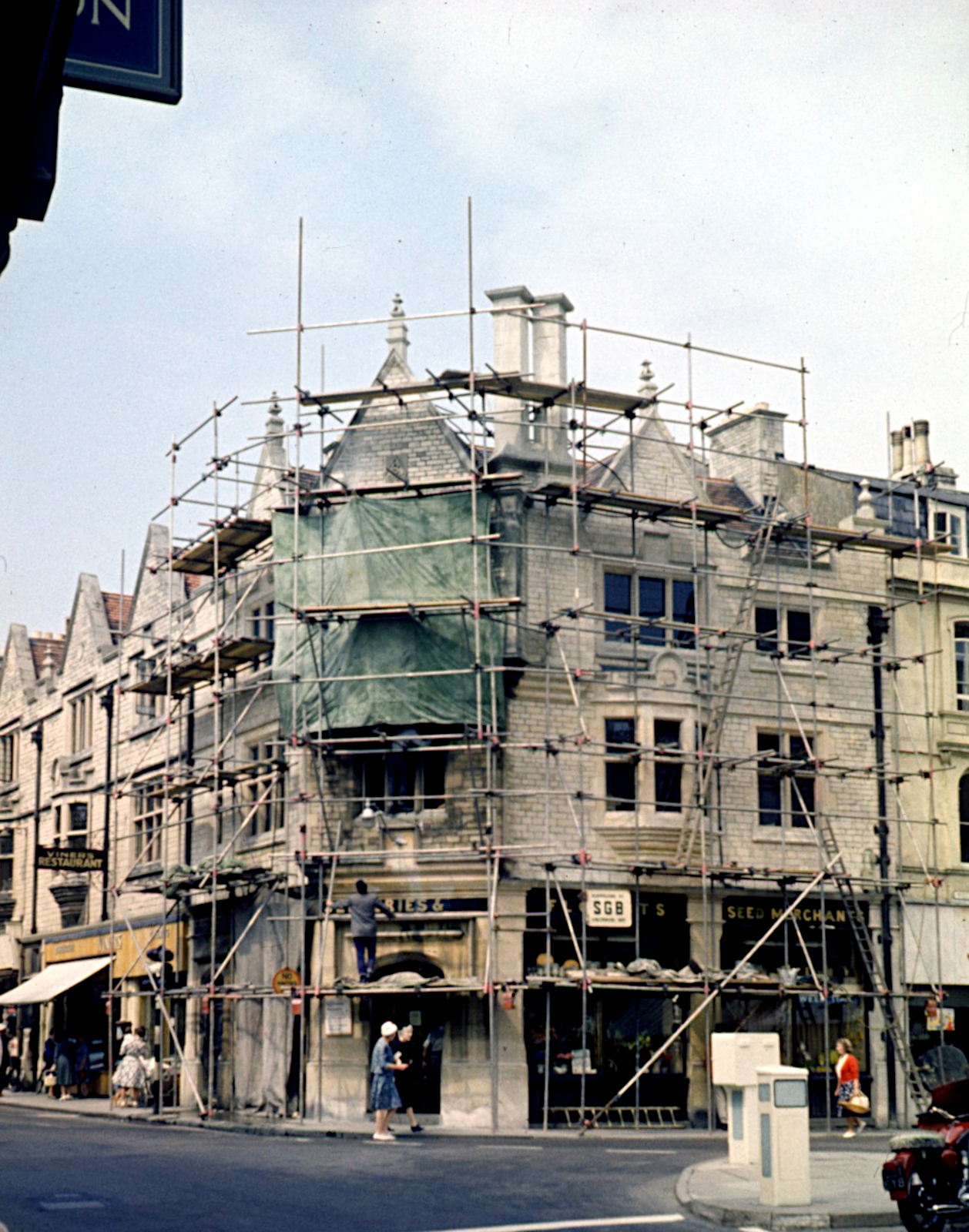
 Journeys of Heart and Mind


