It wasn’t hard to imagine the canal lengthman coming out of the roundhouse for a chat, and Thames barges making their way slowly along the canal, each following the plodding progress of its towing horse. The pace of life has changed so dramatically since those days!
Note: Writing these Blast from the past posts every month has been hard work for me, particularly as my efficiency in researching and writing is slowing down as I approach 80-years-old. This has prevented me from writing on other topics that are also important to me. I plan to continue with Blast from the past but they’ll come out monthly in sections; next time expect some further sections of Part 40.
December 2025
LARS Reunion Christmas lunch
On 2nd December Donna and I visited Bristol and Clifton Golf Club for the annual Christmas dinner for retired staff. It was wonderful to see so many familiar faces, older of course yet clearly still the people I remembered. Of course, as we age we all change under the influence of new experiences, getting to know so many new friends and aquaintances, yet all the old patterns and habits are still there, faces instantly recognised, voices still sounding the same, facial expressions just as remembered from decades previously.
Sunset over Stratton
There were some glorious skies during December. I captured this view on the evening of 12th, walking around Stratton. In December the sun sets early here in the UK where the latitude is fairly high.
JHM: I wrote about an amazing photo of a volcano in Chile; and considered the effect of fog. World events: EU leaders approved a €90bn ($105bn) loan for Ukraine for the next two years; and Israel became the first country to recognize Somaliland.
I did a canal walk along part of the Stroudwater Canal with my friends Al and Phil. We began by taking a look at Dock Lock, east of Stonehouse, It was under repair as the canal restoration steadily heads towards Saul Junction where the waterway will be reconnected to the national canal nework.
We walked from Dock Lock right into the centre of Stroud, stopping for lunch and coffee next to the Canal at Ebley en route. It was mostly dry with the odd shower.
Albion Street
The second photo shows Albion Street in Stratton where a lovely double-rainbow jostled for attention with telephone cables and local properties.
On 15th March I set off for a lengthy walk from the Daneway Inn near Sapperton, following the course of the Thames and Severn Canal to Siddington, then following the Cirencester Arm back to the site of Cirencester Wharf and meeting Donna in the town centre before walking back home. It turned out to be about a 15 mile walk including a few detours to see parts of the canal I would otherwise have missed.
I stopped for lunch and a rest at the canal roundhouse between the Coates Portal and the source of the Thames. I’d packed some sandwiches and a flask of water, found a dry section of old canal stone work, and enjoyed the view as I ate. It wasn’t hard to imagine the canal lengthman coming out of the roundhouse for a chat, and Thames barges making their way slowly along the canal, each following the plodding progress of its towing horse. The pace of life has changed so dramatically since those days!
If you enjoyed this or found it useful, please like, comment, and share below. (If you don’t see those links, click the article’s title above the main photo and they will appear.) Send a link to friends who might enjoy the article or benefit from it – Thanks! My material is free to reuse (see conditions), but a coffee is always welcome and encourages me to write more often!
We visited Bourton-on-the-Water which Kevin remembered from previous visits, and walked through the pretty village of Lower Slaughter nearby with its picturesque water mill.
Note: Writing these Blast from the past posts every month has been hard work for me, particularly as my efficiency in researching and writing is slowing down as I approach 80-years-old. This has prevented me from writing on other topics that are also important to me. I plan to continue with Blast from the past but they’ll come out less frequently from now on; expect one every six to eight weeks instead of once a month.
November 2025
Small Group social
My grandmother (my Dad’s mum) would have been 146 years old this month! People come and go, history just keeps on going as hours, days, years, centuries and millenia are swallowed up relentlessly. In another 146 years, the year will be 2171 and all of us alive today will be gone – what a thought! Life, though temporary, is truly amazing.
After my discharge from hospital my seizures seemed to be fully controlled and November was symptom free apart from a very slight numbness on 1st. This is good news and life began to return to something much more normal, walking to town and back most days for example. We went to the CBC Quiz Night on 8th and our Small Group were the winners and took home a pot of Daniel’s Romanian honey from Plescuta as the prize. On 11th we had a visit from Cindy, Gavin and his partner Donna and he gave me a copy of his Dram Fools CD. I also had some Season’s Greetings cards printed.
We visited The Farmer’s dog with our friends Kevin, Lariana, and her son Ruben from St Neots. They were with us for a few days so we introduced them to Cirencester and visited a number of other places in the area as well.
Watermill in Lower Slaughter
We visited Bourton-on-the-Water which Kevin remembered from previous visits, and walked through the pretty village of Lower Slaughter nearby with its picturesque water mill. We strolled around Stow-on-the-Wold too.
Kites at Maryport
Our annual family holiday in the Lake District let us explore more of the lovely countryside from a grand old house near Keswick. The photo shows kites flying and on the ground at Maryport on the north-west coast, with the southern coast of Scotland visible across the Solway Firth.
I continued taking photos of anything and everything that looked interesting to me. I started when I was nine and have no intention of giving up!
The heat pump was working part of the time but the house was not really warm, we were still not fully understanding how to get the best out of it. Jordan (the installation team manager) popped in to take a look and found the hot water and hallway thermostats were incorrectly wired so when hot water was demanded, the house got warm and when the house was cold the water heating came on. Problem solved!
Donna and I went to Cheltenham for a meal at Nandos and to watch A Complete Unknown, the film about Bob Dylan. I love Dylan’s music and the words are often clever, but I’ve never liked his character, and the film reinforced that.
The world political situation seemed to be more broken than I’ve ever seen it. Donald Trump and JD Vance remain serious threats to American democracy, Russia continues to make life hard for Ukraine, but there are growing hints that the alarm is producing some useful changes in European cooperation and spending on defence.
JHM: I wrote about Knightstone Causeway; and my breakfast. World events: Donald Trump announced that the United States would take control of the Gaza Strip in an agreement with Israel; while Ukraine halted the flow of Russian gas following the expiration of a five-year transit deal and became a state party in the International Criminal Court.
I was still transcribing Dad’s diaries at this time, to make them potentially available to the entire family as PDFs. I was also busy scanning Judy’s old 35 mm transparencies and delivering some leaflets for the Lib Dems.
We visited Batsford Arboretum, the photo shows a drift of snowdrops and a group of Wollemi pines (Wollemia nobilis) showing signs of more maturity than we’d seen previously.
Peter Scott’s house
We visited Slimbridge on 12th, which we very much enjoyed although it was horrendously busy with so many families with children. I recognised the house built by Sir Peter Scott which I’d seen decades ago with Pete Landless.
At the beginning of the month I enjoyed a good walk around Cirencester, returning via The Beeches and Queen Anne’s Road where we lived until I was 11-years-old, and spotting many of the old, familiar places. The Golden Farmer where the sign showed a divided face as a farmer in daytime on the left and a highwayman with a black mask on the right (now Golden Farm Inn). I traced the footpath from our old house at 17 Queen Anne’s Road past the Ayre’s and Mrs French’s bungalow on the right (that was not her surname but her nationality!) and the stub of the path now cut off by the by-pass and on up the hill to the little shop at the top.
Flooded by the Churn
The second photo shows flooding in the car park at the back of the Corinium Hotel (used to be Corinium Court). I had my first COVID-19 vaccination on 5th at Cirencester Hospital and new cases were falling quite quickly by this time in Cotswold District.
Onyx reader
My new Onyx BOOX reader arrived; I was soon able to get Google Play books and Amazon books opening in the web browser as well as viewing other web sites. It was a grey scale screen of course, but readable at night with a backlight adjustable from bluish through white to orange, so good for reading in an subdued orange when I couldn’t sleep. I soon found it almost indispensable, given that Donna needed more hours of sleep than I did.
World events: COVID-19 pandemic: The number of COVID-19 vaccinations worldwide exceeded 100 million; and The UAE’s uncrewed Hope spacecraft became the first Arabian mission to enter orbit around Mars.
I was busy with several life transformation groups (LTGs) in and around St Neots at this time. These are a way of focusing on changing our lives rather than just learning more facts about church through Bible Study. These groups tend to be two or three men or two or three women digging into what it means to be disciples, not growing in knowing stuff, but growing in doing stuff. We would aim to read around 20 to 25 chapters of the Bible during the week, and meet for about 30 minutes.
Costa in St Neots
They worked really well but when we moved to Cirencester they stopped because the friends I’d been working with were now 2½ hours drive away. Keeping them really small makes them quite intimate, but mixing men and women in a group this size can be unhelpful. If a fourth member is added, the aim becomes producing two groups of two within a few weeks rather than staying together as a larger group indefinitely. Sometimes we did CO2 as well or instead (Church of Two). These meetings were briefer (5 minutes per person) but we met daily and included elements called Virkler (listening to the Spirit) and SASHET (exploring our current emotions). We met at home or in a coffee shop, often at Costa (as in the photo), or at Caffe Nero.
There was a lot going on in the Small Group around this time too. Carolyn had a specific word for me, saying that I feed people spiritually, and just like feeding the fish in our conservatory pool, they come up to the surface to take a look. She also said that I was weighed down by something and should let it go and this encouraged me because I’d been feeling for a time that I should leave Small Group and move on with the primary task he’d given me of feeding people spiritually.
John with his Dad’s model
John decided to sell the model steam engine built by his father so I helped him get it over to Cheffins auction rooms in Cambridge who suggested offering it in their steam and machinery sale on 16th April.
Candelabra, Chichester Cathedral
We spent a few days in the little villlage of Hambledon (near Chichester) and visited RAF Tangmere, Arundel Cathedral, Butser ancient Farm, a National Trust property at Hinton Ampner, and Fishbourne Roman Palace, all of them fascinating to see.
JHM: I wrote about shoals and flocks; and about swimming in harmony. World events: North Korea launched Kwangmyŏngsŏng-4 (a reconnaisance satellite) into space, widely condemned as a long-range ballistic missile test; and Pope Francis and Patriarch Kirill signed an Ecumenical Declaration in the first meeting of leaders of the Catholic and Russian Orthodox Churches since their schism in 1054.
Heading out early for a walk on 8th February on a foggy morning I was delighted to see a foggy sunrise over a period of time. It was a magical sight, a wonderful combination of the orange glow of returning daylight with the mystery and hidden distance of fog. Wow!
Snowdrops
Later in the month we drove over to Moggerhanger Park to see the snowdrops, They were beautiful as always, of course. Scattered through the woodlands in amazing drifts, to be followed later in the season by similar drifts of fragrant bluebells.
We had snowdrops flowering that we bought from Anglesey Abbey and planted last year. I set up our new NTL broadband router and Wi-Fi system and got it all working, such a great improvement on the old dial-up networking.
Donna in Steph and Earl’s garden
We flew to Florida on 10th, and Earl picked us up from west Palm Airport, and on 12th after settling in at Steph and Earl’s, I astonished Dad by calling him from their back garden for a short chat! On 15th we drove north to Melbourne to visit my cousin Jill and her partner Marcia.
World events: The 2006 Winter Olympics were held in Turin, Italy; and the 2006 al-Askari mosque bombing, the attack on the shrine in Samarra, one of the holiest sites in Shia Islam, sparked an escalation of sectarian violence in Iraq resulting in full-scale war.
This screenshot from my PC at Unilever shows some interesting features from 25 years ago. The main window with a background image of St Neots Market Square and the clock in the lower left is from Windows NT running on my desktop work PC. There are also two web browser windows open, an early version of Microsoft’s Internet Explorer. One of these is displaying my personal email service provided by Yahoo! The Web Team page was an Internal Unilever site containing work information for the team I was part of.
The remaining window with a darker green background and the name ‘Oak’ repeated in rows and colmns was a VNC window displaying a virtual desktop from one of our web servers so that we could access it without having to be physically present in the server room. There are two windows open on ‘Oak’, one displaying users and groups on the server, the other a DOS command window being used to manage the ‘Oak’ server.
The combination of local access and remote access all in overlapping windows on my office desktop was incredibly useful and fairly cutting edge at the time.
Alex
Tax disc
At home our new bathroom was being installed and I retaxed Alex, our Citroen Xantia, on 9th February. You can see it in the image on the right and view the new tax disc as well.
World events:Ariel Sharon of the Likud party was elected Prime Minister of Israel; and The NEAR Shoemaker spacecraft touched down on 433 Eros, becoming the first spacecraft to land on an asteroid.
I was still serving on the Institute of Arable Crops Research (IACR) cross-site IS/IT development project. The purpose of this was to build a common computing system covering the computing needs of both Rothamsted (RES) and Long Ashton (LARS). Realistically this largely meant closing down the LARS infrastructure and extending Rothamsted’s to cover both sites. The initial steps were to add TCP/IP networking to the LARS PCs, remove the LARS Novell server and replace it with a UNIX networking system. It was a lot of work, a significant upheaval for LARS staff, and all for no reason: at the time we didn’t know that LARS would be closed down in 2003 and the remaining staff moved to Rothamsted or elsewhere.
During February Donna Hudson started coming to some of the meetings with Tony, Faith, Paul and Jenny. And Donna and I talked a lot during the lunch breaks at work. We became more and more fond of one another and by the end of the month Donna had met Debbie and Beth, my three sisters, and Mum and Dad as well. Paz also came into the picture, as Beth invited him to join us for pancakes on Shrove Tuesday and we all got along well together.
The LARS Sytem continued to evolve and make our Viglen 286 desktop computers more usable and convenient for staff. I was developing a series of compiled Pascal programs, utilities, and batch files to fill some of the gaps in MS-DOS, for example a command line utility to alert to low disc space that could be called from the DOS prompt and also from a batch file during system startup. Another one was a unit conversion utility which I developed to run from the DOS prompt or from Windows.
Hard for the birds
We had a moderate fall of snow and some rather cold days, the photo is from 9th February after putting out food for the local birds.
Greenfinch
The second image shows a greenfinch checking out peanut seeds that Judy had hung from Berberis branches. These were very popular!
This little painting was made by my daughter, Beth. I think she has the original, I passed it on after I scanned it. It was almost certainly painted at school as it has been marked B.J. (Beth Jefferies) in the lower right corner. I can only guess the date so it probably doesn’t belong in February 1986 but could be quite a lot earlier. But it deserves to appear in a Blast from the past post somewhere.
So here it is. Oh, and thanks Beth, love from Daddy!
With compliments
Around the same time I was running a little project at home, writing educational software to run on the Sinclair ZX81 and Spectrum computers. These were sold by mail and this little business slip went out with them as well. When the software came to the notice of my brother-in-law, Peter Holme, he saw more potential for professional development and marketing and developed a company, ComputerTutor that eventually got these and other programs into high street outlets like WHSmiths.
Debbie was nearly 11-years-old, and Beth 7¾, both still at school in Yatton.
World events:Pixar was founded by John Lasseter and Steve Jobs; and the Soviet Union launched the Mir space station.
Debbie was learning to ride her bike, we’d bought a rather battered old bike in the autumn, I took it apart, resprayed the frame in a metallic blue, put on some new white tyres, and polished up the chrome parts. Reassembled it looked pretty good and we wrapped it up as Debbie’s main Christmas present. By mid-February she was becoming good enough to stay upright most of the time but I still needed to run alongside to guard against major wobbles.
At Tintern
During the month we drove over the Severn Bridge and along the Wye Valley to explore the atmospheric ruins of Tintern Abbey. We had so much more freedom now with our own set of wheels, a Morris Marina we called Excellent Car Jefferies (so-named because the registration number was XCJ 508K). You can see the car on the left in the photo of Debbie on her bike.
World events:Pope John Paul II visited the Philippines; and a powerful earthquake hit Athens.
This photo was taken in Cirencester, probably by Mum, but possibly by Judy. It shows my Dad filming by the lake in the Abbey Grounds and I’m guessing it was Feb 1976 though it’s impossible to be sure.
Debbie was 11 months old in February, and it was exciting to think she’d have her first birthday in mid-March. Church life was still a mix of home meetings with Tony and Faith Moulin, and Paul and Jenny Shortman along with some other friends as well as Sunday morning meetings at Horsecatle Chapel.
I was working at Long Ashton Research Station, cycling in and out each day from our house in Yatton. I will never forget on my way into Bristol one lunchtime, a lorry pulled out onto Brunel Way from a slip road near Bower Ashton. The driver didn’t see me and physically pushed me into the next lane. I managed to stay on the bike and move further into the right hand lane which, fortunately, was empty at the time.
John Jefferies & Son Ltd might have released their 1971 vegetable seeds catalogue around this time. The photo shows one of the pages from it.
Judy’s lab assistant job with Mike Tanner at Bristol University was going well. She soon made friends with a young woman her age who worked for another biochemist in the same lab. It was good to begin to make some friends; I, too, was meeting people at work that I enjoyed spending time with, though we were only on smiling and ‘Good morning’ terms with a few people where we lived.
Our car, ‘Pumpkin’ had some rusty spots, some of them quite serious, but the engine that Dad and I had rebuilt continued to run very nicely, and the gearbox and transmission had given us no trouble. It continued to pass MOT tests with little difficulty.
World events:Rolls-Royce went bankrupt and was nationalised; and Apollo 14 landed on the Moon, getting the programme back on track following the Apollo 13 failure.
Judy sent me a valentines card (I sent her one too, of course. The photo shows the contents, in verse and wordy (normal in those days), but the sentiments were heart-felt. Cards have changed since 1966 but falling in love never grows old. We were both still at Cirencester Grammar School where we had met. I was in the Upper Sixth and Judy was still Lower Sixth so we were able to see each other almost every day.
My Irish grandmother turned 68-years-old on 9th, which to me at the time seemed really ancient (though my English grandmother was a good deal older).
World events: The Soviet Luna 9 spacecraft made the first controlled rocket-assisted landing on the Moon; and the Australian dollar was introduced at a rate of 2 dollars to the pound.
I believe this photo was taken in February 1961 in the room we always knew as ‘the back sitting room’. Mum is knitting, Cindy has a pen in her hand so was writing, Chloe the dog and Figum the cat are on the floor enjoying the warmth from the fire. My school photo is on the mantelpiece along with a teacup, and my school cap is on the back of the sofa. That’s quite a lot of information from one very poor quality B&W photo.
We were fortunate to live just along the road from the school. Even when it was cold and wet it was a very short walk. I was in my second year at the Grammar School so Cindy was probably still at Querns Junior Scool at this time.
World events: The United States tested its first Minuteman I intercontinental ballistic missile; and the USSR launched Venera 1 towards Venus.
At this time I was just 7½-years-old, as I write I’m 77½ though the halves don’t mean much any more! I was in the third year at Querns School and we were living in a rented council house at 17 Queen Anne’s Road. I remember Mum and Dad had a series of small, round tobacco tins labelled for various household bills that would fall due at known times in the future – rent, Pearl Life Assurance, electricity, coal, water etc. The man who collected the rent was a Mr World so when he appeared the relevant tin was raided to pay him.
The image shows a page from The Radio Times, kept by Dad because it has a useful list of station wavelengths and frequencies. The adverts on the left of the page are interesting, coal was in short supply and the public were being asked to reduce energy usage, and it seems that wives (and never husbands) buy the tooth brushes. As always, click the image to enlarge it.
On 6th February Mike and two others set off at 07:30 in an Austin 10 for the Western Ghat mountains inland of Bombay but turned back after four hours as the roads were so bad. There were some radar units up there that they had intended to visit. They arrived back at 17:00 pm, tired after 10 hours driving.
Mike had been expecting to be sent to Ceylon (Sri Lanka), but on 7th learned this would not happen after all.
Lilias had been hoping to go to Belfast to find work, but the family disagreed with this and clearly didn’t want her to go.
Worli
On 14th, Mike took a convoy of two Austin trucks to Worli, a peninsula (on the left of the map) that today is within the city limits of Mumbai but in 1946 would have been a country district. From 19th onward there was a revolt by the Royal Indian Navy and the trouble spread so RAF personnel were confined to camp. There was fighting in Bombay and civilian rioting on 21st.
On 26th February Mike heard he was to go to Singapore about a week later.
World events:ENIAC, an early general-purpose electronic computer, was unveiled at the University of Pennsylvania; and Juan Perón was elected president of Argentina.
There’s not enough information to write something for every month in the 1940s. Mike’s diaries start in January 1943, so for January 1940 to December 1942 I’ll write about things I know, or draw on dated photos and documents. Sometimes I might use a photo or document with a guessed date.
Penicillin
Penicillin was discovered to have anti-bacterial action and was used for the first time to help a patient with a serious facial infection. Unfortunately he died because there was insufficient supply, the infection improved greatly but then worsened when the penicillin ran out. A few months later, another patient’s life was saved and as production ramped up, penicillin saved many lives, at first mainly wounded soldiers during the second world war.
World events: In Libya, Benghazi fell to the British Western Desert Force; and Albert Alexander, a patient at the Radcliffe Infirmary in Oxford, England, became the first person treated with penicillin intravenously, he responded well, but there was insufficient of the antibiotic to cure him.
World events (February 1931): Soviet leader Joseph Stalin called for rapid industrialisation, arguing that only strong industrialised countries would win wars, while “weak” nations would be beaten. (February 1936):Radium E (bismuth-210) became the first radioactive element to be made synthetically.
1930-1939
Anything that appears in this section will have some connection with the 1930’s but may extend beyond the decade to follow a meaningful topic more fully.
Cirencester Carnival
Last time we took a look at Cirencester’s Carnival and mentioned that the procession passed along Victoria Road. The photograph this time shows the procession passing Churnside (37 Victoria Road). The undated photo was taken from the garage roof of 37 Victoria Road must be late 1930s or early 1940s based on the clothes people are wearing. And the number of young men suggests it was not taken during World War 2, so either just before the war or shortly thereafter.
As with the 1930s material, everything in this section will have a connection of some kind with these two decades.
Uncle Herbert
Herbert Cyril Jefferies was my Dad’s Uncle, his father’s younger brother. He was born on 21st October 1880. The photo shows him as a young man, perhaps in his twenties, the family home was 10 Tower Street, just across the street from the Jefferies nursery in the town of Cirencester. At Herbert’s baptism his father, Edward, was described as a seedsman.
Herbert remained a batchelor and was the Proprietor and Managing Director of the the Ross Gazette, a newspaper in Ross-on-Wye in Herefordshire.
Family connections:
Parents – (Edward and Mary Elizabeth Jefferies [nee Hedges])
Born – 21st October 1880
Died – 27th August 1944
Siblings – Edward Arthur (1879), Elsie Margaret (1883), Edward (1849), Julia Anne (1851), Henrietta (1854), Agnes Henrietta (1855)
Children – None
Obituary:
THE ROSS GAZETTE 31 AUGUST 1944 (Verbatim)
MR. H. C. JEFFERIES
The many readers of the “Ross Gazette,” will learn with regret of the death of Mr. Herbert C. Jefferies, of Mervyn Lodge, Ashfield, Ross, following an operation which took place at Salisbury on Sunday last. He was a native of Cirencester.
It was in 1910 that Mr. H. C. Jefferies came to Ross. taking over the the printing and stationery business of the late Mr. H. N. Powle, and in 1915 the business was amalgamated with that of the Ross Gazette Ltd., Mr. Jefferies becoming a director of the company. He later became managing editor, a position from which he retired in 1943. Since his retirement Mr. Jefferies had not enjoyed the best of health, but his death came unexpectedly.
Mr. Jefferies was a man of many outstanding qualities, and he always took a keen interest in the social and religious life of the town. For many years he was secretary of the Ross Amateur Operatic and Dramatic Society and the majority of the inhabitants of the town and district will remember his talented portrayals of various characters in their yearly performances. Apart from the Operatic Society, Mr. Jefferies was a keen musician, and in this direction was a member of the Ross Orchestral Society, which he also served as honorary secretary.
In the sporting world he played regularly up to recent years for the first eleven of the Ross Cricket Club, and was a liberal supporter of the several Rugby and Association Football clubs in the district; in fact there were few if any, clubs or institutions that did not get his personal or practical support.
St Mary’s, Ross-on-Wye
Mr. Jefferies was a devout churchman, a member of the parish church choir and Parochial Church Council, a licensed lay reader, and a representative on the Ruri-decanal Conference. During the last war he served with the Royal Flying Corps.
His kindly disposition and generous nature won for him a wide circle of friends, who will all join in a sincere expression of sympathy to his sister and other members of the family.
The funeral takes place at Watermoor Church, Cirencester, at 11 a.m. on Thursday.
An Appreciation (By a friend) – By the death of Mr. Herbert C. Jefferies, managing Editor of the “Ross Gazette,” musician, actor, and churchman, Ross has lost one of its most outstanding personalities of recent years. To those of us who knew him intimately his death will mean a great loss. In sickness he proved himself to be an unfailing friend, while in all walks of life his sole desire was to be of service to all. He was a man who possessed his pet hobbies, but his love of music, his desire to play his part in opera or drama was perhaps his outstanding characteristic. The many roles he played in the Gilbert and Sullivan operas produced by the Ross Operatic and Dramatic Society were the life and soul of many of those productions as all members of that Society will readily admit. On the cricket field he was equally as popular, while his interest in the youth of the town, in so many directions, was a great source of encouragement to all. Then again, there was no more loyal churchman than Herbert Jefferies. His services as a chorister, lay reader, and councillor were at the beck and call of all who needed them. Indeed, one can almost go so far as to say that it was his earnestness in these spheres of his life that led to his ultimate break-down in health. He held very decided opinions on many debatable subjects, but he never allowed these views to interfere with his friendships. Although for just over twelve months he was prevented from continuing his good works through health reasons, his personality and his companionship will be greatly missed. Now that he has passed beyond the veil may he find eternal rest.
My grandfather, Edward Arthur Jefferies was born in 1879 at 10 Tower Street, Cirencester, his parent’s home. The photo shows him in Watermoor Cottage as a young man playing chess with his younger brother Herbert. Edward is facing the camera.
He married Norah Monger in 1905 and they moved to a newly built home, Churnside 37 Victoria Road, just two streets away from his birthplace at 10 Tower Street. Edward (also known as Ted and sometimes Guv (short for The Governor) worked in the family business with his Uncle William, when William died he took over the management entirely and while his sons were in the armed services during World War 2 he must have struggled to cope.
Family connections:
Parents – Edward Jefferies and Mary Elizabeth Jefferies (née Hedges)
Born – 25th June 1879 (baptised 16th July 1879)
Died – 22nd August 1959
Married – 6th September 1905 to Norah Monger of Maidestone, Kent
Siblings – Herbert Cyril (1880), Elsie Margaret (1883)
Children – John Edward (1907), Richard William (1910), Robert Arthur (1912), Edward James Michael (1926)
Memories of Grandpa – Because he was my grandfather and died shortly after my 11th birthday, I have personal memories of him so I’ll share a few of those here. I know he was always very fond of me as he had also been of my father. I think he had a very soft spot for babies and young children, and he was always sympathetic, helpful, patient, and wise as well as affectionate. I remember how he used to love sitting and reading to me and my sister Cindy, he would read anything that seemed suitable for whatever age we happened to be at the time. When I was young I loved Noddy books. Enid Blyton had written large numbers of these illustrated, short stories. He would often give me a new one as a birthday or Christmas present. And he would write short stories and illustrate them himself in pen and ink.
I remember playing darts with him at Churnside (37 Victoria Road, Cirencester), his family home where he lived from 1905 until his death in 1959. Sometimes my darts would miss the board altogether and he’d chuckle and exclaim, ‘That was a bad un’. Sometimes one of my darts would hit the board cleanly and stick (That was a good un’!) There was a drinks cabinet at the end of the room (a small extension built of thick concrete as an air raid shelter during World War 2). On top there was always a soda syphon and sometimes Grandpa would make himself a whisky and soda. He also liked an egg nog from time to time (Granny would always make those in the kitchen). He drank the egg nog from an old-fashioned scalloped beer glass, and I was always given a small amount in a miniature glass of the same style.
Austin A40 Somerset
He had a grey Austin A40 ‘Somerset’ and a chauffeur to drive it and would sometimes take me with him on tours around the Jefferies nurseries. Each nursery had a character all its own, and at each place we’d get out, walk around, inspect things carefully, and then Grandpa would have a conversation with the foreman. We would visit Siddington and Somerford Keynes nurseries in particular with just occasional trips to Tower Street and Watermoor. I don’t recall going to the London Road rose nursery or the tiny Abbey nursery with him. I do remember visits to the Cattle Market on Tetbury Road, just beyond Cirencester Town Station. He would talk with the farmers there, doing deals on wheat, barley and oat seed, and no doubt mustard and other seeds too. I remember sheep and cattle in the many pens at the market.
Another memory is wearing my blue Noddy hat with its brass bell and Grandpa wearing his Big Ears hat (red but no bell). Granny had made them from crepe paper and we’d pretend to be Noddy and Big Ears from the Enid Blyton books.
Once, apparently, Grandpa was at the Cattle Market discussing business with his farmer friends and I was taken up to meet him there (I don’t remember this, but my parents related the story to me years later). I spotted him from a distance and ran up to him shouting, ‘Big Ears! Big Ears!’ The farmers would have chortled at this, but ‘Big Ears’ Grandpa didn’t bat an eyelid, it seems, and I was greeted with the usual grin and a big hug.
On another occasion, arriving back at Churnside, but still sitting in the car with the chauffeur, Grandpa turned around in the front seat and told me to never run with a stick in my mouth. He was unusually serious and opened his mouth and stuck out his tongue to show me a scar, still visible in old age, where he’d fallen over with a stick in his mouth and it had caused what was clearly quite serious damage. I certainly didn’t run with anything in my mouth after seeing Grandpa’s scarred tongue!
No doubt there are many other memories of my Grandpa, but these are the ones that come to mind as I write.
The Abbey – In 1500 Cirencester’s Augustinian Abbey wielded significant power over the town and its citizens. The Abbey’s dissolution under Henry VIII in December 1539 was a very major change, making both land and property available for alternative uses. Some buildings (especially the great Abbey Church, the cloisters and the monk’s cells, accomodation and refectory were considered surplus to requirements and were demolished with the materials sold for alternative use. The fishing pond was retained and can still be seen in the Abbey Grounds park.
The flour mills, bakeries and breweries were retained for use by the town’s inhabitants, most of these facilities being bought by relatively wealthy residents including Richard Basing (a wine merchant). The Crown took around 123 tons of valuable lead from the roof and retained fixtures and fittings from the Abbey church as well as the Abbott’s mansion. By 1541 the Abbey had been completely broken up. Sir Anthony Hungerford and Robert Strange (previously the Abbott’s bailiff) owned and managed much of what remained.
Growing nursery stock – The plant nursery business in Cirencester was founded in 1795 by the father of Richard Gregory, predominantly growing trees initially. Richard and his brother John helped to run the business with their father. In those days, the town was still quite small and compact, its development to the west constrained by the Bathurst Estate and farmland to the east and south, and by the old Abbey lands which included today’s Abbey Grounds park in the town centre and extensive farmland along the Churn Valley on the east and south sides of the town. Some of the nearby villages that are now part of the urban area were still entirely separate in the late 1700s and before. Stratton, Watermoor and Chesterton were all outside the town; Preston and Baunton remain so today.
The business passed to Richard Gregory (presumably on the retirement or death of his father), the nursery was successful and amongst other staff he took on a Nursery Manager, John Jefferies from Somerford Keynes. Later, because of a bad debt, Gregory declared himself bankrupt and had to leave the area; we do not know what happened to John Gregory. John Jefferies was advised by his solicitor to continue running the nursery business, and later took ownership of it.
If you enjoyed this or found it useful, please like, comment, and share below. (If you don’t see those links, click the article’s title above the main photo and they will appear.) Send a link to friends who might enjoy the article or benefit from it – Thanks! My material is free to reuse (see conditions), but a coffee is always welcome and encourages me to write more often!
We are looking more or less along what was once a Roman street in old Corinium. Although it winds left and right here and there, nearly 2000 years ago it would have run almost entirely straight.
What’s in an image? Sometimes quite a lot, more than meets the eye. I’m posting an image every few days.
Jupiter and the church tower
The town’s streetlights illuminate the lovely old architecture in Dollar Street, and Jupiter is bright enough to see high above the church tower’s flag pole. Click the thumbnail to enlarge it and you’ll also see a star a little further to the right, almost over the open window. This is Saiph, the bottom-left star of Orion. If you’re looking at the sky from the southern hemisphere Saiph will be Orion’s top-right star and Jupiter will be very low in the sky.
Looking south
We are looking more or less along what was once a Roman street in old Corinium. Although it winds left and right here and there, nearly 2000 years ago it would have run almost entirely straight, part of the Roman military road between Glevum (Gloucester) and Calleva (Silchester) through the local Iron Age kingdom of the Dobunni whose capital was about four miles to the north of Corinium in what is now the village of Bagendon. Behind you, in this view, the road continued north-west to Glevum where there was a military fortress. Some British tribes were allies of the Romans, including the local Dobunni. Some tribes opposed the Romans and their conquest of these islands. In the south-east direction the same Roman road (Ermin Way) passed through the town’s Forum, past the Basilica and made its way to Calleva to the south and east.
If you enjoyed this or found it useful, please like, comment, and share below. (If you don’t see those links, click the article’s title above the main photo and they will appear.) Send a link to friends who might enjoy the article or benefit from it – Thanks! My material is free to reuse (see conditions), but a coffee is always welcome and encourages me to write more often!
It’s likely the cracking will have been caused by differential thermal expansion and contraction with the iron changing its dimenions rather more than the ceramic glaze.
What’s in an image? Sometimes quite a lot, more than meets the eye. I’m posting an image every few days.
Click images to enlarge
This is one of the old brewery plaques, once numerous across Britain. This example is in Castle Street, outside The Brewers Arms, not far from the junction with Querns Lane and Lewis Lane.
Arkell’s Brewery
The brewery originated in 1843, the year on the plaque. It was founded in Swindon by John Arkell, remains family-owned and operates as one of the oldest remaining brewery companies in Britain.
The plaque is probably of cast iron with enamel decoration and apart from some cracks seems to be in almost perfect condition. It’s likely the cracking will have been caused by differential thermal expansion and contraction with the iron changing its dimenions rather more than the ceramic glaze. The plaque has seen more than 180 day/night cycles in its time!
Brasso
The image is of Noah’s ark with a large capital letter ‘L’, so a play on Arkell (‘arkL’). There’s a long history of businesses advertising their presence with logos and other illustrations, it happens in all nations and cultures, sometimes the themes, names and images employed can become quite famous and long-lived. When I was a young child, Brasso (a British brass polish) was sold in steel containers with blue and white rays coming out in all directions. It’s still available today in cans with the same design. And it probably looked just the same in Victorian times as well! When I was young it was fitted with a low-profile, steel screw-cap, today it has a much larger, plastic cap. Otherwise, it looks identical to me.
If you enjoyed this or found it useful, please like, comment, and share below. (If you don’t see those links, click the article’s title above the main photo and they will appear.) Send a link to friends who might enjoy the article or benefit from it – Thanks! My material is free to reuse (see conditions), but a coffee is always welcome and encourages me to write more often!
The simplest and cheapest way to travel would have been to walk, and people often did exactly that. For an example look no further than the old story of Dick Whittington.
What’s in an image? Sometimes quite a lot, more than meets the eye. I’m posting an image every few days.
Click images to enlarge
This photo was taken in Cirencester, peering in through an entrance to a courtyard beyond. If you are familiar with the town, I wonder if you know where this is? *The answer is at the bottom of the post.
There’s an invitation in this photo
That’s why I called it ‘Come right in!’ There seems to be an unspoken welcome here. What appeals to you most in this picture? Is it the warmth of the light? Or perhaps the sparkle of the decorative lights at the far end? Or the open doors beckoning you to enter? In days of yore, this double doorway might have allowed a horse to be brought inside for stabling, feeding, watering and grooming to recover for use the following day. The carriage would have remained on the street outside.
‘Days of yore’, this funny old expression is a poetical way of saying long ago. ‘yore’ is an Old English word closely related to the modern word ‘year’. So the sense is ‘in the days of years ago’. There’s a large garden at the back of the hotel, with a lawn scattered with tables and chairs, a lovely place to eat and drink with friends or family in the summer months. I imagine the horses sometimes being turned out to graze in a grassy field here, what a treat for them!
Shelter for travellers
Travelling on horseback or by horse and carriage was a slow affair, requiring regular stops for meals or to shelter for the night, and that’s why the old routes between towns in Britain are liberally scattered with pubs, inns and hostels. Practically every village of hamlet would have had one and towns would have had many more. They’re not hard to spot, although these days many have been converted to other uses.
It wouldn’t always have been necessary to pay for accommodation, friends or family along or near the route would have made travellers welcome and on dry, warm, summer nights it would have been possible to pull off the main roads and sleep outside or in the carriage. The simplest and cheapest way to travel would have been to walk, and people often did exactly that. For an example look no further than the old story of Dick Whittington. In Roman times there were parallel systems for official/military and public use. Every 30 to 50 km (a day’s journey) there were mansiones or official stops with good accomodation, fresh horses, dining areas, and perhaps even baths. And between these were mutationes, (literally ‘changes’) for a brief stop, a fresh horse, and perhaps some refreshments but without overnight facilities. Non-official, privately run facilities included cauponae and tabernae, some of these were a bit rough and disreputable, some were well appointed with courtyards, kitchens, and decorated dining rooms. Several modern English terms come from these words – mansion, mutation, and tavern are notable.
The Bible is usually regarded as a religious book, but it’s also a good historical source as well. Read the book of Acts, for example, to get a good idea of what travel by land and sea was like 2000 years ago. See for example Acts 28:11-16 where a place near Rome called ‘Three Taverns’ is mentioned (Tres Tabernae).
* It’s the Corinium Hotel in Gloucester Street, once the Corinium Court Hotel.
If you enjoyed this or found it useful, please like, comment, and share below. (If you don’t see those links, click the article’s title above the main photo and they will appear.) Send a link to friends who might enjoy the article or benefit from it – Thanks! My material is free to reuse (see conditions), but a coffee is always welcome and encourages me to write more often!
I was admitted to Gloucestershire Royal Hospital (GRH) for six days of investigation including CT and MRI scans. I started off on a trolley in a corner of Acute Medical until they could find space in a ward (2025).
October 2025 (3 months before publishing this article)
Click pics to enlarge
View from my hospital trolley
This was an unusual month during which I suffered a small bleed in my brain (a subarachnoid haemorrhage). The effects were weird and quite sudden, I began having seizures, in my case quite mild symptoms of muscle weakness in my left leg and numbness in parts of my left leg and head; curiously my left arm was not affected. These symptoms lasted for a few minutes and then faded away. This happened three or four times a day to begin with but quickly reduced in frequency.
After nine hours in A&E I was admitted to Gloucestershire Royal Hospital (GRH) for six days of investigation including CT and MRI scans. I started off on a trolley in a corner of Acute Medical until they could find space in a ward. And much of my time was spent in Gallery Wing, Ward 1C. I was interested to see that all the medical and ward staff used their staff badges to log in to any hospital computer to see their own desktop with all the icons and applications they needed to do their work. Efficient and well-thought-out. The computer in the photo is displaying the login screen.
My symptoms were mild and were completely suppressed by low doses of Levetiracetam prescribed by my consultant. And my GP here in Cirencester can see the consultant’s notes as well as her own. I’ve had no seizures at all since 1st November. No surgery was required, but until I have six months clear of seizures, I’m not allowed to drive. There are more details in an article I wrote at the time.
From 4th to 7th we took Donna’s Mum, Isobel, for a short holiday at a Warners Hotel near Hereford. We visited Great Malvern and struggled to get the wheelchair up and down some of the very steep footpaths in the town.
The Small Group I meet with on Tuesday evenings gave me an opportunity to work through part of JDMC with them. This was encouraging and successful enough that Al suggested we work through some more of it next week.
In our back garden I added some more turf to a path I’m rerouting. We visited our neighbour George who’s in hospital in Dursley.
JHM: I wrote about the apostolic gift; and about the complex water flows in Cirencester. World events: The International Court of Justice ruled that countries can sue each other over historical emissions of greenhouse gases and the effects of climate change; and clashes erupted in southern Syria between armed Druze and Bedouin groups.
I walked out in the evening twilight and took this photo near the footbridge from The Beeches to Cricklade Road opposite Aldi. In the south-western sky you can see a waxing crescent Moon and the planet Venus near the top of the image. You may need to click the image to enlarge it to see Venus.
Moon and Venus again
Here they are again the following evening (3rd January) seen from Stratton north of Cirencester, see how far the Moon has moved along its orbit in just a little under 24 hours!
Chimney repair
The builders came to fix our leaking chimney, it was good to have that job done. In the bad old days when I was young the builders would have nonchalantly walked over the roof as if it was at ground level. But these days scaffolding is a must as the safety standards have been changed. It costs a little more, but it reduces the risks considerably.
JHM: I wrote about Knightstone Causeway; and my breakfast. World events: Bulgaria and Romania removed their EU land border controls having joined the Schengen Area; while Ukraine halted the flow of Russian gas following the expiration of a five-year transit deal and became a state party in the International Criminal Court.
After a great deal of effort and trying several different ways, I was finally able to get the Paul Young videos live on YouTube from the House2House meetings CDs. I then wrote to my friends, the Dales, who hold the copyright to the recorded sessions from the meetings back in 2008.
Having got that task done I was then able to group them into a playlist and anyone can now watch them online. The video titles are Grace, Tradition and Soul; together they explain how Paul came to write The Shack, how he came to understand the grace of God working in people’s lives including his own, and the shame-based fear so many people face in our Western culture and just how crippling it can be. Paul wrote the book for his children and its amazing success as a book in 2007 and as a film in 2017 has changed the trajectories of so many lives ever since. The book remains available as a paperback and an ebook from Google Play, Amazon, and others, and the film is still available to view on YouTube, Amazon and elsewhere (here’s the trailer). The three talks Paul Young gave at the House2House conference must have been one of the first times he spoke about it publicly to a large audience, and they’re still well worth watching.
Two of them have been seen by the Small Group that I meet with most weeks, we really should try to see the third one too in the coming year.
This was the view from our window on 24th January! A relatively heavy fall of snow and still coming down when I took the photo.
A newish Moon
Earlier in the month, on 15th, I was able to get a lovely photo of the crescent Moon, just a day or two after New Moon. The sun had recently set below and to the right of this image. There was still enough light in the sky to prevent the sunlit side of the Moon from flaring and there’s enough contrast to just see the nightime part of the Moon, sometimes poetically described as ‘the old Moon in the New Moon’s arms’.
Stratton Meadows
The later part of the month was wet and the River Churn broke its banks and flooded fields and meadows in low lying areas. the final image for this month shows Stratton meadows inundated. The village of Stratton is on the higher ground beyond the flooded area. This land, now used to graze cattle in the summer was used to grow willow rods 150 years ago. They would have been harvested in the autumn and bound into bundles for local basket making businesses.
World events: Supporters of US President Donald Trump attacked the US Capitol; and the global death toll from COVID-19 passed 2 million.
We had daffodils in flower by the end of January, surprisingly early and evidence that global warming was already beginning to have practical effects. The photo shows a row of them along the roadside in St Neots. We welcome them in springtime, but in January I’m not sure they are quite as welcome, though very lovely.
One of my friends from the coffee shop Bible study group, Kevin, was suicidal, I took him to A&E at the hospital in Huntingdon and stayed with him until he could be seen. It seemed a wise and necessary precaution.
We had Peter and Dadka staying with us as they were unable to afford anywhere of their own. They were both from Slovakia. Peter received a message on 9th to say that his parents had been involved in a road accident and his father had died in the collision. He flew back home to be with the family for a week or two and help make the necessary arrangements. This must have been a terrible shock for him.
On 30th I enjoyed a coffee and a great chat with a friend, David Pacini.
World events: The IAEA announced that Iran has adequately dismantled its nuclear weapons program, allowing the UN to lift sanctions; and the WHO announced an outbreak of the Zika virus.
In the garden the snowdrops were in flower and our rhubarb was beginning to grow with buds bursting and the first, crinkled leaves beginning to unfold. We bought a new HP LaserJet colour printer to replace our old Samsung laser printer.
I was involved in several different meetings at this time. There was the Open Door Small Group once a week on Tuesdays, I was meeting with the coffee shop crew at least once a week and quite separately with Jim, Sean and Kevin on Thursday evenings. On Thursday mornings I met with Roger and Ruth at their home in Offord d’Arcy. With the coffee shop group we discussed ideas around not going to church because we are the church, and how our focus should be to plant Jesus, plant disciples, and plant the gospel.
On 7th we had a sixth Cornerstone Meeting, not just directors this time, but staff as well. Paul has written off the setup costs of £81k and planned to run on a break-even basis in future. He also thought he might move to fried food and reduced prices. Paul declared that there would be no directors from now on, just a management team. Some of us foresaw problems, mainly because Paul wanted things all his own way and some of his ideas were somewhat controversial; but he was putting up all the money, and if he didn’t want ideas and thoughts from others, that was, of course, his choice to make.
Following Mum’s death at Cheltenham General Hospital on 1st January, Dad was pretty busy getting the news out to friends and relatives and making initial arrangements for the funeral. I worked up an initial draft for the service sheet, and I discussed it with Dad and my three sisters before revising it.
Debbie sent me a scan of her unborn baby, and I felt sad that Mum would not see the birth of two great-grandchildren (Beth was also expecting a baby, probably a little before her sister, Debbie).
Gayna, Donna and Ken
Towards the end of the month, we enjoyed visiting the National Trust’s Anglesey Abbey with our friends Ken and Gayna. It was a lovely, sunny day and the gardens at Anglesey are always a delight at any time of the year.
World events:A panicking crowd during the Stoning of the Devil ritual on the last day of the Hajj in Saudi Arabia, killed at least 362 pilgrims; and NASA launched the first interplanetary spacecraft to Pluto, New Horizons.
I began redecorating the stairs, hall, and landing. I fitted an electrical box with wiring for an extractor fan in the bathroom, repaired the plasterwork where necessary, and painted emulsion on the walls and gloss on the woodwork. It was quite a long job, but we got it completed in the end.
Conservatory
We decided to buy a conservatory, our garden was large enough to take one and it would extend our living space quite a bit. Also, we thought it would fit well against the long brick wall of the kitchen, airing cupboard and the old laundry room and we could easily replace the dining room window with a small bi-fold opening using the existing lintel; so just a matter of cutting through the lower brickwork, making good, a bit of plastering and decorating.
We began visiting conservatory suppliers to look at what they had to offer and get some idea of price. The one in the photo was the sort of shape and size we thought might work well for us.
A further improvement at home was the removal of the very old bathroon suite and its replacement with a new bath, shower, loo and sink in white to replace the worn out avocado bath, loo and sink. Times had moved on with bathroom colours!
Colworth badge
And finally at Unilever Research Colworth, we all received brand new security badges which opened gates and doors automatically for all the areas each member of staff had access to.
World events: Greece became the 12th country to join the Eurozone; and Apple launched iTunes, software that acted as both a media player and a media library.
on 1st January Beth, Paul, Jenny and I went to see Apollo 13 at the cinema in Weston-super-Mare. It seems a strange thing to have done just after losing Judy, but at the time it seemed to make perfect sense. Debbie, would, I think have been preparing to go back to study for her teaching qualification at Newport in south Wales. I certainly enjoyed watching the film.
I returned to work at Long Ashton on 3rd and started to pick up the threads that had been temporarily abandoned, or taken over by Pete Moody or Mike Truman while I’d been away. Peter Shewry invited me to join the Computing Strategy Review Meeting, and I continued developing the Microscopy web pages in the evenings at home.
Judy’s funeral was on 5th January and the day did not begin well. I woke up in the morning to the sound of dripping water and found it coming through the top of the bedroom doorframe. An emergency plumber came out and soon got things sorted for me. When the house was built, the overflow pipe was never connected so instead of a pipe dripping outside the house, the system was dripping inside! That lost me two hours at the start of a rather busy day, but everything else went well.
About 160 turned up which was astonishing, Judy was much loved not only by the extended family but by her pupils and colleagues at Cotham Grammar School, and many LARS staff had come along too. Bev was great, he said all the right things and was appreciated by everyone, I think. But only around 80 to 90 came to the buffet afterwards at Horsecastle chapel, so we had far too much food and donated what was left to the Horsecastle youth groups.
Rachael and Neil witnessed a horrendous event on their way back to Rugby later that day. A man jumped from a motorway bridge just as Rachael was approaching it. She had managed to swerve and miss him, but two cars behind her were unable to avoid him and caught him full on. Neil and another man had made their way back to the area of the incident and saw what happened.
World events: Serious fighting broke out on 9th January between Russian soldiers and rebel fighters in Chechnya; and France undertook its last nuclear weapons test.
We visited Nana and Grandad (Judy’s parents) at their home at 14 Belland Drive, Charlton Kings, Cheltenham. The photo shows Nana, Beth and Debbie playing a game on the dining table, perhaps one of Beth’s Christmas presents.
Cleaning the guinea pig run
On 13th we were back at home in Yatton, Debbie and Beth were out in the cold cleaning out the guinea pig run. When it was particularly cold we used to bring the guinea pigs into the house for protection, but they were quite good at managing cold days, the three of them would huddle together to keep warm.
World events: The US Congress authorised the use of force to expel Iraqi forces from Kuwait; and in South Africa, Nelson Mandela and Mangosuthu Buthelezi agreed to end the violence between the ANC and Inkatha.
I was busy at LARS constructing a user-friendly menu system for the EDAX X-ray microanalysis software on the scanning electron microscope (SEM). I also produced a series of step-by-step instructions for using the SEM. The instrument in the photo is similar to the one we had at Long Ashton, but with a different X-ray microanalysis system.
Debbie and Beth remained at school in Yatton and we were living at 80 Stowey Road.
World events: Spain and Portugal joined the European Community; while the United Kingdom and France announced plans to construct the Channel Tunnel.
I couldn’t find anything for January 1981. Debbie would have been five-years-old, turning six in March. Beth was two and would become three in May.
John Jefferies and Son would have been clearing surplus stock from the shop in the January sales but would also have been starting to consider how best to dispose of the business since the four brothers were approaching or beyond retiring age. My cousin, Tim, was young enough to carry on for some time but it was far too much for one person to manage. My Dad would be able to help out a lot but for relatively few years. The options would have been to shrink the business very considerably by selling off much of the land, or finding a buyer to continue it as a going concern. I suspect a decision was made to sell and hope to keep Tim employed by the new owners. There would have been no great urgency at this stage, but the clock was certainly ticking and something would need to be done.
World events: Greece joined the European Economic Community; and Iran released the remaining 52 American hostages, minutes after Ronald Reagan was sworn in as President, ending the Iran hostage crisis.
The photo is from February 1976 as I could find nothing for January. It shows Cindy with Gavin and Rebecca walking towards the front door at Churnside.
Debbie was 10 months old in January and we were regularly meeting our friends Tony and Faith for prayer and to explore ways to go deeper in our knowledge and experience of meeting and living non-denominationally. Others were beginning to join us too, but just in ones and twos at this stage. Judy and I were still regularly at Horsecastle Chapel on Sundays too. There was a certain tension about this as the Horsecastle elders worried that we might come off the rails meeting without oversight with all these other odd people (from their point of view).
Judy’s temporary Christmas job at a Bristol department store came to an end once the January sales finished. She began her new job as a lab assistant in the Woodland Road Biochemistry Lab at Bristol University. I think the photo shows the same building in 2008, though I can’t be certain. She worked for Dr Mike Tanner who was doing research on a human erythrocyte membrane protein. They used out of date donated blood from Bristol Royal Infirmary, prepared erythrocyte ghosts (empty cell membranes) and extracted the proteins. I think they were studying Protein D as it was then called, and assembling amino acid sequences. It involved a lot of acrylamide gel chromatography although the lab was the proud owner of an early amino acid sequencer that could analyse short peptides automatically. The short sequences had to be manually matched and assembled into longer sequence maps.
Our bed-sit was cramped and very basic, but it was home. We still had our first car, ‘Pumpkin’, a Ford 100E sidevalve engine with a 3-speed gearbox. In the mornings I’d drive to the top of Park Street and drop Judy off near the Wills Building, then drive to Long Ashton. I forget what the evening arrangement was, probably I parked on Woodland Road and we drove from there to the bed-sit at 59 Linden Road. We were saving money now and starting to look at the possibility of an unfurnished flat and we might have made the move later in the year.
World events: In the Ibrox disaster, 66 people died and over 200 were injured in Glasgow during a spectator crush at a football match; and the Aswan High Dam was officially opened in Egypt.
The Wilts and Gloucestershire Standard, one of the local newpapers in the area, published a story on 7th January about The Corals, a local pop group who hired Cirencester’s Corn Hall on New Year’s Eve to attempt a world record of playing popular music without repeating a tune. They played for 11½ hours so did indeed smash the previous record of 10 hours.
What was not reported (because nobody knew) was that the drummer, Colin Flooks, would later become world famous as Cozy Powell, playing with bands like Black Sabbath as well as with Brian May and other famous performers. Colin was in my class (1B) when we started at Cirencester Grammar School in 1959.
World events:Indira Gandhi was elected Prime Minister of India and was sworn in on January 24; and the Radio Caroline ship Mi Amigo ran aground on the beach at Frinton-on-Sea.
I was studying a range of subjects in Class 2B, including Latin for a second year. The photo shows the cover of one of my exercise books. We began in years 1 and 2 with a wide range of subjects, but these changed after the second year, I was not doing well with Latin so discontinued it at the end of the summer term in 1962.
The third year of my time at Querns School continued into its second term. Christmas and New year were already done and we were starting to look forward to Easter, and beyond it the long summer holiday.
I was in the third year at Querns School (my junior school). I was excited as I was seven-years-old now and feeling much more confident with school work, the environment and my fellow pupils. But it was still good to go home at the end of the school day to eat a meal with Mum, Dad and Cindy (we called it tea, dinner was the midday meal). Sometimes before bedtime we’d have a cup of hot chocolate or Ovaltine as a bit of a treat. If you had something to eat in the evening it would be supper. Perhaps if we’d been out all day we might have fish and chips in newspaper. Now that was a treat!
Whirlybirds
Fridays were special because they were followed by Saturday and Sunday when there was no school at all. All day to play in the garden with Linda and Graham Watts from next door, or walk to the little shop near the Golden Farmer pub to buy bacon or a loaf of bread for Mum and perhaps some sweets. Mr and Mrs Watts had a TV and often we’d go round to watch Whirlybirds or The Lone Ranger. Click on the link, choose an episode, and watch!
The Korean War was in full swing, and I remember Dad getting his RAF kitbag out of the loft and going away to Kent for a week or two to train on the latest Radar systems. I don’t know when this happened, of course or even if it was in 1951. The Korean War ran from June 1950 to July 1953 and it seems to me that Dad’s absence for training was before Cindy was born in October 1951. It makes sense that if they were going to retrain people they’d have done it early during the war.
In January, Dad was receiving tobacco from Lilias as well as from Bob and Betty (Mike’s brother and sister-in-law). His Uncle Herbert (his Father’s brother) had left him a £50 legacy in his will. He had a bad dream about Lilias on 3rd/4th.
On 7th he had a second flight in the Avro Anson and photographed the runways from the air. By 10th he was worried because he’d had no recent letters from Lilias, a letter came on 11th to say she’d been ill. He had a further hour in the Anson and this time was given a chance to try the controls (he would have so loved that!) On 16th he heard that his friends Joe and Dorothy were engaged to be married. He watched quite a few films during January as well. Mike also took photos of the Anson, a Stirling, and his garry (lorry).
World events: The first meeting of the United Nations was held, at Methodist Central Hall Westminster in London; and Project Diana bounced radar waves off the Moon, measuring the exact distance between the Earth and the Moon, and proving that communication is possible between Earth and outer space.
There’s not enough information to write something for every month in the 1940s. Mike’s diaries start in January 1943, so for January 1940 to December 1942 I’ll write about things I know, or draw on dated photos and documents. Sometimes I might use a photo or document with a guessed date.
US Embassy in Japan, 1931
Mike would have been 15 and still at school, possibly at Cirencester Grammar School or perhaps already at Rendcomb College just north of Cirencester. His older brothers were all serving with British forces in the Second World War. His father was managing the family business (John Jefferies & Son Ltd) on his own with help from some paid staff, but even these would have been in short supply due to the need for fighting men. It must have been a difficult time.
World events: Australian and British troops defeated Italian forces at the Battle of Bardia in Libya; and the US ambassador to Japan, reported to Washington a rumour overheard at a diplomatic reception, concerning a planned surprise attack on Pearl Harbor, Hawaii.
Anything that appears in this section will have some connection with the 1930’s but may extend beyond the decade to follow a meaningful topic more fully.
Cirencester traditionally had a town carnival every August. These petered out and were discontinued, I think in the 1970s. The photo shows the Carnival Queen and her attendants in the 1939 Carnival.
The Carnival procession made its way through the Market Place and along Dyer Street and then Victoria Road to a field at Watermoor where there would be tents, amusements and fairground rides.
This photo taken 95 years later in December 2025 is seen from the same angle. I thought there’d have been no mill here in the 1930s, but the photo was made from a footbridge that’s still there and is in daily use as part of Riverside Walk. There is no mill here today, though, so there’s a fuller story to discover if and when anyone has the time and inclination to dig a bit deeper.
World events (January 1931): The cyclotron was invented (used to accelerate sub-atomic particles to study nuclear physics). (January 1936):Radium E (bismuth-210) became the first radioactive element to be made synthetically.
As with the 1930s material, everything in this section will have a connection of some kind with these two decades.
Ted and Mike
Mike (my father) was born on 4th June 1926. The photo shows him with his father, my grandpa, Ted. The album holding this photo probably belonged to Mike’s older brother, Dick and this page is clearly marked 1927. The trees in the photo are leafless, so we can date the photo to wintertime which would put Mike at around 18 months old.
At Churnside
The second photo was on the same page so is also from 1927. It might have been a warm day in October, perhaps, and was taken in the back garden of Churnside, 37 Victoria Road.
This month I thought I’d provide a pen picture of Alice Freeth (later Jefferies) who married John Jefferies . Alice was born in 1810 in the village of Minety and baptised on 5th August 1810, her parents were Robert and Elizabeth Freeth. I do have some photos of her, but can’t find them right at this moment. I’ll add one later as and when.
Family connections
Parents – Robert and Elizabeth Freeth of Minety
Born – July/August 1810 (baptised 12th Aug 1810)
Died – 29th December 1893
Married, around 1842 or 1843) – John Jefferies of Somerford Keynes
Siblings – Unknown
Children – William John (1844), John Edwin (1845), Alice Mary (1847), Edward (1849), Julia Anne (1851), Henrietta (1854), Agnes Henrietta (1855)
John and Alice moved to Cirencester, perhaps when John took over the Gregory Nursery business or maybe before that while he was still employed by Richard Gregory. In any case, the census for 1881 records them as living at Minerva Villa in Cirencester. Although we don’t have a marriage date, Alice and John’s first child was born in June 1844 so it’s likely they married in 1842 or 1843 when Alice was in her early thirties and John about 30. Henrietta died as an infant aged just one month, so that would have been a time of great difficulty and sadness for them both.
If you enjoyed this or found it useful, please like, comment, and share below. (If you don’t see those links, click the article’s title above the main photo and they will appear.) Send a link to friends who might enjoy the article or benefit from it – Thanks! My material is free to reuse (see conditions), but a coffee is always welcome and encourages me to write more often!
It might have been William who requested and obtained the title ‘Royal Nurseries’ This was a forerunner of the later ‘By Appointment to’ designation denoting high status businesses (1800s).
September 2025 (3 months before publishing this article)
Click pics to enlarge
Al and Phil at Stonehouse
Small Group got started again after the summer break. This is a discussion group, part of CBC but run by my friends Al and Chris Booth. I’m not part of CBC but I am part of the Small Group and that suits me just fine.
I did a short canal walk with Phil and Al, both friends from the Small Group. The weather was a bit mixed but we enjoyed the walk with coffee and a light lunch at the half way point at Ebley Mill.
The Lion Trail
Donna and I walked around the centre of Cheltenham as she wanted to do the Lion walk. Some of those lions are amazing!
We visited Blenheim Palace, in part to look at the flower show that was on, and in part to explore aspects of the palace that we’d not seen before. We took a good look around the Winston Churchill exhibition (Churchill was born in the palace and spent a lot of time here, it was one of his favourite places).
But we also explored the parkland around the house, a wide expanse and very beautiful too as you can see from the photo.
Donna ran a 10 km race at Westonbirt School; she was among the final finishers, but she did it. With a large field of experienced club runners, she did really well and deserves plenty of kudos for all the training and effort she put in!
The start date for our heat pump installation slipped to 6th January, so we’ll have to manage without central heating until half way through January. We still have the gas fire in the lounge, of course, and we have several convector heaters too.
Kingfisher
A bonus this month was that I got a photo of the kingfisher perching on the barbed wire outside Cirencester’s outdoor swimming pool. Although it’s a little fuzzy, it’s the best image I’ve obtained of the kingfisher so far.
Sadly, it was no longer possible to keep Erin alive any longer and I buried her in a carefully recorded spot in the garden (one of her favourite summer sleeping spots).
Chastleton
We visited Chastleton House, partly because we wanted to see the house and grounds, but particularly as we wanted to look at the amazing plaster ceilings for which the old house is so famous. We were not disappointed! The photo shows the largest of these extraordinary ceilings.
Narrow escape
Shortly before Christmas a huge lime tree fell across the Gloucester Road between Cirencester and Stratton, demolishing a section of the Cotswold wall on the west side of the road, taking out a big chunk of the hedge on the east side, and almost crushing a passing car. The driver must have had a very narrow escape.
Walking in Cirencester Park near Barton Farm, I passed this medieval dovecote, the oldest building still standing in Cirencester apparently. What a delightful and wonderful old structure!
I had a really good phone chat with my friend Jim who lives near St Neots. His daughter Bethany has completed training as a nurse, following in her mum’s footsteps.
During a heavy storm on 23rd, we had leaks through the dining area rooflights, but a local builder, Trevor Rowlands, was exceptionally helpful and covered up the rooflights with waterproof sheeting, weighing it down with heavy timber and brick which worked well as a temporary fix.
Elephants!
Donna and I walked into Cirencester park to look at the elephants. There’s been a whole herd of a hundred of them in London, but three are currently on loan to the park.
We drove to York to spend some time with Debbie, Beth and their families. As always, it was great to see everyone and exchange presents, now a long-standing tradition. There was the annual Nativity play in Thorganby, Sara was Mary this year.
In Broadstone
And, of course, we also drove down to Broadstone to see Donna’s parents and meet Paul and Vanessa with more presents to exchange.
Wedding
And on 28th, Ele and Jonathan tied the knot in grand style, so December was a really busy month one way and another. Three long journeys for us, but all of them well worth the time and effort.
World events:OpenAI, a non-profit artificial intelligence research company, was founded; and SpaceX landed a Falcon 9 rocket, the first reusable rocket to successfully enter orbital space and return.
On holiday in Gran Canaria, we drove up into the central mountains on 1st December; the scenery was amazing. We were surprised to get a view of Mount Teide about 120 km across the sea on Tenerife.
I finally made the move from Windows to Ubuntu on 13th December. No more Windows licence fees, no more expensive software, everything I need in one free installation – the operating system, office suite, image editing, everything, all at zero cost. I was well pleased. Then, a few days later we had a heavy snowfall.
Snow!
We set off in the snow to drive to York, but most of the way the roads were completely clear of snow.
The 5th Cornerstone Directors’ Meeting was held on 7th November. It wasn’t clear if Paul wanted to have directors or not, our advice and suggestions seem to cut across his own plans, but he’s in difficulties and could do with help and advice. We decided he needs to be clear about his wishes.
We drove down to Broadstone to Visit Donna’s Mum and Dad just before New Year’s Eve and Paul and Justine who were also there at the time. It was good to see Paul again, he’s always been one of my favourite people.
An extra Unilever Portal page was needed for Colworth, so I was working on that, but also I’d been tasked with managing the spreadsheets involved with the costs of Colworth mobile phone calls and that was proving much more difficult. Not only was I unfamiliar with Microsoft Excel, but the systems for charging departments were not easy either.
I’d been travelling down to visit Mum and Dad, often on a Friday, and not long before Mum’s Hospital admission Dad had asked me to pray with them. I think he knew Mum had little time left. I knelt down between them as they sat in the front sitting room at Churnside and each held one of my hands and we prayed together, I think for safety, blessing, peace and Jesus’ guidance. Then I left to drive home, and that was the last time I saw my Mum while her mind was still active.
Shortly afterwards, Mum had a couple of major strokes and was in Cheltenham General Hospital on 30th December, though she seemed to be no longer conscious or aware. The photo shows the hospital with Cleeve Hill in the background. Dad was of course distressed by this and the entire family rallied round. Donna and I made our way down to join them all. The hospital was very helpful, finding a room we could all rest in and even stay overnight to be with Mum and Dad as much as possible.
World events: Scientists announced the creation of mice with small numbers of human neurons to model neurological disorders; and an extra second was added (23:59:60) to resynchronise calendar time to atomic clock time, last required in 1998.
We had a WebForum meeting in Amsterdam. The photo shows Phil Briggs (Briggsy) reading a newspaper on the plane, probably from Cambridge Airport to Rotterdam. We’d have completed the journey by train from Rotterdam to Amsterdam. Pete Keeley also came with us on this trip. My initial development of a temporary WebForum for Unilever Research sites was going to be replaced with a much improved version to be developed for us by INFO NL, a software developer in Amsterdam. INFO NL demonstrated their web site development software and we discussed early mock-ups of the appearance and functionality we would require.
Data Science’s Christmas Party.
Donna and I both worked for Colworth’s Data Sciences group. I was in the Knowledge Systems Group (KSG) while she was in Statistics. Data Sciences held a Christmas Party each year and anyone working there in 2000 will recognise the people in the photo.
This was a difficult month for all of us as Judy became weaker and weaker and was unable to do anything for herself. She was stuck in bed and quite unable to get downstairs, even with considerable help. The exceptions were when Tony, Faith, Paul and Jenny visited for a meeting. Judy protested that we should continue meeting downstairs no matter what, so Tony and Paul carried her down in the wheelchair for the meetings and back up afterwards.
Reading through my journal entries during the last week or two of December reminds me of many details I’d forgotten. Judy tried to hide her pain, not only from me, Debbie and Beth, but also from Dr Boyles and the nurses. But once we understood this Dr Boyles was able to keep her comfortable without knocking her out entirely – a good outcome.
Our friend, Bev Foster agreed to take the coming funeral service at the crematorium when the time came, and Judy was pleased about that. On 26th Judy woke me several times to say she needed the loo, but it was far too late every time. This provoked a decision to insert a catheter. Judy died at two minutes past midnight on 28th December with my Mum and Dad, me, Debbie and Beth all gathered around the bed. In the end she just stopped breathing. I phoned the on-call GP who certified the death, and then called Britten’s Undertakers to collect the body. None of us felt like sleeping, so we watched the newest Wallace and Gromit film, A Close Shave, which Judy would have absolutely loved. we were in bed by 02:00 and slept like logs until the morning.
On 29th I drove into Clevedon to register the death and later began phoning round to make arrangements for the funeral and everything that needed to be put in place. It all came together quite easily and very satisfactorily.
World events: NASA’s Galileo Probe entered Jupiter’s atmosphere; and the Dayton Agreement was signed in Paris, officially ending the Bosnian War,
Debbie had a major role in A Midsummer Night’s Dream at Backwell School on 15th December.
Beth and Judy
We spent Christmas Day and Boxing Day with Judy’s parents in Charlton Kings, then on 27th we visited Cirencester to see my Mum and Dad. We tried to ring the changes a bit, sometimes spending Christmas in Cirencester, sometimes in Cheltenham, but rarely at home in Yatton. Before leaving for Cheltenham, on 23rd December we’d spotted goldcrests and bluetits in our back garden in Yatton. Hungry birds in the winter often appear in gardens where food may be more available.
World events:Channel Tunnel workers from the United Kingdom and France met 40 metres beneath the English Channel seabed; and Slobodan Milošević was elected President of Serbia in the first round of voting.
Judy made and decorated a cake for her Mum and Dad’s 40th wedding anniversary and we drove up on the day to give it to them.
Around this time (I’m not sure exactly when) it was clear my gibberellin localisation work was not going anywhere, and Long Ashton management decided I’d be better employed helping with the electron microscopy lab supporting Richard Pring who needed an assistant. My extensive background in light and fluorescence microscopy made me a promising candidate and I was happy and relieved to take on the role. We had a Philips 505 scanning electron microsope (SEM) with a cryo attachment for work with frozen samples, and a Hitachi transmission electron microscope (TEM). Staff from other departments at Long Ashton, and visiting workers would often need microscopy work done and would either want help and advice with using the instruments or perhaps need someone to do the work on their behalf. So it was an interesting job socially as well as technically.
Debbie and Beth remained at school in Yatton and we were living at 80 Stowey Road.
World events: The first Unabomber victim, Hugh Scrutton, died in Sacramento; and the naturalist, Dian Fossey, was found murdered in Rwanda.
I couldn’t find anything for December 1980. This photo is believed to date to 1980 based on its position in Judy’s photo albums, it looks like a dull but warm day in summertime. There’s a for sale sign in the garden which is puzzling because we moved house in August 1985 and Beth looks far too young. In summer 1980 she would have been two. Perhaps the sign was for Mike and Mary Low’s house next door at the end of the terrace. I’m pretty certain they moved some years before we did.
As with all the shops in Cirencester, John Jefferies and Son’s would have been busy leading up to Christmas with customers buying gift vouchers, pots of Hyacinths forced for Christmas flowering, and Christmas wreaths for front doors, and of course, the essential bare-rooted Christmas trees in a range of sizes, also local people ordering Interflora deliveries to far-flung friends and relatives.
Judy and I were busy collecting suitable things to put in Debbie and Beth’s tights to hang up on Christmas Eve. We didn’t pretend that Father Christmas was real, we explained that it was all a bit of fun, and it was mums and dads who filled the children’s socks; but we also told the girls that some of their friends might think he was real and they shouldn’t disappoint them as that was OK too.
I remember being about three or four myself and walking along the footpath between Queen Anne’s Road and St Mary’s Road with Dad and my younger sister Cindy. I said to Dad, ‘Father Christmas isn’t real, is he Daddy?’ Dad just put his finger to his lips and said, ‘Shh, we’ll talk about it later’, and we did. It didn’t occur to me to ask, ‘So… who eats the mince pies and the carrot, and drinks the sherry, then?’
Debbie turned 9 months old and by now we were well settled in our home in Rectory Drive, Yatton. We bought a twin tub washing machine that could be rolled out from under the kitchen worktop (it made washing nappies far easier), and our old cooker, fridge and double bed came with us from the flat in Bristol.
On the swings
We were in Cirencester visiting my Mum and Dad on the day after Boxing Day (27th December). Probably we had been in Cheltenham on Christmas Day with Judy’s parents, perhaps splitting Boxing Day between the two families.
I have no photos for December 1975, but the two shots here in Cirencester’s Abbey Grounds were filed by Judy in one of her photo albums around that time. But, as Debbie pointed out to me, they must be a few years later than 1975.
World events: Wreck of HMHS Britannic (sunk by a German mine in 1916) was discovered by Jacques Cousteau; and six people kidnapped delegates of an OPEC conference in Vienna.
Judy began her temporary work at a Bristol department store during the Christmas/New Year rush when they needed additional help. The photo shows Broadmead as it was in 2005, the two large buildings near the top were Jones’s (left) and Lewis’s (centre) in 1970.
By this time we were well settled in our bedsit in Linden Road and saving as much as possible so we’d be able to buy some furniture once we moved to an unfurnished flat. We would need quite a lot, dining table and chairs, a sofa, easy chairs, a cooker, fridge, washing machine, kitchen stools, a TV and something to stand it on, the more we thought it through the more it seemed to add up. Most of it would have to be second-hand.
At work I was looking into the possibility of starting on a higher degree. It seemed possible I could do an MSc by research and write it up as a thesis; and one of the most promising lines would be pollination of a fruit tree other than apples which were already well-covered by Ray Williams and his team. One early contender seemed to be plum. My boss, Ken Stott was beginning to reduce his willow and poplar work in favour of helping with the pollination studies and it seemed we were going to buy an ultraviolet fluorescence microscope similar to the one being used to track apple pollen tubes growing in compatible and incompatible apple flowers. That would be perfect.
World events: The U.N. General Assembly supported the isolation of South Africa over its apartheid policies; and Paul McCartney sued to dissolve The Beatles legal partnership in the UK.
The 6th Form went carol singing around the town. Judy and I shared a hymn book (the photo shows a similar version) so we could both keep one hand warm in a pocket. Judy put her school hymn book in my right jacket pocket and I held mine in my right hand so we could both see the words in the lamplight.
At the end of the event we all made our way home, but Judy forgot to recover her hymn book. I found it, of course, immediately after setting off for home (as soon as I put my hands in my pockets). I ran after her to hand it back but in the distance saw her disappear through the front door of her parent’s home at 69 Chesterton Drive. I walked on down and rang the doorbell. Her Dad answered the door, I explained that I was returning Judy’s Hymnbook, he thanked me, and I headed home. This was my introduction to Judy’s Dad; I already knew he was in the Police and had been a sergeant in Filton but was now newly promoted to Inspector, he seemed approachable and very matter-of-fact.
World events: The Glasnost Meeting in Moscow became the first spontaneous political demonstration in Russia; and Gemini 6 and Gemini 7 performed the first controlled rendezvous in Earth orbit.
December saw the end of my first term in Class 2B at Cirencester Grammar School. Mum and Dad would have been preparing for Christmas, the cake was probably baked by now and it would have been undergoing regular drenching from below with sweet sherry (aided and abetted by numerous holes created by one of Mum’s knitting needles. Dad would have selected a well-balanced Christmas tree. Bonfire night had long since come and gone, the end of the school term would come next, and then it would be Christmas followed by New Year and then in January the second term in my second year at the Grammar School.
World events: A Soviet satellite containing the dogs Pcholka and Mushka, other animals, and plants was launched into orbit. Due to a malfunction, it burned up during re-entry; and Peter Pan was presented as a two-hour special on NBC in the United States. Rather than being presented live, it was shown on videotape, allowing repeats.
I was in the third year at Querns School (my junior school). I was excited as I was seven-years-old and Christmas was getting close. Christmas was always fun, a decorated tree, presents from parents and grandparents, Christmas cake, Christmas pudding, sausages wrapped in bacon, a holiday from school. And, if you were lucky … snow!
The tree in the image was decorated in typical 1955 style. Tinsel hanging down like icicles, coloured balls, and early designs of electric lights, small but not tiny like today’s LEDs, often with moulded coloured glass in shapes of Father Christmas, reindeer, little pine trees, lanterns. And the presents stacked below – what would be inside those paper wrappers?! So exciting!
Approaching 2½-years-old, Christmas must have been a huge surprise for me. I would not have retained many memories of the previous Christmas, and my understanding of all sorts of things would have improved dramatically as well. Christmas 1948 would have effectively passed me by, but Christmas 1950 would have been a revelation; presents to unwrap, the sound of tearing paper, the stickiness of sellotape, the smells of fruit cake, sherry, and the sounds of Christmas carols outside the front door must have been really striking! A tree with lights on it, tinsel, shiny balls hanging on the tree with miniature reflections. All the adults chatting and laughing would have seemed very different from their usual serious calmness.
World events: Isaac Asimov published his science fiction short story collection I, Robot; and Richard Nixon took office as a U.S. Senator from California.
December was a busy month. In addition to writing and receiving many letters and cards to and from family, friends, and of course Lilias, Mike watched some ENSA shows, and also films. Meanwhile he was taking part in an amateur Christmas play. He had a collision with an Indian army truck on 3rd and also was able to drive an Austin 10 Staff Car.
He went to communion on Sunday 9th and heard a service broadcast by the BBC from Cirencester Parish Church! He was picking up some local words in the Marathi language spoken in the Mumbai area, gadi sounds like ‘garry’ and was the word for a lorry, pani gadi sounded like ‘parny garry’, pani meaning water, and pani gadi was a boat (literally a water lorry).
By 18th December they were rehearsing their Christmas play ‘Round the Bend’ right through from beginning to end and everything was coming together. He had a chance to examine an American B-24 Liberator bomber with his friend Paddy. Christmas dinner was served by the CO and other officers. On 30th December he went swimming at Juhu Beach with Paddy, noting in his diary ‘water lovely and warm’.
World events: The United States Senate approved the entry of the USA into the United Nations by a vote of 65–7; and twenty-one nations ratified the articles creating the World Bank.
There’s not enough information to write something for every month in the 1940s. Mike’s diaries start in January 1943, so for January 1940 to December 1942 I’ll write about things I know, or draw on dated photos and documents. Sometimes I might use a photo or document with a guessed date.
The top floor of John Jefferies & Son’s shop and office in the Market Place was entirely occupied by the Landscape Design Department. It was the domain of my Uncle John, born in 1907. I remember it in the 1960s as a large, open space filled with beautifully drawn plans of proposed gardens, some pinned on drawing boards, and many more rolled up and stored in cardboard tubes. John, and his assistant Desmond Walker, did the survey and design work, while a team of practical workers converted the designs into real gardens. Each site had to be cleared, the hard landscaping done first (building walls, laying paving, fitting gates, constructing rockeries), then trees, shrubs and herbaceous borders planted, lawns seeded and so forth.
From 1939 until 1945 or later, this work would have stopped. John joined the army as an officer and was away from home for a number of years. World War II was an unavoidable interruption for British businesses of all kinds. The armed forces required a great number of men and women, and inessential things like building gardens had to wait.
John was thirty-two-years-old in 1939 so he’d have done some garden design work before the war began, perhaps enough to become competent but not an expert. I remember helping him build a rockery somewhere south of Cirencester, probably in the Blunsdon/Highworth area north-east of Swindon from what I recall. This was much later, perhaps during a summer holiday while I was a Sixth Form student. I had thought for a time that I might consider the Landscape Architecture course at Pitville Pump Room in Cheltenham, but in the end studied Horticulture at the University of Bath instead. I remember the care and precision with which Uncle John manouevred large blocks of Costwold stone so that they aligned just so with their neighbours to give the impression of being part of an underlying natural outcrop. The angle of repose had to be just right.
I also remember that at one point his left wrist got trapped between a stone we were moving and one that was already in place. His watch glass was shattered though he was unhurt.
World events: British forces in North Africa began their first major offensive, attacking Italian forces at Sidi Barrani, Egypt; and Plutonium was first synthesised in the laboratory at the University of California, Berkeley.
Anything that appears in this section will have some connection with the 1930’s but may extend beyond the decade to follow a meaningful topic more fully.
This time we’ll take a look at an aspect of the town rather than my family history. This is Barton Mill in the 1930s according to the OldCiren Facebook group where I found a copy of this photo. The mill burned down in 1926 and I had assumed it was never replaced, although the mill pound still exists in 2025.
The same view today
This photo taken 95 years later in December 2025 is seen from the same angle. I thought there’d have been no mill here in the 1930s, but the photo was made from a footbridge that’s still there and is in daily use as part of Riverside Walk. There is no mill here today, though, so there’s a fuller story to discover if and when anyone has the time and inclination to dig a bit deeper.
World events (December 1935): The German Lebensborn program in support of Nazi eugenics was founded by Heinrich Himmler. (December 1930): All adult Turkish women were given the right to vote in elections.
In 1900, Watermoor was a recently but rapidly growing industrial area. It included the Cirencester Arm of the Thames & Severn Canal ending at Cirencester Wharf, Watermoor Railway Station, and an ironworks with its blast furnace, noted for its ability to cast large iron structures without cracks forming on cooling. Famously, the huge gear wheel for the rotating stage at the London Palladium was cast here. I wonder how they moved it to London?
The photo shows Watermoor Church in astonishingly open countryside. In the photo, the road ahead points the way north to Cirencester, becoming Cricklade Street at or near the junction with Lewis Lane and Querns Lane. In the other direction, it rejoined the old Roman route of Ermin Street heading towards Cricklade, Blunsdon near Swindon, and on to Marlborough. In this view Ermin Street would be a few tens of metres out of sight to the right
This time we’ll take a look at William John Jefferies, born in Cirencester 0n 8th June 1844 and my great-great-Uncle William. He married his wife Frances in 1894 and died in 1929 at the age of 84.
William had a huge role in building and expanding the family business he inherited from his father, John Jefferies. He was a real entrepreneur, someone with considerable drive, determination, and focus. He was a businessman through and through and he developed what was already a locally respected nursery business into a nationwide and even internationally renowned company. I suspect it might have been William who requested and obtained the title ‘Royal Nurseries’ This was a forerunner of the later ‘By Appointment to’ designation denoting high status businesses approved by and supplying royalty. It may also have been William who built the Warehouse (now flats) on what was then Tower Street Nursery and much later became the Forum Garden Centre. And it was likely William who developed the Garden Design Department and was behind the company’s presence at both local and national flower shows.
William built two houses in the Avenue. They were a semi-detached pair, he and Frances (Fanny) lived in the left half and his sister Julia in the right half. There was an interconnecting door between the two homes. On William’s death, Fanny moved in with her sister-in-law Julia. The houses still exist, William’s half is now The Avenue Surgery, part of Cirencester Medical Practice, the right hand property remains a private residence.
As William and Frances (Fanny) had no children, he took on his nephew, Edward Arthur Jefferies as his main assistant in running the company and Edward (often known as ‘The Governor’ or just Guv) continued managing the company on his Uncle William’s death.
Family connections
Parents – (John and Alice Jefferies [nee Freeth])Jefferies)
Born – 8th June 1844
Died – 1929
Married, 1894 – Frances (Fanny)
Siblings – John Edwin (1845), Alice Mary (1847), Edward (1849), Julia Anne (1851), Henrietta (1854), Agnes Henrietta (1855)
If you enjoyed this or found it useful, please like, comment, and share below. (If you don’t see those links, click the article’s title above the main photo and they will appear.) Send a link to friends who might enjoy the article or benefit from it – Thanks! My material is free to reuse (see conditions), but a coffee is always welcome and encourages me to write more often!
At Vale Road in Stratton on the northern edge of the Cotswold town of Cirencester, residents (and one in particular) put a lot of effort each year into decorating their homes and gardens with all sorts of coloured and illuminated decorations. And they invite the people who come to look to make a contribution to Macmillan Cancer Support.
What’s in an image? Sometimes quite a lot, more than meets the eye. I’m posting an image every few days.
Click images to enlarge
People love Christmas lights and decorations, and people hate illness particularly if there’s no cure. So can Christmas lights help people with incurable illness? Yes they can! But…how?
Well, one way is to use the Christmas decorations to raise money for charity, and that’s what one street in Cirencester has been doing every year for some time now.
There’s more inside – a model village!
At Vale Road in Stratton on the northern edge of the Cotswold town of Cirencester, residents (and one in particular) put a lot of effort each year into decorating their homes and gardens with all sorts of coloured and illuminated decorations. And they invite the people who come to look to make a contribution to Macmillan Cancer Support. This charity provides care, help, nursing and support for cancer patients and their families right at the time when they need help most. They will help families care for a mum, a dad, or a grandparent at home.
The heart of the action
If you live in Cirencester or the local area, why not drive out to Vale Road and park in a nearby street like Vaisey Road, Tinglesfield or Park View? (But please don’t block any driveways or park near junctions.) Then walk the short distance to Vale Road. You can pay for a tour of the best of the lights, delight your children (or grandchildren), and help support a great cause all at the same time. What could be better than that?
If you enjoyed this or found it useful, please like, comment, and share below. (If you don’t see those links, click the article’s title above the main photo and they will appear.) Send a link to friends who might enjoy the article or benefit from it – Thanks! My material is free to reuse (see conditions), but a coffee is always welcome and encourages me to write more often!
The business had phone extensions to each office but also, and very unusually, to each of the nurseries out in the countryside within and beyond the town. (1930s)
Blast from the past… 36
Similar exchange to The General Office Jump to 1930s
August 2025 (3 months before publishing this article)
Click pics to enlarge
Kevin, Lariana, and Ruben
Kevin, Lariana, and her son Ruben (friends from St Neots) came to stay with us for a few days. They wanted to visit ‘The Farmer’s Dog’, so we sat outside and ate some of their excellent burgers.
Farmer’s Dog
We visited some of the Cotswold sights, walking in Cirencester, looking around Lower Slaughter and Bourton-on-the-Water.
Skiddaw and sheep
Later in the month we spent a week on our family holiday in the Lake District. We had a grand, old house in Braithwaite just west of Keswick and enjoyed the local countryside and some lovely places to eat and drink coffee right in some of the best spots in this lovely part of England. And towards the end of the month we stayed near Tiverton with Isobel for a week – it was a busy August with a lot of holiday one way or another.
JHM: I wrote about some very small Police stations; and added a fifth part to the series on my journey to faith. World events: OpenAI’s GPT-5 was released; and Donald Trump met Vladimir Putin in Alaska, to discuss a plan for resolving the conflict in Ukraine.
It was Fern’s 16th birthday in May, and she’s our youngest grandchild. Sara expects to begin A level courses in September. They are all so grown up now! At the end of term, Mero will complete her first year at university, and Aidan took a year out to travel in South America and will start at York University when the autumn term begins.
Paul and Isobel on the Weston seafront
At the end of the month we visited Donna’s brother Paul and his wife Vanessa in Weston-super-Mare, taking Isobel with us for the day. The entire summer seemed to have been fine and sunny, and sometimes just a little bit too warm.
It seemed like a good idea to rearrange my family history files by date instead of by topic, so I reordered everything and created virtual file and folder links for everything so that the data can be viewed in both ways. This seems to work well and will make it easier for other members of the family to find everything.
With colder weather on the way we needed to keep frost out of the greenhouse, so we ran an extension cable from the cabin to the greenhouse, put a plastic bucket over the reel to prevent water reaching it, and connected a heater set to just a few degrees above zero. This worked really well and even the more sensitive plants survived through the winter.
Donald Trump won the US Presidential Election, we found this hugely depressing and annoying. It seemed to us that at best he’s a loose cannon, and at worst he might become dictatorial. It’s not a great prospect so now we await February with some trepidation.
And we had water getting into our loft space from a leak around the chimney. It only happened in heavy, driving rain during storms from the south-west, at other times the roof space remained dry.
JHM: I wrote about the curious Spilhaus map projection; and a beautiful rose in the rain. World events: Justin Welby announced his resignation as Archbishop of Canterbury; and the spotted hyena (Crocuta crocuta) was rediscovered in southeast Egypt, 5,000 years after it had been though to have died out.
We drove over to Cotswold Airport for lunch at AV8, always a fun thing to do!
Ken Hudson’s funeral was on 15th, Ken was Donna’s Uncle, her Dad’s older brother. It was quite an occasion with a lot of family members turning up on the day.
SpaceX’s Starship had a good second test flight. It made significant progress over the first flight, with all 33 booster engines firing successfully for the full expected duration.
Erin
Donna’s cat, Erin, suffering with cancer, was still doing well on a second slow-release dose of steroids; this gave her a good and normal life for the time being. She was very much her old self, coming and going through the cat flap, and even play fighting with Donna again. A remarkable (and very welcome) thing to see.
JHM: I wrote about Chuck Pfarrer’s reporting on Russia’s war in Ukraine; and about Yaroslava Antipina’s very personal writing on the same topic. World events: The first AI Safety Summit was held in the United Kingdom, with 28 countries signing an agreement on how to manage the riskiest forms of artificial intelligence; and The Beatles released ‘Now and Then‘, the band’s last ever song.
We returned Tom Holme to Rugby for a scheduled MRI scan (he’d been living with us for a while) and we visited Westonbirt Arboretum on 12th, a sunny wintery day with some lovely autumn colours.
Meanwhile, Joe Biden was elected President of the USA.
Frost on nettle
Phil Reynolds and I did a long circular walk from Sapperton, taking in a nature reserve site where large blue butterflies are breeding successfully. I got a pretty photo of frost on stinging nettle leaves, and we also visited the Sapperton Portal of the Thames and Severn Canal tunnel.
We took a short holiday in Somerset in late October and early November We stayed in ‘Ian’s Cottage’, visited Tyntesfield House near Clevedon (and recently given to the National Trust) and the lovely old town of Frome. We visited Bristol as well.
Wind damage
Our back fence blew down in strong winds, despite being sturdy and in quite good condition.
Newforms
Over the weekend of 27th-29th I was at a Newforms Gathering in Lichfield’s Whitemoor Lakes Centre where I had a chance for a brief chat with Alan Hirsch. I don’t think I took full advantage of the opportunity, but he was kind and helpful despite being a bit jet-lagged (in the photo he’s just exiting on the right).
JHM: I wrote about science and religion. World events: Turkey shot down a Russian fighter jet on the Turkish–Syrian border; and COP21 was held in Paris.
The 4th Cornerstone Directors’ Meeting was held on 1st November. We considered ways to reduce food waste and increase profits. We decided to increase customer numbers in the mornings and afternoons, and advertise the meeting rooms. Paul reported gross takings of £2000 per week, he also feels the kitchen is too small and volunteer staff are leaving, the reasons being the cramped and dirty kitchen and the tiring workload. I agreed to make documents available in a single place and our MP, Jonathan Djanogly would unveil the plaque on 12th November.
The Circus arrived in St Neots on 3rd (see the photo above taken through the window from Cornerstone).
Sara and Debbie
We visited Yorkshire to see the family on 6th and 7th, going along to the fireworks display in Thorganby
JHM: I wrote about a wind-up torch; and fireworks and soup. World events: The G-20 summit was held in Seoul, South Korea. South Korea became the first non-G8 nation to host a G-20 leaders summit; and the European Union agreed to an €85 billion rescue deal for Ireland from the European Financial Stability Facility.
Unilever Colworth’s Knowledge Systems Group (KSG) had moved to a new office upstairs in the New Foods Building. As I was part of KSG I had a desk in the new office, inside the glass partition on the right of this photo. It was a lovely place to work, the main entrance at the front opened onto a short, paved road and a view onto the park’s lawn and trees with the rear of the old house visible on the far side. It was like working in a modern office on a National Trust site!
At this time, KSG was in the throes of migrating all our websites to pages and portlets on Unilever’s new Portal intranet site.
PCW magazine
I began moving my blog from Google’s Blogger platform to Squarespace, but in the end I didn’t get on well with the new software and reverted to Blogger. I redesigned the appearance in Blogger and was content with that new version until I made the switch to WordPress in July 2016. I was keeping up with current PC developments by buying PCW every month. Twenty years later all I need is a web browser!
I spent some time reading about Cirencester’s post-Roman history in the book ‘Town Origins and development in Early England’ by Daniel Russo. It seems that Romanised life might have continued here well after Roman forces were recalled from Britain.
On 19th we visited our friends Geoff and Dawn for dinner, other good friends were invited too, including Ken and Gayna seen in this photo. Geoff and Dawn were always very hospitable, and Geoff cooked amazing roast dinners.
Pete working on my computer.
We were both working for Unilever Research at their Colworth Laboratory in Sharnbrook, north of Bedford. Here, Pete Doe from the IT team is fixing something on my work desktop computer in Building 27, demolished later during my time at Colworth. My mobile phone and Psion palmtop are both visible on my desk, typical items of turn-of-the-century technology.
It was clear to all of our family and friends that Judy was nearing the end of her life. During November she was finding it hard to get downstairs, even with help. And her mind was being affected by the doses of morphine she was starting to take to control pain. This was sometimes quite amusing. One day I walked into the bedroom to find her tracing patterns of stems and leafy shapes on the duvet cover, talking about how they went round and round. Beth took her Oxford entrance exam on 13th, and when she had a letter confirming that she had a place as an undergraduate, Judy didn’t believe it, thinking instead that it had been forged by some of her school friends!
We had a lot of help from our friends, Tony and Faith, and Paul and Jenny, but also increasingly from our parents; my parents and Judy’s were both coming for a day once a week, making it far easier for me to get to work more often at Long Ashton.
Scott Russell at the University of Arizona, set up a mirror of my Microsopy web site on a sever there to reduce the load on the LARS server. I gave him FTP access to the folder on the LARS Windows NT box so he could set up a daily automatic file transfer.
At Long Ashton, we were considering a move to PC-TCP for networking our desktop PCs.
World events: The Indian government officially renamed the city of Bombay, restoring the name Mumbai; and Israeli Prime Minister Yitzhak Rabin was assassinated at a peace rally in Tel Aviv.
Judy’s Mum and Dad visited us on 10th November and we exchanged Christmas presents. We gave her Dad a copy of the giant book ‘Chronicle of the 20th Century’ and he said he’d ‘look forward to reading it in bed, a day a night’!
Sinclair QL
Our computing system at home was a Sinclair QL with a Sony green screen monitor, a basic ink-jet printer, and a twin 3½ inch floppy-disk drive. This was Sinclair’s follow-on from the Spectrum, it came with with a quite capable office software suite of word processor, spreadsheet, a functional database and a graphics package. I used it for programming and keeping track of finances, and we all used it for word processing.
I was working in the Plant Science Division at Long Ashton Research Station in a rather futile attempt to locate the plant hormone gibberellin in frozen sections of plant tissue. It had been my idea to make the attempt, but I’d made little or no tangible progress. Judy was thriving as a biology teacher at Cotham Grammar School in Bristol (now Cotham School), especially enjoying teaching A Level and running field trips, often to Slapton Ley National Nature Reserve.
Debbie was 10 and Beth was 7, and both were doing well at school in Yatton where we were living at 80 Stowey Road.
World events: U.S. President Ronald Reagan and Soviet Union leader Mikhail Gorbachev met for the first time; and Microsoft released Windows 1.0 in the USA.
John Jefferies & Son published their Christmas Hyacinth Gift Pack leaflet and order form (one of the last few years before closing the shop and selling the garden centre to Country Gardens). Here’s the order form that was circulated with the leaflet.
We were living at 22 Rectory Drive, Yatton. Debbie was five and Beth was two. Judy was at home with the girls on weekdays and I was still researching pollen and pollen tube growth at Long Ashton Research Station. We still had no car at this stage and I was cycling or motor cycling to work during the week.
World events:Ronald Reagan of California defeated incumbent President Jimmy Carter and was elected the 40th President of the United States; and the NASA space probe Voyager I made its closest approach to Saturn.
This photo of Debbie was taken on 1st November 1975. You can also see one end of the basketwork crib Judy made before Debbie’s birth, and the toys include film canisters, other jars, boxes and bottles, and some interlocking plastic shapes from Mothercare.
By this time, I was typing up the Horsecastle Chapel newsletter using waxed stencil sheets, and duplicating them on a hand-cranked Gestetner copying machine. This was a job previously done by one of our friends, Joe Stickland, and eventually we moved the machine to our loft to save moving it backwards and forwards.
Later, I began buying extra wax stencils and A4 paper and printing off copies of our own newsletter, ‘Community Spirit’, with announcements about Fountain engagements at local churches, larger meetings in the area that we wanted people to know about, and so on.
Making curtains
Judy often made her own clothes by buying patterns, buying the fabric and cutting out and sewing dresses to save money. In the photo she’s making curtains for our lounge/diner at 22 Rectory Drive in Yatton.
The photos are in black and white because colour film was expensive, but I could buy 35 mm B&W film in bulk, cut it to length, fit it into old film cassettes, and develop it myself to produce negatives. Then at work there was a darkroom with an enlarger so I could also buy photographic printing paper, processing chemicals and stay at Long Ashton in the evening after work to make enlargements at very little cost.
World events: The Treaty of Osimo was signed between Italy and Yugoslavia, resolving their dispute over Trieste. A majority of the land area and residents became Italian; and in the Madrid Accords, Spain agreed to hand over power of the Spanish Sahara to Morocco and Mauritania by the end of February 1976.
Dad’s radio and B&W TV licence fell due on 2nd November and I still have a copy of the new one. They wrote down his name incorrectly as Mr E J Jefferies, but the address is correct and the large fee of £6 was received (around £83 today). A colour TV licence would have been a lot more expensive.
During November we left Long Ashton and moved into our newly acquired bed-sit at 59 Linden Road in Bristol. It was a lovely part of the old city, an easy stroll from the front door to the glorious open spaces of the Downs. The bedroom had a comfortable double bed but I don’t recall what else was in that room. Presumably there was a wardrobe and a chest of drawers, and maybe some bedside cabinets.
Ken Stott was helping Ray Williams with his work on apple pollination, and I was interested in the fluorescence microscopy this entailed, so I started to take every opportunity to help with this where possible.
I mentioned the sitting room last month with its curious cupboard-cum-kitchen. I think there was a B&W TV set and Judy had brought along her reel-to-reel tape recorder so we could listen to music.
Opening the big cupboard doors in the sitting-room revealed the kitchen sink, a Baby Belling stove, and a range of storage cupboards as well as shelves in the doors themselves, so opening the doors until they stuck out into the sitting room at right angles provided a kitchen with ‘walls’ on three sides and a rectangular work area with a tiny worktop between the cooker and the sink. It was adequate – just. It was also fun because it was so weird.
The loo and bathroom were shared with the people in the bed-sit the other side of the stair well. We used the loo because, well, you have to. But we avoided the bath because the gas geyser puffed smutty blobs of soot into the bath. Instead we resorted to all-over flannel washes at the kitchen sink. It was not a great place to live, but it was all we could afford and we planned to move to an unfurnished flat as soon as we could afford it. Also in November, Judy began work at one of the department stores at Broadmead. This provided additional income and our finances began to improve little by little.
Our savings had all but vanished so the first week’s rent was a struggle and we had little to eat, but Judy was paid weekly while I was on a monthly salary so we survived on Judy’s income for four weeks and then the bank balance improved dramatically at the end of November with my first full month’s salary, and after that everything was hunky-dory.
At Long Ashton I was appointed in the first instance as an Assistant Scientific Officer (ASO) to help with growth studies in tree and basket willows. I worked with Christine Jago, (so two Chris Js doing the same work which was rather amusing). Mostly we took annual measurements of breast-height girth and height of the trees as these were standard forestry commission measures from which timber volume could be calculated. Our boss, Ken Stott, was interested in finding the willows and poplars that would put on the most volume annually. There were possibilities for using dried wood chips as a green energy source for electricity generation.
World events: The Soviet Union landed Lunokhod 1 (a surface rover) on the Moon; and The six European Economic Community prime ministers met in Munich to begin a programme of European Political Cooperation (EPC),.
Judy and I were completely devoted to one another by this time. We used to agree to meet up in town on Saturdays, often in Woolworths in Cricklade Street (now split in two as Mountain Warehouse and another shop next door). We would just happen to turn up at about the same time and would soon be in conversation while vaguely looking at gloves or possible Christmas presents for family members. The photo shows the famous PicknMix in 1975, ten years later than our visits.
I had not met Judy’s family yet, but she would often pop in to Churnside for tea and a biscuit after school before heading home on her bike. Sometimes she’d push the bike (or I would) and we’d walk up to Chesterton Park where she lived at number 69 with her parents and younger brother, Frank. I was never invited in at this stage though, I think she knew her Dad would joke about us and wanted to put that moment off as long as possible.
Granny’s 86th birthday was on 6th November, she seemed really old but was still fit and could walk from her flat to the Market Place or round to Churnside and back with no problem at all. As she walked back to her flat in The Avenue she would always turn round and wave at the corner between Victoria Road and The Avenue.
I was 17, Cindy was 14, Ruth and Rachael were 9 and 8 respectively, and I was becoming more confident driving except in heavy town traffic. At the time, Dad had use of an Austin Countryman belonging to the family business. It had a steering column gear shift which was unusual but not a problem to learn on.
World events: Martial law was announced in Rhodesia. The UN accepted the British intention to use force against Rhodesia (if necessary) by a vote of 82 to 9; and Craig Breedlove set a new land speed record of 600.6 mph (966.6 km/h).
Granny was had her 81st birthdy on 6th November, Mum and Dad were 32 and 34 years old, I was 12, Cindy was 9, Ruth was 4 and Rachael just 3. I was learning Latin for several lessons a week, definitely not my favourite subject. I was now in my second year, in Class 2B at Cirencester Grammar School. My favourite subjects at this time were maths, history, English grammar, chemistry and physics. Major dislikes in addition to Latin were English literature and PE.
There’s really little more to say about this month in my life. I took no photos that I’m aware of, and there are no diary entries or other documents in my collection.
World events: The US Democratic Senator John F. Kennedy was elected to become, at 43, the second youngest man to serve as President of the United States; and Belgium threatened to leave the United Nations over criticism of its policy concerning the Republic of the Congo.
Granny turned 76 and seemed to me to be very old indeed. As I write this I’m well on the way to 77½! I was aged 7 in 1955 and was in my second term of the third year at Junior School. We were living at 17 Queen Anne’s Road on the Beeches Estate.
Although I have no photos or documents, I can write about some things that happened regularly in those days. The Corona lorry came round once a week with bottles of brightly coloured fizzy drinks. You could hand in empty bottles to get a small reward, perhaps just a penny, and we often bought three or four new bottles, especially in the summer months. I well remember the captive porcelain stoppers with a red rubber seal that hinged out on a spring steel wire mechanism and could be reconnected with a strong push at just the right angle. And I remember the ‘pop’ emitted when a new bottle was opened. (Later, bottles with screw caps replaced the captive porcelain stoppers. Also, I recall the glass hemispheres covering the upper, sloping part of the bottles, these always fascinated me as a child.
World events: C. Northcote Parkinson propounded ‘Parkinson’s law‘; and the British Governor of Cyprus declared a state of emergency on the island.
I’m sure I would have enjoyed my second Bonfire Night on 5th November. Maybe some of the loud bangs might have made me nervous, but the brightly coloured lights in the sky would have seemed amazing.
World events: There was an attempt to assassinate U.S. President Harry S. Truman; and a U.S. Air Force B-50 Superfortress bomber jettisoned and detonated a Mark 4 nuclear bomb over Quebec, Canada. The bomb was not fitted with its plutonium warhead.
Although Mike had been assigned to a lorry driving job, he also writes that he had a chance to operate a Type 22 mobile radar and took photos of an Avro Anson twin-engined RAF plane. He also watched a number of films and attended an ENSA show. Letter writing to and from the family in Cirencester continued, as well as regular letters to and from Lilias in Coagh, and some to his friend Joe.
There was an Armistice Day church parade on 11th November. He received his driving licence and was glad to hear the news that Joe and Dorothy were to be married.
On 15th he drove to Bombay and back, and he began meeting with others about the Christmas entertainment on the base. He got a 1½ hour flight in an Avro Anson near the end of the month.
World events: The first clock radio was marketed, the model 8H59 Musalarm; and the foundation of UNESCO (United Nations Educational, Scientific and Cultural Organization) was agreed at a meeting in London.
There’s not enough information to write something for every month in the 1940s. Dad’s diaries start in January 1943, so for January 1940 to December 1942 I’ll write about things I know, or draw on dated photos and documents. Sometimes I might use a photo or document with a guessed date.
This time we should take a look at Siddington Nursery, just a few miles south of Cirencester and very close to a short ladder of locks on the old Thames & Severn Canal. It’s actually quite likely that trees and shrubs from Siddington Nursery would have been despatched to more distant customers by canal in the early 1800s before Cirencester’s railways became available.
You can see from the map (click it to enlarge) that the nursery was divided into three parts by wide east to west avenues and divided again roughly at right angles by three smaller tracks. The northernmost wide avenue was planted with large specimen ornamental trees. It’d badly overgrown in 2025, but some of these trees still live and can be identified. In the 1950s and 60s when I was a child much of the original planting was still clearly visible, not just trees and shrubs, but also large clumps of bamboo and spring-flowering fruit trees too.
The central north-south track was originally planted with demonstration beds of smaller shrubs and other specimen plants, beautifully maintained. When I was young it was just a workaday route for tractors and other equipment.
Siddington in 2021
There was a packing shed with a phone extension to the company shop and offices in Cirencester Market Place and I recall a large store of straw reaching up high, almost to roof level. My sister Cindy and I used to climb up this stack and slide back down. No doubt it was intended as packing material for the bare-rooted trees and shrubs that were produced at Siddington Nursery. And at the far end of the track at the southern end of the site was another shed for the grey Ferguson 35 tractor, a hand-guided ‘Hayter’ for cutting down long grass and weeds, as well as harrows and discs and a rotovator for connection to the tractor for cultivating land before planting.
World events: In the Battle of Elaia–Kalamas at Epirus, outnumbered Greek forces repelled the Italian Army; and the Royal Navy launched the first aircraft carrier strike in history, on the Italian battleship fleet anchored at Taranto.
Anything that appears in this section will have some connection with the 1930’s but may extend beyond the decade to follow a meaningful topic more fully.
Manual switchboard
Dad’s brother Richard had the final office on the first floor, next to the General Office. His office was quite small, and the old wooden desk was large. Richard (my Uncle Dick) kept paperwork, his basic filing system was that older items were stacked below newer ones, and as he never cleared his desk, a wall of old paperwork grew higher and higher. Eventually, opening the door to see if Dick was in his office became utterly pointless as he would be hidden by the high stacks of paperwork!
Read last month’s entry for more details of the switchboard. The browser’s back arrow will return you here afterwards.
World events (November 1935): After 11 years in exile, George II returned to Greek soil as King of Greece. (November 1930): a pathologist at the Sheffield Royal Infirmary in England, achieved the first recorded cure (of an eye infection) using penicillin.
As with the 1930s material, everything in this section will have a connection of some kind with these two decades.
Perhaps it’s time to meet some of the Cirencester Jefferies family from the first couple of decades of the 20th century.
John Jefferies
John Jefferies was born and baptised in Somerford Keynes in 1818 and grew up there as a child. I suggest this photo was taken in the late 1800s, perhaps when he was in his mid to late 60s. His older brother, Bradford, would have taken on the family farm in Somerford; so John needed to find work and he took a position with Richard Gregory in Cirencester. Richard Gregory’s father started the Nursery business in Cirencester in 1795, and John was appointed to help with the practical management. Richard Gregory lost money over a bad debt and had to leave the area; John Jefferies, seeking legal advice, was told he should continue running the business and wait to see what would happen. It turned out that he not only continued running the business, but also became the new owner.
John married Alice Freeth and they had a number of children. William John was born in 1844 in Cirencester, John Edwin in 1845, Alice Mary was born in 1847 at 7 Dyer Street, Edward was born on 13th May 1849, and Julia Anne was born on 2nd January 1851. John retired in 1892 and died in 1904; you can read his obituary online (click your browser’s back button to return here). His son, William John Jefferies, ran the business after John’s retirement and inherited it after his father’s death.
The story of John Jefferies does belong partly in 1900-1929 since he died in that period. But next month I’ll add a new section to cover 1800-1899.
Family connections
Father () Mother () Siblings Children – William John, John Edwin, Alice Mary, Edward, Julia Anne
World events (November 1900):Herbert Kitchener succeeded Frederick Roberts as commander-in-chief of the British forces in South Africa. (November 1905): In a Moscow Uprising a Bolshevik-led revolt was suppressed by the army. (November 1910): The first air flight for commercial freight delivery took place in the USA. (November 1915): Albert Einstein presented part of his theory of general relativity to the Prussian Academy of Sciences. (November 1920): In London, The Cenotaph was unveiled and The Unknown Warrior was buried in Westminster Abbey.
If you enjoyed this or found it useful, please like, comment, and share below. (If you don’t see those links, click the article’s title above the main photo and they will appear.) Send a link to friends who might enjoy the article or benefit from it – Thanks! My material is free to reuse (see conditions), but a coffee is always welcome and encourages me to write more often!
Petal doubling makes flowers more showy, but often at the cost of the ‘doubled’ flowers being less interesting to pollinating insects. The additional petals may be modified stamens so less pollen is produced. Compare a wild rose to a garden rose and you’ll see what I mean.
What’s in an image? Sometimes quite a lot, more than meets the eye. I’m posting an image every few days.
Click images to enlarge
These autumn leaves are on a purple Cotinus coggygria bush, common name ‘smokebush’. Like many trees and shrubs at this time of year, Cotinus leaves change colour in autumn before falling to the ground. The shrub will produce fresh, new leaves in the spring. But look more closely and you may see something else.
The leaves in the image have developed interveinal patches of necrotic tissue, making the plant even more striking in autumn. I had never noticed this condition before moving to Cirencester, but there’s a Cotinus in the grounds of the Stratton House Hotel and Spa that does this annually. The shrub seems healthy in the spring and summer. For a week or two at the end of October this patterned necrosis makes the autumn leaves look even more spectacular.
Irregularities of this kind are common in both animate and inanimate natural systems and not infrequently appear as deliberate ‘enhancements’. Here are one or two notable examples:
Leaf variegation – Gardeners and plant breeders select and propagate from stable variegations. Normally plants with variegation grow more slowly because the efficiency of photosynthesis is compromised.
Petal doubling – This make flowers more showy, but often at the cost of the ‘doubled’ flowers being less interesting to pollinating insects. The additional petals may be modified stamens so less pollen is produced. Compare a wild rose to a garden rose and you’ll see what I mean. How often do you see bees working garden roses?
Variations in animal characteristics – amongst cats and dogs (and also budgerigars, canaries, parrots and chickens you’ll see size and shape changes as well as behavioural, colour and pattern modifications. Compare a Jack Russell with a retriever or a blue budgie with a green one and you’ll find plenty of differences to ponder.
Frost hardiness in plants. Frost sensitive species cannot survive winter in temperate or arctic conditions, so hardiness is a prized feature of many garden plants, and plant breeders pay attention to things like this. A Dahlia or Chrysanthemum that can flower for an extra week or two in the autumn may be worth a higher price, for example.
Fruit colour and flavour components. These days strawberries are much larger than when I was child, and they are often red inside, not just on the outer surface.
Many variations of this kind are deliberately selected for by plant and animal breeders.
Certain other changes have been caused deliberately, even in humans. Lower lip enlargement, neck ringing to generate extended neck length, foot binding, and forms of male and female circumcision have been required for a variety of religious and cultural reasons. Hair styling, removal, or transplantation, piercing of ears, noses and other body parts are common, and don’t forget tattooing. And in plants; pruning, clipping, or bonsai are widely employed.
In the world of rock and stone, coloured and uncoloured crystals may be prized as jewels and fetch fantastic prices. I wrote about an example of this, a geode I spotted in an ordinary, traditional, Cotswold dry stone wall.
If you enjoyed this or found it useful, please like, comment, and share below. (If you don’t see those links, click the article’s title above the main photo and they will appear.) Send a link to friends who might enjoy the article or benefit from it – Thanks! My material is free to reuse (see conditions), but a coffee is always welcome and encourages me to write more often!
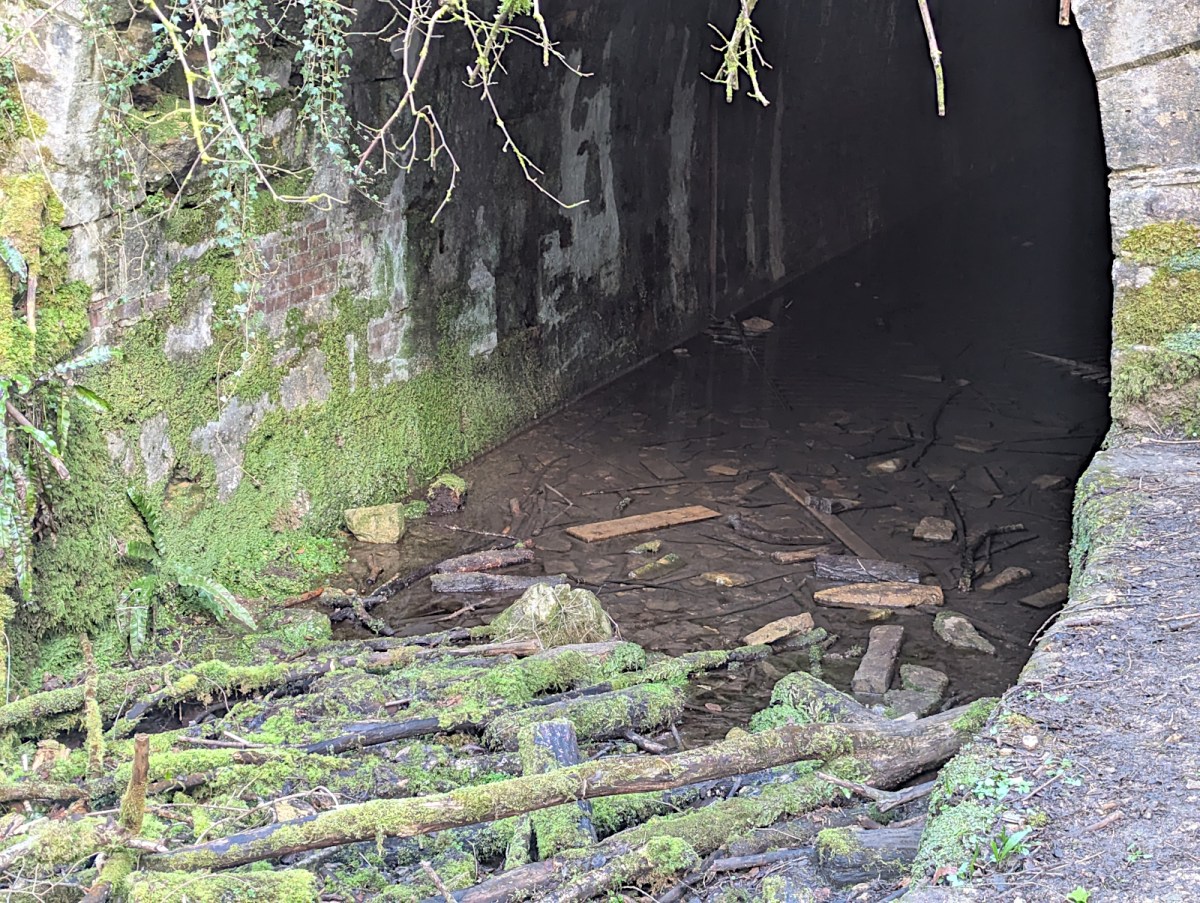
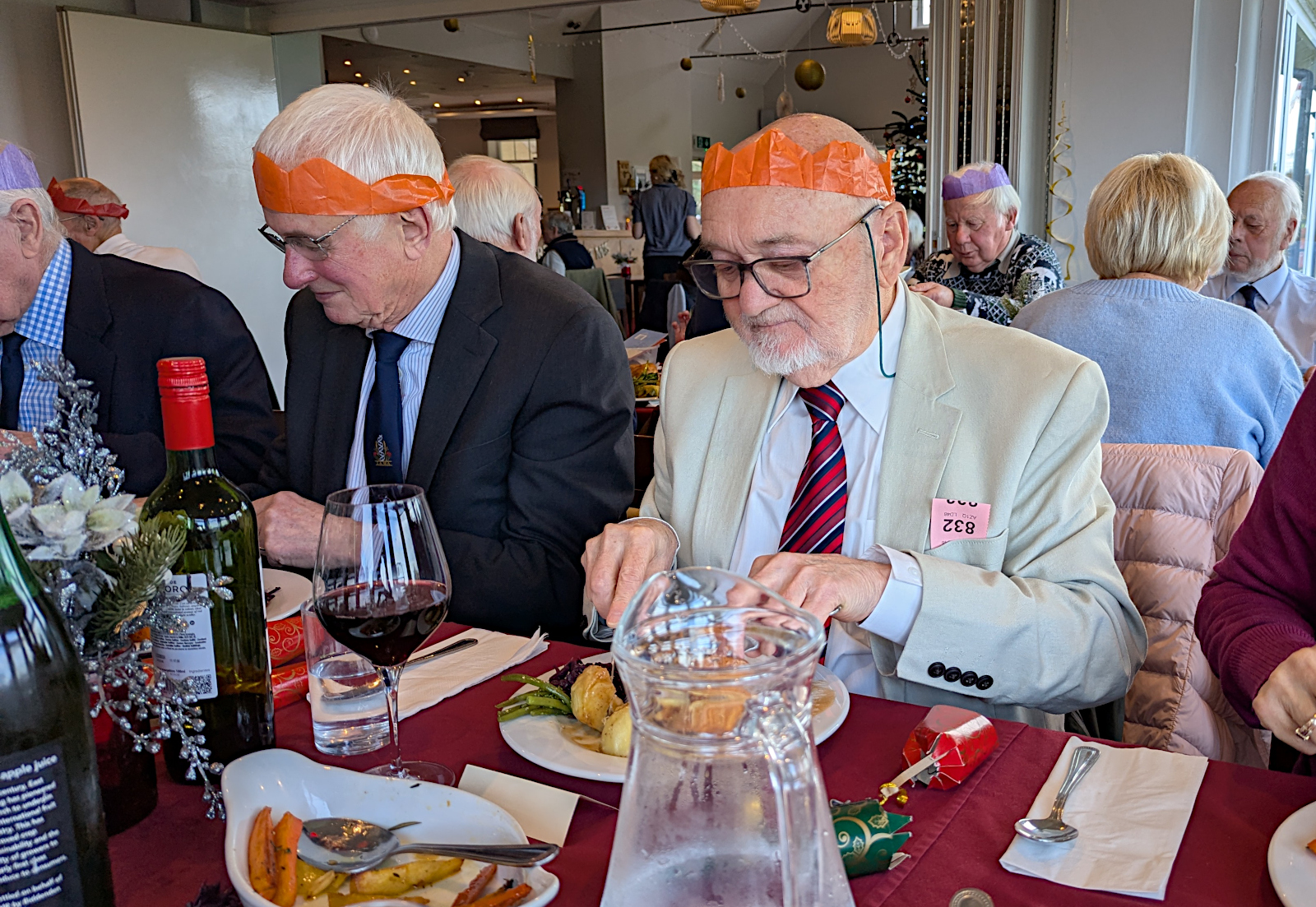
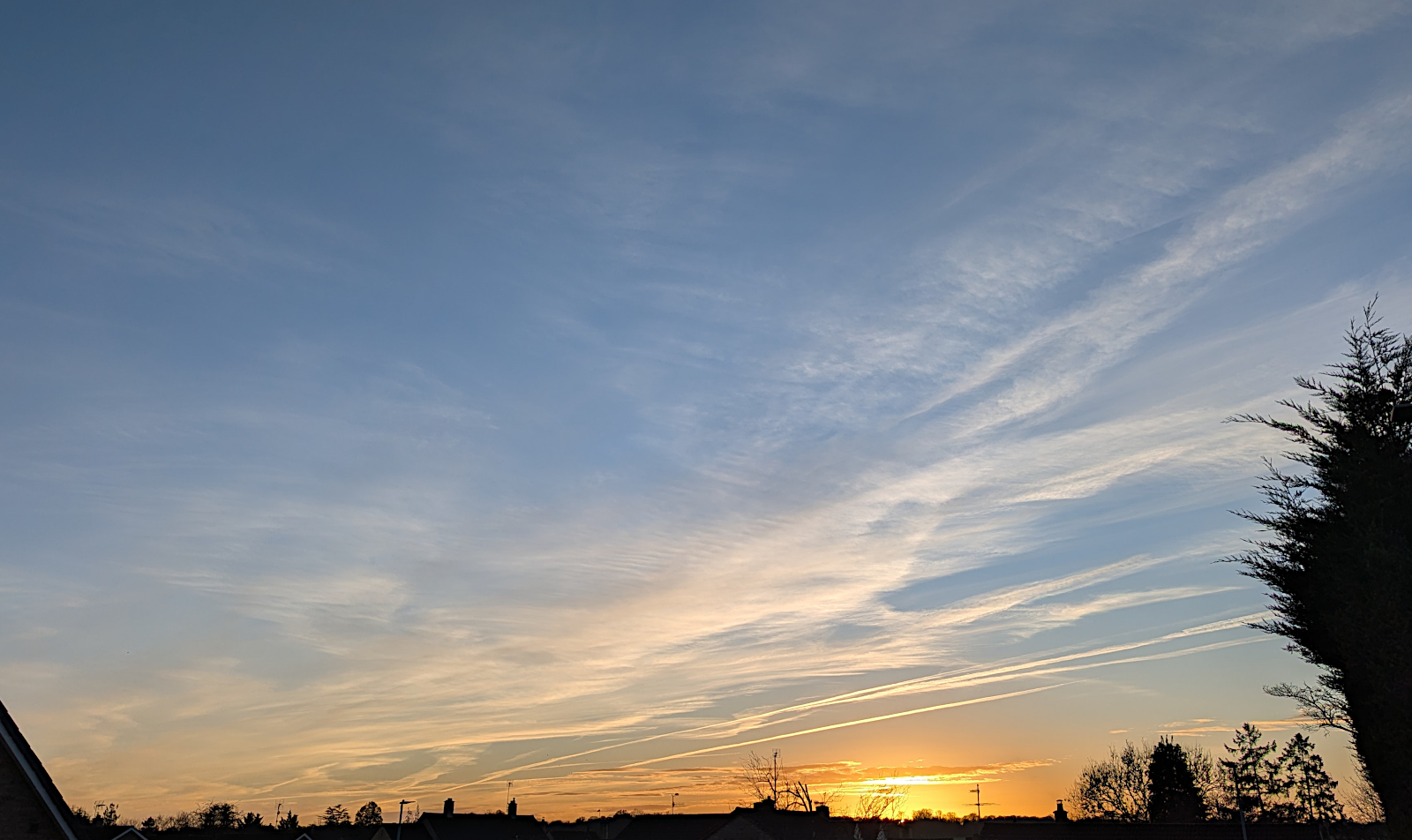
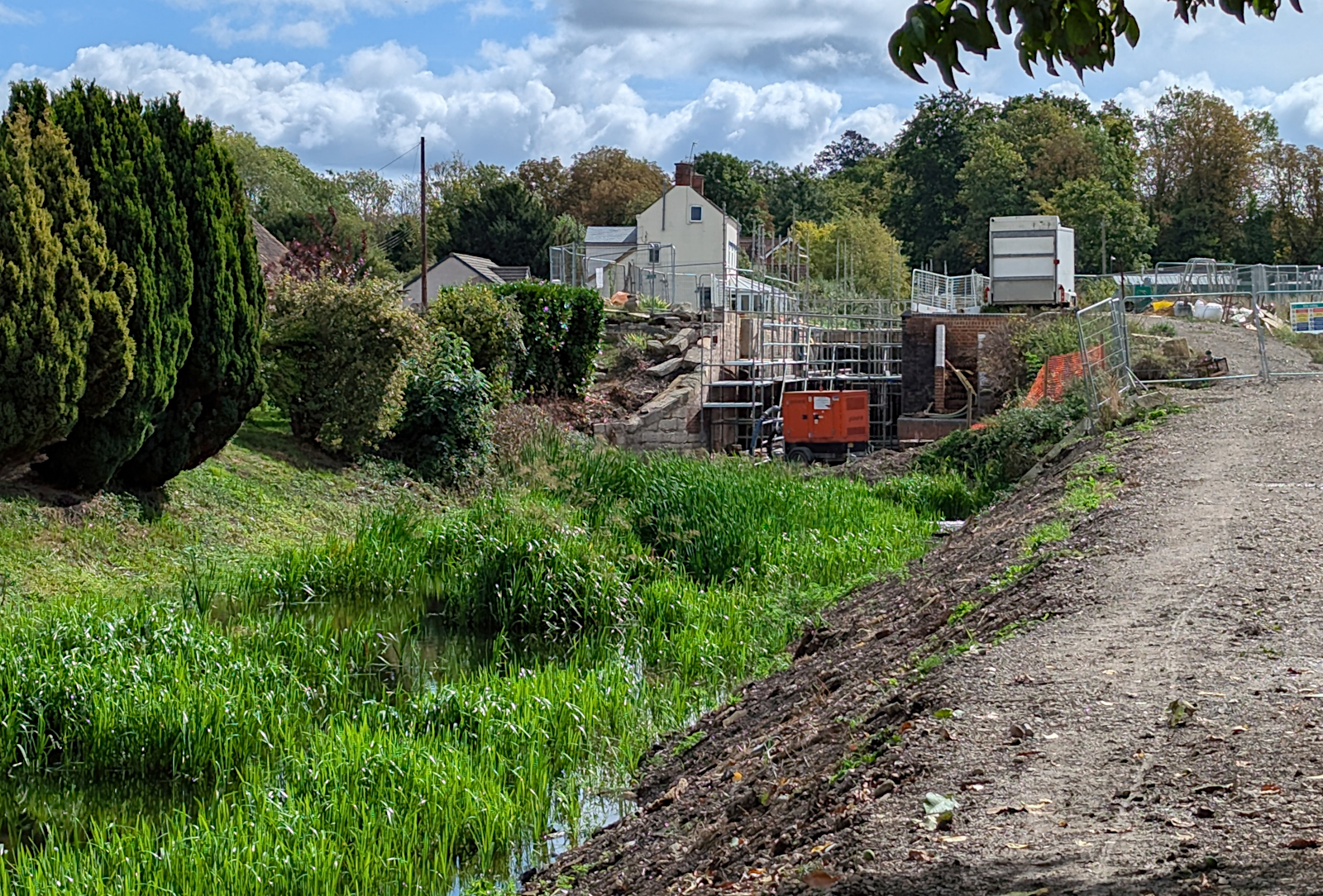
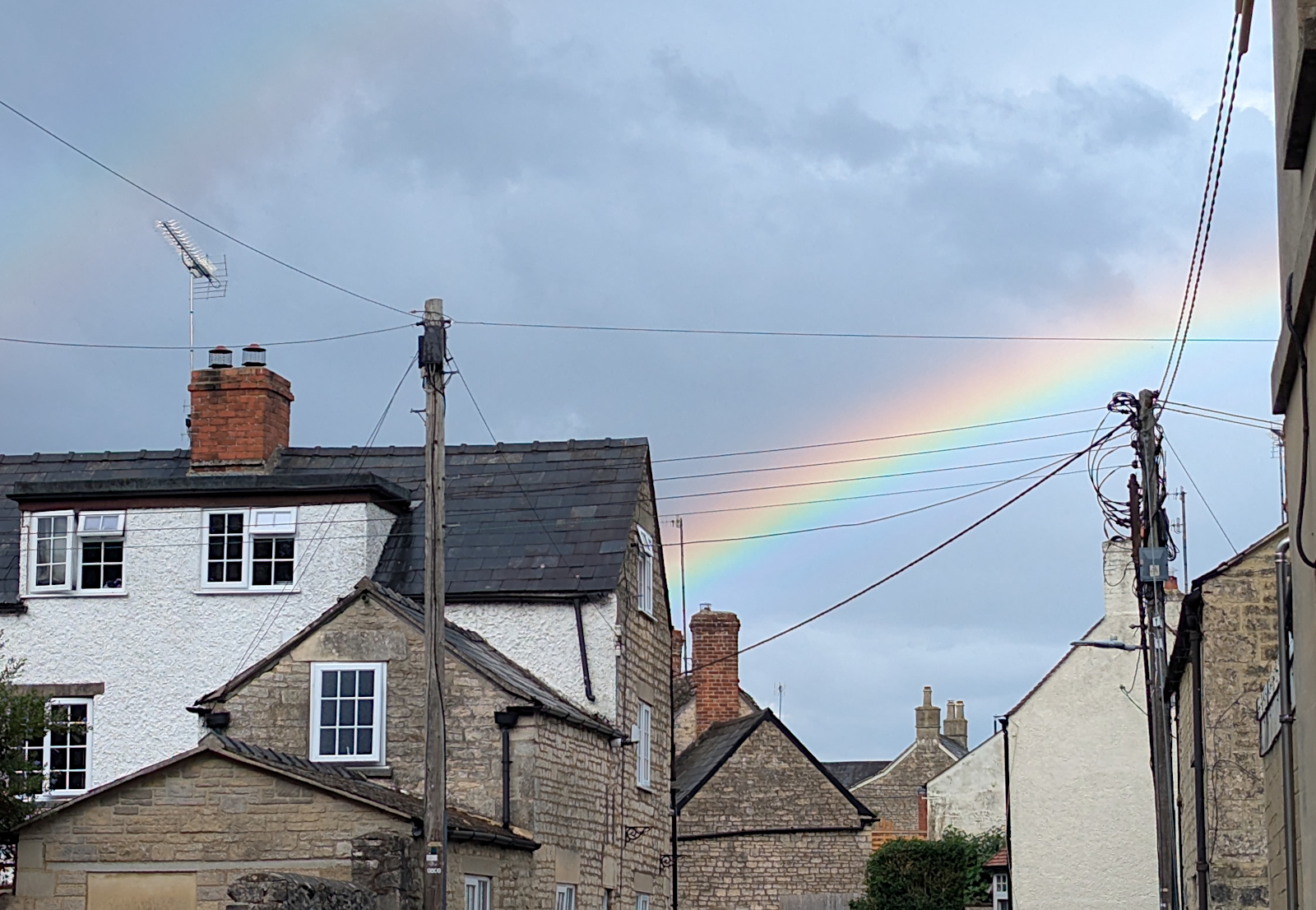
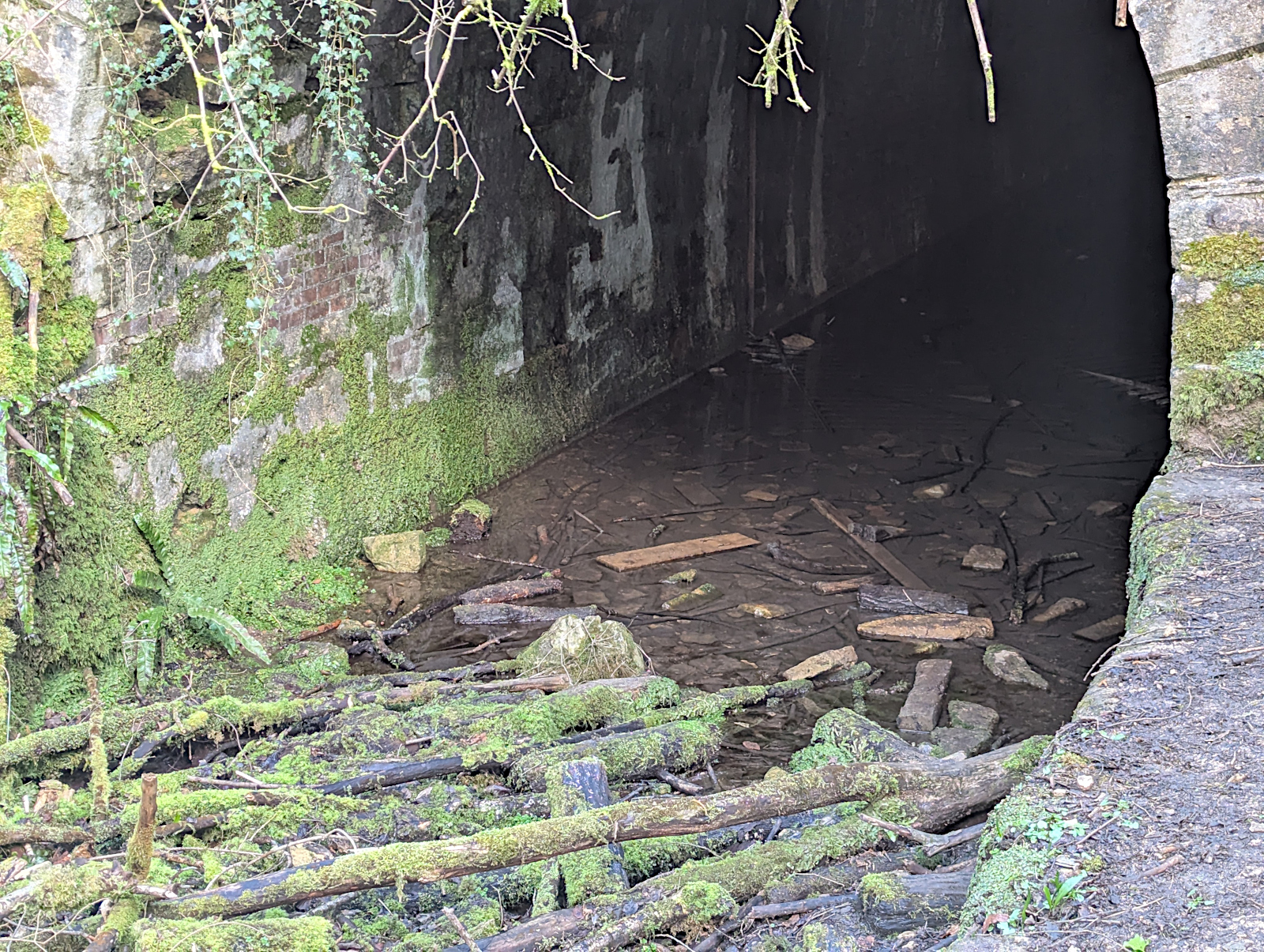
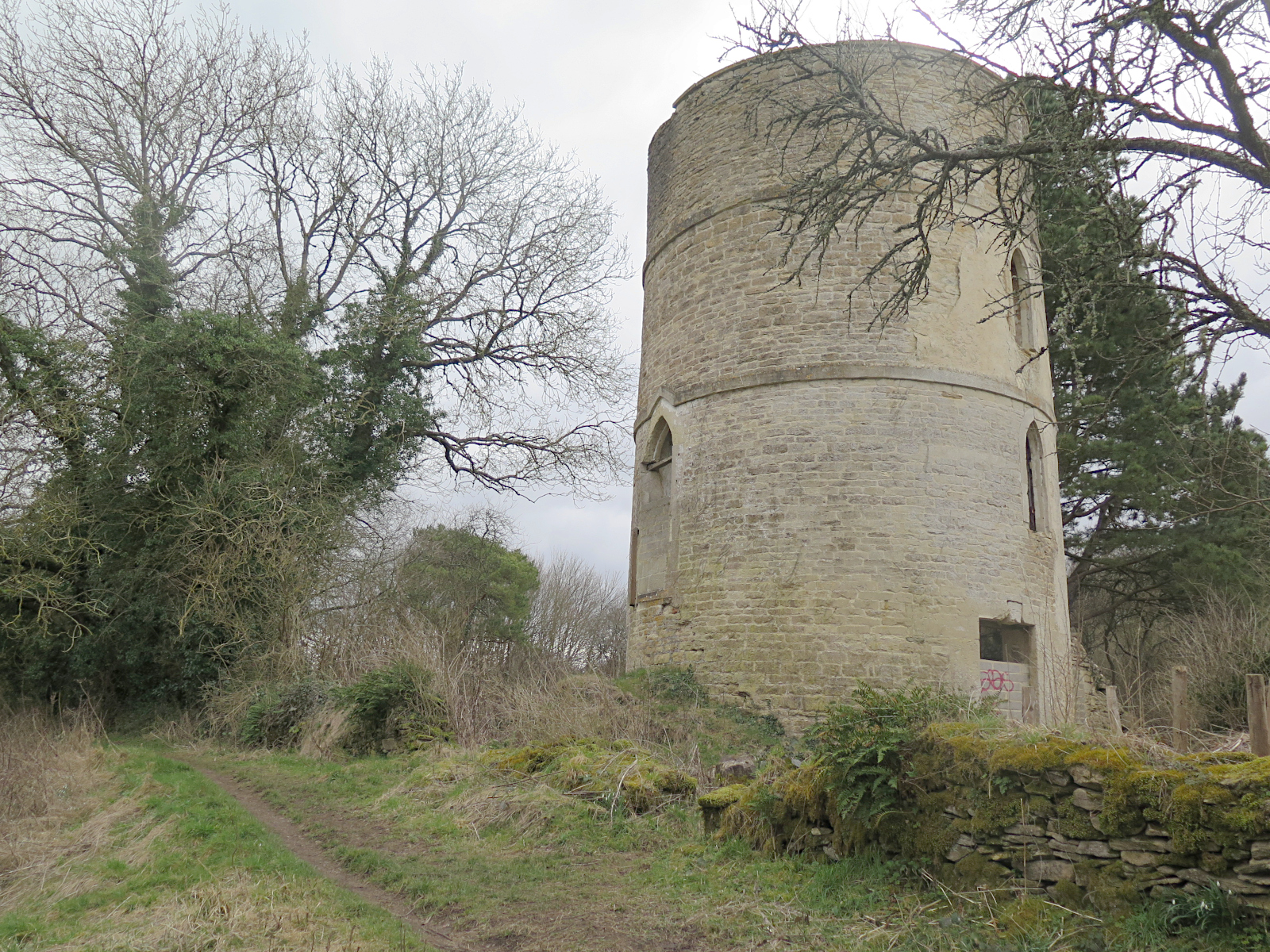

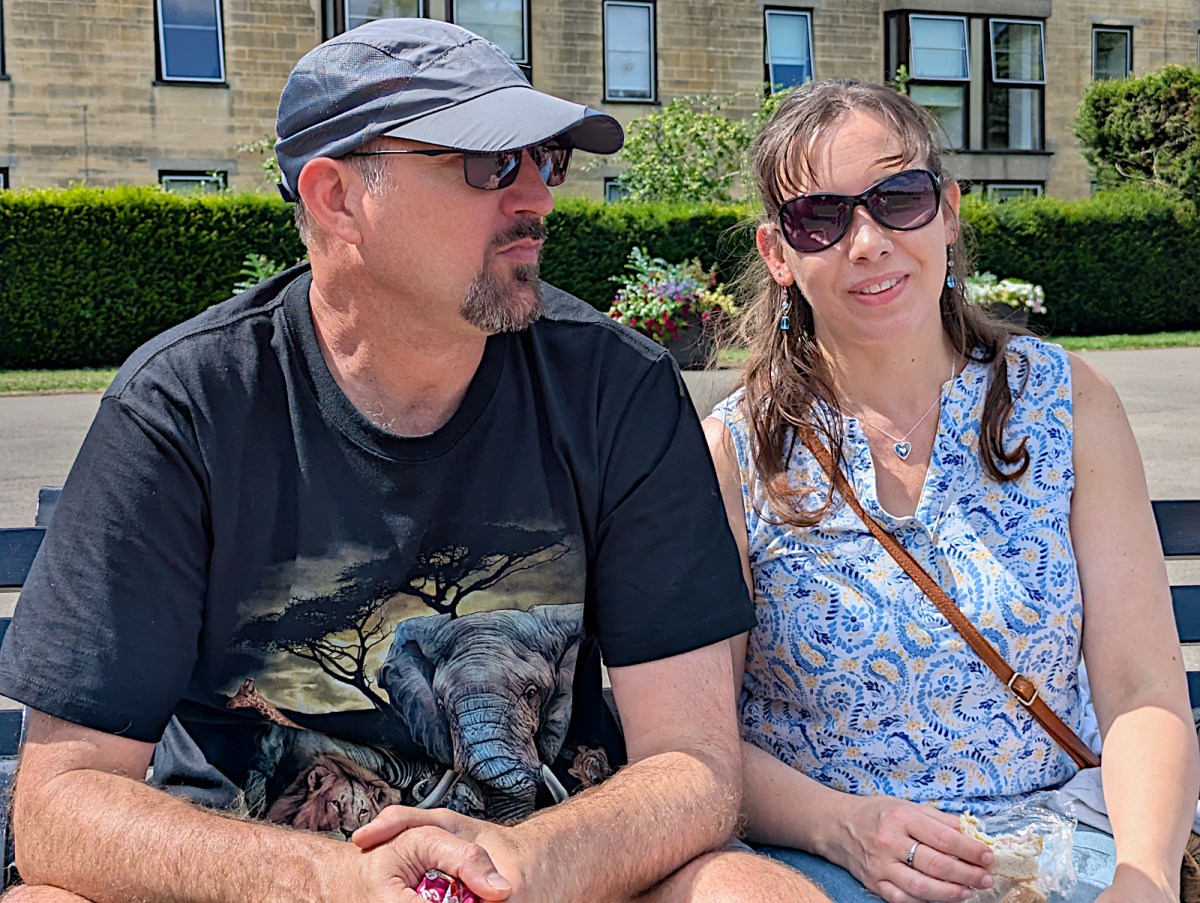
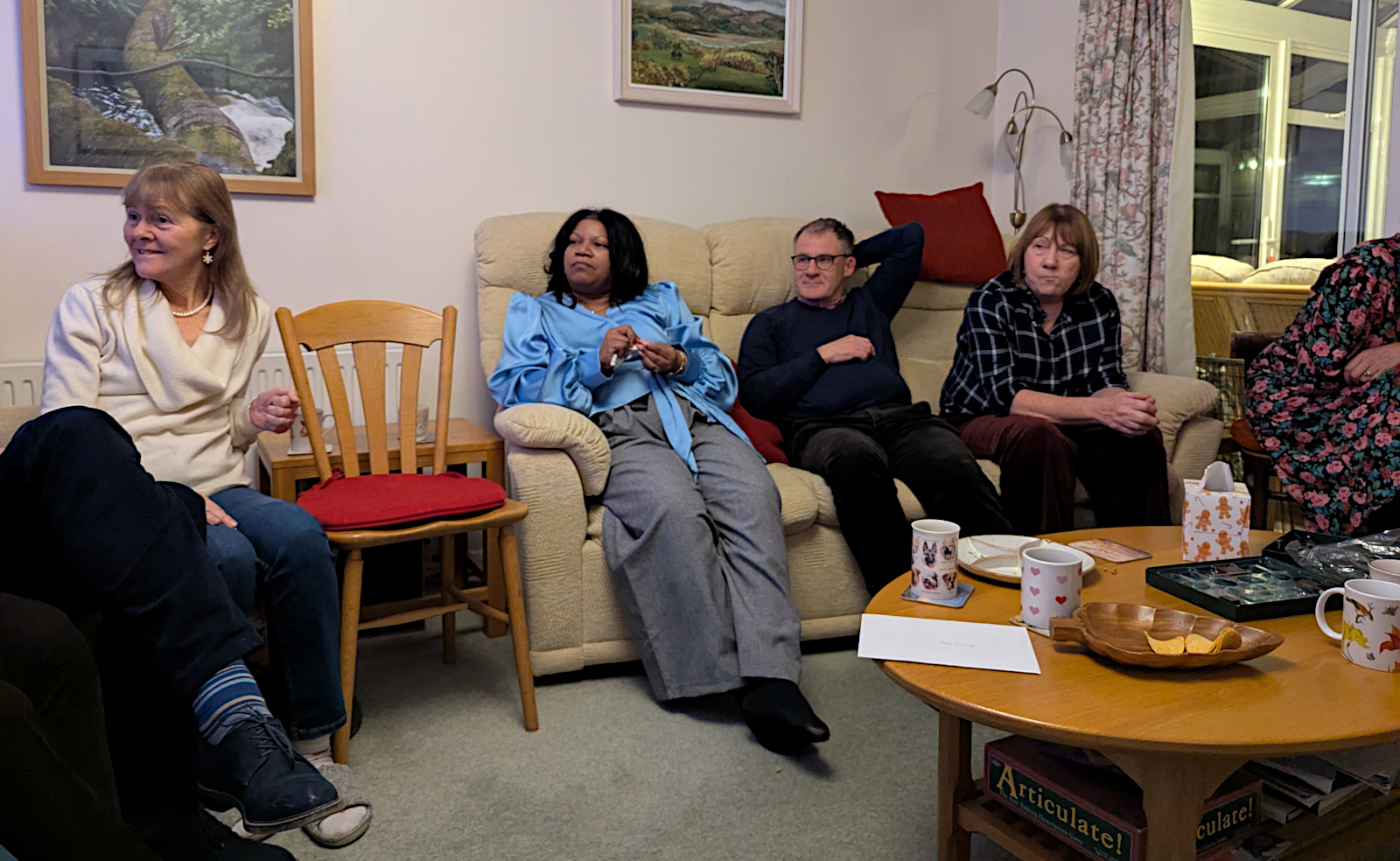
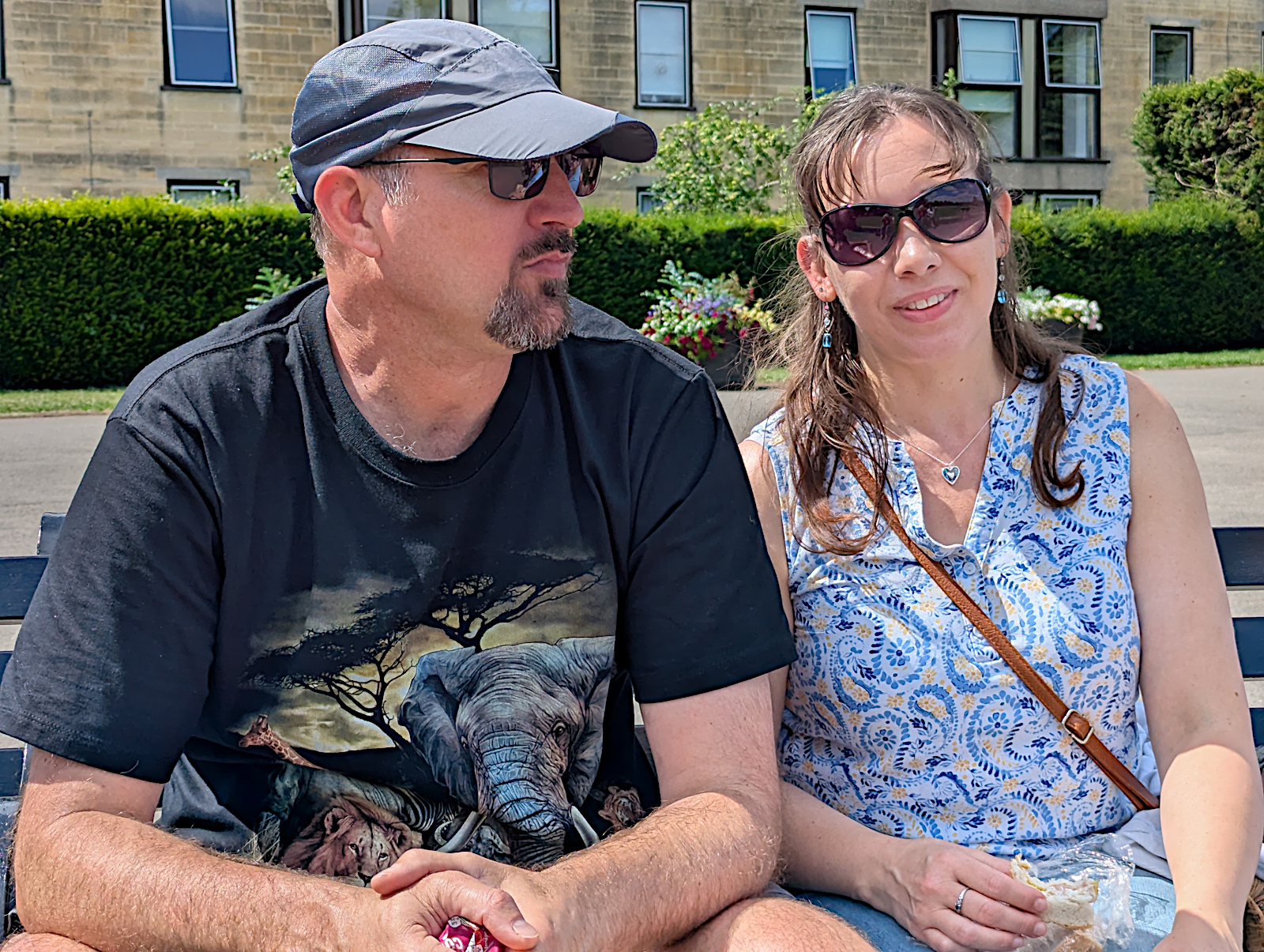
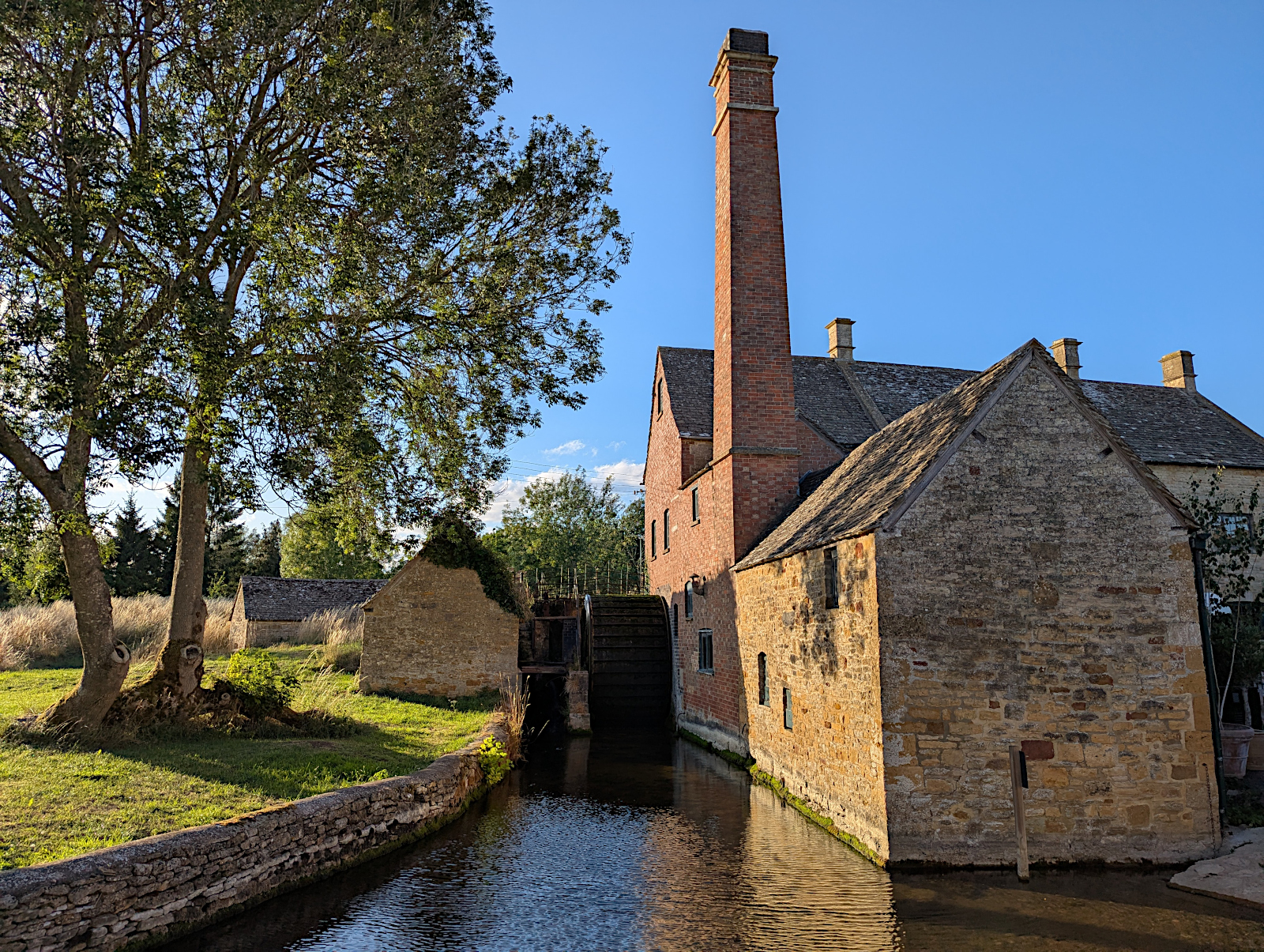
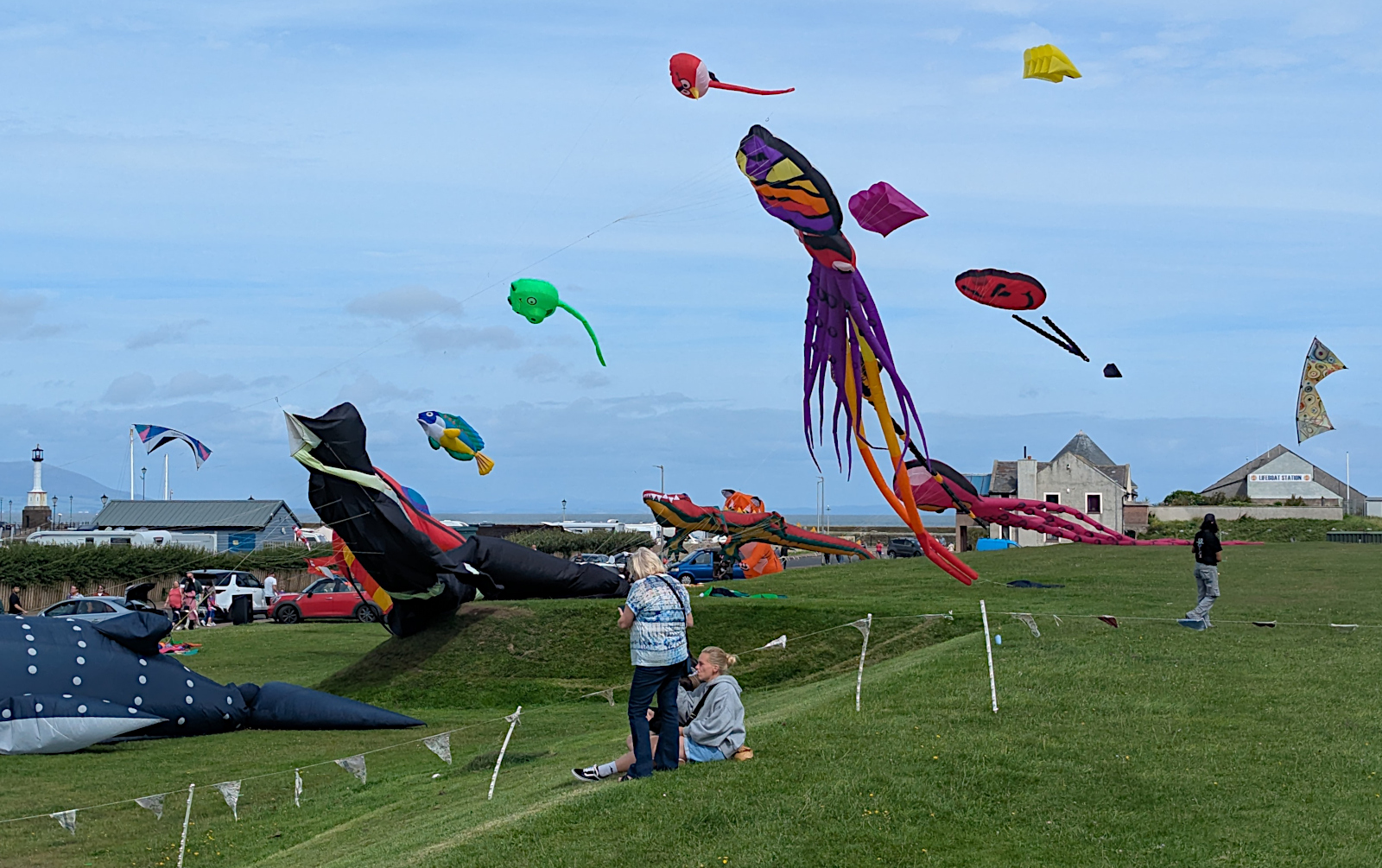
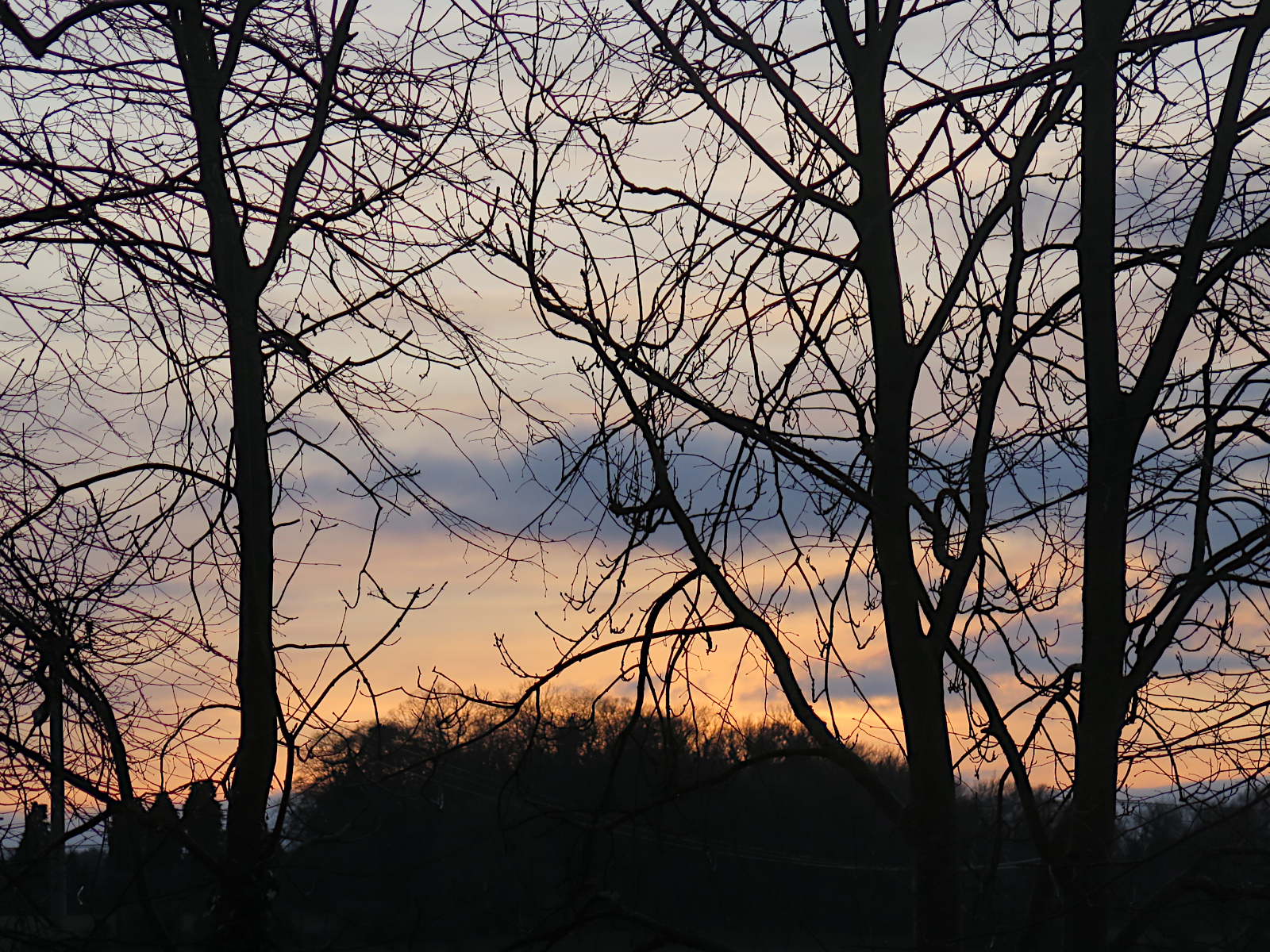

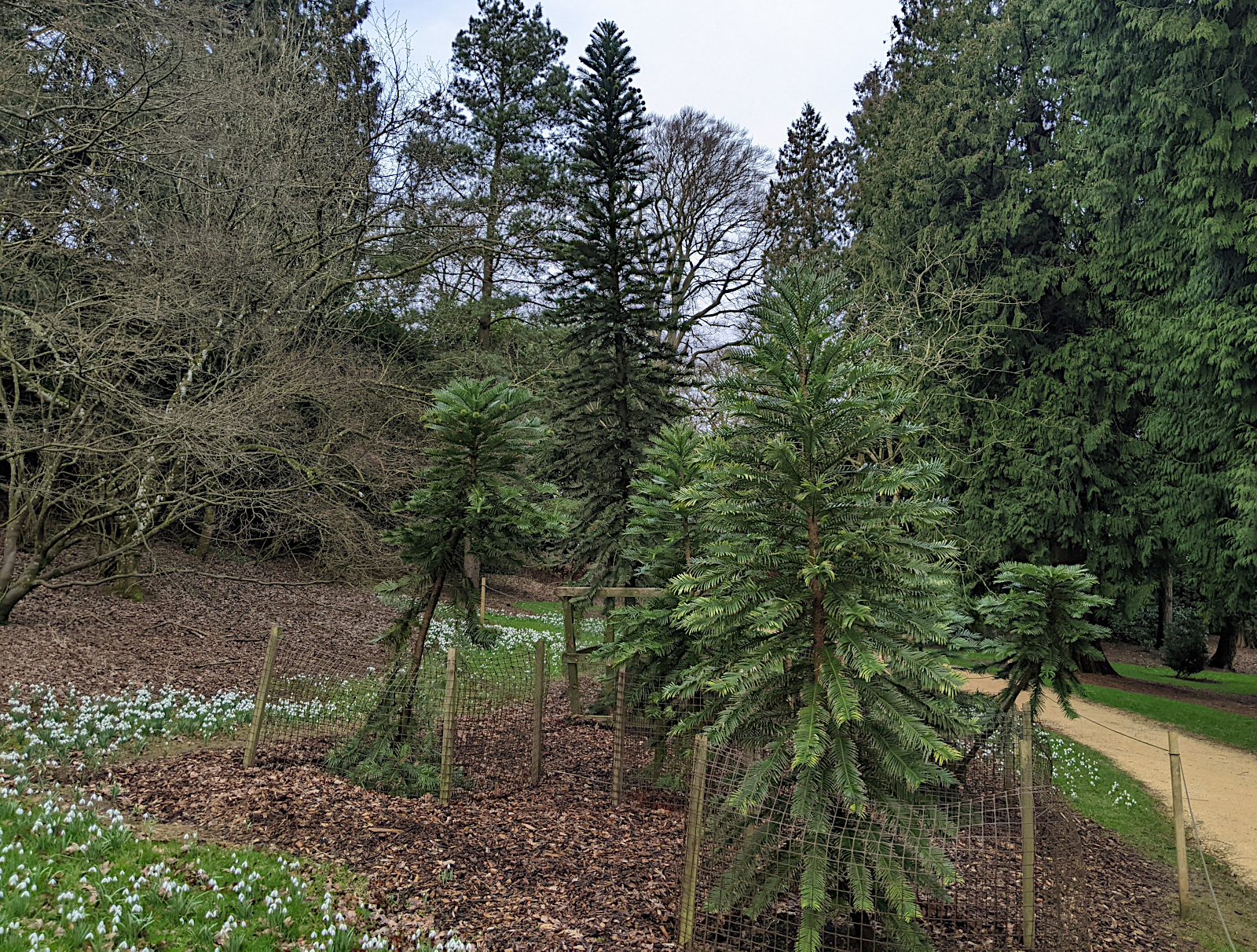
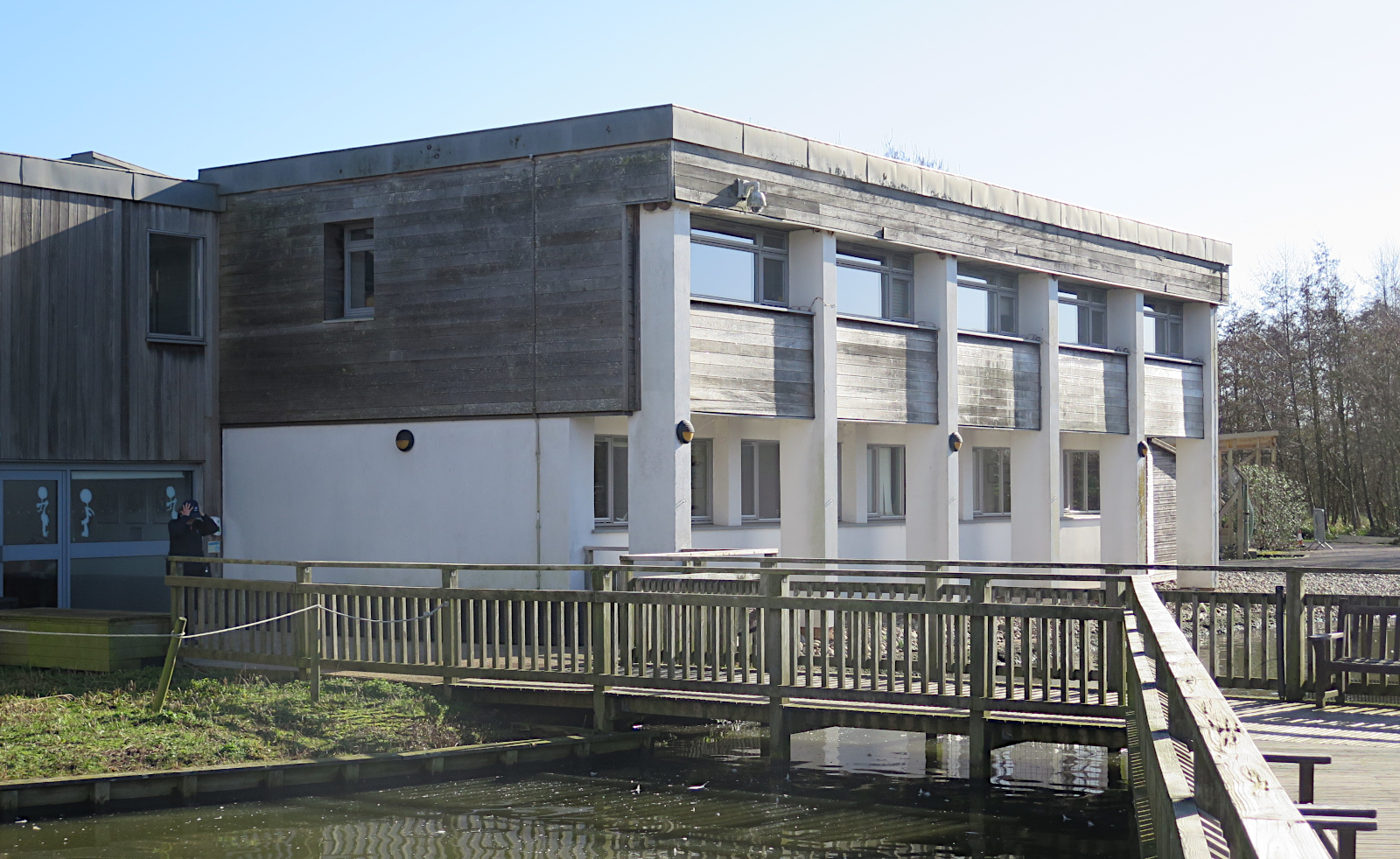
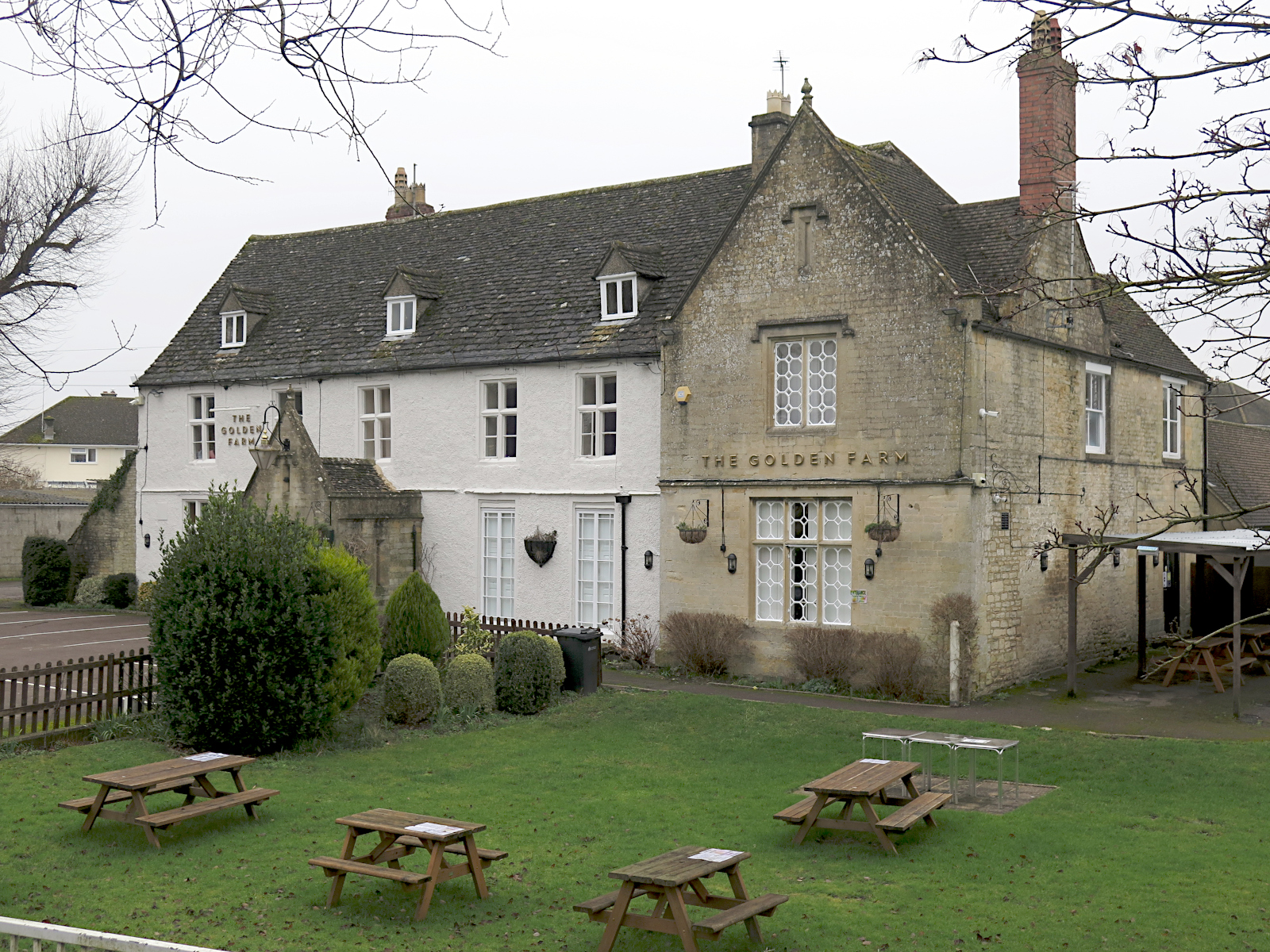
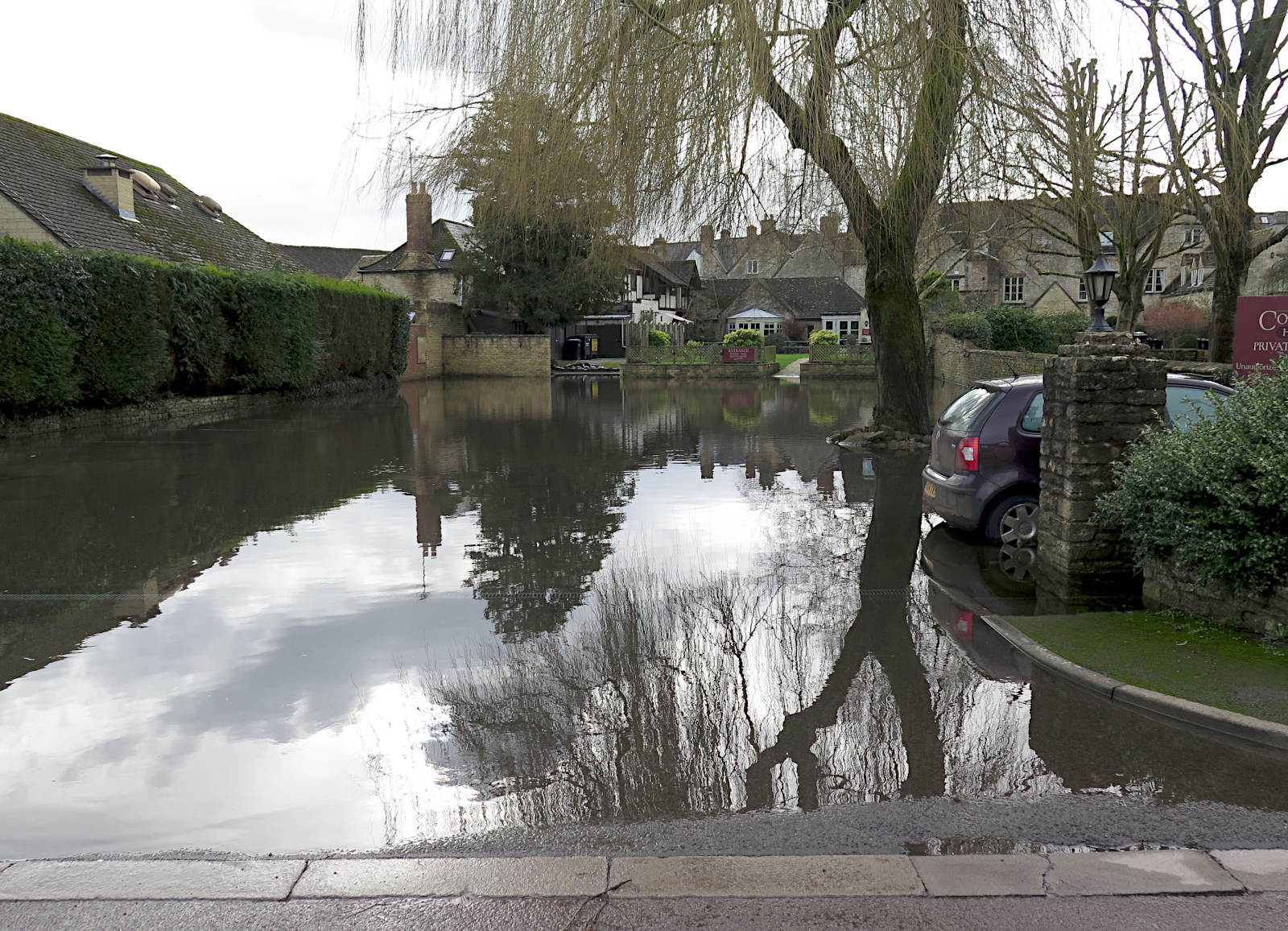
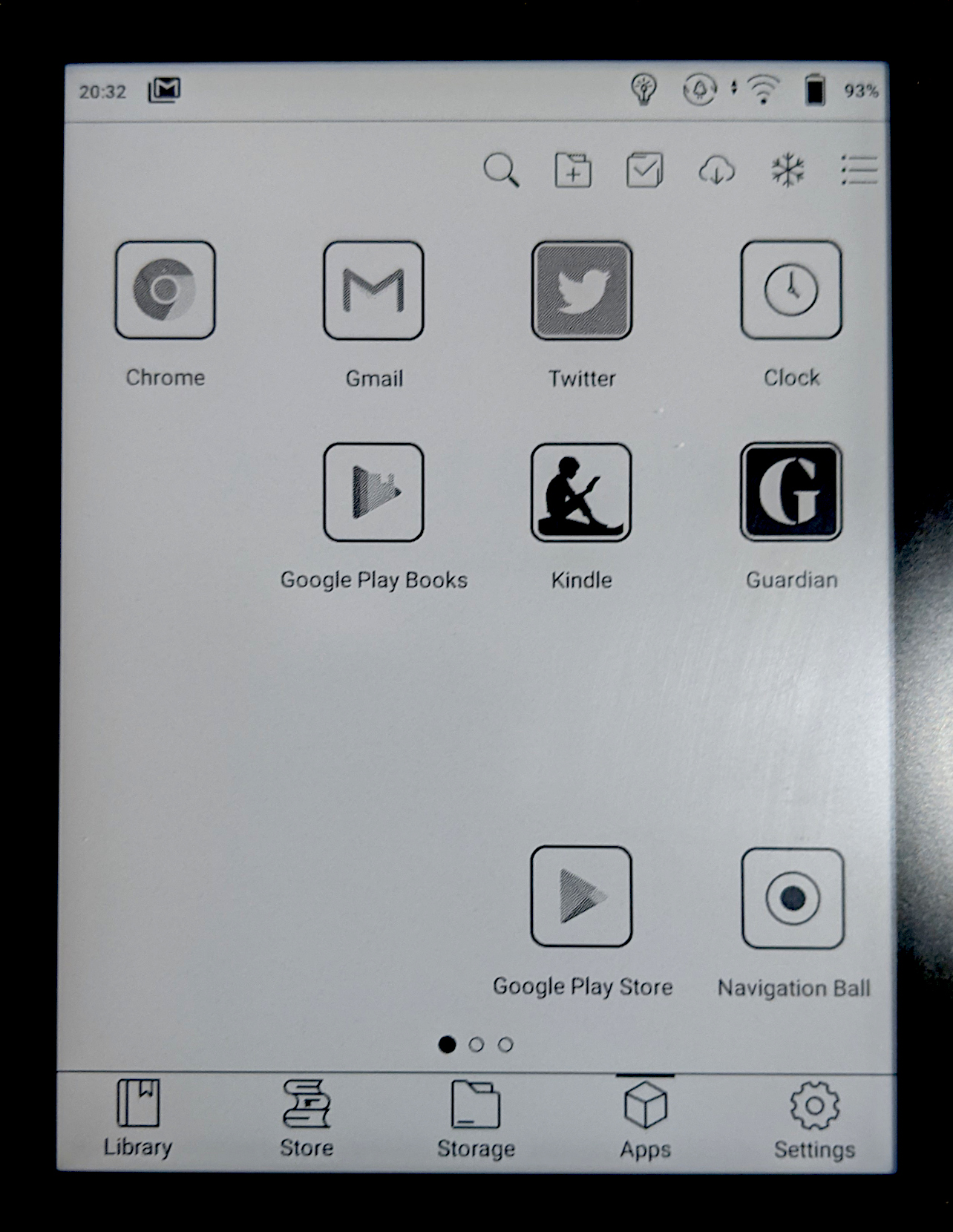
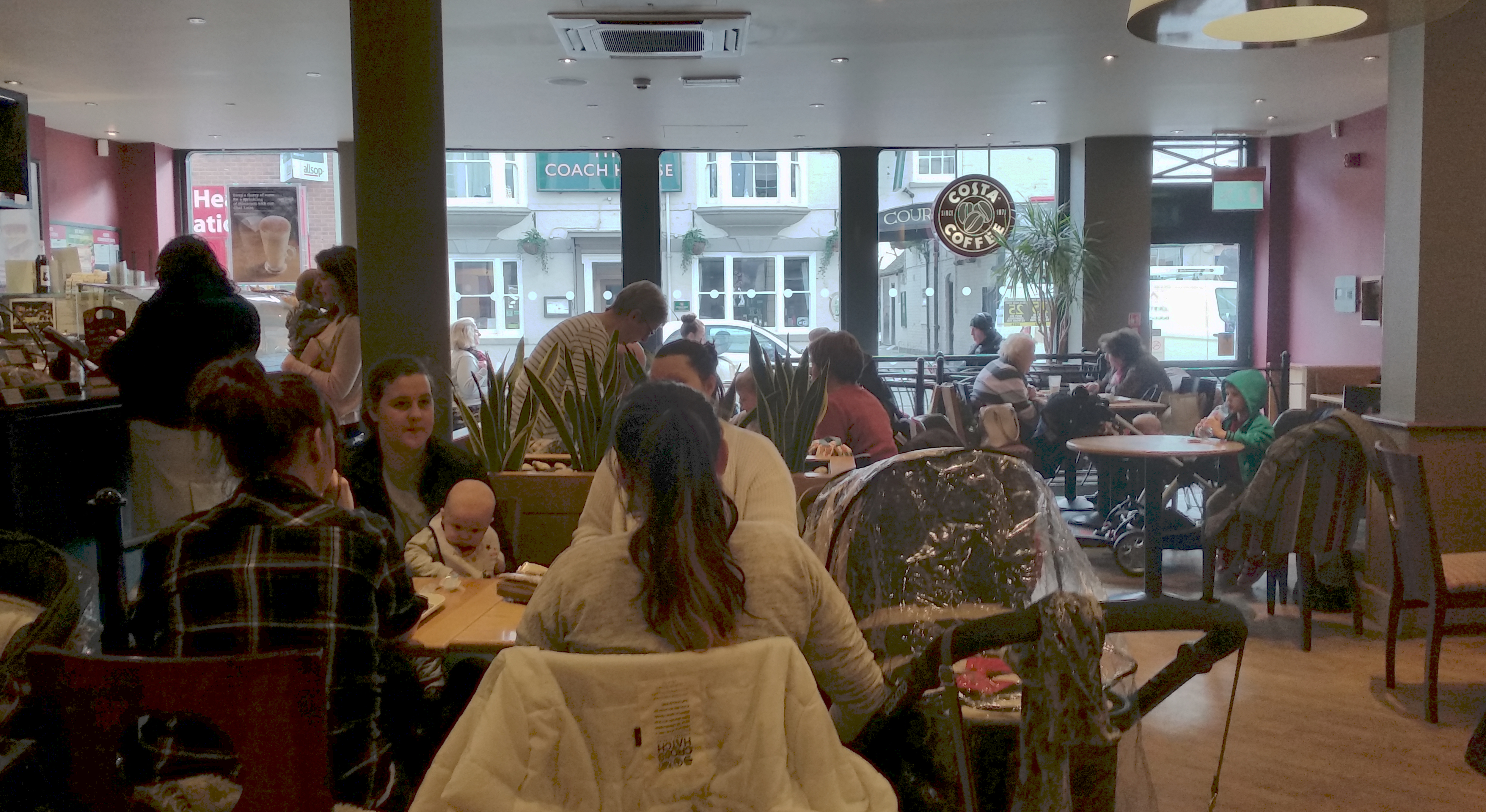
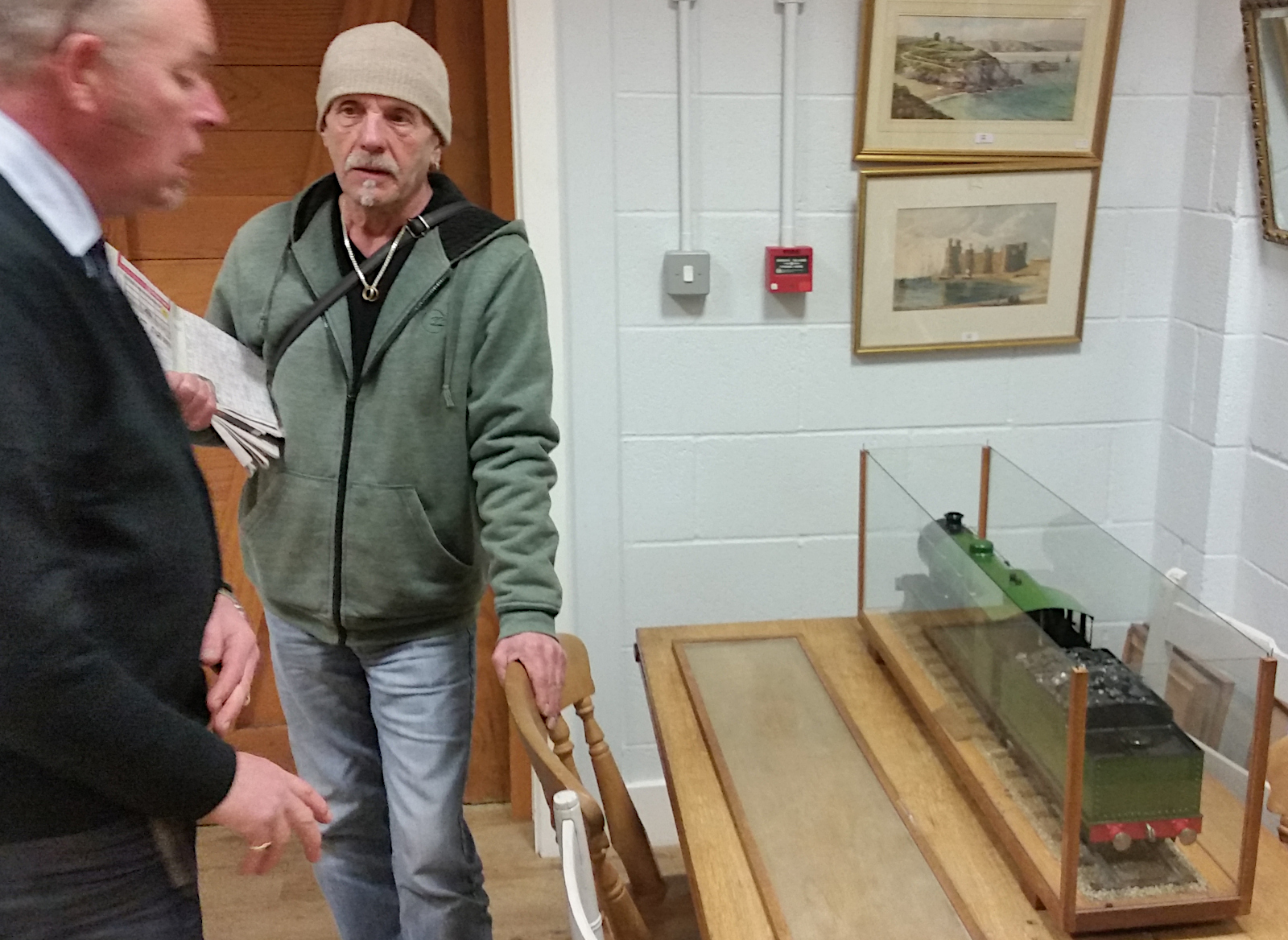
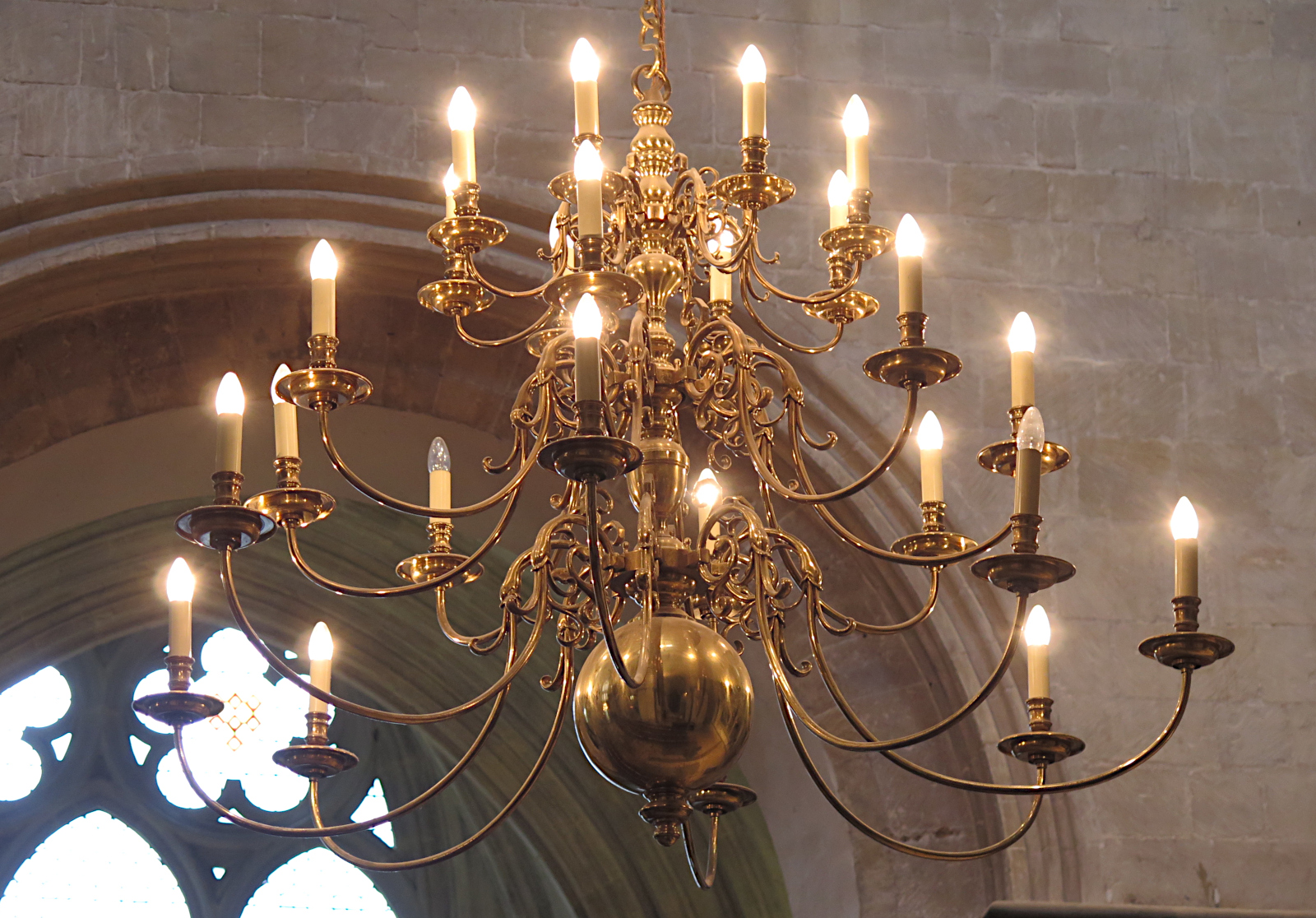
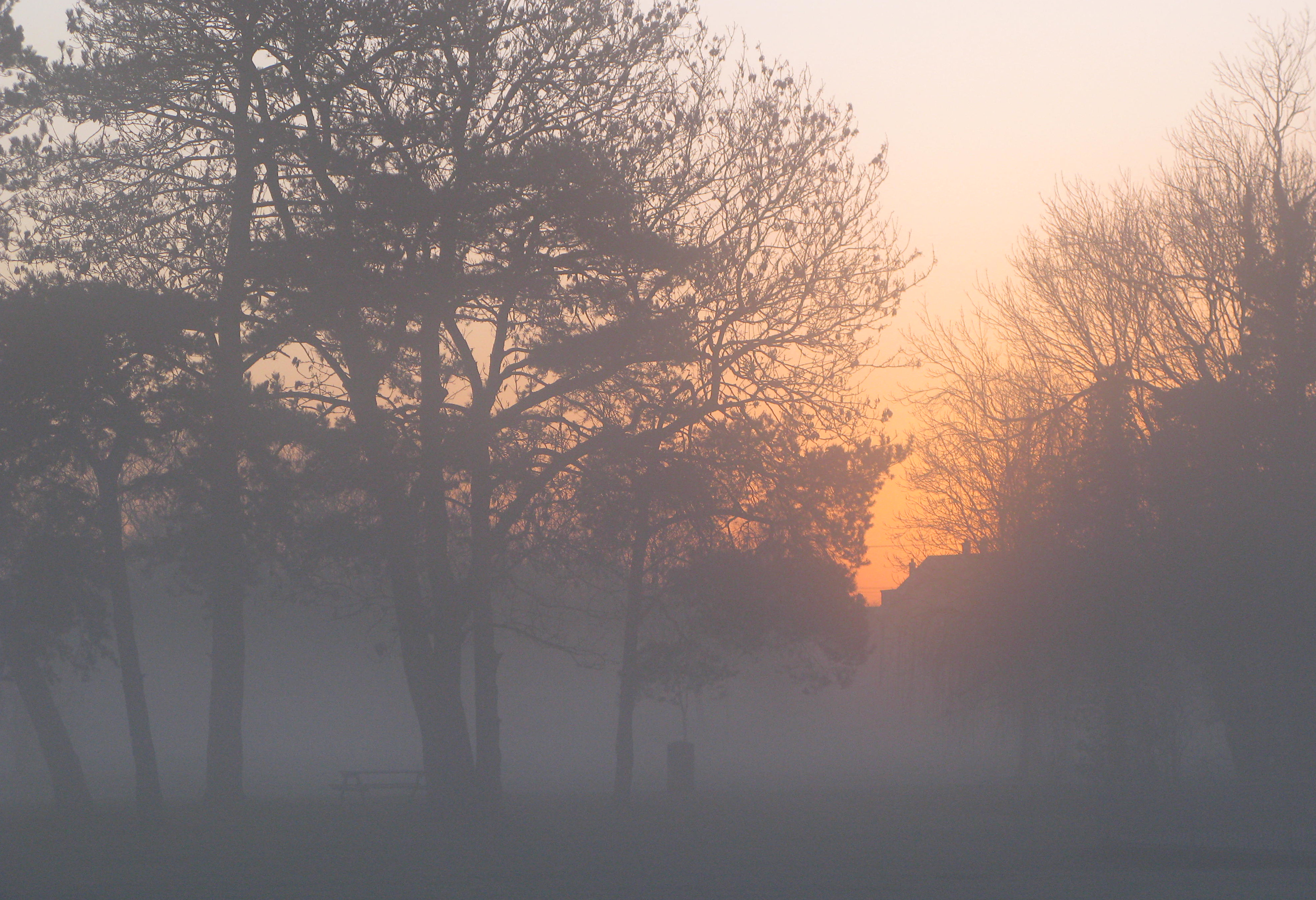
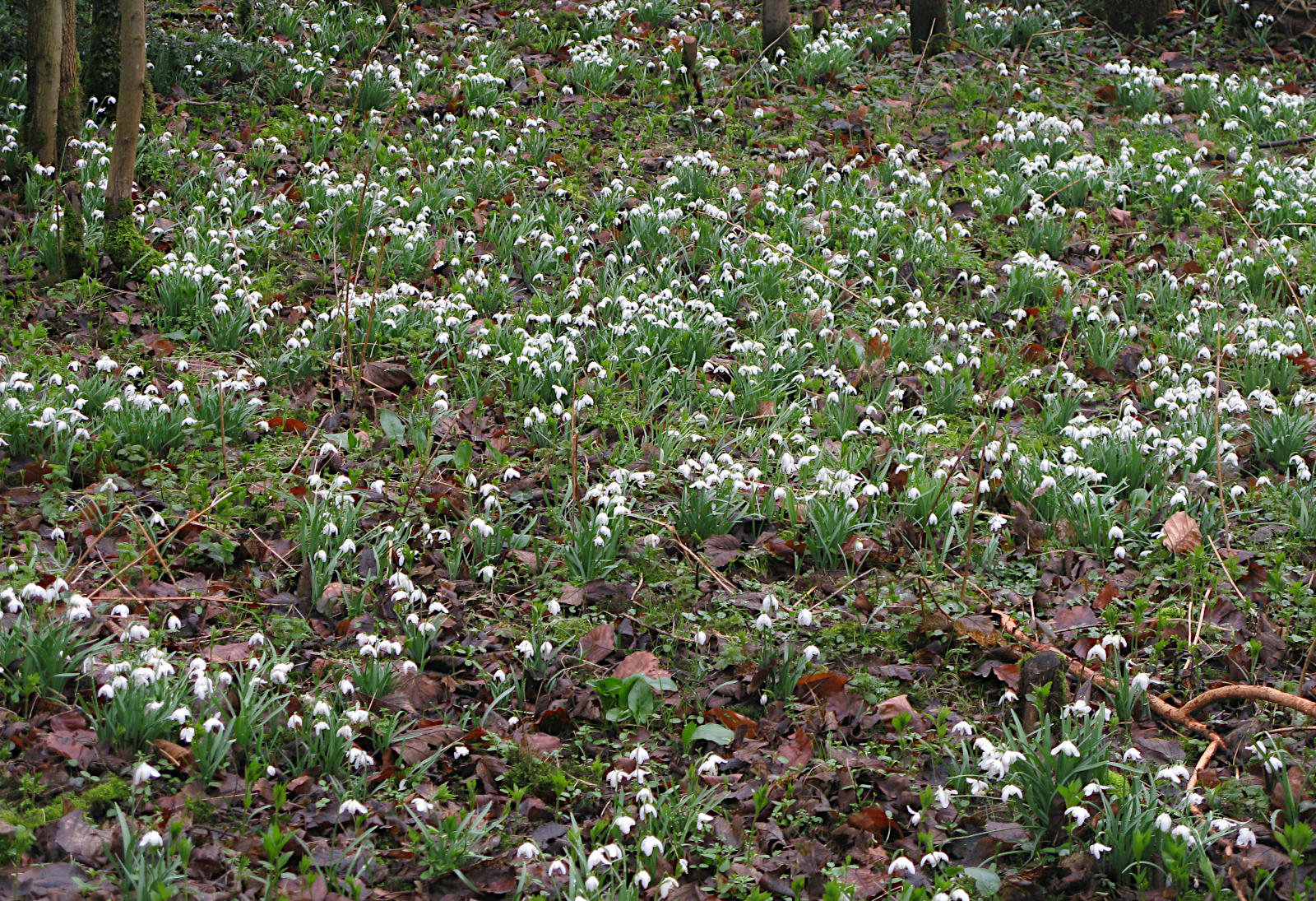
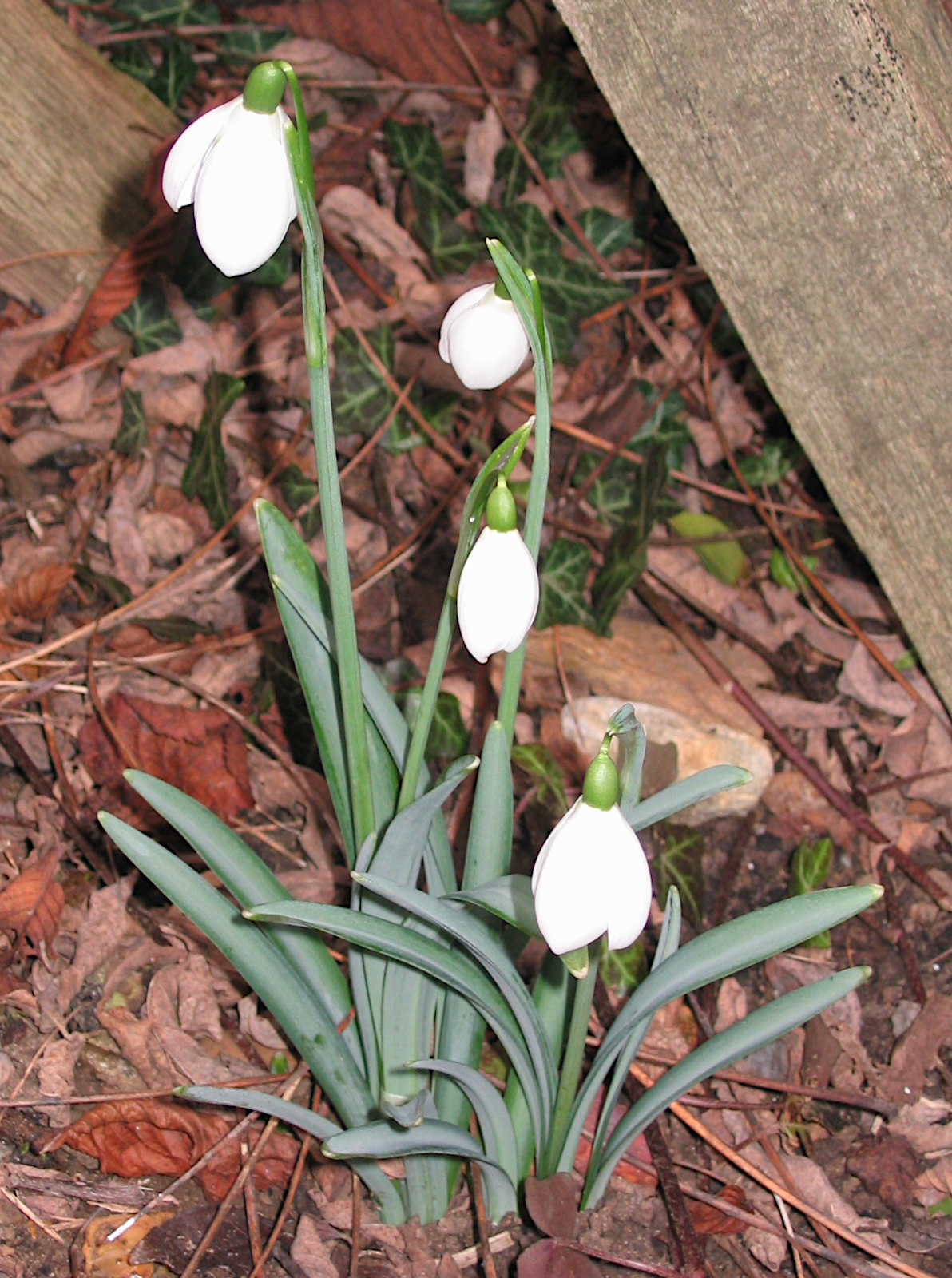
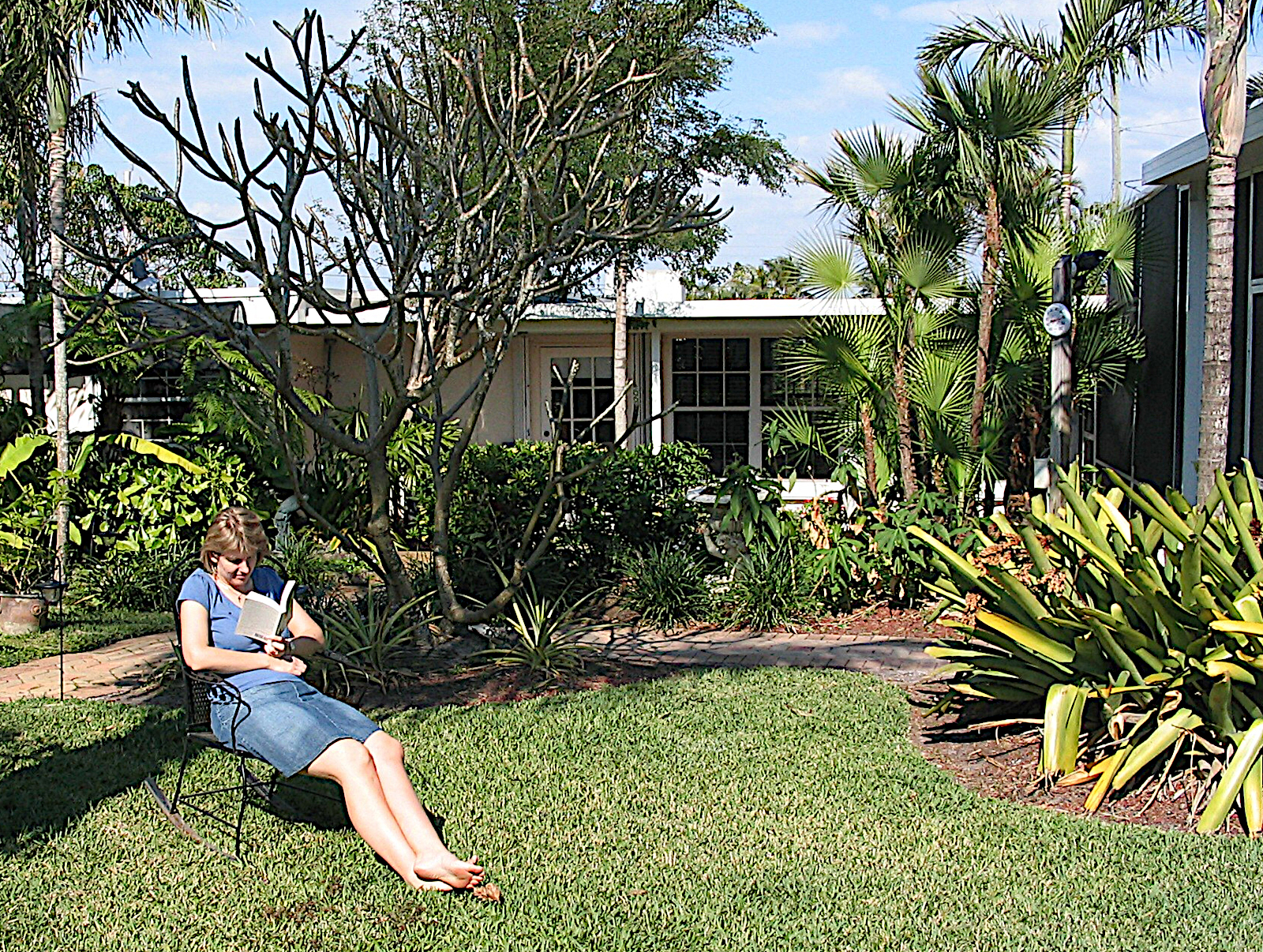
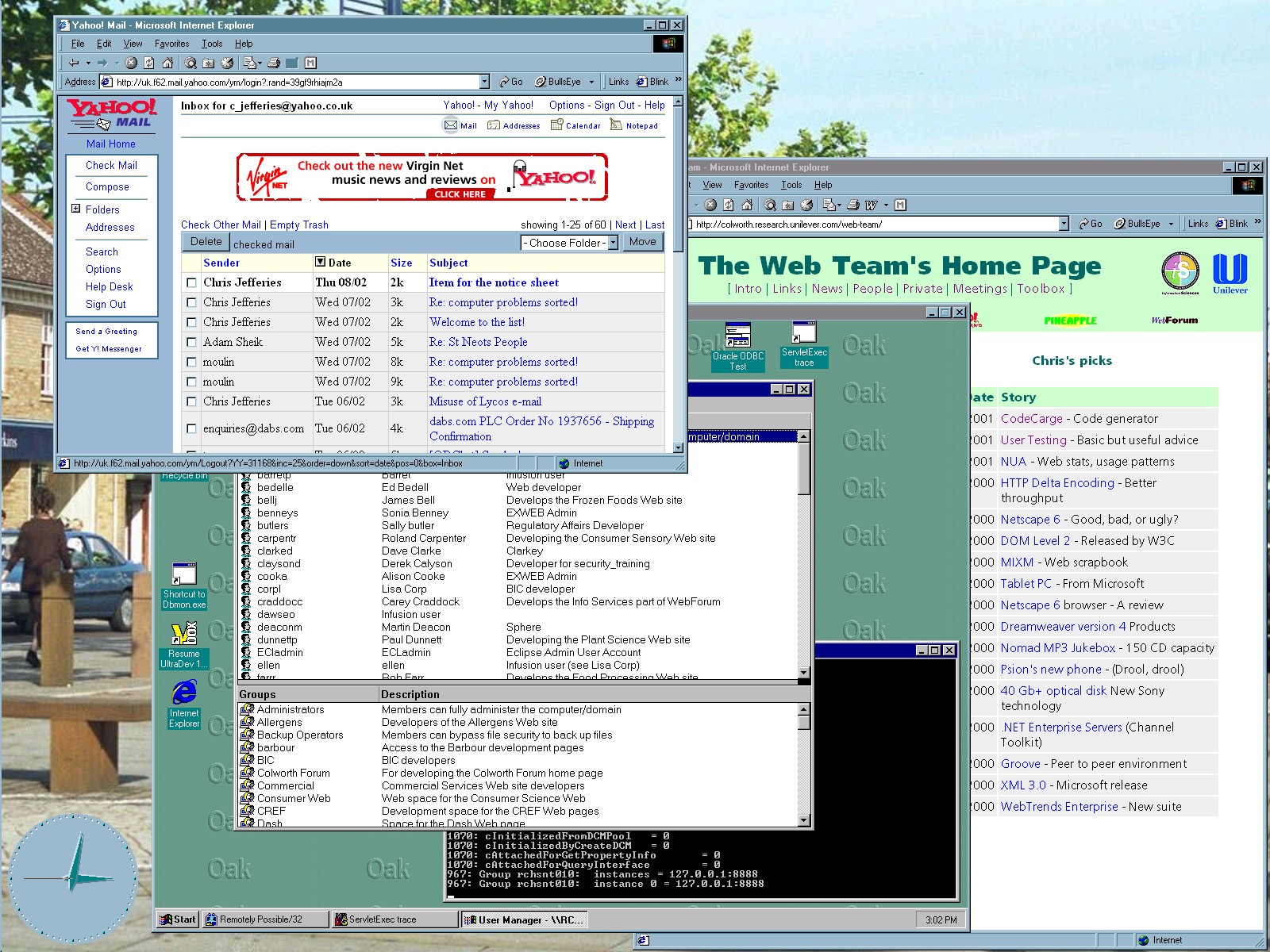
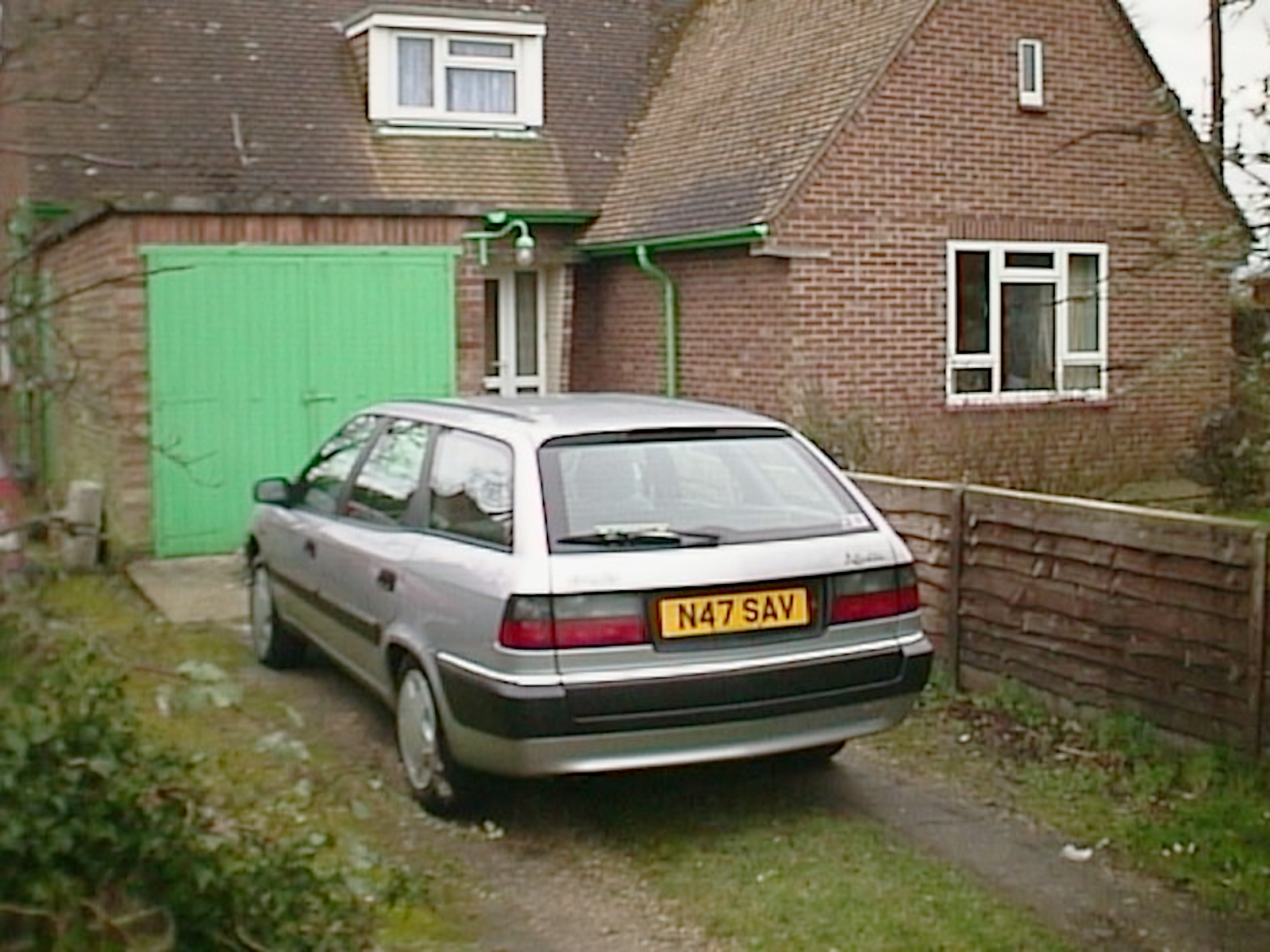

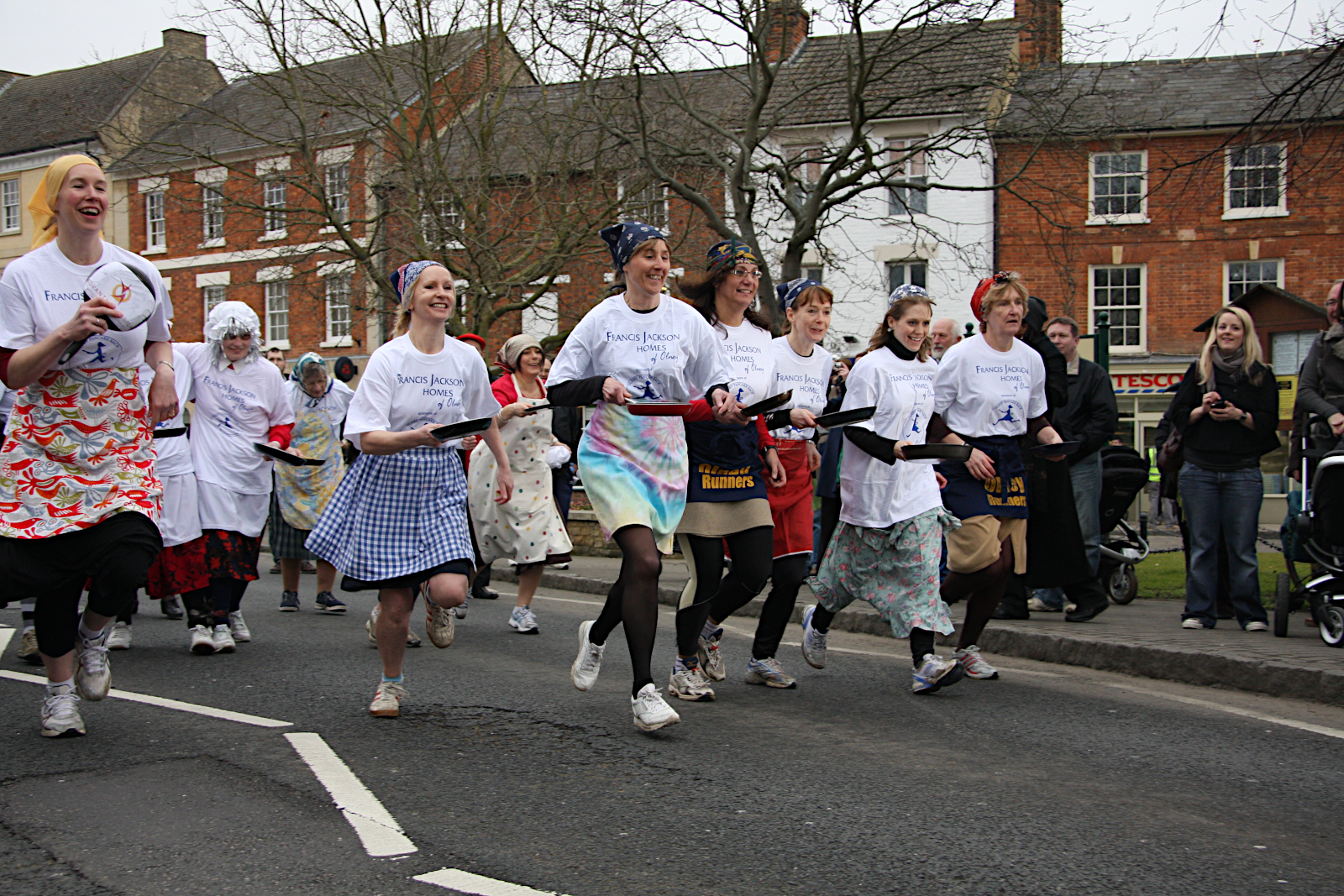
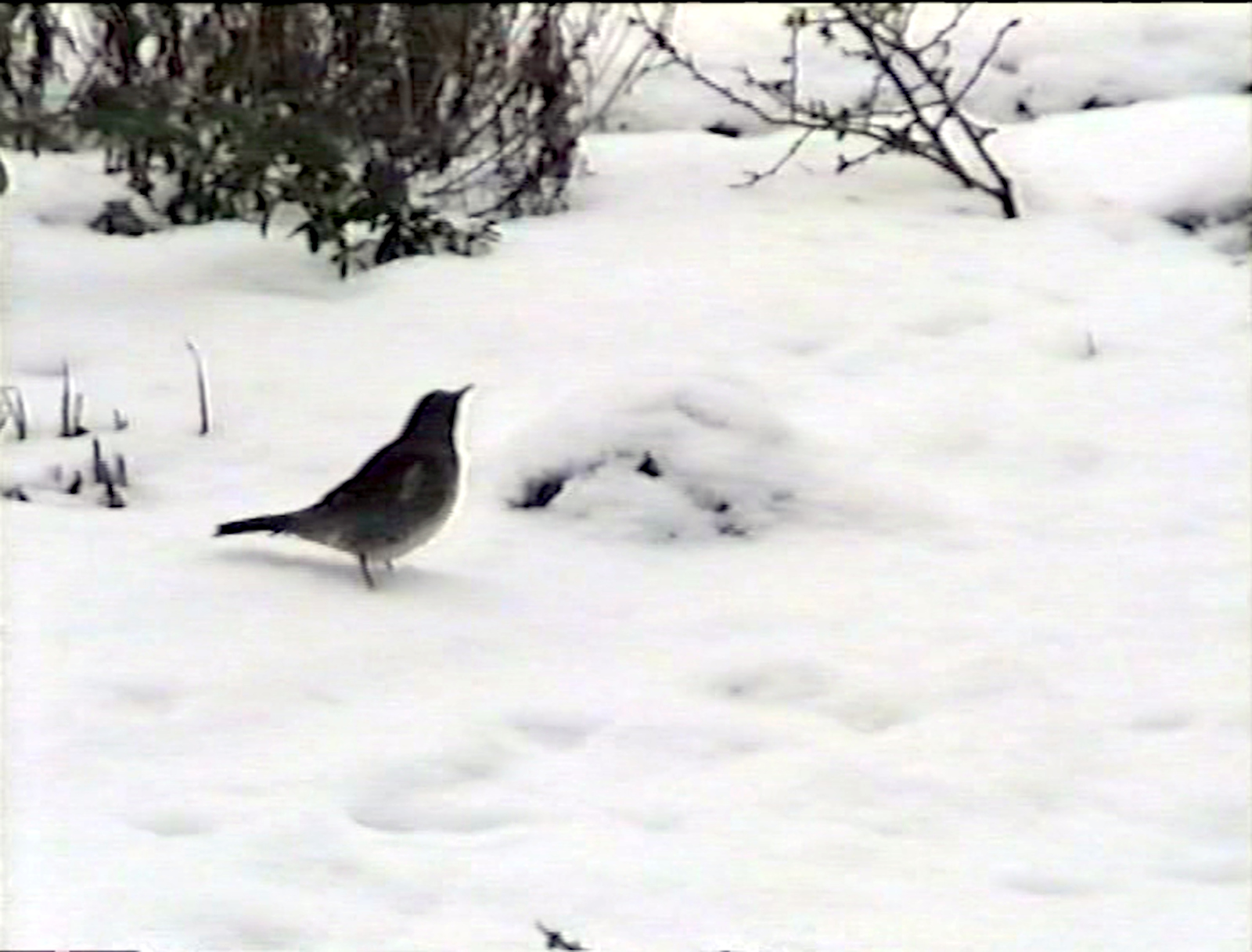
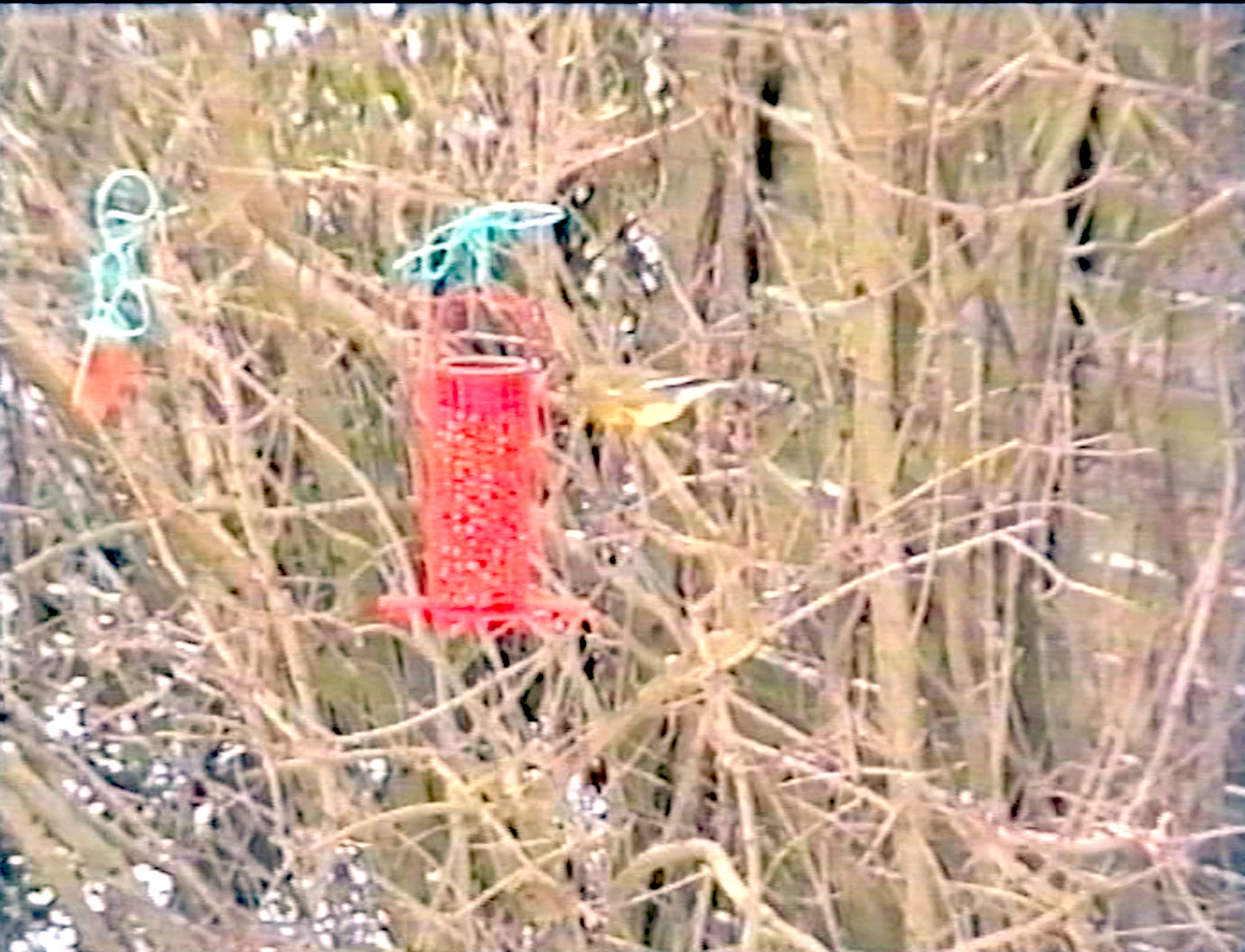
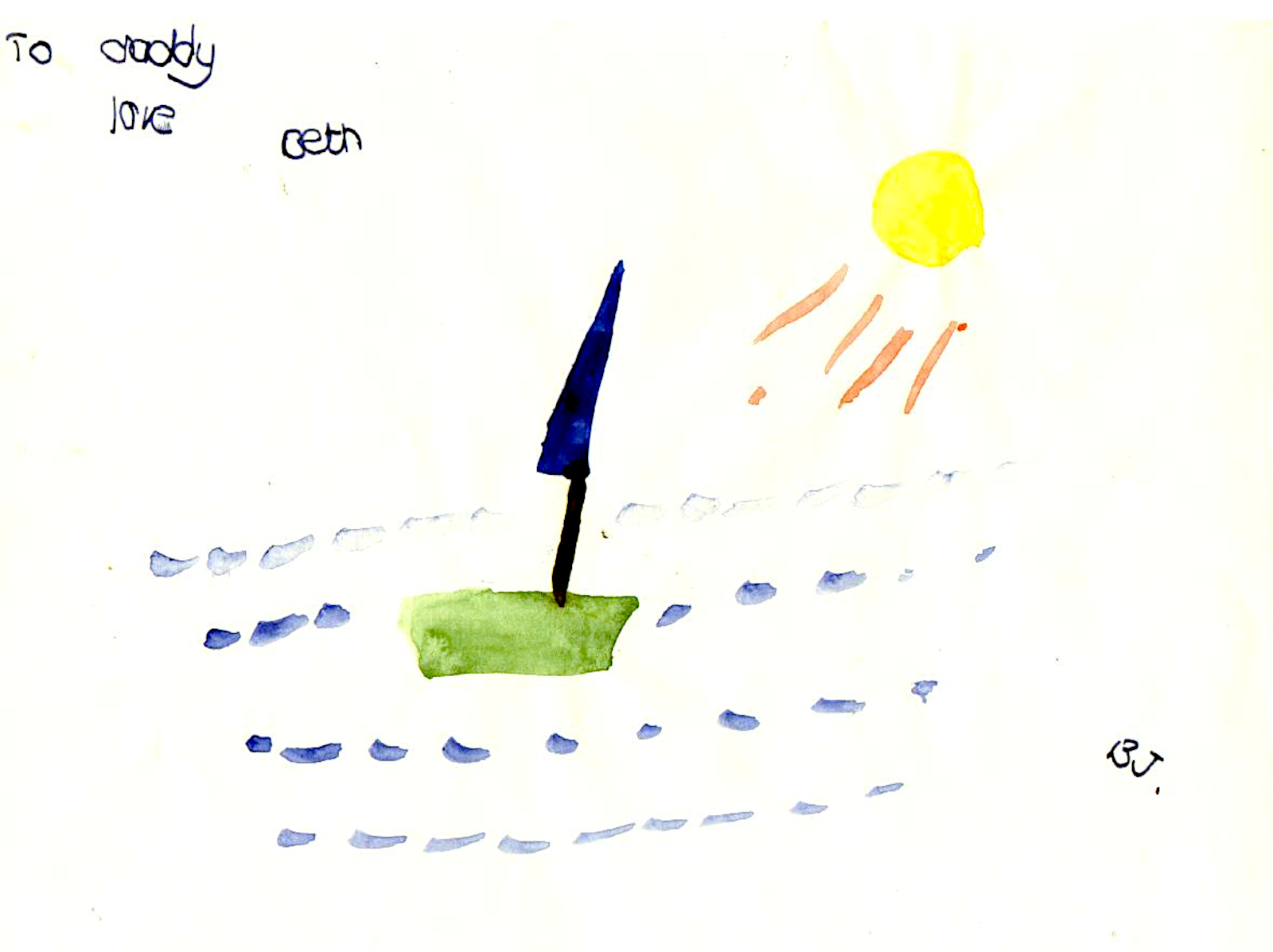

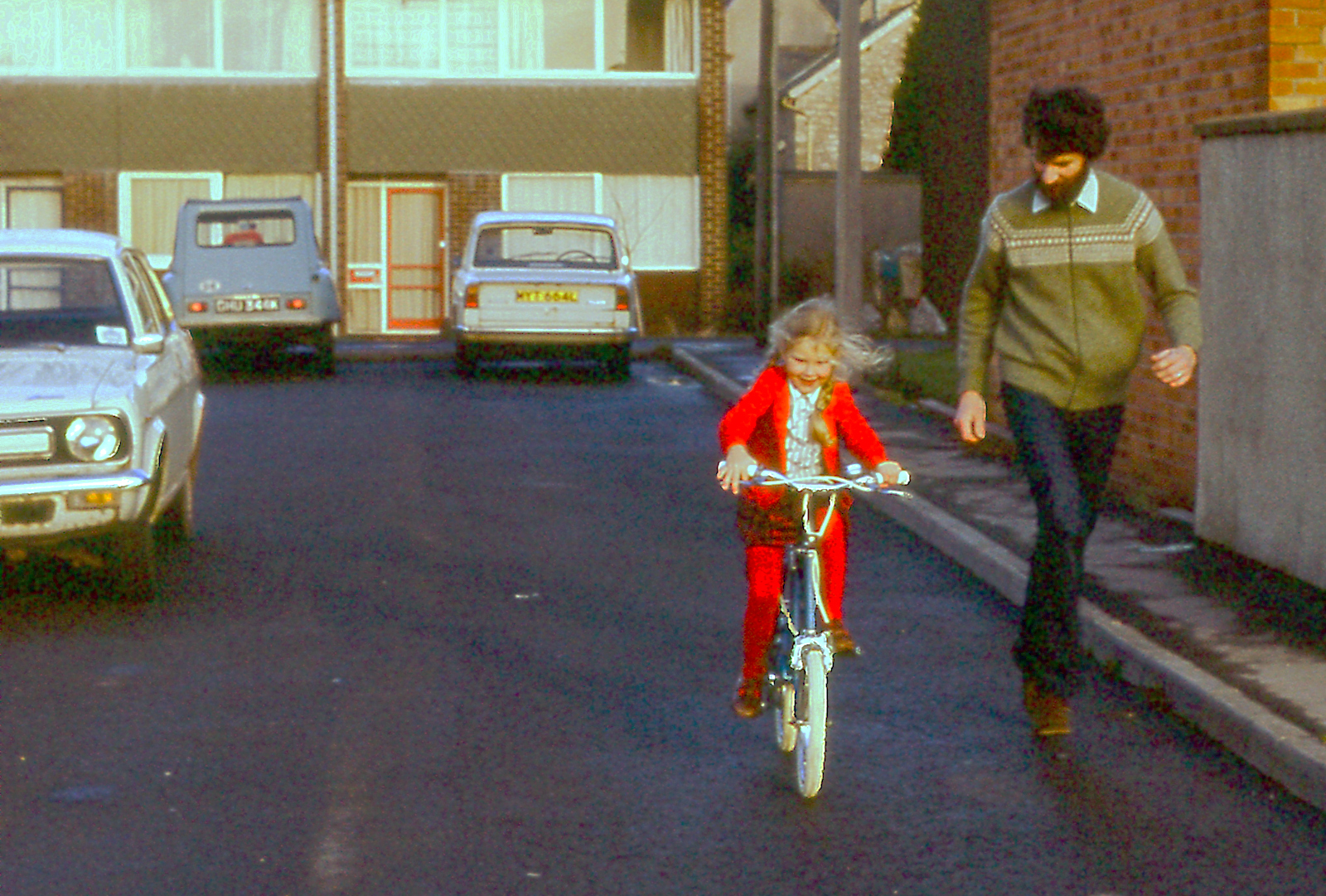
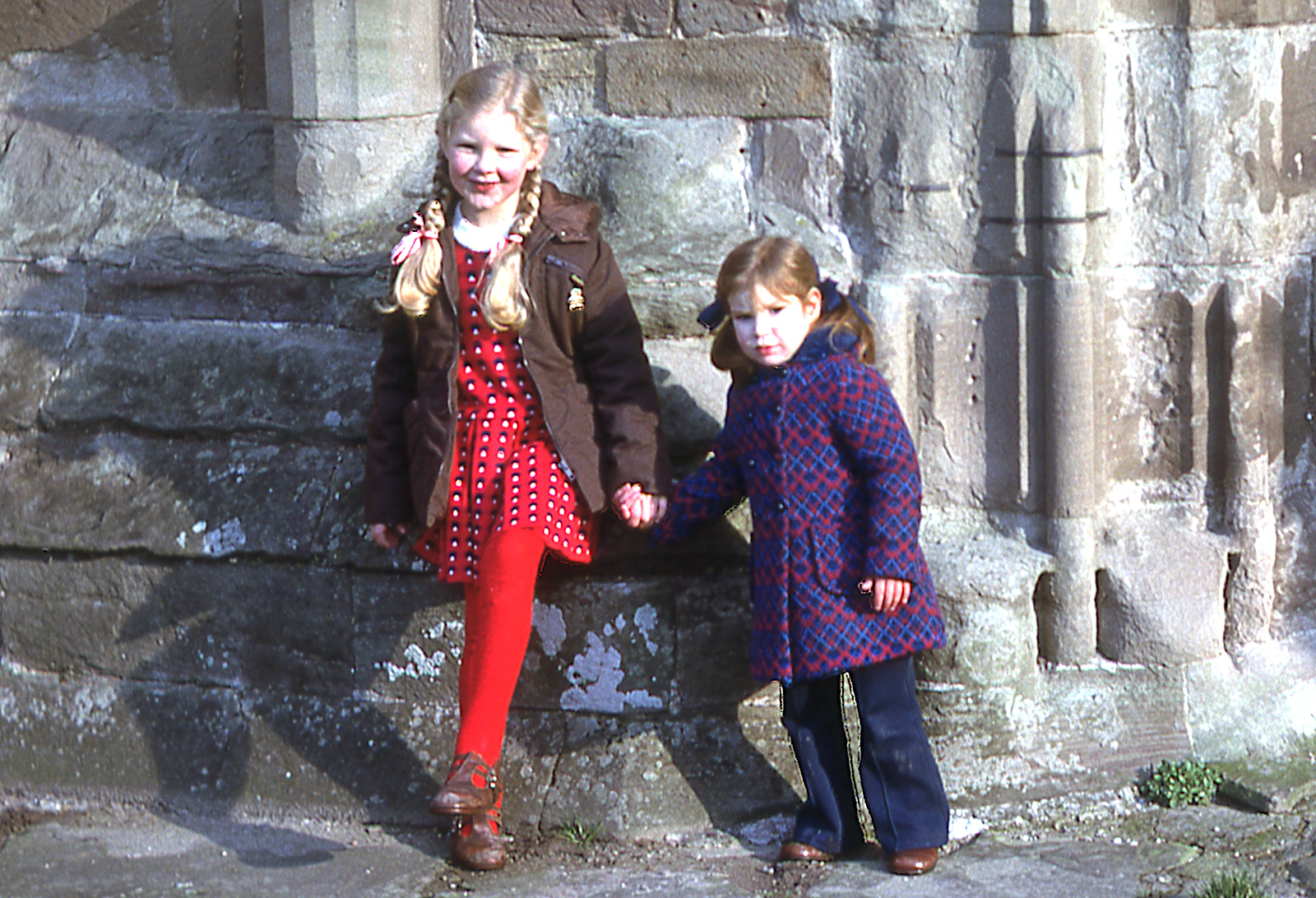
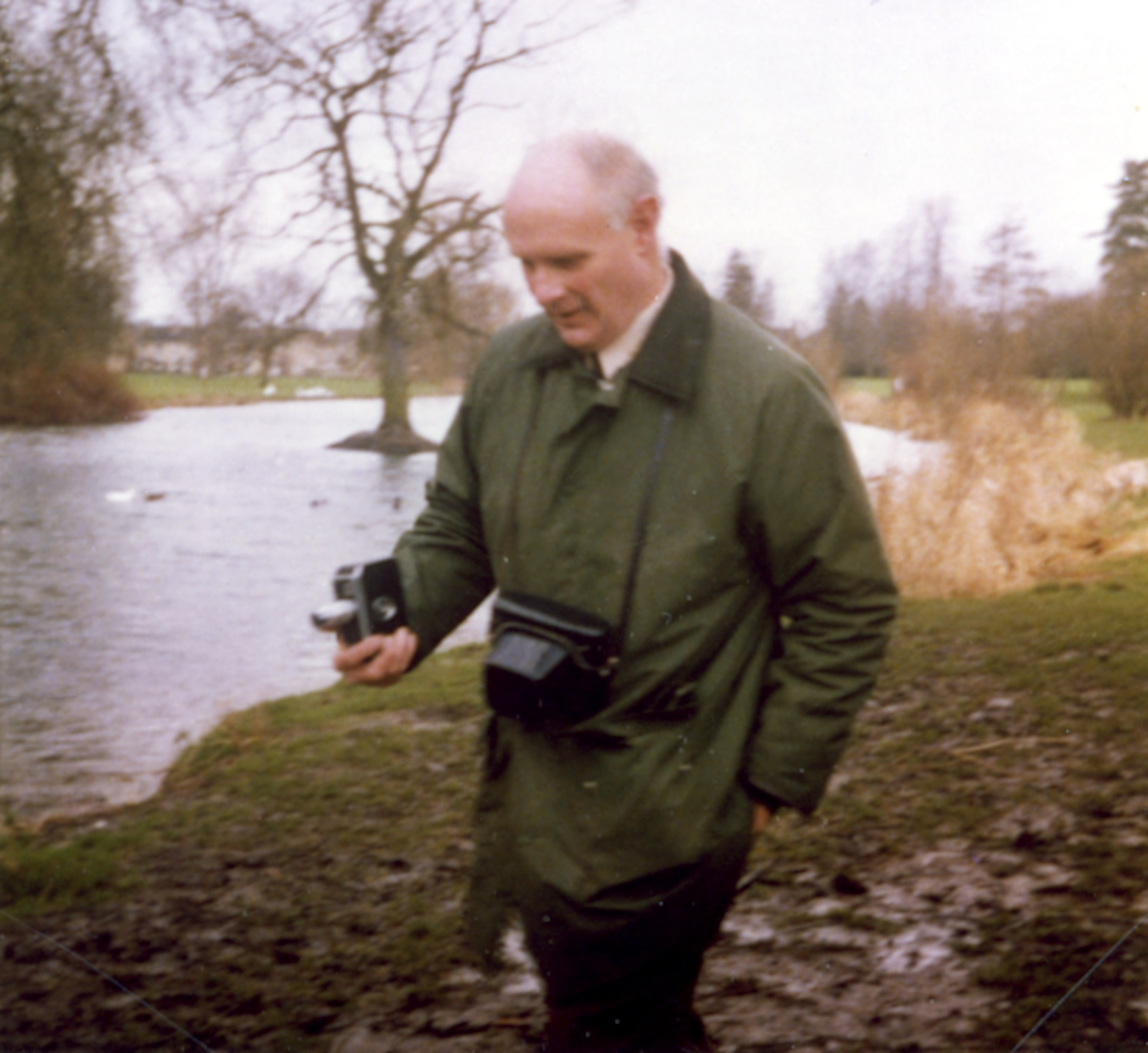
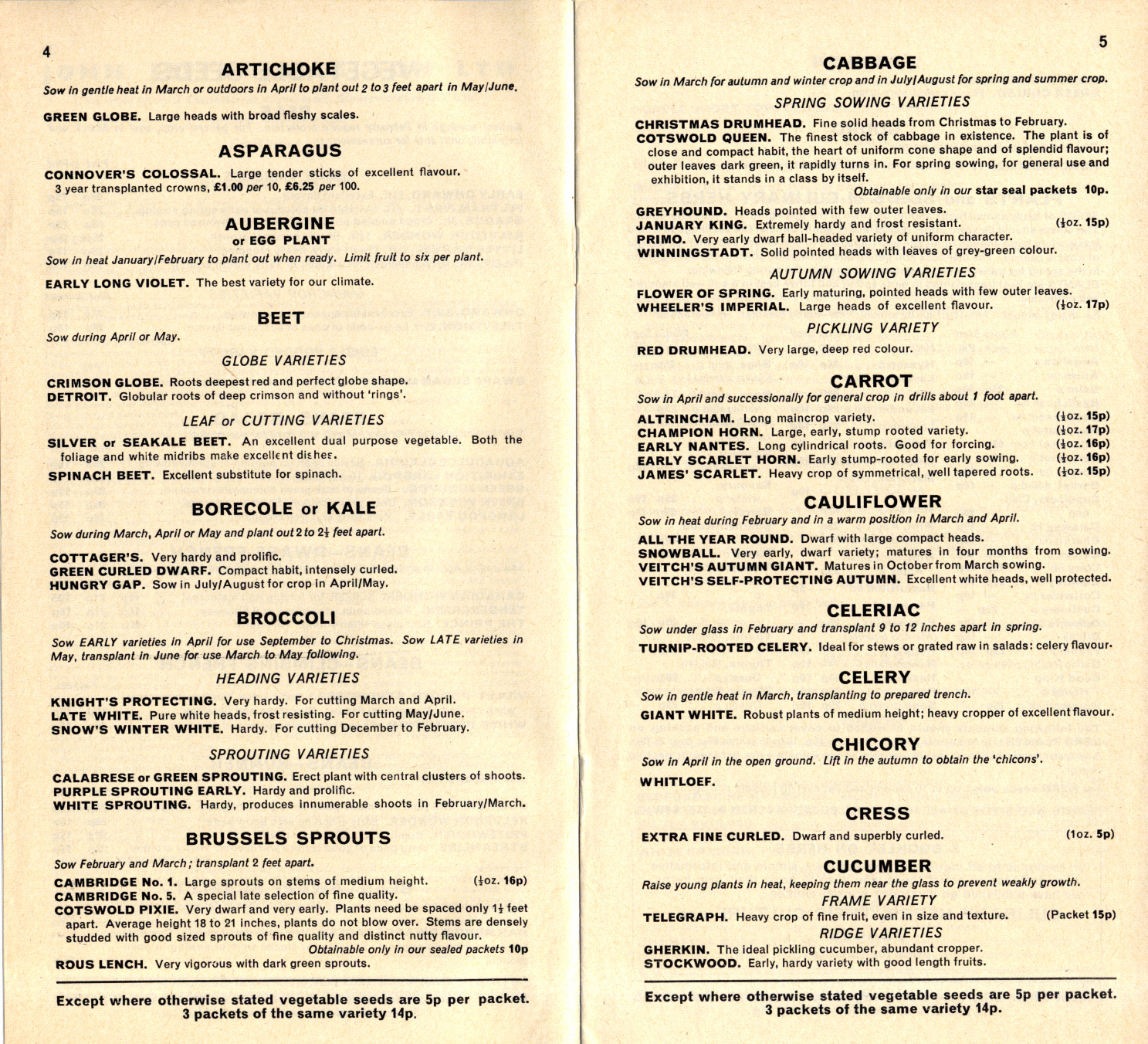
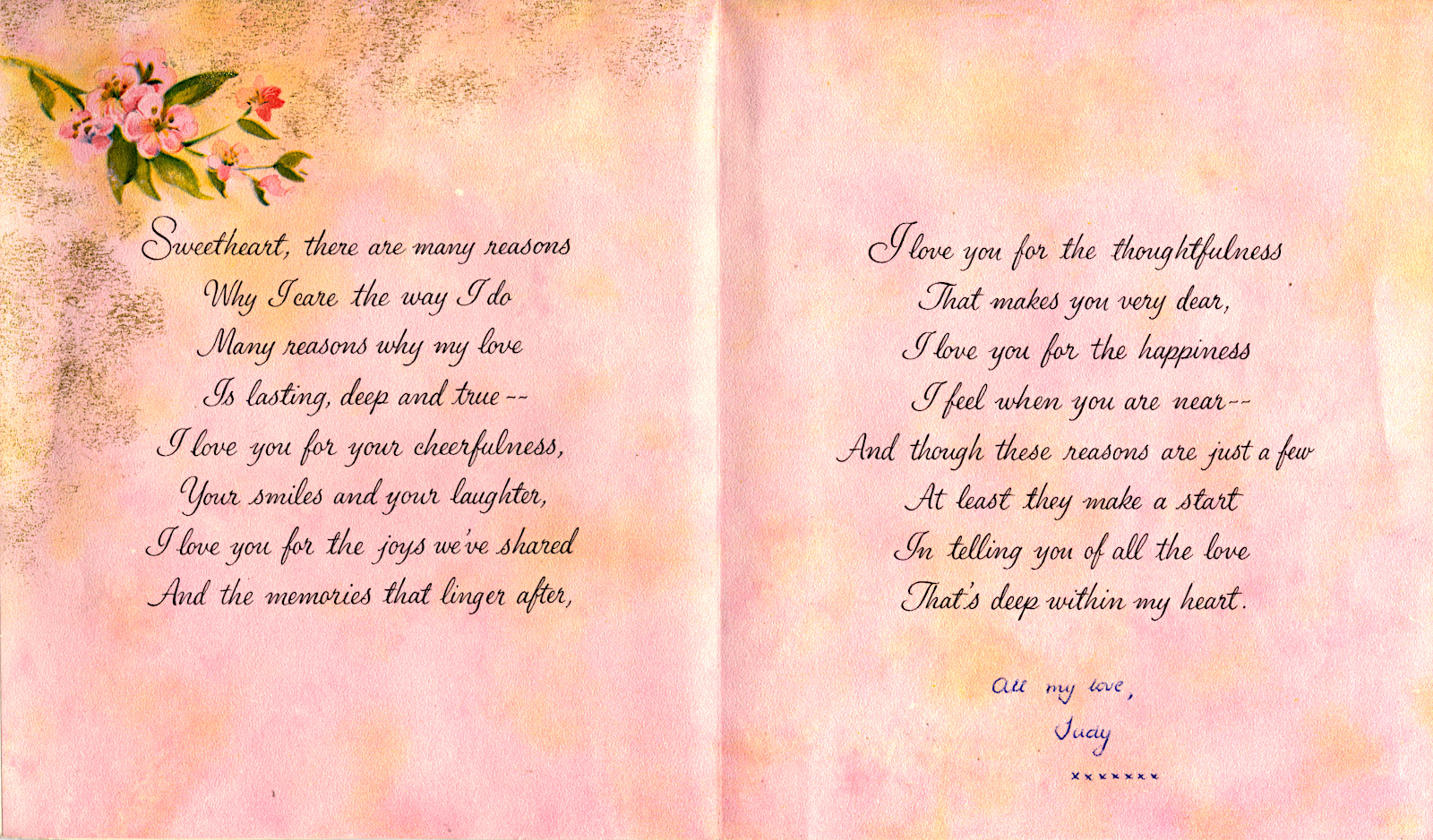
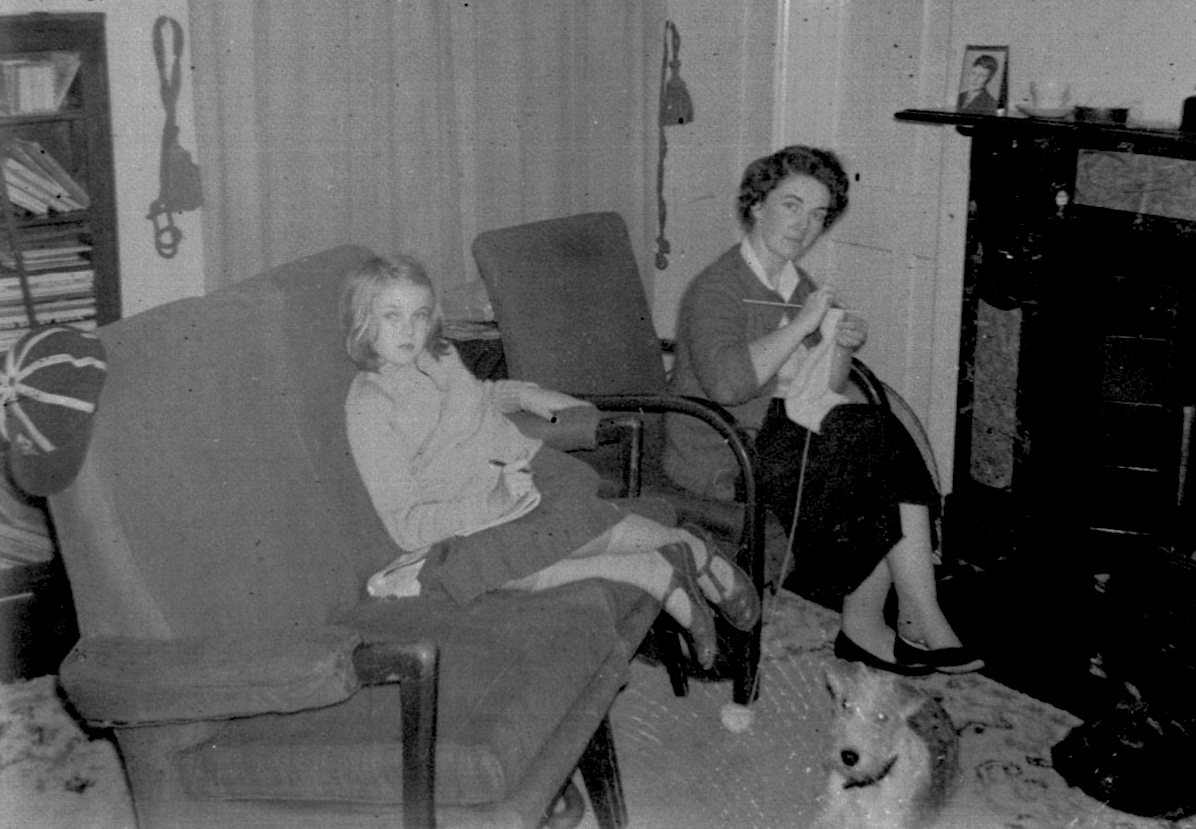
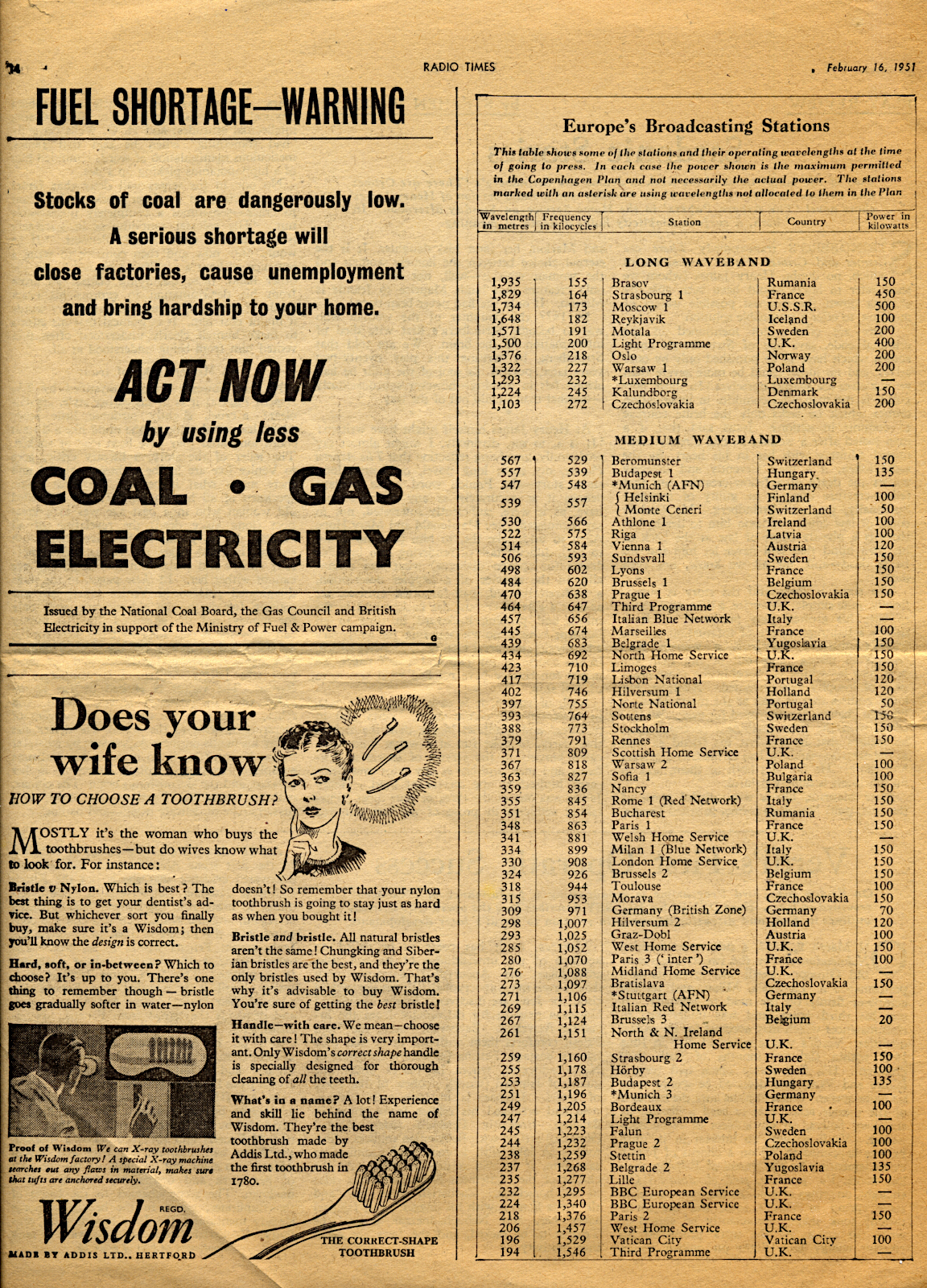
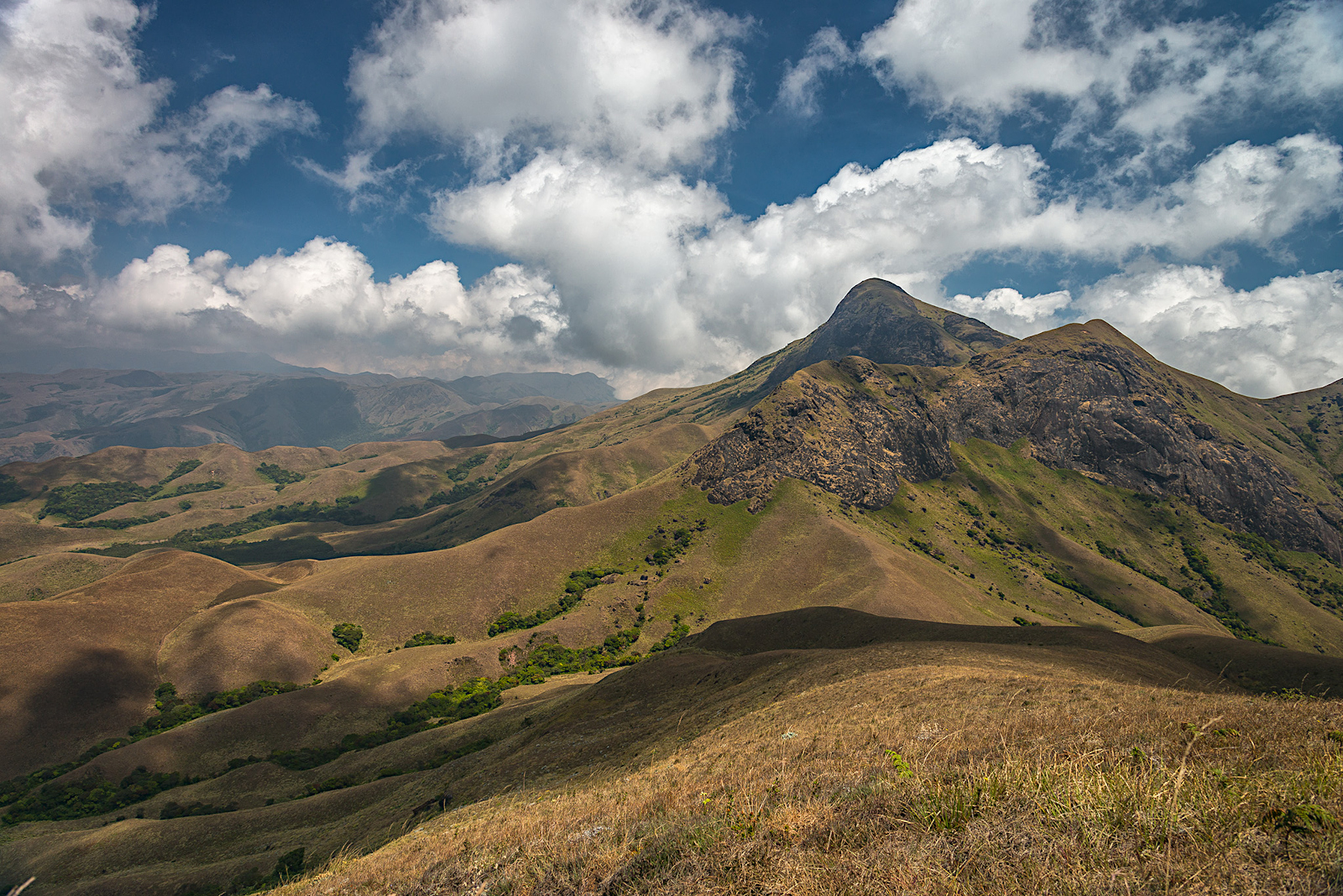
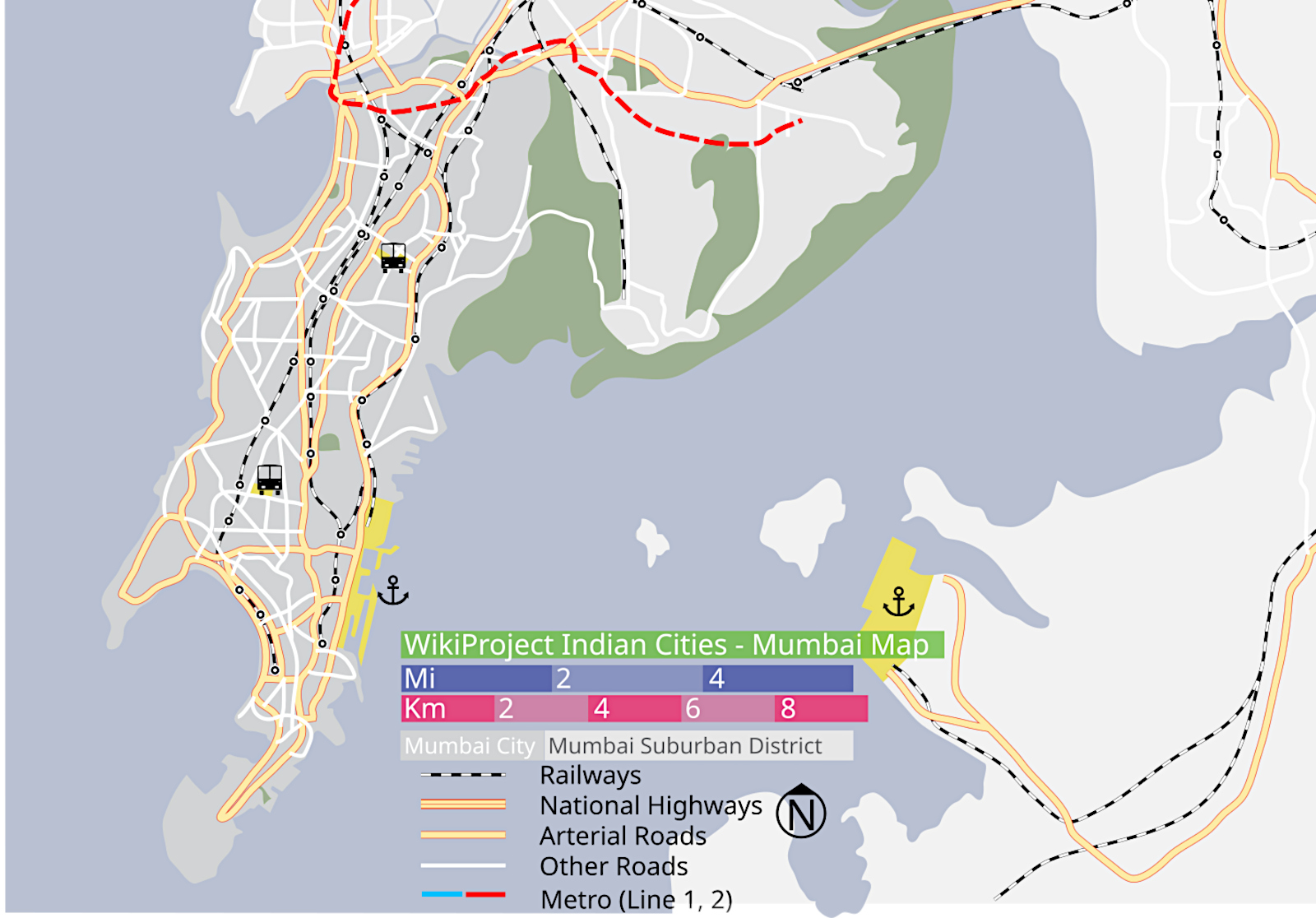
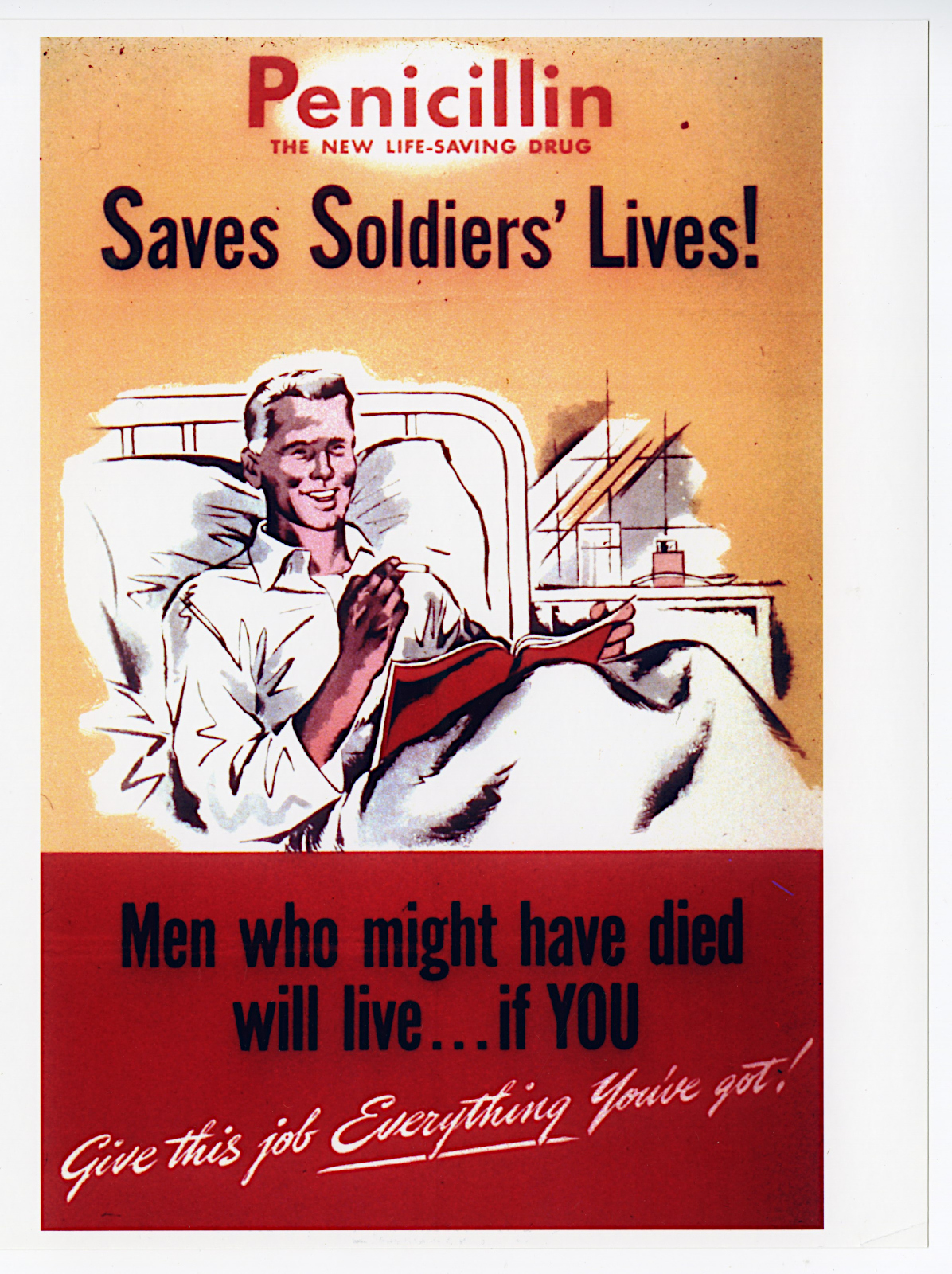
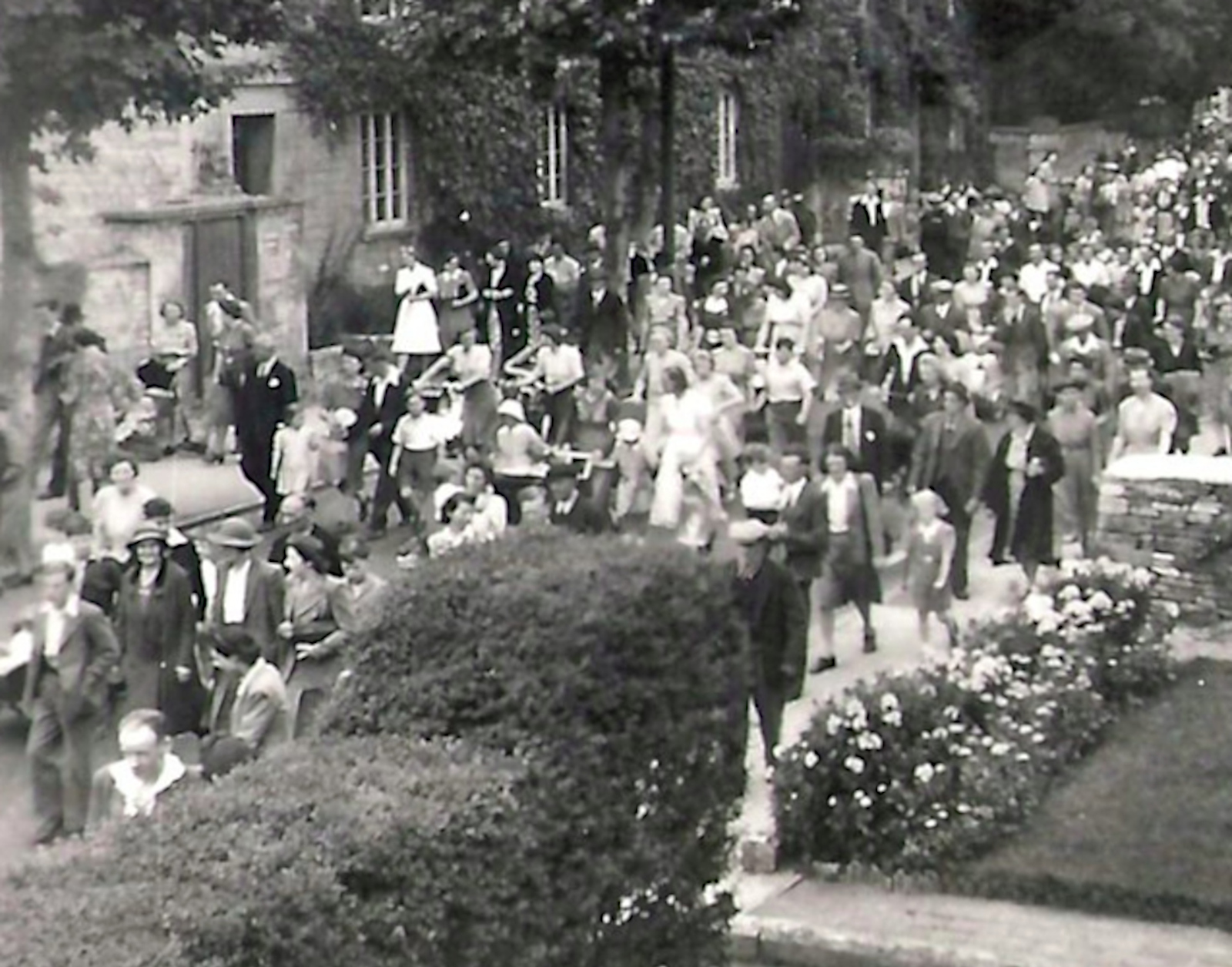
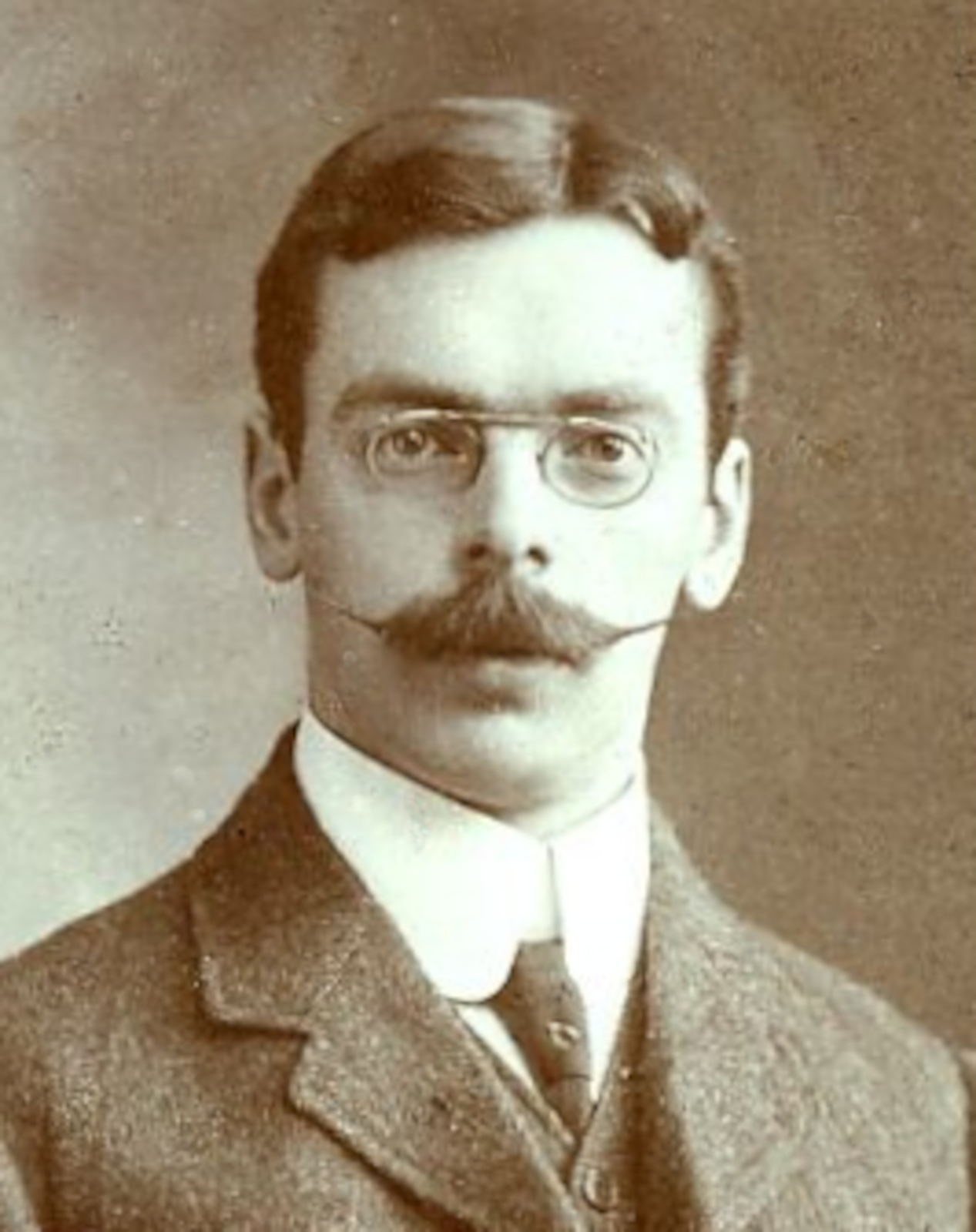
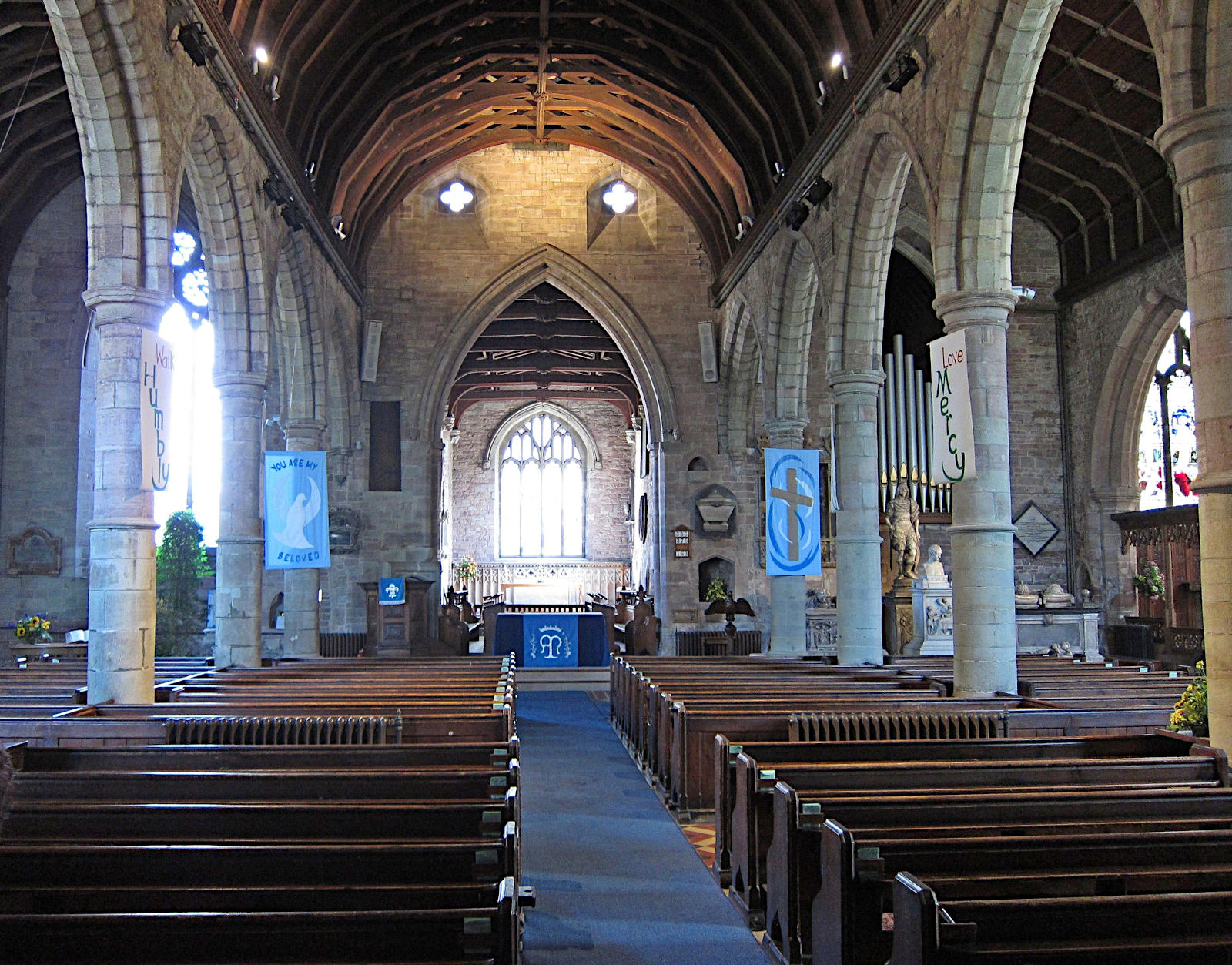
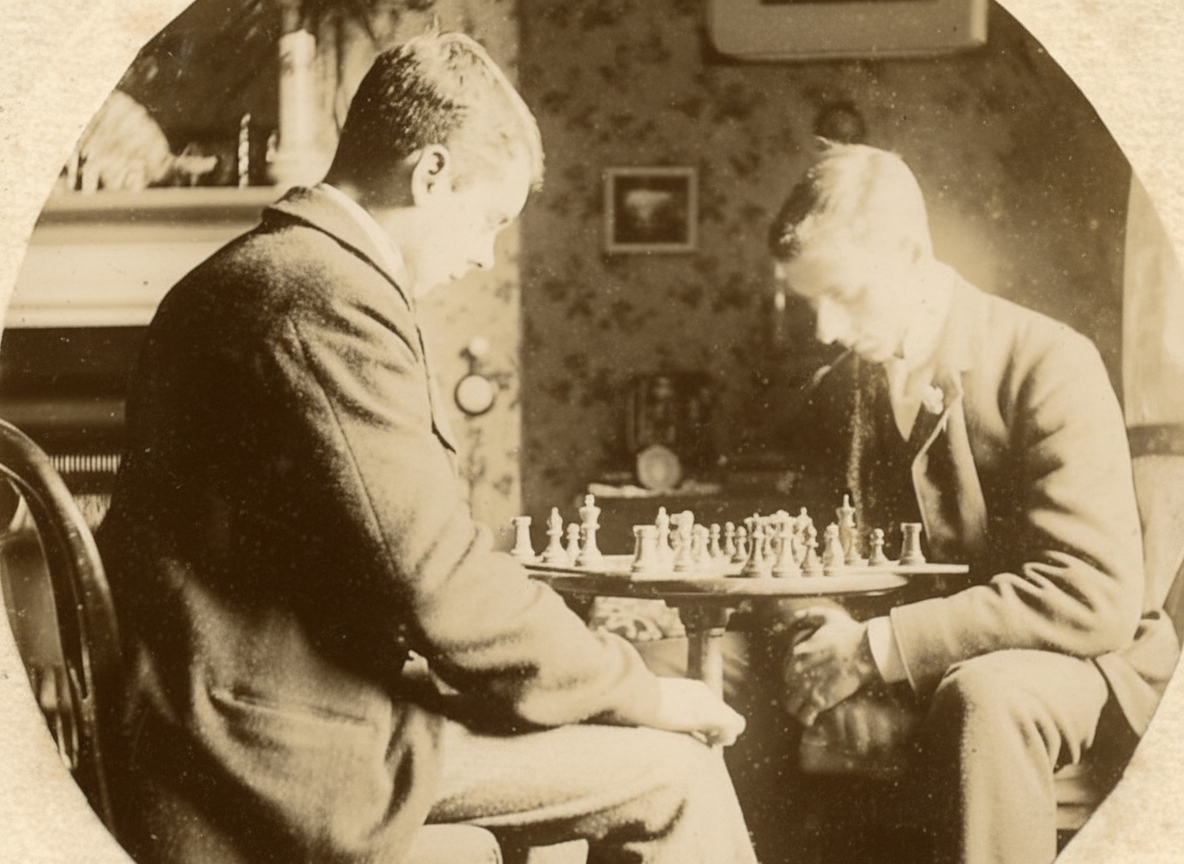
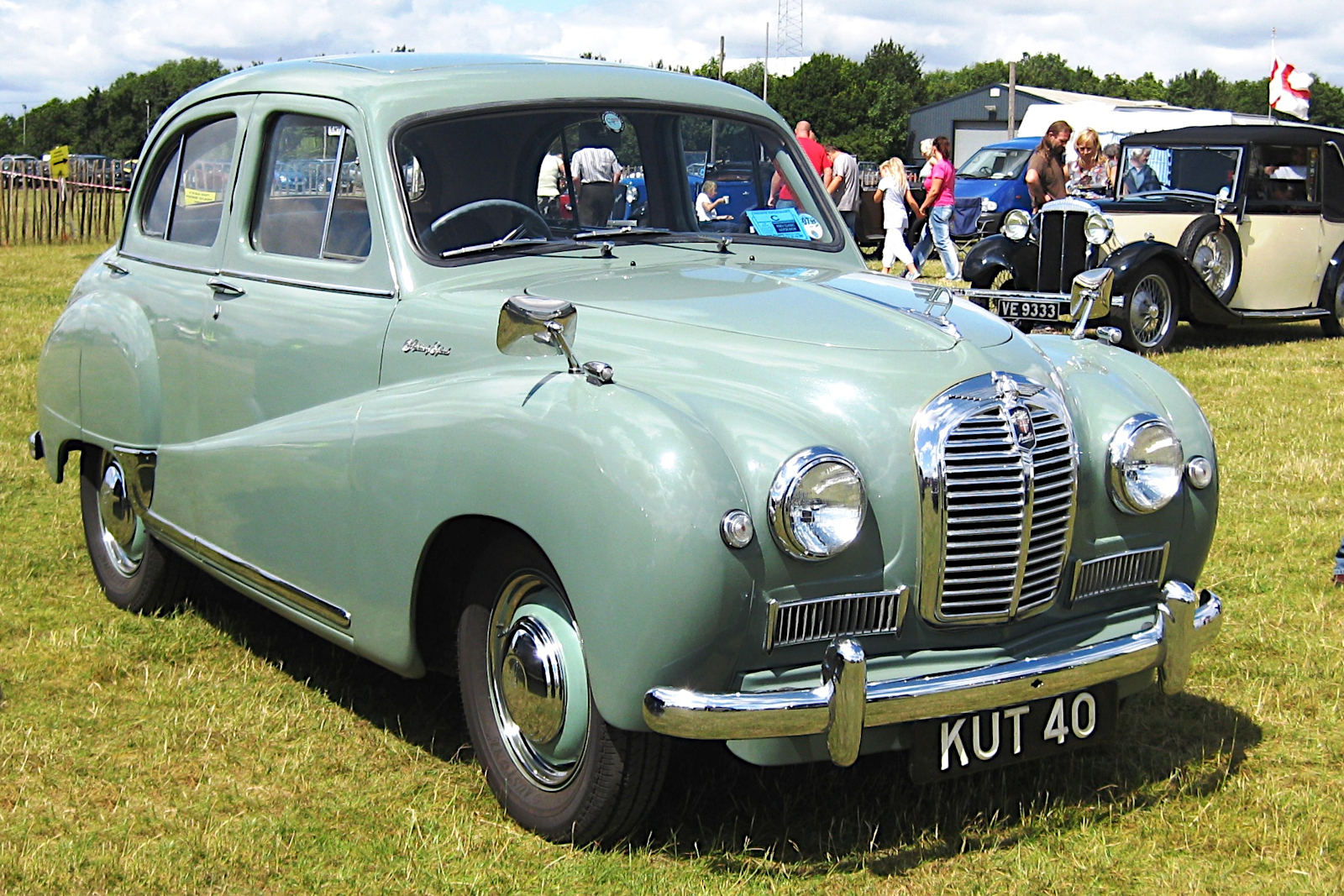
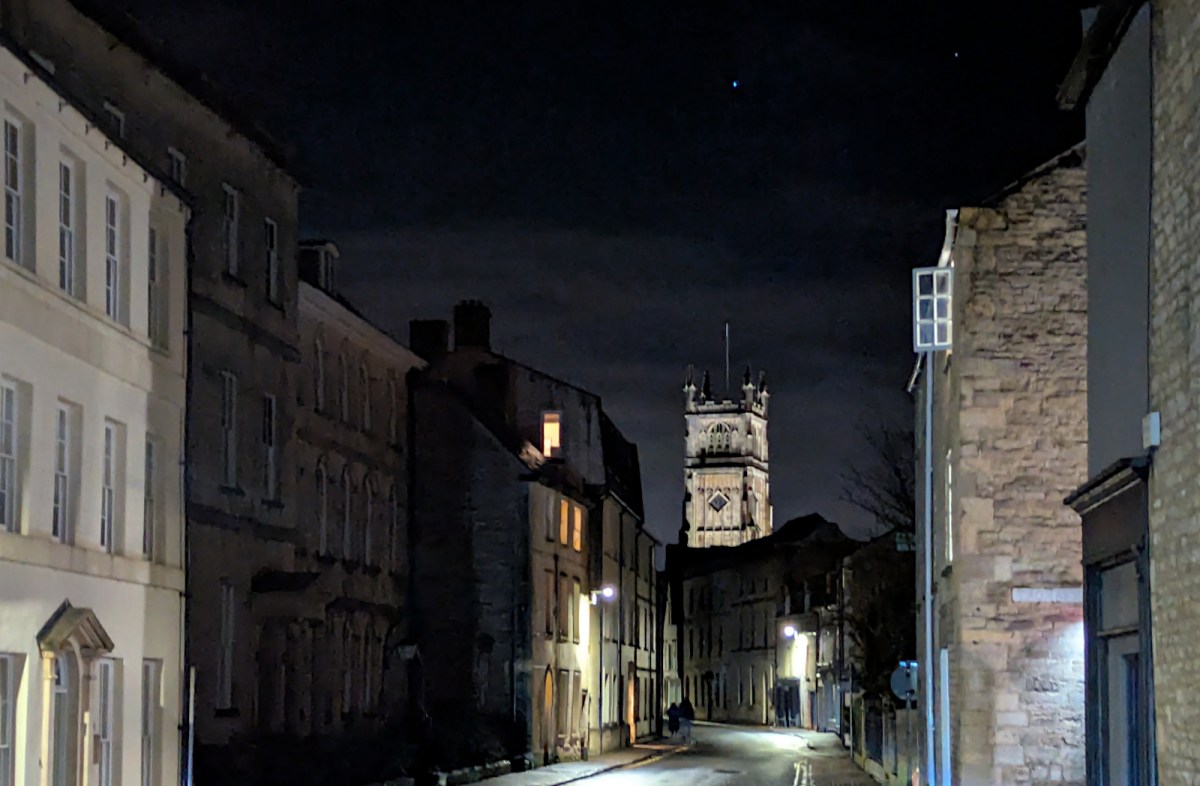
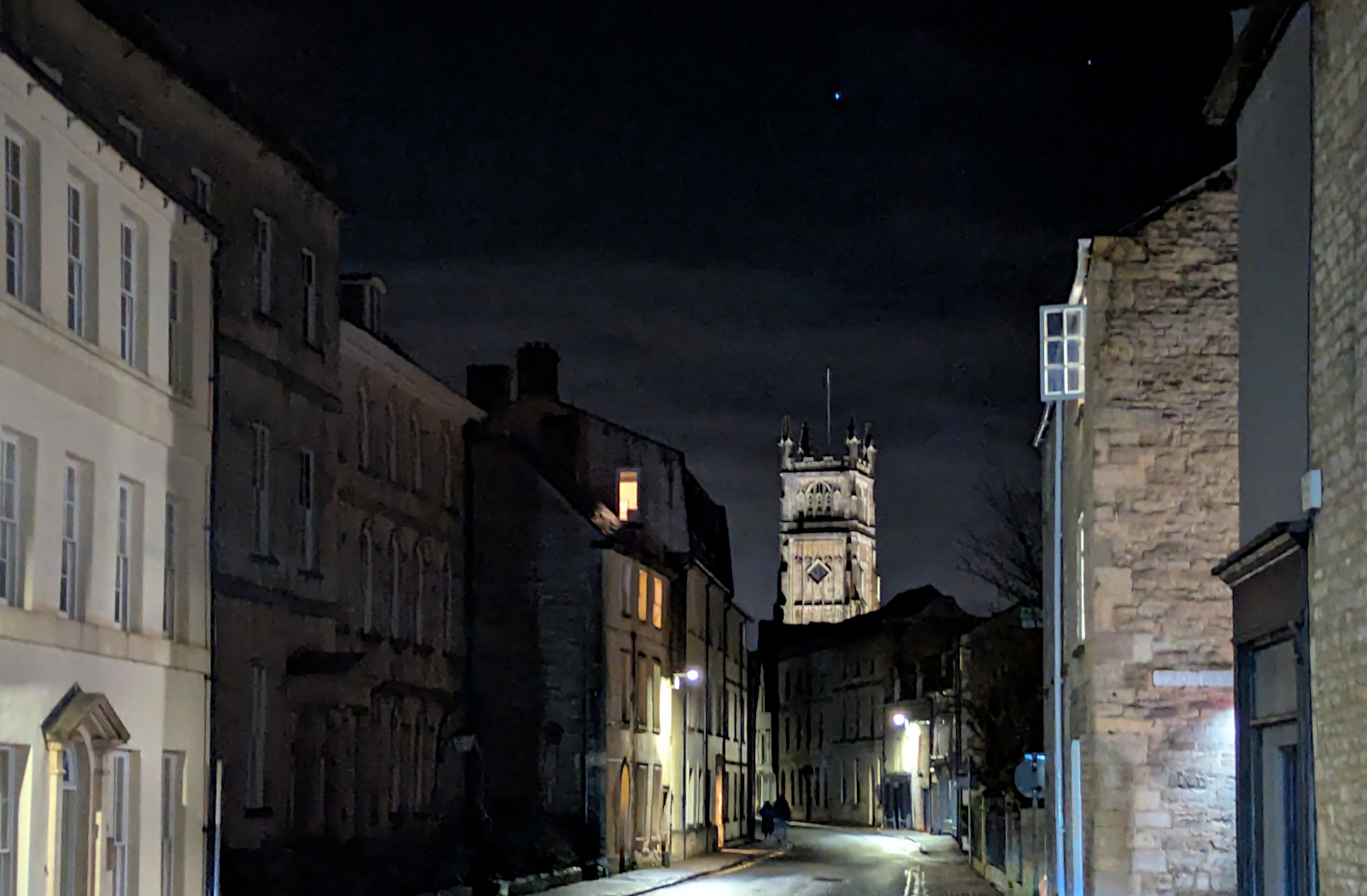
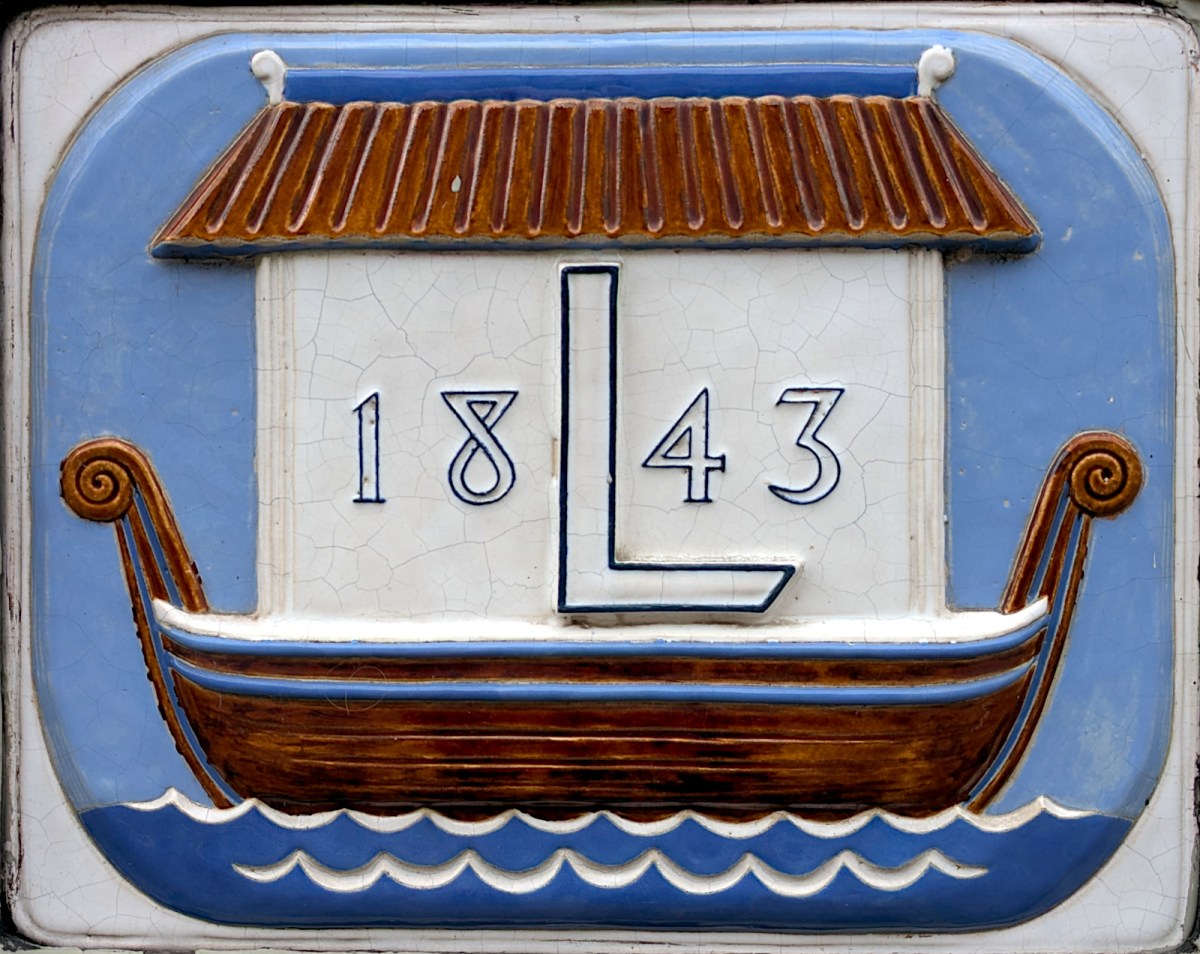
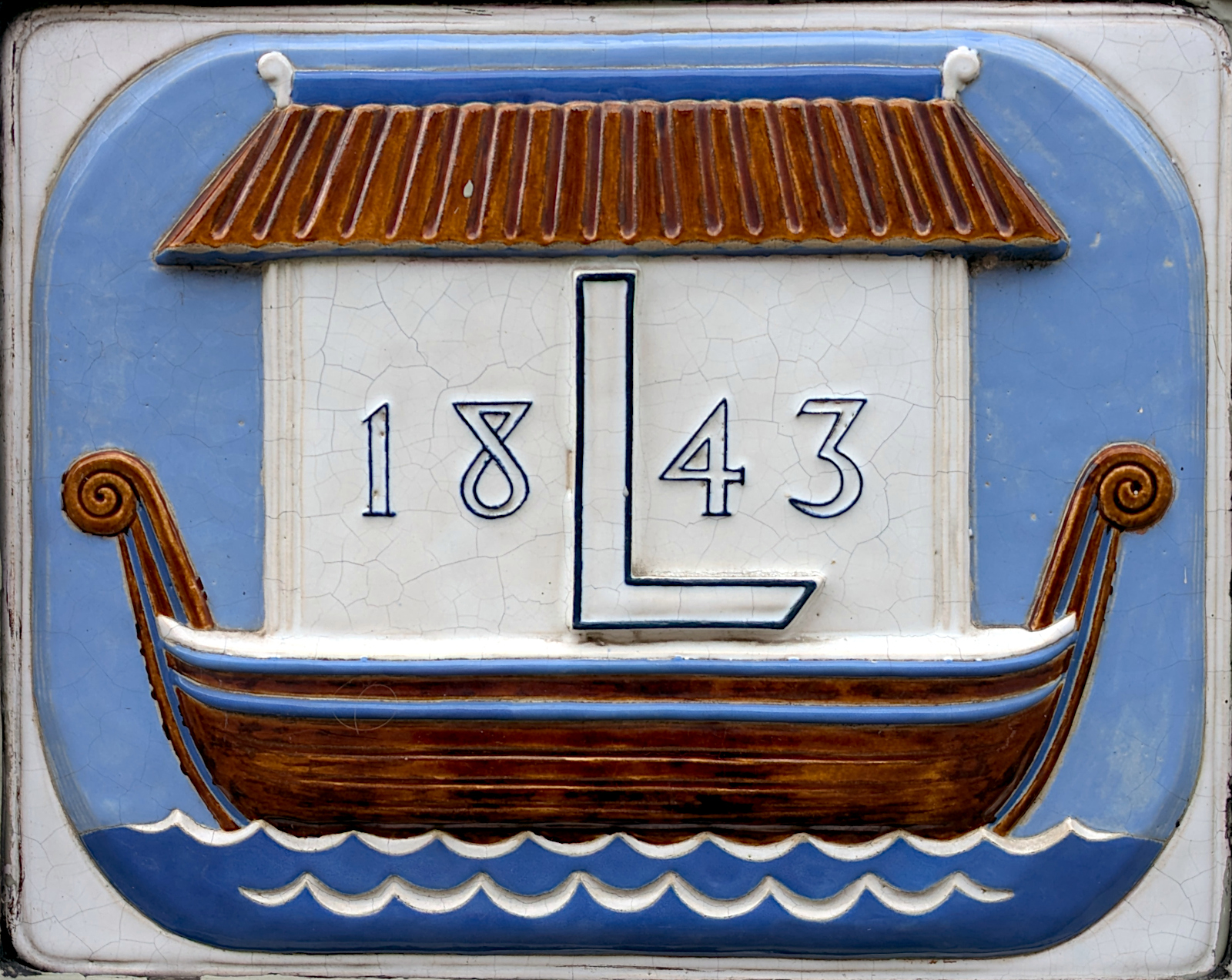

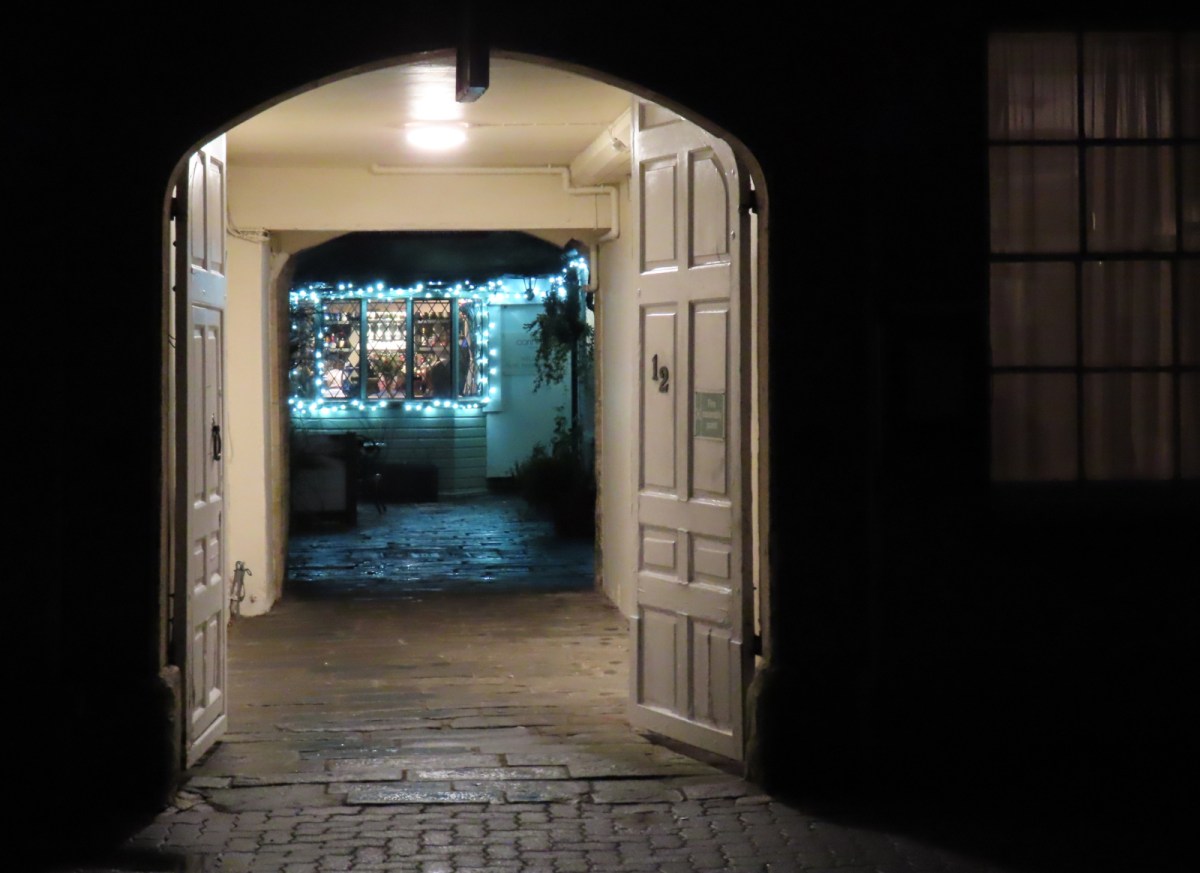
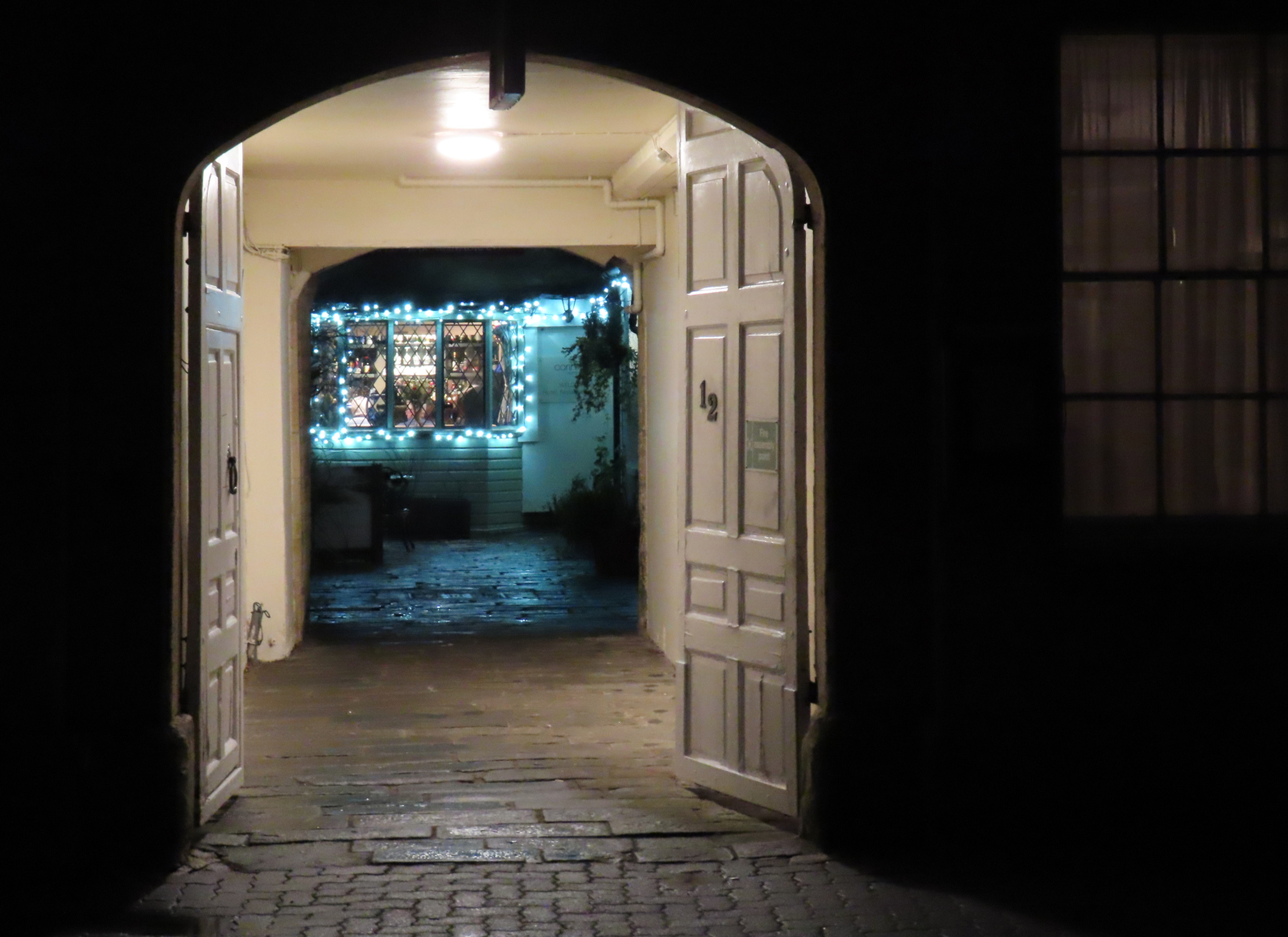
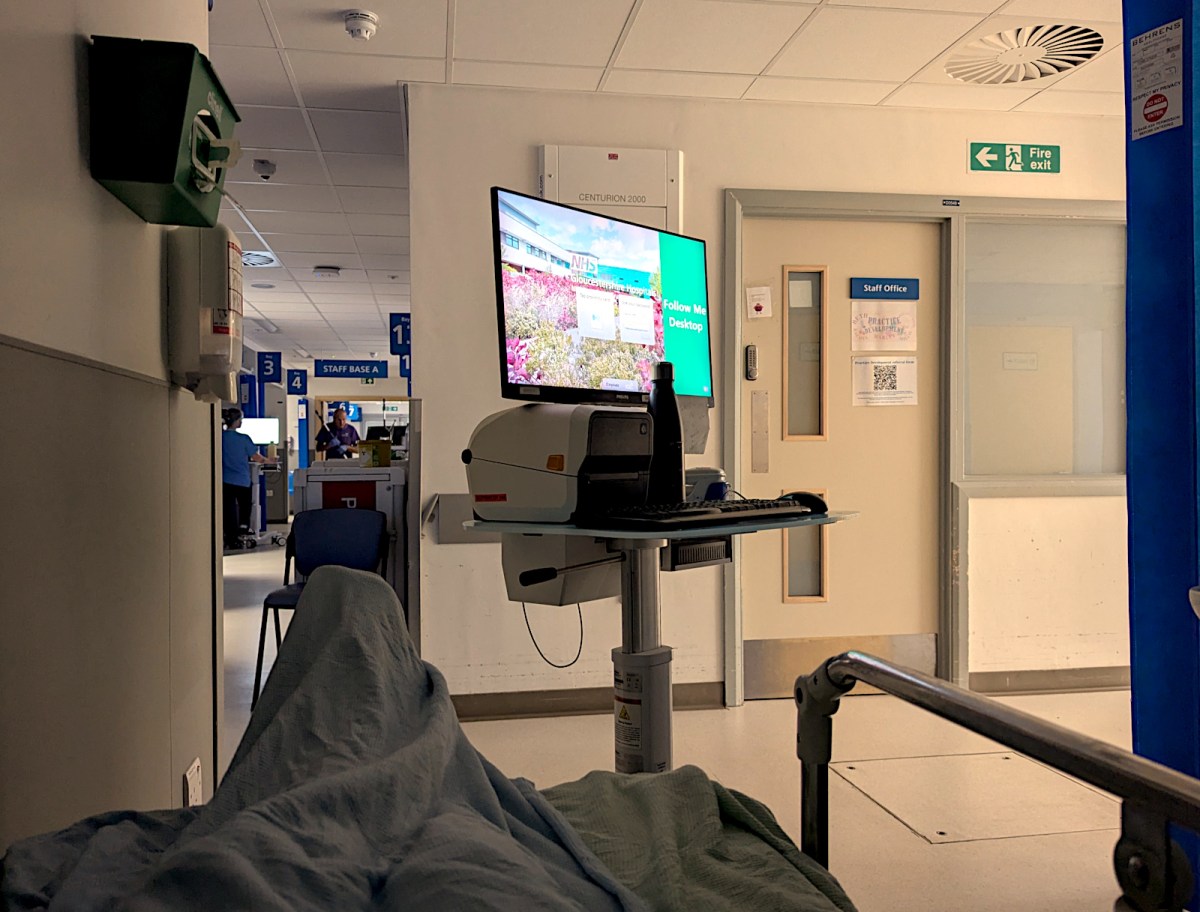
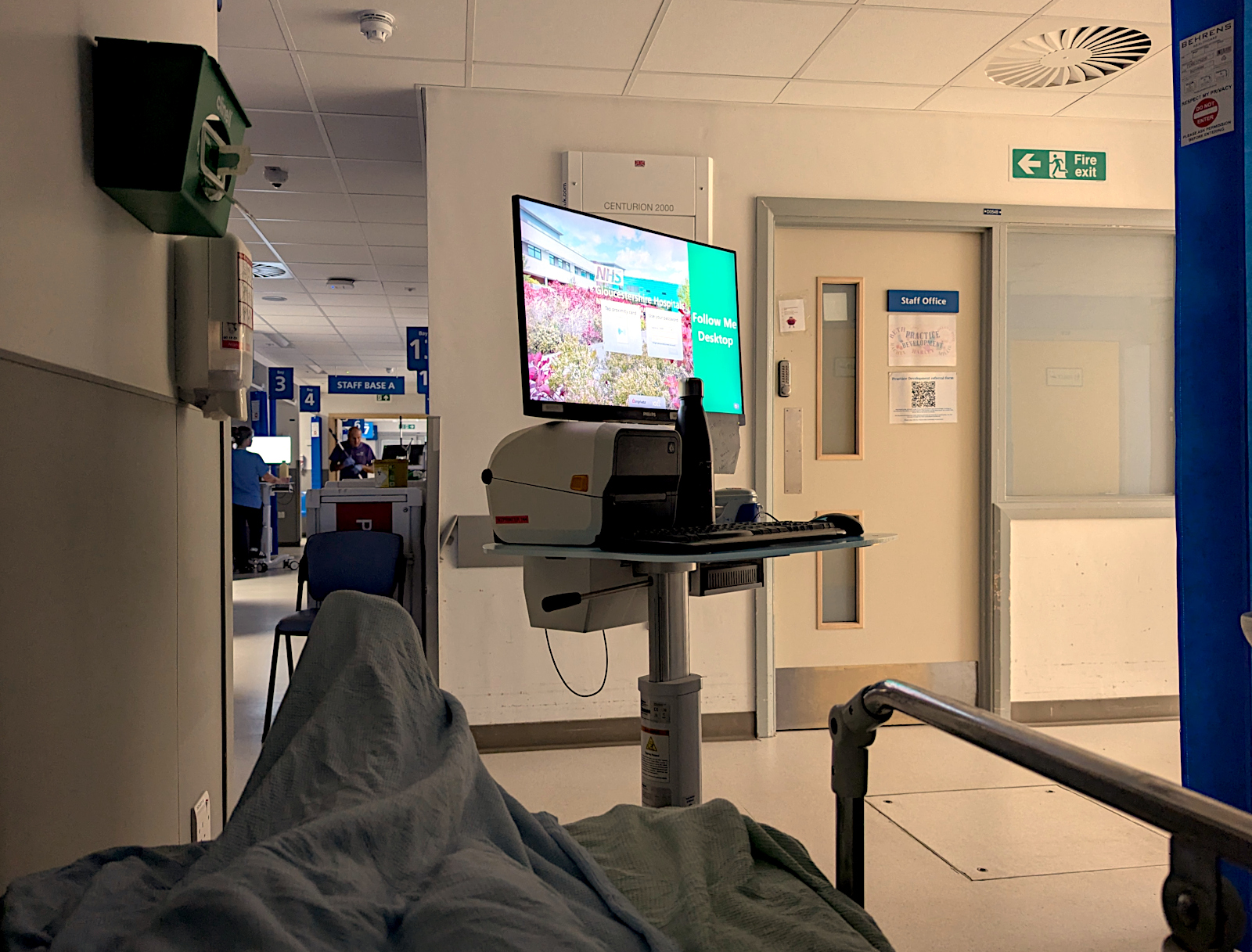
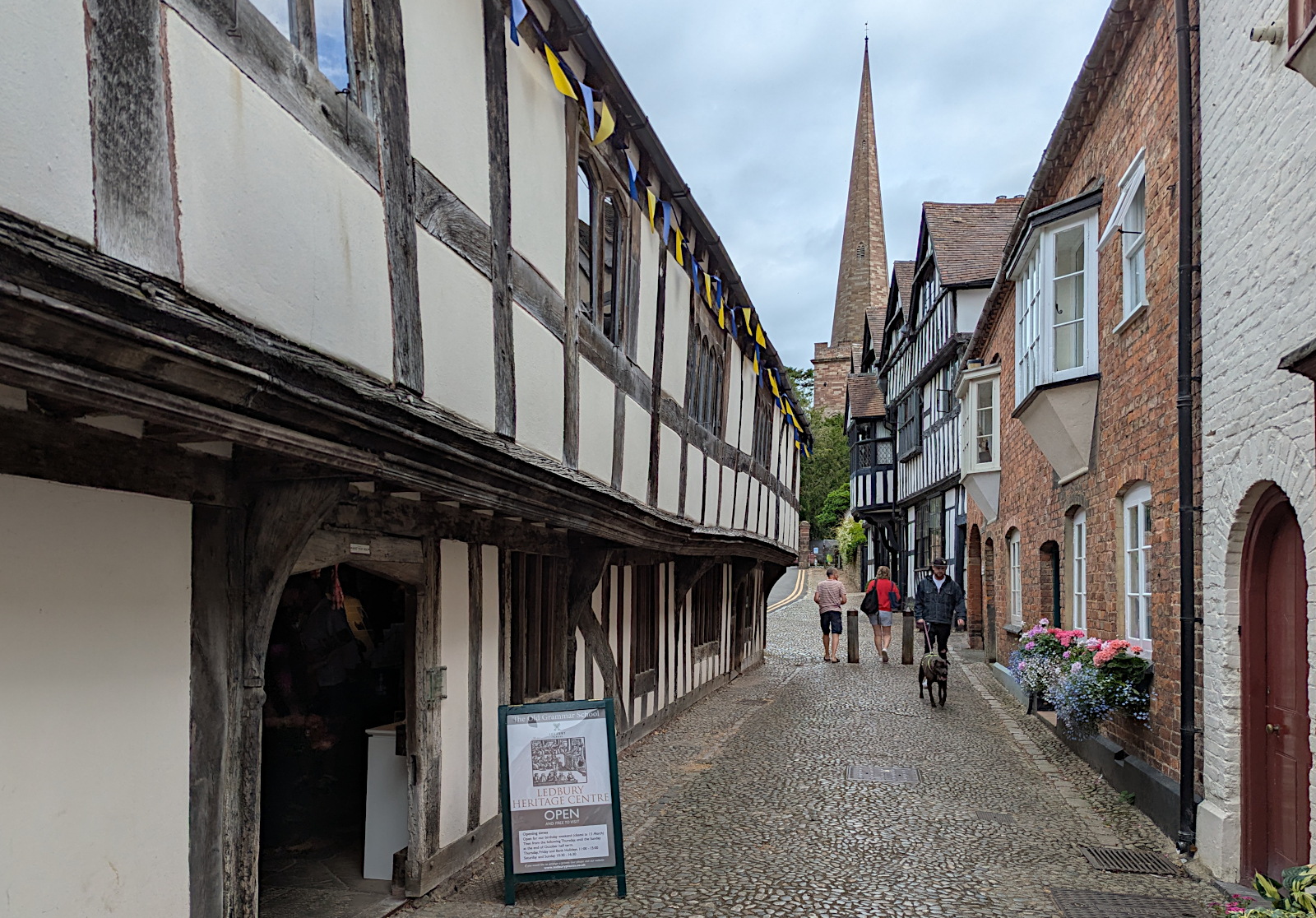
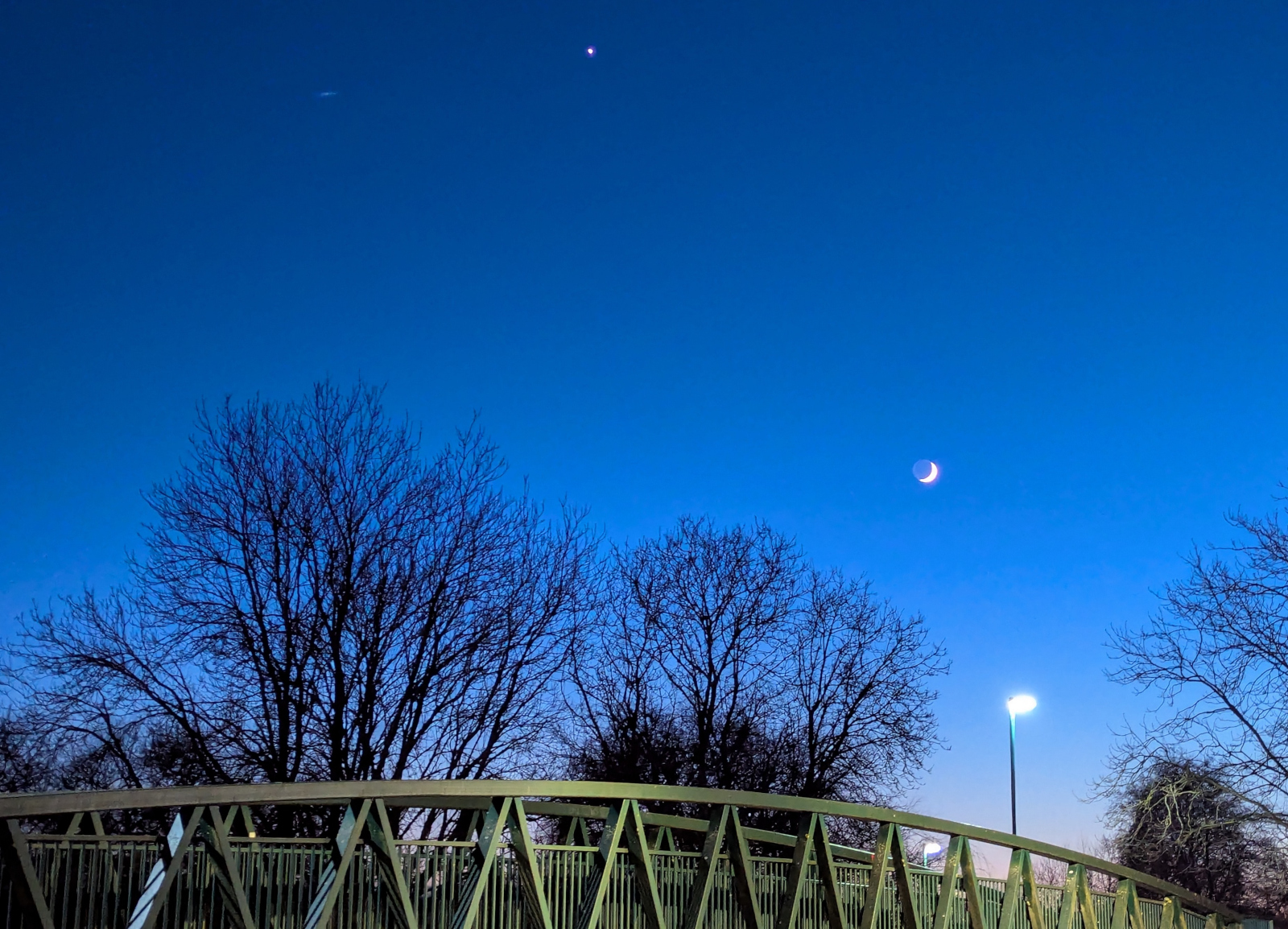
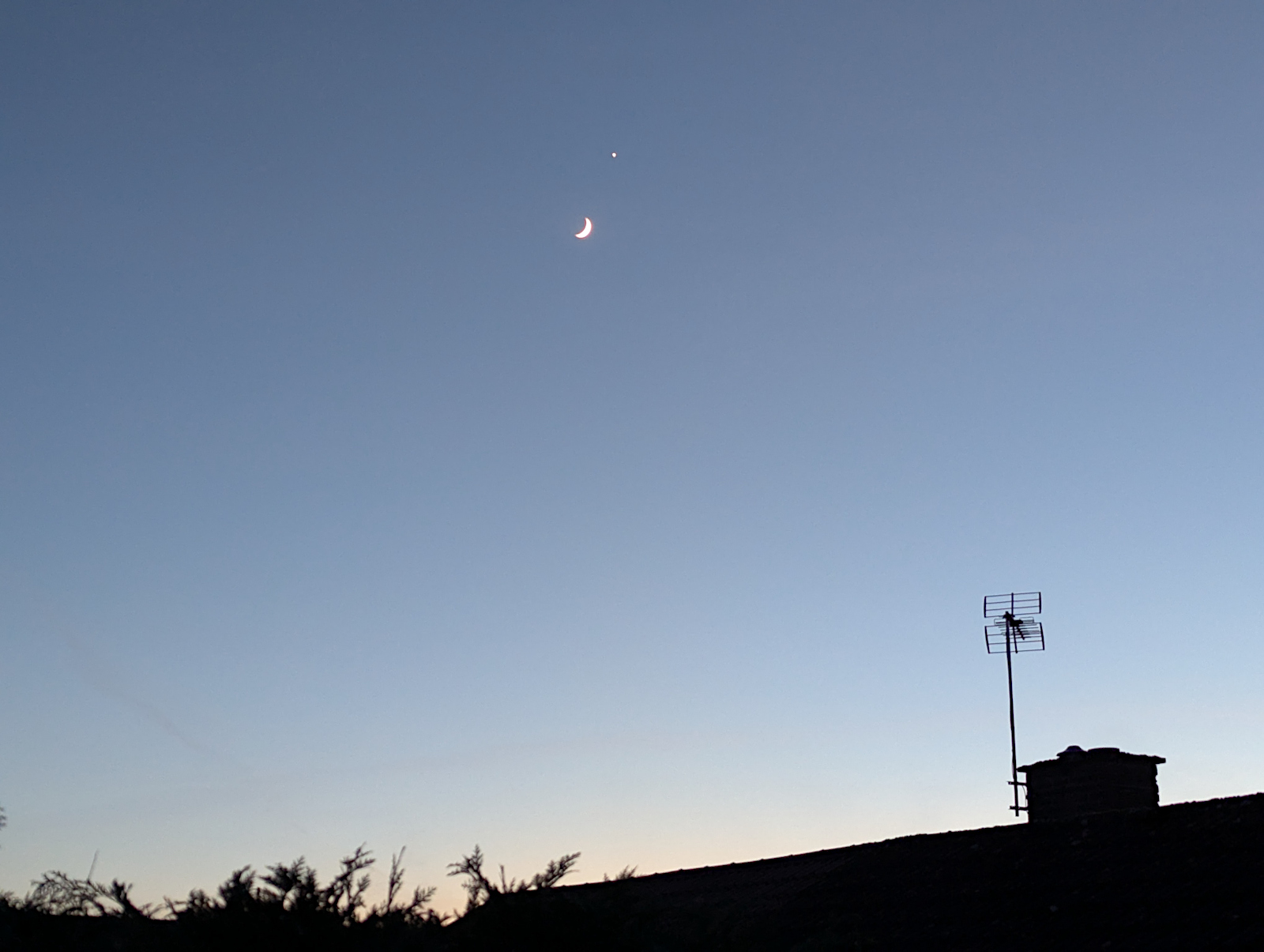
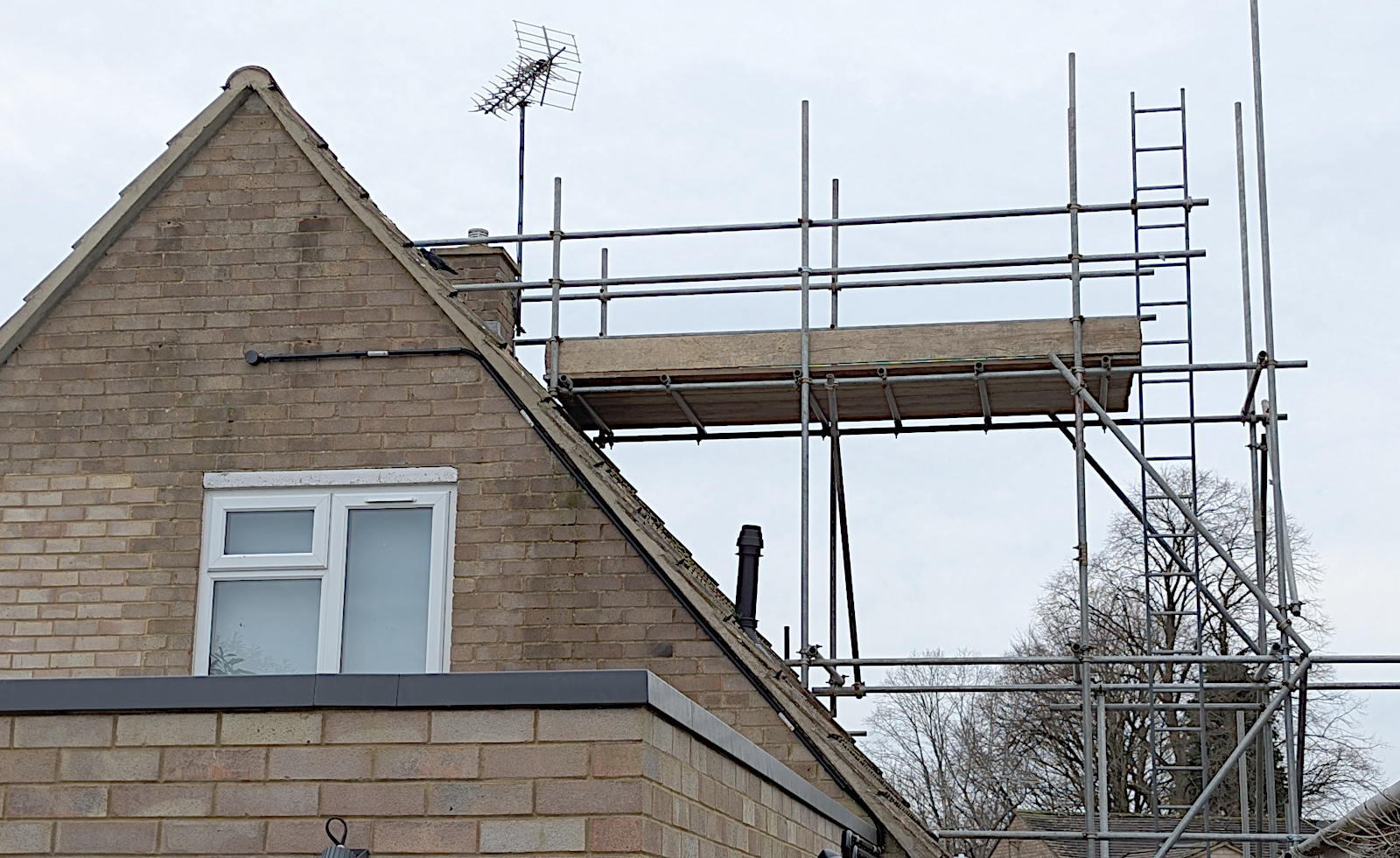
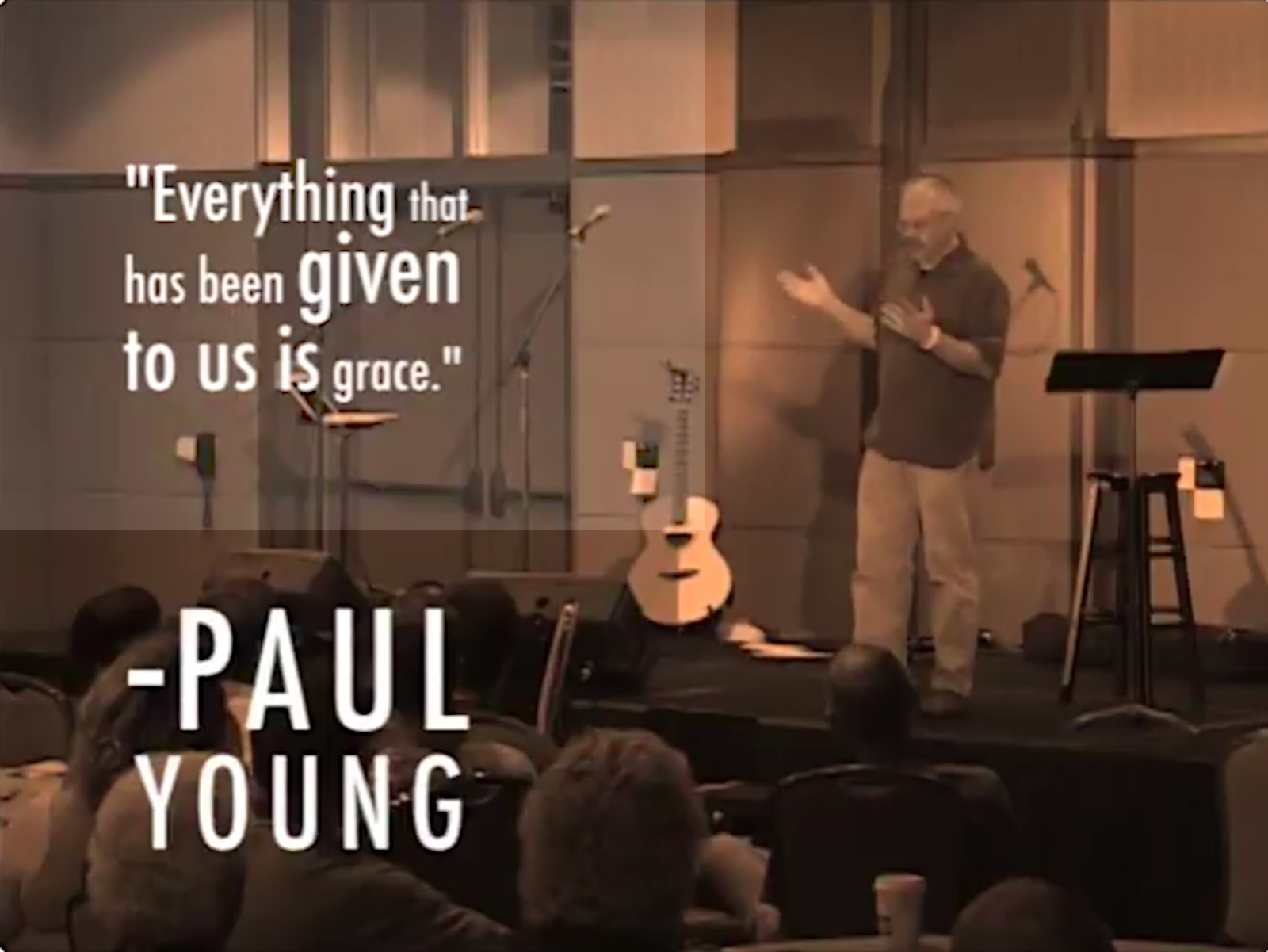
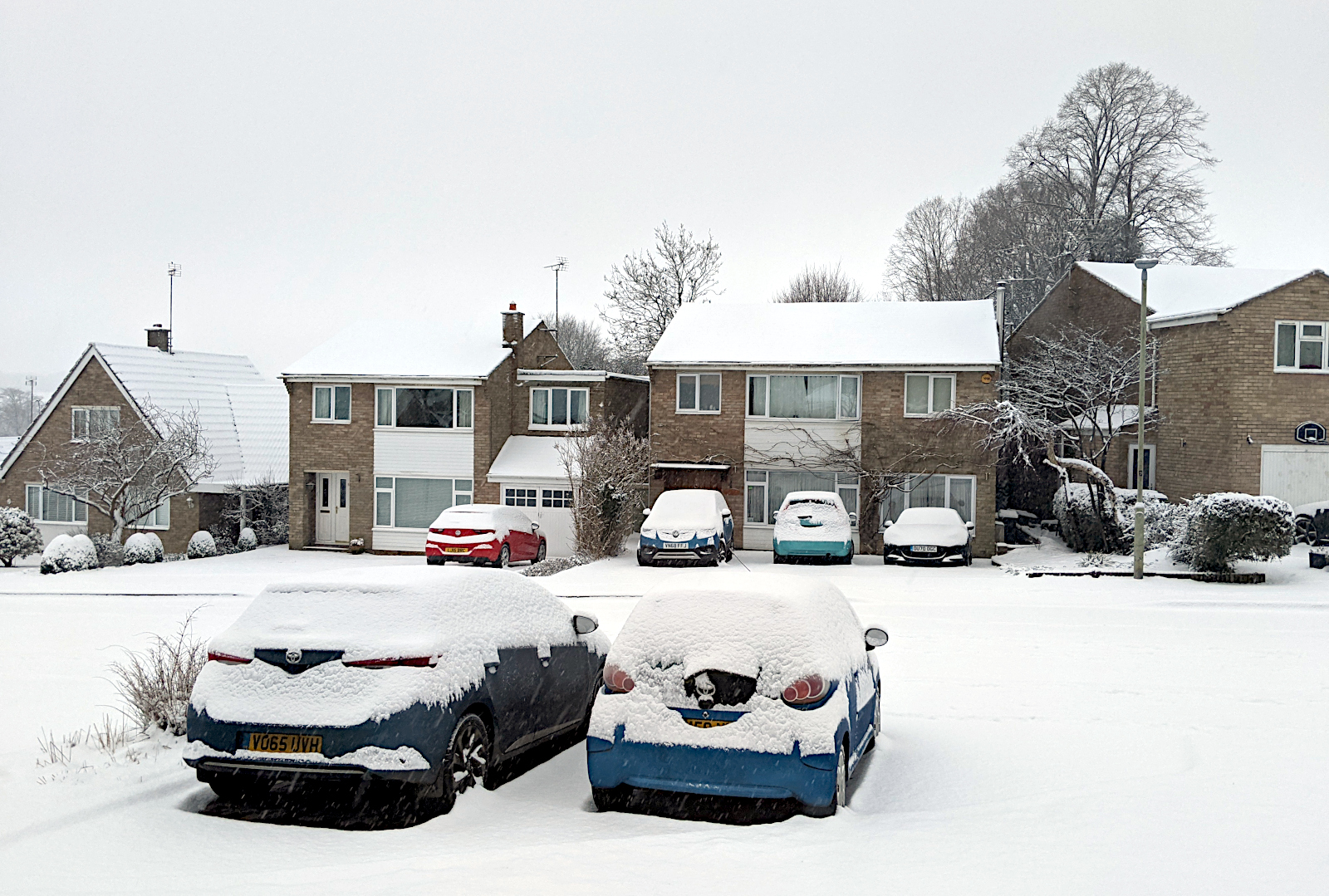
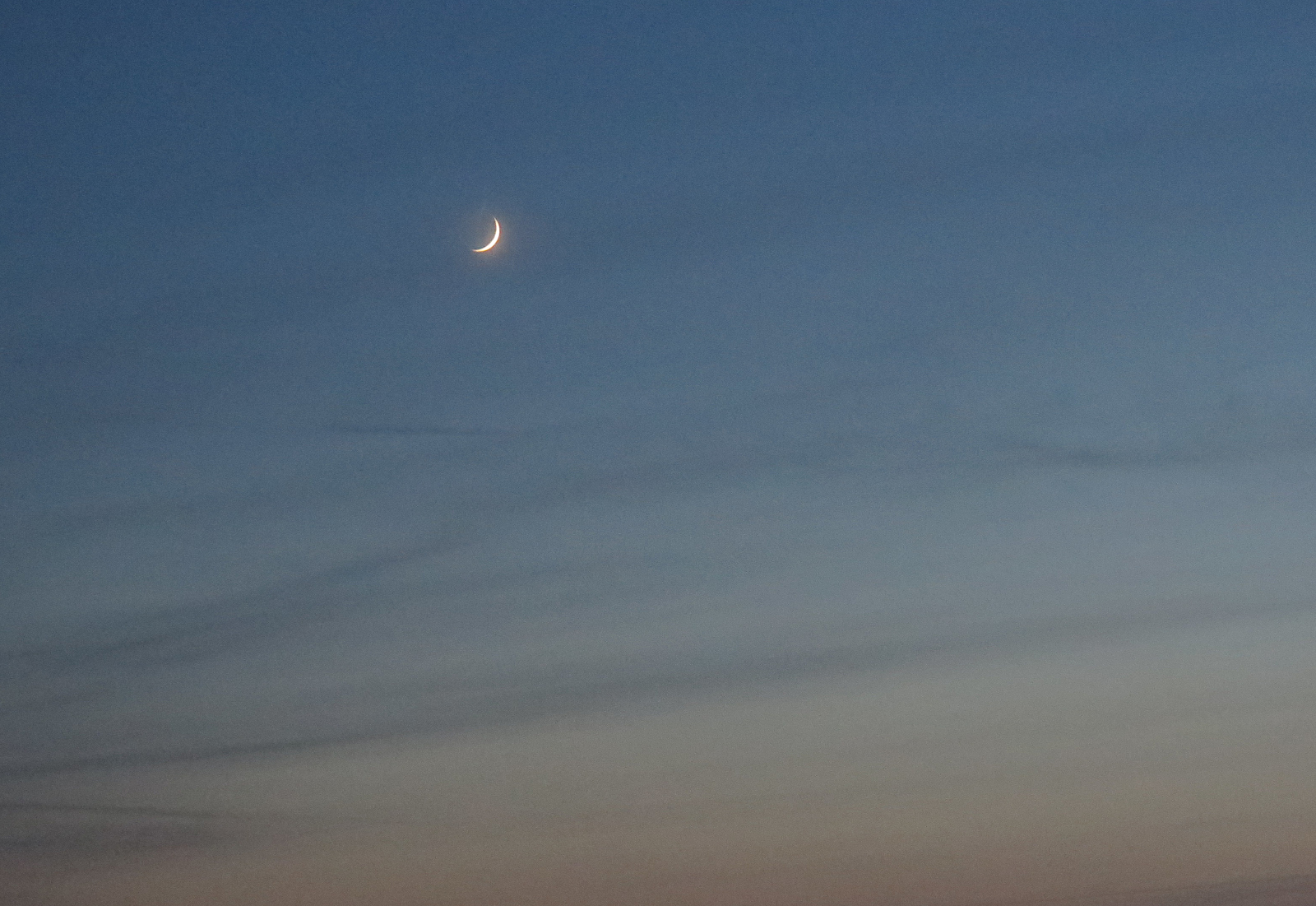
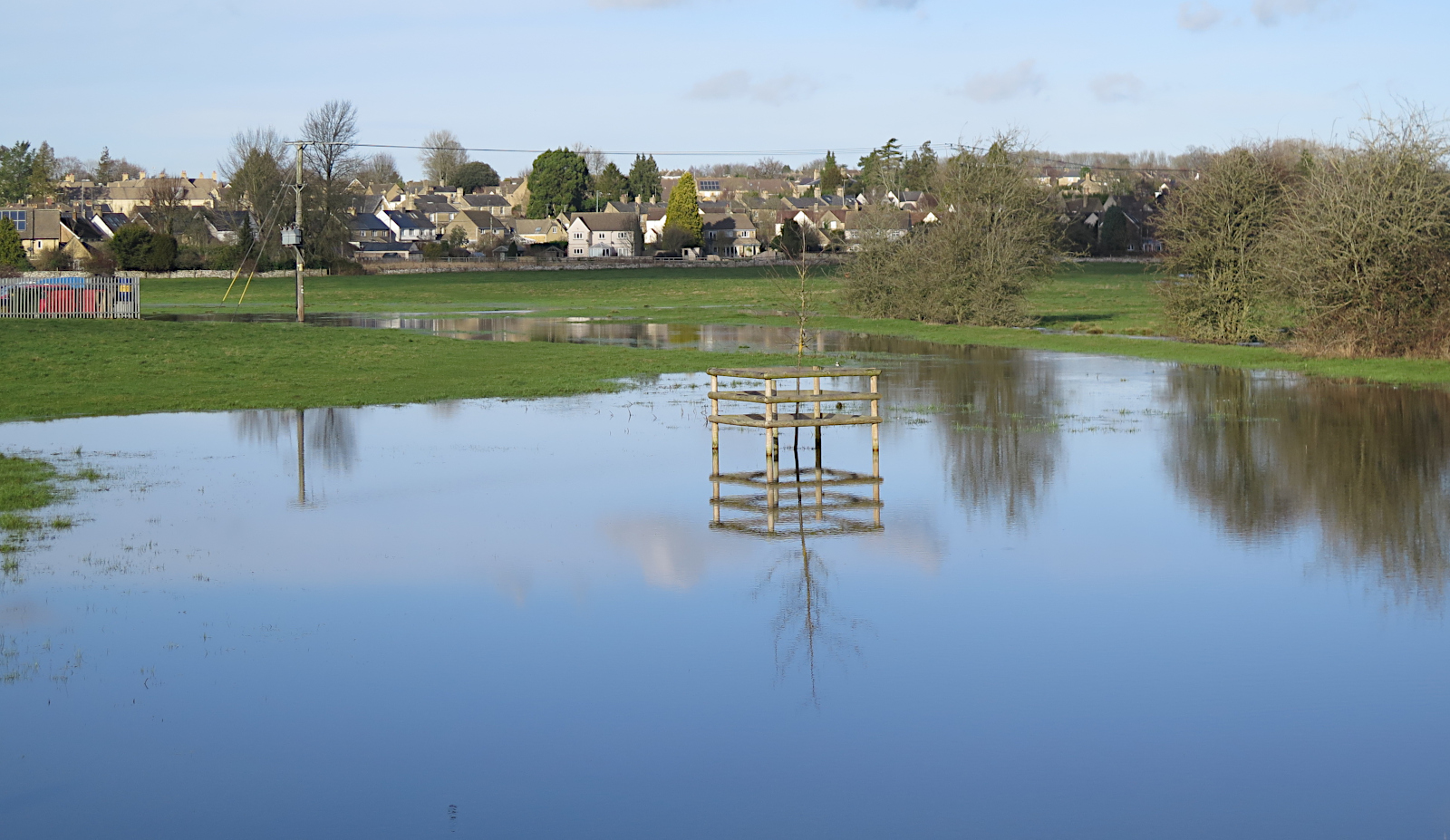
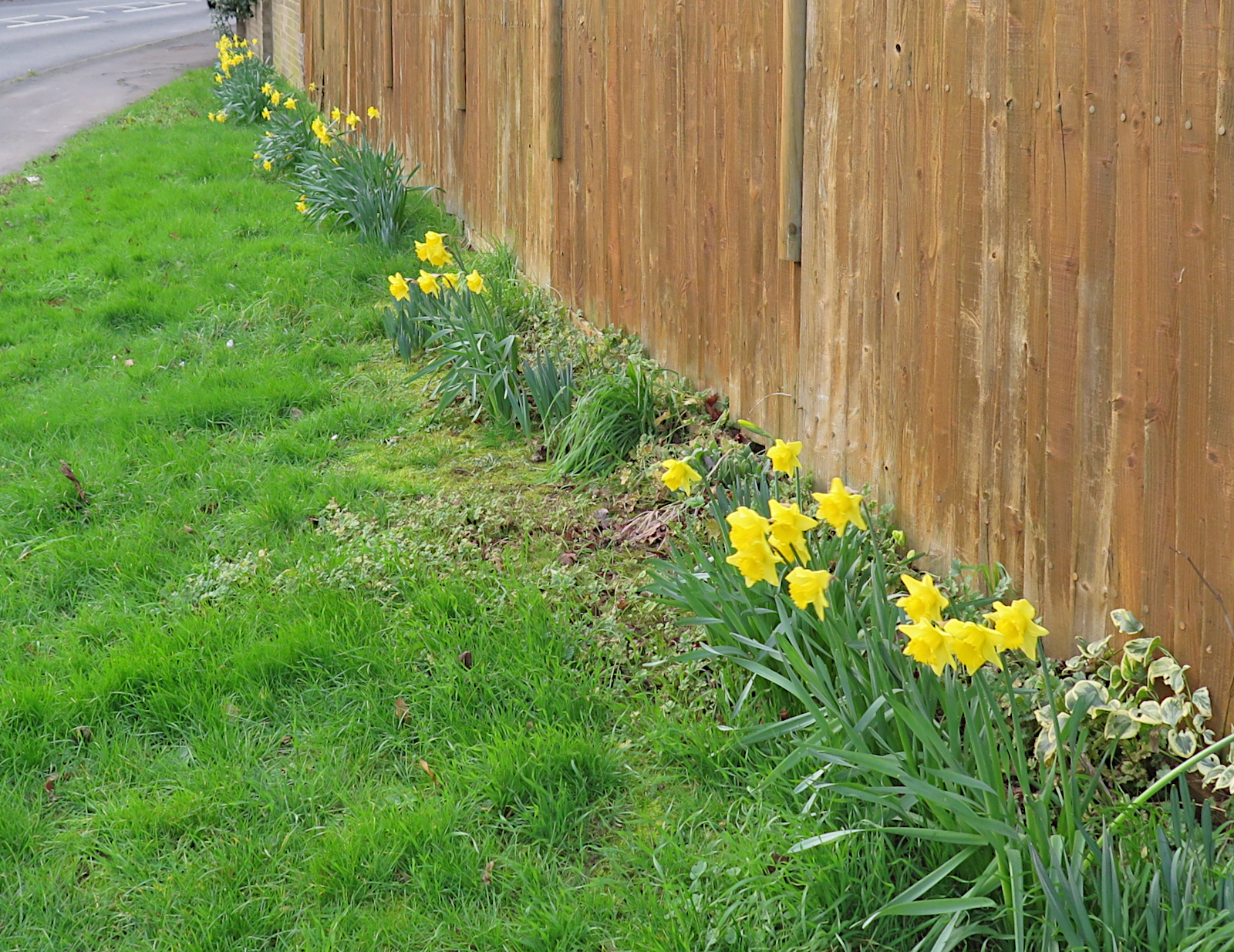
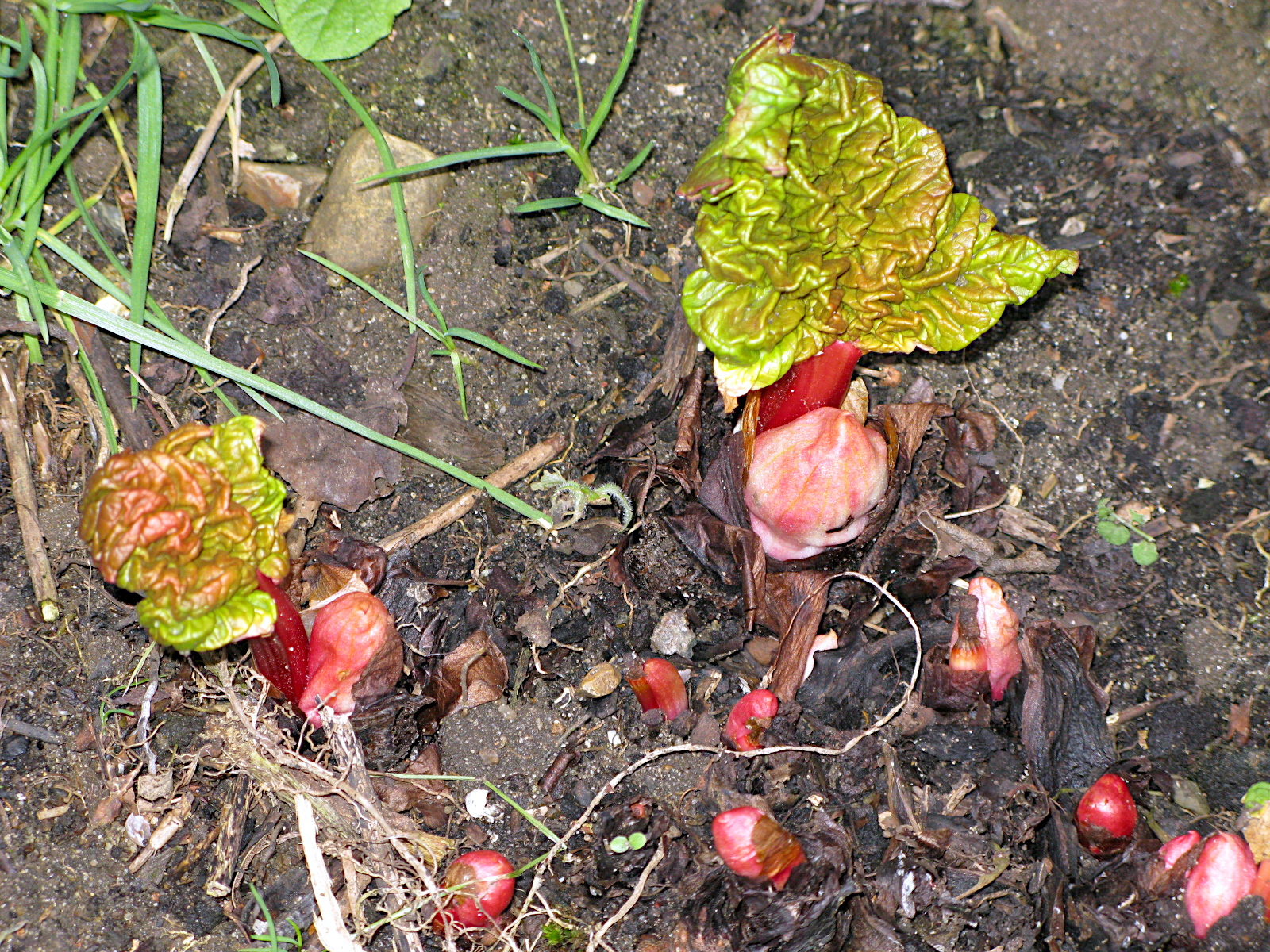
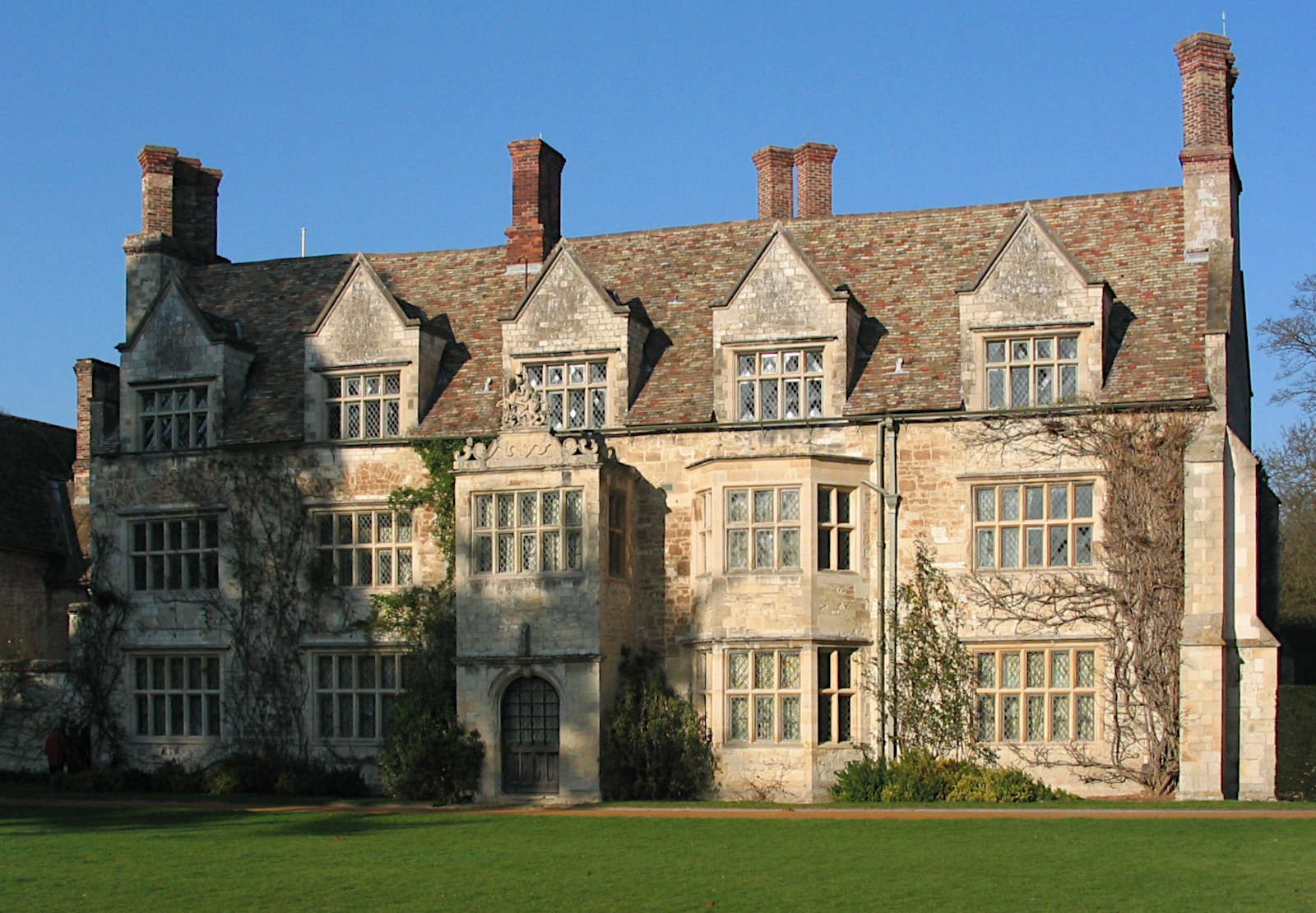
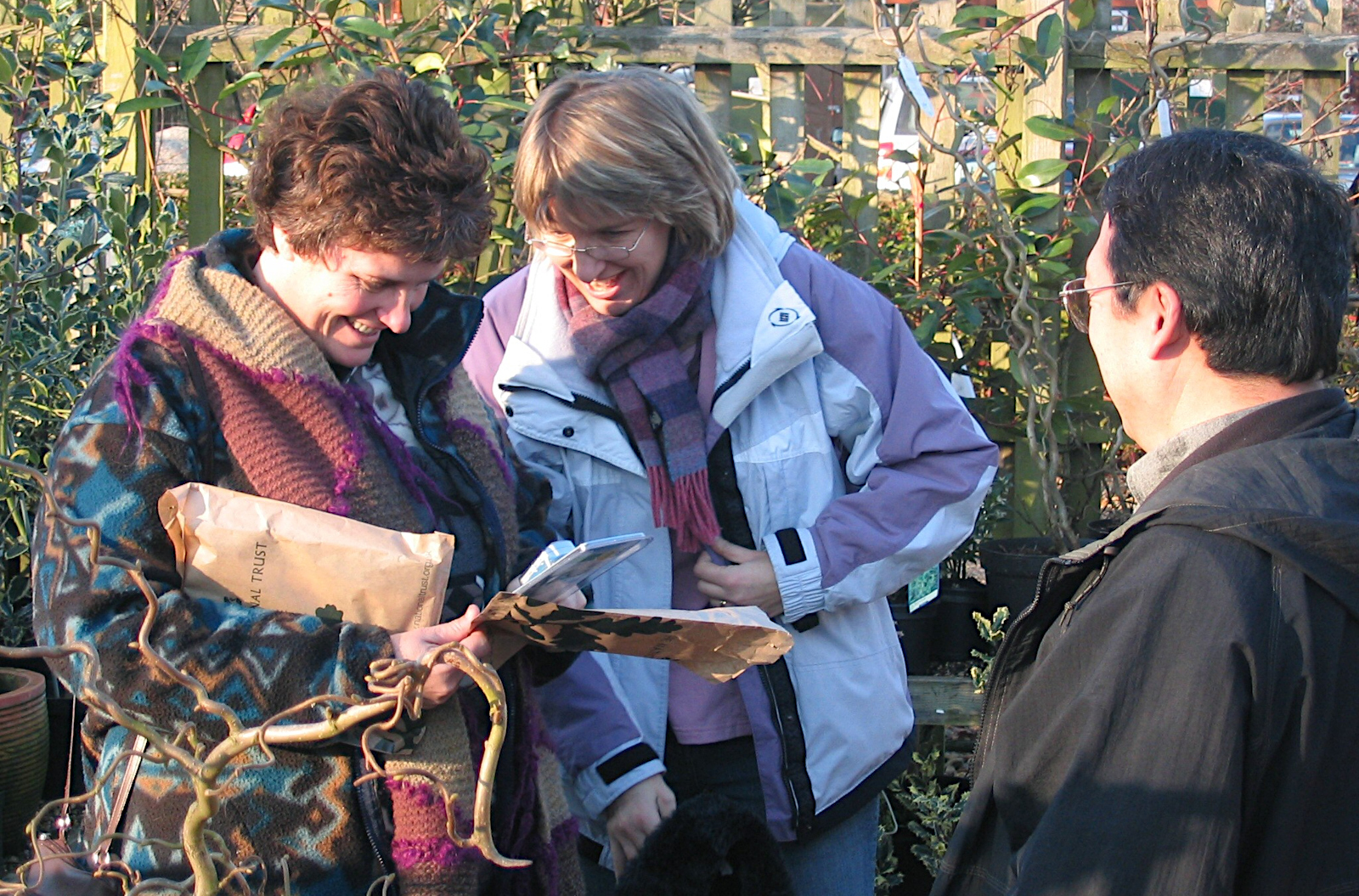
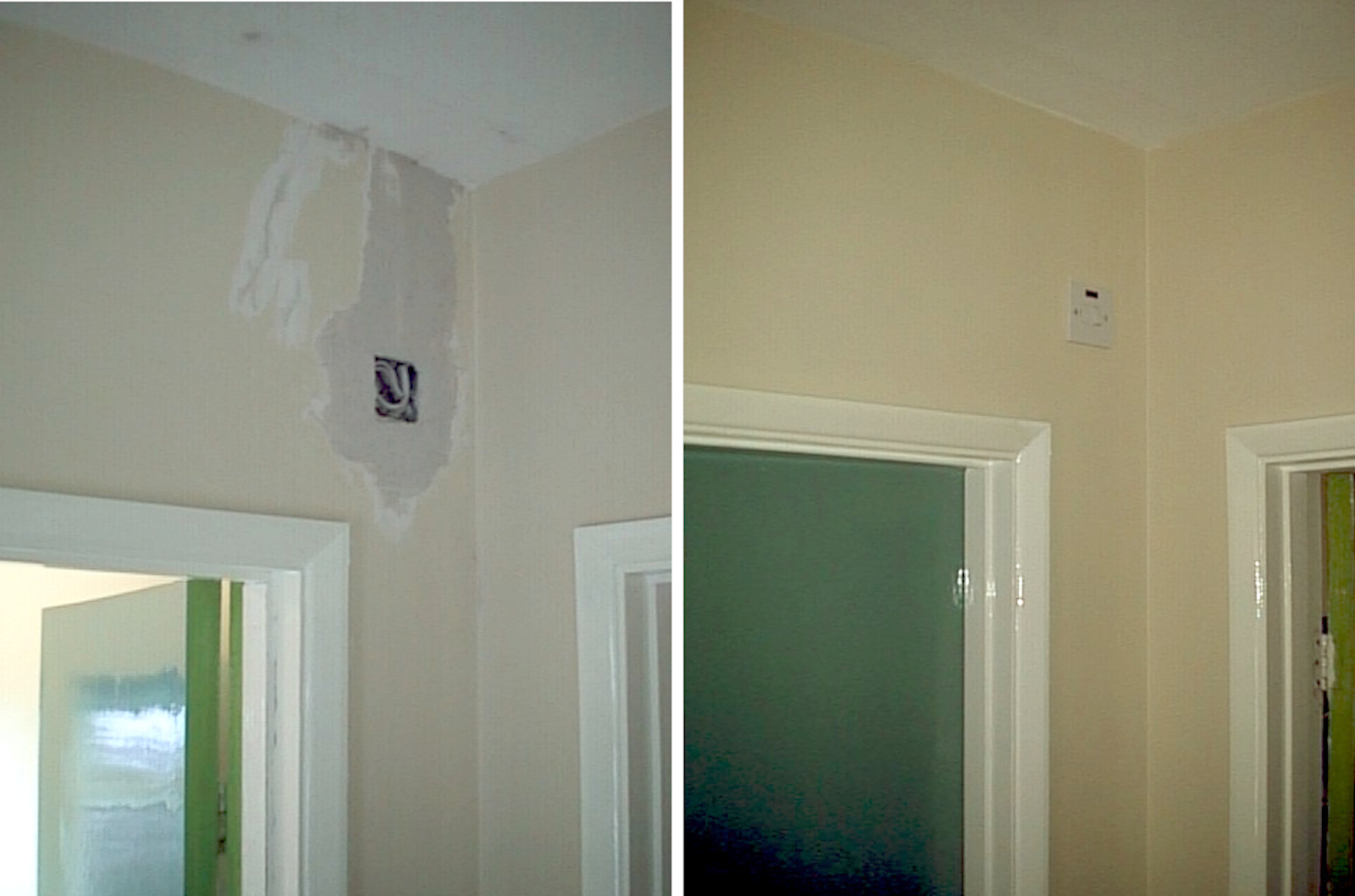
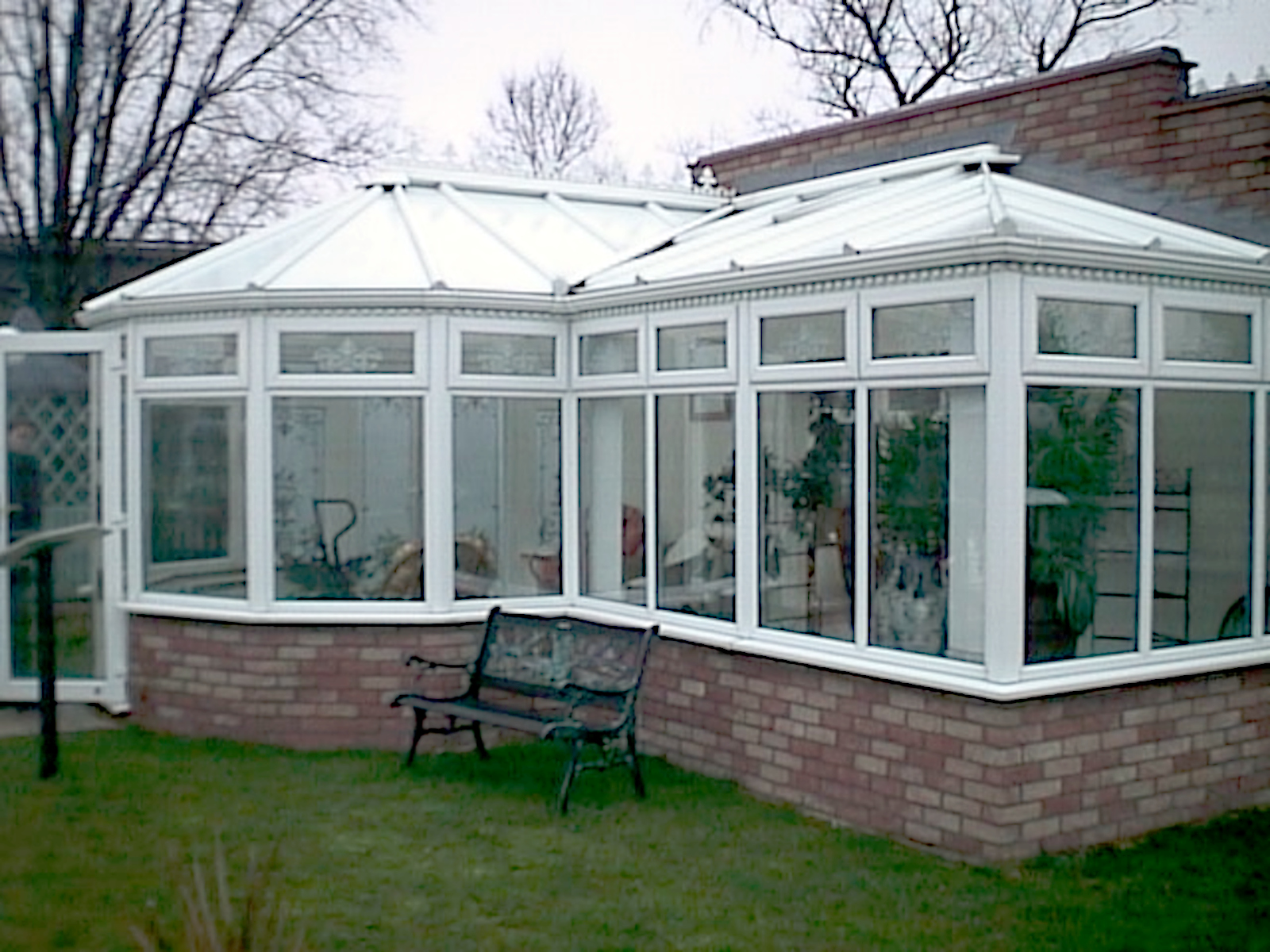
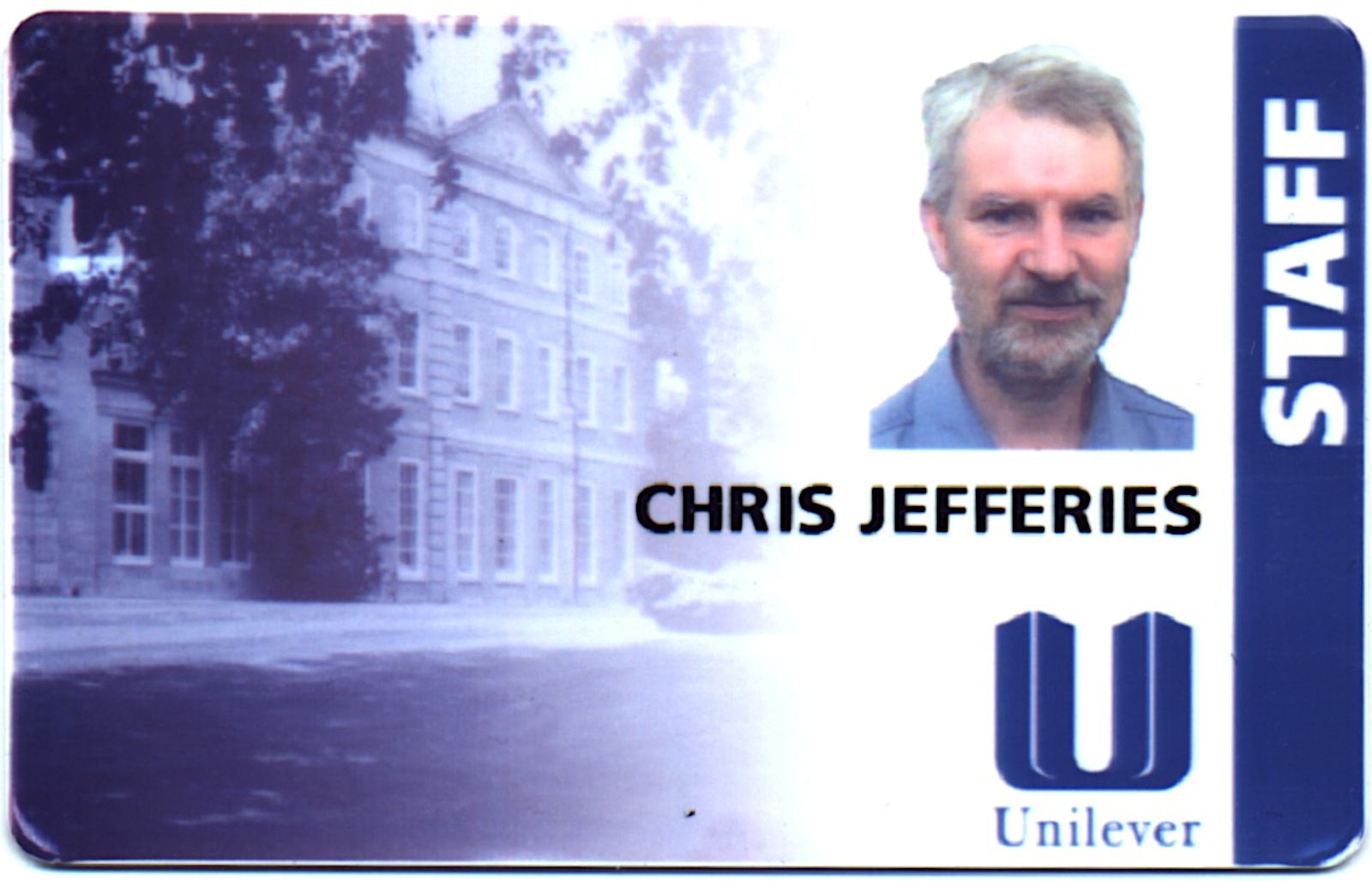
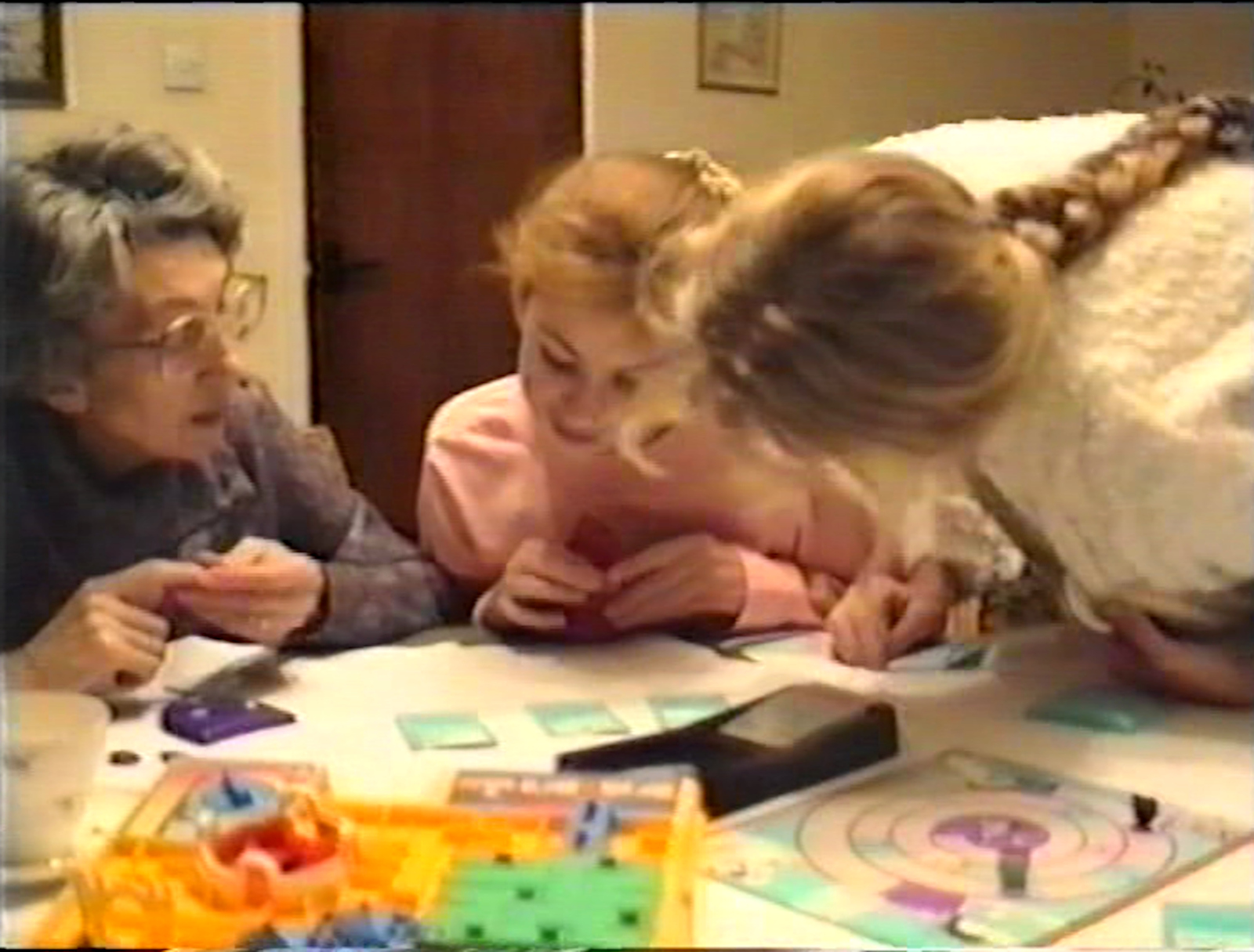
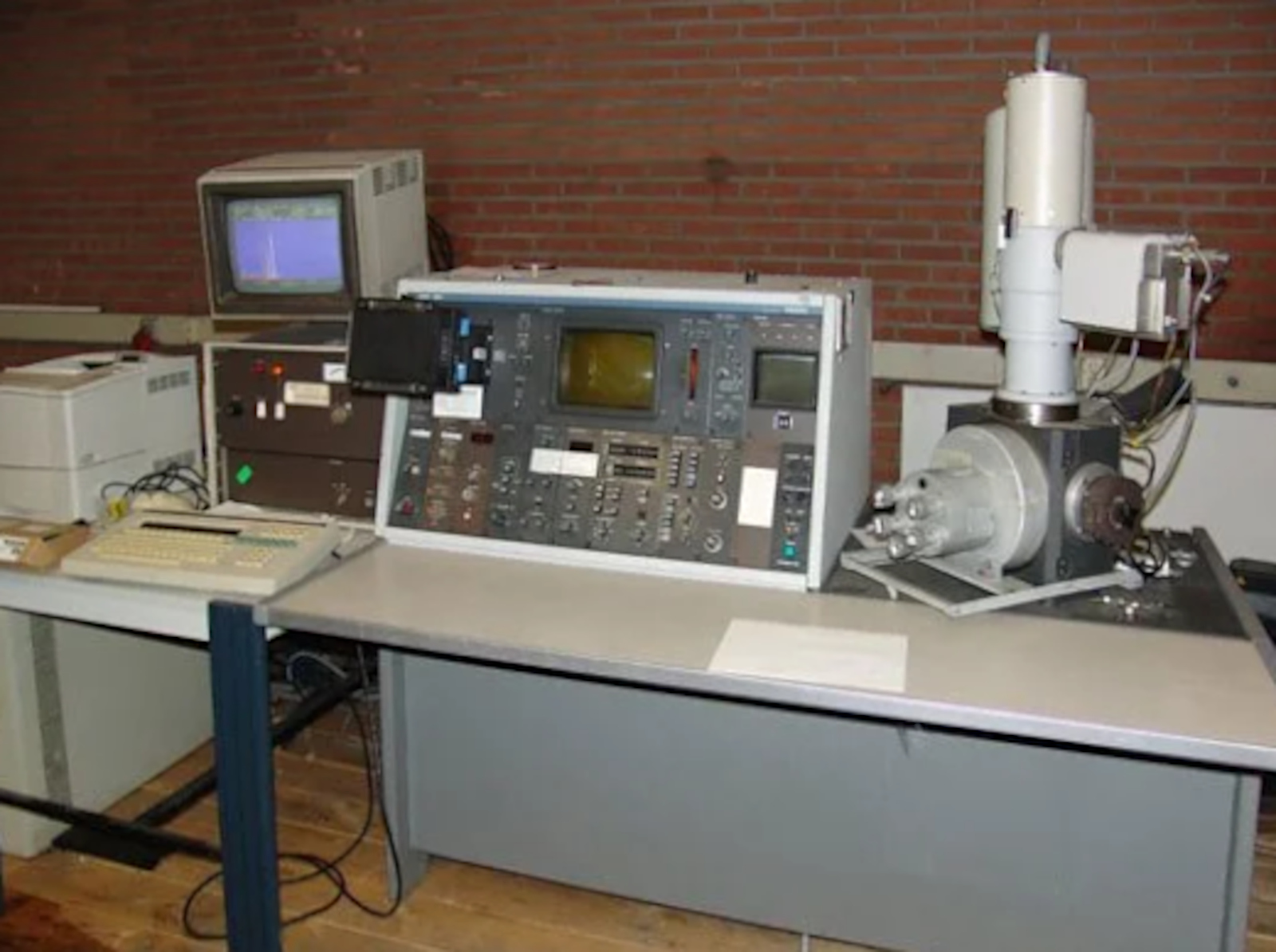
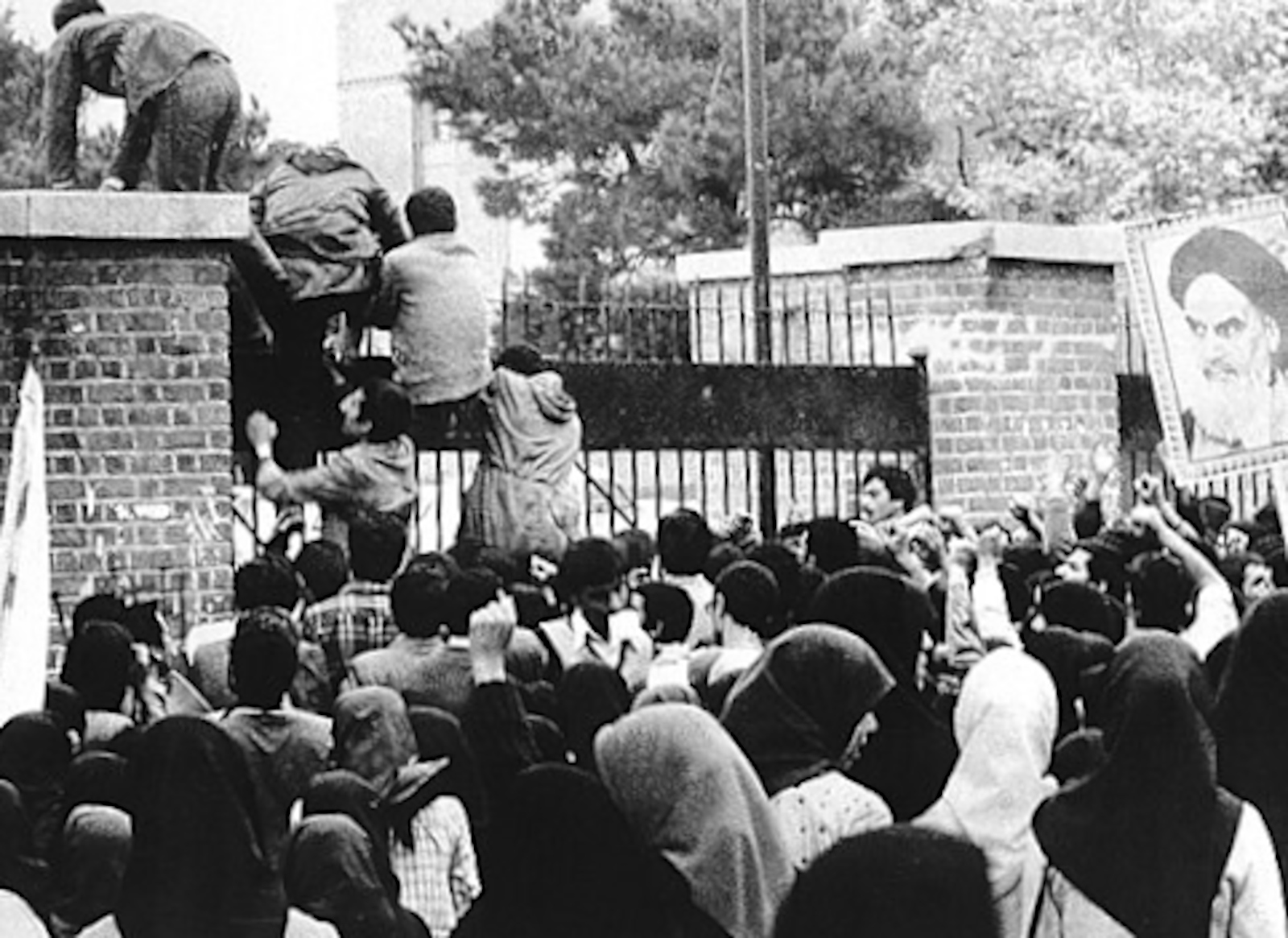
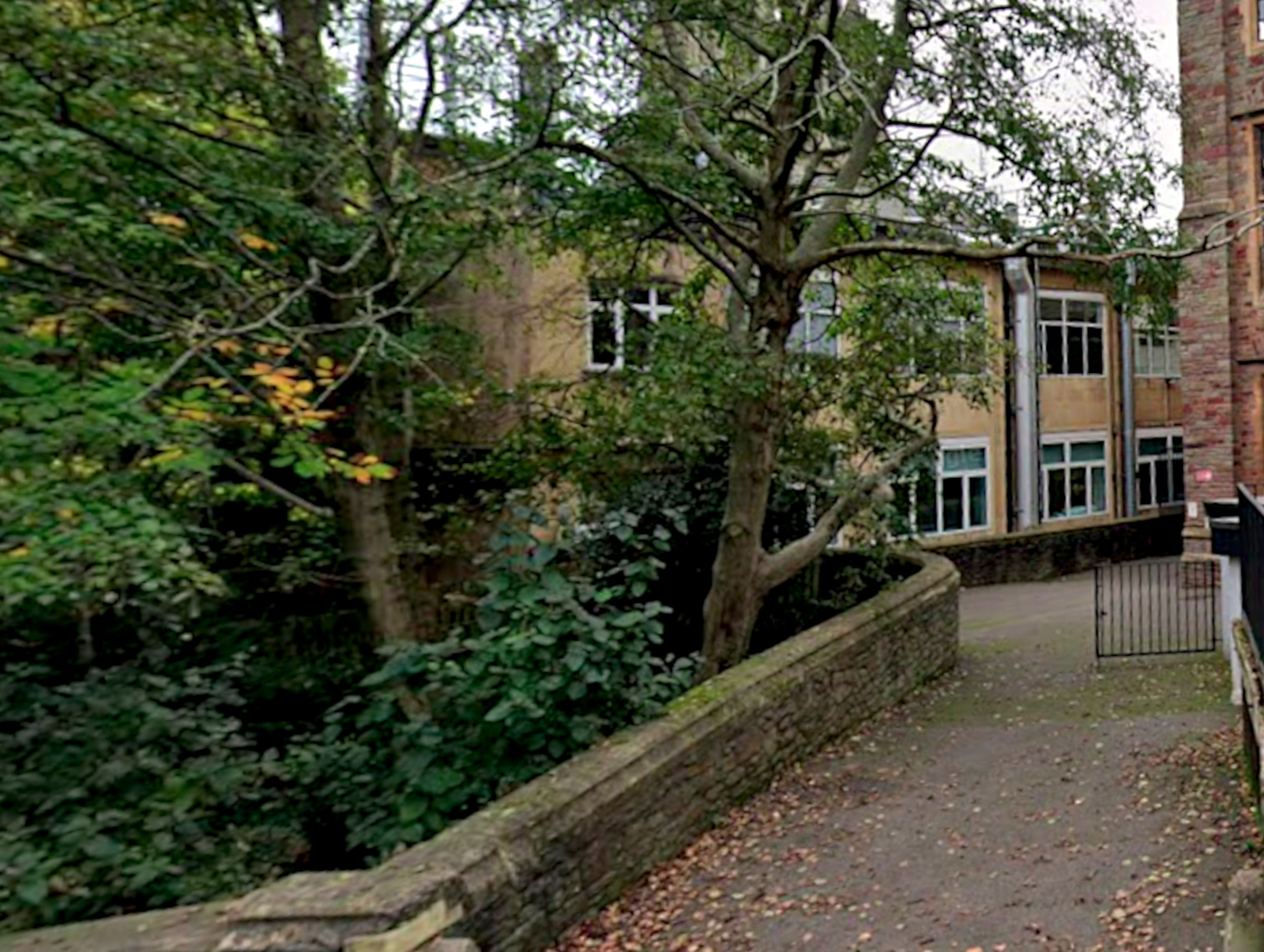
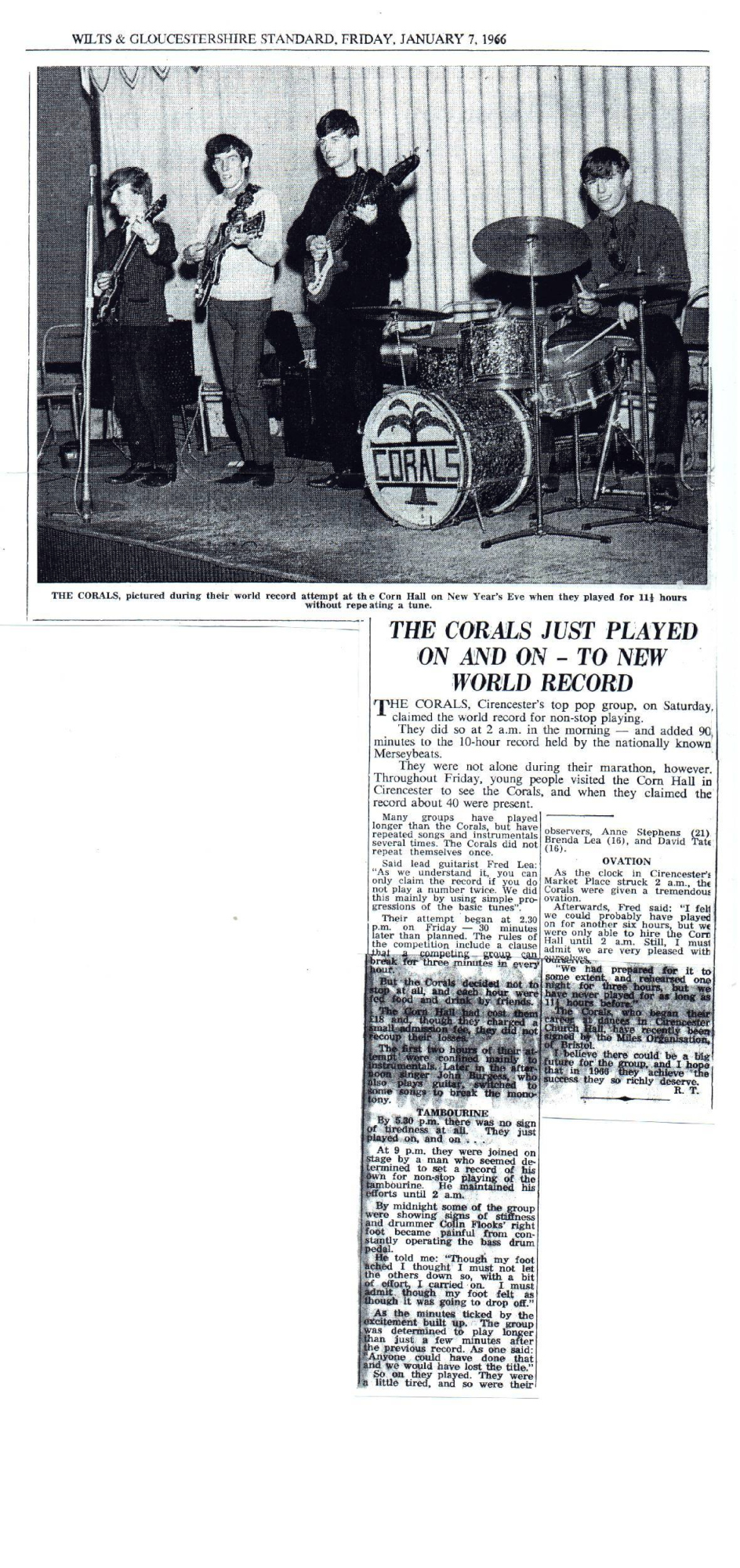
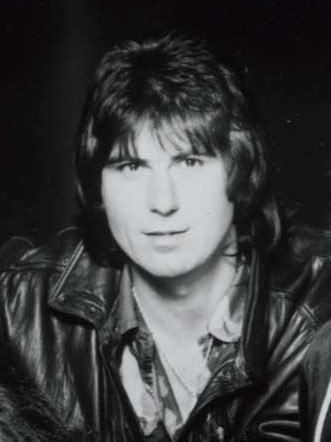
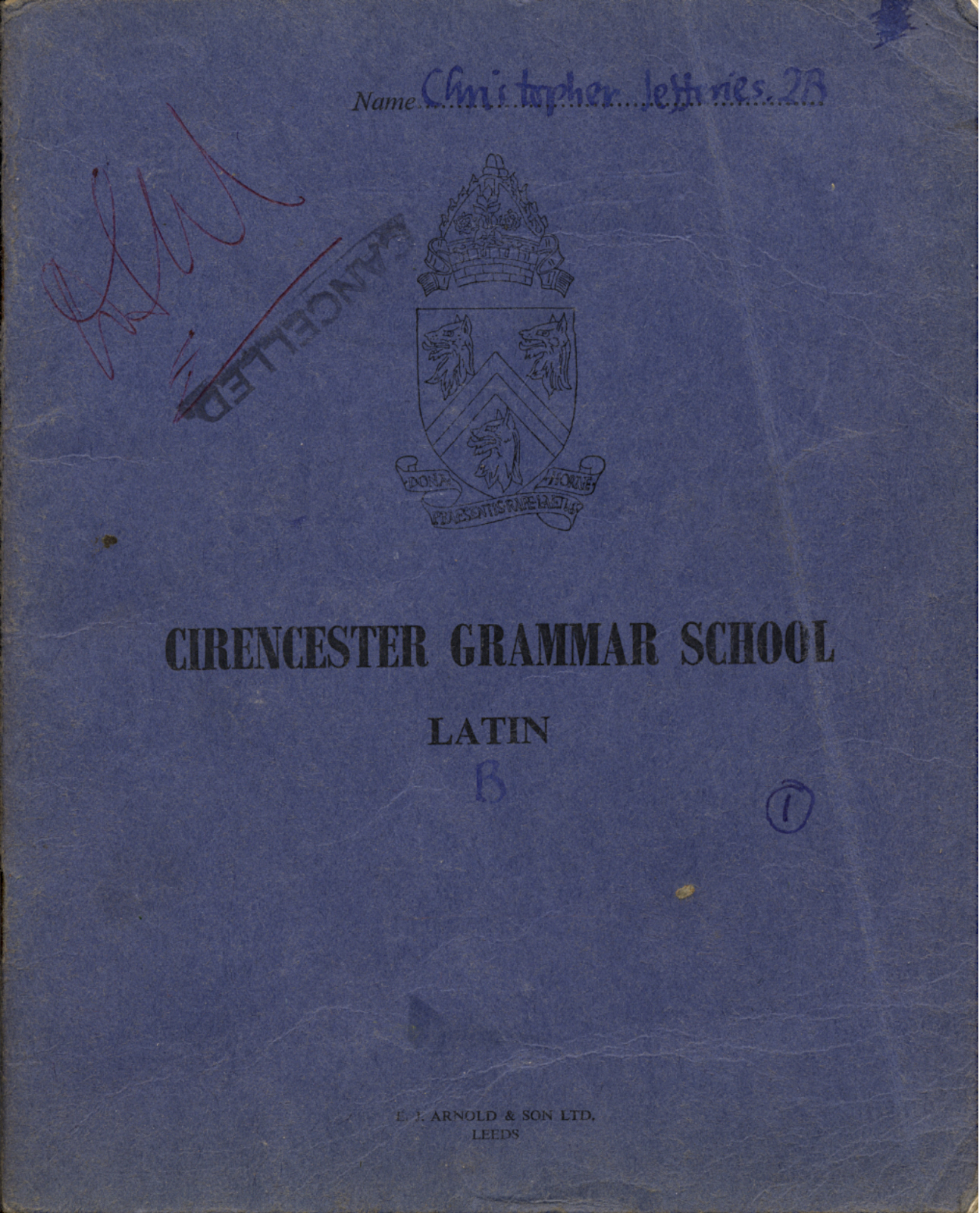
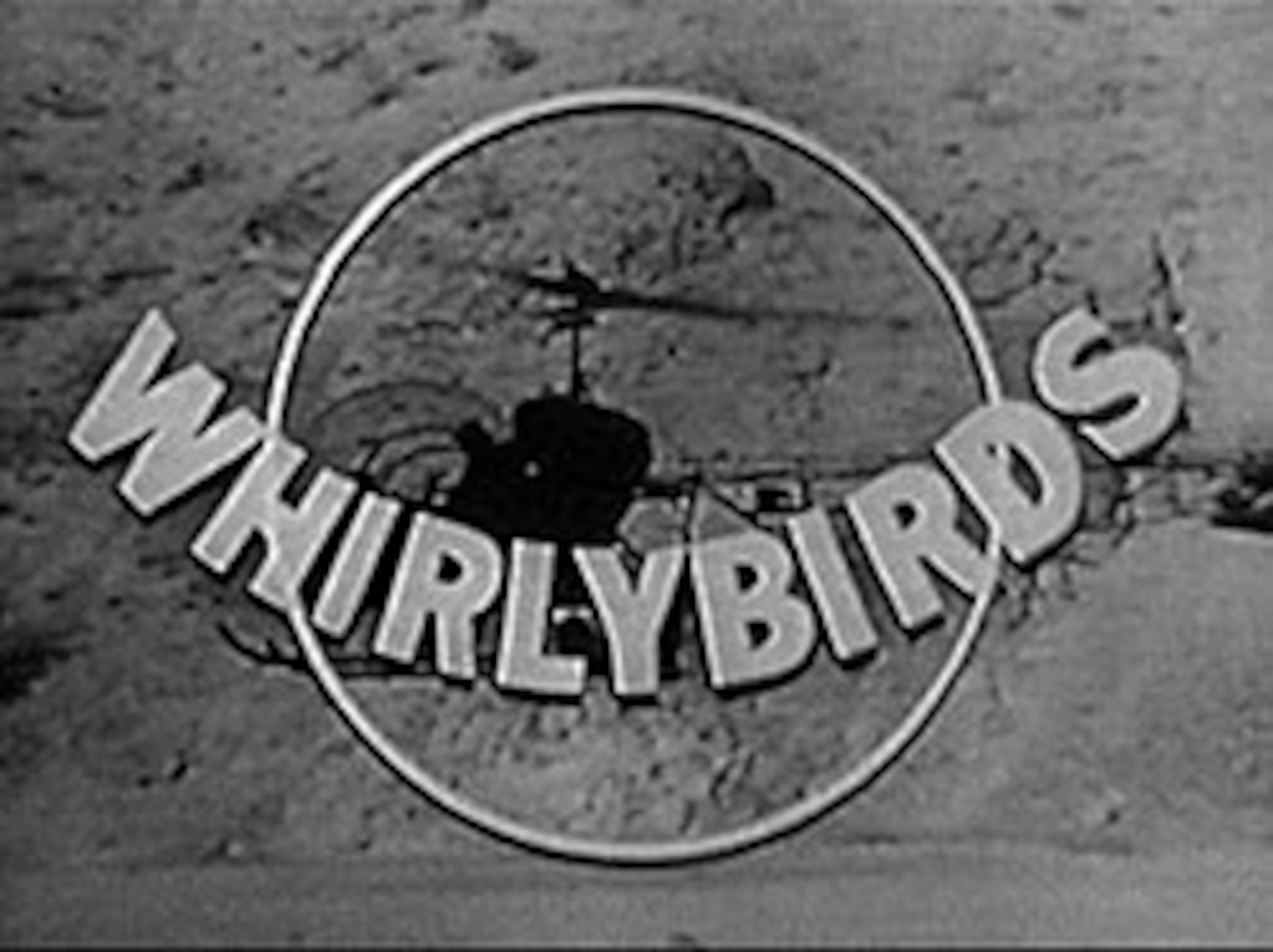
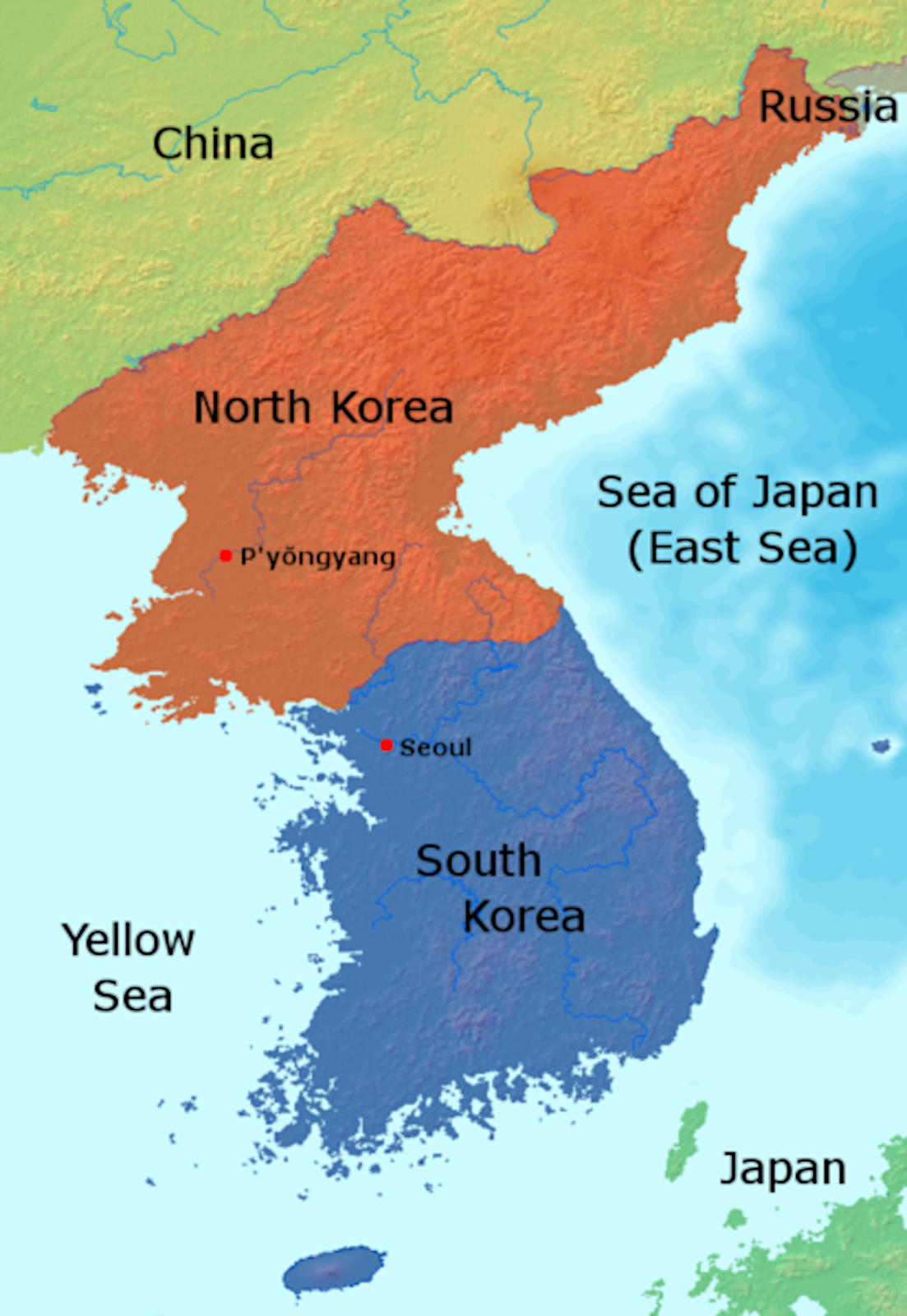

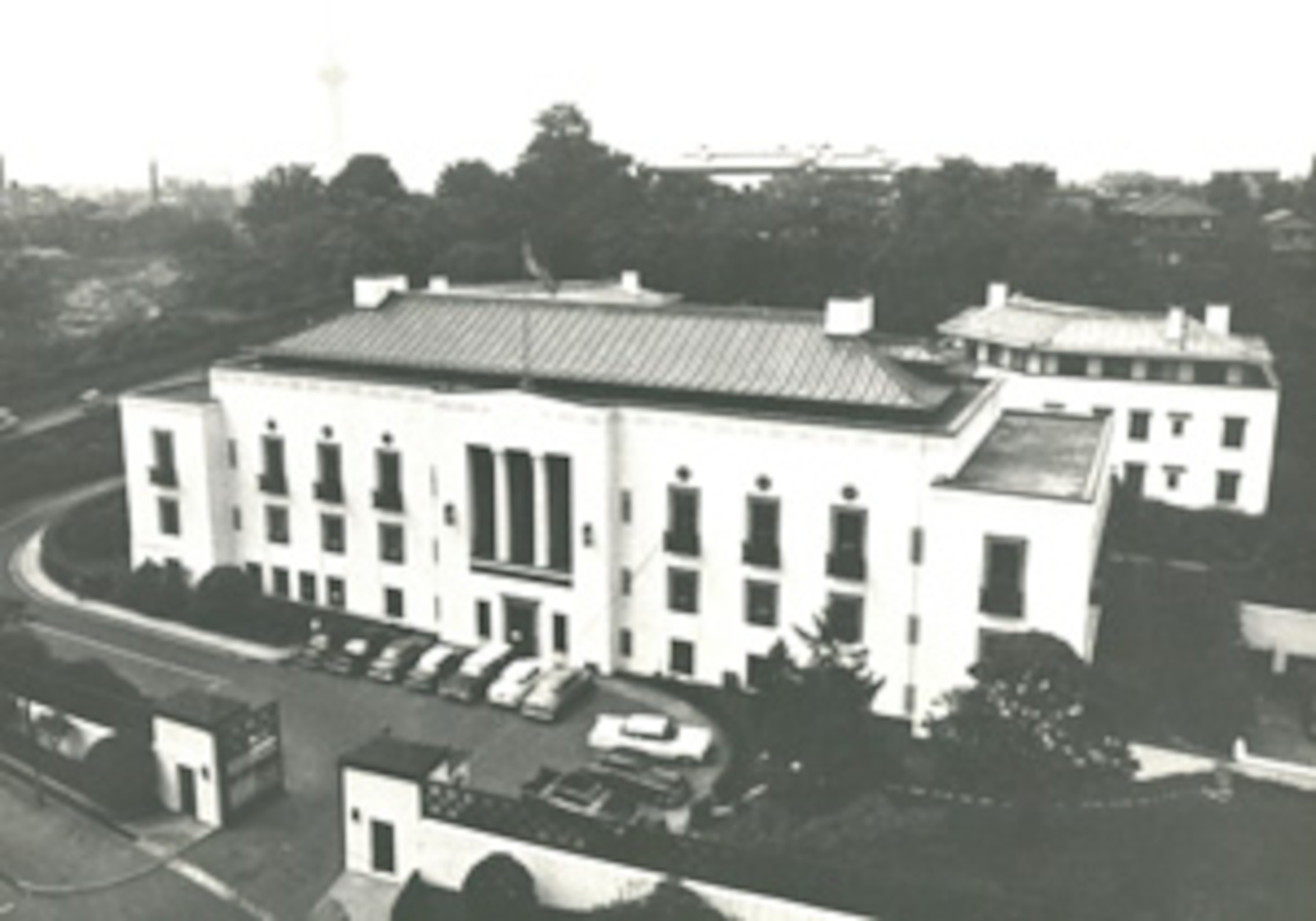
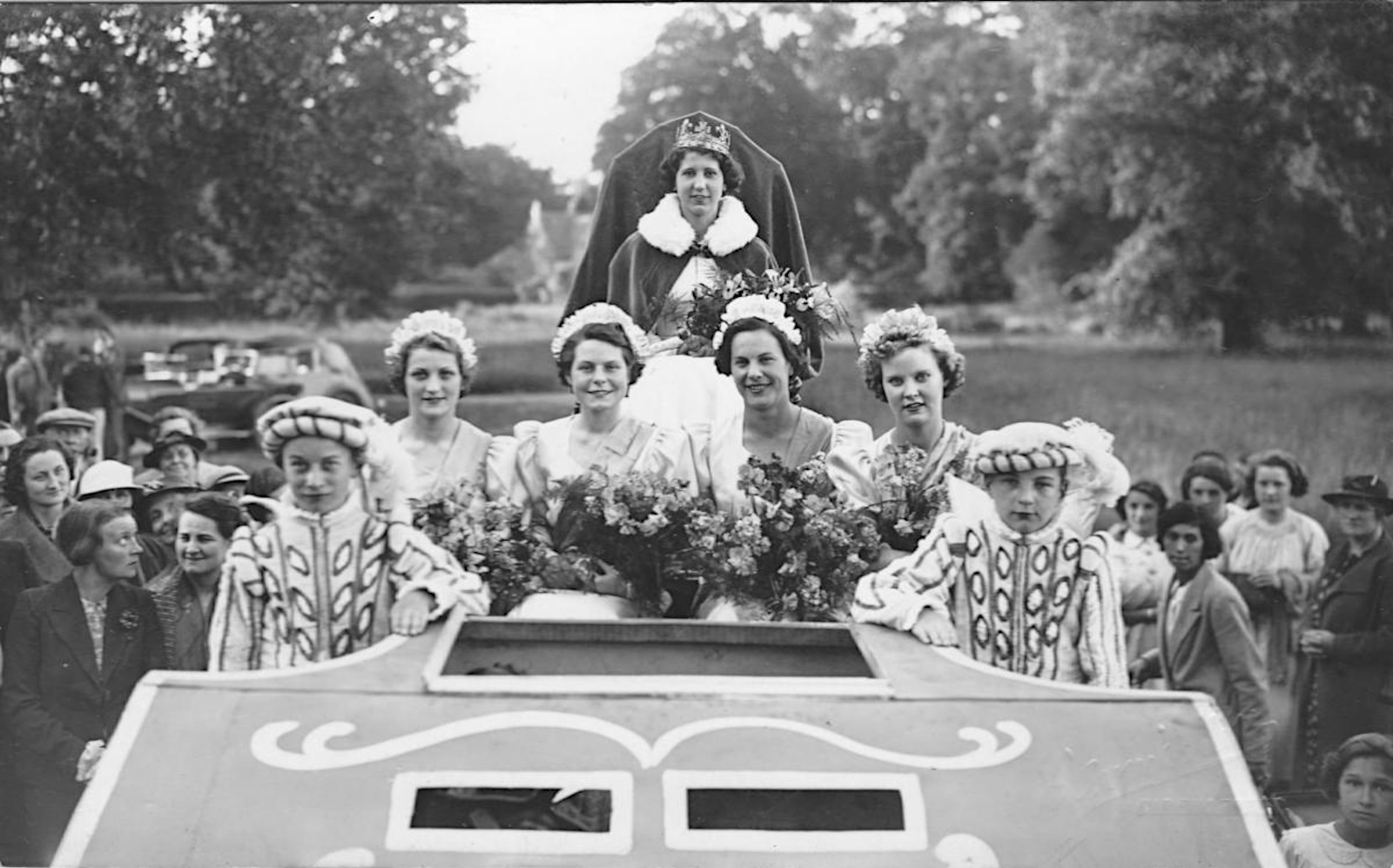
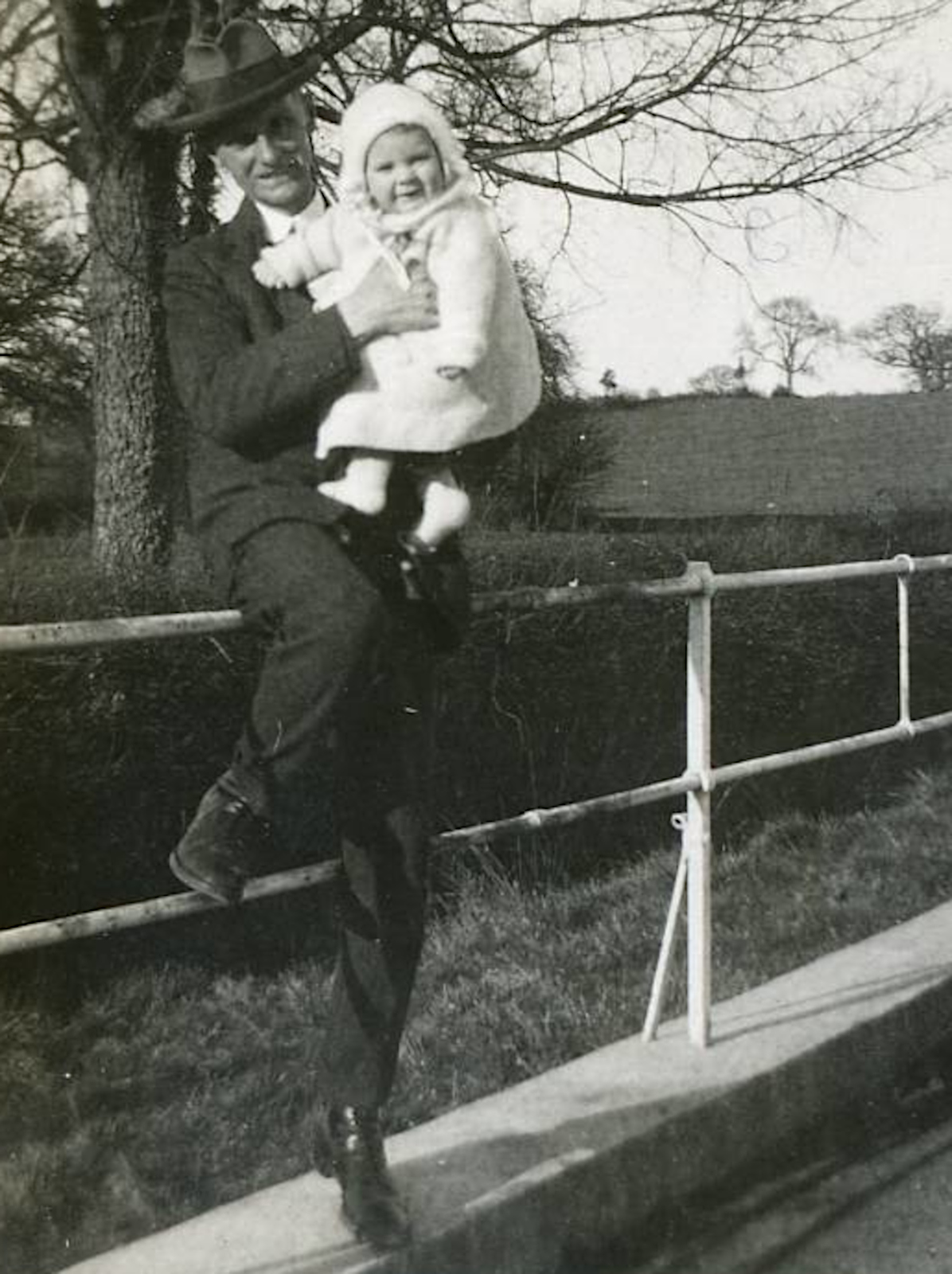
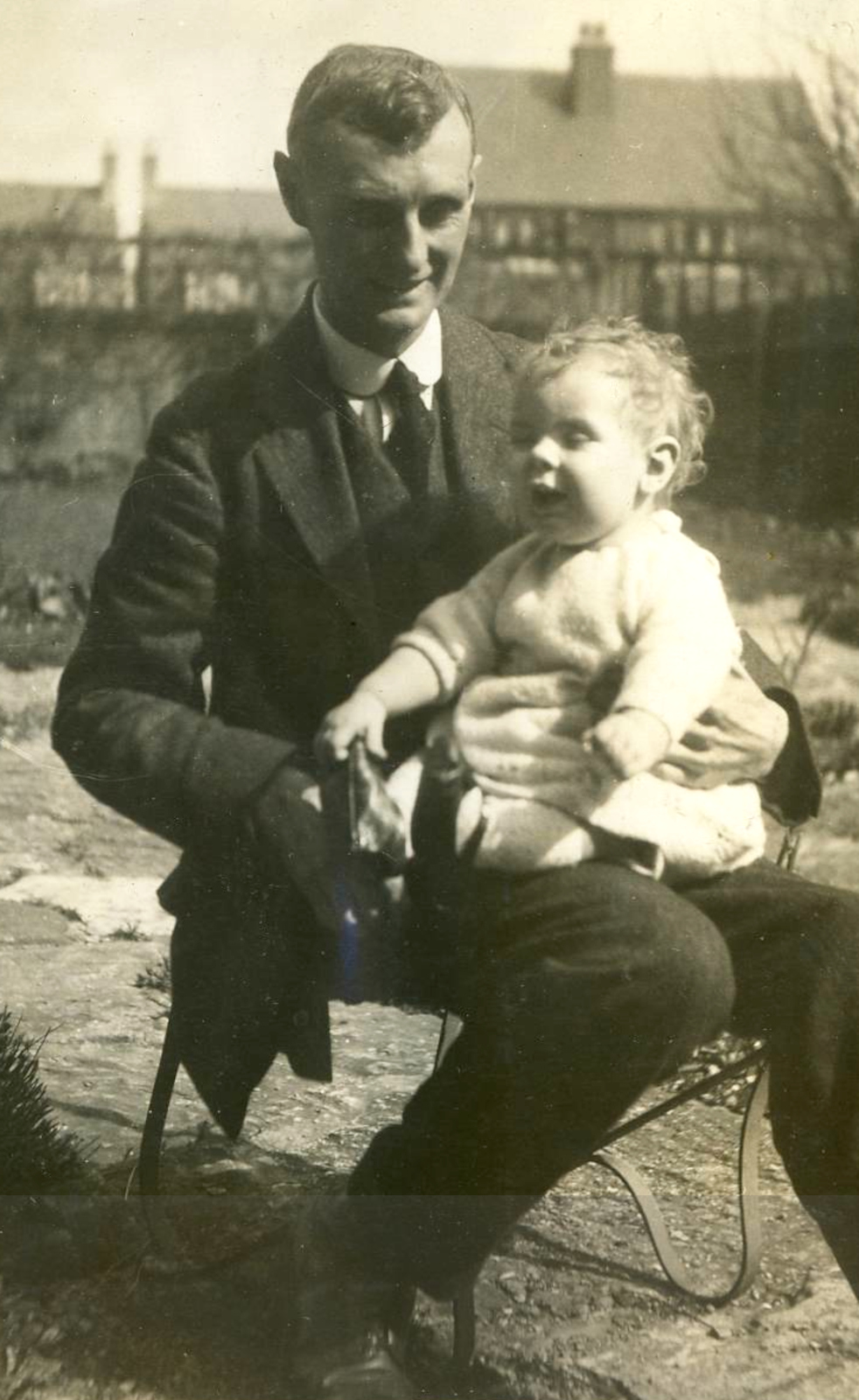
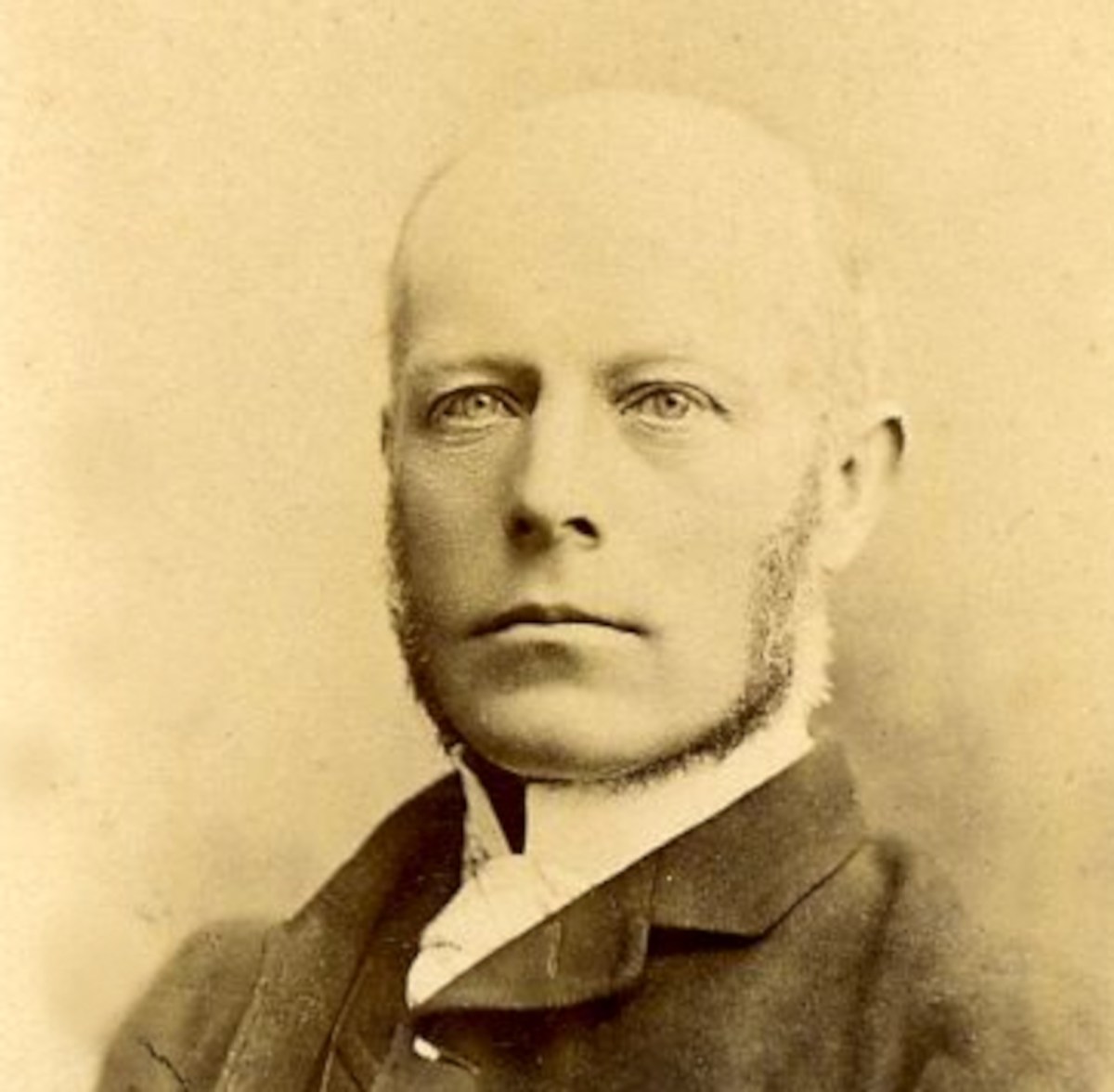

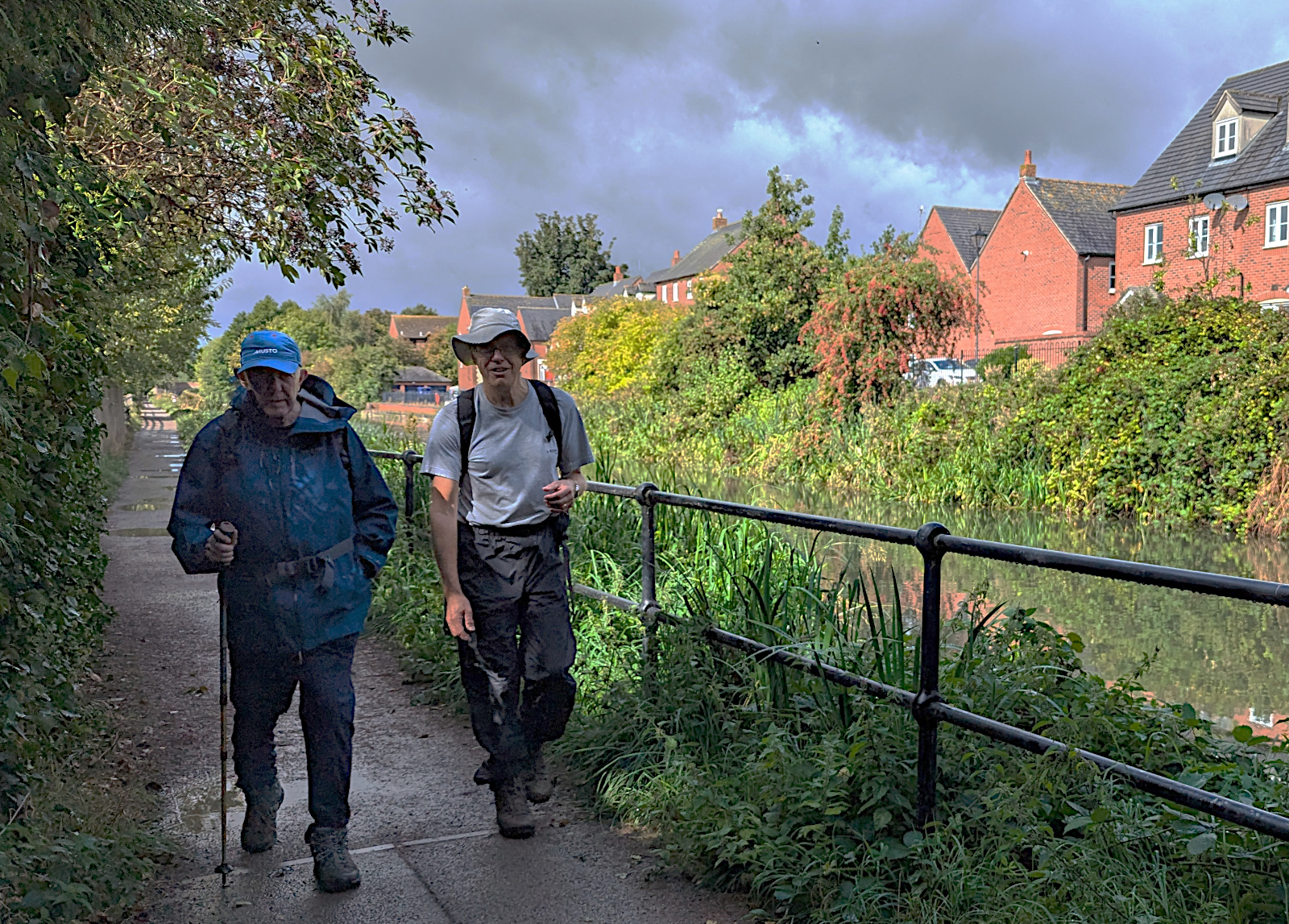
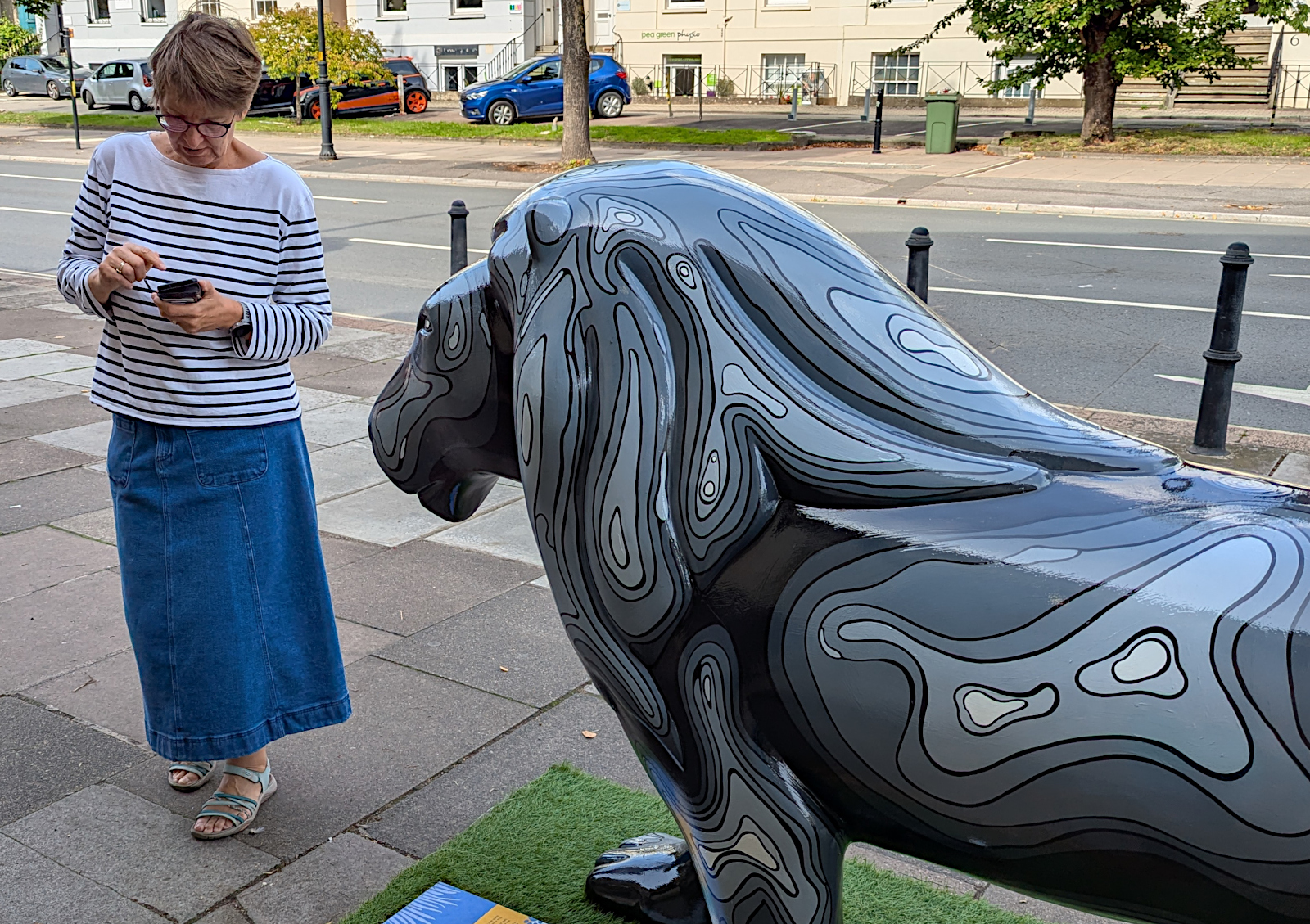
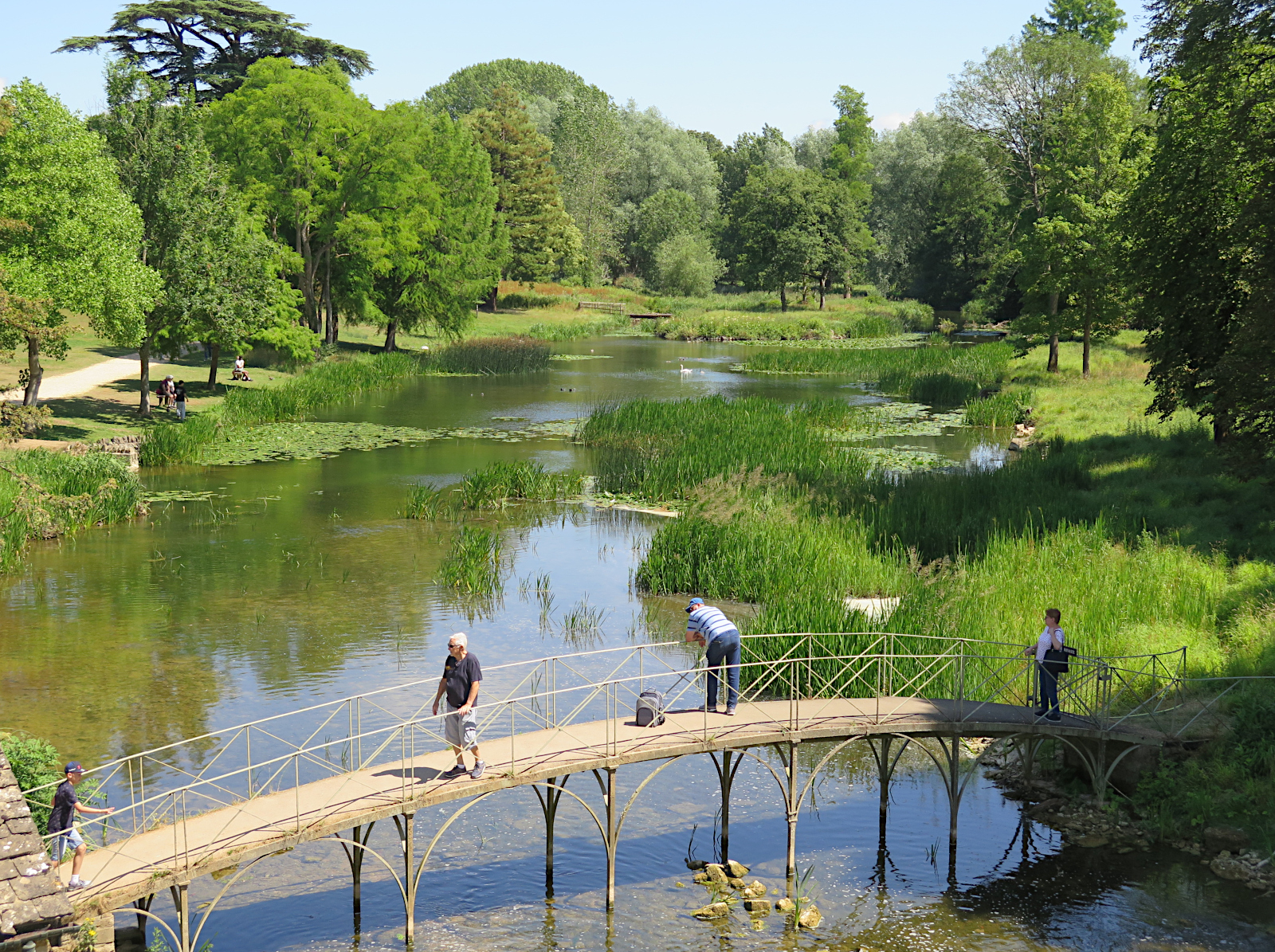


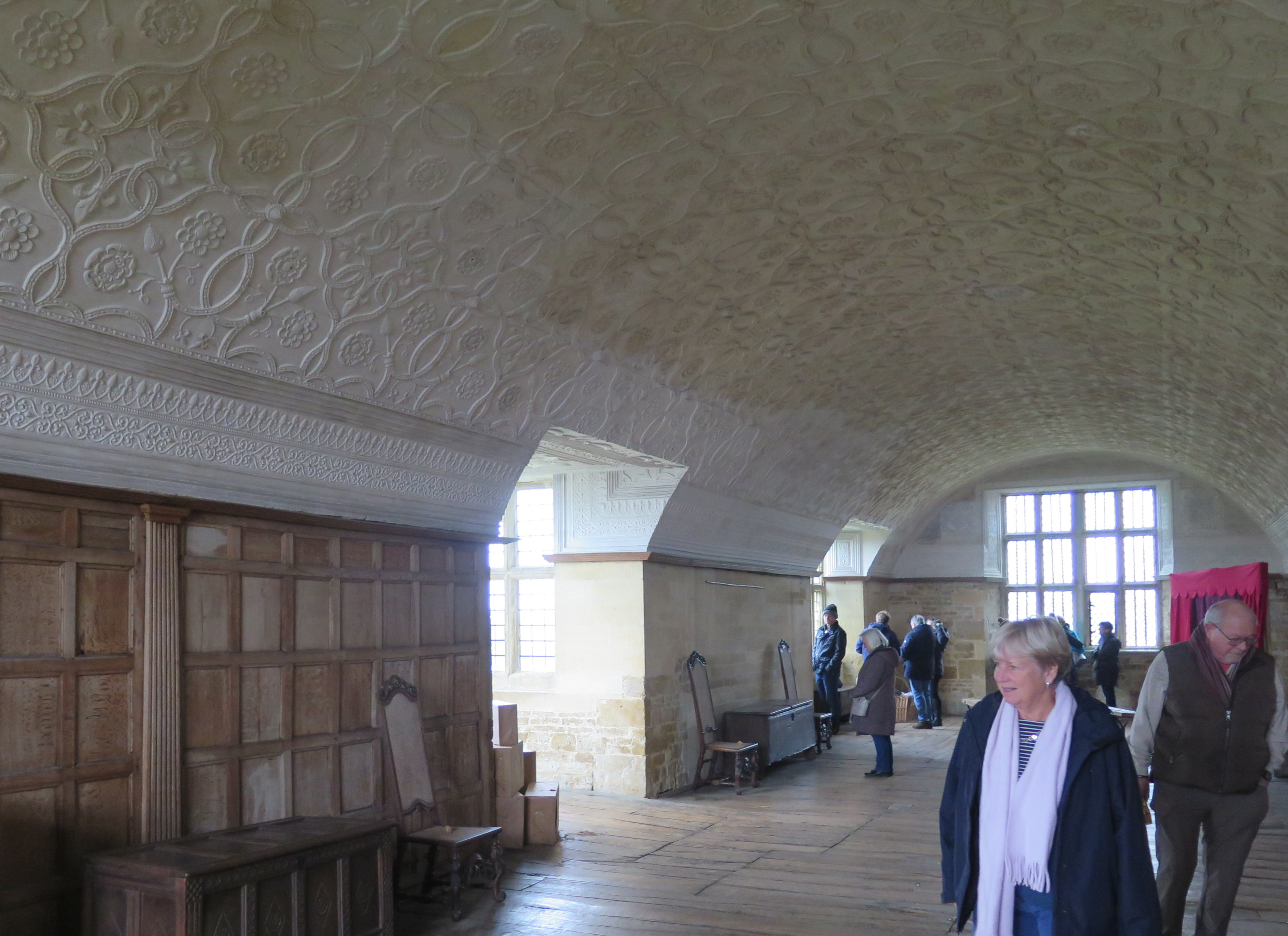
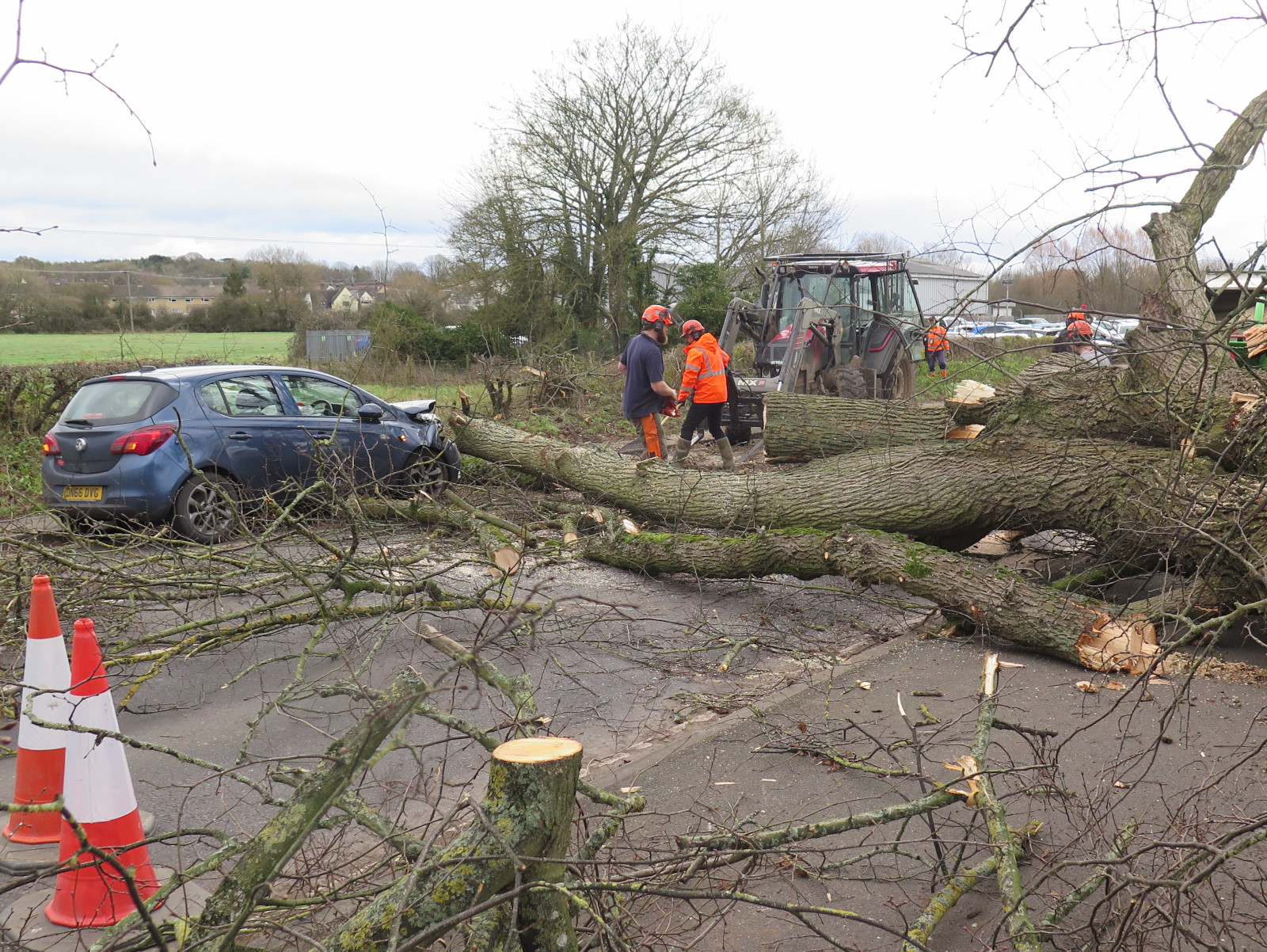
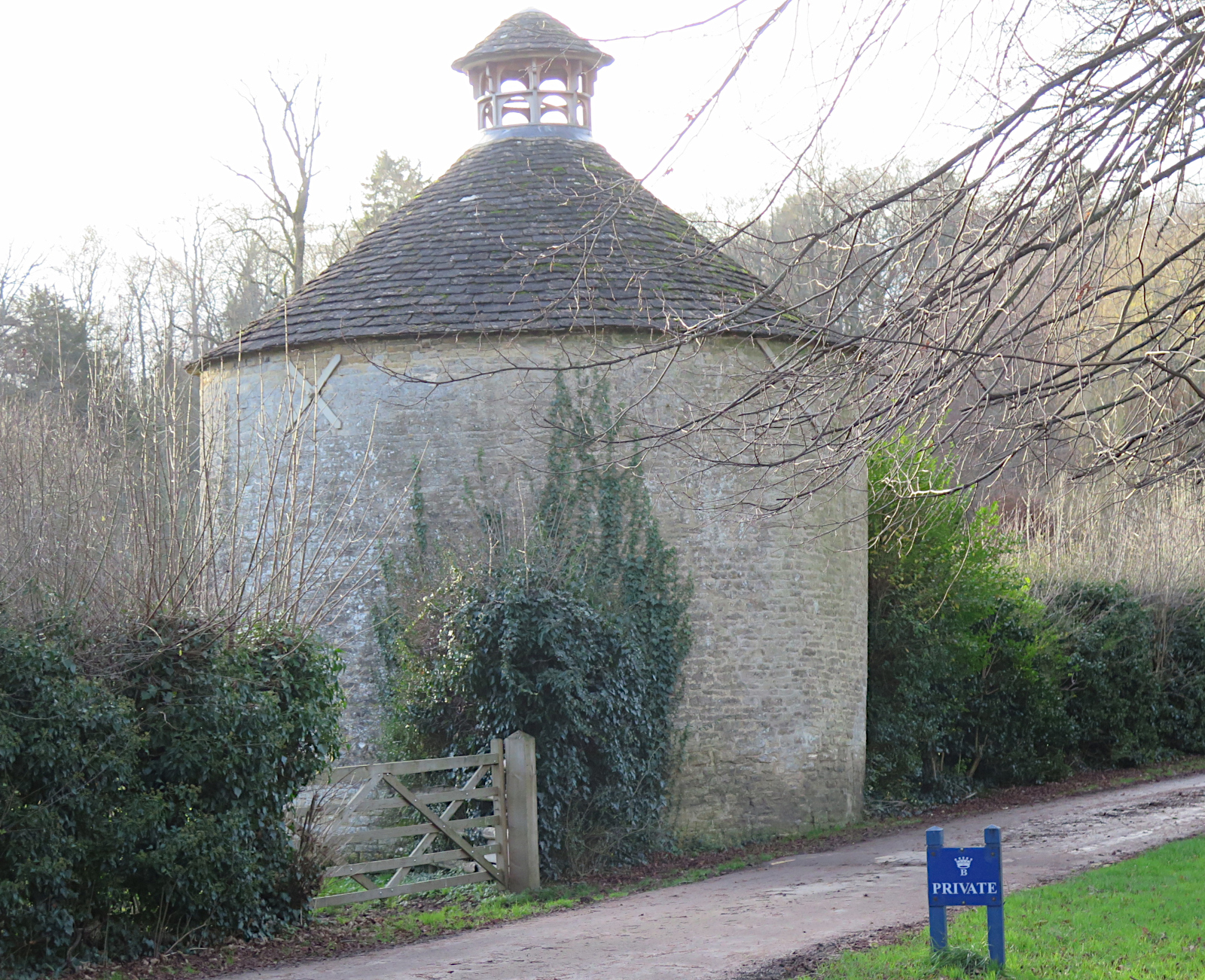
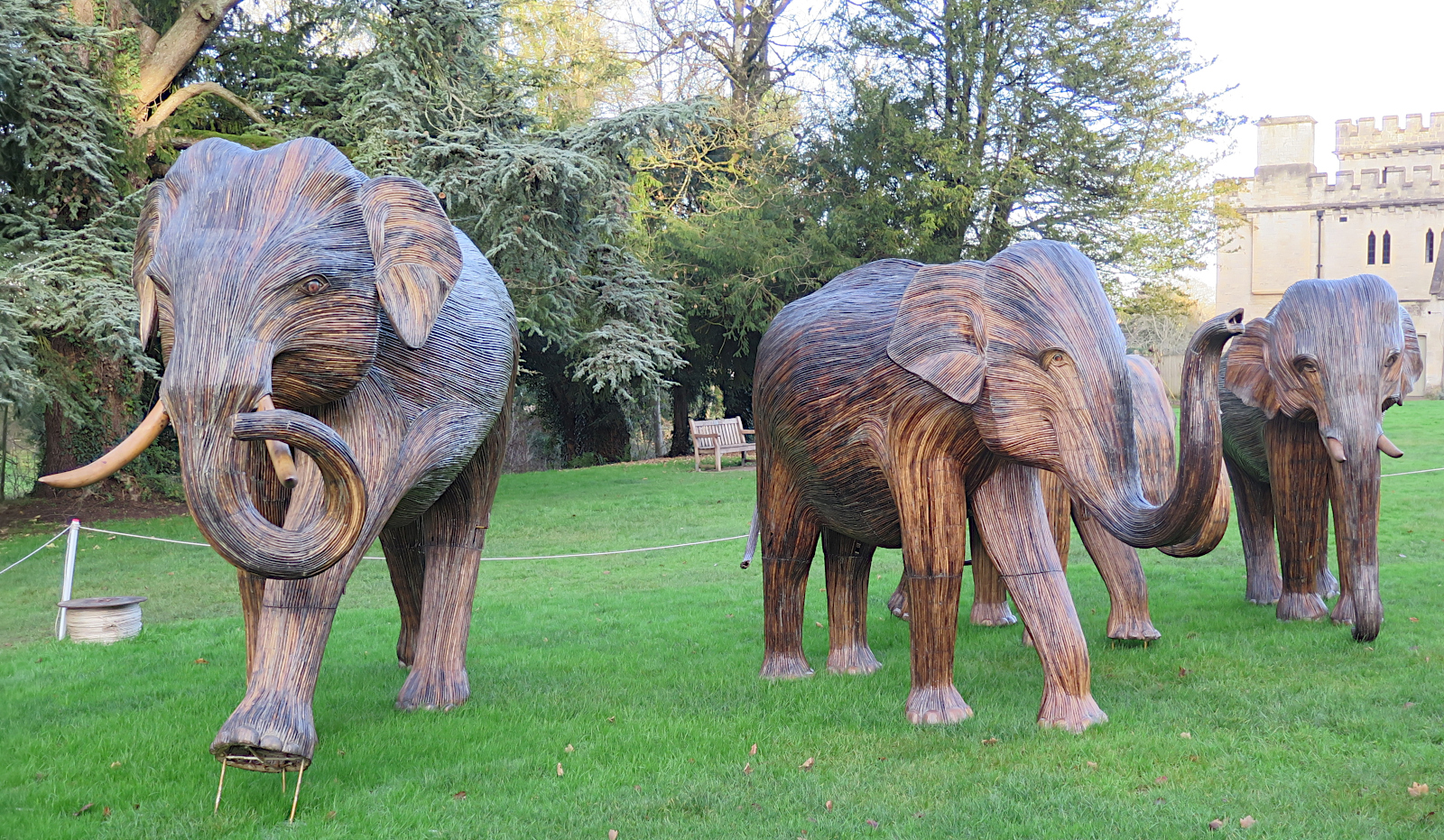
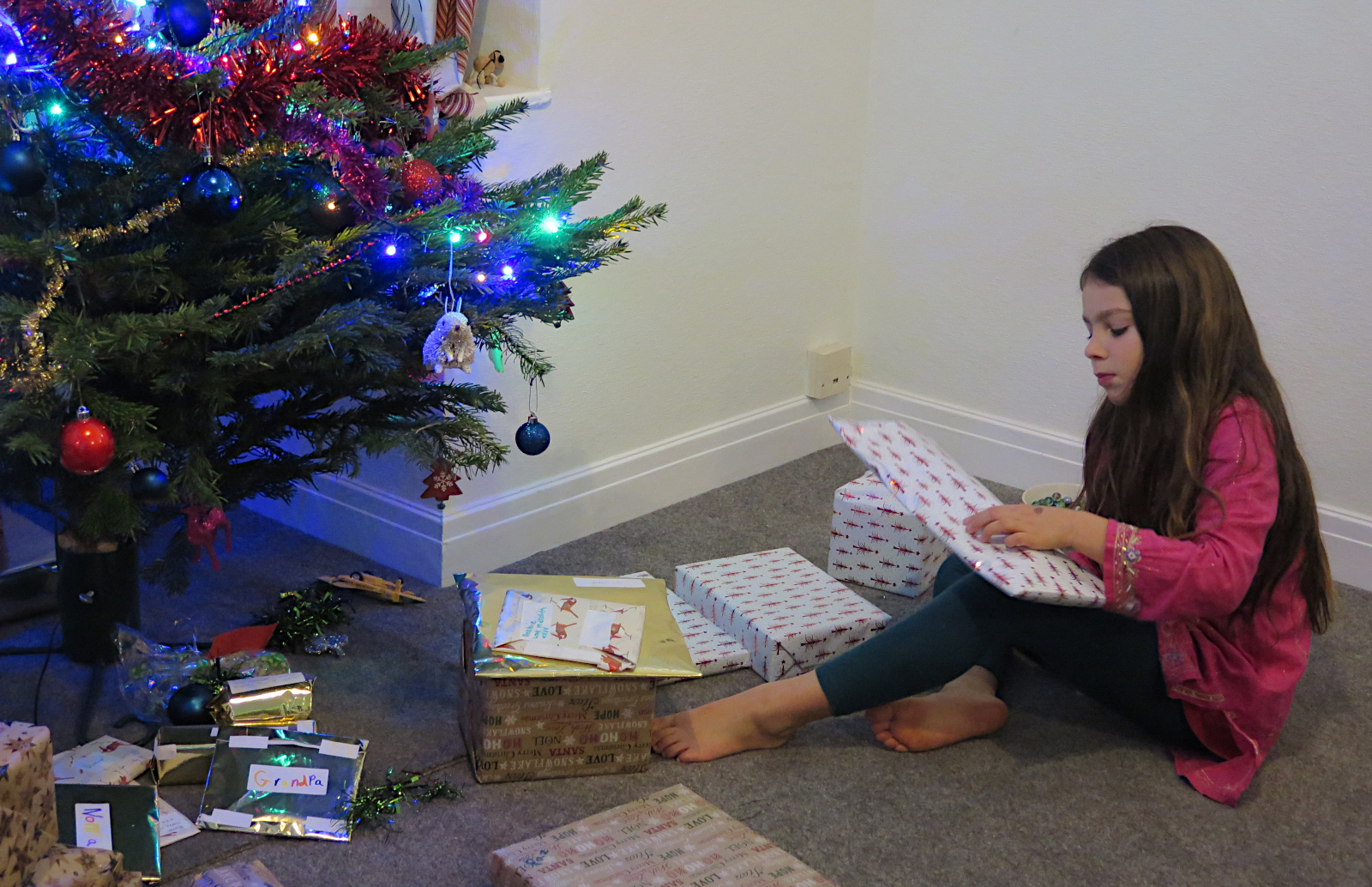

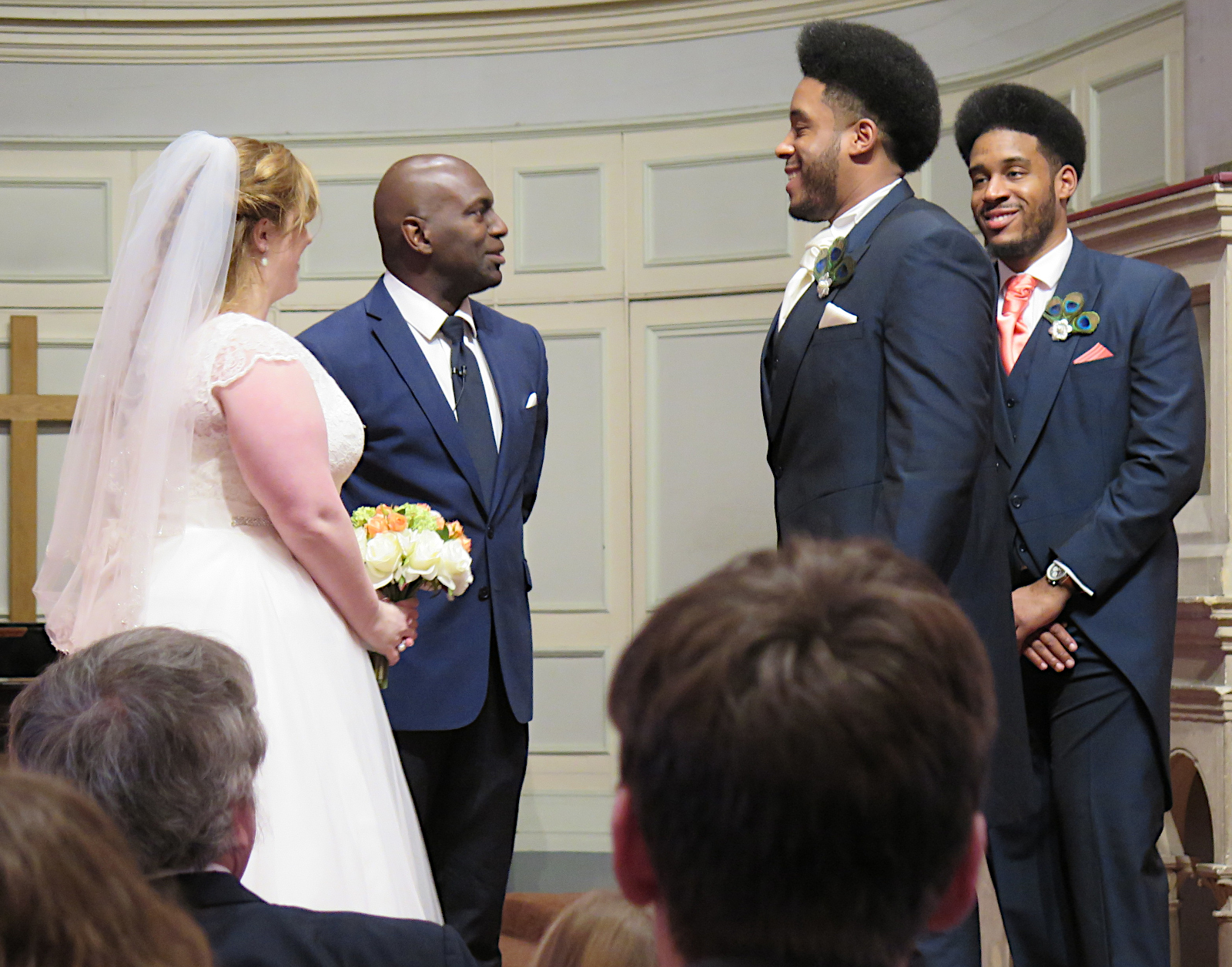
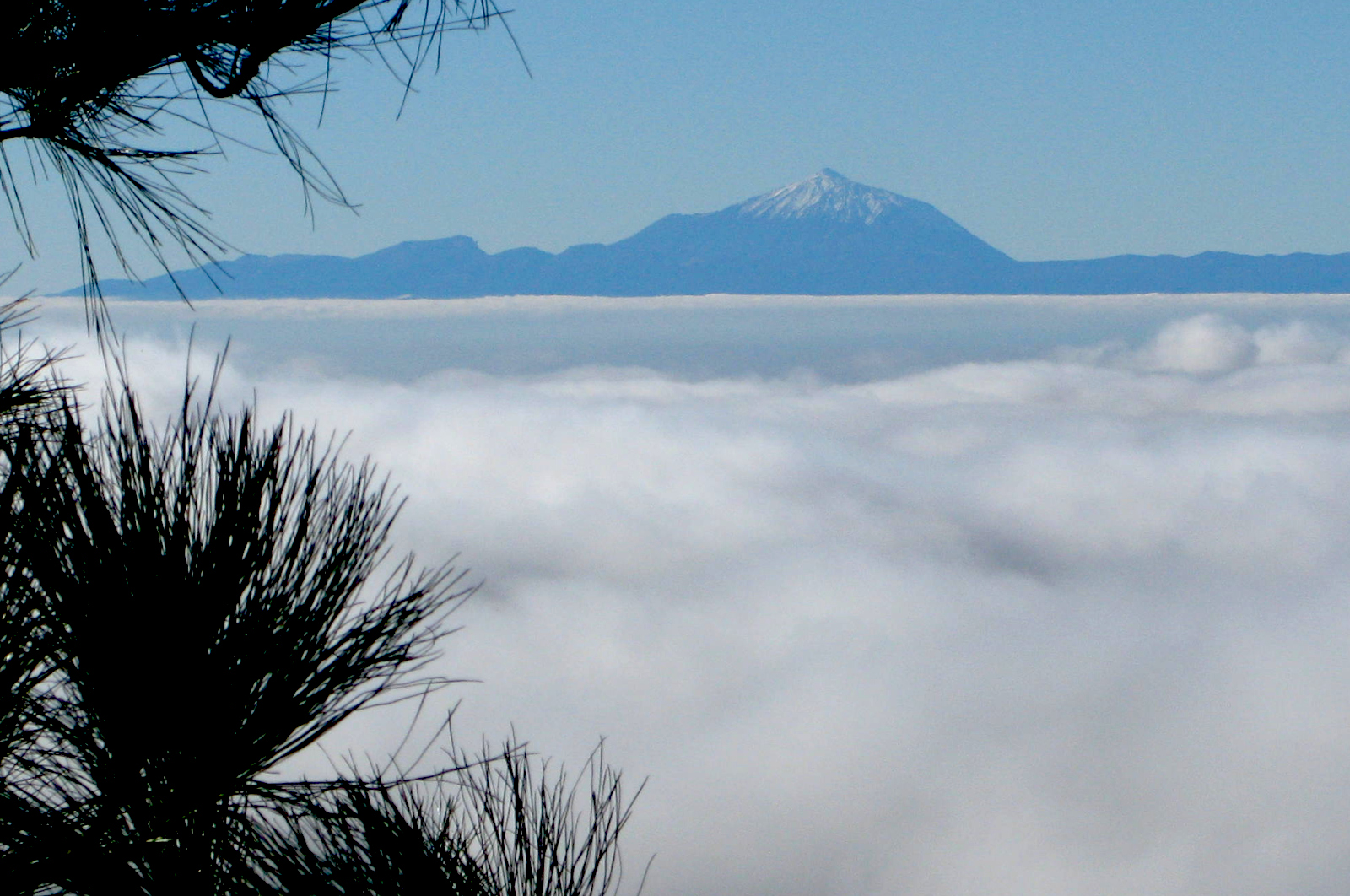
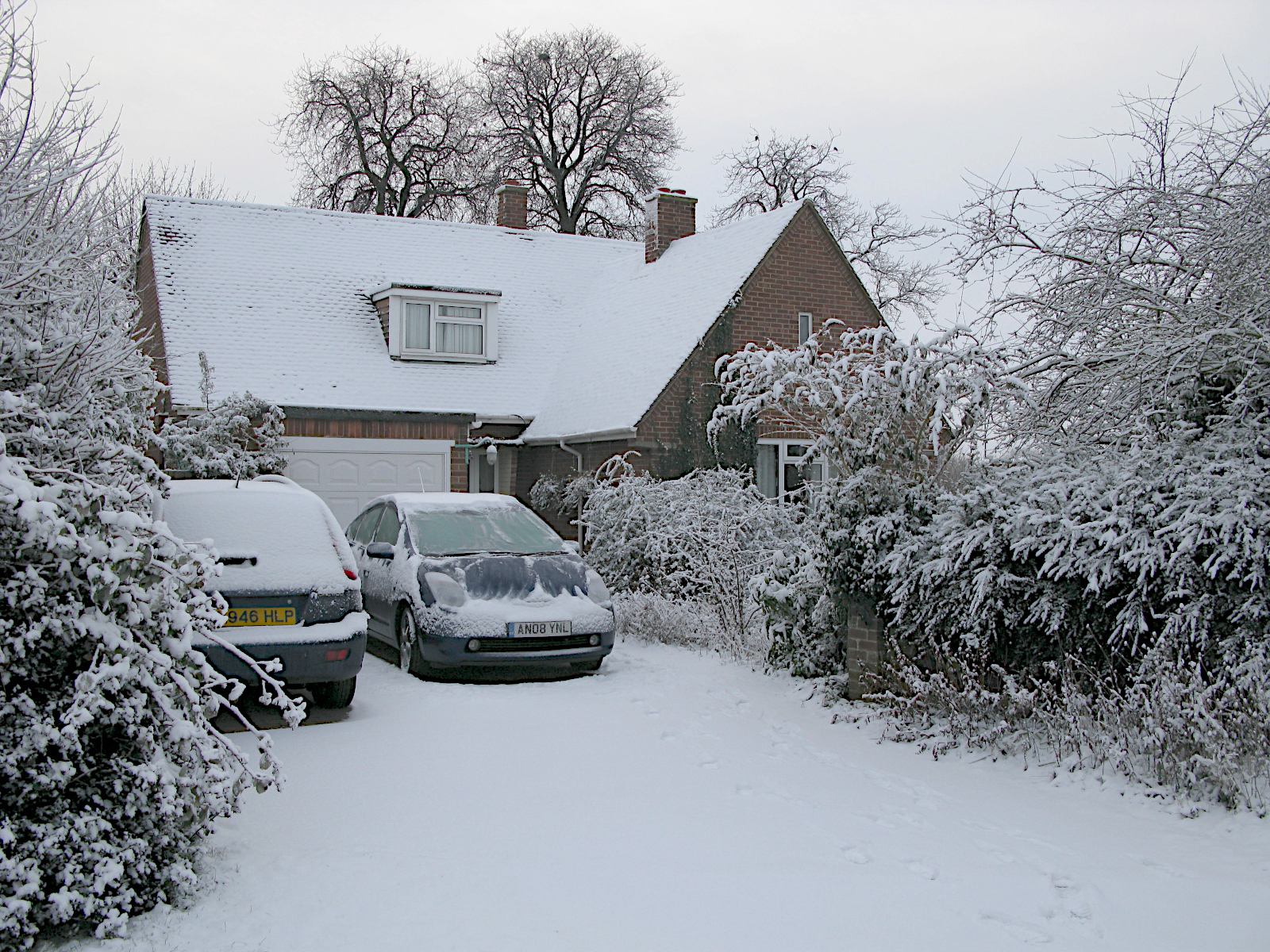


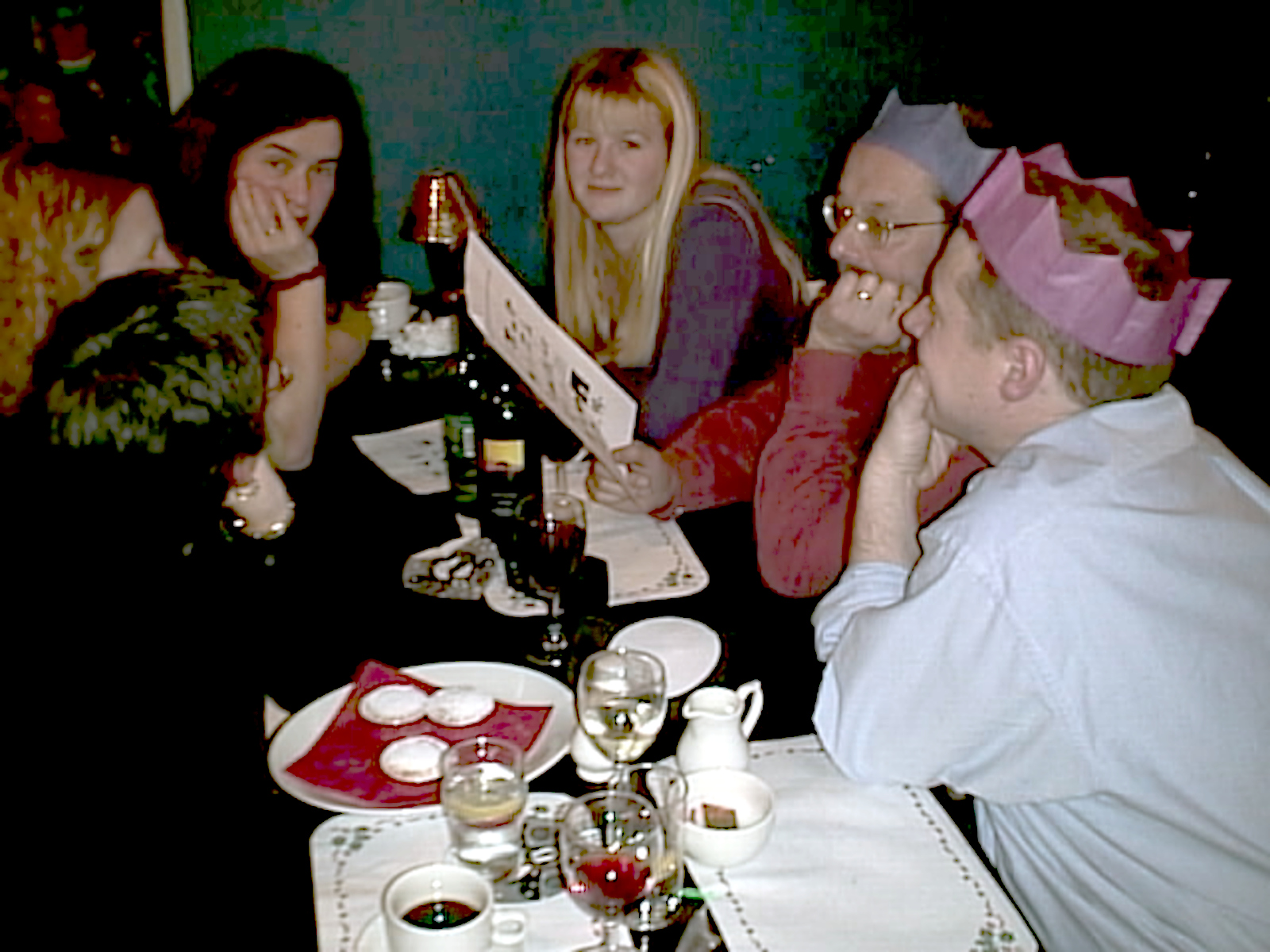



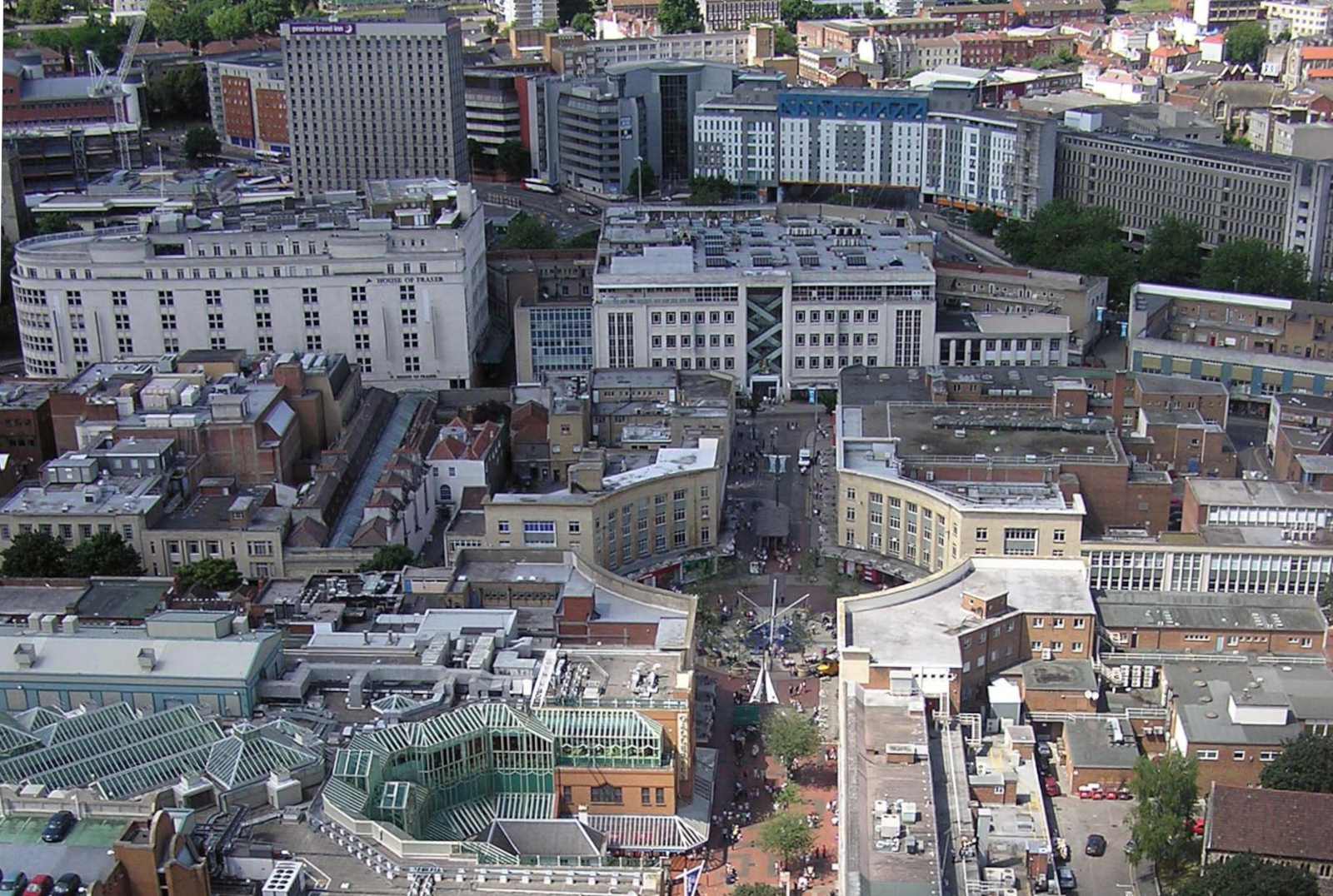

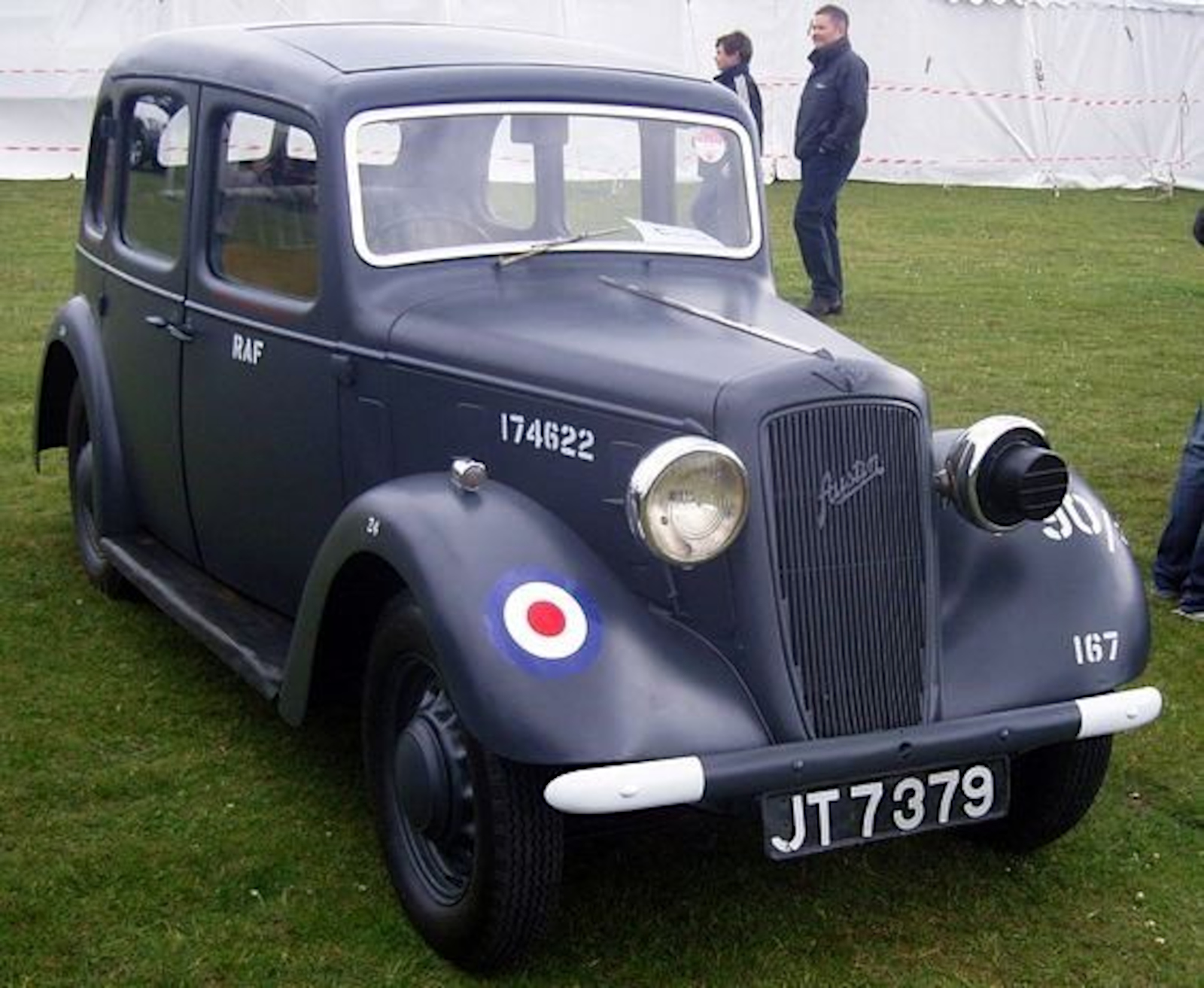

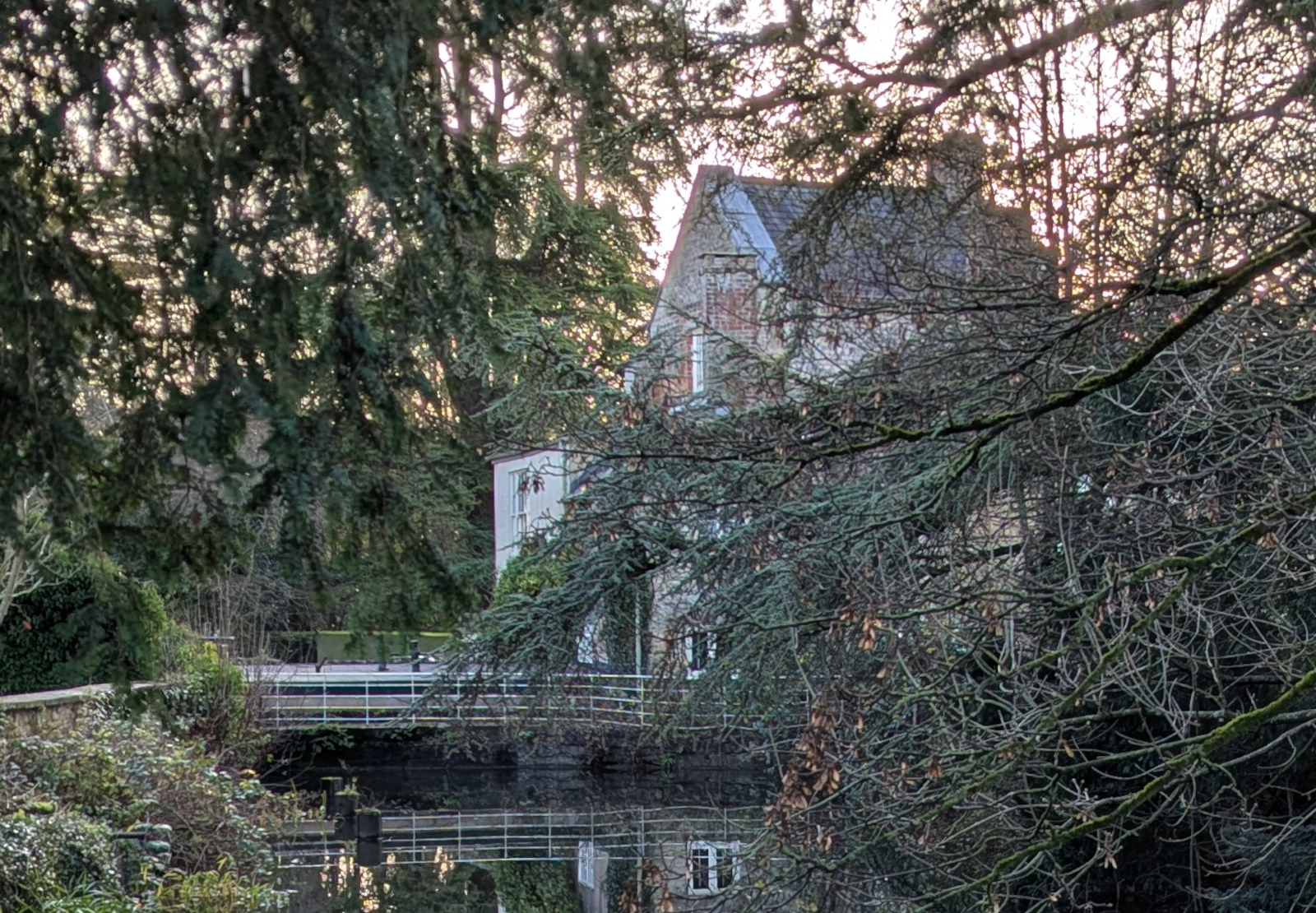
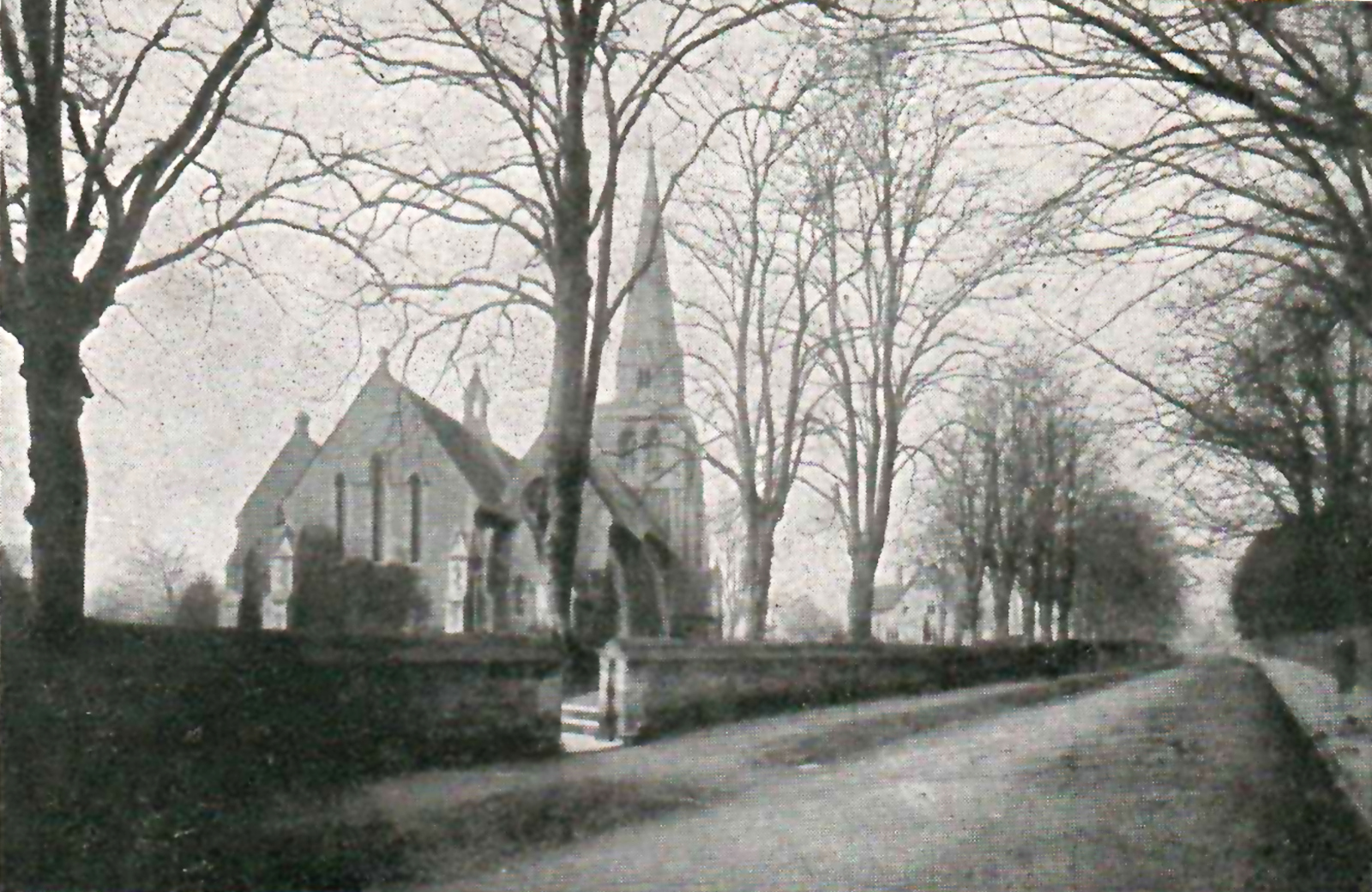

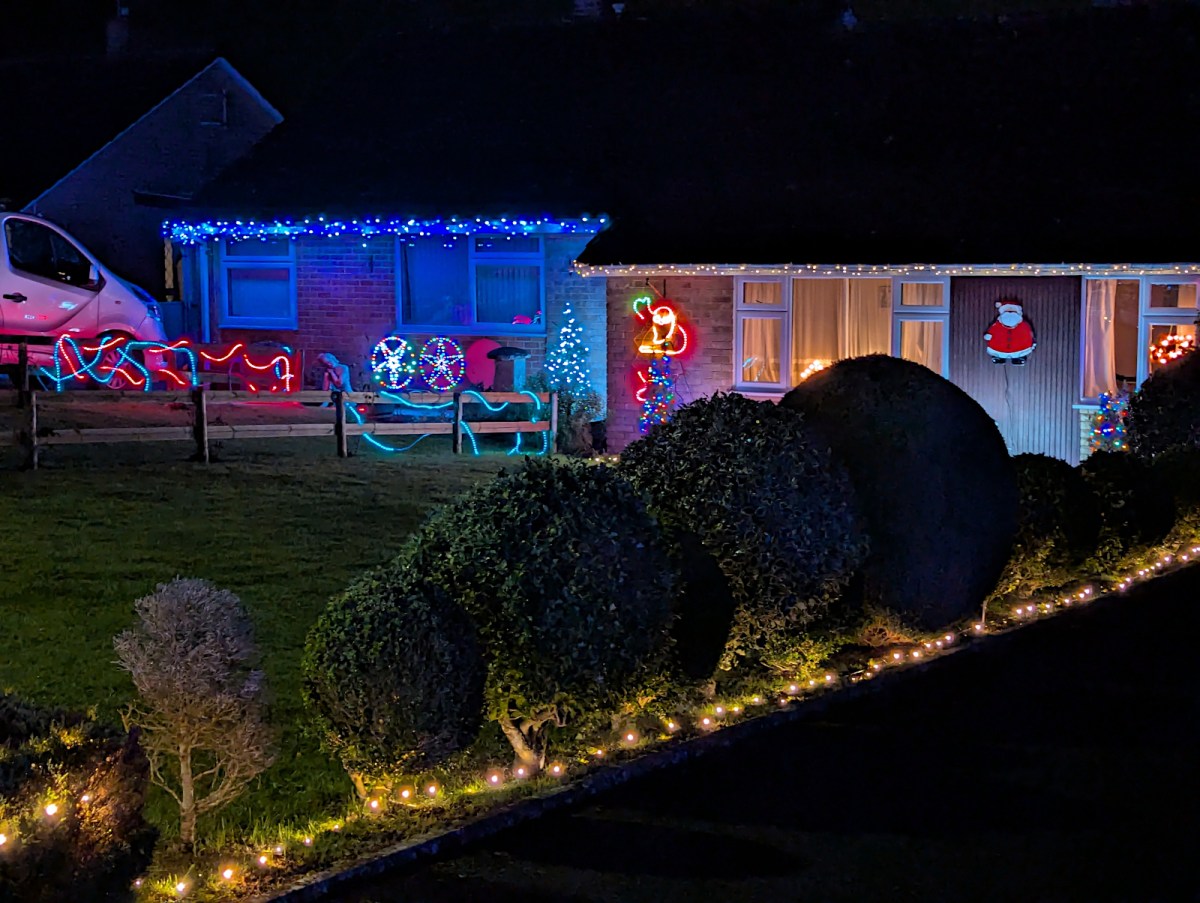

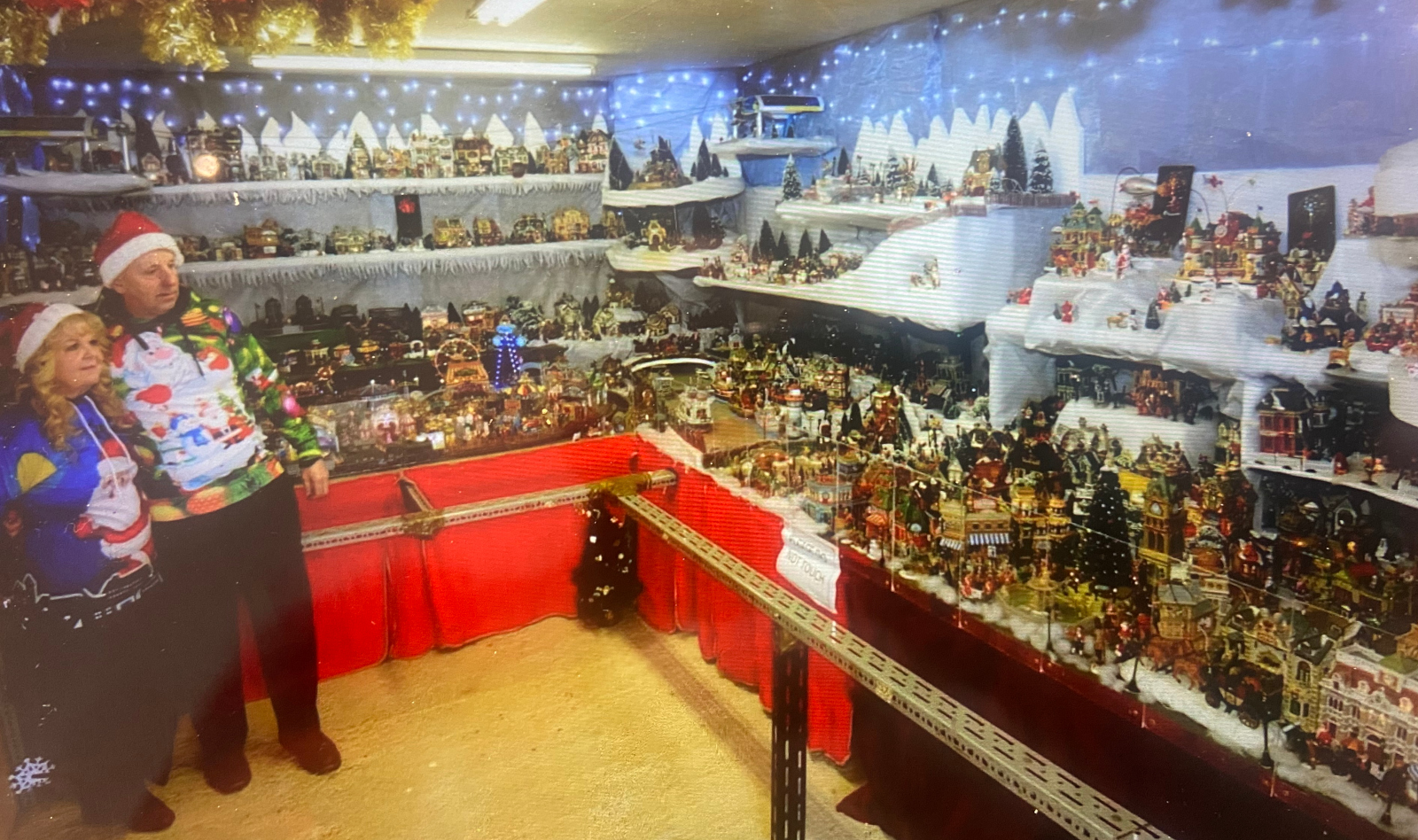


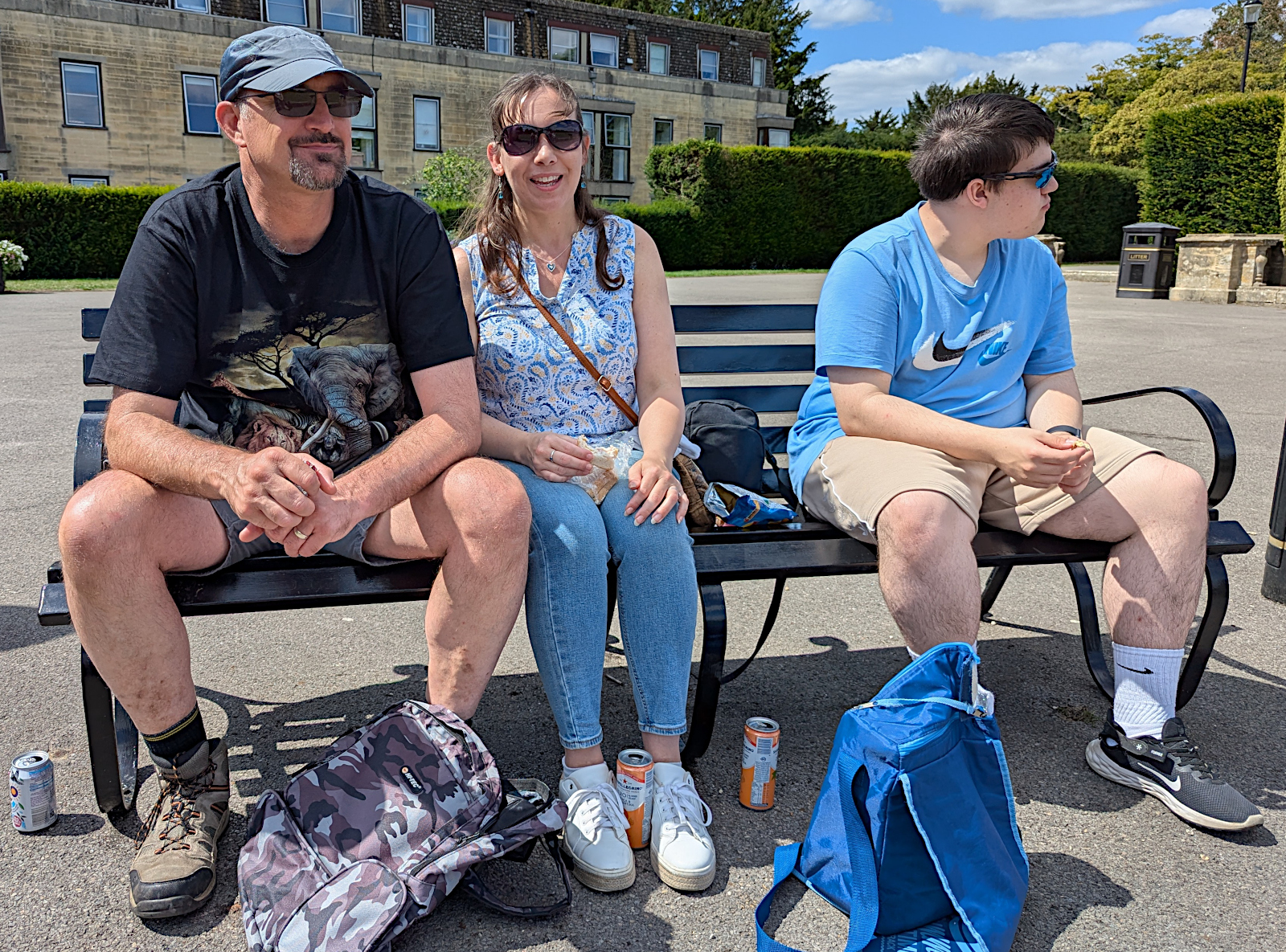


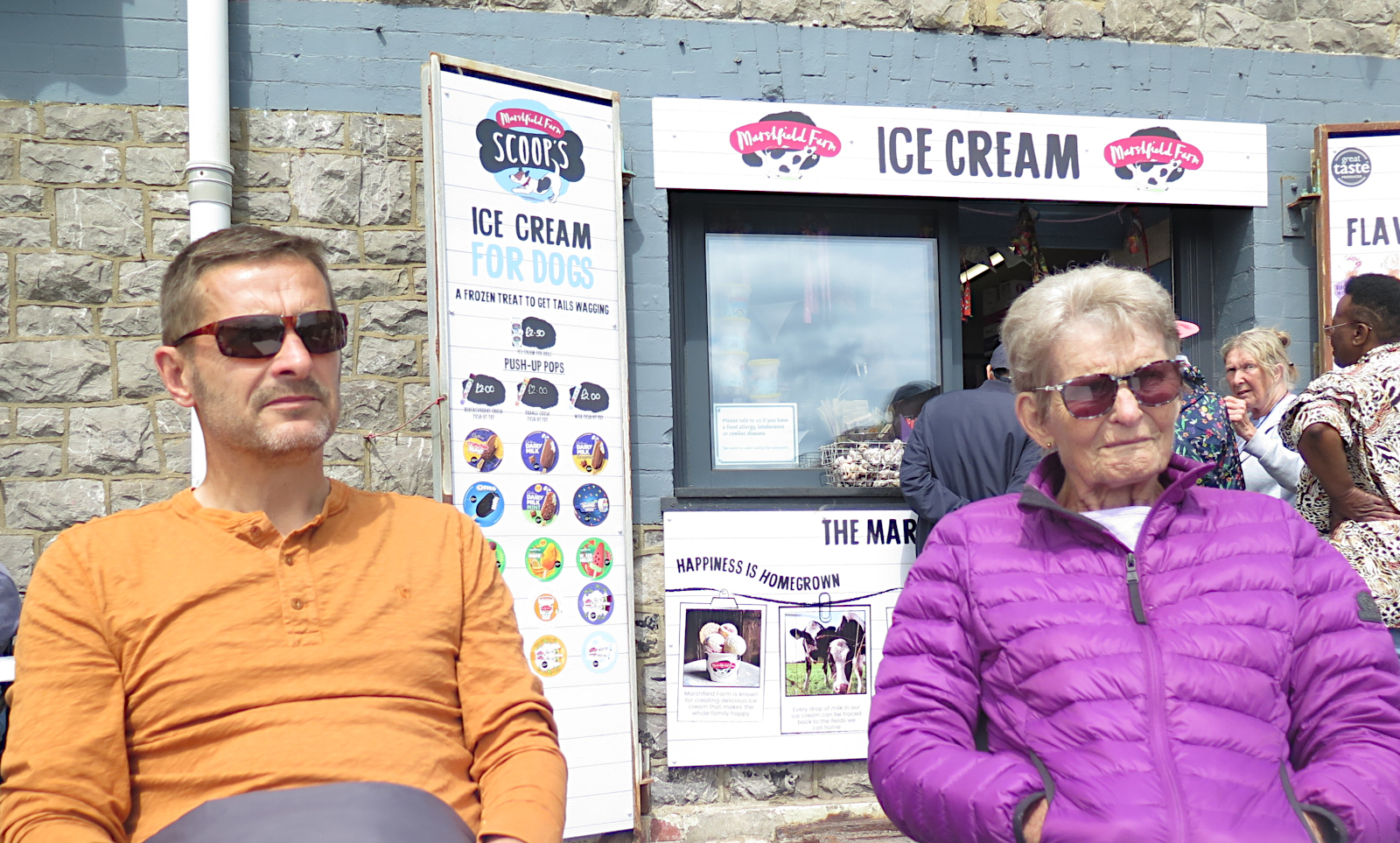
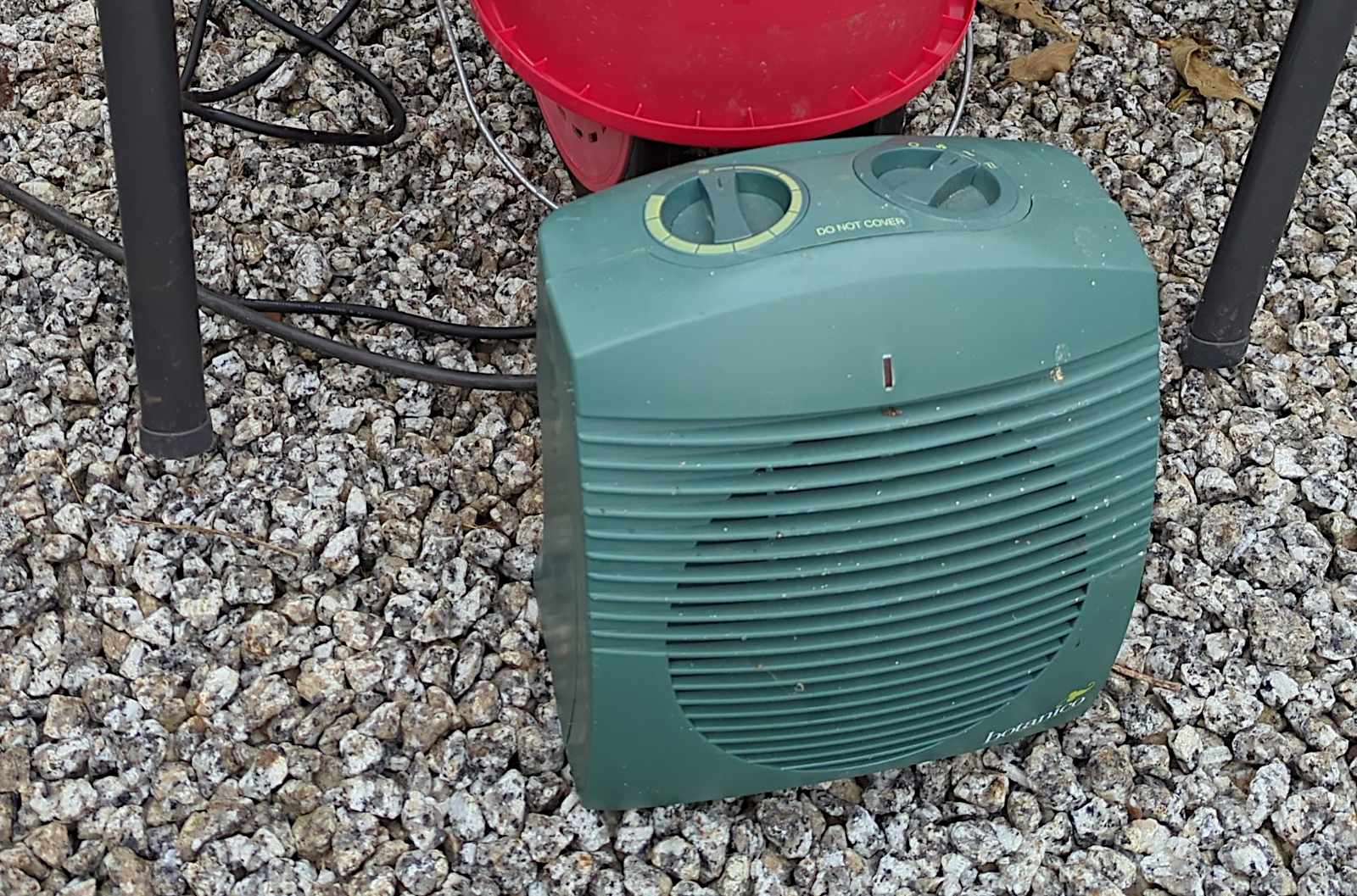


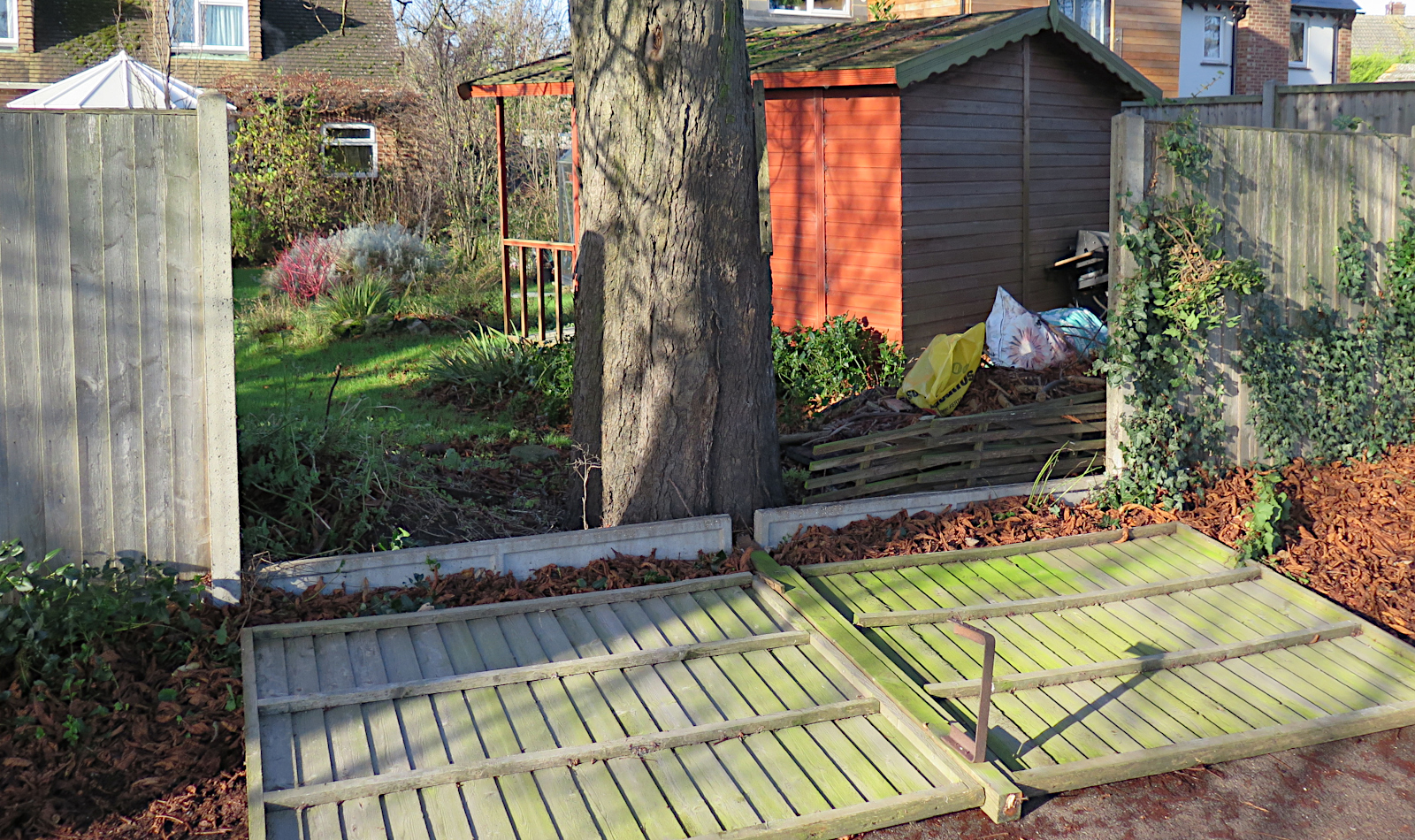
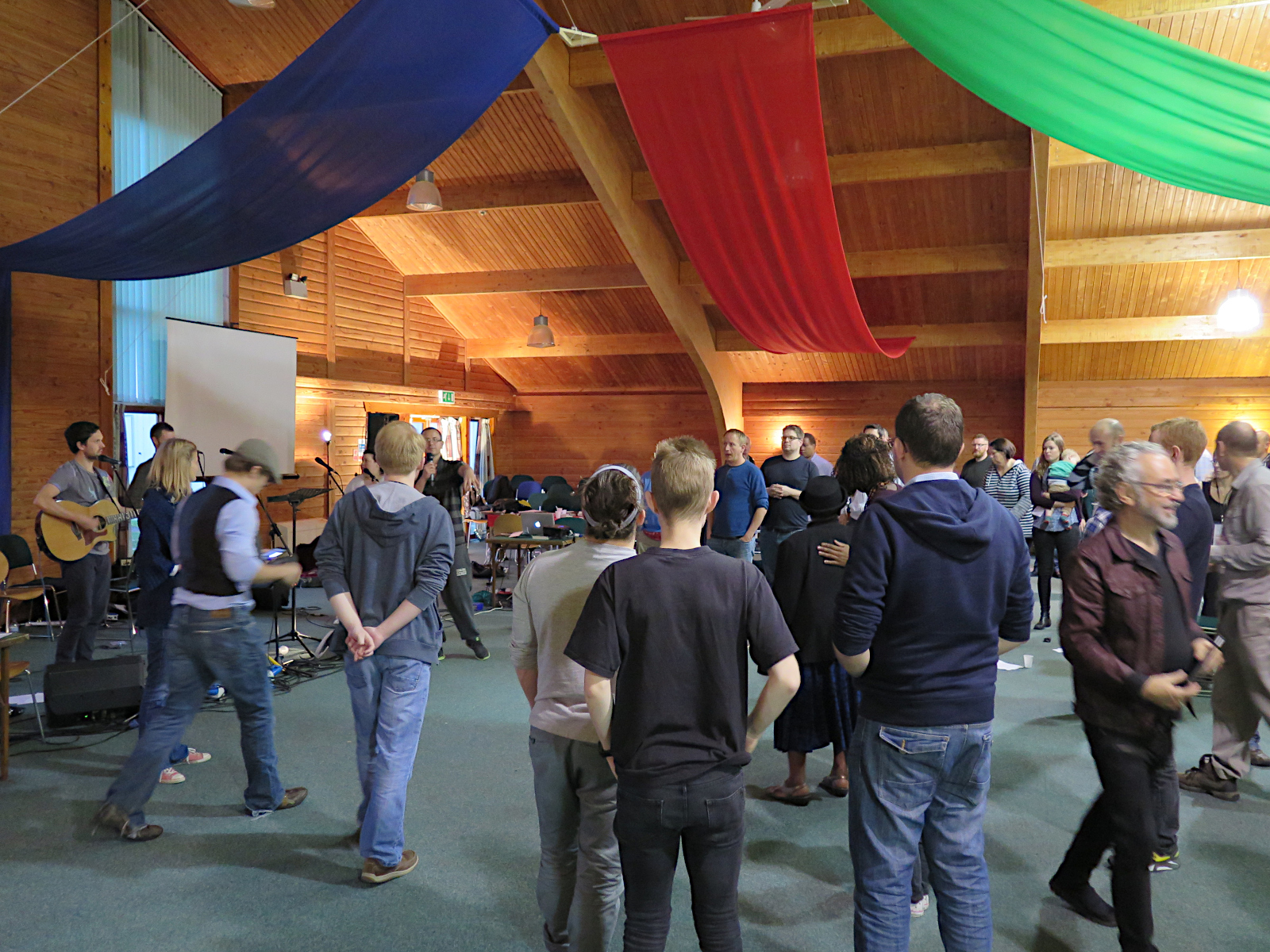


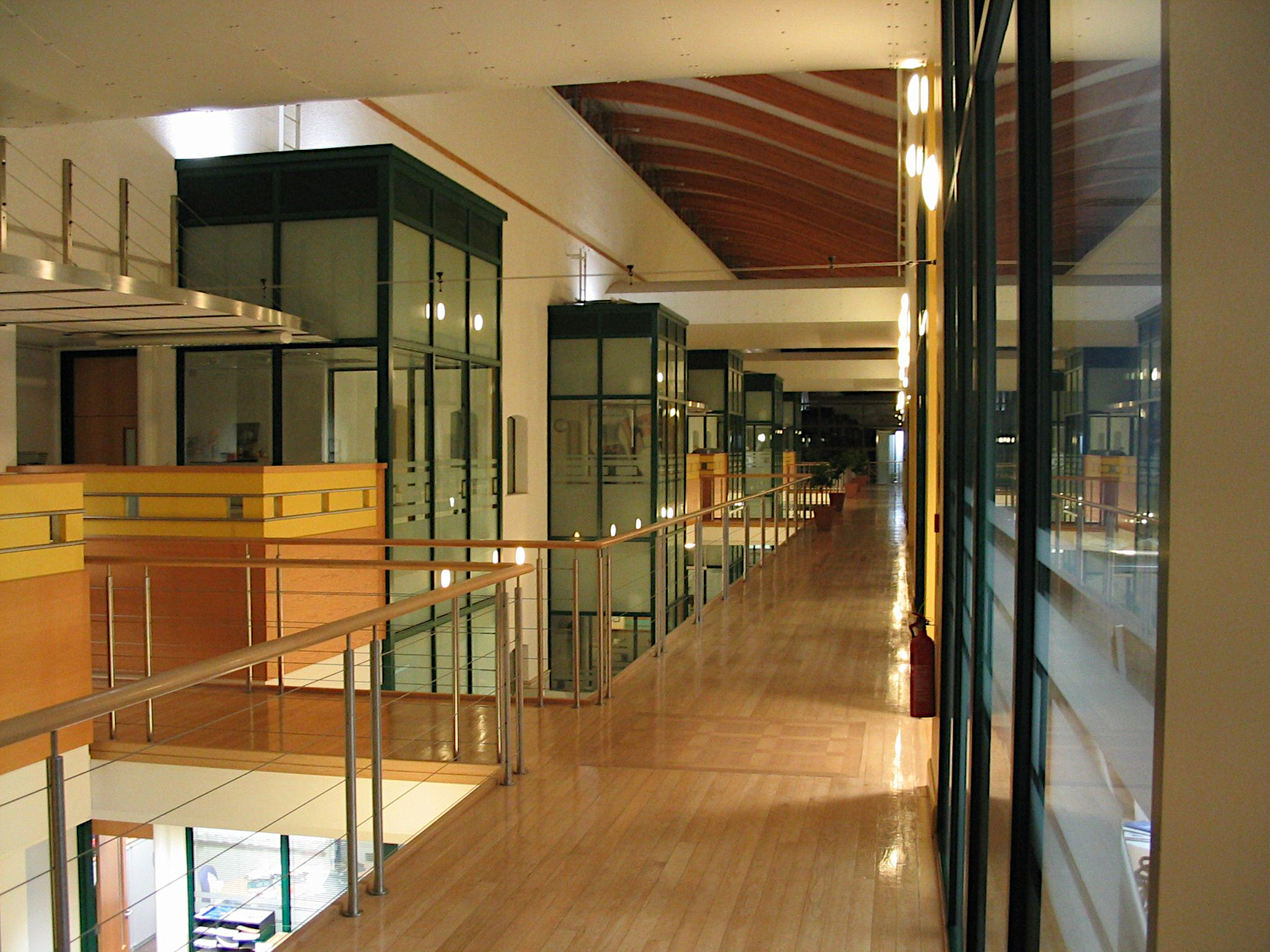


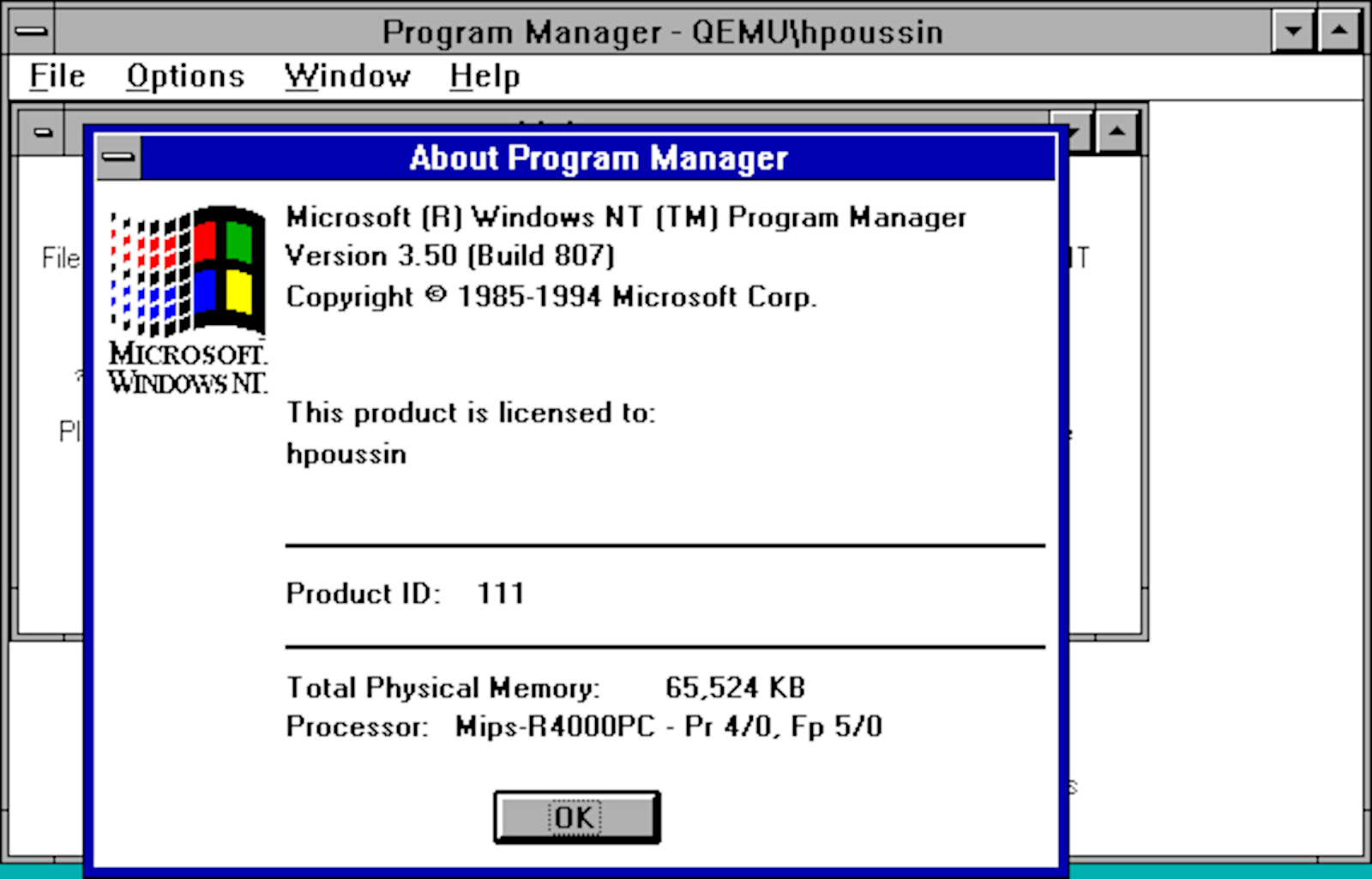


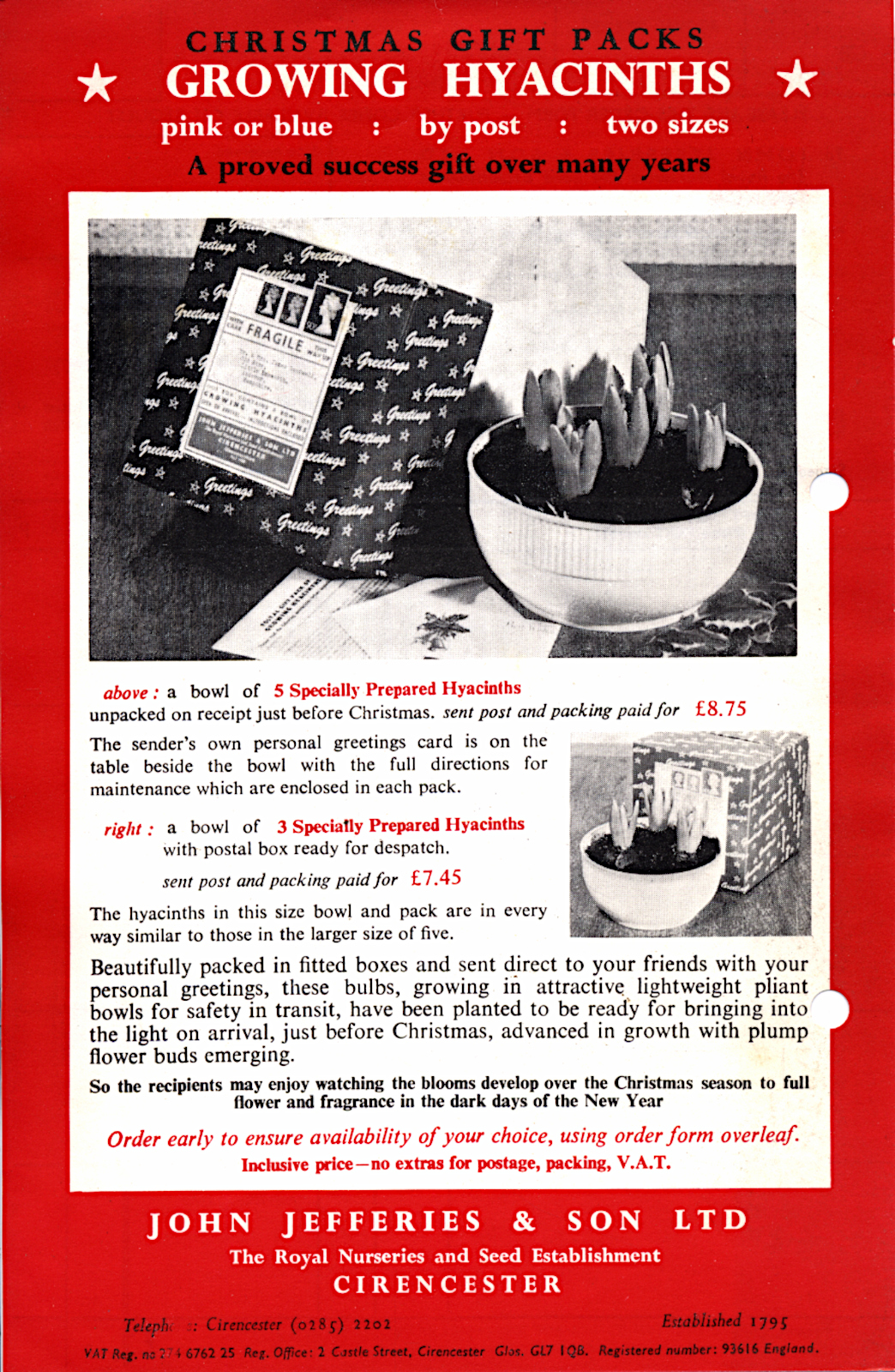
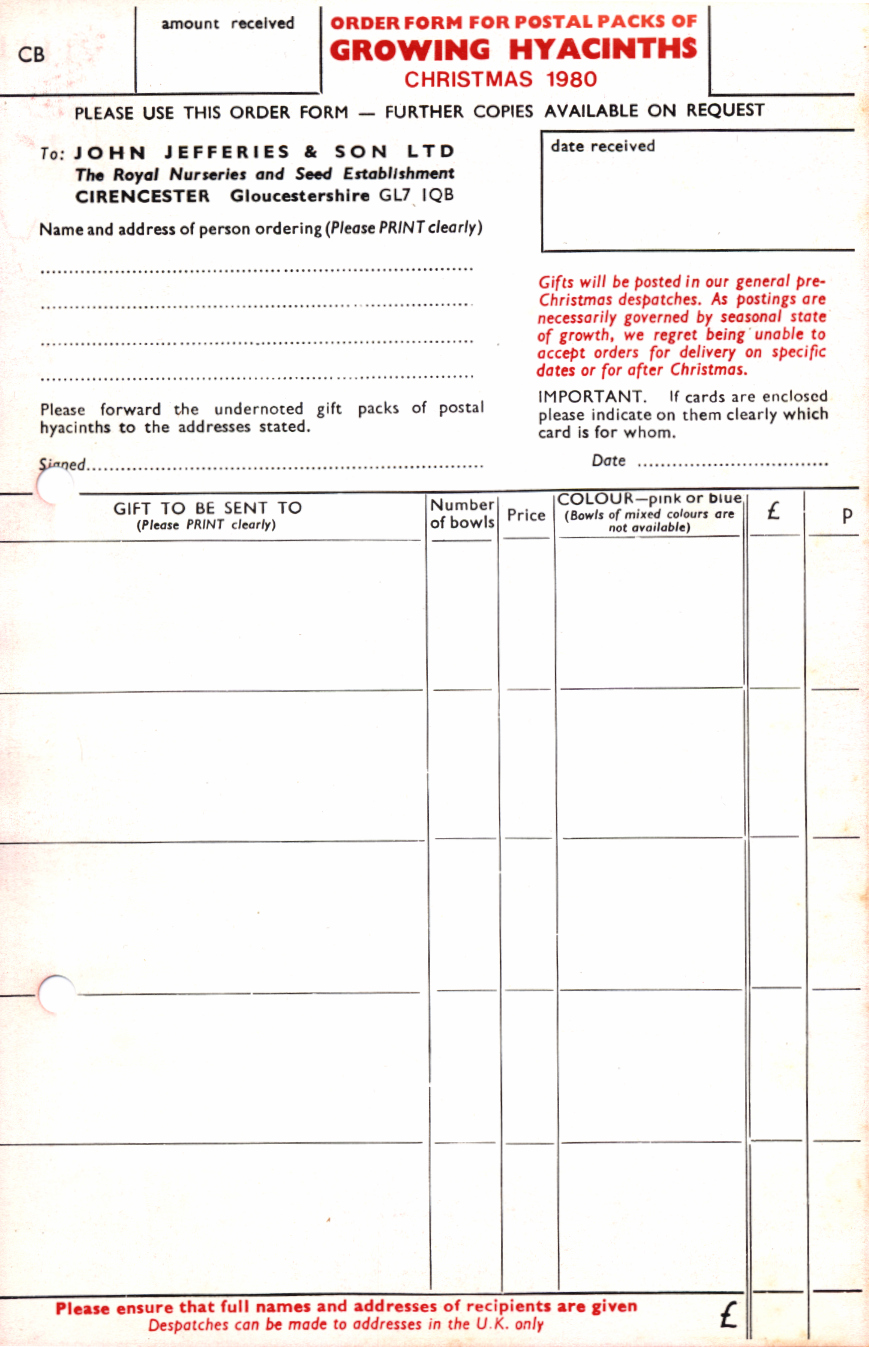
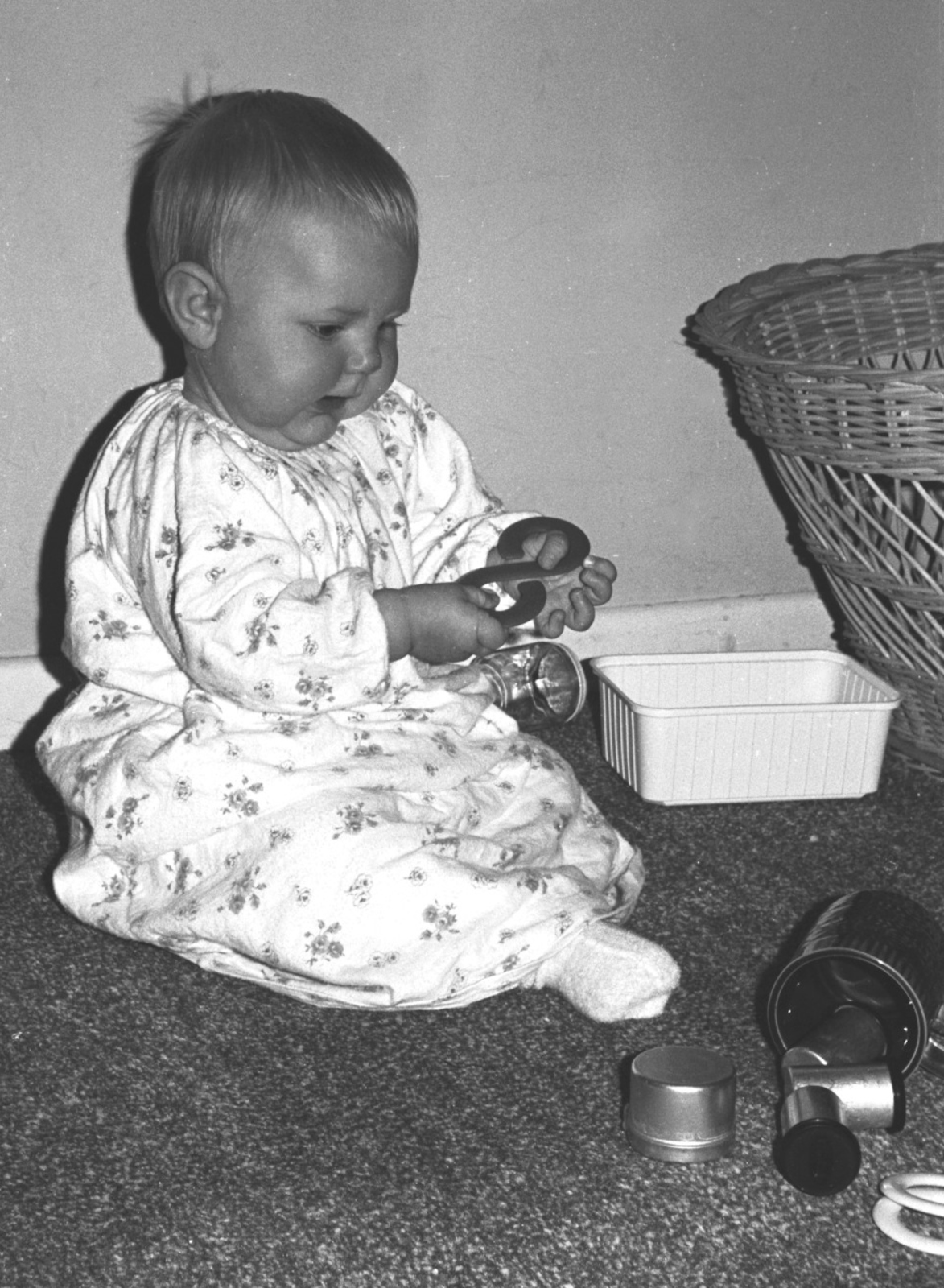


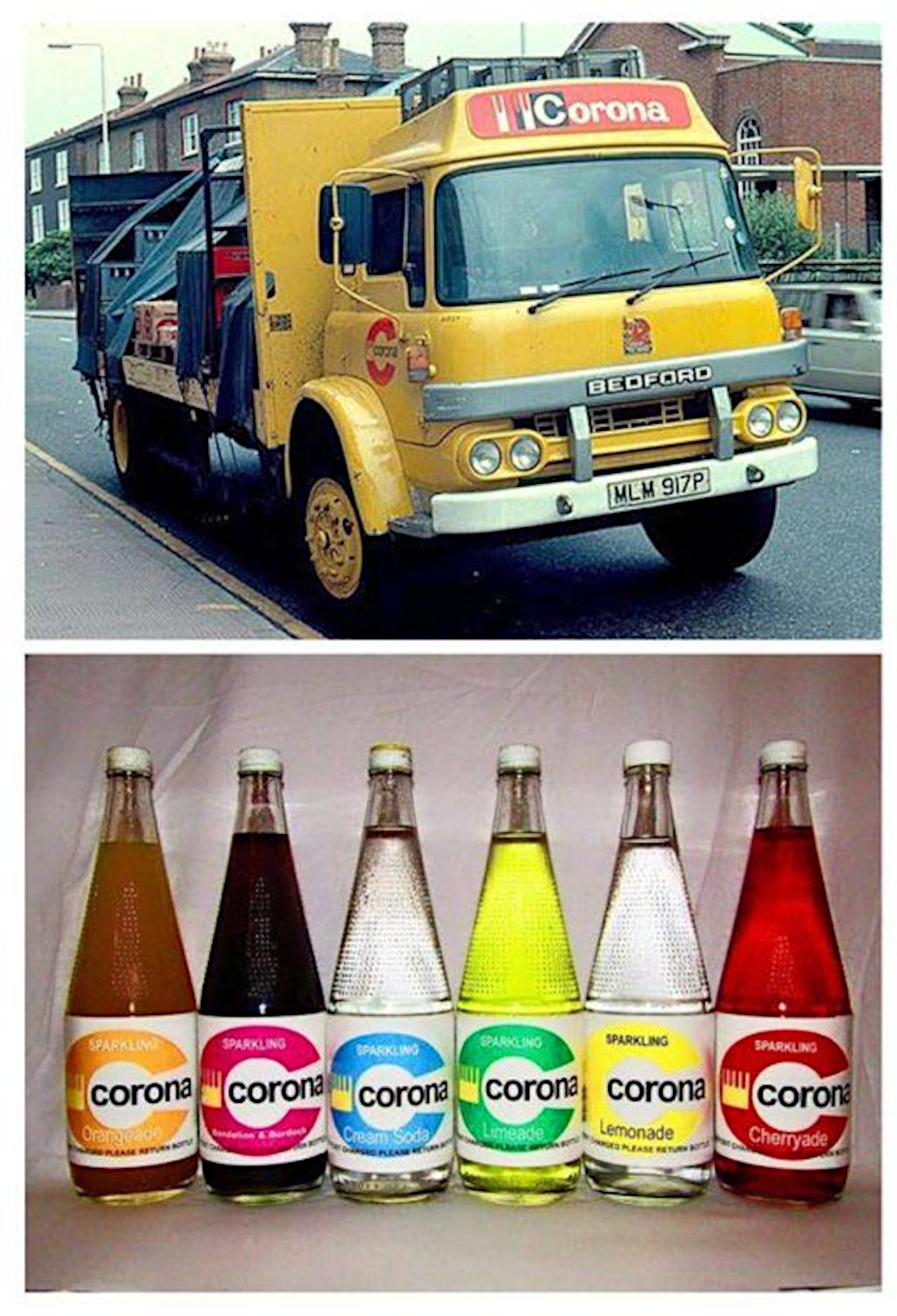

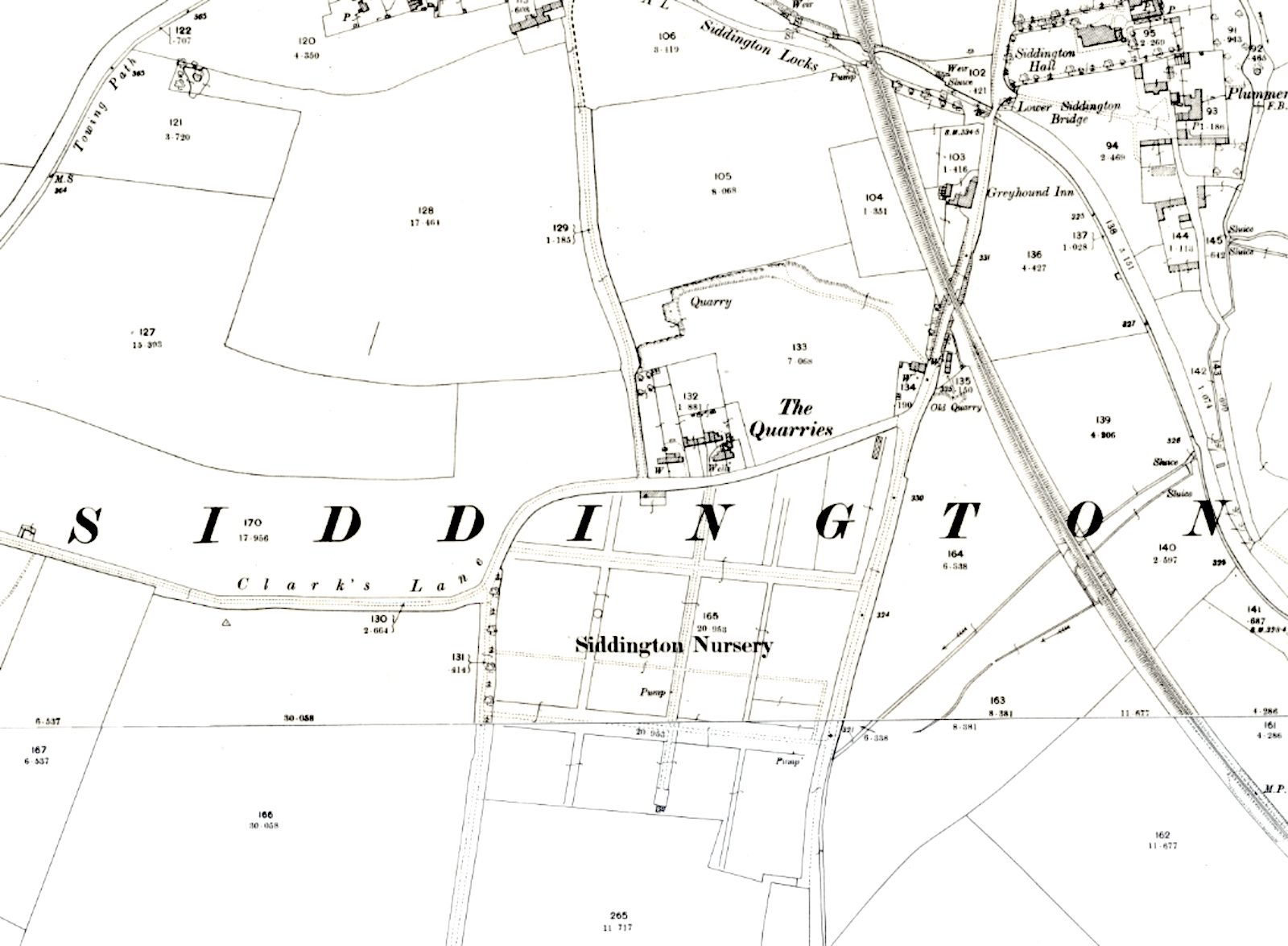
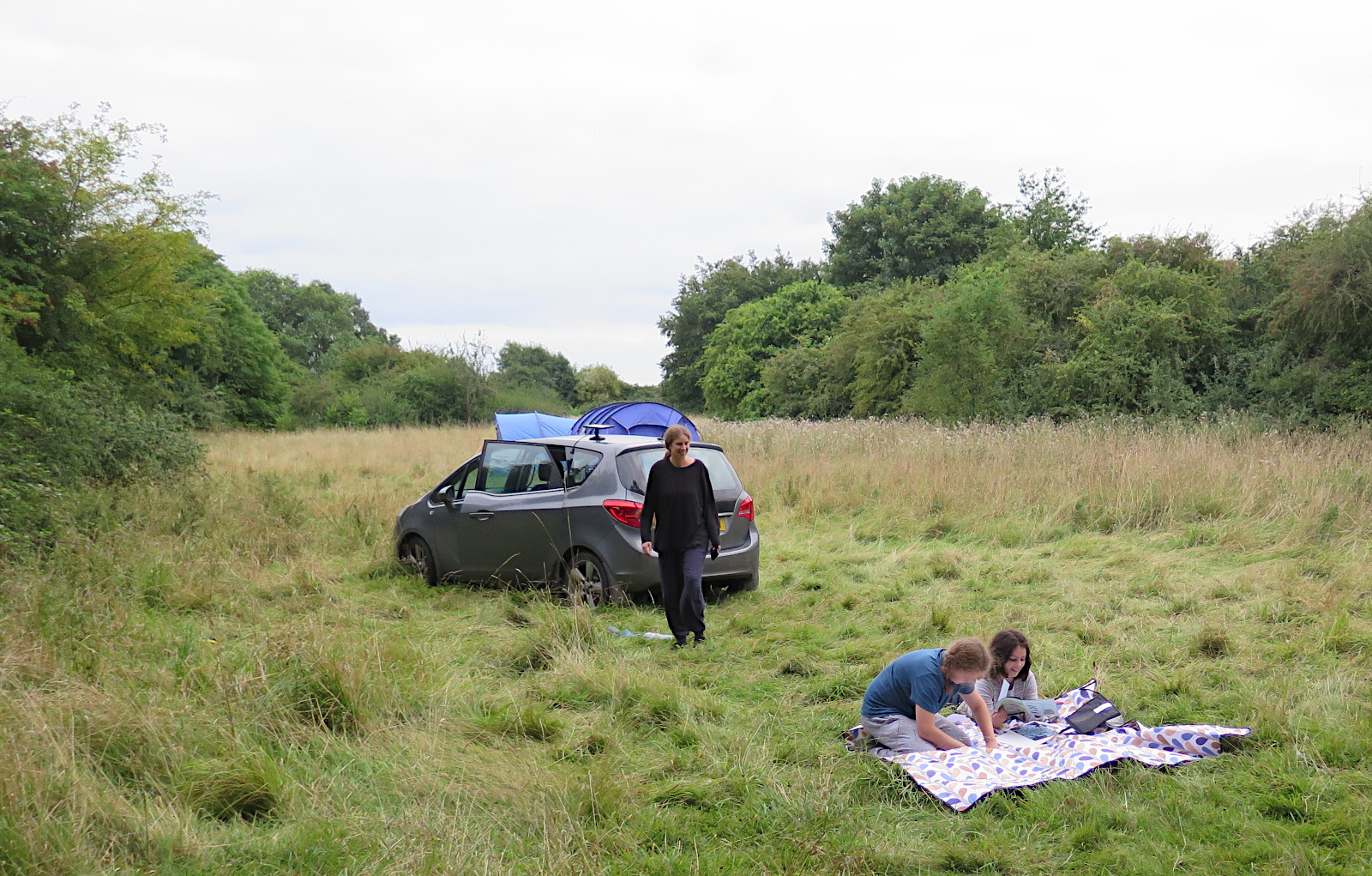
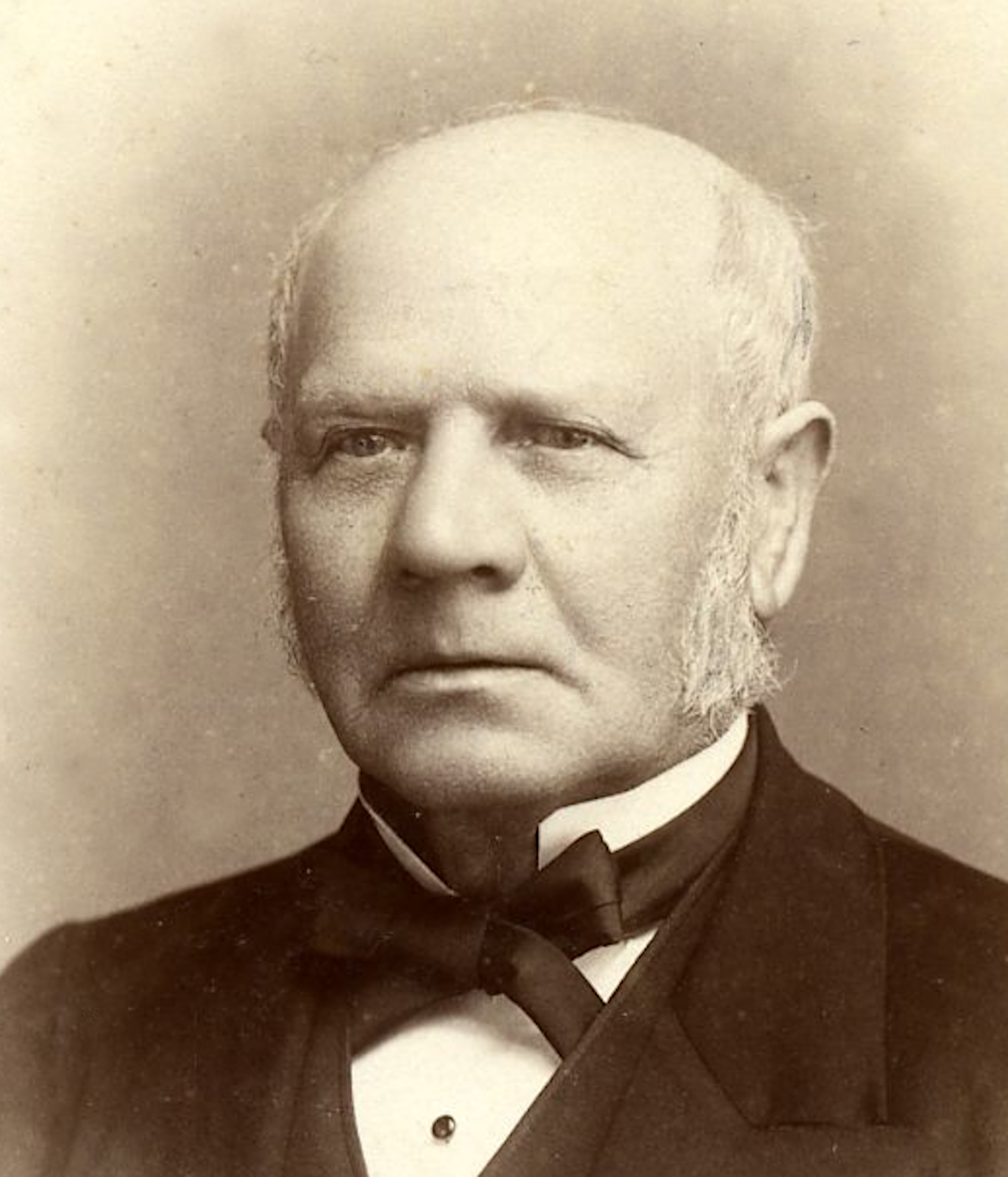


 Journeys of Heart and Mind


