The art of persuasion

We need to be noticed for our goodness. If we are filled with the spirit of Jesus we will bear the fruit of his spirit; and here’s that fruit – love, joy, peace, patience, kindness, goodness, faithfulness, gentleness, self-control.

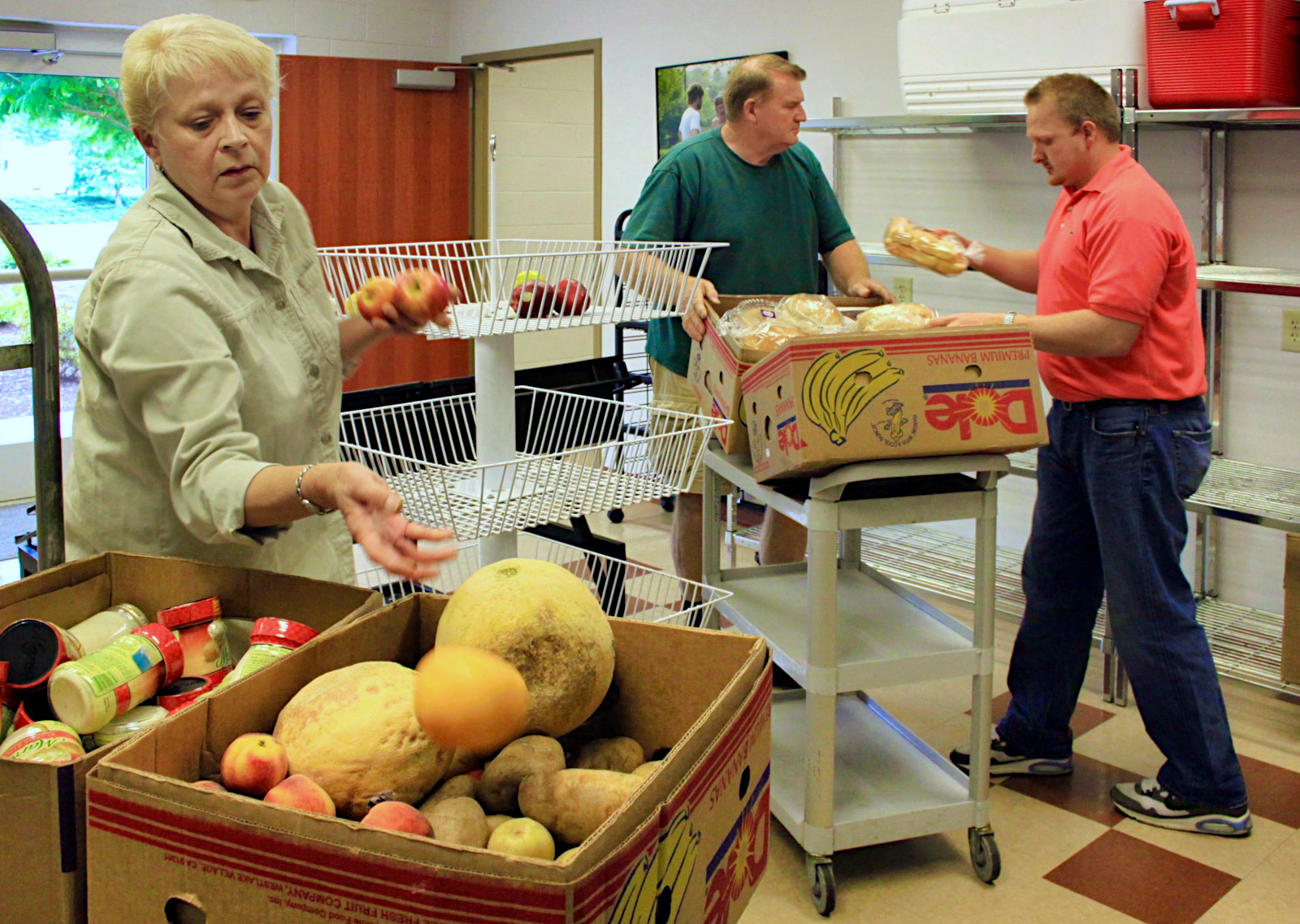
Working at a food bank (Wikimedia)

Thinking out loud – 2

My previous post was an image of the day. I wrote about evening mist, and how our lives have a beginning, a middle, and an end, just like a day there’s a certain mistiness about growing old. I ended by writing:

The teaching of Jesus is very logically sound, not testable but also, as far as I can see, internally coherent and free of self contradiction. That quality amazes me, I believe his claims to be true, testable or not. He has convinced me. Maybe he has convinced you too, or maybe not. We have that freedom, and we cannot persuade one another using the scientific approach, good as that is for studying more measurable and therefore testable matters.
Food bank
(Wikimedia)

If we can’t persuade others using the scientific method of testable hypotheses, how then can we reach those around us? There is a way, of course, so lets take it step by step.

How I live

The first thing to realise is that if we are following Jesus, we are his ambassadors in this world. An ambassador represents one nation by being present in another. Jesus came as an ambassador (and much more than that, of course). He came to represent his Father and his Kingdom here on Earth. He demonstrated Kingdom values and ways as well as talking about them.

I’m an ambassador too, I’m here to represent Jesus and his Kingdom to others. If I’m to represent Jesus I need to be like him as much as possible. So let’s dig into his character for a moment. Why did people 2000 years ago in Israel listen to Jesus? He did speak to individuals and even to crowds, but he also did things that surprised people. He met people’s needs (that will always get attention). He fed hungry people, he listened to lonely people. He healed sick people (that definitely got attention) He told stories (something else that people will listen to). But primarily (and what lay behind everything else) – he loved people and cared about them. So that’s what I aspire to: love people and care about them, meet their needs, feed the hungry, listen to the lonely, heal the sick, and tell good stories. Those are things I try to do as an ambassador for Jesus.

There’s a lot of love but also a good deal of uncaring in this human world of ours. People usually love their close family and their best friends and it’s love that drives us to help, to go the extra mile, to put up with those times when we feel let down or disappointed. But with people we don’t know we may be cautious at first. Some people seem not to care at all about others, appearing to be driven by selfishness alone. But the fact is that almost all of us are a mix, we display love sometimes, at other times or with other people we just don’t care very much.

We need to be noticed for our goodness. If we are filled with the spirit of Jesus we will bear the fruit of his spirit; and here’s that fruit – love, joy, peace, patience, kindness, goodness, faithfulness, gentleness, self-control – this list was written down in Greek by Paul, an early follower of Jesus. Read what he wrote in context.

It’s not so much about what I say, it’s about what I do. Helping in a food-bank, for example, picking up litter, planting snowdrops on grass verges, listening, learning to be more like Jesus.

Talking about Jesus

If I walk up to a stranger in the street and start telling them about Jesus, what will happen? Will they listen? I think we all know the answer!

If people notice how I behave and what I do and are surprised about that in some way, they might sometimes ask me about it. And I’ll explain that it’s simply because I’m trying to become more like Jesus. They might ask about that as well.

If I claim to be following Jesus, people will assume that Jesus is like me. That is a huge responsibility. If I fail in how I live, what I say will not be believed. Answering questions is always better than telling people things they may not be eager to hear. Reaching people is a matter of my behaviour being interesting enough to spark the why question and then providing good answers.

See also:

Useful? Interesting?

If you enjoyed this or found it useful, please like, comment, and share below. My material is free to reuse (see conditions), but a coffee is always welcome!

Truth and facts

Physical facts can often be pinned down rather well by careful measurement using accurate instruments; but there are other kinds of fact and some of those may be much harder to assess.

Thinking out loud

How can we best define ‘truth’, how should we judge whether something is ‘factual’? And what happens if I live my life in ignorance of the way things really are? It’s possible to be unwittingly ignorant, but it’s also possible to pretend to be ignorant. Clearly there’s a big difference between not knowing something and pretending not to know it. Does that difference matter? And if so, how?

What a lot of questions!

We should begin with some definitions, I think.

Facts

Maybe this won’t be too hard to pin down. Here’s a simple example.

‘Water is a liquid’ – Correct?

All water!
(WIkimedia)

Well, with a few caveats it is generally true. If the atmospheric pressure is 101.3 kPa and the temperature is between 0 C and 100 C it will be more or less correct. If the conditions are different, the statement could be false.

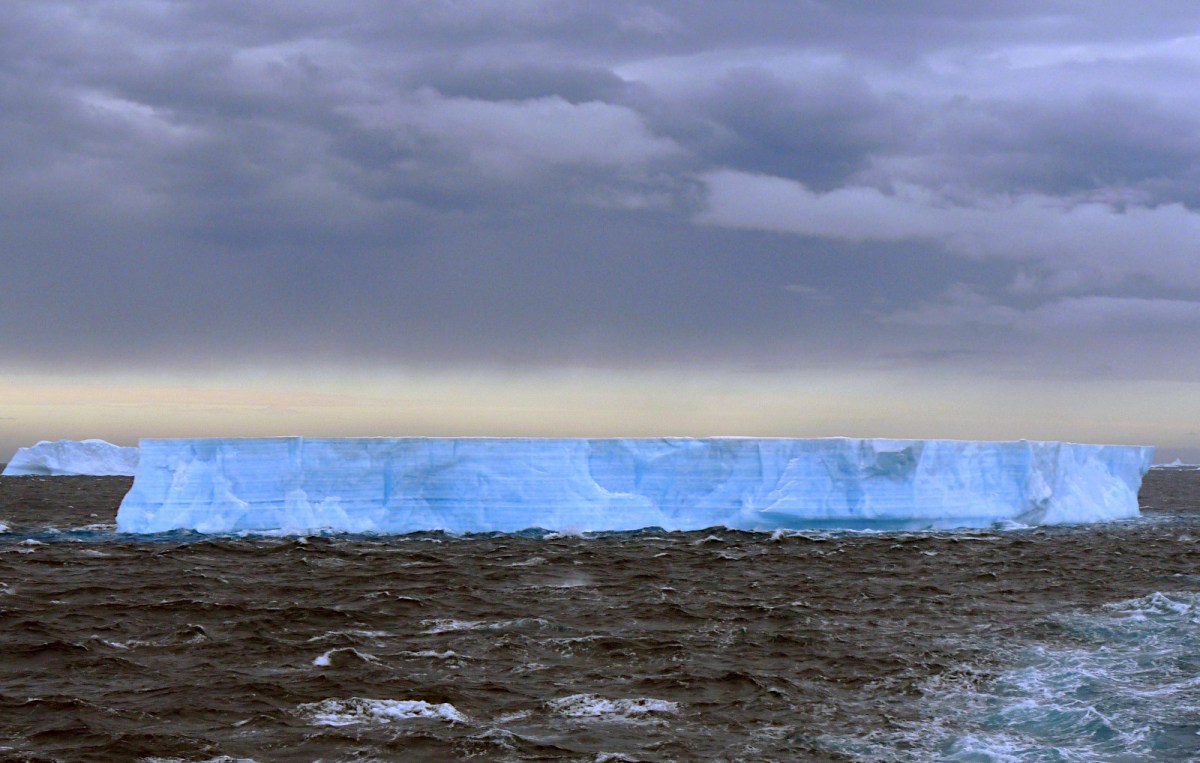
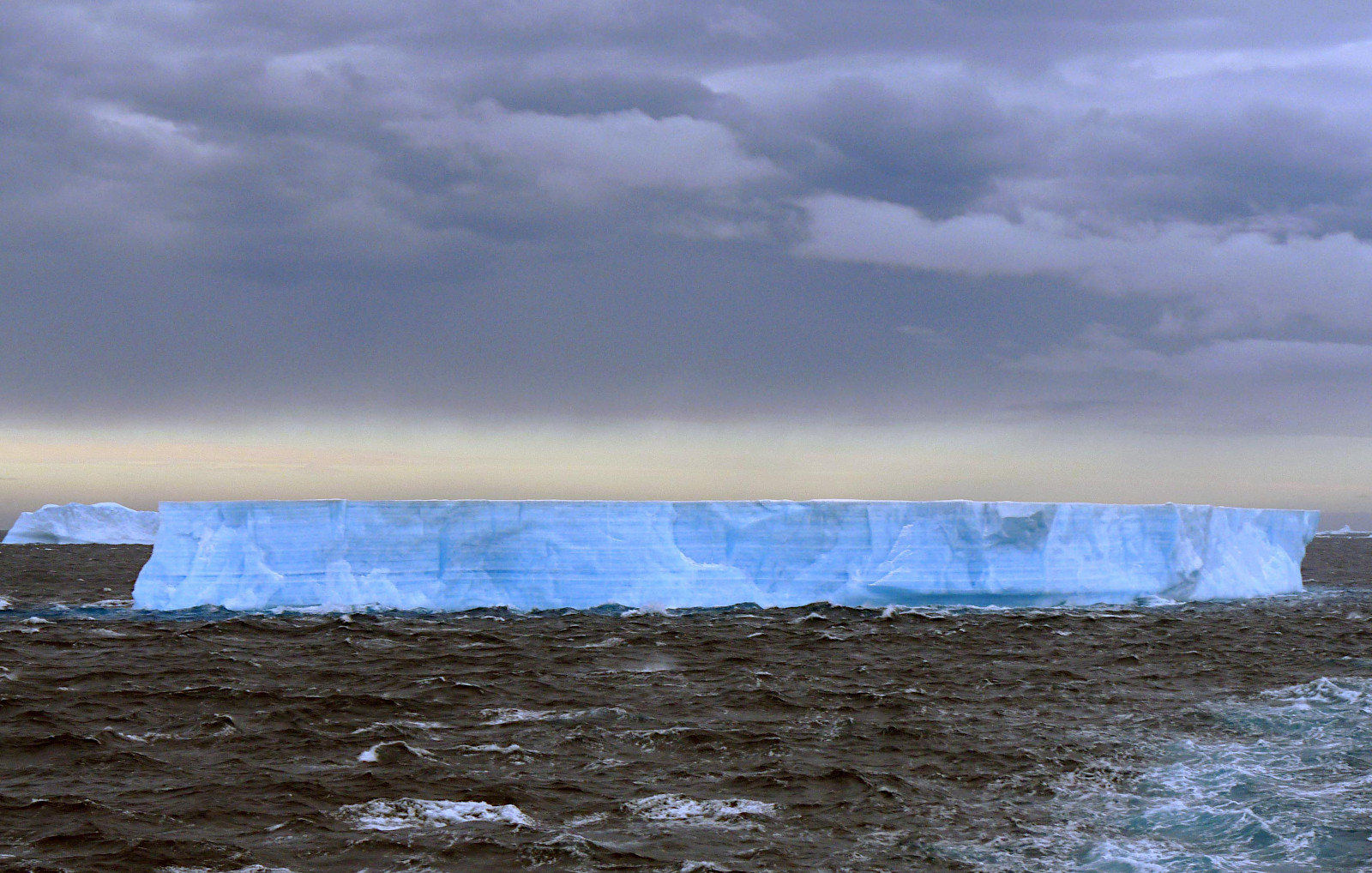
Does it matter? Well, it might do. If the water is deep and you can’t swim, don’t claim it’s a solid; and whether you make that claim or not, take my advice and don’t walk on it! Almost everything in the photo is water; the clouds are made of tiny droplets of liquid water, the iceberg is frozen water, the churning sea is liquid water heavily contaminated with salts. Which of the three would you prefer to walk on?

That example already establishes that facts may be conditional and that ignoring them might have consequences. What makes it all the more tricky is that we may be unaware of the conditions, the consequences, or both.

Physical facts can often be pinned down rather well by careful measurement using accurate instruments; but there are others kinds of fact and some of those may be much harder to assess. A legal case might depend on whether a particular person was in a particular place at a certain time. And assessing such situations may depend on evidence (perhaps a time-stamped video recording), or it may depend partly or even wholly on whether we trust or believe a witness statement.

Truth

Now things get rather difficult. If there are facts available it may indeed, be possible to decide if a statement is true or false. But something may be true or false even though there are no facts available to help us decide.

What about the statement, ‘There is a higher power behind the universe’. As it happens, I believe that statement to be true. But I wouldn’t have to ask many people in the street to find someone who believes the same statement to be false. And let’s be honest about this – there is no evidence one way or the other. As a believer, I might say that I had a revelation, or a vision, or a feeling and they may be real for me, but I have no evidence to show to the person with no faith. And they might give me reasons for their belief that such a power does not exist, but those reasons do not, indeed can not amount to evidence.

And there are many other examples of unprovable true/false statements.

  • The 15 quadrillionth digit of π= 6, true or false? One day we might calculate this, but currently we don’t know the value of this digit.
  • There will still be life on Earth a billion years from now, true or false? We do not know.
  • There’s a junction ahead, will you turn right or left? Nobody can know until you make the manoeuvre.
People

Once we consider the motives people may have (or not have) the difficulties grow again. When Donald Trump says he will do something, we can’t even tell whether he’s saying it because he intends to do it, or to achieve an effect of some kind, or to mislead.

And make no mistake, everyone is like Donald Trump in principal, he is just an outstanding and topical example. Every action and every word of every person must be considered as a possible intention, a possible attempt to achieve an effect, or even perhaps to mislead. We all do it, though we may not even recognise that we are doing it!

Consequences

How are we to live our lives if falsehoods are presented as truth and fact? That’s a good question we all need to consider.

We do have one advantage, however. And it’s a big one.

Actions based on false information will fail. Think about that for a moment. Once again it will help to use an example. Let’s suppose you are visiting a foreign country and you are told that in this place, cars are driven on the right-hand side of the road. If the information is correct things will go more smoothly than if it is incorrect. Never mind why a piece of information is incorrect; it might be an innocent mistake, a misunderstanding, or it might be deliberate. The knowledge that it is incorrect is all we need to know to keep us safe.

This is important: misinformation will lead to mishaps.

If Vladimir Putin makes false claims to enhance his chances of success, it will work until it doesn’t! We live in a universe where false information results in unexpected results. We may get away with it for a while, but we will not get away with it forever.

John Lydgate had a great thought; he wrote, ‘You can please some of the people all of the time, you can please all of the people some of the time, but you can’t please all of the people all of the time.’ He was later slightly misquoted by Abraham Lincoln and also by Winston Churchill .

‘You can fool all the people some of the time, and some of the people all the time, but you cannot fool all the people all the time.’

That is absolutely right!

In conclusion

So how, then, should we live?

Always try to speak the truth – Check what people tell you – And remember, if you mislead you will, sooner or later, come unstuck. People will generally forgive a mistake. But if you make mistakes often they will stop trusting you. And if most of the things you say are untrue, people may conclude you are deliberately misleading them.

The next level of depravity after deliberately misleading people, is to harm them if they oppose you. That way you may get your way because people fear you. They have seen what happened to others who fell out of windows or were offered cups of tea and they will want to avoid a similar fate.

We live in a wicked world. It’s good to be truthful and honest, but it’s necessary to be to be careful and wise about other’s motives too. Jesus told his followers to be as shrewd as snakes, yet as innocent as doves. It’s great advice in a sometimes confusing world!