A quarter of a million miles

The horizon is, perhaps, 2 km away, you can see buildings and trees out there, they give a good clue to scale. Some of the clouds might be a bit further away.

< Previous | Index | Next >

Image 128 – What’s in an image? Sometimes quite a lot, more than meets the eye. I’m posting an image every day or so.

Enlarge

This is a view of the local neighbourhood, you can only see a short distance – little more than 380 000 km or about 250 000 miles.

Uh?!

Can you see why I wrote about seeing 380 000 km? Is there something you missed in the photo? Look more closely…

The horizon is, perhaps, 2 km away, you can see buildings and trees out there, they give a good clue to scale. Some of the clouds might be a bit further away. But that little white dot near the centre of the photo is the Moon, the furthest thing you can see in this picture.

The scale of our universe is nothing short of astonishing! The Moon is just our nearest neighbour in terms of the Solar System. All of the other planets are much, much further away than our friendly little Moon. Then consider that the entire Solar System is just a little speck in terms of our galaxy, The Milky Way. And if you travelled the Milky Way from end to end you’d still have seen only a very, very, very insignificant fraction of everything else that’s out there. My goodness this is a big place!

If you want to get a feel for this, try Scale of the Universe. It starts with things of everyday size and you can slide left (smaller) or right (larger).

When: 10th September 2025
Where: Cirencester

See also:

< Previous | Index | Next >

Useful? Interesting?

If you enjoyed this or found it useful, please like, comment, and share below. My material is free to reuse (see conditions), but a coffee is always welcome!

Cirencester Gasworks

With the coming of the railways coal could be delivered more cheaply by steam train, delivered to the gas work’s private siding from the nearby Watermoon Station.

< Previous | Index | Next >

Image 127 – What’s in an image? Sometimes quite a lot, more than meets the eye. I’m posting an image every day or so.

Enlarge

Cirencester Gasworks had its heyday before homes, offices and industries had electricity supplies. The gas was manufactured near this building on a site alongside the canal. Coal was brought in by barge and heated to create what was called ‘coal gas’ or ‘town gas’, coke, a sticky, bituminous liquid called ‘coal tar’, and ammonia. The coke was sold as fuel for industry and for domestic boilers. The gas was stored under pressure in huge, squat gas-holders floating on, and sealed by water; the stored, pressurised gas was fed to homes and businesses through underground pipes. Coal tar was good for surfacing roads, preserving timber, waterproofing buildings and boat hulls, and many other purposes. Ammonia was used as a cleaning agent.

The building in the photo, now a private residence, housed the gas company’s offices, I believe. Its curved end mimicked the shape of the gas holders nearby. This was an industrial part of the town. With the coming of the railways coal could be delivered more cheaply by steam train, delivered to the gas work’s private siding from the nearby Watermoon Station. The canal became less and less profitable as more and more transport migrated to rail.

When: 26th September 2023
Where: Watermoor, Cirencester

See also:
Cirencester

For convenience, here’s a list of all the Cirencester area images:

A417 roadworks, Advent Market, Bishops Walk, Baunton, Canal 1, 2, Castle Street, Christmas lights 1, 2, Church 1, 2, 3, 4, 5, 6, Churn flood, Countryside, Fallen tree, Fleece, Gasworks, Gloucester Street, Hare 1, 2, Hospital, Market Place 1, Phoenix Fest, Riverside Walk, Stone plaque, Stratton Meadow, Tank traps, View, Wonky 1, 2, Yellow Iris

Themed image collections

The links below will take you to the first post in each collection

Cirencester, Favourites, Irish holiday 2024, Roman villa

< Previous | Index | Next >

Useful? Interesting?

If you enjoyed this or found it useful, please like, comment, and share below. My material is free to reuse (see conditions), but a coffee is always welcome!

Sunset sky over sheds

Everything on this planet is recycled sooner or later, if not by us, then eventually by nature. Even city buildings, bridges, roads and all of out technologies will go the same way in the end.

< Previous | Index | Next >

Image 126 – What’s in an image? Sometimes quite a lot, more than meets the eye. I’m posting an image every day or so.

Enlarge

The sun is setting over these old sheds in more than one sense, not only is the sun getting lower in the sky, but the sheds themselves are no longer useful, have been roped off as they’re unsafe, and will fall down completely in the next few years or decades.

There must have been a time when these structures were a handy place to store farm equipment, maintain and repair things, perhaps make tea or eat lunch before starting the afternoon’s jobs. At a guess it might have started as a smaller building, extended over the years as more space was required. It had glazed windows (though some of the glass has fallen out) and must have been weatherproof earlier in its existence. Perhaps it was even painted, though more likely creosoted.

The corrugated iron roof is rusty and most likely lets in the rain. Various fungi and bacteria will be attacking the timber. Assuming nobody dismantles what remains and removes it, what will happen as the years go by?

Everything will return to the earth from which it originally came. Iron will rust and crumble to powdery iron oxides of one kind or another, the corrugated roof, nails and screws holding the timbers together, door and window hinges, they’ll all go the same way. If there are any brass fittings they will last a lot longer, but eventually they’ll end up as oxides of copper and zinc. Glass will last a very long time (many thousands of years) but will be ground down to smaller and smaller sizes with any disturbance. The putty used to hold the window glass in place will also crumble away to clay as the remnants of oil it contains are digested and metabolised by bacteria. And the commonest material used to build the structure will be one of the fastest to decay; all the timber in the framework, walls, floors, doors and window frames will be digested away and crumble to dust as well.

We ourselves will end the same way whether simply buried in the ground after death or turned to ash by cremation. It’s true for all living things, we develop from one cell, become many cells working together, and die through accident or disease or else of old age. Everything on this planet is recycled sooner or later, if not by us, then eventually by nature. Even city buildings, bridges, roads and all of our technologies will go the same way in the end.

We don’t look forward to our inevitable dissolution of course; but the awareness of it, whether we are young or old, should encourage us to do what we can in life to help others, care for the sick, give good advice to those who seek it, and be kind and generous in everything we do.

When: 27th September 2023
Where: Cirencester

See also:

This YouTube video discusses what would happen to our various structures in the most unlikely event that everyone suddenly vanished for no apparent reason:

< Previous | Index | Next >

Useful? Interesting?

If you enjoyed this or found it useful, please like, comment, and share below. My material is free to reuse (see conditions), but a coffee is always welcome!

Photos the old way

I have a lot of old negatives and colour transparencies, and little by little I’m scanning these on an Epson Perfection V600 Photo scanner. It gives excellent results.

< Previous | Index | Next >

Image 125 – What’s in an image? Sometimes quite a lot, more than meets the eye. I’m posting an image every day or so.

Enlarge

My digital photo collection is growing – in two ways.

On the one hand I have my Pixel 7 phone and take many photos with that, and I also have an old Canon G16 with basic telephoto zoom capabilities that provides much better results than the phone can manage in some circumstances. Unlike the phone it can’t fit in my pocket. Horses for courses.

On the other hand I’ve been copying old photos from years past. My photograpic hobby began when I was nine-years-old, I was given a Kodak Brownie and a roll of black and white (B&W) 127 format negative film (probably an Ilford film). Later I used a Kodak Starmite with flash and two aperture settings, and used it for my first colour shots as well as B&W, also on 127 format. When I was sixteen I graduated to 35 mm format using a Kodak Retinette camera with a range of apertures and shutter speeds available. And finally, of course, I moved to a single lens reflex camera.

As a result, I have a lot of old negatives and colour transparencies, and little by little I’m scanning these on an Epson Perfection V600 Photo scanner. It gives excellent results.

Today’s photo shows some of the 35 mm transparencies in a storage box. The different designs of mount (some plastic, some card) come from several different film manufacturers. Things were so different back then. You had to buy a film from a chemists or from a photographic shop, load it in the camera, and expose the photos. Usually a film would provide 8 or 12 photos (127 roll film) or 24 or 36 photos (35 mm film). It was a costly hobby because film wasn’t cheap and there were development costs to consider as well. As a result,you might make a film last for weeks or even months.

The exposed film had to be taken for development to a local chemist, or sent back to the manufacturer for 35 mm processing. And then – finally – you could check the results.

When: 9th October 2023
Where: At home

See also:

< Previous | Index | Next >

Useful? Interesting?

If you enjoyed this or found it useful, please like, comment, and share below. My material is free to reuse (see conditions), but a coffee is always welcome!

Image of the day – 86

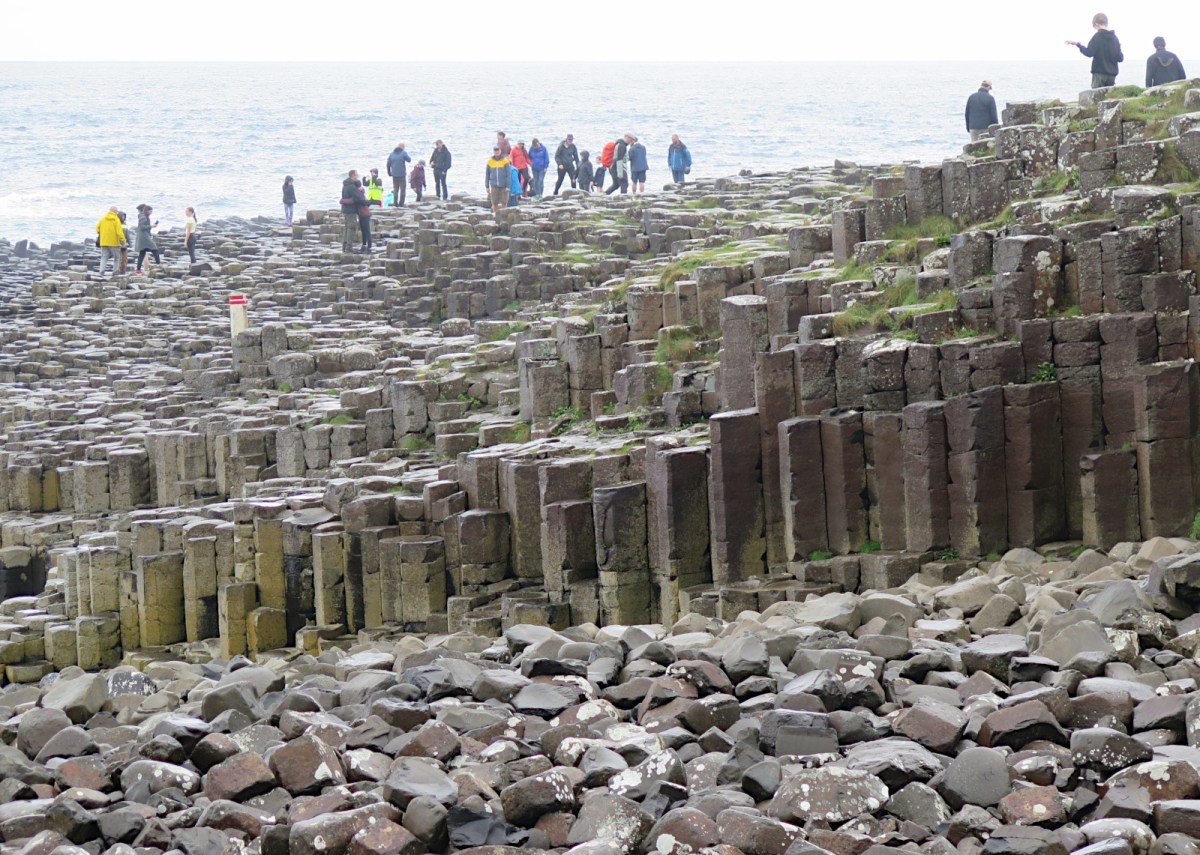
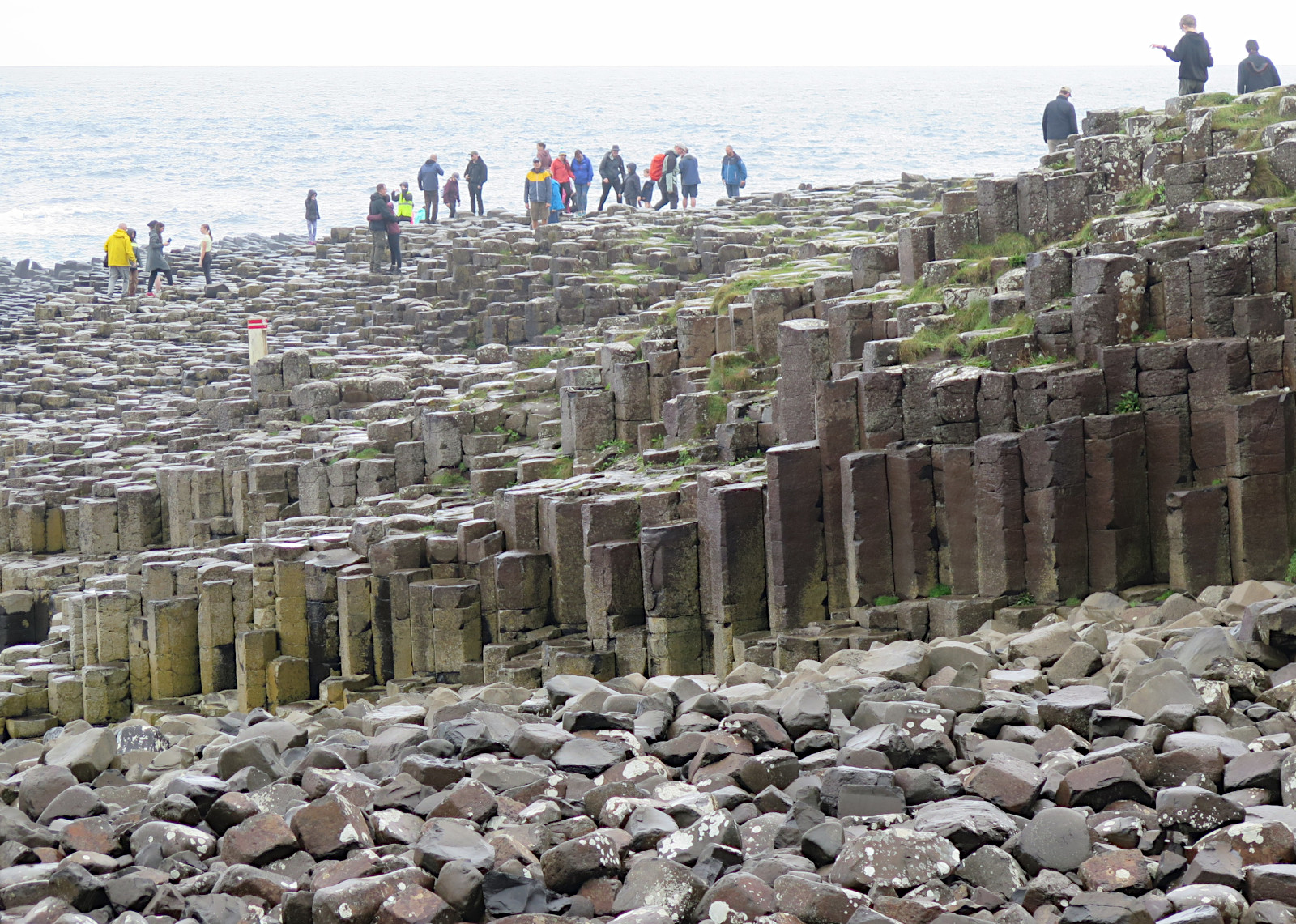
What a place, rugged, very unusual and most impressive. It is deservedly famous! UNESCO declared it a World Heritage Site.

< Previous | Index | Next >

What’s in an image? Sometimes quite a lot, more than meets the eye.

I’m posting an image every two days (or as often as I can). A photo, an image from the internet, a diagram or a map. Whatever takes my fancy.

Click to enlarge

After our first night in the holiday house at Portrush we were ready to explore in earnest. We drove to the Giant’s Causeway, and the photo shows how many people turn out to see this geological feature, even on a damp and breezy day. It is an incredible sight, with the famous hexagonal basalt columns taking on a multitude of forms. In places they are weathered down to appear like an almost flat pavement (the legendary giant’s work in building a causeway between Ireland and Scotland). In other places they rise vertically like organ pipes, and in yet others they are still capped at the top by overlying sediments deposited above them.

As with the sandy beaches at Portrush, the coast trends east-west and faces north. What a place, rugged, very unusual and most impressive. It is deservedly famous! UNESCO declared it a World Heritage Site, it is a Northern Irish National Nature Reserve, and it was voted the fourth-greatest natural wonder in the United Kingdom

The Wikipedia article listed below gives a good explanation for the volcanic origins of the ’causeway’.

See also:


Images from our Irish holiday 2024

For convenience, here’s a list of all the Irish holiday images:

28th Jul – Welsh Botanic Garden, Robin, Fishguard
29th Jul – Wicklow Mts, Glendalough, Powerscourt, Rose, Greystones
30th Jul – Liffey, Temple Bar, St Patrick’s Cathedral
31st Jul – Newgrange, Battle of the Boyne
1st Aug – Monasterboice, Mourne, Thrift, Window
2nd Aug – Spelga Dam, Hydrangea, Pipework, Lough Neagh
3rd Aug – Coagh, Springhill, Portrush
4th Aug – Beach at Portrush
5th Aug – Giant’s Causeway, Carrick-a-Rede, Portrush

Themed image collections

The links below will take you to the first post in each collection

Cirencester, Favourites, Irish holiday 2024, Roman villa

< Previous | Index | Next >

Useful? Interesting?

If you enjoyed this or found it useful, please like, comment, and share below. My material is free to reuse (see conditions), but a coffee is always welcome!

Image of the day – 85

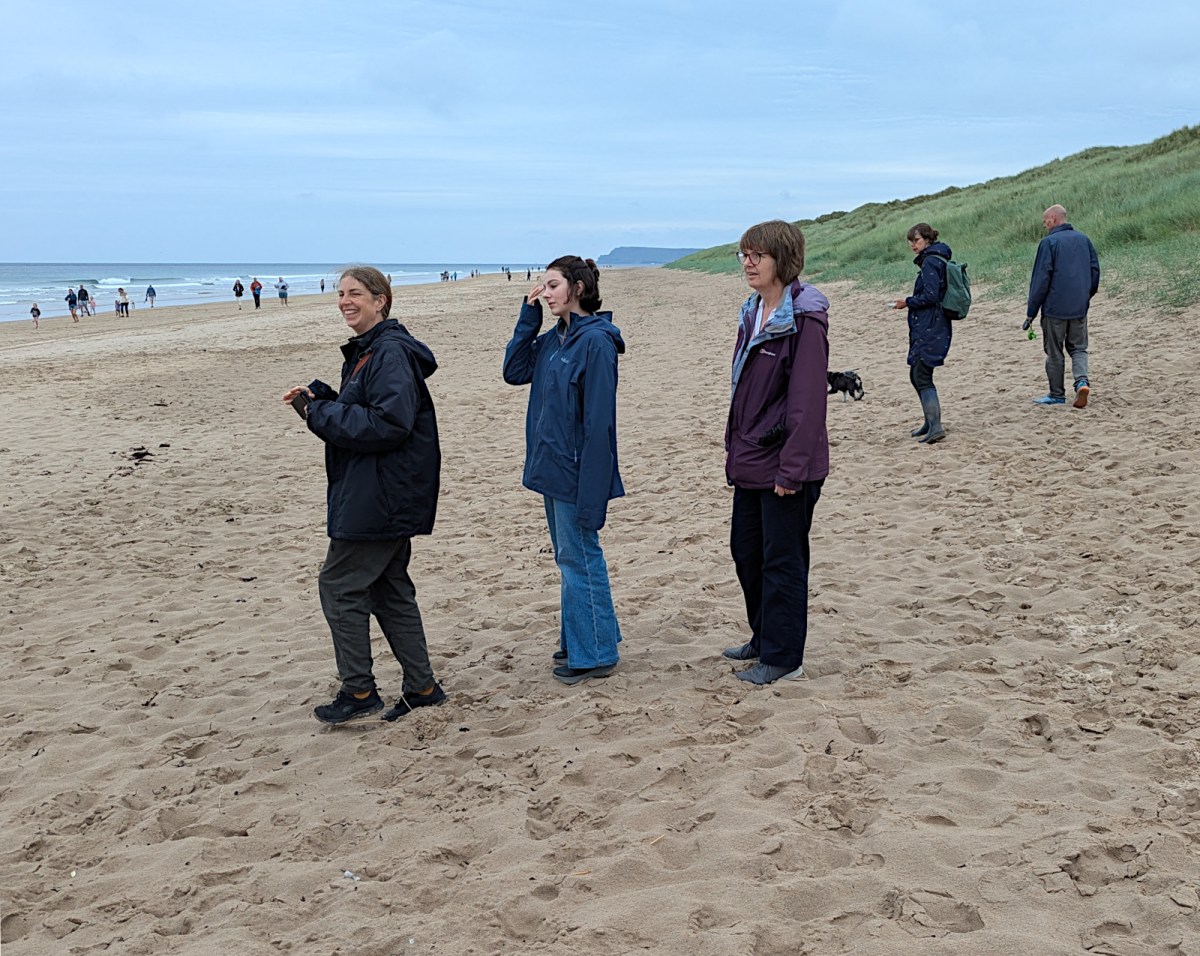
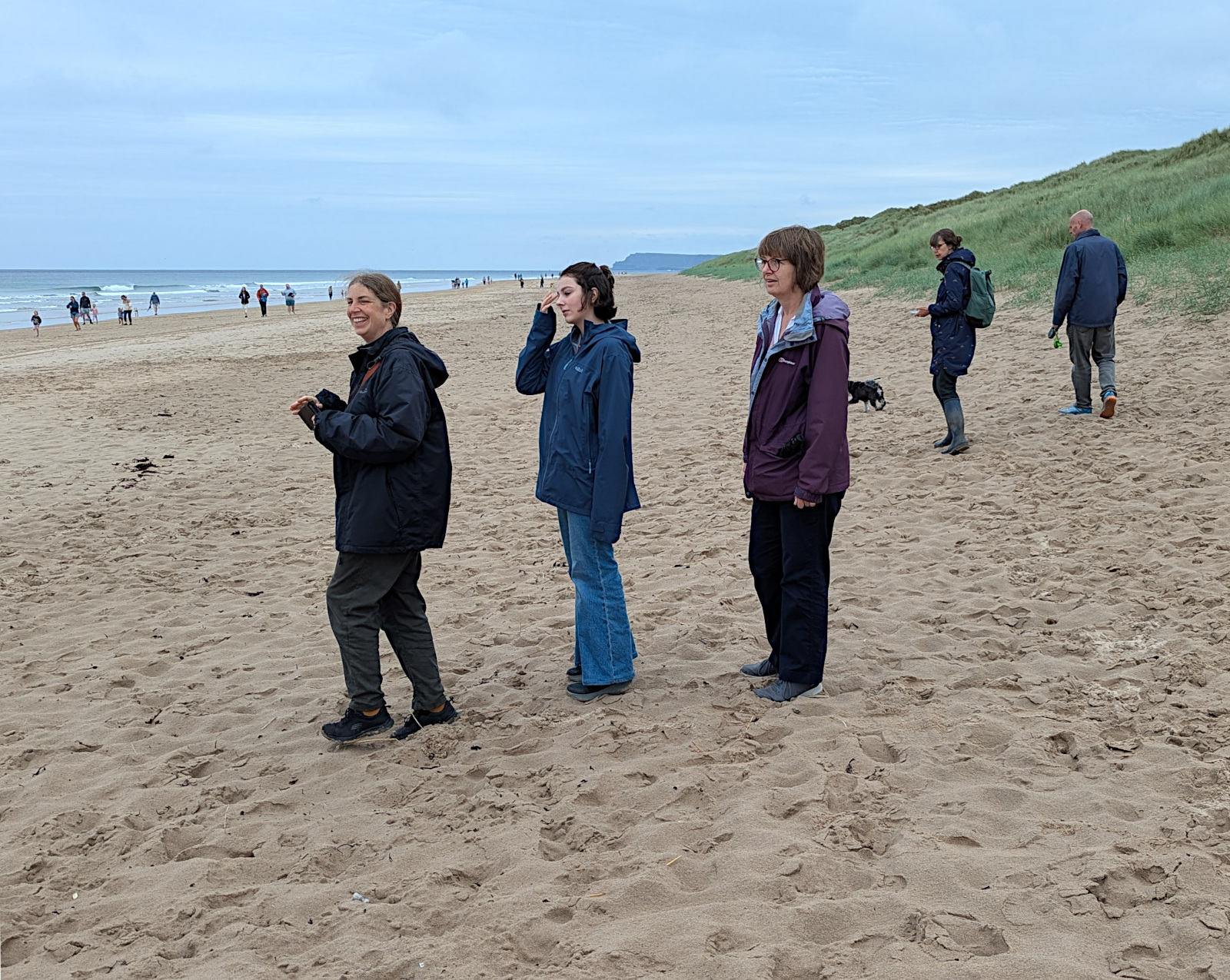
This is the ‘Land’s End’ of the north – not a narrowing peninsula as in Cornwall, but here a long, straightish coast running east to west. A glorious, glorious place to stand and look and imagine.

< Previous | Index | Next >

What’s in an image? Sometimes quite a lot, more than meets the eye.

I’m posting an image every two days (or as often as I can). A photo, an image from the internet, a diagram or a map. Whatever takes my fancy.

Click to enlarge

On the day after arriving at Portrush, we relaxed in the house, chatted, explored the town and its little harbour, and walked east along one of the beautiful beaches of golden sand. It was a chilly day, and cloudy, but I don’t think anyone wanted to go far after all the travelling of the previous day.

The land and seascapes here are glorious. A wide, long sandy beach is backed by dunes stabilised by vegetation as you can see from the image. This beach slopes down to the north until it meets the sea with the waves rolling in and breaking. A little way out in deeper water there’s a series of small barrier islands, some of them merely bare rocks. And beyond those, the open sea – the edge of the mighty North Atlantic.

On a clear day parts of Scotland are visible towards the east, while beyond the northern horizon there’s nothing but ocean until the cold Arctic waters east of Iceland. This is the ‘Land’s End’ of the north – not a narrowing peninsula as in Cornwall, but here a long, straightish coast running east to west. A glorious, glorious place to stand and look and imagine.

I have no hesitation in recommending Portrush as a holiday destination. It really does have something special for everyone – children, teens, adults young and old, nature lovers, for swimming, boating, walking – it’s all here within easy reach.

See also:

Images from our Irish holiday 2024

For convenience, here’s a list of all the Irish holiday images:

28th Jul – Welsh Botanic Garden, Robin, Fishguard
29th Jul – Wicklow Mts, Glendalough, Powerscourt, Rose, Greystones
30th Jul – Liffey, Temple Bar, St Patrick’s Cathedral
31st Jul – Newgrange, Battle of the Boyne
1st Aug – Monasterboice, Mourne, Thrift, Window
2nd Aug – Spelga Dam, Hydrangea, Pipework, Lough Neagh
3rd Aug – Coagh, Springhill, Portrush
4th Aug – Beach at Portrush
5th Aug – Giant’s Causeway, Carrick-a-Rede, Portrush

Themed image collections

The links below will take you to the first post in each collection

Cirencester, Favourites, Irish holiday 2024, Roman villa

< Previous | Index | Next >

Useful? Interesting?

If you enjoyed this or found it useful, please like, comment, and share below. My material is free to reuse (see conditions), but a coffee is always welcome!

Image of the day – 84

It was good to have a whole week ahead of us. There would be places to see, plenty to do, great conversations, good food, and – as always on our family holidays – marvellous company!

< Previous | Index | Next >

What’s in an image? Sometimes quite a lot, more than meets the eye.

I’m posting an image every two days (or as often as I can). A photo, an image from the internet, a diagram or a map. Whatever takes my fancy.

Click to enlarge

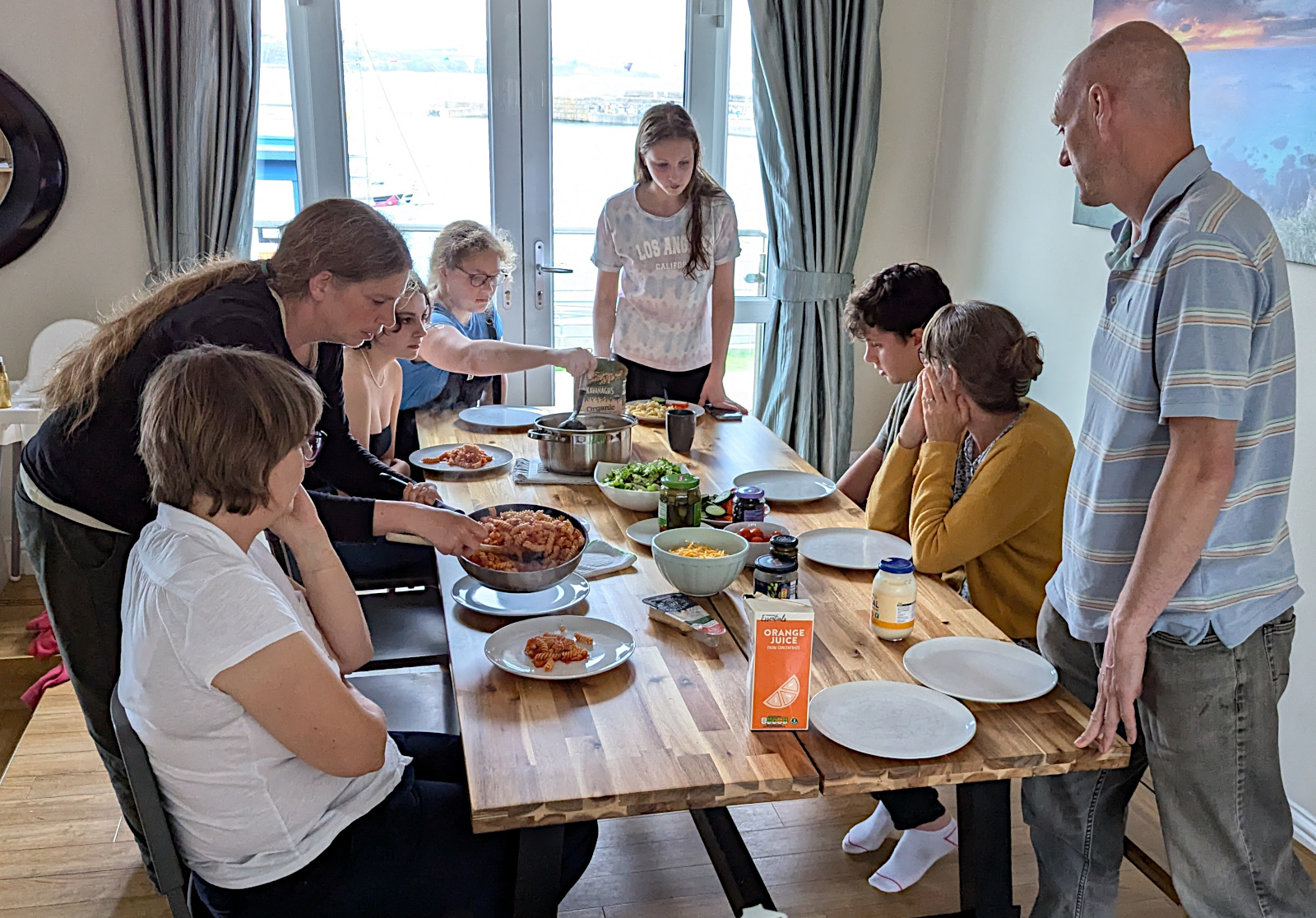
After exploring Springhill, we drove to Portrush on the north coast where we’d booked a large holiday house for a week. We were the last to arrive, and after the usual hellos and hugs we fell into chatting and laughing and organising our first meal together. It was great to gather round the table together, three generations of smiles and looking forward to our week relaxing together.

The photo shows all but two of us about to tuck into dinner, I’m behind the camera of course, and son-in-law Paz was behind me in the kitchen area, so you see a wife, two daughters, a son-in-law, and four grandchildren. The house was large enough for all of us, we need around six or seven bedrooms, a large dining table, plenty of cutlery, plates and mugs, and room for ten people to spread out. And we had that in spades!

Our first impression of Portrush was good, last time I was here was in the 1960s – almost a lifetime ago! It has changed a good deal, of course, and it’s grown much larger, but the harbour seems its old self, and the lovely sandy beach is just as I remember.

It was good to have a whole week ahead of us. There would be places to see, plenty to do, great conversations, good food, and – as always on our family holidays – marvellous company!

See also:

Images from our Irish holiday 2024

For convenience, here’s a list of all the Irish holiday images:

28th Jul – Welsh Botanic Garden, Robin, Fishguard
29th Jul – Wicklow Mts, Glendalough, Powerscourt, Rose, Greystones
30th Jul – Liffey, Temple Bar, St Patrick’s Cathedral
31st Jul – Newgrange, Battle of the Boyne
1st Aug – Monasterboice, Mourne, Thrift, Window
2nd Aug – Spelga Dam, Hydrangea, Pipework, Lough Neagh
3rd Aug – Coagh, Springhill, Portrush
4th Aug – Beach at Portrush
5th Aug – Giant’s Causeway, Carrick-a-Rede, Portrush

Themed image collections

The links below will take you to the first post in each collection

Cirencester, Favourites, Irish holiday 2024, Roman villa

< Previous | Index | Next >

Useful? Interesting?

If you enjoyed this or found it useful, please like, comment, and share below. My material is free to reuse (see conditions), but a coffee is always welcome!

Image of the day – 83

Although it’s clearly the home of relatively wealthy, upper-class people; the house also has a friendly and lived-in feel to it, not just a grand house, but a family home as well.

< Previous | Index | Next >

What’s in an image? Sometimes quite a lot, more than meets the eye.

I’m posting an image every two days (or as often as I can). A photo, an image from the internet, a diagram or a map. Whatever takes my fancy.

Click to enlarge

Springhill is an old house and garden, not far from Cookstown. The house was built in Jacobean times, and latter extended and modified in Georgian style. The central part of the house is the remodelled Jacobean part, with large Georgian wings on both sides.

Donna and I drove to Coagh where we met Debbie, Steve, Aidan and Sara, took a quick look at my grandparent’s house, and visited Tamlaght Church where Mum and Dad were married. From there we separated again and Donna and I drove to Springhill to visit both the house and the grounds. I remember Mum talking about springhill, but I hadn’t visited it before. The photo of the dining room gives some idea of what it’s like inside. Although it’s clearly the home of relatively wealthy, upper-class people; the house also has a friendly and lived-in feel to it, not just a grand house, but a family home as well.

The house was built by the Conyngham family who came from Scotland having been granted land by King James I. The village of Coagh was reconstructed by a Conyngham, and when the family fell on hard times and the direct line died out, Springhill was presented to the National Trust which extensively restored it and has managed it ever since.

See also:

Images from our Irish holiday 2024

For convenience, here’s a list of all the Irish holiday images:

28th Jul – Welsh Botanic Garden, Robin, Fishguard
29th Jul – Wicklow Mts, Glendalough, Powerscourt, Rose, Greystones
30th Jul – Liffey, Temple Bar, St Patrick’s Cathedral
31st Jul – Newgrange, Battle of the Boyne
1st Aug – Monasterboice, Mourne, Thrift, Window
2nd Aug – Spelga Dam, Hydrangea, Pipework, Lough Neagh
3rd Aug – Coagh, Springhill, Portrush
4th Aug – Beach at Portrush
5th Aug – Giant’s Causeway, Carrick-a-Rede, Portrush

Themed image collections

The links below will take you to the first post in each collection

Cirencester, Favourites, Irish holiday 2024, Roman villa

< Previous | Index | Next >

Useful? Interesting?

If you enjoyed this or found it useful, please like, comment, and share below. My material is free to reuse (see conditions), but a coffee is always welcome!

Image of the day – 82

The pump had to be primed, so you couldn’t fill your pail unless you took out a mug of water to pour in to get it started.

< Previous | Index | Next >

What’s in an image? Sometimes quite a lot, more than meets the eye.

I’m posting an image every two days (or as often as I can). A photo, an image from the internet, a diagram or a map. Whatever takes my fancy.

Click to enlarge

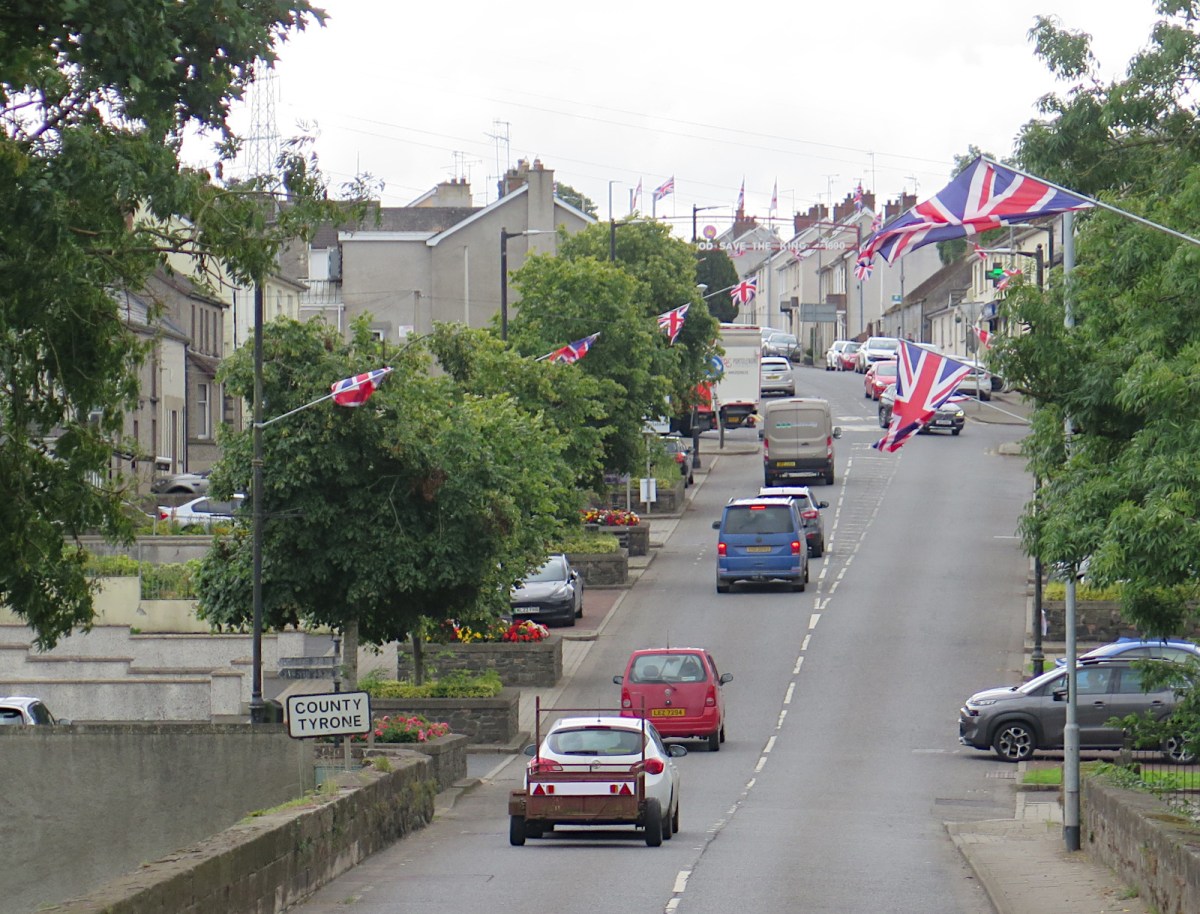
This is a view of Coagh, my Mum’s home village in County Tyrone in Ireland. The photo is taken from across the Balinderry River which forms the border with County Londonderry (or Derry). The centre of the village is Hanover Square just across the bridge, and then three streets head out from the far side of the square. The road up the hill in the photo is Main Street, where my grandparent’s house was on the left hand side. The other two roads are not visible, heading left and right from the square.

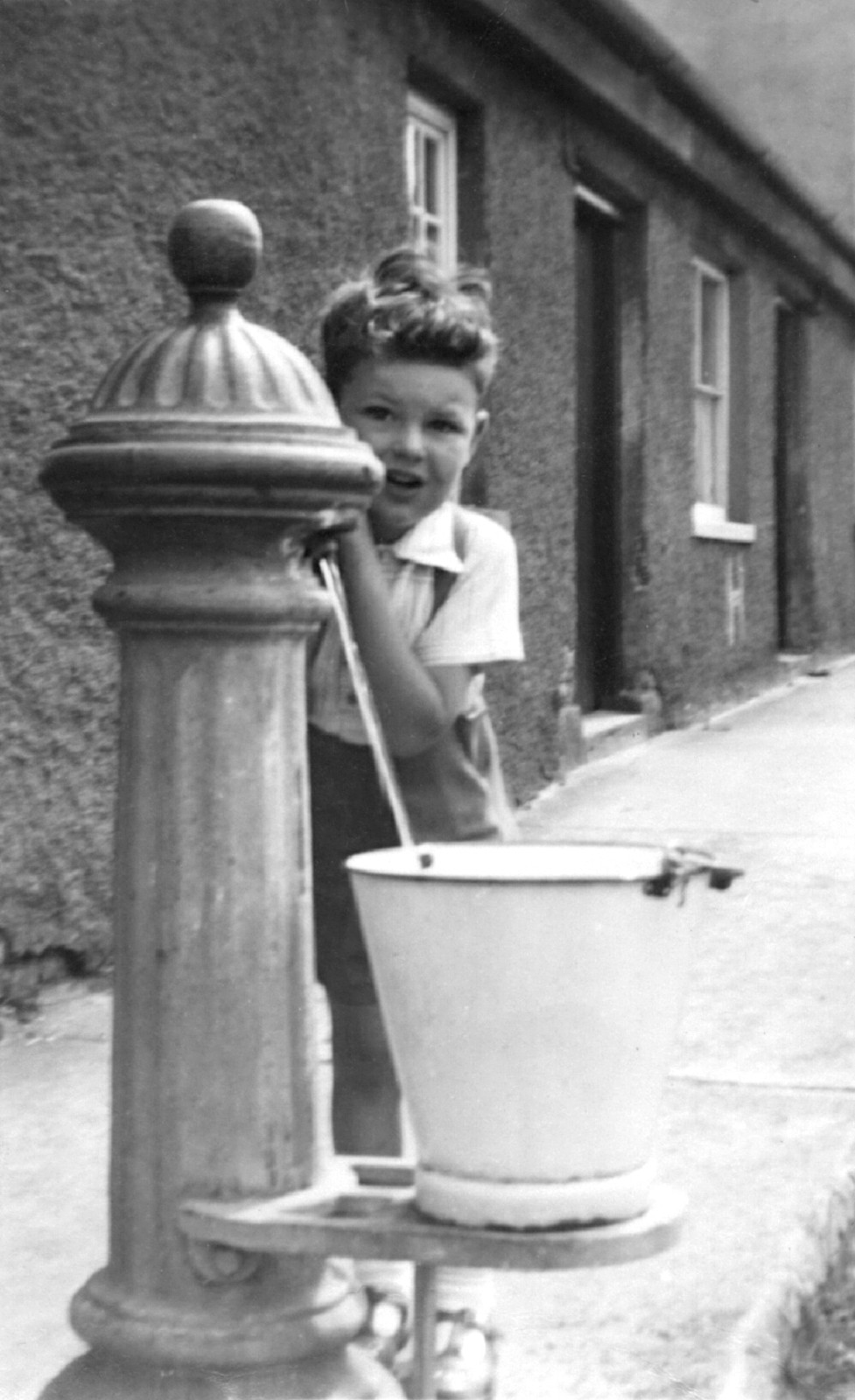
My earliest memories of Coagh involve the old village pump on the pavement near the house (a little further up the hill), the village shop where my parents first met during the Second World War, 200 chickens in the yard at the back of the house, the loo outside in the yard, the kitchen range burning peat supplied from a stash in the cupboard under the stairs, and a large collection of black, wooden flutes in the attic along with a cuckoo clock. I could list more things, but I think that’s enough for now!

Me using the pump in 1952

The pump had to be primed, so you couldn’t fill your pail unless you took out a mug of water to pour in to get it started. It was fun to pull the handle and see the water spurt out clean and cold.

The shop was an Aladdin’s cave full of sweets, soda drinks of various flavours (my favourite was cream soda), superhero comics, stacks of newspapers in the evening, biscuits, Tayto crisps, and much more.

The chickens were loud and somewhat smelly. The eggs were collected daily and had to be cleaned with sandpaper, washing them was not permitted by the regulations.

The loo was a wooden seat with a hole in a small shed, and pieces of newspaper on a string for wiping your bum afterwards. It seemed very strange, no chain to pull to flush the loo like the one at home in England!

I think the flutes belonged to the Orange Lodge but had been replaced, presumably with more modern metal ones. There seemed to be dozens of them!


Images from our Irish holiday 2024

For convenience, here’s a list of all the Irish holiday images:

28th Jul – Welsh Botanic Garden, Robin, Fishguard
29th Jul – Wicklow Mts, Glendalough, Powerscourt, Rose, Greystones
30th Jul – Liffey, Temple Bar, St Patrick’s Cathedral
31st Jul – Newgrange, Battle of the Boyne
1st Aug – Monasterboice, Mourne, Thrift, Window
2nd Aug – Spelga Dam, Hydrangea, Pipework, Lough Neagh
3rd Aug – Coagh, Springhill, Portrush
4th Aug – Beach at Portrush
5th Aug – Giant’s Causeway, Carrick-a-Rede, Portrush

Themed image collections

The links below will take you to the first post in each collection

Cirencester, Favourites, Irish holiday 2024, Roman villa

< Previous | Index | Next >

Useful? Interesting?

If you enjoyed this or found it useful, please like, comment, and share below. My material is free to reuse (see conditions), but a coffee is always welcome!

Image of the day – 81

These are known as ‘pin trees’ and historically pins and nails were used, but when I was a child it was always the big, bronze penny coins.

< Previous | Index | Next >

What’s in an image? Sometimes quite a lot, more than meets the eye.

I’m posting an image every two days (or as often as I can). A photo, an image from the internet, a diagram or a map. Whatever takes my fancy.

Click to enlarge

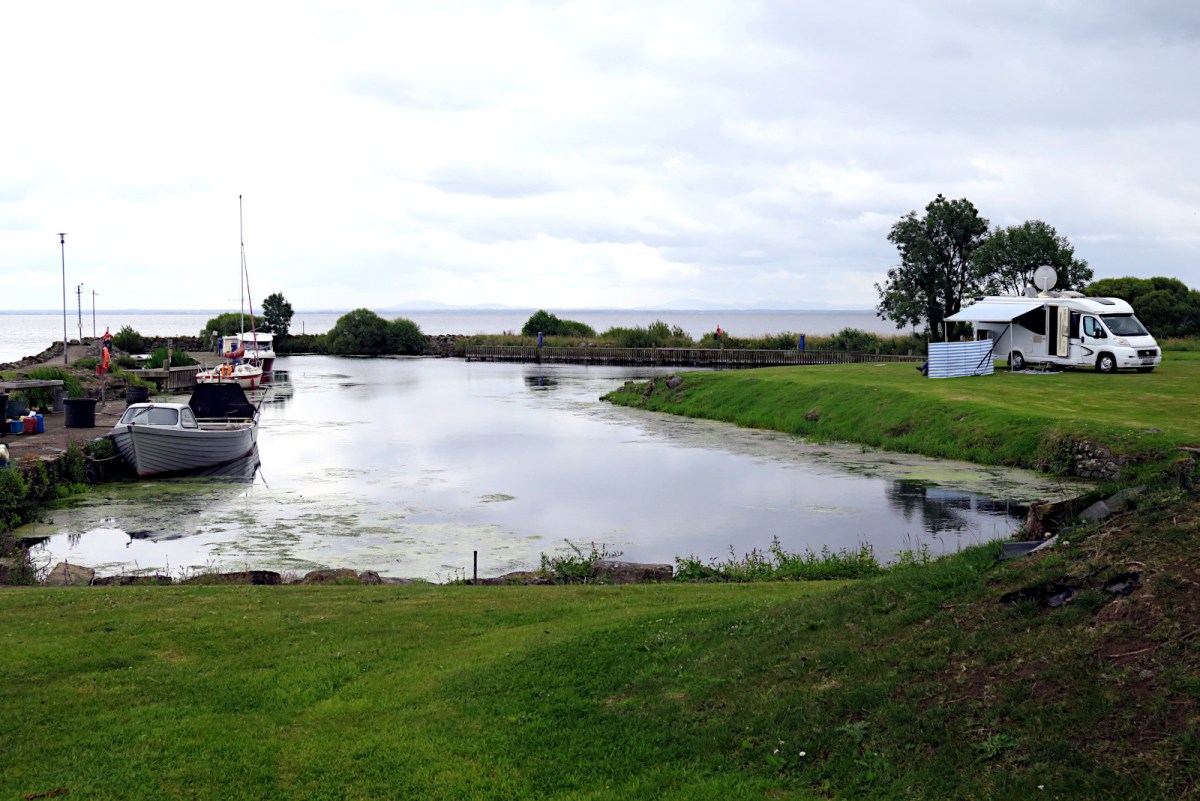
We visited the village of Coagh in County Tyrone where my Mum grew up. We came here for holidays when I was a child and I remember a lot about those times, the people (now mostly gone) and the places (changed a good deal but still recognisable).

And among many of the places I remember, one has always been the Lough shore with its little harbour at the end of Battery Road just north of Ardboe. There are changes here too, of course, but the place still has very much it’s old character. The photo looks out across Lough Neagh at more or less its narrowest point, and you can see distant mountains along the horizon. Here’s a zoomable map if you want to see the location and layout.

I remember an old beech tree at Ardboe, where people had pushed pennies into the bark; I don’t know how the tradition began, but it must go back a very long time indeed. Apparently these are known as ‘pin trees’ and historically pins and nails were used, but when I was a child it was always the big, bronze penny coins. Read more about the Ardboe pin tree.

The pennies were very large, 31 mm in diameter. There were two kinds, the United Kingdom penny with the heads of various kings and queens, and the Eire pingin of the same size, weight and value with a harp on one side and a hen on the other. I loved those old coins!


Images from our Irish holiday 2024

For convenience, here’s a list of all the Irish holiday images:

28th Jul – Welsh Botanic Garden, Robin, Fishguard
29th Jul – Wicklow Mts, Glendalough, Powerscourt, Rose, Greystones
30th Jul – Liffey, Temple Bar, St Patrick’s Cathedral
31st Jul – Newgrange, Battle of the Boyne
1st Aug – Monasterboice, Mourne, Thrift, Window
2nd Aug – Spelga Dam, Hydrangea, Pipework, Lough Neagh
3rd Aug – Coagh, Springhill, Portrush
4th Aug – Beach at Portrush
5th Aug – Giant’s Causeway, Carrick-a-Rede, Portrush

Themed image collections

The links below will take you to the first post in each collection

Cirencester, Favourites, Irish holiday 2024, Roman villa

< Previous | Index | Next >

Useful? Interesting?

If you enjoyed this or found it useful, please like, comment, and share below. My material is free to reuse (see conditions), but a coffee is always welcome!