
< Previous | Index | Next >
Image of the day – 150
What’s in an image? Sometimes quite a lot, more than meets the eye. I’m posting an image every few days.

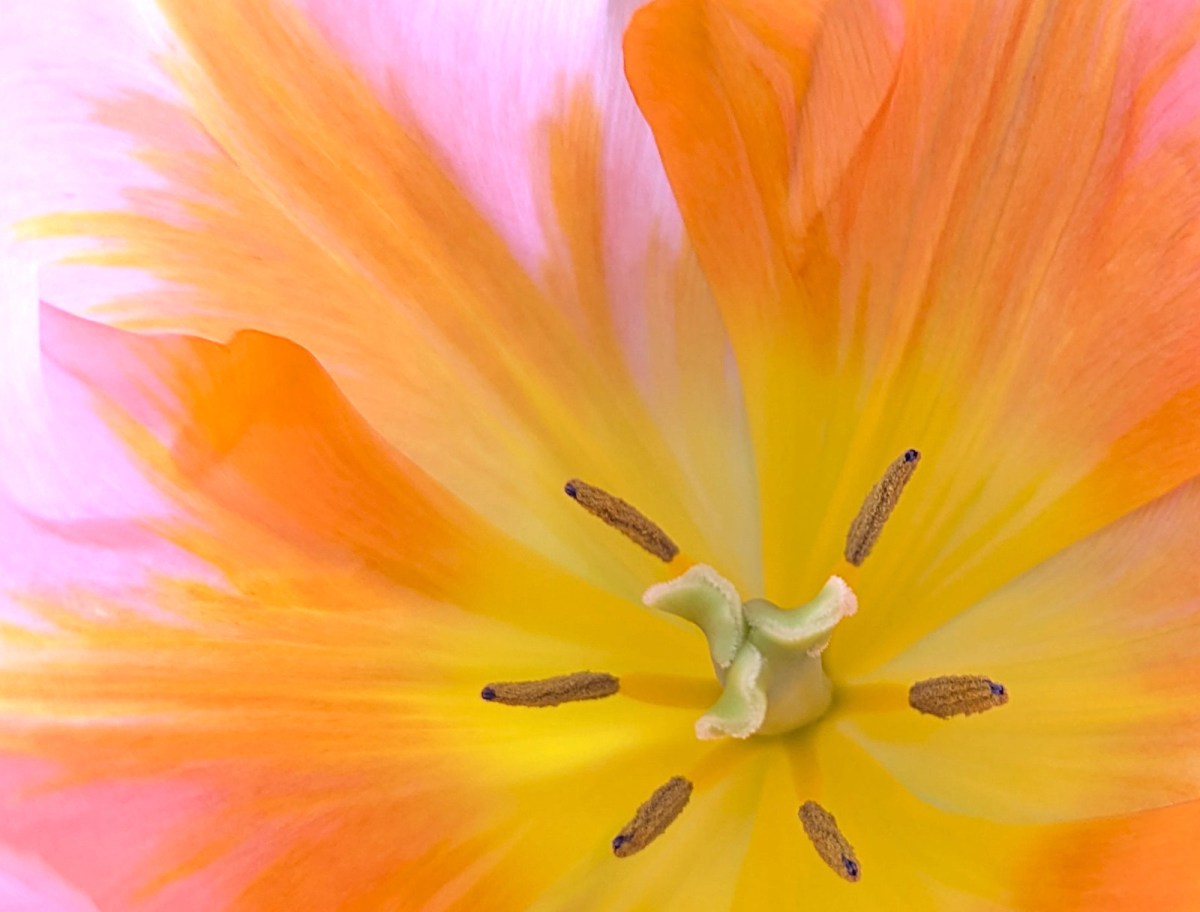
This makes it three in a row for flower images. The pasqueflower (Pulsatilla vulgaris) grows wild in the Cotswolds on dry grassland areas open to full sunshine. It was once quite common, and although not actually threatened, is something of a rarity these days. There’s a Cotwold dry valley site near Cirencester where there’s a reasonably large colony, but to keep the plants safe, the location is not advertised. However, plants are available from garden centres and will grow happily in your garden given the right conditions. These plants belong to the buttercup family and are near relatives of the anemones.
Protecting endangered or rare species (both plants and animals) is of ever growing importance. There are several ways species come under pressure and we’ll look at those first.
Challenges to survival
Habitat loss is the primary cause of decline for many plants, including the pasqueflower. Land improvement, especially the use of fertilisers to increase crop yields, is an issue for plants adapted to poorer soils.
Physical removal of plants or hunting of animals is an issue too. Most species can cope with limited amounts of removal, but if population levels fall drastically, there are real dangers. The dodo died out on the island of Mauritius following hunting by European sailors. The flightless birds were unafraid as they had no natural predators, so they didn’t run away from their hunters. They were welcome fresh meat after weeks at sea on salt beef.
Ecological damage also causes harm, sometimes unexpectedly. After the dodo became extinct, a tree species mysteriously stopped reproducing. Gradually the population was reduced to only older trees. It turned out that the fruit contained toughly seeds with tough shells that would only germinate after passing through the gut of a dodo. Links like this between organisms can be critical.
Climate change is another danger, especially for plants. If climate change is slow organisms can change the range of places where they grow; if it’s fast, animals might adapt, but some plants may need an entire year to move a few metres.
Pollution is a further serious issue and can exacerbate the other problems already mentioned above.
Diseases of both plants and animals can become pandemic and risk extinction, especially when populations are already stressed by droughts, loss of habitat, or pollution.
Attitudes
Given all of the above, what should our attitude be to the current situation?
Some people will shrug their shoulders. – Perhaps they don’t understand the peril the world faces, or they don’t understand the need to help the natural world recover. Or maybe they just feel there is nothing they can do about it.
Others may understand enough of the science to realise there is a danger, to see that it can be reduced (if not entirely averted), and to take some personal actions to help.
Biologists, ecologists, nature enthusiasts, and climate scientists understand only too well what is happening. Usually, they will be trying to communicate the issues whenever and wherever they can.
Followers of Jesus, and people of other faiths will often understand that we should do all we can to protect this world we live in, and live in ways that will reduce the damage.
All of the groups mentioned here are either responding already, or need help to see and understand that the natural world needs our help and that every single one of us can make a difference. Education and commitment are the way forward, so please share this post with anyone you know who might be influenced by it.
See also:
- Nature conservation – Wikipedia
- Protect wildlife today – The Wildlife Trusts
- Wildlife conservation – WWF
< Previous | Index | Next >
Useful? Interesting?
If you enjoyed this or found it useful, please like, comment, and share below. (If you don’t see those links, click the article’s title above the main photo and they will appear.) Send a link to friends who might enjoy the article or benefit from it – Thanks! My material is free to reuse (see conditions), but a coffee is always welcome and encourages me to write more often! 


 Journeys of Heart and Mind