Image of the day – 76

Chesterton, Stratton and the Beeches areas stand on slightly higher ground. For this reason, the church tower is visible from the distance wherever the view is not blocked by woodland or buildings.

< Previous | Index | Next >

What’s in an image? Sometimes quite a lot, more than meets the eye.

I’m posting an image every two days (or as often as I can). A photo, an image from the internet, a diagram or a map. Whatever takes my fancy.

(I’ve posted 22 photos of Cirencester recently; I’m going to choose some other topics for a while and will return to images of the town later.)

Click to enlarge

The Parish Church of John Baptist towers (no pun intended) over the rooftops of other buildings in Cirencester in this image. The photo was taken looking east from the top of one of the grassy banks covering the Roman Amphitheatre. The honey-coloured Cotswold stone glows in low, January sunlight from the south.

In the background you can see the low hills that surround the town in most directions; the town itself lies on the lower area where the Churn approaches the Thames, but this lower area is small. The Roman town of Corinium was entirely on flatter land (apart from the amphitheatre); but the modern town has spread further, so Chesterton, Stratton and the Beeches areas stand on slightly higher ground. For this reason, the church tower is visible from the distance wherever the view is not blocked by woodland or buildings.

Cirencester

For convenience, here’s a list of all the Cirencester area images:

A417 roadworks, Advent Market, Bishops Walk, Baunton, Canal 1, 2, Castle Street, Christmas lights 1, 2, Church 1, 2, 3, 4, 5, 6, Churn flood, Countryside, Fallen tree, Fleece, Gasworks, Gloucester Street, Hare 1, 2, Hospital, Market Place 1, Phoenix Fest, Riverside Walk, Stone plaque, Stratton Meadow, Tank traps, View, Wonky 1, 2, Yellow Iris

Themed image collections

The links below will take you to the first post in each collection

Cirencester, Favourites, Irish holiday 2024, Roman villa

< Previous | Index | Next >

Useful? Interesting?

If you enjoyed this or found it useful, please like, comment, and share below. My material is free to reuse (see conditions), but a coffee is always welcome!

Image of the day – 74

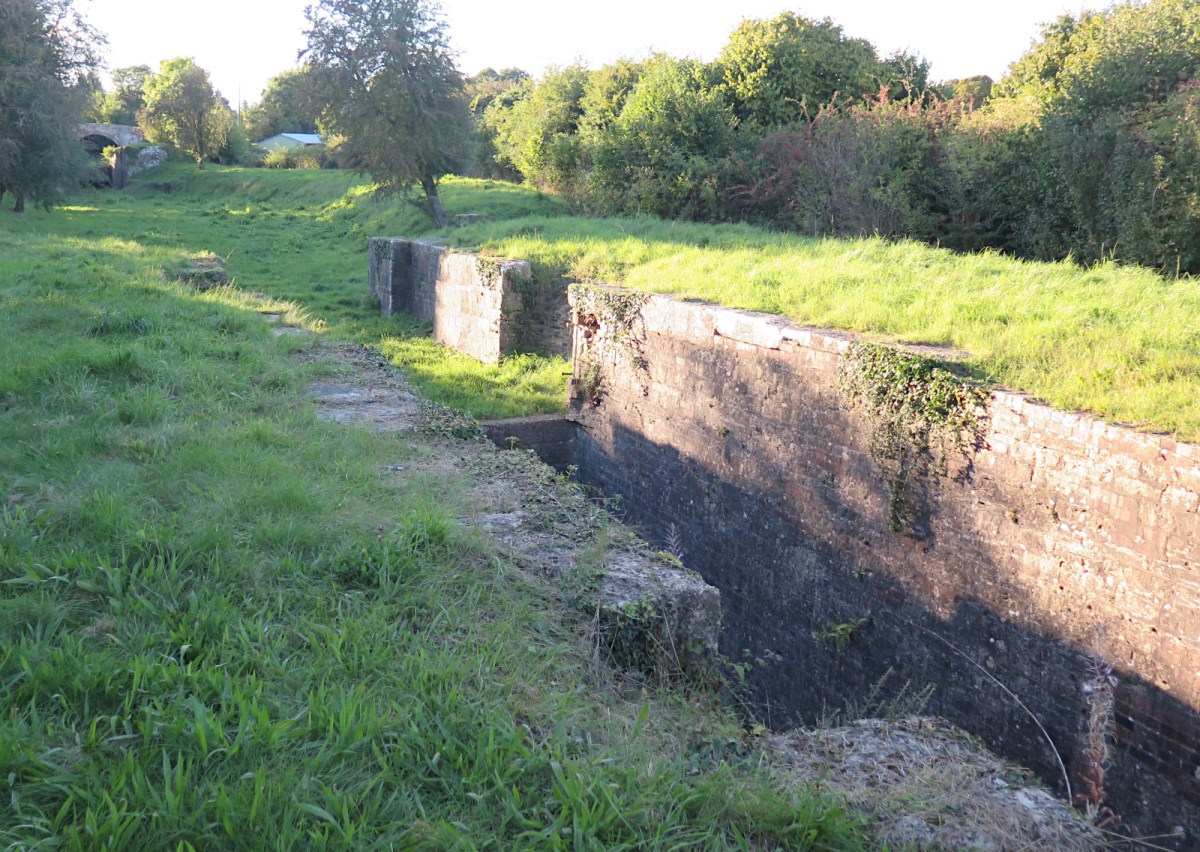
Beyond the lock is a canal basin, currently just an area of grass at a lower level than its surroundings. And beyond the basin is the bridge that featured in an earlier image.

< Previous | Index | Next >

What’s in an image? Sometimes quite a lot, more than meets the eye.

I’m posting an image every two days (or as often as I can). A photo, an image from the internet, a diagram or a map. Whatever takes my fancy.

Click to enlarge

We return to the village of Siddington for today’s image, just a couple of miles south of Cirencester. You can see the brick-built remains of a canal lock, part of a ladder of four locks at this point. Beyond the lock is a canal basin, currently just an area of grass at a lower level than its surroundings. And beyond the basin is the bridge that featured in Image of the day 61.

Although derelict right now, work to improve things has already begun here. Trees growing in the canal bed are being cut down, the towpath is getting some basic care such as filling holes and repairing serious erosion. Down in the western part of the canal in Stroud the section connecting to the Stroudwater Canal is in water and navigable; and within the next two or three years the Stroudwater itself will be connected to the rest of Britain’s canal network at Saul Junction near the River Severn. Focus is moving now to Lechlade in the east where the canal joins the River Thames, and also to the area in the Cotswold Water Park, near South Cerney and Latton. As the Lechlade section develops further, boats will be able to access the canal from both ends, but it will be decades before it becomes possible to travel the entire length by boat.

Check out my articles on walking the canal towpath, and why not walk a section yourself?

Cirencester

For convenience, here’s a list of all the Cirencester area images:

A417 roadworks, Advent Market, Bishops Walk, Baunton, Canal 1, 2, Castle Street, Christmas lights 1, 2, Church 1, 2, 3, 4, 5, 6, Churn flood, Countryside, Fallen tree, Fleece, Gasworks, Gloucester Street, Hare 1, 2, Hospital, Market Place 1, Phoenix Fest, Riverside Walk, Stone plaque, Stratton Meadow, Tank traps, View, Wonky 1, 2, Yellow Iris

Themed image collections

The links below will take you to the first post in each collection

Cirencester, Favourites, Irish holiday 2024, Roman villa

< Previous | Index | Next >

Useful? Interesting?

If you enjoyed this or found it useful, please like, comment, and share below. My material is free to reuse (see conditions), but a coffee is always welcome!

Opening the Sapperton tunnel

Barges were able to move goods of all kinds between London and the River Severn via Oxford, Cirencester and Stroud

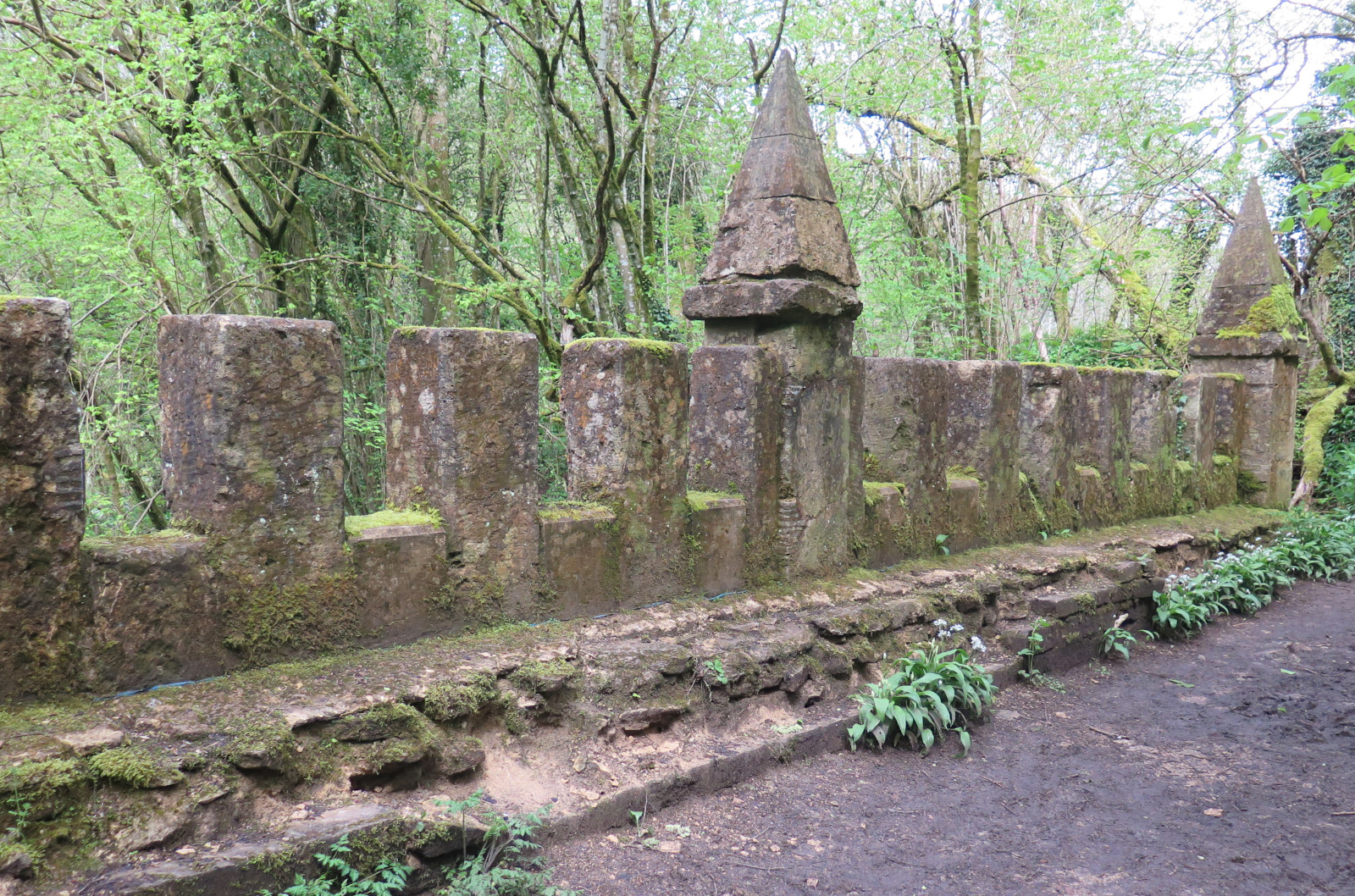
The parapet at the NW tunnel portal
(Click image to enlarge)

The Thames & Severn Canal tunnel was opened in April 1789. The work was a major engineering achievement at the time.

There had been serious difficulty with the contractor originally chosen to do the work. But now it was complete, and barges were able to move goods of all kinds between London and the River Severn via Oxford, Cirencester and Stroud.

Here’s a short extract from the Gloucester Journal from 4th May 1789.

By a letter from Cirencester, dated the 19th ult., we learn that a great undertaking of conveying a tunnel sixteen feet high and sixteen feet wide, under Sapperton-hill and Hayley-wood (very high ground) for two miles and a quarter in length, through a very hard rock, lined and arched with brick, is entirely completed, and boats were to pass through it on the 21st ult.

By this opening communication is made between the river Severn, at Framiload, and the Thames near Lechlade, and will be continued over the Thames below St. John’s Bridge, and so to Oxford, etc., and London, for conveyance of coals, goods, etc.

It is now navigable from the Severn to Themsford by way of Stroud, Cirencester, Cricklade, being filled with water for the purpose near forty miles.

At the time of its execution the tunnel was considered a great undertaking; old King George III visited and expressed himself astonished with it, and that part of the canal at the east end of the tunnel is called “The King’s Reach,” probably in consequence of the visit.

The opening of the canal did not take place until the month of December, 1789, and the Journal of Monday, the 30th of that month, gives the following description of the event: —” On Thursday last was effected the greatest object of internal navigation in this kingdom. The Severn was united with the Thames by intermediate canal, ascending by Stroud, through the Vale of Chalford, to the height of 343 feet, by locks there entering a tunnel through the hill of Sapperton, for the length two miles and three furlongs, and descending 22 [sic 16] locks, it joined the Thames near Lechlade.

(Read the entire article from Cotswold Canals in Pictures)

See also:
From the web:

Useful? Interesting?

If you enjoyed this or found it useful, please like, comment, and share below. My material is free to reuse (see conditions), but a coffee is always welcome!