This is an edited repost of one of my earliest blog messages, originally from 18th December 2002, so almost twenty years ago! In fact, it was my first serious post.
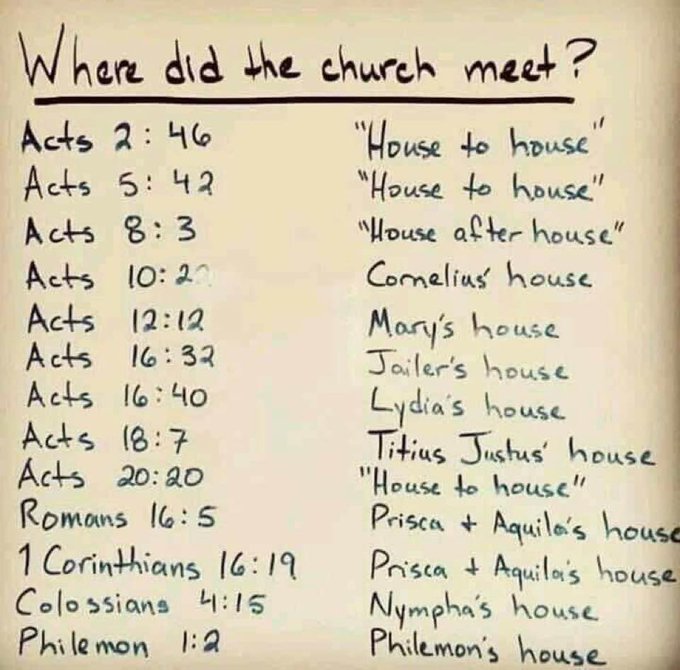
Back in those days I’d been meeting with my sister, Rachael, and some local friends. Sometimes we met in Rugby, at Rachael’s house, sometimes near Wellingborough where one of our friends lived, and sometimes at my home or others in St Neots.
The meetings were always full of spiritual life; we would sit together, share coffee, do a bit of a catch up chat, and then fall into a comfortable silence – waiting, and expecting the Holy Spirit to guide us. These were very fruitful times for all of us. Out of the quietness would come a mental picture, a thought, some Bible verses, a prayer, words in an unknown language, an interpretation, a song, some prophecy. Usually everyone would contribute something, and always by the end of the meeting we would see a clear thread running through the whole, something we could remember that would encourage us or bless us in some way.
The following is what I wrote twenty years ago:
Our meeting reminded me of the seventh day of creation, when He rested. Even God desires quiet times!
The other bit I particularly remembered was, ‘It’s not for us to do, but for Him to do in us’ (RK)Four of us met and the Holy Spirit led us very gently. We felt encouraged and uplifted, it was a peaceful and quiet time with a variety of words and pictures.
There was a wonderful picture of still water, with a reflection of the Almighty’s glory clearly visible in it; the water also reflected images of us towards him. Our feet were in the water; and he said that we should be careful not to make disturbances as this would spoil the reflection, only if we stayed quiet and very still would we be able to see his reflected glory.
We also had a word that the easy things he wants done are overlooked by the great and the learned, while the difficult things are only ever attempted by the weak and foolish.
Thinking about this afterwards I realised that the great doubly miss out, they miss the easy things because they think they’re not worth doing, and they miss the hard things because they realise they’re too difficult to attempt. But the weak are doubly rewarded, they’re glad to do the easy things and by their childlike faith and trust achieve the hard things too!
We came away encouraged and strengthened – it was a great evening!
See the original post
(Note: RK is my sister, Rachael.)

A reflection of what is not directly visible – Image from Wikimedia Commons
My thought after the meeting is what I want to emphasise here in 2022. Perhaps we are much too easily impressed by the people in society who are thought to be great in wisdom, or wealth, or skill. Great leaders, great speakers, powerful company bosses. Reputation can be overvalued.
Perhaps we should be more willing to also value weakness, and to notice how the weak are doubly blessed. They achieve this by doing the easy things that the great may overlook or regard of little value, and they achieve the hard things by just doing them, often without recognising the difficulties.
So let’s value the weak and the humble. Let’s notice them, and learn from them. At the same time we can (and should) appreciate the people around us who achieve so much through skill, learning, persuasive speaking, and sheer hard work and persistence. The great are good, providing they are also humble and gentle. Indeed, good motives are fundamental, for both the strong and the weak.
And if you think you are weak – rejoice! Savour the double blessing.
Some questions
- If you follow Jesus, could you meet like this? Have you tried?
- What advantages are there in preparing the content, structure, and leadership of a meeting in advance?
- Are there any disadvantages?
- What does Paul mean when he says that all should contribute? (1 Corinthians 14:26) – For more on this question, see my subsequent tweet.
 Journeys of Heart and Mind