Truth and facts

Physical facts can often be pinned down rather well by careful measurement using accurate instruments; but there are other kinds of fact and some of those may be much harder to assess.

Thinking out loud

How can we best define ‘truth’, how should we judge whether something is ‘factual’? And what happens if I live my life in ignorance of the way things really are? It’s possible to be unwittingly ignorant, but it’s also possible to pretend to be ignorant. Clearly there’s a big difference between not knowing something and pretending not to know it. Does that difference matter? And if so, how?

What a lot of questions!

We should begin with some definitions, I think.

Facts

Maybe this won’t be too hard to pin down. Here’s a simple example.

‘Water is a liquid’ – Correct?
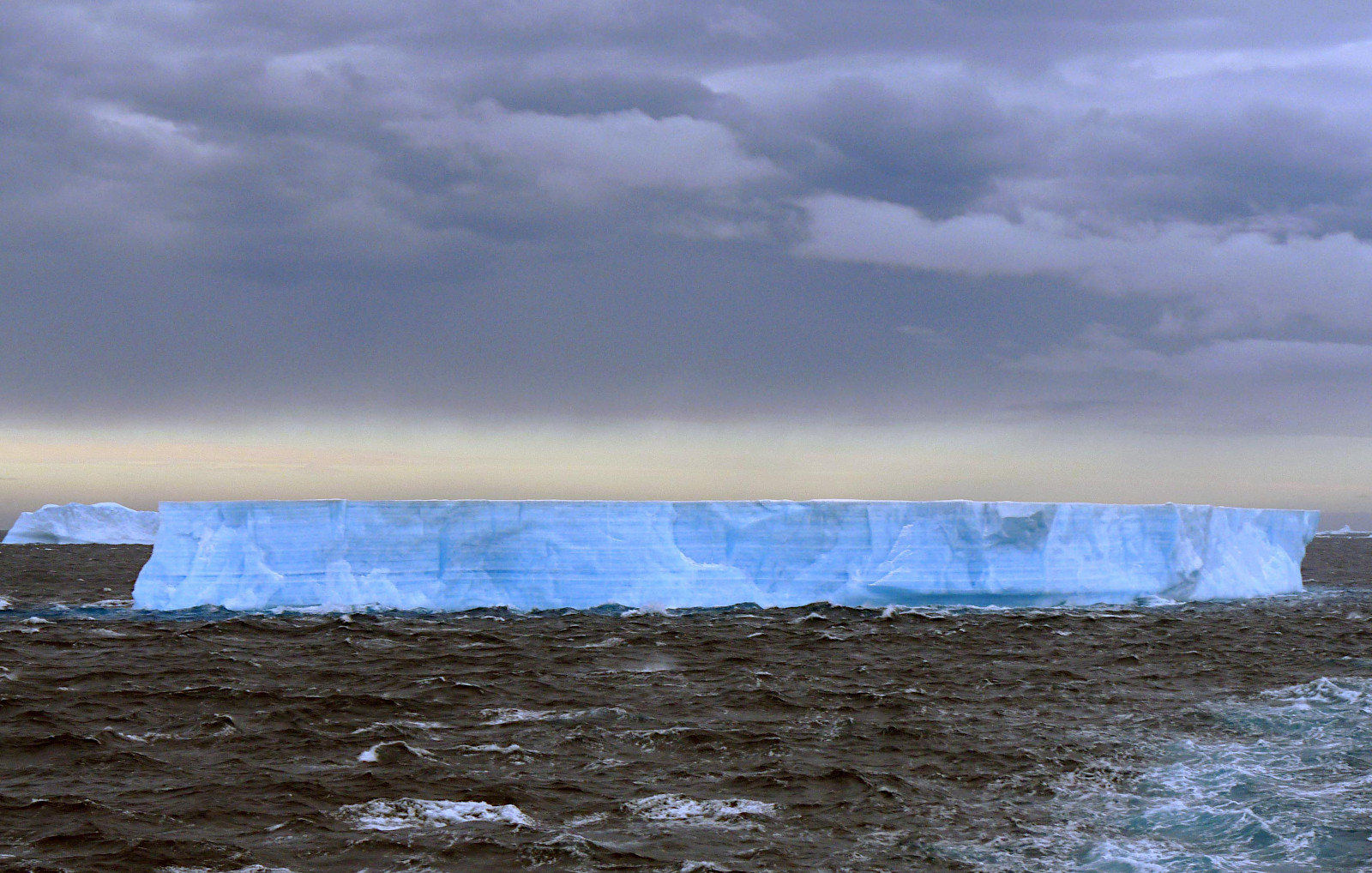
All water!
(WIkimedia)

Well, with a few caveats it is generally true. If the atmospheric pressure is 101.3 kPa and the temperature is between 0 C and 100 C it will be more or less correct. If the conditions are different, the statement could be false.

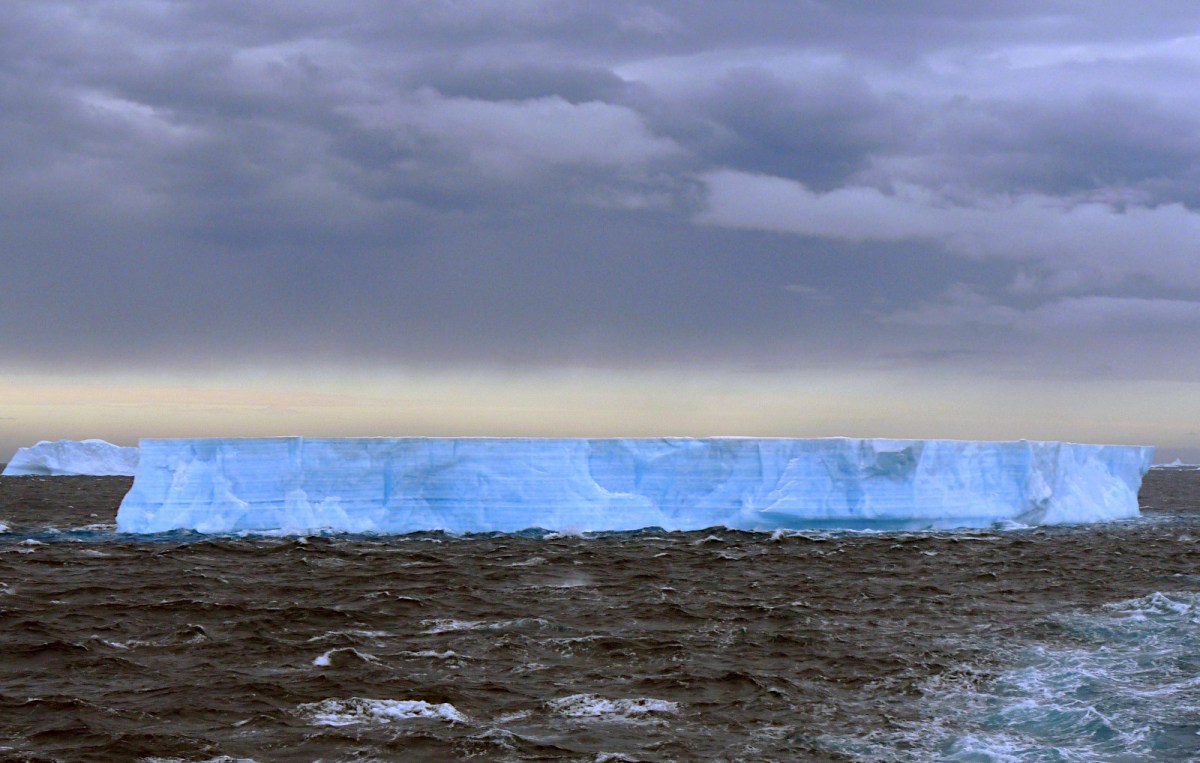
Does it matter? Well, it might do. If the water is deep and you can’t swim, don’t claim it’s a solid; and whether you make that claim or not, take my advice and don’t walk on it! Almost everything in the photo is water; the clouds are made of tiny droplets of liquid water, the iceberg is frozen water, the churning sea is liquid water heavily contaminated with salts. Which of the three would you prefer to walk on?

That example already establishes that facts may be conditional and that ignoring them might have consequences. What makes it all the more tricky is that we may be unaware of the conditions, the consequences, or both.

Physical facts can often be pinned down rather well by careful measurement using accurate instruments; but there are others kinds of fact and some of those may be much harder to assess. A legal case might depend on whether a particular person was in a particular place at a certain time. And assessing such situations may depend on evidence (perhaps a time-stamped video recording), or it may depend partly or even wholly on whether we trust or believe a witness statement.

Truth

Now things get rather difficult. If there are facts available it may indeed, be possible to decide if a statement is true or false. But something may be true or false even though there are no facts available to help us decide.

What about the statement, ‘There is a higher power behind the universe’. As it happens, I believe that statement to be true. But I wouldn’t have to ask many people in the street to find someone who believes the same statement to be false. And let’s be honest about this – there is no evidence one way or the other. As a believer, I might say that I had a revelation, or a vision, or a feeling and they may be real for me, but I have no evidence to show to the person with no faith. And they might give me reasons for their belief that such a power does not exist, but those reasons do not, indeed can not amount to evidence.

And there are many other examples of unprovable true/false statements.

  • The 15 quadrillionth digit of π= 6, true or false? One day we might calculate this, but currently we don’t know the value of this digit.
  • There will still be life on Earth a billion years from now, true or false? We do not know.
  • There’s a junction ahead, will you turn right or left? Nobody can know until you make the manoeuvre.
People

Once we consider the motives people may have (or not have) the difficulties grow again. When Donald Trump says he will do something, we can’t even tell whether he’s saying it because he intends to do it, or to achieve an effect of some kind, or to mislead.

And make no mistake, everyone is like Donald Trump in principal, he is just an outstanding and topical example. Every action and every word of every person must be considered as a possible intention, a possible attempt to achieve an effect, or even perhaps to mislead. We all do it, though we may not even recognise that we are doing it!

Consequences

How are we to live our lives if falsehoods are presented as truth and fact? That’s a good question we all need to consider.

We do have one advantage, however. And it’s a big one.

Actions based on false information will fail. Think about that for a moment. Once again it will help to use an example. Let’s suppose you are visiting a foreign country and you are told that in this place, cars are driven on the right-hand side of the road. If the information is correct things will go more smoothly than if it is incorrect. Never mind why a piece of information is incorrect; it might be an innocent mistake, a misunderstanding, or it might be deliberate. The knowledge that it is incorrect is all we need to know to keep us safe.

This is important: misinformation will lead to mishaps.

If Vladimir Putin makes false claims to enhance his chances of success, it will work until it doesn’t! We live in a universe where false information results in unexpected results. We may get away with it for a while, but we will not get away with it forever.

John Lydgate had a great thought; he wrote, ‘You can please some of the people all of the time, you can please all of the people some of the time, but you can’t please all of the people all of the time.’ He was later slightly misquoted by Abraham Lincoln and also by Winston Churchill .

‘You can fool all the people some of the time, and some of the people all the time, but you cannot fool all the people all the time.’

That is absolutely right!

In conclusion

So how, then, should we live?

Always try to speak the truth – Check what people tell you – And remember, if you mislead you will, sooner or later, come unstuck. People will generally forgive a mistake. But if you make mistakes often they will stop trusting you. And if most of the things you say are untrue, people may conclude you are deliberately misleading them.

The next level of depravity after deliberately misleading people, is to harm them if they oppose you. That way you may get your way because people fear you. They have seen what happened to others who fell out of windows or were offered cups of tea and they will want to avoid a similar fate.

We live in a wicked world. It’s good to be truthful and honest, but it’s necessary to be to be careful and wise about other’s motives too. Jesus told his followers to be as shrewd as snakes, yet as innocent as doves. It’s great advice in a sometimes confusing world!

Dark sky, bright light

The cloud was really, really dark; no doubt it was raining hard not far away. And the honey-coloured Cotswold stone of the Parish Church glowed in the afternoon sunshine.

< Previous | Index | Next >

Image 115 – What’s in an image? Sometimes quite a lot, more than meets the eye. I’m posting an image every day or so.

Enlarge

When there are heavy rain showers with dark clouds and gaps of blue sky, it sometimes happens that a sunlit object has a backdrop of dark cloud. This photo shows a particularly powerful example of this phenomenon.

You may be surprised to learn that the colours have not been enhanced in any way. I’ve cropped the image and modified the perspective to improve it, but I have not tweaked the colours or the contrast. This is just as the camera recorded it.

The cloud was really, really dark; no doubt it was raining hard not far away. And the honey-coloured Cotswold stone of the Parish Church glowed in the afternoon sunshine.

Contrasts

Of course, contrasts of other kinds can be very striking too; here are a few to contemplate:

  • The mean cold of winter – The warmth of a summer day
  • Living things – Inanimate objects
  • Church as we make it – Church as Jesus intends it
  • Springtime when animals reproduce – Autumn when animals hibernate
  • Russia deliberately targets civilians – Ukraine does not target civilians
  • Youth – Old age
  • Small village, people interact – Large city, people segregate

If you think of some more contrasts, drop them in a comment for all of us to consider. Thanks!

When: 23rd November 2023
Where: The Market Place, Cirencester

< Previous | Index | Next >

Cirencester

For convenience, here’s a list of all the Cirencester area images:

A417 roadworks, Advent Market, Bishops Walk, Baunton, Canal 1, 2, Castle Street, Christmas lights 1, 2, Church 1, 2, 3, 4, 5, 6, Churn flood, Countryside, Fallen tree, Fleece, Gasworks, Gloucester Street, Hare 1, 2, Hospital, Market Place 1, Phoenix Fest, Riverside Walk, Stone plaque, Stratton Meadow, Tank traps, View, Wonky 1, 2, Yellow Iris

Themed image collections

The links below will take you to the first post in each collection

Cirencester, Favourites, Irish holiday 2024, Roman villa

Useful? Interesting?

If you enjoyed this or found it useful, please like, comment, and share below. My material is free to reuse (see conditions), but a coffee is always welcome!

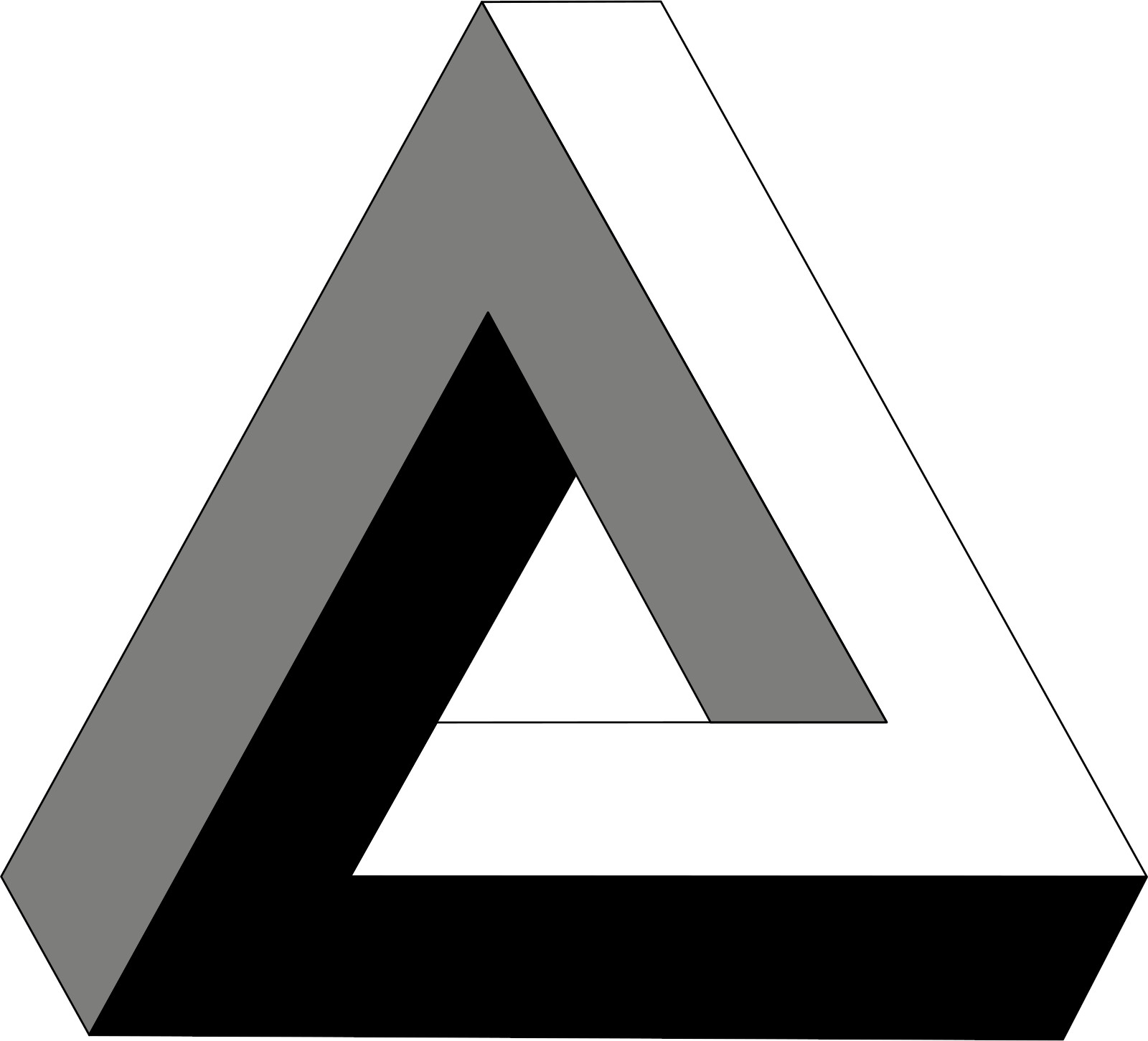
Autological and heterological

Is ‘autological’ itself autological or heterological? Clearly, I thought, it must be autological.

Larger view
(Mediawiki)

My son-in-law, Paz, sent me an email in which he mentioned autological words and heterological words. This was not a concept I was familiar with, so thank you, Paz, for extending my education.

It’s an interesting topic for anyone interested in words, so if that’s you – read on!

Paz provided some examples: ‘word’, ‘English’, ‘pentasyllabic’ and ‘writable’ are autological; ‘palindrome’, ‘non-hyphenated’ and ‘long’ are heterological.

Can you work out what’s going on here? I could not at first.

‘Word’ is a word, ‘English’ is written in English, ‘pentasyllabic’ has five syllables, and ‘writable’ is capable of being written.

‘Palindrome’ is not palindromic, ‘non-hyphenated’ is not free of hyphens, and ‘long’ is not a long word.

And that’s what the terms mean. Autological words fit their own meaning, heterological words don’t!

This, of course, got me thinking. Is ‘autological’ itself autological or heterological? Clearly, I thought, it must be autological – an example of its own meaning. But what about ‘heterological’? This is known as the Grelling-Nelson Paradox.

See also:

Grelling-Nelson paradox – Wikipedia

Useful? Interesting?

If you enjoyed this or found it useful, please like, comment, and share below. My material is free to reuse (see conditions), but a coffee is always welcome!

Cicero, feared or liked?

Cicero pointed all this out most eloquently. As a philosopher he thought things through carefully and deeply and then expressed his ideas clearly, giving plenty of reasons and examples.

The great Roman orator, lawyer, politician, philosopher and author, Cicero has left us a great legacy. He wrote on many topics that are as relevant today as they were when he dictated them to his trusted slave, Tiro.

Tiro was a gifted and hard working person in his own right – he invented a form of shorthand and left a good deal of written material that has survived. He was given his freedom by Cicero but chose to continue working for him. One piece of work dictated by Cicero concerns the good and bad motives people may have. He considered how becoming feared and becoming liked can both bring benefits, but the first is dangerous while the second is not.

When a person is feared, they may find a wide circle of supporters to do their bidding. Think in terms of Vladimir Putin, generally the people around him do his bidding because they do not wish to fall from a high window or drink poisonous tea. There are plenty of people who have died or nearly died because they have crossed Putin in some way – from Sergei Skripal to Yevgeny Prigozhin. Many political opponents have died while imprisoned. Examples like these cause others in Putin’s circle to be carefully obedient. Yet Putin himself is always in danger and must live under a permanent cloud, fearful that at any moment he will be toppled from power and most likely be murdered in the process.

On the other hand, live a life in which you are surrounded by friends who love you because of your kindness and thoughtfulness, and you will also have a wide circle to work with you and for you, but you will have far fewer anxieties, fears, and sleepless nights.

Cicero pointed all this out most eloquently. As a philosopher he thought things through carefully and deeply and then expressed his ideas clearly, giving plenty of reasons and examples. What Cicero must have realised (but did not express) is that most of us, most of the time, are feared by some yet liked by others. Cicero himself was no exception. He had political enemies and was murdered by the roadside as he attempted to flee from Italy.

There are three ways to learn more about Cicero, and it’s well worth doing so. Many of his arguments are as interesting and useful today as they were two thousand years ago (we would write 2000, Tiro would have written MM).

One way is to read Cicero’s writings for yourself. Much has been lost no doubt, but much has been preserved too – often thanks, in part, to Tiro. A second way is to read what historians and commentators have written about him. The third way, and perhaps the one that is most fun, is to read Robert Harris’s famous and fascinating Cicero trilogy. Yes, it’s fiction; but it’s skillfully woven around what we know of the characters portrayed.

See also:

Sean Carroll on future and prediction

If you’re interested in the future of society and human culture (and who is not?) then you’ll be fascinated to hear what Sean has to say in this podcast episode.

A recent Sean Carroll podcast considers the future, and in particular how humanity lives and how this may change. He discusses the nature of predictability, and its limits. Fascinating stuff!

Larger view
(Mediawiki)

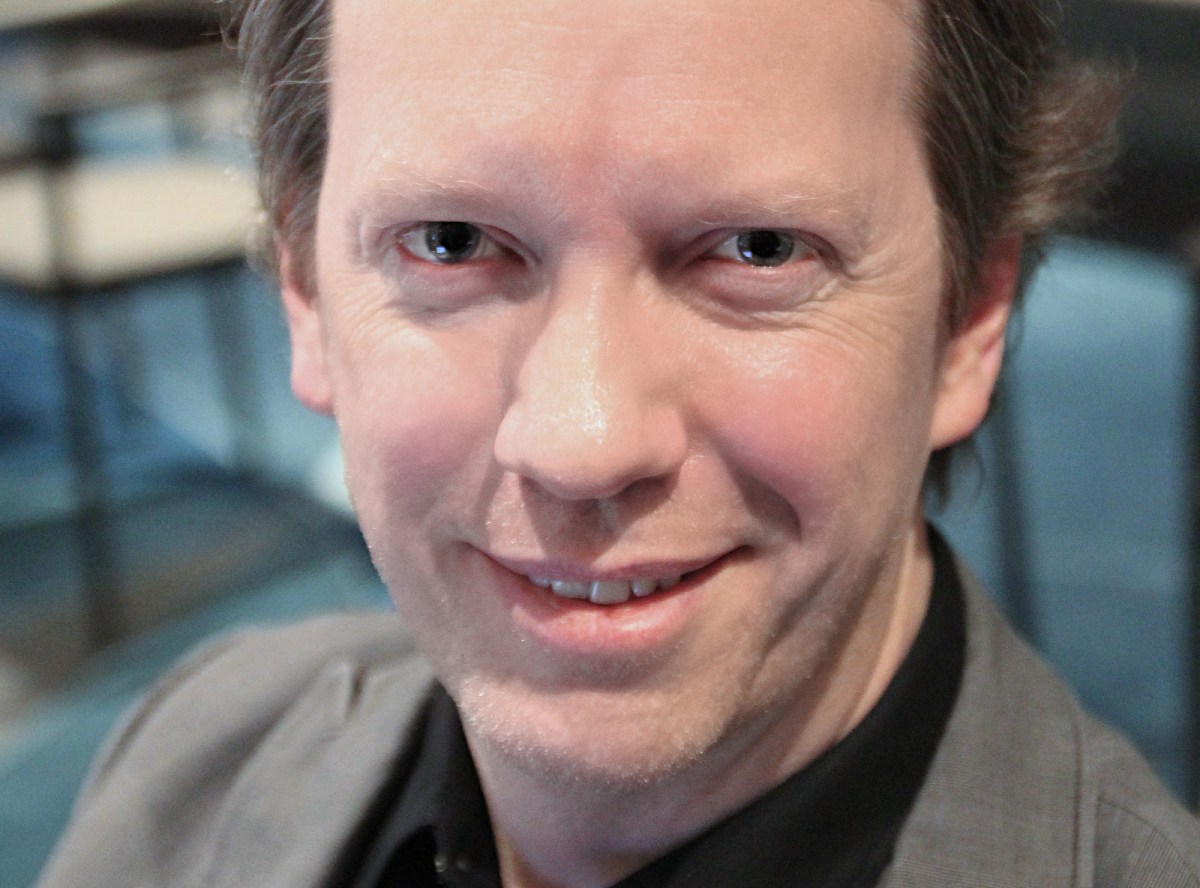
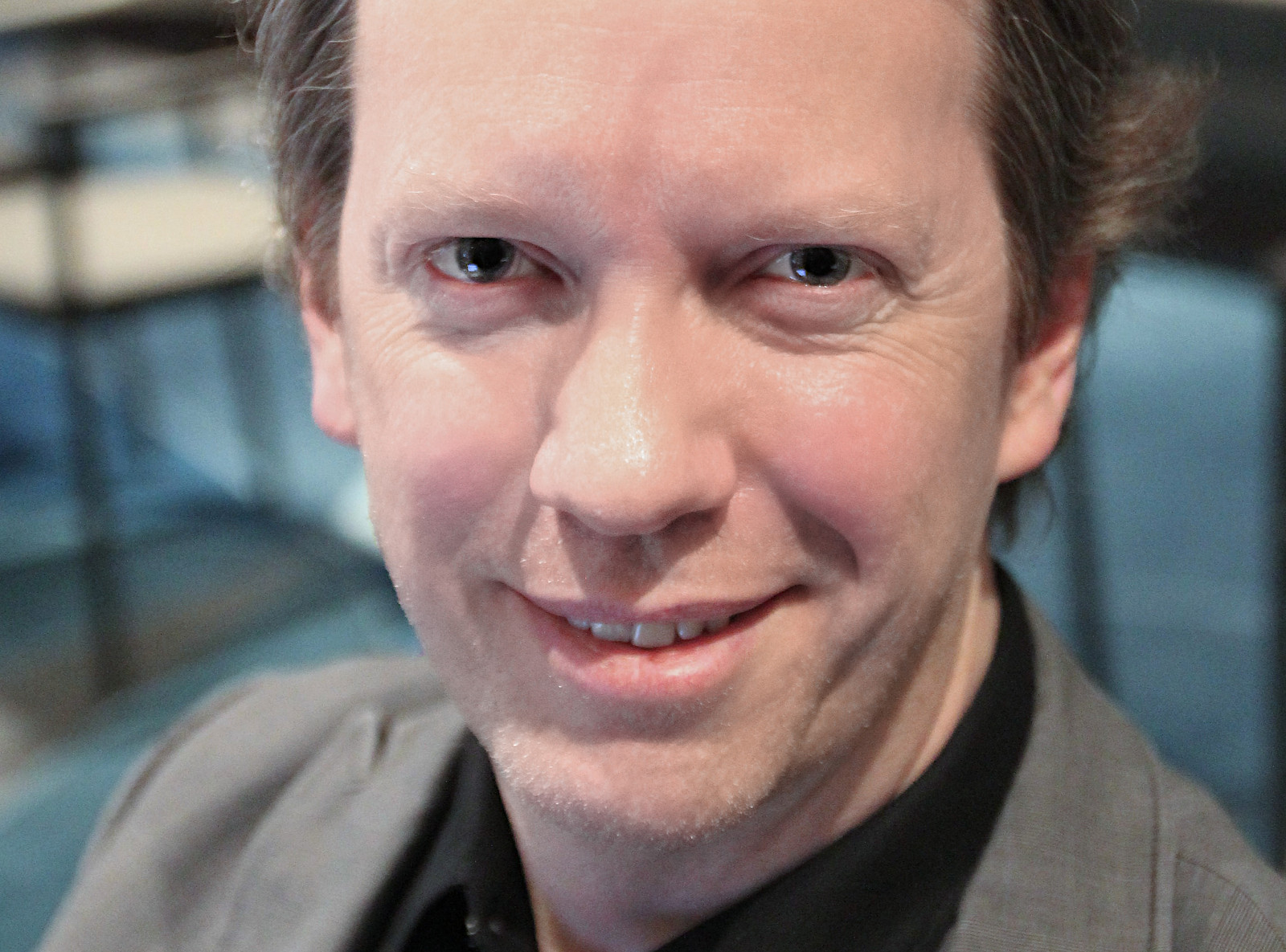
Sean Carroll is an American theoretical physicist and philosopher specialising in quantum mechanics, cosmology, and the philosophy of science. He’s the Homewood Professor of Natural Philosophy at Johns Hopkins University.

He’s also active on the internet with his website, Preposterous Universe and interviews experts on a host of topics on his podcast Mindscape. For fuller details about Sean and his work, it’s worth reading the Wikipedia article about him and/or visiting his website (both linked below).

Episode 270

Most episodes of the podcast are interviews with scientists, philosophers and others. But Episode 270 is a solo appearance in which Sean thinks aloud on a topic by himself, and that’s not to say he ignores the ideas and work of others – far from it. He discusses his own ideas and those of others, explaining why the early stages of exponential growth may not be easily distinguishable from other kinds of curve such as asymptotic (where growth eventually slow and creeps ever closer to a maximum) or even a singularity or a phase transition (where growth may suddenly settle into a new and altogether different pattern).

Sean unpacks a lot of ideas here, and he’s careful to express his thoughts in ways that most people will be able to understand and digest. Sean is a mathematician (a necessary skill for any physicist) but even non-mathematicians will be able to follow his arguments here.

If you’re interested in the future of society and human culture (and who is not?) then you’ll be fascinated to hear what Sean has to say in this podcast episode. He will certainly cut the ground out from under your feet if you hold the opinion that we will go on expanding and thriving indefinitely.

See also:

Useful? Interesting?

If you enjoyed this or found it useful, please like, comment, and share below. My material is free to reuse (see conditions), but a coffee is always welcome!